
Zirconia Ceramics Grades and Compositions for Technical Components
Match zirconia ceramics grades and compositions to your drawing, service conditions, assembly interfaces, and acceptance requirements before requesting a quote.
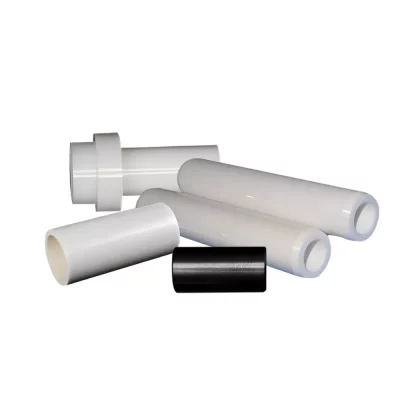
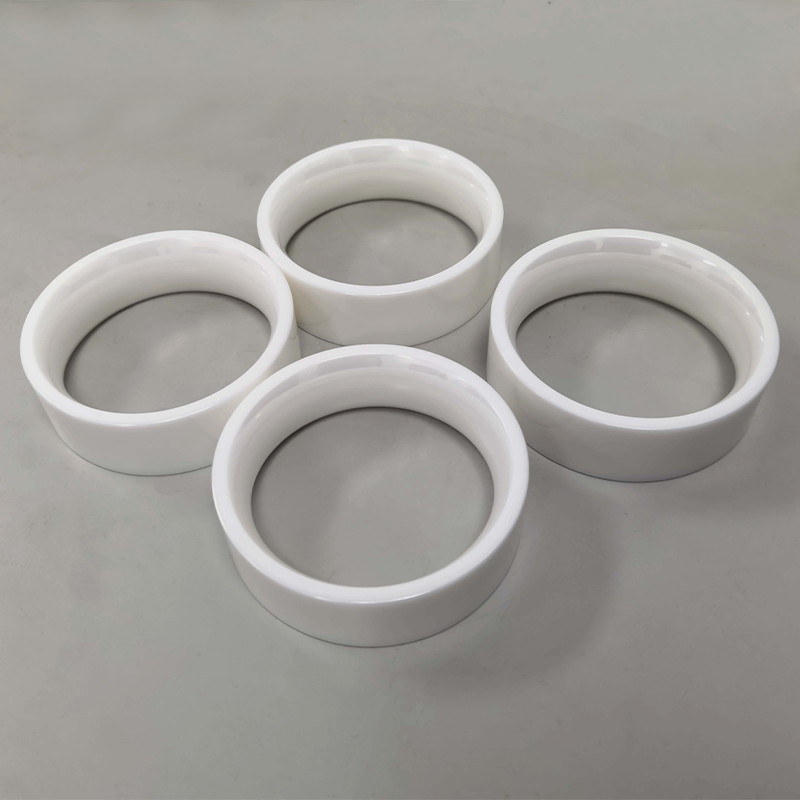
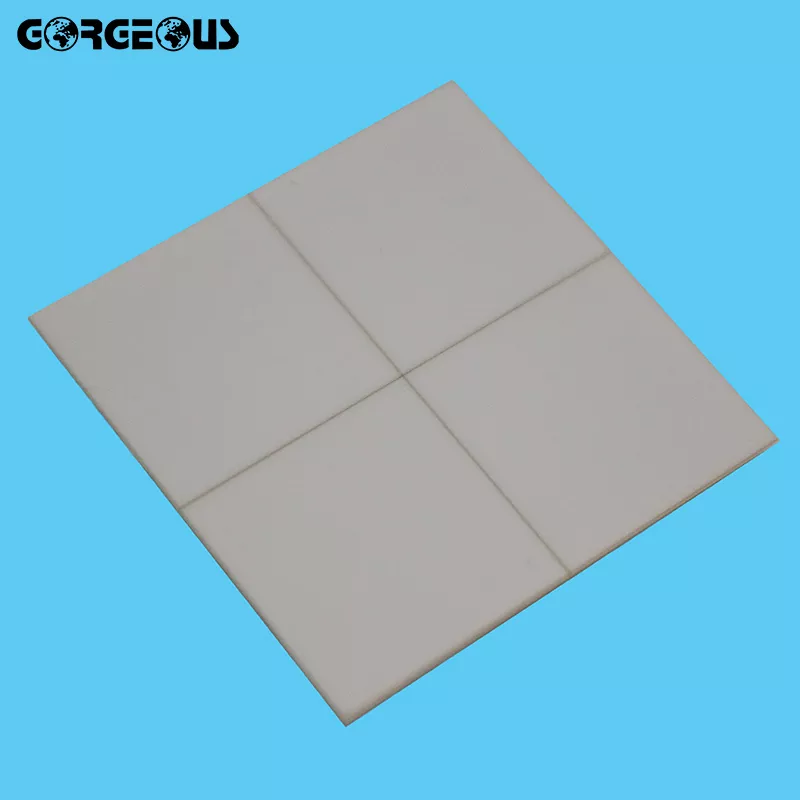
Featured Zirconia Ceramic Components





Related Zirconia Components and Quotation
Zirconia Ceramics Grades and Compositions: What Buyers Should Define
Clear requirements connect material selection, component geometry, and acceptance expectations before a quotation discussion begins.
Drawing Revision Control
Share the current drawing revision so dimensions, tolerances, datum references, and open questions are reviewed against the same component definition before quotation discussions begin.
Material Grade Definition
Identify the zirconia grade or intended composition when known, while separating general material information from grade-specific properties requiring project confirmation.
Geometry Affects Selection
Part geometry, wall sections, transitions, and assembly constraints can influence the practical manufacturing discussion, so provide drawings and mating-part details early.
Functional Surface Requirements
Call out sealing faces, bearing interfaces, contact areas, surface finish expectations, and critical features so the component is evaluated for its intended job.
Inspection Evidence Needs
State the dimensions, visual criteria, material documentation, and inspection records needed for approval, allowing acceptance expectations to be addressed within the inquiry.
Application Conditions Matter
Describe loads, temperature exposure, media, electrical conditions, cycling, and service environment to help frame zirconia selection around actual operating conditions.
Zirconia Components by Part Requirement
Explore material, component, application, and reference paths that help define fit, wear, thermal, electrical, and replacement-part requirements before quotation.

Ceramic Manufacturing Capabilities
Review ceramic manufacturing capabilities in relation to the part drawing: forming route, machining features, mating surfaces, dimensional tolerances, inspection points, and required documentation. Use the inquiry to confirm which process and acceptance requirements apply to the specific zirconia component.
Discuss Your Ceramic Part
Ceramic Solutions by Industry
Explore advanced ceramics applications by operating condition and assembly role. Consider zirconia components where wear, contact loading, corrosion exposure, thermal cycling, insulation, or replacement-part compatibility affect material selection, geometry, and verification needs.
Discuss Your Ceramic Part
Advanced Ceramic Materials
Compare advanced ceramic materials as a starting point for a defined component requirement. Zirconia ceramics should be considered alongside alumina ceramics, silicon carbide ceramics, silicon nitride ceramics, and other families, with project-specific service conditions and acceptance criteria confirmed before ordering.
Discuss Your Ceramic Part
Technical Ceramic Products
Browse technical ceramic products by familiar component form, including tubes, rods, rings, plates, substrates, and custom machined parts. Product categories support an initial discussion; final grade, dimensions, tolerances, surface condition, and quantity require confirmation against the current drawing.
Discuss Your Ceramic Part
Technical Ceramic Resources
Use this technical ceramics guide to prepare a clearer sourcing inquiry. Identify the current drawing revision, known material designation, critical assembly dimensions, service environment, inspection expectations, and documentation needs, then send the details by email or WhatsApp for project discussion.
Discuss Your Ceramic PartZirconia Ceramics Grades and Compositions to Discuss


Magnesia Stabilized Zirconia
Magnesia-stabilized zirconia is a material family to review for demanding mechanical or thermal service. Grade suitability depends on operating temperatures, thermal cycling, contact conditions, and the finished part design.

Ceria Stabilized Zirconia
Ceria-stabilized zirconia is another composition route when application conditions call for a tailored zirconia system. Share the service environment, mating surfaces, drawing revision, and required documentation for review.

Zirconia Toughened Alumina
Zirconia-toughened alumina combines an alumina matrix with zirconia additions and is often evaluated for wear-focused structural parts. Confirm composition, loading, tolerances, and acceptance criteria before quoting.
Alumina Toughened Zirconia
Alumina-toughened zirconia is a composite option worth discussing when hardness, wear behavior, and toughness must be balanced. The appropriate composition should be assessed alongside part geometry and service conditions.
Zirconia Ceramics Grades and Compositions: Forming and Finishing

Powder Preparation
Define the intended grade, composition, and project conditions before process planning. Material designation, forming route, and acceptance priorities should be reviewed together so the component requirement is clear from the start.

Green Body Forming
Forming considerations begin with the part shape, wall sections, holes, and overall size. Share the current drawing so practical geometry questions can be identified before a quotation discussion advances.

Controlled Sintering
Sintering is considered alongside the selected zirconia system and final part requirement. Dimensions, feature relationships, and critical interfaces should be identified early because they affect the finished-component conversation.
Precision Machining
Machining requirements should distinguish functional dimensions from noncritical areas. Identify bores, faces, edges, and mating features that control assembly, then note the tolerances needed for the individual project.

Surface Finishing
Surface finish discussions should focus on the working surface and its counterpart. Specify sealing, sliding, contact, or assembly interfaces, along with any roughness, edge-condition, or visual expectations requiring review.

Inspection Planning
Inspection expectations give the quotation a clearer basis. Include critical dimensions, applicable measurement references, documentation needs, and acceptance criteria so the requested zirconia component can be evaluated against the right requirements.
Zirconia Ceramics Grades and Compositions: Part Interfaces

Mating Surfaces
Identify faces that locate against metal, ceramic, or polymer parts, including flatness, finish, contact area, and critical dimensions. These details help frame the functional interface before a quotation discussion begins.

Mounting Details
Specify holes, threads, slots, shoulders, or other retention features, along with their relationship to assembly datums. Share the current drawing revision where mounting geometry controls alignment, loading, or installation sequence.

Sealing Features
Describe sealing lands, grooves, edge conditions, mating material, and service media when the component supports a fluid or gas boundary. State pressure, temperature, and inspection expectations for the assembled interface.

Identification Marks
Note any part numbers, lot marking, orientation marks, or traceability labels needed for receiving and assembly. Confirm placement, legibility requirements, and whether marking must avoid functional or cosmetic surfaces.

Protective Packaging
Define packaging needs for fragile edges, finished surfaces, clean handling, quantity per pack, and receiving inspection. Clear packing requirements help keep the component condition aligned with its intended assembly and approval process.
Porcecore: Zirconia Ceramics Grades and Compositions
Porcecore was founded by Andy Yuan to make technical ceramic procurement more understandable. We help industrial buyers, equipment builders, and engineering teams connect a material choice to the specific component requirement, whether the starting point is zirconia ceramics grades and compositions, a replacement part, or a current drawing revision.
Our material scope includes oxide, nitride, carbide, and specialty ceramics, organized around familiar material families and component forms. Technical ceramic components and industrial ceramic parts—including tubes, rods, rings, substrates, and custom ceramic components—are considered in context: geometry, mating surfaces, operating conditions, inspection expectations, and the requirements that determine successful assembly.
What distinguishes Porcecore is an application-first, drawing-led approach to the inquiry. We encourage buyers to identify the material designation if known, essential dimensions, service environment, quantity, acceptance criteria, and required documentation before commitment. This creates a more concrete quotation discussion and keeps grade-specific details separate from general material guidance.

Zirconia Ceramics Grades and Compositions, Defined by Drawing
Define the Part Function
Start with the component’s job: wear interface, insulating element, guide, seal, or structural support. Porcecore helps turn the application into a focused inquiry by connecting service conditions, mating parts, geometry, and the decisions that need confirmation before quotation.
- State the operating environment and duty cycle
- Identify contacting materials and critical interfaces
- Share the current drawing revision or replacement-part details
- Separate required performance from preferred options

Discuss Grade Selection
Zirconia ceramics grades and compositions should be discussed against the part requirement, not selected from a material name alone. Stabilizer system, microstructure, application temperature, and exposure conditions can affect which grade questions matter for a proposed component.
- Name the material designation when it is known
- Flag temperature, chemical, electrical, and wear exposure
- Discuss yttria-, magnesia-, ceria-stabilized, or composite options as applicable
- Discuss stabilizer systems or composite options as applicable to the part requirement

Review Critical Dimensions
A drawing becomes more useful when it identifies the dimensions that govern assembly and the surfaces that mate with other parts. Porcecore encourages buyers to distinguish general shape from fit-driving features, so quotation discussions can focus on the dimensions that matter most.
- Mark bores, seats, shoulders, and datum relationships
- Identify tolerances that control fit or alignment
- Note surface finish needs on functional faces
- Clarify whether the part is new, revised, or a replacement

Align Acceptance Criteria
Clear acceptance criteria help keep a technical discussion connected to the eventual order. Include the inspection expectations, documentation needs, quantity, and delivery considerations that are essential to your project, then confirm them with the individual production proposal.
- Specify dimensional inspection or reporting requirements
- Identify material documentation needed for approval
- Provide estimated quantity and delivery priorities
- Email a drawing to info@zlrsmaterials.com or message WhatsApp +86 130 6482 5920

Zirconia Ceramics Grades and Compositions: A Drawing-Led Conversation
Compare a project-specific inquiry with a material-name-only starting point.
← Swipe left or right to view →
Zirconia Ceramics Grades and Compositions: From Review to Delivery Planning
Align material, geometry, inspection, and commercial details around the specific component requirement before production commitments are made.
Share Drawing and Context
Send the current drawing revision, intended application, operating conditions, quantity, and any known zirconia material designation to establish the project starting point.
Review Grade Requirements
Discuss zirconia ceramics grades and compositions alongside wear, temperature, media exposure, mating surfaces, and performance priorities relevant to the component’s working environment.
Align Geometry and Quote
Confirm critical dimensions, tolerances, finish expectations, and acceptance criteria so the quotation discussion distinguishes essential requirements from preferences and open technical questions.
Plan Sample or Production
Review whether sample evaluation, first-article expectations, or production quantities fit the project, then clarify the material grade and process assumptions requiring confirmation.
Confirm Inspection and Delivery
Define requested documentation, inspection expectations, packing needs, delivery timing, and shipping terms before an individual production order is agreed.
How to Specify Zirconia Ceramics Grades and Compositions
Give Porcecore the part details needed to review material, geometry, service conditions, and quotation requirements with greater clarity.
Send the Current Drawing
Share the latest drawing revision and identify critical dimensions, mating surfaces, tolerances, and any features that determine assembly or functional fit.
Identify the Material
State the zirconia grade or composition if known, or describe the application so material options can be discussed against the part requirement.
Define Service Conditions
Provide quantity, operating environment, loads, temperatures, media exposure, electrical needs, and expected duty cycle to clarify the conditions the component must address.
Confirm Acceptance Requirements
Specify inspection expectations, documentation, packaging, delivery needs, and other approval criteria before quotation, separating essential requirements from preferences and open questions.
Zirconia Ceramics Grades and Compositions: Documentation Requirements

Illustrative Zirconia Component Requirement Scenarios
We need the grade discussion tied to the drawing, especially the three dimensions that control assembly, the mating surfaces, and the inspection criteria. That gives our team a practical basis for comparing quotation responses before selecting a supplier.
Our replacement ring inquiry needs more than a material name. We would document the current drawing revision, operating environment, quantity, and acceptance requirements so the proposed zirconia composition can be reviewed against the actual service conditions.
For a new equipment build, we would identify two interface surfaces and the dimensions that determine fit before requesting a quote. This helps separate essential grade, geometry, and documentation requirements from preferences that can be reviewed later.
Zirconia Ceramics Grades and Compositions FAQ
Clarify the information needed to evaluate a zirconia component inquiry before project-specific feasibility and commercial terms are confirmed.
How should we compare zirconia ceramics grades and compositions for our part?
What should a drawing include for a zirconia quotation?
Can Porcecore recommend zirconia ceramics grades and compositions when we have no material designation?
How are tolerances and functional surfaces handled on ceramic components?
Do zirconia ceramics grades and compositions change with application conditions?
Can we request samples, prototypes, or a small initial quantity?
What information is needed for inspection evidence, packaging, and shipping?
How can we protect drawings and clarify payment, lead time, or MOQ questions?
The Complete Buyer’s Guide to zirconia ceramics grades and compositions
Use a practical material-selection framework to compare stabilizers, phases, properties, and processing routes, assess supplier documentation and capability, and avoid specification errors that raise risk, cost, or lead time.
1. What Are Zirconia Ceramics Grades and Compositions?
ZrO2, zirconium dioxide, is an engineering ceramic whose usable behavior depends on more than its chemical name. Broad material context identifies yttria-partially stabilized and magnesia-partially stabilized zirconia as common families: https://precision-ceramics.com/materials/zirconia
Two parts both called zirconia may differ because a grade combines stabilizer chemistry, retained phase balance, grain-scale microstructure, achieved density, and forming, sintering, and finishing history. Those variables affect the property values that apply to the delivered component, rather than a universal material label.
One drawing review should connect required strength, fracture toughness, wear resistance, service temperature, corrosion exposure, and electrical behavior to the actual geometry. State critical mating surfaces, tolerances, inspection method, documentation, and validation criteria so material selection and acceptance are evaluated together.
2. Evolution of Zirconia Engineering Ceramics
1170°C marks the approximate monoclinic-to-tetragonal transition in pure zirconia; cooling reverses it with a volume change that can crack a sintered body. Stabilizing oxides made retained tetragonal or cubic structures practical for engineering use (https://eureka.patsnap.com/materials/zirconia-ceramic-material).
1970s-era development of partially stabilized and tetragonal zirconia enabled stress-triggered transformation toughening, so crack growth could be resisted rather than treated as an unavoidable brittle failure. Powder purity, particle-size distribution, additive control, sintering schedule, and, where specified, hot isostatic pressing determine the resulting phase balance and residual porosity.
20% approximate linear shrinkage during sintering is why near-net shaping is followed by diamond grinding when assembly-critical tolerances are required (https://precision-ceramics.com/materials/zirconia). Consequently, legacy labels such as Y-PSZ, Mg-PSZ, or 3Y-TZP are starting points, not interchangeable specifications: compare composition, density, grain structure, test method, finished geometry, and process route on the actual data sheet.
3. Zirconia Ceramics Grades and Compositions Compared
Grade names describe phase control, not an interchangeable material. Match zirconia ceramics grades and compositions to load, thermal cycling, fluid exposure, and mating geometry before quoting.
| Grade | Phase-Control Role | Typical Fit | Buyer Check |
|---|---|---|---|
| Unstabilized | No stabilizer | Usually avoid structural cooling stress | Need phase stability? |
| Y-TZP | Yttria; tetragonal | Precision wear parts | Aging and edge load? |
| Mg-PSZ | Magnesia; partial stabilization | Thermal cycling, wear | Temperature and section? |
| Ceria-stabilized | Ceria; stabilization | Demanding toughness/aging balance | Environment and test method? |
| Cubic zirconia | High stabilizer; cubic phase | Phase-stable specialty use | Toughness requirement? |
| ZTA | Alumina matrix; zirconia toughening | Wear components | Hardness versus toughness? |
Unstabilized Zirconia
Pure ZrO2 transforms on cooling; this creates cracking risk. Ask whether the part requires a stabilized phase.
Yttria-Stabilized Zirconia
Y-TZP uses yttria to retain fine tetragonal structure, favoring strength and hardness. Ask for grade-specific aging, surface-finish, and edge requirements.
Magnesia-Partially Stabilized Zirconia
Mg-PSZ retains transformable tetragonal precipitates, favoring toughness and thermal-shock service. Ask about section thickness, temperature cycling, and wear mode.
Ceria, Cubic, And Composites
Ceria stabilization can favor aging resistance; cubic zirconia prioritizes phase stability over transformation toughening. ZTA uses an alumina matrix for hardness and wear resistance; ask which property governs.
4. Composition, Phases, and Material Properties
ZrO2 chemistry determines which phases survive cooling and how a finished part responds under stress. Treat zirconia ceramics grades and compositions as a microstructure specification, not a material-name shortcut.
| Material Feature | Likely Buyer Effect | Qualification Question |
|---|---|---|
| Tetragonal content | Transformation toughening; strength and toughness balance | Phase fraction after sintering? |
| Cubic content | Lower transformation toughening; may alter conductivity | Operating temperature and electrical requirement? |
| Alumina addition | Can raise hardness and wear resistance | Matrix, volume fraction, grain size? |
| Porosity | Can reduce strength and wear life | Density method and acceptance limit? |
Stabilizers And Phases
Yttria, magnesia, and ceria stabilize tetragonal or cubic zirconia; unstabilized ZrO2 cools toward monoclinic phase. Stress-induced tetragonal-to-monoclinic transformation can impede cracks, while excess cubic phase reduces that mechanism. https://precision-ceramics.com/materials/zirconia
Microstructure Controls
Fine grains and low open porosity generally support strength, hardness, and wear resistance. Alumina additions can change grain growth, hardness, conductivity, and crack behavior, so composition alone is insufficient.
Property Data Requests
Three-point flexural results depend on specimen orientation, span, surface finish, and test temperature. Request the test method, temperature, orientation, porosity result, and whether values are typical or minimum; hydrothermal-aging exposure also needs definition. https://www.syalons.com/materials/zirconia
5. Zirconia Ceramics Grades and Compositions for Applications
ZrO2 grade selection starts with the component’s duty cycle, not its material label. Confirm media chemistry, mating surfaces, thermal gradients, dimensions, and acceptance criteria before committing a grade.
| Use Case | Selection Priority | Validate First |
|---|---|---|
| Fluid handling | Wear and toughness | Media compatibility |
| Tooling | Edge retention | Impact and heat |
| Electrical | Insulation behavior | Voltage and temperature |
| Hot service | Thermal-shock resistance | Gradients and atmosphere |
| Precision parts | Finish and tolerance | Counterface contact |
Wear And Fluid Handling
3Y-TZP is often screened for valves, seals, and pump parts where abrasion and contact stress dominate. Check slurry chemistry, pressure cycling, and counterface finish for chipping or corrosion-related failure.
Forming And Cutting Tooling
Fine-grain zirconia can support guides, dies, and cutting edges when edge retention matters. Review impact loading, metal adhesion, and localized heating before specifying hardness alone.
Electrical Or Electronic Insulation
Insulating applications require grade-specific resistivity and dielectric data at the service temperature. Review voltage, contamination, electrode geometry, and thermal cycling before approval.
High-Temperature Service
Partially stabilized grades may be evaluated where temperature cycling drives thermal-shock risk. Validate phase stability, furnace atmosphere, gradients, and mounting restraint with application testing.
Precision Mechanical Parts
Ground rings, rollers, and bearings depend on tolerance, surface finish, and mating material together. Define runout, contact load, lubrication or dry-running conditions, and allowable crack indications.
6. Geometry, Finishing, and Customization Options
Porcecore treats geometry and interfaces as part of the material decision. Custom tubes, rings, rods, holes, thin walls, threads, and mating features require a drawing-led review before a grade is committed.
Green And Dense Machining
Precision Ceramics reports approximately 20% sintering shrinkage; green or biscuit machining suits complex forms, but not tight pre-sinter tolerances. See https://precision-ceramics.com/materials/zirconia.
Diamond grinding after densification is appropriate for critical diameters, flats, bores, and datum-controlled interfaces. Allowance, shrinkage control, and grinding access should be agreed for each part.
Surface And Interface Options
Diamond grinding establishes functional geometry, while polishing or lapping can be specified where roughness, flatness, or sealing behavior matters. Metallization and ceramic-to-metal assemblies need interface loads, joining method, and service environment defined.
Drawing Package Requirements
Porcecore requests the current drawing revision, material designation, quantity, and operating conditions. Identify datums, critical dimensions, GD&T, finish callouts, inspection method, mating-part details, acceptance criteria, and documentation needs.
7. Quality Elements in Zirconia Components
One qualified lot should link powder identification, stabilizer target, impurity limits, forming route, and firing record to the delivered components. Zirconia ceramics grades and compositions require evidence tied to the actual part, not a catalog headline.
Powder And Process Control
One batch record should identify powder source, stabilizer chemistry, impurity limits, mixing, forming, sintering, and grain-size checks. Two nominally similar grades can differ when dispersion, density, or phase balance changes.
Acceptance Criteria
Five acceptance items are typically more useful than a single strength value: density or open porosity, phase content, specified critical dimensions, surface roughness, and defined strength-test method. Each limit should state the sampling plan, test standard, specimen orientation where relevant, and pass-fail basis.
Inspection And Evidence
Two inspection levels should be agreed: dimensional verification of mating features and lot-level material confirmation. Non-destructive inspection, such as visual examination or agreed crack detection, should target risk areas; HIP is justified only when the application requires its added density or reliability evidence.
8. How to Choose a Zirconia Manufacturer
Choose a manufacturer by evidence for the exact drawing, duty cycle, and acceptance plan—not broad claims about zirconia ceramics grades and compositions. Review technical ownership before price or nominal grade.
Technical And Process Review
1 drawing review should identify critical fits, loads, media, and temperature. Ask about powder source, stabilizer system, forming method, and sintering route.
Metrology And Material Records
100% inspection is not automatically necessary; match inspection to critical dimensions. Request tolerance capability, test reports, lot traceability, and material designation.
Prototype And Capacity Planning
1 approved sample can establish geometry and inspection methods before production. Confirm prototype support, minimum order quantity, capacity window, and planned lead time.
Change Control Questions
1 supplier should define notification and corrective-action handling before a process changes. Require sample approval for changes affecting powder, stabilizer, sintering, machining, or inspection.
- Powder source and stabilizer system
- Sintering route and tolerance plan
- Test reports and lot traceability
- Corrective action and sample approval
9. Common Buyer Mistakes With Zirconia Grades
Two procurement errors recur: specifying only ‘zirconia’ and treating typical values as acceptance limits. Both can select a composition unsuited to the actual part and service environment.
Define The Grade
One material name is insufficient: stabilizer, phase, density, and processing route affect performance.
Request the grade designation, application conditions, and grade-specific test basis before comparison.
Review Geometry And Service
Sharp inside corners concentrate stress in a brittle component; rapid temperature changes and moisture exposure can also alter risk.
Submit radii, mating loads, thermal cycle, and environment for design review. State critical tolerances, datum scheme, and surface finish.
Qualify Before Release
Brand names are not equivalent grades, and unqualified catalogue data may use different specimens or test methods.
Before RFQ, provide drawing revision, quantity, acceptance criteria, documentation needs, and a prototype or lot-qualification plan.
10. Pricing Zirconia Ceramic Components
3 quantity tiers change the cost structure more than a material name alone. Prototype pieces absorb setup, programming, and possible tooling; production quantities distribute these costs. Zirconia can shrink approximately 20% during sintering, so tight final dimensions commonly require diamond grinding (https://precision-ceramics.com/materials/zirconia).
1 approved drawing revision is the starting point for a final Porcecore quotation. Confirm zirconia ceramics grades and compositions, quantity, acceptance criteria, critical dimensions, finish, inspection, documentation, and delivery terms; part size, geometry complexity, yield risk, and post-sinter processing then determine cost.
| Quantity tier | Unit-cost direction | Lead-time factors |
|---|---|---|
| Prototype | Highest | Setup, material review, custom tooling |
| Low volume | Lower | Batch size, grinding, surface finish |
| Production | Lowest relative | Tool amortization, yield, inspection documentation |
Discuss Zirconia Ceramics Grades and Compositions for Your Part
Email your drawing, operating conditions, quantity, material designation, and acceptance criteria to start a clear, project-specific quotation discussion.