
Zirconia Ceramics Machining and Design Guide for OEM Quotes
Use this zirconia ceramics machining and design guide to define material, geometry, mating surfaces, service conditions, and acceptance criteria before requesting a quotation.
Featured Ceramic Components for Drawing-Led Development


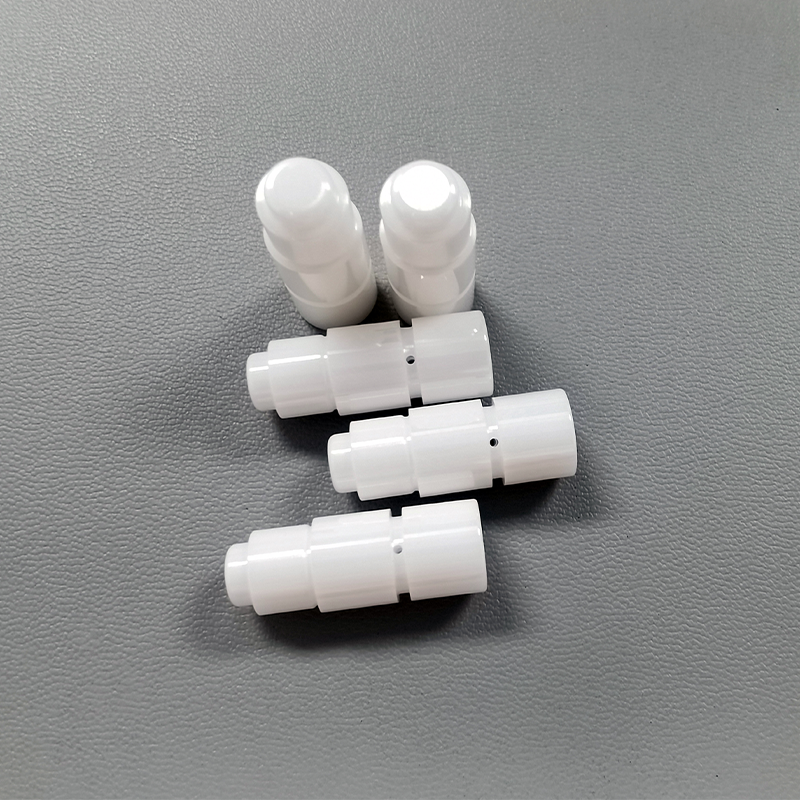


Zirconia Ceramics Machining and Design Guide for Drawing-Led Sourcing
Define the part, its interfaces, and its acceptance expectations before requesting a quotation.
Current Drawing Revision
Share the current drawing revision and identify any open dimensions, notes, or changes so the quotation discussion begins from the same controlled reference.
Grade for the Job
Describe the material designation if known, along with the operating environment, so zirconia grade options can be discussed against the component’s intended function.
Assembly-Critical Geometry
Highlight dimensions that determine assembly, including bores, shoulders, wall sections, and alignment features, to focus review on geometry that affects the finished component.
Functional Mating Surfaces
Identify surfaces that seal, slide, locate, support, or fit another part. This helps distinguish cosmetic features from interfaces requiring specific attention.
Process Route Considerations
Discuss the required form, feature complexity, and final-condition expectations early, allowing the proposed process route to be considered alongside the drawing requirements.
Inspection Evidence Needed
State the acceptance criteria and any documentation needed for approval, including the dimensions or features requiring verification before the project moves forward.
Define the Zirconia Requirement Clearly
Explore the technical context needed to turn a zirconia component request into a drawing-led quotation discussion.

Ceramic Manufacturing Capabilities
Review ceramic manufacturing capabilities in relation to the part: forming route, machining needs, geometry, critical surfaces, tolerances, quantity, and inspection expectations. Share the current drawing revision so the quotation discussion can identify which requirements are essential for the proposed zirconia component.
Discuss Your Ceramic Part
Ceramic Solutions by Industry
Advanced ceramics applications vary by industry, equipment function, operating environment, and mating components. Describe the service conditions, assembly constraints, wear, insulation, thermal, or chemical considerations that shape the component requirement and help frame an appropriate project discussion.
Discuss Your Ceramic Part
Advanced Ceramic Materials
Beyond zirconia ceramics, Porcecore discusses alumina ceramics, silicon carbide ceramics, silicon nitride, aluminum nitride, boron nitride, and other material families. A material family name is only a starting point; confirm the project-specific grade, property needs, geometry, and acceptance criteria.
Discuss Your Ceramic Part
Technical Ceramic Products
Technical ceramic components may be specified as tubes, rods, rings, substrates, wear parts, industrial ceramic parts, or custom ceramic components. Identify assembly-driving dimensions, mating surfaces, material designation if known, quantity, and required documentation to give the inquiry a concrete basis.
Discuss Your Ceramic Part
Technical Ceramic Resources
Use this technical ceramics guide as a starting point for defining the questions behind a material or replacement-part request. Distinguish general material information from grade-specific values, then send drawings and service details by email or WhatsApp for project review.
Discuss Your Ceramic PartZirconia Material Options for Drawing-Led Part Review


Magnesia Stabilized Zirconia
A zirconia option to review for components exposed to demanding mechanical or thermal conditions. Discuss the intended service environment, section thickness, thermal cycling, inspection criteria, and any performance values required for the specific project.

Partially Stabilized Zirconia
A useful discussion point for structural ceramic parts where crack resistance and geometry both matter. Provide the current drawing, critical bore or fit dimensions, loading conditions, and required documentation before confirming a suitable grade.

Zirconia Toughened Alumina
A composite material family worth considering when an application needs a balance of zirconia-related toughness and alumina-based hardness. Define wear conditions, contact surfaces, component geometry, and acceptance criteria for project-specific review.

Alumina Toughened Zirconia
A zirconia-based composite option for engineered wear and structural applications. Its suitability depends on the grade, component shape, service loads, mating materials, finish expectations, and the dimensions that determine reliable assembly.
From Zirconia Forming to Inspection

Powder Forming
Zirconia powder is shaped into an initial component form suited to the proposed geometry. Early review of walls, bores, transitions, and overall form helps establish a practical starting point for the drawing-led inquiry.

Green Machining
Features can be introduced before final firing while the ceramic body is easier to machine. This route may support complex geometry planning, but sintering shrinkage and final tolerance requirements must be evaluated together.

Controlled Sintering
The formed zirconia body is fired to develop its final ceramic structure. Expected dimensional change, material designation, section geometry, and downstream finishing allowance should be discussed against the individual part requirement.

Diamond Grinding
Post-sinter diamond grinding refines critical diameters, faces, bores, and mating surfaces on hard zirconia. It is relevant where assembly dimensions or surface requirements need closer control than the formed condition can provide.

Inspection Planning
Inspection requirements should identify the dimensions, surfaces, documentation, and acceptance criteria that matter to the assembly. Sharing the current drawing revision gives quotation discussions a clearer basis for project-specific process confirmation.
Component Features That Control Fit and Function

Precision Bores
Specify bore diameter, depth, concentricity needs, and the mating shaft or insert. Include whether the bore is through, blind, stepped, or critical to alignment so the requirement can be reviewed against the proposed part geometry.

Functional Grooves
Grooves can support sealing, retention, clearance, or fluid control. Identify groove location, profile, dimensions, adjacent surfaces, and its function in the assembly, helping distinguish a necessary feature from a preferred design detail.

Threaded Interfaces
For threaded connections, provide the thread designation, engagement condition, mating material, and service environment. Confirm whether a ceramic thread is required or whether an insert, adjoining hardware, or another interface approach should be considered.

Mating Surfaces
Call out the faces, diameters, or shoulders that locate against another component. Note flatness, finish expectations, contact loading, and assembly dimensions to focus the discussion on surfaces that directly affect fit and function.
Part Markings
Part numbers, revision identifiers, orientation marks, or batch references may be relevant for handling and traceability. Describe the marking content, location, permanence expectation, and any surface restrictions for project-specific review.

Required Documentation
State any drawing revision, material designation, inspection records, certificates, packaging instructions, or acceptance criteria needed for approval. Documentation expectations should be confirmed with the part specification, quantity, delivery requirements, and commercial terms.
About Porcecore
Porcecore, founded by Andy Yuan, helps industrial buyers connect technical ceramic material choices with clear, usable component requirements. Our zirconia ceramics machining and design guide reflects an application-first approach: begin with the part’s job, then define the geometry, mating surfaces, service conditions, and inspection expectations that shape a productive inquiry.
Our scope includes oxide, nitride, carbide, and specialty ceramic components for equipment builders, engineers, procurement teams, and distributors. Rather than treating a material name as a complete specification, we use drawing-led discussions to clarify the grade, dimensions, tolerances, quantity, acceptance criteria, and documentation relevant to the individual project.
Porcecore distinguishes product illustrations from contractual specifications and general material properties from grade-specific values. Send the current drawing revision, known material designation, operating environment, and critical assembly surfaces to start a better-informed quotation discussion. The goal is clarity before commitment, with open questions identified before production terms are confirmed.

Start with the Part, Then Define the Zirconia Requirement
Review the Part Function
Begin with the component’s job in the assembly, not a material label alone. Porcecore helps structure the initial discussion around operating conditions, mating parts, and the decisions that need confirmation before a zirconia quotation can be meaningfully reviewed.
- Describe the operating environment and duty cycle
- Identify mating components and interface surfaces
- Flag wear, insulation, corrosion, or load concerns
- Share the current drawing revision

Discuss Grade in Context
Zirconia grade selection should follow the application, geometry, and service conditions. The zirconia ceramics machining and design guide approach keeps general material information separate from project-specific grade confirmation, helping buyers identify what still needs to be defined.
- Provide a known material designation when available
- State temperature, media, and electrical conditions
- Note whether the part replaces an existing component
- Confirm grade suitability for the individual project

Identify Critical Geometry
A drawing-led inquiry makes assembly-driving dimensions visible early. Highlight bores, fits, sealing faces, concentric features, wall transitions, and other geometry that affects the part’s role, so the discussion can focus on the dimensions that matter rather than every dimension equally.
- Mark dimensions that control assembly
- Identify fit, seal, and bearing surfaces
- Call out required tolerances and finish expectations
- Include relevant section views and datum references

Define Acceptance Requirements
Clear acceptance criteria give a ceramic part inquiry a more practical basis for review. Specify the inspection, documentation, identification, quantity, and delivery expectations needed for approval, while recognizing that final production terms must be confirmed for the individual order.
- List required inspection or test documentation
- State dimensional and visual acceptance criteria
- Include quantity and delivery requirements
- Send questions to info@zlrsmaterials.com or WhatsApp

A Requirement-Led Alternative to Catalog-First Sourcing
Compare a requirement-focused inquiry with a catalog-first starting point.
← Swipe left or right to view →
From Part Requirement to Shipment
Move from an initial part requirement to a clearer quotation, production, inspection, and shipping discussion with project-specific details confirmed at each stage.
Define Part Requirements
Share the current drawing revision, intended application, quantity, service conditions, critical dimensions, mating surfaces, and acceptance criteria to establish a useful starting point.
Review Material And Geometry
Discuss zirconia grade options, geometry, wall transitions, features, and assembly interfaces so the proposed component requirement reflects both function and manufacturability.
Clarify Quotation Scope
Confirm the details needed for a quotation discussion, including dimensions, tolerances, material designation, documentation needs, delivery expectations, and commercial considerations for the project.
Confirm Production Requirements
Before production commitment, align the agreed drawing, material grade, inspection expectations, quantity, delivery terms, and any project-specific documentation requirements for the individual order.
Review Inspection And Packing
Identify critical characteristics, requested records, handling needs, labeling, and packing expectations so inspection and shipment preparation can be discussed against the confirmed requirement.
Coordinate Shipment Discussion
Review dispatch timing, delivery destination, shipping preferences, and required documents, then keep communication focused on the details relevant to the confirmed ceramic component order.
How to Start a Drawing-Led Zirconia Inquiry
Use this zirconia ceramics machining and design guide to turn part details, operating conditions, and acceptance needs into a focused quotation discussion.
Send the Current Drawing
Share the latest drawing revision or replacement-part details, including critical dimensions, mating surfaces, and any features that determine fit within the assembly.
Define Material and Service Conditions
Identify the zirconia grade if known, plus operating temperature, wear, chemical exposure, electrical requirements, and the component’s intended function in service.
Align Quantity and Sampling Needs
State expected quantity, prototype or sample requirements, target timing, and the decisions your team needs from the quotation discussion before proceeding.
Confirm Production Requirements
Review proposed grade, geometry, tolerances, inspection expectations, documentation, delivery, and commercial terms for the specific project before placing a production order.
Certification and Documentation Requirements
Customer Evidence Will Be Added When Verified
Reserved for verified, customer-approved feedback on a zirconia component inquiry. This space will publish a specific project outcome only after the customer confirms the wording, application context, and any numerical result for release.
Reserved for a documented application case involving drawing review, material discussion, or inspection requirements. Porcecore will not publish a customer name, operational outcome, or performance figure until it has been verified and approved for publication.
Reserved for verified feedback from an industrial procurement or engineering team. A future testimonial may describe the clarity of the inquiry process, but any delivery, tolerance, quantity, or performance result requires customer approval before publication.
Buyer FAQs for Zirconia Component Inquiries
Clarify the information needed for a project-specific zirconia component quotation.
What should we send to begin a zirconia ceramics machining and design guide inquiry?
Does the zirconia ceramics machining and design guide define a minimum order quantity?
Can we discuss a sample before committing to a production order?
How should we choose a zirconia grade for a new component?
Which tolerances and surfaces need attention in a zirconia ceramics machining and design guide RFQ?
Can Porcecore confirm lead time, price, and payment terms before receiving a drawing?
What shipping and packaging information should procurement include?
How can we contact Porcecore about a zirconia component inquiry?
Zirconia Ceramics Machining and Design Guide for OEM Buyers
Use a practical decision framework to select zirconia grades, design manufacturable parts, compare machining routes, qualify suppliers, control project costs, and avoid tolerance, geometry, and sourcing mistakes before production.
1. Zirconia Ceramics Machining and Design Guide Overview
3YSZ is a common zirconia family, but a material label alone cannot define a functional component. This zirconia ceramics machining and design guide treats grade, loads, temperature, media exposure, electrical role, mating geometry, and acceptance criteria as one procurement decision.
Approximately 20% linear firing shrinkage is reported for one zirconia process route, so forming method, green-state allowances, sintering behavior, post-fired diamond finishing, and inspection planning must be aligned before release (https://precision-ceramics.com/materials/zirconia). Zirconia is the right engineered-ceramic candidate when its grade-specific toughness, wear resistance, insulation, or chemical stability addresses the actual failure mode and the drawing can accommodate a controlled ceramic process.
Porcecore begins with the part: provide the current drawing, quantity, service conditions, critical mating surfaces, and required documentation. Confirm grade, tolerances, inspection method, delivery, and commercial terms for the individual project.
2. Evolution of Zirconia Ceramic Components
3 mol% yttria-stabilized zirconia became a widely recognized structural grade because stabilization supports a tough, dense microstructure rather than the phase changes of unstabilized zirconia. That materials progress made zirconia relevant beyond laboratory research for demanding wear and insulating components. Source: https://precision-ceramics.com/materials/zirconia
Approximately 20% sintering shrinkage illustrates why powder consistency, forming and firing control became as important as nominal material selection. Near-net green machining can establish basic geometry, while firing variation must be anticipated before final dimensions are committed. Source: https://precision-ceramics.com/materials/zirconia
CNC diamond grinding and dimensional metrology now turn a fired blank into a functional ring, seat, guide, insulating part or precision assembly interface. For buyers using this zirconia ceramics machining and design guide, the practical expectation is a documented agreement on grade, shrinkage strategy, critical surfaces, tolerances and inspection method—not a material name alone. Source: https://www.morgantechnicalceramics.com/en-gb/resources/design-guide-for-ceramic-components
3. Zirconia Ceramics Machining and Design Guide Types
Approximately 20% linear shrinkage can follow zirconia sintering, so the drawing route must separate formed geometry from final fit surfaces. This zirconia ceramics machining and design guide groups parts by where precision is created.
Green And Pre-Sintered Parts
Green-state machining suits cavities, slots, and complex profiles before firing.
Pre-sintered machining reduces cutting effort, but shrinkage makes final tight tolerances unsuitable.
- Use for prototype geometry and noncritical features
- Specify machining allowance and firing route
- Typical uses: housings, shaped insulators, custom blanks
Precision-Ground Components
Fully sintered diamond grinding suits bores, faces, and mating diameters.
Final tolerances depend on geometry, datum access, and inspection method; identify critical surfaces on the drawing.
- Typical uses: seals, valve seats, guides
- Plan grinding access and fixture locations
Rotational And Complex Forms
Simple tubes, rods, rings, and rollers generally support efficient rotary processing.
Complex thin walls, intersecting holes, and deep internal features increase fixturing, yield risk, and finishing time.
- Plates and wear parts need flatness and edge requirements
- Complex forms need early manufacturability review
4. Zirconia Materials and Grade Selection
Grade selection starts with the service condition, not the zirconia name. In this zirconia ceramics machining and design guide, confirm the grade-specific data sheet before release.
| Family | Best Priority | Watchpoint |
|---|---|---|
| 3Y-TZP | Wear, toughness, insulation | Hydrothermal aging |
| Ceria/magnesia stabilized | Shock or temperature duty | Grade availability and cost |
| ZTA | Abrasive wear hardness | Different toughness balance |
| Colored zirconia | Visible functional parts | Color consistency and premium |
Core Grade Tradeoffs
3Y-TZP combines high hardness, wear resistance, electrical insulation, and relatively high fracture toughness. Moist heat can cause low-temperature degradation, so aging exposure requires review.
Stabilizer Choices
Ceria- or magnesia-stabilized zirconias can suit shock-tolerant or higher-temperature duties. Chemical compatibility depends on the actual medium, concentration, temperature, and thermal cycle.
Color And Composite Options
ZTA combines alumina-led hardness with zirconia toughening for abrasive wear. Colored zirconia needs a grade-specific check because pigment additions may change appearance, availability, and cost.
5. Zirconia Ceramics Machining and Design Guide Finishes
Approximately 20% sintering shrinkage makes final bores, bearing fits, and datum surfaces candidates for post-sinter diamond grinding. In a zirconia ceramics machining and design guide, specify function before appearance.
| Option | Primary Purpose | Procurement Note |
|---|---|---|
| Diamond grinding | Fits and bores | Post-sinter cost driver |
| Lapping | Flat contact faces | Define datum and flatness |
| Polishing | Low-friction appearance | Protect critical tolerances |
| Laser marking | Identification | Approve location and contrast |
Functional Features

One current drawing should identify bores, counterbores, radii, edge breaks, and mating datums. Threads are usually better provided by metal inserts or an assembled metal interface where feasible.
Finish Selection
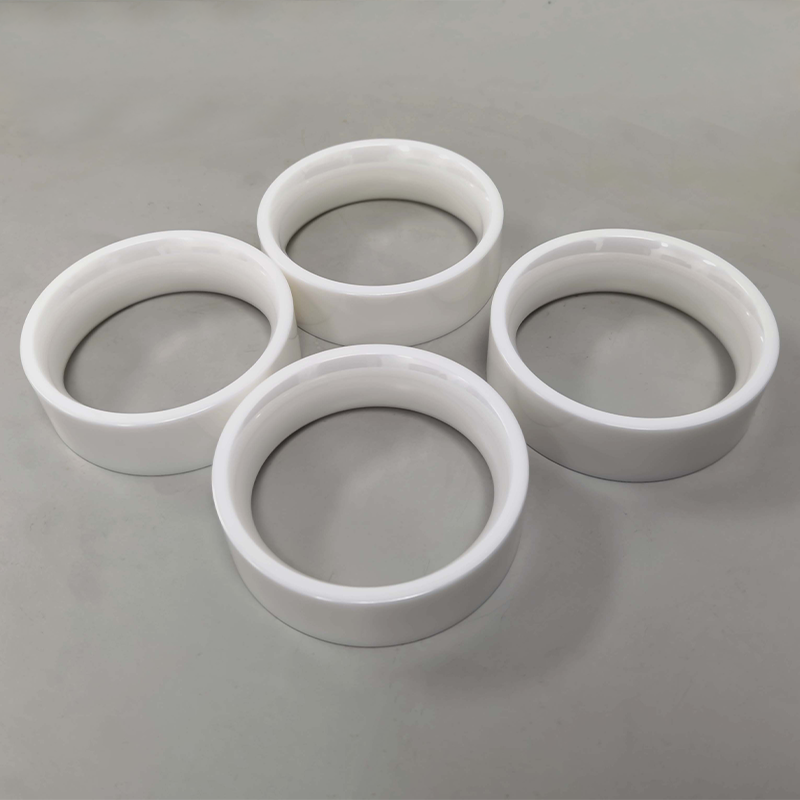
Post-sinter grinding establishes critical dimensions; lapping improves flatness and contact surfaces, while polishing serves low-friction or visible faces. Each added finishing operation can reduce yield and increase cost.
Appearance And Assembly
Laser marking can support part identification after finishing. Color, gloss, and marking location should be approved separately when cosmetic limits could conflict with functional tolerances or inspection surfaces.
6. Critical Design and Quality Elements
Zirconia components benefit when geometry, tolerances, and inspection are defined together. This zirconia ceramics machining and design guide treats the drawing as the control document for functional requirements.
Shape For Sintering
Approximately 20% firing shrinkage is reported for pre-sintered zirconia, so suppliers need allowance before final dimensions are set (https://precision-ceramics.com/materials/zirconia).
Uniform walls and gradual section changes reduce differential shrinkage risk; avoid abrupt thick-to-thin junctions.
- Use radii or chamfers at exposed edges.
- Separate complex shapes into simpler parts when practical.
Make Features Accessible
Diamond grinding is typically used after firing for tight features, but removal is slow and tool access governs feasibility (https://www.morgantechnicalceramics.com/en-gb/resources/design-guide-for-ceramic-components).
Specify hole depth, minimum wall around bores, spacing, and accessible grinding paths on the drawing.
- Avoid blind features without a process discussion.
- Identify bores, faces, and diameters that mate.
Control What Matters
A primary datum should locate assembly-critical features, while secondary datums control orientation. Apply realistic tolerances and surface-finish callouts only where function requires them.
Inspection requirements should name dimensions, geometric controls, sampling expectations, and handling protection for edges and finished surfaces.
- Flag chip-sensitive corners.
- State required documentation before quotation.
7. How to Select a Zirconia Manufacturer
Two supplier reviews should happen before price comparison: technical qualification and commercial readiness. Use this zirconia ceramics machining and design guide to turn a quotation request into an auditable manufacturing discussion.
Verify The Process Chain
One traceability record should connect powder lot, material designation, forming route, sintering batch, and final part identification. Ask how the supplier controls process changes and preserves records for the agreed retention period.
- Request lot-level material traceability
- Confirm powder-to-sintering controls
- Define change-notification requirements
Test Engineering Capability
One DFM review should address shrinkage allowance, grinding access, fixturing, datum strategy, and fragile features before tooling release. Ask which diamond-grinding, lapping, and inspection methods can verify the dimensions that govern assembly.
- Identify critical-to-function surfaces
- Request a measurement-plan review
- Agree sample and first-article criteria
Submit A Complete Request
Five inputs improve technical review: current drawing revision, service environment, annual volume, acceptance criteria, and target dates. Include mating-part interfaces, documentation needs, packaging constraints, and the named contact authorized to approve deviations.
- State prototype and production quantities
- Specify required reports or certificates
- Set response and escalation contacts
8. Common Zirconia Sourcing Mistakes
Early sourcing errors usually originate in an incomplete drawing or request for quotation. In a zirconia ceramics machining and design guide, each requirement should link to service, assembly, verification, and handling.
Undefined Service Conditions
Temperature, media, load, and electrical exposure determine whether a named zirconia grade fits the job. Risk: an otherwise compliant part fails in service; ask, ‘What environment and failure mode must this part withstand?’
Metal Geometry Assumptions
Sharp internal corners and abrupt thickness changes copy metal practice but concentrate stress in ceramics. Risk: cracking or chipping; ask, ‘Which corners can use a radius or chamfer?’
Blanket Tight Tolerances
Post-fired diamond grinding can control critical features, but applying it everywhere adds cost and handling risk. Ask, ‘Which dimensions locate, seal, or rotate with another part?’
Sintering And Acceptance Gaps
Sintering changes dimensions, so pre-fired geometry cannot alone guarantee final size; see https://precision-ceramics.com/materials/zirconia. Risk: disputed lots; ask, ‘What inspection method, sampling, edge condition, and protective packaging are required?’
9. Launching a Zirconia Component Program
A controlled launch turns a zirconia concept into an approved supply baseline. This zirconia ceramics machining and design guide treats each gate as a documented decision, not an informal handoff.
Define The Requirement
Revision A should identify mating dimensions, service loads, media, temperature, quantity, and acceptance criteria. Engineering owns the drawing; procurement owns the commercial assumptions and document register.
Review Design And Prototype
Gate 1 closes only after material direction and DFM changes are recorded. Prototype inspection, fit checks, and application testing should produce evidence tied to the same drawing revision.
Qualify Production Readiness
Gate 2 requires first-article approval, approved inspection methods, and disposition of prototype deviations. Pilot output should confirm packaging, traceability, sampling, capacity assumptions, and change-control owners before recurring orders.
10. Zirconia Component Pricing and Lead Times
Three quotation tiers separate economics: prototypes prioritize drawing validation, low-volume orders absorb setup across fewer parts, and production quantities can distribute approved recurring operations. Lead time should be confirmed only after the material, route, capacity, and inspection plan are reviewed.
Two cost categories should remain visible in an OEM quote: one-time development costs and recurring unit costs. An engineering review converts the current drawing revision, mating surfaces, service conditions, acceptance criteria, and packaging needs into a quote basis rather than an estimate from a product image.
| Quantity tier | Typical quote focus | Primary cost drivers |
|---|---|---|
| Prototype | Feasibility and process definition | Grade, geometry, machining state, tooling, tolerances, finish, inspection, packaging |
| Low-volume | Setup allocation and repeatability | Complex features, post-fired grinding, inspection scope, protective packaging |
| Production | Stable recurring unit cost | Yield, cycle time, tooling life, finish, sampling plan, packing configuration |
Discuss Your Zirconia Ceramics Machining and Design Guide
Email your current drawing, service conditions, and acceptance criteria to clarify the next quotation discussion for your ceramic component.