
Zirconia Ceramics for Mechanical and Wear Applications
Turn operating conditions, critical dimensions, and acceptance criteria into a clearer zirconia component inquiry.
Component References for Zirconia Ceramic Development
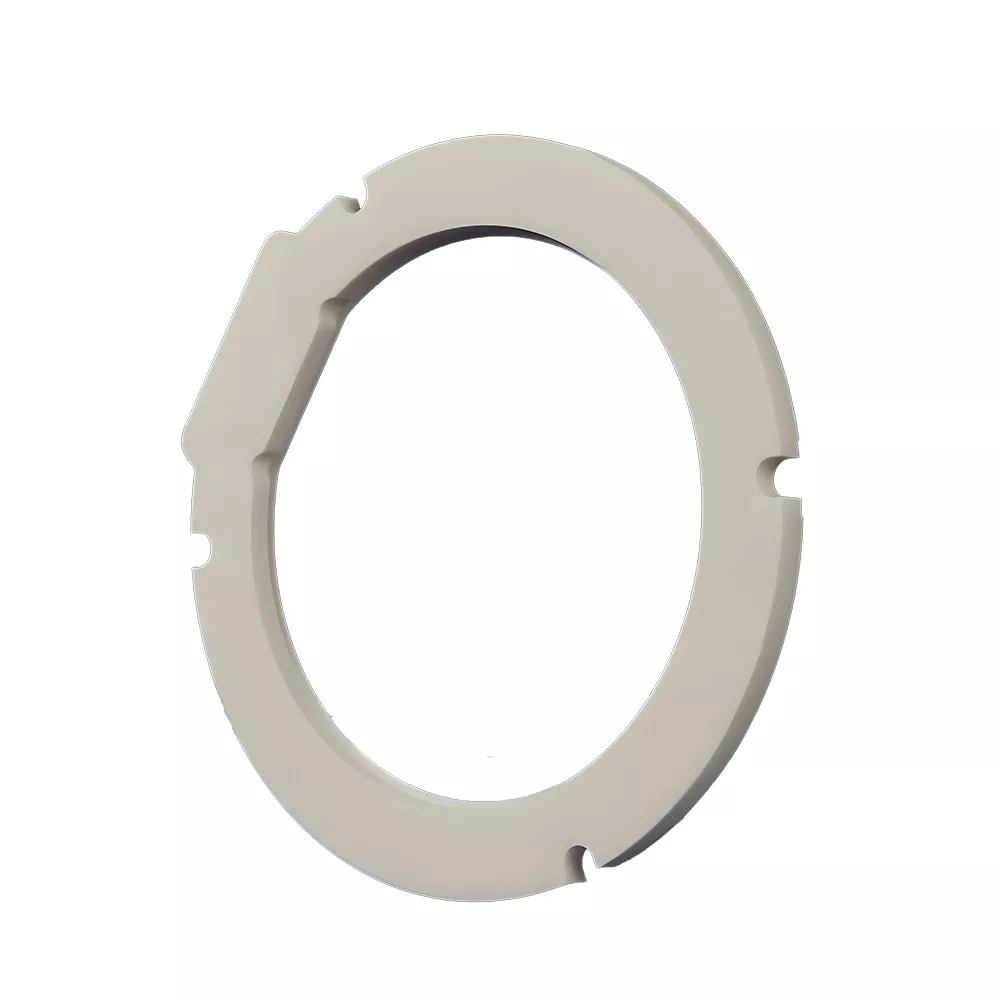
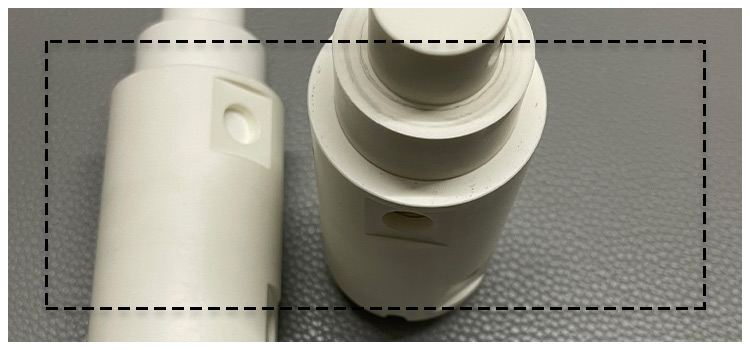
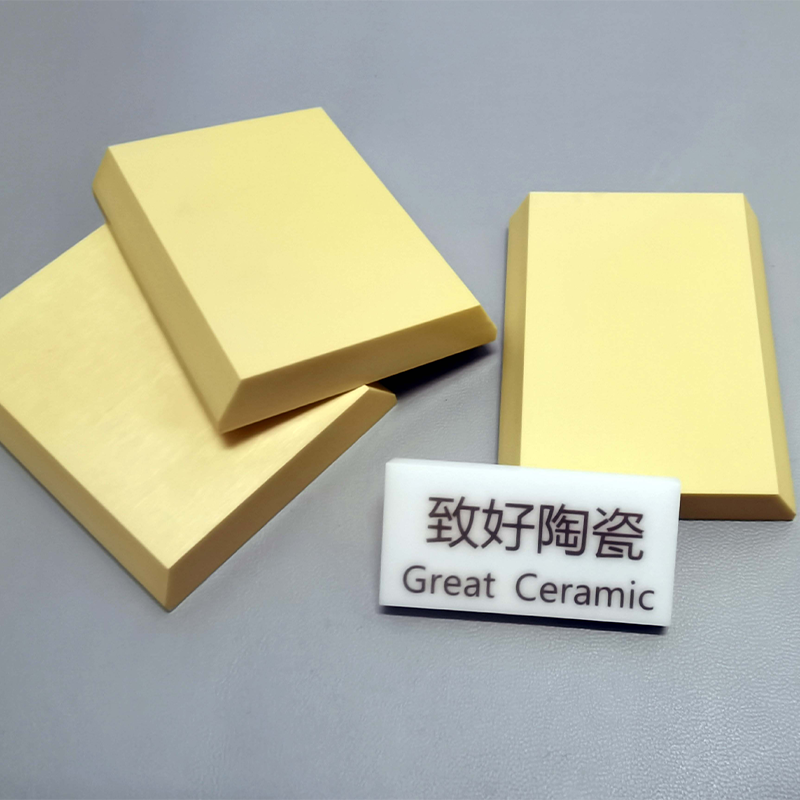
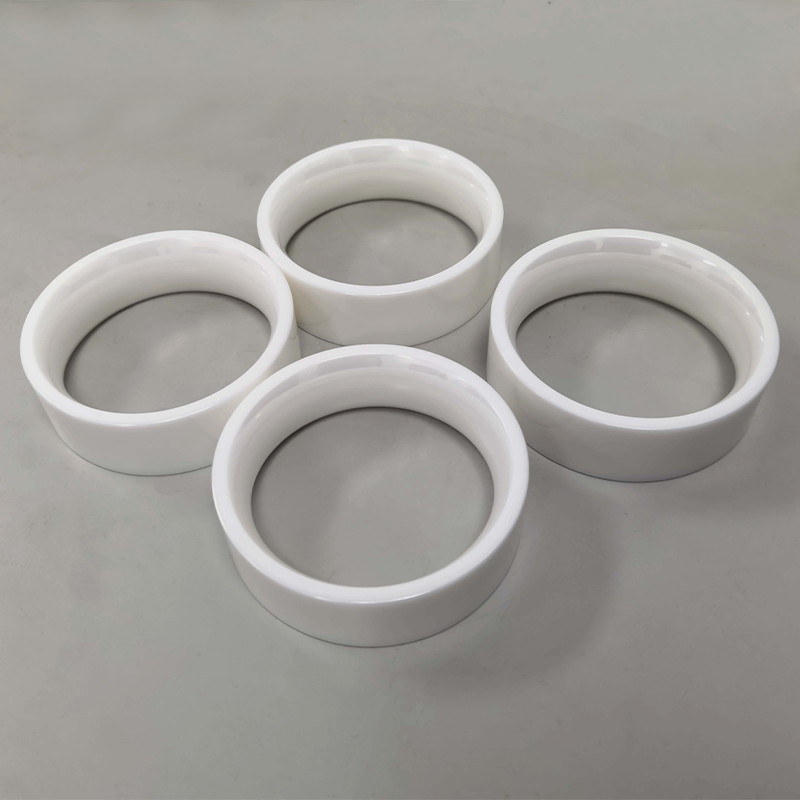
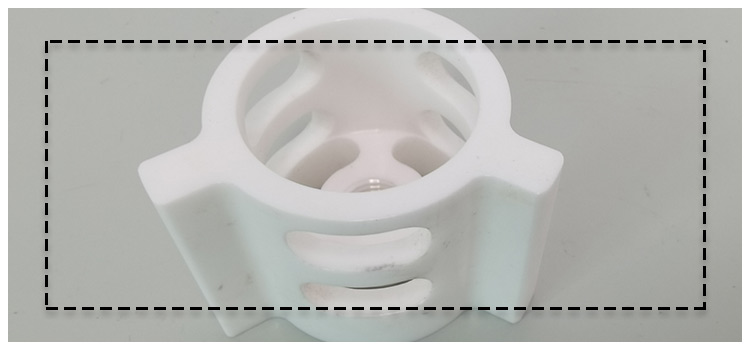
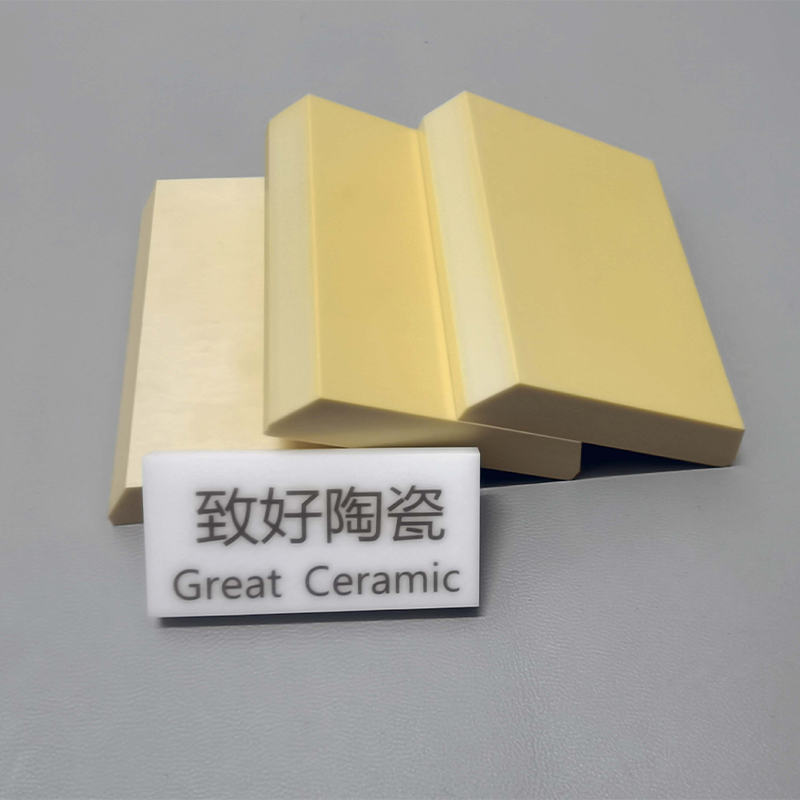
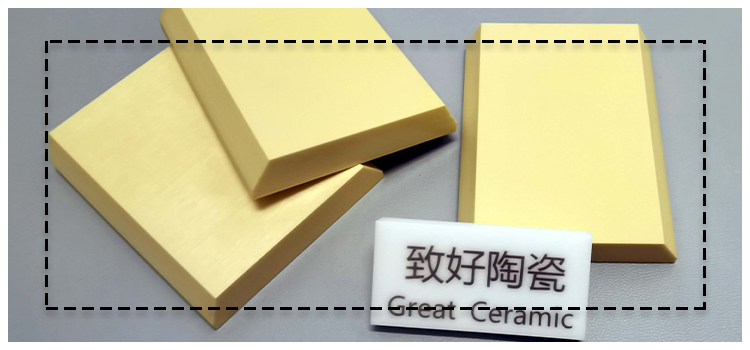

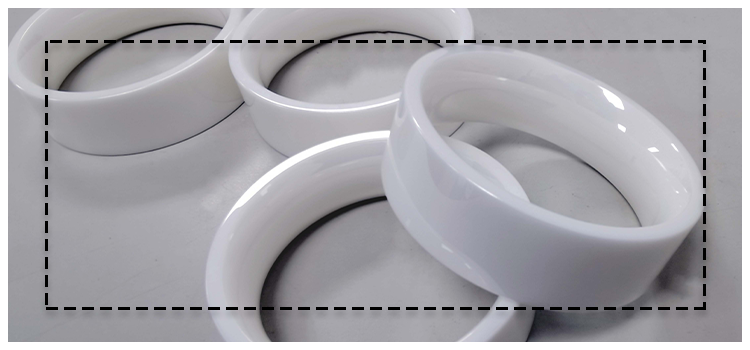







Related Product Catalogue and Quotation
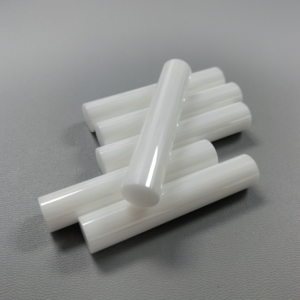
Zirconia Ceramic Sourcing Considerations
Review the part requirement as a whole before quotation, so material, geometry, service conditions, and acceptance expectations can be discussed together.
Current Drawing Revision
Share the current drawing revision and identify controlled dimensions, notes, and interfaces so the quotation discussion starts from the intended component definition.
Grade Selection Context
Discuss the zirconia grade alongside loading, wear mechanisms, temperature, media, and electrical needs; general material properties do not replace project-specific grade confirmation.
Geometry and Assembly Fits
Clarify the component form, critical dimensions, tolerances, and mating relationships to focus attention on the features that determine assembly and functional performance.
Functional Surface Requirements
Identify sealing, sliding, contact, or wear surfaces and describe their counterpart materials, finish expectations, and operating motion before processing details are considered.
Service Condition Details
Explain loads, speed, temperature exposure, lubrication, abrasive media, chemicals, and duty cycle so zirconia ceramics mechanical and wear performance can be evaluated in context.
Acceptance Evidence Needed
State inspection expectations, requested documentation, and acceptance criteria early, helping distinguish essential verification requirements from preferences before an order is agreed.
Technical Ceramic Options for Critical Parts
Start with the component’s function, drawing and operating conditions to identify relevant materials, forms and project-specific questions.

Ceramic Manufacturing Capabilities
Review ceramic manufacturing capabilities in the context of the required component: forming route, geometry, machining, mating surfaces, tolerances and inspection expectations. Share the current drawing revision and acceptance criteria so the quotation discussion can address the actual part requirement.
Discuss Your Ceramic Part
Ceramic Solutions by Industry
Explore advanced ceramics applications across industrial equipment, thermal processes, electrical systems, wear environments and chemical service. Application context helps define the relevant load, temperature, media, insulation, sealing or dimensional-stability requirements before a material and component approach is discussed.
Discuss Your Ceramic Part
Advanced Ceramic Materials
Compare advanced ceramic materials including alumina, zirconia, silicon carbide, silicon nitride, aluminum nitride, boron nitride and specialty families. General properties provide a starting point; grade selection, geometry and project-specific service conditions still require confirmation.
Discuss Your Ceramic Part
Technical Ceramic Products
Browse industrial ceramic parts by familiar component forms, including tubes, rods, rings, substrates, and replacement parts. Product illustrations indicate possible directions for discussion, while dimensions, tolerances, material grade, documentation, and delivery requirements are confirmed for each project.
Discuss Your Ceramic Part
Technical Ceramic Resources
Use this technical ceramics guide to prepare a clearer inquiry. Include the drawing, known material designation, quantity, operating environment, assembly-critical dimensions, mating surfaces and required documentation. Send requirements to info@zlrsmaterials.com or WhatsApp +86 130 6482 5920.
Discuss Your Ceramic PartMaterial Options for Application Review


Alumina Ceramics
A hard, versatile oxide ceramic commonly considered for insulating components, substrates, tubes, and wear parts. It offers a practical balance of wear resistance and electrical insulation, with grade and surface requirements defined against the intended assembly.

Silicon Carbide Ceramics
A rigid carbide ceramic often evaluated for seals, nozzles, furnace fixtures, and corrosion-exposed wear components. High hardness and thermal conductivity can suit abrasive or hot environments, subject to the selected grade, dimensions, and mating conditions.

Silicon Nitride
A tough nitride ceramic option for rolling elements, bearing components, cutting applications, and mechanically loaded parts. Its strength-to-weight potential and thermal shock behavior merit review alongside contact loads, lubrication, tolerances, and inspection expectations.
Boron Nitride
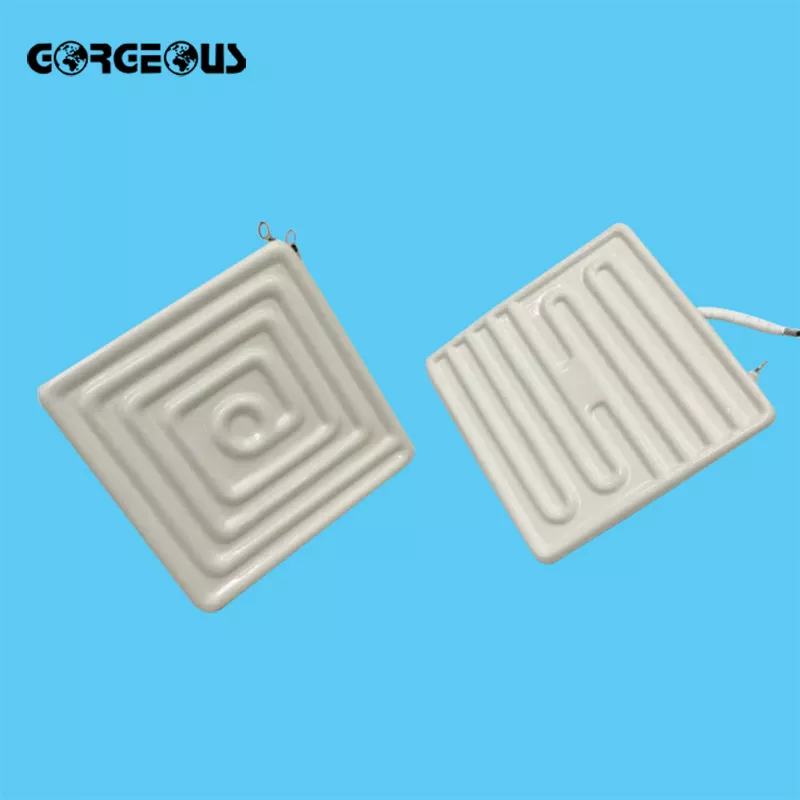
A specialty ceramic with a soft, lubricious feel relative to structural ceramics, often considered for electrical insulation, thermal management, and non-wetting contact applications. Material form, atmosphere, temperature, and handling requirements should guide selection.
Zirconia Ceramics Mechanical and Wear Performance: Production Approaches
Powder Forming
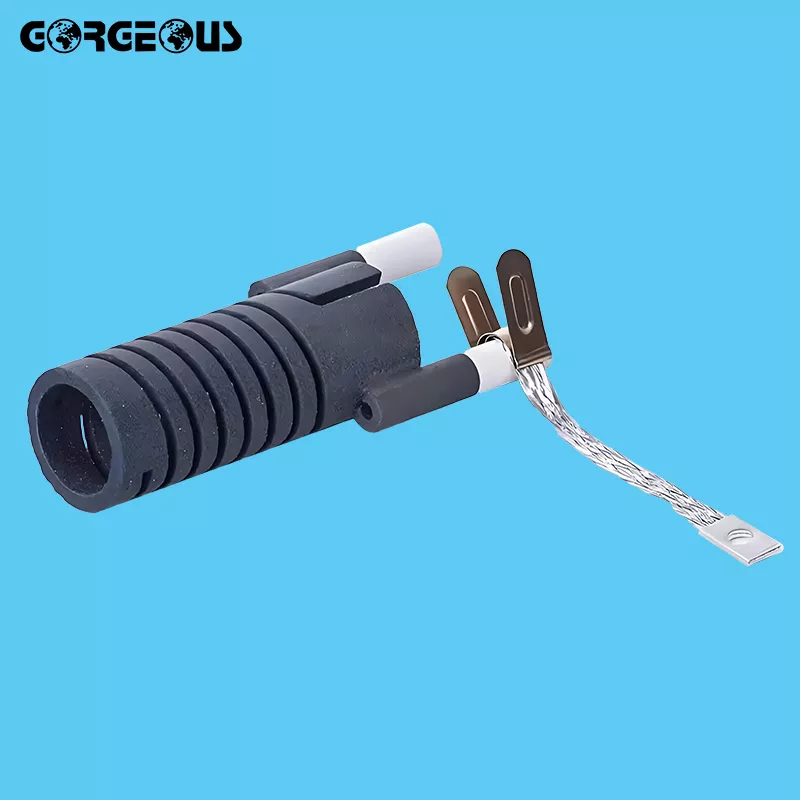
Initial forming methods can be reviewed around component shape, wall thickness, feature complexity, and expected production quantity. The selected approach should support the specified zirconia grade and create a practical basis for subsequent processing.

Green Machining
Features may be introduced before final densification when the geometry and grade make that route appropriate. Discuss holes, slots, profiles, and handling constraints early so the drawing reflects achievable feature relationships.
Controlled Sintering
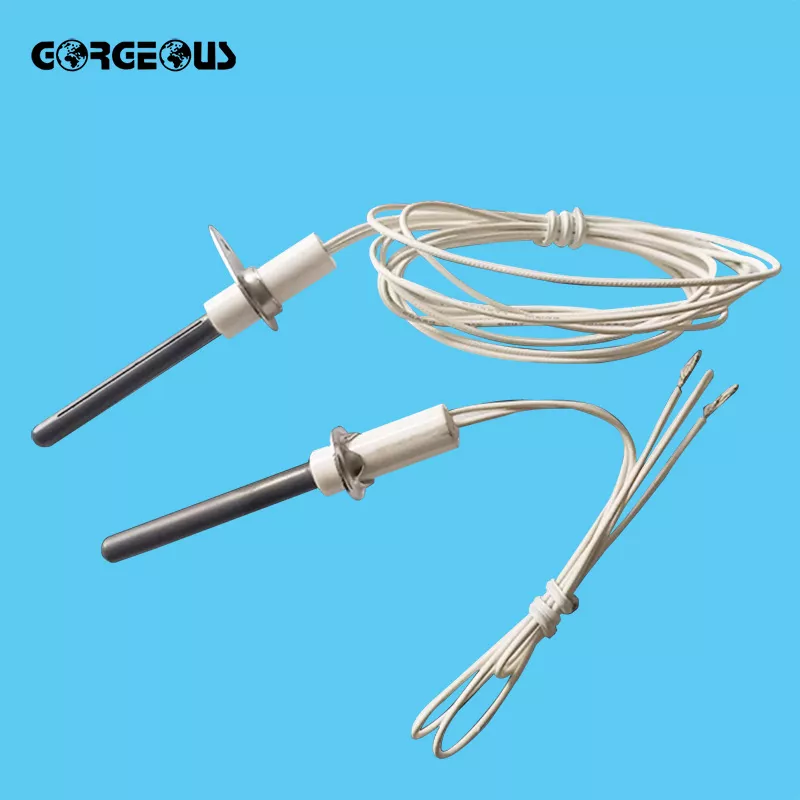
Sintering is considered with the material grade, part mass, dimensional priorities, and service requirements in view. Final shrinkage behavior and dimensional allowances need project-specific review rather than assumptions based on a general material description.

Diamond Grinding
Post-sinter grinding can be discussed for dimensions, fits, flatness, and surfaces that mate with another part. Identify critical datums and tolerances on the current drawing to focus process review on assembly-driving requirements.

Surface Finishing
Surface condition can affect contact behavior, handling, sealing, or wear interfaces. Define the relevant surface areas, finish expectations, and inspection method so zirconia ceramics mechanical and wear performance can be evaluated against the intended duty.

Final Inspection
Inspection planning begins with the acceptance criteria for the individual component. Confirm which dimensions, surfaces, material identification, and documentation are required, allowing the quotation discussion to distinguish essential checks from optional preferences.
Functional Features and Finishing Options

Precision Mating Surfaces
Identify bores, faces, shoulders, and diameters that locate against another part. Include the drawing revision, required dimensions, surface expectations, and any assembly-critical tolerances for project-specific review.
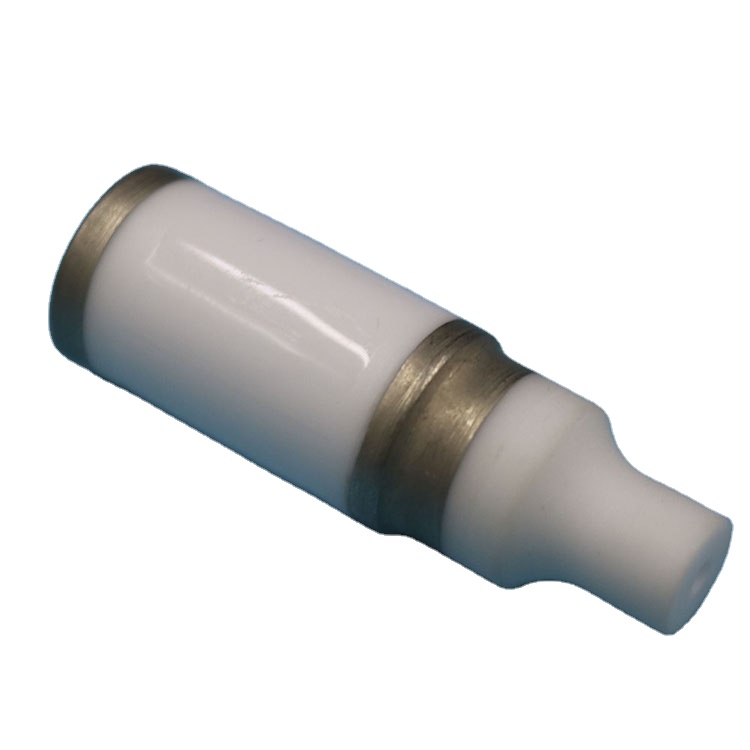
Wear Contact Zones
Mark the areas exposed to sliding, rolling, abrasion, or impact. Describe the mating material, contact pattern, load direction, lubrication or media, and operating conditions so wear-critical requirements can be discussed clearly.
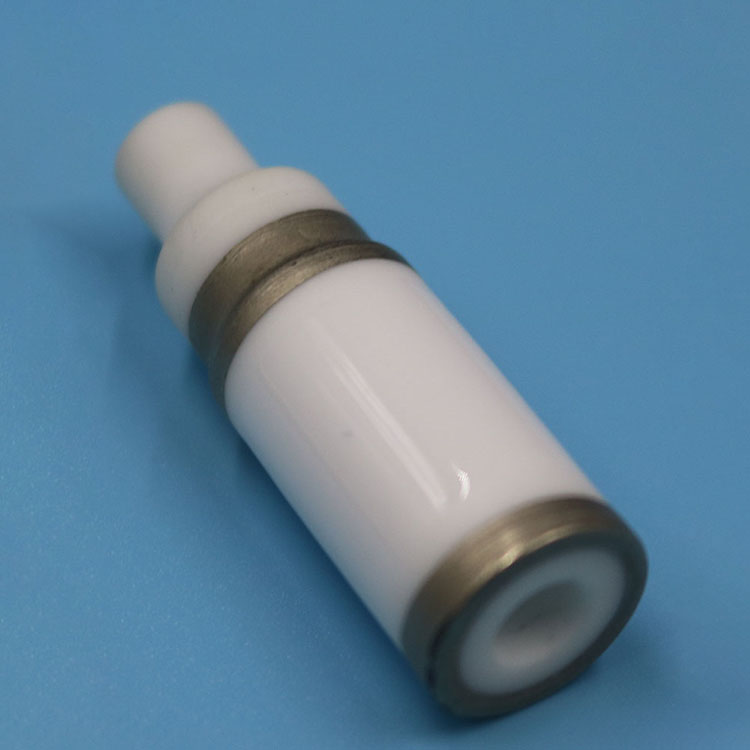
Edge Relief Details
Specify chamfers, radii, lead-ins, or protected edges where handling and assembly matter. These details can affect fit, stress concentration, and the practicality of a finished ceramic component.
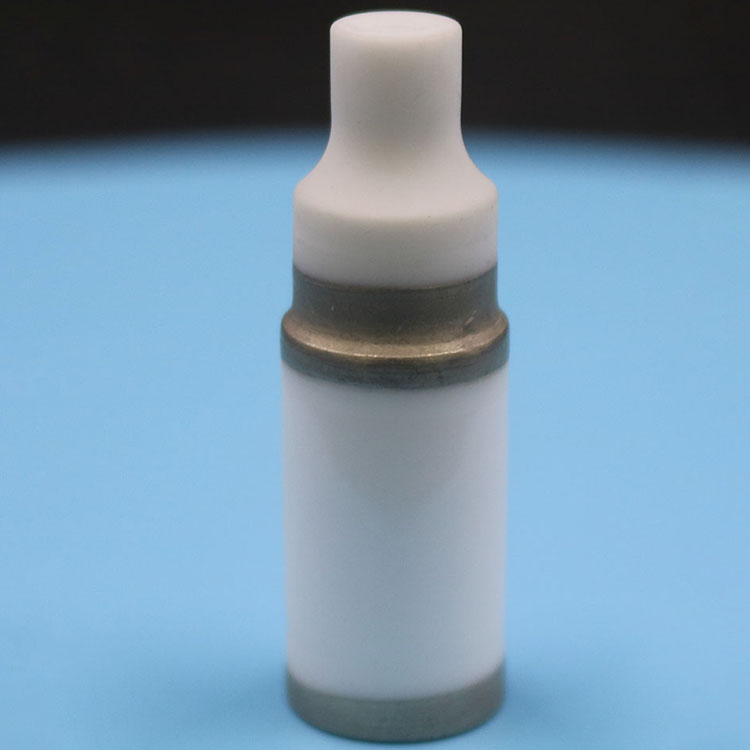
Surface Finish Requirements
State which surfaces need a defined finish and why, especially on sealing, sliding, locating, or inspection interfaces. Reference the relevant drawing callouts and acceptance method rather than relying on a product illustration.
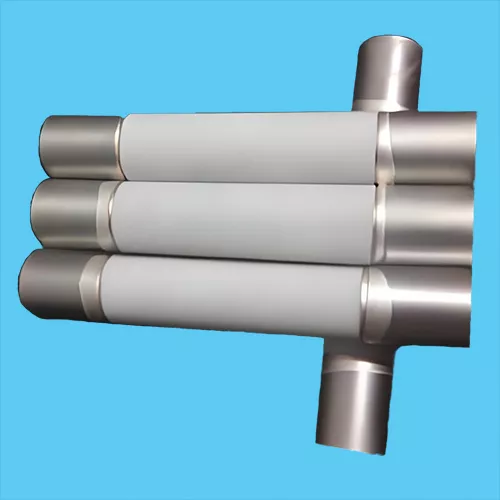
Inspection Documentation
List the records needed for approval, such as dimensional inspection, material designation, or project-specific documentation. Confirm required formats, critical characteristics, quantity, and acceptance criteria during the quotation discussion.
About Porcecore’s Application-First Approach
Founded by Andy Yuan, Porcecore helps industrial buyers and engineering teams turn a ceramic material question into a defined component requirement. Our focus is technical ceramics for real working parts, including zirconia ceramics mechanical and wear performance where geometry, contact surfaces, loads, and service conditions must be considered together.
Our material and component coverage spans oxide, nitride, carbide, and specialty ceramic families in familiar forms such as tubes, rods, rings, and substrates. We begin with the job the part must perform, then use drawings, application details, and acceptance expectations to make the quotation discussion more concrete.
What makes Porcecore different is a commitment to clarity before commitment. A material listing is an invitation to review the project, not a promise of a specific grade or process. Send the current drawing revision, quantity, operating environment, critical dimensions, and documentation needs to start a better-defined conversation.

Define Zirconia Component Requirements by the Part
Review the Operating Job
Start with the component’s real duty: sliding contact, abrasive media, impact exposure, temperature changes, chemical contact, and expected service interval. Zirconia ceramics mechanical and wear performance should be considered against these conditions, not from a material name alone.
- Identify the primary wear mechanism
- Note loads, speeds, and contact surfaces
- Describe media, temperature, and environment
- Flag replacement or downtime concerns

Read the Drawing Together
A drawing gives the quotation discussion a practical foundation. Porcecore can review the current revision alongside the dimensions that govern assembly, mating features, critical surfaces, and tolerance expectations, helping project teams distinguish essential requirements from preferences before advancing.
- Send the current drawing revision
- Mark assembly-critical dimensions
- Identify fitting and sealing surfaces
- State required surface finish details

Clarify Grade and Geometry
Mechanical and wear outcomes depend on the specific zirconia grade, component geometry, surface condition, and service context. Discussing these factors early helps avoid treating general material properties as part-specific commitments and keeps the sourcing conversation focused on the intended application.
- Share the material designation if known
- Describe wall thickness and feature complexity
- Identify stress concentration areas
- Separate general data from acceptance needs

Build a Quotable Requirement
For a productive project-specific quotation discussion, provide quantity, operating conditions, acceptance criteria, and required documentation with the drawing. Porcecore uses this information to frame open questions around material, geometry, inspection, delivery, and commercial terms before any production commitment.
- Include expected order quantity
- Define inspection and documentation needs
- State service conditions and application
- Email details or message WhatsApp directly

Zirconia Ceramics Mechanical and Wear Performance: Choose a Drawing-Led Discussion
For zirconia ceramics mechanical and wear performance, compare a requirement-led conversation with material-only sourcing assumptions.
← Swipe left or right to view →
A Practical Path from Requirement to Shipment Discussion
Move from a defined zirconia ceramic part requirement to project-specific confirmation of grade, geometry, inspection, packing, and delivery terms.
Share Part Requirements
Send the current drawing revision, target quantity, operating conditions, mating surfaces, and acceptance criteria so the application and component requirement can be reviewed together.
Review Material and Geometry
Discuss zirconia grade options, critical dimensions, tolerances, surface finish, and mechanical or wear considerations relevant to the part’s intended service environment.
Clarify Quotation Basis
Confirm the information needed for a meaningful quotation discussion, separating essential production requirements from preferences and identifying open technical or commercial questions.
Align Inspection Expectations
Define the dimensions, visual conditions, documentation, and other agreed inspection expectations that should be considered for the individual component project.
Discuss Packing and Delivery
Review suitable packing, delivery expectations, and commercial terms after project requirements are clearer; final arrangements require confirmation for the specific order.
How to Discuss Zirconia Ceramics Mechanical and Wear Performance
Move from a defined component need to a clearer quotation and order-confirmation discussion with drawing-led project details.
Send Your Current Drawing
Share the current drawing revision, component form, known material designation, target quantity, and the dimensions or surfaces that control assembly.
Define Service Conditions
Describe loads, motion, abrasive media, temperature, chemical exposure, mating parts, and any zirconia ceramics mechanical and wear performance concerns affecting selection.
Identify Acceptance Requirements
Clarify tolerances, surface finish, inspection expectations, documentation needs, and other acceptance criteria so essential project requirements are separated from preferences.
Confirm Quotation Details
Review the proposed project basis, including grade, geometry, quantity, delivery discussion, and commercial terms before progressing toward an agreed production order.
Customer Feedback Will Be Added Upon Approval
Zirconia Ceramics Mechanical and Wear Performance: Future Buyer Feedback
Verified customer feedback will be added after approval for publication. Each case will identify the component requirement, drawing revision, and project-specific outcome without presenting unverified performance claims or guarantees.
This space is reserved for approved feedback from procurement and engineering teams. Published accounts will describe the specific inquiry context, including geometry, mating surfaces, acceptance criteria, and any documented sourcing outcome.
Future testimonials will be reviewed for accuracy before publication. They may cover drawing-led discussions for zirconia components, but no customer endorsement, delivery metric, or mechanical and wear result is claimed here.
Zirconia Ceramics Mechanical and Wear Performance FAQ
Clarify the drawing, material, inspection, and commercial inputs needed for a project-specific ceramic component discussion.
How should we evaluate zirconia ceramics mechanical and wear performance for our part?
Which drawing details matter most for zirconia ceramics mechanical and wear performance?
Can grade selection change zirconia ceramics mechanical and wear performance?
What quantities should we include in a zirconia component RFQ?
How are tight tolerances and functional surfaces reviewed?
What inspection evidence can we request with a quotation?
How should packaging, shipping, and delivery requirements be communicated?
Can Porcecore handle IP-sensitive drawings and replacement-part inquiries?
Zirconia Ceramics Mechanical and Wear Performance Buyer’s Guide
Use a practical decision framework to match zirconia grades, wear conditions, component geometry, and validation needs while comparing supplier capabilities, documentation, lead-time risks, and specification mistakes that can undermine service life.
1. Zirconia Ceramics Mechanical and Wear Performance Defined
ZrO2’s mechanical and wear performance is a system result, not a single hardness value. Hardness resists indentation and abrasion, while flexural strength limits bending failure, fracture toughness slows crack growth, and elastic modulus governs contact stiffness.
Two surfaces determine friction and wear: the zirconia finish and its mating material. Roughness, load, alignment, sliding speed, lubrication, and particles can shift the dominant mechanism among abrasion, adhesion, tribochemical wear, and fatigue.
Grade-specific values can vary with stabilizer, density, grain size, porosity, test method, temperature, and environment. Buyers should evaluate the actual contact pair, duty cycle, allowable wear or clearance change, surface specification, critical dimensions, and acceptance test—not a generic property table.
2. How Zirconia Became a Structural Ceramic
Three polymorphs—monoclinic, tetragonal, and cubic—made pure zirconia difficult to use structurally because temperature-driven phase changes can create damaging volume change during cooling. https://www.ceramicsrefractories.saint-gobain.com/news-articles/zirconia-ceramics-what-are-they-how-are-they-used-0
Yttria, magnesia, and ceria stabilizers enabled engineers to control retained phases rather than accept uncontrolled transformation. Modern transformation-toughened grades use stress-assisted tetragonal-to-monoclinic change near a crack to absorb energy and impede crack growth. https://www.iqsdirectory.com/articles/ceramic/zirconia-ceramics-and-zta.html
Precision powder forming, controlled sintering, and post-sinter grinding expanded zirconia from a material-system problem into dimensionally functional rings, seals, balls, and wear parts. For procurement, that history matters: stabilizer chemistry, powder preparation, density, grain structure, and finishing route remain part-specific variables that should be confirmed against the drawing and service conditions.
3. Zirconia Ceramics Mechanical and Wear Performance Grades
Grade selection starts with the duty cycle: sliding contact, impact, temperature change, and allowable deformation. Stabilizer chemistry changes phase balance, so zirconia ceramics mechanical and wear performance must be evaluated by grade family, not material name alone.
| Family | Concept | Duty Fit | Selection Limit |
|---|---|---|---|
| PSZ | Partially stabilized zirconia | Impact and wear | Grade-specific phase balance |
| YSZ | Yttria-stabilized zirconia | Precision sliding parts | Check aging and temperature |
| MSZ | Magnesia-stabilized zirconia | Thermal cycling | Confirm section behavior |
| CSZ | Ceria-stabilized zirconia | High-toughness duty | Check cost and availability |
| ZTA | Alumina-zirconia composite | Abrasive wear | Validate impact and finish |
Toughness-First Grades
Partially stabilized zirconia retains transformable tetragonal phase for high crack resistance; use it for valve seats, pump parts, and impact-prone wear pieces. Its thermal and wear result depends on stabilizer level, porosity, mating material, and finish.
Yttria-stabilized zirconia is a common precision structural choice with strong toughness and low thermal conductivity; consider it for rollers, plungers, seals, and bearings. Confirm aging exposure, operating temperature, and grade-specific strength before release.
High-Temperature Alternatives
Magnesia-stabilized zirconia generally suits larger, thermally demanding components and thermal-cycling duties. Verify phase stability, section size, and thermal-shock requirement rather than assuming it matches YSZ wear behavior.
Ceria-stabilized zirconia can offer high toughness and improved resistance to moisture-related aging versus some YSZ systems. Evaluate its hardness, cost, temperature window, and availability against the actual sliding load.
Composite Wear Option
Zirconia-toughened alumina combines a hard alumina matrix with zirconia toughening, making it a practical candidate for abrasive wear where tougher alumina is needed. Compare abrasive medium, impact frequency, thermal gradient, and machining tolerance before choosing it over monolithic zirconia.
4. Materials, Phases, and Microstructure Selection
Zirconium dioxide is not a single mechanical-performance specification. Powder chemistry, stabilizer level, phase balance, grain growth, residual porosity, additives, and sintered density must be evaluated together.
| Material | Decision Advantage | Key Tradeoff |
|---|---|---|
| Zirconia | Toughness and low thermal conductivity | Phase and aging sensitivity |
| Alumina | Hardness and economical wear service | Lower fracture tolerance |
| ZTA | Balanced hardness and toughness | Composition-dependent behavior |
| Silicon nitride | Thermal-shock and rolling-contact potential | Grade and finishing sensitivity |
| Silicon carbide | High-temperature hardness and conductivity | Lower damage tolerance |
Phase And Density Control
Pure zirconia is monoclinic at room temperature; stabilizers retain tetragonal or cubic phases. Tetragonal transformability can improve crack resistance, while excess cubic phase may change that balance. https://www.ceramicsrefractories.saint-gobain.com/news-articles/zirconia-ceramics-what-are-they-how-are-they-used-0
Near-theoretical density and controlled fine grains generally reduce pore-driven strength loss and abrasive wear variability. Request powder purity, stabilizer identity and content, phase analysis, grain size, density, and open porosity.
Material Tradeoffs
Four common choices solve different failure risks; hardness alone is not a selection rule.
Request Comparable Data
ISO or ASTM test methods matter because strength, toughness, and wear results change with specimen geometry, counterface, load, speed, lubricant, temperature, and surface finish. Request those conditions with mean, range, sample count, and fracture origin.
- Flexural-strength method and test temperature
- Fracture-toughness method and orientation
- Wear mode, counterbody, load, distance, and medium
5. Zirconia Ceramics Mechanical and Wear Performance in Service
Zirconia ceramics mechanical and wear performance must be judged at the contact, not from a data sheet alone. Map each duty cycle by load, speed, temperature, medium, counterface, lubrication, and start-stop frequency.
Match The Wear Mode
Abrasion, sliding, erosion, impact, and rolling contact damage parts differently. Seals, valve seats, bearings, nozzles, guides, and wear plates need the actual failure mechanism identified before material selection.
Check The Contact System
Higher contact pressure, rougher counterfaces, larger particles, and poor lubrication can raise wear rapidly. Confirm mating-material hardness, surface finish, sliding speed, particle chemistry, and allowable debris before approving zirconia.
Validate Service Cycling
Thermal cycling can create gradients and fit changes even when peak temperature appears acceptable. Corrosive media and electrical duty also require grade-specific review, because zirconia compositions can differ in conductivity and chemical response.
Define A Qualification Test
A representative test should reproduce pressure, velocity, temperature, medium, counterface, and cycle count. Specify wear limit, leakage limit, dimensional inspection points, and post-test crack inspection on the current drawing revision.
6. Design and Manufacturing Quality Factors
Two production routes can yield visibly similar zirconia parts with different reliability. Powder dispersion, forming, green machining, sintering, and finishing must be controlled as one dimensional-and-surface system.
Powder And Forming Control
Uniform powder preparation and the selected forming method determine green density and defect distribution. Uncontrolled agglomerates or porosity can remain as crack origins after sintering, reducing dependable zirconia ceramics mechanical and wear performance.
Sintering And Shrinkage Planning
Sintering temperature, time, and atmosphere govern densification, grain growth, and dimensional change. Shrinkage allowance should be tied to the approved grade and process; an unsuitable allowance can leave critical fits outside tolerance.
Grinding, Edges, And Inspection
Precision grinding establishes mating dimensions, but excessive grinding damage can leave surface cracks that accelerate wear or initiate failure. Edge radii, surface requirements, tolerances, and inspection criteria should identify every functional surface before quotation.
7. Custom Component Options and Finishing
Custom zirconia parts should start with the assembly interface, not a generic shape. Porcecore can discuss rods, tubes, balls, plungers, sleeves, seals, nozzles, plates, and complex forms against a current drawing revision.
| Feature | Specify On Drawing | Confirm Before Order |
|---|---|---|
| Holes or threads | Size, location, datum | Green-body or machined route |
| Surface finish | Target surface and roughness | Measurement method |
| Identification | Content and position | Marking method and acceptance |
Choose The Form
Three interfaces usually control the requirement: fits, wear faces, and fluid or media passages. State which dimensions are functional and which surfaces may remain as-fired.
- Rods and tubes: diameter, bore, straightness
- Balls and plungers: roundness, contact finish
- Seals and nozzles: mating faces, passages
- Plates: flatness, holes, edge condition
Plan Features By Stage
Post-sinter grinding can establish precision diameters, faces, bores, slots, and selected holes. Green-body design is generally preferable for deep cavities, complex internal passages, and material-efficient geometry; confirm feasibility before release.
Define Inspection Clearly
Five drawing inputs reduce quotation ambiguity: material designation, quantity, tolerances, finish targets, and acceptance criteria. Identify threads, inserts or assemblies, marking location, datum scheme, and any required inspection records.
8. How to Choose a Zirconia Manufacturer
A supplier review should connect the component’s service conditions to documented material and process controls. For zirconia ceramics mechanical and wear performance, published values matter only when their test basis matches the proposed part.
Application And Grade Review
One application review should cover load, contact material, motion, temperature, media, and failure mode.
Each grade request should identify stabilizer, density target, and traceability from powder or approved material lot to finished parts.
Data And Validation
Two questions clarify strength data: which test method, specimen geometry, surface condition, and temperature were used?
One wear claim also needs counterface, contact pressure, sliding speed, lubricant or slurry, test duration, and measured wear metric.
Production Control Evidence
One drawing package should mark assembly dimensions, datums, tolerances, surface requirements, and inspection criteria.
Each supplier discussion should address machining route, metrology records, sample approval, lot consistency, capacity, protective packaging, quality records, and written change control.
9. Common Zirconia Sourcing Mistakes
Two preventable gaps—an incomplete drawing and an unmatched quotation scope—can turn a sound zirconia choice into a late redesign. In zirconia ceramics mechanical and wear performance, procurement must interrogate actual contact and acceptance conditions.
Hardness Is Not Wear
One hardness value cannot predict a sliding pair’s life; grade, finish, load, lubricant, and counterface also matter. The consequence is unexpected scoring or debris; ask: Which counterface, motion, contact pressure, and test method represent service?
Grades Need Definition
Two zirconia grades may share a material name while stabilizer, microstructure, and property test basis differ. The consequence is mismatched strength or aging behavior; ask: Which grade designation, test standard, specimen orientation, and acceptance values apply?
Drawings And Quotes Need Scope
Three drawing omissions—edge breaks, surface finish, and datum-controlled tolerances—invite incompatible manufacturing assumptions. The consequence is quote changes or assembly failure; ask: What shrinkage allowance, final dimensions, prototype trial, inspection method, documentation, and exclusions are included?
10. Zirconia Component Pricing and Cost Drivers
2 quantity bands usually change the cost structure: prototypes concentrate setup, programming, tooling, and inspection effort; production spreads them across more parts. Quote evaluation should compare total landed cost, including packing, documentation, and delivery, rather than unit price alone.
1 drawing revision can lower cost when it standardizes nonfunctional radii, holes, finishes, and datums. Mark fit, sealing, and wear surfaces as critical, then assign practical tolerances and finish requirements elsewhere.
| Cost driver | Lower-cost condition | Higher-cost condition | Buyer action |
|---|---|---|---|
| Quantity | Repeat production | Prototype or small batch | Consolidate demand where feasible |
| Grade and size | Common grade; compact blank | Special grade; large section | Confirm service need first |
| Geometry and route | Simple pressed or molded form | Deep features; complex machining | Avoid unnecessary undercuts |
| Tolerance and finish | Functional limits only | Tight grinding; polished surfaces | Identify critical surfaces |
| Inspection and lead time | Standard checks; planned schedule | Extra records; expedited delivery | Separate required documentation |
Discuss Zirconia Ceramics Mechanical and Wear Performance Requirements
Email your drawing, service conditions, and acceptance criteria to begin a focused, project-specific quotation discussion with Porcecore.