
Define the plunger through its controlled drawing, operating environment and inspection plan. The RFQ should make clear which dimensions, interfaces, finish requirements and acceptance records are essential to reliable comparison between technically suitable quotations.
Key Inquiry Requirements
Component role and design intent
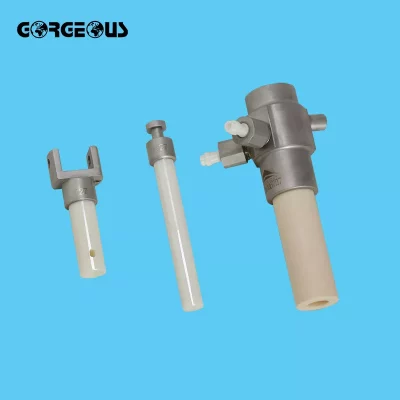
An alumina pump plunger typically works as a guided moving element inside a pump assembly. Its usefulness depends on the relationship between the ceramic body, mating seal or guide, end features and stroke arrangement. A buyer should identify the exact pump location, contact surfaces, fluid exposure and motion pattern so suppliers can review the component as part of a working interface rather than quote an isolated shape.
The drawing should distinguish functional diameters, shoulders, bores, radii, chamfers and any non-contact surfaces. It should also show datum references and assembly orientation where these affect alignment. If the plunger is replacing an existing part, include controlled drawings, approved samples or inspection records only when they are available and authorised for quotation.
Alumina selection questions
Alumina is a ceramic family rather than one universal grade. The RFQ should request the proposed grade designation, composition range or applicable internal specification, together with the supplier’s method for controlling lot identity. Avoid relying on the material name alone when the plunger must balance mechanical loading, chemical exposure, surface finish and interaction with a seal or guide.
Ask suppliers to explain how the selected alumina is appropriate for the stated duty without requesting unsupported guarantees. The buyer should provide fluid description, concentration where relevant, pressure range, cycling pattern, cleaning method and any known contamination risks. These details allow material review to remain tied to the actual pump environment.
Geometry, finish and mating interfaces
Plunger performance is strongly influenced by the working surface and by how ceramic geometry meets adjacent components. State which surfaces require controlled finish, straightness, roundness, edge treatment or visual inspection, and which areas are non-functional. If a polished or lapped region is required, define it on the drawing or in a referenced specification instead of leaving the term open to interpretation.
Include the mating seal, sleeve, guide or cylinder details that determine clearance and alignment. Ceramic-to-metal or ceramic-to-polymer interfaces may require careful review of contact pressure and assembly method. Where the component has a bonded, retained or press-fitted feature, identify that condition and request supplier comments on manufacturability before final quotation.
Inspection and acceptance planning
A useful inspection plan separates characteristics that affect fit from those that affect appearance. List the measurement points, datum scheme, sampling expectations and reporting format for critical dimensions. For ceramic parts, also state how chips, cracks, edge damage, surface marks and handling damage are to be assessed, because visual acceptance language can otherwise vary between suppliers.
Request material identification and dimensional inspection records appropriate to the drawing, while keeping the requirement proportional to the component’s risk. If the plunger is part of a regulated or safety-relevant assembly, identify the required traceability and document retention rules in the RFQ. Do not assume a certificate, test report or inspection method is included unless it is explicitly quoted.
RFQ information checklist
Send the latest revision-controlled drawing, quantity range for quotation, forecast information if available, intended pump duty and the list of critical-to-function characteristics. Clarify whether the supplier should quote prototype, sample approval and repeat-production stages separately. State packaging expectations for ceramic surfaces and whether individual protection is needed during transport and incoming inspection.
Ask each bidder to identify assumptions, exclusions, proposed alumina grade, achievable inspection evidence and any drawing features requiring clarification. A strong comparison focuses on conformity to the same technical baseline, not on an attractive description of ceramic strength. The final purchase specification should be agreed only after engineering review of the supplier’s proposal.
Questions Before You Inquire
What should be included in an RFQ for an alumina pump plunger?
Include the controlled drawing, revision, mating-part information, fluid and operating conditions, quantity basis, critical dimensions, surface requirements, inspection expectations and packaging needs. If replacing an existing plunger, add authorised samples or measurement data. Ask suppliers to state material grade, assumptions and exclusions clearly.
Is alumina grade specified by the product name alone?
No. Alumina covers multiple ceramic grades and manufacturing routes. The buyer should define the required material specification or ask suppliers to propose one against the stated mechanical, chemical, surface and assembly conditions. The quotation should identify the proposed grade and the evidence available for material verification.
How should the plunger’s working surface be controlled?
Identify functional surfaces on the drawing and specify applicable requirements for finish, geometry, edge treatment and inspection. Also describe the mating seal, guide or cylinder. This gives suppliers a common basis for quotation and helps prevent a visually acceptable part from being unsuitable for the actual pump interface.
Does this page confirm stock or guaranteed pump performance?
No. It describes an RFQ topic and the information needed to evaluate a drawing-led alumina plunger. Availability, manufacturing source, delivery conditions, test scope and performance suitability must be confirmed in a supplier quotation and then controlled through the agreed technical specification.
Send a Clear Component Brief
Share your drawing, quantity and application with Porcecore. Mark the requirements that are fixed and the questions that remain open.


Reviews
There are no reviews yet.