
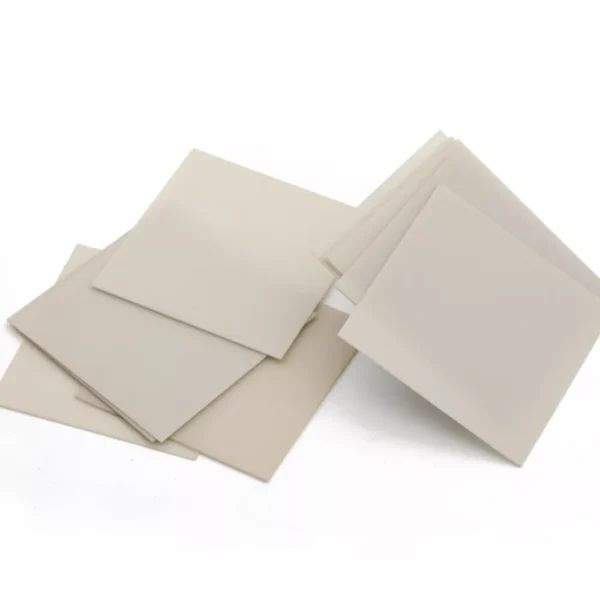


Build the RFQ around the plate’s thermal role, physical interfaces and inspection needs. Identify the assembly, heat source, contact surfaces and electrical context so a supplier can assess the appropriate aluminum nitride specification rather than quote from a material name alone.
Key Inquiry Requirements
Plate function and scope
An aluminum nitride plate may serve as a thermal path, an insulating interface or a structural ceramic element within a larger assembly. Define its role in the RFQ and show how it is installed. The drawing should identify length, width, thickness, edges, holes, slots, metallized areas and reference datums, while the application note explains which surfaces participate in heat transfer.
Do not treat a plate outline as a complete specification. State the mating parts, clamping or bonding method, expected contact pressure, orientation and replacement constraints. If the plate separates electrical potentials while transferring heat, identify that requirement explicitly. This lets suppliers distinguish a simple ceramic sheet from a finished component with controlled interfaces or added processing.
Thermal and electrical definition
The supplied evidence identifies aluminum nitride plate applications with heat dissipation. Translate that broad purpose into measurable project requirements: where heat enters, where it leaves, how the assembly is cooled, and what electrical isolation or dielectric behavior is required. Provide operating scenarios and acceptance criteria established by your engineering team rather than assuming a generic material description is sufficient.
Ask suppliers to state the proposed material designation and the technical data supporting their selection. If thermal conductivity, dielectric behavior, expansion compatibility or temperature cycling matters, specify the measurement basis and documentation expected. Keep these requirements separate from unconfirmed product claims, and identify which values are design inputs, qualification targets or informational comparisons.
Geometry and assembly interfaces
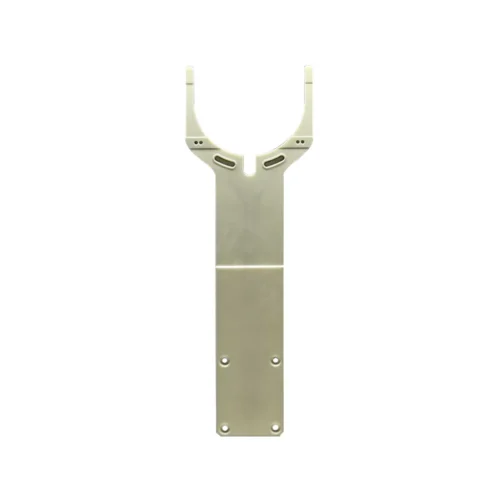
A plate’s performance can depend on flatness, surface finish, edge condition and contact continuity, even when those values are not visible in a photograph. Mark functional faces, keep-out zones, mounting holes and any areas subject to metallization, coating, bonding or polishing. Include a section view where thickness transitions or stepped profiles affect assembly clearance.
For assemblies with repeated plates, provide the position of each variant and the relationship to neighboring hardware. Show hole patterns from controlled datums, not only nominal center-to-center descriptions. Identify whether edges may be sharp, chamfered or radiused according to the design. These details help suppliers price the actual component scope and reduce late clarification during technical review.
Inspection and documentation
Agree the inspection plan before comparing quotations. Depending on the application, it may cover dimensions, thickness, flatness, surface defects, holes, edge condition, material documentation and any thermal or electrical test evidence required by the project. The RFQ should state whether results are needed per piece, per batch or for qualification samples.
Request a sample report or proposed certificate format so the review team can see what evidence will accompany delivery. Ask suppliers to identify test method, measurement location and limitations where relevant. If the plate includes metallization or other secondary processing, define inspection of that layer separately from the ceramic body. This avoids treating multiple manufacturing stages as one unexamined claim.
RFQ package for thermal plates
Include the latest controlled drawing, assembly sketch, thermal path description, mating materials, electrical constraints, process environment and expected inspection records. Add the design revision, annual or project quantity only when known, and packaging or cleanliness requirements if the plate enters a sensitive assembly. Identify prototype, sample approval and repeat-production stages separately.
Ask for a quotation that lists material designation, forming and finishing route, secondary operations, inspection scope, documentation, exclusions and clarification questions. Invite suppliers to mark uncertain drawing features rather than silently selecting values. A structured response makes it easier to compare ceramic scope, interface control and evidence without assuming purity, thermal data or availability.
Questions Before You Inquire
What is the key information for an aluminum nitride plate RFQ?
Provide the controlled drawing, thermal role, heat-source and heat-sink interfaces, mounting method, electrical requirements, mating materials and inspection expectations. Identify holes, metallized areas, surface conditions and any qualification stage. Without this context, a plate quotation may describe only a material and outline, not the required assembly component.
Does aluminum nitride automatically define thermal performance?
No. The material family indicates the topic, but the final requirement depends on grade, processing, geometry, interfaces and test method. Ask suppliers to identify the proposed designation and supporting data, then compare values using an agreed basis. Do not treat a general product description as a project-specific guarantee.
Should plate dimensions and tolerances be included?
Yes, include all dimensions and tolerances that control fit, heat transfer or electrical clearance. Mark critical characteristics and datums clearly, and identify any values still under engineering review. If the drawing is incomplete, request supplier clarification or a marked-up proposal rather than allowing unrecorded assumptions to enter the quotation.
Are aluminum nitride plates available from stock?
Availability cannot be inferred from the product topic or image. Ask suppliers to state whether the quoted scope involves standard material, new tooling, machining, metallization or sample approval. Treat stock, minimum order, price and lead time as commercial items requiring direct confirmation for the specific drawing.
Send a Clear Component Brief
Share your drawing, quantity and application with Porcecore. Mark the requirements that are fixed and the questions that remain open.


Reviews
There are no reviews yet.