
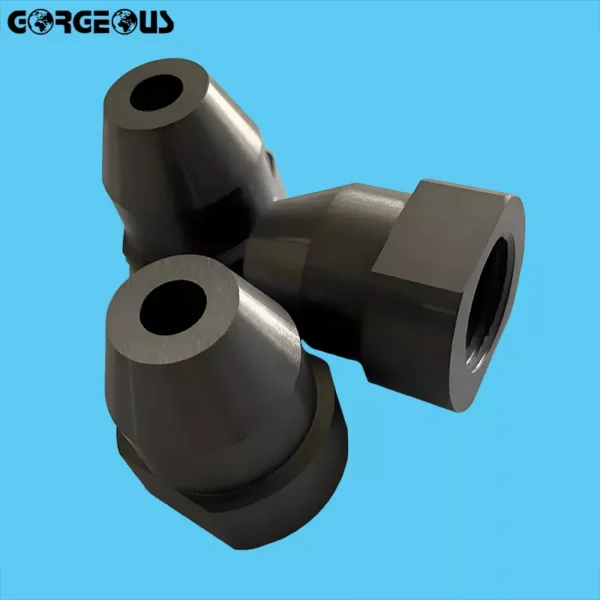
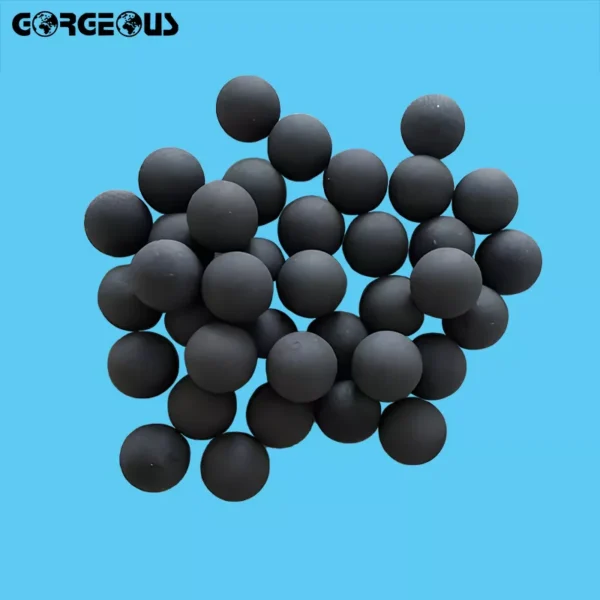
Provide the ball size definition, application, contact materials, load, motion, process media and acceptance criteria. Compare quotations through dimensional control, roundness or form requirements, surface condition, contamination limits, packing and evidence relevant to the intended wear environment.
Key Inquiry Requirements
Define the ball for its application
A boron carbide ceramic ball should be specified by the function it performs, not only by a nominal diameter. State whether it is grinding media, a bearing element, a valve or check-ball component, a wear insert or another defined use. Include the drawing or dimensional standard, quantity basis and any relationship to a cage, raceway, chamber, screen or tool.
Identify the features that control fit and movement. These may include diameter, allowable variation, roundness, sphericity, surface condition, edge-free form and visual criteria. If the ball operates in a set, define whether the set must be matched or whether individual pieces are accepted within a distribution. Precise terminology helps prevent different suppliers from interpreting the same application in incompatible ways.
Describe load, motion and contact
The service environment should explain how the ball is loaded and moved. For grinding, describe the mill or chamber arrangement, process material, liquid or gas medium, feed condition, operating pattern and separation method. For bearing or valve use, show contact geometry, preload or pressure assumptions, speed or cycling information and adjacent materials. This context is essential for a responsible technical review.
Document whether impact, sliding, rolling, compression or repeated seating is dominant. Include known concerns about fracture, chipping, contamination, noise or media loss as observations to investigate. Avoid converting a general statement about hardness or wear resistance into a guaranteed life claim. The supplier can then identify what must be tested or validated in the buyer’s actual equipment.
Control contamination and surface condition
For grinding and mixing applications, the ball specification should identify contamination limits and the material being processed. State whether the ball itself must be separated from the product, whether cleaning is required, and how foreign material will be detected. For precision contact applications, define the surfaces that require controlled finish or visual inspection and explain their functional relevance.
Surface condition should be described with an agreed inspection approach. Use drawing notes, measurement methods or representative samples for roughness, form, pits, cracks, chips and discoloration where these matter. A generic smoothness claim is difficult to compare. Clear acceptance language gives the buyer a practical basis for incoming inspection and supplier discussion.
Specify grading, packing and inspection
When balls are supplied as media, clarify the size distribution, grading method, lot identity and packaging needed to prevent mixing between sizes. When they are supplied as precision components, define the inspection frequency, sample plan and records required for diameter, form and appearance. These requirements should be connected to the application rather than copied from an unrelated catalogue.
Packing deserves attention because loose ceramic balls can damage one another or other items during transit. State whether compartmentalization, protective inserts, cleanliness controls, labels or orientation are required. Ask the supplier to identify the inspection equipment and reporting format they propose. This makes quotations comparable without implying a universal acceptance standard for every boron carbide ball application.
Build a wear-component RFQ
A complete inquiry should include the application description, controlled drawing or size schedule, contact materials, process media, load and motion, contamination requirements, quantity basis and inspection criteria. Indicate whether the project is prototype, process development, replacement or routine replenishment. Include photos or equipment sketches only as supporting evidence, with critical dimensions controlled elsewhere.
Request a clear statement of assumptions, exclusions, packing, traceability and any proposed sample or validation stage. If the buyer has a target service outcome, describe the operating conditions and validation method instead of demanding an unsupported guarantee. This lets technical teams compare boron carbide ceramic balls according to fit, evidence and process relevance.
Questions Before You Inquire
What information is needed to quote boron carbide ceramic balls?
State the application, ball diameter or drawing, dimensional and form requirements, quantity basis, contact materials, process media, load and motion. For grinding, add chamber details, feed material, liquid or gas conditions and contamination limits. For precision uses, include mating geometry, inspection records and any controlled acceptance method.
Are these balls suitable for every grinding process?
Suitability depends on the complete process, including material being ground, chamber design, loading, motion, liquid or gas medium, contamination limits and separation method. Material hardness alone is not enough to establish a result. Treat any proposed use as requiring application-specific technical review or validation.
How should size distribution be specified for grinding media?
Define the nominal size, permitted distribution, grading method, lot basis and packaging controls. Explain whether the process accepts a mixed distribution or requires separated grades. If media are replenished into an existing charge, provide the current media specification and operating context so the quotation addresses compatibility with the established process.
What defects should be inspected on ceramic balls?
The relevant checks may include diameter, roundness or sphericity, surface condition, cracks, chips, pits and contamination. The exact acceptance level should be tied to the application and measurement method. State whether inspection is 100 percent, sample-based or certificate-supported, and identify which features are critical to fit or wear.
Send a Clear Component Brief
Share your drawing, quantity and application with Porcecore. Mark the requirements that are fixed and the questions that remain open.


Reviews
There are no reviews yet.