


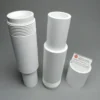
For a useful inquiry, define what passes through the tube, what surrounds it and how it is supported during operation. Include the atmosphere, thermal cycle, electrical conditions, contact materials, dimensional references and inspection needs. Buyers should also explain whether the tube is a process liner, insulator, guide, shield or custom structural element because those functions create different design priorities.
Key Inquiry Requirements
Define the tube’s function
State the tube’s primary role in the equipment: guiding a part, containing a process, separating materials, providing electrical isolation or forming a thermal interface. Then identify what travels through the bore and what contacts the outer surface. This information determines which dimensions, surface conditions, end features and material questions are important during design review.
The name “ceramic tube” does not establish whether the part is thin-walled, heavily supported, open-ended, stepped or integrated with fittings. Provide a controlled section view showing the bore, outer profile, wall transitions, ends and reference datums. If the tube is installed inside a larger assembly, include the surrounding components so clearances and support conditions can be assessed.
Specify atmosphere and operating cycle
Describe the operating atmosphere, pressure conditions, thermal cycle, exposure duration and any process chemicals or vapors that may contact the tube. If conditions change during startup, processing, cleaning or shutdown, list those stages separately. These details help the supplier evaluate material selection and avoid assuming that a general high-temperature description applies to every environment.
Also state whether the tube experiences rapid changes, repeated cycling, local heating, radiant exposure or contact with cooler fixtures. The RFQ should distinguish continuous conditions from short excursions and should identify which values are design inputs versus qualification targets. A complete cycle description is more useful than a single maximum value detached from the assembly context.
Control bore and mounting features
Bore geometry often controls the usefulness of a tube more directly than its outside appearance. Define internal diameter, straightness, concentricity, surface condition, taper, steps and any clearance to the moving or contained part. If gas flow, shielding or line-of-sight matters, explain the functional reason behind the bore requirement so inspection can focus on the right characteristics.
Show how the tube is held, located, sealed or allowed to move. Identify clamps, supports, collars, end fittings and contact materials, along with the installation sequence. Ceramic tubes may be vulnerable to uneven restraint or point contact, so the drawing should state contact zones and any required compliance, clearance or assembly precautions.
Plan material and surface review
Ask the supplier to propose or confirm the hexagonal boron nitride grade and explain the basis for that choice. Relevant considerations may include atmosphere, electrical behavior, thermal exposure, wear, contamination sensitivity and machining requirements. If purity or outgassing is important, the buyer must state the required definition and verification method rather than assuming a universal material level.
Surface finish should be specified according to function. A bore used for clearance, flow or isolation may need different treatment from an outer surface used for support or shielding. Identify whether exposed ends require chamfers, radii, grooves, coatings or sealing features, and ask the supplier to flag any geometry that affects manufacturability or inspection access.
Assemble the RFQ package
Include the latest drawing, three-dimensional model where available, process description, atmosphere, thermal cycle, support arrangement, mating materials, quantity scenario and inspection requirements. Explain the consequences of leakage, contamination, electrical contact or dimensional drift if those are relevant. This allows the supplier to separate design assumptions from measurable acceptance criteria.
Request a quotation that identifies the proposed material designation, forming and finishing assumptions, dimensional inspection scope, visual acceptance criteria and packaging approach. Ask for clarification where the design is incomplete. Buyers can then compare responses based on the same tube function and installation conditions without relying on unsupported claims about service life, stock or guaranteed operating limits.
Questions Before You Inquire
What must be defined before quoting a boron nitride tube?
Provide the tube drawing, bore and outside geometry, length, end features, support method, internal and external contacts, atmosphere, thermal cycle and inspection needs. Explain the tube’s function in the equipment. These details determine whether the supplier is evaluating a guide, liner, insulator, shield or another distinct component.
Does hexagonal boron nitride suit every high-temperature tube application?
Suitability depends on atmosphere, thermal cycling, chemical exposure, electrical requirements, support conditions and contamination limits. The material family alone is not enough to select a grade or confirm service behavior. Share the complete operating cycle and ask for a documented material recommendation tied to those conditions.
Why are bore and mounting details important?
The bore controls clearance, flow, movement and isolation, while mounting determines contact stress and restraint. A tube that fits nominally may still fail to assemble or operate if supports create point loads or excessive constraint. Include mating parts, contact zones, datums and installation sequence in the RFQ.
What inspection should be requested for a ceramic tube?
Specify bore and outside dimensions, length, straightness, concentricity, end features, surface condition and visible-defect criteria according to function. Identify which characteristics need documented measurement. If contamination, sealing or electrical isolation matters, add the relevant acceptance method rather than relying on a general visual inspection.
Send a Clear Component Brief
Share your drawing, quantity and application with Porcecore. Mark the requirements that are fixed and the questions that remain open.


Reviews
There are no reviews yet.