
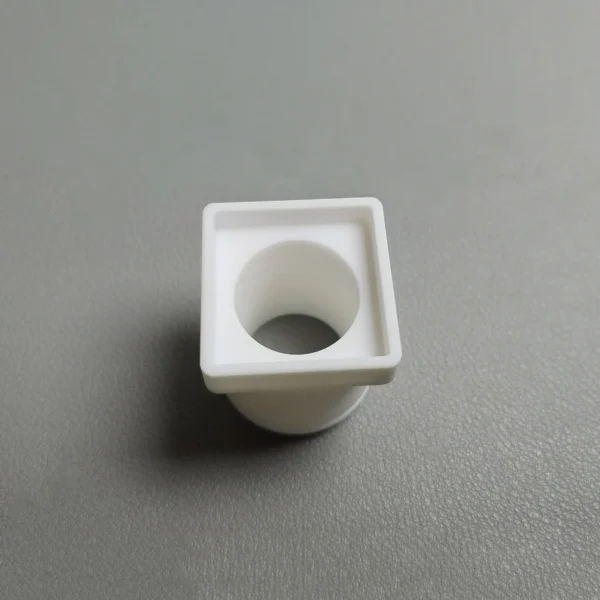


Specify the sleeve as an interface component, not simply as a tube. Include the internal and external features, mating parts, electrical isolation needs, machining allowances, finish and inspection requirements that determine whether a quotation is technically comparable.
Key Inquiry Requirements
Role of a machinable ceramic sleeve
A machinable ceramic sleeve can be used where a shaped insulating or spacing element must fit around, through or between other components. The sleeve may be simple in outline yet demanding at the interfaces, especially when the bore, outside diameter and end faces control alignment. Define the assembly function first so the quotation addresses the features that actually govern performance.
Machinability can support development of complex or revised geometries, but it does not remove the need for disciplined drawings. A buyer should identify which surfaces are functional, how the sleeve is retained and whether the part is installed by sliding, pressing, bonding or another method. Those choices affect clearances, edge details, finish and inspection planning.
Bore, wall and mating geometry
The bore should be specified with its mating component, insertion direction and required clearance or interference relationship. Include straightness, concentricity, step locations, keyways, slots or internal reliefs when they affect assembly. The outside profile deserves equal attention if the sleeve locates in a housing, fixture or adjacent ceramic part. Section details should make minimum walls and transitions unambiguous.
If the sleeve must provide electrical separation, define the locations where isolation is required and identify nearby conductive surfaces. Do not rely on a general statement such as high insulation. The RFQ should instead describe the assembly arrangement, contact risks, voltage-related design inputs where applicable and the inspection or documentation needed to confirm the specified geometry.
Machining and surface requirements
Machinable glass ceramic sleeves may require a sequence of shaping, drilling, finishing and cleaning operations. Ask the supplier to identify the proposed route for critical features and to flag areas where tool access, thin walls or sharp transitions create risk. This helps the buyer assess whether the design is stable enough for quotation or needs a manufacturability review.
Surface finish and edge treatment should be linked to assembly behavior. A rough or damaged bore can affect insertion, while an unsuitable end condition can create seating or contamination problems. State whether edges may be broken, whether sealing or bonding surfaces need special treatment and how chips, dust or residues should be controlled after machining.
Inspection and application evidence
Inspection planning should follow the sleeve’s interfaces. Bore size, outside dimensions, wall thickness, end-face condition and feature location may each require different checks. Provide datums and measurement references on the drawing, especially where concentricity or alignment affects the assembly. If a surface is only cosmetic, label it accordingly so inspection effort remains focused on functional features.
Application evidence is useful when the sleeve operates in a demanding environment. Describe cleaning agents, thermal exposure, vibration, vacuum or nearby electrical conditions when relevant. Request the proposed material designation, process assumptions and available inspection records. This gives the buyer a basis for comparing technically complete offers without turning an unverified property statement into a guarantee.
Building a clear sleeve RFQ
Send the latest drawing with a section view, mating-part information, quantity assumptions and revision history. State whether the requirement is a prototype, development batch or repeat program, while avoiding unsupported commitments about future volumes. Include packaging, labeling and cleanliness instructions if the sleeve enters a controlled assembly process or must remain protected after inspection.
During quotation review, check how each supplier handles thin sections, internal features, edge protection, cleaning and measurement access. Ask which dimensions are included in inspection and which are treated as reference only. Clarify engineering, tooling, sample approval, change-control and drawing-ownership terms before selecting a proposal for further technical discussion.
Questions Before You Inquire
What is the key information for a machinable ceramic sleeve RFQ?
Provide a detailed sectioned drawing showing bore, outside profile, wall requirements, end features, datums and mating clearances. Add the assembly function, installation method, electrical or cleanliness requirements, quantity assumptions and inspection scope. Mating-part drawings or interface dimensions are especially valuable when alignment controls the design.
Can a sleeve include steps, slots or other custom features?
Potentially, but feasibility depends on wall thickness, feature access, edge transitions and the selected manufacturing route. Show each feature on the drawing and identify its function. A supplier should review thin sections, internal machining access and inspection method before confirming that the proposed geometry is practical.
Should electrical requirements be written as property claims?
No. Describe the isolation role within the assembly, the surfaces separated and the relevant operating conditions. Then request a material and verification proposal tied to the drawing. This approach helps prevent broad insulation language from replacing the application-specific geometry, cleanliness and inspection information needed for a meaningful review.
How can buyers compare sleeve quotations fairly?
Compare the interpretation of bore and outside interfaces, wall control, end finish, machining route, cleaning, packaging and inspection evidence. Confirm what dimensions are measured and what assumptions remain open. Also review sample approval, engineering or tooling charges and exclusions, since these can materially change the scope of a quotation.
Send a Clear Component Brief
Share your drawing, quantity and application with Porcecore. Mark the requirements that are fixed and the questions that remain open.



Reviews
There are no reviews yet.