
Ceramic Spray Nozzles, Defined for Your Application
Send your drawing, service conditions, and acceptance criteria to discuss ceramic spray nozzles with a clearer quotation basis.
Featured Products for Ceramic Spray Nozzle Development

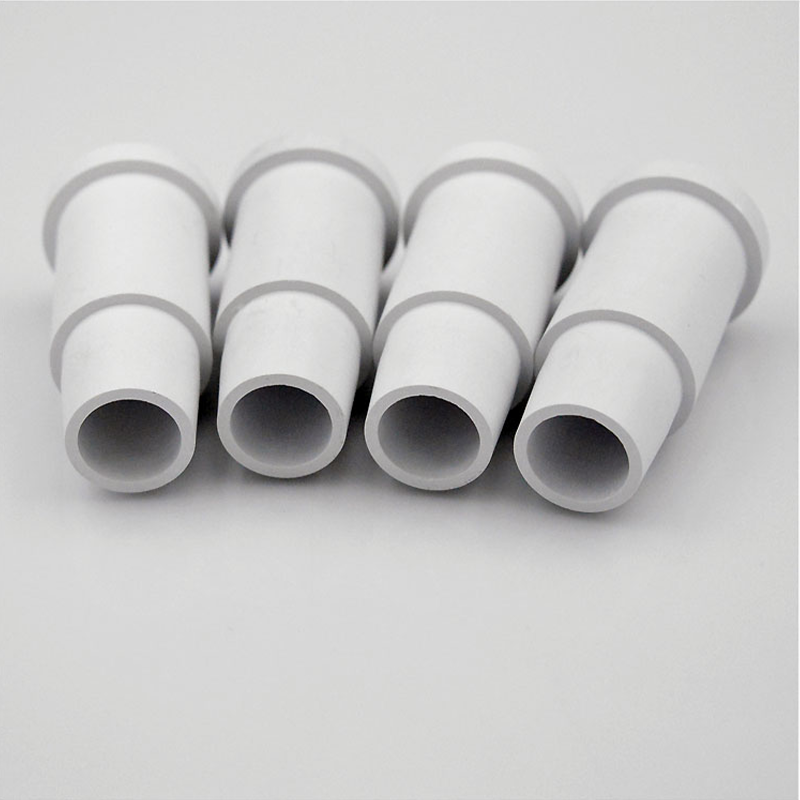
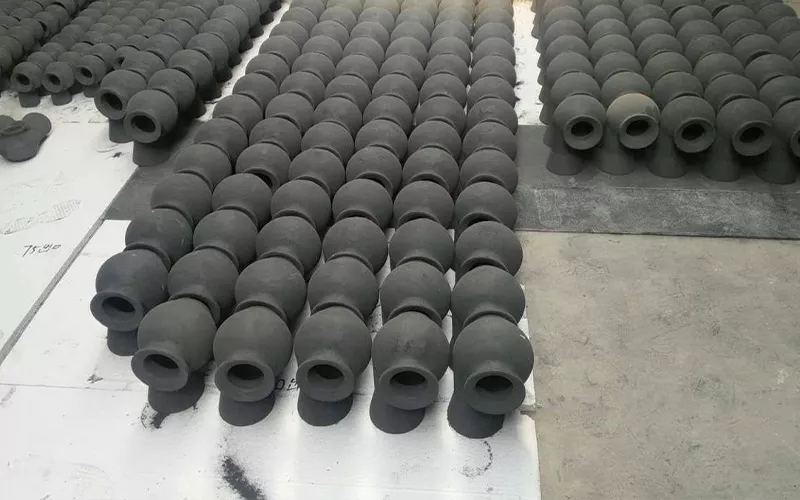

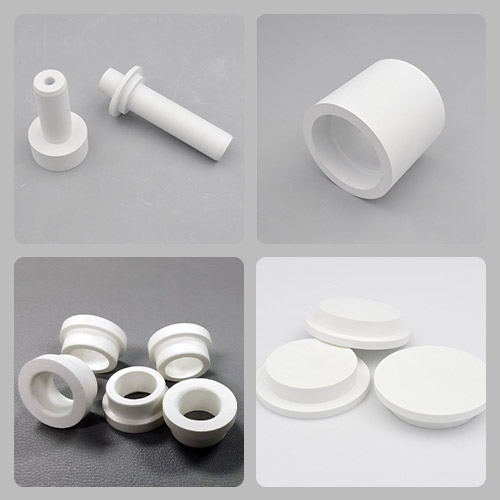
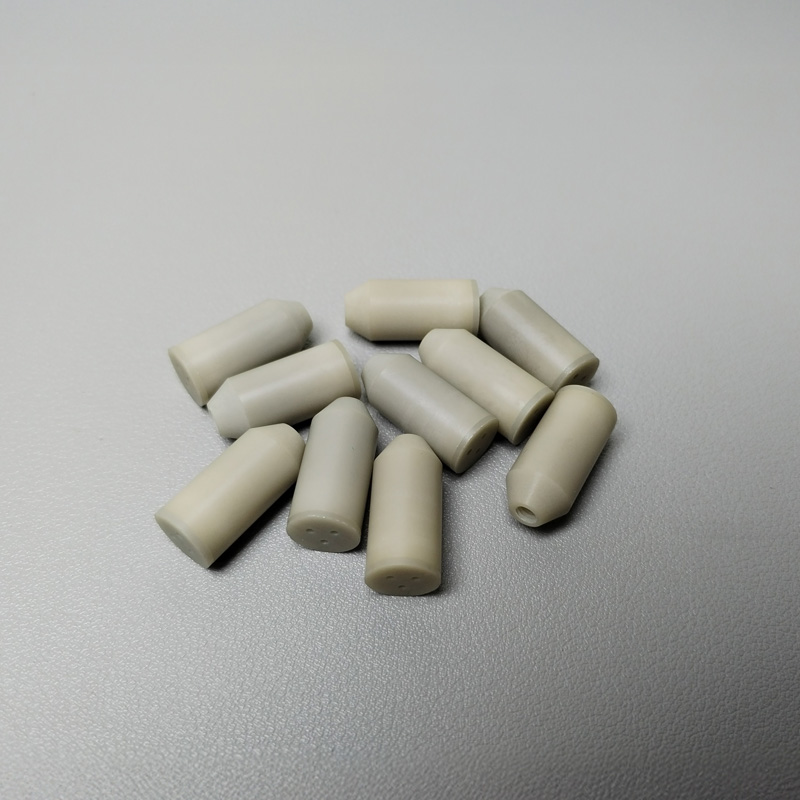

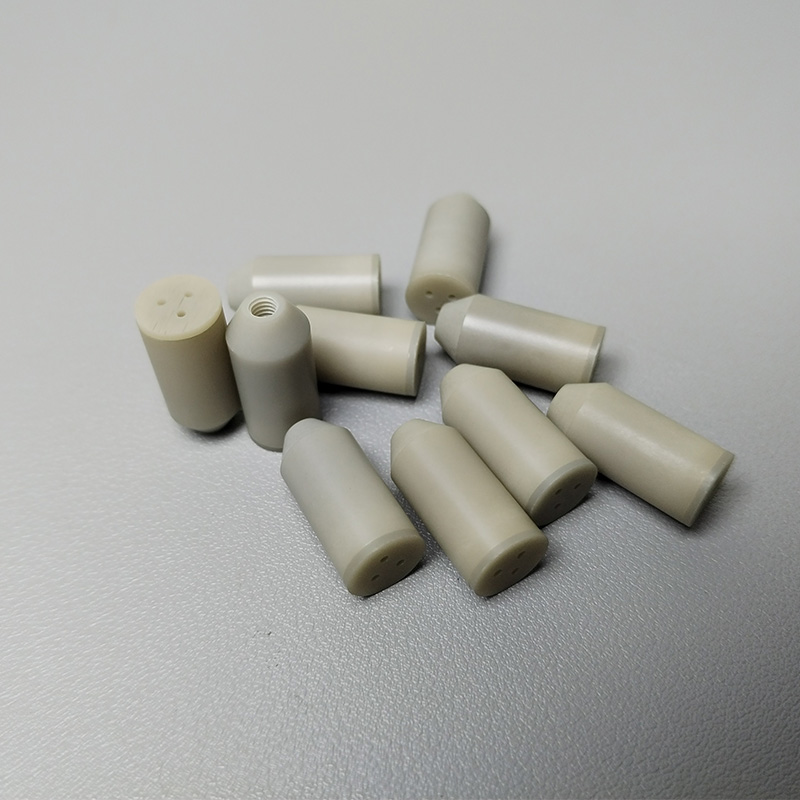


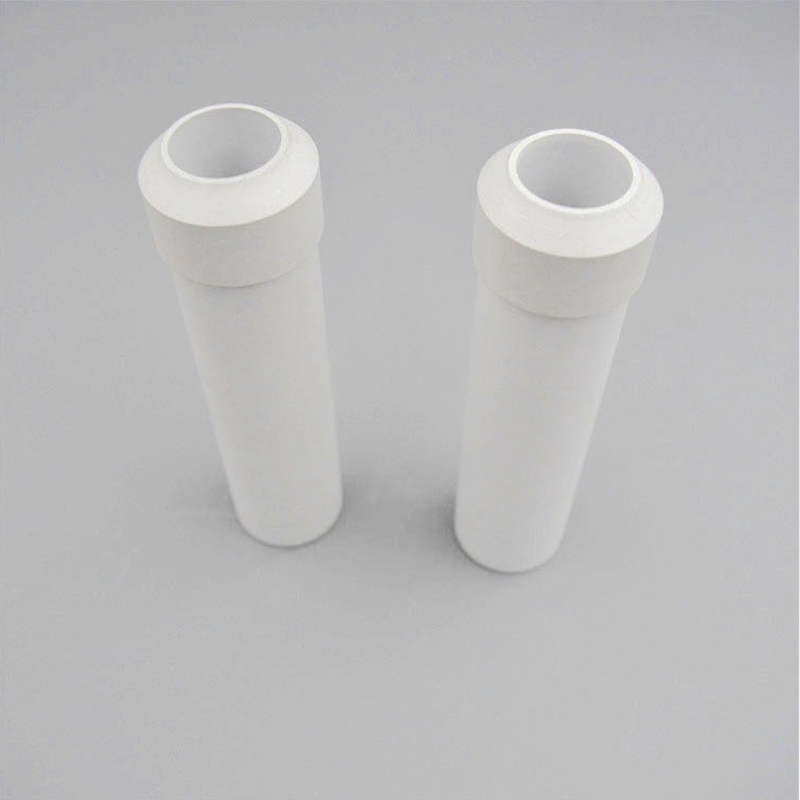
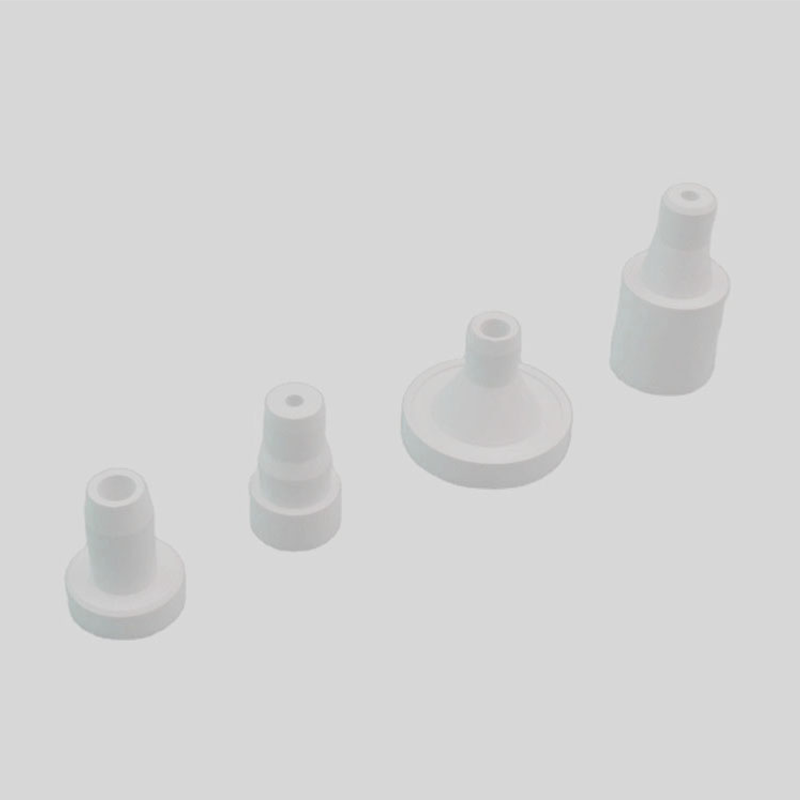
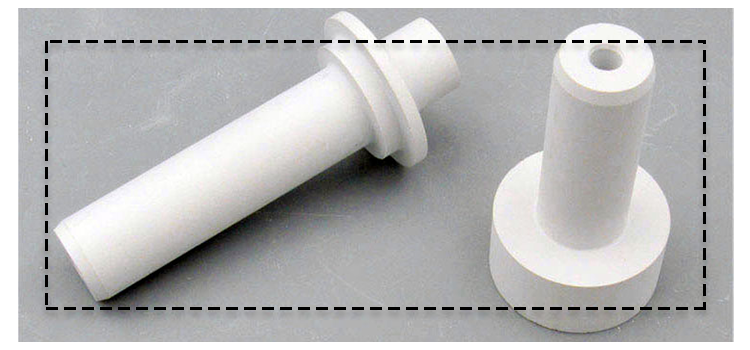


Related Ceramic Spray Nozzles Catalogue and Quotation
Why Specify Ceramic Spray Nozzles with Porcecore
Evaluate the details that connect material selection, component geometry, and project acceptance before quotation.
Current Drawing Revision
Share the current drawing revision so dimensions, tolerances, interfaces, and notes can be reviewed against the component requirement rather than an outdated reference.
Material Grade Context
Identify the preferred ceramic family or grade when known, then discuss it alongside the spray media, temperature, wear exposure, and chemical environment.
Geometry That Assembles
Define bore, orifice, body profile, threads, mounting features, and critical dimensions that influence fit within the nozzle holder or adjacent equipment.
Functional Surface Priorities
Call out sealing faces, mating surfaces, flow passages, and other functional areas so finishing expectations focus on the features that affect assembly and operation.
Process Route Discussion
Review the part shape and requirement complexity to frame suitable forming, machining, and finishing considerations before treating any process combination as committed.
Inspection Evidence Requested
State the measurements, material documentation, visual standards, or other acceptance evidence needed for project review, helping align quotation discussions with approval expectations.
Ceramic Requirements by Application
Explore material, component, industry and resource paths that turn wear, heat, corrosion, fit and replacement needs into a drawing-led inquiry.

Ceramic Manufacturing Capabilities
Review ceramic manufacturing capabilities in relation to the component requirement: forming route, geometry, critical surfaces, tolerances and inspection expectations. Share the current drawing revision, quantity and acceptance criteria so feasibility and quotation questions can be defined for the specific part.
Discuss Your Ceramic Part
Ceramic Solutions by Industry
Explore advanced ceramics applications by operating environment and equipment function. Identify the wear mechanism, temperature exposure, chemical media, electrical duty, mating parts and service constraints that shape material selection and the required component geometry.
Discuss Your Ceramic Part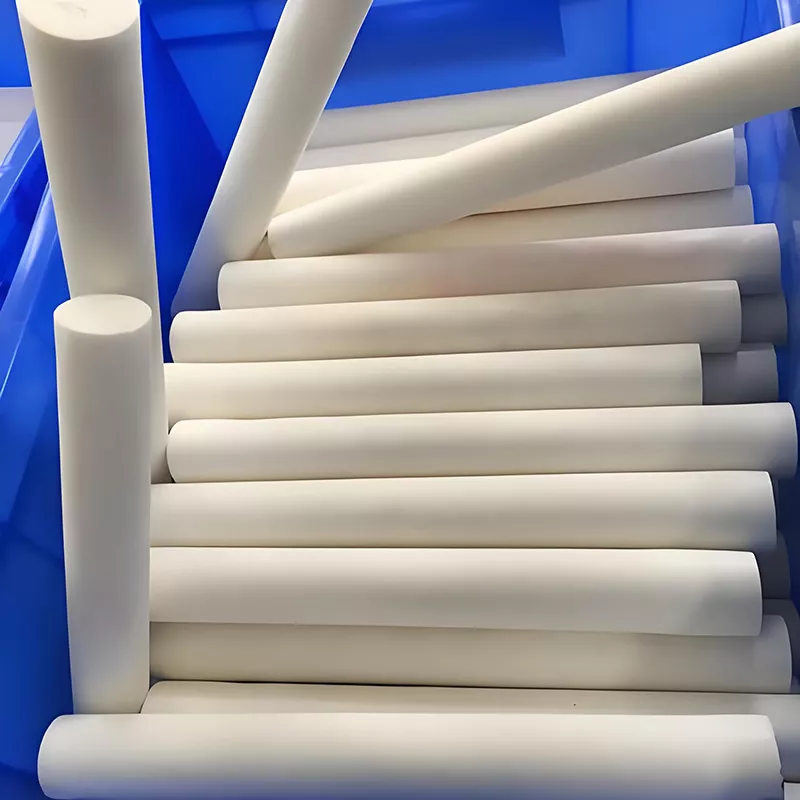
Advanced Ceramic Materials
Compare advanced ceramic materials as candidate families for a defined part requirement. Alumina, zirconia, silicon carbide, silicon nitride, aluminum nitride and boron nitride each require project-specific confirmation of grade, dimensions, processing and grade-specific properties.
Discuss Your Ceramic Part
Technical Ceramic Products
Browse technical ceramic products by familiar component form, including tubes, rods, rings, nozzles and substrates. Use the product path to frame a new or replacement-part inquiry, then confirm drawings, mating surfaces, critical dimensions and compatibility requirements.
Discuss Your Ceramic Part
Technical Ceramic Resources
Use the technical ceramics guide to prepare a clearer inquiry. Distinguish general material information from grade-specific values, identify the dimensions and surfaces that control assembly, and document service conditions, inspection needs and approval requirements before quotation.
Discuss Your Ceramic PartMaterials for Ceramic Spray Nozzles

Alumina Ceramic
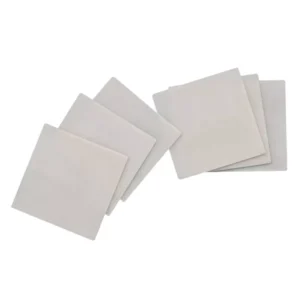
A widely considered option for ceramic spray nozzle inserts and bodies where hardness, wear exposure, and chemical environment need review. Share the drawing, orifice geometry, mating surfaces, and inspection expectations for a project-specific discussion.

Zirconia Ceramic
A ceramic family worth evaluating when component toughness, fine geometry, and surface finish are central to the nozzle requirement. Define pressure conditions, fluid media, assembly interfaces, and the material designation if known before quotation.

Silicon Carbide
Consider silicon carbide for ceramic spray nozzle requirements involving abrasive media, chemical exposure, or elevated temperatures. The final material choice depends on the specified grade, nozzle geometry, operating conditions, and acceptance criteria.
Silicon Nitride
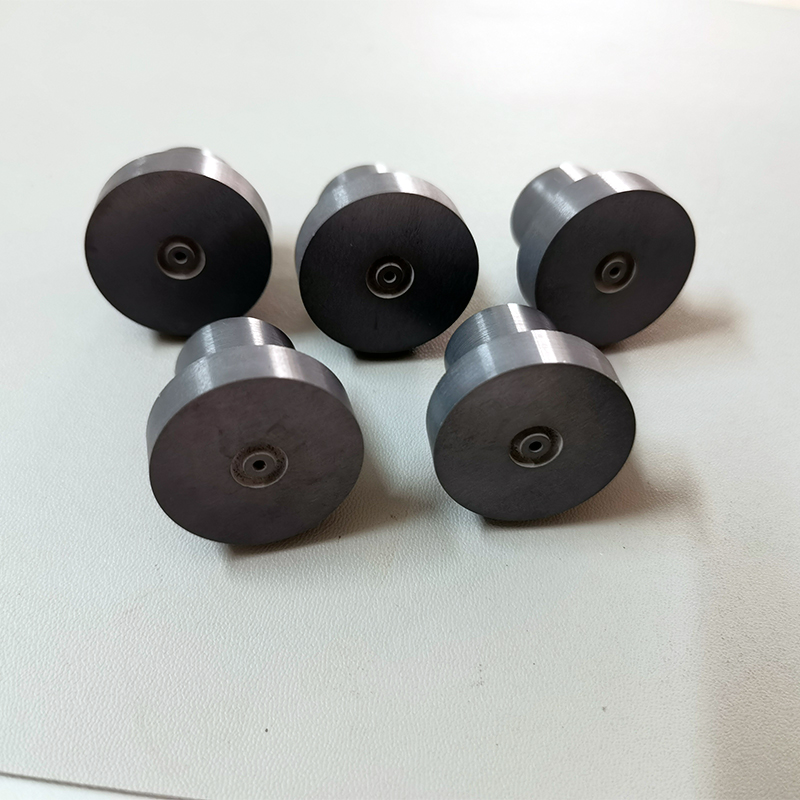
Silicon nitride may be discussed for demanding nozzle components where mechanical loading and temperature changes are relevant. Provide the current drawing revision, functional dimensions, service environment, quantity, and required documentation for review.

Boron Nitride
Boron nitride can be considered for specialized ceramic component requirements where thermal behavior or chemical compatibility needs closer evaluation. Clarify the spray medium, operating temperature, fitting details, and performance expectations with your inquiry.

Aluminum Nitride
Aluminum nitride is a technical ceramic family to assess when heat management is part of the broader component requirement. Discuss the intended nozzle configuration, material designation, critical surfaces, and project-specific acceptance needs before commitment.
Processes for Ceramic Spray Nozzles

Powder Preparation
Discuss material family, grade designation, and any project-specific property priorities before forming. The drawing and service conditions help identify which details require confirmation for the ceramic spray nozzle requirement.
Ceramic Forming
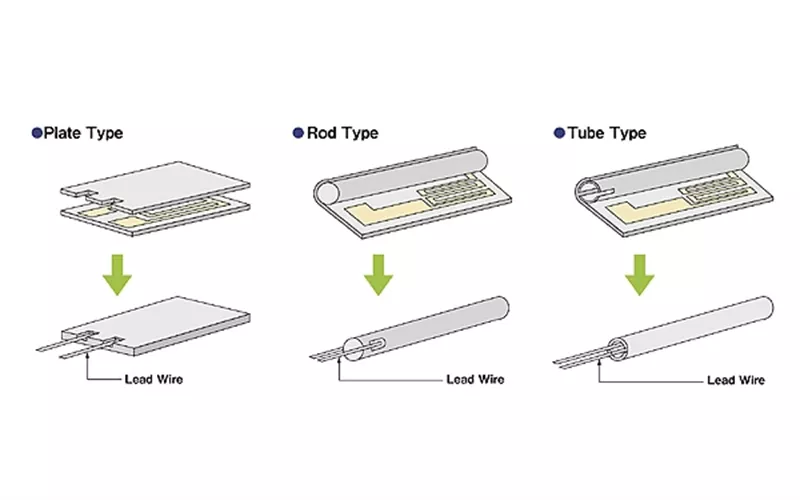
Review the proposed forming approach in relation to nozzle geometry, wall sections, passages, and overall part shape. Provide the current drawing revision so geometry assumptions can be discussed clearly.

Controlled Sintering
Consider sintering as part of the project discussion when final dimensions, material condition, and downstream machining matter. Critical features and acceptance expectations should be identified before a production scope is agreed.

Precision Machining
Define machined interfaces, orifice details, mating surfaces, and dimensions that govern assembly. Call out tolerances, datum references, and inspection points on the drawing to support a more informed quotation discussion.

Surface Finishing
Clarify surface condition requirements where fit, flow path condition, sealing, or handling may matter. Identify any finish expectations and the surfaces involved rather than relying on a general component description.

Dimensional Inspection
Align inspection discussion with the dimensions and features that determine acceptance for ceramic spray nozzles. Include requested documentation, measurement expectations, and any project-specific criteria with the inquiry.
Ceramic Spray Nozzle Features and Fittings to Define

Threaded Connections
Specify thread standard, size, pitch, engagement length, and orientation for ceramic spray nozzles that connect to manifolds, holders, or adapter bodies. Include the mating-part drawing when the interface determines assembly.

Mating Surfaces
Identify sealing faces, shoulders, locating diameters, and contact surfaces that establish alignment in the assembly. Surface condition, concentricity, and critical dimensions should be reviewed against the current drawing revision.

Seal Interfaces
Define O-ring grooves, gasket seats, seal material preferences, and the process media involved. These details help frame the intended interface and any geometry that must work with adjacent fluid-handling components.

Ceramic Inserts
For metal-bodied or composite assemblies, describe the ceramic insert location, retention approach, bore geometry, and service conditions. A section view can clarify how the insert relates to the nozzle body and flow path.

Part Identification
Discuss part numbers, revision marks, traceability labels, or packaging labels needed for receiving and project control. State the required marking location and any documentation references that must accompany the shipment.
Protective Packaging
Confirm quantity per pack, separation needs, handling precautions, and labeling requirements for fragile ceramic components. Packaging expectations are best included with the quotation request so delivery details can be reviewed early.
Ceramic Spray Nozzles, Clearly Specified
Founded by Andy Yuan, Porcecore helps industrial buyers and engineering teams turn ceramic spray nozzle needs into clearer component discussions. Our mission is practical: begin with the part, its operating job, and the information needed to make a better-informed sourcing decision.
Our technical ceramic components cover familiar material families and forms, including alumina ceramics, zirconia ceramics, silicon carbide ceramics, silicon nitride, aluminum nitride, boron nitride, and specialty ceramics. We review custom ceramic components against required grade, geometry, mating surfaces, service conditions, and inspection expectations.
Porcecore works application-first and drawing-led, with clarity before commitment. Send the current drawing revision, known material designation, quantity, acceptance criteria, and relevant operating details. We help identify the dimensions and surfaces that matter before material, production, documentation, delivery, and commercial terms are confirmed for the project.

How Porcecore Clarifies Ceramic Spray Nozzle Requirements
Review the Current Drawing
Porcecore starts ceramic spray nozzle discussions with the current drawing revision or a clear description of the replacement part. This creates a shared reference for overall geometry, bore details, mounting features, tolerances, and the dimensions that matter to assembly.
- Current drawing revision or marked-up sketch
- Critical dimensions and tolerance callouts
- Thread, seat, body, and insert geometry
- Known replacement-part references
Match Material to Service
Material discussion is tied to the actual service environment, not a material name alone. Share the sprayed medium, abrasive content, temperature, pressure, chemical exposure, and duty cycle so material options can be considered against the conditions your ceramic spray nozzles must address.
- Sprayed media and particle characteristics
- Pressure, temperature, and duty cycle
- Chemical exposure and cleaning conditions
- Wear, corrosion, or thermal priorities

Define Critical Interfaces
A nozzle performs within an assembly, so mating interfaces deserve early attention. Porcecore helps focus the inquiry on surfaces that seal, locate, thread, seat, or align with adjacent parts, along with the inspection criteria needed to judge those features.
- Mating and sealing surfaces
- Assembly-driving dimensions
- Thread and connection details
- Interface-specific inspection needs

Align Acceptance Requirements
Before quotation discussions progress, clarify how the finished component will be evaluated. Identify the required material designation, dimensional checks, surface expectations, documentation, quantity, and delivery considerations. This helps distinguish essential acceptance requirements from preferences that still need project-level confirmation.
- Material designation, if known
- Dimensional and visual acceptance criteria
- Required reports or documentation
- Quantity and delivery requirements

Ceramic Spray Nozzles: Porcecore vs. a Typical Component Inquiry
Porcecore centers the discussion on project-specific requirements before a quotation is defined.
← Swipe left or right to view →
Ceramic Spray Nozzles: From Requirement to Shipment
A drawing-led path for aligning material, geometry, inspection expectations, packing, and delivery terms before production commitment.
Share Drawing and Conditions
Send the current drawing revision, intended application, quantity, operating conditions, mating surfaces, and any acceptance criteria for an initial requirement discussion.
Review Geometry and Interfaces
Clarify dimensions that affect assembly, nozzle orifice details, connection features, tolerances, and surfaces that must fit or seal with adjacent parts.
Discuss Material and Process
Review the proposed ceramic family and process considerations against service conditions; grade, geometry, and manufacturability remain subject to project-specific confirmation.
Confirm Inspection Expectations
Define the dimensions, visual criteria, documentation, and inspection points needed for your approval process before quotation details are finalized.
Align Packing and Delivery
Confirm packing needs, delivery expectations, commercial terms, and remaining project details so the ceramic spray nozzle order can proceed on a clear basis.
Start Your Ceramic Spray Nozzle Inquiry
Share the details that help turn a component need into a focused quotation discussion.
Send the Current Drawing
Provide the latest drawing revision or a clear sketch, including critical dimensions, interfaces, thread details, and surfaces that determine fit within the assembly.
Describe Service Conditions
Explain the sprayed media, pressure, temperature, abrasion, chemical exposure, duty cycle, and required spray function so material and geometry discussions begin with the job.
Identify Material Preferences
State the material designation if known, or describe the performance concern. Porcecore can discuss relevant ceramic families against the project requirement.
Confirm Quantity and Criteria
Include prototype and production quantities, target timing, inspection expectations, documentation needs, and acceptance criteria that should inform the quotation conversation.
Review Project Details
Discuss open questions before commitment, then confirm the applicable grade, dimensions, tolerances, delivery, documentation, and commercial terms for the individual order.
Ceramic Spray Nozzles: Documentation for Project Review
Ceramic Spray Nozzles: Project Discussions and Customer Outcomes
Approved customer quote and verified project outcome pending publication.
Approved customer quote and verified project outcome pending publication.
Approved customer quote and verified project outcome pending publication.
Ceramic Spray Nozzles FAQ
Clarify the information needed to evaluate a drawing-led ceramic component quotation.
What should we include when requesting ceramic spray nozzles?
Can Porcecore help select a grade for ceramic spray nozzles?
How are tolerances and functional surfaces defined for ceramic spray nozzles?
Is there a minimum order quantity for a custom ceramic nozzle?
Can we request samples or a first-article review?
What inspection evidence can be discussed for a nozzle order?
How should ceramic nozzles be packaged for shipment?
How are lead time, payment, delivery, and IP handled?
The Complete Buyer’s Guide to Ceramic Spray Nozzles
Use a practical decision framework to specify ceramic spray nozzles, compare materials and spray patterns, assess drawing-led OEM suppliers, and avoid costly fit, performance, quality, and sourcing mistakes.
1. What Are ceramic spray nozzles?
One ceramic spray nozzle is an industrial flow-control component that converts pressurized liquid into a defined discharge pattern. Its inlet geometry, orifice diameter and outlet profile jointly govern flow, velocity, droplet breakup and coverage; pressure changes the delivered flow and atomization.
Two common constructions are a full-ceramic nozzle and a metal holder or body carrying a ceramic orifice or insert. The ceramic element is the wetted wear-control feature, while the surrounding assembly supplies mounting, sealing and connection geometry.
Four familiar patterns—flat fan, full cone, hollow cone and atomizing forms—distribute liquid differently, so pattern choice must match target distance, overlap and allowable droplet size. Ceramic is selected when abrasive slurry, corrosive media or sustained high-velocity duty could enlarge a conventional orifice and destabilize flow, angle or coverage; material compatibility remains application-specific. Source: https://www.ikeuchi.eu/products/hydraulic-nozzles/ceramic-nozzles
2. Evolution of Ceramic Nozzle Technology
One longstanding engineering problem is that abrasive flow enlarges a nozzle orifice; the resulting flow increase can impair coverage or cleaning performance. Ceramic-orifice inserts addressed the highest-wear passage while retaining a metal nozzle body, a construction still used alongside fully ceramic nozzles. Source: https://www.ikeuchi.eu/products/hydraulic-nozzles/ceramic-nozzles
92%-99% alumina is identified by one technical supplier as a ceramic range used for wear-resistant, high-pressure nozzle service. As duty conditions became more severe, technical-ceramic constructions expanded material selection toward silicon carbide and other families where abrasion, temperature, and chemical compatibility must be evaluated together. Source: https://www.ikeuchi.eu/products/hydraulic-nozzles/ceramic-nozzles
3 operating exposures drive this evolution: abrasive solids alter geometry, heat can change material behavior, and process liquids can attack unsuitable materials. For ceramic spray nozzles, the practical objective is not a generic material upgrade but a stable, specified flow passage under the actual medium, pressure, temperature, and mating-body constraints.
3. Types of ceramic spray nozzles
Ceramic spray nozzles are first selected by the wetted pattern the process needs, then by the construction that can hold that pattern under service conditions. Flow rate and spray angle must be verified at the stated pressure using supplier data.
| Type | Coverage Behavior | Selection Question |
|---|---|---|
| Flat fan | Overlapping band | Need uniform linear coverage? |
| Full cone | Filled circle | Need broad wetting? |
| Hollow cone | Ring pattern | Need perimeter coverage? |
| Solid stream | Focused impact | Need targeted force? |
| Fine atomizing | Small droplets | Can pressure and drift be controlled? |
| Ceramic insert | Protected orifice | Is a replaceable body preferred? |
| Full ceramic | Ceramic body | Can mounting loads be managed? |
Pattern Families
Flat fan patterns form a tapered sheet for overlapping, linear coverage; uneven spacing or wear can create striping.
Full cone patterns fill a round footprint for washing or cooling; ask whether complete area coverage outweighs droplet-size control.
Targeted And Fine Sprays
Hollow cone patterns concentrate liquid around a ring for perimeter coverage or gas contact; the center receives less liquid.
Solid stream patterns deliver impact to a defined point, while fine atomizing designs increase surface area but can be sensitive to pressure, contamination, and drift.
Construction Choice
Ceramic-insert nozzles place a wear-resistant orifice in a metal or polymer body; confirm retention, seal interfaces, and replacement method.
Full-ceramic nozzles extend ceramic construction beyond the orifice; ask which external loads, mounting features, and handling risks the body must tolerate.
4. Ceramic Materials for Spray Nozzles
Five candidate materials trade wear life against fracture tolerance, chemistry, temperature, fabrication difficulty, and budget. Ceramic spray nozzles should be selected against the actual duty cycle, not a generic hardness ranking.
| Material | Wear/Toughness | Chemistry/Thermal | Machining/Cost |
|---|---|---|---|
| Alumina | High wear; moderate toughness | Broad duty; confirm chemistry | Relatively machinable; lower cost |
| Zirconia | High toughness; good wear | Thermal limits depend on grade | Machining difficult; mid cost |
| Silicon carbide | Very high wear | Strong corrosion and heat potential | Difficult machining; higher cost |
| Boron carbide | Extreme abrasive wear | Confirm chemical and impact duty | Very difficult; high cost |
| Tungsten carbide | High wear; robust | Binder chemistry and temperature matter | Grinding-intensive; mid-to-high cost |
Relative Material Tradeoffs
Five families differ materially; verify grade-specific properties and availability for the drawing.
Selection Matrix
Five operating inputs should set the shortlist: abrasive severity, fluid chemistry, temperature, pressure, and permitted replacement interval.
Compatibility Confirmation
One final review should check media concentration, pH, solids size, thermal cycling, mating stresses, and acceptance criteria before release.
5. Custom ceramic spray nozzles Options
One custom ceramic spray nozzle begins with the duty point, not appearance. Porcecore can review a drawing-led requirement to separate critical interfaces from optional features before quotation.
Define The Flow Path
One RFQ should state orifice diameter, target flow, spray angle, and insert geometry. Media solids, viscosity, operating pressure, and temperature determine which dimensions and material questions need review.
Control Mating Features
Two interface groups require definition: threads or mounting faces, and sealing features. Specify body material, mating surfaces, tolerance limits, and any orientation or identification marks needed for assembly.
Submit A Usable RFQ
Three inputs improve feasibility review: current drawing revision, annual volume, and inspection expectations. Cosmetic colors or consumer-style variants are secondary; custom engineering concerns function, manufacturability, and confirmed acceptance criteria.
6. Key Construction and Quality Elements
Two features govern repeatability: a smooth, concentric orifice and a dense ceramic free of chips, pores, or cracks. Erosion enlarges or distorts the passage, increasing flow and, for flat fans, changing angle and coverage.
Orifice And Insert Control
100% of approved samples should be checked for orifice size, concentricity, edge finish, and insert retention. Ask how the ceramic insert is located, what joint design resists pressure and thermal cycling, and which defects are rejectable.
Interfaces And Sealing
1 drawing revision should define thread form, pitch, gauge method, sealing-face geometry, and mating material. Confirm whether the seal is face, gasket, O-ring, or thread based, and identify the torque limit before production approval.
Functional Release Evidence
Each lot should have agreed flow-test pressure, allowable deviation, spray-pattern distance, and acceptance method. Request part and lot identification, inspection records, sample retention, and protective packaging that prevents ceramic-to-metal impact during transit.
7. How to Choose a Nozzle Manufacturer
One identical RFQ lets procurement compare ceramic spray nozzle suppliers on evidence rather than sales language. Attach the drawing revision, duty conditions, quantity, inspection requirements, and acceptance criteria to every request.
| Evaluation Area | Compare Using | Evidence To Request |
|---|---|---|
| Engineering review | Same drawing and service data | Assumptions and questions |
| Quality verification | Same acceptance criteria | Dimension, flow, lot records |
| Delivery control | Same quantities and dates | Prototype and production plan |
| Change control | Same revision baseline | Written change-notice process |
Review Engineering Response
Two early questions reveal useful depth: which drawing features control function, and which conditions remain unspecified? Ask for written assumptions on material, mating surfaces, pressure, media, and tolerances.
Verify Inspection And Records
Each supplier should state what it can inspect, not imply unconfirmed capability. Request dimensional and flow results, lot identification, material designation, and any available inspection record for the agreed acceptance plan.
Plan Prototype And Changes
One prototype route should define sample quantity, approval point, expected lead time, and production release criteria. Require written notice before changes to material, tooling, process, dimensions, or inspection method.
8. Common ceramic spray nozzles Buying Mistakes
One photograph rarely defines an orifice, spray pattern, thread, or sealing face. For ceramic spray nozzles, purchasing data must connect operating conditions to measurable acceptance criteria.
Photo-Only Specifications
One photo can hide connection tolerances and critical mating surfaces, causing assembly failure. Submit the drawing revision, dimensions, threads, seals, and material designation.
Incomplete Service Data
Abrasive media, chemistry, pressure, and flow determine wear and compatibility; omission can cause early drift or attack. State solids, particle size, temperature, concentration, duty cycle, and operating range.
Lowest-Price Approval
A low unit price can raise total cost through replacements, downtime, and unstable coverage. Compare lifecycle cost, run a controlled trial, and document flow, pattern, wear limits, and approved revisions.
9. Steps to Launch an OEM Nozzle Program
A controlled OEM program turns a nozzle problem into a releaseable part definition. For ceramic spray nozzles, freeze each decision before purchase quantity rises.
Define The Duty
Step 1 records medium, pressure, temperature, target flow, spray angle, duty cycle, and failure mode.
Step 2 assigns the equipment builder to provide interface dimensions; the distributor defines catalog identity and private-label packaging.
Build The RFQ Package
Step 3 sends the current drawing revision, 3D file where available, annual quantity, material preference, and acceptance criteria.
Step 4 flags critical orifice diameter, thread or mounting datum, sealing surfaces, and measurement method before quotation.
Approve And Scale
Step 5 reviews material recommendations and prototype inspection results against agreed dimensions and functional tests.
Step 6 releases a pilot run only after buyer approval; production then uses the controlled revision, inspection record, forecast, reorder point, and change-notice owner.
10. Ceramic Spray Nozzle Pricing and Cost
Four quote stages make ceramic spray nozzle cost easier to compare before any price is committed. Material, geometry, tolerance, inspection, and order volume should be confirmed against the current drawing revision.
One approved sample can prevent repeat-production cost from being based on an unclear orifice, interface, or acceptance requirement. Illustrative stages below describe cost drivers, not Porcecore price commitments.
| Quote stage | Tooling or setup | Unit-cost drivers | Lead-time factors | Buyer action |
|---|---|---|---|---|
| Prototype | Programming and sample review | Complex geometry; tight tolerance | Material availability; inspection planning | Send drawing and service conditions |
| Low-volume custom | Setup spread across few parts | Machining time; special interfaces | Clarifications; first-article approval | Separate must-have tolerances |
| Repeat OEM | Validated process and inspection plan | Material grade; lot size | Release schedule; documentation | Freeze revision and forecast demand |
| Higher-volume production | Tooling economics may improve | Yield; finishing; inspection level | Capacity planning; delivery batches | Request volume breaks and terms |
Discuss Your Ceramic Spray Nozzles Requirement
Email your drawing, operating environment, material preference, quantity, and acceptance criteria to discuss custom ceramic components or industrial ceramic parts. For direct contact, email info@zlrsmaterials.com or WhatsApp +86 130 6482 5920.