
Technical Ceramics for Chemical Processing
Source technical ceramics for chemical processing with drawing-led requirements, project-specific material guidance, and a clearer path from inquiry to quotation.
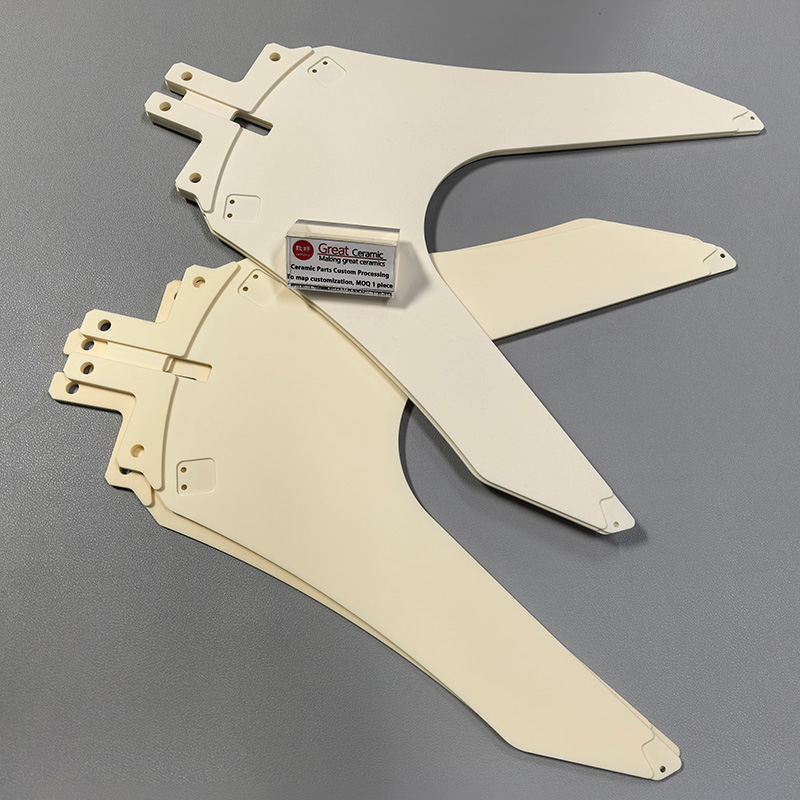
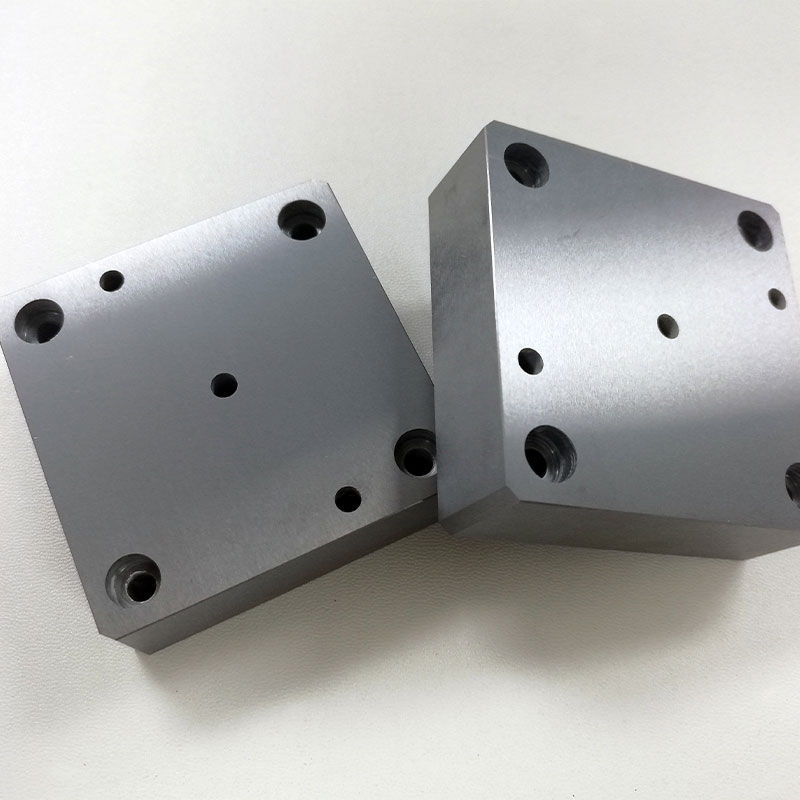
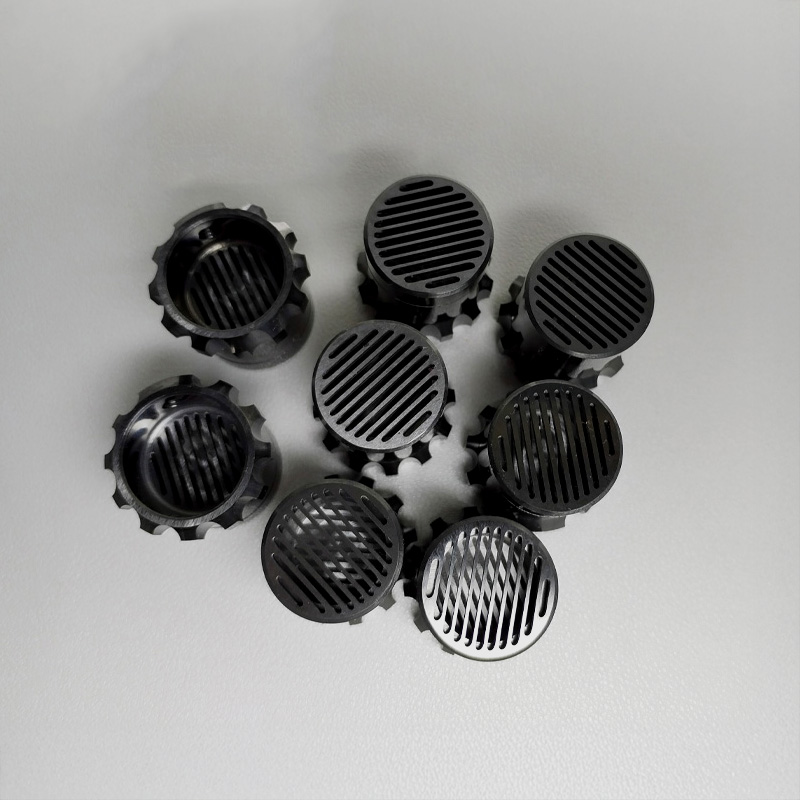
Featured Technical Ceramic Components for Chemical Processing







Related Product Catalogue and Quotation


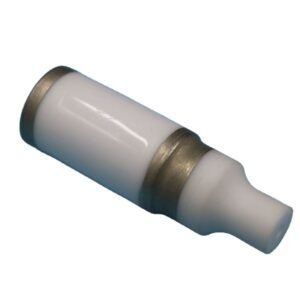





Technical Ceramics for Chemical Processing: Key Advantages
Evaluate technical ceramics for chemical processing through material coverage, drawing-led communication and project-specific requirements before requesting a quotation.
Material Family Coverage
Compare oxide, nitride, carbide and specialty ceramic families against the chemical environment, temperature, electrical behavior and wear demands identified for your component.
Drawing Revision Control
Share the current drawing revision so dimensions, tolerances, interfaces and open questions remain aligned during quotation, review and any later production confirmation.
Project-Specific Grades
Confirm the requested material grade, purity or designation where known, while separating essential performance requirements from preferences that still need engineering discussion.
Geometry and Mating Surfaces
Define tube, rod, ring, substrate or other geometry together with mating surfaces, assembly dimensions and features that determine fit within the equipment.
Functional Surface Requirements
Identify sealing, sliding, insulating, wetted or wear-facing surfaces, including the operating media and conditions that influence finish, compatibility and service expectations.
Inspection and Acceptance Evidence
Agree inspection points, dimensional records, test expectations, packaging needs and acceptance criteria early, giving procurement and engineering teams a clearer basis for supplier comparison.
Chemical Processing Ceramics by Material and Form
Review component forms, material families, industry applications and technical resources before preparing a drawing-led inquiry for project-specific requirements.

Ceramic Manufacturing Capabilities
Review Porcecore’s ceramic manufacturing capabilities by considering component geometry, mating surfaces, dimensional tolerances, inspection expectations and production requirements relevant to chemical processing equipment.
Discuss Your Ceramic Part
Ceramic Solutions by Industry
Explore advanced ceramics applications across chemical processing and related industries, connecting corrosion exposure, temperature, electrical conditions, wear and assembly constraints with appropriate component decisions.
Discuss Your Ceramic Part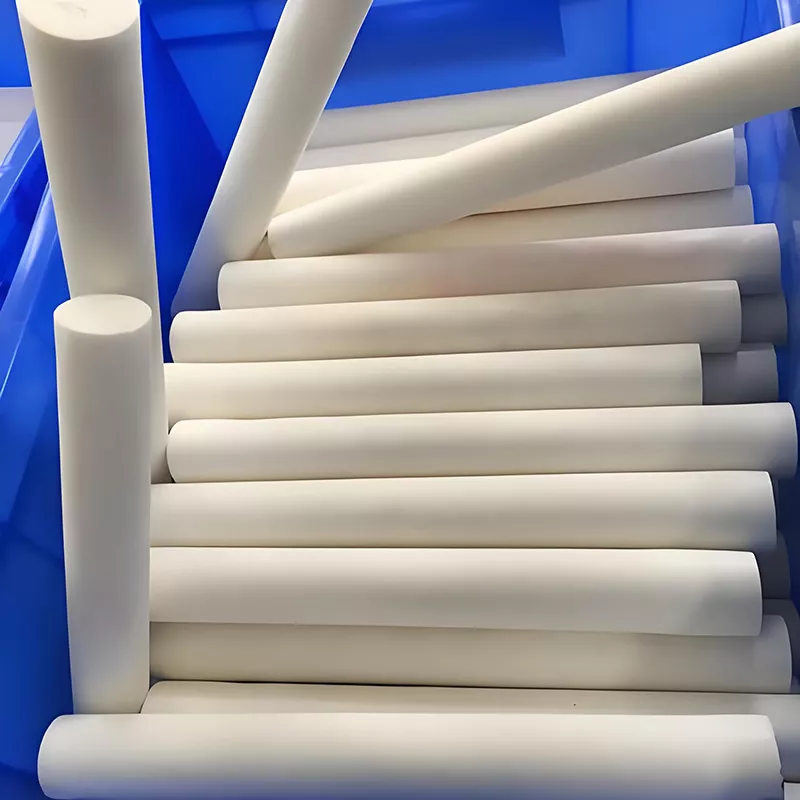
Advanced Ceramic Materials
Compare advanced ceramic materials including alumina, zirconia, silicon carbide, silicon nitride, aluminum nitride, boron nitride and specialty families according to project-specific service conditions.
Discuss Your Ceramic Part
Technical Ceramic Products
Browse technical ceramic products such as tubes, rods, rings, substrates and other engineered components. Product illustrations indicate possible forms; final grade, dimensions and tolerances require confirmation.
Discuss Your Ceramic Part
Technical Ceramic Resources
Use this technical ceramics guide to prepare a clearer inquiry. Include the current drawing revision, material designation, quantity, service conditions, acceptance criteria and required documentation.
Discuss Your Ceramic PartTechnical Ceramics for Chemical Processing: Material Families

Alumina Ceramics
A dense, hard ceramic family commonly considered for tubes, rings, insulators and process-contact components. Its electrical insulation and chemical stability can support demanding equipment designs, subject to grade and environment review.

Zirconia Ceramics
A fine, tough-feeling ceramic family often explored for wear-sensitive parts, seals and precision components. Its suitability depends on geometry, mating surfaces, thermal conditions and the specific zirconia formulation selected.

Silicon Carbide Ceramics
A hard, wear-focused ceramic family considered for components exposed to abrasive media, elevated temperatures or chemically demanding service. Review porosity, surface finish, thermal conditions and inspection requirements before specifying a grade.

Silicon Nitride
A high-performance ceramic family often evaluated for mechanically loaded parts, guides and process components where strength, thermal behavior and wear considerations intersect. Confirm the required grade, dimensions and acceptance criteria for each project.
Aluminum Nitride
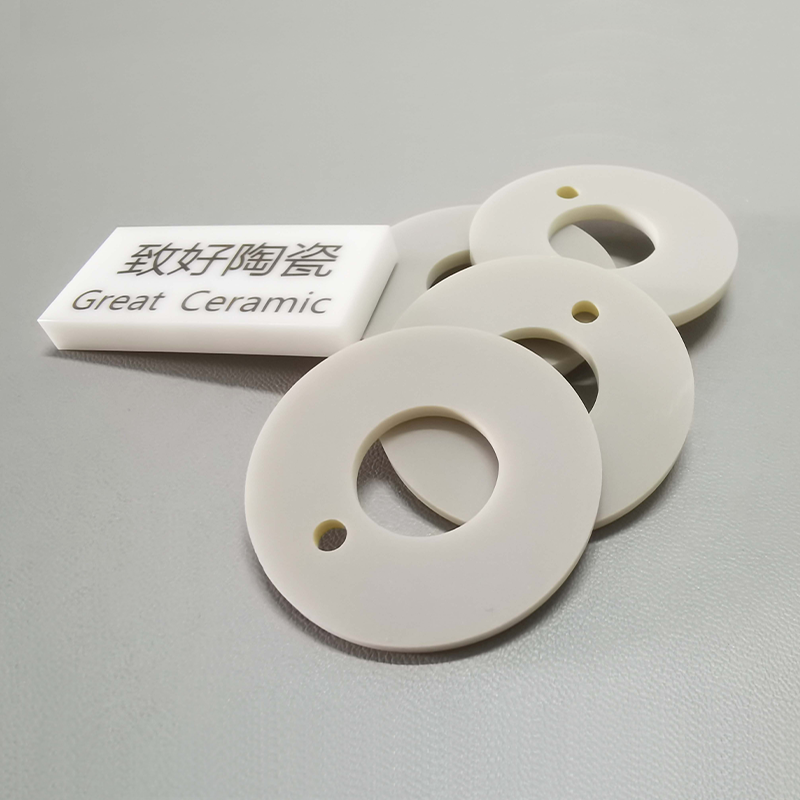
A technical nitride family considered where ceramic insulation and thermal-management requirements appear together, including selected substrates and equipment parts. Application fit depends on geometry, metallization or mating needs, grade and operating conditions.

Boron Nitride
A specialty ceramic family with a smooth, machinable-feeling surface in suitable forms, often explored for fixtures, insulators and high-temperature process components. Confirm atmosphere, load, geometry and handling requirements before quotation.
Supported Manufacturing Processes for Technical Ceramics for Chemical Processing

Pressing And Forming
Uniaxial or isostatic pressing may be considered for suitable ceramic geometries. The selected forming route depends on material behavior, dimensional requirements, section thickness, quantity and the final component’s intended service conditions.

CNC Green Machining
Green machining may help define holes, profiles and other features before firing. Porcecore can discuss this route against the drawing, required geometry, material grade and dimensional changes expected during sintering.

Sintering And Firing
Controlled sintering develops the required ceramic body from the formed component. Firing conditions are material- and grade-dependent, so final dimensions, tolerances and inspection expectations should be confirmed for each project.

Diamond Grinding
Diamond grinding may be used to refine fired ceramic surfaces, dimensions or mating features. It is considered where the drawing requires tighter control, defined surface relationships or reliable assembly with another part.

Lapping And Polishing
Lapping and polishing can be discussed for selected sealing, optical, electrical or mating surfaces. The achievable finish and inspection method depend on the ceramic grade, geometry, tolerance and application requirement.
Supported Accessories for Technical Ceramics for Chemical Processing

Mating Surfaces
Specify flatness, surface finish, contact geometry, and critical dimensions where the ceramic part meets another component. These details support assembly planning and help align technical ceramics for chemical processing with the equipment interface.

Process Fittings
Fittings, sleeves, adapters, or connection features can be reviewed around the component’s installation environment. Share the mating standard, service conditions, and drawing revision so the required interface can be assessed accurately.

Sealing Interfaces
Seal grooves, compression faces, and joining surfaces may be important in fluid or gas-handling assemblies. Identify sealing expectations, media exposure, temperature, and pressure requirements for a project-specific review of the ceramic component.

Identification Labels
Part markings, labels, or packaging identifiers can help procurement and production teams distinguish revisions, materials, and inspection status. Include preferred identification content and placement when documentation or traceability matters to the project.

Protective Packaging
Packaging requirements can be defined for fragile geometries, finished surfaces, grouped quantities, and shipment handling. Describe the delivery route, packing preferences, and protection needs so final packaging expectations are clear before quotation.
About Porcecore: Technical Ceramics for Chemical Processing
Porcecore was founded by Andy Yuan to make technical ceramic procurement more understandable for industrial buyers, equipment builders and project teams. Our approach begins with the part and the job it must perform, connecting material selection with geometry, mating surfaces, operating conditions and inspection expectations.
Our scope covers oxide, nitride, carbide and specialty ceramics, including familiar component forms such as tubes, rods, rings and substrates. For technical ceramics for chemical processing, we encourage drawing-led inquiries that define the required grade, dimensions, service conditions, quantity and acceptance criteria. Email a drawing to begin a focused project discussion.

Core Capabilities for Technical Ceramics for Chemical Processing
Clarify the Part Requirement
We begin with the component and its job, then organize the details needed for a useful quotation. Share the drawing revision, quantity, service conditions and known material designation so essential requirements can be separated from open questions.
- Component type, application and operating environment
- Current drawing revision and critical dimensions
- Quantity, timing and replacement-part context
- Known material designation or preferred ceramic family

Match Materials to Service
Material selection should follow the actual process conditions rather than a material name alone. Porcecore can structure the discussion around chemical exposure, temperature, wear, electrical needs and mating requirements while keeping grade availability subject to project confirmation.
- Oxide, nitride, carbide and specialty ceramics
- Chemical, thermal, mechanical and electrical requirements
- Grade-specific properties reviewed for the application
- Material choice connected to the part’s operating role

Review Geometry and Interfaces
A ceramic component must work within the surrounding assembly. We review geometry, tolerances, mating surfaces and features that influence installation or replacement, helping equipment builders and procurement teams identify the dimensions that require confirmation before production.
- Tubes, rods, rings, substrates and custom forms
- Mating surfaces and assembly-defining dimensions
- Tolerances, edges, holes and critical features
- Drawing-led questions for manufacturability and fit

Align Acceptance Criteria
A clear order discussion includes more than shape and material. Porcecore helps define inspection expectations, documentation needs, delivery details and commercial assumptions so the quotation reflects the project requirements and distinguishes preferences from agreed production criteria.
- Inspection points and dimensional acceptance criteria
- Material documentation and approval requirements
- Packaging, delivery and revision-control expectations
- Confirmation of grade, quantity and commercial terms

Why Choose Porcecore for Ceramic Sourcing
For technical ceramics for chemical processing, Porcecore connects material families and component forms with drawings, operating conditions, and project-specific acceptance requirements.
← Swipe left or right to view →
Technical Ceramics for Chemical Processing: From Drawing to Delivery
A clear, drawing-led workflow connects material discussion, project requirements, production coordination and delivery details for better-informed sourcing decisions.
Define the Part Requirement
Share the drawing revision, component form, service conditions, quantity, mating surfaces and acceptance criteria so the project starts with a concrete brief.
Review Materials and Geometry
Discuss suitable oxide, nitride, carbide or specialty ceramics alongside dimensions, tolerances, operating environment and the grade requirements relevant to your application.
Build the Quotation Basis
Porcecore clarifies open technical questions, confirms quotation inputs and separates essential specifications from preferences before commercial and delivery details are reviewed.
Coordinate Production and Inspection
Once requirements are confirmed, manufacturing coordination follows the agreed geometry, material designation, inspection expectations and documentation needs for the individual project.
Prepare Shipment Documentation
Packing and shipping discussions cover the confirmed order, inspection records, required documents and delivery arrangements so the ceramic components arrive ready for your next step.
How to Source Technical Ceramics for Chemical Processing
A clear, drawing-led path from initial component requirements to quotation review, sampling, and production planning.
Send Your Requirements
Share the current drawing revision, component details, quantity, material designation if known, and the surfaces or dimensions critical to assembly.
Confirm Service Conditions
Define operating temperature, chemical exposure, pressure, mechanical loads, mating conditions, documentation needs, and acceptance criteria for the project.
Review the Quotation
Review the proposed material grade, geometry, tolerances, inspection scope, documentation, delivery expectations, and commercial terms for your specific requirement.
Proceed With Sampling
Align on open questions, then move forward with sampling or production once the technical and commercial requirements are confirmed.
Project Evidence for Technical Ceramic Sourcing
Customer Reviews and Technical Ceramics for Chemical Processing Case Evidence
No verified customer testimonial or documented chemical-processing project outcome has been supplied for publication. Please request drawing-specific evidence, inspection records and agreed acceptance criteria before approval.
Porcecore welcomes project discussions based on the component drawing, material designation, service conditions, quantity and documentation requirements. No unsupported performance figure or customer endorsement is presented here.
For a replacement part or new component, send the current drawing revision and operating environment to establish a concrete quotation basis. Project-specific grade, geometry and acceptance requirements require confirmation.
Buyer’s Guide to Technical Ceramics for Chemical Processing
Clear answers for teams qualifying ceramic materials, components, documentation and commercial requirements against a project-specific RFQ.
What information should I provide when requesting technical ceramics for chemical processing?
How does Porcecore select a ceramic material grade for chemical processing?
Can you confirm tolerances and functional surfaces for technical ceramics for chemical processing?
Is there a minimum order quantity or sampling option?
How should I plan lead time, payment and shipping for technical ceramics for chemical processing?
What inspection and documentation can accompany a ceramic component order?
How does Porcecore protect drawings and intellectual property?
What should I do if I need technical ceramics for chemical processing but my drawing is incomplete?
The Complete Buyer’s Guide to technical ceramics for chemical processing
Use this decision framework to match ceramic materials, designs, and suppliers to process conditions, compare total cost, and avoid specification, qualification, and purchasing mistakes that create premature failure or costly downtime.
1. What Are Technical Ceramics for Chemical Processing?
1 definition matters: technical ceramics for chemical processing are engineered, high-purity oxide, nitride, carbide, or specialty ceramic materials formed into parts such as tubes, rings, linings, seals, and substrates. They serve aggressive chemical, thermal, abrasive, or electrically demanding environments where a conventional material may lose integrity. 5 buyer-relevant properties commonly drive selection: corrosion resistance, temperature stability, wear resistance, electrical insulation, and potential service-life extension. com/technical-ceramics/en/industries/chemical-process-technology
4 operating variables must remain in the specification: chemistry, pressure, geometry, and actual temperature or thermal cycling. A material family alone does not establish performance; the component’s mating surfaces, loads, tolerances, contamination limits, and inspection criteria must be reviewed against the intended process.
2. Evolution and History of Technical Ceramics
19th-century chemical plants relied on traditional ceramic linings, crucibles, tubes, and laboratory ware because these materials resisted many corrosive liquids and avoided metal contamination. Their limitations were mainly geometric accuracy, brittleness, and inconsistent fit at mating surfaces. Mid-20th-century development of engineered oxides, carbides, nitrides, and zirconia systems expanded the usable range into abrasive slurries, thermal cycling, aggressive acids and alkalis, and electrically insulating components. com/technical-ceramics/en/industries/chemical-process-technology). Today, precision grinding, controlled forming, CNC machining, inspection data, and digitally supported production connect ceramic performance with a defined part requirement. Procurement should therefore preserve drawing revision, grade, tolerances, fit surfaces, service conditions, inspection criteria, and required documentation from the first inquiry through approval.
3. Types of Technical Ceramics for Chemical Processing
Seven sourcing groups cover most chemical-process ceramic requirements, from containment and wear control to flow handling, separation, and electrical isolation. com/technical-ceramics/en/industries/chemical-process-technology).
| Type | Primary function | Key quotation inputs |
|---|---|---|
| Lining or wear part | Containment and abrasion control | Media, geometry, thickness |
| Tube or sleeve | Protection or isolation | Bore, length, fits |
| Seal or valve part | Leak prevention and flow control | Face finish, pressure, temperature |
| Filter or insulator | Separation or electrical isolation | Pore data or dielectric duty |
Containment And Wear Parts
Linings, sleeves, and wear plates protect surfaces exposed to corrosive liquids or abrasive solids. Quote the protected geometry, media, temperature, thickness, mating surfaces, and allowable wear.
Failure commonly appears as erosion, cracking, leakage, or chemical attack at joints.
- Linings and wear parts
- Tubes and sleeves
- Seals and valve components
Flow And Process Hardware
Pump impellers, nozzles, valve seats, crucibles, and process vessels combine chemical exposure with pressure, velocity, or thermal cycling. Tolerances depend on shaft fits, sealing faces, flow passages, and assembly clearance.
Provide drawings, pressure, flow rate, particle loading, thermal profile, and inspection criteria.
- Pump and flow-path parts
- Crucibles and process vessels
Porous And Insulating Components
Filters and porous ceramics require specified pore structure, permeability, and filtration duty; electrical or sensor insulators require dielectric, dimensional, and mounting details. Failure modes include plugging, fracture, arcing, and contamination.
Identify connection details, operating atmosphere, cleanliness, quantity, and required documentation before quotation.
- Filters and porous ceramics
- Electrical or sensor insulators
4. Materials for Technical Ceramics in Chemical Processing
Seven material families cover different balances of chemical compatibility, temperature, thermal shock, wear, toughness, conductivity, purity, and machinability.
| Material | Chemical / Thermal | Mechanical / Electrical | Machinability |
|---|---|---|---|
| Alumina | Broad resistance; high temperature | Wear-resistant; insulating; high purity grades | Diamond machining |
| Silicon carbide | Excellent corrosion; very high temperature | Excellent wear; thermal shock; conductive | Difficult; diamond machining |
| Zirconia | Good chemical resistance; moderate-high temperature | High toughness; low conductivity | Diamond machining |
| Silicon nitride | Good chemical resistance; high temperature | Tough; thermal-shock resistant; insulating | Diamond machining |
| Aluminum nitride | Chemical limits vary; high temperature | High thermal conductivity; insulating | Diamond machining |
| Boron nitride | Good chemical stability; high temperature | Thermal conductor; electrical insulator | Relatively machinable |
| ZTA / composites | Formulation-dependent | Improved toughness or conductivity | Process-specific |
Read Grades Beyond Material Names
Alumina and silicon carbide often suit corrosive, abrasive service; zirconia and toughened systems trade some chemical performance for higher fracture toughness.
Match Properties To Duty
Chemical exposure, peak temperature, thermal cycling, particle loading, electrical requirements, and mating stresses should be reviewed together.
Request Validation Evidence
Datasheets should identify grade-specific values, test methods, temperature limits, purity, tolerances, and machining condition.
5. Customization and Finishing Options for Chemical-Process Ceramics
Geometry, interfaces, and operating data should be defined together when specifying technical ceramics for chemical processing.
Design Geometry For Manufacture
Wall thickness, holes, grooves, radii, and minimum features affect forming, sintering shrinkage, distortion risk, and yield. Provide a current drawing or 3D model with shrinkage allowances agreed during engineering review.
Finishing And Joining Choices
Post-sinter grinding, lapping, glazing, coatings, metallization, and joining can improve a specific interface but add processing steps, inspection needs, and cost. Select them against temperature, chemistry, load, cleanliness, and electrical requirements.
Joining methods and seal designs should be reviewed for differential expansion, leakage paths, contamination, and maintainability. Coatings or metallization require confirmation of compatibility and intended use.
Define The Supply Package
A quotation package should identify material designation, quantity, drawing revision, critical features, operating temperature, pressure, chemicals, cycle conditions, and acceptance criteria. State cleanliness limits, packaging needs, inspection records, and traceability expectations.
6. Key Construction and Quality Elements
Service life depends on measurable construction quality, not a material name alone.
Material And Microstructure
Purity, density, porosity, and controlled microstructure govern corrosion exposure, permeability, strength, and contamination risk. Specify the material grade, minimum density, maximum open porosity, and applicable test method.
- Material designation and grade
- Density and open-porosity limits
- Batch number and certificate
Geometry And Surface Integrity
Drawing tolerances must identify assembly dimensions, mating surfaces, flatness, surface finish, edge breaks, and allowable chips. State inspection instruments and sampling rules for each critical feature.
- Critical dimensions and tolerances
- Surface-finish requirement
- Chip and edge-limit definition
Thermal And Process Control
Thermal-shock resistance and joining quality require application-specific testing, including temperature cycles or leak tests where relevant. Define contamination controls, cleaning requirements, inspection reports, and nonconformance handling before production.
- Thermal-cycle or leak-test method
- Joining and cleanliness criteria
- Inspection report and revision control
7. How to Choose a Technical Ceramics Manufacturer
A sound supplier review connects material choice to the actual component, process, and acceptance criteria.
Evaluate Technical Capability
A complete RFQ should ask which ceramic families, grades, forming methods, tooling routes, sintering controls, and machining tolerances suit the part and service conditions.
- Which process route will you use, and why?
- What evidence supports the proposed grade and tolerance?
- Which operations are subcontracted?
Validate Samples And Production
A first article should be approved against drawing revision, material designation, critical dimensions, mating surfaces, and agreed acceptance criteria before production release.
- What is the pilot quantity and approval gate?
- How are nonconformances and process changes communicated?
Check Support And Documentation
A purchase decision should include inspection reports, certificates actually applicable to the order, traceability, packaging requirements, and revision-controlled documents.
- Which documents accompany each shipment?
- Who owns technical questions after delivery?
8. Common Technical Ceramics Buying Mistakes
Eight recurring purchasing errors can turn a suitable ceramic component into an unreliable process part.
Price And Material Shortcuts
Lowest unit price can conceal shorter service life, rework or replacement downtime; compare total operating consequence, not piece cost alone.
Process Conditions And Wear
Concentration, pH, temperature range and cycling frequency determine chemical and thermal exposure; provide actual operating data instead of naming the process generally.
Assembly And Tolerance Gaps
A tight tolerance without datum, mating-surface or inspection definition can create assembly failures; identify functional dimensions and measurement methods.
Weak Validation And Comparisons
One prototype cycle can expose fit, leakage, thermal shock or contamination risks before production; test representative parts under defined service conditions.
9. Steps to Launch Your Chemical-Process Ceramic Program
The process envelope defines the program baseline: chemistry, concentration, temperature, pressure, flow, solids, cycling, cleaning, and service life. A cross-functional owner should control each decision gate.
Define Requirements
Process conditions and failure history establish the must-pass criteria. Process, mechanical, electrical, maintenance, quality, and procurement teams should confirm interfaces, risks, and acceptance needs.
Screen And Specify
Material screening compares candidate ceramic families against chemistry, wear, temperature, dielectric, and thermal-shock demands. Mechanical engineering then reviews geometry, tolerances, finishing, assembly, and likely failure modes.
Test, Release, And Review
Prototype or sample testing verifies fit and performance under representative conditions. Quality and procurement qualify the supplier, approve the inspection plan, and document corrective actions before pilot production.
Installation confirms interfaces and handling controls; volume release requires signed approval from engineering, quality, maintenance, and procurement. Performance reviews should track failures, wear, downtime, and required design updates.
10. Pricing and Cost of Technical Ceramics for Chemical Processing
3 quote variables should be compared together: material grade and purity, part size and complexity, and forming method. Tooling, sintering yield, machining, finishing, inspection, packaging, quantity, and lead time can materially change the quoted unit cost. 1 total-cost review should include qualification effort and replacement cost, not only the initial price.
| Cost category | Representative supplier-quoted basis | What to compare |
|---|---|---|
| Material and process | [Supplier-quoted range] per part; grade and purity confirmed | Material designation, forming route, tooling, sintering yield |
| Geometry and finishing | [Supplier-quoted range] per part | Size, complexity, machining, surface finish, tolerances |
| Quality and logistics | [Supplier-quoted range] per lot | Inspection, qualification, packaging, documentation, lead time |
| Quantity and ownership | [Tiered quote: 1 / 10 / 100+ units] | MOQ, reorder price, service life, replacement and downtime cost |
Ready to Specify Technical Ceramics for Chemical Processing?
Email your drawing or describe the component, service conditions, quantity, and acceptance criteria for a focused quotation discussion.