
Technical Ceramics for Medical Devices, Specified Clearly
Technical ceramic components for medical devices, including industrial ceramic parts and custom ceramic components reviewed against defined geometry, grades, service conditions and acceptance requirements.
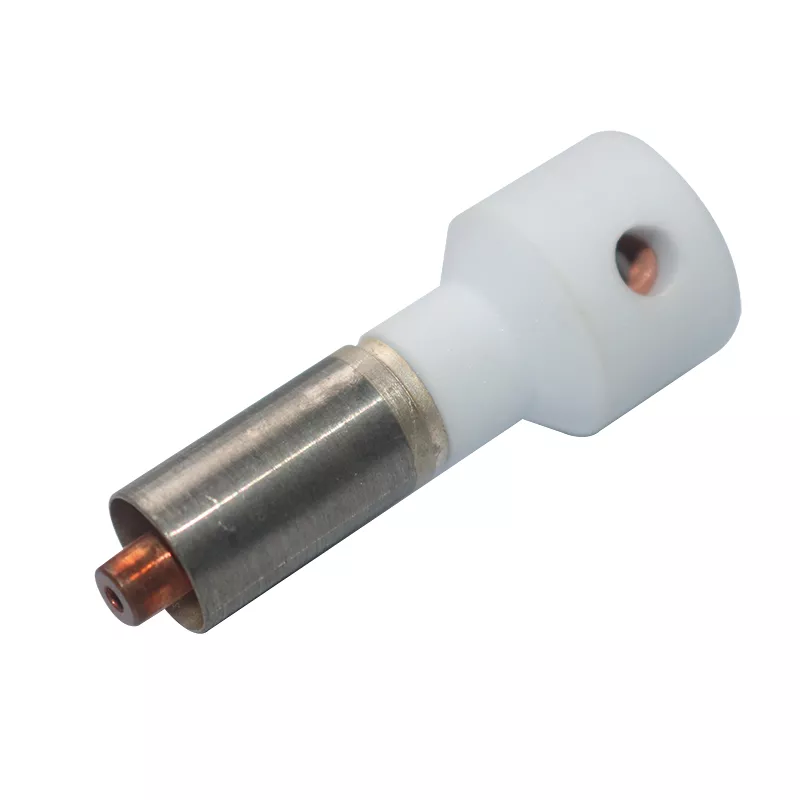
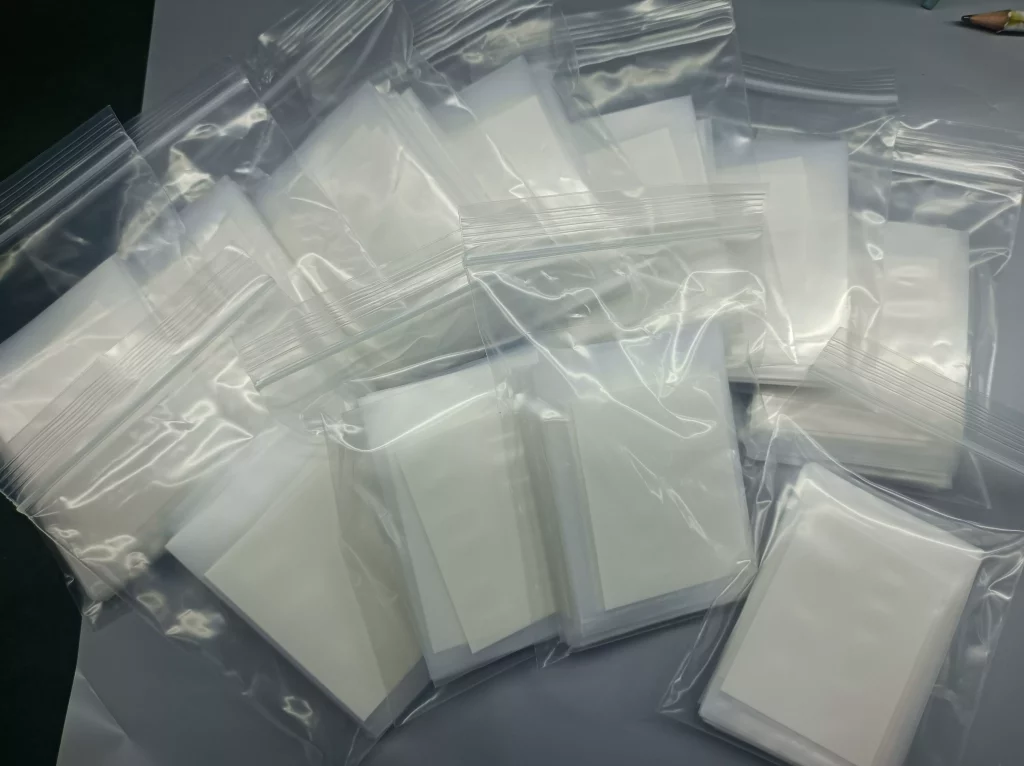
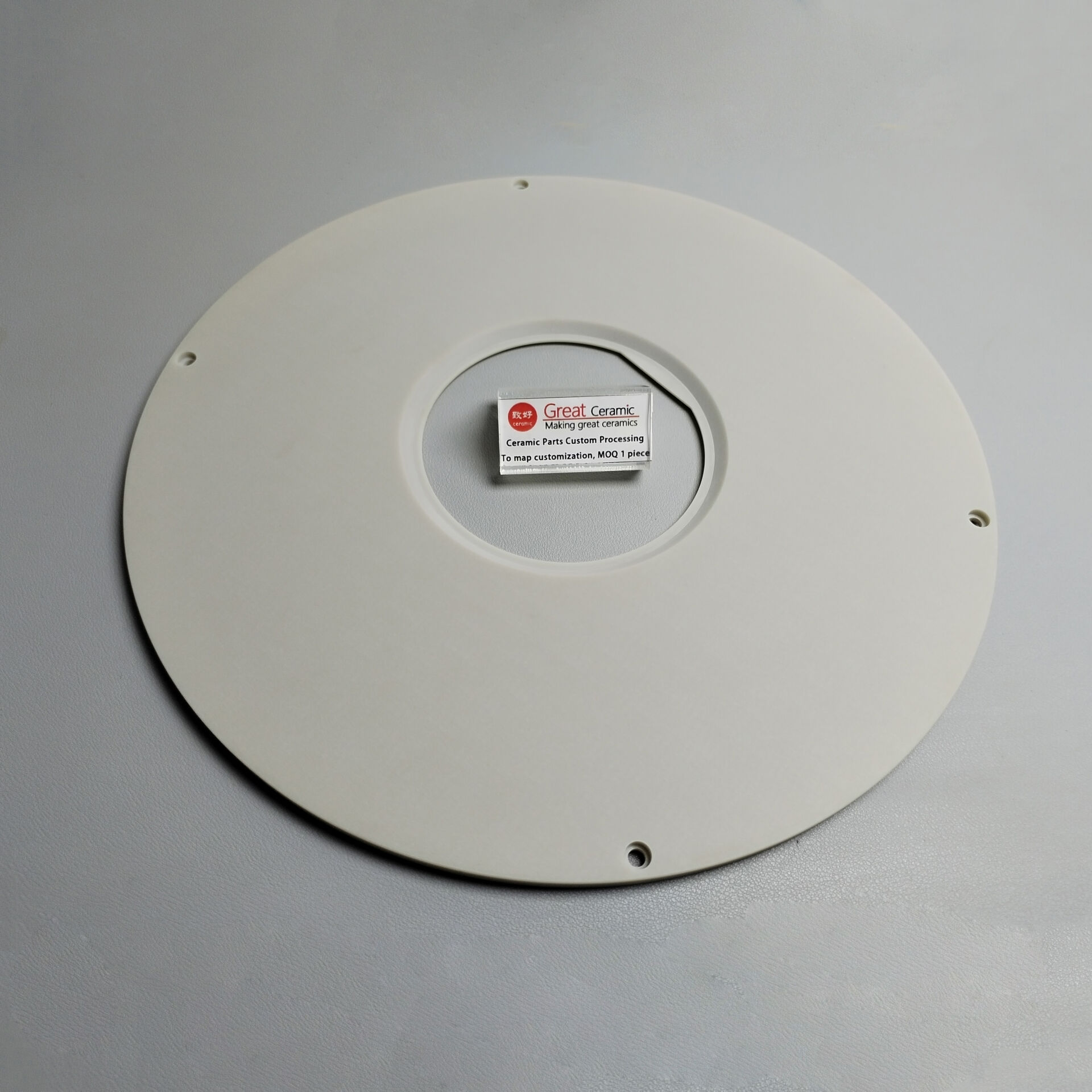
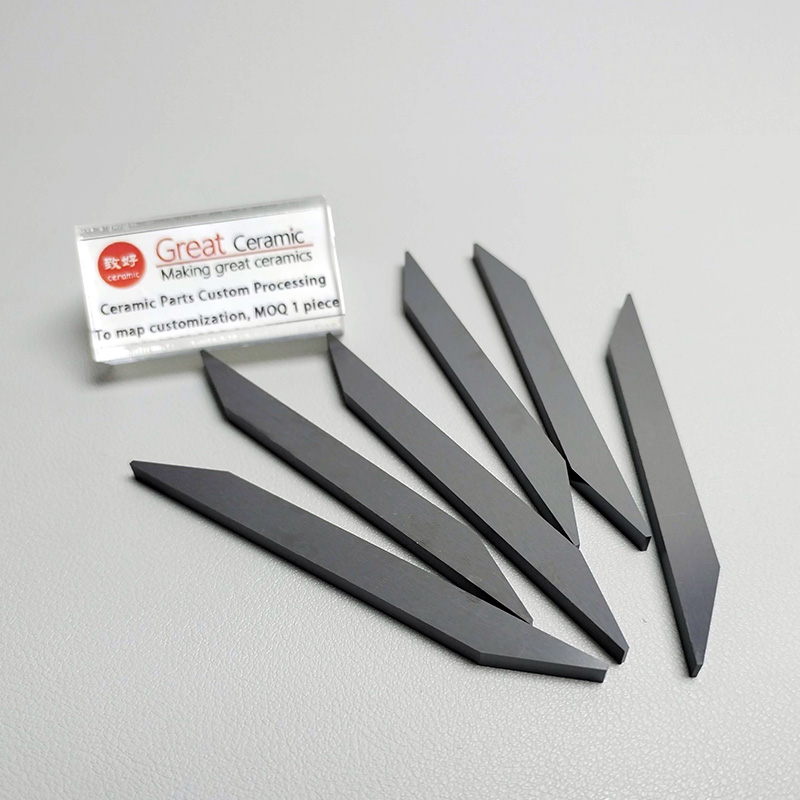
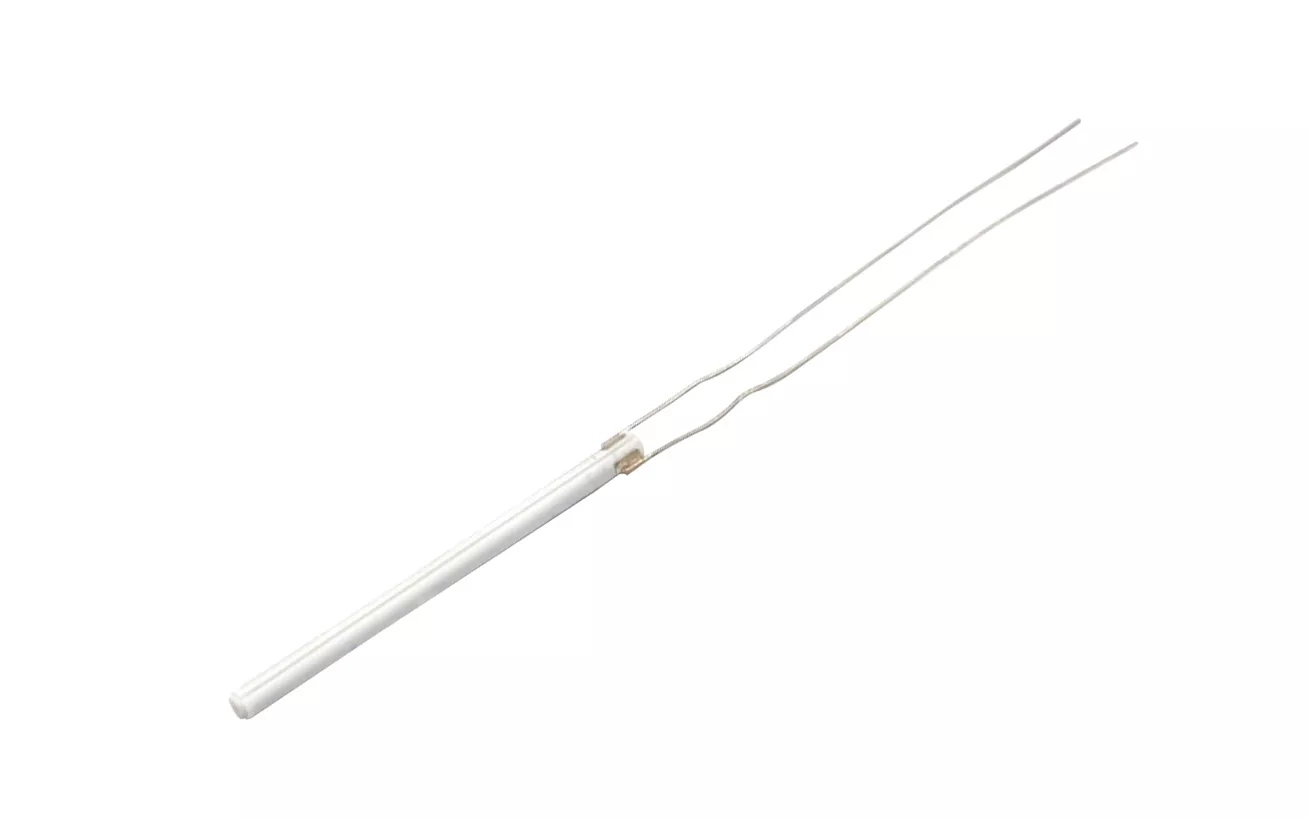
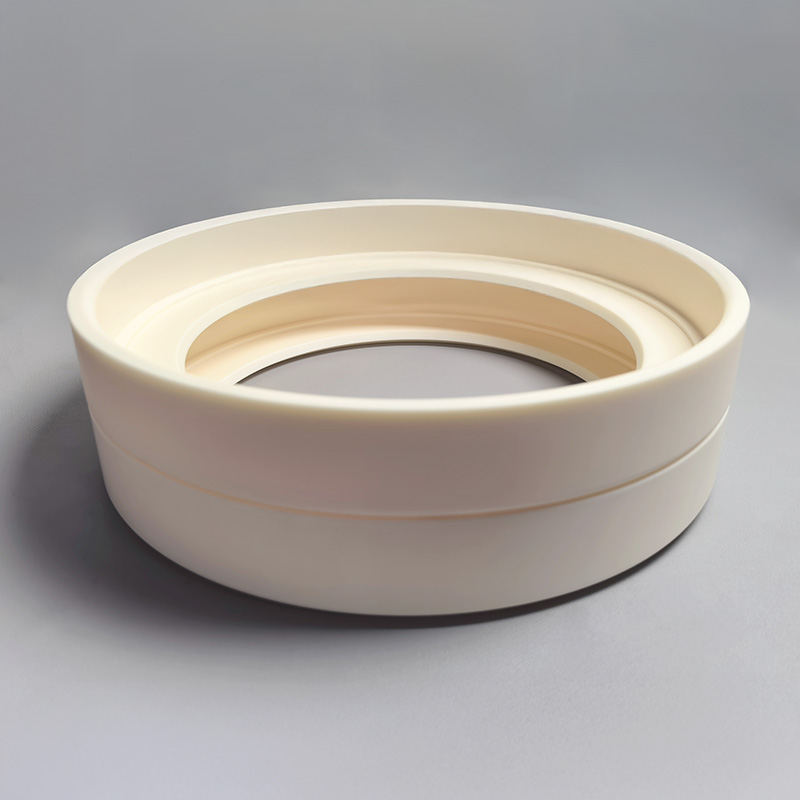
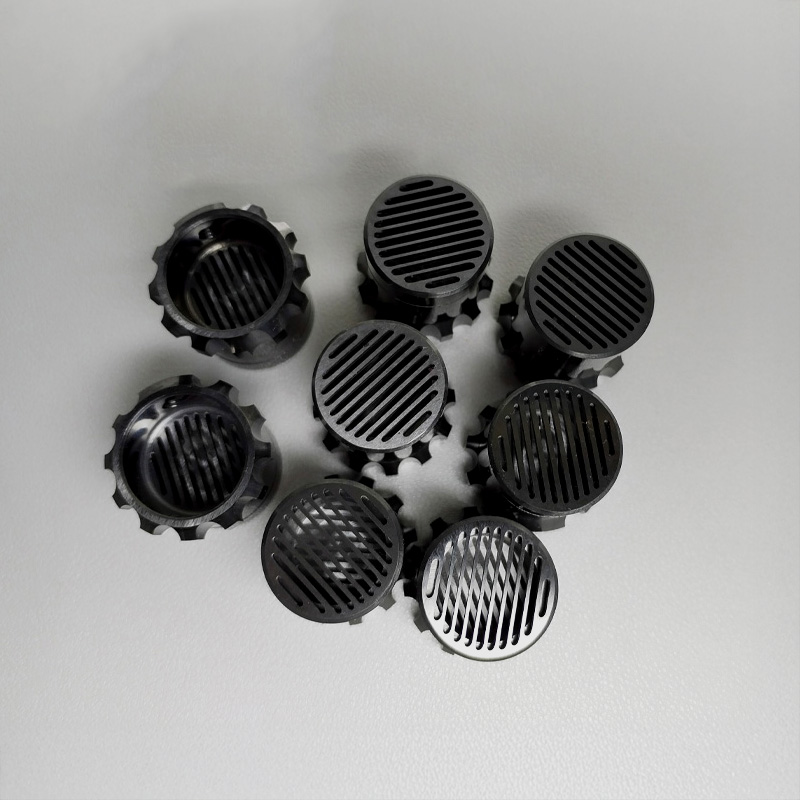
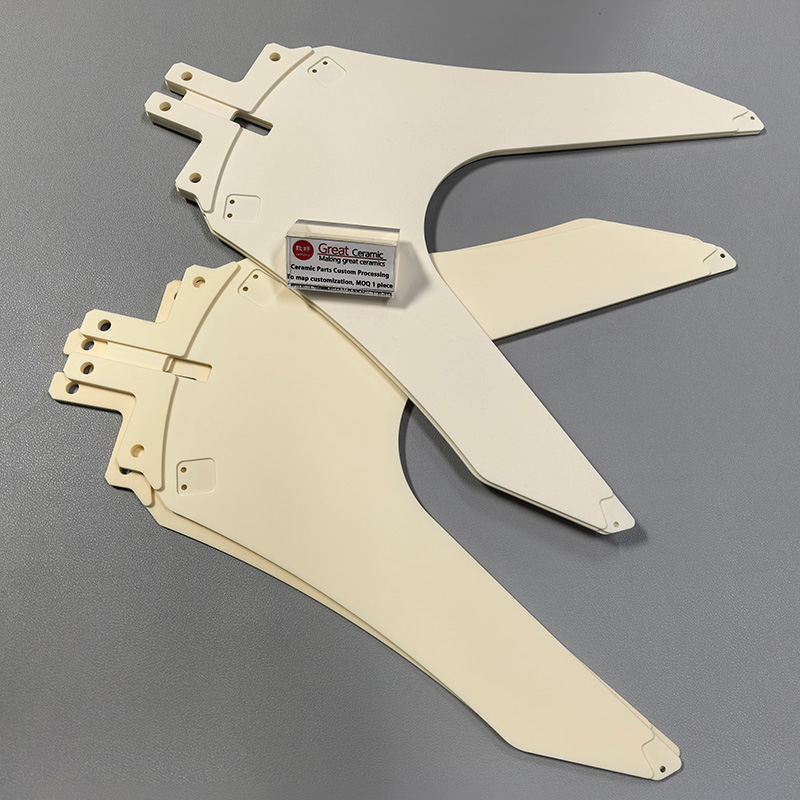
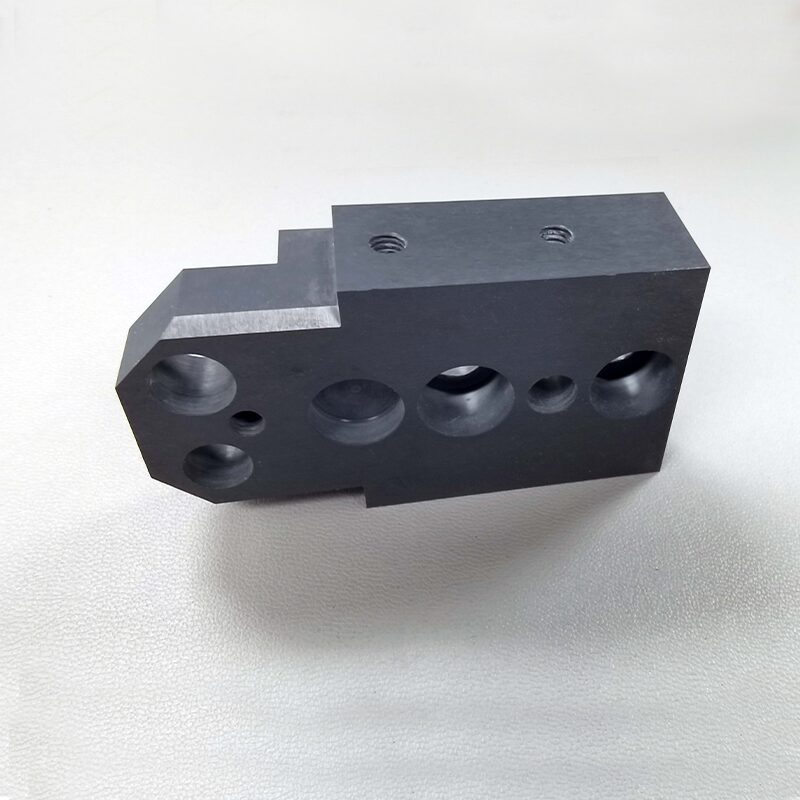
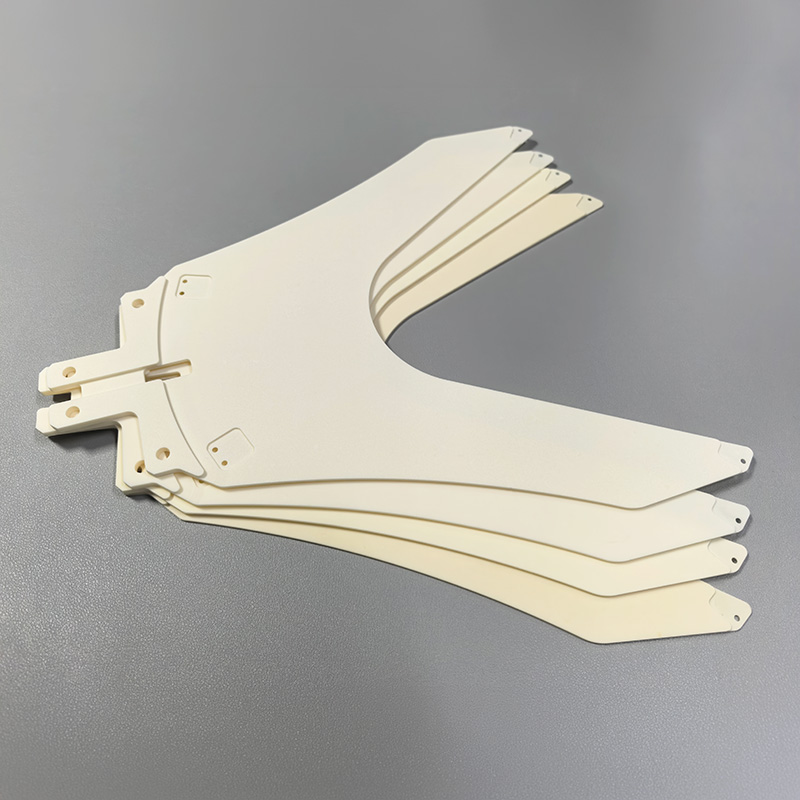
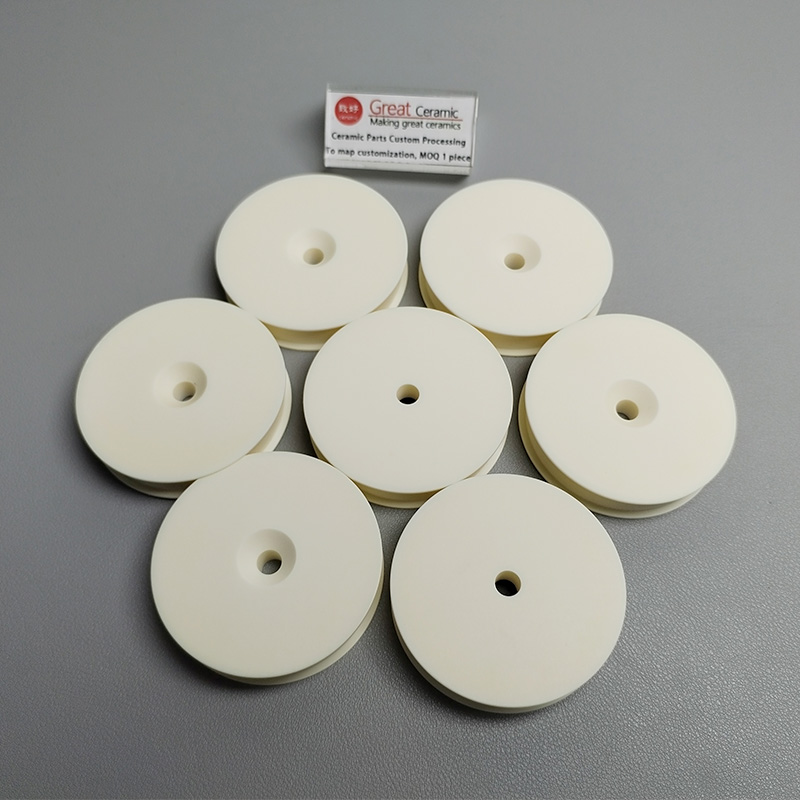
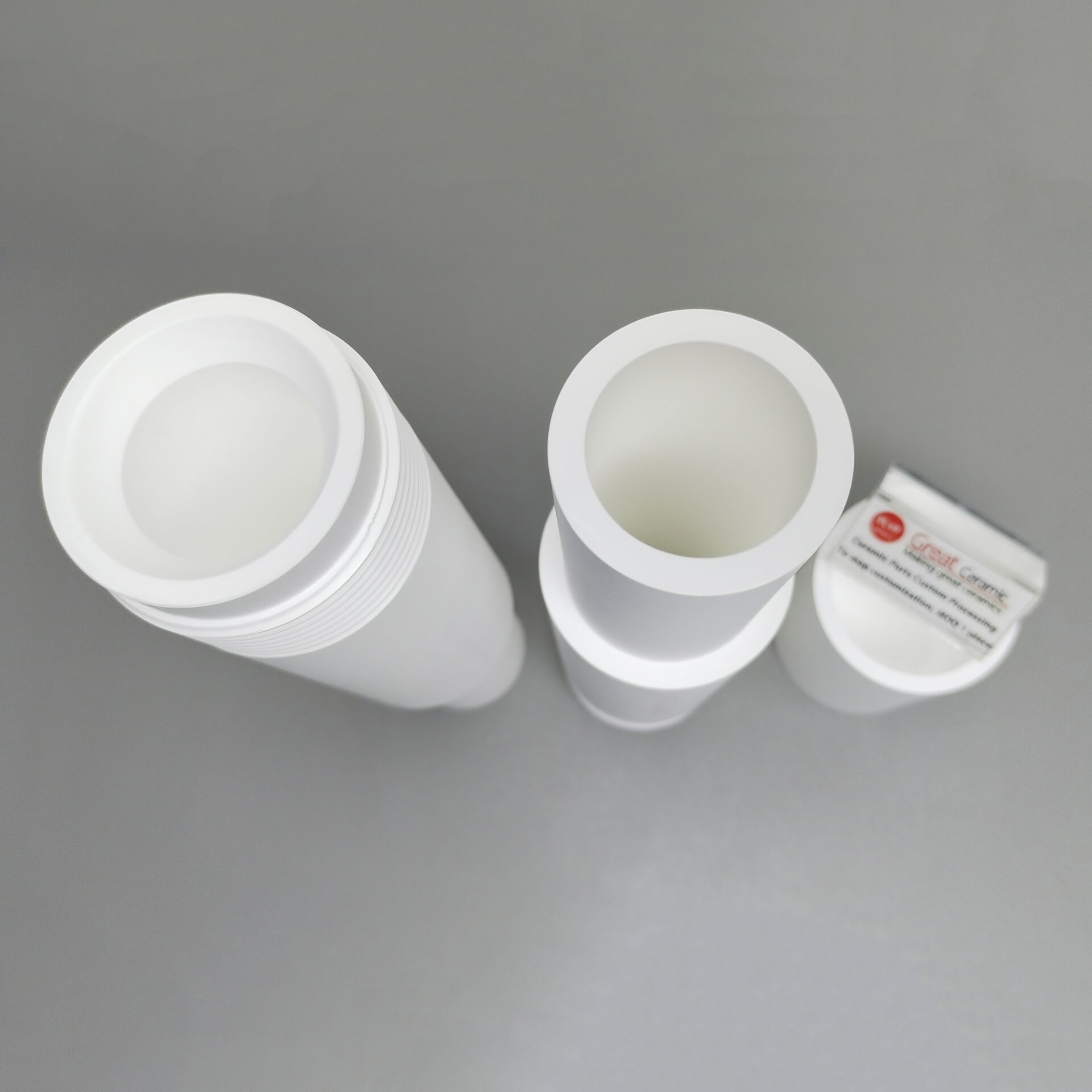
Featured Technical Ceramic Components for Medical-Device Projects




Related Technical Ceramic Catalogue and Quotation


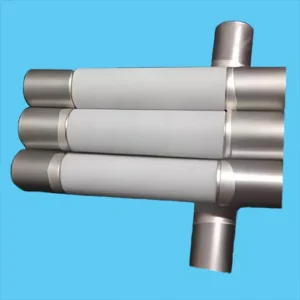
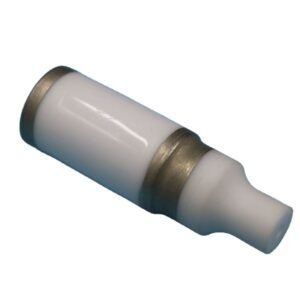


Why Specify Technical Ceramics for Medical Devices?
Evaluate technical ceramic materials and components through clear drawings, project-specific requirements and evidence that supports better-informed sourcing decisions.
Drawing and Revision Control
Start with the current drawing revision, critical dimensions and open questions so quotation discussions stay aligned with the component your team actually needs.
Material Grade by Requirement
Compare alumina, zirconia, silicon carbide, silicon nitride, aluminum nitride and specialty ceramics against the application’s operating conditions and required acceptance criteria.
Geometry and Assembly Fit
Define tubes, rods, rings, substrates or other forms alongside mating surfaces, interfaces and dimensions that determine assembly, replacement compatibility and component clarity.
Process Route for Component Form
Discuss the manufacturing route in relation to geometry, material choice, repeatability expectations and any features that may affect quotation scope or project feasibility.
Functional Surfaces and Interfaces
Identify sealing, sliding, insulating, bonding or joining surfaces explicitly, since their condition and relationship to adjacent parts can shape the final requirement.
Inspection Evidence and Acceptance
Specify inspection points, dimensional tolerances, material documentation and acceptance criteria early so project teams can distinguish preferences from requirements before ordering.
Ceramic Components for Medical Device Projects
Explore material families, component forms and sourcing resources for medical-device requirements that depend on defined geometry, service conditions and acceptance criteria.

Ceramic Manufacturing Capabilities
Review ceramic manufacturing capabilities for medical-device components requiring controlled geometry, mating surfaces and repeatable inspection. Share the current drawing revision, quantity, operating conditions and documentation expectations so feasible processes and open manufacturing questions can be assessed for the individual project.
Discuss Your Ceramic Part
Ceramic Solutions by Industry
Compare advanced ceramics applications across medical-device assemblies, including wear parts, insulating elements, fluid-contact components and structural supports. Suitability depends on the component’s environment, loads, cleanliness requirements, interfaces and approval criteria; application review helps connect a proposed ceramic solution with the actual device requirement.
Discuss Your Ceramic Part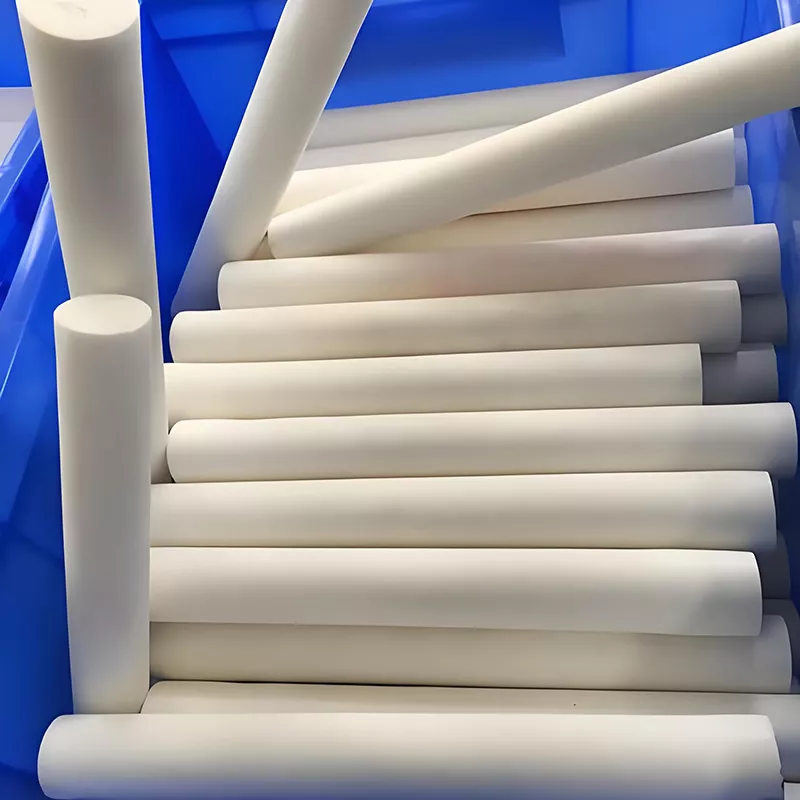
Advanced Ceramic Materials
Evaluate advanced ceramic materials such as alumina, zirconia, silicon carbide, silicon nitride and aluminum nitride according to the part’s function. Material selection should consider grade-specific properties, geometry, temperature, chemical exposure, electrical behavior and inspection needs rather than relying on a material family name alone.
Discuss Your Ceramic Part
Technical Ceramic Products
Browse technical ceramic products including tubes, rods, rings, substrates and other engineered forms used in equipment and medical-device projects. Product illustrations indicate a starting category; final dimensions, tolerances, material grade, surface requirements, quantity and acceptance criteria require project-specific confirmation.
Discuss Your Ceramic Part
Technical Ceramic Resources
Use technical ceramics resources to clarify material terminology, component forms and the information needed for a quotation. A practical inquiry should identify the drawing revision, interfaces, service conditions, quantity and required documentation, helping buyers distinguish general guidance from an agreed production specification.
Discuss Your Ceramic PartMaterial Options for Medical-Device Ceramic Components

Alumina Ceramics
Alumina offers electrical insulation, hardness and chemical stability for components such as substrates, insulators, tubes and precision fixtures. Final suitability depends on grade, geometry, surface finish, tolerances and service conditions.

Zirconia Ceramics
Zirconia is considered for wear-focused, high-strength parts and precision components where toughness and dimensional control matter. Discuss the required grade, surface condition, mating interfaces and application environment before specification.

Silicon Nitride
Silicon nitride may suit demanding mechanical or thermal applications requiring strength, wear resistance and thermal-shock performance. Component design, material grade, loading, temperature range and inspection requirements should be reviewed together.

Silicon Carbide Ceramics
Silicon carbide is often evaluated for parts exposed to wear, heat or chemically demanding conditions. Potential forms include tubes, rings, fixtures and structural components, subject to project-specific porosity, finish, geometry and tolerance requirements.
Aluminum Nitride
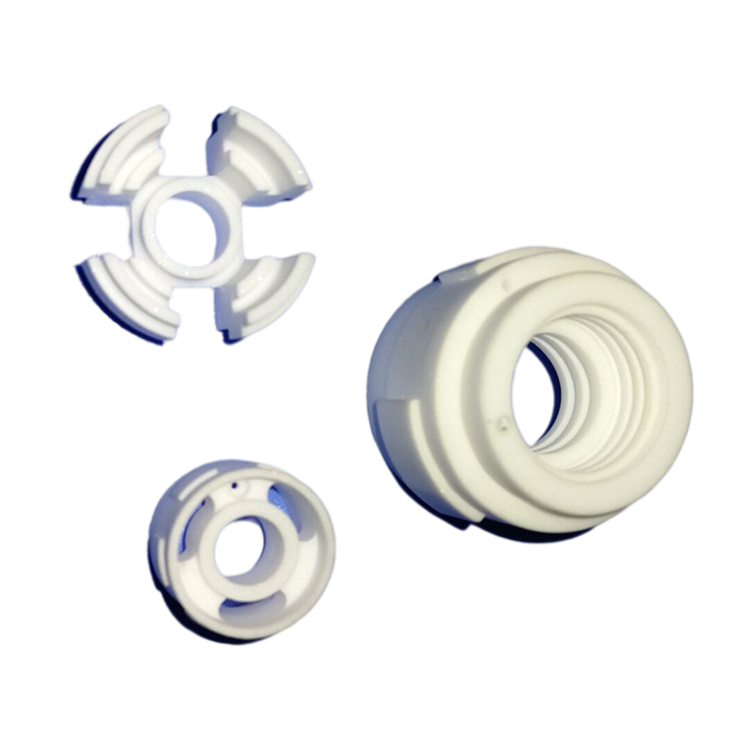
Aluminum nitride is considered where electrical insulation and thermal transfer are important, including selected substrates and heat-management components. Confirm grade, metallization or interface needs, flatness, dimensions and acceptance criteria for each design.
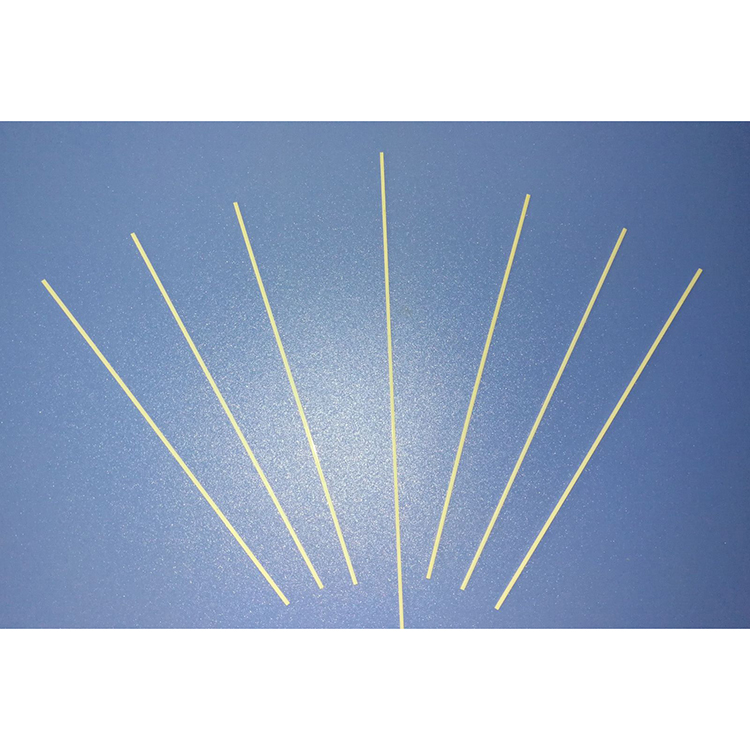
Boron Nitride
Boron nitride may be explored for electrically insulating, thermally managed or low-friction component requirements. Its suitability depends on the grade, atmosphere, temperature, geometry, surface interactions and documentation expected for the project.
Technical Ceramics for Medical Devices: Supported Manufacturing Processes

Powder Preparation
Ceramic powders are prepared and conditioned for the selected material system and forming route. The objective is consistent starting material suited to the required geometry, density profile and project-specific performance expectations.

Precision Forming
Pressing, extrusion, molding or other forming methods shape ceramic feedstock into tubes, rods, rings, substrates and other component geometries. The suitable route depends on dimensions, complexity, volume and material grade.
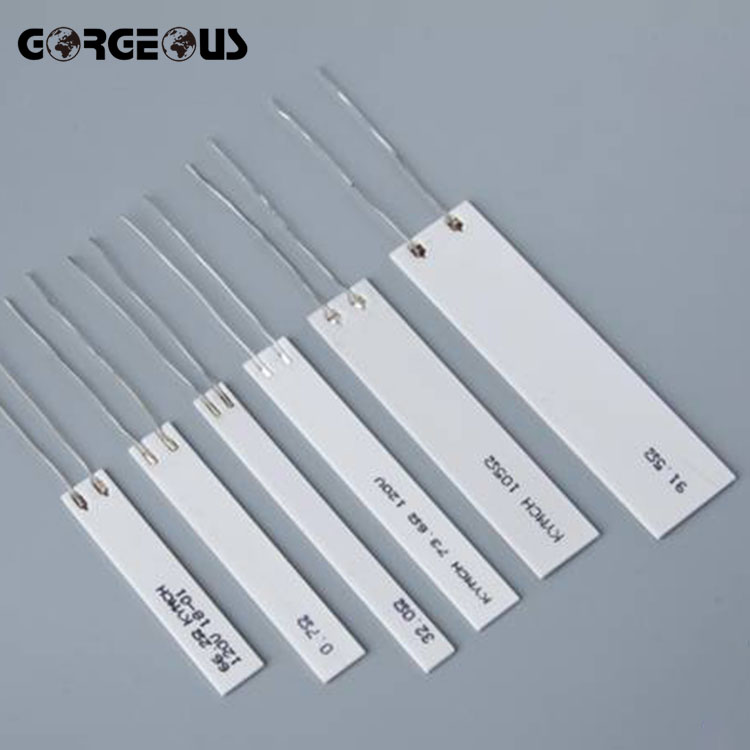
Green Machining
Before final firing, selected ceramic blanks may be machined to establish features that support the required geometry. Feasibility depends on part design, material behavior, dimensional targets and the planned sintering cycle.
Controlled Sintering
Sintering develops the ceramic body through a controlled thermal cycle, with shrinkage considered during design and process planning. Final results depend on material grade, geometry, density requirements and applicable inspection criteria.
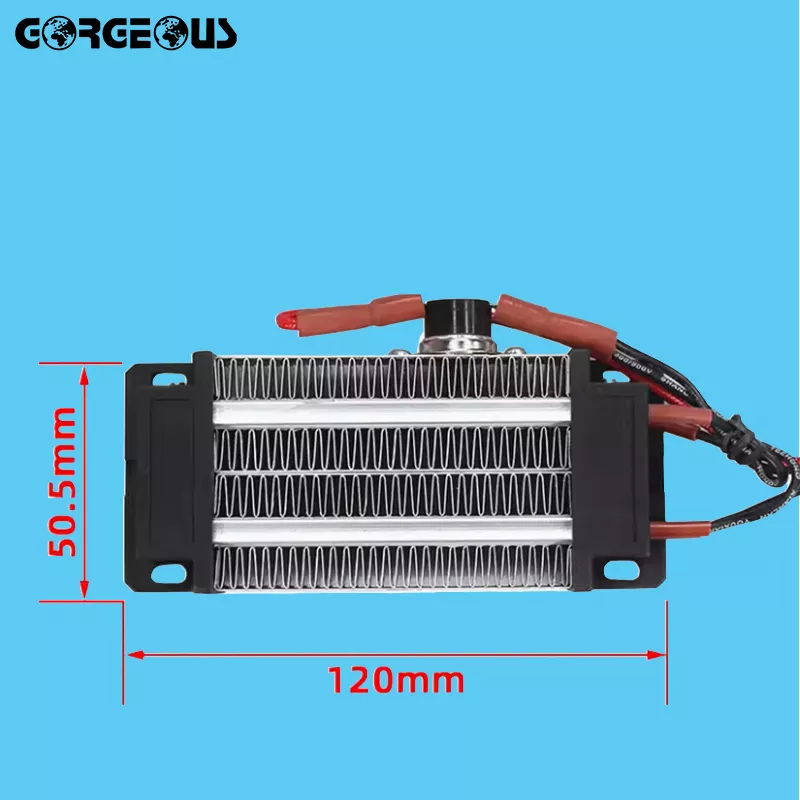
Diamond Grinding
Diamond grinding and related finishing operations can refine critical dimensions, edges and mating surfaces after firing. The process is considered where assembly fit, surface condition, flatness or tight tolerances are essential.
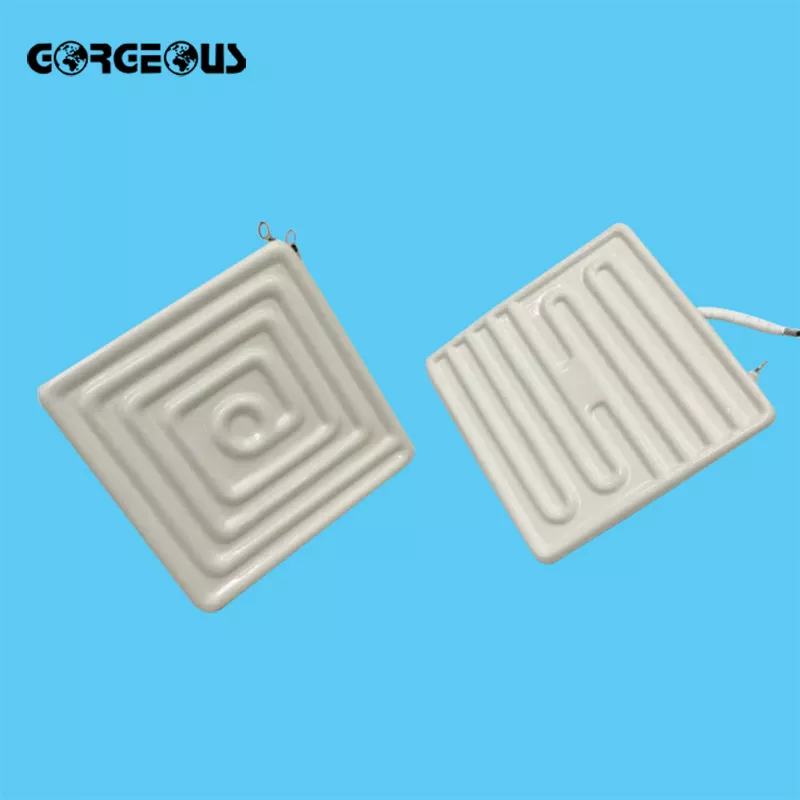
Metallization And Joining
Where a ceramic component must connect with metal hardware or electrical interfaces, metallization or joining options may be evaluated. The appropriate solution depends on service conditions, joint design, materials and acceptance requirements.
Technical Ceramics for Medical Devices: Supported Component Features
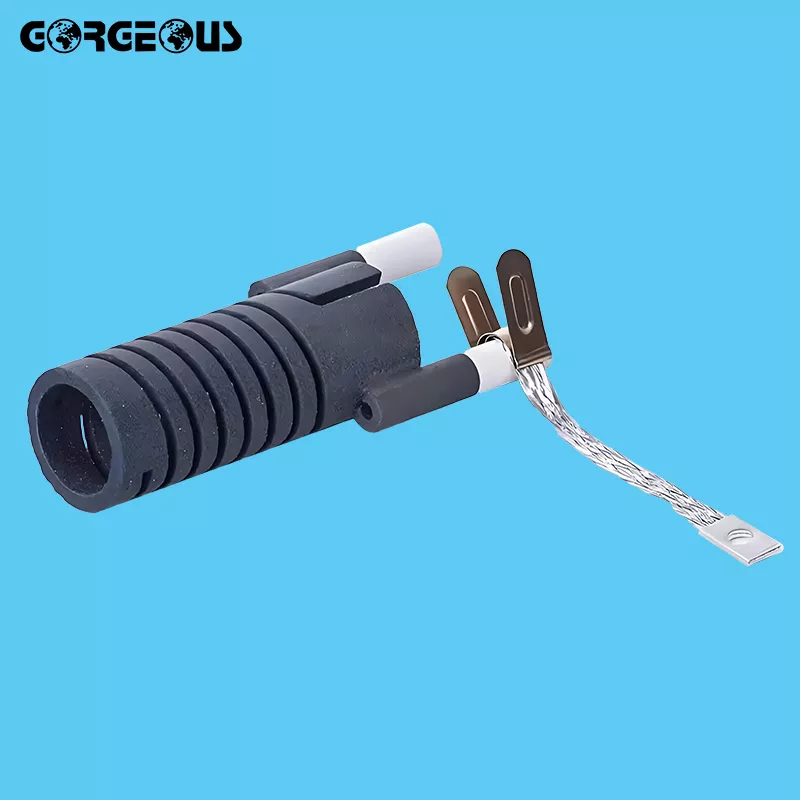
Mating Surfaces
Define the surfaces that contact housings, seals, electrodes or adjacent parts. Include fit type, surface finish, flatness and critical dimensions so the quotation reflects assembly behavior, not only the ceramic material.

Metallized Interfaces
For electrical connections or ceramic-to-metal joining, identify metallized areas, interface geometry and joining expectations. These details help separate a general ceramic component inquiry from a project-specific assembly requirement.
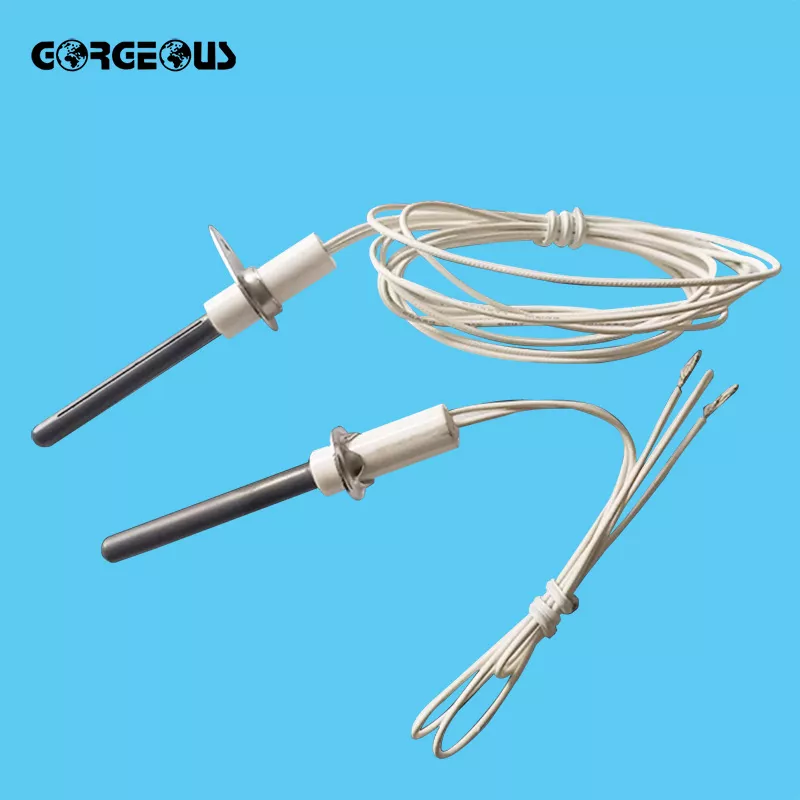
Sealing Features
Grooves, shoulders, lands and sealing faces can determine how a ceramic part integrates into a medical device. Share their dimensions, tolerances, finish and inspection criteria with the drawing.

Assembly Clearances
Specify holes, slots, threads, lead-throughs and clearance zones that affect installation. A complete definition helps engineers review fit, access and potential interference before discussing quantity, grade or delivery.

Inspection Documentation
If approval requires dimensional reports, material records or other documentation, identify it with the inquiry. Acceptance criteria should be agreed for the individual project alongside grade, geometry and delivery.
About Porcecore: Technical Ceramics for Medical Devices
Founded by Andy Yuan, Porcecore helps industrial buyers, equipment builders and project teams connect ceramic material choices with clearly defined component requirements. The brand’s direction is application-first: start with the part, understand the job it must do, and identify the questions that need answers before a quotation becomes meaningful.
Porcecore’s technical ceramic coverage includes oxide, nitride, carbide and specialty ceramics, organized around familiar material families and component forms such as tubes, rods, rings and substrates. For technical ceramics for medical devices, geometry, mating surfaces, operating conditions, grade and inspection expectations belong in the same conversation.
What makes Porcecore different is its drawing-led communication and clarity before commitment. Buyers can share a current drawing revision, material designation, quantity, service conditions and acceptance criteria by email or WhatsApp. This creates a practical basis for discussing project-specific requirements, documentation, delivery and commercial terms.

Core Capabilities for Technical Ceramics for Medical Devices
Clarify the Part Requirement
Every technical ceramics for medical devices inquiry starts with the component’s function, interfaces and service environment. Porcecore helps procurement and engineering teams organize the information needed to distinguish essential requirements from preferences before a quotation discussion begins.
- Component form and intended function
- Operating temperature, load and exposure conditions
- Quantity, timeline and replacement context
- Known material designation or application constraints

Discuss the Material Family
Material selection should follow the part requirement rather than lead it. Porcecore can discuss oxide, nitride, carbide and specialty ceramic families in relation to the application, while keeping grade availability, processing route and property values subject to project confirmation.
- Alumina, zirconia and other oxide options
- Silicon carbide and silicon nitride considerations
- Aluminum nitride, boron nitride and specialty families
- Grade-specific properties requiring confirmation

Review Geometry and Interfaces
A ceramic tube, ring, rod or substrate must fit the surrounding assembly as designed. Drawing-led review focuses on dimensions, tolerances, mating surfaces and features that influence assembly, handling and the practical suitability of technical ceramics for medical devices.
- Current drawing revision and critical dimensions
- Mating surfaces, holes, threads and edge details
- Tolerances that determine assembly or alignment
- Geometry questions affecting manufacturability or inspection

Align Acceptance Criteria
A useful quotation also defines how the finished component will be evaluated. Porcecore works toward clear alignment on inspection expectations, documentation, packaging and commercial details so project teams can identify open questions before moving toward an agreed production order.
- Inspection points and acceptance criteria
- Material, dimensional and visual documentation
- Traceability or approval documents when required
- Delivery, packaging and commercial terms

From Requirement to Shipment: The Porcecore Workflow
Compare a requirement-led sourcing approach with generic material listings and unconfirmed supplier promises.
← Swipe left or right to view →
Our Technical Ceramics for Medical Devices Production Process
A drawing-led workflow connecting material review, production planning, inspection, packing and shipping, with exact phases and controls confirmed for each project.
Define the Requirement
Share the current drawing revision, quantity, service conditions, mating surfaces and acceptance criteria so Porcecore can frame the quotation around the actual component requirement.
Review Material Options
Review suitable oxide, nitride, carbide or specialty ceramic options against geometry, operating environment, inspection expectations and any known project-specific grade or documentation requirements.
Confirm Project Scope
Confirm manufacturability, process assumptions, tolerances, quantities and commercial scope before production planning; unresolved details remain visible for technical discussion and approval.
Plan and Produce
Plan forming, machining, finishing and inspection around the approved requirement, with exact controls, material grade and acceptance criteria confirmed for the individual project.
Inspect and Ship
Complete final inspection, documentation review, protective packing and shipment coordination, then keep the confirmed requirements available for follow-up, replenishment or replacement-part inquiries.
How to Work With Porcecore
Move from a defined requirement to a clearer quotation, approval path, and delivery plan for technical ceramics for medical devices.
Send the Current Drawing
Share the current drawing revision, known material designation, quantity, service conditions, mating surfaces, and acceptance criteria so Porcecore can frame the requirement.
Clarify Requirements Together
Review grade options, geometry, tolerances, operating environment, inspection expectations, and documentation needs before discussing a project-specific quotation with the Porcecore team.
Review Samples or Approvals
Evaluate samples, drawings, or technical clarifications against the intended medical-device application, then identify open points before production confirmation and final approval.
Confirm Production and Delivery
Confirm the approved specification, quantity, documentation, commercial terms, and delivery plan before Porcecore schedules production and shipment for your project requirements.
Quality Documentation for Technical Ceramics for Medical Devices
Customer Feedback on Technical Ceramics for Medical Devices
Reserved for an approved customer statement describing a verified sourcing outcome, project requirement, or component result. Please replace this placeholder with authorized wording before publication.
Reserved for an approved customer statement covering a drawing-led quotation, confirmed ceramic grade, component geometry, or acceptance requirement. Please add only evidence reviewed and authorized by the customer.
Reserved for an approved customer statement with a concrete, verifiable outcome related to technical ceramics for medical devices. Please provide the customer name, role, company, and approved wording.
Verified Project Evidence for Medical-Device Ceramic Components
Clarify quotation inputs, project requirements and next steps for sourcing ceramic components.
What information is needed to quote technical ceramics for medical devices?
How does Porcecore select a ceramic grade for medical device components?
What tolerances and functional surfaces should be identified for technical ceramics for medical devices?
Is there a minimum order quantity for technical ceramics for medical devices?
Can Porcecore provide samples before production quantities?
What lead time, payment and shipping terms apply to technical ceramics for medical devices?
What inspection evidence and documentation can be requested?
How are packaging and intellectual property handled for medical ceramic inquiries?
The Complete Buyer’s Guide to technical ceramics for medical devices
Use this decision framework to compare ceramic materials, manufacturing methods, quality controls, and suppliers for medical devices—while avoiding specification, validation, sourcing, and cost mistakes that can delay launches or compromise performance.
1. What Are Technical Ceramics for Medical Devices?
1. Technical ceramics for medical devices are engineered oxide, nitride, carbide, or specialty ceramic components specified by geometry, grade, surfaces, and service conditions. Unlike commodity ceramics, they are selected for controlled electrical insulation, chemical stability, thermal behavior, wear resistance, and dimensional precision in instruments, sensors, analytical equipment, and surgical tools. com/en/munich/consumer-industries/medical-technology
2. Implant ceramics are a narrower category intended for direct or sustained bodily contact, where tissue compatibility, sterilization exposure, traceability, and regulatory evidence become central. A device component may use technical ceramics without being implantable; biocompatibility must be confirmed for the specific material, finish, application, and contact duration rather than assumed from the word ceramic. com/en-gb/markets/medical
3. The practical buyer question is where ceramic can improve reliability or service life: an insulating feedthrough, wear-resistant valve or tip, chemically stable laboratory part, thermally stable substrate, or precision mating component.
2. Evolution of Technical Ceramics for Medical Devices
Early medical ceramics served mainly as electrical insulators, laboratory ware, and wear-resistant components; procurement therefore centered on basic geometry, purity, and repeatable firing. As powder processing and sintering became more controlled, suppliers could support tighter dimensional requirements for surgical tools, diagnostic equipment, and analytical systems, shifting inquiries toward grade, shrinkage control, and inspection records. com/en/munich/consumer-industries/medical-technology
Modern metallization and brazing extended ceramics into ceramic-to-metal assemblies, including hermetic feedthroughs and implant-related housings. For buyers, this development makes joint design, leak-test requirements, alloy selection, and change control as important as the ceramic body itself. com/en-gb/markets/medical
Ceramic injection molding and related sinter-based methods broadened access to complex surgical tips, dental parts, and robotic instrument components at repeatable volumes.
3. Types of Technical Ceramics for Medical Devices
Six application groups commonly organize technical ceramics for medical devices.
Structural And Wear Parts

High hardness, dimensional stability, and chemical resistance matter for bearings, spacers, seals, guides, rings, and wear inserts. Ask about load, mating materials, lubrication, sterilization, edge chipping, and allowable wear. Typical risks are fracture at sharp transitions and tolerance loss after finishing.
Insulation And Thermal Parts
Electrical-insulation parts include sleeves, standoffs, feedthrough bodies, and substrates; priorities include dielectric behavior, creepage geometry, and temperature stability. Thermal-management parts may use substrates, insulators, or heat-spreading plates. Specify voltage, frequency, heat load, mounting pressure, thermal cycling, and surface finish.
Fluid, Surgical, And Hermetic Parts
Fluid-handling and laboratory parts include valve seats, tubes, nozzles, cuvettes, and pump components; cleanliness, chemical compatibility, leakage, and dead volume lead. Surgical-tool elements commonly use tips, inserts, or guides requiring edge integrity and sterilization compatibility. Hermetic ceramic-to-metal assemblies require defined braze or metallization interfaces, leak limits, thermal expansion matching, and proof testing.
4. Materials for Technical Ceramics for Medical Devices
Alumina, zirconia, silicon nitride, silicon carbide, and aluminum nitride address different medical-device constraints.
| Material | Properties | Uses | Limitations | Validation |
|---|---|---|---|---|
| Alumina | Pure, insulating, wear-resistant | Feedthroughs, insulators | Lower toughness | Purity, dielectric, sterilization |
| Zirconia | Strong, tough, wear-resistant | Joints, tools | Aging, cost | Phase, wear, biocompatibility |
| Silicon nitride | Tough, strong, chemical-resistant | Bearings, instruments | Limited grades | Purity, fatigue, sterilization |
| Silicon carbide | Hard, conductive, inert | Pumps, substrates | Brittle, difficult machining | Thermal, wear, cleanability |
| Aluminum nitride | Thermally conductive, insulating | Thermal substrates | Moisture sensitivity | Thermal, dielectric, sterilization |
| Hydroxyapatite | Bioactive, less tough | Coatings, implants | Low strength | Phase, adhesion, biocompatibility |
Oxide Ceramics
Alumina provides purity, dielectric insulation, chemical resistance, wear resistance, sterilization stability, and predictable cost.
Non-Oxide Ceramics
Silicon nitride combines strength, toughness, wear resistance, and chemical stability; silicon carbide adds hardness and thermal conductivity.
Validation Priorities
Compare mating surfaces, dielectric behavior, thermal load, and sterilization cycles against the drawing and acceptance criteria. com/en/munich/consumer-industries/medical-technology.
5. Customization and Finishing Options
One drawing for technical ceramics for medical devices should connect geometry, service conditions, tolerances, finish, and acceptance criteria before quotation.
Geometry And Tolerance Planning
One drawing should identify mating surfaces, holes, grooves, thin walls, datums, and critical dimensions. Tight tolerances and complex geometry can increase grinding, inspection, tooling, and yield requirements.
Finishing And Surface Treatments
Surface finish, polishing, grinding, and laser processing affect friction, sealing, particle control, and dimensional stability. Coatings must be reviewed against chemical exposure and sterilization cycles.
Metallization And Assembly
Two joining decisions—metallization with brazing or direct ceramic-to-metal assembly—affect thermal expansion, hermeticity, stress, and service life. Define alloy, joint location, and allowable temperature exposure during design review.
6. Key Construction and Quality Elements
Dimensional control and material consistency make a ceramic part OEM-ready.
Define Critical Characteristics
Tolerance, density, porosity, surface defects, edge integrity, and cleanliness should be identified by function, not listed generically. Strength, thermal-shock resistance, and electrical properties require grade-specific limits and test methods.
Link Evidence To Approval
Material certificates confirm the supplied designation and lot; process validation demonstrates repeatability for the approved geometry and firing route. Sample approval should verify fit, finish, and performance against the drawing.
Control Lots And Changes
Lot traceability should connect raw material, processing records, inspection results, and shipped parts. An inspection plan should define sampling, equipment, limits, and nonconformance handling.
7. How to Choose a Medical Ceramics Manufacturer
One supplier review should connect the medical application, part geometry, process route, and acceptance criteria.
Verify Technical Fit
One qualification call should test relevant application experience, material expertise, prototype method, tooling ownership, and production scalability. Ask which ceramic grades, geometries, tolerances, and inspection methods have been demonstrated for comparable parts. Five useful questions are: Can you review our drawing revision? What are the tooling and prototype assumptions? Which dimensions are critical to assembly?
Check Quality And Compliance
Three evidence categories deserve separate review: inspection capability, assembly control, and documentation. Request sample inspection reports, traceability details, change-control practice, material certificates, and any regulatory support relevant to the device pathway. An ISO 13485 certificate, cleanroom claim, or medical-device experience belongs to the named facility and scope that holds it.
Compare Supply Continuity
Two technically equivalent quotes may differ in tooling ownership, minimum order quantity, lead-time assumptions, inspection scope, packaging, and change-notification terms. Normalize these fields before comparing unit prices or landed cost. One final review should cover communication cadence, escalation contacts, second-source options, raw-material continuity, and capacity at forecast volume. com for a concrete quotation discussion.
8. Common Mistakes Buyers Make
Material choice, geometry, processing, and approval conditions must be resolved together.
Specify Material With Its Function
A material name alone cannot define performance: geometry, mating surfaces, load, temperature, electrical duty, and inspection criteria also matter. Account for sintering shrinkage and brittleness before freezing tooling or machining allowances.
Set Realistic Process Requirements
A tolerance copied from a metal part may be unrealistic or unnecessarily expensive for ceramics. Sterilization, cleaning chemistry, thermal cycling, and surface condition can affect the usable design.
Plan Interfaces And Change Control
Metallization, brazing, sealing, bonding, and final assembly should be considered before the ceramic geometry is approved. Delaying these decisions can create inaccessible surfaces or incompatible interfaces.
9. Steps to Launch a Technical Ceramics Program
A staged launch connects device requirements to controlled production decisions.
Define Requirements And Risk
Step 1 begins with intended use, loads, temperatures, chemistry, sterilization exposure, interfaces, service life, and patient or operator risk. Engineering and regulatory teams should record critical characteristics and unresolved assumptions. Step 2 converts those requirements into verification objectives, acceptance criteria, and a preliminary risk file.
Screen Materials And Designs
Step 3 compares candidate ceramic families against electrical, thermal, mechanical, chemical, and dimensional requirements at the grade level. Preliminary design should identify mating surfaces, tolerances, finishing needs, and inspection datums. Step 4 is a manufacturability review covering forming route, shrinkage, machining, tooling, yield risks, and prototype quantities.
Build And Verify First Articles
Step 5 issues an RFQ containing the drawing revision, material designation if known, quantity, service conditions, critical dimensions, mating surfaces, acceptance criteria, packaging, and required documentation. Request assumptions and exclusions in writing. Step 6 uses prototype tooling and first articles to verify fit, function, material identity, dimensional results, surface condition, and test performance.
Qualify Production And Changes
Step 7 qualifies the supplier through capability evidence, sample approval, process controls, inspection methods, and production validation. Procurement confirms commercial terms and delivery, while quality owns the approved supplier record. Step 8 establishes ongoing change control for materials, tooling, processes, drawings, subcontractors, and documentation.
10. Pricing and Cost of Technical Ceramics for Medical Devices
1 drawing revision should define the cost basis: material grade and purity, geometry, tolerances, mating surfaces, quantity, and acceptance criteria. Unit price alone can conceal tooling, machining, finishing, metallization, assembly, inspection, documentation, validation, scrap, and yield costs. 2 cost views are useful: quoted price and total cost of ownership.
| Cost Driver | Typical Pricing Impact | Questions to Ask Suppliers |
|---|---|---|
| Grade and purity | Higher purity or specialty ceramics generally increase material and process cost. | Which grade, purity, and property data are contractual? |
| Complexity and tolerances | Tight tolerances, complex geometry, tooling, machining, and low yield raise cost. | What is molded, machined, inspected, or scrapped? |
| Finishing and assembly | Grinding, polishing, metallization, brazing, assembly, and validation add operations and risk. | Which finishes, joints, tests, and validation records are required? |
| Volume and lead time | Higher volume may spread tooling; urgent schedules can increase setup and logistics cost. | What MOQ, yield assumption, lead time, and replenishment plan apply? |
Discuss Technical Ceramics for Medical Devices
Send a drawing or describe your component, operating environment, grade requirements, and acceptance criteria for a focused sourcing conversation.