
Technical Ceramics for Food Processing Equipment
Source technical ceramics for food processing equipment through clear requirements, project-specific details, and direct quotation support.
Featured Ceramic Components for Food Processing Equipment
















Related Ceramic Components and Quote Requests


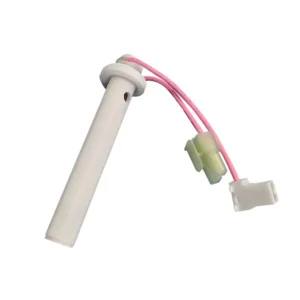


A Drawing-Led Basis for Ceramic Part Quotes
A clearer path from material and component requirements to a focused quotation discussion.
Control Drawing Revisions
Start with the current drawing revision, critical dimensions and interfaces so quotation discussions reflect the part being evaluated and reduce ambiguity between versions.
Define Material Grade
Identify the requested ceramic family and grade when known; Porcecore can keep material selection connected to the component’s service requirements and approval expectations.
Clarify Component Geometry
Define tube, rod, ring, substrate or other geometry alongside tolerances, assembly dimensions and mating features, giving buyers a clearer basis for comparing suitable component options.
Discuss Process Requirements
Discuss the expected manufacturing and finishing route as a project question, including any process constraints that may affect geometry, surfaces, material choice or acceptance.
Specify Inspection Evidence
Specify inspection evidence, documentation and acceptance criteria required for review, separating general material information from the project-specific records needed for engineering and procurement decisions.
Describe Application Conditions
Describe operating conditions, contact surfaces, quantity and intended equipment use so Porcecore can frame a more useful inquiry around the part’s actual job.
Ceramic Components and Application Categories
Explore ceramic materials, component forms, industrial applications, and drawing-led requirements for food-processing equipment and related projects.

Ceramic Manufacturing Capabilities
Review ceramic manufacturing capabilities through forming, firing, machining, finishing, and inspection requirements. Share a drawing, target geometry, critical tolerances, mating surfaces, quantity, and service conditions so quotation discussions can address the actual component rather than a material name alone.
Discuss Your Ceramic Part
Ceramic Solutions by Industry
Evaluate advanced ceramics applications for food-processing equipment, including wear-prone, thermally exposed, electrically insulating, or chemically demanding service points. Requirements may include cleaning conditions, temperature, contact surfaces, contamination controls, and replacement-part compatibility for the intended operating environment.
Discuss Your Ceramic Part
Advanced Ceramic Materials
Compare advanced ceramic materials including alumina, zirconia, silicon carbide, silicon nitride, aluminum nitride, boron nitride, and specialty families. Material selection depends on grade-specific properties, geometry, operating conditions, joining or mating requirements, and the acceptance criteria defined for each project.
Discuss Your Ceramic Part
Technical Ceramic Products
Browse technical ceramic products such as tubes, rods, rings, substrates, liners, plates, and other engineered component forms. Product illustrations indicate possible categories; final dimensions, tolerances, material grade, surface condition, documentation, and supply terms require project-specific confirmation.
Discuss Your Ceramic Part
Technical Ceramic Resources
Use technical ceramics guides to clarify material terminology, component forms, drawing requirements, inspection expectations, and common sourcing questions. For a replacement or custom part, email the current drawing revision and service details to info@zlrsmaterials.com or contact WhatsApp at +86 130 6482 5920.
Discuss Your Ceramic PartTechnical Ceramic Materials for Food Processing Equipment

Alumina Ceramics
A practical oxide ceramic for tubes, liners, insulators and wear components. Selection depends on the required grade, geometry, surface finish, temperature exposure and acceptance criteria for the individual equipment project.

Zirconia Ceramics
A tougher oxide option for components exposed to demanding contact or wear conditions. Porcecore reviews grade, dimensions, mating surfaces and service environment before discussing suitability for a food processing assembly.
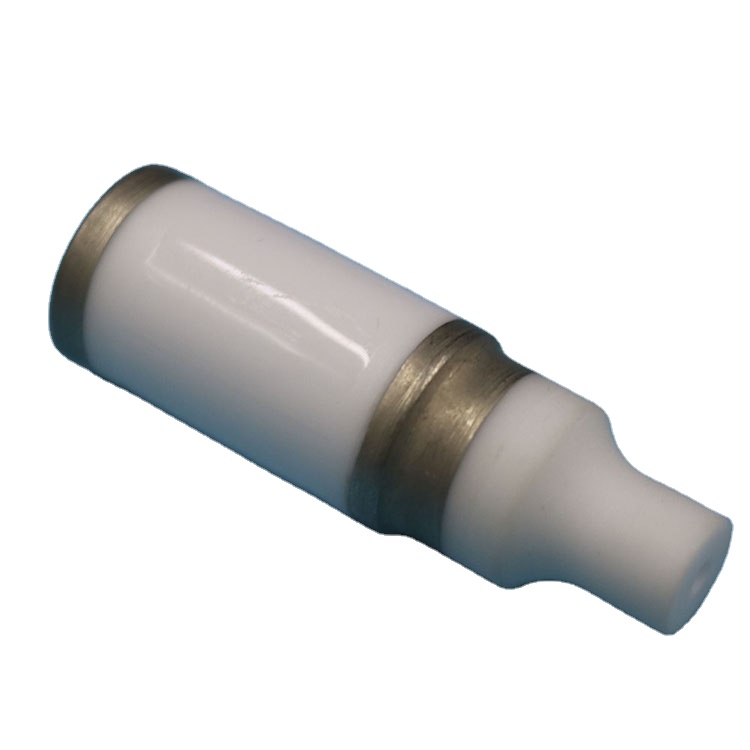
Silicon Carbide
Considered where high hardness, wear resistance or demanding thermal conditions influence the part requirement. The quotation basis should define geometry, surface condition, operating environment and project-specific inspection expectations.
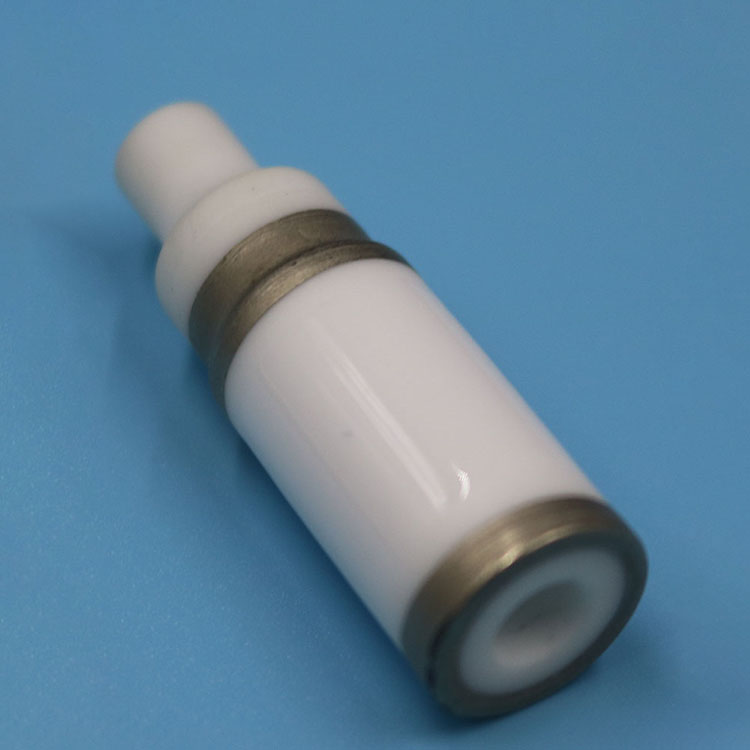
Silicon Nitride
A technical ceramic considered for engineered components requiring a balance of mechanical, thermal and wear-related properties. Final selection depends on the part design, operating cycle, interfaces and required documentation.
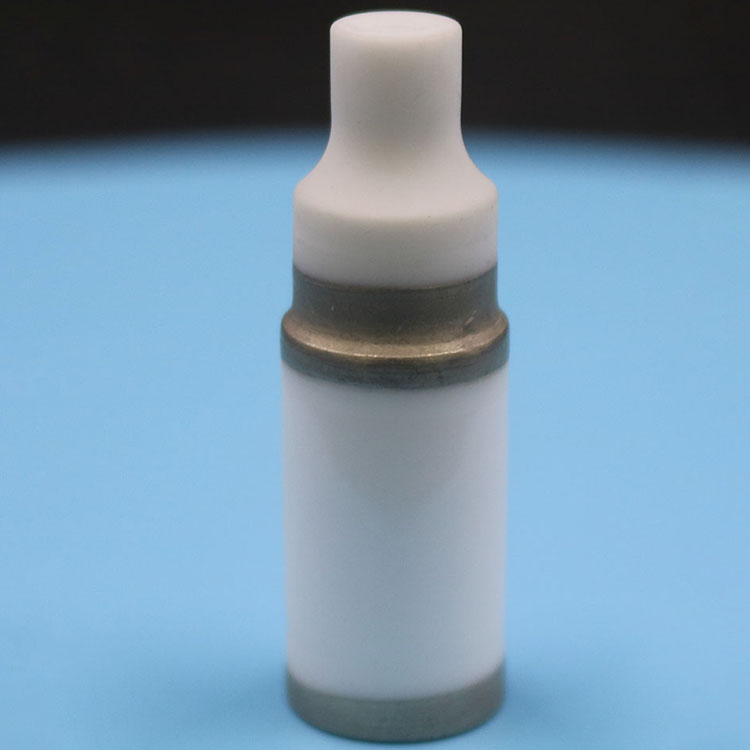
Aluminum Nitride
Used as a project-specific consideration where thermal management or electrical insulation affects the component brief. Porcecore connects material discussion with dimensions, interfaces, service conditions and acceptance requirements.
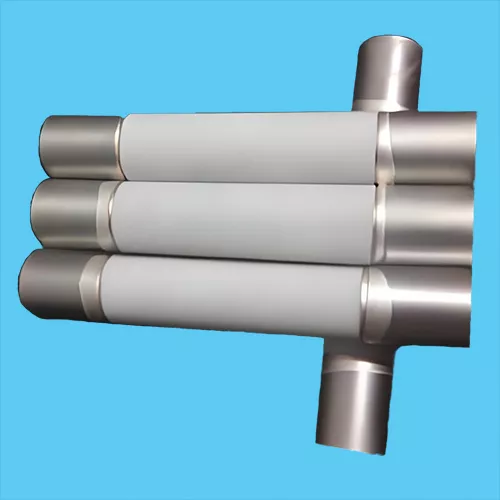
Boron Nitride & Specialty
Boron nitride and other specialty ceramics may fit unusual thermal, electrical or process requirements. Availability and suitability depend on the confirmed drawing, material designation, quantity, operating conditions and inspection criteria.
Manufacturing and Finishing Processes for Technical Ceramics for Food Processing Equipment
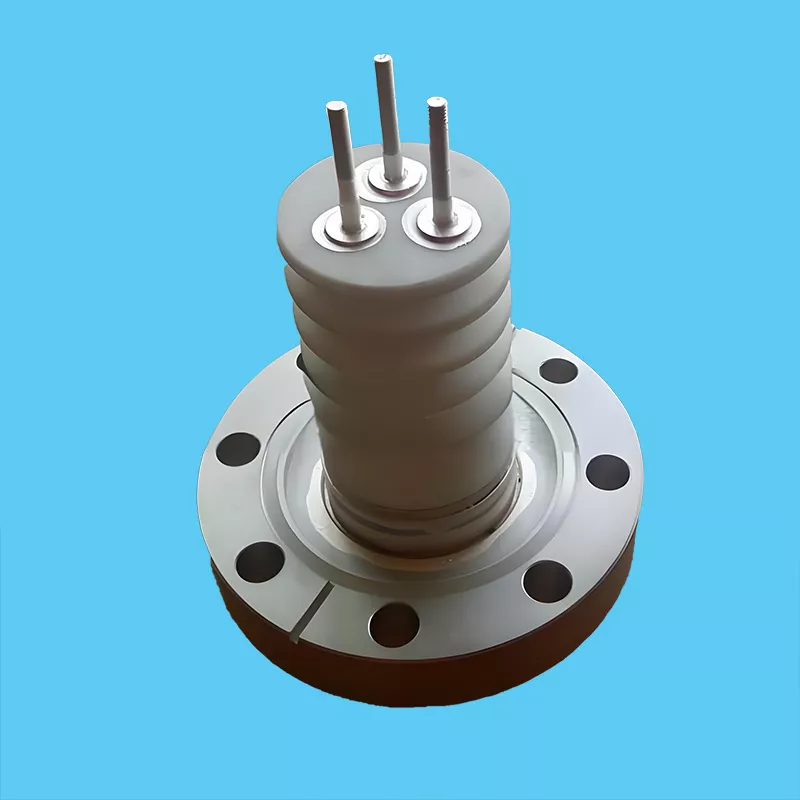
Press Forming
A practical route for suitable component geometries and quantities, with final results influenced by the ceramic grade, mold design, dimensional requirements and finishing allowance. Confirm requirements from the current drawing.
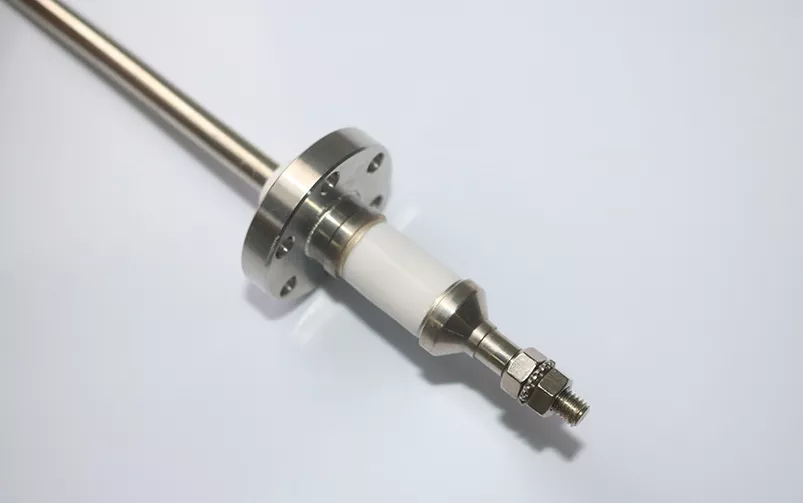
Extrusion Forming
Extrusion may suit continuous or consistent cross-section forms such as selected tubes or rods. The drawing should define geometry, straightness, surface requirements and downstream finishing expectations before this route is confirmed.

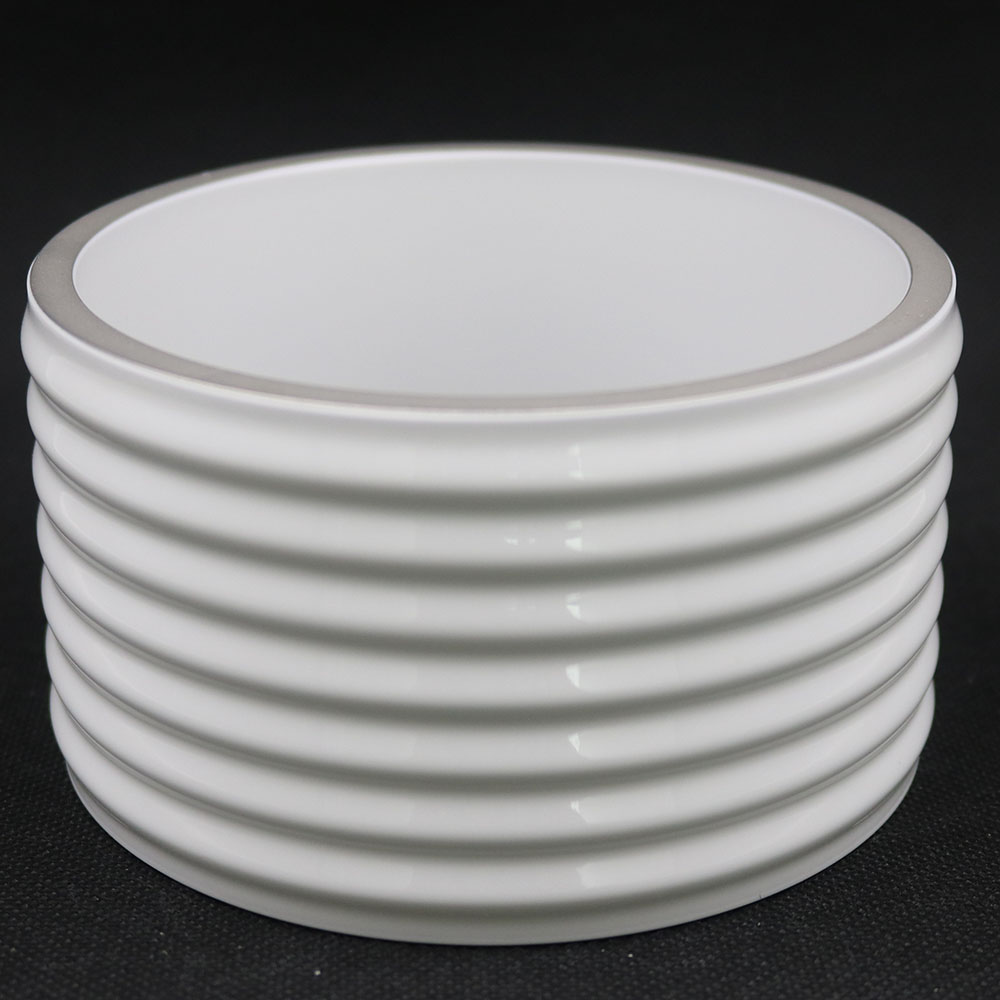
Silicon Carbide Ceramics
Injection molding can be considered for more intricate ceramic geometries where tooling and production volume support the requirement. Review undercuts, wall sections, tolerances, material grade and acceptance criteria during quotation.
Isostatic Pressing
Isostatic pressing may be evaluated for component shapes requiring controlled powder compaction and subsequent machining or finishing. Suitability depends on geometry, size, grade, critical dimensions and the inspection evidence required.

Precision Finishing
Grinding, lapping or other finishing operations may be required where mating surfaces, tight tolerances or assembly dimensions matter. Porcecore uses the drawing revision and acceptance criteria to clarify what must be controlled.
Manufacturing and Finishing Processes for Ceramic Components

Mating Surfaces
Identify the ceramic surfaces that contact shafts, housings, liners or adjacent parts. Include interface dimensions, fits, surface finish expectations and any alignment details needed for reliable assembly.

Sealing Features
Describe grooves, seats, sealing faces and contact zones for ceramic parts used with seals or fluid-handling assemblies. Confirm operating media, temperature range and inspection requirements with the drawing.

Mounting Details
Specify holes, slots, shoulders, threads, tabs or other mounting features that determine how the component installs. Reference critical dimensions, tolerances and assembly constraints to support an accurate quotation.
Surface Finishing
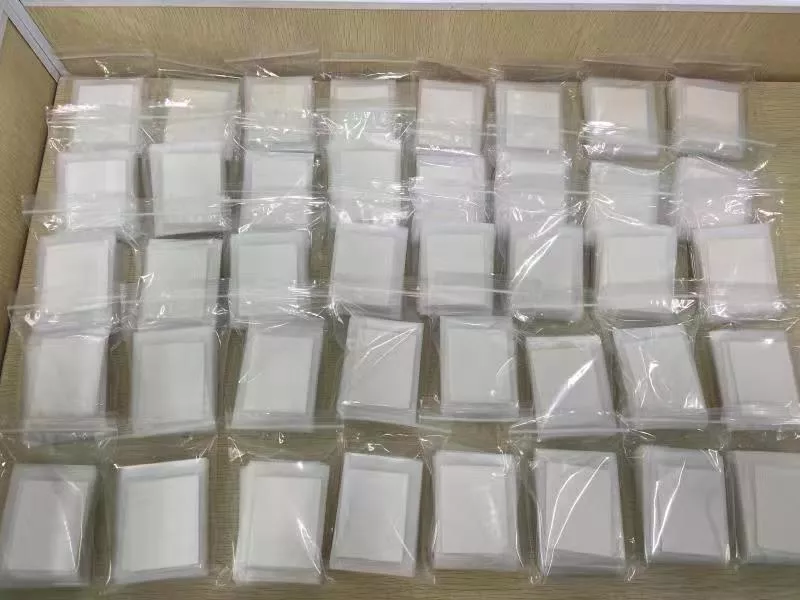
Clarify which surfaces require polishing, grinding, lapping or another defined finish. Separating functional surfaces from non-critical areas helps align manufacturing effort with performance, assembly and acceptance priorities.

Inspection Documents
List the records needed for review, such as dimensional reports, material information, inspection data or drawing revision control. Agree on acceptance criteria before production requirements are finalized.
About Porcecore: Technical Ceramics for Food Processing Equipment
Founded by Andy Yuan, Porcecore helps industrial procurement teams, engineers, equipment builders and ceramic distributors begin more useful component discussions. Our scope includes oxide, nitride, carbide and specialty ceramics in familiar forms such as tubes, rods, rings and substrates, considered according to the job each part must perform.
What makes Porcecore different is an application-first, drawing-led approach. Geometry, mating surfaces, operating conditions, material grade, quantity and acceptance criteria belong in the same conversation. For technical ceramics for food processing equipment, buyers can email a drawing revision or describe the component and service environment to clarify requirements before quotation and confirmation.

Assembly Details for Technical Ceramic Components
Start With Drawing Review
Technical ceramics for food processing equipment should begin with the part requirement, not a material label. Share the current drawing revision, quantity, service conditions and intended function so quotation questions can be identified early.
- Review dimensions, tolerances and critical features
- Identify mating surfaces and assembly constraints
- Separate essential requirements from preferences
- Flag missing information before quotation

Select the Right Material Family
Porcecore can help frame a material discussion across oxide, nitride, carbide and specialty ceramics. The suitable family depends on the component’s operating environment, geometry, wear or corrosion demands and the requirements of the individual project.
- Compare alumina, zirconia and other ceramic families
- Consider thermal, electrical and chemical conditions
- Confirm grade availability for the application
- Treat material listings as a starting point

Define Geometry and Interfaces
A ceramic tube, rod, ring or substrate must work with the surrounding equipment. Clear geometry and interface details help connect the component to its assembly, including fit, contact surfaces, edge conditions and any finishing requirements.
- Identify surfaces that fit another part
- Confirm dimensions that determine assembly
- Describe holes, grooves, radii or profiles
- Note surface finish and handling needs

Agree Inspection Expectations
A useful sourcing discussion also defines how the finished part will be assessed. Project-specific acceptance criteria, documentation and inspection details help align the quotation with the approval process before production commitments are made.
- Specify critical dimensions and tolerances
- Define visual or surface acceptance criteria
- List required reports or supporting documents
- Confirm delivery and commercial requirements

Technical Ceramics for Food Processing Equipment: Porcecore vs. Typical Sourcing
Compare a requirement-led approach with generic ceramic sourcing across materials, drawings, documentation, and quotation decisions.
← Swipe left or right to view →
Core Capabilities for Ceramic Component Sourcing
A drawing-led path from service conditions and acceptance criteria to confirmed production, inspection, packing, and shipment.
Share the Requirement
Send the current drawing revision, component description, service conditions, quantity, known material designation, mating surfaces, and required acceptance documentation.
Review Project Details
Porcecore reviews geometry, tolerances, operating environment, material options, inspection expectations, and open questions affecting technical ceramics for food processing equipment.
Discuss the Quotation
We align the proposed grade, fabrication approach, quantities, documentation, delivery expectations, and commercial assumptions before preparing a project-specific quotation.
Confirm the Order
Once requirements, specification details, commercial terms, and approval expectations are aligned, the confirmed production basis is recorded for project coordination.
Coordinate Production
Porcecore coordinates fabrication and finishing against the agreed drawing, material requirements, geometry, inspection points, and requested documentation for the component.
Inspect, Pack, Ship
Completed parts are reviewed against the confirmed requirements, then packed for shipment with agreed supporting documents and delivery communication.
Porcecore’s Requirement-Led Ceramic Sourcing Approach
A drawing-led path from initial requirement review to a quotation or sampling discussion for technical ceramic components.
Send the Current Drawing
Send the current drawing revision, known material designation, quantity, service conditions, mating surfaces and acceptance criteria so Porcecore can understand the part.
Review Open Questions
Review open questions about grade, geometry, tolerances, surface finish, documentation and food-contact or operating requirements before specifications are treated as confirmed.
Confirm Project Requirements
Confirm the project requirements, including ceramic family, dimensions, inspection expectations, quantity and delivery context, separating essential criteria from preferences.
Request a Quote or Sample
Proceed to a quotation or sampling discussion with the agreed information, using direct email or WhatsApp to define the next practical decision.
From Drawing to Delivery: Ceramic Component Sourcing
Customer Feedback on technical ceramics for food processing equipment
No approved customer quote or measured project outcome has been supplied for publication. Porcecore invites buyers to share a drawing, operating conditions and acceptance criteria so any future evidence reflects the actual ceramic part requirement.
No verified testimonial currently documents a quantified result for technical ceramics for food processing equipment. Project-specific performance, inspection and delivery outcomes should be confirmed against the individual grade, geometry and production requirements.
This section will be updated when an approved customer statement or documented case outcome is available. Until then, procurement teams can request a drawing-led quotation and define the material, dimensions, tolerances and acceptance criteria directly with Porcecore.
FAQ: Technical Ceramics for Food Processing Equipment
Practical answers for defining, quoting and approving ceramic components for food-processing applications.
How should buyers select technical ceramics for food processing equipment?
What drawing information is needed for technical ceramics for food processing equipment?
How are tolerances and functional surfaces confirmed?
What information forms the basis of a quotation?
Can Porcecore support sampling before a production order?
What inspection and documentation should buyers request for technical ceramics for food processing equipment?
How are packaging, shipping, payment and delivery terms handled?
How can buyers protect drawings and intellectual property during an inquiry?
Evidence Status for Ceramic Component Sourcing
Use this decision framework to compare ceramic materials, component designs, customization options, and supplier capabilities while avoiding specification, compliance, sourcing, and lifecycle-cost mistakes.
1. What Are technical ceramics for food processing equipment?
Alumina and zirconia are examples of technical ceramics for food processing equipment: engineered, nonmetallic components specified by grade, geometry, surfaces and service conditions. com/food-processing_c103. Six conditions commonly justify evaluation: abrasive solids, repeated friction, aggressive cleaning chemicals, elevated temperature, electrical isolation or tight dimensional stability. Ceramics may outperform conventional metals, polymers or coatings when wear, contamination risk, thermal exposure or surface degradation controls maintenance and process consistency, but the part must still be checked for brittleness, impact loading and joining requirements. Two decisions must remain separate: material suitability and verified food-contact compliance. A technically suitable alumina or zirconia grade is not automatically approved for direct contact; confirm the applicable regulation, formulation, surface finish, cleaning regime and supplier documentation for the specific part, drawing revision and process.
2. Evolution of technical ceramics in food processing
pdf). Food equipment consequently moved beyond conventional ceramic parts toward specified alumina, zirconia, silicon nitride, silicon carbide and specialty components. Four pressures accelerated that evolution: automated lines, hygienic design, abrasive ingredients and higher operating speeds. com/en/technical-ceramics/applications/food-industry). Today, historical development informs procurement by making the part requirement decisive. Buyers should request the exact grade, dimensions, tolerances, surface condition, food-contact or regulatory basis where applicable, inspection records and service assumptions rather than treating a material family as a universal performance guarantee.
3. Types of technical ceramics for food processing equipment
Component selection starts with the process zone, not the ceramic family.
Wear, Guidance, And Sealing
Wear liners and guides resist abrasion and maintain product alignment; specify contact width, mounting holes, clearances, and edge radii. Inspect flatness, thickness, chipping, and mating fit. Seals require controlled grooves, compression, and surface finish.
Bearings, Rollers, And Nozzles
Bearings and rollers manage rotation, conveying, or kneading under friction, impact, and cleaning cycles. Define bore, concentricity, roundness, runout, and shaft interface; inspect cracks and dimensional stability. Nozzles control flow through an orifice or slot, so inspect aperture size, concentricity, blockage risk, and surface damage.
Knives, Media, And Inserts
Knives handle chopping or shredding; specify edge geometry, thickness, clamping, and replaceability, then inspect edge continuity and chips. Grinding media require diameter control, density, wear debris review, and batch consistency. Custom inserts may combine ceramic working faces with metal carriers.
Electrical And Process Interfaces
Insulators separate energized parts from frames or fluids; specify creepage, mounting geometry, dielectric requirements, and thermal cycling. Inspect dimensions, metallization or fastener interfaces, and visible defects.
4. Materials for technical ceramics for food processing equipment
Grade selection for technical ceramics for food processing equipment starts with load, temperature, chemistry, electrical needs, and cleaning conditions.
Material Tradeoffs
Alumina offers hardness, insulation, chemical resistance, and economical machining; zirconia adds higher toughness but different thermal-shock behavior.
| Material | Key Behavior | Typical Fit |
|---|---|---|
| Alumina | Hard, insulating, chemically resistant | Wear parts, insulators |
| Zirconia | Tough, wear resistant, lower thermal conductivity | Seals, knives, impact parts |
| Silicon nitride | Tough, thermally stable, machinable before firing | Bearings, rollers |
| Silicon carbide | Very hard, thermally conductive, electrically variable | Liners, high-temperature parts |
| Aluminum nitride | Thermally conductive, electrically insulating | Heat-spreading substrates |
Grade And Finish
Purity, sintering additives, open porosity, and glaze or coating choices can change strength, chemistry, insulation, and cleanability. Surface finish must match product contact and sanitation requirements.
Specify From Operating Data
Record temperature range, loads, speed, media, cleaning chemicals, mating materials, tolerances, and electrical limits before selecting a grade. Compliance requirements must be confirmed for the individual application.
5. Customization and surface-finish options
Geometry and finish determine whether technical ceramics for food processing equipment fit the machine, clean effectively, and survive service.
| Option | Primary benefit | Main trade-off |
|---|---|---|
| Tighter tolerances | Assembly control | Cost and breakage risk |
| Polishing or lapping | Cleaner mating surface | Added processing time |
| Metal carrier or seal | Protected installation | Expansion and stress review |
Define The Part Interface
Holes, grooves, shoulders, radii, and mating faces should be dimensioned from assembly datums. Tolerances belong only where function requires them; tighter limits increase machining time and breakage risk.
Select The Surface Finish
Polishing or lapping can improve cleanability and contact behavior, while glazing may suit an approved application where the coating and food-contact requirements are defined. Decorative branding is not a substitute for a functional or hygienic surface specification. State target roughness, flatness, edge condition, and measurement method.
Plan Assembly And Sampling
Metal carriers, seals, shrink fits, and compliant interfaces can protect ceramic edges or simplify installation, but differential expansion and local stress require review. Assembly details should identify seal material, preload, clearance, and cleaning exposure.
6. Key construction and quality elements
1 drawing revision should connect material grade, geometry, service conditions, and acceptance criteria.
Material And Dimensional Control
1 material certificate should identify the approved ceramic grade, density, porosity limits, and applicable test method. The drawing should define critical dimensions, datums, geometric tolerances, mating surfaces, and surface roughness where assembly or hygiene depends on them. 2 edge conditions should state chamfer, radius, and allowable chips.
Inspection And Thermal Stress
3 inspection layers commonly include dimensional verification, surface-finish measurement, and crack or defect screening appropriate to the geometry. Specify sampling, gauge method, reporting format, and rejectable indications before production approval. 4 temperature limits and thermal-shock exposure should be documented for heating, cooling, washing, or sterilization cycles.
Joining, Packaging, And Traceability
5 joining details should identify the method—mechanical retention, brazing, adhesive bonding, or another approved process—along with fit, joint clearances, and post-assembly inspection. Packaging should prevent chipping, contamination, and movement during transport. 6 each lot should link the part, material certificate, inspection results, drawing revision, and shipment record.
7. How to choose a technical ceramics manufacturer
Three checkpoints separate a capable supplier from polished marketing: relevant application evidence, controlled manufacturing, and verifiable delivery discipline.
Verify Application And Engineering Fit
Three evidence types matter: comparable component drawings, anonymized inspection reports, and engineers who can discuss mating surfaces, loads, temperature, cleaning, and contamination controls.
Check Process And Inspection Control
Five areas deserve documented answers: material traceability, forming and sintering controls, tooling ownership, dimensional inspection, and surface-finish verification. Request a prototype or first-article sample with a test plan.
Compare Commercial And Change Discipline
Four commercial variables can alter project risk: minimum order quantity, prototype and production lead times, packaging protection, and replacement-tool charges. Require these in the quotation. Ask how drawing revisions, approved materials, process changes, nonconformities, and records are controlled.
8. Common mistakes buyers make
Eight recurring failures turn a workable ceramic component into a delayed or rejected part.
Specify The Job, Not Just Material
Material names alone do not define performance. State geometry, load, temperature change, impact exposure, mating surfaces, and inspection criteria; this prevents asking, ‘Which grade should we buy?’ Tight tolerances should follow assembly function and process capability.
Verify Compliance And Validate Early
Food-contact suitability requires project-specific documentation, not an assumption based on alumina or zirconia. Request the applicable grade, traceability, and acceptance records; this prevents asking, ‘Can we approve this component for contact?’ Pilot-test representative parts under thermal shock, impact, cleaning, and production conditions.
Protect The Part And Price Its Life
Ceramics can be damaged by poor packaging or unprotected contact during transit. Define separators, cushioning, labeling, and incoming inspection; this prevents asking, ‘When did the damage occur?’ Compare service life, downtime, replacement labor, scrap, and qualification cost—not unit price alone.
9. Steps to launch a ceramic-component program
A one-component pilot gives engineering, quality, procurement, operations, and regulatory teams a controlled basis for decisions.
Define The Requirement
Step 1 begins with the application, failure history, and food-contact boundary. Engineering records geometry, mating surfaces, load, temperature, cleaning chemistry, duty cycle, failure mode, and acceptance criteria. A controlled drawing revision then separates essential dimensions from preferences.
Screen And Prove Options
Three inputs—service conditions, failure mechanism, and inspection capability—guide material screening across suitable ceramic families. Procurement issues the same drawing, quantity, forecast, documentation requirements, and delivery assumptions to qualified suppliers. One prototype lot should undergo dimensional, surface, fit, functional, and durability testing under representative cleaning and operating conditions.
Approve And Scale
Production approval follows documented test results, corrective actions, and a signed specification. Operations defines handling and installation controls, while incoming inspection verifies identity, critical dimensions, visual condition, and supplied records. After the first component performs consistently, review rejects, maintenance findings, and supplier performance at defined intervals.
10. Pricing and cost of technical ceramics
13 cost elements should be reviewed together: material grade, volume, geometry, tolerance, surface finish, tooling, machining, inspection, assembly, packaging, freight, qualification, and expected replacement frequency. A lower unit price may be unsuitable if qualification or premature replacement increases total cost. 1 quotation should be application-specific and based on the current drawing, service conditions, acceptance criteria, and delivery requirements.
| Quantity Tier | Indicative Cost Structure | Lead-Time Considerations | Assumptions |
|---|---|---|---|
| Prototype / 1–10 | Highest unit cost; tooling, setup, machining, inspection, and qualification allocated to few parts. | Usually longest per part; drawing review and process setup dominate. | Stable drawing; grade, tolerances, finish, packaging, and documentation defined. |
| Small batch / 11–100 | Moderate unit cost; setup and tooling spread across parts, with geometry and tolerance still influential. | Setup may be retained; inspection and assembly capacity affect schedule. | Repeatable process; freight and packaging quoted separately or clearly included. |
| Production / 100+ | Lowest potential unit cost; material volume, tooling amortization, machining, inspection, assembly, and replacement rate drive total cost. | Planning improves, but custom tooling or qualification can extend launch. | Forecast quantity is credible; supplier confirms grade, acceptance criteria, and commercial terms. |
Discuss Technical Ceramics for Food Processing Equipment
Send a drawing or describe your component, operating environment, quantity and acceptance criteria for a clearer project-specific quotation discussion.