
Alumina Ceramics for Defined Component Requirements
Send your drawing, service conditions, and acceptance criteria to discuss alumina ceramics with a clearer quotation basis.
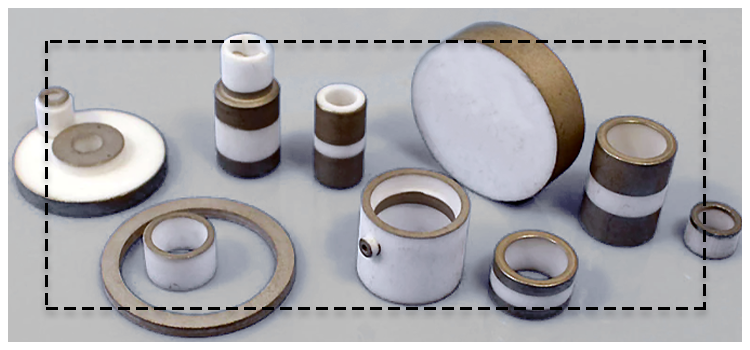
Ceramic Component Reference Gallery

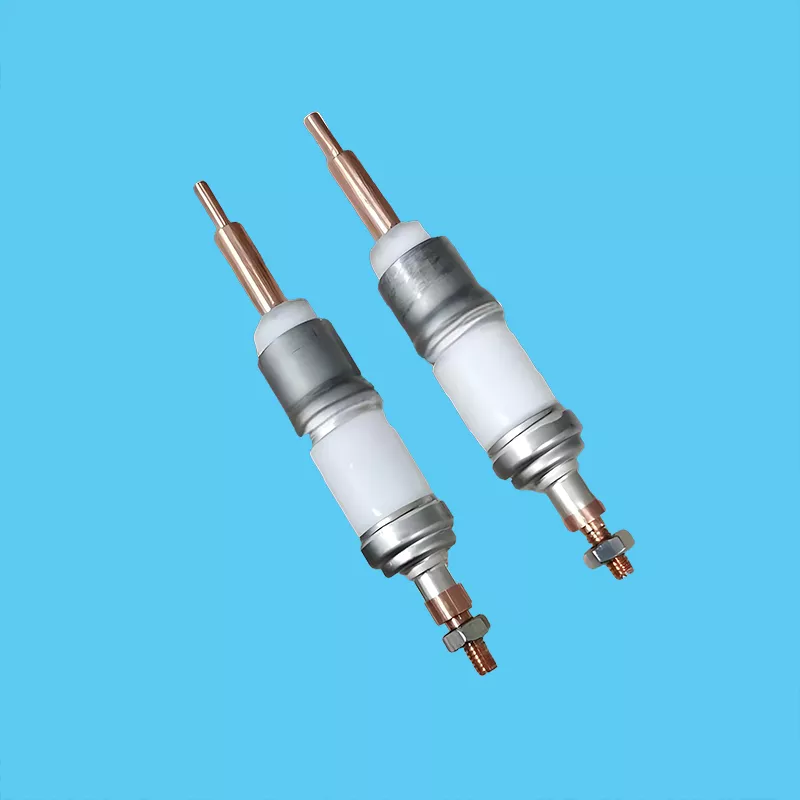
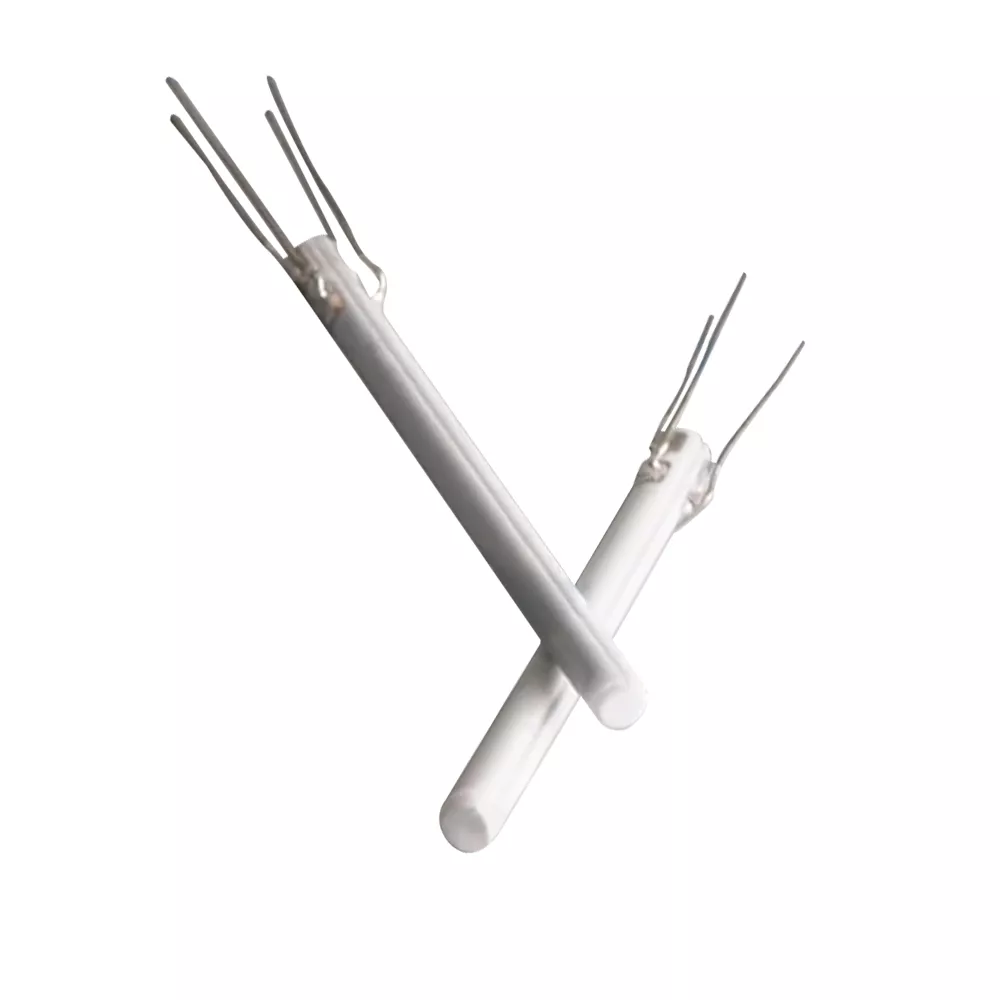
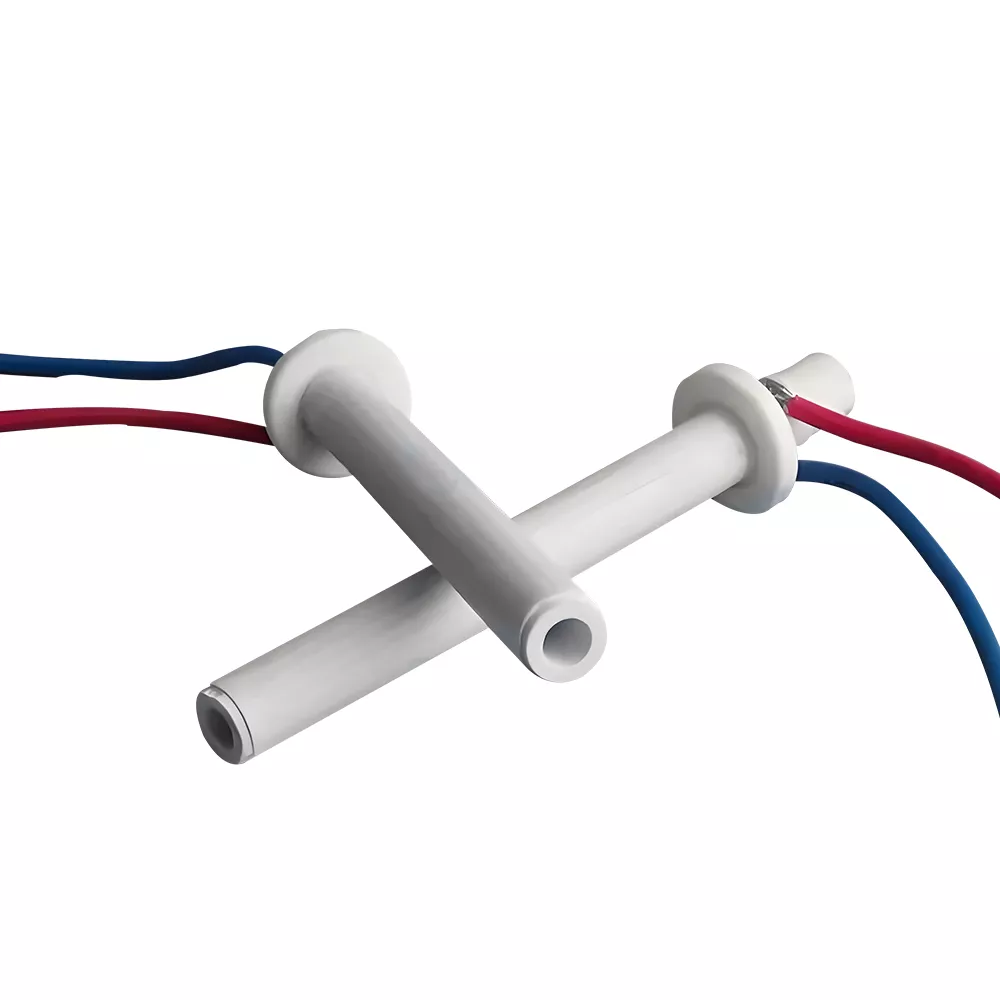
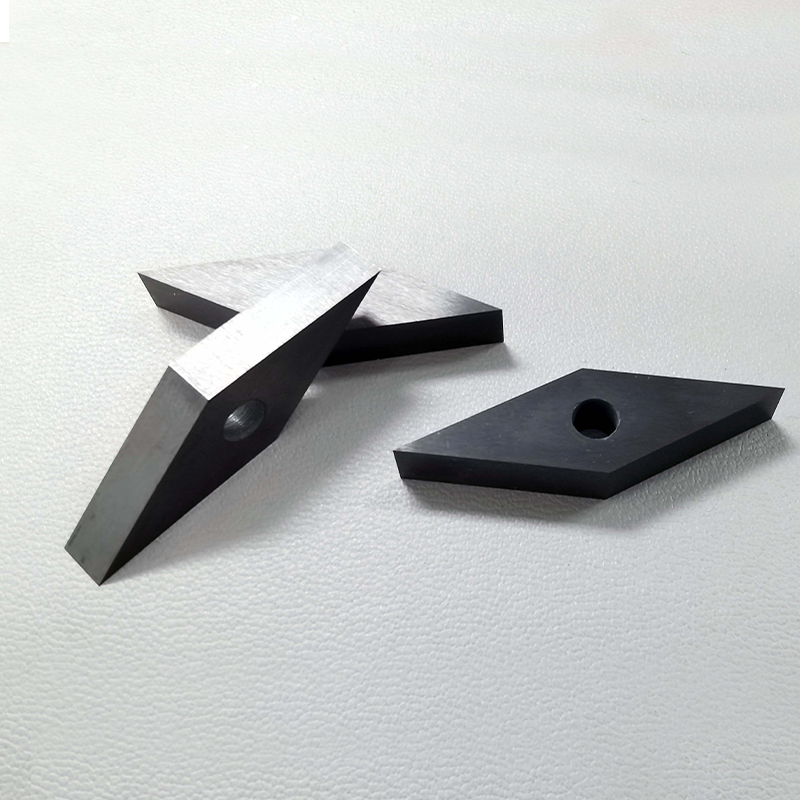


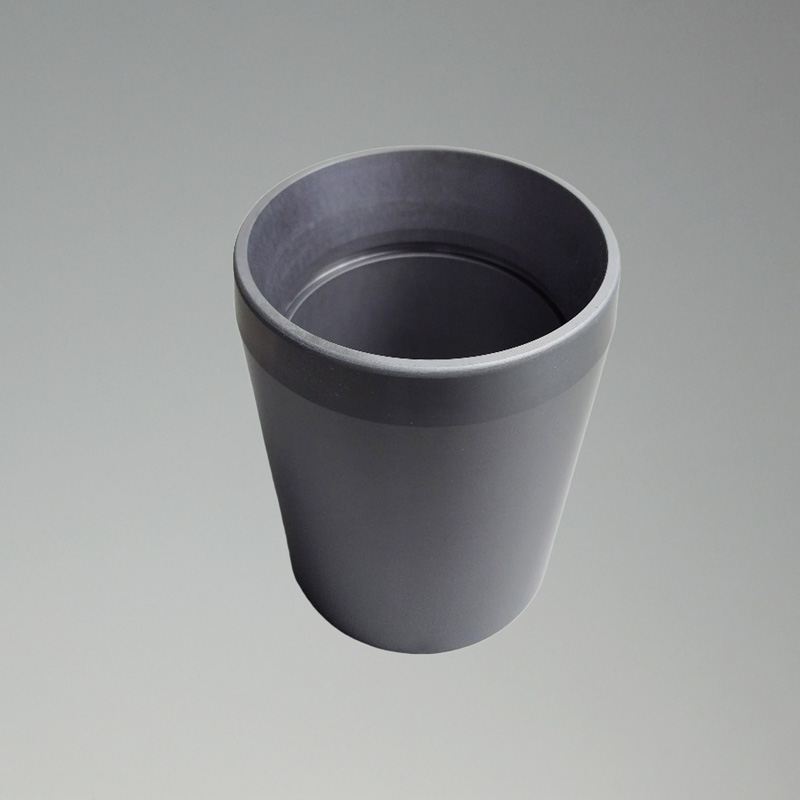
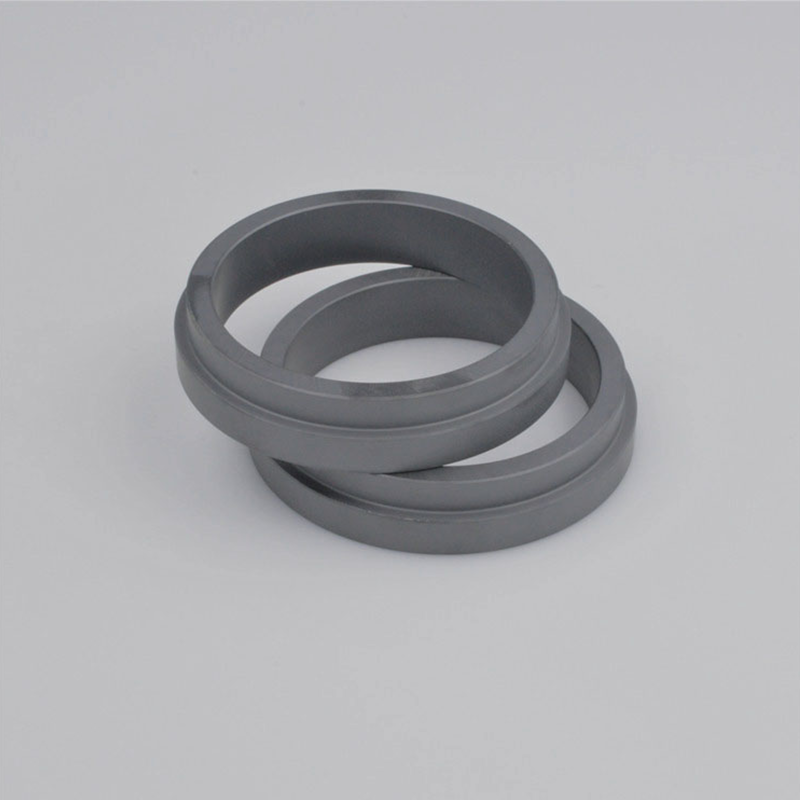
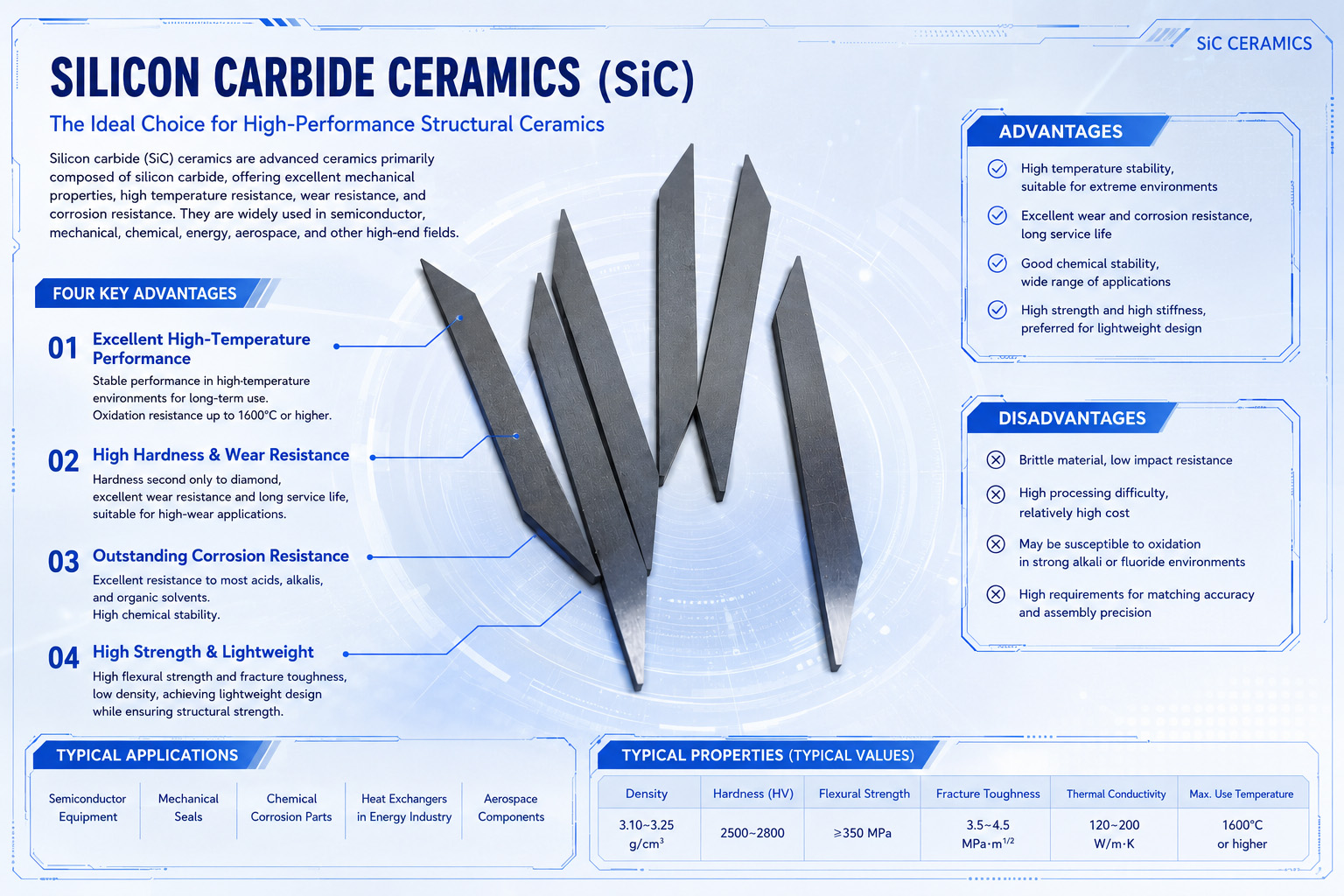



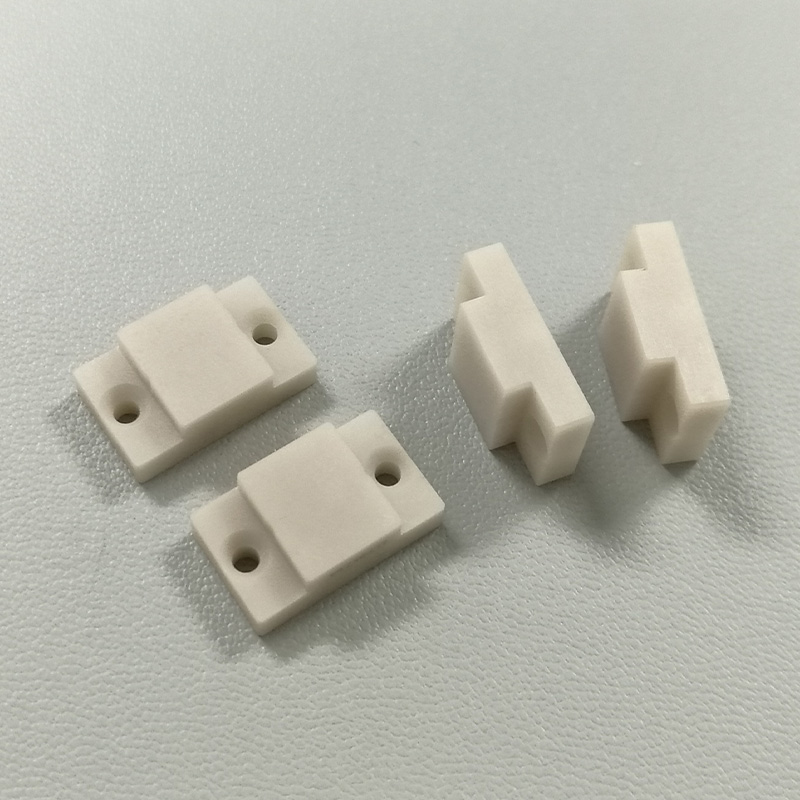

Related Alumina Ceramic Products and Quotation
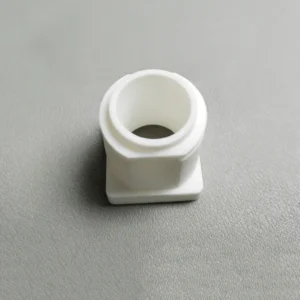
Why Source Alumina Ceramics Through Porcecore
Move from a material name to a clearer component requirement before quotation discussions begin.
Current Drawing Revision
Share the current drawing revision so dimensions, notes, interfaces, and changes can be reviewed against the component requirement before a quotation discussion progresses.
Grade Selection Context
Identify the alumina grade or material designation when known, then relate it to the application, operating environment, and project-specific questions that still need confirmation.
Geometry Defines the Part
Describe the required tube, rod, ring, substrate, or custom geometry, including assembly-critical dimensions and features that affect how the ceramic component must function.
Process Route Discussion
Review forming, sintering, machining, finishing, or other process considerations in relation to the drawing and requirement, rather than assuming one route suits every part.
Functional Surfaces Identified
Call out surfaces that mate, seal, guide, insulate, or contact another component, helping focus the inquiry on features that matter to fit and use.
Inspection Evidence Reviewed
State the acceptance criteria and documentation needed for approval, so inspection expectations can be discussed alongside dimensions, material designation, and the intended application.
Alumina Requirements by Form and Function
Review material, geometry, operating conditions and acceptance needs before defining an alumina ceramic component inquiry.

Alumina Ceramics: Properties and Selection Guide
Use this guide to relate alumina ceramic properties to the part’s job. Consider material purity, geometry, temperature, electrical conditions, mating surfaces and inspection requirements alongside general published property data.
Discuss Your Ceramic Part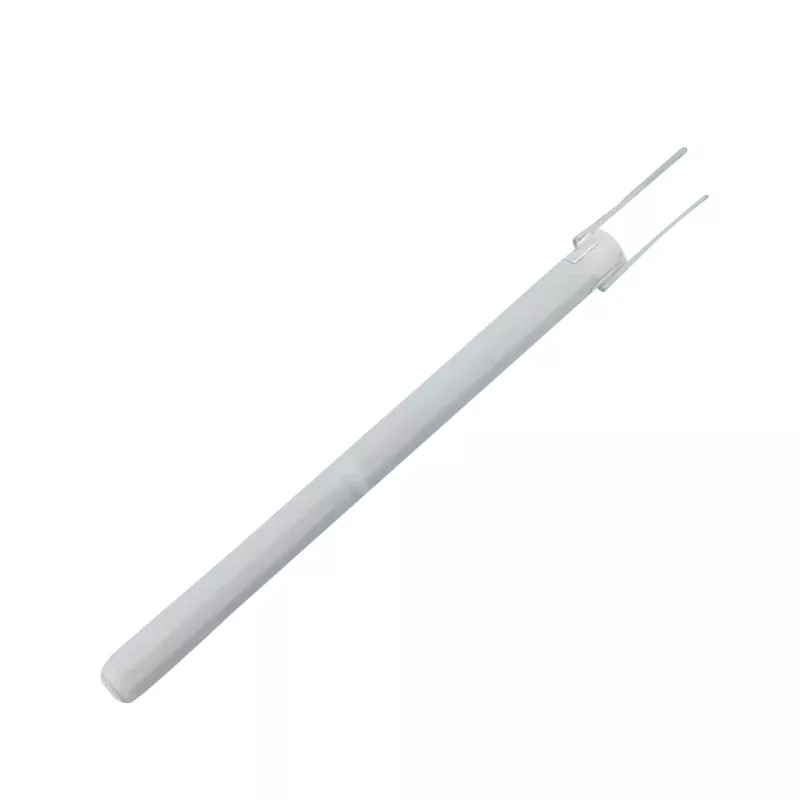
Alumina Ceramics: Grades and Compositions
Compare alumina ceramic grades and compositions in the context of the required component. Purity level, additives, density, microstructure and processing route can affect suitability; confirm the project-specific grade before quotation or production.
Discuss Your Ceramic Part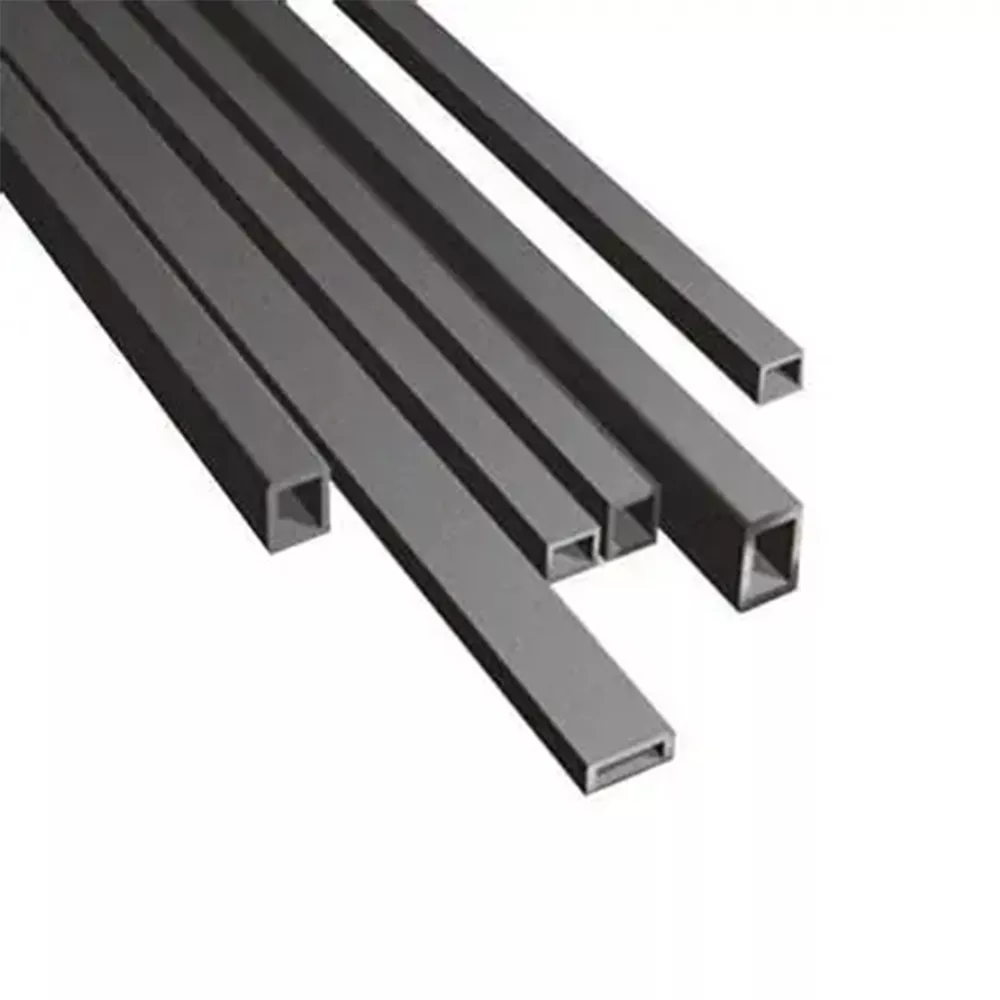
Alumina Ceramics: Thermal Performance
Evaluate alumina ceramic thermal performance against actual service conditions, including operating temperature, thermal cycling, heat flow, atmosphere and assembly constraints. General thermal values are not a substitute for confirming the selected grade and component design.
Discuss Your Ceramic Part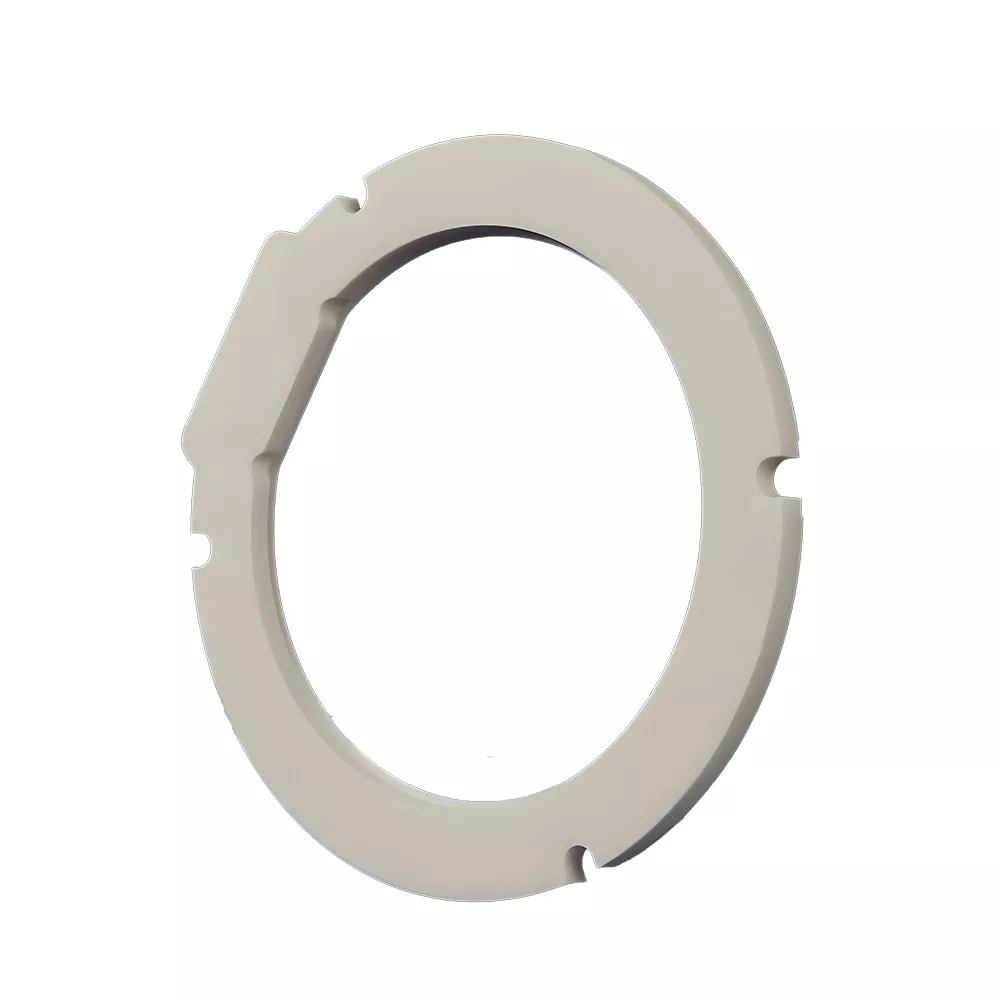
Alumina Ceramics: Mechanical and Wear Performance
Assess mechanical and wear performance with the component geometry and contact conditions in view. Load direction, abrasion, impact risk, mating material, surface finish and critical tolerances should be identified in the drawing-led inquiry.
Discuss Your Ceramic Part
Alumina Ceramics: Electrical and Insulation Performance
Review alumina ceramic electrical and insulation performance for the intended voltage, frequency, temperature and environment. Specify dimensions, surface requirements, dielectric expectations and any testing or documentation needed for approval of the individual part.
Discuss Your Ceramic Part
Alumina Ceramics: Machining and Design Guide
Plan alumina ceramic machining and design around functional dimensions, tolerances, holes, radii, wall thickness and surfaces that mate with other parts. Share the current drawing revision so manufacturability, inspection points and acceptance criteria can be discussed clearly.
Discuss Your Ceramic Part
Alumina Ceramics: Applications and Component Selection
Connect alumina ceramic applications to the actual component requirement, whether a tube, rod, ring, plate, substrate or replacement part. Provide the drawing, quantity, service environment and approval needs to define the appropriate sourcing discussion.
Discuss Your Ceramic PartAlumina Ceramics Grades and Material Considerations

95% Alumina
A widely considered option for general industrial components, balancing hardness, electrical insulation and wear resistance. Suitable grade selection still depends on the drawing, mating surfaces, operating environment and inspection expectations.

96% Alumina
Often discussed for insulating and wear-exposed parts where practical performance and component cost both matter. Confirm dimensions, surface finish, dielectric needs and service conditions before treating a material designation as a final specification.

99% Alumina
A higher-purity alumina option for applications that may place greater emphasis on electrical, thermal or contamination-related requirements. Final suitability should be reviewed with the required geometry, atmosphere, loads and documentation needs.

99.7% Alumina
A high-purity material discussion point for specialized ceramic parts requiring project-specific evaluation. Grade availability, achievable form, critical tolerances and acceptance criteria need confirmation for the individual drawing-led quotation.
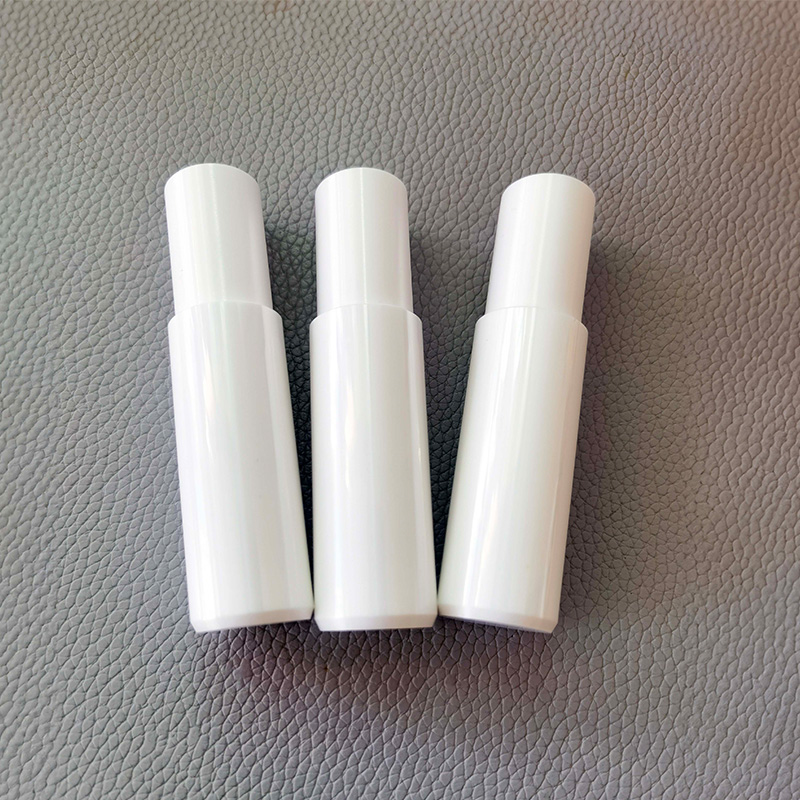
Zirconia-Toughened Alumina
A composite material option worth discussing when wear resistance and fracture-toughness considerations affect the part decision. Compare it against alumina ceramics using the actual load case, geometry, interfaces and operating conditions.
Alumina Ceramics Forming and Finishing Processes to Discuss
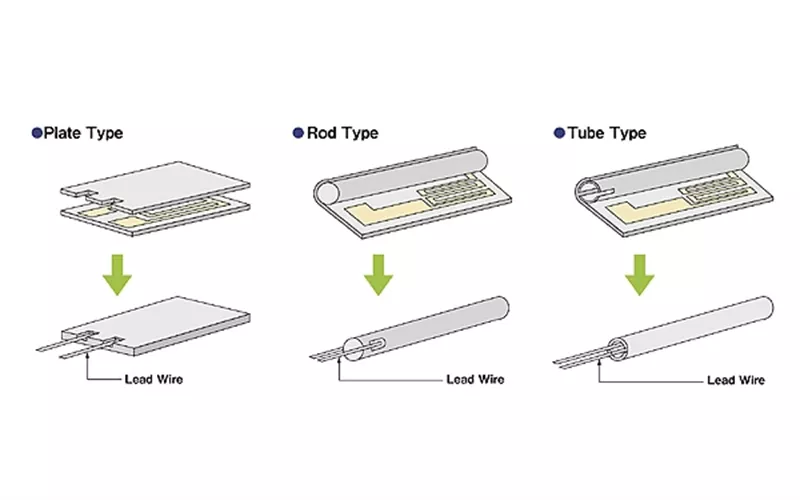
Dry Pressing
A powder compaction approach often considered for flat or relatively simple alumina ceramic geometries. Discuss wall sections, features, quantity and critical dimensions early, since forming choices influence the route to final inspection requirements.

Isostatic Pressing
A pressure-based forming option relevant to selected shapes where density distribution and geometry need project-specific review. Share the current drawing, material designation and machining allowances so the proposed route can be assessed in context.
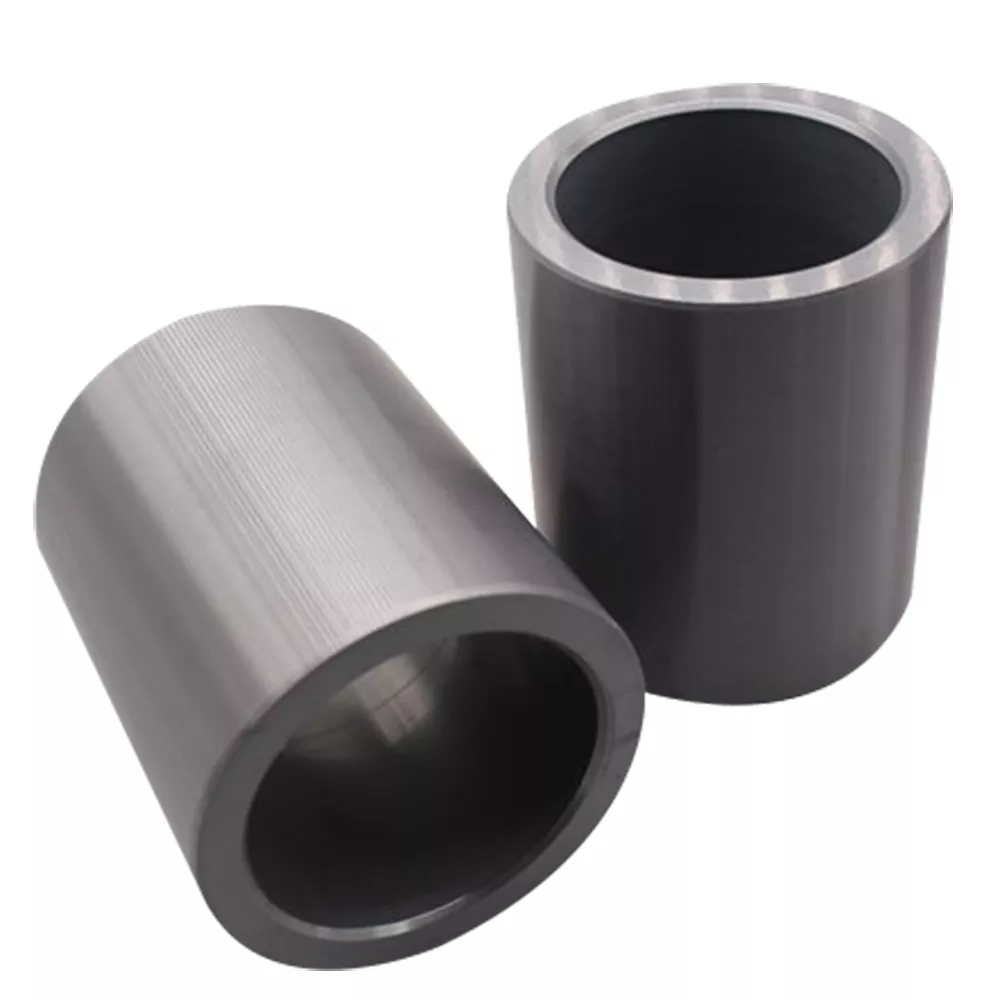
Extrusion Forming
An inquiry topic for continuous-profile parts such as tubes, rods and selected insulating forms. Define cross-section, length, straightness, mating areas and end features to clarify whether extrusion is appropriate for the required component.
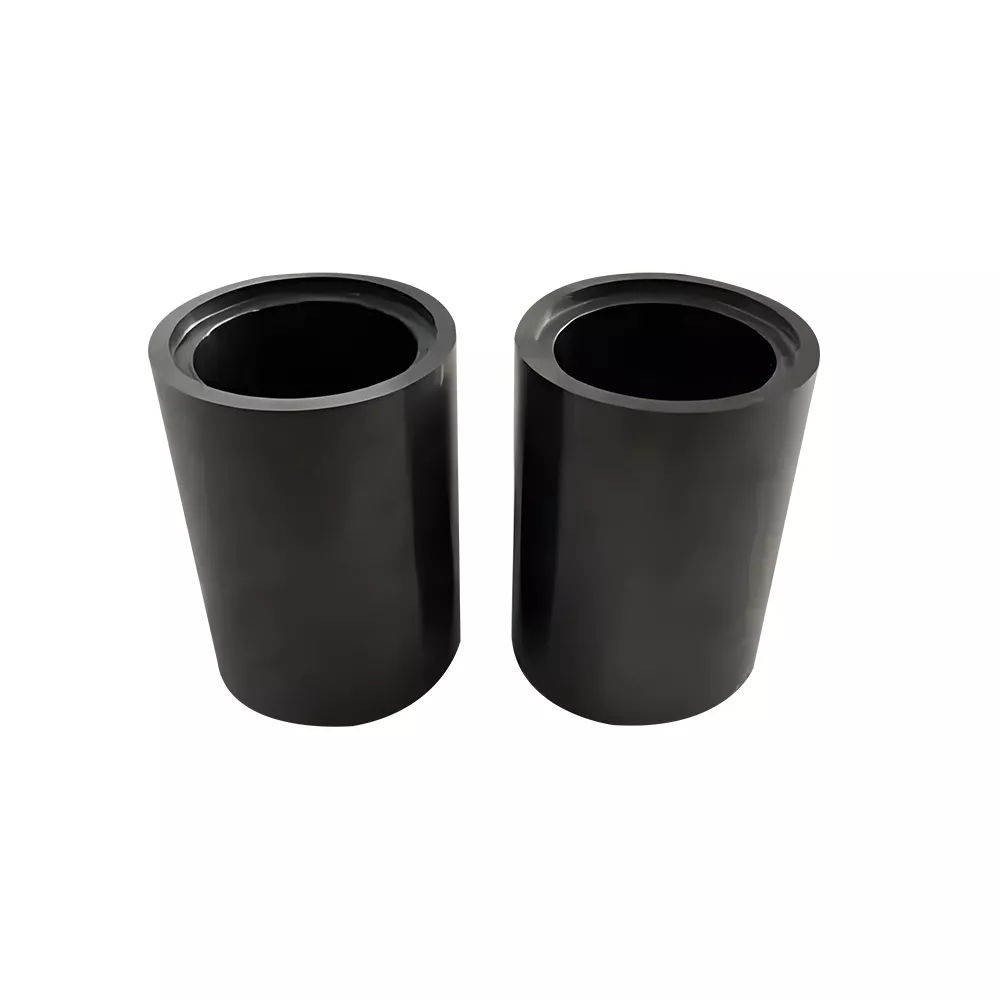
Sintering Review
Firing develops the final ceramic structure after forming, while dimensional change must be considered in the part plan. Identify assembly-critical dimensions, tolerances and acceptance criteria so sintering and downstream finishing can be discussed together.
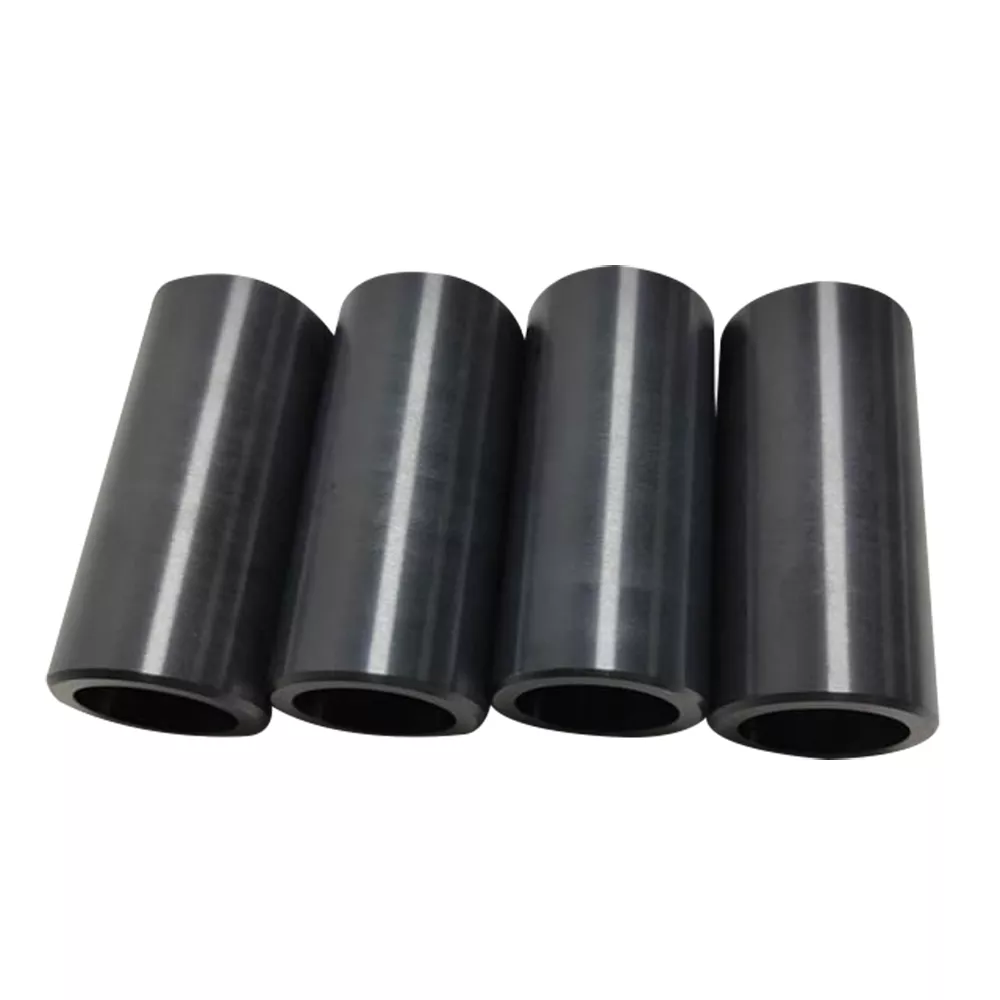
Diamond Finishing
Grinding, lapping or polishing may be considered for sintered alumina ceramics when surfaces, dimensions or finishes require closer control. Mark fit surfaces and functional datums on the drawing to focus the quotation discussion on essential requirements.
Alumina Ceramics Interfaces and Integration Options
Mating Surfaces
Identify faces that locate against housings, seals, shafts or other components. Share flatness, finish, alignment and contact-area requirements so alumina ceramic interfaces can be reviewed against the intended assembly.

Metallized Areas
For parts that may require electrical connection or joining, indicate the proposed metallized area, attachment method and service environment. Material grade, geometry and inspection expectations should be discussed for the specific component.

Surface Finishing
Call out functional surfaces requiring grinding, lapping or another finish discussion. Include the dimensions that govern assembly, surface condition expectations and whether the area is exposed to wear, sealing or electrical duty.

Edge Treatments
Corners, radii, chamfers and transition areas can affect handling, fit and stress concentration. Mark critical edge treatments on the current drawing and distinguish essential geometry from preferences before quotation review.

Assembly Features
Holes, slots, grooves and locating details should be evaluated with their mating hardware and operating conditions. Provide assembly drawings where possible, including load direction, fastening approach and any acceptance checks.
Alumina Ceramics, Clearer Sourcing
Porcecore was founded by Andy Yuan to make technical ceramic sourcing more understandable for industrial buyers. We cover technical ceramic components and industrial ceramic parts across alumina ceramics, zirconia ceramics, silicon carbide ceramics, oxide, nitride, carbide, and specialty ceramic families, helping teams move from a material name toward a component requirement that can be discussed clearly.
Our approach starts with the part and its job: a tube, rod, ring, substrate, or replacement component. We ask for the current drawing revision, known material designation, quantity, service conditions, critical mating surfaces, and acceptance criteria so the quotation conversation has a practical basis.
Porcecore is differentiated by application-first, drawing-led communication for custom ceramic components. Material properties are not treated as a substitute for project-specific confirmation of grade, geometry, tolerances, documentation, delivery, and commercial terms. Send a drawing or describe the operating environment to begin a focused project discussion.

From Alumina Ceramics to Defined Parts
Start With the Drawing
An alumina ceramics inquiry becomes more actionable when the current drawing revision, component form, quantity and material designation are shared together. Porcecore helps frame the quotation discussion around the details needed to evaluate the requested part.
- Provide the current drawing revision
- State the intended component quantity
- Identify the material designation if known
- Flag requirements still under review

Define Critical Geometry
A tube, rod, ring or substrate should be considered as an assembly component, not only a ceramic shape. Identify dimensions that govern fit, mating surfaces, wall sections, holes, edges and features that affect how the part interfaces with surrounding equipment.
- Mark assembly-critical dimensions
- Identify mating and sealing surfaces
- Note holes, grooves and edge details
- Separate essential tolerances from preferences

Describe Service Conditions
Material selection depends on the job the part will perform. Share the operating environment, mechanical loads, electrical role, thermal exposure, media contact and cycling conditions so alumina ceramics can be considered alongside project-specific application needs.
- Describe the operating environment
- Note load direction and contact conditions
- Specify electrical or thermal function
- Mention chemical exposure and cycling
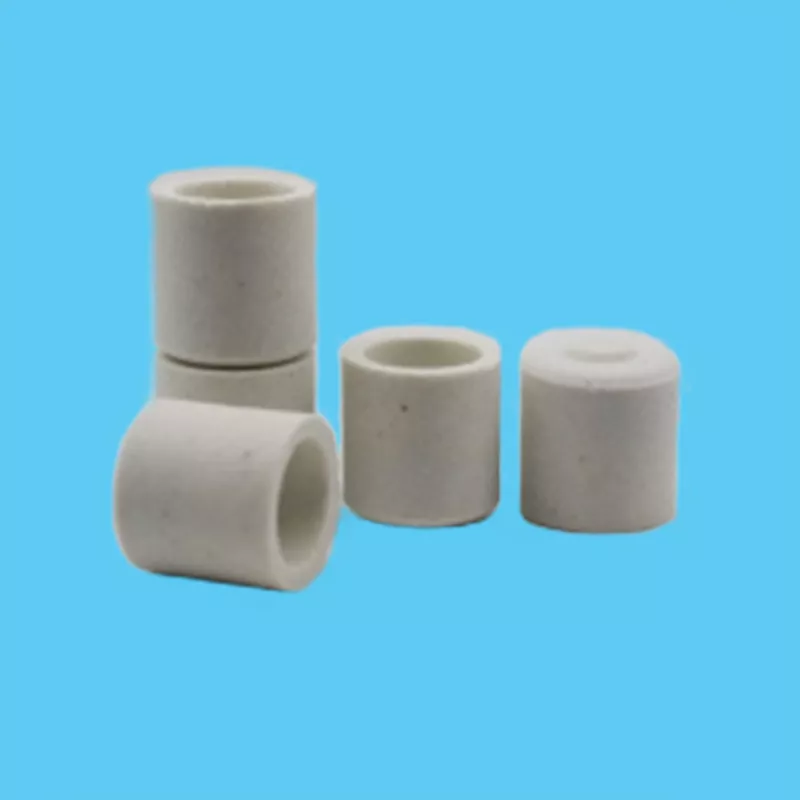
Align Inspection Expectations
Inspection and documentation expectations should be part of the initial conversation. Define acceptance criteria, measurement priorities, requested records and approval needs before commercial terms are confirmed, helping keep the quotation discussion connected to the project’s actual release requirements.
- List acceptance criteria clearly
- Prioritize dimensions for measurement
- Specify documentation needed for approval
- Confirm requirements before order commitment

Why Requirements-Led Alumina Ceramics Sourcing Matters
Compare a drawing-led inquiry with a material-name-only request before quotation.
← Swipe left or right to view →
Alumina Ceramics: A Project-Specific Component Workflow
Move from a defined part requirement to confirmed inspection, packing, and delivery details with a drawing-led discussion.
Review Part Requirements
Share the current drawing, component form, quantity, mating surfaces, service environment, and dimensions that govern assembly before quotation discussions begin.
Discuss Grade And Process
Review alumina ceramics grade considerations, geometry, forming approach, finishing needs, and any application conditions that may affect the proposed component route.
Confirm Critical Specifications
Identify tolerances, surface finish, inspection points, material designation, and acceptance criteria so essential requirements are distinguished from preferences or open questions.
Align Documentation Expectations
Clarify the documentation needed for project review, including agreed inspection information or other records required before an individual production order is confirmed.
Confirm Packing And Delivery
Discuss packing requirements, delivery expectations, commercial terms, and final project details so the next decision is based on a clearly defined scope.
How to Work With Porcecore on Alumina Ceramics
Move from a component need to a focused, project-specific quotation conversation.
Send Your Current Drawing
Share the latest drawing revision, component form, quantity, material designation if known, and the application or replacement-part context.
Define Critical Requirements
Identify assembly dimensions, mating surfaces, operating conditions, tolerances, surface expectations, and documentation or acceptance criteria relevant to your alumina ceramics inquiry.
Clarify Open Questions
Review unresolved grade, geometry, finishing, inspection, and delivery details with Porcecore so the requirement has a clearer technical basis.
Discuss Your Project Quote
Use the defined requirement to begin a project-specific quotation discussion, with commercial terms and production details confirmed only for the individual order.
Confirm Next Decisions
Align on the remaining technical and commercial points before proceeding, including the agreed drawing, material grade, quantities, documentation, and delivery requirements.
Alumina Ceramics: Documentation Requirements to Discuss

Future Alumina Ceramics Case Studies
Verified customer outcome to be published after project approval. This space will document the alumina ceramics component requirement, drawing revision, quantity, acceptance criteria, and the specific sourcing outcome confirmed by the customer.
Verified customer outcome to be published after project approval. This space will summarize the application context, critical geometry, mating surfaces, documentation needs, and the project-specific decision reached during the quotation discussion.
Verified customer outcome to be published after project approval. This space will describe the approved ceramic part scope, including material designation where confirmed, inspection expectations, and the customer-approved result without unsupported performance claims.
Alumina Ceramics FAQ for Engineering Buyers
Clarify the inputs, evidence, and commercial details needed for a project-specific quotation discussion.
What should we send for an alumina ceramics quotation?
How is the right grade selected for alumina ceramics?
Can Porcecore quote alumina ceramics from a sample without a drawing?
How should critical tolerances and functional surfaces be identified?
Is there a minimum order quantity for a custom ceramic part?
What inspection evidence can be discussed for alumina ceramics?
How are packaging, shipping, and payment handled?
How should we handle drawings and IP for an alumina ceramics inquiry?
The Complete Buyer’s Guide to alumina ceramics
Use this decision framework to specify alumina ceramics, compare grades and forming routes, assess supplier capability, control total cost, and avoid the tolerance, design, and qualification mistakes that disrupt production.
1. What Are alumina ceramics?
Al₂O₃ is the primary constituent of alumina ceramics: engineered oxide-ceramic components formed, sintered, and often diamond-finished for a specified part function. Their useful balance includes high hardness, abrasive-wear resistance, electrical insulation, stiffness, and capability in elevated-temperature service.
95% alumina is one example of a grade designation, not a universal performance specification. Purity, additives, density, grain size, porosity, forming route, sintering, geometry, and service temperature affect properties; brittleness also demands attention to tensile loading, impact, sharp corners, mating surfaces, and surface damage. Source: https://www.preciseceramic.com/blog/everything-about-alumina-ceramics.html
2. How alumina ceramics evolved
1888 marked the patenting of the Bayer process, which made industrial alumina refining a practical feedstock route for ceramics. Later control of powder purity, particle size, binders and moisture made repeatable green bodies possible rather than relying on raw-material variability.
Today, spray-dried granules support pressing, while extrusion, slip casting and other forming routes match material to part geometry; firing then densifies the shape. Diamond grinding, lapping or polishing is used after sintering where assembly surfaces and tight dimensions matter. For sourcing, specify the drawing features intended for post-fire finishing, not simply alumina ceramics by name. Source: https://www.iqsdirectory.com/articles/ceramic/alumina-ceramic.html
3. Types of alumina ceramics
95% alumina commonly serves general industrial parts, while higher-purity bodies suit contamination-sensitive, vacuum, and demanding electrical duties. Select the body and composite by service risk, then confirm grade-specific data. Source: https://www.preciseceramic.com/blog/everything-about-alumina-ceramics.html
| Category | Primary Selection Driver | Typical Part |
|---|---|---|
| Industrial purity | Balanced cost and duty | Tube or wear guide |
| High purity | Contamination or electrical sensitivity | Substrate or feedthrough |
| Dense alumina | Strength and insulation | Seal or insulator |
| Porous alumina | Controlled permeability | Filter body |
| ZTA composite | Impact-risk tolerance | Wear component |
Purity And Density
95% grades fit many industrial duties; high-purity alumina ceramics reduce concern where contamination or electrical performance is critical.
Dense bodies favor strength and insulation; porous bodies suit applications needing controlled permeability or lower mass.
Wear And Electrical Parts
Abrasion-driven designs include nozzles, guides, liners, seals, and grinding media. Specify particle exposure, sliding contact, and mating-surface finish.
Electrical insulators, feedthroughs, and substrates require confirmed dielectric requirements, temperature, frequency, thickness, and porosity.
Toughened Alumina Composites
Zirconia-toughened alumina is considered where impact risk and fracture tolerance exceed those of a conventional alumina body. It remains a drawing-led material decision, not a universal upgrade.
4. Alumina ceramics materials and grades
Common grades span roughly 95%, 96%, 99%, and 99.5%+ Al₂O₃, but purity is not a complete specification. Additives, residual porosity, density, grain size, and firing history alter service behavior.
| Grade Family | Trade-Off | Typical Use |
|---|---|---|
| 95–96% alumina | Balanced cost and performance | General insulators, wear parts |
| 99% alumina | Higher purity; tighter qualification | Electrical, vacuum, contamination-sensitive parts |
| 99.5%+ alumina | Higher performance focus; cost sensitivity | Demanding electrical or analytical components |
| ZTA | Improved toughness; different property balance | Impact-prone wear components |
What Purity Does Not Tell You
Grade labels do not fix strength, dielectric behavior, thermal conductivity, or chemical compatibility. Request grade-specific values at the actual temperature, frequency, medium, and load.
Additives And Microstructure
Small sintering additives can promote densification, while grain size influences wear, strength, and reliability. Specify minimum density, grain-structure requirements, and any contamination limits.
When To Consider ZTA
Zirconia-toughened alumina combines an alumina matrix with zirconia to improve toughness. Compare its wear and toughness benefit against electrical, thermal, cost, and qualification requirements.
Selection Data Request
Published alumina values are grade-specific, not universal. See https://www.preciseceramic.com/blog/everything-about-alumina-ceramics.html; ask for test methods and operating-condition data.
5. Custom alumina ceramics options
Custom alumina ceramics start with the assembly, not a catalog shape. Send the current drawing revision, critical interfaces, service conditions, quantity and acceptance criteria before dimensions are released.
| Feature | Preferred Stage | Drawing Note |
|---|---|---|
| Basic geometry | Pre-sinter | Allow for shrinkage |
| Critical fit | Post-sinter grinding | State tolerance and datum |
| Metal interface | Assembly planning | Define joining surface |
Drawing And Interfaces
Critical dimensions include fits, datums, holes, threads, metal interfaces and load-bearing edges. Identify mating parts and allowable assembly clearance.
Form Before Firing
Green-body features can include straightforward bores, recesses and external geometry. Sintering shrinkage means the chosen forming route must govern nominal dimensions.
Finish And Assembly
Post-sinter diamond grinding targets critical fits and surface finish. Confirm marking, metallization, brazing interfaces and inspection requirements with the part drawing.
6. Alumina ceramics quality essentials
Three linked controls—powder consistency, green-body density, and firing cycle—govern whether alumina ceramics repeat from drawing to part. Final performance depends on density, porosity, grain size, forming, sintering, and surface quality (https://www.preciseceramic.com/blog/everything-about-alumina-ceramics.html).
Powder And Firing Control
Each powder lot should have controlled particle distribution, binder behavior, and contamination limits. Sintering profiles must be repeatable because shrinkage, density, porosity, and grain growth change together.
Dimensions And Edges
Critical dimensions require an agreed fired-state datum plan and shrinkage allowance before tooling. Edge radii or chamfers reduce damage initiation at sharp corners and during handling.
Loads And Inspection
Brittle alumina performs best under compression; tensile loading, impact, point contact, and over-tight mounting raise fracture risk. Inspection should identify mating surfaces, dimensional methods, edge acceptance, and any density or documentation requirements.
7. Choosing an alumina ceramics manufacturer
When choosing an alumina ceramics manufacturer, evaluate the part requirement rather than the material name alone. Compare suppliers against the drawing, service environment, approval route, and evidence they can provide before release.
| Review Area | Ask For | RFQ Input |
|---|---|---|
| Material | Grade and lot traceability | Material designation |
| Manufacturing | Forming, firing, machining route | Drawing and volume |
| Quality | Metrology and test records | Tolerances and tests |
| Delivery | Prototype and capacity plan | Approval schedule |
Verify Process Control
1. Ask which forming and sintering route fits the geometry and volume; capability must include green and fired machining.
2. Confirm metrology for critical features, traceability by lot, and defined handling of nonconforming parts.
Define The RFQ
1. Send the current drawing revision, mating surfaces, critical tolerances, application environment, and test requirements.
2. State annual volume, prototype quantity, required documentation, inspection plan, and customer approval process.
Assess Delivery Readiness
1. Request a prototype plan that identifies technical open points before production commitment.
2. Review capacity assumptions, communication ownership, change control, and the records supplied with each agreed lot.
8. Common alumina ceramics buying mistakes
Most purchasing failures begin before quotation: a material label or low unit price is treated as a complete specification. For alumina ceramics, correct the requirement while drawing changes remain inexpensive.
Purity And Price Alone
95% versus 99% does not define density, additives, finish, or service fit. The consequence is a part that meets a label but fails its job.
First compare grade-specific requirements, total machining, and rejection risk. State the critical function and acceptance basis in the RFQ.
Metal Geometry Assumptions
Sharp internal corners and tensile loading that suit metal can concentrate stress in ceramic. The consequence is cracking during assembly or service.
One drawing review should identify radii, mating loads, impact exposure, temperature cycles, and chemicals. Revise geometry before tooling or grinding is released.
Uncontrolled Production Release
20% shrinkage can occur during sintering, while tight features may require diamond grinding. The consequence is unrealistic tolerances, cost growth, or nonconformance.
First define datum scheme, measured dimensions, sampling, records, and cosmetic limits. Approve an inspected sample before authorizing production.
9. Launching a custom ceramic component
A custom ceramic launch works best when engineering owns functional decisions and procurement owns commercial readiness. Each gate should close before tooling, sampling, or volume commitments begin.
Define The Functional Envelope
First, document loads, temperature, media, voltage, mating surfaces, and failure risks. Engineering identifies critical dimensions; procurement records forecast quantity and required documents.
Review Drawing And Process
Second, submit the current drawing revision and annual or batch forecast. Porcecore can discuss manufacturability, proposed material, forming route, shrinkage allowance, and achievable tolerances before quotation.
Validate Before Volume
Third, approve sample results against agreed inspection criteria, then release a pilot lot. Engineering evaluates fit and service performance; procurement monitors first-lot documentation, delivery, nonconformities, and corrective actions.
10. Alumina ceramics pricing and cost
1 drawing revision is the starting point for a usable alumina ceramics quote; material purity, geometry, and service conditions set the baseline.
2 cost increases often come from complex forming, fired diamond machining, tight tolerances, inspection, and dedicated tooling. Request assembly-critical surfaces and acceptance criteria with the drawing.
| Volume tier | Principal cost drivers | Quote inputs | Lead-time consideration |
|---|---|---|---|
| Prototype / low volume | Setup, tooling, fired machining | Revision, grade, quantity, tolerances | Tooling and first-piece review may dominate |
| Pilot volume | Forming route, yield, inspection | Annual forecast, critical dimensions | Confirm capacity and approval timing |
| Production volume | Tool amortization, repeatability | Release schedule, packaging, documentation | Agree delivery lots and change control |
Discuss Your Alumina Ceramics Part Requirements Today
Send your drawing, application, quantity, operating conditions, and acceptance criteria to begin a focused quotation discussion with Porcecore.