
Technical Ceramic Components for Thermal-Service Applications
Review your drawing, service conditions, mating surfaces, and acceptance requirements before beginning a project-specific quotation discussion.
Featured Technical Ceramic Components for Thermal-Service Development















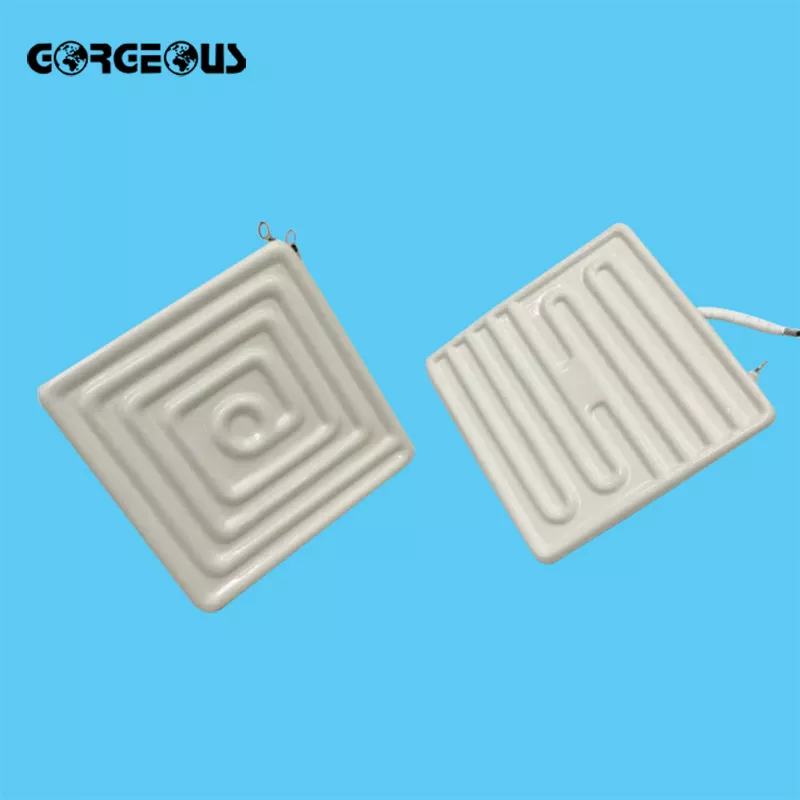
Technical Ceramic Components: Catalogue & Quotations


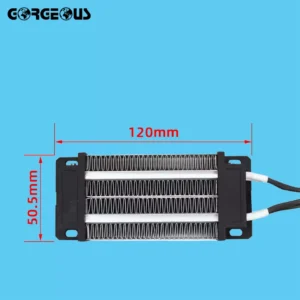



Thermal-Service Ceramic Components, Specified Clearly
Porcecore helps engineering and procurement teams turn thermal-duty component needs into focused, drawing-led quotation discussions.
Current Drawing Revision
Share the current drawing revision so dimensions, interfaces, critical features, and requested changes can be reviewed against the same part definition.
Material Grade Discussion
Toughened ceramic composites thermal performance depends on the selected grade and service context; identify known material designations and open material questions early.
Geometry Drives Feasibility
Tubes, rings, rods, and substrates require geometry review beyond a material name, including wall sections, assembly dimensions, and relevant mating features.
Functional Surface Requirements
Identify surfaces that seal, slide, locate, conduct, or mate with another component, then clarify finish, tolerance, and condition requirements for those areas.
Application Conditions Considered
Describe operating temperature, thermal cycling, atmosphere, loads, media exposure, and installation context to ground toughened ceramic composites thermal performance in the intended duty.
Inspection Evidence Defined
State the acceptance criteria and documentation needed for approval, helping distinguish general material information from the project-specific evidence required for the order.
Component Forms for Thermal Service
Explore material families, component forms and project information that help industrial teams frame a drawing-led ceramic sourcing inquiry.

Ceramic Manufacturing Capabilities
Review ceramic manufacturing considerations for tubes, rods, rings, plates, and custom ceramic components. Begin with the current drawing, critical dimensions, mating surfaces, operating environment, and inspection expectations so the quotation discussion reflects the actual part requirement.
Discuss Your Ceramic Part
Ceramic Solutions by Industry
See how advanced ceramics applications are considered across industrial equipment, thermal processes, electrical systems and wear-prone assemblies. Application context helps identify relevant service conditions, assembly interfaces and acceptance priorities before material and component details are confirmed.
Discuss Your Ceramic Part
Advanced Ceramic Materials
Compare advanced ceramic materials including alumina, zirconia, silicon carbide, silicon nitride, aluminum nitride, boron nitride and specialty families. Material selection should be evaluated alongside grade, geometry, service conditions and project-specific documentation requirements.
Discuss Your Ceramic Part
Technical Ceramic Products
Explore technical ceramic components and industrial ceramic parts organized around familiar forms and material families. Product illustrations support early requirement discussions; final availability, dimensions, tolerances, material grade, and production terms require confirmation for each project.
Discuss Your Ceramic Part
Technical Ceramic Resources
Use technical ceramics guide resources to prepare a more complete inquiry. Include the current drawing revision, quantity, operating conditions, critical assembly dimensions, material designation if known and required documentation; email or WhatsApp can start the project conversation.
Discuss Your Ceramic PartToughened Ceramic Composites Thermal Performance: Materials Considered

Alumina Ceramics
A rigid, dense ceramic supplied in familiar tube, rod, ring, and substrate forms. Alumina is commonly considered for electrically insulating components exposed to elevated temperatures, with grade-specific thermal conductivity and thermal-shock behavior requiring review.

Zirconia Ceramics
A dense, fine-grained ceramic often selected where robust mechanical behavior and controlled geometry matter. Zirconia suits wear-prone insulating parts and thermal cycling environments, though its expansion behavior and grade must align with mating components.
Silicon Carbide Ceramics
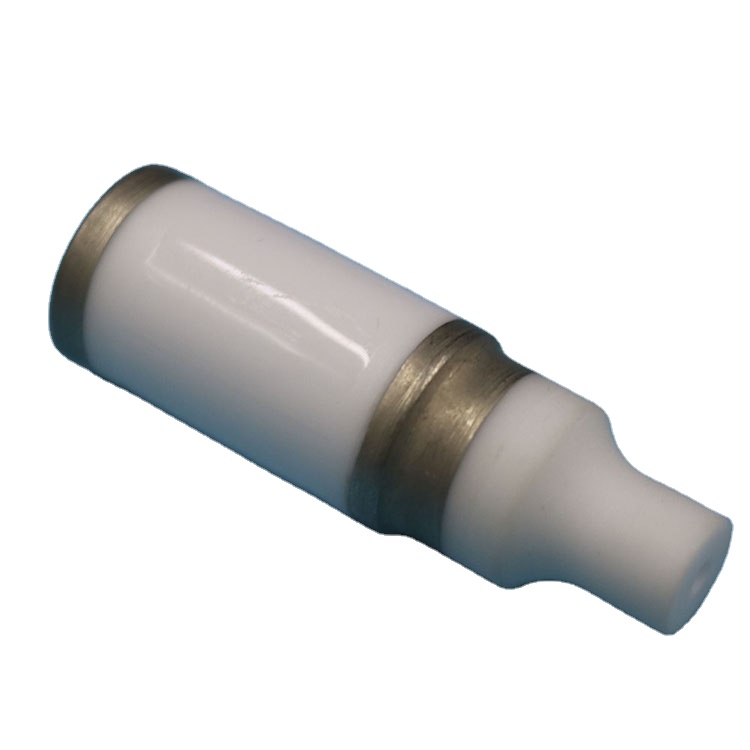
A hard, lightweight ceramic family used for fixtures, heat-transfer parts, furnace components, and demanding process equipment. Silicon carbide is valued for high thermal conductivity and elevated-temperature capability, subject to the selected grade and atmosphere.
Silicon Nitride
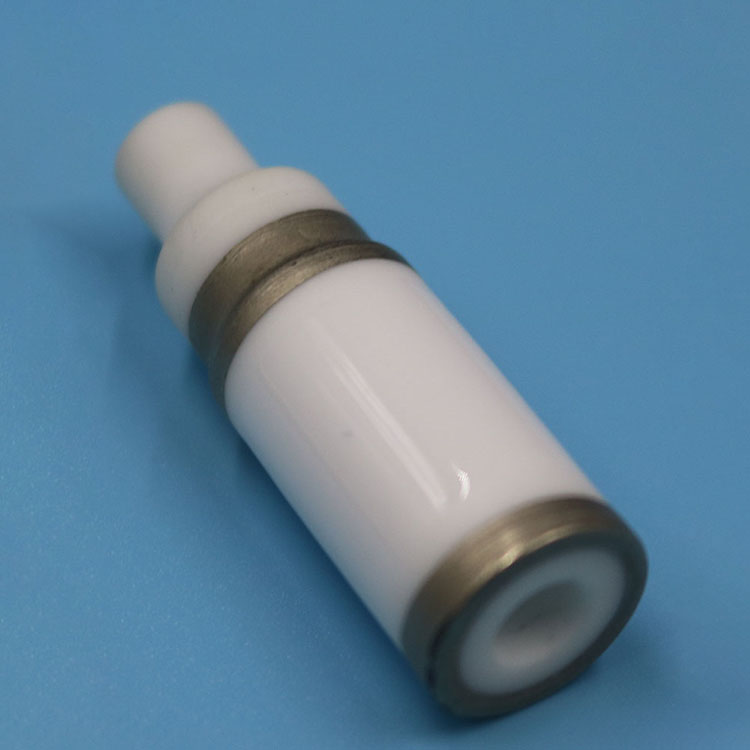
A tough engineering ceramic commonly formed into rollers, bearings, guides, and structural insulating parts. Silicon nitride offers useful thermal-shock resistance and mechanical reliability under cycling conditions, while surface finish and dimensional requirements remain project-specific.
Aluminum Nitride
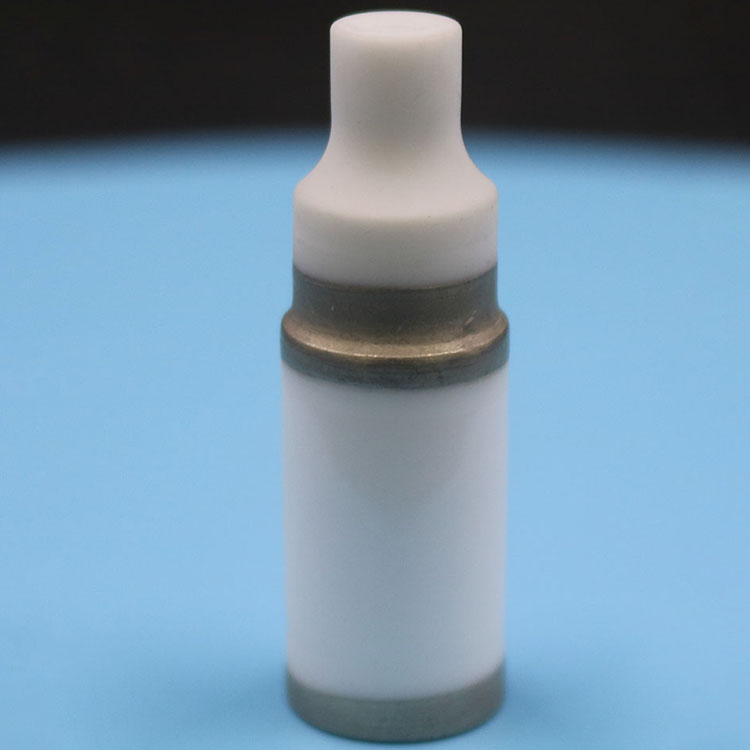
A thermally conductive, electrically insulating ceramic frequently considered for electronic substrates and heat-management components. Aluminum nitride supports efficient heat transfer, but moisture exposure, metallization needs, thickness, and grade should be defined in the inquiry.
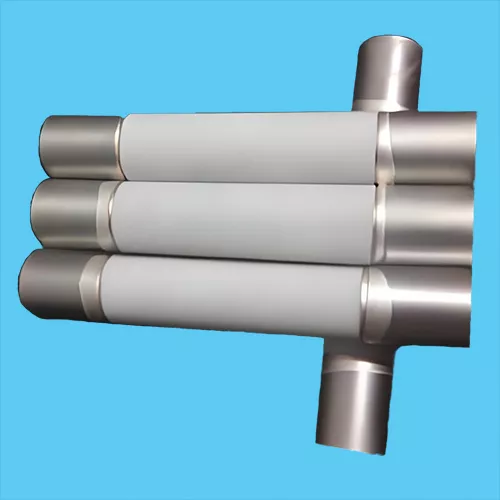
Boron Nitride
A soft-machining, layered ceramic available for insulation, crucible, and thermal-management applications. Boron nitride can provide electrical insulation and thermal stability, with its orientation, purity, environment, and finished-part geometry reviewed for each project.
Processes for Toughened Ceramic Composites Thermal Performance
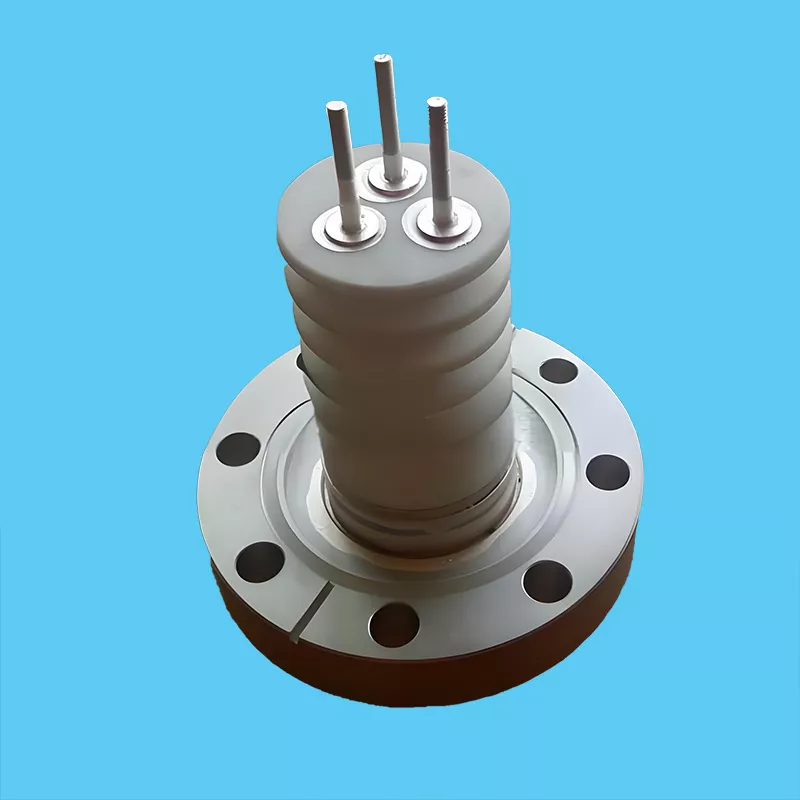
Powder Preparation
Ceramic powders and reinforcing phases may be prepared for the selected composite route, with composition and handling discussed against the intended service environment. The resulting material approach remains subject to project-specific grade and process confirmation.
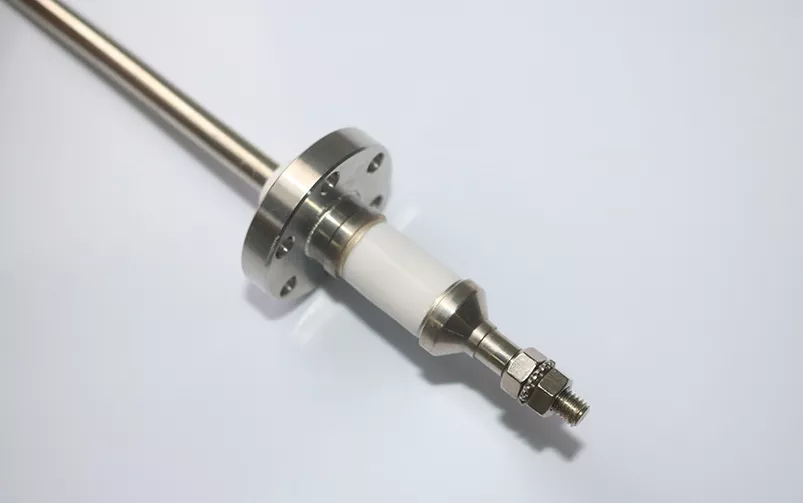
Forming Methods
Pressing, casting or other forming methods may be considered according to part geometry, wall sections and quantity. Early review helps identify features that affect manufacturability, dimensional control and the condition of the ceramic before finishing.

Controlled Sintering
Thermal processing is evaluated in relation to the selected ceramic system, composite structure and required component condition. Buyers should define operating expectations and documentation needs so the proposed route can be reviewed against the individual requirement.
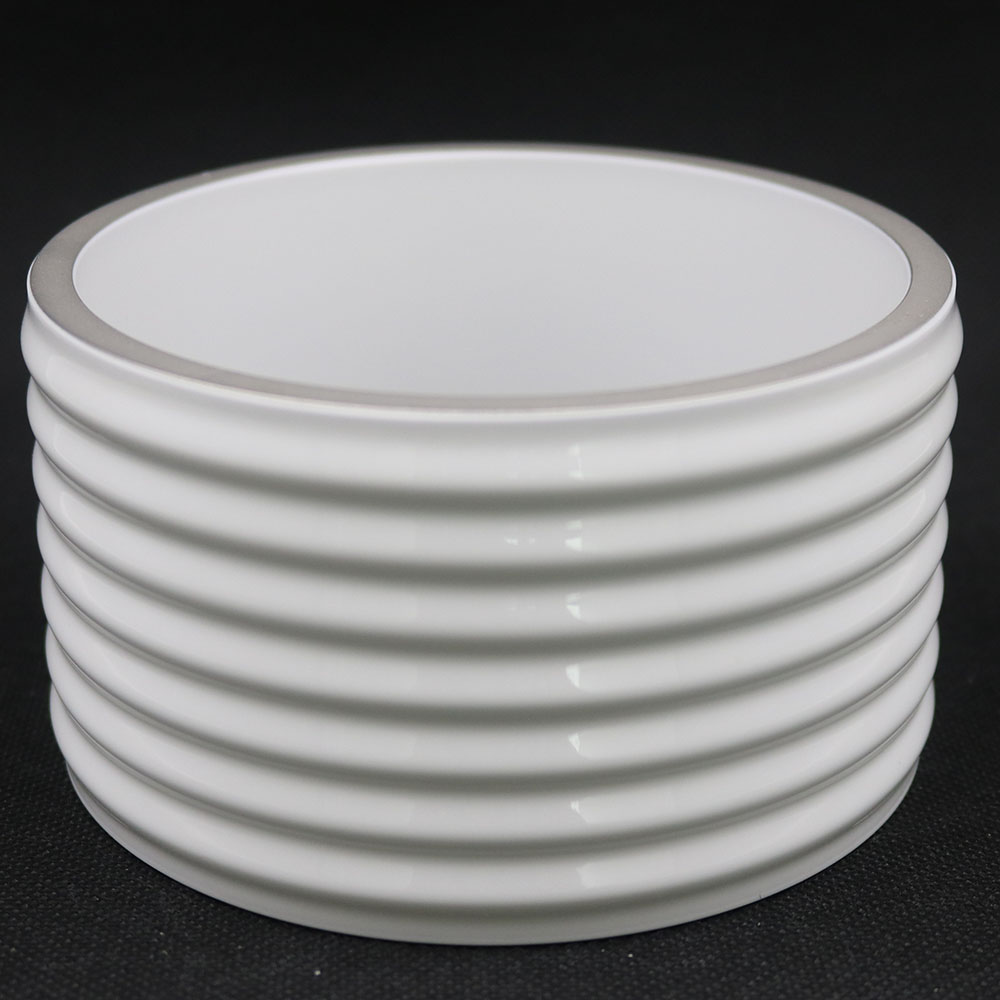
Precision Grinding
Grinding can be considered for critical diameters, flatness, concentricity and mating surfaces after processing. Provide the current drawing revision, functional dimensions and tolerances so inspection expectations can be included in the quotation discussion.

Surface Finishing
Surface finishing options may be reviewed where roughness, contact behavior, sealing or assembly interfaces matter. Specify the relevant faces, finish requirements and acceptance method rather than relying on a general material property or product illustration.
Accessories, Interfaces & Identification Options

Mating Surface Features
Define the faces, bores, edges or locating features that interface with adjacent hardware. Share assembly-critical dimensions, surface expectations and the current drawing revision so fit-related requirements can be reviewed.

Surface Finish Requirements
Identify functional surfaces that need a stated finish, controlled texture or defined treatment consideration. The service environment, mating material and inspection method help determine which requirements belong in the quotation discussion.

Protective Packaging Options
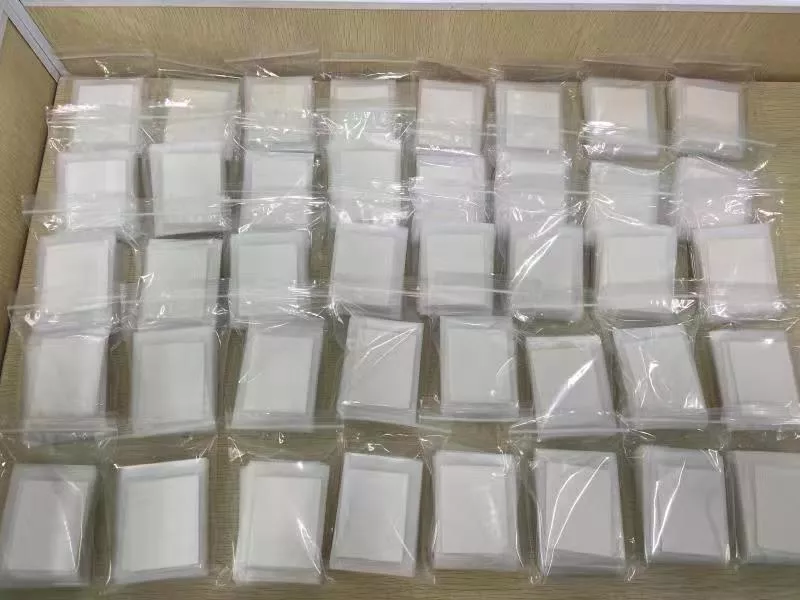
Discuss packaging for fragile ceramic parts, including separation, cushioning and identification needs during handling and shipment. Quantity, component geometry and destination requirements should be confirmed for the individual project.
Part Marking Identification
Consider part numbers, revision references, lot identification or other marking needs where applicable. Confirm the marking location, readability expectations and any restrictions arising from geometry, material or operating conditions.

Inspection Documentation Package
Request the records needed for project review, such as dimensional inspection expectations, material designation references or acceptance documentation. Define the required format, applicable features and approval criteria before production terms are agreed.
About Porcecore
Porcecore was founded by Andy Yuan to make technical ceramic procurement more understandable for industrial teams. Our application-first approach starts with the component and the work it must perform, including projects evaluating toughened ceramic composites thermal performance under defined service conditions.
We cover familiar oxide, nitride, carbide and specialty ceramic families across component forms such as tubes, rods, rings and substrates. Rather than treat a material name as a complete specification, we help buyers connect grade considerations with geometry, mating surfaces, operating environment and inspection needs.
What distinguishes Porcecore is drawing-led communication before commitment. Send the current drawing revision, known material designation, quantity, service conditions and acceptance criteria; we use those details to frame a more concrete quotation discussion and identify the decisions still requiring project-specific confirmation.

Toughened Ceramic Composites Thermal Performance, Examined by Requirement
Define Service Conditions
Toughened ceramic composites thermal performance should be considered against the actual thermal cycle, atmosphere, load path and exposure duration. Share operating temperatures, ramp rates, contact media and failure concerns so the material discussion begins with the component’s working environment.
- Operating and peak temperature range
- Heating and cooling cycle profile
- Atmosphere, media and contamination exposure
- Mechanical load during thermal service

Map Geometry and Interfaces
A thermal ceramic part must work within its assembly, not only on a property sheet. Porcecore reviews relevant geometry, mating surfaces and critical dimensions to clarify where fit, contact pressure, expansion behavior or localized heat transfer may affect the requirement.
- Current drawing revision and assembly dimensions
- Mating surfaces and contact areas
- Critical fits, holes, threads or sealing features
- Areas exposed to concentrated heat or stress

Evaluate Grade-Specific Options
Material-family properties are useful starting points, but grade-specific behavior requires project review. For toughened ceramic composites thermal performance, identify the proposed material designation where known and distinguish essential thermal, mechanical and electrical requirements from preferences before quotation.
- Known material designation or incumbent part
- Thermal conductivity or insulation priorities
- Strength, toughness and electrical considerations
- Required alternatives or replacement constraints

Set Inspection Expectations
Clear acceptance criteria support a more informed sourcing decision. Specify the dimensions, tolerances, surface requirements, documentation and inspection points that determine approval, especially where a ceramic component interfaces with another manufactured part or supports a thermal-critical function.
- Critical dimensions and tolerance limits
- Surface finish and visual acceptance needs
- Requested material or inspection documentation
- Quantity, delivery and approval requirements

Why Choose a Drawing-Led Ceramic Partner
For toughened ceramic composites thermal performance, Porcecore begins with the drawing, operating conditions, and acceptance needs—not material assumptions.
← Swipe left or right to view →
Toughened Ceramic Composites Thermal Performance: Inquiry-to-Delivery Process
A drawing-led sequence for aligning component requirements, production coordination, inspection expectations, packing, and shipment confirmation.
Review Part Requirements
Share the current drawing, material designation, quantity, service conditions, mating surfaces, critical dimensions, and acceptance criteria for an initial project discussion.
Clarify Sourcing Scope
Porcecore reviews open questions around grade, geometry, tolerances, documentation, delivery expectations, and commercial details before a quotation discussion advances.
Coordinate Manufacturing Details
Once requirements are aligned, manufacturing considerations are coordinated against the individual part, including process fit, critical features, and agreed project priorities.
Confirm Inspection Expectations
Inspection and documentation needs are reviewed for the specified component, with attention to assembly-driving dimensions, functional surfaces, and agreed acceptance requirements.
Prepare Packing And Shipment
Packing needs, delivery details, and shipment arrangements are confirmed for the order, helping project teams prepare for receiving and downstream assembly planning.
Issue Shipping Confirmation
Shipment confirmation provides the final project update, allowing procurement and engineering contacts to coordinate receipt, review, and next-step communication.
How to Work With Porcecore
Move from a defined ceramic part requirement to project-specific quotation, sampling, and production confirmation.
Send Your Current Drawing
Share the current drawing revision, material designation if known, quantity, critical dimensions, mating surfaces, and required documentation for a focused initial review.
Describe Service Conditions
Outline temperatures, thermal cycling, loads, media exposure, electrical needs, assembly constraints, and acceptance criteria affecting toughened ceramic composites thermal performance.
Align Quotation Requirements
Review proposed grade, geometry, tolerances, inspection expectations, commercial needs, and any open questions before quotation assumptions are finalized for the specific project.
Confirm Sampling and Production
Agree sample needs, approval checkpoints, final specifications, delivery expectations, and production terms once requirements are clear enough to proceed with confidence.
Toughened Ceramic Composites Thermal Performance: Certificates & Documentation Review
Project Inquiry Guidance
No approved customer testimonial or project outcome has been supplied for publication. Porcecore does not publish unverified performance claims, delivery results, or customer endorsements for toughened ceramic composites thermal performance requirements.
Customer references are considered project-specific and require permission before publication. Current inquiries can be discussed from drawings, service conditions, material preferences, quantities, and acceptance criteria instead of generalized outcome claims.
For a defined ceramic component requirement, send the current drawing revision and operating environment. Porcecore can help clarify open questions around geometry, mating surfaces, documentation, and quotation requirements before commitment.
Toughened Ceramic Composites Thermal Performance FAQ
Clarify the inputs, review points, and commercial details needed to move a technical ceramic component inquiry forward.
How is toughened ceramic composites thermal performance assessed for my component?
What information is needed for a meaningful quotation?
Can you help select a grade for toughened ceramic composites thermal performance?
Is there a minimum order quantity for custom ceramic composite parts?
What lead time can I expect for samples or production orders?
How should I specify tolerances and functional surfaces?
How do you handle IP, payment, shipping, and packaging for a ceramic inquiry?
What inspection evidence is relevant to toughened ceramic composites thermal performance?
Complete Buyer’s Guide to toughened ceramic composites thermal performance
Use a practical decision framework to compare thermal behavior, material architectures, qualification data, supplier capabilities, and cost drivers while avoiding specification and sourcing mistakes that can compromise equipment reliability.
1. Toughened ceramic composites thermal performance explained
Thermal performance is a screening discussion, not a component rating: it combines allowable service temperature, conductivity, diffusivity, heat capacity, expansion, thermal-shock tolerance, and retained strength. For a heat-sink substrate, conductivity and interface flatness may dominate; for a furnace roller or sealing ring, expansion mismatch, gradients, and load at temperature may matter more.
Reported values vary across ceramic and composite families according to porosity, reinforcement, composition, temperature, specimen direction, and test method. Diffusivity affects how quickly gradients form; heat capacity affects stored heat; expansion and strength retention influence cracking risk during repeated starts, stops, and constrained assembly.
Define the duty cycle in the data request: minimum and maximum temperature, ramp rate, dwell time, atmosphere, heat-flux path, mounting constraint, geometry, and applied stress. Request grade-specific, temperature-relevant test data and acceptance criteria rather than relying on a general material-property table.
2. Evolution of toughened ceramic composite technologies
1950s-era monolithic technical ceramics delivered high hardness and heat resistance, but brittle fracture limited use where impact or temperature cycling was unavoidable. Industrial demand shifted toward components that could retain ceramic benefits with a wider damage tolerance.
1970s transformation-toughened zirconia and fiber-, whisker-, or particle-reinforced systems introduced crack-deflection, crack-bridging, and stress-induced transformation mechanisms. These approaches improved fracture resistance and thermal-shock tolerance, making toughened ceramic composites thermal performance relevant to more demanding mechanical assemblies.
Modern powder control, forming, sintering or hot pressing, and tighter densification control reduced pore-related variability. Current sourcing should therefore request the grade, reinforcement route, density target, drawing-critical surfaces, service temperature cycle, inspection method, and acceptance criteria—not a generic composite name.
3. Types of toughened ceramic composites thermal performance
Zirconia-toughened, fiber-reinforced, particulate, and porous systems solve different heat-and-load problems. Compare the heat path, thermal cycling, atmosphere, and allowable damage before requesting grade-specific data.
| Family | Thermal Trade-Off | Typical Environment | Key Limitation |
|---|---|---|---|
| Zirconia-toughened alumina | Toughness versus conductivity | Loaded wear, cycling | Slower heat removal |
| Alumina-toughened zirconia | Strength versus expansion control | Precision hot parts | Grade-dependent stability |
| Fiber-reinforced CMC | Thermal shock resistance | Thermal gradients | Oxidation protection |
| Porous composite | Insulation versus strength | Furnace insulation | Contamination uptake |
Zirconia-Toughened Alumina
Zirconia-toughened alumina uses dispersed zirconia to improve fracture resistance. It suits loaded wear parts with moderate thermal cycling; lower conductivity than alumina can limit rapid heat removal.
Alumina-Toughened Zirconia
Alumina-toughened zirconia adds alumina to a zirconia-rich matrix. It favors high-strength, thermally cycled precision parts, but transformation behavior and thermal expansion require grade confirmation.
Fiber-Reinforced CMCs
Fiber-reinforced ceramic-matrix composites deflect cracks through fibers and interfaces. They fit severe thermal-gradient service, but oxidation protection, fiber architecture, and joining often govern usable temperature.
Particulate And Porous Systems
Particulate-reinforced systems balance stiffness, wear, and conductivity; porous composites reduce heat flow. Dense systems transmit heat more readily, while porous insulation sacrifices strength and can absorb contaminants.
4. Materials that determine thermal behavior
Matrix chemistry sets the baseline for conduction, expansion, oxidation response, and thermal-shock margin. Toughened ceramic composites thermal performance also depends on the reinforcement and interfaces, not a nominal material name.
| Material | Thermal Tendency | Key Qualification |
|---|---|---|
| Alumina | Insulating, moderate expansion | Purity and porosity |
| Zirconia | Higher expansion | Stabilizer chemistry |
| Silicon carbide | High conductivity | Oxidation atmosphere |
| Silicon nitride | Shock resistant | Grade and grain phase |
| Mullite | Low expansion | Porosity |
| Glass-ceramic | Tailorable expansion | Firing history |
Matrix Options
Alumina is a common electrical insulator; zirconia offers higher expansion. SiC conducts heat readily, while Si3N4 favors thermal-shock resistance.
Interface Modifiers
Yttria or magnesia stabilizers change zirconia phase behavior and expansion. Fibers, whiskers, particles, binder residue, coatings, and controlled porosity alter heat paths, oxidation access, and cycling durability.
Comparable Supplier Evidence
ASTM or ISO test conditions should accompany conductivity, CTE, density, and thermal-cycle results. Request grade chemistry, stabilizer content, reinforcement volume fraction, pore specification, atmosphere, temperature range, specimen geometry, and cycle ramp rate.
5. Customization and finishing for thermal applications
Thermal parts should be customized from the assembly outward: geometry, interfaces and service exposure determine whether a proven formulation remains suitable. For toughened ceramic composites thermal performance, finishing choices need the same review as the material.
| Choice | Thermal Effect | Drawing Control |
|---|---|---|
| Wall or channel | Gradient and stress | Radius, thickness |
| Coating or glaze | Emissivity and cleanliness | Coverage zone |
| Metallization | Joint heat path | Pad location |
| Marking | Local surface integrity | Method and position |
Geometry And Heat Paths
Wall thickness, channels and bosses alter heat-flow distance and local thermal gradients. Sharp internal corners and abrupt section changes raise stress concentration during cycling.
Finishes And Interfaces
Surface finish, glazing, protective coatings and metallization can change emissivity, contamination risk and joint behavior. Define mating surfaces, machining tolerances and allowable coating zones on the drawing.
Validate Changes
Any new channel layout, mounting feature, coating stack or tighter tolerance warrants engineering validation before release. Include thermal-cycle conditions, acceptance criteria and identification-marking location in the inquiry.
6. Toughened ceramic composites thermal performance quality factors
Three controls link nominal values to service behavior: powder chemistry, reinforcement dispersion, and firing history. For toughened ceramic composites thermal performance, assess the finished part rather than a datasheet value.
Powder And Forming Control
Lot-specific powder certificates should identify chemistry, particle-size distribution, and moisture. Uniform dispersion and reinforcement distribution, followed by controlled green-body forming, reduce local thermal-stress initiators.
Firing And Microstructure
Sintering records should document peak temperature, hold, atmosphere, and shrinkage. Density, grain structure, residual stress, and open porosity need grade-specific acceptance limits.
Evidence Before Approval
Final inspection should connect machining damage and dimensional controls to mating surfaces. Request thermal-cycle testing matching the temperature range, ramp rate, dwell, fixture, and pass/fail criteria.
- Lot-specific chemistry and particle-size certificate
- Polished micrographs and density report
- Critical-dimension inspection report
- Thermal-cycle test method and results
7. Choosing a thermal composite manufacturer
Two supplier types serve different risks: catalog sellers supply standard parts, while OEM partners manage drawings, process windows, and validation. For toughened ceramic composites thermal performance, assess repeatability against the actual temperature and cycling profile.
| Supplier Type | Evidence To Request | Repeatability Signal |
|---|---|---|
| Catalog supplier | Stock specification | Standard sizes only |
| OEM development partner | Process route and prototype records | Batch validation |
| Production source | Lot traceability and inspection reports | Controlled delivery |
Engineering And Prototypes
One qualified review should connect geometry, mating surfaces, load, peak temperature, ramp rate, and cycle count before quotation.
First articles should use controlled drawings, revision records, and agreed acceptance criteria.
Process And Verification
Three linked capabilities matter: material traceability, in-house forming and firing, and precision machining.
Thermal-cycle testing, dimensional inspection, and retained records should verify the stated service condition by batch.
Production Control
Each production lot needs defined inspection sampling, process records, and documentation matched to the purchase order.
Capacity and lead-time claims should be checked through prototype-to-repeat-order evidence, not catalog availability.
8. Common thermal-performance sourcing mistakes
Thermal sourcing errors usually begin when a datasheet value is treated as a part-level guarantee. RFQs should connect material data to temperature, geometry, interfaces, and verification.
Define The Service Window
25 °C data alone can hide conductivity loss, expansion change, or strength reduction at operating temperature. Ask during RFQ review: which properties are required across the continuous temperature range and atmosphere?
Compare Like For Like
Conductivity without density and porosity can misstate heat-flow capability. Ask during design validation: are grade, test direction, density, porosity, and test temperature documented for each comparison?
Qualify The Assembly
Thermal-expansion mismatch and sharp geometry can concentrate stress during heating. Ask before approval: what mating materials, corner radii, section changes, and thermal-cycle profile must the part withstand?
Inspect Against Agreed Evidence
A peak-temperature claim does not establish continuous service life or cycle resistance. Ask at incoming inspection: which lot records, dimensions, density checks, and agreed thermal-cycle results accompany the shipment?
9. Launching an OEM ceramic composite program
A 6-step launch converts toughened ceramic composites thermal performance from a material discussion into a controlled component program. Define the duty cycle first, then align material assumptions, interfaces, and acceptance evidence.
Define Service Conditions
Step 1 records temperature range, ramp rate, dwell time, thermal cycling, atmosphere, loads, and failure consequences. Preliminary material selection must remain conditional on the actual duty cycle.
Control Drawings And Trials
Step 2 supplies the current drawing revision, critical dimensions, mating surfaces, tolerances, quantity, and required documents for an accurate quote. Prototype parts should follow a written test plan with measurable pass/fail criteria.
Approve Repeatable Production
Step 3 qualifies a pilot lot, inspection method, packaging protection, and supplier approval record before release. Change control should require written approval for grade, process, drawing, inspection, or packaging changes that could alter thermal performance.
10. Toughened ceramic composites thermal performance pricing
1 drawing revision can separate nonrecurring development—process review, fixtures, first-article inspection—from the recurring piece price. Final pricing for toughened ceramic composites thermal performance depends on geometry, yield, tolerances, test requirements, and order volume.
3 quantity bands are useful for comparing quotations, but they are planning bands rather than an MOQ promise. Request material family, machining route, qualification scope, and delivery assumptions on the same revision-controlled quote.
| Order tier | Setup/tooling | Material family | Machining and qualification | Unit-price direction | Lead-time effect |
|---|---|---|---|---|---|
| 1–10 pieces | Usually one-time | Composite grade to confirm | High complexity; first article | Highest | Engineering and setup dominate |
| 11–100 pieces | Amortized partly | Grade-specific | Moderate complexity; sample testing | Declines | Batch scheduling applies |
| 101+ pieces | Amortized broadly | Grade-specific | Repeatable route; agreed inspection | Lowest direction | Capacity and release dates govern |
Discuss Your Thermal-Service Ceramic Component Requirements
Email your drawing, service conditions, and acceptance criteria to start a clear, project-specific conversation with Porcecore.