
Machinable Glass Ceramics, Defined by Your Part
Share your drawing, service conditions, and acceptance requirements to begin a clearer machinable glass ceramics quotation discussion.
Featured Products for Machinable Glass Ceramic Development


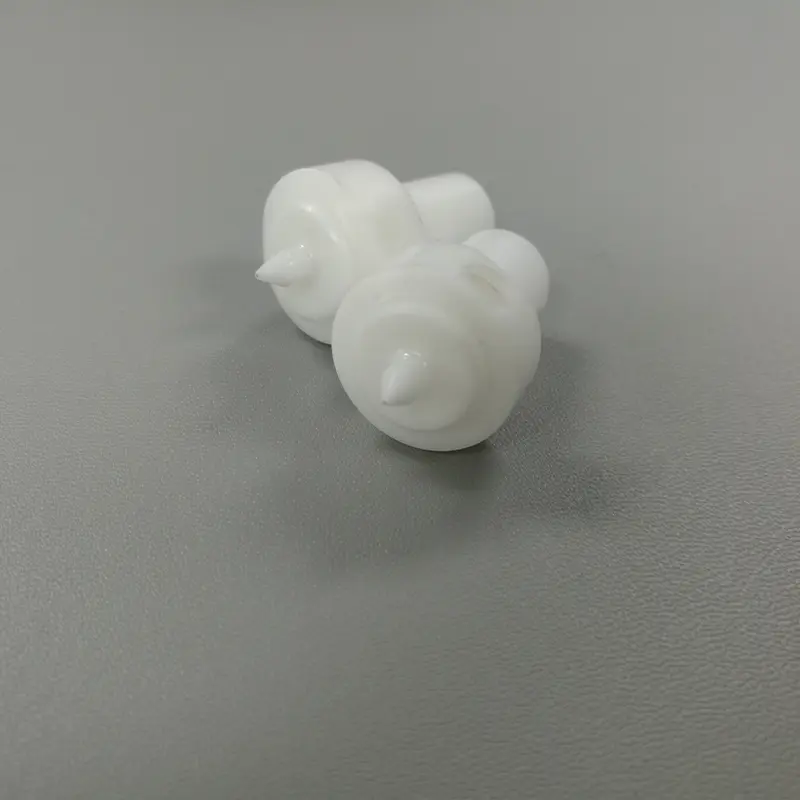


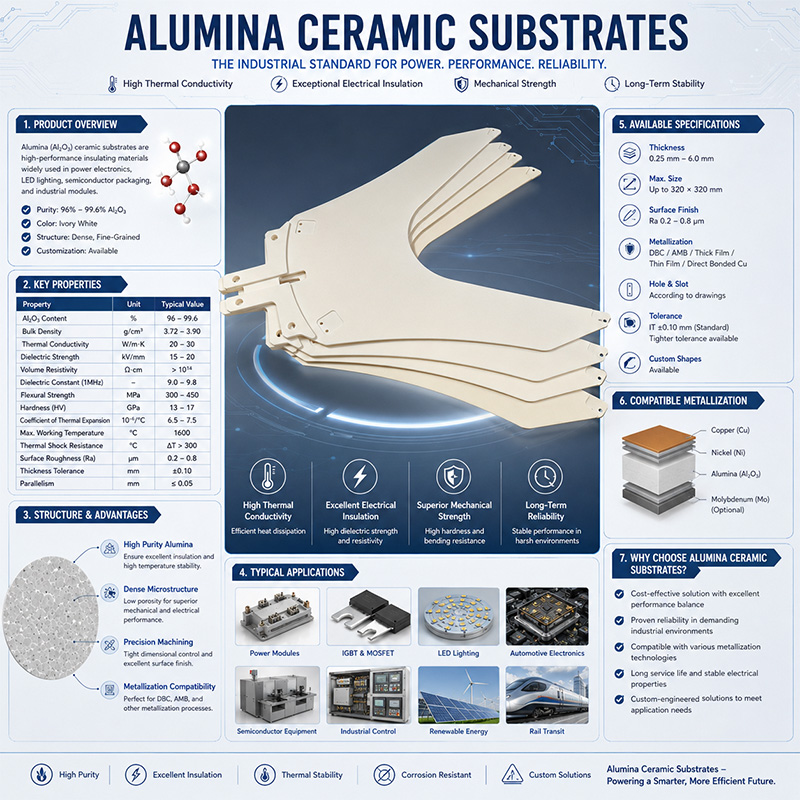
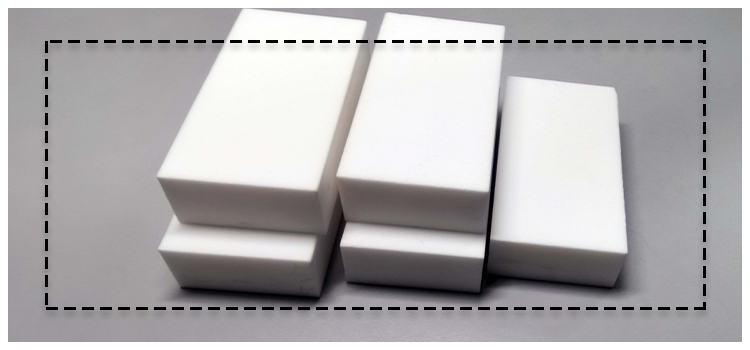
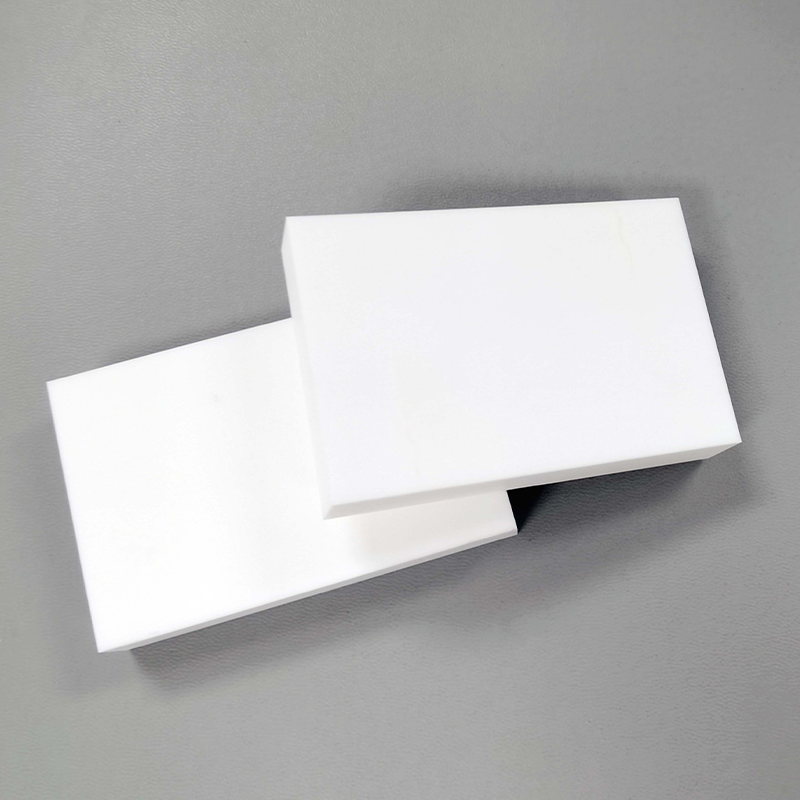
Related Product Catalogue and Quotation


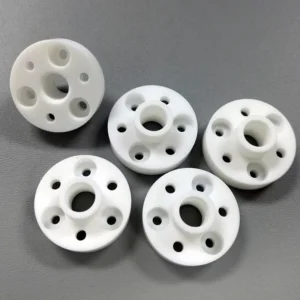

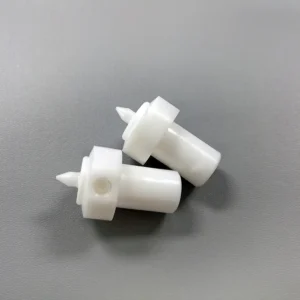


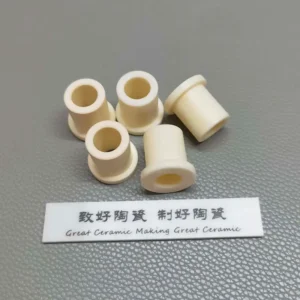
Why Evaluate Machinable Glass Ceramics Through a Drawing-Led Conversation
Define the part, interfaces, service environment, and acceptance needs before a quotation discussion begins.
Current Drawing Revision
Share the current drawing revision, including critical dimensions, notes, and any referenced standards, so the quotation discussion starts from the component requirement you intend to purchase.
Material Grade Context
Identify the requested machinable glass ceramic grade if known, then review whether its relevant electrical, thermal, mechanical, and environmental characteristics suit the intended application.
Assembly-Defining Geometry
Call out holes, threads, wall sections, radii, and features that govern fit or function. Geometry should be considered together with the component’s mating parts and assembly sequence.
Functional Surface Priorities
Mark sealing faces, contact areas, alignment features, and surfaces requiring particular finish or flatness. Separating functional surfaces from noncritical areas makes requirements easier to review.
Operating Conditions Review
Describe temperature exposure, electrical duty, vacuum or chemical environment, loading, and cycling conditions. These application details help frame material and design questions before specifications are finalized.
Inspection Evidence Needed
State the dimensions, visual criteria, material documentation, or inspection records needed for approval. Clear acceptance expectations give both teams a practical basis for reviewing the finished part.
Machinable Glass Ceramics: Selection and Component Requirements
Review material, design, and service-condition considerations before defining a drawing-led inquiry for a machined ceramic component.

Machinable Glass Ceramics: Properties and Selection Guide
Compare machinable glass ceramic properties against the part’s operating environment, assembly interfaces, and inspection needs. Material selection should consider thermal exposure, electrical function, geometry, tolerances, and the documentation required for project approval.
Discuss Your Ceramic Part
Machinable Glass Ceramics: Grades and Compositions
Grades and compositions can differ in machinability, thermal behavior, strength, dielectric performance, and achievable feature detail. Identify any known material designation, then confirm the project-specific grade against the drawing, service conditions, quantity, and acceptance criteria.
Discuss Your Ceramic Part
Machinable Glass Ceramics: Thermal Performance
Assess thermal performance in relation to operating temperature, temperature cycling, heat flow, and adjacent materials. For tubes, fixtures, barriers, or insulating parts, define the temperature range, contact conditions, and dimensions that control assembly.
Discuss Your Ceramic Part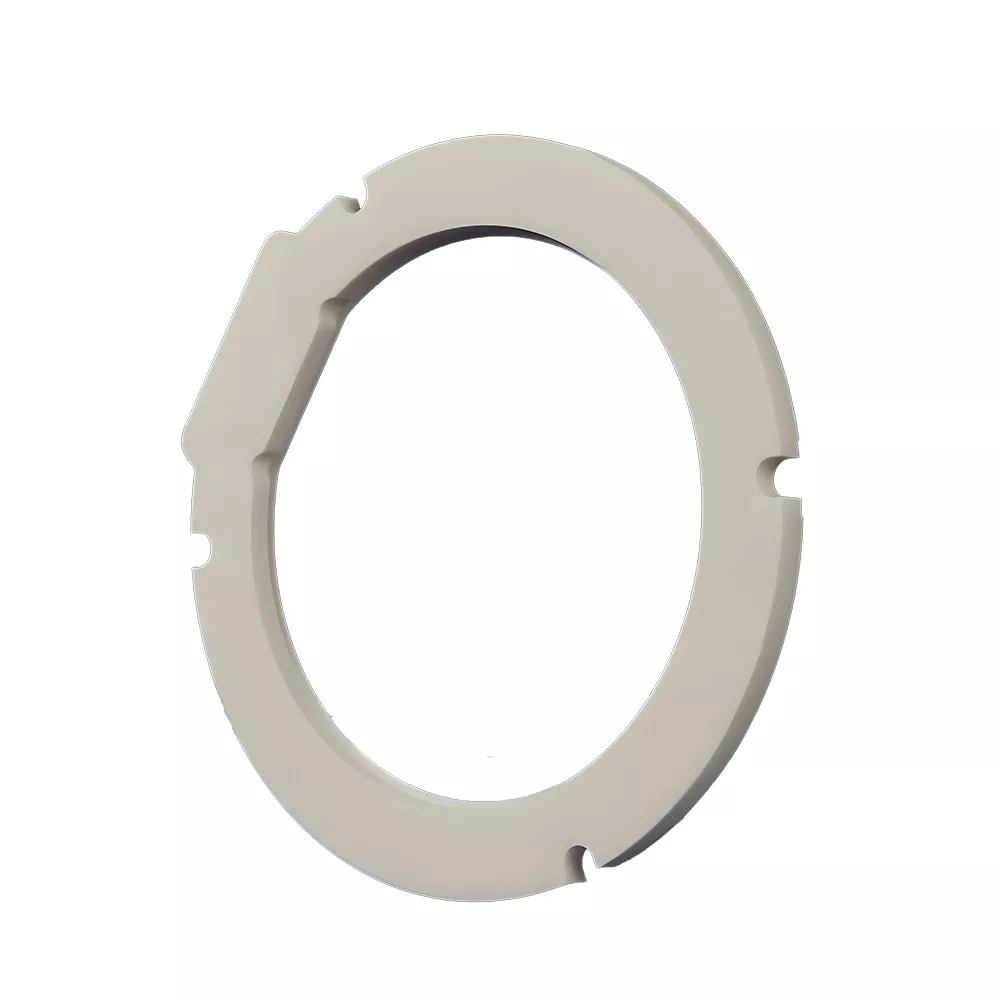
Machinable Glass Ceramics: Mechanical and Wear Performance
Mechanical and wear requirements depend on loading, contact surfaces, impact risk, friction, and expected service environment. Highlight critical fits, bearing or sliding surfaces, edge conditions, and inspection expectations so the component geometry can be reviewed in context.
Discuss Your Ceramic Part
Machinable Glass Ceramics: Electrical and Insulation Performance
For electrical and insulation applications, define voltage exposure, frequency where relevant, insulation paths, environment, and mounting interfaces. General material properties are a starting point; grade-specific values and finished-part requirements require confirmation for the individual project.
Discuss Your Ceramic Part
Machinable Glass Ceramics: Machining and Design Guide
Machinable glass ceramics support drawing-led development of prototypes, replacement parts, and purpose-built components. Provide the current drawing revision, critical dimensions, tolerances, threads or holes, mating surfaces, surface requirements, and quantity for a more concrete quotation discussion.
Discuss Your Ceramic Part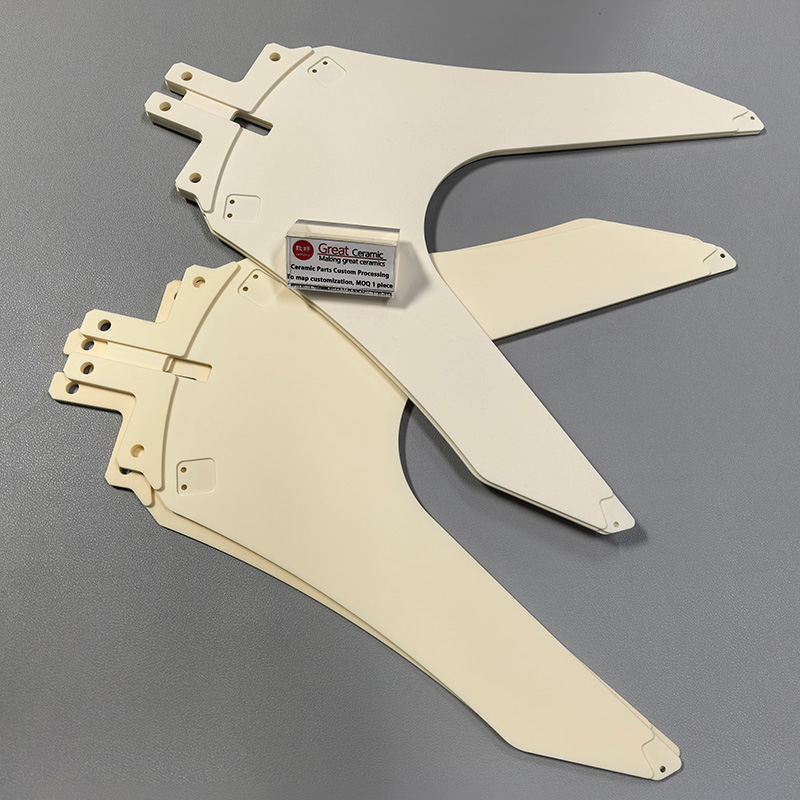
Machinable Glass Ceramics: Applications and Component Selection
Applications may include precision insulating parts, thermal barriers, vacuum-facing fixtures, electrical standoffs, and replacement components. Start with the component’s job, its operating environment, and the dimensions that determine assembly; email a drawing or contact Porcecore by WhatsApp to discuss requirements.
Discuss Your Ceramic PartMachinable Glass Ceramics and Related Material Families
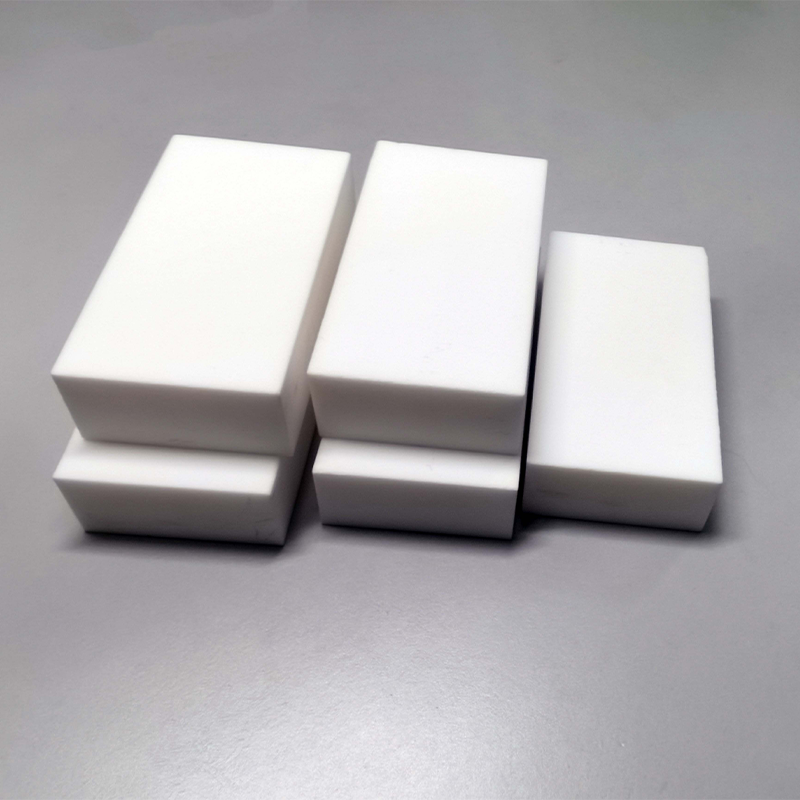
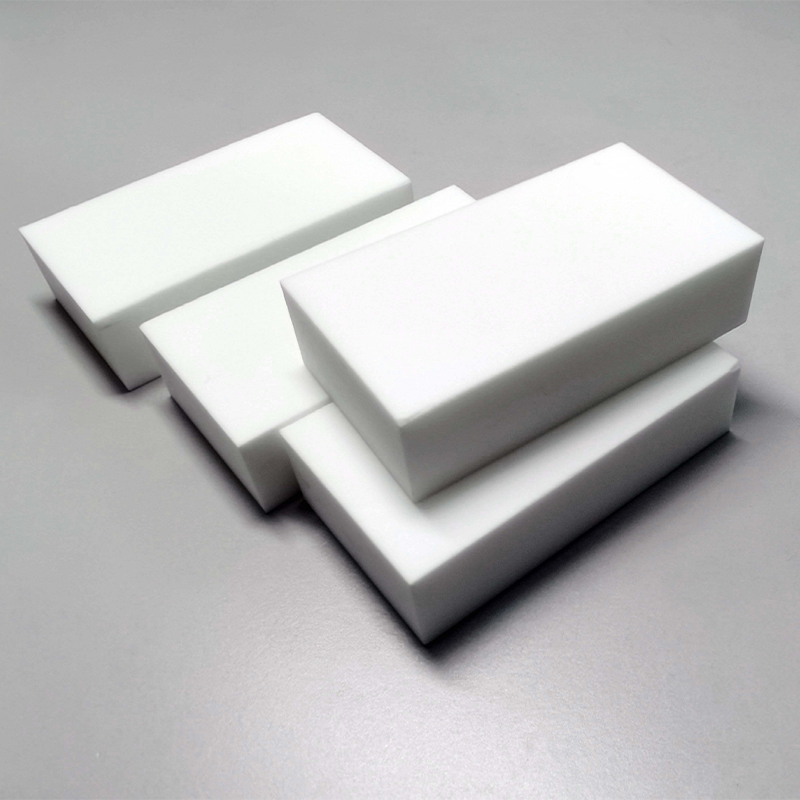
Alumina Ceramics
A widely considered oxide ceramic for wear-resistant, electrically insulating, and high-temperature component duties. Grade selection, surface condition, dimensional requirements, and the working environment should be reviewed together for each proposed part.
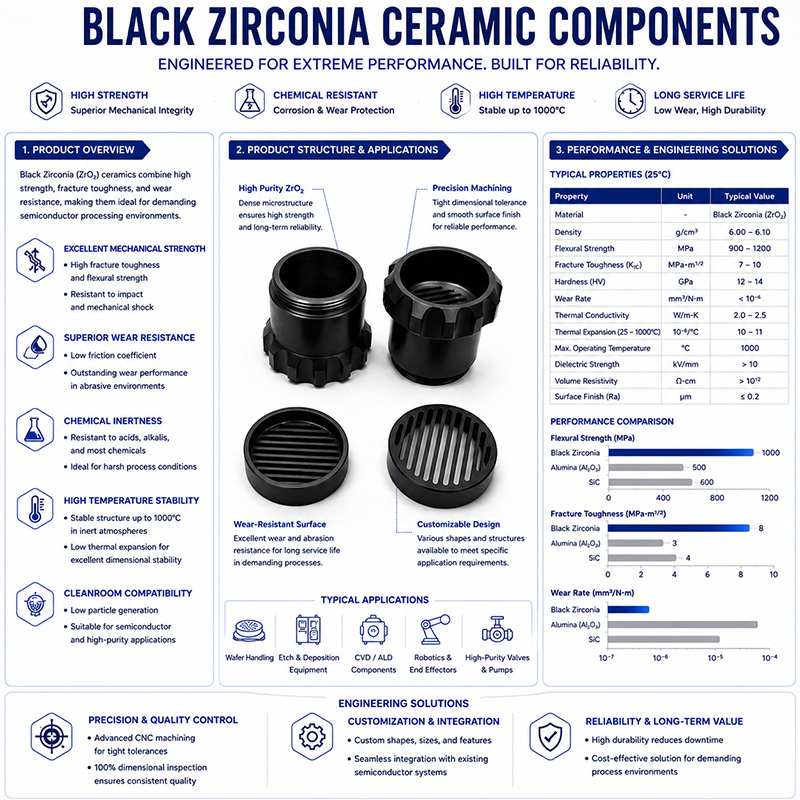
Zirconia Ceramics
A ceramic family often evaluated for components needing a balance of mechanical robustness and precision geometry. Discuss the stabilization approach, mating features, loading conditions, finish expectations, and acceptance criteria before material selection.

Silicon Nitride
Silicon nitride and silicon carbide ceramics are options to discuss for mechanically demanding parts, including rolling-contact, thermal-cycling, or wear-related service. The drawing should identify critical dimensions, contact surfaces, service loads, and any grade-specific documentation required.

Aluminum Nitride
A specialty ceramic family relevant when thermal-management and electrical-insulation requirements must be considered together. Share heat paths, assembly interfaces, operating conditions, geometry, and verification requirements so the material discussion begins with the component job.
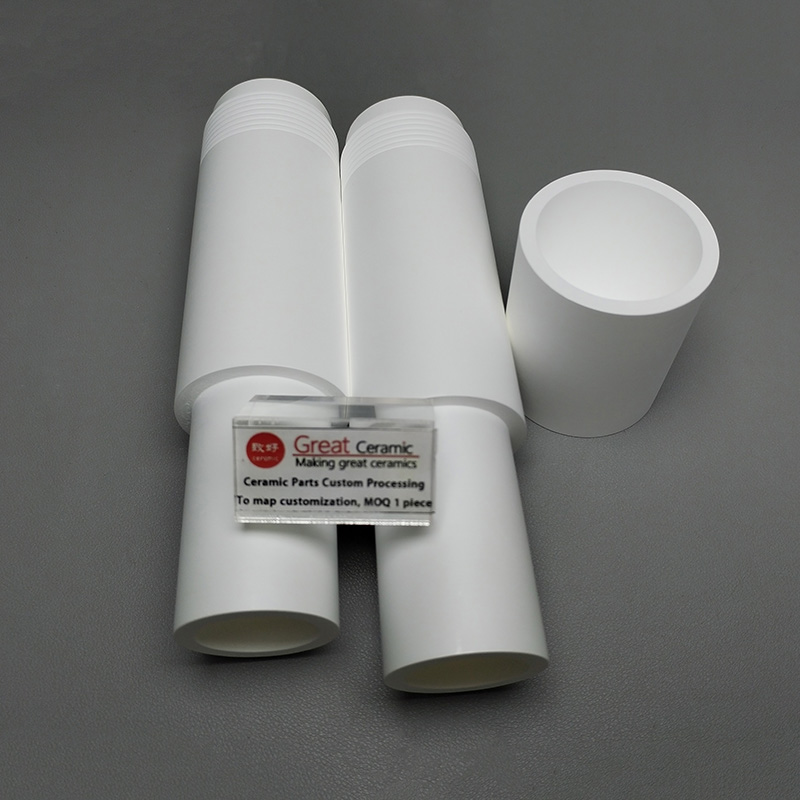
Boron Nitride
A specialty ceramic option for applications where thermal behavior, electrical isolation, and machining considerations may shape the part concept. Provide the drawing revision, environment, dimensions controlling assembly, and requested documentation for a focused review.
Machinable Glass Ceramics: Processes to Discuss

CNC Machining
Discuss turned, milled, or profiled features alongside datum strategy, wall thickness, edge condition, and dimensional priorities. Machinable glass ceramics should be evaluated against the actual component geometry and required inspection points.

Precision Grinding
Identify surfaces requiring controlled flatness, diameter, parallelism, or fit with mating parts. Share tolerance callouts and surface expectations so grinding requirements can be reviewed as part of the project-specific manufacturing discussion.

Hole Drilling
For drilled holes, provide diameter, depth, position, thread requirements, and nearby edge distances. These details help frame a feasibility conversation around feature layout, assembly function, and the acceptance criteria that matter.

Threaded Features
Clarify whether threads, inserts, or clearance holes are needed and how the component will be assembled. Include fastening loads, mating materials, and drawing notes to support a more informed review of the feature requirement.

Surface Finishing
Specify the functional surfaces, requested finish, chamfers, radii, and any cleanliness or cosmetic expectations. A finish discussion should distinguish appearance preferences from surfaces that directly affect sealing, alignment, or electrical performance.
Machinable Glass Ceramics: Component Features and Finishing Details

Holes and Threads
Specify hole locations, diameters, depths, thread callouts, and any critical relationships to assembly features. Include the drawing revision and identify whether threads, inserts, or mating hardware are part of the requirement.

Mating Surfaces
Identify surfaces that locate, seal, support, or fit against another component. Note flatness, finish, contact area, datum references, and any dimensions that directly affect alignment or assembly performance.

Edge Treatments
Define required chamfers, radii, corner relief, deburring expectations, and protected edges. These details help distinguish functional geometry from handling preferences and give the quotation discussion a clearer basis.

Part Markings
State whether part numbers, revision marks, orientation indicators, or batch identification are needed. Clarify marking location, legibility expectations, and whether markings must avoid functional, sealing, or mating surfaces.

Protective Packaging
Describe packaging needs for fragile edges, clean handling, traceability, quantity separation, and shipment presentation. Include any labeling, inspection-record, or acceptance requirements needed for receiving and project approval.
Machinable Glass Ceramics, Clearly Specified
Founded by Andy Yuan, Porcecore helps industrial buyers and engineering teams turn material questions into clearer ceramic component requirements. For machinable glass ceramics and other technical ceramic families, the starting point is the part, its function, and the conditions it must meet.
Our scope covers technical ceramic components and component forms, including industrial ceramic parts such as tubes, rods, rings, substrates, and custom ceramic components. We do not treat a material name as a complete specification: geometry, mating surfaces, service conditions, inspection expectations, and documentation requirements all shape the quotation discussion.
Porcecore works application-first and drawing-led. Share the current drawing revision, known material designation, quantity, operating environment, and acceptance criteria to identify open questions before commitment. This approach helps procurement teams, equipment builders, and distributors make better-informed sourcing decisions for project-specific requirements.

Machinable Glass Ceramics: Requirements That Shape the Part
Start With the Geometry
For machinable glass ceramics, begin with the component form, overall dimensions, holes, threads, wall sections, and features that must be produced. A current drawing revision gives the quotation discussion a practical starting point and identifies details that need review before material or process assumptions are made.
- Attach the current drawing revision and identify the required quantity.
- Call out holes, threads, thin sections, radii, and complex internal features.
- Separate reference dimensions from dimensions that control assembly.
- Note whether the request is a new design, replacement part, or prototype.

Describe the Operating Environment
Material suitability depends on the conditions surrounding the finished part, not the material name alone. Share the expected temperature range, electrical duty, vacuum or process atmosphere, loads, chemical exposure, and thermal cycling. Published properties for named materials require confirmation against the proposed grade and service condition.
- State the normal and maximum operating temperatures.
- Describe electrical insulation, thermal isolation, or other functional needs.
- Identify vacuum, gas, liquid, chemical, or particulate exposure.
- Flag rapid temperature changes, pressure, vibration, or mechanical loading.

Identify Fit-Critical Surfaces
Mating faces, bores, sealing areas, and alignment features deserve clear attention in a machinable glass ceramic inquiry. Identify which surfaces contact another component and what the assembly must achieve. This helps focus discussion on tolerance, surface condition, datum strategy, and inspection expectations for the individual part.
- Mark mating, sealing, locating, and alignment surfaces on the drawing.
- Specify dimensions that determine clearance, interference, or positional fit.
- State any surface-finish or flatness requirements where relevant.
- Provide mating-part information when the interface drives the requirement.

Set Inspection Expectations
Acceptance criteria turn a component description into a more usable sourcing request. Define the dimensions, visual conditions, material designation if known, and documentation needed for approval. Porcecore can use these inputs to clarify open questions; final grade, geometry, inspection, delivery, and commercial terms require project-specific confirmation.
- List critical dimensions and the measurement method if specified.
- Define visual, edge-condition, cleanliness, or packaging expectations.
- Request material, dimensional, or other documentation needed for approval.
- Email the drawing and requirements to info@zlrsmaterials.com or WhatsApp +86 130 6482 5920.

A Requirement-First Sourcing Framework
Compare a drawing-led discussion with a material-name-only starting point.
← Swipe left or right to view →
From Machinable Glass Ceramics Requirements to Quotation Discussion
Move from an initial part request to a clearer project conversation by defining the material, geometry, operating conditions, and acceptance needs together.
Share Part Information
Send the current drawing revision, available material designation, expected quantity, and a brief description of the component’s intended operating environment.
Define Critical Requirements
Identify assembly-driving dimensions, mating surfaces, tolerances, service conditions, inspection expectations, and any documentation needed for your internal approval process.
Review Material Fit
Discuss whether machinable glass ceramics and the proposed component approach align with the application, while confirming open questions before making assumptions.
Develop Quotation Basis
Use the clarified drawing and requirements to frame a quotation discussion around grade, geometry, quantity, acceptance criteria, delivery, and commercial terms.
Confirm Project Details
Confirm the agreed production requirements for the individual project, including final specifications, documentation expectations, delivery coordination, and order terms.
How to Source Machinable Glass Ceramics With Porcecore
Bring the part requirement into focus before quotation discussions begin.
Send Your Current Drawing
Share the latest drawing revision and identify critical dimensions, mating surfaces, tolerances, and features that determine how the component fits and functions.
Define Material and Quantity
State the requested material designation if known, required component form, estimated quantity, and whether the inquiry concerns a new part or replacement.
Describe Service Conditions
Explain the operating environment, including temperature, electrical, mechanical, chemical, vacuum, or thermal considerations that may affect machinable glass ceramics selection.
Confirm Acceptance Requirements
Identify inspection expectations, documentation needs, surface requirements, delivery considerations, and open technical questions so the quotation discussion has a clear basis.
Machinable Glass Ceramics Documentation and Compliance Requirements
Evidence and Inquiry Guidance for Machinable Glass Ceramics
Porcecore does not publish customer testimonials, project outcomes, or performance figures without approved evidence. Future case material will identify the component requirement, drawing revision, acceptance criteria, and verified sourcing outcome for machinable glass ceramics.
A useful machinable glass ceramics case study should show what shaped the discussion: part geometry, mating surfaces, service environment, quantity, and documentation needs. Approved customer evidence will be presented with enough context for industrial buyers to assess relevance.
Until approved project feedback is available, start with the requirement rather than a generic claim. Send the current drawing, material designation if known, operating conditions, and inspection expectations to make the quotation conversation specific and actionable.
Machinable Glass Ceramics FAQ
Practical guidance for turning a material discussion into a clearer component inquiry.
What should I include in a machinable glass ceramics RFQ?
Can Porcecore help select a grade for machinable glass ceramics?
Which tolerances and surfaces need to be called out?
Can machinable glass ceramics be quoted from a sample or replacement part?
What quantities should we state for a custom ceramic component?
What inspection documentation can be discussed for machinable glass ceramics?
How are packaging, shipping, and delivery terms handled?
How should we handle confidential drawings or IP-sensitive requirements?
The Complete Buyer’s Guide to machinable glass ceramics
Use this decision framework to evaluate machinable glass ceramics, compare material and machining requirements, qualify suppliers, control total cost, and avoid drawing, tolerance, and validation mistakes before production.
1. What Are Machinable Glass Ceramics?
Many machinable glass ceramics combine a glassy matrix with machinable crystalline phases. In mica glass-ceramic grades, this structure can support drilling, milling, and turning using conventional machining methods; the selected grade and machining plan still require confirmation.
Unlike many fired technical ceramics that rely heavily on diamond grinding for final geometry, some machinable glass ceramics can accommodate post-firing machining. This can be useful for drawings with small holes, threads, close-fit insulating features, or late design changes, while edge radii, chip control, and inspection dimensions remain project-specific requirements.
For precision insulating components, evaluate machinable glass ceramics against service temperature, thermal cycling, vacuum exposure, loads, and the exact grade before release.
2. Evolution of Machinable Glass Ceramics
Glass-ceramic research established controlled crystallization as a route between conventional glass forming and ceramic performance. Later mica-based machinable glass ceramics used microstructures that can permit drilling, milling, and turning with conventional machining methods. https://www.corning.com/worldwide/en/products/advanced-optics/product-materials/specialty-glass-and-glass-ceramics/glass-ceramics/macor.html
For buyers, the relevant sourcing point is that selected grades may allow machining after firing, which can make drawing revisions easier to evaluate before a finished-component route is committed. Confirm the grade, available stock form, machining process, and inspection requirements for the individual part.
Precision-component applications can include insulating fixtures, vacuum hardware, laboratory parts, and electronic supports where geometry and mating surfaces matter. Specify the current drawing revision, critical tolerances, service environment, and acceptance criteria rather than treating general material behavior as a contractual guarantee.
3. Types of Machinable Glass Ceramics
Machinable glass ceramics are best sorted by microstructure, service environment, and starting form. Grade names alone do not establish machining response or acceptance limits.
| Type | Typical Starting Form | Machining Focus |
|---|---|---|
| Mica-based | Rod or plate | Milling and drilling |
| Application alternative | Blank or plate | Service-led selection |
| Custom blank | Near-net shape | Repeat production |
Mica-Based Grades
Fluorophlogopite mica dispersed in glass supports conventional turning, drilling, and milling. MACOR is one commercial example; verify specified-grade and lot data before release.
Application-Specific Alternatives
Boron nitride, Shapal-type composites, and alumina may suit different thermal, vacuum, or heat-transfer priorities. They are alternatives, not interchangeable machinable glass ceramic grades.
Standard Stock Shapes

Rods, plates, bars, and tubes let prototypes begin from available stock. Choose the form that minimizes material removal and preserves critical wall thickness.
Custom Blanks And Production

Custom blanks can reduce machining time for repeat parts with stable geometry. Prototype orders test tool paths; production orders need confirmed drawings, inspection criteria, and lot traceability.
4. Machinable Glass Ceramics: Materials and Properties
Machinable glass ceramics commonly use a glass matrix with machinable crystalline phases; composition and grade control the property balance. Compare the service environment and the finished-part requirements together.
| Requested Criterion | Relevant Test Data | Design Implication |
|---|---|---|
| Electrical isolation | Resistivity; dielectric strength | Define voltage, frequency, thickness |
| Thermal duty | Expansion; conductivity; cycle rate | Check joints and shock sensitivity |
| Vacuum and chemistry | Porosity; outgassing; media exposure | Confirm bakeout, seals, and compatibility |
| Mechanical duty | Flexural strength; edge quality | Avoid unsupported bending and impacts |
Insulation And Heat
Typical data may cover volume resistivity, dielectric strength, thermal conductivity, expansion, and temperature limits. Corning describes MACOR as electrically insulating with low thermal conductivity: https://www.corning.com/worldwide/en/products/advanced-optics/product-materials/specialty-glass-and-glass-ceramics/glass-ceramics/macor.html
Vacuum And Mechanical Limits
Zero porosity or bakeout suitability in a published grade does not qualify every assembly. Specify leak testing, allowable outgassing, edge condition, tensile loading, impact exposure, and thermal-cycle rate where relevant.
Drawing-Level Acceptance
Typical published values guide material selection; they are not guaranteed part values. Put the required grade, test method, sampling plan, critical dimensions, surface condition, and acceptance limits on the drawing or purchase specification.
5. Custom Machinable Glass Ceramics Options
One current drawing revision turns a material inquiry into a reviewable component request. Porcecore evaluates machinable glass ceramics against geometry, service conditions, and acceptance criteria before commitment.
| Feature | Drawing Input | Review Focus |
|---|---|---|
| Stock form | Rod, plate, or tube | Material utilization |
| Thin section | Minimum wall | Breakout risk |
| Mating face | Datum and finish | Assembly fit |
Drawing-Led Geometry
One drawing should identify datum surfaces, critical dimensions, and mating features.
Deep pockets, thin walls, and sharp internal corners need feasibility review.
Holes And Threads
Blind holes, small diameters, and threads concentrate machining risk.
Prototype validation should precede a production release where chips or breakout affect fit.
Interfaces And Finishes
Joining faces require defined flatness, finish, and compatible interface details.
Metallization or marking should be specified by location, purpose, and acceptance method.
Inspection Package
Each quotation should state tolerance classes, inspection points, and required records.
First-article review is appropriate when assembly dimensions or documentation are release gates.
6. Quality Elements in Machined Components
One drawing revision should define what an acceptable received part looks like, not merely its nominal geometry. For machinable glass ceramics, damage prevention begins with explicit requirements at vulnerable edges, thin sections, and mating features.
Edges And Fragile Features
Each external edge should state whether it remains sharp, receives a specified chamfer, or needs a controlled radius. Identify allowable chip size and location, minimum wall thickness, web spacing, and unsupported feature limits before machining begins.
Datums And Tolerances
Three functional datums can establish inspection orientation when a part must locate, seal, or mate with hardware. Apply tolerances to assembly-critical dimensions, define geometric controls where needed, and avoid assigning identical precision to nonfunctional surfaces.
Finish, Handling, And Records
One surface-finish callout should name the measurement method, cutoff when relevant, and surfaces covered. Specify cleaning limits, protective packaging, inspection method, sample requirements, lot identification, and documentation needed to link received parts to the agreed drawing revision.
7. Choosing a Machinable Glass Ceramics Supplier
Three evidence trails should align before award: material identity, drawing review, and inspection records. Compare suppliers only after the same revision, quantity, service conditions, and acceptance criteria are issued.
| Qualification Area | Ask Before Quoting | Evidence Requested |
|---|---|---|
| Material | What grade and lot apply? | Certificate and traceability |
| Process | Which features create risk? | Drawing review |
| Inspection | How are datums verified? | Inspection report |
| Control | How are changes approved? | Change notice |
Verify Material Provenance
One request should identify the material designation, stock form, and lot traceability.
Two questions matter: what certificate accompanies the lot, and which properties are grade-specific?
Review Machining Experience
One drawing review should flag thin walls, holes, threads, edge conditions, and datum strategy.
Two questions matter: has this geometry been machined before, and what features drive risk?
Confirm Prototype And Metrology
One prototype plan should define sample quantity, inspection points, and reporting format.
Two questions matter: which instruments verify critical dimensions, and are results supplied per part?
Control Production Changes
One production plan should state lead-time assumptions, packaging, and approval gates.
Two questions matter: who approves process changes, and how are revision or lot changes communicated?
8. Common Machinable Glass Ceramics Buying Mistakes
Seven recurring errors create most avoidable rework in machinable glass ceramics procurement. Prevent them by translating application needs into drawing notes, inspection criteria, and a documented approval path before release.
Define Test Conditions
Each property requirement should state temperature, load, frequency, atmosphere, and test method. Replace unqualified ‘high strength’ or ‘insulating’ language with acceptance values and conditions.
Design For Brittle Behavior
Metal-style sharp corners, press fits, and flexible deflection assumptions can concentrate stress. Specify radii, assembly clearances, and handling features appropriate to a brittle component.
Dimension Functional Features
Three items need explicit identification: datum scheme, mating surfaces, and critical dimensions. Mark which dimensions control sealing, alignment, electrical clearance, or fit.
Use Tolerances Selectively
Every unnecessarily tight tolerance adds machining and inspection burden. Apply tighter limits only to function-critical features; define surface finish and edge condition separately.
Approve Samples Before Release
One first-article sample can expose chipping, assembly interference, or unclear inspection methods. Compare it against the current drawing revision before committing production quantity or judging unit price.
9. Launching a Drawing-Led Component Program
A drawing-led launch converts an inquiry for machinable glass ceramics into controlled decisions before production. Engineering defines function; procurement manages commercial alignment; the supplier reviews feasibility and confirms what can be produced.
Define The Service Envelope
One service sheet should state temperature, electrical load, atmosphere, media, mounting loads, and thermal cycling.
Engineering owns these conditions and identifies the dimensions that govern assembly.
Submit Controlled Inputs
One current drawing revision should show datums, tolerances, surface requirements, and critical mating features.
Procurement supplies prototype and annual quantity forecasts, delivery needs, and required commercial documents.
Review Manufacturability Early
One supplier review should flag fragile walls, sharp internal corners, inaccessible features, and practical inspection methods.
Engineering decides whether design changes preserve function; the supplier proposes process-aware alternatives.
Approve Before Release
One prototype approval should compare agreed dimensions, material designation, and acceptance criteria against the drawing.
Procurement then confirms packaging, certificates, inspection records, labeling, and release quantity before production.
10. Machinable Glass Ceramics Pricing and Cost
A quotation should separate raw-stock yield, machining time, inspection, finishing, packaging, and freight so procurement can compare total landed cost rather than a headline unit price. Material size and nesting efficiency can outweigh part volume when blanks leave substantial unusable remainder.
Drawing revisions should be controlled before release to reduce avoidable rework. Identify datum surfaces, tolerance bands, finish requirements, and required records. Geometry with deep pockets, thin walls, small holes, or multiple setups generally increases machining and inspection effort.
| Quantity Tier | Primary Cost Driver | Expected Unit-Cost Effect | Lead-Time Consideration |
|---|---|---|---|
| 1–5 prototypes | Material minimums; programming; setups | Highest per unit | Allow review of drawing and stock form |
| 6–25 parts | Stock utilization; machining cycle | Falls when setups are shared | Confirm blank availability early |
| 26–100 parts | Repeatability; inspection sampling | Further reduction if geometry is stable | Lock revision and acceptance plan |
| 100+ parts | Batch yield; packaging; logistics | Evaluate against forecast and landed cost | Schedule releases to avoid rush freight |
Discuss Your Machinable Glass Ceramics Part Requirements
Email your drawing, service conditions, quantity, and acceptance criteria to begin a project-specific conversation with Porcecore.