

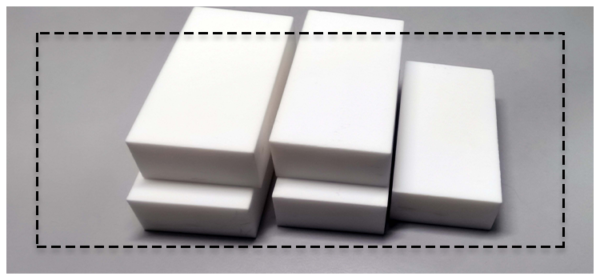


A strong RFQ for machinable ceramic material begins with the finished part and its working conditions. Supply a model or drawing, identify critical surfaces and features, explain the loads and environment, and state whether the design is exploratory or released. Ask the supplier to distinguish material selection, machining assumptions, inspection capability, and any risks that require prototype evaluation.
Key Inquiry Requirements
Describe the finished component first
Machinable ceramic is most useful as a development topic when the buyer explains the component’s job. State whether the part is a fixture, insulator, spacer, guide, cover, carrier, insert, or another custom element. Identify the surfaces that locate, seal, slide, support, shield, or contact a process, then connect those functions to drawing datums.
Include the complete profile rather than describing the part only as a block or plate. Show pockets, slots, holes, threads, steps, thin walls, radii, and inaccessible features. Section views and a three-dimensional model can expose relationships that a text description misses. The supplier can then review a real geometry instead of responding to a vague material request.
Clarify what machinable means here
The term machinable can refer to a material’s relative ease of shaping, but it does not define the finished surface, edge quality, feature limits, or inspection result. Ask the supplier to explain the proposed material form, machining method, tooling assumptions, and post-machining treatment. Keep those statements separate from guaranteed dimensional or functional outcomes.
Identify the characteristics that matter most: burr-like edge damage, chips, surface texture, corner integrity, hole quality, cleanliness, or dimensional stability. If the part will be used near sensitive equipment, define contamination controls and acceptable residues. This makes machinability a measurable manufacturing topic rather than a broad marketing description.
Design features for access and inspection
Custom ceramic geometry should be checked for tool access, workholding, support during machining, and measurement visibility. Deep pockets, narrow slots, internal corners, thin webs, and interrupted surfaces may require special review. Mark features that must remain sharp, features where a radius is acceptable, and areas where an edge break is required for handling or assembly.
The drawing should state how critical dimensions are related to datums and how the part will be inspected. If a feature cannot be measured directly, identify a surrogate method or request a proposed inspection plan. This is particularly important when a component has multiple orientations, hidden surfaces, or a small functional area surrounded by noncritical material.
Connect the material to service conditions
A machinable glass ceramic component still needs application-specific material review. Describe temperature exposure, thermal cycling, atmosphere, chemicals, humidity, vacuum or pressure conditions, electrical requirements, mechanical loading, wear contact, and cleaning. Include nearby materials and any joining, coating, or metallization step that could affect the finished component.
Do not assume that ease of machining answers service suitability. Ask for the applicable material data and stated limitations, then compare them with the actual process. If the design is a prototype, identify which risks can be tested with representative samples and which must be controlled through the final drawing and inspection plan.
Structure a development-ready RFQ
State whether the inquiry concerns a one-off prototype, a design iteration, or a repeat component, while avoiding unsupported assumptions about quantity, stock, or timing. Provide revision-controlled files, target quantity ranges if known, packaging needs, and the desired technical response. Ask suppliers to list open questions and proposed deviations before quoting a final interpretation.
Evaluate responses by design engagement as well as price, if price is requested separately. Look for clear treatment of material choice, machining route, feature risks, inspection, documentation, and packaging. A useful supplier response explains what is understood, what remains uncertain, and what should be verified through a drawing review or representative trial.
Questions Before You Inquire
What is the best starting document for a machinable ceramic RFQ?
Use a revision-controlled drawing, CAD model, or clearly marked sketch showing the final geometry, datums, critical surfaces, feature details, and interface dimensions. Add the application environment and inspection expectations. If the design is provisional, label open items so the supplier can review manufacturability without treating assumptions as fixed requirements.
Does machinable ceramic mean any geometry can be produced?
No. Feature depth, wall thickness, corner geometry, tool access, workholding, material form, and inspection access all affect feasibility. Identify slots, pockets, holes, thin sections, and hidden surfaces early. Ask the supplier to review the geometry and state proposed adjustments or process limitations before the design is released.
What service information should accompany the drawing?
Include thermal profile, atmosphere, chemicals, humidity, pressure or vacuum, mechanical loads, wear contact, electrical conditions, cleaning method, and joining or coating steps. Also identify nearby materials and contamination concerns. This information allows material suitability and machining assumptions to be reviewed together rather than as separate, incomplete decisions.
How should prototype and production requirements be separated?
Mark which dimensions and features are release-critical, which are exploratory, and which require validation. State the intended development stage and request a proposed inspection plan for each phase. This keeps early manufacturability feedback useful while preserving a clear path toward a controlled production drawing and documented acceptance criteria.
Send a Clear Component Brief
Share your drawing, quantity and application with Porcecore. Mark the requirements that are fixed and the questions that remain open.


Reviews
There are no reviews yet.