
Machinable Glass Ceramics: Machining & Design Guide
Define geometry, mating surfaces, service conditions, and acceptance criteria before requesting a quotation for a machinable glass-ceramic component.
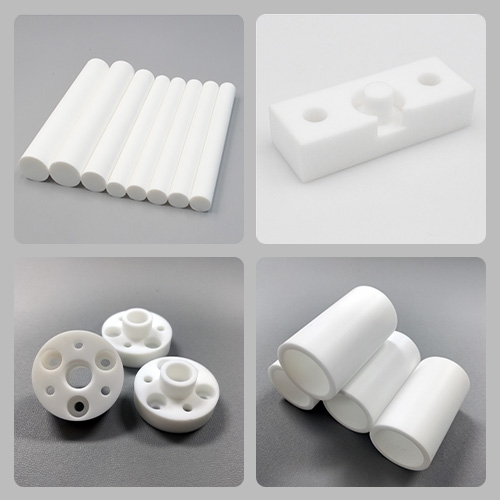
Featured Machinable Glass-Ceramic Components









Related Product Catalogue and Quotation


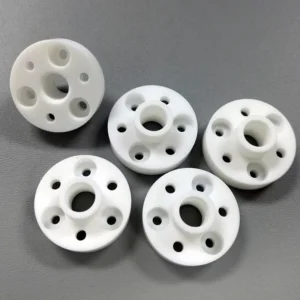

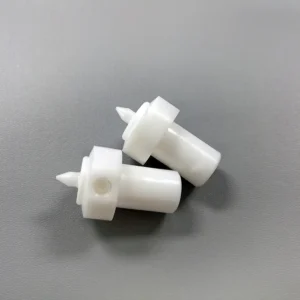


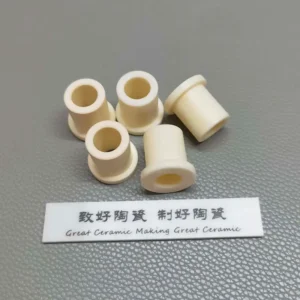
Machinable Glass Ceramics Machining and Design Guide for Clearer Sourcing
Define the part, its interfaces, operating context, and verification needs before requesting a project-specific quotation.
Current Drawing Revision
Share the current drawing revision so dimensions, notes, and controlled changes can be reviewed against the component requirement before a quotation discussion begins.
Material Grade Alignment
Identify the material designation when known, then discuss grade-specific considerations against electrical, thermal, mechanical, or environmental requirements for the intended application.
Assembly-Defining Geometry
Clarify dimensions that determine assembly, including wall sections, holes, threads, radii, and interfaces, so the proposed component is evaluated as a functional part.
Functional Surface Priorities
Mark surfaces that mate, seal, locate, slide, or support another component. This focuses discussion on the features most relevant to fit and function.
Service Condition Context
Describe the operating environment, loads, temperatures, media, electrical conditions, and duty cycle where applicable, allowing material and geometry questions to be considered together.
Acceptance Evidence Defined
State dimensional, visual, material, packaging, and documentation expectations early, helping distinguish essential approval criteria from preferences before production terms are confirmed.
Machinable Glass-Ceramic Applications
Explore component, material and inquiry paths for OEM parts requiring defined geometry, service conditions and acceptance criteria.

Ceramic Manufacturing Capabilities
Review ceramic manufacturing capabilities for machinable glass-ceramic components, including drawing-led evaluation of shapes, features, mating surfaces and inspection needs. Use the inquiry to establish whether the requested geometry, material grade and production requirements align with the project.
Discuss Your Ceramic Part
Ceramic Solutions by Industry
Explore advanced ceramics applications by industry where electrical insulation, thermal stability, machinability or dimensional control may shape the component requirement. Share the equipment function, operating environment and assembly interfaces so the material and part discussion starts with the job to be done.
Discuss Your Ceramic Part
Advanced Ceramic Materials
Compare advanced ceramic materials as a starting point for project evaluation, including machinable glass ceramics alongside oxide, nitride and carbide families. Material selection should be confirmed against the drawing, service conditions, tolerances and any grade-specific property requirements.
Discuss Your Ceramic Part
Technical Ceramic Products
Browse technical ceramic products by familiar component forms such as tubes, rods, rings, plates, substrates and custom machined parts. Product illustrations support initial discussion; dimensions, tolerances, material designation and acceptance criteria require confirmation for each OEM inquiry.
Discuss Your Ceramic Part
Technical Ceramic Resources
Use this technical ceramics guide to prepare a clearer quotation request. Include the current drawing revision, quantity, operating conditions, critical fitting surfaces, inspection expectations and required documentation, then contact Porcecore by email or WhatsApp to discuss open requirements.
Discuss Your Ceramic PartMaterial Families for Your Component Requirement


Alumina Ceramics
A hard oxide ceramic often evaluated for wear components, electrical insulators, substrates, and structural parts. It provides a rigid, dense material form with electrical insulation and wear resistance characteristics that vary by selected grade.

Zirconia Ceramics
A dense, smooth technical ceramic frequently considered for valve parts, wear elements, precision guides, and demanding mechanical assemblies. Its comparatively high fracture-toughness potential can suit complex service conditions, subject to grade and geometry review.

Silicon Carbide Ceramics
A hard, lightweight ceramic material commonly reviewed for seals, furnace components, wear parts, and thermal-management applications. Its strong thermal and wear-related characteristics make drawing details, finish requirements, and service conditions especially important.

Silicon Nitride
A high-performance nitride ceramic often considered for rolling elements, guides, cutting-related parts, and thermal-mechanical assemblies. Its strength and thermal-shock-related behavior depend on the material grade, component geometry, and intended operating environment.

Aluminum Nitride
A technical ceramic typically explored for electronic substrates, heat-spreading components, and electrically insulating thermal interfaces. Its thermal-conductivity potential is relevant to equipment design, while metallization, dimensions, and grade requirements need project-specific confirmation.
Machinable Glass Ceramics Machining and Design Guide: Process Options

CNC Machining
CNC milling, drilling, and turning can be reviewed against part geometry, reference surfaces, and assembly-critical dimensions. The discussion helps identify practical feature access, edge conditions, and drawing details requiring project-specific confirmation.

Diamond Grinding
Diamond grinding may be considered for controlled dimensions, flatness, and mating surfaces after shaping. Surface requirements, allowable stock removal, and measurement methods should be defined with the component’s grade, geometry, and acceptance criteria.

Hole Forming
Holes, slots, threads, and internal features require review of size, depth, location, and surrounding wall thickness. Clear callouts help assess feasible tooling approaches and reduce ambiguity around assembly interfaces or replacement-part fit.

Edge Finishing
Chamfers, radii, deburring, and edge-break requirements can be specified where handling, sealing, or mating parts demand attention. Identify cosmetic versus functional edges so the requested finish aligns with the component’s operating role.

Dimensional Inspection
Inspection planning can focus on drawing-controlled dimensions, datum references, critical interfaces, and required records. Share tolerance priorities and documentation expectations early so quotation discussions distinguish essential acceptance criteria from general material information.
Machinable Glass Ceramics Machining and Design Guide: Component Additions

Threaded Inserts
Metal or ceramic threaded inserts can support repeatable fastening where the component geometry and service environment allow. Share thread size, installation method, mating hardware, load direction, and drawing-defined locations for project review.

Mounting Interfaces
Flanges, counterbores, locating features, and machined contact faces help connect a glass-ceramic part to surrounding equipment. Identify assembly-critical dimensions, sealing or fit surfaces, fastener positions, and tolerance expectations in the current drawing revision.
Electrical Terminations
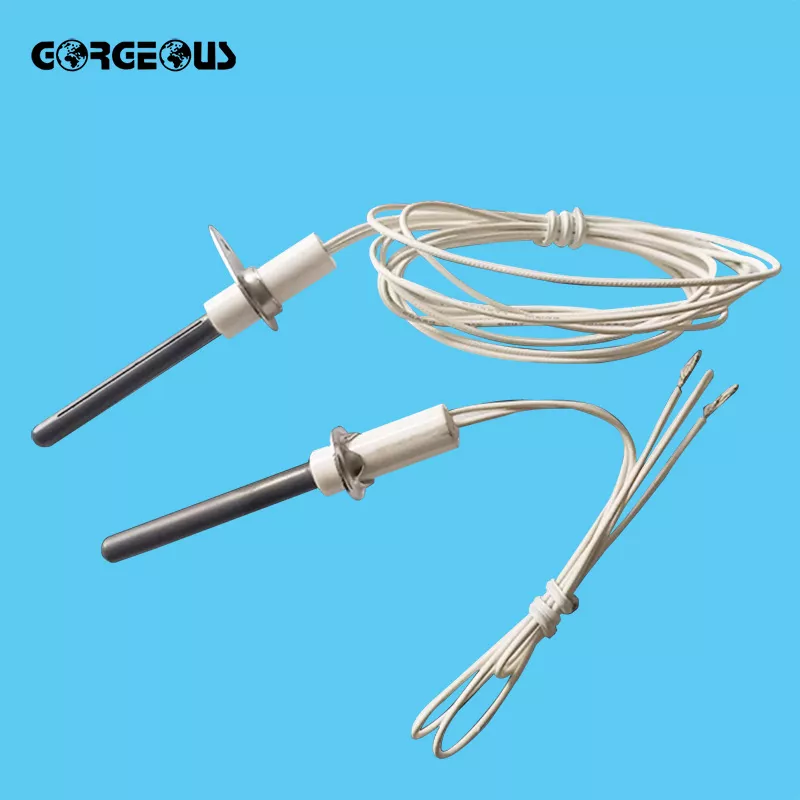
For electrically connected assemblies, terminal features, metallized areas, or routing clearances may need coordinated review. Provide voltage conditions, connection method, conductor details, insulation needs, and the surfaces that must remain protected during assembly.

Part Identification
Part numbers, revision marks, orientation indicators, and lot-related labels can support receiving and assembly control. Specify the marking content, location, permanence expectations, and any areas where identification must not affect functional surfaces.

Protective Packaging
Custom trays, separators, sleeves, and labeled cartons can help protect machined edges and inspection-critical surfaces in handling and shipment. Discuss component geometry, quantity per pack, handling sequence, cleanliness needs, and receiving documentation requirements.
Machinable Glass Ceramics Machining and Design Guide
Porcecore was founded by Andy Yuan to make technical ceramic procurement more understandable. Our machinable glass ceramics machining and design guide reflects that purpose: begin with the part, its operating job, and the decisions that affect a workable requirement.
We support industrial buyers, engineers, equipment builders, and distributors evaluating technical ceramic components and industrial ceramic parts. Rather than treating a material name as a complete specification, we connect grade considerations with geometry, mating surfaces, service conditions, inspection needs, and the dimensions that determine assembly.
Our approach is drawing-led and project-specific. Send the current drawing revision, known material designation, quantity, service conditions, and acceptance criteria; we will help clarify open questions before a quotation discussion. This gives custom ceramic components a more concrete basis for project evaluation.

Machinable Glass Ceramics Machining and Design Guide Capabilities
Review the Part Requirement
Start with the current drawing revision, intended function, quantity, and service environment. Porcecore helps organize the details that shape a meaningful sourcing discussion, distinguishing essential dimensions, material questions, and approval needs before project-specific commitments are confirmed.
- Current drawing revision and component function
- Quantity, operating conditions, and mating parts
- Open questions identified before quotation discussion

Define Fit-Critical Geometry
A machinable glass-ceramic part is more than a nominal shape. Identify bores, threads, sealing faces, mounting features, and surfaces that locate against another component so geometry, tolerances, finish expectations, and inspection priorities can be discussed together.
- Assembly-defining dimensions and tolerance callouts
- Mating, sealing, and alignment surfaces
- Threads, holes, radii, and finish requirements

Discuss Material in Context
Material selection should follow the application, not a product name alone. Share thermal exposure, electrical role, mechanical loading, chemical contact, and handling constraints to frame a discussion of machinable glass ceramics or other technical ceramic material options.
- Operating temperature and thermal cycling
- Electrical, mechanical, and chemical conditions
- Grade designation when known

Align Acceptance Documentation
Define how the completed part will be evaluated before production expectations are finalized. Clarify dimensional inspection points, visual criteria, material documentation, packaging needs, and any records required for internal approval, incoming inspection, or customer release.
- Critical inspection dimensions and acceptance criteria
- Requested material or quality documentation
- Packaging, labeling, and release expectations

Machinable Glass Ceramics Machining and Design Guide: Drawing-Led Supplier Discussions
Compare a project-specific inquiry process with material-name-only sourcing before confirming a ceramic component order.
← Swipe left or right to view →
Machinable Glass Ceramics Machining and Design Guide: From Review to Shipment
A drawing-led process that aligns material, geometry, inspection, packing, and delivery details before production commitments are confirmed.
Define Part Requirements
Share the current drawing revision, intended application, quantity, service conditions, and acceptance criteria so the discussion starts with the component’s actual job.
Review Material Fit
Compare machinable glass-ceramic requirements with candidate material options, noting grade designation, thermal conditions, electrical needs, mating surfaces, and unresolved specification questions.
Plan Machining Details
Identify critical dimensions, tolerances, holes, threads, finishes, and assembly interfaces to establish a practical machining approach for the requested component geometry.
Confirm Inspection Expectations
Clarify which dimensions, visual conditions, material documentation, and inspection records are needed for project approval before quotation and production details are finalized.
Arrange Packing And Delivery
Confirm handling, packing, delivery timing, and commercial terms for the individual order, then keep shipment requirements aligned with the agreed component specification.
How to Work With Porcecore
Use a drawing-led process to align machinable glass-ceramic requirements, quotation details, and production expectations before an order is confirmed.
Send Your Current Drawing
Share the latest drawing revision, material designation if known, and the dimensions or surfaces that determine fit, assembly, or functional performance.
Define Service Requirements
Describe operating conditions, required quantity, mating components, inspection expectations, and any documentation needed so the requirement has a practical quotation basis.
Review Quotation Details
Discuss proposed grade, geometry, tolerances, delivery considerations, and open questions for your machinable glass ceramics machining and design guide requirements before proceeding.
Confirm Sampling and Production
Align on sample needs where applicable, then confirm the final drawing, acceptance criteria, commercial terms, and production order details for the individual project.
Machinable Glass Ceramics Machining and Design Guide: Certificates and Documentation

Machinable Glass Ceramics Machining and Design Guide: Customer Feedback and Project Examples
Approved customer feedback will be published here only after the project outcome, quotation details, and permission to share are verified. Porcecore does not use invented endorsements or unconfirmed performance claims.
Future project examples will identify the relevant part geometry, material discussion, drawing revision, quantity, and acceptance requirements where disclosure is permitted. Outcomes will be described only with evidence approved for publication.
When a customer authorizes a case example, it may document measurable results such as a confirmed dimensional tolerance, approved inspection requirement, or production quantity. Claims will remain specific to the documented project and agreed scope.
Discuss Your Machinable Glass-Ceramic Part
Practical quotation and project questions for defined technical-ceramic component requirements.
What should we include in a machinable glass ceramics machining and design guide RFQ?
Can Porcecore help select a grade for a machinable glass ceramics machining and design guide project?
How should tolerances and functional surfaces be shown on the drawing?
Is there a minimum order quantity for machinable glass ceramics machining and design guide components?
Can we request samples or a first-article review before production?
How are lead times, payment, and quotation terms handled?
What shipping and packaging information should buyers provide?
How does Porcecore handle drawings and project information?
Machinable Glass Ceramics Machining and Design Guide
A practical decision framework for specifying machinable glass ceramics, evaluating machining and design constraints, comparing supplier capabilities, and avoiding costly material, tolerance, finishing, and sourcing mistakes before production.
1. What Is This Machinable Glass Ceramics Machining and Design Guide?
Two material phases define machinable glass ceramics: interlocking fluorophlogopite mica crystals dispersed through a glass matrix. That microstructure interrupts crack growth and lets standard carbide tools drill, mill, turn, and tap features that would usually require diamond grinding in dense technical ceramics.
Alumina and silicon nitride generally offer higher structural strength, while ordinary glass lacks this forgiving machinability and metals conduct electricity and heat more readily. Machinable glass ceramics therefore fit electrically insulating fixtures, high-temperature supports, vacuum-compatible components, and stable precision spacers where complex geometry matters.
Porcecore recommends this machinable glass ceramics machining and design guide when a part needs ceramic-like insulation and heat resistance without ceramic-like shaping constraints. It is appropriate after the drawing, mating surfaces, service temperature, vacuum conditions, loads, and acceptance dimensions are defined; it is not a default substitute for every metal or structural ceramic part.
2. Evolution of Machinable Glass Ceramics
1950s glass-ceramic research established that controlled crystallization could turn a formed glass into an engineering material with a useful balance of thermal and electrical behavior. Subsequent machinable grades made it practical to produce insulating fixtures, thermal hardware, aerospace components, semiconductor supports, and laboratory parts without treating every feature as a conventional fired-ceramic problem.
1970s-era industrial use expanded because machinable glass ceramics could be cut, drilled, tapped, and shaped into complex prototypes and small batches with standard diamond tooling. This reduced dependence on dedicated forming tools when quantities, drawing revisions, or interface details were still changing.
Modern supplier processing extends design freedom through CNC milling, turning, drilling, threading, and inspection of assembly-critical surfaces. It does not remove material limits: wall thickness, feature spacing, tolerance, service temperature, chemical exposure, and grade-specific properties must still be reviewed against the part’s duty.
3. Machinable Glass Ceramics Machining and Design Guide: Types
Three variables sort the available types: mica-based composition, supplied blank geometry, and service temperature. This machinable glass ceramics machining and design guide starts selection before the detail drawing fixes unnecessary stock removal.
Mica-Based Grades
Mica-based glass ceramics contain dispersed fluorophlogopite mica crystals that support conventional drilling, milling, and turning. Their relatively forgiving chip formation suits insulating fixtures, electrical housings, and prototype parts.
High-Temperature Variants
Higher-temperature variants are selected when the operating environment, rather than easy machining alone, governs the choice. Confirm the grade-specific temperature limit, thermal cycling, atmosphere, and electrical requirements with the supplier before release.
Starting Blank Forms
Plates favor flat parts and substrates; rods favor turned pins and bushings; tubes reduce boring for sleeves and insulators. Blocks and custom blanks fit irregular geometry when their added material cost is lower than machining time and scrap risk.
4. Materials, Properties, and Performance Limits
Property values in this machinable glass ceramics machining and design guide are screening data, not release limits. Grade, porosity, firing history, specimen geometry, temperature, and test method can change results.
| Material | Thermal Expansion | Machinability | Key Limitation |
|---|---|---|---|
| Machinable glass ceramic | Grade-dependent; often moderate | Good with conventional tools | Lower strength than dense alumina |
| Alumina | Grade-dependent; moderate | Diamond grinding typical | Brittle; difficult secondary machining |
| Fused silica | Very low, grade-dependent | Grinding typical | Lower strength; thermal handling |
| Borosilicate glass | Moderate, grade-dependent | Limited conventional machining | Brittle; temperature limit |
| Engineering polymers | Higher, grade-dependent | Easy cutting or milling | Lower heat, vacuum, and dielectric limits |
Comparative Screening
Machinable glass ceramics commonly favor conventional-tool machining and dimensional adjustment, while alumina favors higher hardness and strength. Fused silica offers very low expansion; borosilicate offers moderate thermal-shock behavior.
Data Sheet Checks
Confirm dielectric strength at stated thickness and test medium, maximum continuous temperature, coefficient of thermal expansion range, vacuum outgassing data, flexural strength, and elastic modulus.
Confirm machining condition, minimum feature size, surface finish, inspection method, and any post-machining heat treatment before design release.
5. Machinable Glass Ceramics Machining and Design Guide: Design Options
Three drawing zones clarify design options: machinable geometry, secondary interfaces, and assembly requirements. This machinable glass ceramics machining and design guide treats each feature as a part-specific quotation decision.
Machined Geometry
0.5 mm is a practical starting discussion point for delicate walls, not a universal limit. Holes, slots, pockets, and threads can be machined when tool access, wall support, and feature depth are defined.
2D drawings should identify thread standard, depth, blind-hole bottom, and minimum corner radius. Specify chamfers or radii at edges to reduce chipping and prevent assumptions.
Functional Surfaces
Ra values and flatness requirements belong on each sealing or mating surface. State the datum scheme, contact area, allowable edge break, and whether a surface must remain free of tool marks.
Laser engraving, metallization interfaces, and bonding lands are usually secondary-process discussions. Identify marking content, coating footprint, adhesive type, cure environment, and masked areas before release.
Ceramic-Metal Assemblies
3 dimensions can create a tolerance stack-up across a ceramic part, metal insert, and housing. Show assembly datums, fit type, thermal exposure, and whether bonding, brazing, clamping, or an interference feature carries load.
1 current drawing revision should list material designation, quantity, inspection methods, and acceptance criteria. Flag critical dimensions separately from reference dimensions to support a clear manufacturing review.
6. Critical Machining and Quality Elements
Machining quality begins with the drawing’s functional surfaces and inspection plan. Tool condition, conservative feed control, and supported geometry reduce edge chipping and residual-stress breakage.
Cutting And Stress Control
Sharp carbide tooling and stable fixturing limit chipping; validate feeds, speeds, coolant, and chip evacuation on representative stock. Avoid abrupt tool entry and unsupported thin walls.
Geometry And Finish
Tight inside corners, thin sections, and long unsupported features increase breakage risk and inspection time. Define tolerances, flatness, surface roughness, edge-break requirements, and cleaning acceptance by functional surface.
Approval Evidence
Before release, request evidence matched to the part revision and lot.
- Material and lot identification
- Dimensional and flatness inspection results
- Surface-finish and edge-condition criteria
- Cleaning, packaging, and traceability records
7. How to Choose a Machinable Glass Ceramics Manufacturer
Three supplier reviews should cover technical fit, control of the work, and launch risk. For this machinable glass ceramics machining and design guide, request evidence tied to your part, not broad material claims.
Verify Technical Capability
Two checks matter first: relevant application experience and in-house machining capacity for the required geometry. Ask for an engineering review covering drawing risks, tooling access, datum strategy, and metrology methods.
Confirm Control And Documentation
One traceability path should link incoming material, lot identification, inspection records, and shipment. Request material certificates, dimensional reports, packaging details, and a confidentiality agreement before sharing controlled drawings.
Compare Launch And Quote Risk
Three deliverables clarify a new supplier: a sample, prototype plan, and first-article inspection for critical assemblies. Compare quotes by lead-time control, production scalability, yield assumptions, documentation, packaging, and change communication—not unit price alone.
8. Common Buyer Mistakes to Avoid
Seven recurring errors create avoidable redesigns, scrap, or assembly delays. Use each review to turn an assumed requirement into a measurable question before release.
Tolerance And Finish Assumptions
One unilateral tolerance applied everywhere can make grinding cost disproportionate. Which dimensions control fit, and what tolerance is functionally necessary?
One omitted roughness callout can cause leakage, wear, or poor sealing. Which mating surfaces need a stated Ra value and inspection method?
Brittle Geometry And Interfaces
One ductile-metal design habit—sharp internal corners—can concentrate stress and chip. What radii, wall transitions, and handling loads does the part experience?
Two dissimilar materials can expand differently during temperature cycling. What expansion range, joint clearance, and fastening method protect the interface?
Drawing, Price, And Prototype Gaps
One lowest-price comparison can exclude grade, inspection, or yield risk. What material designation, documentation, and acceptance criteria are included?
One incomplete drawing or skipped prototype can reveal errors after production starts. What revision-controlled drawing and representative validation test must precede release?
9. From Concept to Production Launch
A controlled launch turns a material discussion into a documented part requirement. Use the machinable glass ceramics machining and design guide as a sequence of decisions, approvals, and traceable revisions.
Define The Application
Stage 1 starts with the current drawing revision and the function of each critical surface. State operating temperature, media, electrical exposure, loads, annual volume, and acceptance criteria.
Stage 2 screens candidate grades against the service environment before geometry is frozen. Identify any material designation, mating materials, and failure modes already observed.
Review And Validate
Stage 3 submits native CAD or a dimensioned PDF with tolerances, datums, threads, and surface requirements. Request manufacturability feedback on tool access, thin sections, internal corners, and inspection methods.
Stage 4 uses prototype parts for fit, functional, and environmental testing. Record test conditions, measured results, deviations, and the disposition of each revision.
Approve And Control Production
Stage 5 approves a first article against an agreed drawing and inspection plan. Confirm required records, sampling method, packaging, and the authority allowed to accept deviations.
Stage 6 runs pilot production before recurring orders establish revision control, lot identification, reorder quantities, and change-notification rules. Annual demand and delivery cadence help align the production plan.
10. Pricing and Cost Drivers
Two pricing stages are typical: prototypes absorb drawing review, setup, and small-lot handling, while repeat production spreads those costs across more parts. A reviewed drawing is essential because blank size, internal features, mating surfaces, and acceptance criteria determine the actual machining route.
Three quote checks help procurement compare suppliers: confirm the material designation, inspection scope, and stated lead-time basis before comparing unit cost. Porcecore should review the current drawing revision, quantity, service conditions, and documentation requirements for a project-specific quotation.
| Cost driver | Lower-cost condition | Higher-cost condition | Quote impact |
|---|---|---|---|
| Blank size | Smaller, readily available blank | Larger or special blank | Material yield and sourcing change |
| Geometry | Simple external profiles | Deep pockets, thin walls, threads | More setups and machining time |
| Tolerance and finish | General tolerances, functional surfaces only | Tight tolerances, polished surfaces | More finishing and verification |
| Inspection | Dimensional check | Recorded inspection or added documentation | Additional labor and records |
| Quantity and lead time | Repeat lot with standard schedule | Prototype or expedited order | Setup allocation and scheduling premium |
Discuss Your Machinable Glass Ceramics Machining and Design Guide
Email your drawing, operating conditions, quantity, and acceptance criteria to Porcecore for a clearer, project-specific ceramic component discussion.