
Technical Ceramics for Battery Manufacturing
Technical ceramic components and industrial ceramic parts for battery manufacturing, sourced around your drawing, operating conditions, and acceptance requirements.
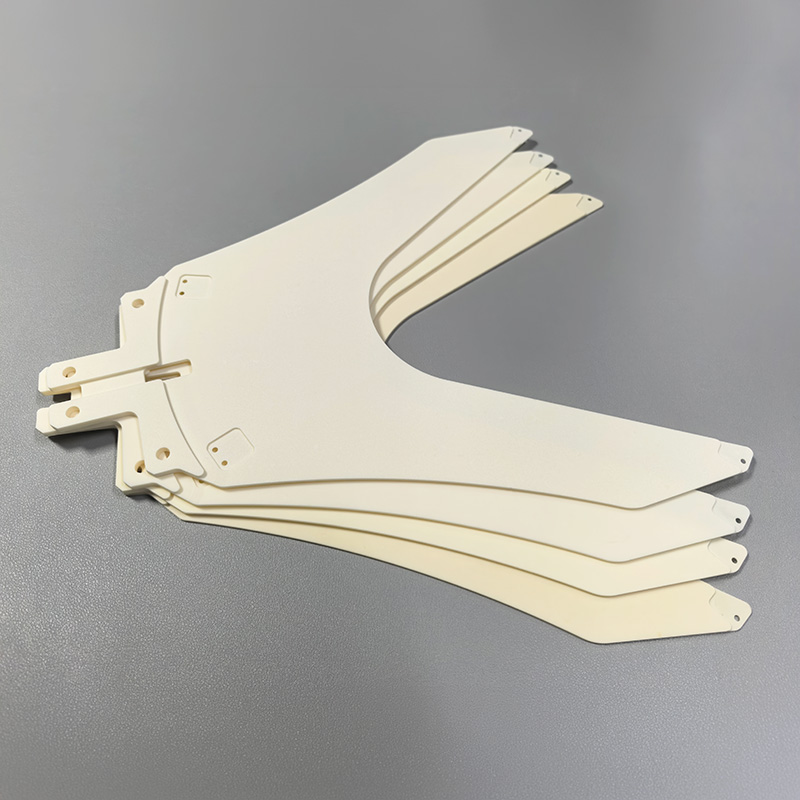
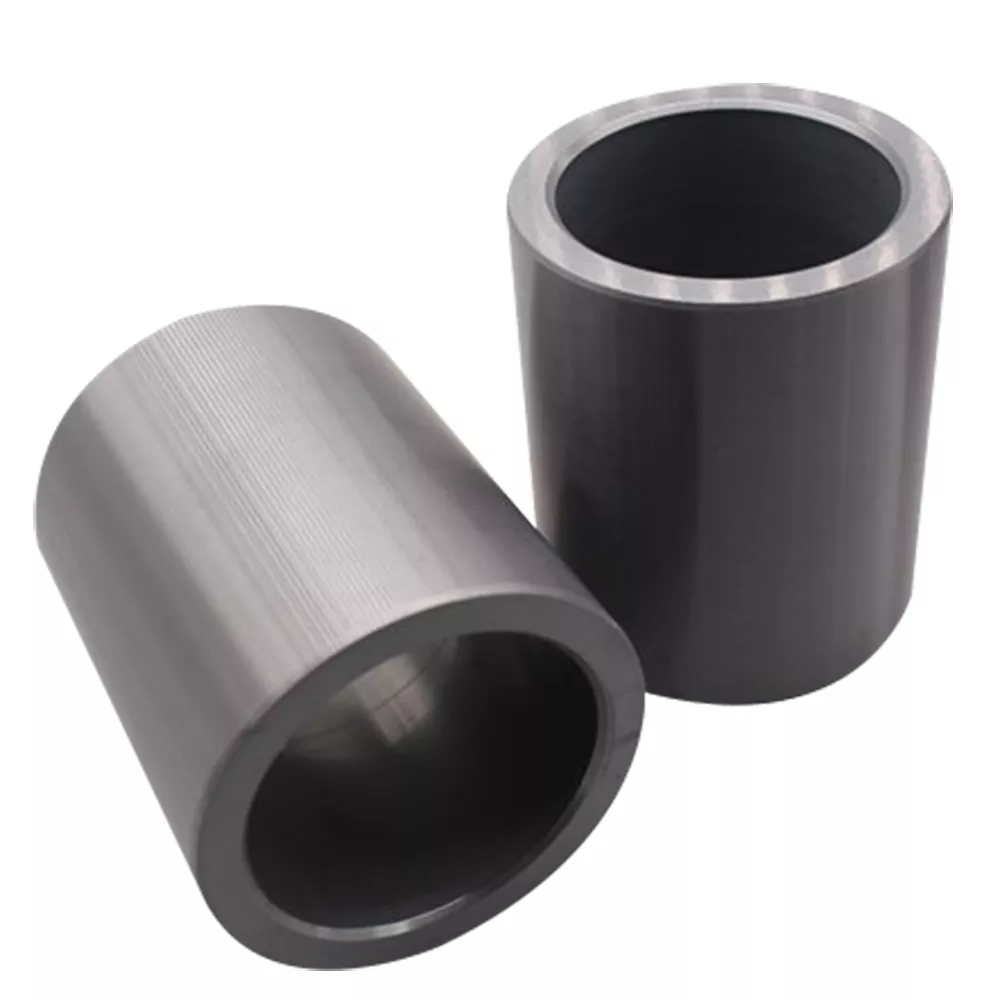
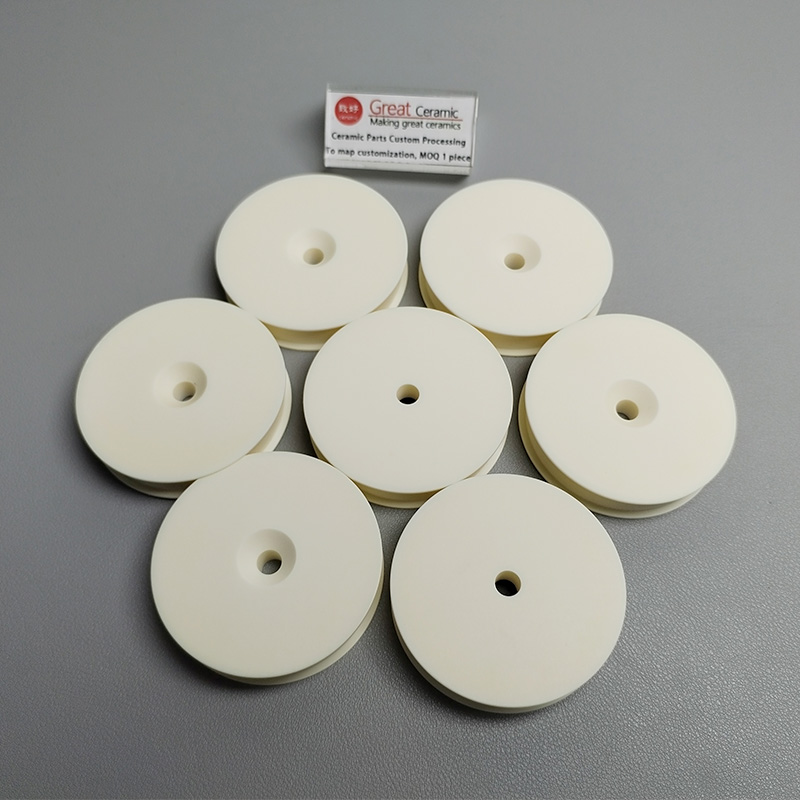
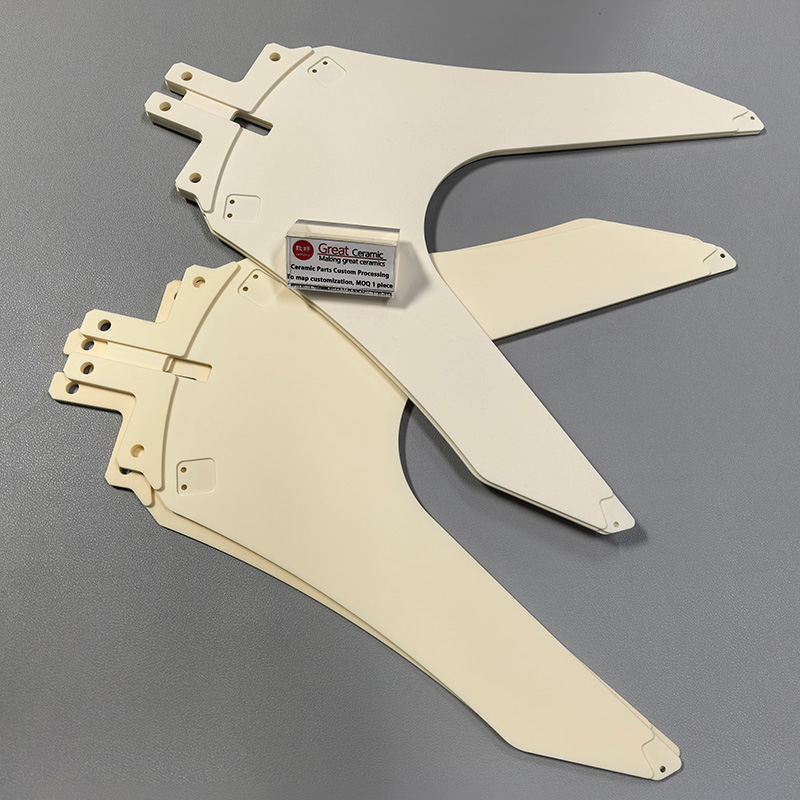
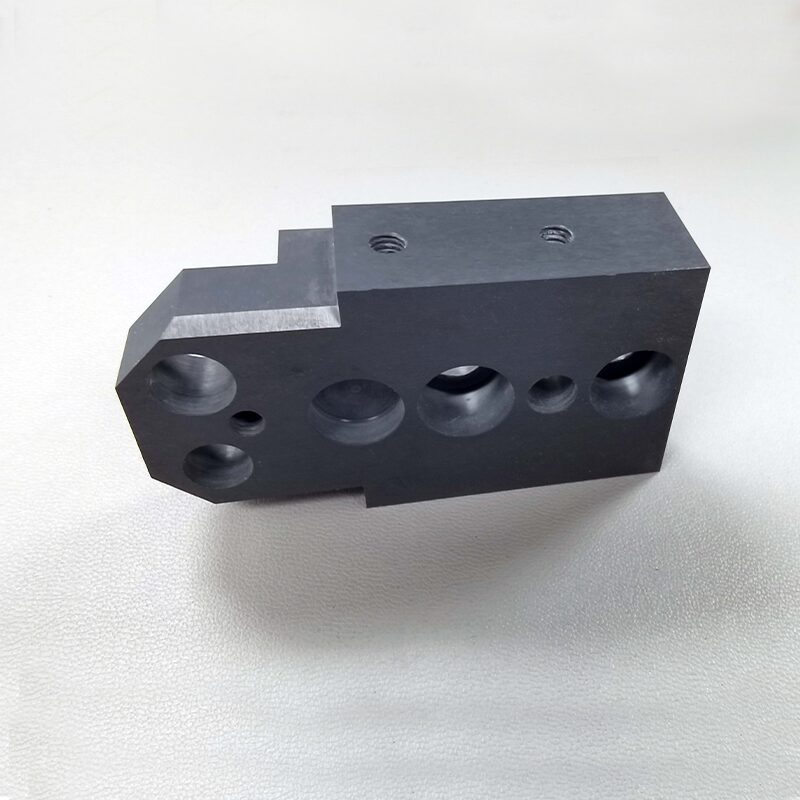
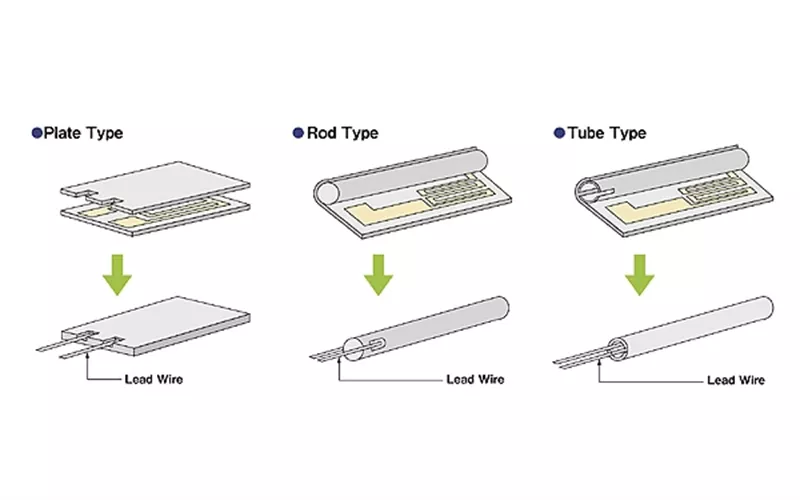
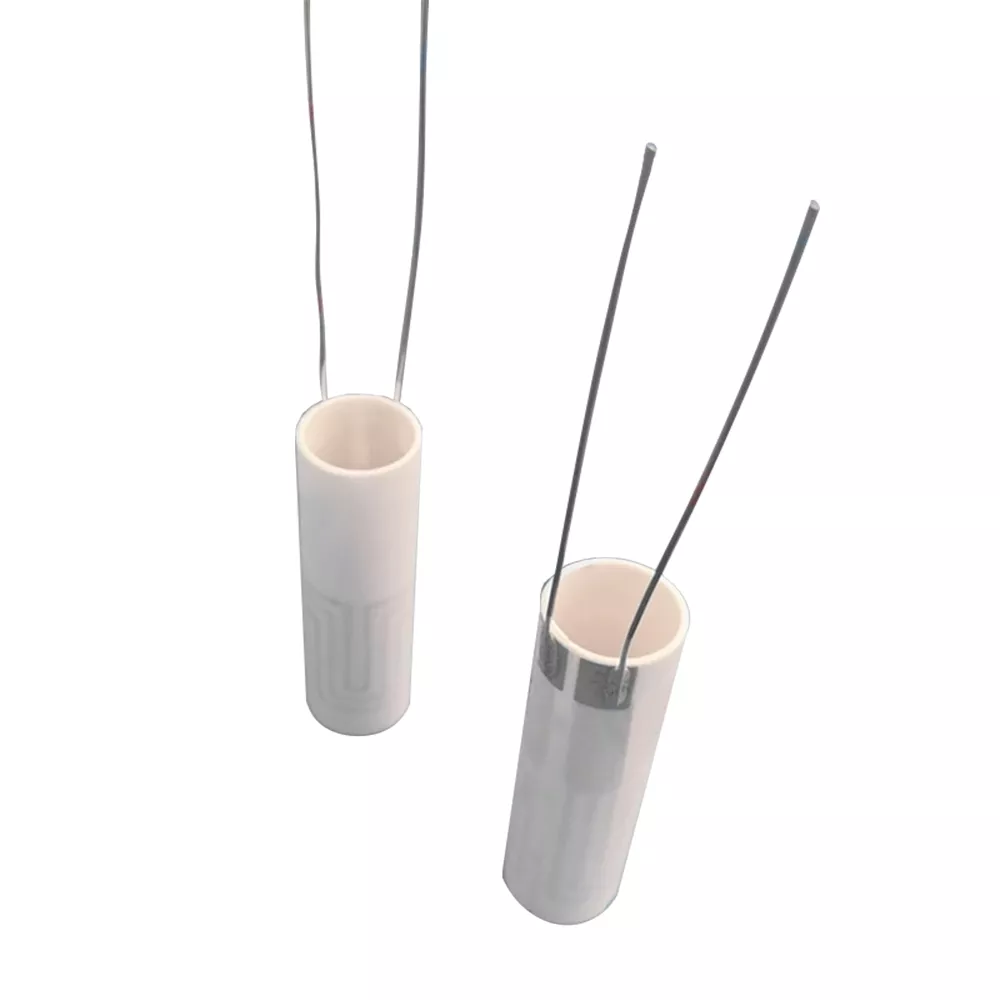
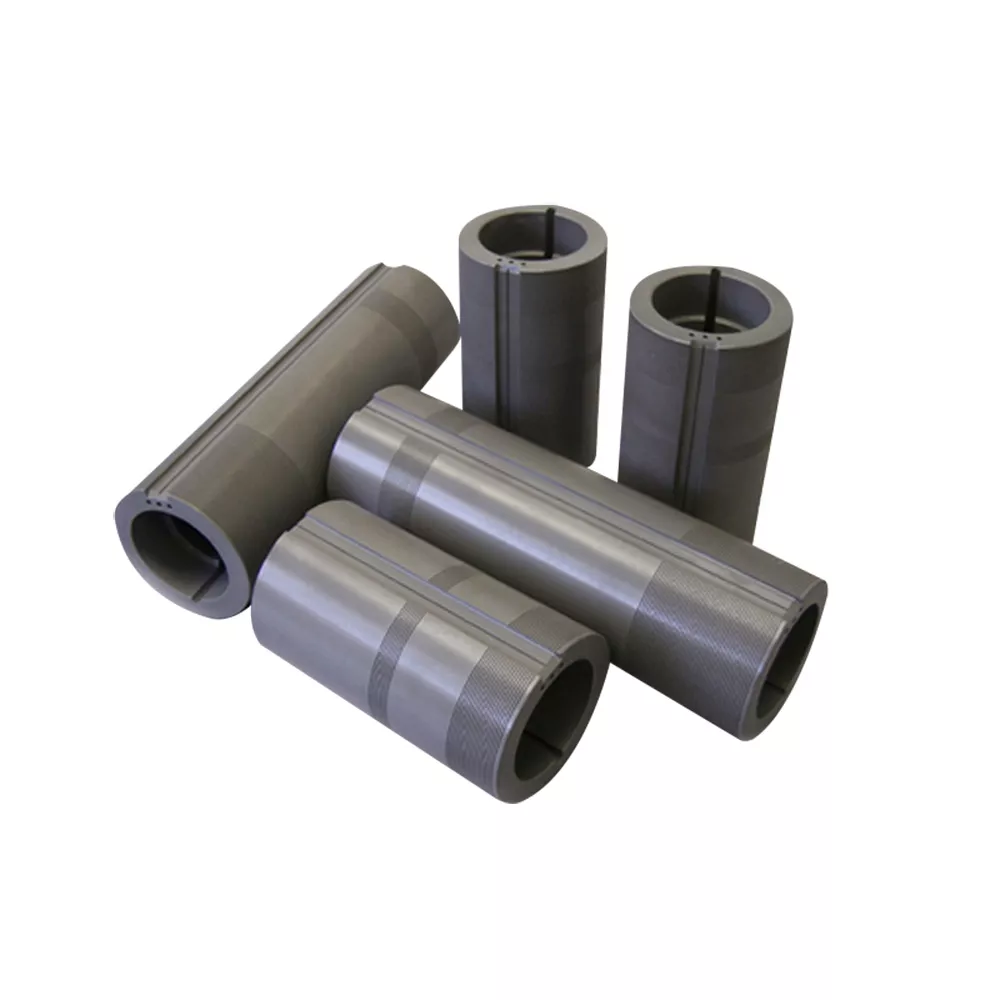
Featured Technical Ceramic Components for Battery Manufacturing


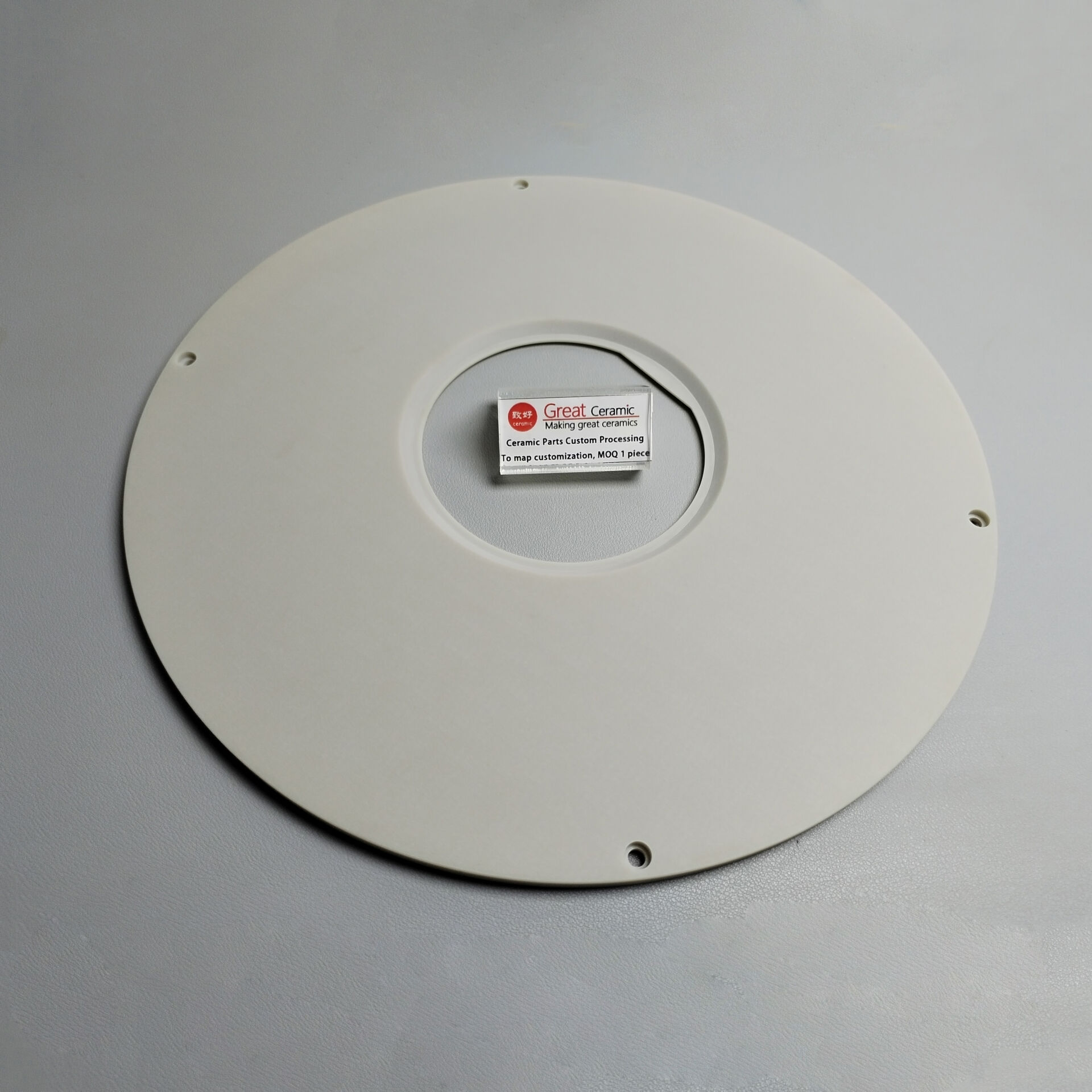
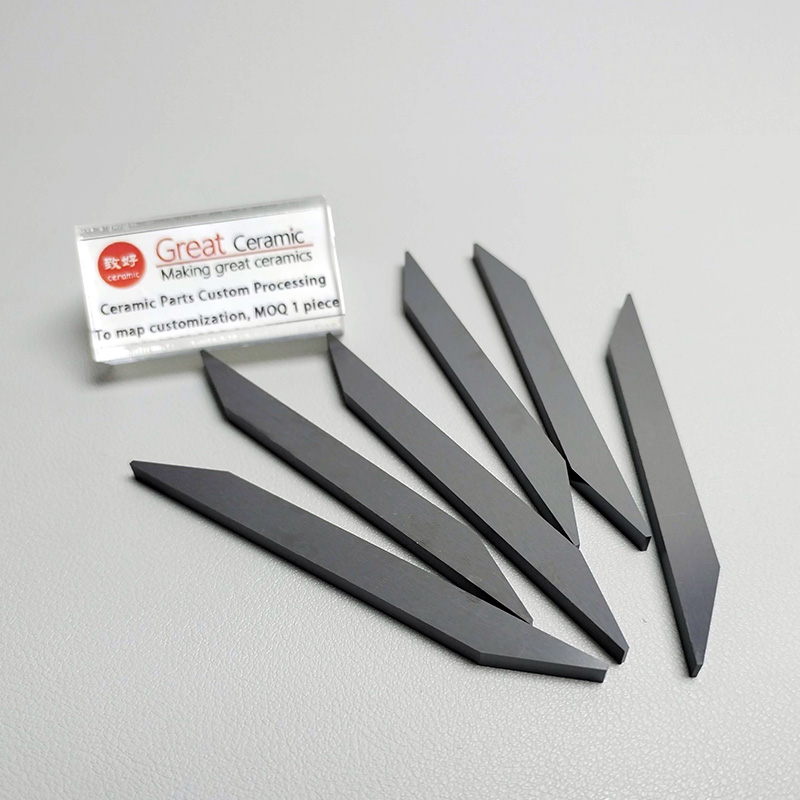

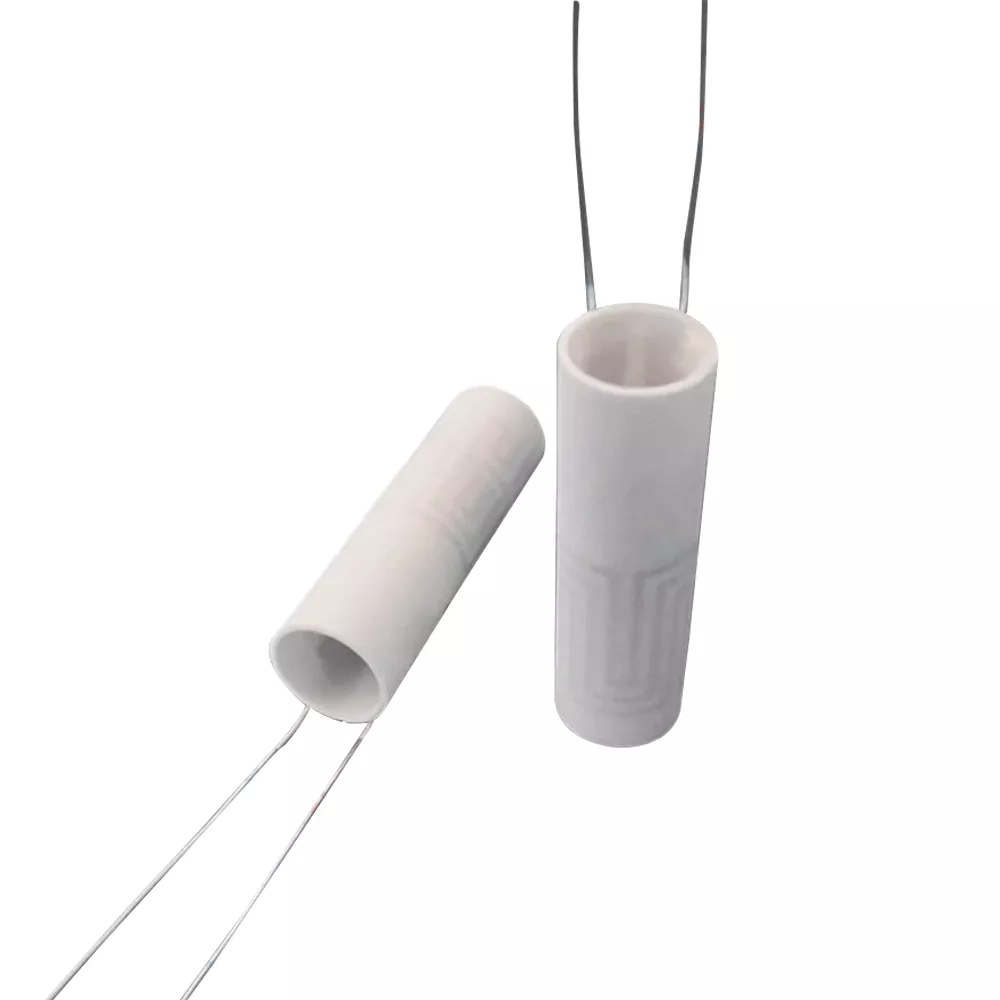


Related Battery Manufacturing Ceramic Catalogue and Quotation



Why Choose Technical Ceramics for Battery Manufacturing
Application-first guidance connects material, geometry, process, and evidence requirements so teams can make clearer sourcing decisions.
Start with the Current Drawing
Share the current drawing revision so dimensions, interfaces, notes, and open questions become the basis for a focused quotation discussion with Porcecore.
Confirm the Project Material Grade
Discuss the specified ceramic family and grade, separating known requirements from preferences before material suitability, availability, and application questions are reviewed.
Match Geometry to Assembly Needs
Define tubes, rods, rings, substrates, or other forms around mating parts, critical dimensions, tolerances, and the assembly conditions that govern fit.
Identify Critical Functional Surfaces
Call out sealing, sliding, locating, insulating, or contacting surfaces so the quotation reflects the interfaces that determine component performance in service.
Align the Manufacturing Process Route
Review forming, firing, machining, and finishing considerations against the component geometry and material choice, with process details confirmed for the individual project.
Define Inspection Evidence Upfront
Specify critical measurements, acceptance criteria, inspection records, and documentation needs early, helping engineering and procurement teams evaluate the same project evidence.
Ceramic Components and Materials for Battery Projects
Explore component forms, ceramic families and sourcing guidance aligned with fit, operating conditions, inspection and project documentation requirements.

Ceramic Manufacturing Capabilities
Ceramic manufacturing capabilities support drawing-led discussions for formed, machined, sintered and finished components. Define geometry, tolerances, mating surfaces, quantity and inspection expectations so quotation requirements reflect the actual battery-project assembly and service conditions.
Discuss Your Ceramic Part
Ceramic Solutions by Industry
Ceramic solutions by industry address advanced ceramics applications across battery manufacturing and related equipment. Component selection depends on electrical insulation, thermal exposure, chemical contact, wear, cleanliness and assembly fit; application context helps identify the requirements requiring confirmation.
Discuss Your Ceramic Part
Advanced Ceramic Materials
Advanced ceramic materials include alumina, zirconia, silicon carbide, silicon nitride, aluminum nitride, boron nitride and other oxide, nitride, carbide and specialty families. Grade, purity, properties and availability must be confirmed against each project’s operating conditions.
Discuss Your Ceramic Part
Technical Ceramic Products
Technical ceramic products cover practical component forms such as tubes, rods, rings, plates, substrates, insulators and custom shapes. Buyers can begin with a product form, then provide drawings, critical dimensions, material designation, quantity and acceptance criteria for review.
Discuss Your Ceramic Part
Technical Ceramic Resources
Technical ceramic resources help procurement and engineering teams connect material selection with component requirements. Use guides to clarify terminology, operating conditions, tolerances, documentation and open questions before sending a drawing-led inquiry for quotation or replacement-part evaluation.
Discuss Your Ceramic PartMaterials Supported for Technical Ceramics for Battery Manufacturing

Alumina Ceramic
Ceramic manufacturing capabilities support drawing-led discussions for custom ceramic components and industrial ceramic parts. Define geometry, tolerances, mating surfaces, quantity and inspection expectations so quotation requirements reflect the actual battery-project assembly and service conditions.

Zirconia Ceramic
A tough oxide ceramic suited to components requiring strength, wear resistance or controlled mating surfaces. Porcecore reviews geometry, operating conditions and required tolerances before confirming an appropriate grade.

Silicon Carbide
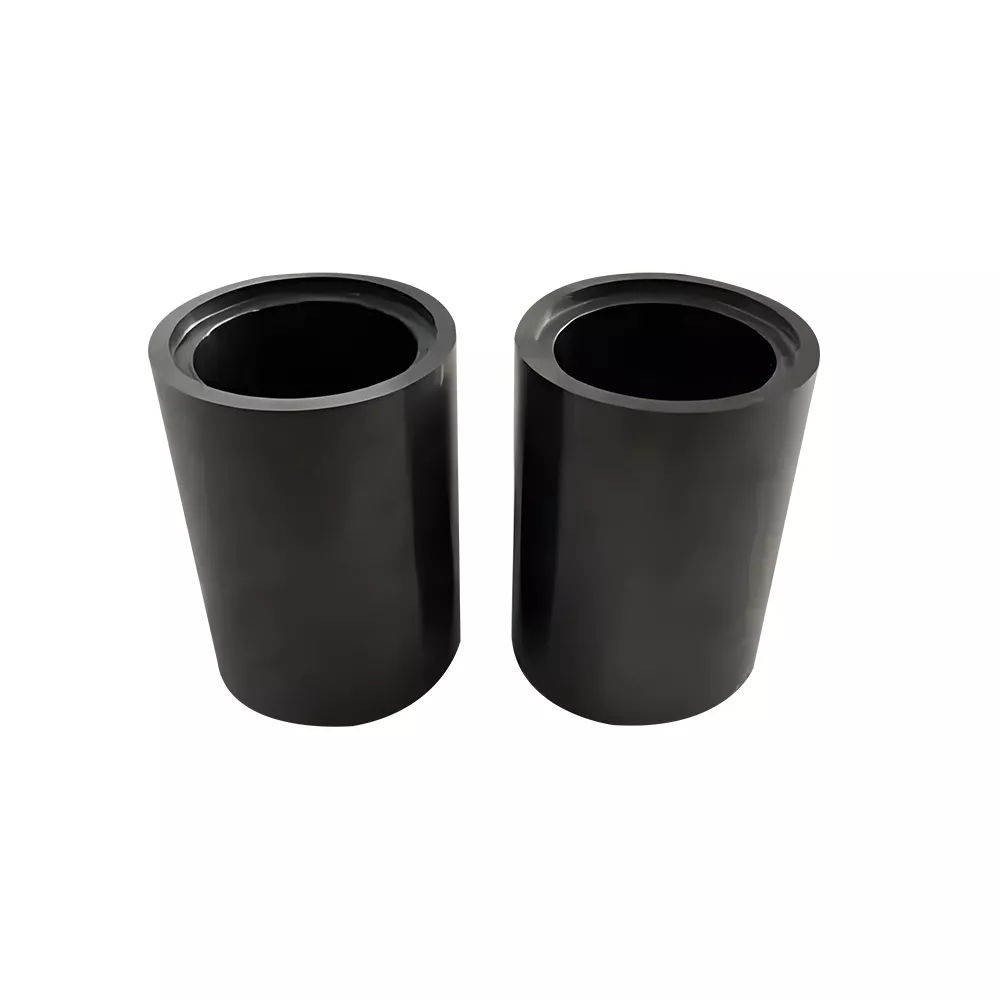
A carbide ceramic considered for demanding thermal, chemical or wear conditions in battery manufacturing equipment. Component selection depends on service environment, geometry, surface requirements and project-specific acceptance criteria.
Silicon Nitride
A nitride ceramic option for engineered parts where mechanical performance and thermal conditions matter. Drawing details, operating loads, interfaces and documentation needs guide the quotation and material review.

Aluminum Nitride
An advanced nitride family considered when electrical insulation and thermal-management requirements are part of the component brief. Final grade, dimensions, finish and verification records are established for each project.

Specialty Ceramics
Specialty ceramic families can address requirements not covered by standard oxide, nitride or carbide options. Share the drawing, known material designation, quantity and service conditions so Porcecore can define the next decision.
Technical Ceramics for Battery Manufacturing: Processes and Finishing Options

Alumina Ceramics
Ceramic powders are shaped and densified through a selected forming and firing route. Porcecore verifies suitability against geometry, shrinkage expectations, material designation and required dimensions for each battery manufacturing component.

Zirconia Ceramics
Machining can refine fired ceramic components to specified dimensions, features and fits. The quotation review confirms machinable areas, tolerances, edge conditions, datum references and the surfaces that determine assembly or process performance.

Silicon Carbide Ceramics
Grinding, lapping or other finishing approaches may be considered where contact surfaces, flatness, roughness or sealing behavior matter. Porcecore links the proposed finish to the drawing and project acceptance requirements.

Hole and Feature Making
Slots, holes, grooves and other detailed features require process review because ceramic geometry affects tooling, edge integrity and inspection. Share the current drawing so critical dimensions and feature requirements can be assessed.

Inspection and Documentation
Inspection planning connects dimensions, tolerances, material grade and visual or functional criteria with the records required for approval. Porcecore confirms available documentation expectations as part of the individual inquiry.
Supporting Accessories for Technical Ceramics for Battery Manufacturing

Mating Interfaces
Define the ceramic surfaces that contact electrodes, housings, fixtures or adjacent components. Drawing details for fit, alignment, surface finish and critical dimensions help clarify assembly requirements before quotation.

Mounting Hardware
Coordinate fasteners, retainers, carriers or fixture interfaces where they affect ceramic installation. Confirm the load path, clearance, thermal conditions and contact points so supporting hardware remains compatible with the specified component.

Insulating Washers
Consider insulating washers or related interface pieces where electrical separation matters in the assembly. Material, thickness, compression, temperature exposure and dimensional tolerance should be confirmed for the individual battery manufacturing application.

Sealing Interfaces
Identify seals, gaskets or protected boundaries that meet the ceramic part. Review media exposure, operating temperature, compression and mating geometry together to separate essential sealing requirements from optional preferences.

Inspection Records
Specify the dimensional reports, material records, surface checks or acceptance documents needed for approval. Porcecore can use the current drawing revision and project criteria to clarify which records belong in the quotation discussion.
About Porcecore: Technical Ceramics for Battery Manufacturing
Founded by Andy Yuan, Porcecore is a B2B technical ceramics brand built around a practical starting point: the component and the job it needs to do. We support industrial procurement teams, engineers, equipment builders and distributors exploring ceramic tubes, rods, rings, substrates and other components for battery manufacturing applications.
Our approach connects material families—including alumina, zirconia, silicon carbide, silicon nitride, aluminum nitride and boron nitride—with the project requirements that determine suitability. Drawing revisions, geometry, mating surfaces, operating conditions, quantities and acceptance criteria provide the basis for a useful quotation conversation, helping teams distinguish general material information from confirmed project specifications.

Core Capabilities for Technical Ceramics in Battery Manufacturing
Define the Part Requirement
Porcecore begins with the component and the job it must perform. A clear requirement connects the intended application with geometry, operating conditions, mating surfaces and inspection expectations, giving procurement and engineering teams a more useful basis for discussing technical ceramics for battery manufacturing.
- Component form and intended function
- Operating environment and service conditions
- Mating surfaces and assembly interfaces
- Inspection and acceptance expectations

Select Materials With Context
Material selection is considered alongside the part requirement rather than treated as a standalone catalog choice. Buyers can discuss oxide, nitride, carbide and specialty ceramic families, while project-specific grade, geometry, service conditions and documentation needs remain open for confirmation.
- Alumina, zirconia and silicon carbide options
- Silicon nitride, aluminum nitride and boron nitride
- Grade availability confirmed for the project
- Material properties reviewed against application needs
Translate Geometry Into Detail
Tubes, rods, rings, substrates and other ceramic forms require more than a material label. Dimensions, tolerances, surfaces that fit another part and features that determine assembly should be identified early, so the quotation conversation reflects the actual component requirement.
- Critical dimensions and tolerances
- Interfaces, fits and functional surfaces
- Component form and feature definition
- Replacement-part or new-design context

Review Drawings Before Quotation
A drawing-led inquiry gives Porcecore and the buyer a concrete starting point. Send the current drawing revision, known material designation, quantity, service conditions and acceptance criteria to clarify open questions before production expectations, delivery and commercial terms are confirmed.
- Current drawing revision
- Estimated or confirmed quantity
- Known material designation
- Acceptance criteria and required documentation

Technical Ceramics for Battery Manufacturing: Porcecore Compared With Typical Ceramic Suppliers
A clearer path from drawing and operating conditions to confirmed ceramic component requirements, documentation, and quotation.
← Swipe left or right to view →
Technical Ceramics for Battery Manufacturing: From Drawing to Confirmed Order
A clear, buyer-facing workflow connects your component requirement with material confirmation, production planning, inspection expectations and delivery coordination.
Review the Requirement
Share the current drawing revision, component form, quantity, service conditions, mating surfaces and acceptance criteria for an application-focused review.
Confirm Material and Geometry
Porcecore aligns the proposed ceramic family, grade, dimensions, tolerances, finishing requirements and documentation needs with your battery manufacturing application.
Plan Production
After project-specific requirements are confirmed, the manufacturing route, tooling considerations, quantity, inspection points and commercial terms are defined for quotation.
Manufacture and Inspect
Components move through the agreed production process, with dimensional, visual and other project-defined checks used to verify conformity before release.
Pack and Ship
Approved ceramic components are prepared for shipment according to the confirmed order requirements, documentation package and delivery arrangements.
How to Source Technical Ceramics for Battery Manufacturing
Move from an initial component requirement to confirmed production terms through a drawing-led discussion focused on material, geometry, service conditions and acceptance criteria.
Share Your Drawing or Description
Send the current drawing revision or describe the component, including geometry, mating surfaces, quantity, application and any known dimensional or documentation requirements.
Confirm Material and Conditions
Review suitable ceramic families, grade considerations and operating conditions such as temperature, electrical environment, chemical exposure, loads and required service performance.
Review Quotation and Samples
Evaluate the project quotation, clarify open requirements and determine whether samples, prototypes, inspection records or other approval materials are needed before production.
Define Production Terms
Confirm dimensions, tolerances, material designation, acceptance criteria, documentation, delivery expectations and commercial terms for the individual battery manufacturing component order.
Certificates, Quality Records and Project Documentation
Customer Evidence for Technical Ceramics for Battery Manufacturing
Verified customer evidence will be added after an approved project statement is supplied; no testimonial claim is published yet.
An approved project case will be added after Porcecore confirms the customer, component scope, drawing basis and documented outcome.
Verified outcome evidence will be added only when a customer-approved result and supporting project record are available.
FAQ for Technical Ceramics for Battery Manufacturing
Answers for procurement teams evaluating ceramic components, commercial terms and project-specific feasibility.
What information does Porcecore need to quote technical ceramics for battery manufacturing?
Is there a minimum order quantity for battery manufacturing ceramic components?
What lead time should we expect for technical ceramics for battery manufacturing?
How are sampling costs handled for technical ceramics for battery manufacturing?
Can Porcecore confirm payment terms before reviewing the drawing?
How are shipping and packaging requirements defined for ceramic components?
How does Porcecore protect drawing and project information?
What inspection evidence can be requested for technical ceramics for battery manufacturing?
The Complete Guide to technical ceramics for battery manufacturing
Use this decision framework to compare ceramic materials, component designs, manufacturing capabilities, supplier qualification criteria, and total costs—while avoiding common specification, testing, sourcing, and integration mistakes in battery manufacturing programs.
1. What Are Technical Ceramics for Battery Manufacturing?
Four requirement groups define technical ceramics for battery manufacturing: controlled material properties, engineered geometry, specified tolerances, and inspection criteria. Unlike commodity ceramics selected mainly for appearance or general heat resistance, these components are qualified against a part’s operating environment and mating surfaces. Four battery-system areas commonly create ceramic requirements: production equipment, cell internals, modules, and thermal or electrical interfaces. com/en/munich/consumer-industries/battery-and-storage-systems). Six screening questions should precede material selection: will temperature, electrical insulation, abrasive wear, chemical exposure, contamination control, or dimensional stability control the design? Porcecore recommends sending the drawing revision, service conditions, quantity, and acceptance criteria so the ceramic choice is tied to a defined component requirement.
2. Evolution of Technical Ceramics in Battery Manufacturing
Early battery lines relied on conventional ceramic insulators, feedthroughs, crucibles, and refractory supports to contain heat, chemicals, and electrical current. As alkaline, nickel-based, and lithium-ion chemistries introduced tighter contamination and dimensional-control requirements, buyers increasingly specified purity, fit, wear resistance, and inspection evidence. The 1990s–2000s brought ceramic-coated separators, precision tooling, protective coatings, and more durable furnace and process-chamber components as production temperatures, line speeds, and throughput increased. com/en-gb/products/zirconia-ceramic-components/battery-cell-tooling. Today, solid electrolytes, advanced separators, and engineered process ceramics reflect higher safety expectations and tighter quality control. Procurement should link each evolution to the current drawing, chemistry, temperature profile, contact surfaces, cleanliness limits, dimensional tolerances, and acceptance criteria rather than treating a material family as a complete specification.
3. Types of Technical Ceramics for Battery Manufacturing
Six sourcing families cover most battery manufacturing requirements.
Electrical Isolation And Tooling
Insulating parts isolate conductors during cell assembly; specify dielectric strength, clearance, flatness, and mounting dimensions.
Thermal Processing And Surfaces
Furnace and chamber components handle thermal cycling and corrosive atmospheres during sintering or calcination; specify purity, thermal shock, and dimensions.
Sealing And Electrochemical Parts
Seals and feedthroughs preserve electrical isolation and containment during formation or testing; specify hermeticity, compression, joint design, and temperature range.
4. Materials for Technical Ceramics in Battery Manufacturing
Purity, thermal shock, dielectric behavior, strength, fracture toughness, wear, chemical compatibility, machinability, and cost must be evaluated together.
Material Selection Matrix
Alumina and fused silica favor insulation and chemical cleanliness; zirconia favors toughness and wear.
| Material | Typical advantage | Buyer checks |
|---|---|---|
| Alumina | Purity, insulation, wear | Grade, finish, cost |
| Zirconia | Toughness, wear | Thermal shock, aging |
| Silicon nitride | Strength, thermal shock | Machining, grade |
| Aluminum nitride | Thermal conductivity, insulation | Purity, moisture |
| Boron nitride | Machinability, non-wetting | Strength, atmosphere |
| Quartz/fused silica | Purity, dielectric stability | Shock, geometry |
| Electrochemical ceramics | Ionic transport | Chemistry, testing |
Application Fit Controls
Grade-specific purity, dielectric response, fracture toughness, and chemical compatibility can change with porosity, additives, and processing. Electrochemical ceramics require chemistry-specific validation.
- Thermal cycling and dimensional stability
- Mating-surface wear and edge strength
- Machining route and tolerance capability
Cost And Validation
Machinability, yield, grinding, tight tolerances, inspection, and documentation commonly drive cost more than powder price.
5. Customization Options for Battery Ceramic Components
Geometry, interfaces, and service conditions should be defined together when specifying technical ceramics for battery manufacturing.
Geometry And Material Removal
1 drawing revision should identify dimensions, mating surfaces, holes, slots, edge treatment, and critical tolerances. Forming suits repeatable near-net shapes; diamond grinding or machining refines interfaces and prototypes.
Prototype geometry may require more machining, while production favors stable forming and limited finishing. Confirm the route, achievable tolerance, and tooling implications before approving the design.
| Route | Best Fit | Tradeoff |
|---|---|---|
| Forming | Repeat production | Tooling cost |
| Machining | Prototype interfaces | Longer cycle |
| Hybrid | Transition builds | Process validation |
Surface, Coating, And Joining
Ra targets, open porosity, coatings, metallization, and ceramic-to-metal joining should be specified by function rather than copied from a catalog. Sealing, insulation, wear, and chemical exposure can change the suitable finish or treatment. 2D drawings should flag functional surfaces separately from cosmetic areas.
Traceability And Inspection
Each quotation should reference the current drawing, material designation, quantity, service conditions, acceptance criteria, and required documentation. Request inspection records for critical dimensions, finish, porosity or coating condition, and batch traceability. A prototype-to-production release should define sampling, revision control, and requalification triggers.
6. Key Construction and Quality Elements
Reliable ceramic components are qualified by the complete part requirement, not a material name alone.
Material And Dimensional Control
Alumina, silicon nitride, silicon carbide, or another family should be identified by grade, purity, density range, and relevant dielectric or thermal properties.
Surface, Thermal, And Joining Integrity
Thermal-shock resistance depends on geometry, temperature range, heating and cooling rates, and restraint; representative application cycling is more useful than a generic claim. Cleanliness and surface integrity require limits for particles, chips, cracks, and porosity.
Evidence And Lot Consistency
Lot consistency is supported by batch traceability, process controls, sampling plans, certificates, and inspection records covering density, dimensions, finish, and dielectric tests where relevant.
Before release, agree the drawing revision, material designation, acceptance criteria, test method, and documentation package. Validate assembled parts under representative service conditions.
7. How to Choose a Technical Ceramics Manufacturer
Three bid dimensions—technical fit, execution control, and continuity—should be scored separately.
Technical Capability
A complete RFQ should ask for material expertise, design-for-manufacture feedback, prototype route, scalable process, achievable tolerances, and identified mating-surface risks.
- Can you review the drawing before pricing?
- Which ceramic grades and forming methods fit the geometry?
- What prototype and scale-up evidence is available?
- Which dimensions and surfaces receive 100% inspection?
Quality And Traceability
An audit should verify the quality system, calibrated inspection equipment, incoming-material controls, process records, final inspection, nonconformance handling, and lot traceability.
- How are material lots linked to finished parts?
- What equipment verifies critical dimensions and defects?
- How are deviations approved and reported?
- How are fragile parts packaged for transit?
Commercial Comparison
Three commercial checks often separate technically equivalent bids: lead-time credibility, communication discipline, and supply continuity. Compare tooling, prototype, unit, inspection, packaging, freight, and change-control assumptions on one cost sheet. Ask about capacity allocation, second-source exposure, disruption response, reorder forecasting, and escalation contacts.
- What is the quoted lead time by project stage?
- Which costs are one-time, recurring, or excluded?
- How are engineering changes and late forecasts handled?
- What continuity plan supports repeat orders?
8. Common Mistakes Buyers Make When Sourcing Battery Ceramics
Nine recurring sourcing errors can turn a suitable ceramic concept into assembly delays, rejects, or unsafe service.
Define Material And Service Conditions
1 material name is insufficient: specify grade, geometry, mating surfaces, temperature range, thermal cycling, loads, atmosphere, chemicals, voltage, and cleanliness level. This resolves: Which material and design basis actually fit the service?
Specify Buildability And Validation
10 dimensions do not replace tolerances, datums, edge conditions, surface finish, or inspection method. Avoid requesting fragile walls, sharp internal corners, or inaccessible features without asking what the process can hold. This resolves: Can the component be manufactured and measured as drawn?
Compare Complete Offers And Changes
3 quote lines are not comparable when grade, tolerances, testing, packaging, documentation, MOQ, lead time, or tooling are missing. Request a line-by-line basis and acceptance criteria; this resolves: What exactly am I buying?
Define revision control, deviation approval, and notification before production. This resolves: How will material, process, or supplier changes be controlled?
9. Steps to Qualify and Launch a Ceramic Component Program
Step 1 starts with the part requirement: define function, geometry, mating surfaces, service conditions, quantity, and acceptance criteria before comparing materials. A controlled release then links drawing revision, inspection evidence, and commercial approval.
Define And Review The Requirement
Step 1 assigns engineering to issue the current drawing, operating envelope, critical interfaces, and material preferences. Quality adds measurable tolerances, test methods, documentation, and traceability requirements.
Sample, Inspect, And Validate
Step 3 uses representative prototypes to check fit, handling, surface condition, and functional performance against the approved drawing. Quality records dimensions, material identification, defects, test results, and deviations.
Step 4 validates the production process through agreed sampling, process controls, and capability evidence before pilot production. Engineering approves technical results; quality approves conformity.
Release And Manage Supply
Step 5 requires signed approval of the drawing revision, material grade, inspection plan, certificate format, packaging standard, and nonconformance process before production release. Procurement controls purchase orders and revision status. Step 6 reviews delivery performance, recurring defects, change notifications, and requalification triggers.
10. Pricing and Total Cost of Technical Ceramics
1 quotation should separate non-recurring and recurring cost. Material grade, part size, geometry, tolerances, forming route and expected yield establish the baseline; machining, finishing, coatings or joining add process-specific charges. 2 commercial variables can materially change total cost.
| Cost driver or volume tier | Typical cost effect | Quotation basis |
|---|---|---|
| Material and size | Grade, mass, purity and blank size affect material use | Confirmed designation and dimensions |
| Geometry and tolerances | Complex features, tight fits and machining increase processing and yield risk | Drawing revision and critical characteristics |
| Tooling and volume | Tooling may be amortized; larger lots can reduce recurring unit cost | Quantity, forecast and forming method |
| Finishing, joining and inspection | Surface finish, coating, joining, testing and packaging add operations | Acceptance criteria and documentation |
| Lead time and yield | Expedited schedules and lower yield can increase total cost | Required delivery date and production plan |
Discuss Technical Ceramics for Battery Manufacturing
Email a drawing or describe your component, material, operating environment and acceptance criteria for a clearer Porcecore sourcing discussion.