
Technical Ceramics for Pumps and Valves, Sourced With Clarity
Technical ceramic components and industrial ceramic parts for pumps and valves, matched to your drawing, material requirements, operating conditions and acceptance criteria for clearer OEM sourcing.
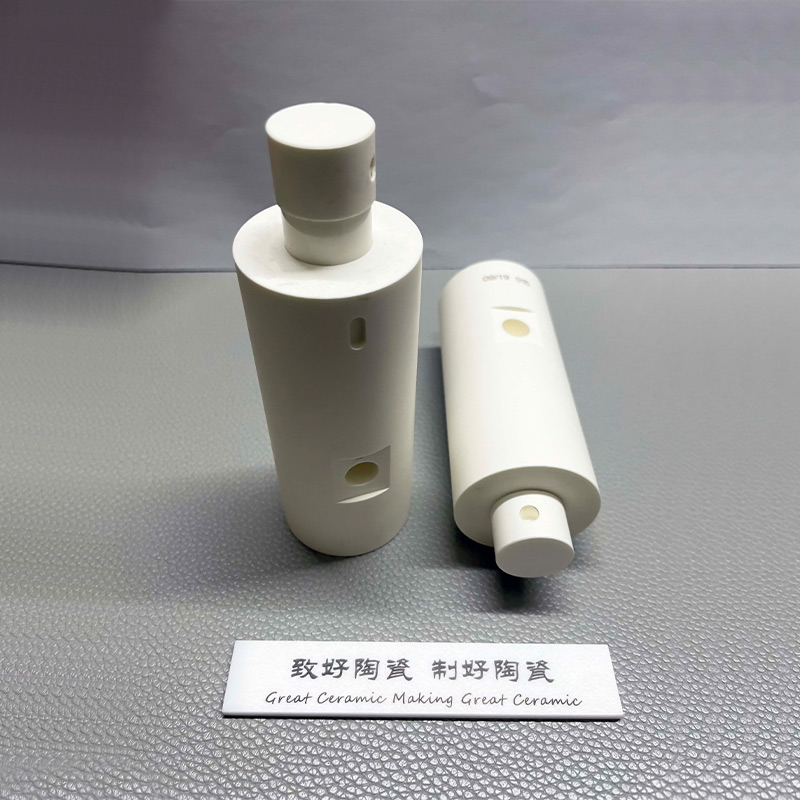
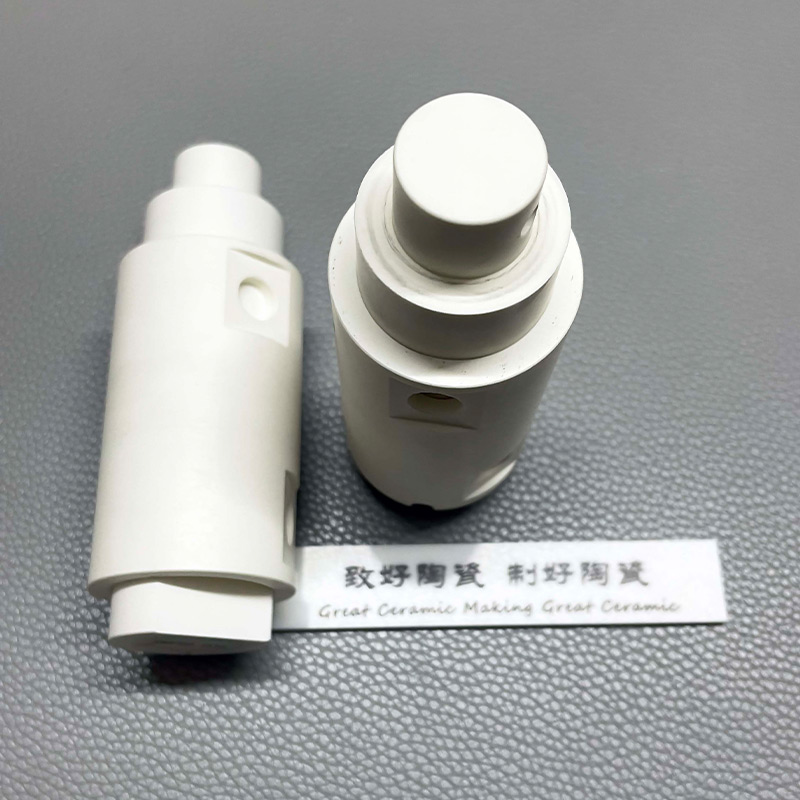
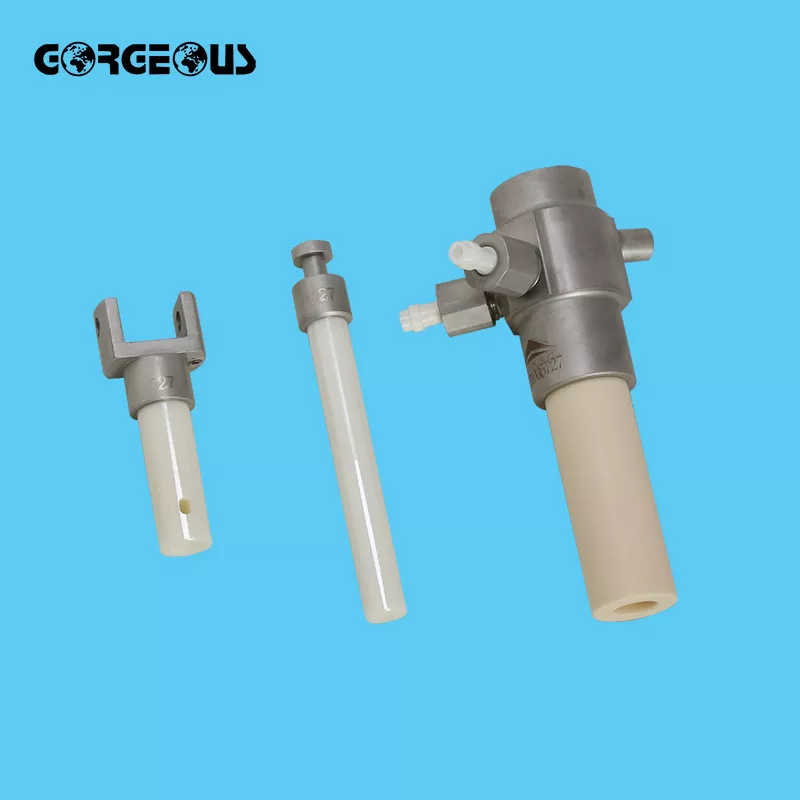
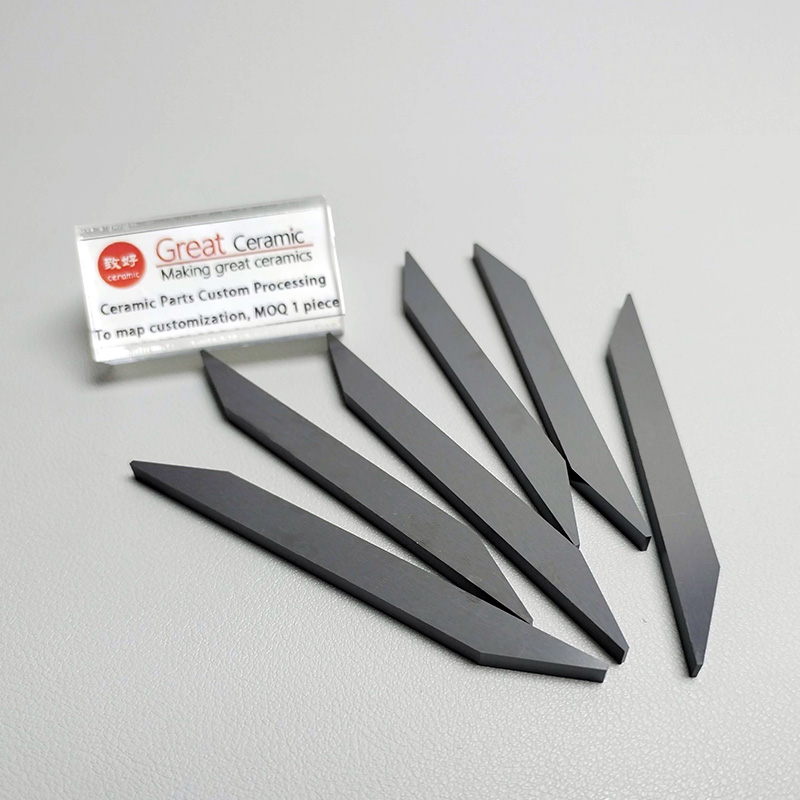
Featured Ceramic Components for Pump and Valve Projects


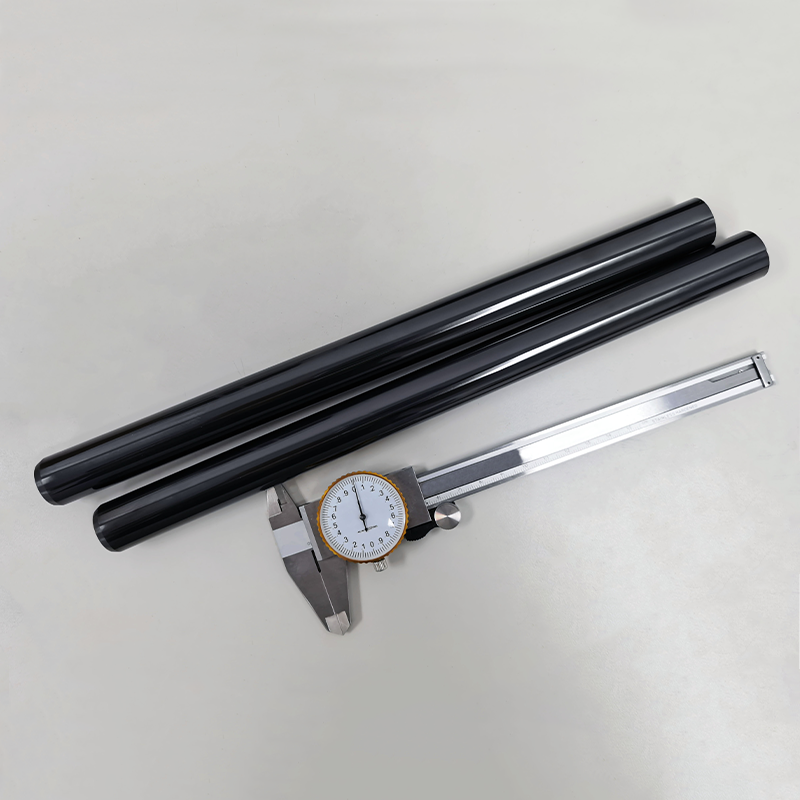

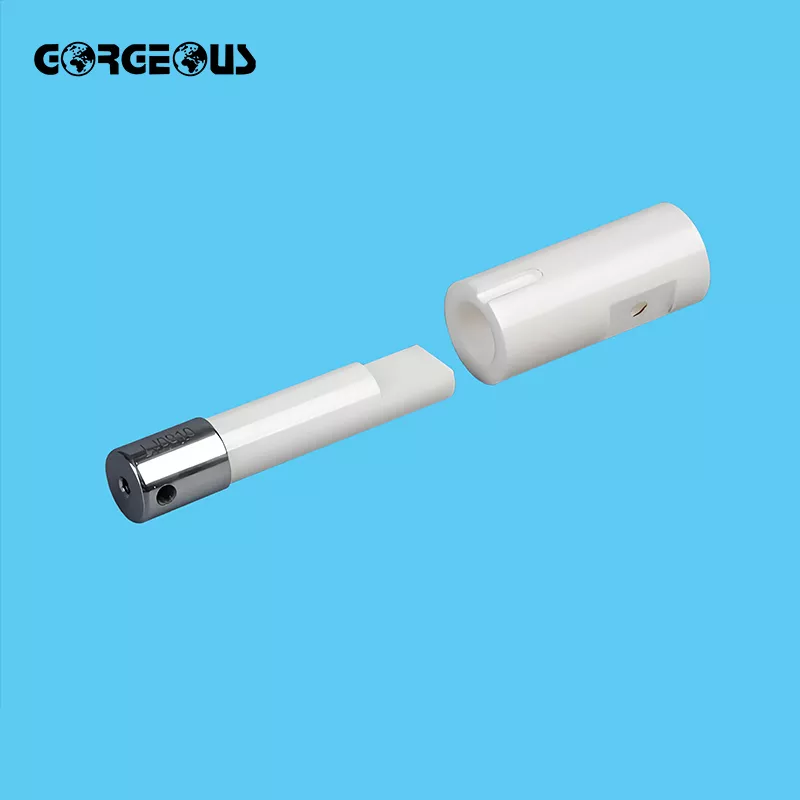


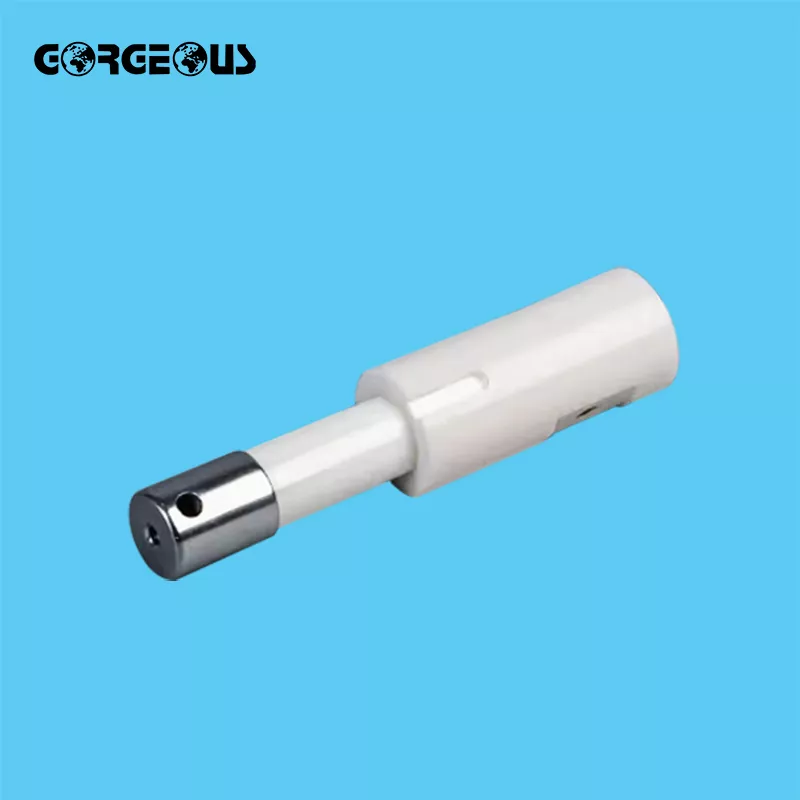
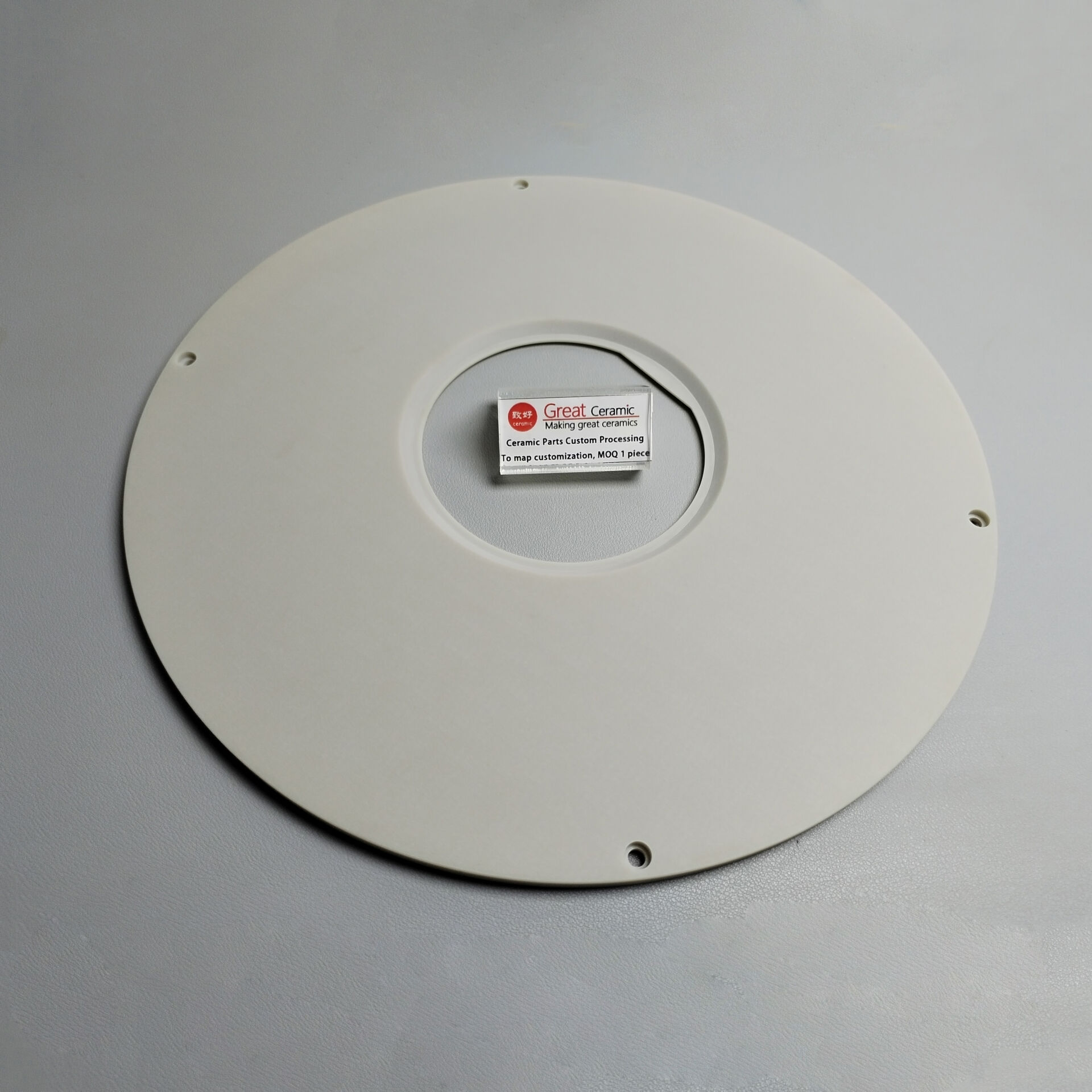


Related Product Catalogue and Quotation






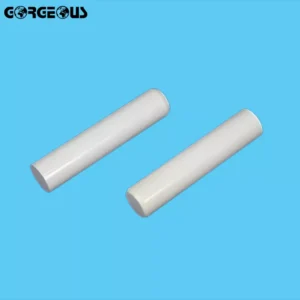
Why Source Technical Ceramics for Pumps and Valves?
Evaluate material coverage, component requirements and quotation inputs with a clearer basis for technical ceramic sourcing.
Drawing and Revision Control
Share the current drawing revision so Porcecore can align geometry, interfaces, quantities and open questions before a quotation discussion begins.
Material Family and Grade
Review oxide, nitride, carbide and specialty ceramic options, then identify the grade-specific properties and constraints that matter for your pump or valve component.
Geometry and Tolerances
Define dimensions, wall sections, tolerances and assembly features together, helping distinguish essential part requirements from preferences during sourcing.
Functional Mating Surfaces
Identify sealing, sliding, bearing and other mating surfaces so the component discussion includes the interfaces that influence fit and application suitability.
Process Route Alignment
Discuss the forming and finishing route in relation to component geometry, quantity and requirements, keeping production assumptions visible during quotation review.
Inspection and Acceptance Evidence
Specify inspection expectations, critical dimensions, documentation and acceptance criteria early, giving both sides a clearer basis for evaluating the quoted ceramic part.
Ceramic Components for Defined Project Requirements
Review materials, component forms, applications and resources before sharing the geometry, service conditions and acceptance criteria behind your inquiry.

Ceramic Manufacturing Capabilities
Review ceramic manufacturing capabilities relevant to pump and valve components, including forming, machining and finishing considerations. Use a drawing-led inquiry to define geometry, mating surfaces, tolerances, quantities and inspection requirements for wear, corrosion or temperature-related service conditions.
Discuss Your Ceramic Part
Ceramic Solutions by Industry
Explore advanced ceramics applications across pump, valve, fluid handling, electrical and industrial equipment projects. Start with the operating environment and failure concern, then connect the application to a component geometry, material family and project-specific sourcing requirement.
Discuss Your Ceramic Part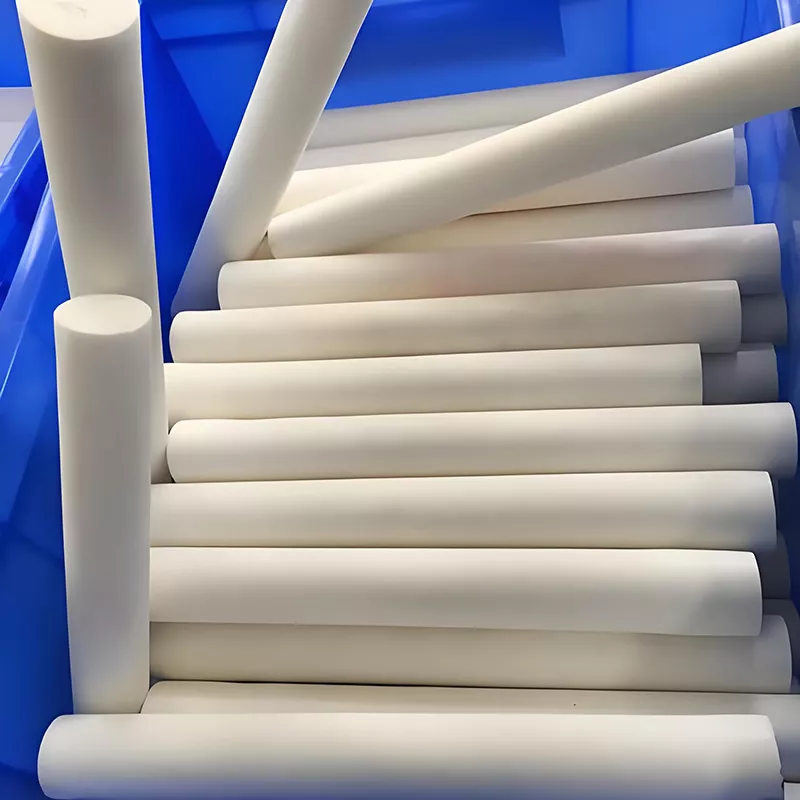
Advanced Ceramic Materials
Compare advanced ceramic materials including alumina, zirconia, silicon carbide, silicon nitride, aluminum nitride, boron nitride and specialty ceramics. Material selection should be evaluated against wear, corrosion, thermal, electrical, dimensional and mating requirements for the intended part.
Discuss Your Ceramic Part
Technical Ceramic Products
Review technical ceramic products such as tubes, rods, rings, substrates and other engineered components. Product categories provide a starting point for replacement or OEM discussions; final suitability depends on the drawing revision, grade, dimensions, tolerances and acceptance criteria.
Discuss Your Ceramic Part
Technical Ceramic Resources
Use technical ceramics guide resources to clarify material terminology, component requirements and quotation inputs. For a pump or valve project, email the drawing, quantity, service conditions and documentation needs to info@zlrsmaterials.com or contact Porcecore by WhatsApp at +86 130 6482 5920.
Discuss Your Ceramic PartTechnical Ceramics for Pumps and Valves: Supported Materials

Alumina Ceramic
A hard, smooth-feeling ceramic suited to bushings, seals, valve parts and insulating components. Alumina is often considered for wear, corrosion and electrical insulation requirements, with grade and purity matched to the application.

Zirconia Ceramic
A dense, refined-feeling ceramic considered where toughness and surface durability matter. Typical discussions include valve seats, wear parts and precision interfaces, subject to project-specific grade, dimensions, mating conditions and inspection criteria.

Silicon Carbide
A hard, low-friction-feeling ceramic for demanding wear and chemical environments. It may suit seals, bushings and fluid-handling components where thermal behavior, surface finish, running conditions and dimensional control require careful review.
Silicon Nitride
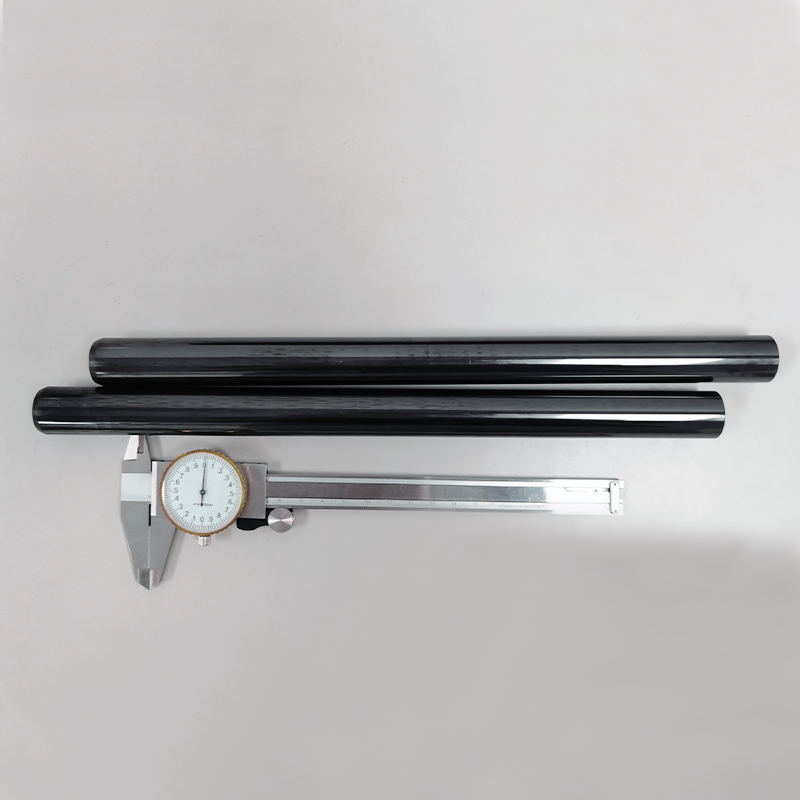
A strong, smooth-feeling ceramic considered for components exposed to mechanical stress, wear or thermal cycling. Potential uses include bearings, bushings and specialized pump parts, with suitability dependent on grade, loading and interface design.

Aluminum Nitride
A rigid, electrically insulating ceramic with a thermally conductive engineering profile. It may be relevant to assemblies requiring heat management alongside dimensional stability, although pump or valve use depends on the exact component and service environment.
Boron Nitride
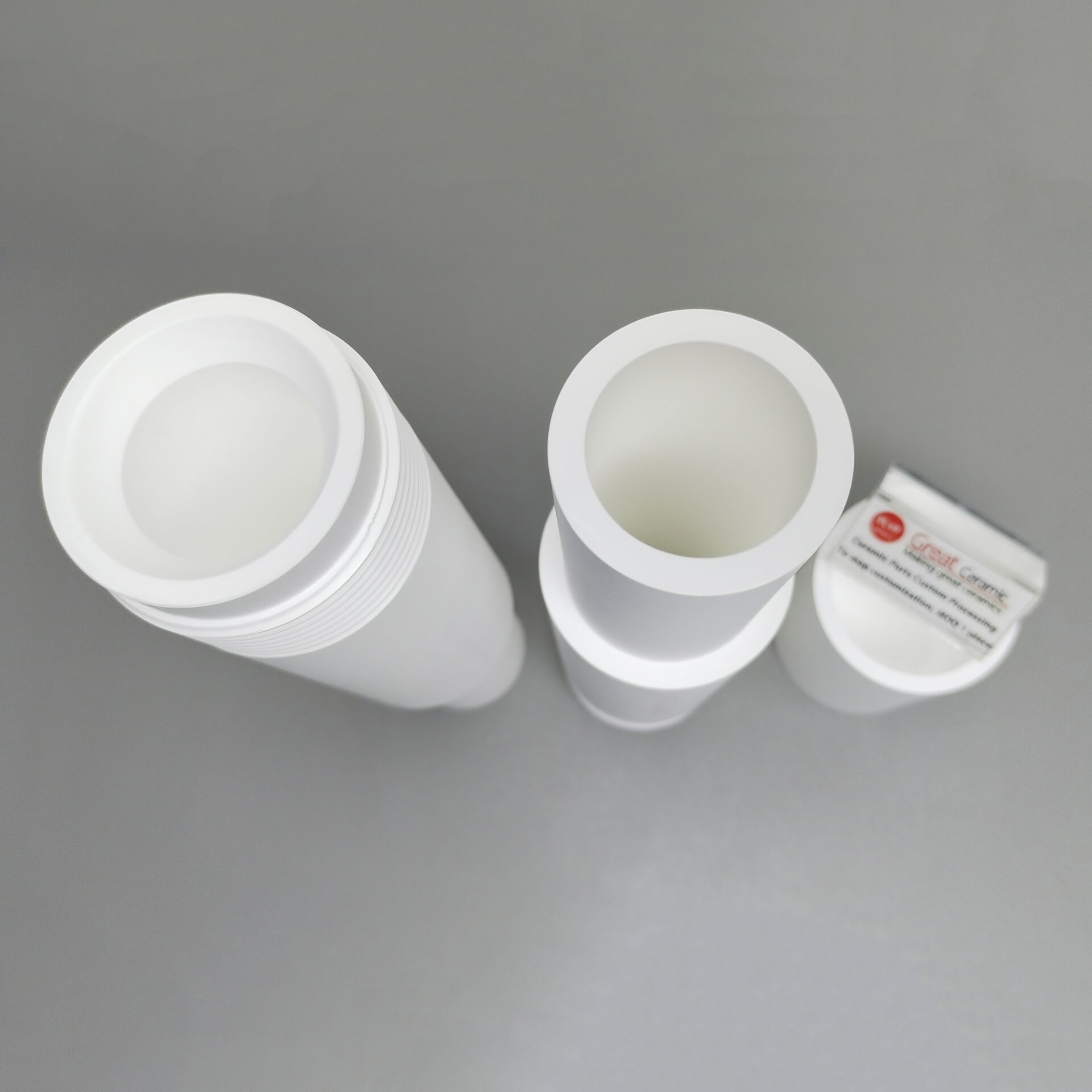
A low-friction, machinable-feeling ceramic family considered for specialized thermal, electrical or release-related requirements. Component suitability depends strongly on grade, media exposure, mechanical loading, geometry and the acceptance criteria defined for the project.
Supported Processes for Technical Ceramics for Pumps and Valves

Press Forming
Dry pressing suits repeatable ceramic components with practical geometries and production quantities. The final route depends on material selection, dimensions, tolerances, surface requirements and the inspection criteria defined for the project.

Injection Molding
Ceramic injection molding can support smaller, more complex geometries when quantity and tooling considerations justify the route. Part design, material system, dimensional control and post-processing requirements should be reviewed together.

Isostatic Pressing
Isostatic pressing is considered for ceramic shapes requiring more uniform compaction, including selected tubes, rods and larger or intricate forms. Suitability depends on geometry, material, quantity and the required downstream machining.

Extrusion Forming
Extrusion can produce continuous or repeatable ceramic profiles such as tubes and rods. The practical choice depends on cross-section, length, material grade, dimensional tolerances, cut requirements and the project’s inspection expectations.

Diamond Machining
Diamond grinding and machining refine sintered ceramic components to specified dimensions, mating surfaces, flatness and surface finish. The required operations depend on material hardness, geometry, tolerance stack-up and assembly function.

Custom Finishing
Additional finishing and inspection steps may be discussed for sealing, sliding or interfacing surfaces. Porcecore aligns the route with the drawing revision, service conditions, acceptance criteria and documentation needed for approval.
Technical Ceramics for Pumps and Valves: Supported Accessories and Interfaces

Mating Surfaces
Identify the surfaces that contact adjacent metal, polymer or ceramic parts. Surface finish, flatness and dimensional relationships should be reviewed with the drawing to support assembly and functional fit.

Ceramic Seals
Sealing elements can be considered for pump and valve interfaces where controlled geometry, material selection and operating conditions matter. Confirm media, pressure, temperature, leakage expectations and inspection criteria for each design.

Protective Sleeves
Sleeves and liners can support rotating, sliding or fluid-contacting assemblies by separating critical surfaces from the working environment. Specify bore, outside diameter, length, clearance, mating parts and service conditions.

Assembly Fixtures
Fixtures and handling supports may be needed during machining, inspection or assembly of delicate ceramic parts. Include locating features, contact points and process constraints when the component requires controlled positioning.

Technical Documentation
A useful quotation package may include the current drawing revision, known material designation, quantity, service conditions, acceptance criteria and required documentation, helping distinguish essential requirements from preferences.
About Porcecore: Technical Ceramics for Pumps and Valves
Founded by Andy Yuan, Porcecore helps industrial procurement teams, engineers, equipment builders and distributors begin more useful conversations about ceramic components. Our mission is to connect the material choice with the part requirement, so technical ceramics for pumps and valves can be evaluated through geometry, operating conditions, interfaces and inspection expectations.
Porcecore brings together oxide, nitride, carbide and specialty ceramic families with familiar component forms such as tubes, rods, rings and substrates. What makes our approach different is application-first, drawing-led communication: share the current drawing revision, known material designation, quantity, service conditions and acceptance criteria, and we can clarify the next sourcing decision.

Technical Ceramics for Pumps and Valves: Application-First Capability
Start With the Current Drawing
A useful quotation begins with the part as it must fit and function. Share the current drawing revision, component form, critical dimensions and mating surfaces so Porcecore can identify open questions before material or process discussions move too far.
- Current drawing revision and component form
- Critical dimensions, tolerances and mating surfaces
- Quantity, replacement context and project stage
- Questions requiring clarification before quotation

Match Material to Service Conditions
Material selection should follow the job, not a material name alone. Porcecore can discuss oxide, nitride, carbide and specialty ceramics against the operating environment, mechanical demands and interfaces that define the pump or valve component.
- Fluid or media exposure and chemical conditions
- Temperature, pressure, speed and loading
- Wear, friction and thermal-cycling considerations
- Known grade designation or acceptable alternatives

Define Geometry and Interfaces
Tubes, rings, rods, seals and other technical ceramic forms behave as parts within an assembly. Describe the geometry, surface relationships and fit requirements that determine installation, movement and sealing so the sourcing conversation stays connected to the equipment.
- Component geometry and assembly orientation
- Fitting, sealing or sliding surfaces
- Flatness, concentricity and dimensional controls
- Interface details for adjacent metal or ceramic parts

Align Inspection With Approval
Acceptance criteria should be clear before production expectations are set. Include inspection points, documentation needs and approval requirements so Porcecore can distinguish essential project controls from preferences and confirm what must be reviewed for the individual order.
- Inspection dimensions and tolerance requirements
- Material documentation or test records needed
- Visual, surface-finish or defect criteria
- Packaging, delivery and approval expectations

Technical Ceramics for Pumps and Valves: Porcecore vs. Typical Suppliers
Compare a drawing-led, requirement-focused inquiry process with generic material listings that may leave project details unresolved.
← Swipe left or right to view →
Our Technical Ceramics for Pumps and Valves Process
A project-dependent workflow connecting the initial requirement with material review, engineering confirmation, production, inspection and delivery.
Define the Requirement
Share the current drawing revision, known material designation, quantity, service conditions, mating surfaces, critical dimensions and acceptance criteria so the quotation starts with a clear project brief.
Review Materials and Geometry
Porcecore reviews the component form, operating environment and potential ceramic families, then identifies open questions around grade, geometry, tolerances, interfaces and documentation.
Confirm the Engineering Basis
Before production, the project team aligns the drawing, material grade, dimensional requirements, inspection expectations and commercial scope; final availability and feasibility remain project-dependent.
Form or Machine Components
The manufacturing route is selected according to the part’s geometry, quantity and required finish, using an appropriate forming or machining path confirmed for the project.
Inspect, Pack and Ship
Completed parts are checked against agreed requirements, prepared with the requested documentation and packed for shipment; delivery timing and logistics are confirmed for each order.
How to Source Technical Ceramics for Pumps and Valves
Move from an initial component requirement to a clearer quotation, sample review, and production decision with the information your project actually needs.
Send Your Drawing or Description
Share the current drawing revision or describe the component, including geometry, mating surfaces, material designation, and the job it must perform.
Share Service and Quantity Details
Provide quantity, operating temperature, pressure, media, loading, wear conditions, dimensional priorities, and any inspection or acceptance requirements for the project.
Review the Quotation Path
Porcecore reviews the requirement, identifies open questions, and clarifies project-specific grade, geometry, sampling, documentation, and quotation considerations before commitment.
Confirm Production and Delivery
Align on approved specifications, tolerances, documentation, quantity, delivery expectations, and commercial terms before confirming production of your ceramic pump or valve component.
Technical Ceramics for Pumps and Valves: Certificates and Documentation

Technical Ceramics for Pumps and Valves: Customer Feedback
Reserved for a verified customer statement describing the ceramic component supplied, the pump or valve requirement addressed, and the measured project outcome. Add approved wording only after the customer, application, and result have been confirmed.
Reserved for a drawing-led case study covering material grade, component geometry, operating conditions, acceptance criteria, and any documented improvement in wear, service life, reliability, or maintenance. Publish concrete figures only when supported by project records.
Reserved for an approved procurement or engineering testimonial explaining how Porcecore clarified technical ceramics for pumps and valves, supported quotation review, and helped define the next decision. Customer identity, role, company, and outcome remain unpublished until verified.
FAQ for Technical Ceramics for Pumps and Valves Buyers
Clear answers for procurement and engineering teams evaluating grades, drawings, commercial terms, and project-specific acceptance requirements.
What information is needed to quote technical ceramics for pumps and valves?
Can Porcecore recommend a ceramic material grade for my pump or valve part?
Is there a minimum order quantity for technical ceramics for pumps and valves?
How are tolerances and functional surfaces handled on ceramic pump and valve components?
How should I ask about samples, sampling cost, and lead time?
What acceptance criteria should I define for technical ceramics for pumps and valves?
What payment and shipping terms apply to a ceramic component order?
How are drawings, specifications, and intellectual property handled during an inquiry?
The Complete Buyer’s Guide to technical ceramics for pumps and valves
Use this decision framework to match ceramic materials, component designs, manufacturing capabilities, and supplier criteria to your application while avoiding specification, qualification, cost, and lifecycle mistakes.
1. What Are technical ceramics for pumps and valves?
Five properties define the value of technical ceramics for pumps and valves: hardness, wear resistance, chemical resistance, thermal stability, and dimensional control. These engineered materials help maintain sealing, flow, and alignment when abrasive media, corrosive fluids, heat, pressure, or tight fits challenge conventional components. Seven common component groups include seals, bearings, impellers, plungers, seats, gaskets, and other valve parts. Alumina, silicon carbide, silicon nitride, zirconia, and related ceramics may be formed and finished for application-specific geometries; the part requirement—not the material name alone—sets the relevant specification. One operating environment can favor ceramics over metals or polymers when wear, corrosion, temperature, or dimensional stability dominates service life. pdf.
2. Evolution of technical ceramics for fluid handling
2015 industry documentation described alumina as a practical starting point for pump and valve parts, while silicon carbide and silicon nitride extended performance where thermal shock, impact, or mechanical stress exceeded conventional materials. This shift connected ceramic selection to wear resistance, chemical compatibility, and service reliability rather than material tradition. pdf
Four forming routes—dry pressing, injection moulding, extrusion, and isostatic pressing—made more component geometries and production volumes feasible. After sintering, diamond machining enabled tighter dimensions, flatter sealing faces, and more consistent mating, improving fit and reducing leakage or premature wear in pumps, valves, and seals. 2002/95/EC RoHS restrictions also strengthened interest in ceramic alternatives where lead-containing metals were undesirable.
3. Types of technical ceramics for pumps and valves
Component type determines where ceramics add value: at the interface, in the wetted path, or only on a wear zone. Selection should follow geometry, mating conditions, loads, temperature, chemistry, and inspection requirements.
Sealing And Mating Faces
Sealing faces control leakage; scoring, edge chipping, and distortion are common failures.
Bearings And Wear Rings
Bearings and wear rings maintain alignment and clearance; failures include seizure, abrasive grooving, and clearance growth.
Pump Impellers And Plungers
Impellers and plungers transfer pressure or displacement; erosion, cavitation damage, fracture, and fatigue dominate.
Valve Seats And Discs
Seats and discs shut off or meter flow; leakage, wire-drawing, impact chipping, and thermal distortion are typical failures. Ceramic pairs suit high pressure, abrasive particles, corrosive fluids, and frequent cycling.
Flow-Control Parts
Nozzles, orifices, sleeves, and liners shape velocity and flow; plugging, erosion, and dimensional drift reduce accuracy.
Ceramic-Coated Metal Components
Coated plungers and shafts retain a metal load-bearing core while protecting selected surfaces.
4. Materials for technical ceramics for pumps and valves
Four ceramic families cover most pump and valve material decisions, but no material name replaces a defined duty cycle. The comparison below uses application-level guidance; verify grade-specific data with the supplier.
| Material | Buyer-facing comparison |
|---|---|
| Alumina | Hard, chemically resistant, insulating; moderate thermal behavior; machinable after sintering; lower cost. |
| Zirconia | Tougher, wear resistant, insulating; lower thermal conductivity; specialized machining; higher cost. |
| Silicon carbide | Very hard, wear and chemical resistant; high thermal conductivity; insulating; difficult machining; higher cost. |
| Silicon nitride | Tough with strong impact and thermal-shock resistance; insulating; specialized machining; higher cost. |
Economical Baseline: Alumina
Alumina combines high hardness, wear and chemical resistance with electrical insulation, making it economical for many standard components.
Thermal Shock And Wear
Silicon carbide suits aggressive wear, corrosive media and thermal cycling because high thermal conductivity supports thermal-shock resistance.
Toughness Under Mechanical Stress
Silicon nitride is valuable where impact, fracture toughness or centrifugal and reciprocating stress matters, while retaining strong thermal behavior.
5. Customization and finishing options
A pump or valve drawing becomes manufacturable when geometry, interfaces, service conditions, and inspection criteria are specified together.
Define Geometry And Interfaces
A drawing should identify critical dimensions, mating surfaces, holes, slots, flatness, concentricity, and tolerances. These features govern sealing, alignment, flow restriction, and assembly force.
Service conditions should add pressure, temperature, media, cycling, wear mode, and acceptance criteria. General material properties cannot replace grade-specific confirmation.
Match Forming Method To Volume
Dry pressing suits simpler shapes and established production volumes; injection molding supports intricate repeated parts but requires tooling. Extrusion fits continuous tubes or rods, while isostatic pressing supports larger or more uniform sections.
Machining and rapid prototypes reduce tooling commitment for early validation, but may increase unit cost or lead time. Select the route after geometry, quantity, and dimensional risk are known.
Control Finishing And Fit
Diamond grinding establishes dimensions; lapping and polishing improve flatness and mating surfaces, especially where leakage or friction matters. Tighter tolerances and finer finishes usually increase processing and inspection requirements. Specify finish by functional surface, not appearance alone.
Evaluate Coatings And Metallization
Ceramic coatings can add wear, corrosion, electrical, or thermal protection to a substrate, while metallization enables joining or electrical connection. Each introduces adhesion, thickness, thermal-expansion, and edge-coverage questions. Request coating material, process, thickness range, bond criteria, and post-finish inspection. pdf.
6. Key construction and quality elements
1 drawing revision should connect material grade, geometry, mating surfaces, service conditions, and acceptance criteria.
Material Integrity
Material grade, density, and porosity affect strength, chemical resistance, wear, and leak paths. Uncontrolled pores can accelerate permeation, seizure, or premature fracture.
Fit And Surface Control
Dimensional tolerances, flatness, surface roughness, and edge condition govern sealing, friction, wear, and chipping. Mating compatibility must account for counterface material, thermal expansion, running clearance, and assembly load.
Service And Traceability
Thermal-shock resistance should match startup, shutdown, pressure, and temperature cycling; mismatch can cause cracking. Cleanliness prevents abrasive contamination, while inspection traceability links dimensions, surfaces, defects, and release decisions to a lot.
7. How to choose a technical ceramics manufacturer
A qualified supplier connects material selection to the component’s duty, interfaces, and inspection plan.
Application And Material Expertise
One RFQ should state media, temperature, pressure, speed, duty cycle, loads, mating materials, annual volume, tolerances, and validation requirements.
- Request application references, material data, and documented design assumptions.
- Confirm open questions before treating a quotation as a specification.
Process And Prototype Capability
Three process areas require review: forming method, sintered-part machining, and surface finishing. Capability should match geometry, quantity, dimensional control, flatness, and mating-surface requirements.
Prototype support is useful when fit, sealing, wear, or thermal behavior remains uncertain. Ask how prototypes are made, measured, revised, and transferred into series production.
- Request representative inspection reports and prototype lead times.
- Check capacity, tooling ownership, minimum order constraints, and repeatability.
Quality, Delivery, And Evidence
Four evidence categories matter: quality-system scope, test methods, production capacity, and lead-time history. Request certificates, control plans, test definitions, traceability, nonconformance handling, and sample documentation.
Separate verified records from sales language by defining acceptance criteria and validation responsibility. Communication should identify revision control, response ownership, delivery milestones, and commercial assumptions.
- Audit or verify claims before approving production.
- Require written confirmation of documentation and inspection deliverables.
8. Common buyer mistakes with technical ceramics
Eight preventable errors account for many avoidable ceramic failures and quotation delays.
Specify The Part, Not Just Material
One material name does not define a component: state geometry, load, speed, temperature, wear mode, grade, and inspection criteria. Alumina, silicon carbide, and silicon nitride suit different duty profiles.
Check Heat, Impact, And Interfaces
pdf). Record fits, surface finish, hardness, clearance, and alignment for every mating surface. A hard ceramic against an unsuitable counterface can accelerate wear or damage sealing performance.
Include Chemistry, Cost, And Validation
Fluid chemistry must include concentration, temperature, solids, cleaning agents, and transient exposure; ‘corrosion resistant’ is not a complete acceptance criterion. Lifecycle cost includes downtime, replacement labor, rejects, and inspection—not piece price alone.
9. Steps to launch a ceramic component program
Three gates make technical ceramics for pumps and valves easier to launch: define the duty, prove the design, then control production. Each gate should end with documented acceptance criteria and an approved revision.
Define Duty And Failure Mode
Stage 1 records fluid, pressure, temperature, speed, contamination, mating parts, failure evidence, quantity, and replacement context.
Screen, Design, And Prove
Stage 3 screens suitable ceramic families against wear, chemistry, thermal cycling, loads, geometry, and cost; the decision belongs to the application, not material name alone.
Qualify And Control Production
Stages 6–7 use pilot quantities to verify repeatability, packaging, documentation, and assembly; OEMs, builders, distributors, and replacement programs should approve the supplier and inspection record.
Stage 8 monitors series production through lot traceability, sample checks, nonconformance review, and formal change control. No material, process, geometry, or supplier change should proceed without reapproval.
10. Pricing and lifecycle cost guide
3 cost tiers usually separate prototype, pilot, and production economics for technical ceramics for pumps and valves. Material grade, geometry, forming method, tooling, green machining, sintered machining, surface finish, inspection, packaging, and qualification can each change the quoted total. 1 current drawing revision should identify mating surfaces, critical dimensions, service conditions, annual volume, and acceptance criteria.
| Quantity Tier | Main Cost Drivers | Expected Lead-Time Factors | Buyer Actions |
|---|---|---|---|
| Prototype | Special tooling or rapid forming; high machining and inspection cost per part | Material availability, one-off setup, qualification testing | Send drawing revision, grade, quantity, service conditions, and critical acceptance criteria |
| Pilot | Tooling amortization, process tuning, surface finish, dimensional inspection, packaging | First-article review, repeatability checks, documentation approval | Define inspection plan, sample size, mating checks, and pilot acceptance |
| Production | Annual volume, established tooling, optimized forming, machining, inspection, packaging | Capacity booking, replenishment plan, qualification status | Compare lifecycle cost, replacement interval, traceability, and agreed commercial terms |
Discuss Your Technical Ceramics for Pumps and Valves Requirement
Email a drawing or describe the component, quantity, operating environment and acceptance requirements to begin a focused quotation discussion.