
Technical Ceramics for Renewable Energy, Defined by Your Drawing
Share the component geometry, service conditions and acceptance criteria for technical ceramics for renewable energy before quotation begins.
Featured Technical Ceramic Components for Renewable-Energy Development
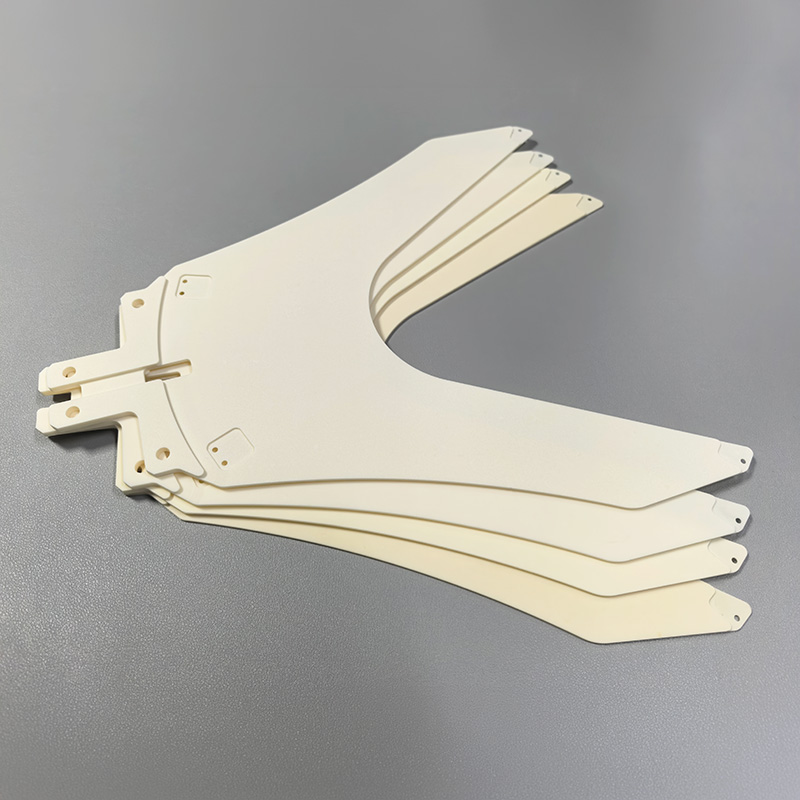
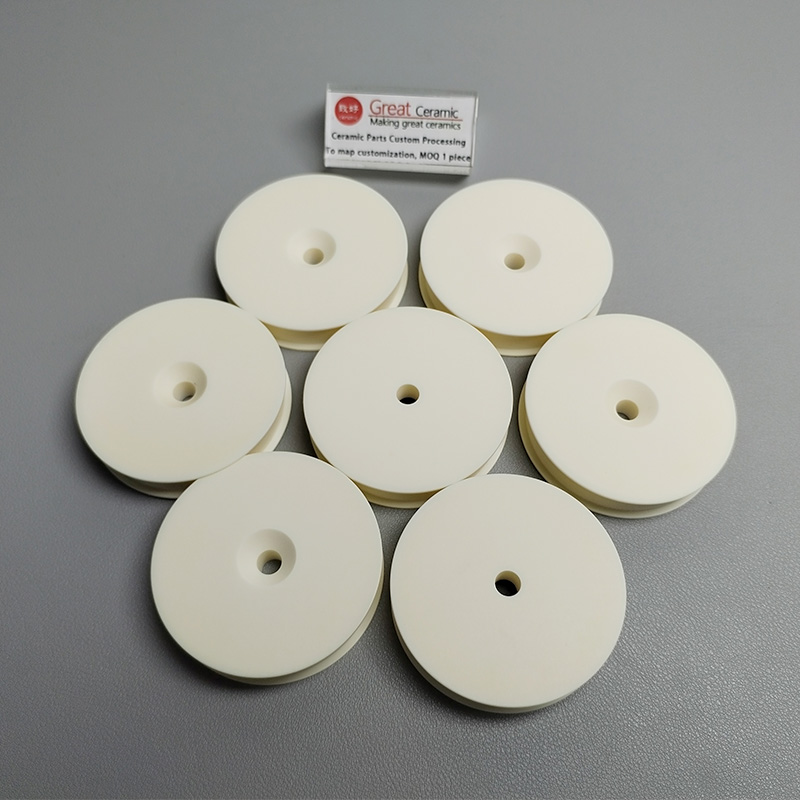

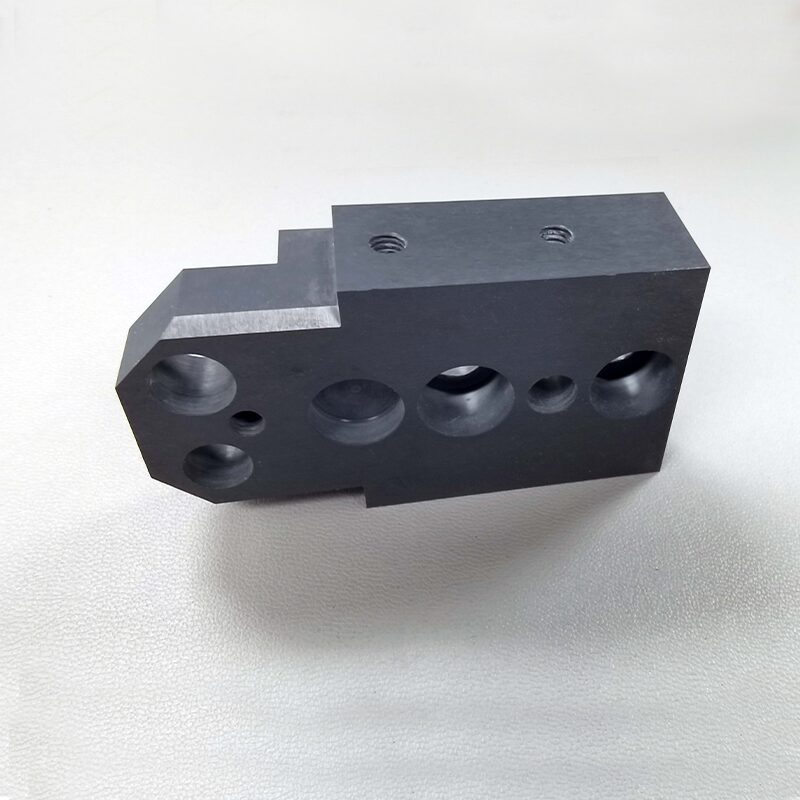
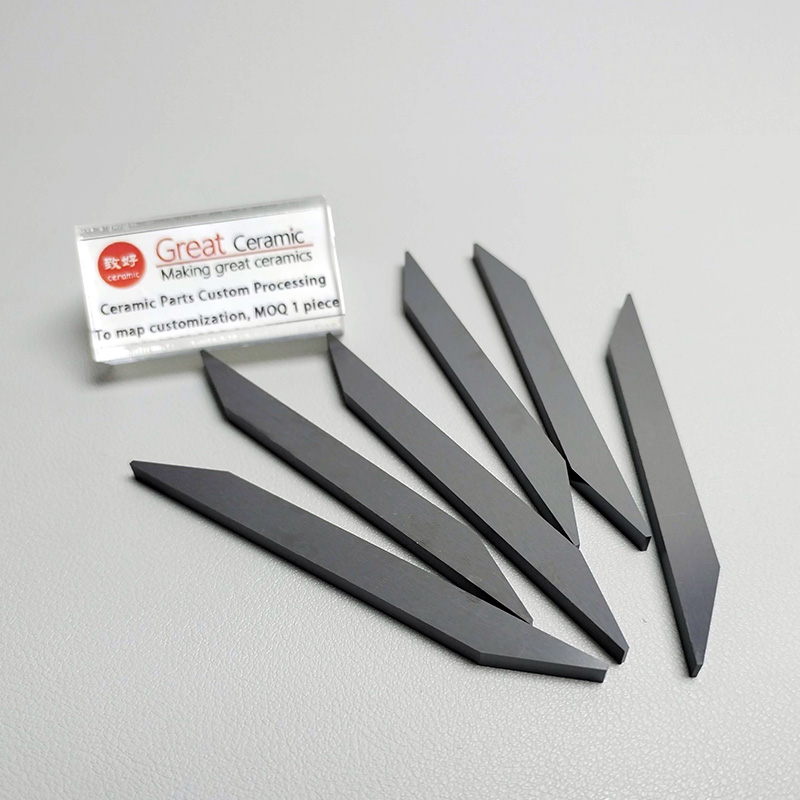
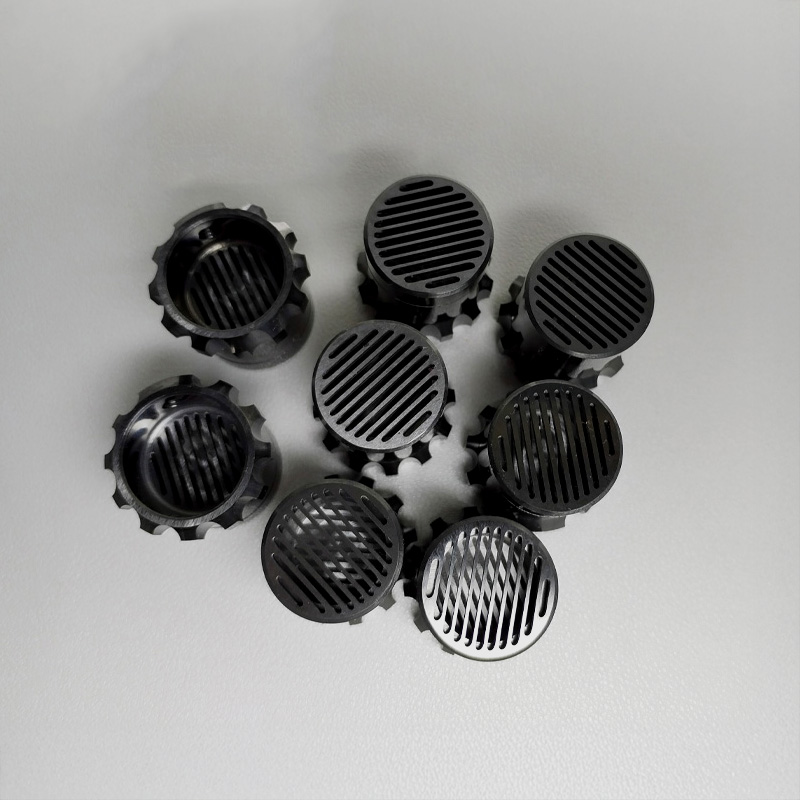

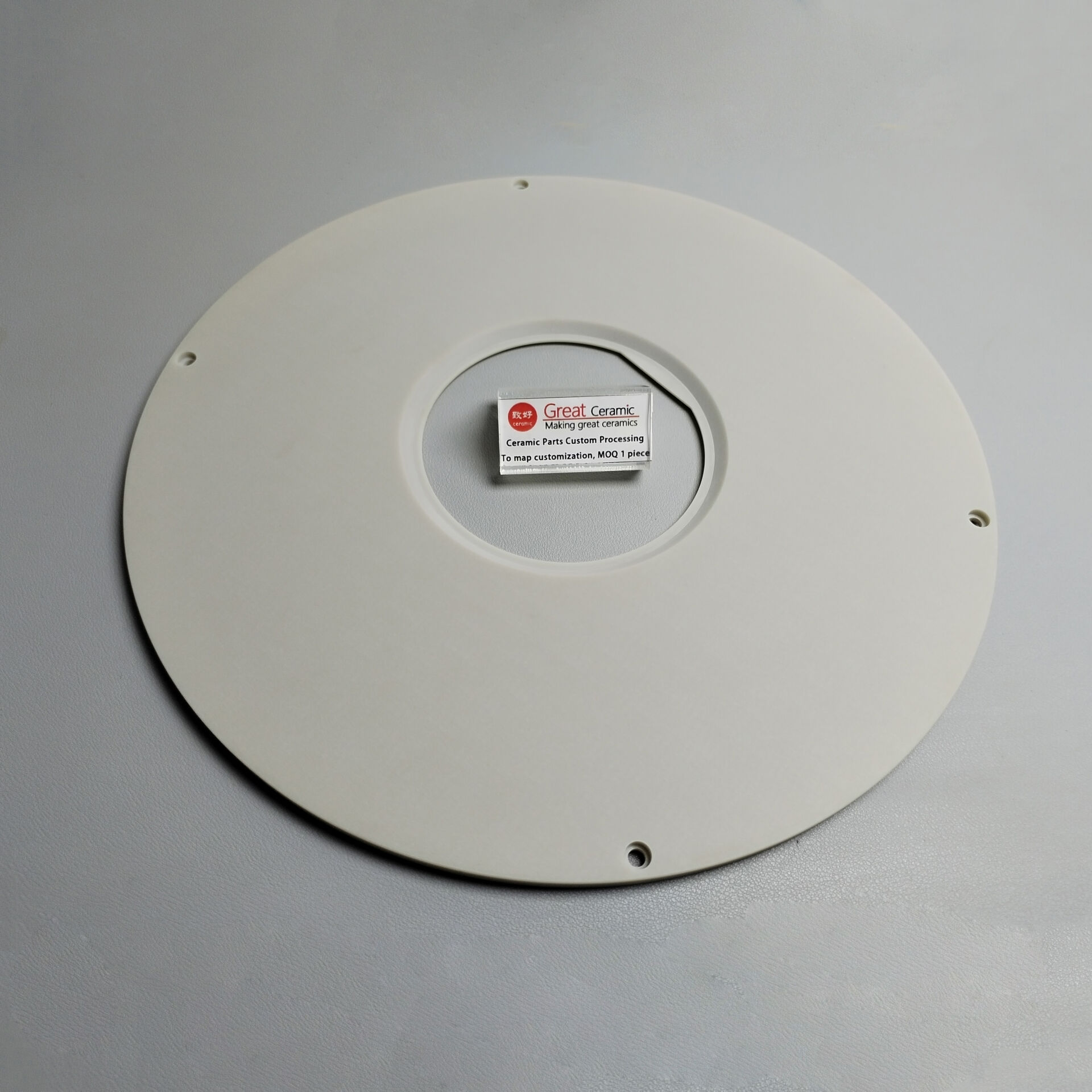
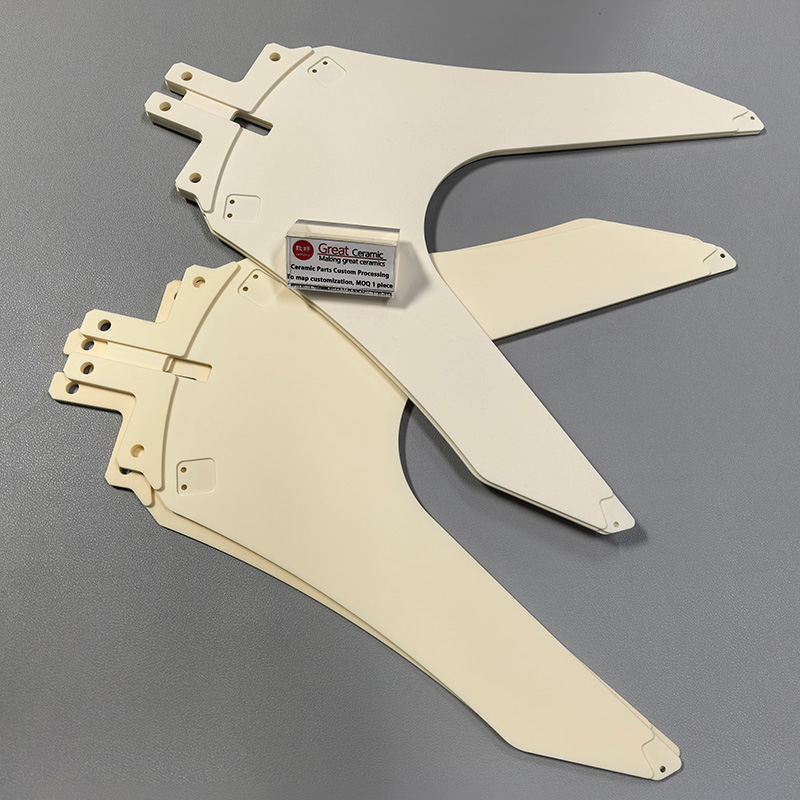

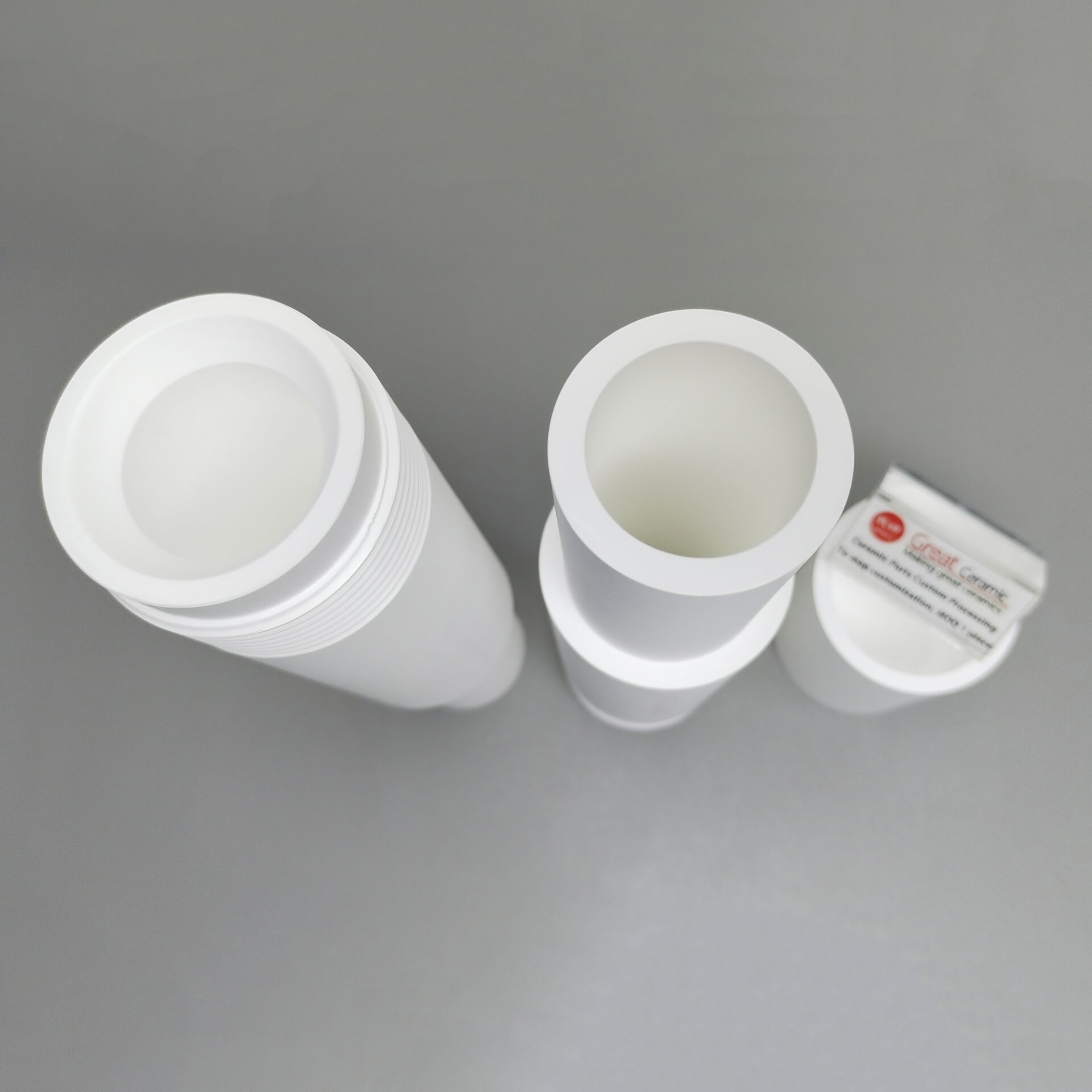





Related Product Catalogue and Quotation

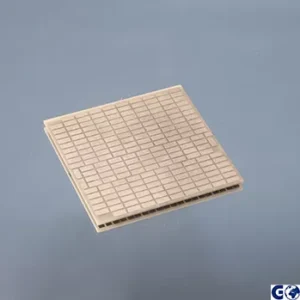



Technical Ceramics for Renewable Energy Start With the Drawing
Clarify the component, its interfaces, and its service conditions before moving a quotation discussion forward.
Current Drawing Revision
Share the current drawing revision so dimensions, notes, referenced standards, and change status can be reviewed against the part you need to source.
Material Grade Context
Name the material designation when known, then connect it to electrical, thermal, chemical, mechanical, or environmental conditions relevant to the renewable-energy application.
Assembly-Critical Geometry
Identify dimensions that govern assembly, alignment, clearance, and load paths. A ceramic tube, ring, rod, or substrate should be considered with its mating parts.
Functional Surface Requirements
Call out surfaces that seal, slide, locate, contact, or bond to another component. Surface condition and geometry belong in the same requirement discussion.
Operating Condition Details
Describe temperature exposure, electrical duty, media, cycling, vibration, wear, and other service conditions that may influence the proposed material and component approach.
Inspection Evidence Needed
State the acceptance criteria and documentation needed for approval, including the dimensions, properties, or inspection records that matter for your specific project.
Ceramic Component Categories for Renewable-Energy Equipment
Explore material, component and application paths, then define the drawing, operating conditions and acceptance requirements needed for a project-specific quotation discussion.

Ceramic Manufacturing Capabilities
Review ceramic manufacturing capabilities against the component requirement: forming route, machining needs, geometry, critical mating surfaces and inspection expectations. Share the current drawing revision, quantity and acceptance criteria to clarify what must be confirmed for the proposed part.
Discuss Your Ceramic Part
Ceramic Solutions by Industry
Explore advanced ceramics applications across renewable-energy equipment, where components may address insulation, wear, heat, corrosion or electrical performance. Begin with the function, operating environment and replacement-part context, then identify the geometry and material questions that affect sourcing.
Discuss Your Ceramic Part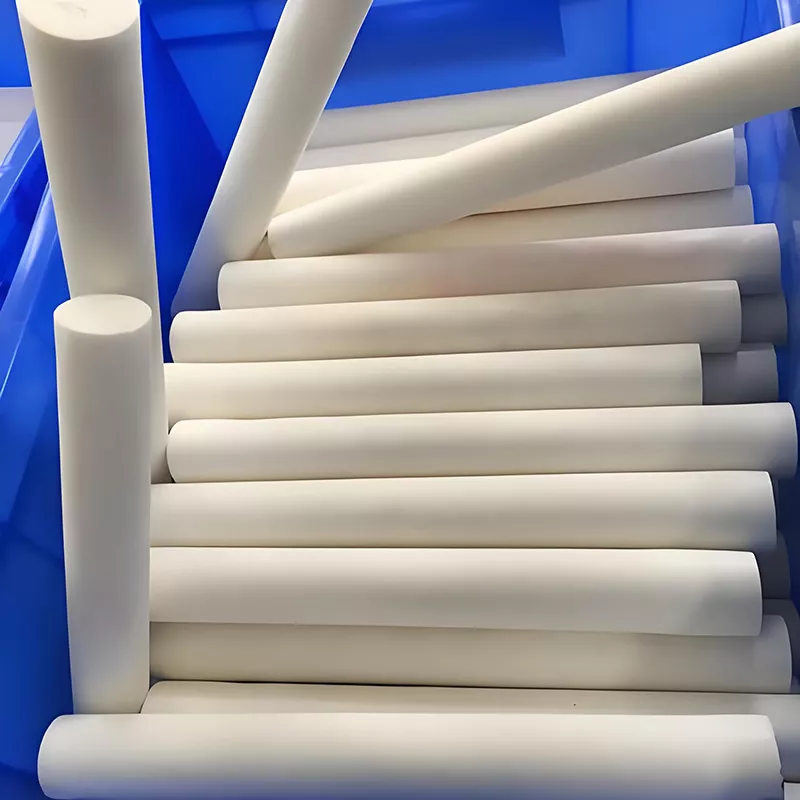
Advanced Ceramic Materials
Compare advanced ceramic materials including alumina, zirconia, silicon carbide, silicon nitride, aluminum nitride, boron nitride and specialty ceramics. Material-family information supports an initial discussion; the applicable grade and project-specific properties require confirmation against service conditions and the component drawing.
Discuss Your Ceramic Part
Technical Ceramic Products
Browse industrial ceramic parts and custom ceramic components in familiar forms such as tubes, rods, rings, substrates and machined parts. A product illustration is not a contractual specification. Identify assembly-driving dimensions, mating surfaces, tolerances and documentation requirements for the individual inquiry.
Discuss Your Ceramic Part
Technical Ceramic Resources
Use this technical ceramics guide as a starting point for organizing an inquiry around material, geometry, service conditions and inspection needs. For direct project discussion, email a drawing to info@zlrsmaterials.com or contact WhatsApp at +86 130 6482 5920.
Discuss Your Ceramic PartTechnical Ceramics for Renewable Energy: Materials to Discuss

Alumina Ceramics
A widely considered oxide ceramic for electrical insulation, wear-facing parts and high-temperature fixtures. Alumina selection should account for grade, purity, geometry, thermal exposure and the surfaces that must assemble accurately.

Zirconia Ceramics
Often evaluated where strength, toughness and wear behavior matter in compact mechanical components. Discuss the loading pattern, mating materials, operating temperature, dimensions and inspection expectations before selecting a zirconia grade.

Silicon Carbide Ceramics
A ceramic family commonly reviewed for thermally demanding, corrosive or abrasive service conditions. Define the process atmosphere, thermal cycling, component form, sealing interfaces and required dimensional controls for the proposed part.

Silicon Nitride
Suitable for discussion on components facing mechanical loading, wear or changing temperatures. A useful inquiry identifies the duty cycle, contact surfaces, lubrication or environment, drawing revision and acceptance requirements.

Aluminum Nitride
Considered when thermal management and electrical insulation need to be evaluated together, including substrates and heat-transfer components. Share heat path, mounting details, electrical conditions, geometry and documentation needs for review.

Boron Nitride
A specialty ceramic family to discuss for selected thermal-process, insulation or non-wetting requirements. Clarify service media, temperature range, part configuration, handling conditions and any critical dimensions before quotation.
Supported Ceramic Forming and Finishing Processes

Dry Pressing
A powder compaction option for repeatable shapes such as rings, discs, seals and insulating components. Tooling, wall geometry, material grade and dimensional requirements should be reviewed together for the proposed part.

Isostatic Pressing
A forming route that may suit cylindrical, tubular or higher-density ceramic blanks. Final feasibility depends on the selected material, part dimensions, machining allowance, inspection needs and the component’s operating environment.

Extrusion Forming
An option to consider for longer, consistent-profile components including tubes, rods and selected channel forms. Cross-section, straightness, length, material behavior and subsequent finishing requirements guide the production discussion.
Green Machining
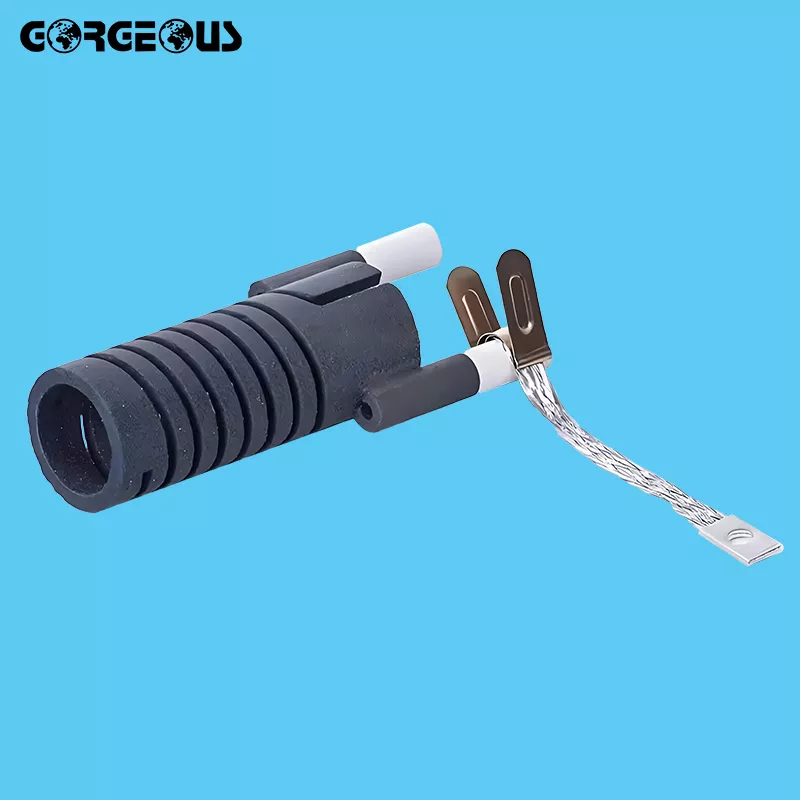
Machining before final densification can be considered where features are better introduced in the ceramic green state. The drawing should identify critical geometry, interfaces, tolerances and surfaces requiring later confirmation.

Precision Finishing
Grinding, lapping or other finishing may be evaluated for dimensions and surfaces that affect assembly or function. Define datum strategy, mating surfaces, tolerance limits, roughness expectations and acceptance criteria in the inquiry.
Technical Ceramics for Renewable Energy: Assembly and Identification Options
Mating Interfaces
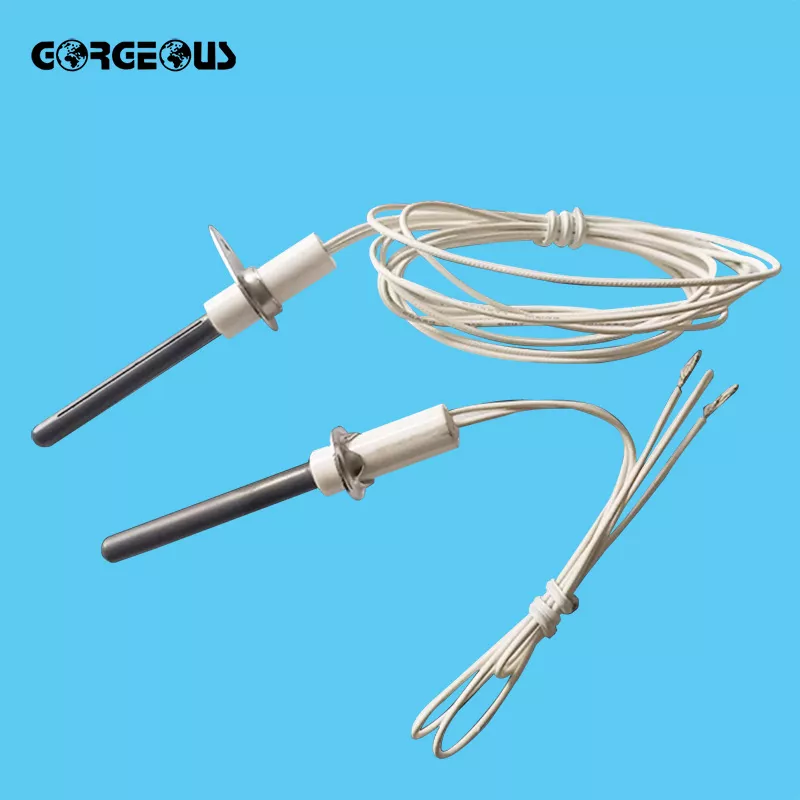
Define the ceramic surfaces that locate, seal or bear against another part, including critical dimensions, tolerances and surface-condition expectations. Share the assembly drawing so interface feasibility can be reviewed in context.

Metal Inserts
Where an assembly requires a threaded, conductive or retained feature, identify the insert material, attachment concept and service environment. Thermal expansion, load path and inspection needs should be evaluated with the complete part requirement.
Metallized Surfaces
For joining or electrical-contact concepts, identify the ceramic area to be metallized, its intended connection method and any environmental exposure. Material grade, geometry and acceptance criteria remain subject to project review.

Part Marking
Add identification requirements such as part number, revision, batch reference or orientation marking to the inquiry. Specify marking location, legibility expectations and whether the mark must withstand processing, handling or operating conditions.

Protective Features
Discuss edge treatments, grooves, holes or other geometry intended to support handling, assembly or protection in renewable-energy equipment. The drawing should distinguish functional features from preferences and identify dimensions that control fit.
Technical Ceramics for Renewable Energy
Founded by Andy Yuan, Porcecore helps industrial buyers, equipment builders and project teams begin with the part and the job it must perform. For technical ceramics for renewable energy, our mission is to turn material questions into a clearer, project-specific component discussion.
Our scope includes oxide, nitride, carbide and specialty ceramic families across familiar forms such as tubes, rods, rings and substrates. We do not treat a material name or product image as a finished specification; grade, geometry, mating surfaces, service conditions and inspection needs all require project review.
Porcecore works through application-first thinking, drawing-led communication and clarity before commitment. Share the current drawing revision, expected quantity, operating environment and acceptance criteria so the quotation conversation can identify what must be confirmed before an order is agreed.

Core Capabilities for Technical Ceramics for Renewable Energy
Read Drawings as Requirements
Porcecore begins with the current drawing revision and the component’s job in the assembly. Dimensions, interfaces, critical surfaces and requested tolerances can be reviewed together, so a tube, ring, rod or substrate inquiry is grounded in the actual part requirement.
- Current drawing revision and component form
- Assembly-critical dimensions and mating surfaces
- Known tolerances and inspection priorities
- Quantity and project-stage context

Match Material to Function
Technical ceramics for renewable energy should be discussed against service conditions, not material names alone. Share the thermal, electrical, chemical or wear environment so the conversation can distinguish a general material family from the grade and geometry a specific part may require.
- Oxide, nitride, carbide and specialty ceramic families
- Operating temperature and thermal-cycling context
- Electrical isolation or conductivity needs
- Chemical exposure, wear and load considerations

Define Acceptance Before Quoting
A more useful quotation discussion identifies what must be verified for the individual project. Porcecore helps organize grade designation, dimensional expectations, documentation needs and acceptance criteria, while keeping product illustrations and general properties separate from confirmed production specifications.
- Material designation when known
- Inspection and acceptance requirements
- Documentation needed for approval
- Open items requiring project confirmation

Structure a Quote-Ready Inquiry
Bring the drawing, target quantity, service conditions and delivery questions into one clear inquiry. This gives procurement teams and engineers a practical starting point for technical ceramics for renewable energy, while making preferences, essential requirements and unresolved details easier to identify.
- Email drawings to info@zlrsmaterials.com
- Include quantities and requested delivery context
- Describe the operating environment
- Use WhatsApp for direct project discussion

Technical Ceramics for Renewable Energy: A Requirement-Led Sourcing Approach
Porcecore starts with the part, drawing and service conditions—not a material name alone.
← Swipe left or right to view →
Technical Ceramics for Renewable Energy: From Requirement Review to Delivery Discussion
A practical, drawing-led path for defining renewable-energy ceramic component requirements before project commitments are confirmed.
Share Part Information
Send the current drawing revision, known material designation, target quantity, renewable-energy application, service conditions, and the dimensions or surfaces critical to assembly.
Clarify Critical Requirements
Review geometry, mating interfaces, operating environment, material options, tolerances, and acceptance criteria to distinguish essential requirements from preferences before quotation discussion.
Discuss Quotation Basis
Use the clarified part requirement to discuss technical ceramics for renewable energy, including grade considerations, documentation needs, delivery expectations, and commercial terms for the project.
Confirm Production Details
Confirm the individual project basis before an order proceeds, including agreed drawing details, material grade, inspection expectations, quantity, delivery scope, and commercial conditions.
Coordinate Inspection And Delivery
Align required inspection records, packaging considerations, delivery timing, and receiving expectations so the component discussion remains connected to the planned equipment or project schedule.
How to Work With Porcecore on Technical Ceramics for Renewable Energy
Move from a current part requirement to a clearer quotation discussion with drawing-led information and project-specific confirmation.
Send the Current Drawing
Email the current drawing revision and identify the component form, critical dimensions, mating surfaces, quantity, and any replacement-part context.
Describe Service Conditions
Share the material designation if known, operating temperatures, electrical or mechanical duties, exposure conditions, and renewable-energy equipment application.
Define Acceptance Requirements
Identify tolerances, inspection expectations, documentation needs, and the dimensions or surfaces that determine fit, assembly, and approval.
Review Open Questions
Discuss grade, geometry, process considerations, delivery expectations, and commercial terms so essential project requirements are distinguished from preferences.
Progress to Quotation Discussion
Use the clarified requirement as the basis for a project-specific quotation and order discussion for technical ceramics for renewable energy.
Certification and Documentation Requirements
Porcecore Inquiry Guidance for Renewable-Energy Projects
Approved customer feedback is not yet available for publication. A productive discussion starts with the current drawing revision, required quantity, service conditions, and the dimensions or surfaces that control assembly.
Project-specific outcomes should be documented against agreed requirements, including material designation, geometry, tolerances, inspection expectations, and any supporting documentation needed for internal approval.
For replacement or new-build components, identify the mating features, operating environment, acceptance criteria, and target quantity so the quotation conversation has a clear technical basis.
Technical Ceramics for Renewable Energy FAQ
Clarify the drawing, material, inspection, commercial, and delivery inputs before requesting a project-specific quotation.
What should we send when requesting technical ceramics for renewable energy?
How is a ceramic grade selected for technical ceramics for renewable energy?
Can you quote technical ceramics for renewable energy from a replacement part?
Which tolerances and surfaces should be called out on the drawing?
How should we state quantity, samples, and inspection requirements?
Can lead-time, payment, and shipping options be discussed before ordering?
How are drawings and technical details handled during an inquiry?
What is the best next step for a renewable-energy ceramic component inquiry?
Technical ceramics for renewable energy: the complete buyer’s guide
Use a practical decision framework to match ceramic performance to renewable-energy duty cycles, compare material and supplier criteria, estimate procurement costs, and avoid specification, qualification, and sourcing mistakes.
1. What Are Technical Ceramics for Renewable Energy?
Five decision factors define technical ceramics for renewable energy: electrical insulation, thermal control, wear resistance, corrosion resistance, and dimensional stability. They are engineered components and substrates selected around a defined duty, not a generic material label.
Solar, wind, hydrogen, fuel-cell, and power-electronics equipment each impose different loads, media, temperatures, voltages, and interfaces. A substrate, seal, tube, ring, or wear part therefore needs its geometry, mating surfaces, and acceptance criteria considered with service conditions.
Two distinctions prevent costly shortcuts: technical ceramics are not consumer ceramics, and they do not simply replace metals. Ceramic families can offer useful insulating, thermal, chemical, or wear-related behavior, but grade-specific data and the complete part requirement must be confirmed for the project (https://precision-ceramics.com/industries/solar-energy).
2. Evolution of Technical Ceramics for Renewable Energy
Alumina became a familiar engineering choice for electrical insulation, establishing ceramics as components selected for dielectric separation and heat tolerance rather than appearance alone. Early procurement commonly centered on insulators, bushings, and wear-resistant electrical parts.
Powder processing, controlled forming, and sintering expanded the ability to make denser, more repeatable shapes with specified mating surfaces. That evolution matters when a ceramic tube, ring, substrate, or seal must fit an assembly instead of merely meet a material-family label.
Photovoltaic manufacturing, high-temperature solar systems, fuel cells, and power electronics now place ceramics near plasma, heat, corrosive media, voltage, and thermal cycling. Precision Ceramics identifies PV manufacturing, concentrated solar power, and inverter applications as contexts requiring thermal stability, chemical resistance, and electrical insulation (https://precision-ceramics.com/industries/solar-energy). Tighter tolerances and lifecycle reliability therefore make grade, geometry, critical surfaces, and acceptance criteria procurement inputs.
3. Types of Technical Ceramics for Renewable Energy
Technical ceramics for renewable energy are best grouped by the function a part must protect or enable. Start with the component’s interface, exposure, and failure consequence before selecting a material family.
Electrical Insulators And Bushings
Electrical insulators isolate live conductors under voltage, heat, moisture, and contamination. Ask which interface must prevent tracking or unintended current flow.
Thermal Substrates And Spreaders
Thermal substrates carry power devices while moving heat through cycling and vibration. Ask which surface must dissipate heat without sacrificing electrical isolation.
Wear Parts And Seals
Wear parts and seals resist abrasion, sliding contact, pressure, and corrosive media. Ask which mating surface must retain clearance, sealing, or alignment.
High-Temperature Process Parts
Process parts face thermal cycling, oxidation, plasma, or molten process media. Ask which fixture, tube, or support must remain dimensionally functional.
Sensor And Protection Components
Sensor components shield measurement elements from heat, vibration, and chemical attack. Ask what signal path or sensing tip requires protection.
Fuel-Cell And Hydrogen Ceramics
Hydrogen-system ceramics may isolate, seal, support, or manage heat around reactive gases. Ask which boundary must control leakage, temperature, or electrical behavior.
4. Materials for Technical Ceramics for Renewable Energy
Material selection for technical ceramics for renewable energy starts with voltage, heat path, thermal cycling, media, and fit tolerance. Compare grade-specific data rather than relying on family averages.
| Material | Suitable use | Selection caution |
|---|---|---|
| Alumina | Insulators, substrates | Moderate conductivity |
| Aluminium nitride | Power modules | Moisture sensitivity |
| Silicon nitride | Bearings, seals | Higher cost |
| Silicon carbide | Heaters, wear parts | Electrical conductivity |
| Zirconia | Wear insulators | Thermal-shock limits |
| Boron nitride | Thermal interfaces | Verify chemical media |
Alumina And Aluminium Nitride
Alumina provides dielectric insulation, hardness, and comparatively accessible cost. Aluminium nitride conducts heat far better, but needs moisture-aware handling.
Silicon Nitride And Carbide
Silicon nitride favors thermal-shock resistance and demanding mechanical duty. Silicon carbide adds hardness, chemical resistance, and heat transfer, but is electrically conductive in many grades.
Zirconia And Specialty Grades
Zirconia offers toughness and low thermal conductivity for insulating wear parts. Boron nitride aids electrical insulation and thermal management, while grade chemistry governs compatibility.
5. Custom Engineering and Surface Options
A current 2D drawing, revision level, and datum scheme turn a ceramic request into an engineering review. For technical ceramics for renewable energy, custom work concerns function, interfaces, and verification—not cosmetic variants.
Geometry And Machining
Green machining can form features before sintering; post-sinter diamond grinding controls critical faces, holes, and threads. Feasibility changes with material, wall thickness, tolerances, volume, and service loads.
Surface And Assembly
Metallization, glazing, coatings, and ceramic-to-metal joining require defined thermal, electrical, chemical, and sealing conditions. Identify mating materials and the surface or bond area that controls performance.
Request Package
One request package should include the current drawing, quantity, material designation, operating environment, fit-critical dimensions, acceptance criteria, and required inspection records. Marking location and documentation format should be specified before quotation.
6. Quality Elements for Renewable-Energy Ceramic Parts
Quality starts with a drawing that converts material intent into measurable acceptance criteria. For technical ceramics for renewable energy, generic catalog properties are insufficient without grade-specific verification and service-relevant validation.
Material Microstructure
99% purity alone does not define performance; specify grade, density target, open porosity limit, and grain-structure expectations.
Lot records should identify powder batch, forming route, firing cycle, and final material designation.
Critical Drawing Features
0.01 mm tolerances should be applied only where assembly requires them; identify datum surfaces, flatness, finish, edge breaks, and mating dimensions.
Incoming inspection should define gauges, sampling level, measurement locations, and disposition for nonconforming parts.
Service Validation
Thermal cycling, dielectric withstand, insulation resistance, and leak or strength tests must reflect the actual voltage, temperature range, media, and load path.
First-article samples should be approved against the revision-controlled drawing before production release.
7. Choosing Technical Ceramics for Renewable Energy Suppliers
4 supplier checks make technical ceramics for renewable energy quotes comparable: engineering response, process fit, evidence, and delivery control. Ask each bidder to distinguish proposed capability from records available for the quoted part.
Application And Process Fit
1 current drawing revision should trigger questions on material grade, forming route, machining datum, mating surfaces, and service environment.
2 RFQ questions: Can you review this geometry? Which requirements need confirmation before quotation?
Evidence And Quality
3 requested records should name the inspection method, sampling plan, lot traceability, and any test report available. A certification logo is not proof that the quoted part meets its acceptance criteria.
4 compare evidence by document revision and part number.
Launch And Supply Continuity
5 procurement questions should cover prototype quantity, production route continuity, packaging, stated lead-time assumptions, change notification, and backup capacity. Confirm dates and commitments in the purchase order.
8. Common Technical Ceramics Procurement Mistakes
Procurement errors usually appear at assembly or qualification, when a low quote or copied part definition no longer matches service duty. A structured review before release reduces redesign, schedule disruption, and field-risk exposure.
Price Beyond Unit Cost
First, unit-price selection can ignore yield, machining complexity, and failure cost; the result is a deceptively inexpensive part with higher installed risk. Compare landed cost, documented requirements, and expected replacement consequences before sourcing.
Revalidate The Part Design
Second, a legacy material may be unsuitable after temperature, voltage, media, or load changes. Recheck duty conditions, calculate tolerance stack-ups, and review thermal-expansion mismatch at joints; otherwise binding, cracking, or leakage can emerge in assembly or cycling.
Qualify And Inspect Early
Third, late qualification and impractical sharp corners, thin walls, or inaccessible features invite delays. Involve manufacturing early, agree inspection methods, sampling, datum scheme, and acceptance limits before tooling; undefined criteria create disputes and release holds.
9. From Specification to Production Launch
A ceramic program should progress through documented gates, not informal material selection. For technical ceramics for renewable energy, each gate converts service risk into a decision record before capacity is committed.
Requirements And Evidence
Step 1 records function, loads, temperatures, media, voltage, duty cycle, mating surfaces, and acceptance criteria.
Step 2 adds the current drawing revision, critical dimensions, quantities, and required documentation; unresolved conditions remain open actions.
Material And DFM Review
Step 3 compares feasible grades against the actual environment, not catalogue values.
Step 4 requests DFM feedback on tolerances, geometry, inspection access, and manufacturability; the buyer then selects the prototype configuration.
Validation And Change Control
Step 5 validates prototype parts against agreed tests and records deviations.
Step 6 approves first article, locks the released revision, forecast, packaging, and inspection plan; later changes require review.
10. Technical Ceramics Pricing and Cost Drivers
4 quantity tiers change the cost structure more than a generic material label. These are quotation patterns, not Porcecore prices.
2 comparable quotes require the same drawing revision and acceptance plan. Compare lifecycle cost through scrap risk, service interval, replacement access, and inspection burden.
| Quantity tier | Dominant cost drivers | Likely lead-time influences |
|---|---|---|
| Prototype, 1–10 | Powder grade, complex geometry, tight tolerances, machining, testing; tooling spread across few parts | Material availability, process development, special inspection |
| Low volume, 11–100 | Setup, machining, metallization, yield, protective packaging | Tooling decision, furnace scheduling, documentation |
| Mid volume, 101–1,000 | Tool amortization, process capability, yield and sampling | Tool release, batch size, inspection cadence |
| Production, 1,000+ | Tooling amortization, automation, yield, packaging logistics | Capacity planning, approved controls, delivery schedule |
Discuss Technical Ceramics for Renewable Energy Requirements
Email your current drawing, operating environment, quantity, and acceptance criteria to begin a clearer, quote-ready project conversation.