
Aluminum Nitride Ceramics Grades and Compositions for Your Part
Connect aluminum nitride ceramics grades and compositions with geometry, service conditions, and acceptance criteria before requesting a quotation.
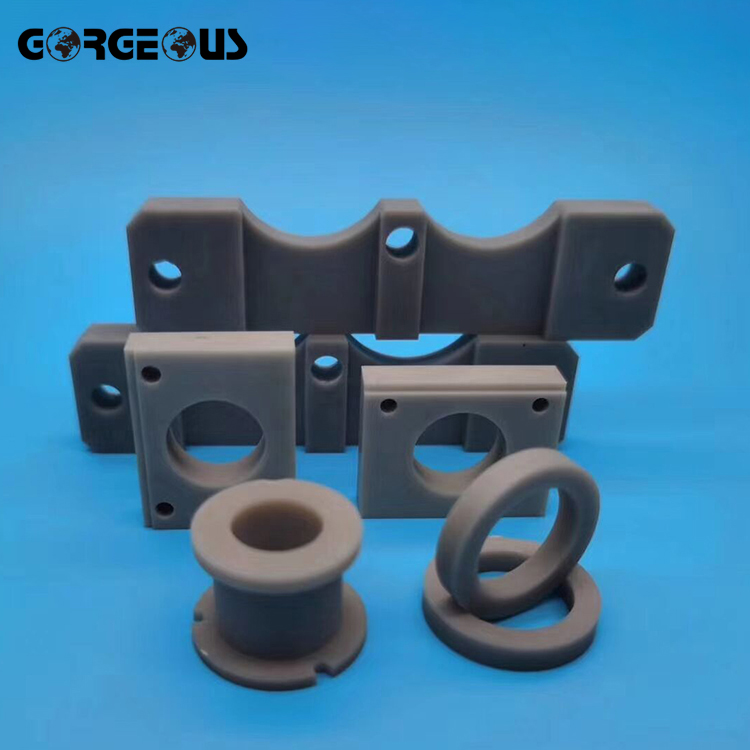
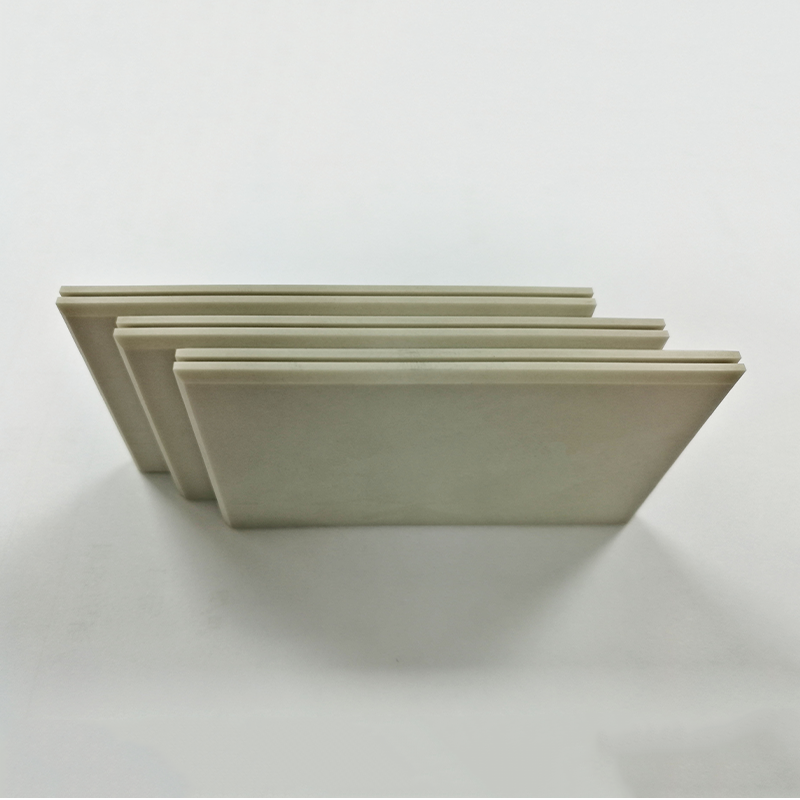
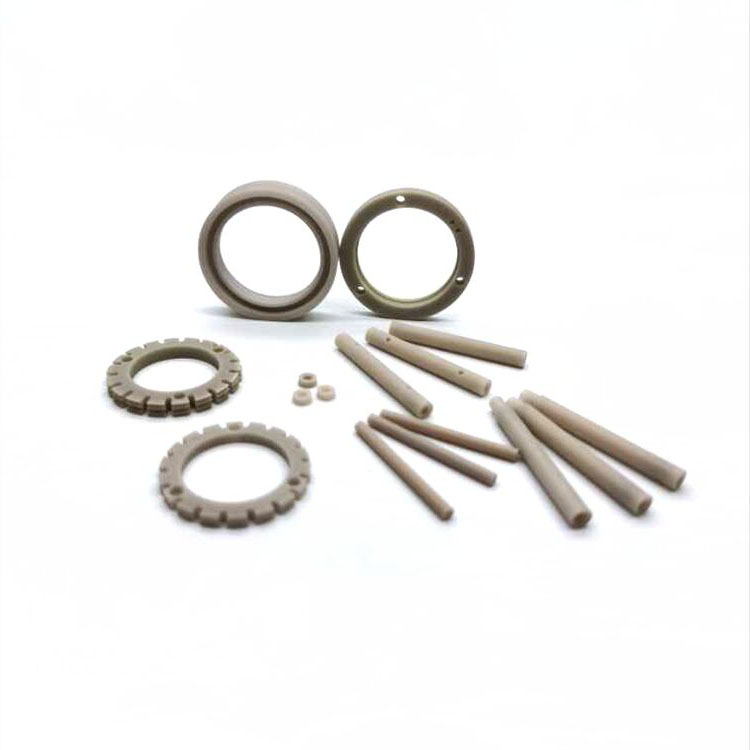
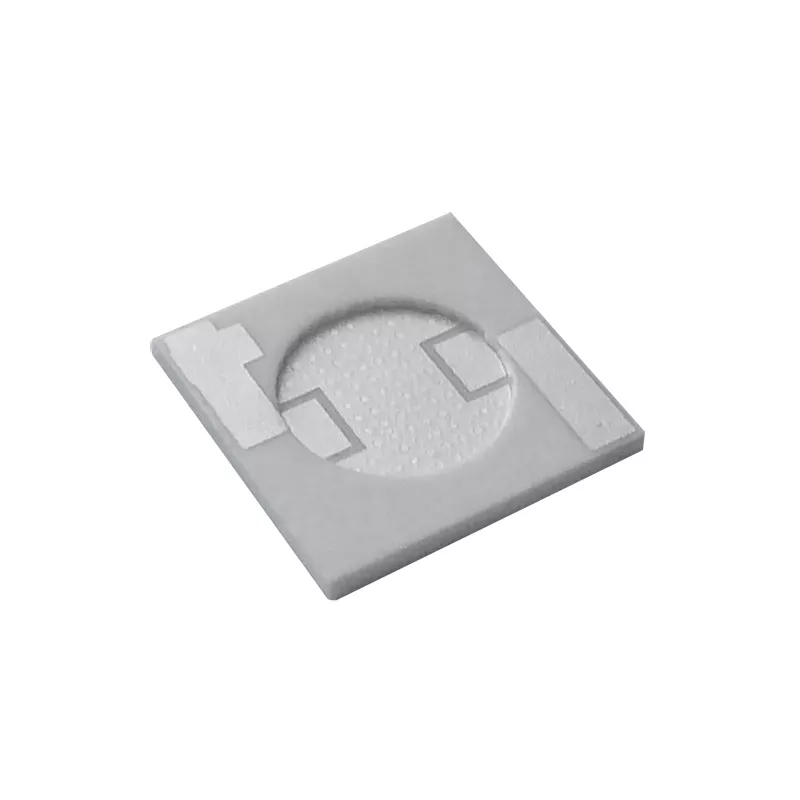
Featured Aluminum Nitride Ceramic Components
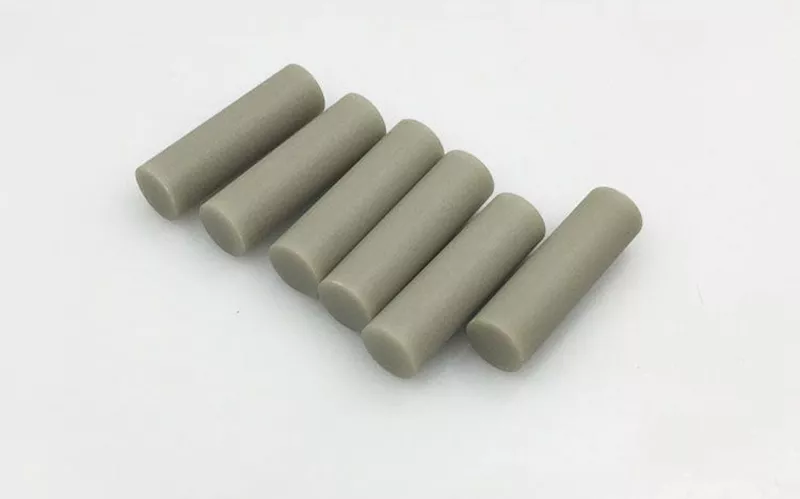
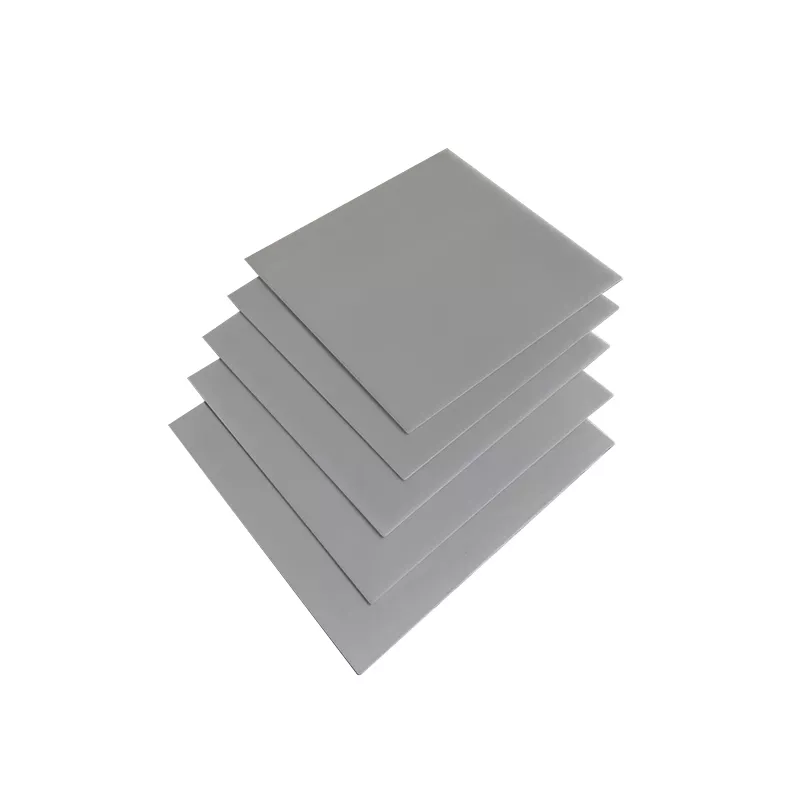
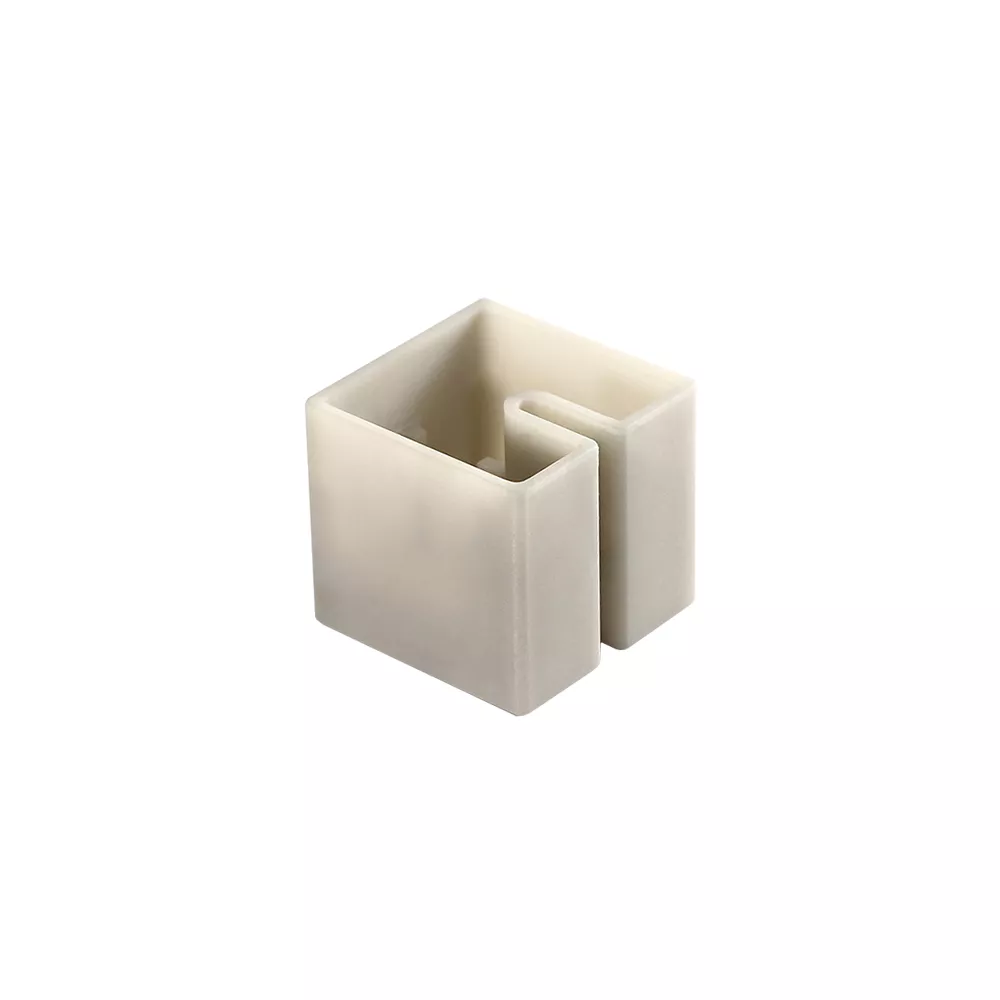

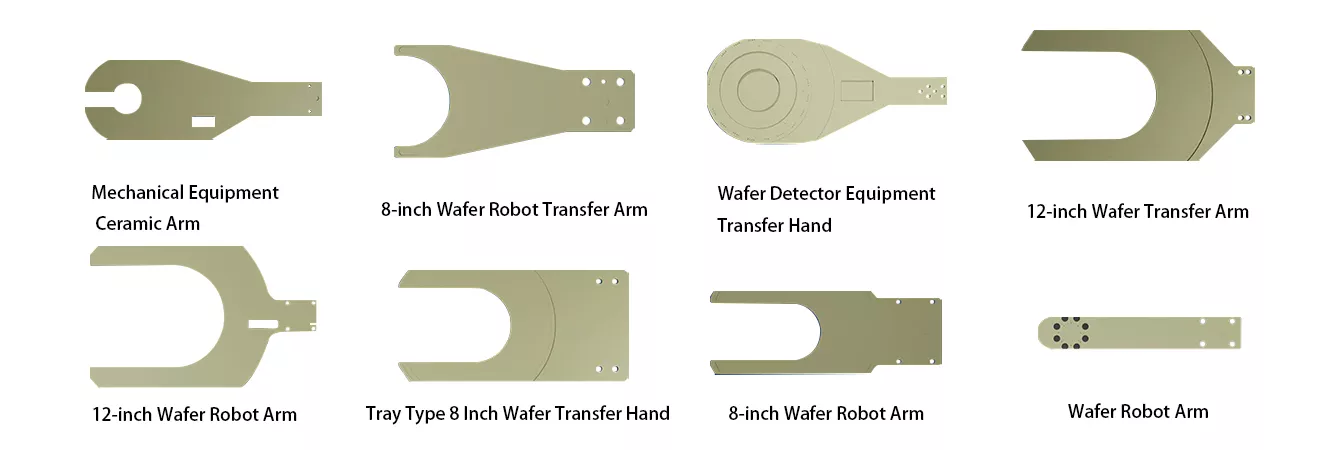
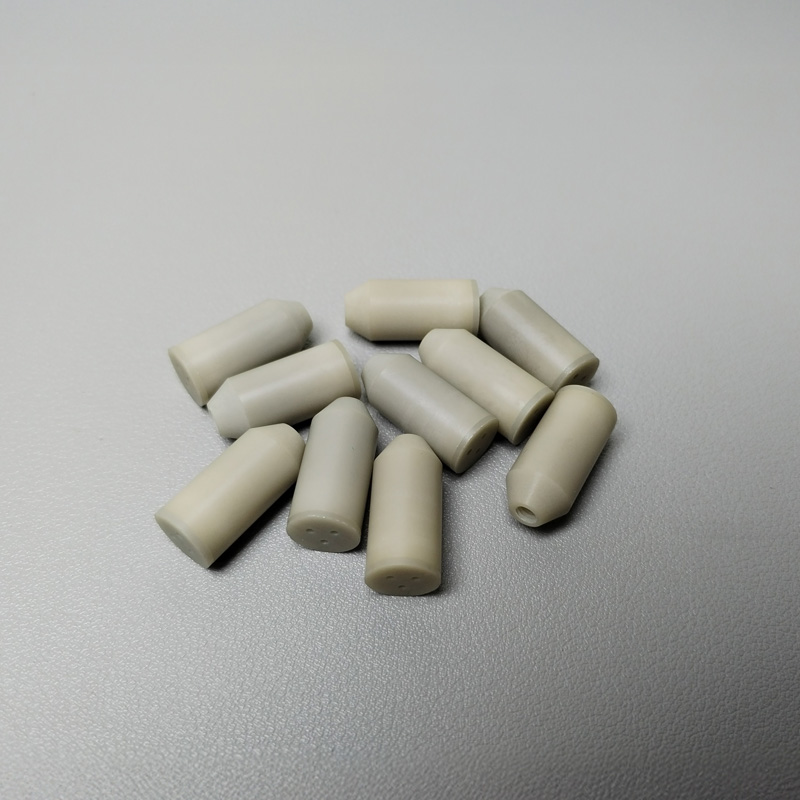
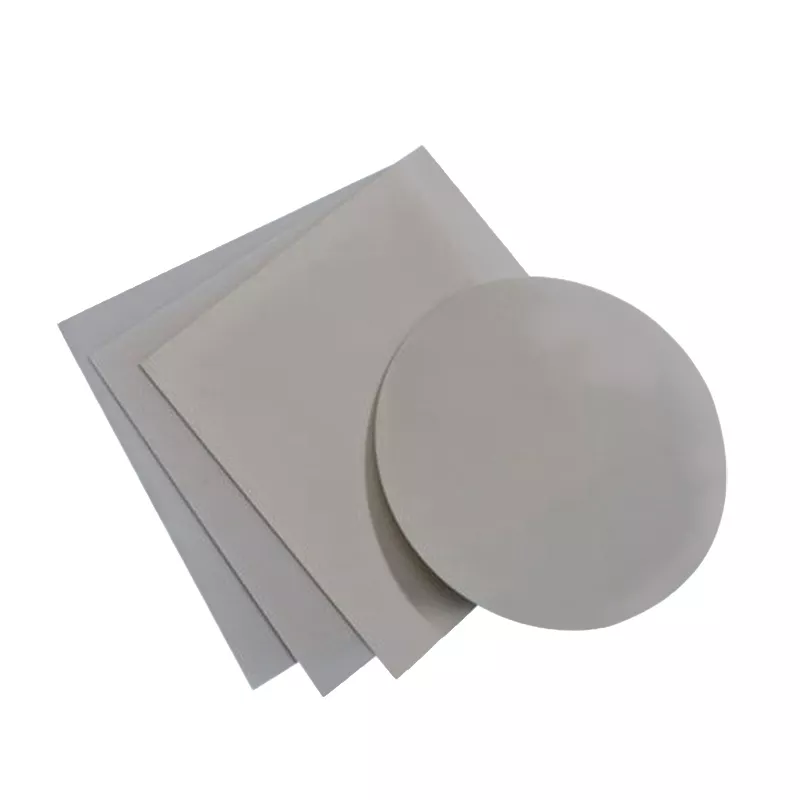

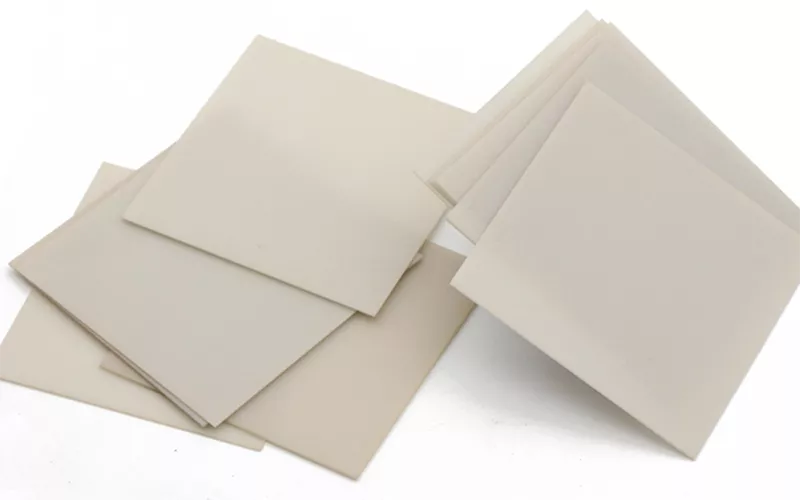
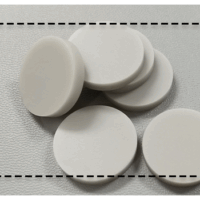

Related Products and Quotation Support



Aluminum Nitride Ceramics Grades and Compositions: Define the Complete Part
General material properties guide an early discussion, but a reliable inquiry also defines the drawing, grade, geometry, functional surfaces, service conditions, and acceptance evidence for the individual component.
Current Drawing Revision
Share the current drawing revision so dimensions, tolerances, interfaces, and outstanding notes can be reviewed against the part requirement before quotation discussions begin.
Grade and Composition
Identify the requested aluminum nitride grade or composition when known, while distinguishing general material information from values and requirements confirmed for the project.
Geometry and Assembly Fits
Call out the dimensions that control assembly, wall transitions, holes, and mating features so the component form can be evaluated alongside its intended installation.
Process Route Considerations
Discuss the proposed forming and finishing route in relation to part geometry, material selection, and functional priorities instead of treating a material name as a complete specification.
Functional Surface Requirements
Mark surfaces that seal, locate, transfer heat, or contact another part, and clarify the finish or condition expected where it affects function.
Inspection and Acceptance Evidence
State the inspection points, documentation needs, and acceptance criteria required for approval, helping align the quotation conversation with the evidence your project needs.
Aluminum Nitride Components and Sourcing Paths
Start with the component form, thermal duty, interfaces, and acceptance criteria to make an AlN quotation discussion specific.
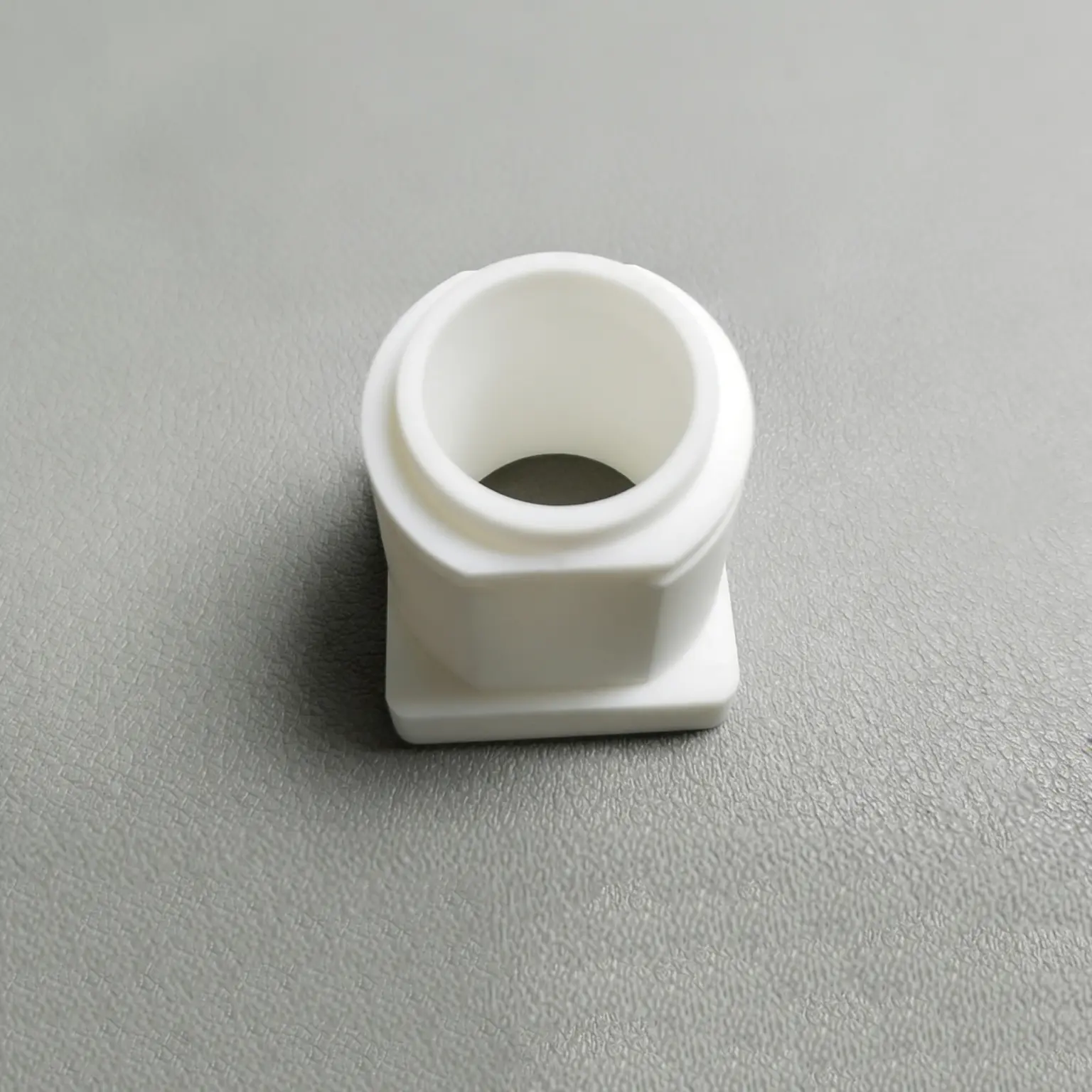
Ceramic Manufacturing Capabilities
Review ceramic manufacturing capabilities against the part requirement: AlN geometry, wall thickness, flatness, holes, mating surfaces, and inspection needs. A current drawing and identified critical dimensions help determine a practical manufacturing and quotation path.
Discuss Your Ceramic Part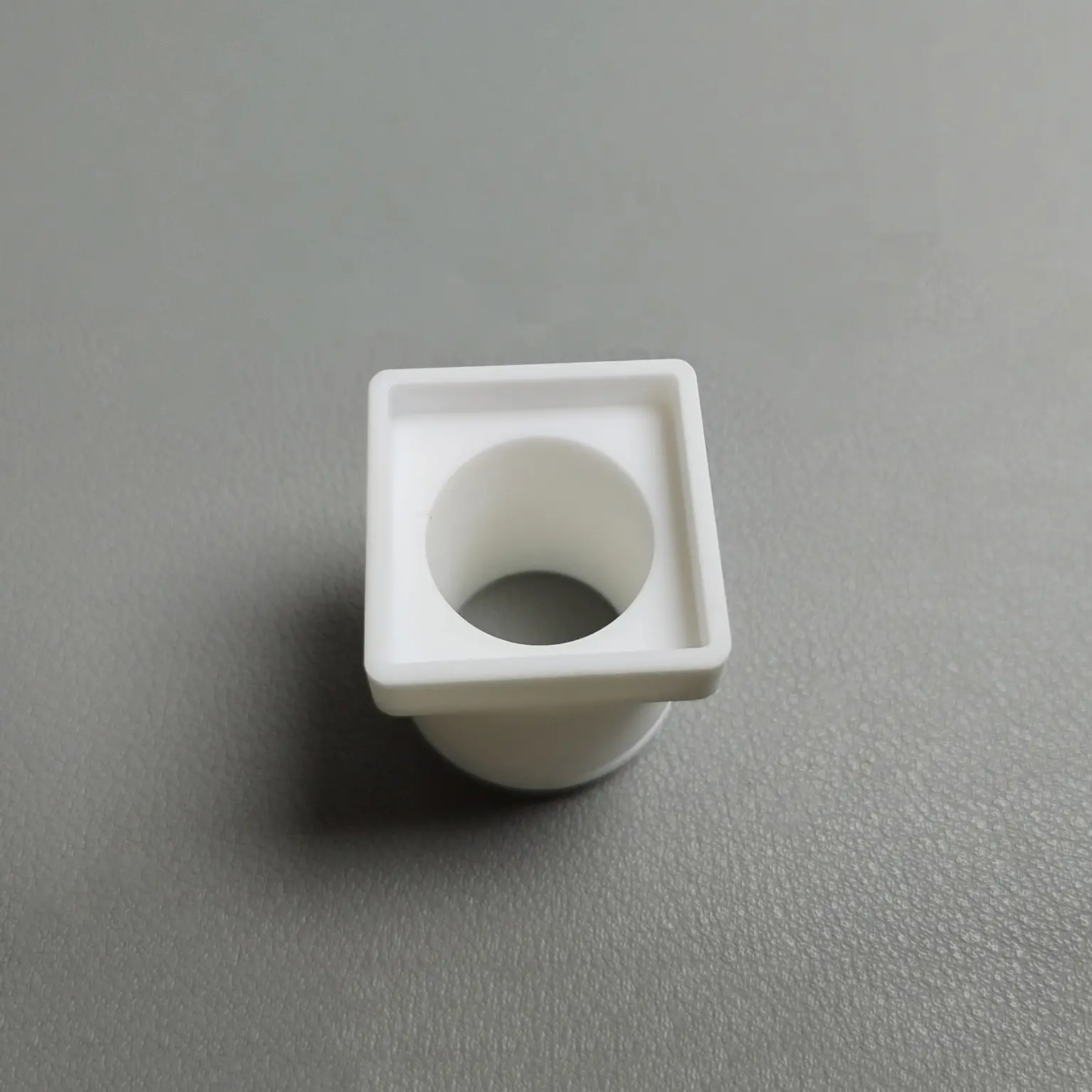
Ceramic Solutions by Industry
Explore advanced ceramics applications where electrical insulation and thermal management must be considered together. For AlN components, describe the operating environment, heat path, assembly interfaces, and service conditions so the proposed solution addresses the actual equipment duty.
Discuss Your Ceramic Part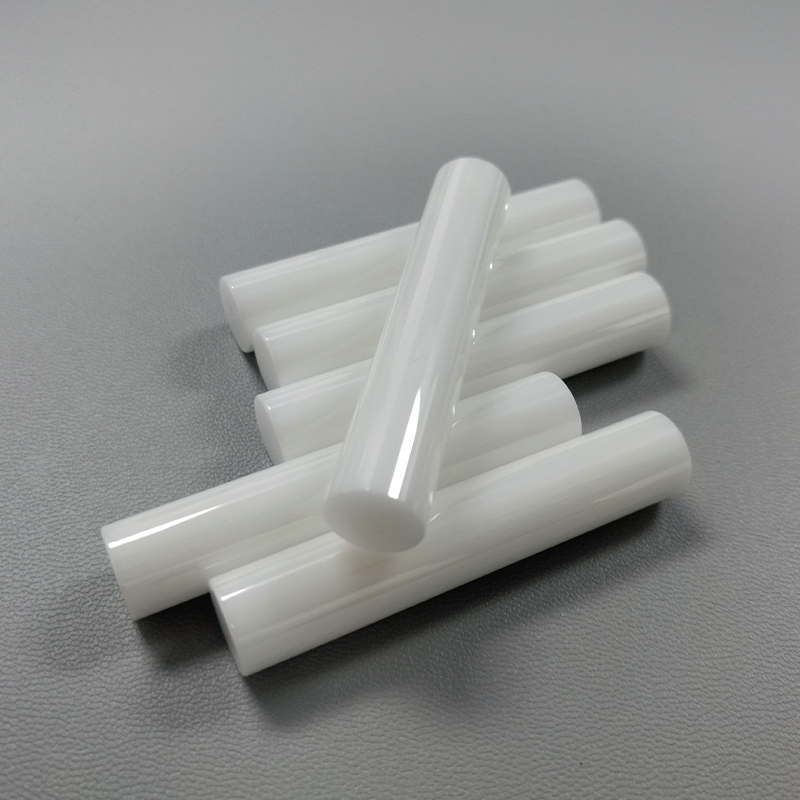
Advanced Ceramic Materials
Compare advanced ceramic materials in relation to the application, rather than material names alone. For aluminum nitride, confirm the required grade, thermal and electrical considerations, geometry, and documentation needs before treating a general property value as project-specific.
Discuss Your Ceramic Part
Technical Ceramic Products
Define technical ceramic components by the functional part needed, such as a substrate, plate, tube, ring, or custom ceramic component. Share the drawing revision, quantity, material designation if known, and acceptance criteria to focus the inquiry.
Discuss Your Ceramic Part
Technical Ceramic Resources
Use this technical ceramics guide as a starting point for preparing an AlN inquiry. Identify critical dimensions, fitted surfaces, operating conditions, inspection expectations, and required documents, then email details to info@zlrsmaterials.com or contact us on WhatsApp at +86 130 6482 5920.
Discuss Your Ceramic PartAluminum Nitride Ceramics Grades and Compositions in Context
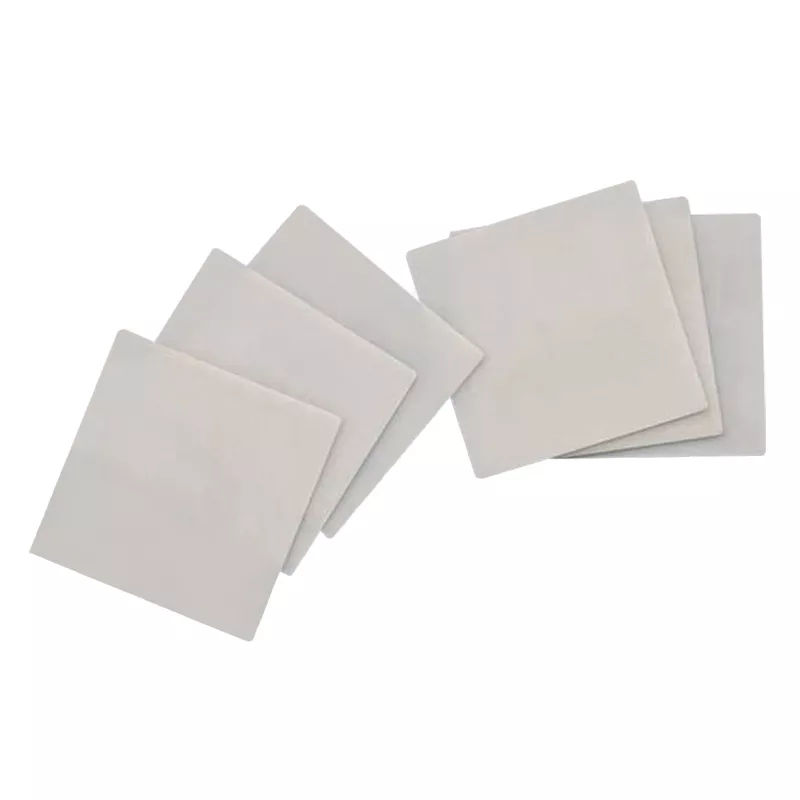

Alumina Ceramics
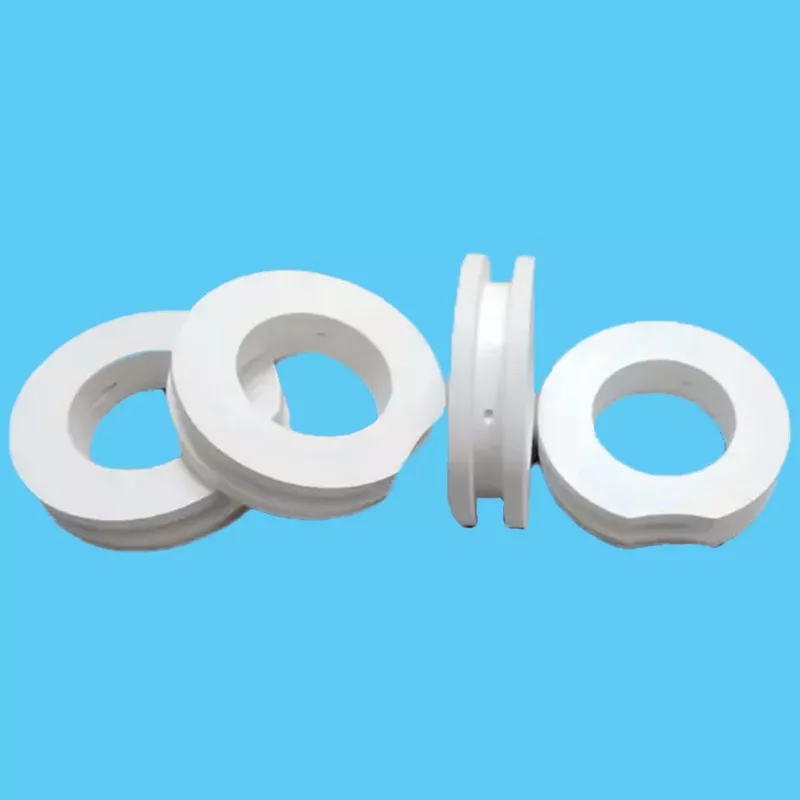
A widely considered oxide ceramic for industrial ceramic parts, electrical insulation, tubes, and structural components. Material selection should account for purity, grade, dimensions, mating surfaces, and inspection expectations.
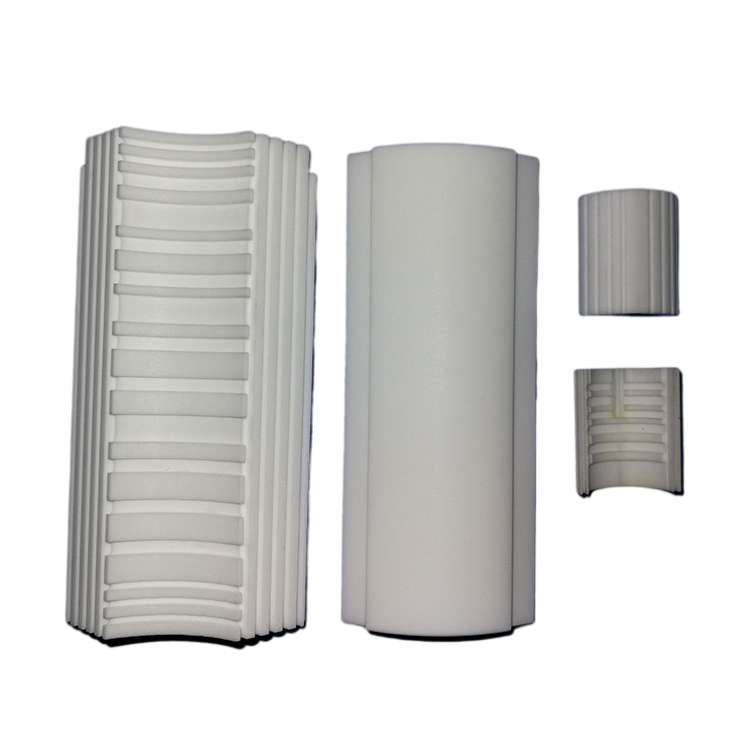
Silicon Nitride
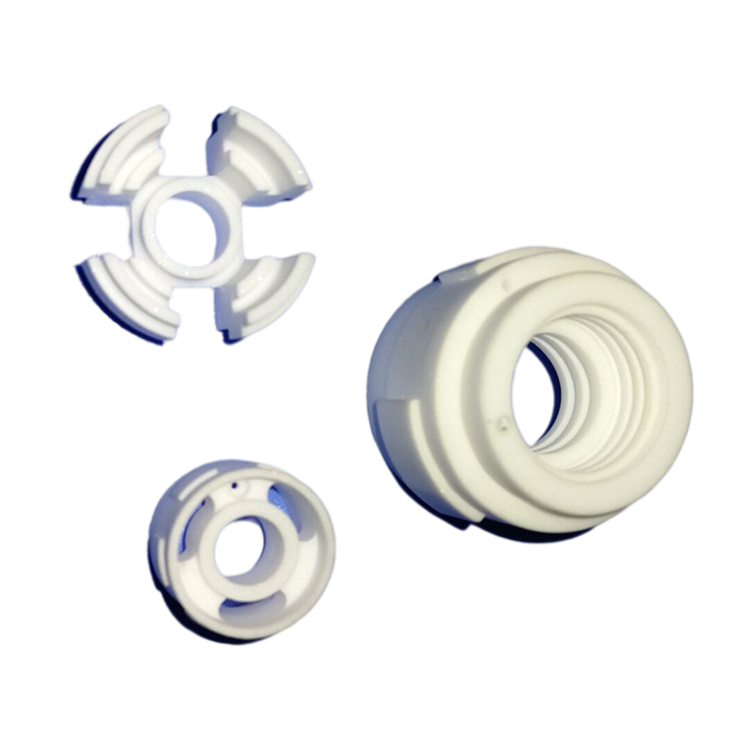
A nitride ceramic considered for mechanically demanding components such as rolling elements, wear parts, and insulating hardware. Evaluate the required grade against load, temperature, geometry, and finishing needs.
Silicon Carbide Ceramics
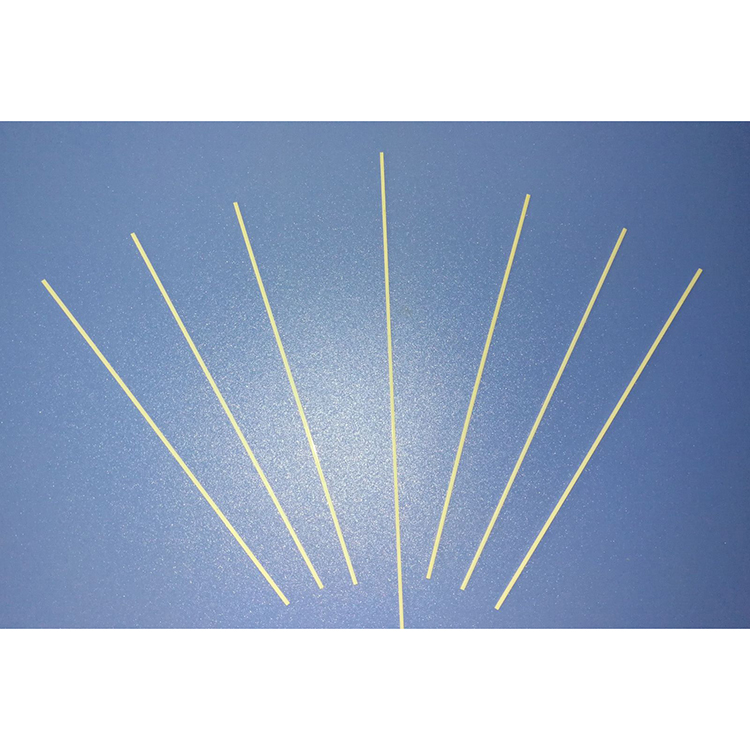
A carbide ceramic considered for wear, thermal, and chemically demanding component applications. Discuss the component form, service environment, critical surfaces, and acceptance criteria before confirming a material route.
Boron Nitride
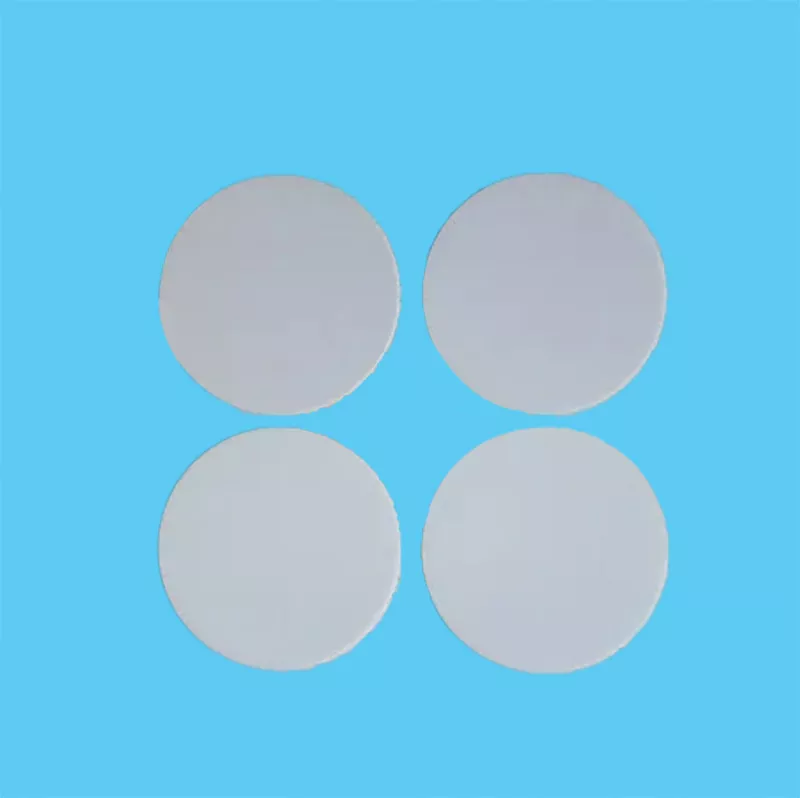
A specialty nitride ceramic considered for components requiring a distinct combination of thermal, electrical, and processing characteristics. Share the drawing, operating conditions, and fit-critical dimensions for review.
Production Routes for Aluminum Nitride Ceramics Grades and Compositions
Powder Preparation
Powder selection, additive strategy, and mixing are considered alongside the intended aluminum nitride grade. The discussion should account for thermal, electrical, geometry, and documentation requirements before a composition is proposed.
Part Forming
Pressing, casting, or other forming approaches are evaluated against component shape, wall sections, feature detail, and expected production quantity. A drawing helps identify where forming choices may influence achievable geometry and inspection needs.

Controlled Sintering
Sintering converts a formed body into a dense ceramic component, with conditions linked to the selected composition and required properties. Project review should align the proposed route with dimensional change, mating surfaces, and acceptance criteria.
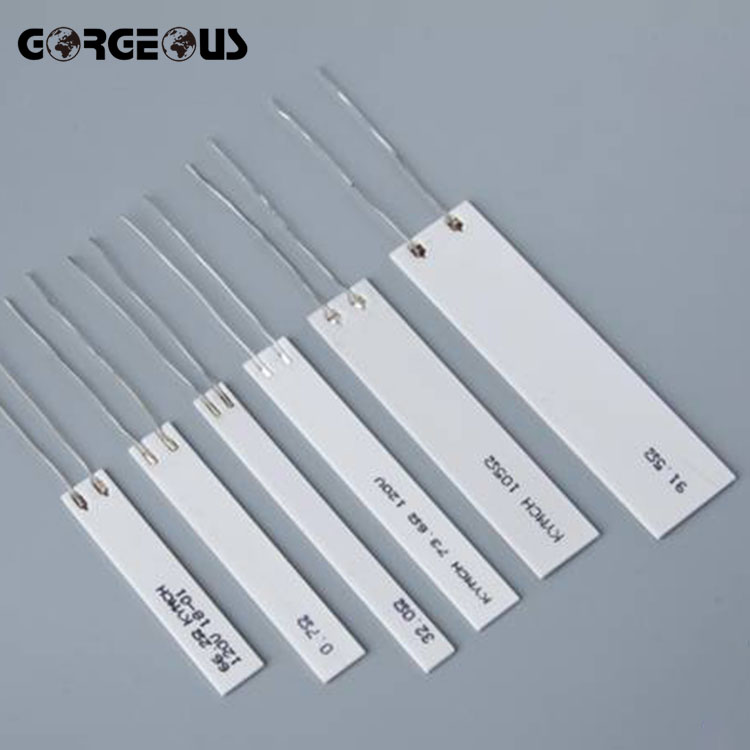
Precision Machining
Grinding, drilling, and other finishing operations can define assembly-critical dimensions and surfaces after sintering. Identify tolerances, datum references, edge conditions, and interfaces early so the quotation discussion addresses the features that matter.
Metallization Review
Where an aluminum nitride part requires conductive or joining surfaces, metallization options need application-specific review. Share the interface design, service conditions, and any bonding, soldering, plating, or inspection expectations with the inquiry.
Aluminum Nitride Ceramics Grades and Compositions: Part Features
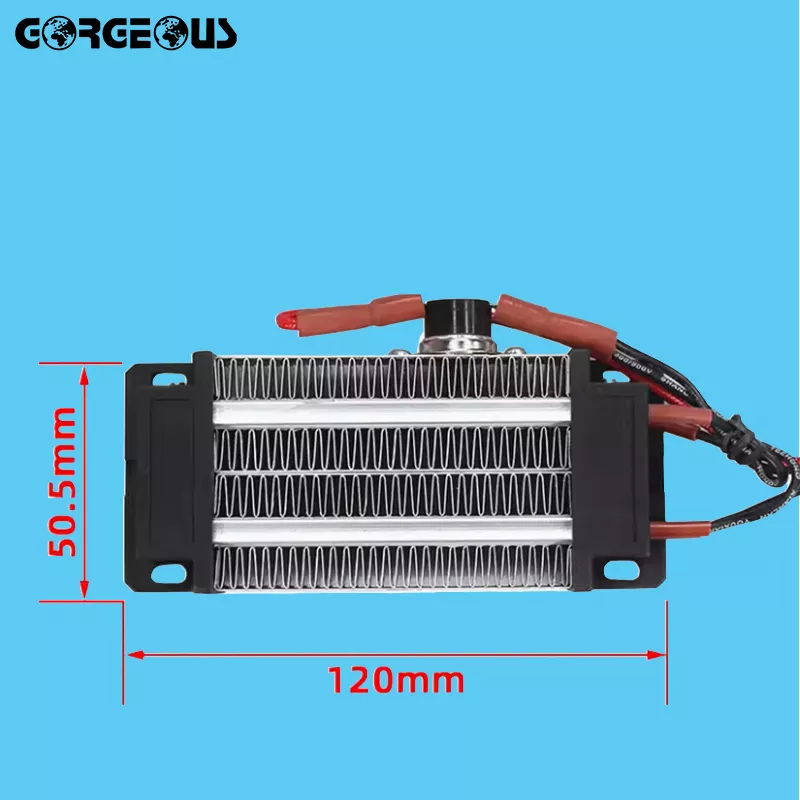
Mating Surfaces
Identify sealing, contact, locating, or bonded surfaces on the drawing so finish expectations and critical interfaces can be reviewed alongside the selected AlN grade and component geometry.
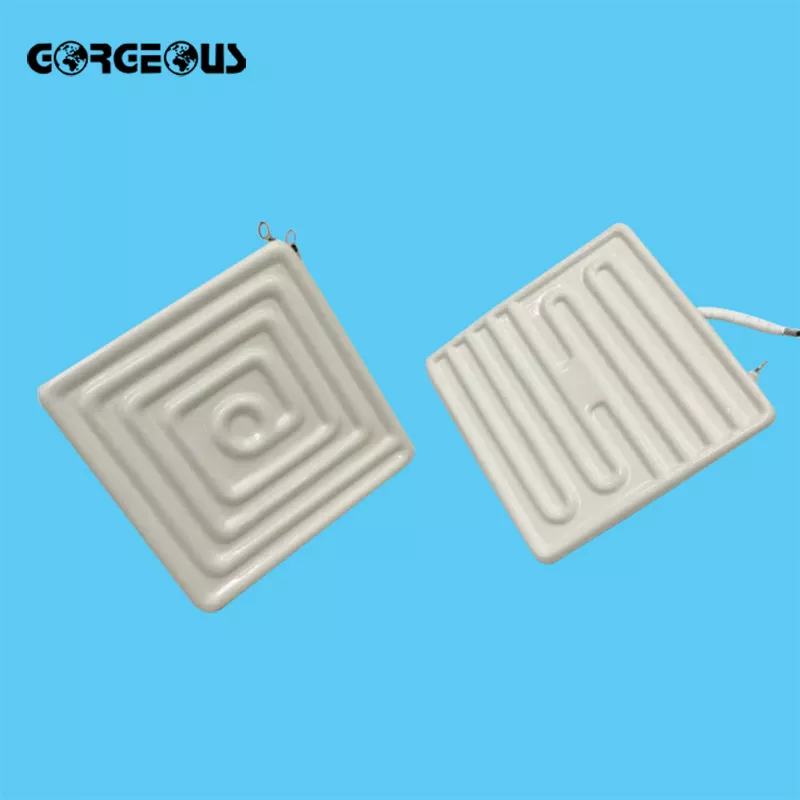
Critical Dimensions
Flag dimensions that control assembly, clearance, alignment, or thermal contact. Include tolerances, datum references, and measurement expectations to give the quotation discussion a clear technical basis.
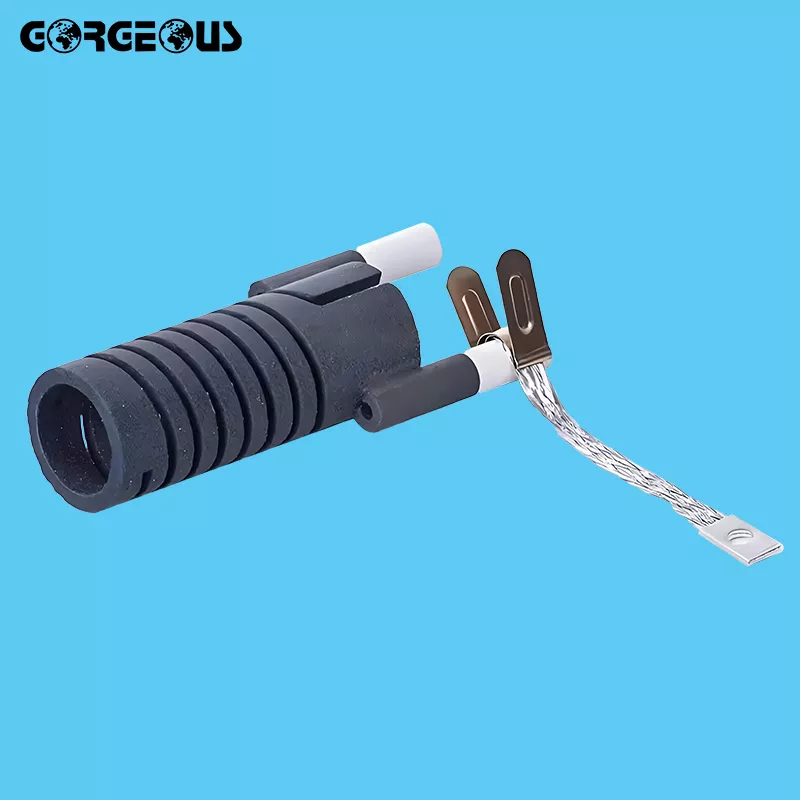
Edge Treatments
Specify chamfers, radii, edge breaks, or protected corners where handling and assembly require attention. These details should be considered with part shape, service conditions, and inspection criteria.
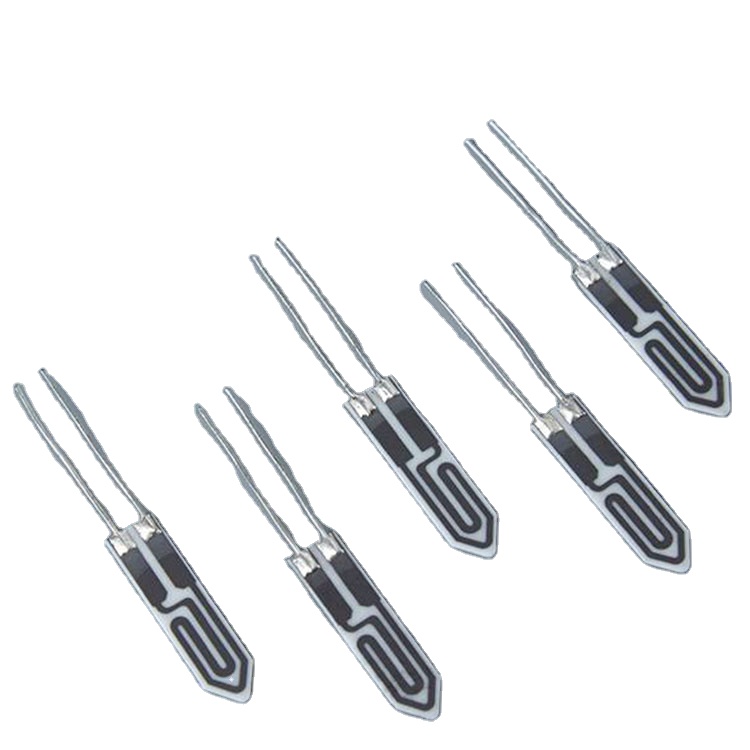
Part Identification
Discuss labels, lot references, or package identification needed for receiving, traceability, and internal handling. The appropriate method depends on the component, drawing requirements, and project review.
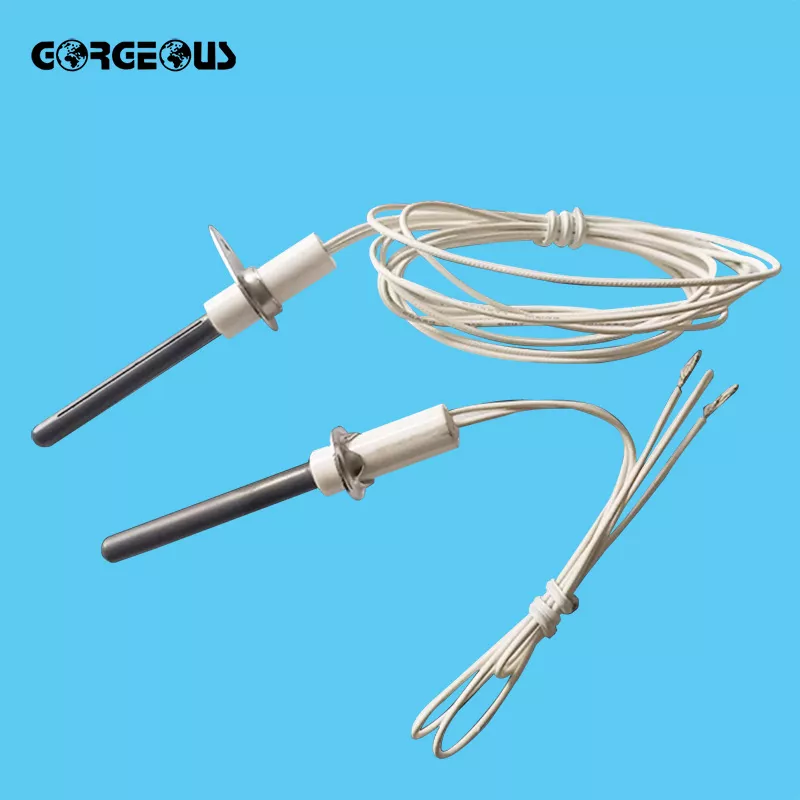
Packaging Documentation
State any packing, inspection, material, or approval documentation needed with the order. Providing these expectations early helps distinguish required deliverables from general reference information.
About Porcecore: Aluminum Nitride Ceramics Grades and Compositions
Founded by Andy Yuan, Porcecore helps industrial buyers make ceramic procurement more understandable. Our focus is technical ceramic components, including aluminum nitride ceramics grades and compositions, approached through the part, operating conditions, and decision requirements behind each inquiry.
We work from drawings, replacement samples, and application details to connect material choices with geometry, mating surfaces, tolerances, and acceptance expectations. Rather than treating a material name as a complete specification, Porcecore helps teams identify the questions that need resolution before a quotation can be meaningfully discussed.
Our approach is application-first thinking, drawing-led communication, and clarity before commitment. Share the current drawing revision, known material designation, quantity, service conditions, and documentation needs so the conversation can move toward a project-specific component requirement.

Aluminum Nitride Ceramics Grades and Compositions, Defined by Part Requirements
Review the Current Drawing
Start with the current drawing revision and the component’s job in the assembly. Porcecore helps structure the discussion around critical dimensions, interfaces, geometry, and the material designation already identified, so a material question becomes a clearer part requirement.
- Current drawing revision and component form
- Assembly-critical dimensions and mating surfaces
- Known AlN grade or material designation
- Quantity and intended application
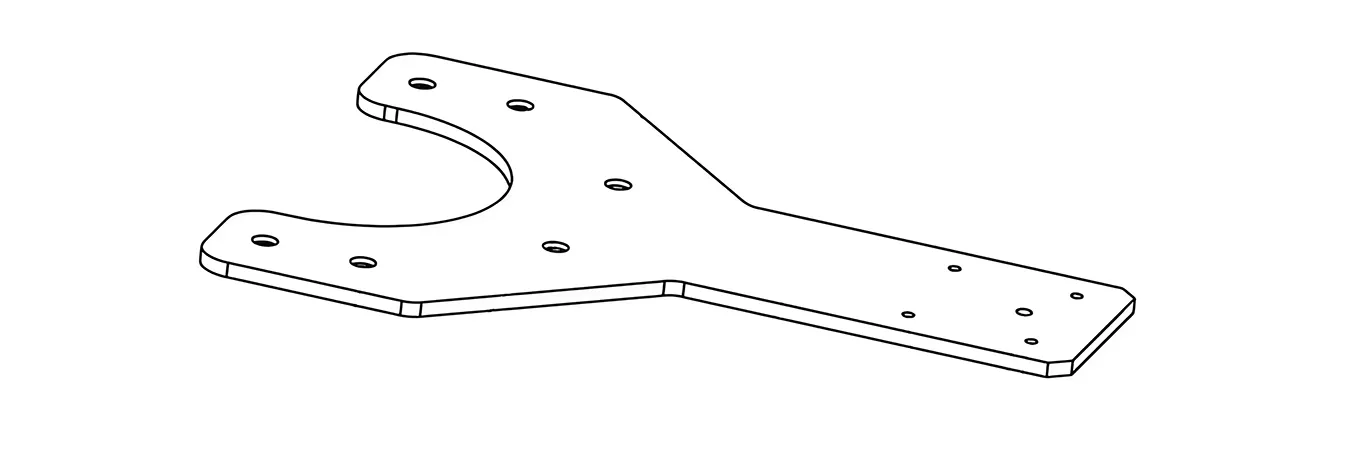
Identify Open Grade Questions
Aluminum nitride ceramics grades and compositions should be considered alongside the conditions the part will face. A useful inquiry separates known requirements from items needing confirmation, including thermal demands, electrical function, environmental exposure, and any grade-specific property expectations.
- Thermal and electrical operating conditions
- Composition or grade requirements, if known
- Grade-specific properties requiring confirmation
- Application details that affect material selection

Align Acceptance Expectations
Clear acceptance criteria make a quotation conversation more productive. Define which dimensions govern assembly, which surfaces require attention, and what inspection or documentation is needed for approval. This gives project teams a practical basis for discussing feasibility, scope, and commercial terms.
- Tolerances tied to assembly performance
- Surface and feature expectations
- Inspection and documentation needs
- Delivery and commercial details for confirmation

Aluminum Nitride Ceramic Sourcing: A Requirement-Focused Approach
Compare a requirement-focused discussion with material-name-only sourcing for technical ceramic parts.
← Swipe left or right to view →
Aluminum Nitride Ceramics Grades and Compositions: Project Review Process
Move from a drawing or application question to a clearly defined quotation discussion with project-specific requirements confirmed before commitment.
Share Your Part Input
Send the current drawing revision, replacement-part details, or application description, including quantity, operating environment, and any known aluminum nitride material designation.
Clarify Critical Requirements
Identify assembly-driving dimensions, mating surfaces, tolerances, geometry, grade and composition considerations, plus service conditions that may affect the proposed component approach.
Review Quotation Basis
Discuss the requirement set used for quotation, separating essential specifications from preferences and noting open questions around material, processing, documentation, delivery, and commercial terms.
Confirm Production Scope
Before production commitment, confirm the agreed drawing, material grade, dimensions, acceptance criteria, requested documentation, quantity, and delivery expectations for the individual project.
Align Inspection and Delivery
Review inspection expectations, packing needs, shipment terms, and final project details so the component conversation remains aligned from approval through delivery planning.
How to Work with Porcecore on Aluminum Nitride Ceramics Grades and Compositions
Start with the part requirement, clarify the open questions, and confirm the details needed for a project-specific quotation.
Share the Current Drawing
Send the current drawing revision, required quantity, and assembly-critical dimensions. Identify mating surfaces, tolerances, and any known material designation to establish a defined starting point.
Describe Service Conditions
Explain operating temperature, electrical and thermal demands, exposure conditions, and duty cycle. These details help frame the material and component requirements for the intended application.
Clarify Grade and Acceptance Needs
Discuss aluminum nitride ceramics grades and compositions, inspection expectations, required documentation, and acceptance criteria. Separate essential requirements from preferences before developing a quotation.
Confirm Project Terms
Review the project-specific material grade, geometry, quantity, documentation, delivery expectations, and commercial terms. Confirm the individual order details before production commitments are agreed.
Certification and Documentation for Aluminum Nitride Ceramics Grades and Compositions
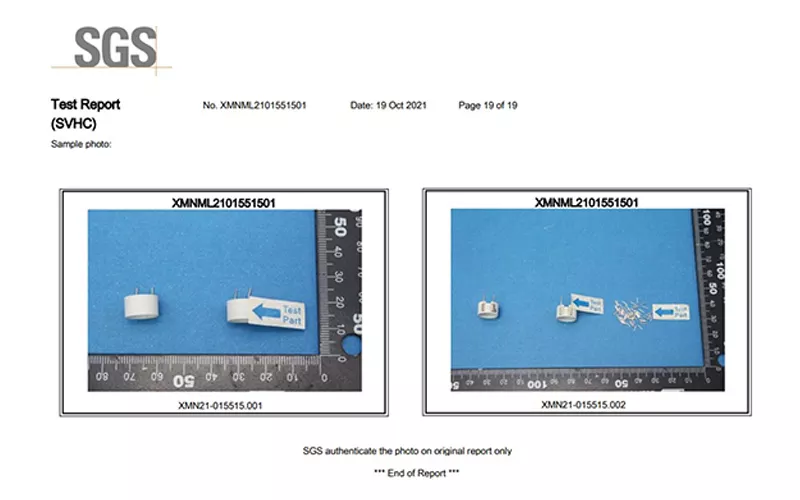
Aluminum Nitride Ceramics Grades and Compositions: Verified Project Feedback
Approved customer testimonial and documented project outcome pending publication authorization.
Approved application case and project-specific outcome pending customer authorization.
Approved sourcing feedback and documented component result pending publication authorization.
Aluminum Nitride Ceramics Grades and Compositions FAQ
Practical quotation guidance for defining an AlN ceramic component around its drawing, operating conditions, and acceptance requirements.
How should we compare aluminum nitride ceramics grades and compositions for our component?
What should a drawing include for aluminum nitride ceramics grades and compositions?
Can aluminum nitride ceramics grades and compositions be selected from an application description alone?
Which tolerances and surfaces should be identified in an AlN ceramic inquiry?
What quantity information is needed for an aluminum nitride ceramics grades and compositions quotation?
Can we request samples before a production order?
What inspection evidence and packaging details should we specify?
How do we discuss lead time, payment terms, and IP handling for a ceramic part?
Aluminum Nitride Ceramics Grades and Compositions: Buyer’s Guide
Use this decision framework to compare compositions, performance targets, processing options, and supplier qualifications while avoiding specification gaps, unrealistic thermal claims, and costly qualification mistakes.
1. What Are Aluminum Nitride Ceramics Grades and Compositions?
AlN is the chemical formula for aluminum nitride, but an AlN component is not one universal grade. Its supplied composition combines an AlN primary phase with controlled purity, sintering additives, residual impurities, density, and grain-boundary phases; these variables affect heat flow, dielectric behavior, strength, and moisture response.
3.26 g/cm³ is the theoretical density commonly cited for AlN, while finished density and microstructure depend on powder preparation, forming, sintering, and machining. The purchasing question is therefore not simply whether a part is AlN, but whether its documented material specification matches the required thermal, electrical, mechanical, and environmental service conditions.
85–98 wt% is a commonly reported range for AlN as the primary crystalline phase in formulated ceramics; additive identity and amount must be confirmed for the proposed grade. Request grade-specific test methods, property values, drawing-linked dimensions, and acceptance criteria rather than treating a general material datasheet as a contractual part specification.
2. Evolution of Aluminum Nitride Ceramic Materials
1862 is commonly cited as the year F. Briegleb and A. Geuther first synthesized AlN; usable dense ceramics arrived much later as powder processing and sintering matured. Source: https://www.preciseceramic.com/blog/what-is-aluminum-nitride-ceramic.html
0.6 micrometer high-purity AlN powder and nanoscale yttria illustrate how modern formulations control starting chemistry and grain-boundary phases. Oxygen pickup, additive type and loading, compaction, and densification can all change conductivity and strength, so aluminum nitride ceramics grades and compositions cannot be inferred from an AlN label alone. Source: https://www.sciencedirect.com/science/article/abs/pii/S0955221923007409
3 manufacturing stages now affect the delivered part: densification, precision machining, and metallization. Electronic substrates, semiconductor fixtures, and thermal-management components therefore need a current, grade-specific data package covering test method, surface condition, metallization system where applicable, and the actual drawing revision; a legacy datasheet may describe neither the present powder route nor the finished component.
3. Aluminum Nitride Ceramics Grades and Compositions Types
Aluminum nitride ceramics grades and compositions are buyer-facing families, not universal grade names. The critical levers are AlN purity, sintering aids, density, grain structure, and surface preparation.
| Family | Main Lever | Typical Use |
|---|---|---|
| Standard thermal | Sintering aids | Insulated spreaders |
| High conductivity | Purity and oxygen control | Power modules |
| Mechanical | Grain engineering | Structural parts |
| Low loss | Dense, low-impurity microstructure | RF packages |
| Metallization-ready | Surface preparation | Circuit substrates |
Standard Insulating Thermal Grades
85–98 wt% AlN matrices commonly use oxide sintering aids. They suit insulated heat spreaders; additive-rich boundaries can reduce conductivity.
High-Conductivity Grades
High-purity powder and tightly controlled oxygen limit phonon scattering. These grades fit power modules, but cost and process control increase.
Mechanically Optimized Formulations
Grain refinement and adjusted additive content target strength or thermal-shock resistance. The tradeoff is usually lower thermal conductivity.
Low-Loss Electronic Grades
Low-impurity, dense microstructures reduce dielectric loss for RF packaging. Electrical targets may constrain economical sintering routes.
Metallization-Ready Substrates
Flatness, roughness, and surface chemistry are controlled for metallized circuits. Specify adhesion testing and firing compatibility with the metal system.
Application-Specific Formulations
Custom compositions balance conductivity, strength, geometry, and joining requirements. Use them for drawings with defined service conditions and acceptance criteria.
4. Aluminum Nitride Ceramics Grades and Composition Ingredients
A composition disclosure should identify the AlN powder, total oxygen and metallic impurities, sintering-aid system, and any added functional phase. For aluminum nitride ceramics grades and compositions, nominal chemistry alone is insufficient without processing and acceptance limits.
| Requirement | Material Factor | Likely Effect |
|---|---|---|
| High heat transfer | Low oxygen; clean boundaries | Higher conductivity potential |
| Electrical insulation | No conductive network | More stable dielectric behavior |
| Mechanical reliability | Aid chemistry; low porosity | Strength and consistency |
| Humid service | Boundary-phase control | Moisture sensitivity review |
Powder And Additive Disclosure
AlN powder particle size, surface oxygen, and trace-metal limits influence densification and heat transport. Rare-earth or alkaline-earth oxides can aid sintering, but their amount and distribution change grain-boundary chemistry.
Organic binders should be declared with the burnout route, because residual carbon or porosity can alter dielectric behavior and sintering consistency.
Functional Phase Review
Conductive or reinforcing phases require explicit identification, loading, and homogeneity criteria. They may change strength or electrical response, and can reduce insulation or complicate moisture-sensitive service evaluations.
5. Custom Aluminum Nitride Grades and Finishes
Customization begins after the base fired composition is selected. For aluminum nitride ceramics grades and compositions, convert thermal, geometric, surface, and documentation needs into measurable drawing requirements.
| Requirement | Specify | Acceptance Evidence |
|---|---|---|
| Thermal performance | Target range and method | Grade test report |
| Geometry | Datums, tolerances, flatness | Dimensional inspection |
| Surface treatment | Area, finish, coating purpose | Sample approval record |
Define Functional Targets
Thermal conductivity, density, and electrical requirements should be stated as grade-specific target ranges, test methods, and lot acceptance limits.
Critical surfaces need datum references, flatness, thickness, and roughness values rather than a general precision request.
Specify Features And Surfaces
Machined holes, slots, edge treatments, and mating faces are feasible only within geometry, wall-thickness, and tooling limits confirmed for the part.
Metallized areas and protective coatings require defined locations, masks, adhesion expectations, and compatible service conditions.
Separate Development From Customization
Existing grades can often be cut, ground, finished, or metallized to a drawing. A changed sintering aid package or unprecedented thermal target may require material-development validation.
First articles should identify critical-to-function dimensions, inspection records, sample quantity, and pass/fail criteria before production release.
6. Critical Quality Elements for AlN Components
Three control layers turn an AlN composition statement into a usable part specification: incoming powder identity, fired-body condition, and documented inspection. Require values to be tied to the production lot, not a catalog average.
Material And Microstructure
100% lot traceability should connect powder, sintering additives, firing batch, and finished parts. Record oxygen content where relevant, bulk density, open porosity, and a representative microstructure review.
3.26 g/cm³ is the theoretical density often cited for AlN, but acceptance should state the required measurement method and limit. Check grain uniformity and abnormal pores or inclusions against agreed defect criteria.
Comparable Property Testing
1 test value is comparable only when suppliers use aligned test direction, specimen geometry, temperature, and sampling plan. Thermal conductivity should identify the method, specimen orientation, conditioning, and reported temperature.
2 dielectric results should state frequency, electrode arrangement, test voltage, and whether volume or surface resistivity applies. A higher reported value without matching conditions is not evidence of a better grade.
Part Inspection Records
100% of assembly-critical dimensions may require inspection, while other dimensions can follow an agreed lot sample. Define datum scheme, measuring equipment, tolerances, edge condition, and allowable surface defects on the drawing.
1 batch record should link inspection results, material designation, quantity, drawing revision, and any certificate requirements. Porcecore can use these details to frame a project-specific inquiry and acceptance discussion.
7. Choosing an Aluminum Nitride Ceramic Manufacturer
Two evidence sets should drive supplier selection: grade-specific data and project-specific capability. Compare aluminum nitride ceramics grades and compositions against the drawing, service environment, and acceptance plan.
| Evidence Area | Verify | Project Decision |
|---|---|---|
| Material data | Methods and lot results | Grade selection |
| Process control | Change records | Repeatability |
| Quality system | Inspection evidence | Acceptance |
Verify Material Evidence
Three records should be requested: a grade data sheet, test-method references, and lot-level results.
One question matters: which test method, specimen orientation, and sampling plan produced each reported value?
- Ask for lot acceptance limits.
- Confirm moisture-handling controls.
- Require documented change notification.
Review Manufacturing Fit
Four capabilities must connect: forming, sintering, precision machining, and metallization coordination.
One sample should represent final geometry, critical surfaces, and agreed inspection methods before release.
- Review dimensional capability evidence.
- Clarify metallization ownership.
- Define prototype-to-production transfer.
Qualify Communication Controls
Two controlled items deserve review: drawing revision control and confidential-data handling.
One realistic lead-time commitment should separate prototype, qualification, and production stages.
- Name technical decision owners.
- Document sample approval criteria.
- Confirm escalation and response timing.
8. Common Aluminum Nitride Ceramics Buying Mistakes
Aluminum nitride ceramics grades and compositions cannot be purchased safely from a single catalog value. Before an RFQ, convert each claimed property into a part-specific, testable requirement.
Do Not Buy A Headline Value
Thermal conductivity depends on grade, direction, density, and test method. Require the value, method, temperature, specimen orientation, and acceptable variation on the quotation.
Treat Grade Names As Supplier Specific
Grade labels are not universal specifications across suppliers. Request composition, sintering approach where relevant, property limits, and the supplier’s controlled revision for the offered material.
Specify Service And Acceptance Limits
Moisture, process gases, temperature cycling, and mating loads can change the real risk. State exposure, critical surfaces, dimensions, tolerances, inspection method, sampling plan, and rejection limits.
Prototype approval does not qualify production consistency. Approve the production route, lot documentation, and repeat inspection plan before release.
Review Geometry Before Machining
Thin walls, sharp internal corners, deep holes, and tight flatness requirements increase machining risk and cost. Send the current drawing revision and identify assembly-critical features before pricing.
9. Steps to Specify and Launch an AlN Project
Four controlled stages reduce the risk of approving an AlN part on nominal material data alone. Procurement coordinates the record; design, quality, and supplier each own defined decisions.
Define Service Risks
1 project brief should state heat load, voltage, atmosphere, cycling, mating materials, and credible failure modes.
Design engineering sets functional limits; procurement records quantity and delivery needs.
Set Initial Grade Requirements
2 requirement sets separate mandatory conductivity, insulation, strength, composition limits, and surface condition from preferences.
The supplier identifies feasible aluminum nitride ceramics grades and compositions; quality defines required evidence.
Control Drawing And Evidence
3 drawing controls should identify datum scheme, critical dimensions, tolerances, flatness, mating surfaces, and inspection methods.
Quality reviews sample results and test reports against the approved revision before validation.
Validate And Release Production
4 validation activities can include assembly fit, thermal cycling, dielectric testing, and application-specific reliability checks.
Procurement releases controlled specifications only after design, quality, and supplier agree. Any composition, additive, sintering, or finishing change requires impact review and may require requalification.
10. Aluminum Nitride Ceramic Pricing and Cost Drivers
3 quantity stages—prototype, low-volume, and production—change the cost mix. At prototype quantities, setup, programming, and inspection can outweigh material utilization; production spreads fixed costs across more parts.
1 supplier quotation should tie aluminum nitride ceramics grades and compositions to the drawing revision, acceptance plan, and quantity. Composition complexity, geometry, qualification requirements, and scheduling can each change total cost and lead time.
| Quantity stage | Main cost drivers | Relative impact | Cost planning focus |
|---|---|---|---|
| Prototype, 1–10 parts | Complex grade, tooling/setup, large or thick blanks, precision machining, full inspection | Highest per-unit | Confirm essential tolerances and documentation |
| Low volume, 11–100 parts | Machining time, surface finish, metallization, lot inspection | Moderate to high | Combine compatible part revisions where possible |
| Production, 100+ parts | Material yield, repeat tooling, process controls, sampling inspection | Lower per-unit | Lock the grade, geometry, finish, and acceptance criteria |
Discuss Aluminum Nitride Ceramics Grades and Compositions
Email your drawing, operating environment, quantity, and acceptance requirements to begin a clear discussion of grade, geometry, and component fit.