
Boron Nitride Ceramics Thermal Performance for Defined Parts
Connect boron nitride ceramics thermal performance needs to component geometry, service conditions, and acceptance requirements before requesting a quote.
Featured Products for Boron Nitride Thermal-Performance Development

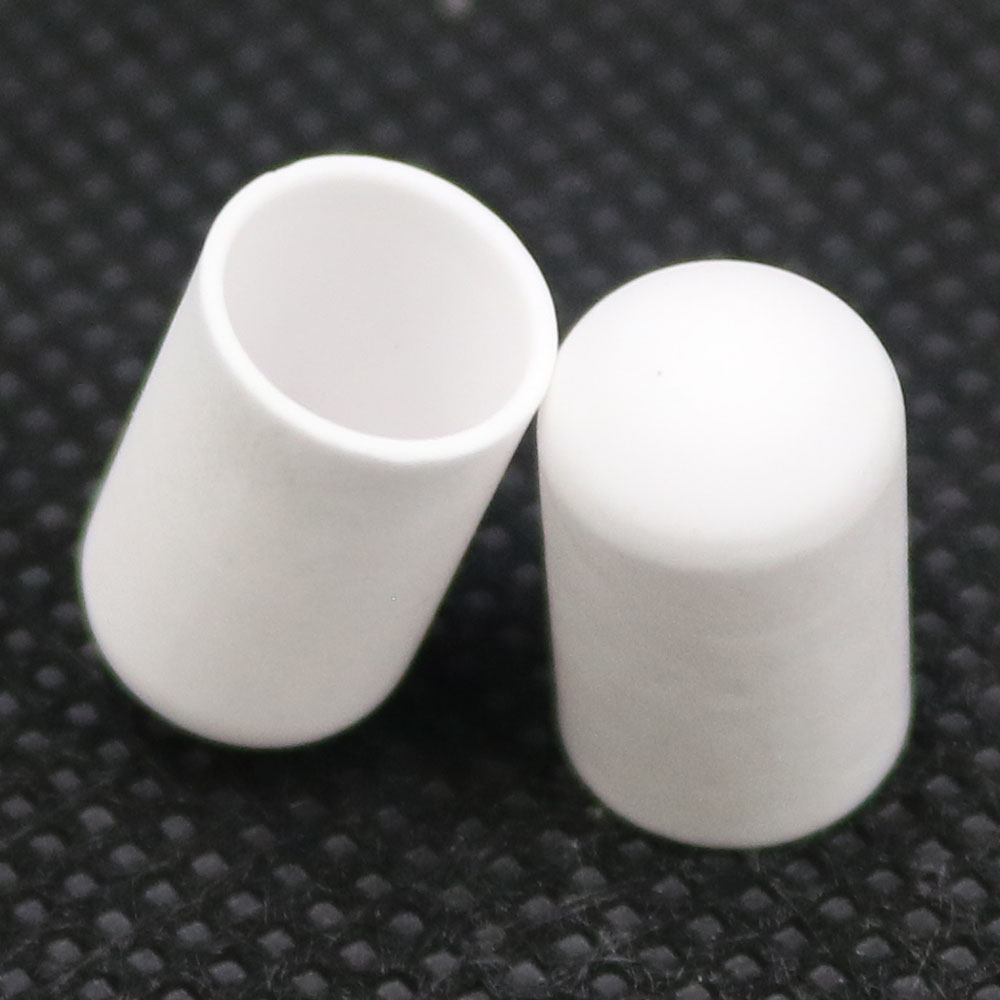

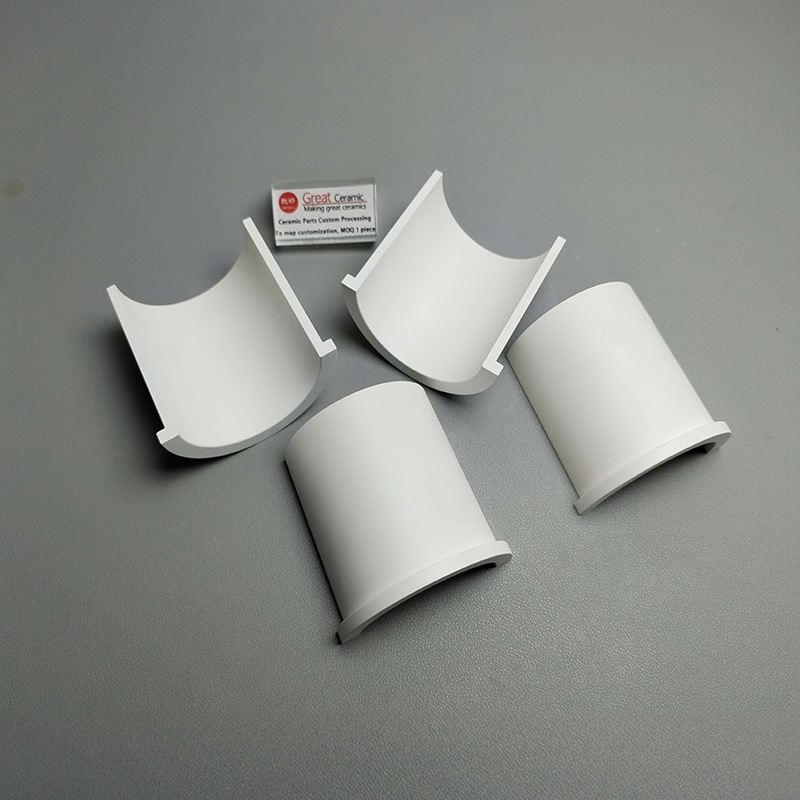
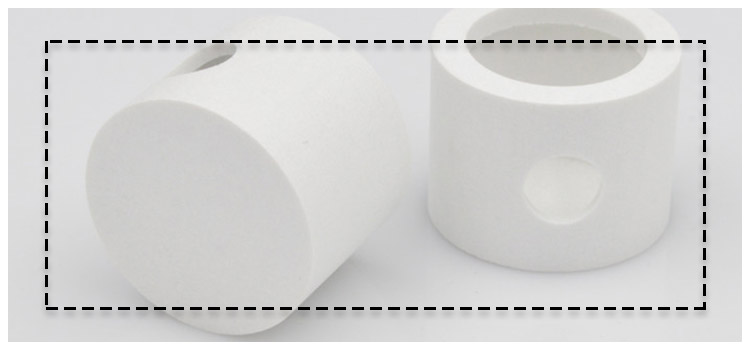


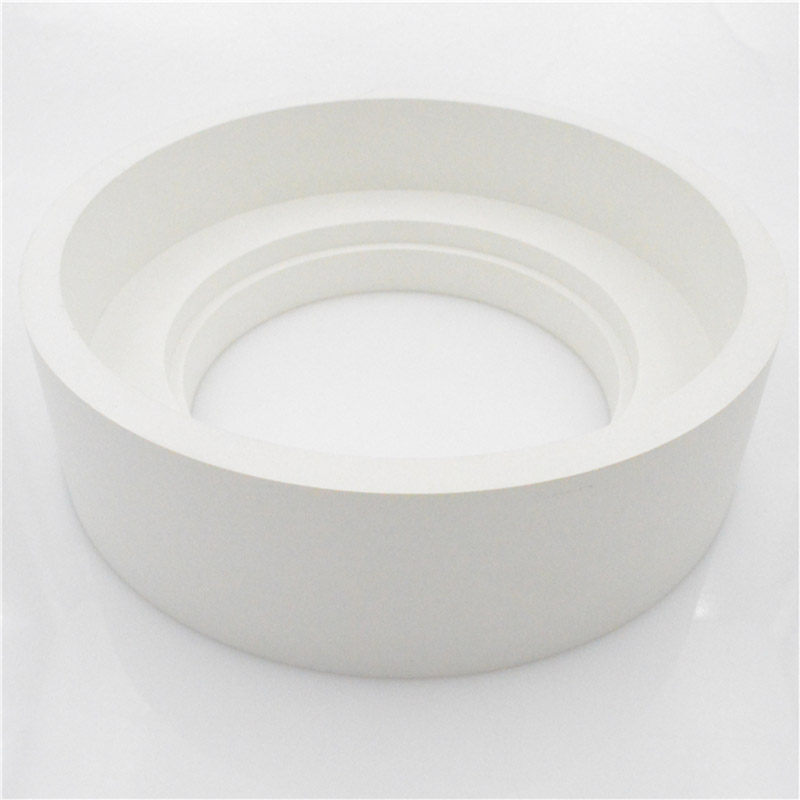


Related Ceramic Parts and Quotation Support






Boron Nitride Ceramics Thermal Performance: Six Review Points
Compare material behavior with the drawing, service environment, and evidence needed for the specific component before committing to a grade or process route.
Service Temperature and Atmosphere
Review expected temperatures, thermal cycling, atmosphere, vacuum exposure, and nearby materials together. Boron nitride ceramics thermal performance must be considered against the actual operating environment.
Electrical Insulation Needs
Where electrical isolation matters, define voltage conditions, temperature range, contact arrangement, and insulation expectations. Material behavior should be evaluated for the proposed grade and finished component.
Thermal Path Requirements
Clarify whether the part should limit heat transfer, direct it through a defined path, or manage gradients. Geometry and assembly interfaces can materially affect thermal behavior.
Machining and Part Geometry
Share the current drawing revision, critical dimensions, wall sections, holes, and tolerances. The part shape helps determine whether a selected boron nitride grade and process route fit the requirement.
Functional Surface Definition
Identify mating faces, contact surfaces, sealing areas, and finish expectations. These details connect thermal-service intent to practical assembly performance and inspection priorities.
Application-Specific Acceptance Evidence
State the application conditions, quantity, documentation needs, and acceptance criteria early. This gives a quotation discussion a concrete basis and distinguishes general material information from project-specific confirmation.
Ceramic Components for Thermal-Service Requirements
Start with the part form, mating interfaces and operating environment, then define the material, geometry and acceptance details needed for a focused sourcing discussion.

Ceramic Manufacturing Capabilities
Review ceramic manufacturing capabilities in relation to the component drawing: forming route, machining needs, critical dimensions, mating surfaces and inspection expectations. Share the current revision, quantity and acceptance criteria to establish whether the requested part can be evaluated for quotation.
Discuss Your Ceramic Part
Ceramic Solutions by Industry
Explore advanced ceramics applications by service environment and equipment function, including thermal exposure, wear, electrical insulation, chemical contact and structural support. Application context helps identify which operating conditions, interfaces and documentation requirements should guide the component inquiry.
Discuss Your Ceramic Part
Advanced Ceramic Materials
Compare advanced ceramic materials including alumina ceramics, zirconia ceramics, silicon carbide ceramics, silicon nitride, aluminum nitride, boron nitride, and specialty families. Material selection should be tied to the specified grade, part geometry, operating environment, and project-specific acceptance requirements.
Discuss Your Ceramic Part
Technical Ceramic Products
Browse technical ceramic components and industrial ceramic parts by familiar forms such as tubes, rods, rings, substrates, and replacement parts. Use each category as a starting point for a drawing-led discussion of dimensions, tolerances, mating features, material designation, and required documentation.
Discuss Your Ceramic Part
Technical Ceramic Resources
Use this technical ceramics guide to frame a clearer inquiry before requesting a quotation. Identify the drawing revision, service conditions, critical assembly dimensions, material information and inspection criteria, then contact Porcecore by email or WhatsApp to discuss the next decision.
Discuss Your Ceramic PartBoron Nitride Ceramics Thermal Performance: Grade Considerations


Boron Nitride Composites
Composite boron nitride formulations can be considered when a project calls for a tailored balance of thermal behavior, strength, or processability. Binder systems, additives, composition, and finished-part values require project-specific confirmation.

Aluminum Nitride
Aluminum nitride may enter the material comparison for electrically insulating components with thermal-management requirements. Evaluate geometry, mounting interfaces, atmosphere, and grade-specific thermal performance rather than selecting from a general property claim.
Alumina Ceramics
Alumina is a familiar technical ceramic for insulating and structural component discussions. Its suitability depends on the selected grade, dimensional tolerances, surface requirements, temperature exposure, and the assembly conditions identified in the inquiry.

Silicon Carbide Ceramics
Silicon carbide can be reviewed for demanding heat, wear, or chemical-service conditions where boron nitride ceramics thermal performance is only one part of the selection decision. Confirm grade, component form, and acceptance requirements for the project.
Boron Nitride Ceramics Thermal Performance: Production Methods

Material Grade Review
Review the proposed boron nitride grade against service temperature, atmosphere, insulation needs, and thermal path. Grade selection remains project-specific and should be confirmed with the part geometry and operating conditions.

Near-Net Forming
Consider a near-net forming route for the required tube, rod, ring, plate, or custom profile. The starting form can influence machining allowance, internal features, material orientation, and quotation assumptions.

Precision Machining
Define the dimensions that control assembly, including bores, grooves, threads, radii, and reference surfaces. Share the current drawing revision so tolerances, practical access, and inspection points can be reviewed together.

Surface Finishing
Identify surfaces that mate with another component or need a stated finish. Surface condition, edge treatment, and local geometry should be discussed alongside the thermal-service requirement rather than treated as separate details.

Final Inspection
Set out the acceptance criteria before quotation, such as critical dimensions, visual conditions, marking, packaging, and requested documentation. This gives the production discussion a clear basis for evaluating the finished component.
Boron Nitride Ceramics Thermal Performance: Assembly Details

Mating Surfaces
Identify bearing, sealing, contact, and clearance surfaces so the quotation discussion can focus on the dimensions and finishes that influence assembly and thermal-service fit.

Locating Features
Grooves, shoulders, flats, holes, and alignment details can be reviewed against the current drawing to clarify orientation, retention, and interfaces with adjacent components.

Part Markings
Where identification is needed, discuss marking content, location, readability, and any surface restrictions before confirming a project-specific part and inspection requirement.

Protective Packaging
Specify packaging expectations for shipment and handling, including separation of finished surfaces, quantity grouping, labeling needs, and any conditions relevant to receiving inspection.

Inspection References
Call out critical dimensions, mating surfaces, acceptance criteria, and requested documentation so the part requirement is clearer before production and quotation terms are confirmed.
Boron Nitride Ceramics Thermal Performance at Porcecore
Founded by Andy Yuan, Porcecore helps industrial buyers and engineering teams turn a material family into a clearer component requirement. For boron nitride ceramics thermal performance, the conversation starts with the part, its operating environment, and the decision the material must support.
Our approach is application-first and drawing-led. A tube, rod, ring, or substrate needs more than a material name: geometry, mating surfaces, service conditions, tolerances, and inspection expectations all shape a useful sourcing discussion.
Porcecore covers technical ceramic materials and component forms across oxide, nitride, carbide, and specialty families. We help teams evaluate custom ceramic components by clarifying grade, dimensions, documentation, delivery, and acceptance requirements for the individual project.

Boron Nitride Ceramics Thermal Performance: Specification Factors
Define the Operating Environment
Boron nitride ceramics thermal performance depends on the actual service environment, not a material name alone. Identify temperature range, atmosphere, vacuum exposure, cycling rate, adjacent materials, and contact conditions so the proposed grade can be reviewed against the part’s intended job.
- State continuous and peak temperatures
- Identify atmosphere, vacuum, or process gases
- Describe thermal-cycle frequency and ramp rate
- Note molten-material or chemical contact

Match Geometry to Heat Flow
A tube, ring, plate, rod, or machined insulator should be evaluated as a component within an assembly. Wall thickness, cross-sections, interfaces, and mounting details can influence how boron nitride ceramics thermal performance is applied to the project requirement.
- Provide the current drawing revision
- Mark heat-transfer paths and critical faces
- Identify mating parts and assembly constraints
- Specify wall thickness and internal features

Confirm Tolerances and Surfaces
Dimensional tolerances and surface requirements should be assigned to the features that control fit, sealing, alignment, or thermal contact. Separating essential dimensions from preferences gives a quotation discussion a clearer basis and helps focus review on project-specific manufacturing expectations.
- Flag dimensions that control assembly
- Identify datum surfaces and concentric features
- Describe finish needs for functional faces
- Separate critical tolerances from reference dimensions

Set Acceptance Requirements
Before commitment, define how the component will be accepted for the individual project. Material designation, inspection points, documentation, quantity, packaging, and delivery terms should be confirmed alongside the drawing, rather than inferred from general boron nitride ceramics thermal performance information.
- Name the required material designation
- List dimensional and visual inspection needs
- Request applicable documentation early
- Confirm quantity, packaging, and delivery expectations

Boron Nitride Ceramics Thermal Performance Needs a Drawing-Led Process
Compare Porcecore’s requirement-led approach with a material-name-only inquiry.
← Swipe left or right to view →
From Requirement Review to Shipment
A practical path for aligning boron nitride ceramics thermal performance with the part geometry, service conditions, inspection needs, and delivery details of your project.
Share Part Requirements
Send the current drawing, material designation if known, target quantity, operating environment, mating surfaces, and dimensions that control assembly.
Review Service Conditions
Discuss temperature exposure, thermal cycling, atmosphere, electrical needs, chemical contact, and application constraints relevant to boron nitride ceramics thermal performance.
Clarify Grade And Geometry
Identify the proposed material grade, component form, critical tolerances, surface expectations, and open questions before a project-specific quotation discussion proceeds.
Align Quotation Details
Review quantity, documentation, inspection expectations, delivery considerations, and commercial terms so the inquiry has a clear basis for further agreement.
Confirm Inspection And Shipping
Confirm agreed requirements for the individual project, including acceptance criteria, requested records, packing needs, shipping arrangements, and final order details.
How to Work With Porcecore on Boron Nitride Ceramics Thermal Performance
Turn an operating requirement into a clearer, project-specific ceramic component discussion.
Send Your Current Drawing
Share the latest drawing revision, component form, target quantity, and any replacement-part context so the quotation discussion begins with the correct geometry.
Define Service Requirements
Describe operating temperature, atmosphere, electrical needs, thermal conditions, mating surfaces, and other factors that shape boron nitride ceramics thermal performance for the application.
Clarify Acceptance Criteria
Identify critical dimensions, tolerances, inspection expectations, material designation if known, and documentation requirements needed for your internal approval or assembly process.
Review Project Details
Discuss open questions with Porcecore to align the proposed material, geometry, production considerations, delivery expectations, and commercial terms before a production order is agreed.
Customer References Subject to Approval
Boron Nitride Ceramics Thermal Performance: Verified Project Feedback
Reserved for an approved, attributable customer reference describing the component requirement, boron nitride ceramics thermal performance conditions, and verified project outcome. Do not publish until the customer, project details, and wording have been approved.
Reserved for approved case evidence from an equipment builder or engineering team. Include only confirmed details on drawing revision, part geometry, acceptance criteria, and any documented result; do not imply a thermal-performance outcome before verification.
Reserved for an attributable procurement or distributor testimonial. Publish only customer-approved language and verified numbers, with enough context to distinguish a general boron nitride material property from the requirements of the supplied component.
Boron Nitride Ceramics Thermal Performance FAQ
Clarify the material, part, documentation, and quotation inputs before committing to a project-specific ceramic component.
How should we assess boron nitride ceramics thermal performance for our application?
Why can boron nitride ceramics thermal performance vary between grades and part designs?
What drawing information is needed to discuss boron nitride ceramics thermal performance?
Can Porcecore help select a boron nitride grade for a replacement component?
Are minimum order quantity, samples, and lead time available before we submit an RFQ?
What inspection evidence should be requested for a technical ceramic part?
How should packaging and shipping requirements be communicated for fragile ceramic components?
How can we protect drawings and IP-sensitive documentation during a quotation discussion?
The Complete Buyer’s Guide to boron nitride ceramics thermal performance
Use a practical decision framework to match boron nitride grades, component design, and operating conditions, evaluate supplier documentation, compare cost drivers, and avoid specification mistakes that cause thermal or electrical performance failures.
1. What Is boron nitride ceramics thermal performance?
Five linked properties define boron nitride ceramics thermal performance: thermal conductivity, maximum service temperature, thermal expansion, thermal-shock resistance, and electrical insulation. The relevant combination is the one that controls heat flow, dimensional change, cycling damage, and electrical isolation in the actual assembly.
Two directions can produce materially different heat-transfer behavior in hexagonal BN because its plate-like structure is anisotropic. Grade chemistry, density, binder system, orientation, porosity, atmosphere, geometry, contact conditions, and the stated test method can all change the reported result.
One duty-cycle review should establish steady and peak temperature, ramp rate, heat-flux path, atmosphere, voltage exposure, mating-material expansion, and allowable distortion. A tube or insulator fits only when those properties are evaluated with its wall thickness, supported length, interfaces, and acceptance criteria—not from a generic material value alone.
2. Evolution of BN Ceramic Thermal Applications
Hexagonal boron nitride powder established the layered starting point for parts needing lubricity, electrical insulation, and heat tolerance. Hot pressing then made denser, machinable bodies practical for furnace fixtures, insulating components, and molten-metal-contact hardware.
Higher-purity h-BN grades shifted sourcing toward impurity limits, lot consistency, and application-specific acceptance criteria. In semiconductor equipment, buyers should distinguish a general material-family claim from the grade, geometry, cleanliness, and documentation required for the actual component.
Pyrolytic BN introduced deposited, highly oriented material for demanding crucibles and evaporation-source components, while composite BN formulations expanded property tradeoffs for electrical insulation and thermal service. Specify atmosphere, thermal cycling, wetted media, mating surfaces, and inspection dimensions before comparing routes. Reference: https://great-ceramic.com/boron-nitride-ceramic-parameter
3. Types of boron nitride ceramics thermal performance
Five BN families can share a name yet differ materially in heat-flow direction, electrical isolation, machining response, and atmosphere tolerance. Start with the component duty, then request grade-specific data rather than relying on a generic BN value.
| Family | Heat Behavior | Machining And Electrical | Typical Forms |
|---|---|---|---|
| Hot-pressed h-BN | Directional | Machinable; insulating | Tubes, rods, rings |
| High-purity h-BN | Directional; purity-sensitive | Machinable; insulating | Crucibles, insulators |
| Pyrolytic BN | Strongly directional | Less forgiving; insulating | Coated crucibles, plates |
| BN composite | Filler-dependent | Grade-dependent | Fixtures, structural parts |
| Cubic BN | Not default thermal insulation | Very hard; semiconducting | Cutting-tool inserts |
Directional Heat Flow
Layered h-BN and pyrolytic BN can conduct heat preferentially along oriented planes; mounting direction therefore belongs on the drawing. https://eureka.patsnap.com/materials/boron-nitride-ceramic
Family Selection
Cubic BN is primarily a hard, conductive-abrasive-tool material, not the default choice for insulating thermal fixtures. Confirm oxidizing exposure, vacuum level, mating surfaces, and required documentation before selecting a family.
4. Materials Behind boron nitride ceramics thermal performance
BN thermal behavior is controlled by the finished grade, not its material-family name. Purity, platelet alignment, binders, secondary phases, density, and pore structure must be evaluated together.
| Material Feature | Thermal Effect | Procurement Check |
|---|---|---|
| Platelet orientation | Directional conductivity and expansion | State measurement direction |
| Porosity and density | Heat-path continuity and shock behavior | Request density and porosity |
| Binders and secondary phases | Expansion and contamination exposure | Request composition disclosure |
Directionality And Heat Flow
Hexagonal BN has layered platelets, so conductivity can differ strongly parallel and perpendicular to their orientation. Specify the heat-flow direction for every reported value; platelet alignment can also make expansion direction-dependent.
Density, Phases, And Risk
Higher open porosity generally interrupts heat paths and can increase thermal gradients during cycling. Binder residues and secondary phases may alter expansion, thermal-shock response, and contamination risk, especially where a component contacts sensitive melts or vacuum processes.
Documentation Before Release
Lot-specific test results are not interchangeable with catalog values, which are typically representative. Request the grade composition, BN purity and identified secondary phases, bulk density and porosity, property direction, test method, test temperature, atmosphere, and lot traceability.
5. Component Design and Customization Options
Porcecore starts custom boron nitride parts with the assembly and heat path. For boron nitride ceramics thermal performance, geometry, machining orientation, and inspection points must be defined alongside material designation.
Select the Working Form
Tubes, plates, crucibles, nozzles, rings, and insulators should be selected around heat input, support conditions, and mating interfaces. A nominal shape alone does not define a reliable thermal component.
Control Geometry Transitions
Wall thickness changes, holes, threads, and sharp internal corners can concentrate stress or create local temperature gradients. Use gradual transitions where possible, and identify minimum sections, heated zones, and constrained surfaces on the drawing.
Submit Manufacturing Data
Porcecore needs the current drawing revision, critical tolerances, surface-finish callouts, and machining direction. Include quantity, operating temperature, atmosphere, thermal-cycle profile, contact loads, mating materials, and acceptance documentation requirements.
6. Key Construction Quality Elements
Thermal reliability begins before machining. For boron nitride ceramics thermal performance, the drawing should connect material condition, internal soundness, and finished-part verification to the actual heat path and assembly loads.
Raw Material And Densification
Each incoming powder lot should be identified by grade, lot, and specified impurity limits.
Uniform pressing and densification reduce local porosity variation, which can interrupt heat flow and create weak thermal-stress zones.
Orientation And Defect Control
Hexagonal BN is directionally structured, so orientation relative to the intended heat-flow direction should be agreed before production.
Visual and appropriate non-destructive inspection should address cracks, lamination, inclusions, and edge damage before shipment.
Drawing-Based Acceptance
Specified tolerances, mating-surface finish, cleanliness, and edge radii are useful acceptance criteria.
A claim of high-temperature resistance alone is not: define atmosphere, temperature cycle, critical dimensions, inspection method, lot traceability, and allowed defects.
7. Choosing a boron nitride ceramics thermal performance supplier
Two supplier quotations can describe different BN grades, test directions, and test temperatures. Compare the boron nitride ceramics thermal performance evidence against the same drawing, service envelope, and acceptance plan.
Verify Grade And Test Basis
Three documents should identify composition, binder system, density, and the method, direction, and temperature behind each reported property.
One comparison sheet should flag unequal specimen geometry, atmosphere, and conditioning rather than treating published values as interchangeable.
Review Part-Control Capability
Two capability records should cover machining tolerances, datum-based inspection, surface requirements, and measuring equipment used for critical features.
One sample plan should define first-article dimensions, visual criteria, test coupons, revision control, and disposition of nonconforming parts.
Approve Production Evidence
Four pre-production questions concern lot traceability, inspection reports, change notification, and realistic lead-time updates from material release through shipment.
One approval package should include the controlled drawing, grade designation, certificate requirements, sample results, and agreed acceptance criteria.
8. Common Thermal-Performance Buying Mistakes
Thermal selection failures usually begin before quotation, when a single catalog value substitutes for a service definition. Boron nitride ceramics thermal performance must be reviewed against the assembled part, not an isolated test condition.
Temperature Without Atmosphere
Maximum-temperature selection can cause oxidation, chemistry change, or early failure when air replaces inert gas or vacuum. Ask: Which atmosphere, pressure, exposure time, and temperature ramp define service?
Conductivity Without Direction
Conductivity comparisons can mispredict heat flow because BN microstructure may be direction-dependent. Ask: Is the quoted value measured parallel or perpendicular to the heat path in this drawing?
Cycling And Tolerance Assumptions
Thermal-cycle omission can produce cracking, loss of fit, or seal loading after repeated starts and stops. Over-tight tolerances can add cost without improving function. Ask: What cycle, mating clearance, and critical dimensions require verification?
Approval Without A Trial
Representative-trial omission can approve a part that fits inspection yet fails in the actual thermal assembly. Ask: Can a sample be tested with the intended atmosphere, fixtures, cycle, and acceptance criteria?
9. Steps to Launch a Qualified BN Component Program
A qualified program begins with a controlled requirement set, not a catalog selection. Record atmosphere, temperature profile, mechanical loads, electrical duty, mating surfaces, and planned replacement interval before requesting samples.
Define The Engineering Envelope
Step 1 assigns engineering ownership of the drawing revision and service envelope. State peak and continuous temperature, ramp rate, atmosphere, loads, electrical insulation needs, and assembly-critical dimensions.
Review Grade And Supplier
Step 2 has procurement compare proposed grade, process route, documentation, lead-time assumptions, and exceptions against the requirement. Confirm that quoted properties and achievable tolerances apply to the proposed component.
Qualify Samples Before Release
Step 3 gives quality an inspection plan covering dimensions, fit surfaces, material identification, and acceptance records. Test prototype parts through representative thermal cycles, capture results by revision, then release production only after cross-functional approval.
10. Pricing and Cost for BN Thermal Components
Two cost layers govern most BN component quotations: material conversion and drawing-specific finishing. Grade purity, blank size, geometry, machining access, tolerance bands, inspection records, and prototype quantity can each change the total.
One current drawing revision is the fastest route to a usable quote. State the required material designation, quantity, service environment, critical mating surfaces, acceptance criteria, and any documentation before comparing suppliers.
| Quantity tier | Representative cost drivers | Expected lead time | Buyer action to reduce cost |
|---|---|---|---|
| 1–5 prototypes | Setup, material blank, complex machining | Quote-specific | Use only critical tolerances; combine test features |
| 6–50 units | Repeat machining, inspection scope | Quote-specific | Standardize geometry and inspection points |
| 51–250 units | Yield, fixture needs, batch scheduling | Quote-specific | Consolidate releases and allow practical tolerances |
| 250+ units | Process validation, batch size, documentation | Quote-specific | Share forecast and approve a stable revision |
Discuss Boron Nitride Ceramics Thermal Performance Requirements
Email your drawing, service conditions, and acceptance criteria to info@zlrsmaterials.com to begin a project-specific conversation with Porcecore.