
Cordierite ceramics properties and selection guide for technical parts
Match cordierite grade, geometry and service conditions to a drawing-led inquiry for an industrial ceramic part.
Ceramic Component Examples for Cordierite Selection








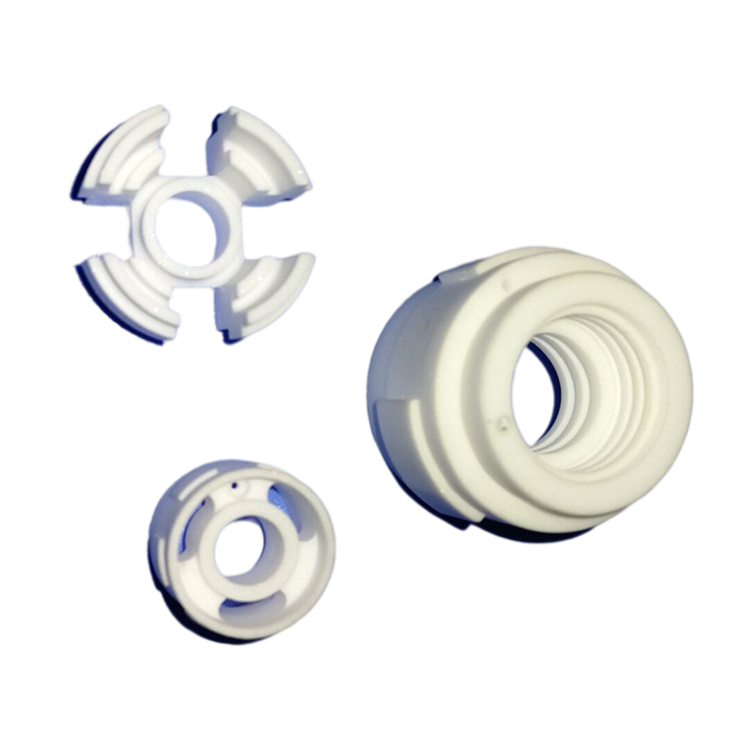
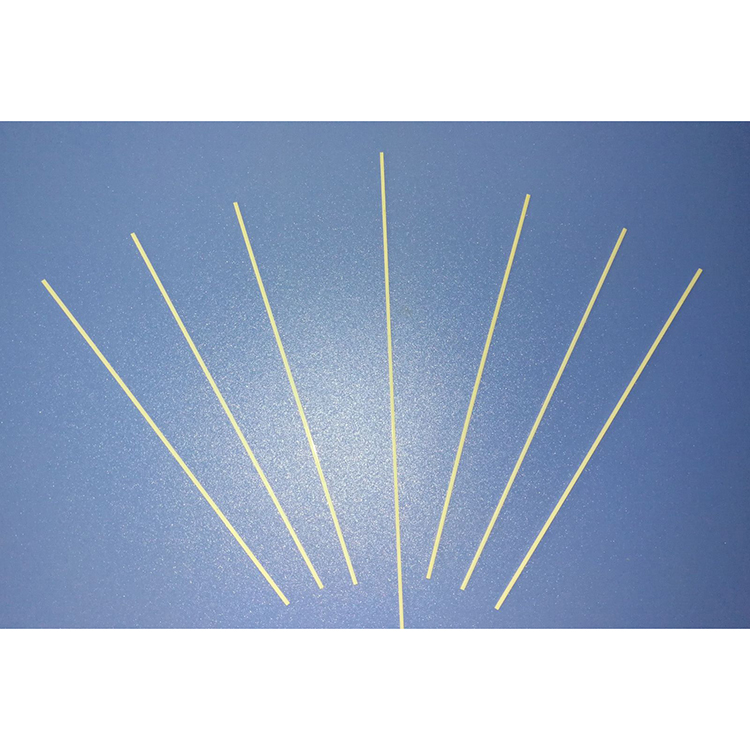


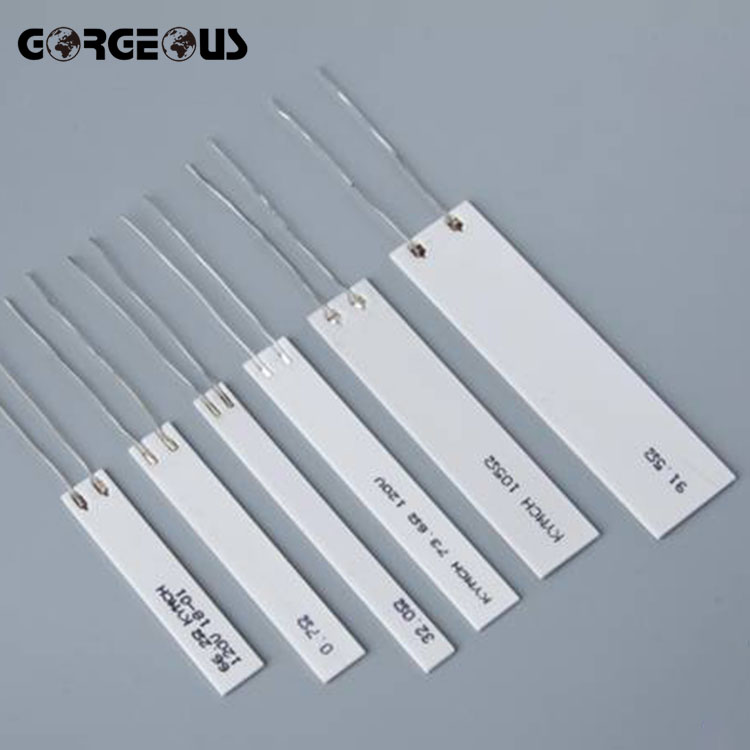
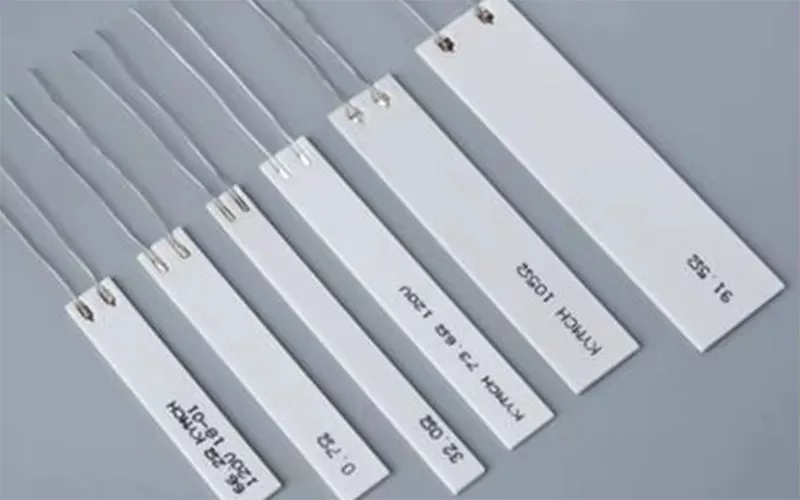
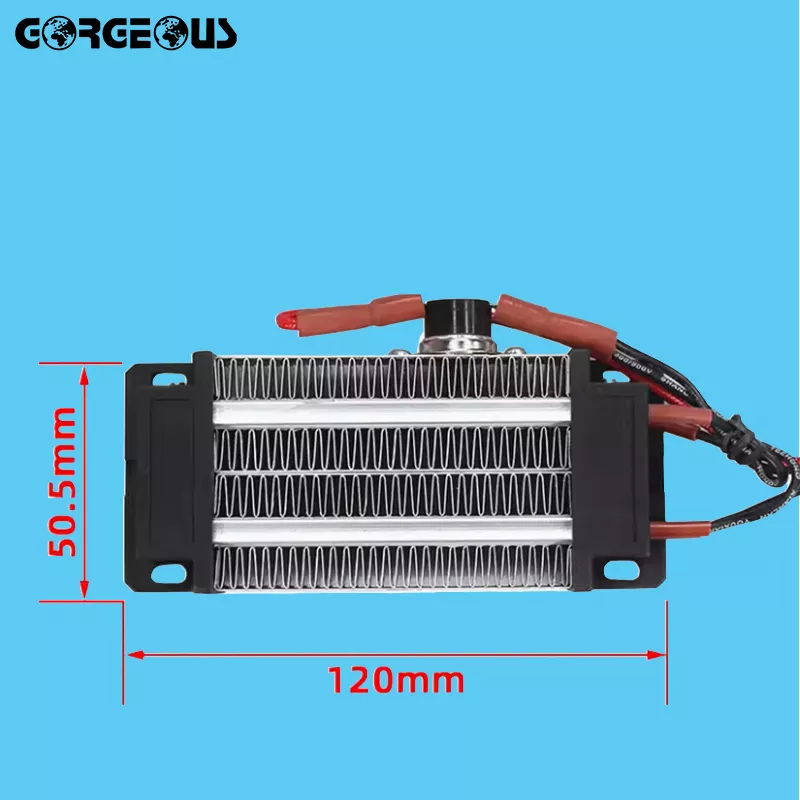
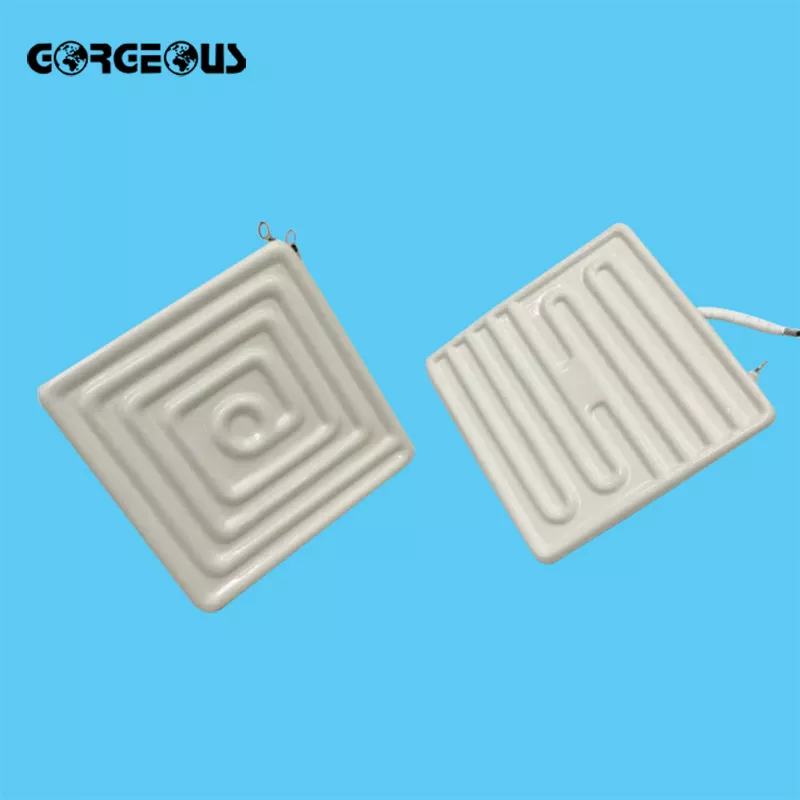
Related Ceramic Components for Cordierite Selection




Why Cordierite Selection Needs Engineering Context
A clearer sourcing decision starts by connecting cordierite material considerations with the drawing, interfaces, process expectations and acceptance requirements for the individual part.
Control Drawing Revision
Start with the current drawing revision, key dimensions and intended component function so quotation discussions address the part actually required, not a generic cordierite shape.
Confirm Material Grade
Confirm the cordierite grade or material designation, while separating general property references from project-specific values that require supplier and buyer agreement.
Define Assembly Geometry
Define geometry, tolerances and mating dimensions together, especially where tubes, rods, rings or substrates must assemble with adjacent metal, ceramic or electrical parts.
Review Process Route
Discuss the practical process route alongside shape, quantity and finish expectations, because manufacturability and available options depend on the complete project requirement.
Identify Functional Surfaces
Identify functional surfaces, sealing areas, electrical interfaces and contact zones that influence assembly, service conditions and the acceptance criteria for the finished ceramic component.
Match Inspection Evidence
Request inspection evidence that matches the decision: dimensional records, material documentation or other agreed checks, with requirements confirmed before production commitment.
Ceramic Components for Defined Requirements
Explore manufacturing capabilities, material families, component forms and practical resources for drawing-led technical ceramic sourcing.
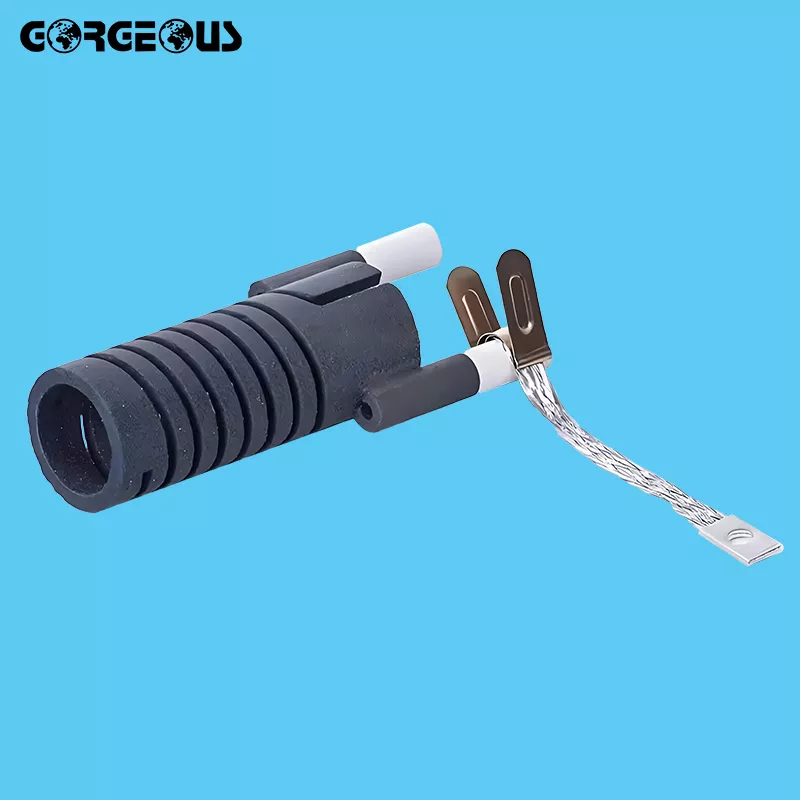
Ceramic Manufacturing Capabilities
Ceramic manufacturing capabilities covering forming, machining and finishing routes for tubes, rods, rings, substrates and other project-specific component geometries. Final process selection depends on material family, dimensions, tolerances, mating surfaces, quantity and inspection requirements.
Discuss Your Ceramic Part
Ceramic Solutions by Industry
Ceramic solutions by industry connect advanced ceramics applications with the operating conditions behind each part. Review requirements for thermal, electrical, wear, corrosion and insulation performance across equipment, process systems and other industrial assemblies.
Discuss Your Ceramic Part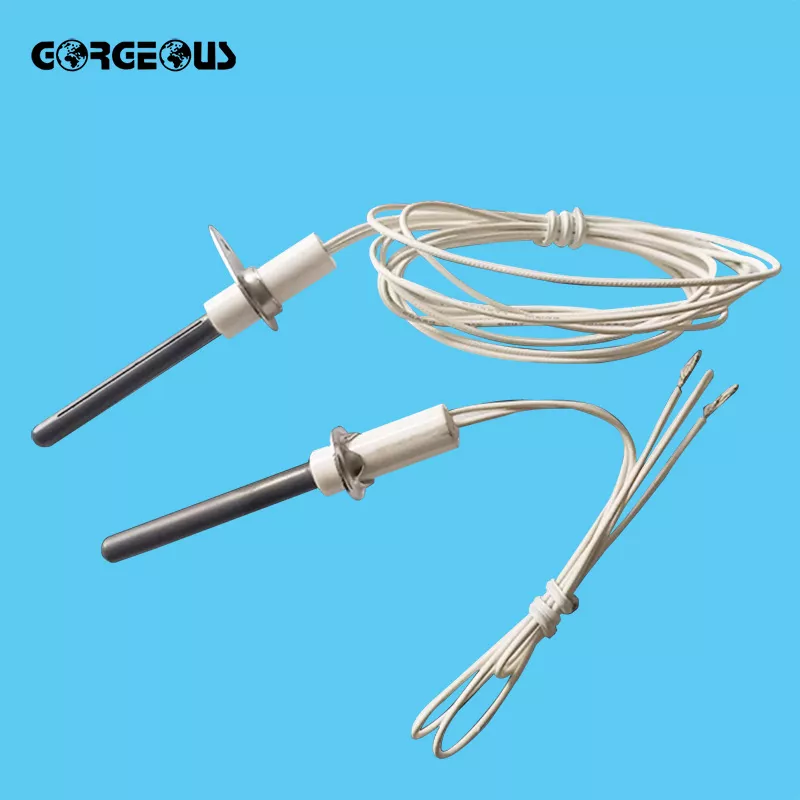
Advanced Ceramic Materials
Advanced ceramic materials include alumina, zirconia, silicon carbide, silicon nitride, aluminum nitride, boron nitride, cordierite and other specialty families. Grade selection should consider geometry, service conditions, property requirements and project-specific acceptance criteria.
Discuss Your Ceramic Part
Technical Ceramic Products
Technical ceramic products include tubes, rods, rings, substrates and related component forms for industrial assemblies and replacement parts. A product illustration identifies a possible form; drawing revision, grade, tolerances, surfaces and documentation define the quotation basis.
Discuss Your Ceramic Part
Technical Ceramic Resources
Technical ceramic resources help buyers compare material properties, component terminology and inquiry requirements before contacting Porcecore. Use the technical ceramics guide to prepare a drawing, material designation, quantity, service conditions and acceptance criteria for review.
Discuss Your Ceramic PartMaterials to Consider Alongside Cordierite


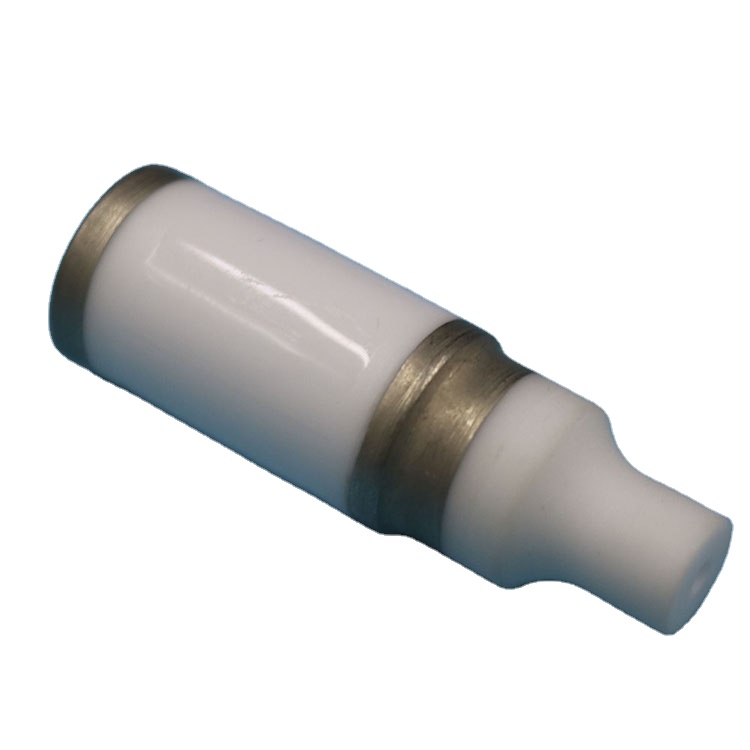
Alumina Ceramic
Industrial ceramic parts support thermal, electrical, wear, corrosion and insulation requirements across equipment, process systems and other assemblies. Review the operating conditions behind each component before selecting a material family.
Zirconia Ceramic
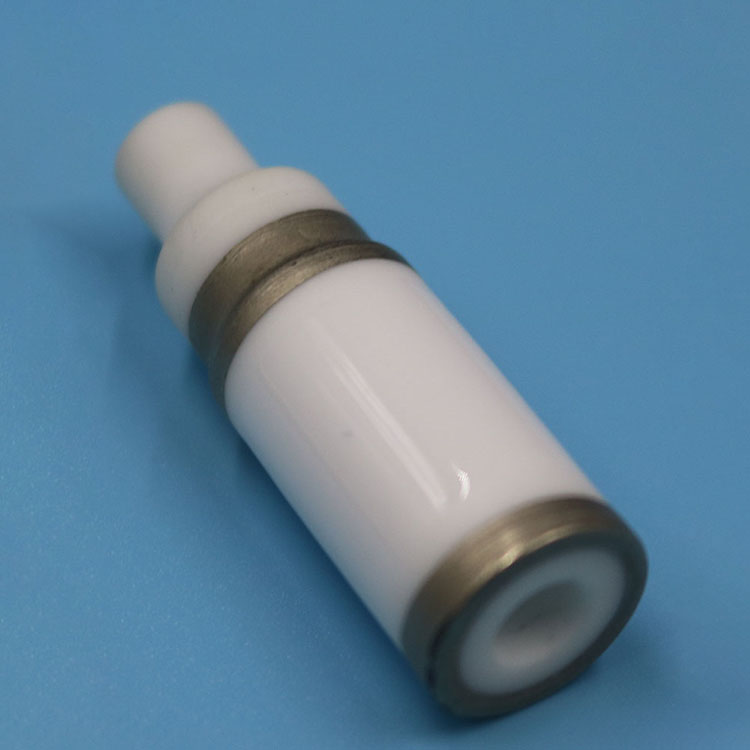
Advanced ceramic materials include alumina ceramics, zirconia ceramics, silicon carbide ceramics, silicon nitride, aluminum nitride, boron nitride, cordierite and other specialty families. Grade selection should consider geometry, service conditions, property requirements and project-specific acceptance criteria.
Silicon Carbide
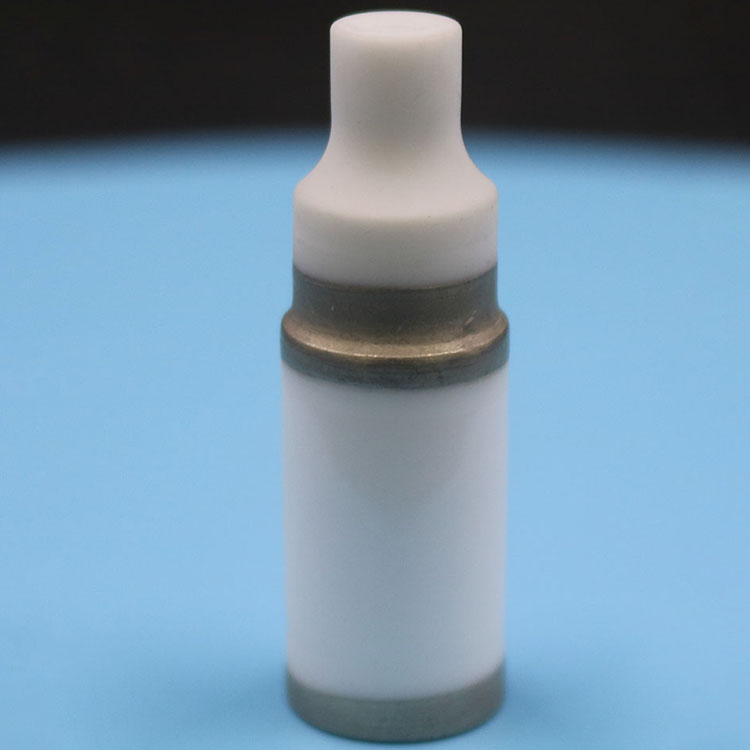
A hard, low-creep ceramic with excellent thermal conductivity and wear resistance, silicon carbide suits furnace components, mechanical seals, nozzles and high-temperature fixtures. Porosity, bonding method and grade-specific strength affect final part performance.
Aluminum Nitride
Smooth, dense and electrically insulating, aluminum nitride combines high thermal conductivity with a coefficient of thermal expansion suited to electronic assemblies. Substrates, heat spreaders and insulators require confirmation of grade, metallization and dimensional tolerances.
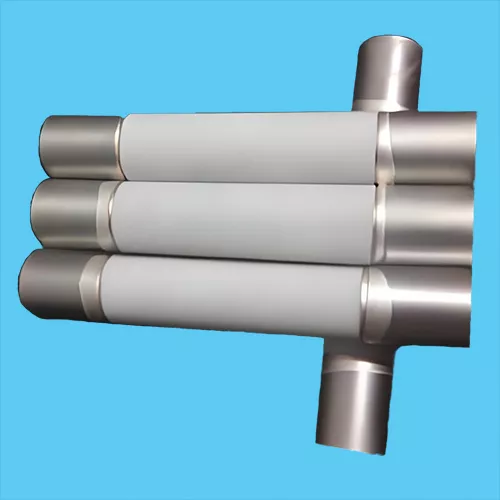
Silicon Nitride
Strong and fracture-resistant with a practical balance of thermal shock resistance and wear performance, silicon nitride suits bearings, rollers, cutting components and high-temperature fixtures. Material grade, surface finish and load conditions determine suitability.
Cordierite Ceramics Properties and Selection Guide: Supported Manufacturing Processes
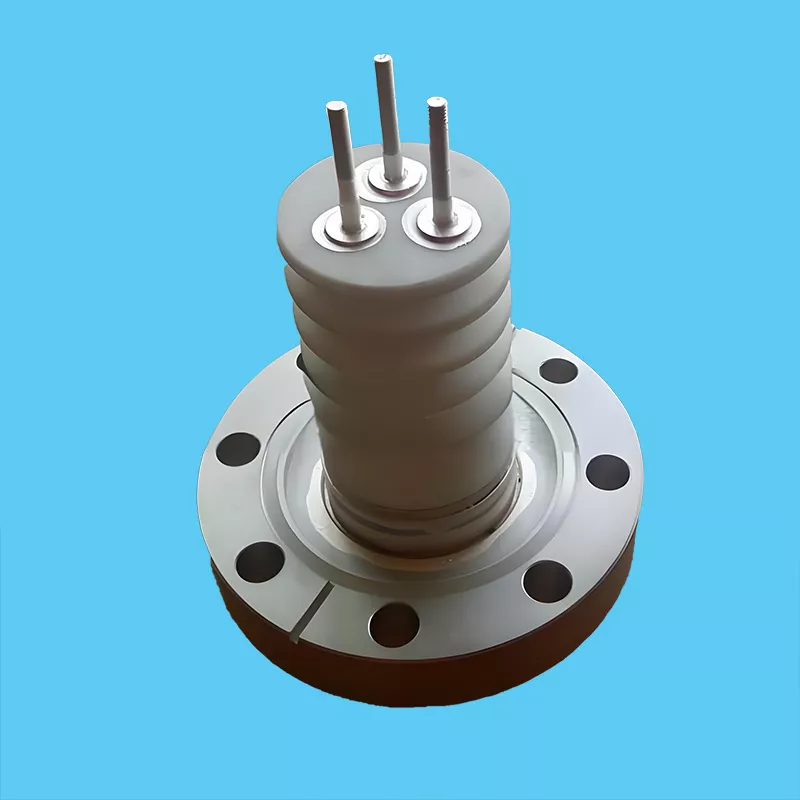
Powder Forming
Powder forming can support tubes, rings, plates and other ceramic geometries before firing. The suitable method depends on part shape, wall thickness, dimensional targets and the grade or material designation required for the application.
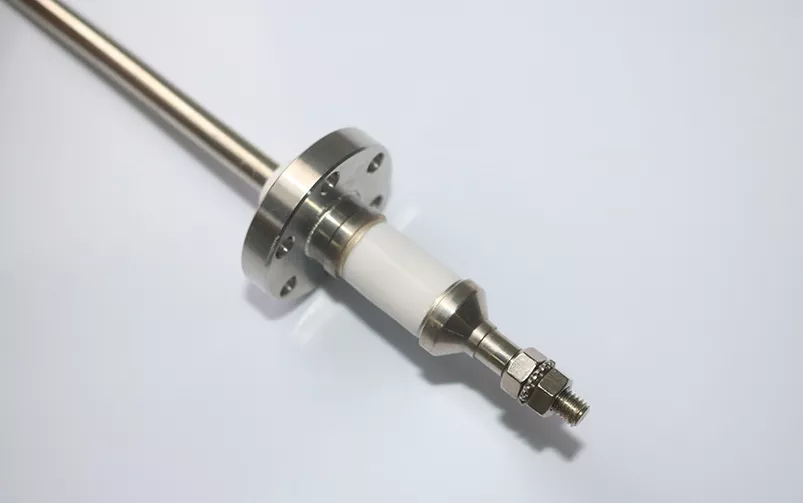
Controlled Firing
Firing develops the ceramic body and influences final dimensions, strength and thermal behavior. Allowance, shrinkage and grade-specific conditions should be considered when defining geometry, tolerances and acceptance requirements for a project.

Diamond Grinding
Diamond grinding may be used to refine critical dimensions, flatness, diameters or mating surfaces after firing. It is relevant where assembly fit, sealing, alignment or repeatable interfaces require tighter control than as-fired geometry.
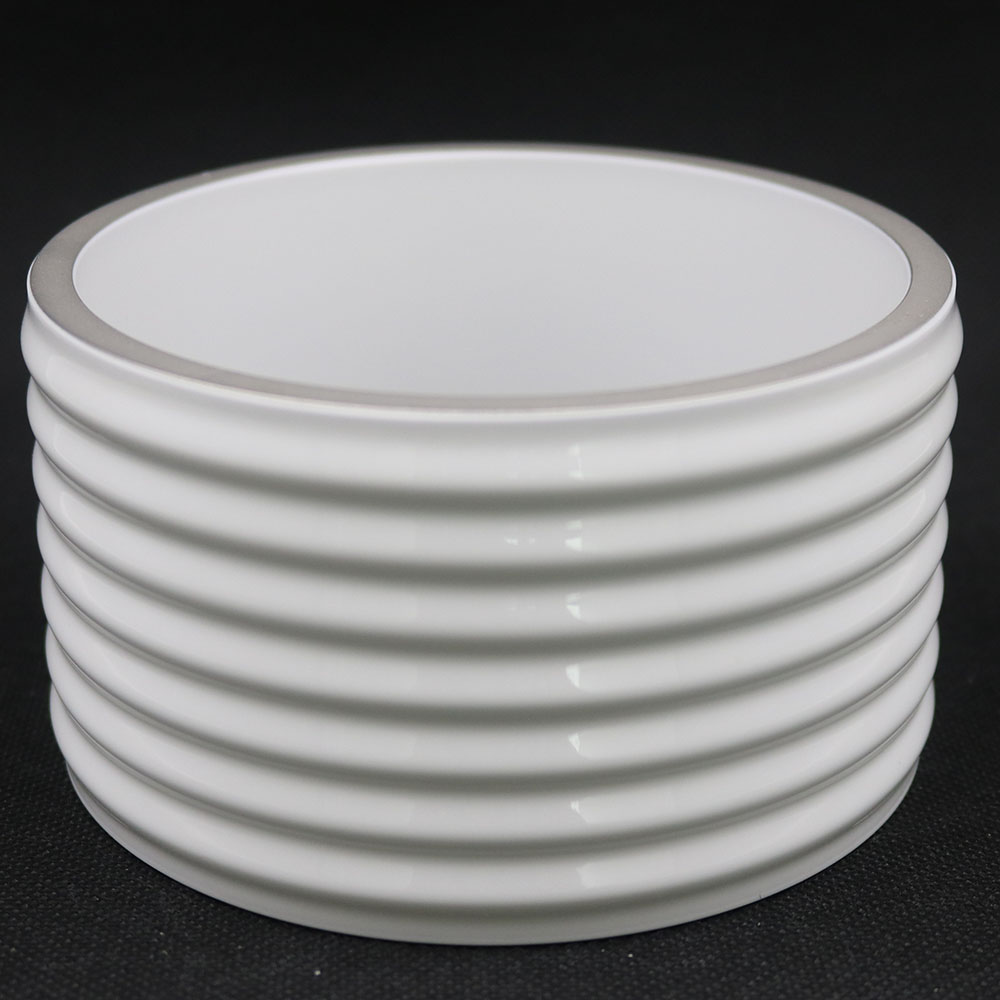
Lapping And Polishing
Lapping and polishing can improve surface condition on selected functional areas, such as sealing faces, optical interfaces or precision contact surfaces. The required finish should be identified by drawing, application and inspection method.

Dimensional Inspection
Inspection compares finished components with the approved drawing, material designation and acceptance criteria. Depending on the project, review may address dimensions, tolerances, surface requirements, appearance and documentation needed for procurement or approval.
Supported Manufacturing Processes for Cordierite Components

Mating Surfaces
Define contact faces, fits, grooves and surface finish where cordierite parts meet metal, ceramic or other components. These details help assess assembly, alignment, wear concerns and inspection requirements for the finished part.

Sealing Interfaces
Specify seal lands, bores, shoulders and compression areas for cordierite components used near gases, fluids or controlled atmospheres. Project conditions and acceptance criteria determine the suitable geometry and verification approach.

Metal Inserts
Metal pins, sleeves or threaded inserts can support mounting, electrical connection or positioning around a ceramic component. Confirm insert material, location, retention method, thermal conditions and drawing tolerances before quotation.
Insulation Features
Grooves, spacers, stand-offs and clearance features can help maintain electrical separation in assemblies using cordierite parts. Identify voltage, temperature, creepage, mating components and dimensional limits required for the application.

Part Identification
Marking, traceability and identification areas may be needed for replacement parts, production control or approval documentation. Indicate marking location, method, permanence, readability and any restrictions on functional ceramic surfaces.
Interfaces and Accessories for Cordierite Parts
Founded by Andy Yuan, Porcecore helps industrial procurement teams, engineers, equipment builders and ceramic distributors connect material choices with clearly defined part requirements. Our mission is to make technical ceramic sourcing easier to begin and more useful to evaluate, whether the need involves cordierite or another oxide, nitride, carbide or specialty ceramic.
Porcecore approaches each inquiry through the part and its operating environment. Geometry, mating surfaces, service conditions, material grade, quantity, drawing revision and acceptance criteria belong in the same conversation. This drawing-led approach distinguishes a product illustration from a confirmed specification and gives project teams a clearer basis for quotation and approval discussions.

Cordierite Ceramics Properties and Selection Guide: From Requirements to Inquiry
Review Drawings Before Quotation
A useful cordierite inquiry starts with the current drawing revision, not a material name alone. Porcecore reviews dimensions, tolerances, reference surfaces and quantity so the quotation discussion reflects the part required for production, replacement or equipment integration.
- Confirm drawing revision and critical dimensions
- Identify quantity, lead-time and replacement context
- Separate required specifications from preferences
- Flag open questions before pricing

Compare Material Families Clearly
Cordierite may suit a specific thermal or electrical requirement, while alumina, zirconia, silicon carbide or other technical ceramics may warrant comparison. Porcecore helps buyers frame the selection around operating conditions, grade availability and the component’s actual job.
- Compare cordierite with relevant ceramic families
- Consider thermal, electrical and mechanical demands
- Distinguish general properties from grade-specific data
- Discuss material designation when already known

Define Geometry And Interfaces
A tube, rod, ring or substrate cannot be selected independently from its geometry and mating surfaces. Discussing fits, openings, wall sections, mounting features and contact areas helps connect cordierite ceramics properties and selection guide information to assembly performance.
- Identify surfaces that mate with other parts
- Review dimensions that control assembly
- Clarify openings, wall thickness and features
- Note handling or installation constraints

Clarify Acceptance Requirements
Before production begins, align on the acceptance criteria that matter for the project. Grade, tolerances, inspection records, documentation, packaging and delivery expectations should be confirmed individually rather than inferred from a catalogue illustration or general material description.
- Define inspection points and allowable tolerances
- Confirm documentation needed for approval
- Record grade, quantity and delivery expectations
- Distinguish inquiry details from agreed specifications

From Requirements to a Cordierite Inquiry
Compare a drawing-led, project-specific sourcing conversation with material-only purchasing when selecting cordierite ceramic components.
← Swipe left or right to view →
Cordierite Ceramics Properties and Selection Guide: From Inquiry to Shipment
A drawing-led process connects material review, component geometry, project requirements, quotation, production coordination, inspection expectations, packing and shipping.
Define the Requirement
Share the component function, service conditions, quantity, current drawing revision and acceptance criteria so the initial ceramic discussion has a practical engineering basis.
Review Material Fit
Compare cordierite and related ceramic options against operating temperature, thermal cycling, electrical needs, geometry, mating surfaces and project-specific performance priorities.
Discuss Geometry
Review drawings, critical dimensions, tolerances, interfaces and manufacturability questions to distinguish essential assembly requirements from preferred but negotiable details.
Confirm the Quotation
Align the proposed grade, geometry, quantity, documentation, inspection expectations, delivery assumptions and commercial terms before issuing a project-specific quotation.
Coordinate Production
Confirm the approved drawing revision and agreed requirements while production planning addresses process suitability, scheduling, communication points and any required technical documentation.
Inspect, Pack and Ship
Coordinate agreed inspection records, protective packing and shipment details so the finished ceramic components arrive with requirements and delivery expectations clearly documented.
How to Use the Cordierite Ceramics Properties and Selection Guide
Use this cordierite ceramics properties and selection guide to move from application requirements to a confirmed technical ceramic production order.
Submit Your Requirements
Send the current drawing revision, expected quantity and service conditions so Porcecore can connect the component geometry to its operating requirement.
Clarify Critical Specifications
Clarify the cordierite grade, mating surfaces, critical dimensions, tolerances, documentation and acceptance criteria, separating essential production requirements from preferred options.
Review the Proposed Route
Review the quotation or sample route against your application, including project-specific properties, inspection expectations, lead time assumptions and unresolved technical questions.
Confirm the Production Order
Confirm the approved specification, commercial terms and production order before manufacturing begins, ensuring geometry, grade, delivery and documentation requirements are recorded.
Certifications and Technical Documentation for cordierite ceramics properties and selection guide
Buyer Feedback on the cordierite ceramics properties and selection guide
Verified customer quotation required before publication: describe how a drawing-led review clarified the cordierite grade, mating surfaces and acceptance criteria, then report the confirmed sourcing outcome, such as [quantity] parts approved in [number] days.
Verified customer quotation required before publication: explain how comparing cordierite with related ceramic materials resolved a temperature, geometry or insulation requirement, supported by a confirmed project result such as [percentage] fewer revisions or [number] units delivered.
Verified customer quotation required before publication: document how Porcecore converted a replacement-part requirement into a clear inquiry covering grade, dimensions, tolerances and inspection records, with the verified outcome recorded as [lead-time reduction] or [approved quantity].
Verified Customer Feedback Pending
Practical answers for connecting cordierite material choices with drawings, operating conditions, inspection expectations and project-confirmed commercial terms.
How should we use the cordierite ceramics properties and selection guide when choosing a grade?
Can the cordierite ceramics properties and selection guide determine the right dimensions and tolerances?
What information should accompany an inquiry based on the cordierite ceramics properties and selection guide?
Can Porcecore support samples, MOQ discussions and production quantities?
How are lead time, payment and shipping terms established?
What inspection evidence can be requested for cordierite ceramic components?
How should cordierite parts be packaged for shipment and application use?
How does Porcecore protect drawings and intellectual property during quotation?
The Complete Buyer’s Guide to cordierite ceramics properties and selection guide
Use this practical decision framework to compare cordierite grades, thermal and electrical performance, customization options, supplier capabilities, pricing factors, and common sourcing mistakes before approving components for production.
1. What Are Cordierite Ceramics?
Cordierite ceramics are magnesium-alumino-silicate components valued for low thermal expansion, strong thermal-shock resistance, electrical insulation, and dimensional stability during repeated heating and cooling. They are used in high-temperature assemblies where geometry and insulation must remain reliable, but the applicable grade and design limits require confirmation.
Five questions should guide selection: which properties control the part’s function, what peak and cycling temperatures will it see, and what atmosphere, loads, tolerances, mating surfaces, and inspection criteria apply? This operating data matters more than a material name alone when specifying tubes, supports, substrates, or kiln components.
Three alternatives illustrate the trade-off: cordierite may offer better thermal-shock behavior than alumina, lower expansion than steatite, and a different balance of strength and temperature capability than mullite. A practical cordierite ceramics properties and selection guide therefore compares grade-specific data against the actual service requirement.
2. Evolution and History of Cordierite Ceramics
1813 marks the mineralogical description associated with cordierite, long before manufacturers controlled it as an engineered ceramic. Early refractory use focused on its low thermal expansion and resistance to thermal shock in furnace components.
20th-century advances in powder preparation, composition control, and firing converted cordierite into dependable technical ceramics. Kiln furniture, heater supports, catalytic substrates, and electrical insulating components benefited from shaped, porous bodies that could survive repeated heating cycles.
Today, procurement connects that history directly to specification discipline. Purity, open porosity, thermal-expansion range, dimensional repeatability, and scalable firing capacity must be confirmed by grade and geometry; a cordierite ceramics properties and selection guide is only a starting point for drawing review, inspection criteria, and production-volume planning.
3. Cordierite Ceramics Properties and Selection Guide: Types
Three variables—composition, porosity, and geometry—separate the cordierite forms used in industrial components. This cordierite ceramics properties and selection guide links each form to thermal shock, strength, insulation, permeability, and service use.
| Form | Key Trade-Off | Typical Use |
|---|---|---|
| Dense cordierite | Strength; low permeability | Supports and insulators |
| Porous cordierite | Insulation; gas flow | Kiln and thermal assemblies |
| Honeycomb substrate | Flow area; thin-wall fragility | Catalyst and filtration carriers |
Material Forms
Dense cordierite provides higher strength and low permeability; porous grades trade strength for insulation and gas flow.
Cordierite-mullite compositions generally increase rigidity and load-bearing capability, subject to grade-specific thermal expansion and thermal-shock data.
Component Geometries
Kiln furniture includes plates, blocks, and setters for repeated firing support. Honeycomb substrates use thin walls and open channels for flow, while tubes suit thermal barriers, supports, and electrical isolation.
Custom-Machined Parts
Custom-machined parts convert fired bodies into tubes, rods, rings, or close-fit plates.
Forming, firing, and finish machining affect dimensional control, permeability, strength, and cost; confirm mating surfaces and inspection criteria from the drawing.
4. Cordierite Ceramics Properties and Selection Guide: Materials
Cordierite performance begins with formulation, not the label alone. Phase content, oxide balance, pore structure and contamination limits must match the component’s thermal, electrical and mechanical duty.
| Requirement | Material Focus | Selection Check |
|---|---|---|
| Frequent cycling | High cordierite phase; controlled expansion | Thermal-shock data |
| Dielectric duty | Stable purity; low contamination | Grade-specific loss and strength |
| Mechanical load | Controlled porosity; sound grain structure | Load, atmosphere and temperature limits |
Formulation Controls
Cordierite phase content depends on the alumina-silica-magnesia balance; additives can adjust sintering, strength and thermal expansion. Excess secondary phases may change dielectric behavior or cycling response.
Fine, uniform grains generally support consistency, while open porosity reduces strength and can increase gas or glaze penetration.
Application Matching
Temperature, cycle frequency, dielectric duty, mechanical load and atmosphere determine whether a formulation is suitable. Compare grade-specific data with the actual service profile, including oxidizing, reducing or contaminated environments.
Surface And Purity
Glaze or coating compatibility depends on firing shrinkage, thermal expansion and atmosphere; test the complete assembly where fit or insulation matters. Control raw-material and processing contamination when purity, dielectric stability or downstream cleanliness is critical.
5. Customization and Decoration Options
Dimensions, tolerances, openings, and mating features should be defined from the assembly drawing and service conditions. Customization is useful when geometry improves fit or function; decoration requires review because added layers can alter thermal or electrical behavior.
Geometry And Tolerances
±0.1 mm tolerances may be practical for selected features, while tighter values usually require controlled grinding and explicit inspection. Holes, slots, channels, grooves, chamfers, radii, and assembly clearances should be dimensioned from functional datums.
Tubes, rods, rings, and substrates may also require locating shoulders, mounting holes, or alignment flats.
Process Selection
Molding and pressing suit repeatable net or near-net shapes; extrusion suits constant cross-sections such as tubes and channels. Diamond machining is appropriate for precise holes, slots, surface finish, and post-fired adjustments.
Additive ceramic processing can support complex prototypes or low-volume geometries, but buyers should confirm density, shrinkage, and qualification criteria before approval.
Finishes, Coatings, And Marks
Ra 0.8–3.2 µm may distinguish functional mating surfaces from general faces, while edge breaks reduce chipping during handling. Functional coatings may provide insulation, wear resistance, or chemical protection; compatibility must be checked against temperature and dielectric requirements.
Laser marks, fired identifiers, and assembly inserts should remain legible without introducing contamination or stress. Decorative finishes deserve caution where pigments or coatings could compromise thermal or electrical performance.
6. Key Construction and Quality Elements
Quality acceptance starts with a drawing-linked inspection plan, not a material name. For cordierite ceramics properties and selection guide decisions, verify functional surfaces, test conditions, and records before approving production.
Dimensional And Surface Control
±0.1 mm is common for many ceramic dimensions, but fits require drawing-specific tolerances. Check flatness, warpage, surface defects, and crack limits using calibrated gauges and defined lighting.
100% inspection may suit critical mating features; otherwise agree sampling plans, acceptance limits, and nonconformance handling before production.
Material And Performance Verification
Density, open porosity, thermal expansion, dielectric strength, and mechanical strength should be tied to the selected grade and test method. General datasheet values are not contractual substitutes.
Thermal-shock testing must reflect the actual temperature range, ramp, dwell, and cycle count. Compare results by batch when service reliability depends on repeated cycling.
Firing, Traceability And Packaging
The firing profile influences shrinkage, warpage, porosity, strength, and batch consistency; request controlled records or agreed certificates where appropriate. Traceable lot numbers should connect material, inspection results, and shipment.
Protect finished parts with separators, cushioning, moisture control where relevant, and packaging checks. Acceptance should cover documentation, sampling, labeling, and damage on arrival.
7. How to Choose a Cordierite Ceramics Manufacturer
One drawing revision, operating profile, forecast, and acceptance criteria should anchor every manufacturer comparison. Evaluate whether the supplier can connect cordierite formulation, geometry, process control, testing, and delivery evidence to your part requirement.
Technical Capability
Ask how the manufacturer controls formulation, batch traceability, shrinkage, tooling, and prototype approval. Confirm technical consultation covers mating surfaces, tolerances, thermal cycling, dielectric needs, and the proposed cordierite grade.
Send the current drawing, material designation if known, annual forecast, sample quantity, and service conditions. Ask: What prototype route and tooling cost apply, and which dimensions can be held consistently?
Quality And Capacity
Verify production capacity, equipment relevant to forming and firing, testing equipment, inspection records, certificates, and quality-system procedures. Request sample inspection reports, calibration status, nonconformance handling, and lot-level traceability.
Ask for realistic prototype and production lead times, minimum order quantities, capacity at forecast volume, and acceptance criteria for density, dimensions, strength, dielectric performance, or thermal shock.
Delivery And Support
Confirm packaging protects fragile ceramic edges, export documentation is familiar, and shipping terms, labeling, and replacement-part handling are defined. Ask who owns technical communication after approval and how corrective actions are reported.
Compare written answers to: Can you support our forecast? What changes require requalification? Which certificates accompany each lot? What happens if received parts fail inspection?
8. Common Buyer Mistakes in Cordierite Selection
Eight avoidable errors can turn a suitable cordierite grade into a poor component decision. The remedy is to connect material, geometry, service conditions, inspection evidence, and total cost before approval.
Define The Complete Requirement
One material name cannot define a tube, ring, or substrate. State geometry, mating surfaces, atmosphere, cycling range, porosity limits, and tolerances.
Ask the supplier: Which grade-specific properties and drawing features control suitability?
Check Thermal And Atmosphere Risks
Thermal cycling, oxidation, and process atmosphere can expose weaknesses missed by room-temperature data. Include ramps, dwell times, peak temperature, and cycle count.
Ask: What test conditions replicate our service environment?
Set Realistic Quality Controls
Tight tolerances, porosity assumptions, and fragile edges can increase scrap and handling damage without improving assembly. Separate critical dimensions from preferences.
Ask: What capability, inspection method, and packaging controls support these requirements?
Validate Data And Total Cost
Prototype validation should precede production commitment, especially when test data lacks grade, method, or sample details. Compare landed cost, yield, rework, breakage, and lead time—not unit price alone.
Ask: Can you provide traceable test reports and a prototype plan?
9. Steps to Launch Your Cordierite Component Program
A controlled launch begins with the component’s duty, interfaces, and acceptance criteria—not a material name alone. Assign engineering, procurement, quality, and operations owners before sampling so each decision has an accountable checkpoint.
Define The Application
1 application brief should record temperature, atmosphere, loads, cycling, mating surfaces, geometry, quantity, and inspection expectations. Engineering then makes a preliminary cordierite grade selection against those requirements.
2 procurement inputs—drawing revision, target cost, quantity, and delivery need—turn the concept into a supplier-ready inquiry.
Review And Test Prototypes
3 controlled documents should cover the reviewed drawing, material designation, tolerances, test plan, and sample identification. Quality confirms measurable acceptance criteria before prototype release.
Prototype samples proceed through laboratory or in-equipment testing, with engineering recording failures, dimensional changes, and design actions for the next revision.
Pilot And Approve
The pilot lot verifies process repeatability, inspection records, packaging protection, and fit at intended assembly points. Operations owns production readiness while quality approves the inspection method and nonconformance route.
Release only after signed drawing, approved material specification, control plan, test report, packaging standard, and change-control procedure are complete.
Plan Repeat Orders
A repeat-order file should preserve the approved revision, supplier contacts, inspection frequency, packaging configuration, and replenishment trigger. Procurement and operations should review forecast, safety stock, and lead-time assumptions before the first reorder.
10. Cordierite Pricing, Cost Drivers, and Lead Times
1 quotation can shift with raw-material formulation, part size and complexity, tooling, machining, tolerances, testing, coating, packaging, freight, and expected rejection risk. Treat every figure below as a planning estimate requiring supplier quotation; grade, geometry, inspection plan, and finish must be confirmed.
2 quantity effects matter: larger orders usually spread tooling and setup across more parts, while tight tolerances, difficult machining, testing, coating, special packaging, or export freight can offset savings. Share the drawing revision, quantity, service conditions, and acceptance criteria with Porcecore for a project-specific quotation.
| Quantity Tier | Representative Unit Price | Setup or Tooling Cost | Typical Lead Time |
|---|---|---|---|
| 1–10 pieces | $40–$250 | $150–$800 | 4–8 weeks |
| 11–100 pieces | $18–$120 | $250–$1,200 | 5–10 weeks |
| 101–1,000 pieces | $6–$55 | $400–$2,500 | 6–12 weeks |
| 1,000+ pieces | $2–$30 | $600–$4,000 | 8–16 weeks |
Discuss Your Cordierite Ceramics Properties and Selection Guide
Send your drawing or describe the component, quantity, operating environment, and acceptance criteria to begin a clear quotation conversation.