
Porous Ceramics: Properties and Selection for Industrial Ceramic Parts
Connect pore structure, material behavior, geometry, and acceptance requirements to the technical ceramic component your project needs.
Ceramic Component Examples for Engineering Review
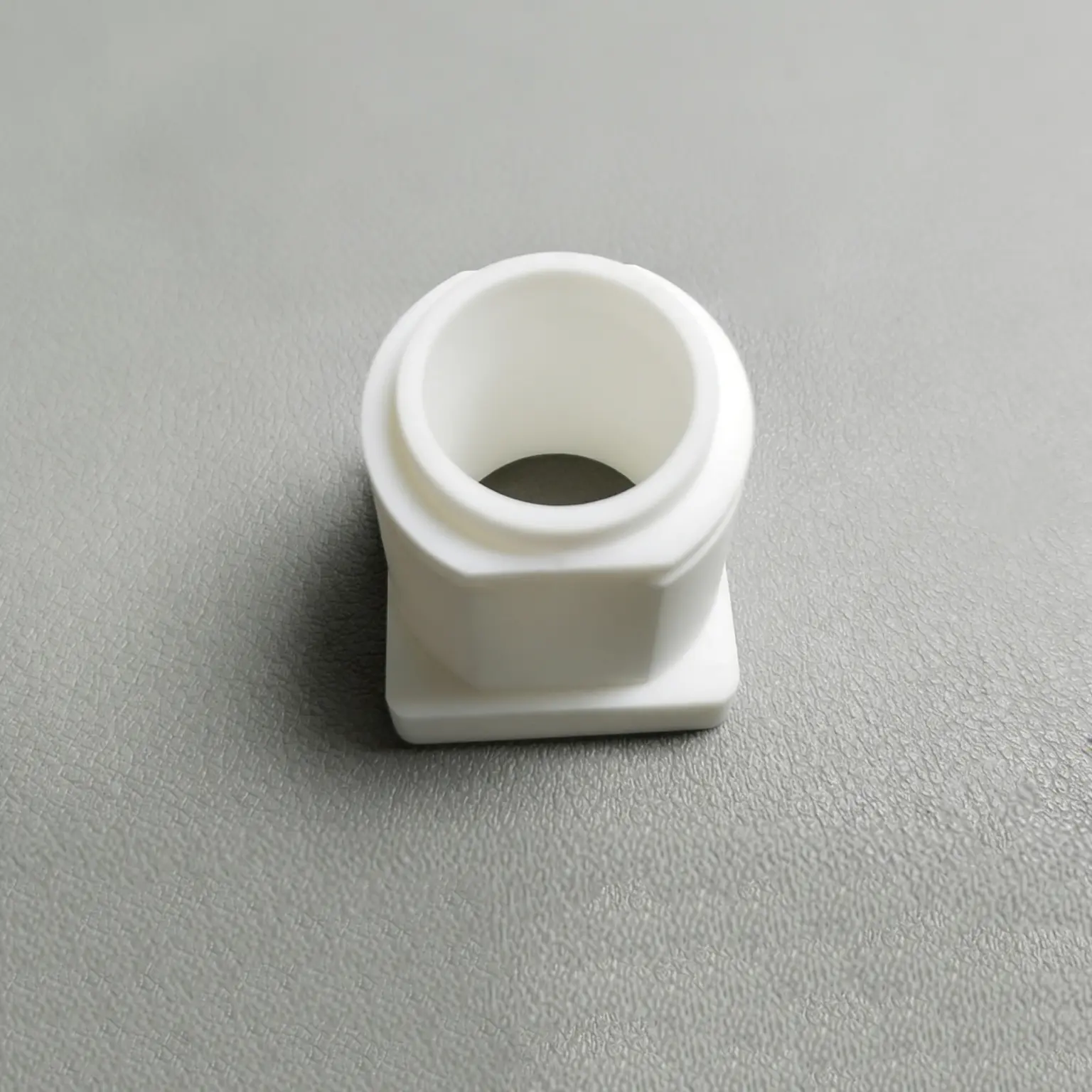
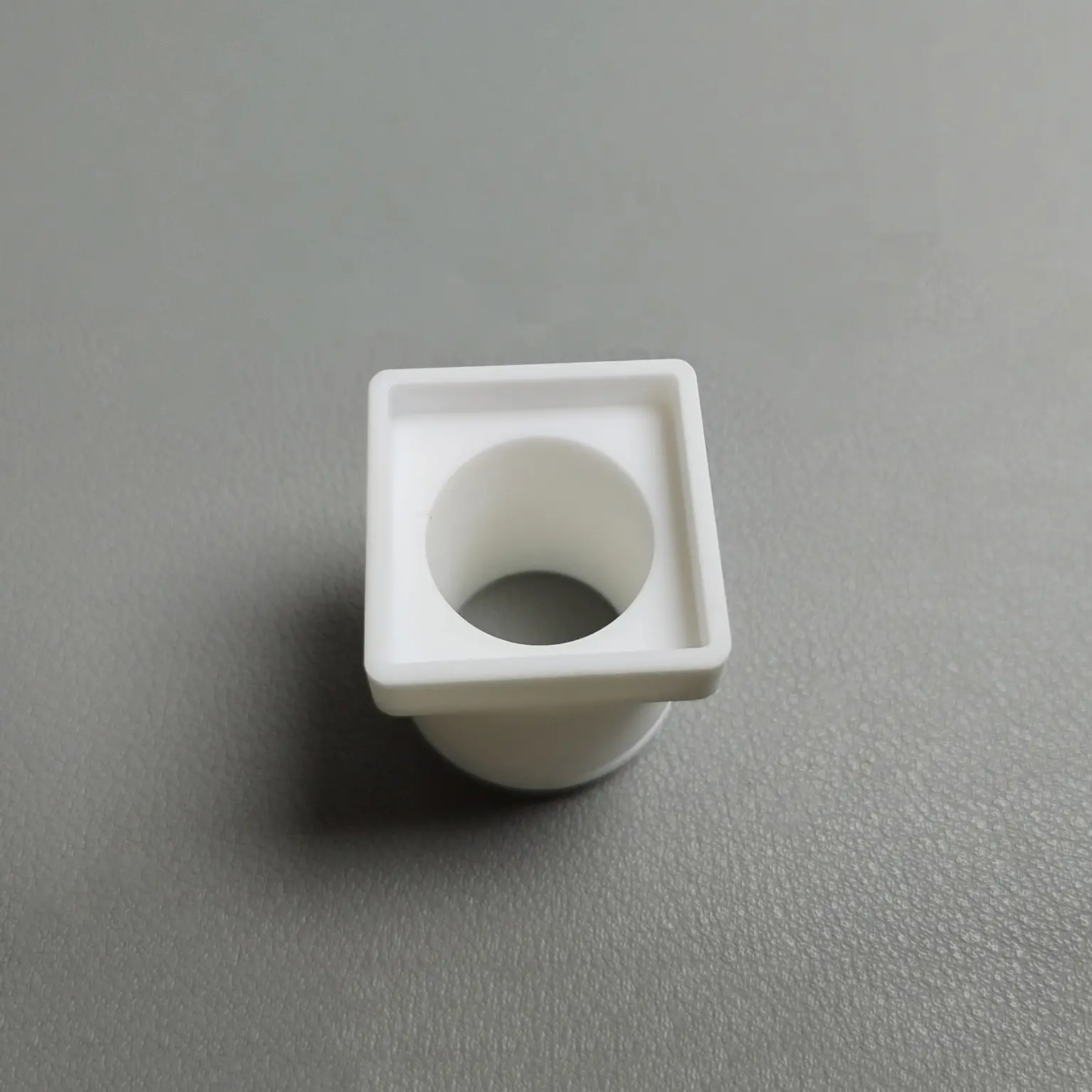
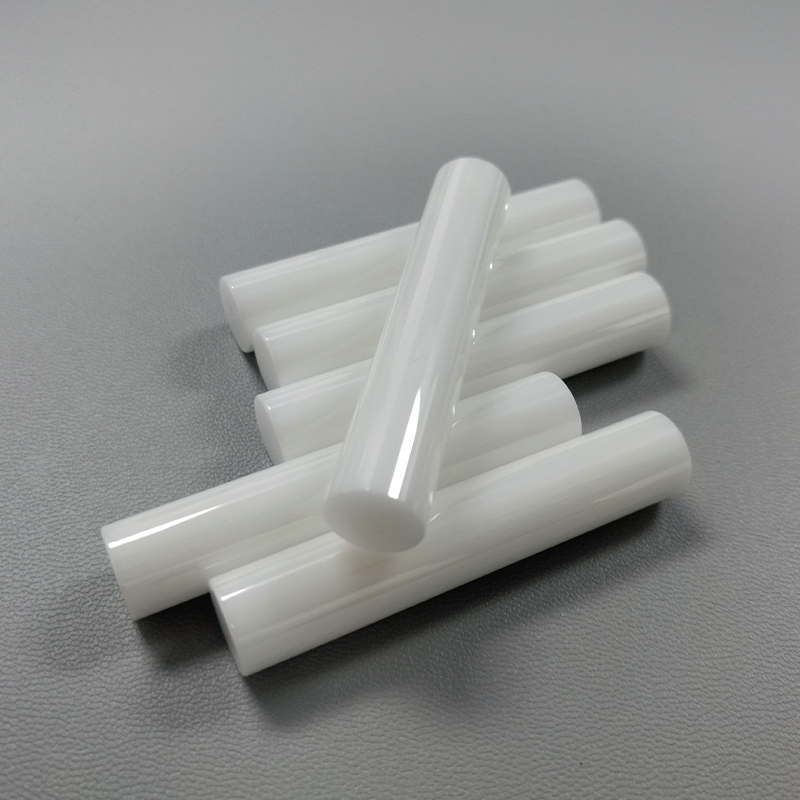
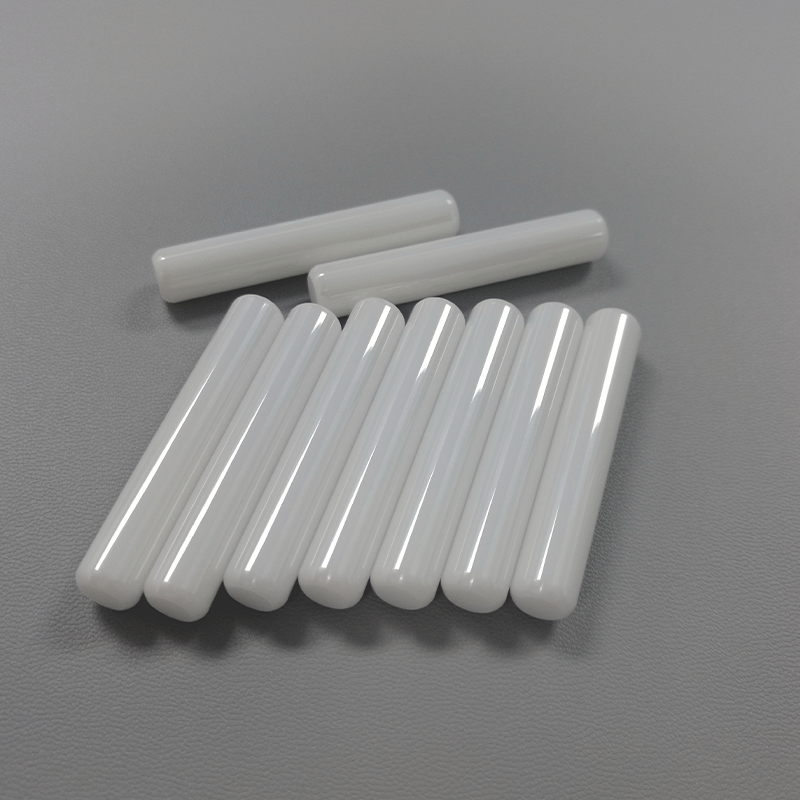
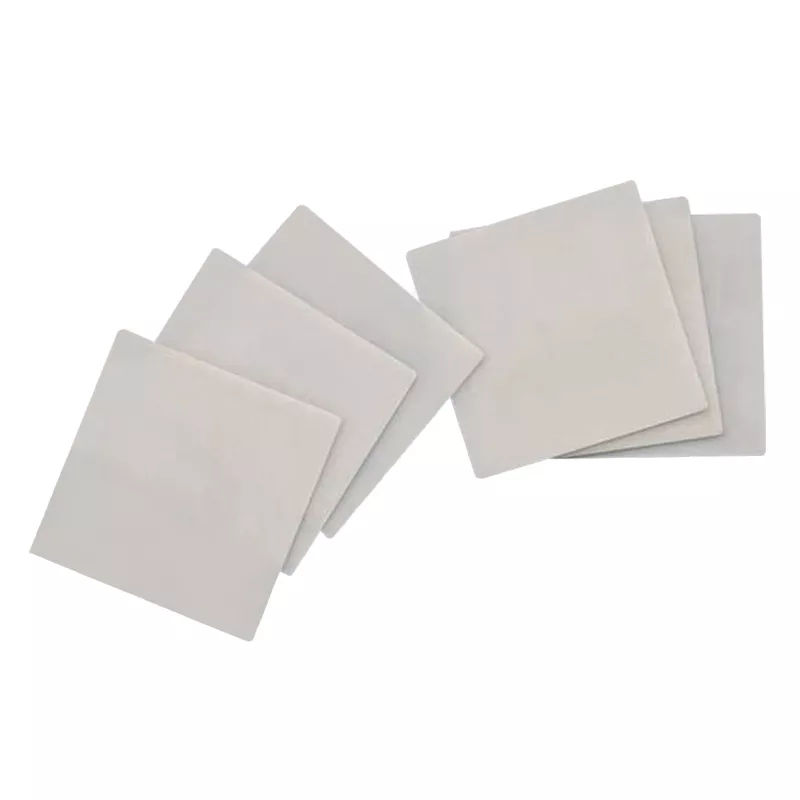
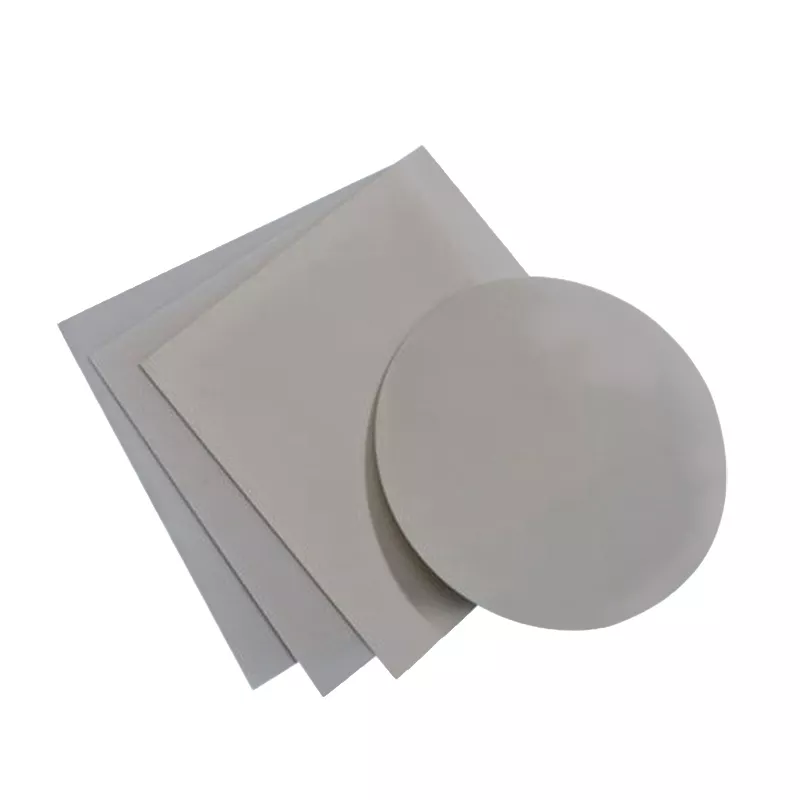
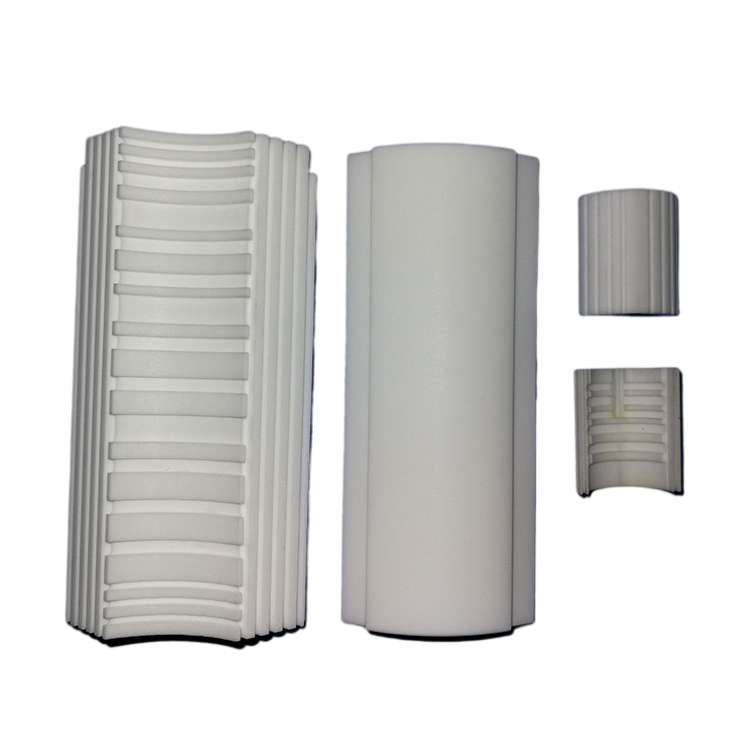
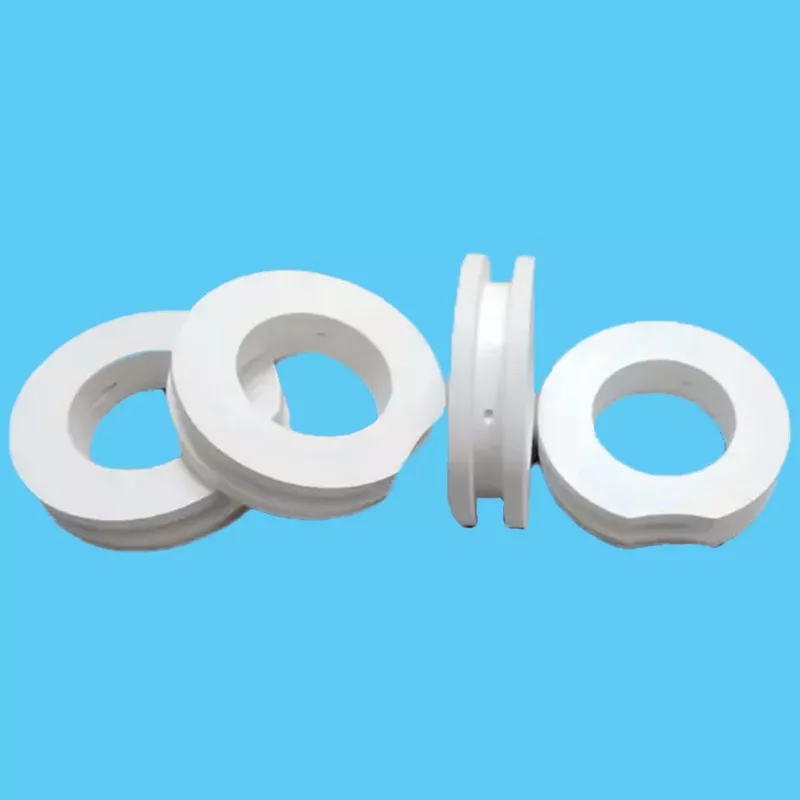
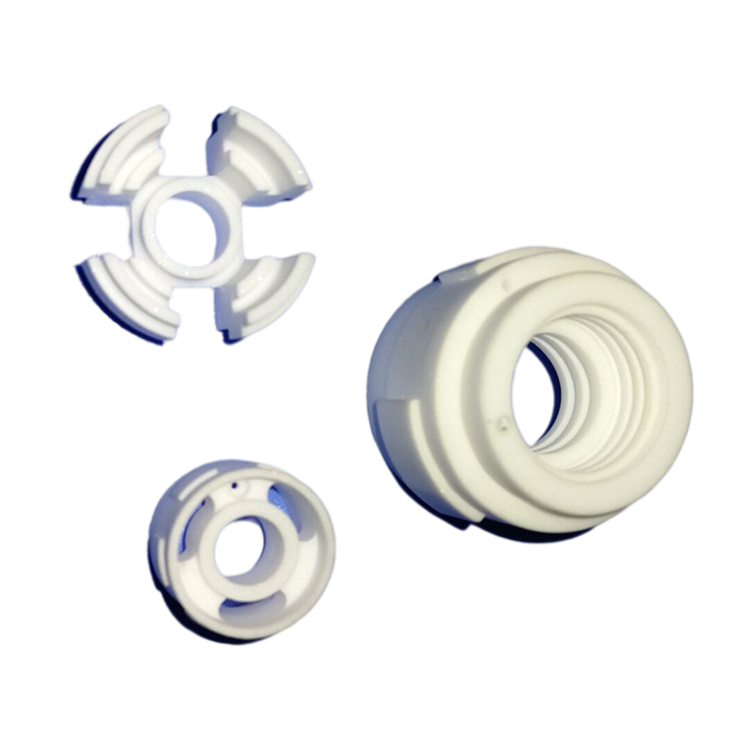
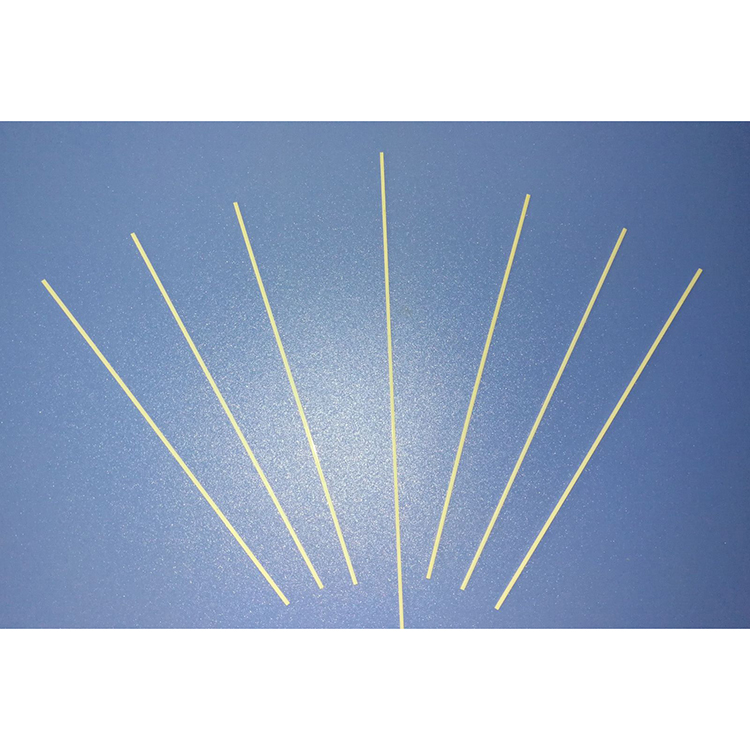


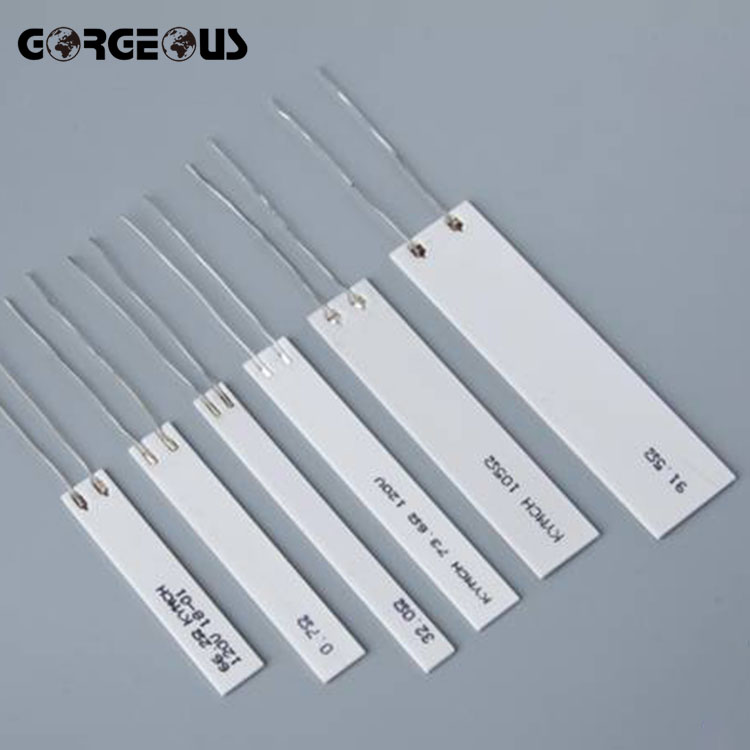
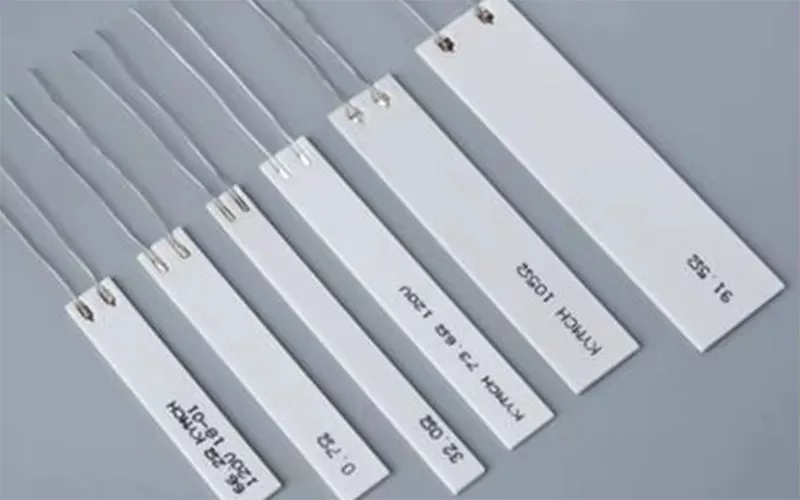
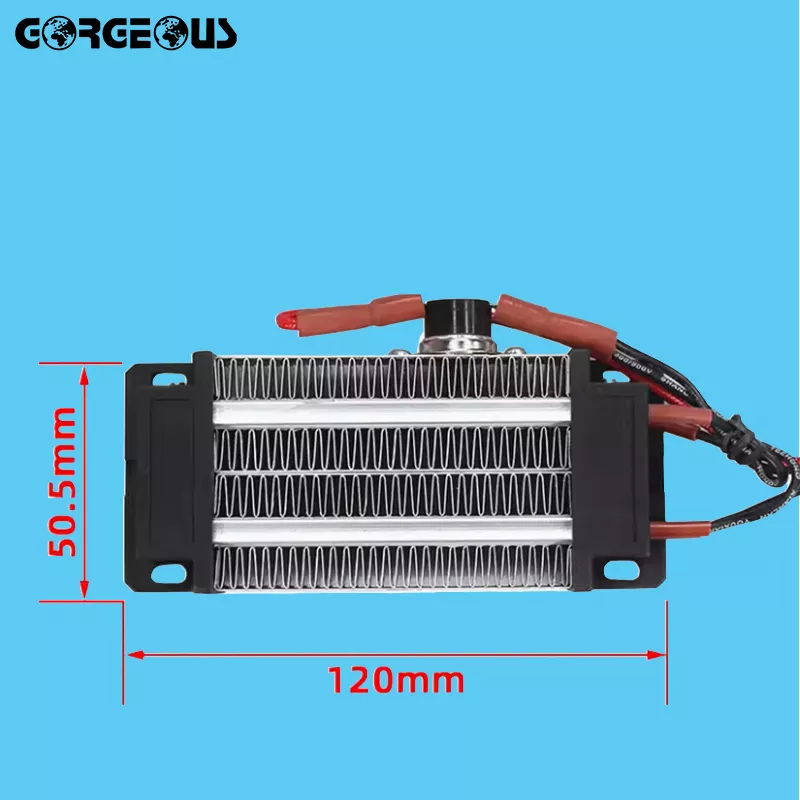
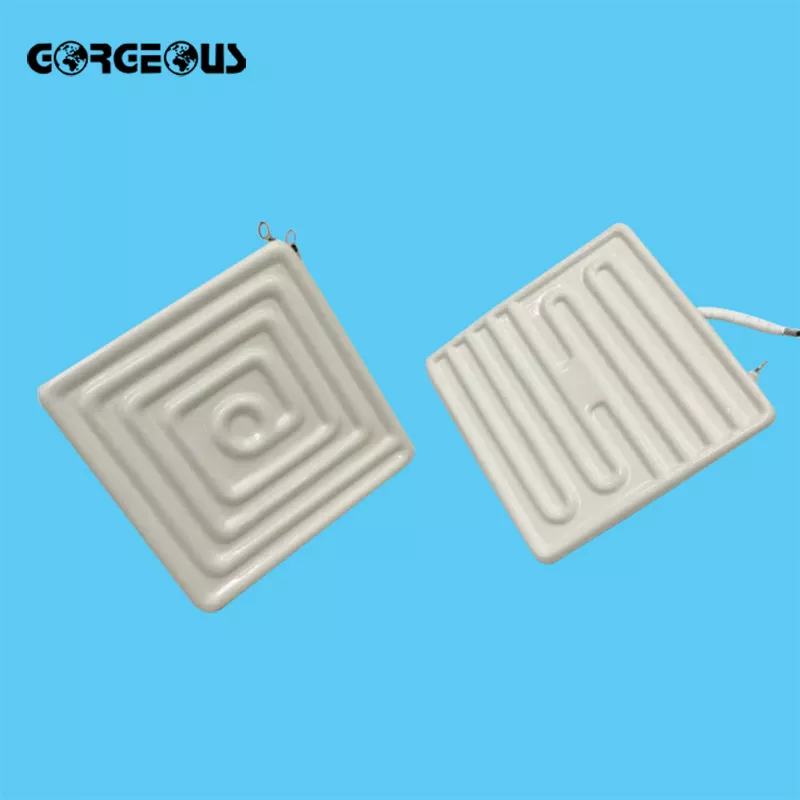
Related Ceramic Components for Project Quotation




Porous Ceramics Properties and Selection Guide
Evaluate material families, component geometry and project requirements together for clearer drawing-led ceramic sourcing decisions.
Control Drawing Revisions
Share the current drawing revision so dimensions, notes, interfaces and open changes are reviewed against the same part definition before quotation.
Confirm Material Grade
Discuss alumina, zirconia, silicon carbide, silicon nitride, aluminum nitride, boron nitride or other ceramic families against the application’s requirements and known grade needs.
Define Geometry and Interfaces
Specify tubes, rods, rings, substrates or other forms together with dimensions, tolerances, mating features and assembly conditions that determine fit.
Align the Process Route
Consider forming, sintering, machining and finishing routes as project variables, because the selected process influences achievable geometry, surfaces and acceptance expectations.
Identify Functional Surfaces
Call out sealing, mating, wear, flow or electrical surfaces that matter in service, so the quotation discussion separates critical interfaces from general appearance.
Define Inspection Evidence
State inspection points, test expectations, documentation needs and acceptance criteria early, giving procurement and engineering teams a clearer basis for comparing quotations.
Advanced Ceramic Materials and Component Forms
Explore material families, application pathways, product forms and practical resources before narrowing a drawing-led, project-specific sourcing discussion.

Ceramic Manufacturing Capabilities
Ceramic manufacturing capabilities cover the practical route from component concept to quotation, including geometry, mating surfaces, tolerances and inspection expectations. Share the current drawing revision, quantity and service conditions so production options and open requirements can be reviewed against the intended application.
Discuss Your Ceramic Part
Ceramic Solutions by Industry
Ceramic solutions by industry begin with the equipment, process and operating environment rather than an industry label alone. Describe the component’s function, temperature, chemical exposure, electrical needs and assembly interfaces to identify relevant advanced ceramics applications and define a more useful sourcing brief.
Discuss Your Ceramic Part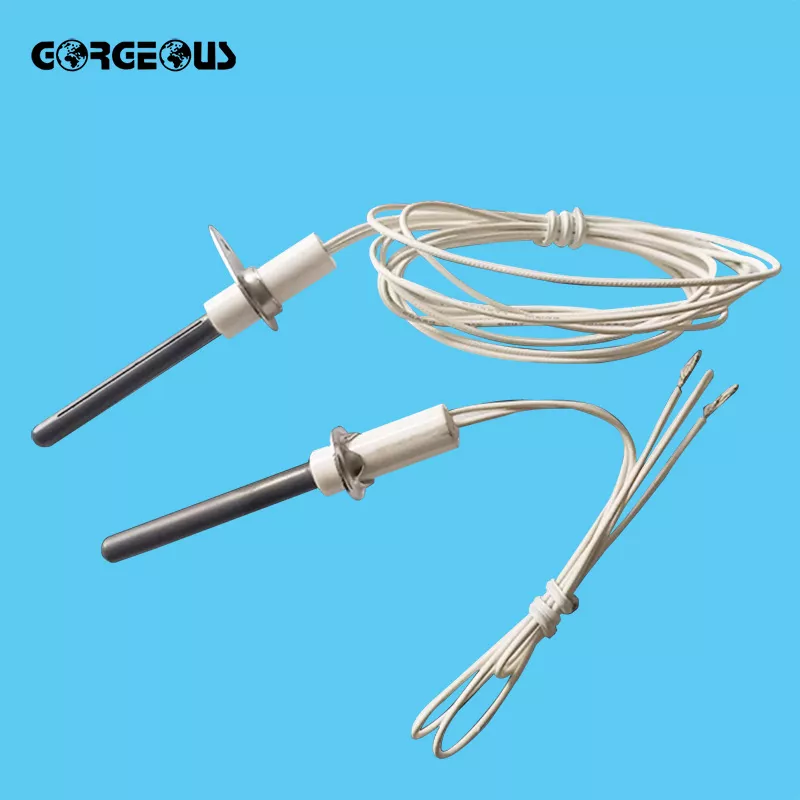
Advanced Ceramic Materials
Advanced ceramic materials include alumina, zirconia, silicon carbide, silicon nitride, aluminum nitride, boron nitride and other oxide, nitride, carbide and specialty families. Material selection should be connected to grade, geometry, service conditions and acceptance criteria, since general properties do not establish a project specification.
Discuss Your Ceramic Part
Technical Ceramic Products
Technical ceramic products may include tubes, rods, rings, substrates and other custom or replacement components. Product form is only the starting point: dimensions, tolerances, mating surfaces, material designation and documentation requirements should be confirmed before a quotation becomes a production basis.
Discuss Your Ceramic Part
Technical Ceramic Resources
Technical ceramic resources provide a practical guide to material families, component terminology and inquiry preparation. Use them to distinguish illustrations from specifications, organize drawing and application details, and identify the requirements needed for a clearer conversation by email or WhatsApp.
Discuss Your Ceramic PartCeramic Material Families for Application-Led Sourcing


Nitride Ceramics
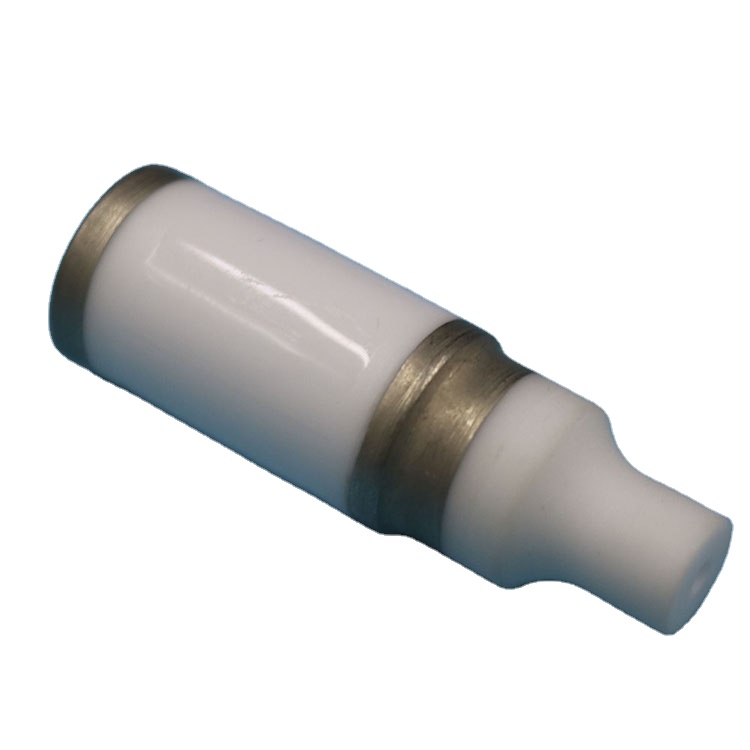
Silicon nitride and aluminum nitride suit demanding thermal, electrical, and mechanical applications where controlled performance matters. Their final properties depend on grade and processing, so confirm conductivity, insulation, porosity, dimensions, and inspection criteria.
Carbide Ceramics
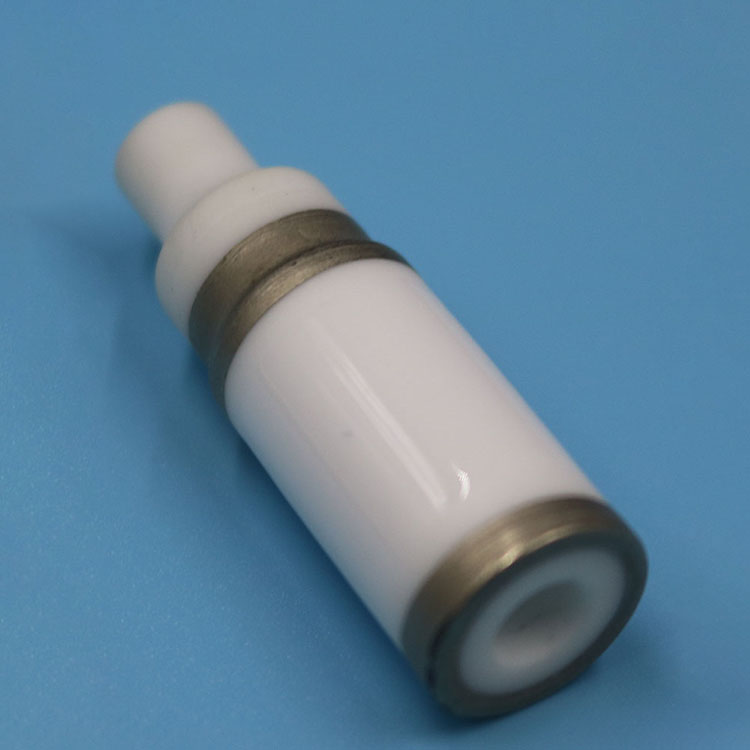
Silicon carbide and related carbide ceramics are considered for abrasive, high-temperature, filtration, and chemically demanding service. Discuss the required pore structure, surface condition, dimensional tolerance, thermal exposure, and grade-specific mechanical properties.
Specialty Ceramics
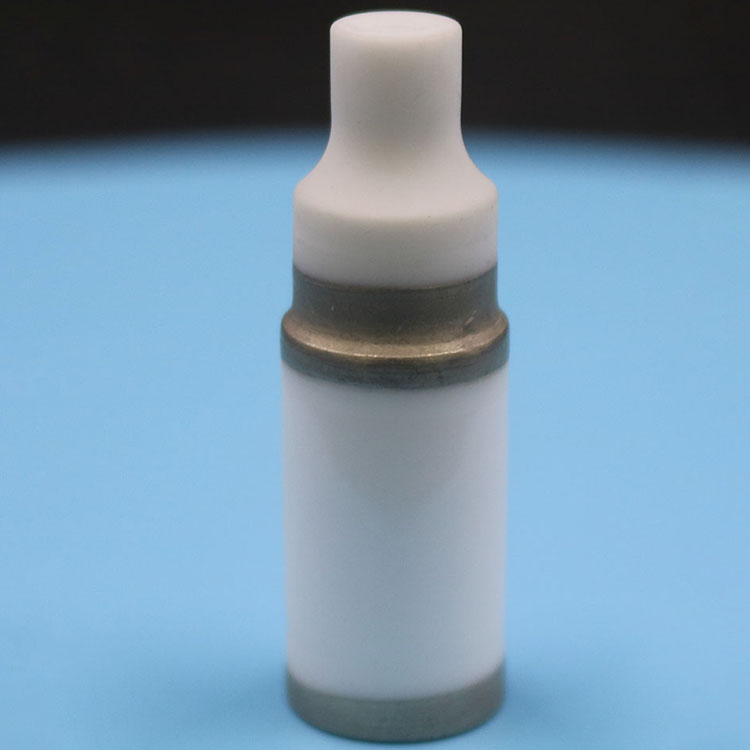
Specialty ceramic families can address catalytic, biomedical, dielectric, or highly customized component needs. Selection should connect the intended use with pore size, connectivity, permeability, chemistry, geometry, documentation, and acceptance requirements for the project.
Supported Manufacturing and Finishing Processes
Powder Preparation
Ceramic powders, binders and pore-forming additions may be prepared for the required composition and microstructure. The formulation influences porosity, strength, permeability and dimensional behavior, subject to project-specific grade confirmation.
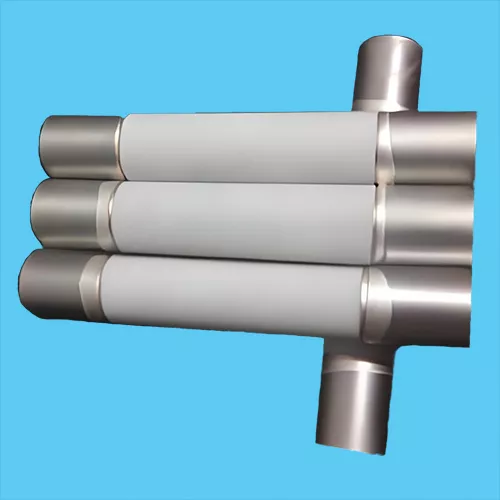
Forming Methods
Pressing, molding, extrusion or other forming routes may suit tubes, rods, rings, substrates and custom geometries. The selected route depends on part shape, dimensions, pore design, quantity and production feasibility.
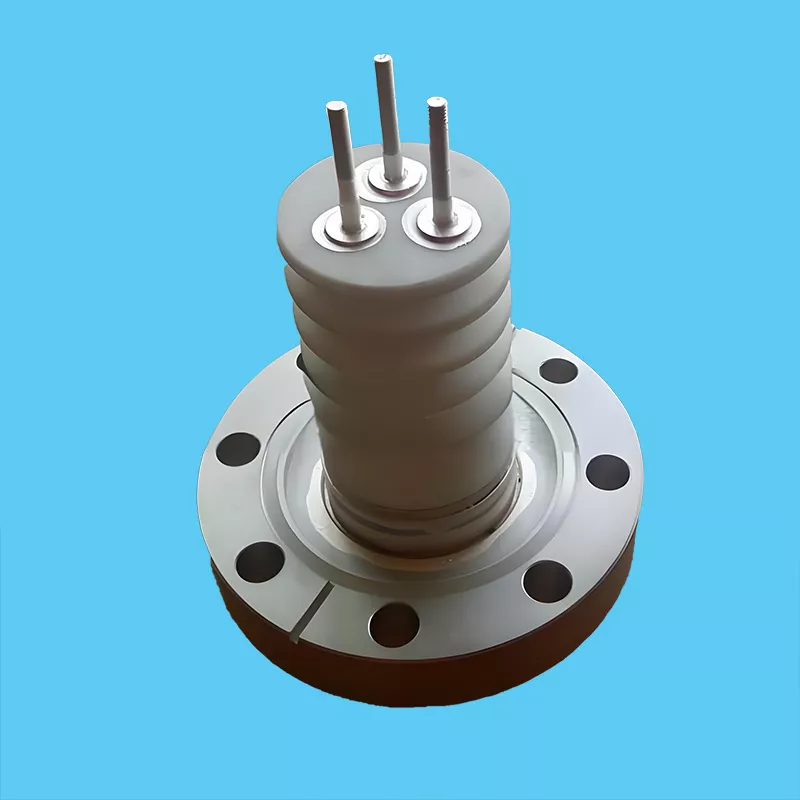
Controlled Sintering
Sintering develops the ceramic body while influencing shrinkage, pore connectivity, density and mechanical behavior. Firing conditions must be matched to the material system and geometry, then confirmed against the approved specification.
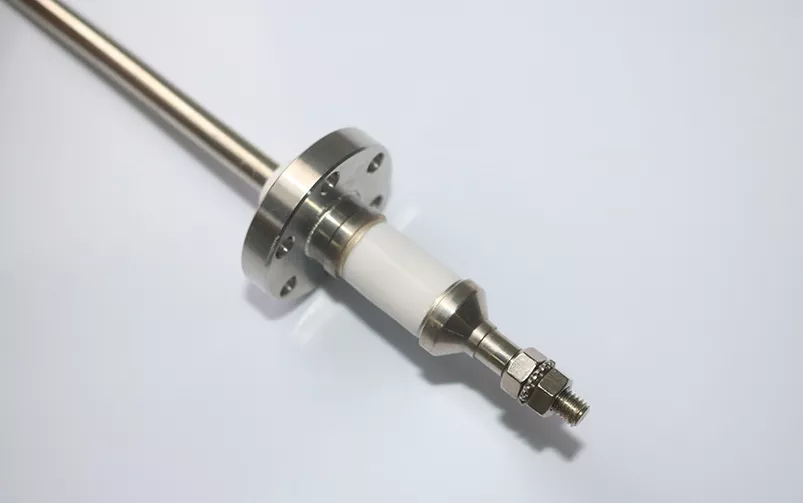
Pore Structure Control
Porosity, pore size, distribution and open or closed connectivity may be adjusted through material preparation and processing choices. These features should be selected around filtration, insulation, flow, support or other application requirements.

Machining Finishing
Grinding, lapping, drilling or edge finishing may be considered where mating surfaces, apertures or tight dimensions affect assembly. Applicable operations depend on ceramic grade, geometry, surface requirements and achievable tolerances.
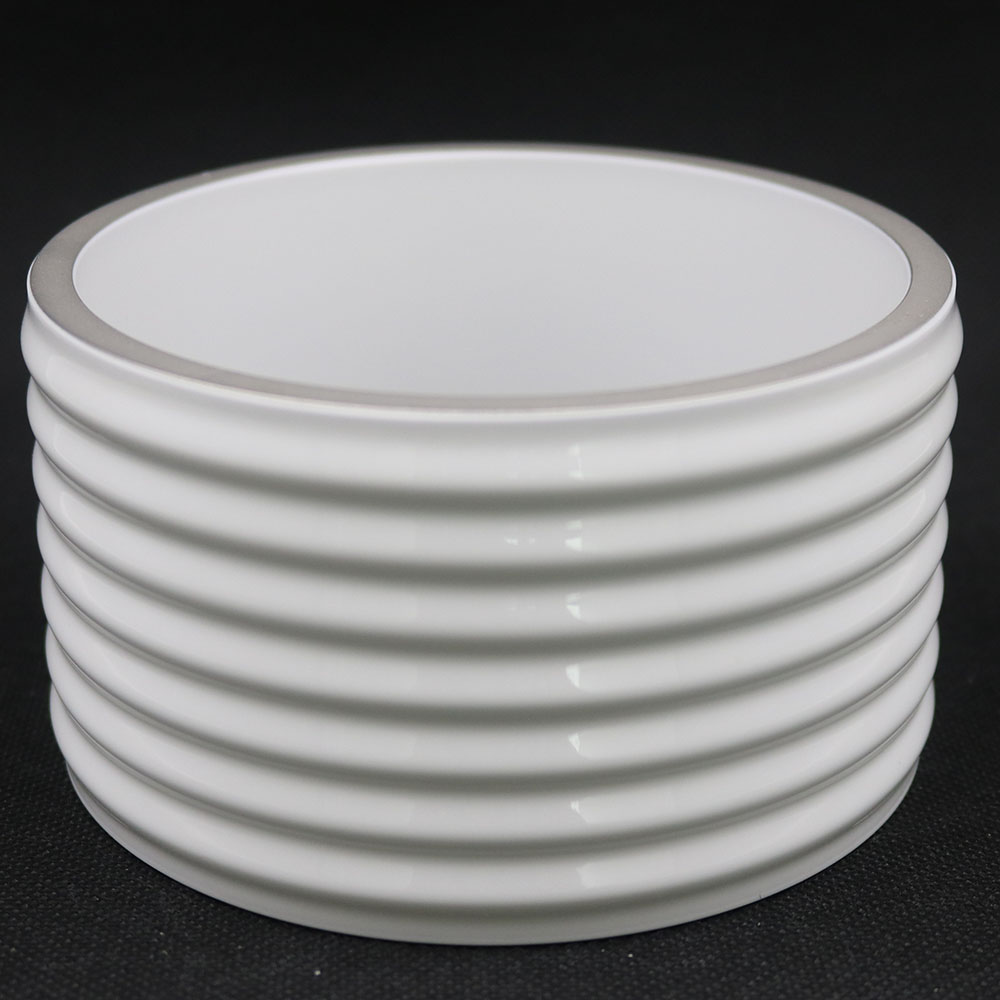
Inspection Documentation
Dimensional checks, visual review, material verification and project-specific testing may be included according to acceptance requirements. Drawing revision, inspection scope and documentation needs should be agreed before quotation or production.
Supported Ceramic Component Accessories

Mating Surfaces
Specify the surfaces that contact another part, including sealing, sliding, bonding, or support areas. These details help align ceramic geometry, finish expectations, and assembly requirements with the intended equipment interface.

Fit Features
Identify bores, shoulders, grooves, chamfers, slots, and other fit-related features that determine installation or alignment. Include the dimensions and tolerances that directly affect assembly, replacement, and equipment performance.

Identification Marking
Add part numbers, revision references, orientation marks, or other identification requirements when components must be traced through assembly, inspection, maintenance, or replacement. Marking methods should be confirmed for the selected ceramic and geometry.

Inspection Documents
Define the inspection records needed for approval, such as dimensional reports, material documentation, visual checks, or test results. Project-specific acceptance criteria should be agreed before quotation and production commitment.
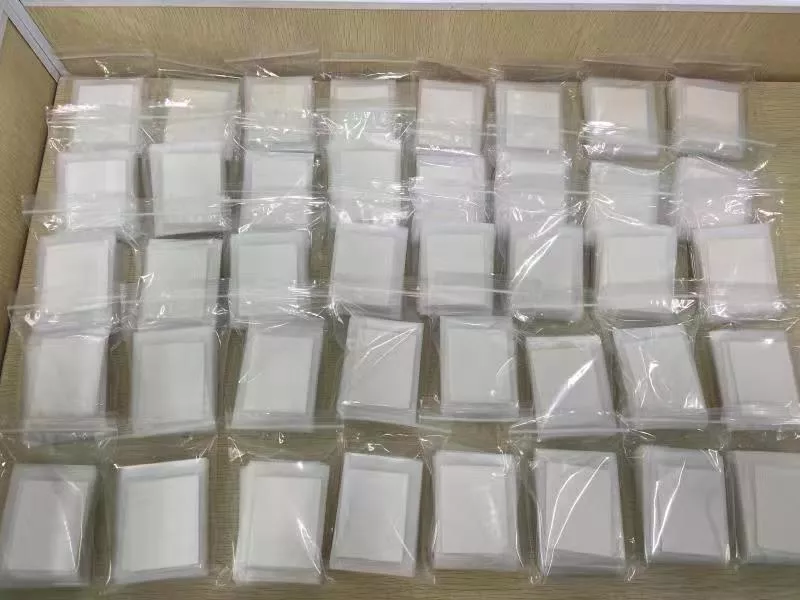
Packaging Protection
Consider packaging requirements for fragile tubes, rings, substrates, rods, and machined features. Protection against contact damage, contamination, and mix-ups can be included alongside quantity, labeling, and delivery expectations.
About Porcecore: Making Ceramic Procurement Clearer
Founded by Andy Yuan, Porcecore helps industrial procurement teams, engineers, equipment builders and ceramic distributors connect a material choice with a clearly defined component requirement. Our mission is to make technical ceramic sourcing more understandable, beginning with the part, its geometry and the job it must perform.
Our coverage spans oxide, nitride, carbide and specialty ceramics, including familiar material families and component forms such as tubes, rods, rings and substrates. The porous ceramics properties and selection guide conversation should include operating conditions, mating surfaces, grade, tolerances and inspection expectations—not a material name alone.
Porcecore’s difference is drawing-led communication and clarity before commitment. Send a current drawing, known material designation, quantity, service conditions and acceptance criteria to start a focused quotation discussion. We help separate essential requirements from preferences and define the next sourcing decision for each project.

Porous Ceramics Properties and Selection Guide: Drawing-Led Capability
Start With the Requirement
Porcecore begins with the part’s job, service environment and approval needs. This makes the porous ceramics properties and selection guide practical for procurement teams, engineers and distributors evaluating a component rather than choosing a material name in isolation.
- Define temperature, pressure, media and electrical conditions
- Identify quantity, delivery expectations and project stage
- Separate essential requirements from preferred features
- Share the current drawing revision when available

Match Material to Application
Material selection should connect ceramic family, pore structure and operating conditions to the application. Porcecore can discuss oxide, nitride, carbide and specialty ceramic options as a starting point, with grade, process and availability confirmed against the project requirement.
- Compare candidate materials against service conditions
- Review open, closed or controlled pore requirements
- Consider thermal, chemical, electrical and mechanical priorities
- Treat general property values as guidance, not guarantees

Check Geometry and Interfaces
A technically suitable ceramic can still fail at assembly if dimensions, mating surfaces or tolerances are unclear. Porcecore’s drawing-led review keeps the component form and interface details visible during quotation, whether the requirement involves a tube, rod, ring or substrate.
- Mark surfaces that fit, seal, locate or contact another part
- Confirm critical dimensions, tolerances and datum references
- Review edge details, holes, slots and finishing needs
- Identify replacement-part constraints and assembly clearances

Align Acceptance Criteria
A useful quotation defines how the finished part will be evaluated. Before commitment, align material designation, inspection expectations, documentation, packaging and delivery details so procurement and engineering teams understand what remains open and what must be confirmed.
- State inspection points and acceptance criteria
- Specify required reports, certificates or traceability documents
- Confirm grade, geometry, quantity and commercial assumptions
- Email the drawing and service details for a focused discussion

Porcecore’s Drawing-Led Sourcing Approach
Compare how requirement clarity, grade confirmation and project communication shape a more useful ceramic component inquiry.
← Swipe left or right to view →
Our Technical Ceramic Project Workflow for porous ceramics properties and selection guide
A drawing-led path from application requirements to confirmed quotation, inspection expectations, packing and shipment.
Review Requirements
Use the porous ceramics properties and selection guide as a starting framework, then share component purpose, service conditions, quantity and acceptance criteria.
Discuss Materials
Compare relevant oxide, nitride, carbide or specialty ceramic options against temperature, chemical exposure, electrical, wear and thermal requirements before quoting.
Assess Geometry
Review the current drawing revision, critical dimensions, mating surfaces, tolerances and finish expectations to separate essential assembly requirements from preferences.
Prepare Quotation
Build a project-specific quotation around confirmed geometry, grade assumptions, quantity, inspection scope, required documentation, delivery expectations and agreed commercial terms for review.
Coordinate Production
Coordinate production details and inspection expectations, keeping material designation, tolerances, test records and approval points visible as the order moves forward.
Pack and Ship
Confirm final acceptance, packing approach and shipping details, then align dispatch timing and required documents before ceramic components leave the project workflow.
How to Work with Porcecore
Use the porous ceramics properties and selection guide as a starting point, then connect material behavior to your part, service conditions, and acceptance requirements.
Send Your Drawing
Share the current drawing revision or application brief, including geometry, mating surfaces, quantity, and any replacement-part context you have available.
Confirm Service Conditions
Identify the ceramic family or grade if known, operating temperature, fluids, loads, electrical requirements, tolerances, and inspection or documentation expectations.
Review the Quotation
Review proposed material, geometry, tolerances, lead-time assumptions, sample options, and open questions before confirming what belongs in the project specification.
Define Bulk Requirements
Confirm production quantity, packaging, acceptance criteria, delivery expectations, and approval documentation so repeat or bulk orders can proceed against agreed requirements.
Porous Ceramics Properties and Selection Guide: Certifications and Quality Documentation
Illustrative Porous-Ceramic Selection Scenarios
Illustrative selection brief, not a customer testimonial: define open or closed porosity, target pore size, permeability, operating temperature, and geometry before requesting a quotation. These requirements connect porous ceramics properties to a reviewable component specification.
Illustrative material-screening example, not a customer testimonial: define the required porosity, pore-size distribution, permeability, operating conditions, and geometry for the project. The brief should confirm the applicable grade and pore structure rather than rely on a material name alone.
Illustrative quotation example, not a customer testimonial: a drawing-led inquiry should identify mating surfaces, critical dimensions, service conditions, quantity, material designation if known, and acceptance criteria. This gives Porcecore a concrete basis for separating essential requirements from preferences before commercial confirmation.
Technical Ceramic Sourcing FAQ
Clear answers for material selection, drawings, inspection, commercial terms and project-specific ceramic component requirements.
How does Porcecore approach porous ceramic material and grade selection?
Which drawing details are needed when applying the porous ceramics properties and selection guide?
Can the porous ceramics properties and selection guide determine the correct tolerance or functional surface?
How are MOQ, lead time and sampling costs confirmed?
What payment and shipping information should procurement teams request?
What documentation and inspection evidence can accompany a porous ceramic order?
How should application conditions affect a porous ceramic component quotation?
How can buyers protect intellectual property when sharing drawings or specifications?
Buyer’s Guide to Porous Ceramic Component Selection
Use a practical decision framework to match pore structure, ceramic material, performance requirements, and manufacturing capability while comparing suppliers and avoiding costly specification, testing, and qualification mistakes.
1. What Is a Porous Ceramics Properties and Selection Guide?
Porous ceramics are commonly evaluated by pore connectivity, porosity, pore-size distribution, bulk density, permeability, thermal conductivity, dielectric behavior, and mechanical strength. These factors interact: increasing open porosity may improve permeability while reducing density and load capacity. Selection should therefore begin with the component requirement—such as filtration, insulation, flow control, or structural support—and connect each target value to the drawing, operating conditions, and inspection criteria.
2. Evolution and History of Porous Ceramics
Centuries of ceramic practice established porous bodies in filtration, kiln furniture, and refractory service, where controlled voids supported fluid passage and thermal resistance. These early uses provided the practical foundation for today’s porous ceramics properties and selection guide: match the pore structure to the job, not merely the ceramic family. 2021 research reviews describe a broader engineering transition, linking porous ceramics with filtration, catalyst support, energy storage and conversion, thermal insulation, and environmental systems. 100589). Today, those process choices extend into precision components for electronics, thermal management, and medical devices, as well as membranes and bioceramic structures. com/chapters/59550).
3. Types in the Porous Ceramics Properties and Selection Guide
Three pore-network classes—open-cell, closed-cell, and partially interconnected—set the first screening decision. com/science/article/pii/S0927796X20300474.
Pore Connectivity
Open-cell networks support gas or liquid passage; closed-cell pores favor insulation and low density but block through-flow.
Component Forms
Foams provide high surface area; honeycombs offer directional channels and efficient flow.
Manufacturing Routes
Partial sintering creates interconnected pores; replica templates reproduce scaffold geometry; sacrificial templates create designed voids.
Direct foaming enables cellular bodies, while additive manufacturing supports complex or graded geometries. Compare repeatability, shrinkage, tolerances, surface finish, and inspection route.
4. Materials and Properties for Porous Ceramic Selection
Porosity and pore size can vary widely, making composition and pore architecture inseparable selection variables. Compare candidate ceramic families against chemical exposure, temperature, strength, conductivity, geometry, permeability, and inspection requirements. General property ranges are useful for screening, but the applicable grade and finished-part requirements must be confirmed for the project.
| Family | Stability and temperature | Conductivity and cost tendency |
|---|---|---|
| Alumina, zirconia | High chemical stability; high-temperature capable | Low conductivity; moderate to high cost |
| Silica, cordierite | Good stability; cordierite favors thermal shock | Low conductivity; generally economical |
| Mullite, silicon carbide | Hot-service capability; SiC resists wear | Mullite insulates; SiC conducts; cost varies |
| Si3N4, AlN, BN | Specialty high-temperature options | Higher processing and qualification costs |
Material Family Tradeoffs
Alumina and zirconia offer strong chemical stability; silicon carbide, mullite, and cordierite suit hotter service. Silica is economical but less robust in severe thermal or chemical cycling.
Alumina is generally insulating; silicon carbide conducts heat, while zirconia and cordierite usually favor lower conductivity. Machinability and cost depend strongly on grade, density, and finishing allowance.
Pore Formation Variables
Powder size commonly runs about 2–5 times the target pore size. com/chapters/59550). Higher compaction and stronger sintering usually reduce porosity and increase strength, but can restrict flow.
Selection And Cost Drivers
Silicon nitride, aluminum nitride, and boron nitride extend the comparison where strength, heat transfer, or electrical insulation dominates. Their processing complexity can raise tooling, inspection, and finishing costs.
5. Customization Options for Porous Ceramic Components
A drawing can define dimensions, tolerances, mating surfaces, geometry, joining features, and inspection points.
Define The Part
Dimensions, tolerances, surface finish, holes, threads, grooves, and joining features are practical drawing-led variables. State which surfaces control assembly and which dimensions require inspection.
Control Pore Structure
Porosity percentage, pore-size distribution, open connectivity, permeability, and filtration grade can be tailored, but they interact with strength and pressure drop. com/chapters/59550. Specify flow rate, pressure drop, particle retention, temperature, and chemistry. Avoid treating a general porosity value as a grade-specific guarantee.
Plan Production Validation
Material composition, green machining, firing shrinkage allowance, and post-fire machining should be agreed from the current drawing revision. Small quantities may justify prototypes; repeat production usually benefits from defined tooling and acceptance criteria. Customization remains practical while requirements stay measurable.
6. Key Construction and Quality Elements
Repeatable porous ceramic performance depends on controlling both pore structure and finished-part variation.
Process And Material Control
Raw-material lot consistency, particle distribution, binder condition, and contamination control influence pore connectivity and shrinkage. com/chapters/59550).
- Control powder and additive lots.
- Record the approved sintering profile.
- Prevent foreign-particle contamination.
Geometry And Defect Prevention
Wall thickness, pore uniformity, dimensional tolerances, and mating surfaces belong on the drawing or specification.
- Dimension critical interfaces.
- Define crack and chip limits.
- Check thickness and pore consistency.
Validation And Records
Strength, permeability, and thermal-cycling tests should specify method, specimen condition, acceptance limits, and sampling. com/chapters/59550).
- Specify test method and sampling.
- Record thermal-cycle conditions.
- Retain traceable inspection records.
7. How to Choose a Porous Ceramics Manufacturer
A 10-point supplier review should connect porous ceramics expertise with the actual part, process, and service conditions.
Material And Process Expertise
1 question: Which ceramic families, pore structures, forming methods, and sintering controls match this application? Request grade-specific porosity, permeability, strength, shrinkage, and thermal data, including test methods.
2 checks: Ask how powder preparation, binders, firing atmosphere, and lot release are controlled. Confirm prototype routes, production scale, minimum quantities, repeatability, and documented tolerance capability.
- Identify open questions before requesting a quotation.
- Separate general material data from agreed grade requirements.
Inspection And Traceability
3 records should link raw-material lots, process batches, inspection results, and shipment documents. Ask which equipment measures dimensions, pore characteristics, permeability, surface finish, and defects, and request representative anonymized reports. 4 acceptance points should define sampling, calibration status, nonconformance handling, packaging, labeling, and change notification.
- Request a control plan and certificate-of-conformance format.
- Define critical dimensions and mating surfaces explicitly.
Communication And Application Support
5 RFQ inputs should include the current drawing revision, quantity, service conditions, acceptance criteria, packaging needs, and delivery target. Evaluate whether the supplier identifies missing information and distinguishes quotation assumptions from commitments.
6 support questions should cover installation, cleaning, storage, replacement geometry, and failure feedback. Porcecore welcomes drawings or operating descriptions at info@zlrsmaterials.com for a requirement-led discussion.
- Ask who owns technical clarification and escalation.
- Confirm lead time and commercial terms in writing.
8. Common Mistakes in Porous Ceramic Selection
3–99% porosity and 3 nm–3 mm pore distributions can produce very different behavior; selection fails when one percentage replaces a functional specification.
Define Pore Function
com/chapters/59550). Bulk strength can hide weak edges or clogged channels; specify strength by orientation, section, and failure mode, then test representative geometry.
Check Service Exposure
Thermal shock and chemical exposure require cycling in the actual medium, temperature range, and atmosphere; ask for post-cycle leakage, mass, and strength.
Validate Scope And Tests
A test method is unsuitable if its specimen geometry or fluid differs from service; align standards, conditioning, and acceptance limits.
9. Steps to Launch a Porous Ceramic Component Program
Step 1 is to convert the porous ceramics properties and selection guide into a part-specific requirement.
Define The Requirement
Step 1 documents the application, temperature, pressure, chemistry, flow, mating surfaces, critical dimensions, quantity, service life, and inspection expectations. Attach the current drawing revision, material designation if known, operating conditions, and required records.
Qualify And Prototype
Step 2 compares preliminary material families against the environment, then shortlists suppliers able to review the geometry and process route. Confirm tolerances, shrinkage allowances, test methods, sample quantity, lead time, and prototype documentation before placing an order. The prototype plan should define measurements, functional tests, failure limits, and who approves deviations.
Pilot And Scale
Step 3 uses test results to revise the design, then verifies the revised drawing through pilot production. Establish incoming inspection for identity, dimensions, critical surfaces, visual condition, and agreed certificates or test reports.
Before scale-up, approve the production drawing, material specification, control plan, sampling method, deviation process, packaging requirements, and reorder documents. Repeatable procurement begins when these records and acceptance criteria are revision-controlled.
10. Porous Ceramics Properties and Selection Guide: Pricing
10 cost drivers commonly shape a porous-ceramic quote: composition, powder grade, geometry, porosity control, tooling, machining, firing yield, testing, packaging, order volume, and lead time. com/chapters/59550. 2 quote principles matter: compare equivalent material grades and acceptance criteria, then separate one-time tooling or setup from recurring piece cost. Complex geometry, tight mating surfaces, inspection, protective packaging, and lower firing yield can materially increase cost without changing the nominal material family. 3 quantity tiers usually change economics: prototypes absorb setup costs, repeat batches spread them, and larger orders may improve utilization. Porcecore can assess a drawing, service conditions, quantity, and documentation needs before confirming project-specific pricing.
| Quantity tier | Typical cost-driver profile | Tooling or setup implications | Lead-time considerations | Quote-comparison notes |
|---|---|---|---|---|
| Prototype | High setup, machining, testing | Dedicated setup may dominate | Material and process validation can extend schedule | Confirm included samples and inspection |
| Repeat batch | Setup spread across parts | Existing tooling may reduce cost | Plan around firing and test capacity | Compare yield assumptions and packaging |
| Larger order | Lower unit-cost potential | Tooling amortization becomes less significant | Forecast production slots early | Check volume breaks, tolerances, and documentation |
Use the Porous Ceramics Properties and Selection Guide
Email your drawing or describe the component, operating environment, quantity, and acceptance criteria for a clearer project-specific quotation.