
Porous Ceramics for Clearer Technical Sourcing
Define requirements for porous ceramics, industrial ceramic parts, or custom ceramic components, then start a drawing-led quotation discussion with Porcecore.
Featured Porous Ceramic Components
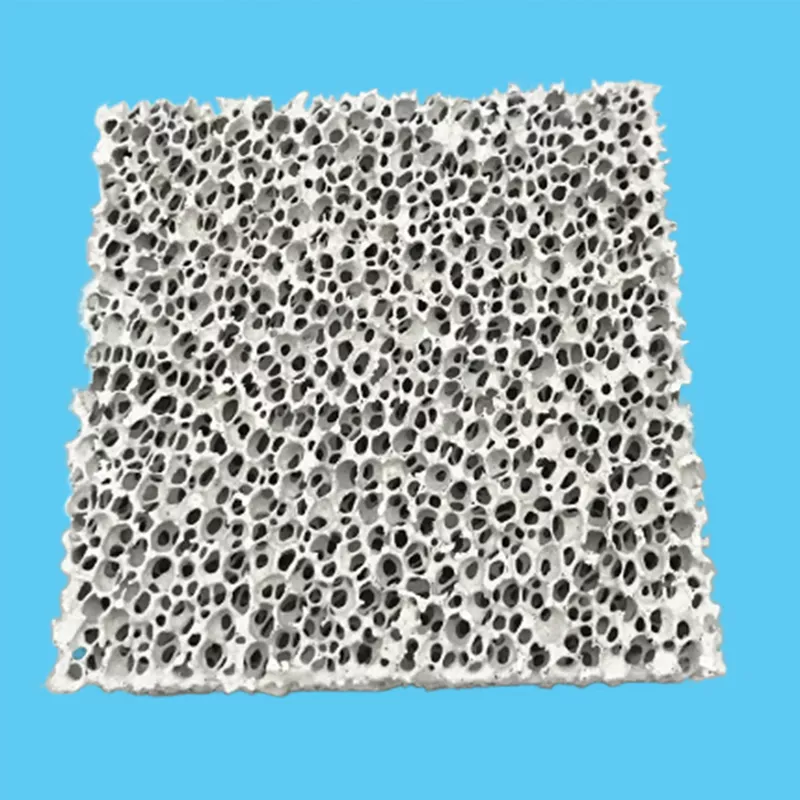




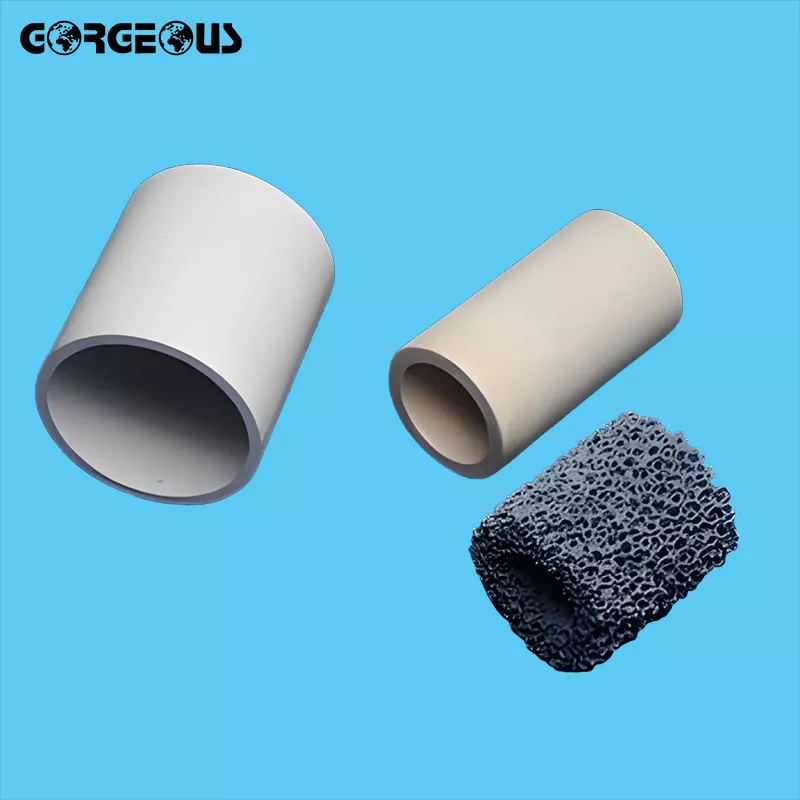
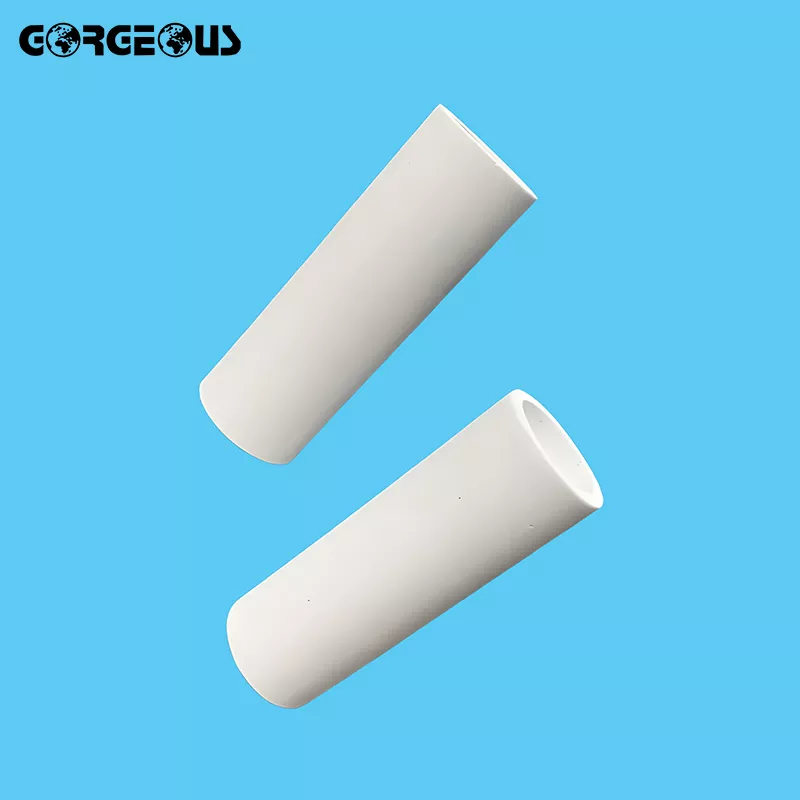




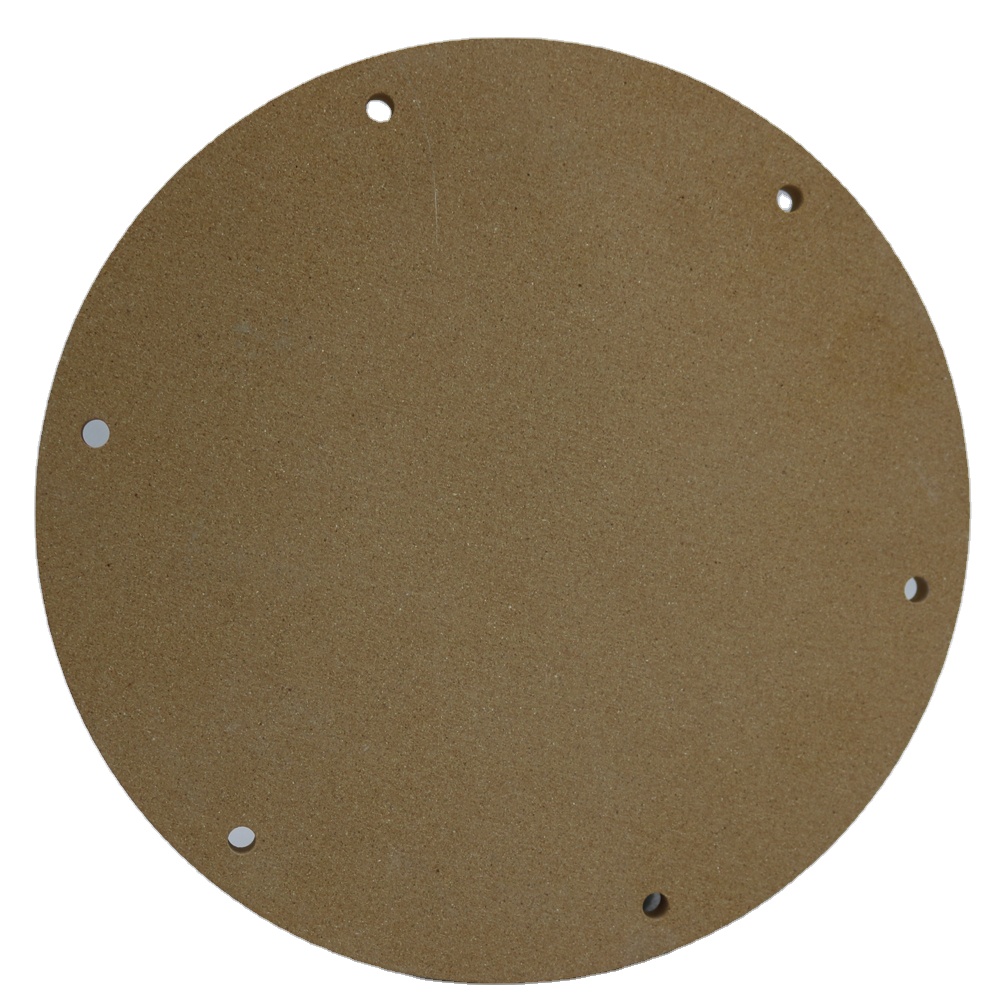


Related Product Catalogue and Quotation





Why Buyers Discuss Porous Ceramics with Porcecore
Connect porous ceramics with defined drawings, material requirements, operating conditions and acceptance criteria before quotation discussions begin.
Drawing Revision Control
Share the current drawing revision so dimensions, interfaces and open changes remain clear throughout a porous ceramics quotation inquiry.
Project-Specific Material Grade
Identify the required ceramic family or grade when known, then align material selection with service conditions, geometry and functional priorities.
Geometry Matched to Assembly
Review tubes, rods, rings, substrates and other forms alongside mating surfaces, critical dimensions and the assembly requirements that determine fit.
Process Route Considered Early
Discuss the intended process route with the component requirement, recognizing that pore structure, geometry and performance depend on project-specific decisions.
Functional Surfaces Defined
Call out sealing, mating, flow-facing or other functional surfaces so the quotation conversation distinguishes essential interfaces from general preferences.
Acceptance Evidence Agreed
Define inspection expectations, documentation needs and acceptance criteria early, helping engineering and procurement teams evaluate what must be confirmed before production.
Porous Ceramic Components and Product Families
Review material behavior, design considerations and application requirements before requesting a drawing-led quotation for a project-specific component.

Porous Ceramics: Properties and Selection Guide
Use this guide to connect porosity, permeability, surface structure and operating conditions with a practical component requirement. It helps engineering and procurement teams frame the selection discussion, identify critical dimensions and clarify which properties require confirmation for the intended service environment.
Discuss Your Ceramic Part
Porous Ceramics: Grades and Compositions
Porous ceramic grades and compositions influence permeability, strength, thermal behavior, chemical compatibility and electrical response. Compare the required material family, pore structure, composition and processing expectations, then include the known designation or acceptance criteria in a drawing-led inquiry.
Discuss Your Ceramic Part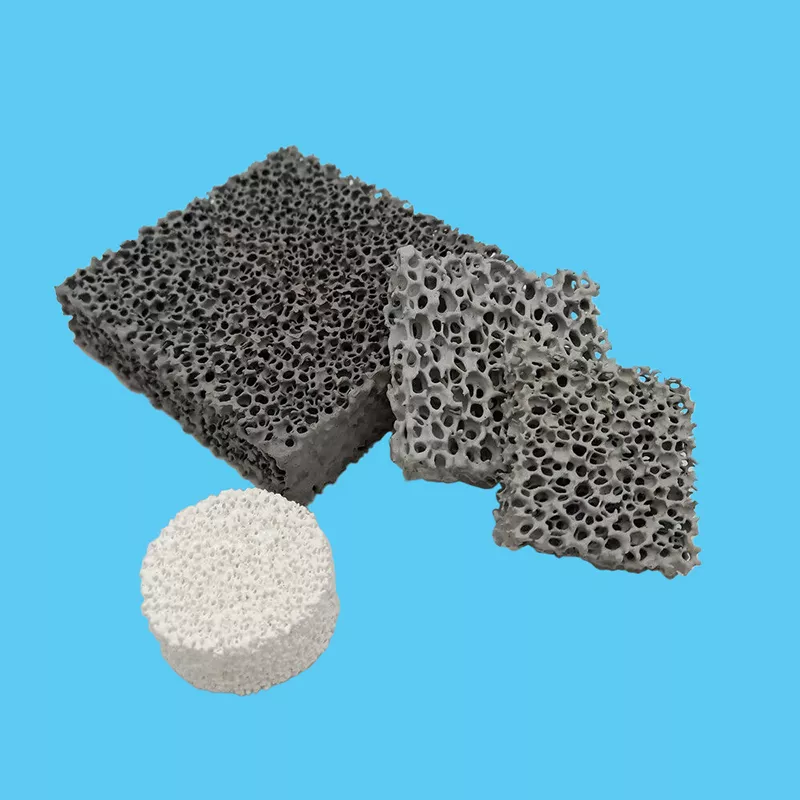
Porous Ceramics: Thermal Performance
Thermal performance depends on temperature range, thermal cycling, heat flow, atmosphere and component geometry. Define these conditions alongside the required porous structure so Porcecore can discuss relevant material options, dimensional constraints and project-specific data rather than relying on general property values.
Discuss Your Ceramic Part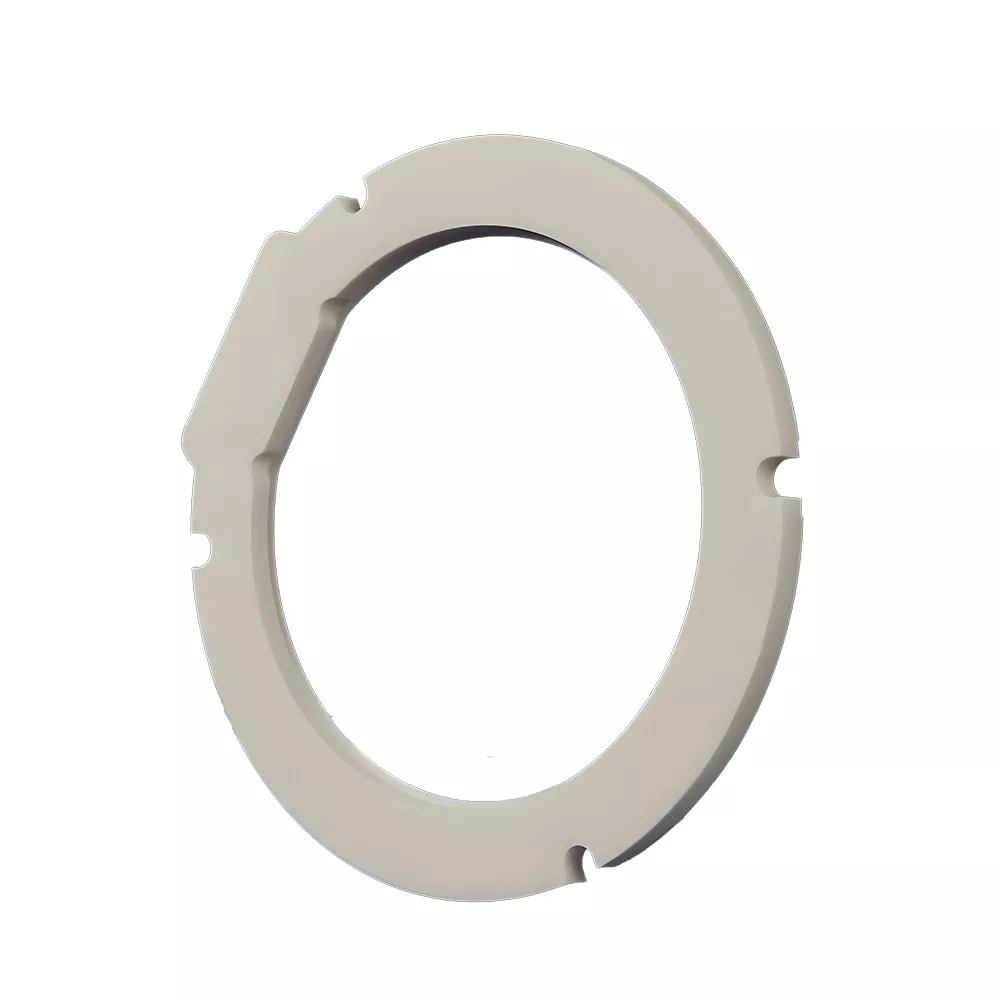
Porous Ceramics: Mechanical and Wear Performance
Mechanical and wear performance should be assessed against load, contact conditions, vibration, abrasion, impact and expected service life. Identify mating surfaces, support points and critical tolerances in the drawing to establish a clearer basis for evaluating porous ceramic component suitability.
Discuss Your Ceramic Part
Porous Ceramics: Electrical and Insulation Performance
Electrical and insulation performance depends on voltage, frequency, temperature, moisture, surface condition and required insulation behavior. State the electrical duty, geometry and inspection expectations when requesting a component, since general ceramic properties may not represent the selected grade or finished part.
Discuss Your Ceramic Part
Porous Ceramics: Machining and Design Guide
Machining and design decisions affect pore integrity, tolerances, edge condition, assembly and final performance. Share the current drawing revision, machining requirements, fits and critical surfaces early so the quotation discussion can separate essential design constraints from preferences.
Discuss Your Ceramic Part
Porous Ceramics: Applications and Component Selection
Application and component selection starts with the job: filtration, gas or liquid distribution, thermal support, insulation or another defined function. Describe the operating environment, quantity, replacement context and acceptance criteria to narrow the inquiry toward a practical porous ceramic part.
Discuss Your Ceramic PartMaterials Available for Porous Ceramics Requirements
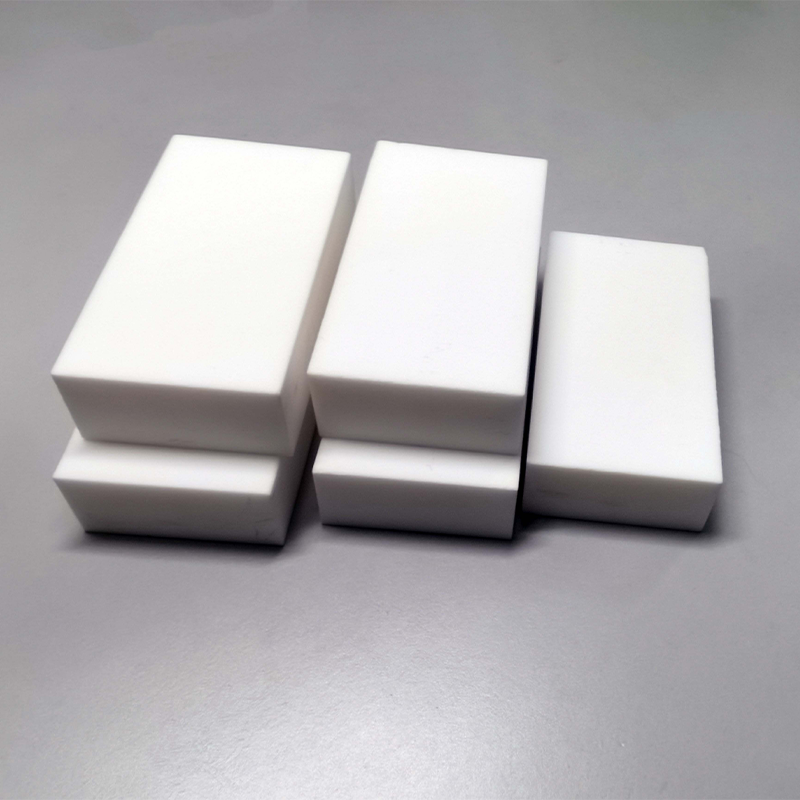
Porous Alumina Ceramics
A rigid, wear-resistant ceramic structure often considered for filtration supports, fluid-handling parts and insulating components. Alumina offers electrical insulation and temperature capability, while porosity and grade require project-specific confirmation.

Porous Silicon Carbide Ceramics
A hard, thermally stable ceramic with an open or controlled pore structure for demanding filtration, thermal-management and high-temperature applications. Its surface condition, pore architecture and tolerances should be matched to service requirements.

Porous Zirconia Ceramics
A dense-feeling, tough ceramic family that may be evaluated where strength, wear resistance or chemical compatibility matter alongside controlled porosity. Potential uses include specialized supports and process components, subject to grade and geometry review.
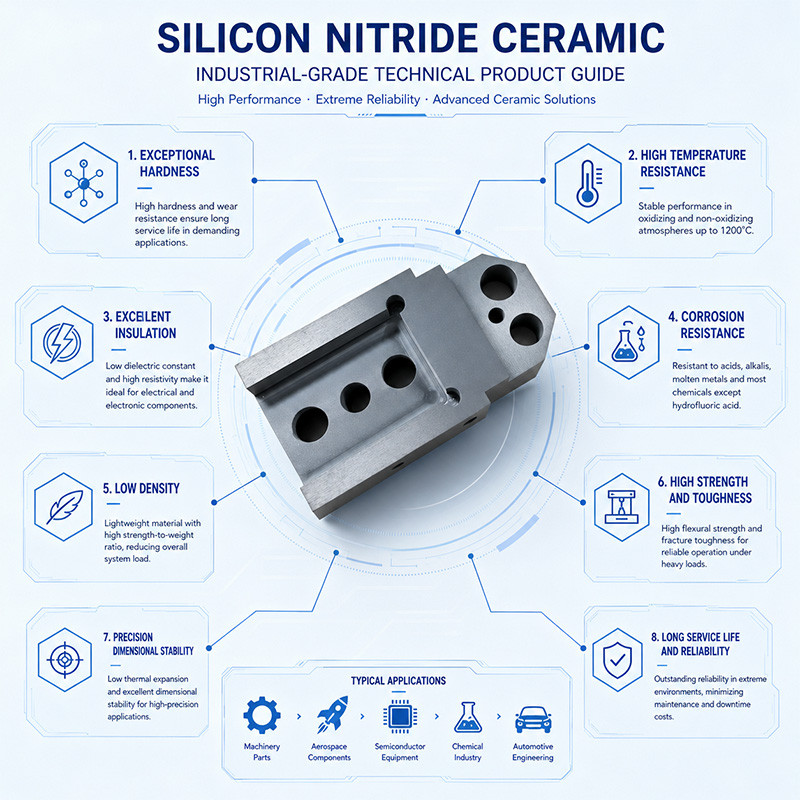
Porous Silicon Nitride
A lightweight, high-performance ceramic option with a technically engineered pore network for selected thermal, filtration or process applications. Its strength, thermal-shock behavior and pore structure depend on formulation and manufacturing route.
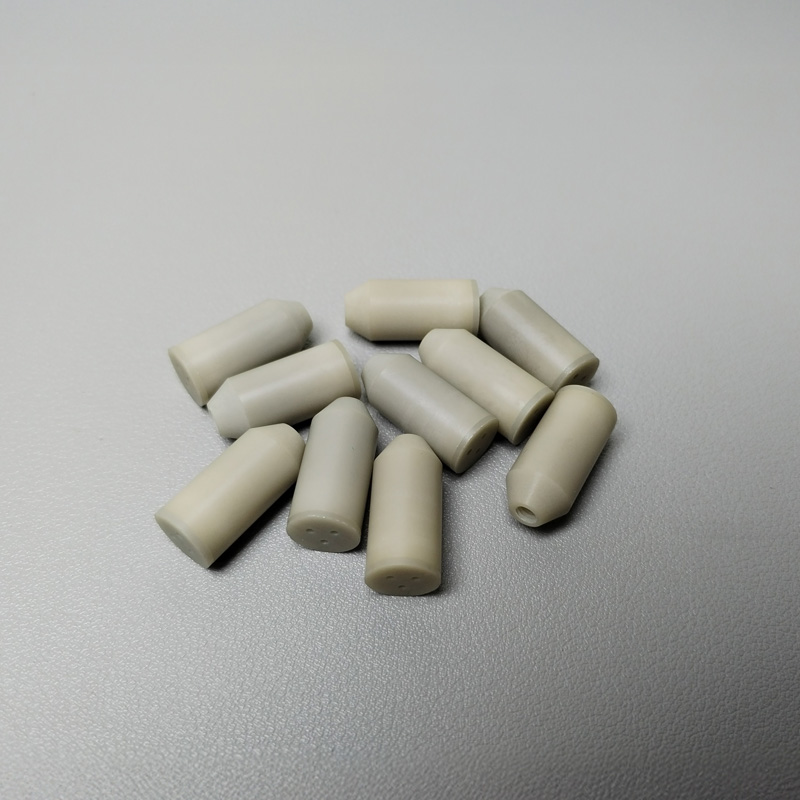
Porous Aluminum Nitride
A thermally conductive ceramic family that can be discussed for heat-management, electronics and specialized support components requiring controlled permeability. Thermal conductivity, dielectric behavior, pore characteristics and dimensional limits must be confirmed for the selected grade.
Processes for Developing Porous Ceramics
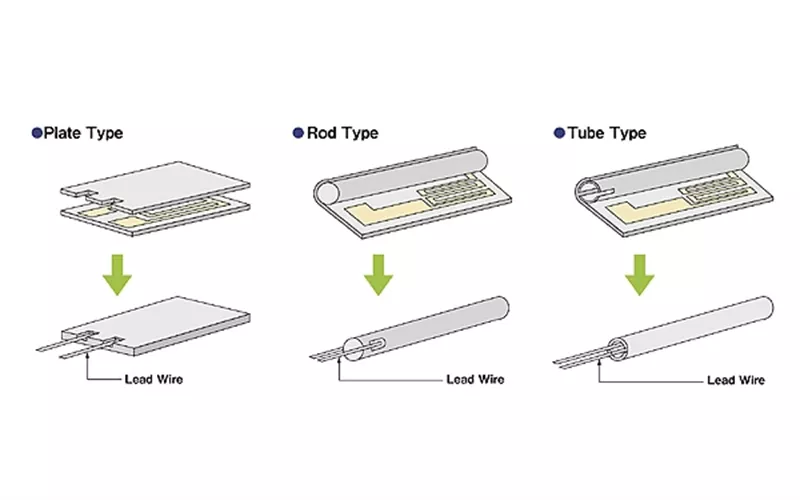
Requirement Definition
Porous ceramics development starts with the part requirement: target pore behavior, geometry, interfaces, service conditions and acceptance criteria are reviewed together so the quotation reflects project priorities rather than a material name alone.

Material Selection
Candidate oxide, nitride, carbide or specialty ceramic families can be discussed against the intended function. Grade, pore structure and availability remain subject to drawing review, technical confirmation and agreed quotation scope.

Forming and Sintering
The selected manufacturing route for porous ceramics is confirmed around the required shape and pore characteristics. Forming and thermal processing details are treated as project-specific, with final results dependent on agreed specifications.

Precision Finishing
Machining, surface preparation or interface finishing may be considered where dimensions, mating surfaces or assembly fit require additional control. The applicable sequence, tolerances and achievable finish are confirmed against the current drawing.

Inspection and Documentation
Inspection planning connects critical dimensions, pore-related requirements and acceptance records to the order. Measurement methods, reports and documentation are agreed before production so buyers can review what will be supplied.
Accessories, Interfaces and Supporting Components for Porous Ceramics

Mating Surfaces
Identify the surfaces that contact adjoining parts, including sealing, sliding or locating interfaces. Clear mating requirements help align geometry, finish expectations and assembly conditions during porous ceramics quotation discussions.

Dimensional Features
Specify critical dimensions, tolerances, openings, shoulders and locating features that determine installation. These details help distinguish essential fit requirements from preferred dimensions when developing porous ceramics components.

Inspection Documents
Clarify the inspection records, dimensional reports, material information or approval documents required for your project. Confirming documentation expectations early supports a more complete and practical porous ceramics inquiry.

Assembly Requirements
Describe how the component will be installed, retained, aligned or replaced within the equipment. Project-specific assembly conditions help connect porous ceramics selection with the actual operating and maintenance context.

Drawing Review
Share the current drawing revision, material designation if known, quantity and service conditions. A drawing-led review gives Porcecore a concrete basis for discussing grade, geometry and acceptance requirements.
About Porcecore’s Technical Ceramic Components
Founded by Andy Yuan, Porcecore helps industrial buyers connect ceramic material choices with clearly defined industrial ceramic parts and custom ceramic components. Our focus includes porous ceramics and related technical ceramic materials across oxide, nitride, carbide and specialty families, considered according to each project’s geometry, operating conditions, interfaces and inspection expectations.
Porcecore brings familiar component forms—including tubes, rods, rings and substrates—into a more useful sourcing conversation. Drawing-led inquiries help clarify grade, dimensions, tolerances, quantity, service conditions and acceptance criteria before commitment. That application-first approach gives procurement teams, engineers and distributors a practical starting point for better-informed ceramic decisions.

Core Capabilities Behind Porous Ceramics Sourcing
Start With the Part Requirement
Porous ceramics sourcing begins with the component’s job, not a material label alone. Porcecore helps teams frame geometry, interfaces, operating conditions and inspection expectations together, creating a clearer basis for evaluating suitable ceramic families and defining the next technical decision.
- Review the component’s function and service environment
- Identify critical dimensions and mating surfaces
- Separate essential requirements from preferences
- Clarify inspection and documentation expectations
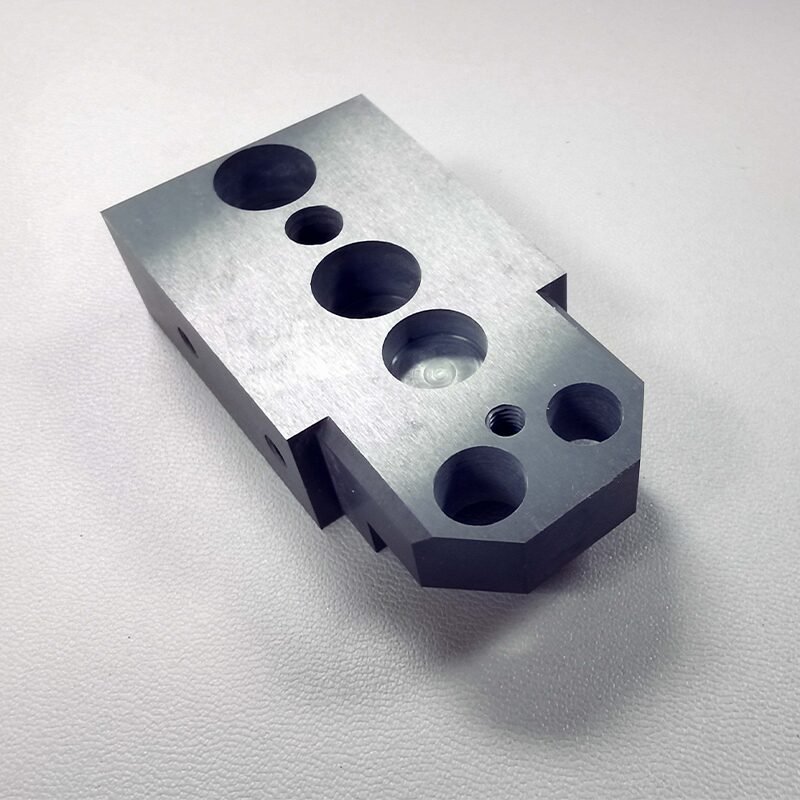
Build Quotations Around Drawings
A current drawing gives an inquiry practical direction. Share the revision, known material designation, quantity and acceptance criteria so Porcecore can discuss the porous ceramics requirement against a defined part, rather than relying on a broad catalogue description.
- Send the current drawing revision
- Include quantity and target delivery context
- Note known grades or material preferences
- Identify approval and documentation needs

Navigate Ceramic Material Families
Porcecore’s ceramic coverage spans oxide, nitride, carbide and specialty materials. Material-family guidance helps buyers narrow the conversation, while project-specific grade, geometry and process details remain subject to confirmation for the individual porous ceramics component.
- Compare relevant ceramic families by requirement
- Consider alumina, zirconia, carbide and nitride options
- Treat material listings as starting points
- Confirm grade and size availability per project
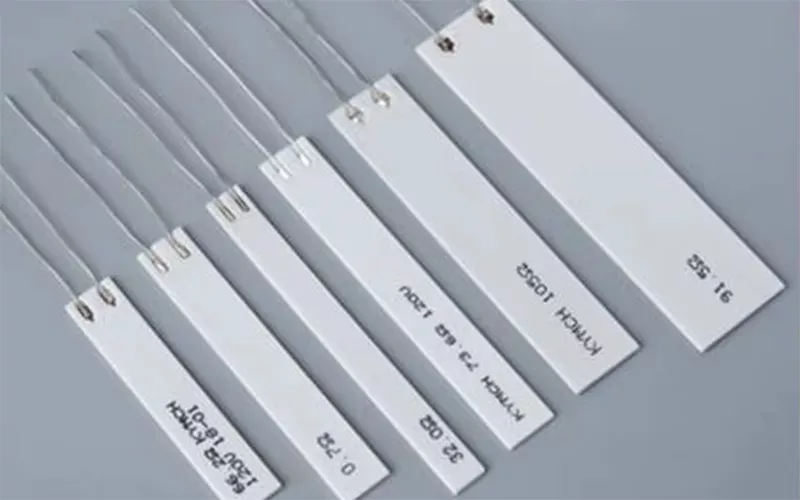
Define Acceptance Before Commitment
A useful quotation conversation makes open questions visible before production terms are agreed. Porcecore encourages teams to confirm tolerances, grade, surfaces, documentation, delivery and commercial conditions for each porous ceramics order.
- Specify tolerances that affect assembly or performance
- Identify surfaces requiring controlled fit
- Confirm acceptance criteria and required records
- Align delivery and commercial terms before order
Why Choose Porcecore for Porous Ceramics
Compare the project details that turn a ceramic inquiry into a better-informed sourcing decision.
← Swipe left or right to view →
Our Porous Ceramics Sourcing Process
A clear workflow for porous ceramics, from requirement review through inquiry-specific quotation, quality checks, packing and shipment.
Review Requirements
Start with drawing revision, material designation, quantity, service conditions, mating surfaces and acceptance criteria. Porcecore reviews these inputs to identify open questions before quotation.
Confirm the Component Basis
Geometry, grade, pore requirements and inspection expectations are aligned against the intended application, while availability and project-specific assumptions remain subject to inquiry confirmation.
Prepare the Quotation
Porcecore develops a drawing-led quotation covering proposed material, geometry, quantity, commercial scope and documentation needs, with unconfirmed details clearly separated for discussion.
Coordinate Production
After project terms are agreed, production coordination follows the confirmed drawing, grade, tolerances and acceptance criteria, with schedule and delivery details handled for the individual order.
Inspect, Pack and Ship
Quality checks and packing are organized around the agreed requirements; inspection records, protective packaging and shipment arrangements depend on the scope confirmed for the project.
How to Source Porous Ceramics With Porcecore
Move from an initial component requirement to a clearer quotation and production basis through four practical steps.
Send Your Component Details
Send a current drawing or component description with quantity, dimensions, mating surfaces and any known application details so Porcecore can frame the requirement.
Confirm Material and Conditions
Confirm the material designation, grade preferences, operating temperature, chemical exposure, mechanical loads and other service conditions relevant to the porous ceramics requirement.
Review Quotation and Samples
Review the quotation against geometry, tolerances, documentation, inspection criteria and sampling requirements, then identify open questions before technical alignment.
Confirm the Production Basis
Confirm the agreed material, geometry, acceptance criteria, quantity, delivery expectations and commercial terms before progressing toward an individual production order.
Quality Documentation for Porous Ceramics

Customer Feedback on porous ceramics
Verified customer quote pending approval. Add an approved statement describing the ceramic component, drawing-led sourcing process, and measurable project outcome before publication.
Verified project example pending approval. Add documented buyer feedback covering the porous ceramics requirement, confirmed geometry or grade, and a measurable result supported by project records.
Verified customer outcome pending approval. Add a substantiated quote from an industrial buyer, engineer, equipment builder, or distributor with permission to publish the result.
Porous Ceramics FAQ for Industrial Buyers
Clear answers for defining, quoting and approving project-specific ceramic parts.
What quantity or MOQ applies to porous ceramics parts?
How are lead time and sampling cost confirmed?
What drawings and quotation inputs should I provide for porous ceramics?
How does Porcecore help select a porous ceramics material grade?
Can you confirm tolerances, functional surfaces and acceptance criteria?
What inspection evidence, packaging and shipping details are available?
How are payment terms and IP protection handled?
What application conditions should I include before requesting a porous ceramics quote?
The Complete Buyer’s Guide to porous ceramics
Use this decision framework to match porous ceramics with demanding applications, evaluate supplier capability and quality evidence, control customization and total cost, and avoid common sourcing mistakes before production.
1. What Are Porous Ceramics?
Porosity is reported across a wide range for porous ceramics, which contain intentionally retained voids rather than the near-solid structure of dense ceramics. Open pores connect to the surface, closed pores remain isolated, and interconnected pores form continuous flow paths; the structure determines whether a part filters, vents, absorbs, insulates, or reduces weight. Pore size can change permeability, surface area, strength, density, thermal insulation, thermal-shock response, and dielectric behavior. A quotation should therefore state the ceramic family and grade, total porosity, pore-size distribution, open or closed structure, permeability target, dimensions and tolerances, mating surfaces, operating temperature, pressure, fluid or gas, electrical requirements, quantity, and inspection criteria. The current drawing revision gives Porcecore a practical starting point for separating essential requirements from preferences.
2. Evolution and History of Porous Ceramics
Established routes—including partial sintering, replica templating, sacrificial templating, and direct foaming—connect traditional porous ceramic processing with controlled engineered structures. Additive manufacturing is an emerging route for producing porous ceramic components with more complex geometries. Modern porous-ceramic development is application-specific: pore diameter and porosity are controlled against requirements for uses such as membrane supports, absorption parts, and fuel-cell components.
3. Types of Porous Ceramics
Porous ceramics are classified by pore connectivity, distribution, size, and component form.
Open-Cell Structures

Open-cell pores connect through the ceramic, allowing gas or liquid passage and useful surface area.
Closed-Cell Structures
Closed-cell pores remain isolated, reducing density and heat transfer while preserving fluid containment.
Uniform And Graded Porosity

Uniform porosity provides consistent flow and predictable machining across a component.
Coarse And Fine Pores

Coarse pores generally favor higher flow with lower filtration precision, while fine pores support finer separation and capillary control.
Application-Specific Forms
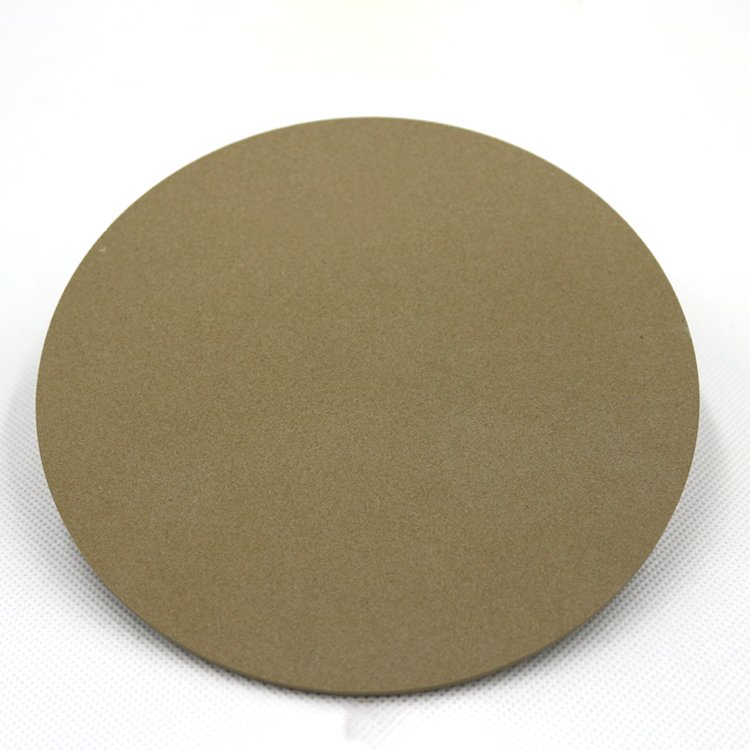
Filters, diffuser plates, wicks, insulation parts, and carrier components translate pore architecture into a defined assembly function.
4. Porous Ceramics Materials and Properties
Material chemistry and pore architecture jointly determine permeability, strength, insulation, and service life.
| Material | Useful properties | Typical applications | Key trade-offs |
|---|---|---|---|
| Alumina | Insulation; hardness | Filters; fixtures | Brittle; thermal shock limits |
| Silicon carbide | Thermal conductivity; durability | Hot-gas filters; supports | Cost; oxidation conditions |
| Zirconia | Toughness; wear resistance | Seals; porous structures | Grade and temperature sensitive |
| Cordierite | Low expansion; shock resistance | Catalyst substrates | Lower mechanical strength |
| Mullite | High-temperature stability; insulation | Kiln and filter parts | Brittleness; permeability varies |
| Aluminum nitride | Thermal conductivity; insulation | Electronic substrates | Moisture and chemistry require review |
Chemistry Meets Pore Architecture
Open, connected pores support filtration and gas flow; closed pores favor insulation. Higher porosity usually reduces density and load capacity, so specify porosity, pore-size distribution, connectivity, and permeability.
Temperature And Environment
Alumina and mullite suit electrically insulating, high-temperature parts; silicon carbide offers thermal conductivity and chemical durability. Cordierite is valued for low thermal expansion, while zirconia supports toughness but needs grade-specific chemical and thermal review.
Buyer Comparison
Request data at the intended temperature and atmosphere, including density, open porosity, pore size, permeability, strength, dielectric properties, thermal expansion, thermal conductivity, and chemical compatibility.
5. Porous Ceramics Customization Options
A drawing should define dimensions, geometry, mating surfaces, tolerances and service conditions before material optimization begins.
Specify The Pore Network
Porosity, pore-size distribution and permeability should be treated as related variables, not isolated targets. Surface finish, wall thickness and mounting features can affect flow and assembly.
Choose A Practical Process
Partial sintering, sacrificial or replica templates, direct foaming and additive manufacturing suit different geometries and pore structures. Process choice should follow the required connectivity, repeatability and production volume.
Prototype Before Qualification
A reviewed drawing should identify critical dimensions, fits, tolerances, post-processing and acceptance tests before prototypes are made. Prototype testing can confirm permeability, strength, thermal behavior and assembly performance.
6. Key Construction and Quality Elements
A porous ceramic part performs consistently only when pore structure, geometry, and material response are controlled together.
Pore Structure And Flow
Uniform pore size, connectivity, and open porosity govern permeability, filtration behavior, and pressure drop. Test evidence should identify the method, specimen location, and acceptance range rather than provide a generic material value. Flow testing should reflect the working medium and direction of use.
Geometry And Defect Control
Shrinkage during drying and sintering must be controlled against the drawing, especially at mating surfaces, thin walls, and sealing features. Dimensional inspection should cover critical tolerances, flatness, concentricity, and visual surface condition. Cracks, chips, warpage, blocked pores, and inclusions require defined rejection criteria.
Strength, Stability, And Traceability
Room-temperature strength alone does not establish service reliability; thermal cycling, operating temperature, pressure, and handling loads may change the requirement. Confirm the relevant mechanical or thermal test evidence before approval.
Each shipment should link parts to a lot, drawing revision, material designation, inspection record, and packaging method. Clean, protective packaging prevents damage and particulate contamination during storage and transport.
7. How to Choose a Porous Ceramics Manufacturer
A sound porous ceramics supplier should connect material, process, geometry, inspection, and delivery commitments. Evaluate the evidence behind each quotation before comparing commercial terms.
Technical And Process Fit
Five RFQ questions matter: Which grades, pore structures, forming methods, and finishing routes fit the drawing? What tolerances, mating surfaces, and inspection methods are achievable?
Quality And Sample Approval
Three approvals should be explicit: drawing revision, sample acceptance criteria, and change-control responsibility. Request test methods, dimensional reports, material traceability, and nonconformance handling.
Capacity And Communication
Before nomination, verify realistic prototype and production lead times, capacity at the required volume, replenishment assumptions, and escalation contacts. Ask how schedule risk is reported.
Compare Total Commercial Value
Four quote elements deserve comparison beyond unit price: tooling ownership and amortization, testing and documentation, lead-time risk, and yield or replacement assumptions.
When technical scope is equivalent, normalize quantities, packaging, freight, payment terms, warranty treatment, and revision control. Select the clearest accountable offer, not automatically the lowest price.
8. Common Porous Ceramics Buying Mistakes
Eight avoidable gaps can turn a suitable porous ceramics part into assembly failure. Treat the drawing, tests, prototype, packaging, and quotation as one decision record.
Define Function, Not Dimensions
Dimension-only requests miss pore structure, flow direction, mating surfaces, and duty. Ask for porosity, pore-size range, permeability, and a drawing.
Porosity is not permeability; wrong interpretation can restrict flow or cause leakage. Require definitions, test method, and acceptance limits.
Specify Service And Cleaning
Missing fluid chemistry or temperature limits can cause degradation or cracking. Require a service-condition matrix covering fluid, temperature, pressure, cycling, and load.
Overlooking cleaning can trap residue or damage pores. Request approved cleaning, strength data, and handling limits.
Validate Evidence And Delivery
‘Typical’ test values hide grade, direction, sample count, and revision. Require a signed report tied to the drawing. Skipping prototypes, fragile packaging, or incomplete quotations invites field damage and hidden cost.
9. Steps to Launch Your Porous Ceramics Program
Three gates—requirements, validation, and release—turn porous ceramics from a concept into a repeatable supply program.
Define Requirements
Engineering owns the application, performance targets, operating conditions, interfaces, drawing revision, and acceptance criteria. Include flow, porosity, pore size, temperature, pressure, chemical exposure, strength, and cleanliness requirements where relevant.
Select And Qualify Suppliers
Three inputs—material family, geometry, and service conditions—should drive the shortlist. Procurement issues an RFQ only after engineering releases drawings and quality defines inspection evidence.
Compare responses for technical fit, manufacturing route, lead time, communication, and sample availability. Treat every grade, tolerance, and capability as subject to project confirmation.
Validate And Release
One prototype cycle should verify fit, function, and test performance before design freeze. Quality owns the test record; operations confirms handling, packaging, incoming inspection, and process readiness.
- Release current drawing and specification
- Complete RFQ, prototype, and testing
- Freeze design and approve pilot lot
- Define incoming inspection and review cadence
10. Porous Ceramics Pricing and Total Cost
1. Porcecore quotations should separate ceramic material, pore-forming method, geometry, tooling, tolerances, machining, testing, yield, packaging, freight, and qualification effort. Request a project-specific quotation rather than treating a material listing or illustrative price as contractual. 2. Two quotes are comparable only when they use the same drawing revision, grade, pore specification, inspection plan, quantity, packaging, and delivery basis.
| Cost category | Setup implication | Lead-time consideration | Quote-comparison note |
|---|---|---|---|
| Material and pore forming | Grade selection and process route may require trials | Availability and process stability affect schedule | Compare grade, porosity, pore size, and method |
| Geometry, tooling, tolerances, machining | Complex forms or tight fits can add tooling and finishing | Tool fabrication and inspection can extend first order | Match drawing revision and mating-surface tolerances |
| Testing, yield, packaging | Qualification tests and protective packaging add project cost | Sampling, rework, and approval may precede production | Separate one-time qualification from unit cost |
| Quantity and logistics | Larger releases may distribute setup costs | Freight mode, destination, and packaging affect delivery | Compare MOQ, recurring price, freight basis, and Incoterms |
Discuss Your Porous Ceramics Part Requirements
Email a drawing or describe your component, operating environment, grade expectations, and acceptance criteria for a focused quotation discussion.