
Porous Ceramics Grades and Compositions for Clearer Sourcing
Connect porous ceramics grades and compositions to technical ceramic components, industrial ceramic parts, drawings, operating conditions, geometry and acceptance requirements.
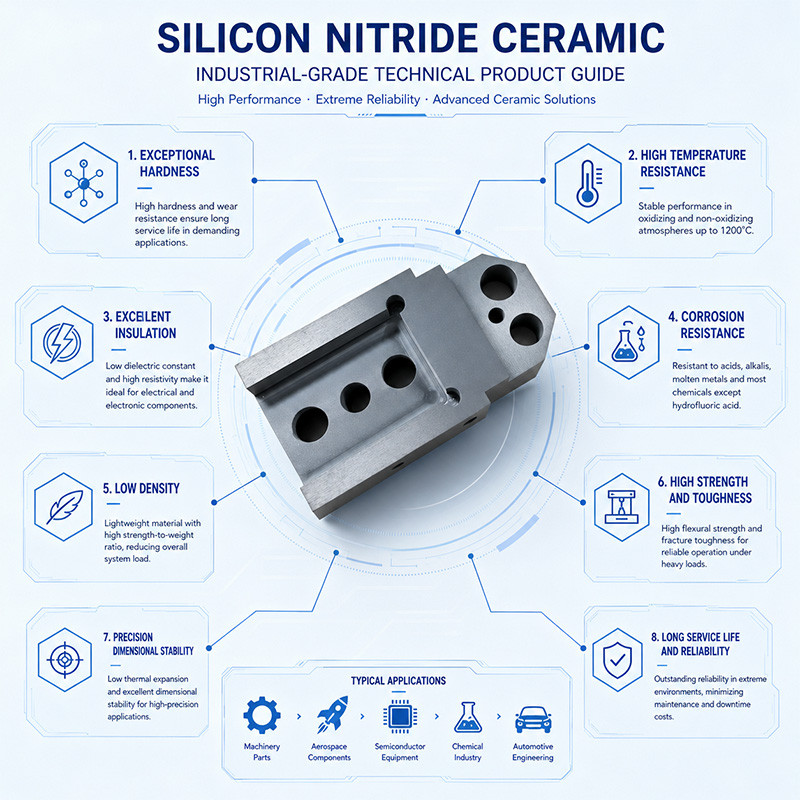
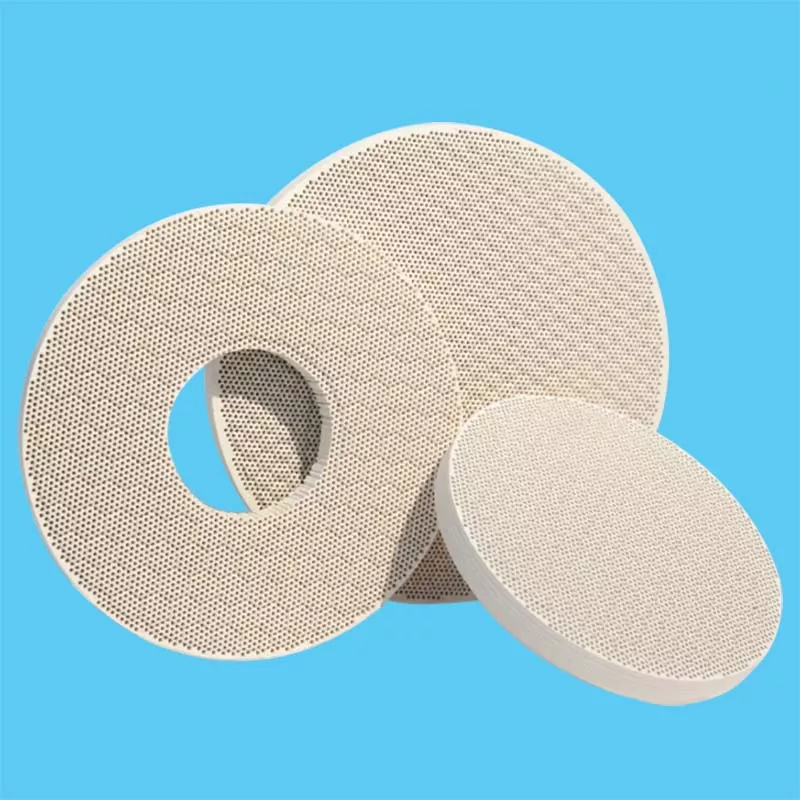
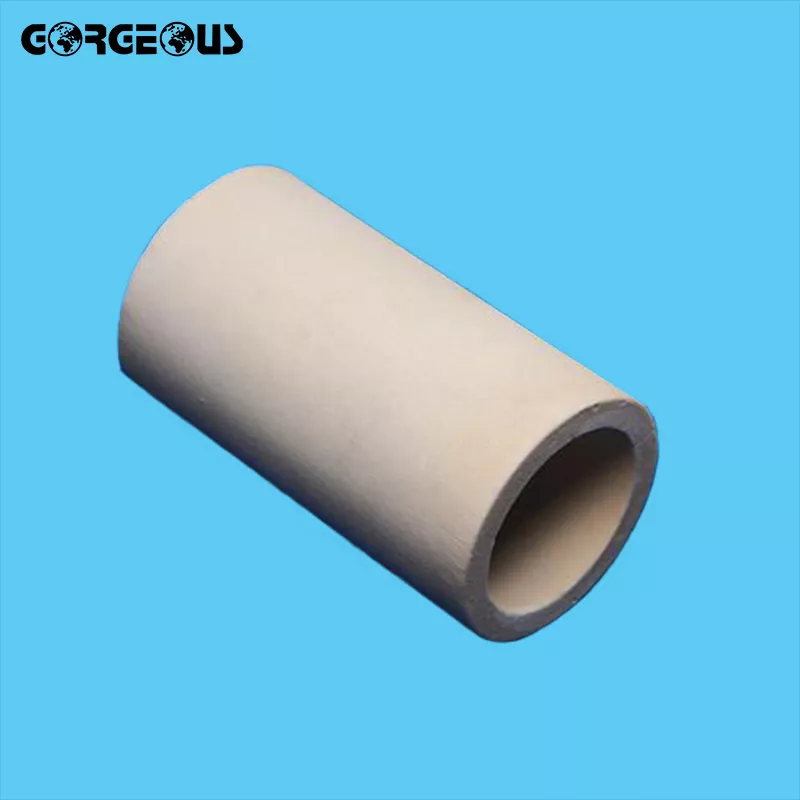
Featured Porous Ceramic Components









Related Ceramic Materials and Quotation



Why porous ceramics grades and compositions matter
Clear material and part requirements help engineering teams compare options, communicate accurately and make better-informed porous ceramic sourcing decisions.
Start With the Current Drawing
Share the current drawing revision, critical dimensions and open notes so quotation discussions stay aligned with the part your team actually needs.
Define the Porous Ceramic Grade
Identify the material family, grade designation and composition expectations where known; general ceramic properties should not be treated as grade-specific contractual values.
Confirm Geometry and Assembly Fit
Describe tube, rod, ring, substrate or other geometry, including mating dimensions and tolerances that determine installation, interchangeability and downstream assembly.
Review Functional Surface Requirements
Call out sealing, mating, mounting or exposed surfaces, along with finish expectations, because surface performance can influence suitability beyond the ceramic composition alone.
Specify Inspection Evidence Needed
Set acceptance criteria and requested inspection evidence early, distinguishing essential verification records from preferred documentation for the individual porous ceramic component.
Connect Material to Service Conditions
Explain temperature, pressure, chemical exposure, electrical demands, quantity and operating environment so Porcecore can frame a more informed sourcing conversation.
Ceramic Materials and Component Categories
Review material families, component forms, application contexts and technical resources before defining a drawing-led sourcing discussion.

Ceramic Manufacturing Capabilities
Ceramic manufacturing capabilities are best evaluated against the required geometry, mating surfaces, operating conditions and inspection criteria. Use the component drawing, current revision and quantity to clarify what must be produced, confirmed and documented for quotation.
Discuss Your Ceramic Part
Ceramic Solutions by Industry
Advanced ceramics applications connect material and component choices with the equipment, process or operating environment involved. Describe the part’s function, service conditions, assembly interfaces and replacement context so project requirements can guide the sourcing discussion.
Discuss Your Ceramic Part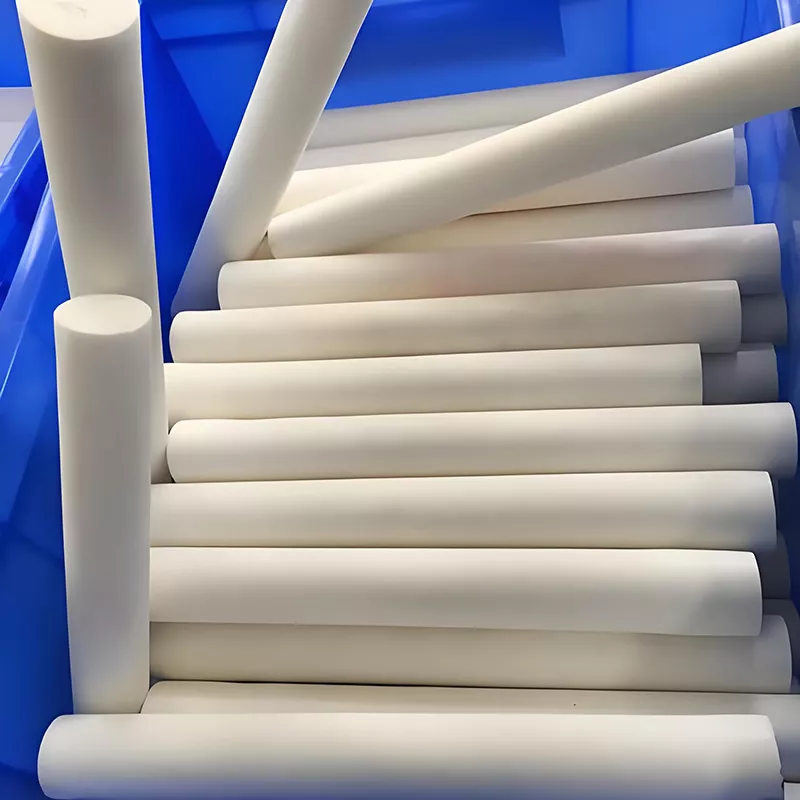
Advanced Ceramic Materials
Advanced ceramic materials include alumina ceramics, zirconia ceramics, silicon carbide ceramics, silicon nitride, aluminum nitride, boron nitride and other ceramic families. Material selection should remain grade-specific, with properties and availability confirmed against the intended geometry, operating conditions and acceptance requirements.
Discuss Your Ceramic Part
Technical Ceramic Products
Technical ceramic products include familiar component forms such as tubes, rods, rings and substrates. Product illustrations indicate a starting category; dimensions, tolerances, surfaces, material designation and documentation must be confirmed for the individual project or replacement part.
Discuss Your Ceramic Part
Technical Ceramic Resources
Technical ceramics resources help procurement and engineering teams organize the questions behind a component inquiry. Use a practical guide to identify material, geometry, service conditions, quantity, drawing revision and acceptance criteria before contacting Porcecore by email or WhatsApp.
Discuss Your Ceramic PartPorous Ceramics Grades and Compositions

Alumina Ceramics
A hard, electrically insulating ceramic commonly specified for porous tubes, sleeves, substrates and fixtures. Its smooth, stable feel after finishing and broad industrial use make it a practical starting point, subject to grade, porosity and geometry review.

Zirconia Ceramics
A dense-feeling, wear-resistant ceramic used for precision parts, insulating elements and components requiring toughness. Surface finish, stabilization system, porosity target and dimensional requirements should be reviewed together before selecting a project-specific composition.

Silicon Carbide
A rigid, thermally stable ceramic suited to high-temperature fixtures, filtration supports and wear-exposed components. Its abrasive feel in unfinished form and strong thermal performance depend on porosity, processing route, grade and service environment.


Aluminum Nitride
A smooth, electrically insulating ceramic valued where thermal transfer is important, including substrates and heat-management components. Grade availability, porosity, surface finish and dimensional tolerances require confirmation against the equipment design and acceptance standard.
Manufacturing Processes for Porous Ceramics Grades and Compositions

Powder Preparation
Material powders and pore-forming approaches are selected around the required ceramic composition, porosity and application conditions. The formulation establishes a practical starting point for consistent forming and project-specific performance evaluation.

Forming and Shaping
Ceramic components may be shaped through pressing, molding, extrusion or other suitable methods, depending on geometry and production volume. The selected route influences dimensional control, internal features, surface condition and repeatability.

Green Machining
Before final firing, selected ceramic blanks can be machined while relatively easy to shape. This stage may support custom holes, profiles and mating features, with allowances planned for subsequent shrinkage and finishing.

Sintering and Firing
Controlled firing develops the ceramic body and its final material structure. Temperature profile, atmosphere and support conditions are considered according to the material system, geometry, pore requirements and dimensional expectations of the part.

Finishing and Inspection
Post-fired finishing may include grinding, lapping, drilling or edge treatment where required by assembly. Inspection can then address dimensions, tolerances, surfaces, material designation and documentation against the agreed acceptance criteria.
Accessories for porous ceramics grades and compositions

Mating Surface Definition
Specify interfaces, fits, sealing areas and contact surfaces that connect the ceramic part to adjacent components. Drawing details help align geometry, tolerances and assembly requirements before quotation.

Protective Packaging
Define packaging for fragile tubes, rings, rods and substrates according to geometry, quantity and shipping conditions. Packaging expectations can help reduce handling risk during storage, transport and receiving inspection.

Part Identification
Add labels, markings or batch identification where traceability matters. Confirm the required format, location and durability so operators, inspectors and purchasing teams can identify parts consistently through the project lifecycle.

Inspection Documentation
Identify certificates, inspection reports, dimensional records or material documentation needed for approval. Requirements should match the project’s acceptance criteria and distinguish general reference data from grade-specific results.

Drawing Revision Control
Include the current drawing revision, critical dimensions and acceptance notes with the inquiry. Clear revision control helps prevent outdated geometry, preferred features or open technical questions from entering the quotation.
About Porcecore: porous ceramics grades and compositions
Founded by Andy Yuan, Porcecore helps industrial buyers, engineers, equipment builders and ceramic distributors make technical ceramic sourcing easier to understand. Our mission is to connect each material and component choice with the job it must perform, from porous ceramic requirements to the geometry, operating conditions and inspection expectations that shape a viable part.
Our scope spans oxide, nitride, carbide and specialty ceramics, including familiar material families and component forms. What makes Porcecore different is a practical, drawing-led approach: project-specific grade, geometry, documentation and acceptance requirements are discussed together. Send a drawing or describe the component and service environment to begin a focused quotation conversation.

Core Capabilities for Porous Ceramics Grades and Compositions
Drawing-Led Requirement Review
Porcecore starts with the part, drawing revision and intended use. This creates a clearer basis for discussing porous ceramics grades and compositions, separating confirmed requirements from open questions before quotation, sampling or production planning begins.
- Review current drawing revisions and component form
- Identify critical dimensions, mating surfaces and tolerances
- Clarify quantity, service conditions and acceptance criteria
- Separate essential requirements from preferred specifications

Material Selection With Context
Material names provide a starting point, not a complete specification. Porcecore helps procurement and engineering teams connect porous ceramics grades and compositions with operating conditions, component function and project expectations across oxide, nitride, carbide and specialty ceramics.
- Consider alumina, zirconia, silicon carbide and more
- Relate material choice to temperature, wear and environment
- Distinguish general properties from grade-specific values
- Confirm availability for the required size and process

Geometry And Interface Review
A ceramic tube, rod, ring or substrate must work within an assembled system. Reviewing geometry alongside material requirements helps identify the surfaces, dimensions and features that determine fit, sealing, alignment and reliable component use.
- Check dimensions that control assembly and replacement
- Identify mating, sealing and functional surfaces
- Review geometry against manufacturing and inspection needs
- Highlight details requiring clarification before quotation

Documentation Before Commitment
Clear project documentation supports better-informed sourcing decisions. Porcecore can structure the quotation discussion around the drawing, material designation, inspection expectations and approval documents, while keeping proposed details distinct from confirmed contractual requirements.
- Define inspection and acceptance expectations
- Identify documentation needed for technical approval
- Record material grade, tolerances and delivery requirements
- Establish the next decision for the project team

Why Choose Porcecore for porous ceramics grades and compositions
Compare the practical sourcing support behind grade selection, drawing review and project-specific ceramic requirements.
← Swipe left or right to view →
Our Process for Porous Ceramics Grades and Compositions
A drawing-led production journey connects material review, project requirements, manufacturing, inspection and delivery for clearer technical ceramic sourcing decisions.
Define the Requirement
Start with the current drawing revision, component geometry, service conditions, quantity and acceptance criteria so porous ceramics grades and compositions can be reviewed against the actual job.
Review Material Options
Compare oxide, nitride, carbide and specialty ceramic options, then identify the project-specific grade, porosity, mating surfaces and dimensional priorities before quotation.
Confirm the Quotation
Confirm sourcing route, forming or machining approach, and open technical questions with a drawing-led quotation that separates essential requirements from preferences.
Form or Machine Parts
Produce the ceramic component to the agreed geometry and material basis, with process choices aligned to tolerances, interfaces and expected operating conditions.
Inspect and Approve
Inspect dimensions, surfaces, material identification and documentation against the confirmed acceptance criteria before protective packing and shipment planning for approval.
Pack and Ship
Pack the approved parts for transit, confirm delivery and commercial details, and keep the buyer aligned on dispatch information for the individual project.
How to Work With Porous Ceramics Grades and Compositions
A drawing-led path connects your component requirements with material selection, acceptance criteria and a production-ready quotation.
Submit Your Part Requirements
Share the current drawing, quantity, service conditions, mating surfaces and inspection expectations so Porcecore can understand the complete component requirement.
Align Material and Criteria
Review suitable porous ceramics grades and compositions alongside geometry, operating conditions, tolerances, documentation needs and project-specific acceptance requirements.
Review the Quotation
Evaluate the proposed specification, commercial terms and delivery expectations, then request a sample or clarify open questions before approving the next stage.
Confirm Production Details
Approve the agreed material grade, drawing revision, acceptance criteria and order terms so production can proceed against a clear project basis.
Certifications and Documentation for porous ceramics grades and compositions
Customer Feedback on Porous Ceramics Grades and Compositions
Approved customer testimonial pending: add the verified application, porous ceramics grades and compositions selected, drawing revision, and measurable outcome here once the customer name and performance figures are cleared for publication.
Approved project example pending: document the component geometry, operating conditions, acceptance criteria, and measurable sourcing or production result after the relevant customer details have been reviewed and approved for publication.
Approved customer feedback pending: include the confirmed ceramic material, quotation requirements, inspection documentation, delivery result, and measurable project outcome only after the customer identity and supporting figures are authorized for publication.
FAQ: Porous Ceramics Grades and Compositions
Clear answers for drawing-led sourcing, project specifications and quotation planning.
How do I confirm porous ceramics grades and compositions for my application?
Can Porcecore recommend porous ceramics grades and compositions when the material is not fully specified?
What drawing information is needed for a quotation on porous ceramics grades and compositions?
Is there a minimum order quantity, sample option or required lead time?
How are payment and shipping arrangements confirmed?
What inspection evidence can accompany a porous ceramics grades and compositions order?
Can Porcecore protect our drawings and intellectual property during quotation?
What is the best next step if the specification or composition is still uncertain?
The Complete Buyer’s Guide to porous ceramics grades and compositions
Use this decision framework to compare ceramic grades, compositions, porosity, customization, and supplier capabilities while avoiding costly specification, qualification, purchasing, and performance mistakes in OEM applications.
1. What Are Porous Ceramics Grades and Compositions?
1 specification is never enough: porous ceramics are engineered ceramic bodies containing intentional voids, while a grade identifies a controlled material and pore-structure range. Composition covers the ceramic chemistry and additives; open porosity connects pores to the surface and enables flow, whereas closed porosity remains isolated.
Open-pore size and distribution govern permeability, capillary action, filtration, and surface area. Porosity generally reduces mechanical strength and dielectric breakdown resistance, while also changing thermal conductivity, heat capacity, thermal shock response, and electrical insulation behavior.
2 manufacturing routes can produce different results from similar chemistry: powder pressing, extrusion, foaming, sacrificial pore formers, and sintering control density and pore geometry. Before comparing materials or requesting an OEM quotation, define composition or grade, total and open porosity, pore-size range, permeability, dimensions and tolerances, strength, temperature cycle, thermal properties, electrical requirements, surface condition, and inspection criteria.
2. Evolution and History of Porous Ceramics
19th-century porous ceramics were used primarily for filtration, kiln furniture, and other heat-exposed duties where permeability and thermal stability mattered more than tight dimensional control. Manufacturing relied on naturally variable pore networks and relatively broad material definitions.
By the 20th century, controlled pore formation, additive selection, and improved sintering transformed porosity from an incidental feature into an engineered property. Producers could tune open-cell structure, strength, flow behavior, and thermal response for filters, gas diffusers, burner components, and fluid-handling hardware.
Today, precision machining and improved inspection support porous ceramic components for electronics, thermal systems, sensors, and industrial equipment. Procurement therefore evaluates porous ceramics grades and compositions against the part’s pore size, permeability, geometry, mating surfaces, operating environment, tolerances, and documentation requirements—not against a material name alone.
3. Types of Porous Ceramics Grades and Compositions
Six material families cover most porous ceramics grades and compositions, but grade selection depends on pore network, temperature, chemistry, dielectric requirements, strength, and the component’s actual duty cycle.
Core Oxide Families
Alumina provides strong chemical resistance, dielectric insulation, and high-temperature capability. Zirconia offers higher toughness, while cordierite favors thermal-shock resistance and low dielectric loss.
Carbide And Silicate Options
Silicon carbide suits severe heat, abrasion, and corrosive gas exposure. Mullite balances thermal stability with moderate strength for kiln furniture, filtration, and insulating structures.
Grade Matching Guidance
Operating temperature, fluid chemistry, pore size, and load should be specified together. Specialty compositions may address unusual dielectric, catalytic, filtration, or thermal-expansion requirements.
| Family | Pore / Strength | Temperature | Chemical / Dielectric | Typical Uses |
|---|---|---|---|---|
| Alumina | Open or controlled; high | High | Resistant; insulating | Filters, insulators |
| Silicon carbide | Open; very high | Very high | Excellent; semiconductive | Hot-gas filters |
| Zirconia | Fine; tough | High | Resistant; insulating | Sensors, wear parts |
| Cordierite | Open; moderate | High | Good; low loss | Kiln supports |
| Mullite | Open; moderate | High | Good; insulating | Furnace structures |
| Specialty | Engineered; application-specific | Specified by grade | Tailored | Catalysts, custom parts |
4. Materials, Pore Structures, and Composition Options
Five process inputs—powder, binder, pore former, additive, and firing cycle—set the final ceramic composition and pore architecture. The approved grade must therefore be tied to the component’s function, geometry, and inspection method.
| Material or Structure | Typical Trade-Off | Application Direction |
|---|---|---|
| Alumina | Cost and chemical stability | General filtration and fixtures |
| Silicon carbide | Thermal performance and hardness | Hot gas or abrasive service |
| Fine engineered pores | Better control, tighter process window | Metering and precision flow |
Powder Chemistry And Additives
Alumina, silicon carbide, zirconia, and other powders establish chemistry, shrinkage, strength, and thermal behavior; binders shape green parts before burnout.
Binder burnout, pore-former loading, additive selection, and sintering temperature alter density and residual contamination, so grade-specific values require confirmation.
Pore Architecture Options
Open-cell structures expose connected voids for filtration, flow, or capillary action; engineered pores control permeability, density, and functional surface area.
Interconnected pores must be defined by target pore-size distribution and through-flow behavior, not by the word porous alone.
Specify Acceptance Criteria
A drawing should state dimensional tolerances, material grade, permeability range, bulk density, surface-finish limits, and contamination limits.
Inspection should also identify datum surfaces, mating features, measurement method, and allowable variation between lots.
5. Customization Options for Porous Ceramic Components
A drawing can define geometry, wall thickness, pore distribution, permeability, and interfaces. Customization is practical when each change is tied to tooling, yield, lead time, and validation.
Geometry And Pore Control
Tubes, plates, rings, and substrates can be adapted in dimensions and wall thickness; thin walls usually increase forming risk and yield sensitivity.
Pore-size distribution and permeability require test methods and acceptance limits. A standard grade remains repeatable only when geometry stays within validated process capability.
Finishing And Integration
Machining, surface treatment, metallization, and joining add operations, inspection points, and lead time; each can change strength, flow, or contamination risk.
Color and marking are feasible when specified as cosmetic requirements, while mating surfaces need dimensional validation and documented joining methods.
Packaging And Cleanliness
Packaging, cleanliness level, and handling controls should be defined with the application. Enhanced cleaning or protective packaging can increase cost and validation effort.
A supplier can adapt a standard grade responsibly when critical dimensions, permeability, surfaces, and inspection criteria remain controlled and documented.
6. Key Construction and Quality Elements
Reliable porous ceramics grades and compositions depend on controlled pore structure, sound geometry, and repeatable processing. Quality review should connect functional performance with measurable inspection criteria before production approval.
Structure And Dimensional Control
Uniform porosity supports predictable flow, filtration, and thermal behavior; inspect pore distribution, crack control, wall thickness, dimensions, and shrinkage against the approved drawing.
Edges, holes, and mating surfaces need defined radii and handling controls because chips can initiate failure or prevent assembly. Request dimensional inspection results from representative parts.
Performance And Batch Consistency
Strength, thermal shock resistance, and surface condition should be verified using stated test methods suited to the component’s service environment. Surface contamination, glazing, roughness, and blocked pores may affect function.
Compare sample data across batches for density, porosity, strength, and critical dimensions. Process controls should identify forming, firing, machining, and cleaning variables that influence variation.
Inspection And Traceability
Each shipment should include a material certificate, lot or batch number, inspection report, applicable test methods, and sample results tied to the purchase order and drawing revision.
Ask how records trace raw materials, process conditions, operators or equipment where relevant, nonconformances, and corrective actions. Confirm certificate format, retention period, and acceptance criteria before ordering.
7. How to Choose a Porous Ceramics Manufacturer
Three evidence sets matter most: material expertise, repeatable process control, and documented delivery performance. Compare what a supplier proves against your drawing, service conditions, inspection plan, and supply-risk tolerance.
Verify Technical Capability
1–3 representative samples should match the approved grade, pore structure, geometry, tolerances, and mating surfaces—not merely appearance. Request process limits, tooling ownership, inspection methods, test data, and quality-system evidence.
Ask how capacity, lead times, backup equipment, packaging, and after-sales corrective action are managed. A strong technical response identifies unknowns instead of promising every porous ceramics grades and compositions option.
Audit Evidence And Communication
ISO 9001 certification, control plans, calibration records, lot traceability, and nonconformance records should be reviewable within appropriate confidentiality limits. Audit the production route, testing capability, change control, and operator competence.
Compare response speed and precision: does the supplier confirm drawing revision, tolerances, acceptance criteria, documentation, MOQ, and delivery assumptions? Vague answers increase qualification risk.
Control Commercial And Supply Risk
Before approval, clarify intellectual-property ownership, tooling charges, confidentiality, approved substitutes, packaging specifications, warranty limits, and escalation contacts. For distributors, verify OEM traceability and technical support responsibilities.
Use a weighted comparison covering sample conformity, audit evidence, total landed cost, capacity, lead-time resilience, and communication quality. Approve only after open questions, commercial terms, and production acceptance criteria are documented.
8. Common Mistakes Buyers Make
Eight recurring sourcing errors can turn a suitable ceramic into an unreliable or expensive part. The corrective action is to define functional requirements early and verify them against the quoted component.
Specify Function, Not Material
A material name alone does not define pore size, strength, flow, or mating behavior. State pore-size range, permeability target, geometry, service load, and interfaces.
Tight tolerances should apply only to assembly-critical features. This avoids restricted flow, unnecessary machining cost, and rejected parts.
Check Chemistry And Data
Chemical exposure can change strength, wetting, or pore performance. Confirm compatibility against the actual fluid, concentration, temperature, and cleaning cycle.
Permeability values need test method, specimen condition, and units. Verified data prevents incorrect sizing and performance disputes.
Validate Before Production
A pilot lot should test the real geometry, process, and operating conditions before volume release. Include dimensional, flow, strength, and application checks.
This step catches design or grade mismatches early, avoiding production scrap, field failure, and costly redesign.
Price The Complete Program
Packaging must protect fragile porous parts from impact, contamination, and moisture during transit. Define packing, labeling, and incoming inspection requirements.
Quote comparisons should separate tooling, fixtures, testing, documentation, and repeat-order costs. This prevents a low unit price from hiding higher total cost.
9. Steps to Launch a Porous Ceramic OEM Program
A three-gate launch keeps porous ceramics grades and compositions tied to the part’s actual duty. Engineering defines requirements, while quality, procurement, and the supplier document evidence before each commitment.
Define And Specify
Gate 1 begins with the drawing, operating conditions, interfaces, quantity, and acceptance criteria. Engineering owns the functional specification; procurement records commercial constraints and documentation needs.
The supplier should identify feasible material, pore structure, tolerances, and process risks. Advance only when the revision-controlled specification and open-question log are agreed.
Review Samples And Test
Gate 2 uses representative samples made against the agreed drawing and process route. Engineering checks fit and function; quality verifies dimensions, porosity-related requirements, surface condition, and traceability.
Test reports must identify methods, specimens, acceptance limits, and deviations. Procurement compares supplier responses, lead time, and corrective-action responsiveness before design freeze.
Qualify And Ramp
Gate 3 covers pilot production, capability evidence, inspection records, and approval of the frozen design. Quality owns the qualification file; the supplier confirms process controls, change notification, and repeatability.
Release to ramp-up only after engineering approval, procurement authorization, and a documented control plan. Retain the final drawing, material designation, test results, certificates, packaging standard, and delivery terms.
10. Pricing and Cost of Porous Ceramics Grades and Compositions
3 cost layers usually determine a porous ceramic quote: composition, geometry, and pore-forming method establish the starting process. Tooling, green machining, fired machining, tight tolerances, inspection testing, and expected yield then add conversion cost.
4 quantity tiers are shown below as budgetary planning ranges only; actual pricing depends on drawing complexity, material grade, porosity target, packaging, and acceptance criteria. Longer lead times often reflect tooling approval, firing schedules, testing, or low-volume setup.
2 documents make the estimate more useful: provide the current drawing revision and specify service conditions, inspection requirements, packaging needs, and target delivery date.
| Quantity Tier | Indicative Unit Price (USD) | Tooling or Setup | Lead Time |
|---|---|---|---|
| Prototype, 1–10 pcs | $80–$500 | $0–$2,500 | 4–8 weeks |
| Pilot, 11–100 pcs | $35–$220 | $500–$3,000 | 6–10 weeks |
| Small production, 101–1,000 pcs | $12–$95 | $1,000–$6,000 | 8–14 weeks |
| Volume, 1,001+ pcs | $4–$45 | Amortized or quoted | 10–18 weeks |
Discuss Porous Ceramics Grades and Compositions
Email a drawing or describe your component, operating environment and acceptance needs for a project-specific quotation discussion.