
Porous Ceramic Electrical Insulation, Specified Clearly
Discuss porous ceramics electrical and insulation performance with your drawing, operating conditions, geometry, and acceptance requirements before quotation.
Component References for Electrical Insulation Applications


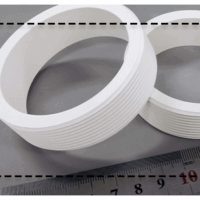








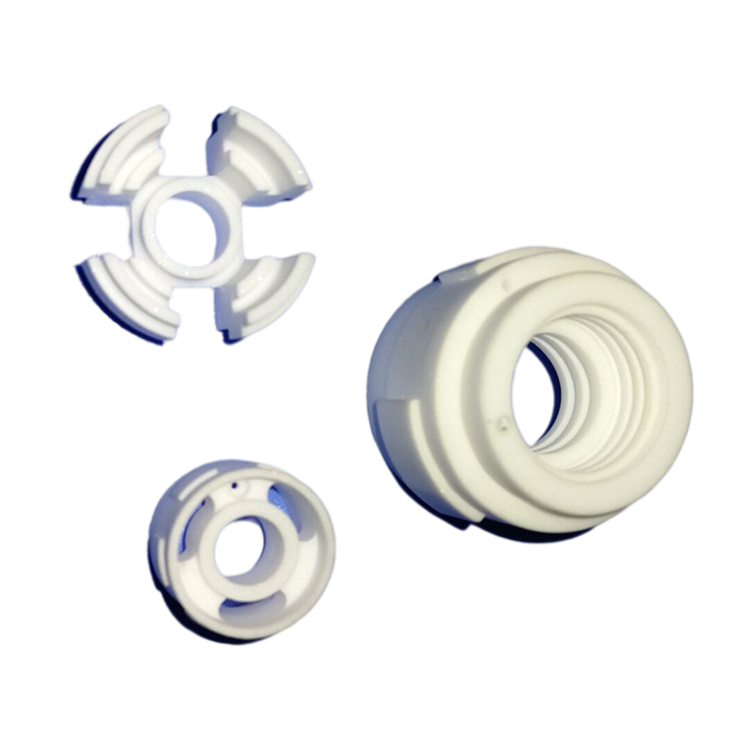
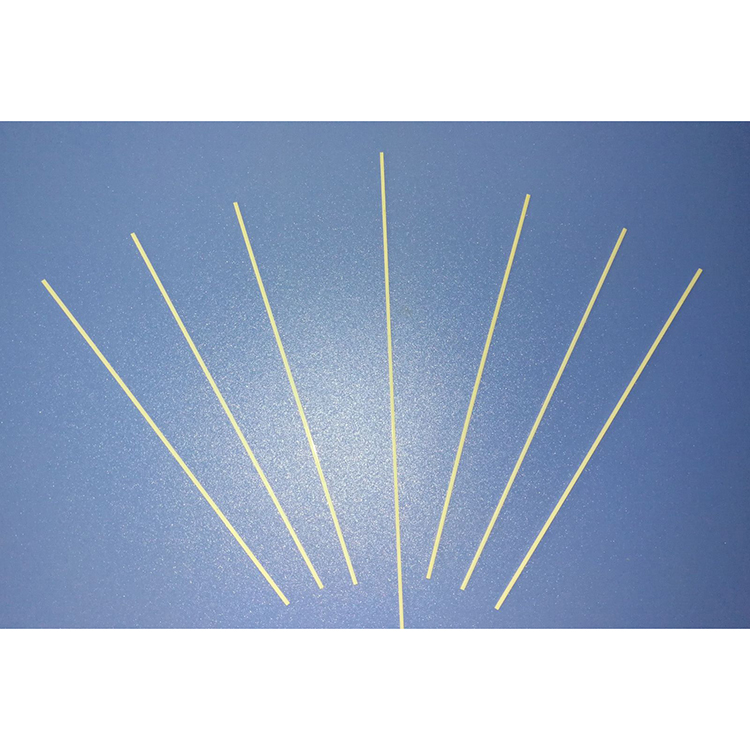

Ceramic Components for Electrical Insulation: Products and Quotations



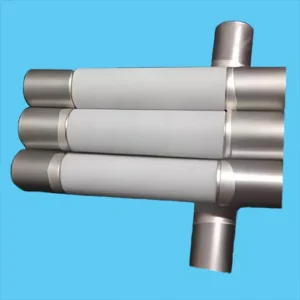


Specify Porous Ceramic Parts Through Clear Requirements
Review the details that help align a porous ceramic component discussion with its intended electrical, insulation, assembly, and approval needs.
Current Drawing Revision
Share the current drawing revision so dimensions, tolerances, interfaces, and any open questions can be discussed against the part your team intends to source.
Material Grade Context
Identify the ceramic family and grade when known, then relate porous ceramics electrical and insulation performance to the actual service environment rather than a general property table.
Geometry and Assembly Fit
Clarify the tube, rod, ring, substrate, or custom form, including dimensions that govern assembly and the adjacent parts the component must accommodate.
Process Route Considerations
Discuss the pore structure, forming approach, and processing considerations relevant to the part requirement, recognizing that material name alone does not define a producible component.
Functional Surface Requirements
Call out mating surfaces, sealing areas, contact zones, and finish expectations so the inquiry distinguishes functional interfaces from noncritical features before quotation discussions begin.
Inspection Evidence Needed
State the acceptance criteria and documentation your approval process requires, allowing inspection expectations to be considered alongside geometry, material designation, and application conditions.
Ceramic Components and Requirements to Discuss
Explore component, material and application categories for electrical insulation and porous ceramic projects, then frame the drawing, operating conditions and acceptance criteria.

Ceramic Manufacturing Capabilities
Discuss ceramic manufacturing capabilities in relation to the part: tube, rod, ring, plate, substrate, or a custom geometry. Drawings, critical dimensions, mating surfaces, quantity, process considerations, and inspection expectations provide the basis for a project-specific quotation conversation.
Discuss Your Ceramic Part
Ceramic Solutions by Industry
Review advanced ceramics applications by the operating problem they address, including electrical insulation, thermal exposure, wear, chemical contact, and porous ceramic functions. Application context helps identify relevant component forms, material families, interface conditions, and the performance questions that need confirmation.
Discuss Your Ceramic Part
Advanced Ceramic Materials
Compare advanced ceramic materials including alumina, zirconia, silicon carbide, silicon nitride, aluminum nitride, boron nitride, and specialty ceramic families. Material selection should be considered alongside grade, geometry, service environment, and the specific properties required for the individual component.
Discuss Your Ceramic Part
Technical Ceramic Products
Explore technical ceramic products organized around familiar component forms and material families. Use the category as a starting point for a drawing-led inquiry, specifying assembly-critical dimensions, fit surfaces, operating conditions, required documentation, and acceptance criteria for the proposed part.
Discuss Your Ceramic Part
Technical Ceramic Resources
Use this technical ceramics guide category to clarify the information needed before requesting a quotation. It supports discussions of material designation, drawings, tolerances, porous structure requirements, inspection needs, and the distinction between general material information and project-specific specifications.
Discuss Your Ceramic PartMaterial Families for Electrical and Insulation Applications
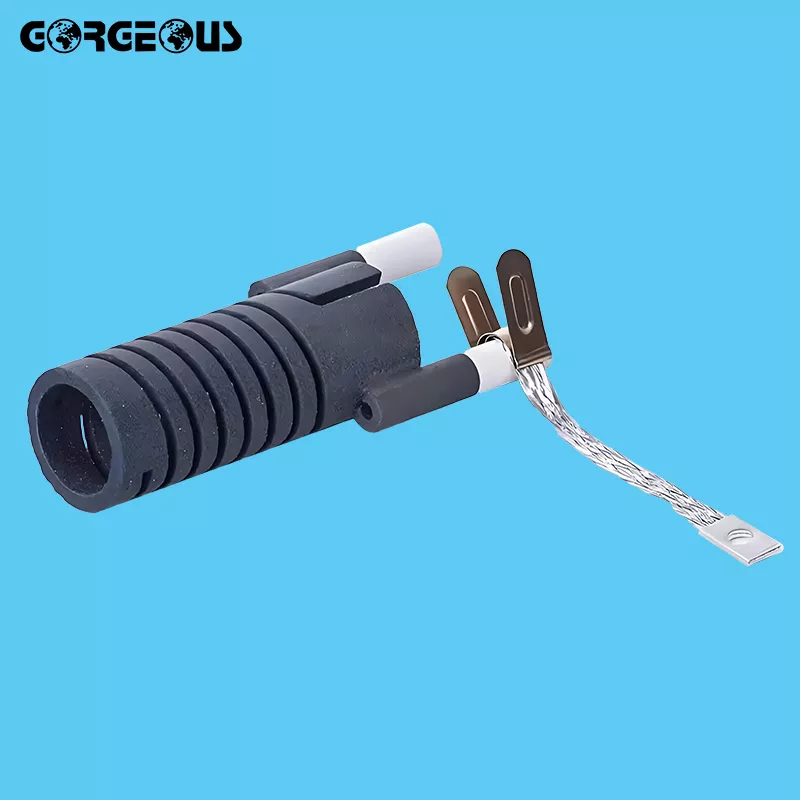

Dense Alumina
A familiar technical ceramic option for electrical insulators, substrates, tubes, and wear-facing parts. Its hard, stable character suits demanding assemblies, while the selected grade, surface condition, dimensions, and inspection criteria require project confirmation.
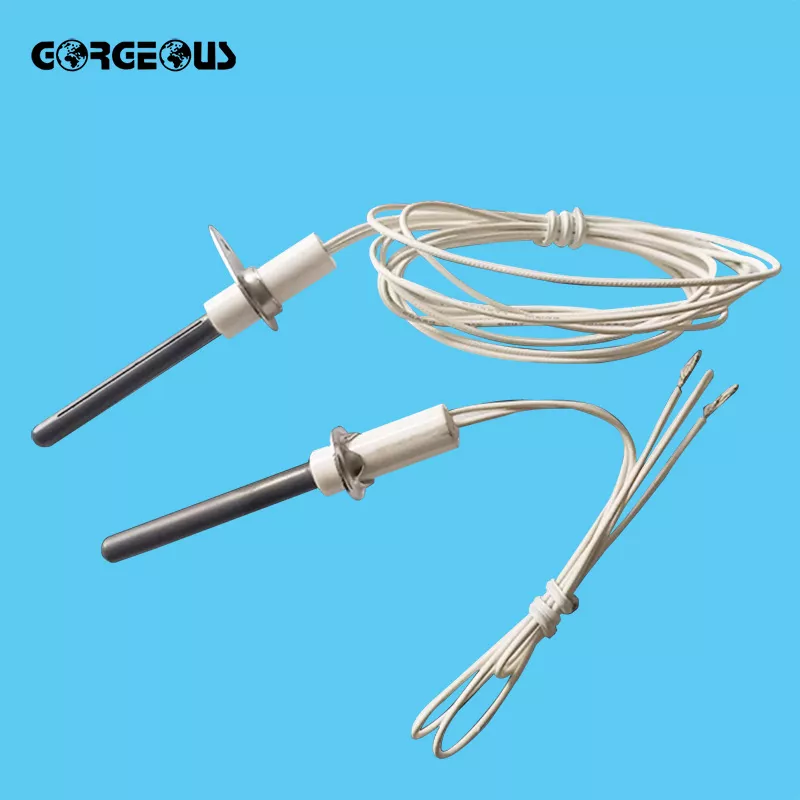
Aluminum Nitride
Often considered for electronic and electrical assemblies where heat transfer and insulation must be evaluated together. This material family is relevant to substrates and thermal-management components, subject to grade, metallization needs, environment, and drawing-defined tolerances.

Boron Nitride
A specialty ceramic family considered for electrically insulating components exposed to elevated temperatures or demanding thermal conditions. Its application fit depends on the selected form, grade, atmosphere, mating surfaces, and required dimensional stability.
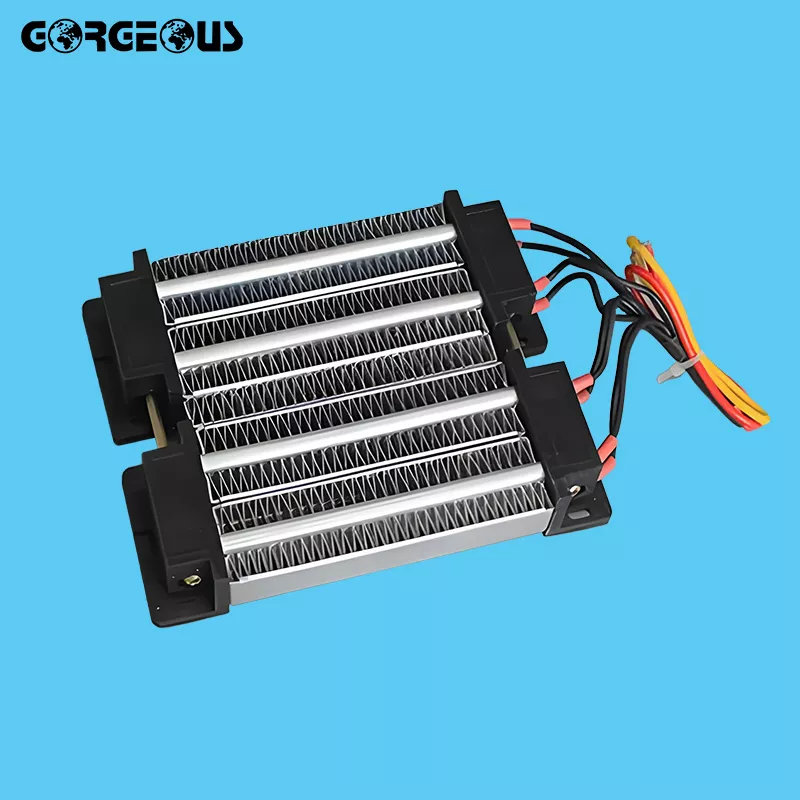
Silicon Nitride
A nonoxide ceramic family for mechanically demanding insulating assemblies, including structural or moving components. Its strong, engineered character makes geometry, loading, thermal cycling, surface finish, and acceptance criteria essential points for a quotation discussion.

Silicon Carbide
A ceramic family considered where high-temperature stability, thermal management, and wear conditions shape the component decision. Electrical behavior can vary with grade and structure, including porous options, so the operating environment and performance priorities should be defined.
Porous Ceramics Electrical and Insulation Performance: Processes to Consider

Powder Preparation
Ceramic powders, binders, and pore-forming approaches may be considered to support the required material family and pore architecture. The resulting formulation must be reviewed against electrical behavior, insulation needs, geometry, and project-specific acceptance requirements.
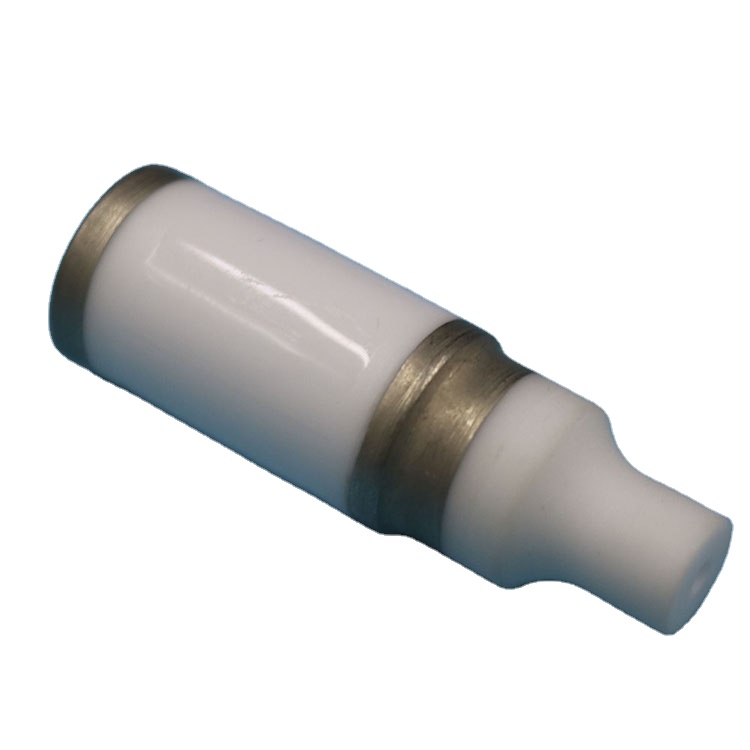
Component Forming
Pressing, casting, extrusion, or other forming routes may be evaluated according to the requested tube, rod, ring, substrate, or custom profile. Shape complexity, wall sections, pore distribution, and planned machining surfaces guide the discussion.
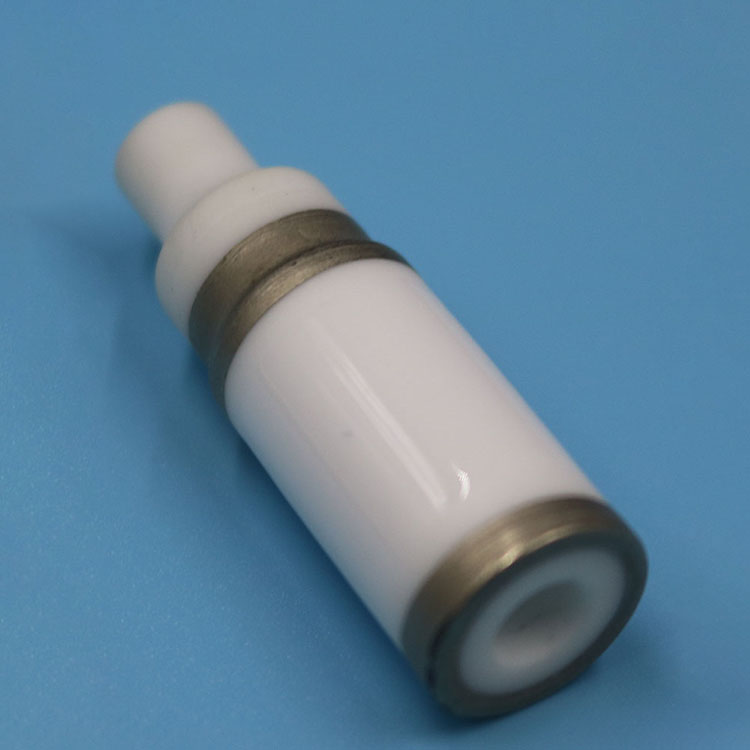
Controlled Firing
Drying and firing conditions are considered as part of the route that develops the ceramic body and its porous structure. Dimensional change, porosity targets, electrical and insulation performance, and downstream finishing requirements should be aligned before quotation.
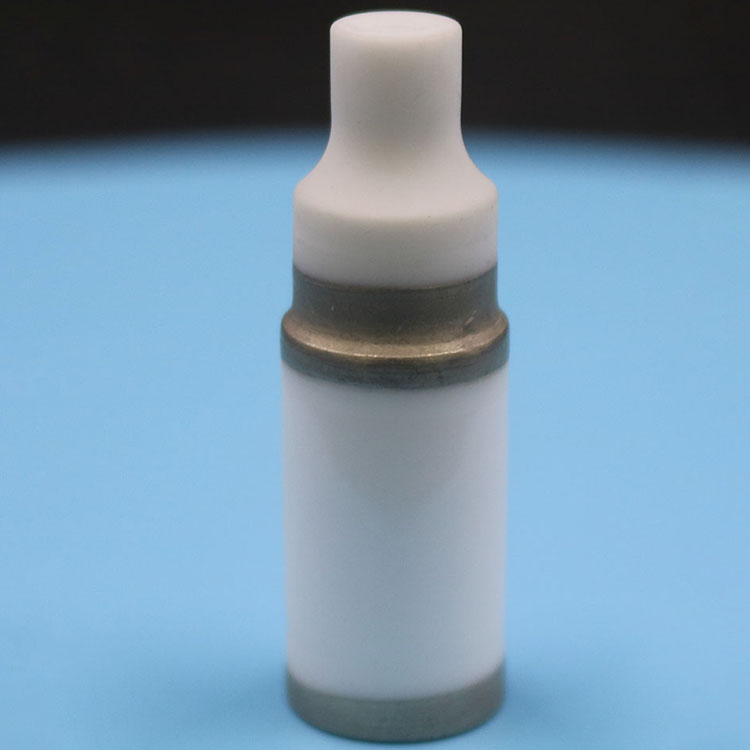
Precision Machining
Grinding, drilling, slotting, or other finishing operations may be discussed where assembly dimensions, mating faces, or functional openings require attention. Provide the current drawing revision, critical tolerances, datum references, and surfaces that interface with another part.
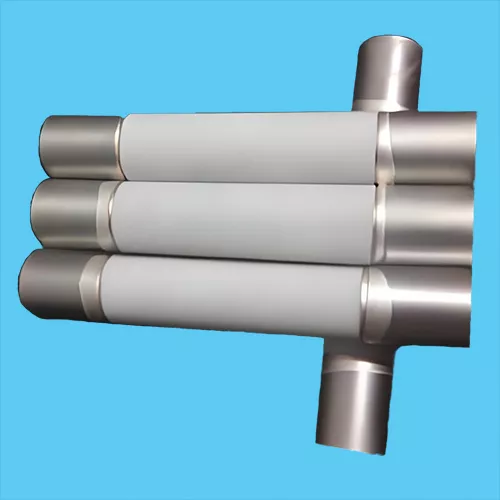
Inspection Planning
Inspection discussions can define which dimensions, visual conditions, material information, or documentation are needed for approval. Acceptance criteria should distinguish essential functional requirements from preferences so the proposed route and quotation have a clear basis.
Functional Features and Assembly Details
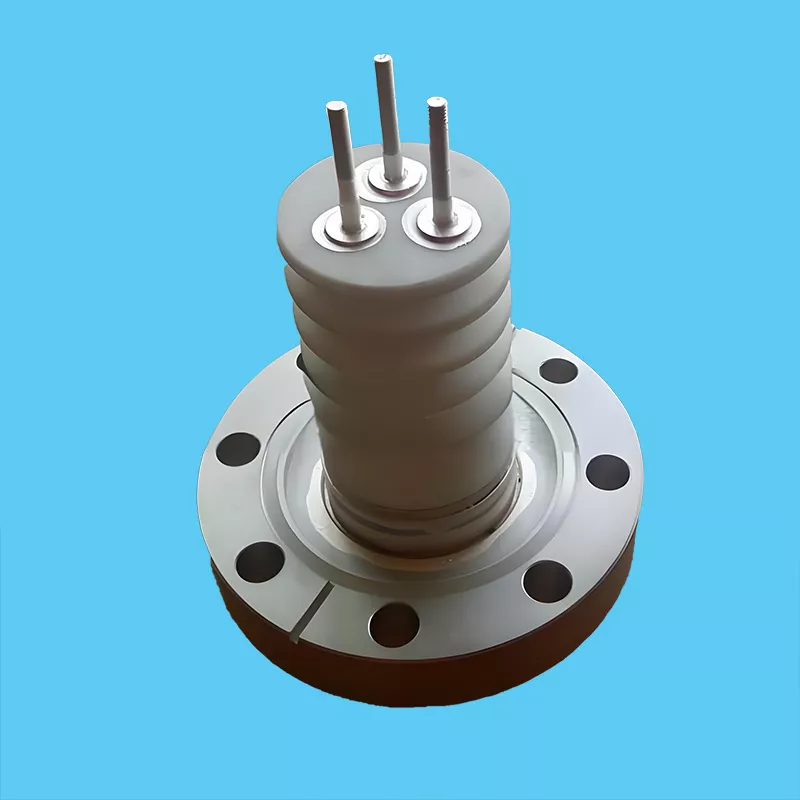
Mating Surface Notes
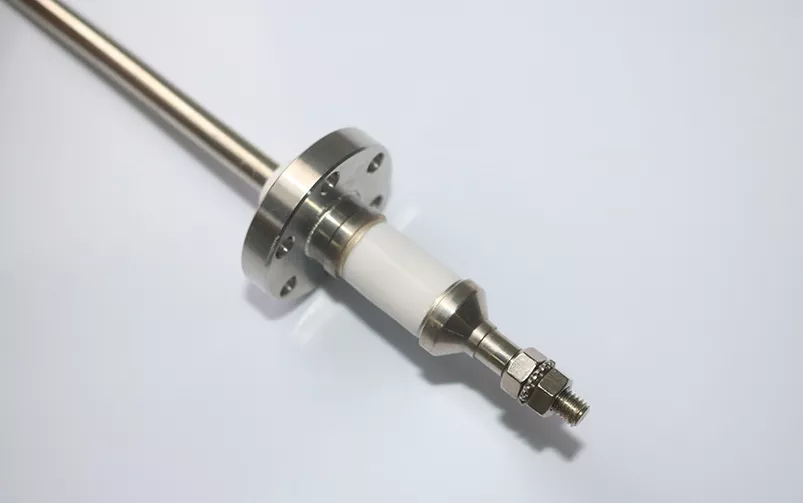
Identify surfaces that locate, seal, clamp, or contact another part. Include critical dimensions, finish expectations, flatness needs, and the mating material so the component requirement can be reviewed in its assembly context.
Edge Condition Details
Call out chamfers, radii, break-edge requirements, and areas that require added protection during handling. These details help distinguish functional edges from noncritical ones and give drawing-led discussions a clearer basis.

Coating Requirements
Specify any coating, metallized area, masked region, or surface treatment under consideration. Define its intended function, coverage area, operating environment, and acceptance criteria rather than relying on a general material description.
Part Identification Marks
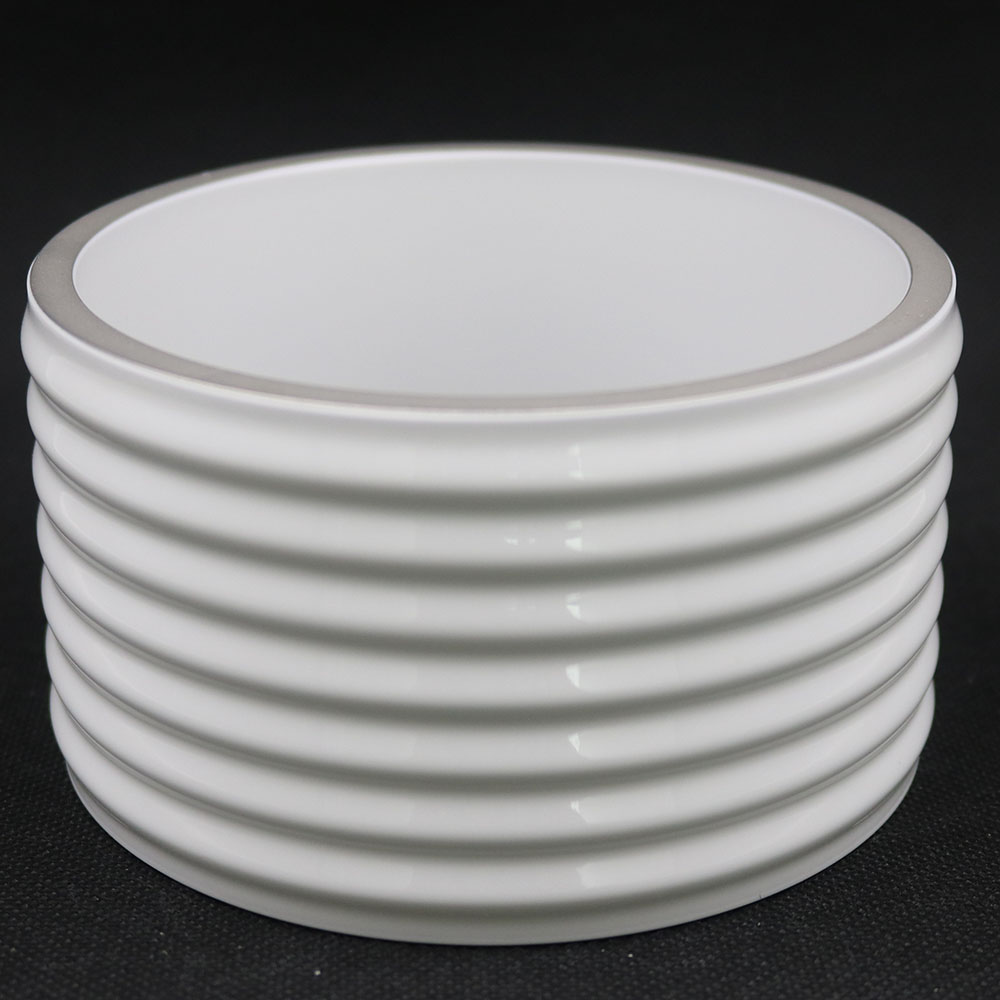
Discuss marks, orientation indicators, lot references, or other identification needs early. State the preferred location, legibility requirement, and whether marking must avoid functional surfaces, electrical paths, or inspection areas.

Handling Protection Needs
Describe packaging, separation, cleanliness, and handling concerns for fragile or precision features. Sharing the transport sequence and inspection expectations helps align protective details with the component geometry and project acceptance criteria.
Clearer Technical Ceramic Sourcing Starts With the Part Requirement
Porcecore was founded by Andy Yuan to help industrial buyers turn a ceramic material question, replacement-part need, or early application concept into a clearer component discussion. Our focus is technical ceramic components, industrial ceramic parts, and custom ceramic components for equipment builders, procurement teams, engineers, and distributors. Discussions can span alumina ceramics, zirconia ceramics, silicon carbide ceramics, oxide, nitride, carbide, and specialty ceramic families.
For porous ceramics electrical and insulation performance, we begin with the job the component must do. A material name alone does not define a suitable tube, rod, ring, substrate, or custom form; pore structure, geometry, mating surfaces, service conditions, and inspection expectations all need consideration together.
Our application-first, drawing-led approach helps identify the details that shape a meaningful quotation conversation: current drawing revision, material designation where known, quantity, critical dimensions, acceptance criteria, and required documentation. We clarify open questions before commitment, so buyers can distinguish general material information from project-specific requirements.

Define Porous Ceramic Electrical Insulation Requirements
Start With the Drawing
For porous ceramics electrical and insulation performance, begin with the current drawing revision and the dimensions that control assembly. Porcecore helps frame the component discussion around form, interfaces, functional surfaces, quantity, and the details needed to make a quotation conversation specific.
- Share the current drawing revision
- Identify critical dimensions and mating surfaces
- Note component form, quantity, and replacement context

Review the Service Conditions
Electrical and insulation decisions depend on the operating environment as well as the ceramic family. Describe voltage exposure, temperature, atmosphere, media contact, loading, and installation conditions so the project team can distinguish relevant requirements from assumptions before material and geometry are discussed further.
- State operating temperature and atmosphere
- Describe electrical exposure and insulation role
- Flag mechanical loads and media contact

Separate Properties From Specifications
General porous ceramic properties are useful starting points, not project commitments. Grade, pore structure, processing route, dimensions, and test method can affect the values relevant to a part. Porcecore helps keep reference information separate from the requirements that need confirmation for production.
- Clarify the requested material designation
- Identify values requiring grade-specific confirmation
- Record the applicable test method or standard

Define Acceptance Before Commitment
Inspection expectations should be established alongside the part requirement. Identify dimensional tolerances, visual criteria, porosity-related needs, documentation, and any checks tied to electrical or insulation performance. This gives procurement and engineering teams a clearer basis for quotation, review, and later approval.
- List critical tolerances and inspection points
- Specify required reports or documentation
- Confirm acceptance criteria before ordering

A Drawing-Led Partner for Porous Ceramics Electrical and Insulation Performance
Compare a clarification-led inquiry process with catalogue-only sourcing approaches before committing to a ceramic component specification.
← Swipe left or right to view →
From Part Requirement to Shipment Discussion
A drawing-led path for reviewing porous ceramics electrical and insulation performance requirements, from technical inputs through delivery-term confirmation.
Share Part Requirements
Send the current drawing revision, intended application, quantity, operating conditions, material designation if known, and acceptance criteria for an initial project discussion.
Review Material And Geometry
Clarify pore structure, electrical and insulation needs, critical dimensions, mating surfaces, and geometry details that affect function, assembly, and inspection expectations.
Confirm Open Technical Questions
Separate essential requirements from preferences and identify grade-specific values, tolerances, documentation needs, and unresolved details before a quotation basis is prepared.
Plan Production And Inspection
Discuss the proposed component route alongside agreed inspection points, critical surfaces, dimensional checks, and any project-specific acceptance documentation required for approval.
Confirm Packing And Delivery
Review packing expectations, delivery timing, commercial terms, and final project details so the shipment discussion reflects the confirmed component requirement.
How to Start a Porous Ceramics Electrical and Insulation Performance Inquiry
Bring the part requirement into focus before quotation discussions begin.
Send the Current Drawing
Share the latest drawing, replacement-part reference, or application sketch, identifying assembly-critical dimensions, mating surfaces, and any known component constraints.
Define Service Conditions
Describe the required porous ceramics electrical and insulation performance, operating environment, material preference, temperature exposure, electrical conditions, and functional pore requirements.
Align Quotation Details
Review proposed grade, geometry, quantity, tolerances, documentation, inspection expectations, delivery needs, and commercial terms so the quotation discussion reflects the actual requirement.
Confirm Sampling Requirements
Clarify whether samples, first articles, or additional verification are needed, along with acceptance criteria and the dimensions or properties that require review.
Approve Order Requirements
Confirm the agreed drawing revision, material designation, quantities, acceptance requirements, documentation, delivery details, and commercial terms before production order arrangements proceed.
Documentation and Certification Requirements

Guidance for Porous Ceramic Electrical Insulation Projects
Verified customer feedback and measurable project outcomes will be added here when publication approval, project scope, and supporting documentation are confirmed.
Porcecore does not publish unverified endorsements, performance figures, or application results. Approved case examples will identify the relevant component requirement and outcome.
For a project discussion, share the current drawing revision, material preference, service conditions, quantity, and acceptance requirements so the quotation conversation can begin with defined inputs.
Porous Ceramics Electrical and Insulation Performance FAQ
Clarify the drawing, application conditions, and acceptance requirements before requesting a project-specific quotation.
How should we evaluate porous ceramics electrical and insulation performance for our application?
What drawing details support a porous ceramic quotation?
Can Porcecore help compare porous ceramics electrical and insulation performance across material options?
Which tolerances and surfaces should be called out for porous ceramic parts?
What application conditions affect porous ceramics electrical and insulation performance?
What quantity and inspection information should be included in an inquiry?
How should porous ceramic components be packaged and shipped?
How can we send a drawing and discuss confidential requirements?
Buyer’s Guide to Porous Ceramics Electrical and Insulation Performance
Use this decision framework to match pore architecture, material, dielectric requirements, and operating conditions with qualified suppliers—while avoiding specification gaps, misleading test comparisons, and costly prototype-to-production mistakes.
1. Understanding Porous Ceramics Electrical and Insulation Performance
Nanometre-to-millimetre pore structures can be open, closed, or interconnected (https://www.ikts.fraunhofer.de/en/departments/structural_ceramics/nonoxide_ceramics/porous_filter_ceramics.html). Higher void content can lower density and heat transfer, but interconnected pores also admit moisture or contaminants that can raise leakage risk and change effective resistivity, permittivity, and dielectric strength.
Three operating inputs—temperature, applied voltage, and frequency—must accompany any request for porous ceramics electrical and insulation performance. Buyers should specify material chemistry and grade, bulk density or porosity, pore condition, electrical test method, electrode geometry, service environment, allowable leakage, and the thermal-insulation target; a dry-room result is not automatically representative of humid, contaminated, or elevated-temperature service.
2. Evolution of Porous Ceramic Insulation
Dense alumina and other fired electrical ceramics established the baseline: a shaped, sintered part could isolate conductors while tolerating heat. Engineering later shifted from minimizing voids to controlling pore volume, connectivity, and a dense skin where handling or sealing required it.
Fraunhofer IKTS identifies pore architectures from nanometres to millimetres and uses replica and direct-foaming routes for cellular ceramics (https://www.ikts.fraunhofer.de/en/departments/structural_ceramics/nonoxide_ceramics/porous_filter_ceramics.html). Controlled powder preparation, partial sintering, foaming, and sacrificial templates made thermal management, filtration, and hot-process components more application-specific.
Two sourcing questions now govern porous ceramics electrical and insulation performance: whether pores must remain open or closed, and which surfaces must stay dense. Submit the drawing, voltage and temperature exposure, fluid contact, pore requirement, mating surfaces, and acceptance tests; porosity that improves insulation or flow can reduce strength and change dimensional control.
3. Types of Porous Ceramics Electrical and Insulation Performance
Pore connectivity directs electrical isolation, fluid passage, and heat flow; grade remains a separate decision. Specify voltage, atmosphere, contamination, pressure differential, and load before selecting geometry. https://www.ikts.fraunhofer.de/en/departments/structural_ceramics/nonoxide_ceramics/porous_filter_ceramics.html
| Structure | Connectivity | Insulation | Typical Use |
|---|---|---|---|
| Open-cell foam | High | Lower | Depth filter |
| Closed-cell | Low | Higher | Thermal barrier |
| Partially sintered | Medium | Moderate | Support filter |
| Honeycomb | Channelled | Moderate | Gas processing |
| Membrane | Fine pores | Moderate | Separation |
| Graded/densified | Variable | Localized | Sealed interface |
Open And Closed Cells
Open-cell foam passes gas and suits depth filtration. Closed-cell ceramic limits through-flow and favors thermal isolation.
Controlled Flow Structures
Partially sintered bodies offer moderate permeability and better support than foam. Honeycomb channels suit directional flow; membranes suit fine separation.
Graded Component Selection
Surface-densified components protect handling faces while retaining a porous core. Graded structures fit assemblies needing sealing locally and insulation elsewhere.
4. Materials for Electrical and Insulation Performance
Material choice sets the starting balance for porous ceramics electrical and insulation performance. Porosity, pore connectivity, firing route, and service environment can change the useful behavior of the finished part.
| Family | Electrical Role | Key Trade-Off |
|---|---|---|
| Alumina | Insulating | Thermal conductivity |
| Silica | Insulating | Temperature margin |
| Mullite | Insulating | Moderate conductivity |
| Cordierite | Insulating | Lower strength |
| Silicon carbide | Conductive | Not primary insulation |
Oxide Insulator Families
Alumina favors electrical insulation and chemical stability; silica-based ceramics reduce heat flow but may limit temperature margin.
Mullite and cordierite balance thermal stability, thermal expansion, and pore-forming compatibility. Validate dielectric behavior on the finished porous geometry.
Zirconia And Silicon Carbide
Zirconia offers toughness where handling damage matters, while silicon carbide trades insulation for higher thermal conductivity and semiconductive behavior.
Actual voltage, temperature, and atmosphere determine whether either material is suitable.
Composites Need Qualification
Application-specific composites can tune conductivity, corrosion resistance, or machinability through phase selection and pore formers.
Fraunhofer notes porous ceramics can use oxide and non-oxide systems with open or closed porosity: https://www.ikts.fraunhofer.de/en/departments/structural_ceramics/nonoxide_ceramics/porous_filter_ceramics.html
5. Customizing Porous Ceramic Components
Two pore decisions—size distribution and total porosity—must be tied to voltage, contamination exposure, and mechanical loading. Open pathways can admit moisture or process media; closed pores prioritize isolation and lower permeability.
Define The Pore Structure
Three inputs belong on the brief: target porosity, pore-size range, and open-versus-closed connectivity.
One prototype should confirm insulation resistance after humidity, temperature, and voltage conditions representative of service.
Set The Component Envelope
Four drawing items control manufacturability: geometry, minimum wall thickness, critical dimensions, and mating surfaces.
Two assembly details—sealing lands and locating features—should identify datum references and allowable machining tolerances.
Specify Interfaces And Finishing
Two finishing routes, surface densification and coatings, can reduce exposed porosity where electrical isolation or sealing matters.
One metallization interface requires defined bond area, conductor path, joining method, and prototype validation of dielectric behavior.
6. Construction Quality for Reliable Insulation
Reliable insulation starts with process control, not a clean-looking part. Powder purity, particle dispersion, pore-former dose, green-body density, firing profile, and shrinkage must be controlled as one manufacturing system.
Build The Pore Structure
Each batch should define powder lot, particle-size distribution, dispersion method, and pore-former specification. Consistent green density helps hold pore volume and reduces local weak paths.
Control Firing And Cracks
Every firing run should record the approved temperature profile, atmosphere, loading pattern, and actual shrinkage. Crack checks must include edges, thin sections, and machined features; color alone is not functional evidence.
Release With Evidence
A production-ready design should state moisture-conditioning limits, surface condition, critical dimensions, tolerances, inspection method, and acceptance criteria. Lot traceability should connect the finished component to material, forming, firing, and inspection records.
7. Choosing a Porous Ceramics Electrical and Insulation Performance Manufacturer
Porcecore starts supplier comparison with the drawing, service environment, and acceptance criteria—not unit price alone. Porous structures vary by pore size, distribution, and open or closed porosity (https://www.ikts.fraunhofer.de/en/departments/structural_ceramics/nonoxide_ceramics/porous_filter_ceramics.html).
| Criterion | Ask For | Compare Beyond Price |
|---|---|---|
| Application support | Drawing review | Requirement clarity |
| Verification | Test conditions | Relevant evidence |
| Production | Lot records | Repeatability |
Engineering And Process Fit
1 drawing review should identify mating surfaces, electrical loading, thermal exposure, and pore requirements. Ask which material, forming route, machining, and finishing steps are proposed—and which remain unproven.
Test Evidence And Documentation
2 test reports are comparable only when method, specimen geometry, conditioning, voltage or temperature, sample count, and pass/fail limits are stated. Ask whether results apply to the delivered grade and finished part.
Scale-Up And Communication
3 procurement checks should cover prototype repeatability, volume capacity, lot traceability, inspection records, and deviation handling. Prefer suppliers that state dimensional, process, and test limitations before committing.
8. Common Buyer Mistakes in Porous Ceramic Sourcing
One incomplete specification can move a porous ceramic redesign into qualification. Procurement and engineering reduce risk by converting each performance claim into conditioned test, geometry, and production-control requirements.
Define The Pore Network
One porosity percentage alone omits pore size, distribution, and open-versus-closed connectivity; the wrong flow, strength, or dielectric result can follow. Require pore architecture and the measurement method on the drawing.
Qualify Real Service Conditions
Two test states—dry and conditioned—are not interchangeable when humidity or contamination can alter surface conduction. Require stated conditioning, voltage, temperature, exposure media, and acceptance limits before comparing data.
One thermal-insulation result does not establish electrical insulation. Specify the electrical test and dielectric criterion separately.
Control Parts Beyond Prototypes
One brittle prototype can pass while production variation, handling loads, mating surfaces, or missing tolerances cause assembly failures. Define critical dimensions, edge condition, inspection method, lot controls, and change notification before approval.
Porcecore should receive the current drawing revision, service conditions, quantity, and acceptance criteria so open requirements are resolved before quotation.
9. Steps to Launch an OEM Component
Volume release should follow evidence, not a material-family label. Engineering defines service limits while procurement and the supplier align documentation, sampling, cost, and change control.
Define Duty And Specification
First, record voltage, temperature range, cycling, atmosphere, loads, pore-function requirements, and credible failure modes. Second, convert them into measurable acceptance limits for dimensions, insulation resistance, dielectric strength, thermal behavior, and defects.
Screen And Validate Samples
Two or more candidate material–structure combinations should be reviewed against the drawing and assembly interfaces. Supplier samples require electrical and thermal testing under representative conditions; engineering approves results while procurement confirms traceability and commercial terms.
Control Pilot To Volume
Before volume release, freeze the drawing revision, critical surfaces, tolerances, test methods, sampling plan, and required records. A pilot lot must demonstrate repeatable conformance, after which all teams agree deviation handling, incoming inspection, and change-notification rules.
10. Pricing Porous Ceramic Insulation Components
1 component-specific quote is required: no universal rate can capture material grade, drawing tolerances, acceptance criteria, freight, duties, and packaging. For porous ceramics electrical and insulation performance, the largest landed-cost shifts usually come from quantity, pore specification, geometry, and inspection scope.
2 production stages commonly add cost when tight machining follows firing or when porosity must be controlled across a functional area. Send the current drawing revision, annual and release quantities, service conditions, required tests, documentation, and delivery destination for a comparable quotation.
| Driver | Lower impact | Higher impact | Lead-time effect |
|---|---|---|---|
| Quantity | Repeat releases | Prototype or small lot | Setup spread over fewer parts |
| Geometry | Simple tube or plate | Thin walls, holes, complex interfaces | More forming and machining |
| Material and pores | Standard, broad target | Special grade or tight pore range | More development control |
| Finishing and testing | As-fired, visual check | Precision surfaces, electrical tests, reports | Extra operations and review |
| Tooling | Existing process | New form or fixture | Upfront qualification time |
Discuss Porous Ceramics Electrical and Insulation Performance Requirements
Email your drawing, service conditions, and acceptance criteria to start a concrete conversation about grade, geometry, and inspection needs.