
Silicon Nitride Ceramic Parts for Electrical Insulation Requirements
Connect electrical insulation requirements to your drawing, operating conditions, mating surfaces, and acceptance criteria.
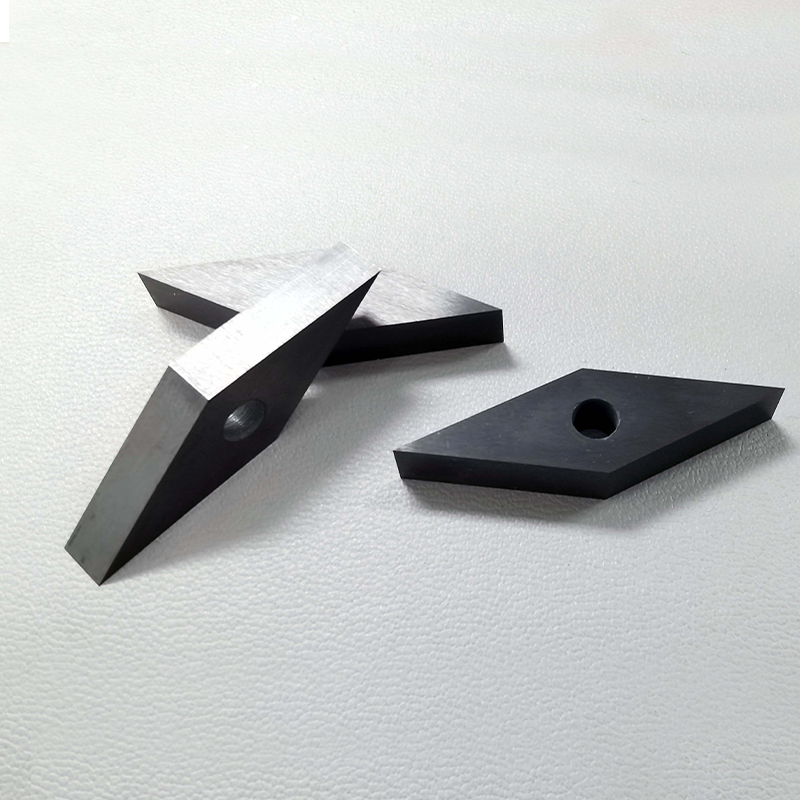
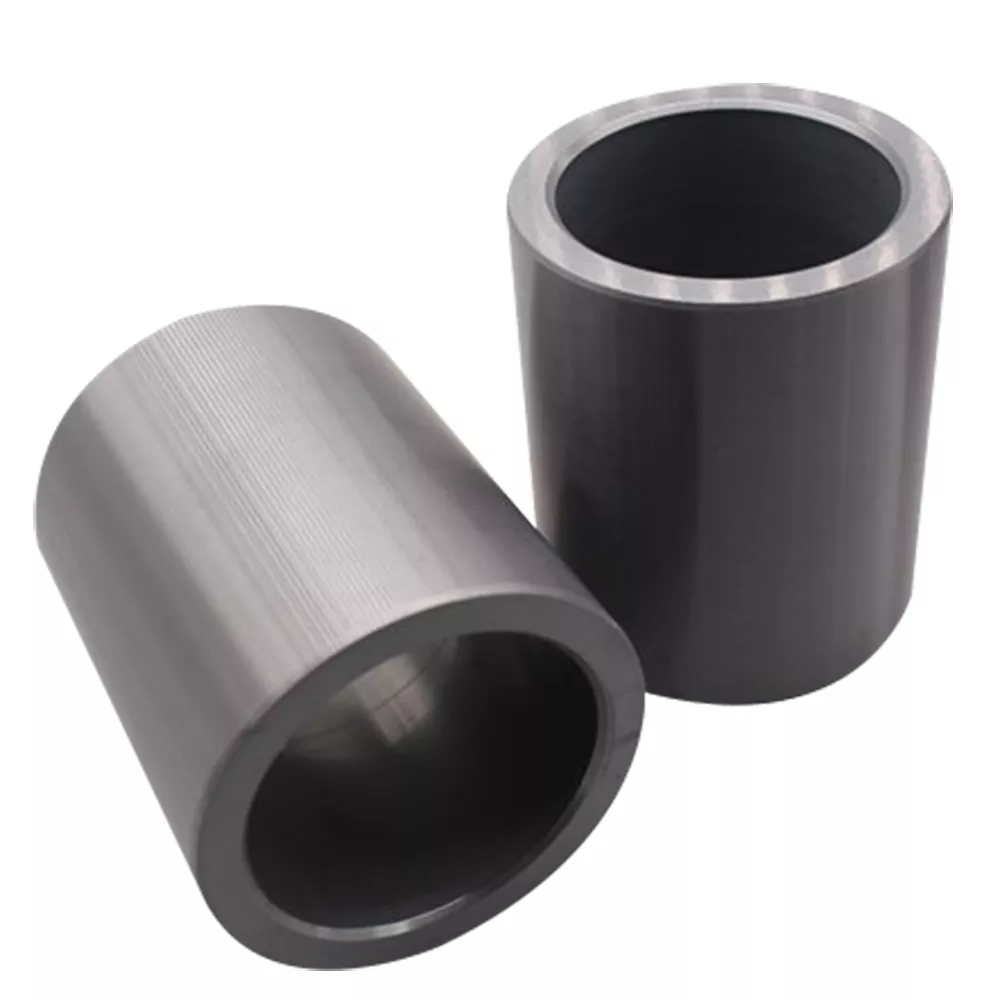
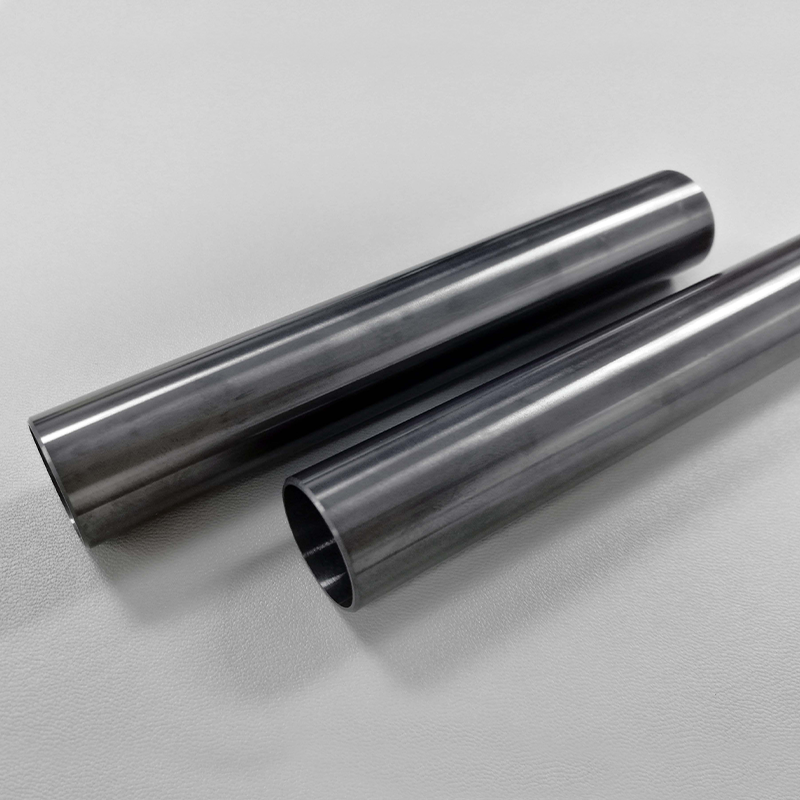
Featured Silicon Nitride Ceramic Components


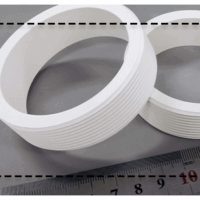


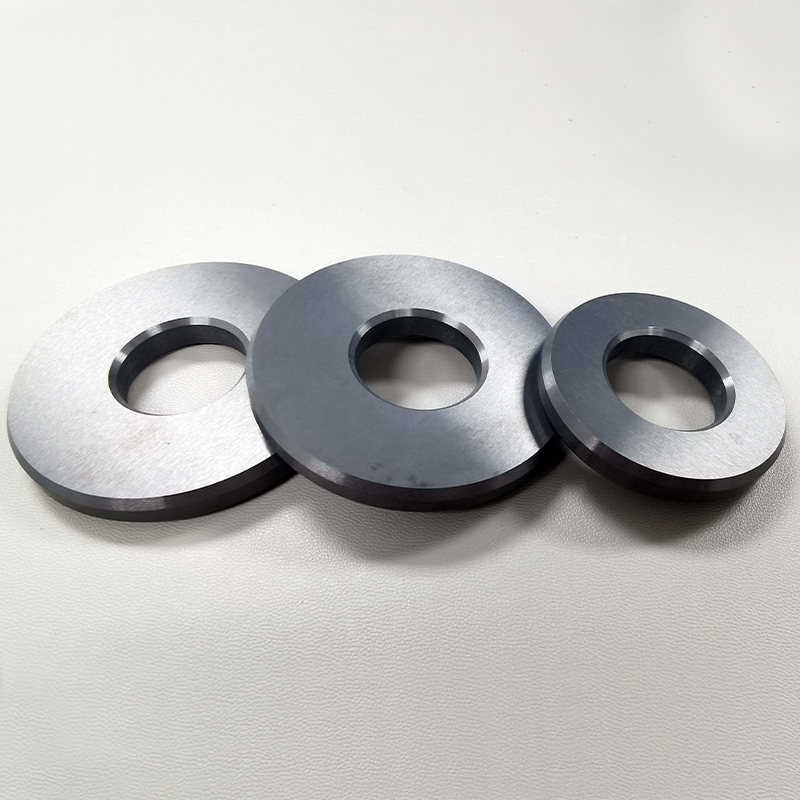

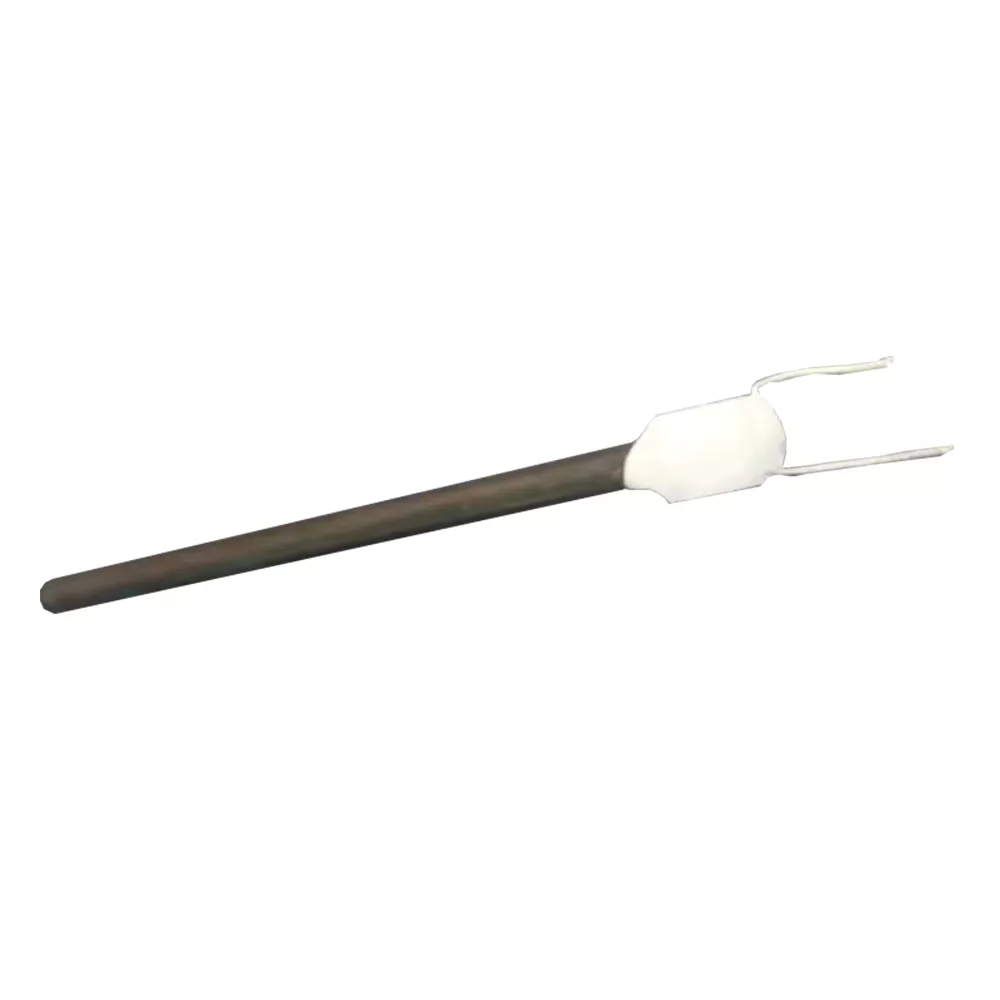
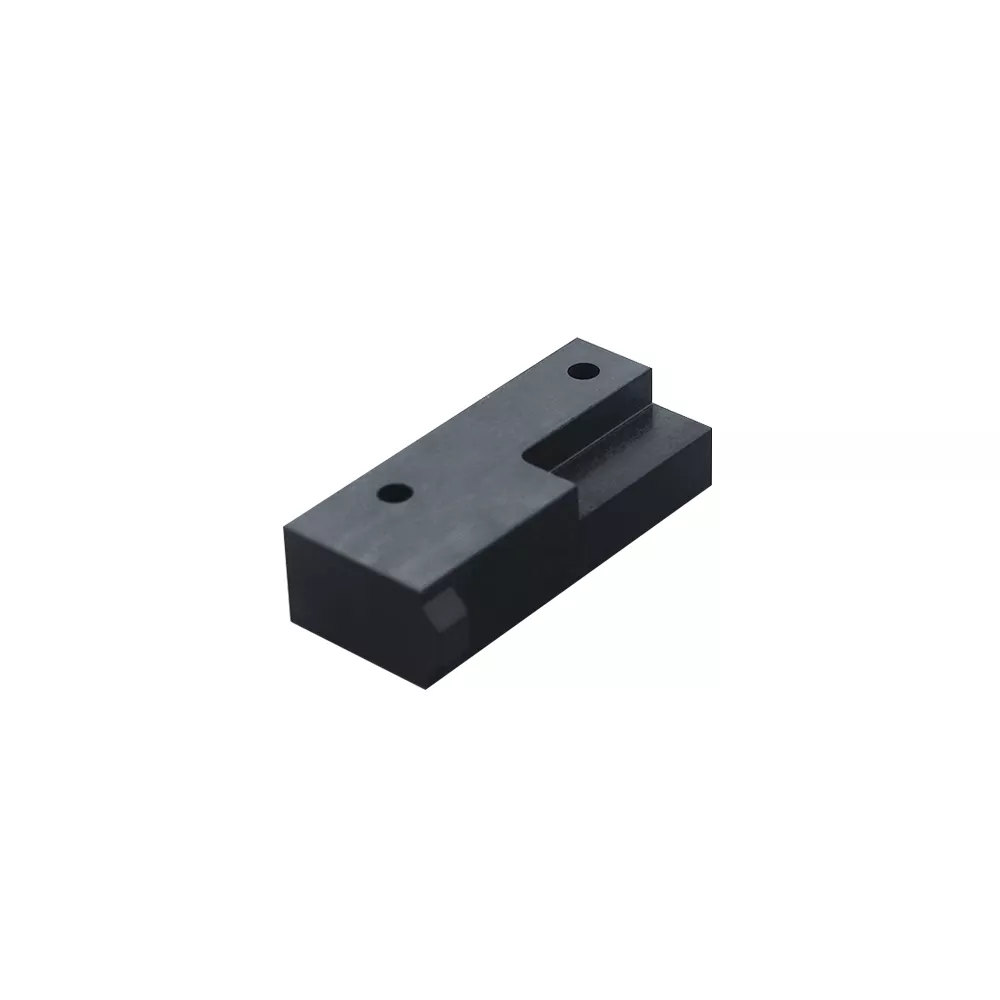


Related Silicon Nitride Components and Quotation






Qualification Considerations for Silicon Nitride Ceramic Parts
Evaluate insulation behavior alongside thermal cycling, mechanical loading, wear exposure, and the component details that determine fit, verification, and project-specific acceptance.
Electrical Isolation Requirements
Define operating voltage, frequency, temperature, and dielectric test expectations. Electrical insulation performance should be reviewed against the finished part geometry, service environment, and agreed acceptance criteria.
Thermal Cycling Conditions
Describe temperature range, cycling rate, heat paths, and mounting constraints. Silicon nitride’s suitability for thermal shock conditions depends on grade, shape, section thickness, and the complete assembly.
Mechanical Loading Details
Identify static loads, impacts, vibration, and stress concentrations near holes or edges. Provide the current drawing so critical dimensions and mating interfaces can be reviewed together.
Wear Exposure Assessment
Clarify contact media, sliding or rolling motion, lubrication, abrasion, and expected duty cycle. Surface finish, counterface material, and local geometry may affect wear-related part decisions.
Functional Surface Definition
Mark sealing faces, electrical interfaces, alignment diameters, and any surfaces that contact another component. Specify tolerances, finish expectations, and datum references needed for assembly evaluation.
Inspection Evidence Needed
State the documentation, dimensional checks, material designation, and test evidence required for approval. Align these requirements with quantity, packaging needs, and the drawing revision before quotation.
Silicon Nitride Components for Defined Applications
Start with the component form, operating conditions and acceptance requirements to focus a drawing-led technical ceramics inquiry.

Ceramic Manufacturing Capabilities
Review ceramic manufacturing capabilities in relation to the part requirement: component geometry, critical surfaces, tolerance needs, inspection expectations and quantity. Use drawings to identify what must be confirmed for tubes, rods, rings, substrates or replacement components.
Discuss Your Ceramic Part
Ceramic Solutions by Industry
Explore advanced ceramics applications by the operating problem: wear, heat, electrical insulation, thermal management, chemical exposure or mechanical loading. Application context helps determine which component features, material options and project-specific questions should be addressed first.
Discuss Your Ceramic Part
Advanced Ceramic Materials
Compare technical ceramic material families as starting points for an inquiry, including alumina ceramics, zirconia ceramics, silicon carbide ceramics, silicon nitride, and other oxide, carbide, and specialty ceramics. Final grade, dimensions, and property requirements require confirmation against the individual drawing and service conditions.
Discuss Your Ceramic Part
Technical Ceramic Products
Browse technical ceramic products by familiar component form, including tubes, rods, rings, substrates and replacement parts. A listing supports requirement discussion; it does not confirm that every grade, size, tolerance or production process combination is available.
Discuss Your Ceramic Part
Technical Ceramic Resources
Use this technical ceramics guide to prepare a more useful inquiry. Include the current drawing revision, known material designation, quantity, operating environment, mating surfaces, critical dimensions and required documentation or acceptance criteria.
Discuss Your Ceramic PartSilicon Nitride Material Routes for Electrical Insulation Parts

Gas Pressure Sintered
A common silicon nitride route for components requiring a balanced starting point across complex geometry, mechanical loading, and insulation duty. Confirm density, grade designation, dielectric requirements, tolerances, and inspection needs against the actual service environment.


Reaction-Bonded Silicon Nitride
A silicon nitride option worth evaluating when shape retention, component geometry, and service conditions guide material selection. Its suitability for electrical insulation depends on the finalized composition, density, surface condition, operating voltage, and acceptance criteria.

Sintered Reaction Bonded
This route can be considered for parts that combine defined geometry with demanding mechanical or thermal conditions. Discuss the current drawing revision, required insulation performance, mating interfaces, environmental exposure, and documentation expectations before quotation.

Silicon Nitride Substrate
For insulating plates and electronic component interfaces, substrate requirements should define the discussion. Share thickness, flatness, metallization or surface requirements, voltage conditions, thermal duty, and required electrical verification so a suitable grade can be reviewed.
Processing Routes for Silicon Nitride Insulation Components

Powder Preparation
Powder selection, additives, and batch preparation can be reviewed alongside the requested grade and electrical insulation objectives. This discussion helps identify material details that require project-specific confirmation before quotation.

Component Forming
Pressing or other forming approaches are considered in relation to component geometry, wall sections, holes, and handling needs. Share the current drawing so forming assumptions and dimension-critical features can be discussed clearly.

Sintering Review
Sintering route discussions connect material densification with the part’s intended conditions and inspection expectations. Porcecore treats the route as a project review topic, not a pre-approved production commitment.

Precision Machining
Diamond grinding and related machining considerations focus on dimensions, tolerances, mating surfaces, and edge conditions. Identify assembly-driving features on the drawing to distinguish essential requirements from preferred details.

Surface Finishing
Finishing requirements may include surface condition, interface preparation, marking, or cleanliness expectations. Define the functional surfaces and any documentation needed for approval so the quotation conversation has a concrete basis.
Functional Features and Assembly Interfaces

Precision Interfaces
Identify diameters, flats, shoulders, and mating surfaces that control alignment or fit. Share datum references, critical tolerances, surface expectations, and the counterpart part so the interface can be reviewed in context.

Mounting Holes
Define hole location, diameter, depth, and whether a feature is through or blind. Include positional tolerances, fastener relationships, and any insulation-clearance considerations relevant to the assembled equipment.

Functional Grooves
Grooves can support sealing, retention, spacing, or controlled assembly positions. Provide cross-section details, edge requirements, mating conditions, and whether the feature affects a critical electrical insulation path.
Threaded Features
For threaded or threaded-interface requirements, specify the thread standard, engagement depth, loading conditions, and assembly method. Discuss whether an insert, mating hardware, or an alternative geometry better suits the ceramic part.
Metallized Areas
When conductive attachment or joining surfaces are needed, identify the required location, coverage, mating process, and acceptance criteria. Material grade, geometry, and service environment should be reviewed together before commitment.

Part Marking
Specify any part number, revision identifier, orientation mark, or traceability requirement. State the marking location, legibility expectations, and inspection needs so identification does not conflict with functional or mating surfaces.
About Porcecore Technical Ceramics
Founded by Andy Yuan, Porcecore helps industrial buyers connect ceramic material selection with an actionable part requirement. Our scope spans oxide, nitride, carbide and specialty ceramics, including silicon nitride ceramics electrical and insulation performance considerations where the application calls for careful grade and geometry review.
We begin with the component and its job: a tube, ring, rod, substrate or replacement part. Drawing-led inquiries bring material designation, mating surfaces, operating conditions, tolerances, inspection needs and acceptance criteria into one practical quotation discussion, so teams can identify open questions before making commitments.

Define the Silicon Nitride Part First
Review the Drawing Context
Start with the current drawing revision and the component’s role in the assembly. Porcecore helps organize dimensions, critical interfaces, datum references and surface requirements so a silicon nitride ceramic inquiry has a clearer technical basis before quotation discussion.
- Identify dimensions that control assembly and fit
- Mark mating, sealing or contact surfaces
- Share tolerances and geometry-specific notes
- Include the current drawing revision

Clarify Electrical Service Conditions
Silicon nitride ceramics electrical and insulation performance should be considered alongside the actual duty cycle, voltage environment, temperature exposure and nearby materials. Defining these conditions helps distinguish general material information from the project-specific questions that need confirmation.
- Describe voltage, frequency and insulation duty
- State operating and peak temperatures
- Note thermal cycling and mechanical loading
- Identify surrounding media and assembly materials
Align Material With Grade
A material family name alone does not define a finished component. Discuss the intended silicon nitride grade, processing route, geometry and any property priorities together, then confirm what is essential for the application rather than assuming a catalog description applies unchanged.
- Provide the material designation when known
- Prioritize insulation, strength or thermal needs
- Consider form and manufacturability together
- Treat listed properties as grade-dependent

Set Acceptance Requirements Early
Bring inspection, documentation and acceptance expectations into the inquiry before commercial terms are finalized. Clear criteria for critical dimensions, visual condition, test needs and records create a more focused path for reviewing silicon nitride ceramics electrical and insulation performance requirements.
- Define critical dimensional inspection points
- Specify requested documents or reports
- Describe relevant acceptance criteria
- Separate essential requirements from preferences

Silicon Nitride Ceramics Electrical and Insulation Performance Starts With the Part
Porcecore helps turn material discussions into drawing-led, project-specific quotation conversations.
← Swipe left or right to view →
From Requirement Review to Delivery Discussion
A drawing-led path for reviewing silicon nitride ceramics electrical and insulation performance alongside geometry, interfaces, acceptance criteria, and delivery needs.
Share Drawing and Context
Send the current drawing revision, target quantity, operating environment, mating surfaces, and known material designation to establish the component requirement.
Review Electrical Requirements
Discuss insulation duties, voltage exposure, temperature range, frequency considerations, and relevant service conditions so electrical expectations are defined for the project.
Confirm Part Specification
Align on proposed grade, geometry, critical dimensions, tolerances, surface requirements, and open questions before a quotation discussion moves forward.
Define Inspection Expectations
Identify acceptance criteria, required documentation, measurement priorities, and any project-specific inspection expectations needed for internal review or receiving approval.
Coordinate Packing and Shipping
Confirm delivery timing, packing needs, shipment coordination, and commercial details once the individual component requirement and order terms are agreed.
How to Work with Porcecore on a Ceramic Part
Define the part, its electrical duty, and its acceptance needs so a project-specific quotation discussion can begin on clear terms.
Send the Current Drawing
Share the latest drawing revision or replacement-part details, highlighting assembly-critical dimensions, mating surfaces, and the component form you need.
Describe Service Conditions
Identify the material designation if known, operating temperature, voltage exposure, insulation duties, mechanical loads, and environment relevant to the part.
Clarify Quantity and Acceptance
State anticipated quantities, tolerances, inspection expectations, required documentation, and any approval criteria that will guide the quotation discussion.
Review Project Requirements
Porcecore discusses silicon nitride ceramics electrical and insulation performance alongside grade, geometry, processing considerations, delivery needs, and commercial terms for your project.
Certification and Documentation Requirements
Project Evidence Available Upon Approval
“Customer reference pending approval. Porcecore will publish only verified component, operating-condition, inspection, and electrical-performance evidence.”
“Customer reference pending approval. Porcecore will publish only verified drawing-review, interface, acceptance, quantity, and documentation outcomes.”
“Customer reference pending approval. Porcecore will publish only verified component, service-environment, inspection, performance, and production-quantity details.”
FAQ: Silicon Nitride Ceramics Electrical and Insulation Performance
Clarify the inputs needed to move from a general material discussion to a reviewable component quotation.
How should we assess silicon nitride ceramics electrical and insulation performance for our component?
What drawing information is needed for a silicon nitride ceramic quotation?
Can silicon nitride ceramics electrical and insulation performance be guaranteed from a catalog description?
How do we select a silicon nitride grade for electrical insulation duties?
Do you have an MOQ or can we request samples before production?
What tolerances and functional surfaces should be highlighted?
How should we describe silicon nitride ceramics electrical and insulation performance in an RFQ?
What should we provide for packaging, shipping, payment, and IP handling?
Complete Buyer’s Guide to silicon nitride ceramics electrical and insulation performance
Use this decision framework to specify insulation requirements, compare processing routes and substrate options, evaluate supplier evidence, control qualification risk, and avoid costly material-selection mistakes before sourcing silicon nitride components.
1. Silicon Nitride Ceramics Electrical and Insulation Performance Defined
Si3N4 is an electrical insulator only when the finished part maintains adequate insulation resistance, dielectric strength and acceptably low dielectric loss at its stated frequency and temperature. Breakdown performance is a system result: thickness, edge radii, surface condition, porosity, electrodes and test method all affect the usable voltage margin.
Voltage, humidity and thermal cycling can expose leakage paths or crack-driven failure that a room-temperature material value will not predict. A component specification should therefore define operating temperature, voltage waveform, environment, geometry, critical mating surfaces and acceptance tests, while evaluating electrical behavior with thermal conductivity, strength and thermal-shock resistance. Grain-boundary chemistry and microstructure can influence dielectric reliability (https://eureka.patsnap.com/materials/silicon-nitride-insulation).
2. Evolution of Silicon Nitride Electrical Insulation
Si₃N₄ first gained broad engineering attention for strength, thermal-shock tolerance, and wear resistance; insulating uses then extended to igniters, substrates, and semiconductor-process hardware. The same material name does not establish equivalent dielectric behavior across those roles. https://good-ceramic.com/en/materials/silicon-nitride-ceramics
1750°C is a commonly cited pressureless-sintering range, but route selection—pressureless, hot-pressed, or gas-pressure sintered—changes density, residual porosity, and achievable geometry. Higher densification can reduce conductive pathways, while grain-boundary phases introduced by sintering aids remain part of the electrical-risk assessment. https://ggsceramic.com/news-item/discover-different-types-of-silicon-nitride-ceramics-and-their-industrial-advantages
100–300 nm is a cited range for deposited silicon-nitride insulating films, illustrating why bulk ceramic data cannot be transferred to thin-film process applications. Procurement should tie historical property data to powder purity, additive system, firing route, thickness, surface condition, voltage waveform, temperature, and acceptance test. https://eureka.patsnap.com/materials/silicon-nitride-insulation
3. Types of Silicon Nitride Insulation Performance
Five processing routes produce different pore populations, grain-boundary phases, and shape limits. Match the route to voltage exposure, thermal cycling, geometry, and inspection requirements—not a generic silicon nitride label.
Pressureless Sintered Grades
Pressureless sintering densifies powder compacts without external pressing, supporting economical tubes, rings, and wear insulators. Residual porosity or variable additives can reduce dielectric consistency, so specify density and test method for routine duty.
Gas-Pressure Sintered Grades
Gas-pressure sintering uses nitrogen pressure to promote densification and enables more complex near-net shapes. Dense grades suit cyclic high-temperature electrical isolation when dimensional freedom and reliability both matter.
Hot-Pressed Grades
Hot pressing applies uniaxial pressure during firing, usually minimizing porosity and maximizing microstructural uniformity. Choose it for severe voltage and thermal duty in simple plates, blocks, or machined forms; shape options are constrained.
Reaction-Bonded Grades
Reaction bonding nitrides a shaped silicon compact, helping retain near-net geometry with lower shrinkage. Its interconnected porosity can compromise insulation reliability, making it better for lower-criticality thermal fixtures than demanding dielectric barriers.
Substrate-Focused Grades
Substrate grades prioritize flatness, surface condition, and controlled dielectric behavior alongside heat transfer. Specify thickness, metallization interface, breakdown test conditions, and cycling profile for power-electronics substrates.
4. Silicon Nitride Ceramics Electrical and Insulation Performance Materials
Starting powder chemistry and the sintering route establish the dielectric baseline before machining. For silicon nitride ceramics electrical and insulation performance, values are grade-, thickness-, environment-, and test-method-specific.
| Variable | Electrical Effect | Tradeoff | Evidence To Request |
|---|---|---|---|
| Powder purity | Fewer leakage paths | Higher processing control | Chemistry certificate |
| Sintering aids | Changes boundary resistance | Affects densification | Aid formulation |
| Porosity | Lowers breakdown margin | May reduce strength | Density and micrographs |
| Metallization | Interface leakage risk | Adhesion mismatch | Test report and cross-section |
Powder And Phase Control
Alpha/beta balance, oxygen, and trace impurities shape densification and conductive grain-boundary pathways. Request powder specification, impurity limits, phase analysis, and lot traceability.
Interfaces Need Qualification
Porosity, protective coatings, and metallization interfaces can dominate leakage or breakdown in an assembled part. Request cross-sections, adhesion data, interface preparation, and applicable electrical test conditions.
5. Custom Designs for Electrical Insulation
One drawing package should define the insulating function alongside the part geometry. Early choices in thickness, edges, and interfaces prevent a nominally correct silicon nitride part from creating field or assembly problems.
Geometry And Field Control
Two radiused transitions can reduce sharp-feature field concentration versus abrupt corners.
One specified creepage path and clearance envelope keeps adjacent conductors, fasteners, and housings in the design review.
Surfaces And Features
One finish callout should identify sealing, contact, and exposed surfaces; rougher areas can retain process contamination.
Two feature groups—holes and slots—need location tolerances and machining allowance, because post-sinter machining affects cost and dimensional stability.
Interfaces And Inquiry Data
One metallization-ready or coated surface requires its intended joining process, masked areas, and inspection criteria.
Five inputs make a custom request actionable: drawing revision, material designation, quantity, service voltage and environment, plus acceptance documentation.
6. Construction Elements That Protect Insulation
Uniform density and controlled grain-boundary chemistry reduce local electric-field concentration. Silicon nitride ceramics electrical and insulation performance also depends on the finished geometry, not only the nominal material grade.
Microstructure And Defects
Pores, inclusions, microcracks, and agglomerates can concentrate electrical stress and create leakage paths. Request a grade-specific density target, microstructure review, and agreed defect limits.
Edges And Machined Surfaces
Edge radii remove sharp features that intensify fields. Define chamfers or radii, critical surface roughness, and acceptance for grinding burns, chips, pullout, and cracks.
Clean Assembly Interfaces
Cleanliness and coating adhesion matter where contaminants, residues, or lifted coatings can bridge insulation. Specify mating dimensions, datum references, inspection sampling, dielectric testing conditions, and documentation before release.
7. Choosing Silicon Nitride Insulation Manufacturers
A capable supplier treats silicon nitride ceramics electrical and insulation performance as a controlled part requirement, not a catalog attribute. Ask for evidence tied to the drawing, service environment, and acceptance criteria.
Verify Process And Traceability
One request should cover forming, sintering route, grade designation, and lot traceability. Confirm how production batches are identified and retained.
- Lot-linked material records
- Sintering-route declaration
- Approved grade revision
Review Machining And Inspection
Two drawing details—datum surfaces and critical dimensions—should drive the review. Request measurement methods, sampling plan, surface-finish verification, and inspection records.
- CMM or gauge method
- Tolerance inspection report
- Surface-condition criteria
Test Claims And Changes
Each electrical claim needs its test method, specimen geometry, temperature, humidity, voltage condition, and result. Require documented change notification for powder, additives, process, machining, or inspection changes.
- Test conditions and method
- Application-relevant validation
- Formal change control
8. Common Silicon Nitride Insulation Buying Mistakes
Three recurring purchasing shortcuts turn a promising insulation material into an avoidable qualification risk. For silicon nitride ceramics electrical and insulation performance, the drawing and test plan must travel together.
Headline Property Specifications
One dielectric-strength value cannot define a component. Consequence: a pass on paper may fail in service; ask, ‘Which grade, test method, thickness, and field geometry apply?’
Grade And Surface Assumptions
Two Si3N4 parts can differ in composition, porosity, finish, and edge quality. Consequence: localized leakage or breakdown; ask, ‘What surface, edge, and inspection criteria are controlled?’
Sample-Only Approval
One approved sample does not establish repeatable production. Consequence: later lots drift; ask, ‘Which production controls, lot tests, and environment simulations support release?’
9. Launching a Qualified Insulation Component
First, freeze duty cycle, voltage exposure, temperature, contamination, and mechanical loads before requesting material. Then assign ownership so qualification decisions are traceable.
Define Testable Requirements
Step 1: Engineering lists failure modes: flashover, leakage, cracking, and fit loss. Convert each into a testable limit and method.
Step 2: Suppliers compare candidate grades against the drawing, process route, and requested evidence. Procurement records revision and documentation needs.
Qualify Representative Samples
Step 3: Obtain samples from the proposed process, not a generic display part. Test representative voltage, temperature cycling, assembly loads, and contamination.
Step 4: Engineering accepts results against pre-agreed criteria; suppliers investigate deviations. Procurement controls sample identification and change communication.
Control Production Release
Step 5: Release a pilot lot using the final drawing, material designation, critical dimensions, and inspection plan. Review capability, yield, packaging, and traceability before volume release.
Step 6: Set incoming checks for certificates, dimensions, visual condition, and lot identity. Escalate changes in grade, process, or inspection method.
10. Silicon Nitride Insulation Pricing and Cost
Two cost patterns matter: tooling and qualification are concentrated in prototype and low-volume orders, while yield, sintering route, and machining dominate repeat production. Tight tolerances, complex internal features, and custom dielectric testing raise total landed cost.
One comparable RFQ should state drawing revision, annual quantity, material designation, critical surfaces, inspection plan, documentation, and requested delivery. Evaluate lifetime value against replacement frequency, downtime exposure, acceptance risk, and incoming-inspection burden—not unit price alone.
| Quantity tier | Component and route | Machining and inspection | Lead-time expectation | Cost driver |
|---|---|---|---|---|
| Prototype / low volume | Complex geometry; route to confirm | High machining; first-article testing | Expedited only if agreed | Tooling, setup, qualification yield |
| Small repeat batch | Moderate geometry; established route | Selective critical-dimension checks | Standard production window | Setup allocation and machining time |
| Production volume | Stable geometry; repeatable route | Sampling per agreed plan | Planned releases | Yield, cycle time, and logistics |
| High-volume release | Near-net-shape opportunity | Minimal finish machining; controlled inspection | Forecast-based scheduling | Tool amortization and process control |
Discuss Your Silicon Nitride Ceramic Part
Email your drawing, operating environment, and acceptance criteria to clarify silicon nitride ceramics electrical and insulation performance requirements.