
Steatite Ceramics for Clearer Technical Part Sourcing
Steatite ceramics matched to your drawing, replacement part, geometry, operating conditions, and acceptance requirements.
Ceramic Component References for Steatite Ceramics Sourcing















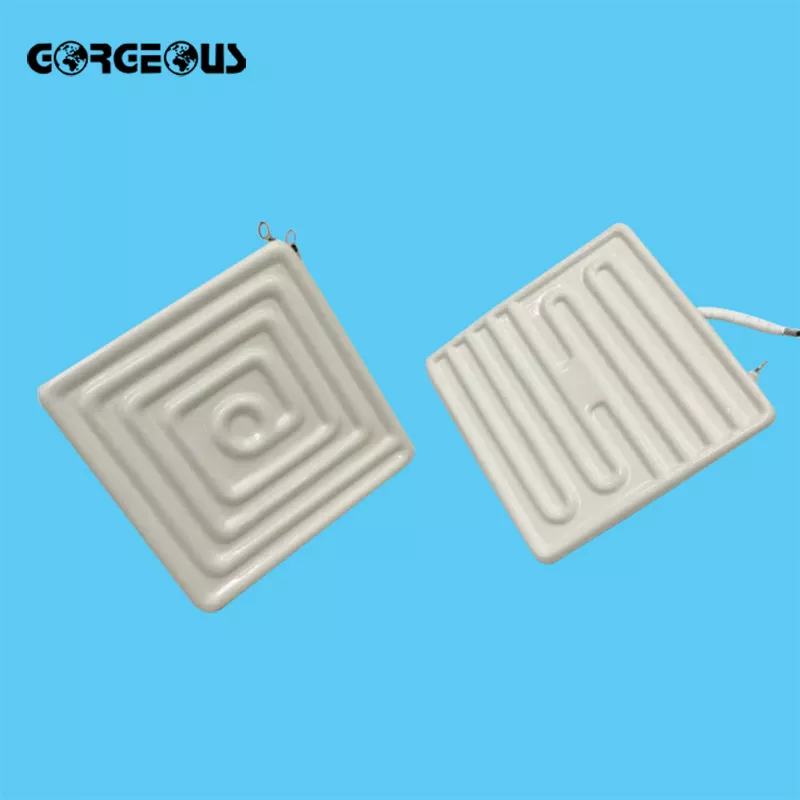
Related Steatite Ceramics Catalogue and Quotation
Steatite Ceramics Advantages for Engineering Buyers
Evaluate the requirements that make steatite ceramics quotations clearer, more relevant and easier to review with your project team.
Drawing Revision Control
Share the current drawing revision, marked changes, critical dimensions and mating interfaces so quotation discussions remain aligned with the component your project actually needs.
Confirm Material Grade
Confirm the steatite ceramics grade or material designation when known, while separating required properties from assumptions that still need project-specific technical review.
Define Geometry and Fit
Define the finished form, tolerances, wall sections, holes and assembly clearances that determine whether a tube, rod, ring or substrate can perform as intended.
Match Process Route
Discuss forming, firing, machining, glazing or other secondary operations early, because the proposed process route should support geometry, finish and acceptance requirements.
Specify Functional Surfaces
Identify sealing, contact, mounting and mating surfaces, including finish expectations, so interfaces receive attention during quotation and later inspection planning.
Plan Inspection Evidence
State dimensional checks, material verification, visual review and documentation needs upfront, distinguishing requested evidence from project acceptance criteria that require confirmation.
Steatite Ceramic Components and Applications
Compare material, performance and component considerations before sending a drawing-led inquiry for project-specific grades, geometries and acceptance requirements.
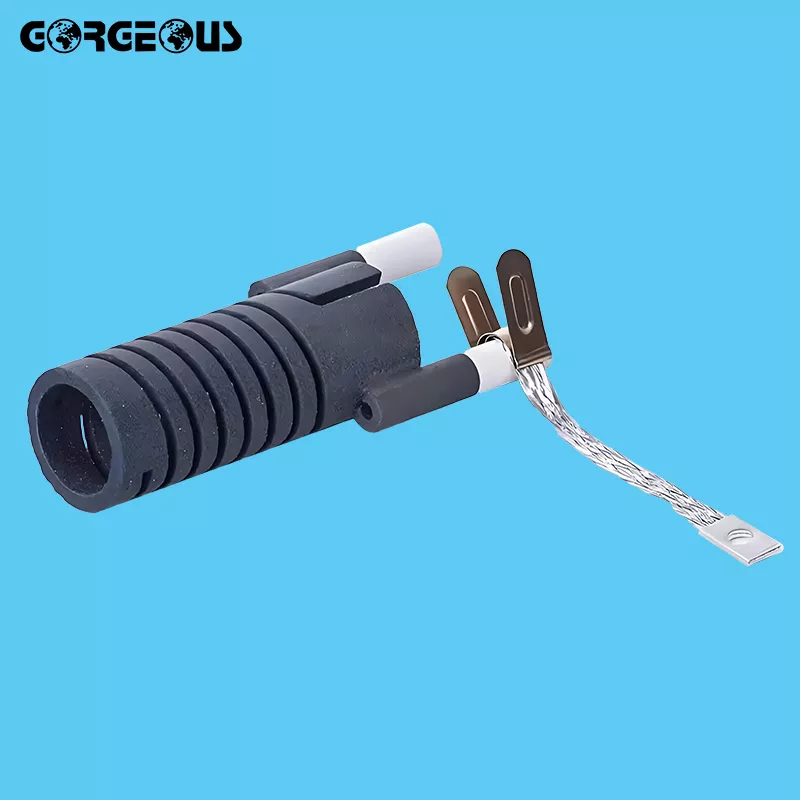
Steatite Ceramics: Properties and Selection Guide
A practical starting point for evaluating steatite ceramics by component requirement. Review dielectric behavior, thermal stability, machinability and operating conditions, then identify the geometry, mating surfaces and documentation needed for a focused sourcing discussion.
Discuss Your Ceramic Part
Steatite Ceramics: Grades and Compositions
Steatite grades and compositions can differ in dielectric, mechanical, thermal and processing behavior. Confirm the required formulation, dimensional range, tolerances and inspection criteria for the intended component rather than treating a material family name as a complete specification.
Discuss Your Ceramic Part
Steatite Ceramics: Thermal Performance
Assess steatite thermal performance against service temperature, thermal cycling, heat transfer demands and surrounding materials. Project review should confirm the applicable grade, geometry, exposure conditions and test or acceptance requirements before quotation or production commitment.
Discuss Your Ceramic Part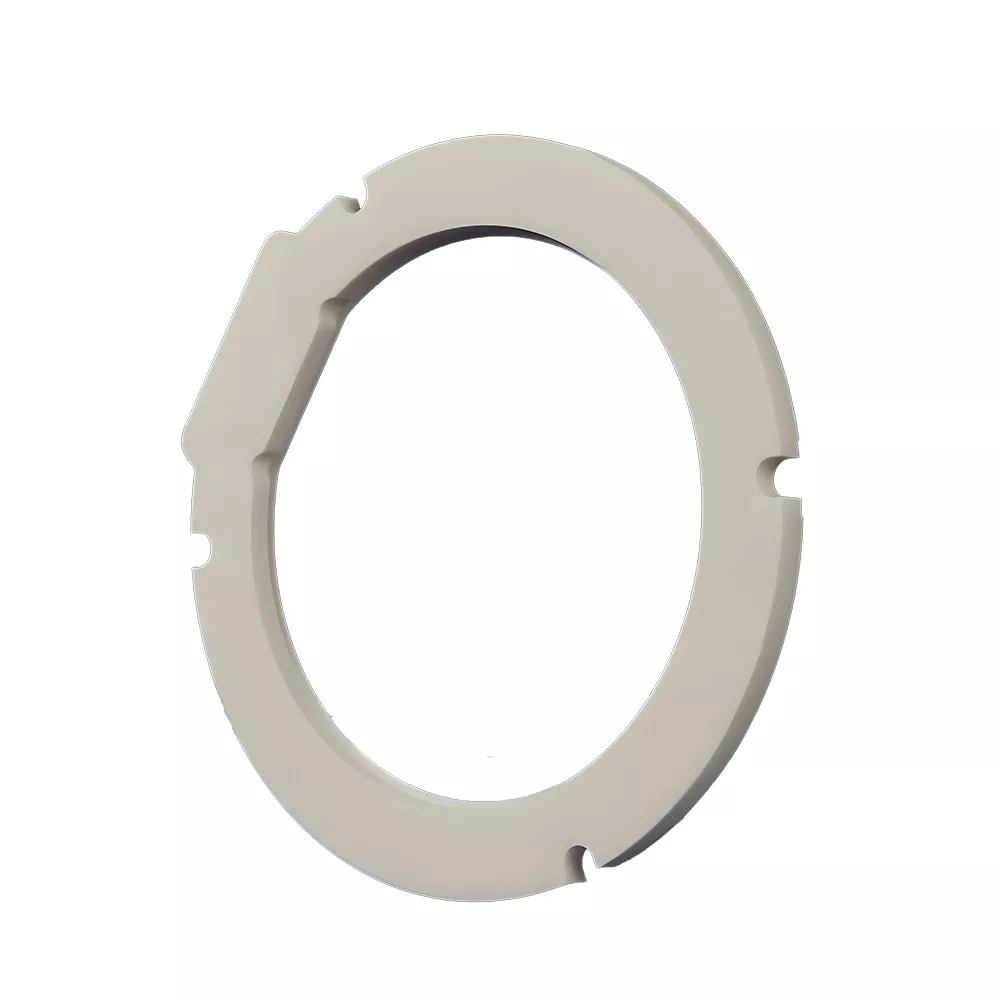
Steatite Ceramics: Mechanical and Wear Performance
Review steatite mechanical and wear performance in relation to loading, contact surfaces, fastening, vibration and repeated movement. Component selection should account for geometry, edge conditions, mating parts and project-specific inspection criteria, especially where handling or abrasion affects service life.
Discuss Your Ceramic Part
Steatite Ceramics: Electrical and Insulation Performance
Steatite is commonly considered for electrical insulation and dielectric applications. Evaluate insulation requirements alongside voltage, frequency, temperature, moisture exposure, surface condition and geometry, then confirm grade-specific electrical values and acceptance criteria for the intended assembly.
Discuss Your Ceramic Part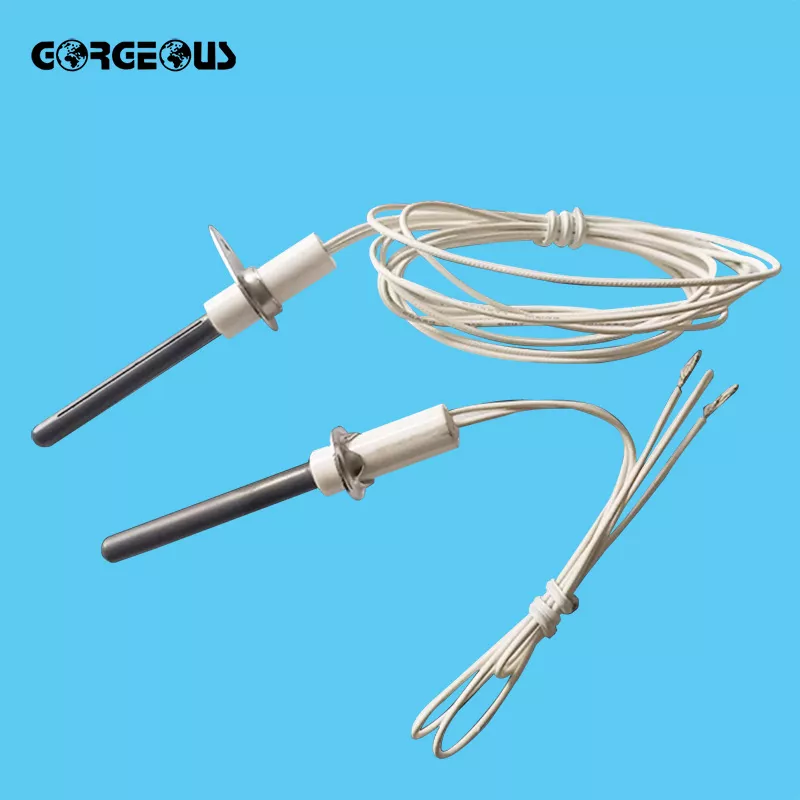
Steatite Ceramics: Machining and Design Guide
Steatite machining and design decisions affect tolerances, edges, holes, mating surfaces and assembly fit. Share the current drawing revision, critical dimensions, quantity and inspection expectations so manufacturability questions can be addressed before quotation.
Discuss Your Ceramic Part
Steatite Ceramics: Applications and Component Selection
Match steatite components to the actual application, such as insulators, supports, spacers, terminals or custom ceramic parts. Define operating conditions, interfaces, quantity and documentation needs, then contact Porcecore by email or WhatsApp for a drawing-led selection discussion.
Discuss Your Ceramic PartSteatite Ceramics Materials for Technical Components

Industrial Steatite
A practical, smooth ceramic option for general electrical insulators, terminal supports, and appliance components. Its balanced insulating behavior and mechanical strength make it a useful starting point for drawing-led material discussions.

RF Steatite
A refined steatite option for high-frequency insulation, coil forms, and signal-related components. Its low-loss electrical behavior may support demanding frequency requirements, subject to grade selection and project-specific validation.

High-Strength Steatite
A denser-feeling, mechanically focused option for insulators, supports, and selected wear or load-bearing parts. Increased strength may help with handling and assembly demands, while geometry and tolerances remain critical.

Black Steatite
A dark-colored steatite option for components where reduced visible reflection or a distinct appearance matters. It may suit specialized optical-adjacent or electrical parts, with thermal expansion and surface requirements confirmed per project.

Metalized Steatite
A steatite component with a conductive or solderable metalized surface for selected electrical assemblies. The finish, adhesion, mating interface, and inspection criteria should be defined alongside the ceramic grade and drawing.
Processes for Steatite Ceramic Manufacturing
Powder Preparation
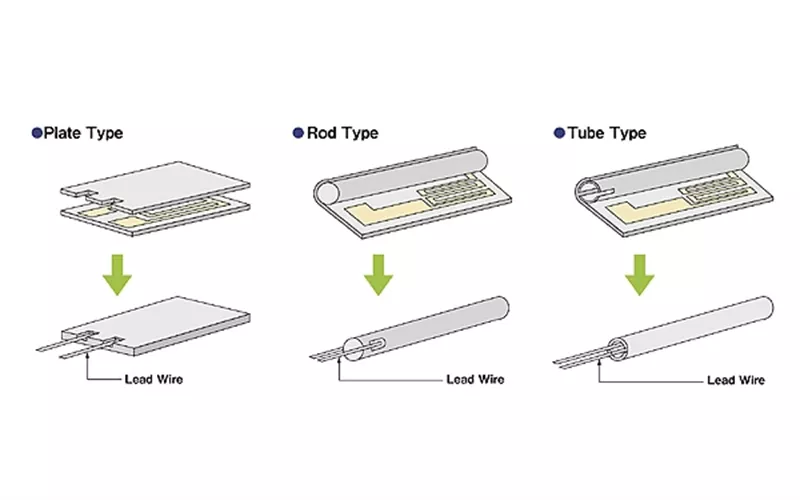
Raw material preparation and controlled blending create a consistent steatite ceramic feedstock. The appropriate formulation and preparation route should be confirmed against the required grade, geometry, electrical behavior and project acceptance criteria.

Drying And Firing
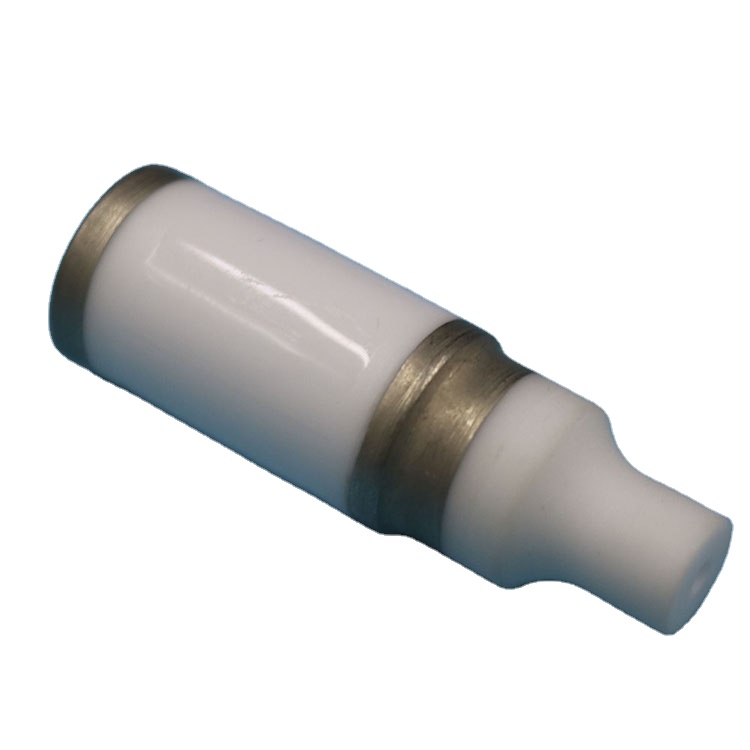
Formed steatite ceramic parts are dried and fired to develop their intended dense structure. Firing conditions and expected results require project-specific confirmation because geometry, grade and acceptance requirements influence the finished component.

Precision Machining
Machining can refine steatite ceramic components after firing where critical dimensions, mating surfaces or assembly features require closer control. The quotation should identify machinable surfaces, tolerances, edge conditions and inspection expectations.
Inspection Planning
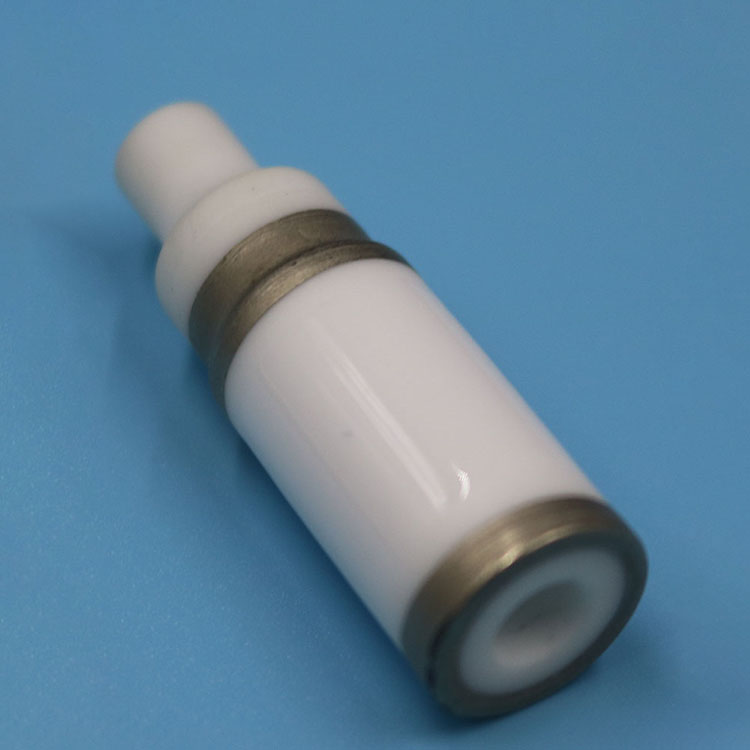
Inspection requirements are defined around the current drawing revision and agreed acceptance criteria. Dimensional checks, material documentation and other project evidence can be discussed before production so essential requirements remain clear.
Accessories and Secondary Features for Steatite Ceramics
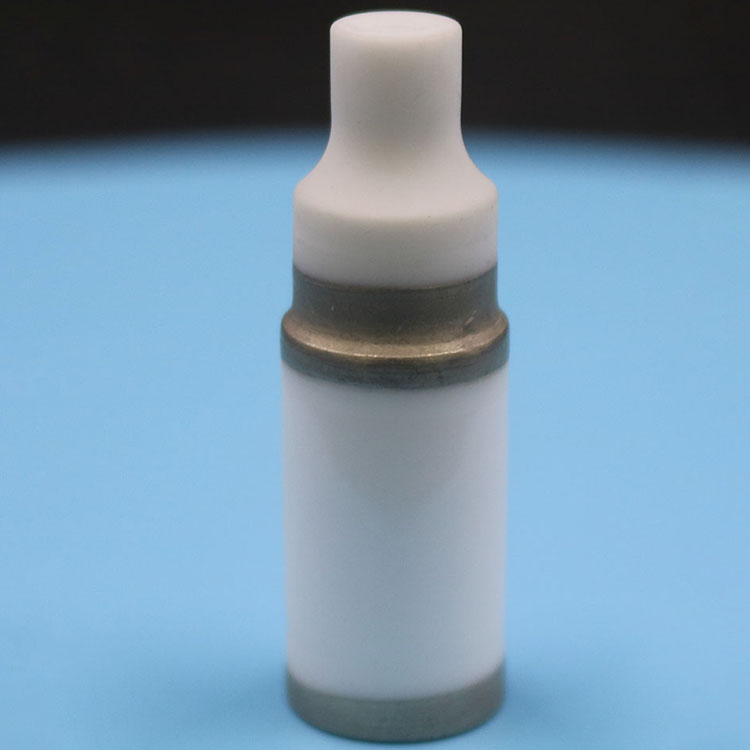
Ceramic Bushings
Bushings can define electrical separation, spacing, or a controlled interface around a fastener or conductor. Confirm bore, shoulder, fit, voltage, temperature, and drawing requirements before selecting a steatite ceramics configuration.

Insulating Washers
Washers may support spacing, insulation, or load distribution in assemblies. Porcecore can review outside diameter, inside diameter, thickness, mating surfaces, and service conditions so the proposed steatite ceramics part matches the assembly requirement.
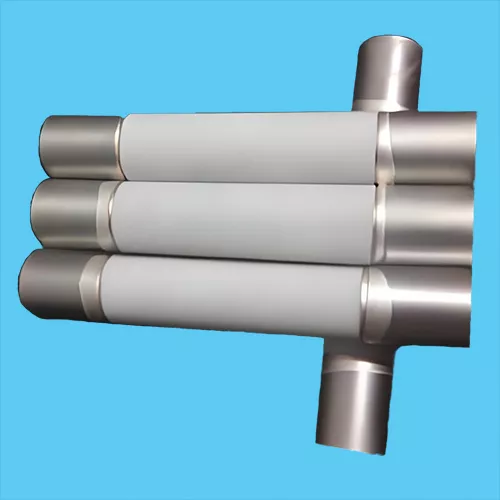
Mounting Features
Slots, holes, shoulders, and other mounting details can be evaluated against the assembly drawing. Share critical dimensions, tolerances, mating parts, and acceptance criteria to determine whether the requested steatite ceramics geometry is suitable.
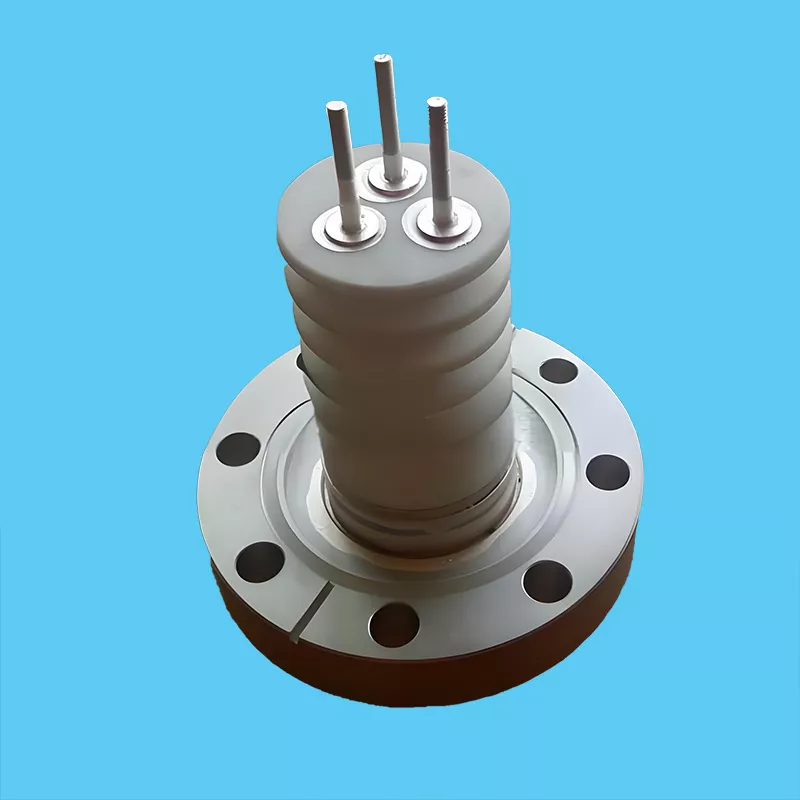
Surface Requirements
Machined, glazed, or otherwise specified surfaces may affect fit, insulation, handling, or inspection. Identify functional surfaces and documentation expectations so Porcecore can separate essential requirements from preferences during quotation review.
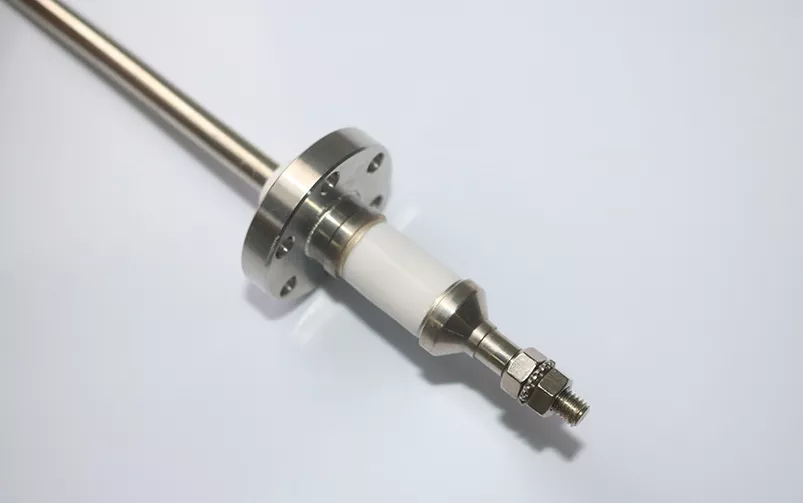
Protective Packaging
Packaging requirements can be discussed for fragile or dimensionally sensitive ceramic components, including separation and identification needs. Confirm quantity, handling conditions, and delivery expectations so the inquiry reflects the project’s practical requirements.
About Porcecore’s Steatite Ceramics Approach
Founded by Andy Yuan, Porcecore helps industrial procurement teams, engineers, equipment builders and distributors connect a ceramic material with the part requirement it must satisfy. Our scope includes steatite ceramics alongside oxide, nitride, carbide and specialty ceramics, with each inquiry shaped around the project rather than a material name alone.
Porcecore’s approach begins with geometry, mating surfaces, operating conditions and inspection expectations. A drawing, material designation if known, quantity, service environment and acceptance criteria give a quotation a practical foundation. This drawing-led communication helps buyers distinguish general material guidance from project-specific grade, dimensional, documentation and delivery requirements.
What makes Porcecore different is clarity before commitment. We help teams identify open questions, separate essential requirements from preferences and define the next decision. Email a current drawing or describe the component and its operating environment to begin a focused conversation about steatite ceramics.

A Buyer Workflow for Steatite Ceramic Components
Review the Current Drawing
Start with the latest drawing revision and identify the dimensions, mating surfaces and tolerances that determine whether the steatite ceramic component will fit the intended assembly. This creates a clearer basis for quotation and highlights open technical questions before material or process assumptions become commitments.
- Current drawing revision and related files
- Critical dimensions and mating surfaces
- Tolerances affecting assembly or function
- Open questions requiring engineering confirmation

Match Material to Requirements
Steatite ceramics should be considered alongside the job they must perform. Porcecore helps frame the discussion around insulation, temperature, mechanical loading, geometry and operating conditions, while keeping grade selection tied to the project rather than treating a material name as a complete specification.
- Known material designation or preferred grade
- Electrical, thermal and mechanical conditions
- Operating environment and service expectations
- Requirements that may call for another ceramic family

Define the Complete Component
A useful inquiry describes more than a ceramic shape. Tubes, rods, rings, substrates and other parts may depend on interfaces, surface features, assembly clearances and secondary requirements. Defining these details early helps separate essential characteristics from preferences and supports a more focused sourcing conversation.
- Component form, geometry and functional surfaces
- Assembly interfaces and clearance requirements
- Surface finish, machining or secondary features
- Quantity, target use and replacement context

Align Documentation and Inspection
Project-specific acceptance criteria should be discussed before production expectations are established. Share the inspection points, documentation and approval evidence your team needs, so the quotation conversation can distinguish general design guidance from confirmed requirements for the individual steatite ceramics project.
- Inspection dimensions and acceptance criteria
- Material or grade documentation when required
- Traceability or approval records needed by your team
- Delivery and commercial terms for confirmation

Why Choose Porcecore for Steatite Ceramics
Compare a requirement-led sourcing approach for technical ceramic parts, from drawing review through project-specific confirmation.
← Swipe left or right to view →
Our Steatite Ceramics Production and Quality Process
A drawing-led path for steatite ceramics from requirement review to shipment, with material, geometry, inspection and acceptance details confirmed for each project.
Review the Requirement
Share the drawing revision, quantity, service conditions, mating surfaces and acceptance criteria so the quotation starts with a defined part requirement.
Confirm Material and Scope
Review the proposed steatite grade, component geometry, tolerances and documentation needs, separating essential requirements from preferences before production details are confirmed.
Plan Forming or Machining
Translate the approved requirement into a practical route for forming, machining or secondary operations, with open questions identified before work begins.
Inspect Against Criteria
Check dimensions, surfaces, material identification and agreed acceptance points against the project requirements, with inspection records prepared when documentation is requested.
Pack and Ship
Confirm final quantities, packing expectations and delivery details, then coordinate shipment using the information agreed for the individual ceramic component project.
How to Source Steatite Ceramics
Connect your technical ceramic requirement with a clear quotation, review path, and production decision.
Send Your Drawing
Send the current drawing revision, quantity, service conditions, material designation if known, and acceptance criteria so Porcecore can frame the requirement.
Clarify Project Requirements
Clarify critical dimensions, mating surfaces, operating conditions, grade questions, documentation needs, and any preferences that could affect the quotation or approval path.
Review the Quotation Path
Review the proposed material, geometry, tolerances, inspection basis, sample approach, and open questions before deciding whether the quotation fits your project.
Confirm Production Terms
Confirm the agreed grade, drawings, acceptance criteria, delivery expectations, and commercial terms before production begins, keeping the project record clear for all parties.
Steatite Ceramics Certifications, Documentation and Quality Evidence
Steatite Ceramics Sourcing: Clearer Project Examples
We cannot publish a verified customer quote or quantified project outcome for this section yet. For a credible steatite ceramics inquiry, submit the drawing revision, quantity, service conditions and acceptance criteria for review.
A material name alone does not define a usable part. Confirm the geometry, mating surfaces, operating environment, grade and inspection expectations before treating a steatite ceramics quotation as project-ready.
The most useful next step is a drawing-led discussion. Email the current revision and required documentation so open questions can be separated from confirmed production requirements before commercial terms are agreed.
FAQ About Steatite Ceramics Sourcing
Clear answers for procurement teams evaluating drawings, material grades, commercial terms and project-specific acceptance requirements.
What information should I provide when requesting steatite ceramics?
Can Porcecore help select a steatite ceramics grade?
Is there a minimum order quantity for steatite ceramics?
How are sampling cost and lead time confirmed for steatite ceramics?
What tolerances and functional surfaces should appear on the drawing?
What inspection evidence can accompany a steatite ceramics order?
How are payment, shipping and packaging handled for steatite ceramics?
How does Porcecore protect drawings and technical information?
The Complete Buyer’s Guide to steatite ceramics
Use this practical decision framework to compare grades, properties, customization routes, supplier capabilities, quality controls, and total costs while avoiding common sourcing mistakes in steatite ceramics procurement.
1. What Are steatite ceramics?
MgO–SiO₂ is the chemical basis of steatite ceramics, a crystalline magnesium-silicate technical ceramic commonly made from talc-based raw materials with selected additives. php). 2,000°F (about 1,093°C) is a commonly cited service-temperature reference, but actual performance depends on grade, geometry, atmosphere, and thermal cycling. Steatite generally offers good chemical and corrosion resistance, while its relatively low conductivity can help limit heat transfer. 3 factors—load, tolerance, and environment—should determine whether steatite replaces alumina. It is sensible for cost-conscious insulating tubes, bushings, resistor cores, or appliance parts where moderate strength and application-dependent tolerances are acceptable; alumina is usually preferable when higher hardness, wear resistance, purity, or tighter dimensional control is essential. Steatite remains brittle, so mating surfaces and impact loads require explicit review.
2. Steatite Ceramics: Evolution and Industrial History
Soapstone, or natural steatite, began as a mineral resource before manufacturers developed engineered magnesium-silicate bodies for repeatable ceramic components. com/material/steatite). MgO-SiO2 steatite expanded into electrical insulation, resistor cores and casings, heater parts, appliance insulators, terminal boards, and high-frequency components. com/material/material09). N-68 remains relevant because it combines established insulating behavior, useful strength, temperature capability, and economical processing for duties that do not require extreme purity, tight tolerances, or high mechanical stress. Newer ceramics may outperform it in specialized environments, but steatite still offers a practical fit when balanced performance and cost matter.
3. Types of steatite ceramics for industrial applications
Four procurement categories cover most steatite ceramics decisions: baseline insulation, RF loss control, mechanical durability, and specialty optical or interface needs.
| Grade | Priority | Typical forms |
|---|---|---|
| Industrial | Insulation, economy | Tubes, washers |
| RF | Low dielectric loss | Coil forms |
| Higher-strength | Load, wear | Rings, bushings |
| Specialty | Optical/interface fit | Optical parts |
Industrial Grade
Industrial grade prioritizes economical insulation and routine thermal service. Typical forms include tubes, bushings, washers, coil forms, and heater supports.
High-Frequency Or RF Grade
RF grade prioritizes low dielectric loss and stable insulation at frequency. It suits coil forms, resistor cores, terminal boards, and electronic insulators. php.
Higher-Strength Formulations
Higher-strength formulations suit loaded insulators, wear-exposed parts, and mechanically constrained rings or bushings. Fine-grain processing or formulation changes may improve durability.
Specialty And Black Steatite

Specialty grades address defined interfaces, including black steatite for reduced reflection or matched thermal expansion in optical assemblies.
4. Materials and formulations in steatite ceramics
Talc supplies the magnesium-silicate basis of steatite ceramics; MgO, SiO₂, clay, fluxes, and minor additives tune firing behavior.
Formulation And Microstructure
Talc is the principal MgO–SiO₂ source; clay improves shaping, while fluxes and minor additives control vitrification and grain development. The fired body is a crystalline magnesium-silicate matrix, not a simple powder mixture. Specify chemistry limits, impurity controls, particle-size distribution, batch traceability, and firing schedule. These variables affect dielectric loss, strength, thermal conductivity, shrinkage, and dimensional repeatability.
Density, Porosity, And Properties
Pressed density determines residual porosity and strongly influences strength, insulation, conductivity, and dimensional stability. Request density and open-porosity ranges on the finished part, with test methods and sampling defined. A supplier should also state whether values are typical or guaranteed for the quoted grade and geometry.
Material Comparison
Alumina generally targets higher hardness and strength; cordierite targets low thermal expansion and thermal-shock performance. Steatite is often selected for balanced electrical insulation and moderate thermal duty, subject to grade-specific data.
| Material | Typical procurement focus |
|---|---|
| Steatite | Electrical insulation; balanced cost and properties |
| Alumina | Higher hardness and mechanical strength |
| Cordierite | Low expansion and thermal-shock behavior |
5. Customization options for steatite ceramics
Geometry, interfaces, and finishing choices should be defined together because each can affect manufacturability, inspection, and assembly.
Geometry And Features
Holes, grooves, threads, shoulders, and mating diameters belong in the RFQ drawing, with datum references and assembly clearances. Thin walls, deep holes, sharp internal corners, and interrupted threads can increase breakage risk or require secondary machining.
Finish And Functional Layers
Surface finish, color, glazing, and metallization should be identified by function rather than appearance alone. Glaze may alter dimensions and dielectric interfaces, while metallization adds process, adhesion, and thermal-expansion considerations.
Pressed Or Machined
Pressed near-net shapes generally suit repeat volumes because tooling spreads over production quantities; minimum order and tool cost must be quoted for the design. Machined prototypes reduce tooling commitment but may cost more per part and limit complex features.
Include quantity tiers, prototype need, tolerance bands, inspection method, and delivery target. Porcecore should confirm the grade, tooling route, and acceptance criteria before commitment.
| Route | Best fit | Main trade-off |
|---|---|---|
| Pressed | Repeat production | Tooling and MOQ |
| Machined | Prototypes | Higher unit cost |
6. Key construction and quality elements
Each production lot should follow an approved steatite ceramics formulation and controlled process route. Procurement approval should rely on part-specific evidence, not generic property tables.
Process Control Evidence
Approved formulation records should identify material designation, powder preparation, mixing, granulation, forming method, firing profile, and shrinkage-control limits. Lot records should show that production followed the qualified route.
Material-property data from a catalog is design guidance, not a guaranteed production specification; confirm grade-specific values and acceptance limits in writing. Source: https://www.du-co.com/materials/steatite-magnesium-silicate
Inspection And Testing
Drawing-based inspection should cover critical dimensions, tolerances, mating surfaces, warpage, cracks, chips, and surface condition. Request dimensional reports, visual-acceptance criteria, and calibrated measurement methods. Electrical parts may require dielectric strength, insulation resistance, or dielectric-loss testing at defined conditions.
Traceability And Release
Before approval, request lot traceability from raw materials through forming, firing, machining, inspection, and packaging. Packaging should prevent impact, contamination, and moisture-related handling damage.
The supplier should propose a sampling plan defining inspection levels, critical characteristics, rework rules, certificates, and retention samples. Confirm these controls against the current drawing revision and acceptance criteria.
7. How to choose a steatite ceramics manufacturer
Three evaluation lenses—technical fit, approval discipline, and supply reliability—help buyers compare steatite ceramics manufacturers beyond quoted unit price. A drawing-led review exposes risk before tooling or production begins.
Technical Fit
Four capabilities deserve confirmation: forming and firing range, component size limits, ceramic machining, and metallization or joining options.
Two documents matter early: a capability matrix and representative inspection reports. Match them against mating surfaces, tolerances, testing needs, and packaging requirements.
RFQ And Sample Approval
Five RFQ questions should cover tooling ownership, prototype quantity, testing methods, quality-system controls, documentation, capacity, lead time, and export packaging.
- Confirm process route and tooling charges
- Request inspection and material records
- Define sample approval sign-off
Compare Supply Risk
Three evidence categories reveal total reliability: measurable capability, repeatable quality records, and realistic capacity commitments. Communication quality is itself a procurement signal when open questions receive precise answers.
| Evaluation | Evidence | Buyer Decision |
|---|---|---|
| Fit | Capability matrix; sample data | Can the part be made as specified? |
| Risk | Inspection records; ownership terms | Who controls variation and tooling? |
| Reliability | Capacity; lead time; packaging plan | Can supply continue without surprises? |
8. Common mistakes when buying steatite ceramics
One drawing revision can expose several preventable buying errors before production starts.
Define The Complete Requirement
1 material label does not identify grade, frequency range, temperature limit, mating surfaces, or acceptance criteria. Copying generic datasheet values can therefore produce a part that passes paper review but fails in service.
2 dimensional controls matter: tolerances, firing shrinkage, flatness, and fit surfaces should be agreed before quotation. Otherwise, redesign, rework, or assembly rejects may appear late.
Validate Performance Before Release
1 prototype run can reveal brittle-edge damage, thermal movement, dielectric behavior at operating frequency, or clearance problems that drawings alone miss. Skipping this step transfers technical risk into production. 3 inspection samples should reflect the real volume and risk.
Price The Actual Buying Scope
1 requested price is incomplete without annual volume, batch size, packaging, inspection level, and documentation. These inputs affect tooling allocation, sampling, handling, and lead-time expectations. 2 packaging details deserve explicit agreement for brittle parts: separators, edge protection, moisture control where relevant, labeling, and damage claims.
9. Steps to launch your steatite ceramics program
Start with the part’s duty, not the material label.
Define The Requirement
Engineering records load, voltage, temperature, chemistry, mating surfaces, critical dimensions, quantity, and acceptance criteria. The current drawing revision should identify tolerances and inspection points.
Qualify And Prove
Procurement shortlists suppliers against process fit, communication, documentation, and capacity. Engineering and the supplier complete DFM review before prototype tooling or machining begins. Quality approves the sample plan, including dimensional, visual, electrical, and application tests.
Scale And Review
Operations schedules pilot production with agreed tooling, packaging, traceability, and release criteria. Quality establishes incoming inspection using critical dimensions and sample frequency tied to risk.
After launch, procurement, quality, engineering, and operations review delivery, defects, corrective actions, and change notices. Release repeat production only when supplier performance remains stable.
10. Steatite ceramics pricing and total cost
3 variables—material grade, geometry, and quantity—usually set the starting point for a steatite ceramics quotation. Grade selection, wall thickness, cavities, tolerances, and forming method affect yield, tooling, and process time; price them against the approved drawing. 2 finishing routes—machining and metallization or glazing—can materially change unit economics. Add inspection, packaging, freight, sampling, and expedite risk; a lower piece price may not be the lower delivered cost.
| Quantity Tier | Indicative Cost Components | Lead-Time Considerations |
|---|---|---|
| Prototype or sample | Tooling setup, forming, machining, inspection, packaging, freight | Usually highest unit cost; confirm sampling schedule |
| Small production batch | Tooling amortization, forming, secondary machining, inspection | Quote-dependent; include approval and first-article time |
| Mid-volume order | Material grade, repeat tooling, machining, inspection, packaging | Potentially lower unit cost; schedule capacity and freight |
| Large or recurring order | Dedicated tooling, process controls, sampling, logistics | Review blanket-order terms, replenishment lead time, and delivery risk |
Discuss Your Steatite Ceramics Part With Porcecore
Email a drawing or describe your component and operating environment for a focused quotation discussion based on project requirements.