
Steatite Ceramics Grades and Compositions for Better-Fit Parts
Connect steatite ceramics grades and compositions with component geometry, operating conditions, and acceptance requirements before requesting a quotation.
Ceramic Component Forms for Steatite Projects















Related Steatite Ceramic Catalogue and Quotation




What to Confirm Before Quoting Steatite Parts
Evaluate material, geometry and acceptance requirements together for clearer technical ceramic sourcing decisions.
Control Drawing Revision
Start with the current drawing revision, component form and critical dimensions so quotation discussions reflect the part your equipment actually needs.
Confirm Material Grade
Compare steatite ceramics grades and compositions against insulation, frequency, thermal and mechanical priorities; confirm the selected designation for the individual project.
Define Component Geometry
Define tubes, rods, rings, substrates or other forms alongside tolerances, wall thicknesses and assembly features that influence manufacturability and fit.
Describe Operating Conditions
Describe voltage, temperature, frequency, atmosphere, loading and duty cycle so material and component recommendations remain connected to actual service conditions.
Review Functional Surfaces
Identify mating surfaces, threads, holes, metallization or sealing interfaces that require closer review before a ceramic component can be quoted with confidence.
Specify Inspection Evidence
Request dimensional inspection results, material documentation and packaging expectations when acceptance depends on evidence beyond a product illustration or general catalogue description.
Technical Ceramic Materials and Component Applications
Connect material families, component forms and project requirements before requesting a drawing-led quotation or replacement-part review.
Ceramic Manufacturing Capabilities
Review ceramic manufacturing capabilities through the requirements that shape a usable part: material family, geometry, tolerances, mating surfaces, quantity and inspection criteria. This provides a practical starting point for discussing tubes, rods, rings, substrates and other components against a defined project need.
Discuss Your Ceramic Part
Ceramic Solutions by Industry
Ceramic solutions by industry begin with the service environment rather than an industry label alone. Describe temperature, electrical conditions, wear, corrosion, loading and assembly constraints so the relevant ceramic component options can be considered for equipment, process or replacement-part applications.
Discuss Your Ceramic Part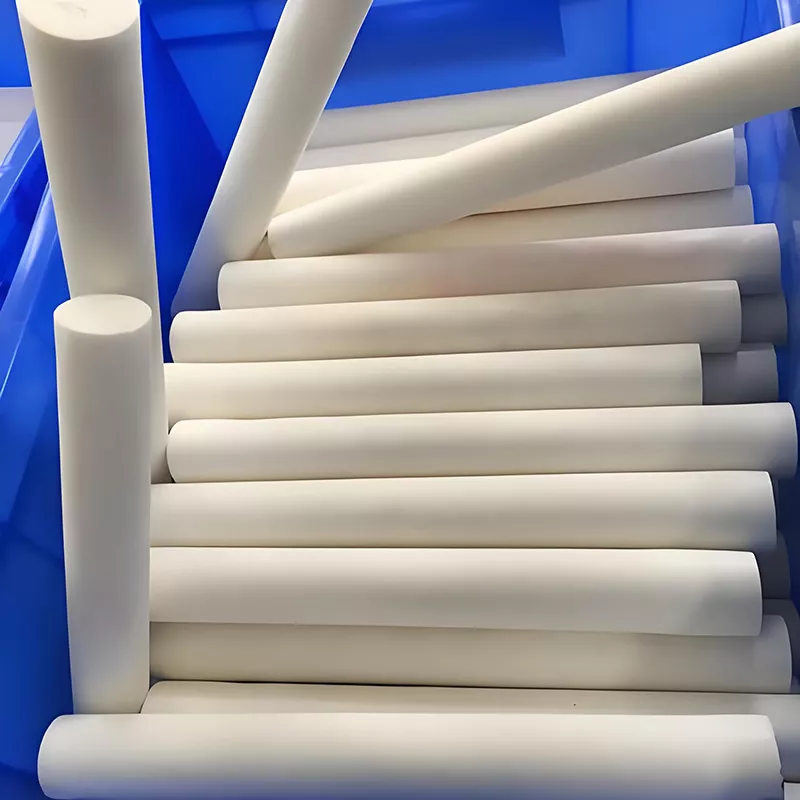
Advanced Ceramic Materials
Advanced ceramic materials include oxide, nitride, carbide and specialty families such as alumina ceramics, zirconia ceramics, silicon carbide ceramics, silicon nitride, aluminum nitride and boron nitride. This scope covers technical ceramic components, industrial ceramic parts and custom ceramic components, with selection narrowed by grade, operating conditions, geometry and project-specific acceptance requirements.
Discuss Your Ceramic Part
Technical Ceramic Products
Technical ceramic products are best evaluated as defined parts, not material names alone. Share the component form, current drawing revision, critical dimensions, tolerances, fitting surfaces, quantity and service conditions to establish what must be confirmed before quotation and production discussion.
Discuss Your Ceramic Part
Technical Ceramic Resources
Technical ceramic resources help procurement and engineering teams distinguish general material guidance from grade-specific data and agreed specifications. Use a technical ceramics guide to frame open questions, then send the drawing, material designation if known and acceptance criteria to info@zlrsmaterials.com or WhatsApp +86 130 6482 5920.
Discuss Your Ceramic PartSteatite Ceramics Grades and Compositions


Low-Loss Steatite
A steatite formulation selected when reduced dielectric loss is important in high-frequency or RF assemblies. Its hard, stable ceramic surface suits insulating supports and housings, subject to confirmed grade data.

White Steatite
Light-colored steatite with a clean ceramic appearance and electrically insulating behavior. It may suit visible insulators, spacers, bases and appliance components where color, surface finish and dimensional control need review.
High-Strength Steatite
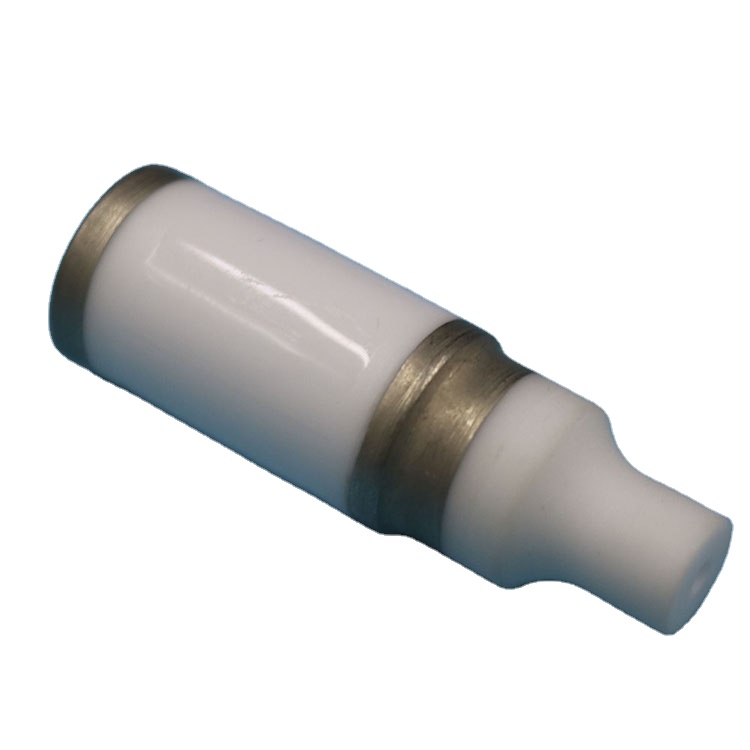
A mechanically enhanced steatite direction for parts exposed to greater handling, loading or wear demands. Its rigid, fine ceramic feel can support robust insulators and structural features after grade confirmation.
Black Steatite
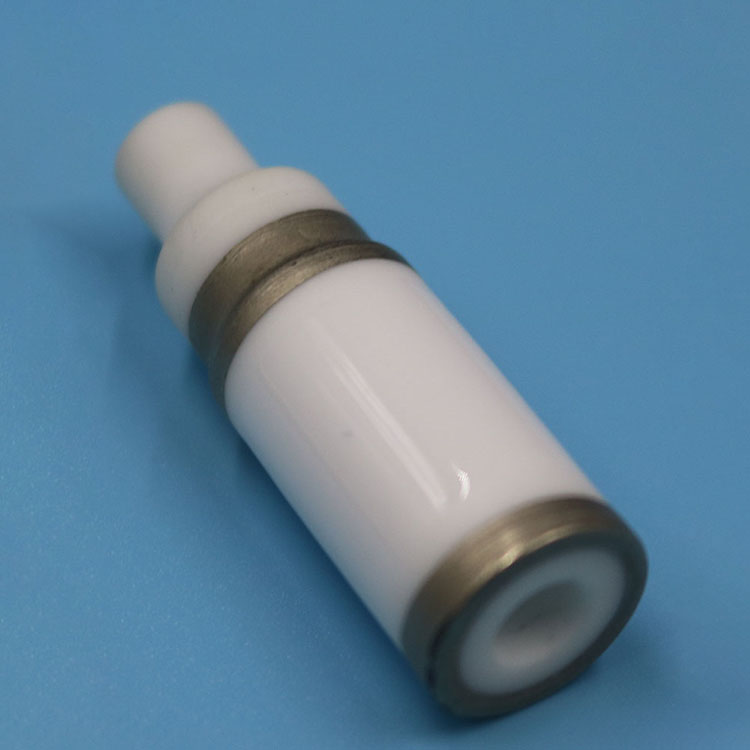
A dark steatite variant considered where reduced light reflection or a specific component appearance is useful. It can be evaluated for electrical insulation and specialty assemblies alongside thermal expansion requirements.
Supported Manufacturing and Finishing for Steatite Parts
Powder Preparation
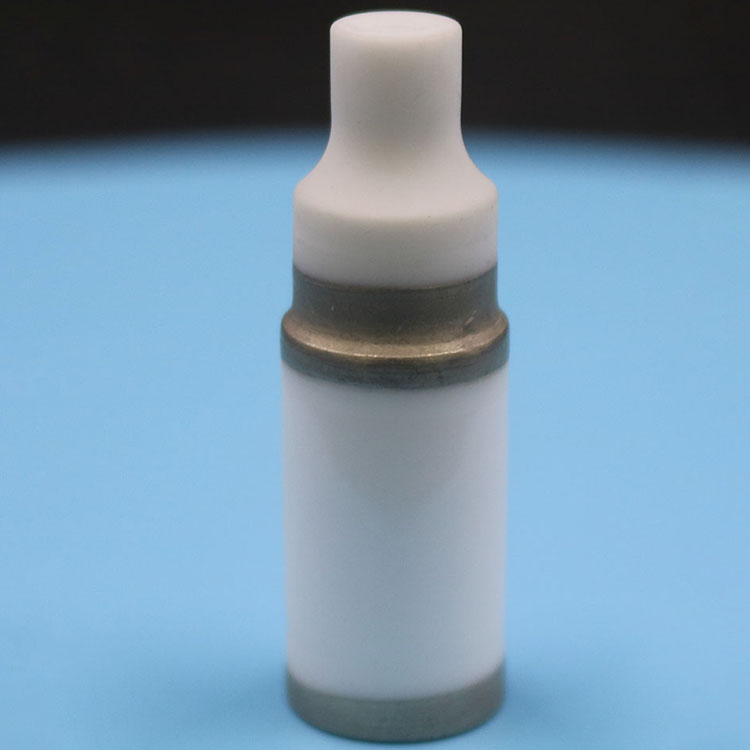
Raw material preparation establishes a consistent starting point for steatite ceramic production. Formulation, powder condition and additives depend on the required grade, geometry and performance targets, then require confirmation against the individual drawing.
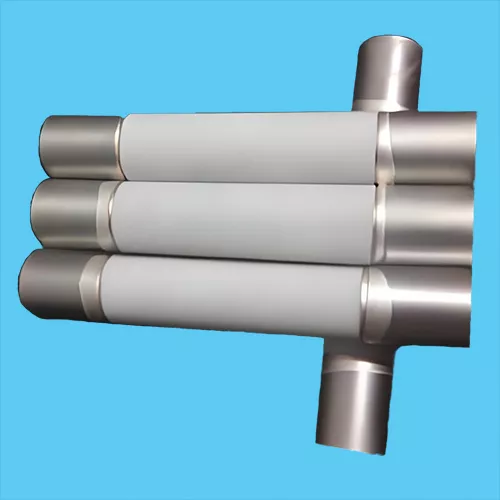
Press Forming
Press forming shapes prepared ceramic powder into repeatable blanks for suitable component geometries. Tooling, dimensional allowances and achievable features depend on the part design, material formulation and required production quantity for each quotation.
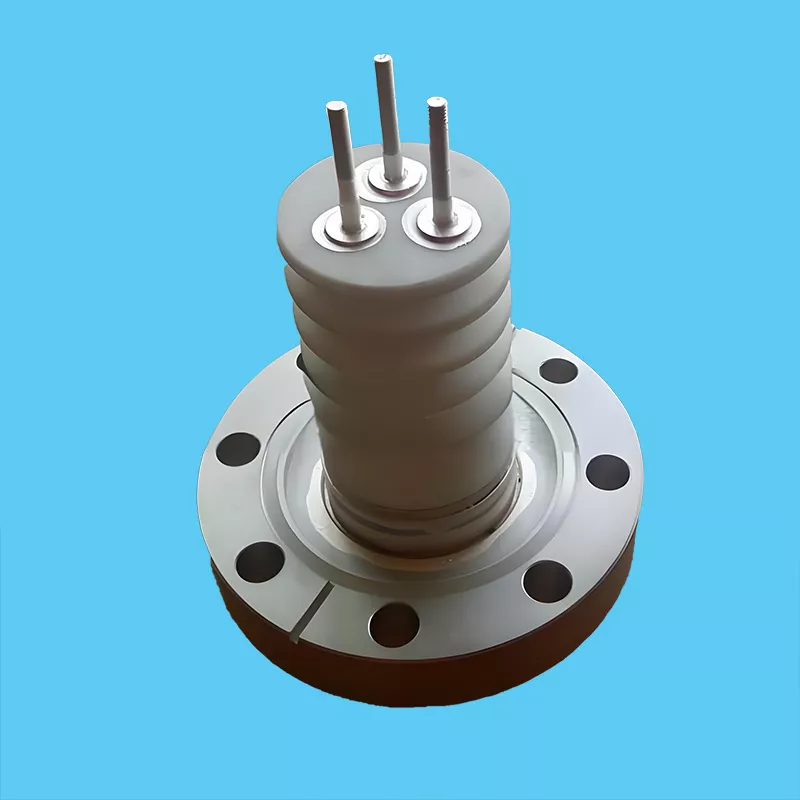
Extrusion Forming
Extrusion forms continuous steatite profiles such as tubes, rods or similar sections before firing. The practical size range, cross-section complexity and downstream tolerances must be reviewed against the drawing and confirmed for the requested grade.
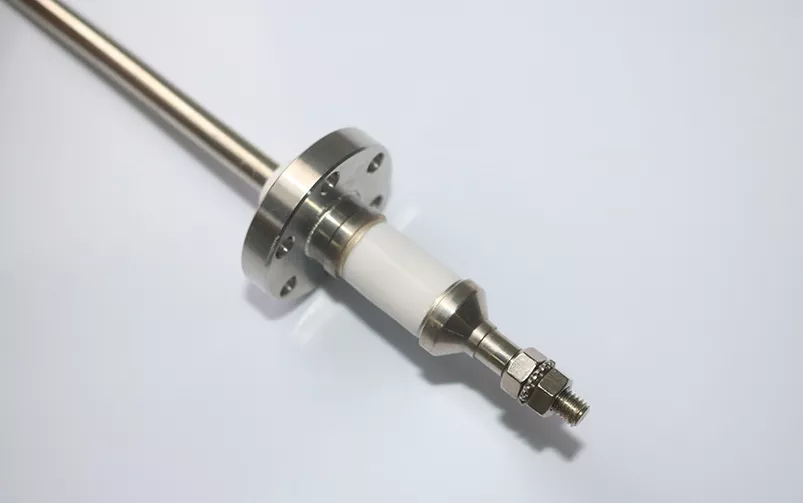
Green Machining
Green machining refines unfired ceramic blanks while the material remains comparatively workable. It can support defined holes, steps or profiles, but feature limits, shrinkage allowances and inspection requirements remain specific to each component.

Controlled Sintering
Sintering develops the ceramic body through a controlled firing cycle, with shrinkage and dimensional change considered during process planning. Final results depend on formulation, geometry and production conditions, so values require project-specific confirmation.
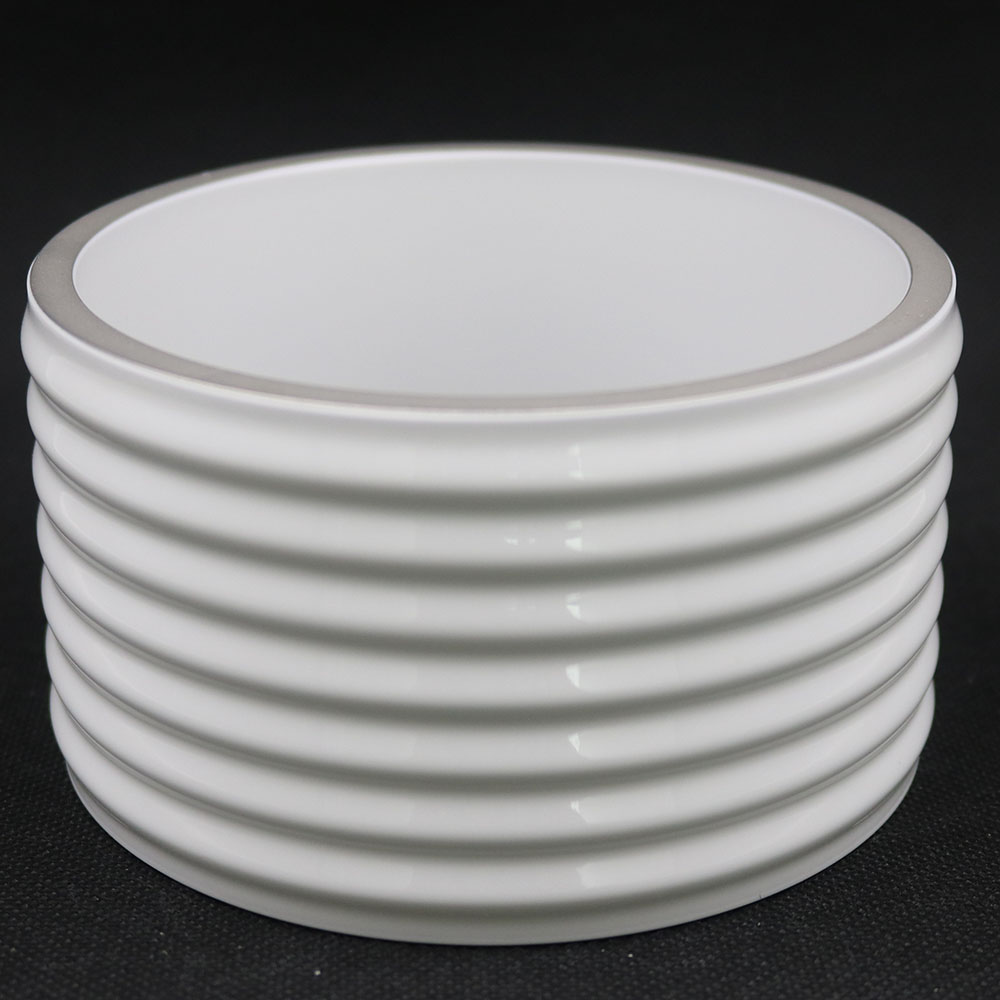
Precision Finishing
Grinding, lapping or other finishing operations may refine mating surfaces, critical dimensions and surface condition after firing. The available finish, tolerance and inspection documentation depend on the component drawing and agreed acceptance criteria.
Supported Features for Steatite Components

Surface Finishes
Specify the required surface condition for exposed, sealing or insulating areas. Finish expectations should be confirmed against the drawing, mating interface and application environment for each steatite ceramic component.

Mating Surfaces
Identify the surfaces that locate, seal, fasten or contact another part. Clear interface details help connect the steatite ceramics grades and compositions discussion with assembly performance and inspection requirements.

Dimensional Control
Share critical dimensions, tolerances and assembly datums for tubes, rods, rings, substrates or other ceramic forms. Porcecore can use these details to clarify which requirements need project-specific confirmation.

Identification Marking
Discuss part identification, revision references or batch traceability needs when documentation requires them. Marking approach, location and permanence should be agreed with the individual component drawing before production commitment.
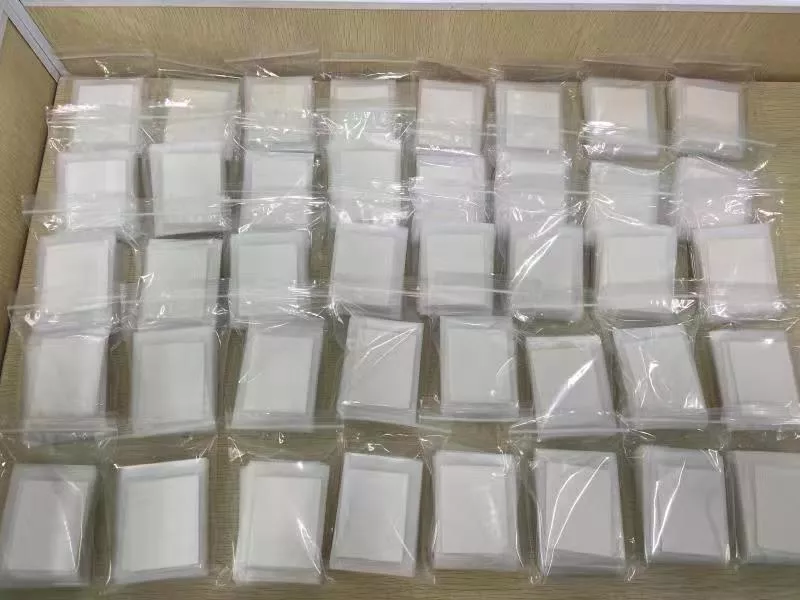
Inspection Documents
Define the records needed for approval, such as dimensional results, material confirmation or agreed acceptance data. Documentation scope belongs in the quotation discussion and should match the project requirements.
About Porcecore: Application-First Ceramic Sourcing
Founded by Andy Yuan, Porcecore helps industrial procurement teams, engineers, equipment builders and ceramic distributors connect technical ceramic materials with the parts they need. Our mission is to make ceramic sourcing easier to begin and more useful to evaluate, from an initial component description to a drawing-led quotation discussion.
Porcecore takes an application-first approach to steatite ceramics grades and compositions. Tubes, rods, rings, substrates and other components must be considered alongside geometry, mating surfaces, operating conditions, tolerances and acceptance criteria. Material families guide the conversation, while project-specific requirements determine what must be confirmed.
Our difference is clarity before commitment. We support inquiries across technical ceramic materials and component forms, helping buyers identify open questions and separate general material information from an agreed specification. Share a drawing revision, known material designation, quantity, service conditions and documentation needs to start a focused project conversation.

How Porcecore Reviews Steatite Part Requirements
Start With the Part Requirement
Porcecore begins with the component’s job, not a material label alone. Share the drawing revision, quantity, service conditions and known designation so grade selection can be discussed against geometry, mating surfaces and operating expectations.
- Review the current drawing revision
- Identify critical assembly dimensions
- Record temperature, electrical and mechanical conditions
- Separate essential requirements from preferences

Connect Grade to Application
Steatite is commonly described as a magnesium-silicate ceramic, while commercial offerings may differ by formulation and performance focus. Porcecore treats grades and compositions as project questions requiring confirmation, rather than assuming one standard specification fits every application. Source: https://nishimuraac.com/material/material09
- Compare known grade designations
- Discuss insulation, strength or loss priorities
- Flag composition details needing confirmation
- Avoid substituting general property data for grade-specific values

Review Geometry Before Quotation
A technically suitable composition still has to work as a real part. Porcecore’s drawing-led discussion considers tubes, rods, rings, substrates and other forms together with fits, interfaces, tolerances, finishing needs and the dimensions that determine assembly.
- Mark mating and sealing surfaces
- Identify tolerances that affect installation
- Review holes, grooves and complex features
- Confirm machining or finishing expectations

Align Acceptance Criteria Early
A useful quotation needs more than a material name and target quantity. Define inspection expectations, documentation, testing, packaging and delivery requirements early so the proposed ceramic component can be evaluated against the project’s approval process.
- List required inspection records
- Identify documentation needed for approval
- Define acceptance criteria and test expectations
- Confirm commercial and delivery conditions

Porcecore’s Steatite Sourcing Approach
Porcecore connects steatite ceramics grades and compositions with the part geometry, service conditions, and acceptance requirements your project needs to confirm.
← Swipe left or right to view →
From Steatite Inquiry to Shipment
A drawing-led workflow connects material review, project requirements, manufacturing coordination and inspection expectations before each quotation and production decision.
Define Part Requirements
Share the drawing revision, component geometry, mating surfaces, quantity, service conditions and acceptance criteria so essential requirements are clear from the outset.
Review Material Options
Review steatite ceramics grades and compositions against electrical, mechanical, thermal and dimensional needs, distinguishing general material guidance from project-specific confirmed values.
Confirm Quotation Scope
Porcecore aligns grade, geometry, tolerances, finish, documentation, quantity and commercial assumptions into a quotation basis for informed sourcing decisions.
Coordinate Production
After project details are confirmed, manufacturing coordination follows the approved requirements, with open questions identified before processing, finishing or component assembly.
Inspect, Pack and Ship
Inspection expectations and documentation are reviewed against the order before packing and shipping, keeping delivery details connected to the agreed component requirements.
How to Work with Porcecore
A drawing-led path from application requirements to confirmed ceramic components, documentation, and production decisions.
Send Your Drawing and Conditions
Share the current drawing revision, quantity, service conditions, mating surfaces, and acceptance criteria so Porcecore can understand the part before discussing options.
Review Grade and Geometry Options
Compare suitable steatite ceramics grades and compositions against geometry, electrical or mechanical priorities, operating conditions, and documentation needs identified in your inquiry.
Receive a Drawing-Led Quotation
Porcecore clarifies open requirements, confirms the proposed material route, and prepares a quotation around the agreed component scope, quantities, and inspection expectations.
Confirm Samples or Production
Review samples or approve production details, then align dimensions, tolerances, grade, delivery, and required records before the order moves forward.
Certificates for Steatite Ceramics Grades and Compositions
Customer Feedback on steatite ceramics grades and compositions
No verified customer testimonial or quantified project outcome was supplied for publication. Porcecore recommends confirming the material grade, component geometry, service conditions and acceptance criteria before treating any sourcing example as project evidence.
No approved case example currently documents a measurable improvement in fit, documentation or delivery. Buyers should provide the current drawing revision, quantity, operating conditions and inspection requirements for a project-specific quotation review.
Published material information should not be treated as a contractual specification. Steatite ceramics grades and compositions, dimensions, tolerances and required documentation need confirmation for each individual component and application.
FAQ: Steatite Ceramics Grades and Compositions
Practical answers for buyers evaluating material, component, and quotation requirements.
How should I compare steatite ceramics grades and compositions for a technical part?
Can Porcecore recommend steatite ceramics grades and compositions if the material designation is unknown?
What information is needed to select steatite ceramics grades and compositions?
Is there a minimum order quantity for custom steatite ceramic components?
How are sample cost and lead time confirmed?
What payment and shipping terms apply to steatite ceramic orders?
How does Porcecore handle intellectual property and customer drawings?
What inspection evidence and quotation inputs should I request?
The Complete Guide to steatite ceramics grades and compositions
Use this decision framework to match steatite formulations with electrical, mechanical, thermal, and production requirements, evaluate supplier capability, compare total cost, and avoid common specification and sourcing mistakes.
1. What Are steatite ceramics grades and compositions?
Steatite is a talc-based magnesium-silicate ceramic, commonly described through MgO–SiO2 chemistry. Talc supplies the primary mineral basis; clay supports forming, while fluxes and other additives influence vitrification, shrinkage, porosity, dielectric behavior, strength, and thermal response during firing.
3 variables—formulation, firing cycle, and processing—can change the resulting grade, so steatite ceramics grades and compositions are not universally standardized. A supplier’s grade name is therefore a material designation, not a guaranteed property set; published examples show distinct standard, low-loss, white, and strength-oriented formulations (https://www.elantechnology.com/ceramics/ceramic-materials/magnesium-aluminum-silicate-ceramics/steatite).
5 items belong in the datasheet: chemical or phase-basis description, density and porosity, dielectric properties at stated frequency and temperature, mechanical and thermal values, and test methods with tolerances. Treat nominal MgO, SiO2, or talc content as composition guidance; require lot-level acceptance values for the performance your drawing and service conditions actually depend on.
2. Steatite Ceramics: Evolution and Industrial History
Natural talc, processed into magnesium-silicate ceramic, established steatite as a practical electrical-insulation material before modern technical ceramics. Early insulators, terminal supports, coil forms and appliance parts relied on its combination of dielectric strength, heat resistance and economical forming; see https://www.elantechnology.com/ceramics/ceramic-materials/magnesium-aluminum-silicate-ceramics/steatite
By the mid-20th century, demand for reliable insulation and lower dielectric loss encouraged distinct formulations for high-frequency components, compact heaters, igniters and resistor parts. Manufacturers also adapted compositions and forming methods for more complex geometries, extending steatite into precision component programs; see https://cmacintl.com/steatite-ceramic-crystalline-magnesium-silicate
Today, legacy names, regional standards and supplier-specific codes can describe similar—but not necessarily equivalent—materials. Buyers comparing steatite ceramics grades and compositions should therefore match each designation to tested properties, geometry, operating conditions and acceptance criteria rather than approving a name alone.
3. Types of steatite ceramics grades and compositions
Five buyer-relevant families separate steatite ceramics grades and compositions by electrical loss, strength, appearance, and service conditions. Classification is directional; confirm grade-specific limits against the supplier datasheet.
General-Purpose Industrial Steatite
Talc-based magnesium silicate with balanced insulation, moderate strength, and low thermal conductivity suits bushings, spacers, and heater supports.
Reject it where RF loss, severe loading, or tightly controlled appearance governs the specification. Source: https://www.elantechnology.com/ceramics/ceramic-materials/magnesium-aluminum-silicate-ceramics/steatite
Low-Loss RF Steatite
RF formulations adjust the base composition to reduce dissipation factor while retaining high resistivity and useful dielectric strength.
Use for high-frequency insulators and coil forms; verify loss, frequency, temperature, and dimensional limits before approval. Source: https://cmacintl.com/steatite-ceramic-crystalline-magnesium-silicate
High-Strength Steatite
Fine-grained or reinforced compositions prioritize flexural strength, hardness, and wear resistance without abandoning electrical insulation.
Typical parts include load-bearing insulators and selected rings; it remains unsuitable when thermal shock or chemistry exceeds the datasheet.
White Or Appearance-Controlled
White formulations control color and visible contamination while preserving magnesium-silicate insulation behavior.
Specify them for visible housings, lighting supports, or clean assemblies; do not assume whiteness confirms RF performance or strength.
Application-Specific Formulations
Special grades may tune thermal expansion, color, machinability, or mating behavior for a defined assembly.
A custom tube, ring, or substrate requires drawing, service conditions, and acceptance criteria; exact composition and limits require supplier confirmation.
4. Steatite Ceramics Grades and Compositions: Materials
Talc purity and phase development set the baseline for steatite ceramics grades and compositions. Clay, fluxes, reinforcing phases, pigments, particle size, forming, and firing then determine consistency across the finished component.
Raw Material Controls
MgO–SiO₂ steatite develops from talc with controlled clay and flux additions. Purity and particle size influence phase formation, shrinkage, density, dielectric loss, and color; confirm chemistry limits rather than relying on a grade name.
Reinforcing phases can raise strength and wear resistance, while pigments alter appearance and may affect firing response.
Process Variables
Three forming routes—pressing, extrusion, and injection molding—create different green-density distributions and machining allowances. A documented sintering schedule controls phase development, final density, shrinkage, and tolerance stability.
Fine powders may improve surface and dimensional control but can reduce machinability or increase processing sensitivity.
Buyer Comparison Matrix
Use the matrix to connect formulation choices with inspection priorities; supplier values remain grade- and process-specific.
| Variable | Typical effect | Buyer check |
|---|---|---|
| Talc purity | Lower loss; stable color | Chemical analysis |
| Clay/flux level | Changes shrinkage and density | Fired dimensions |
| Reinforcement | Higher strength; harder machining | Flexural test |
| Particle size/forming | Controls tolerance consistency | Green-density data |
| Sintering schedule | Sets phase and dielectric loss | Firing profile |
5. Customization and Decoration Options for Steatite Components
Geometry, wall thickness, holes, threads, grooves, and assembly features should be defined against the mating parts and firing allowance. Surface finish, glazing, metallization, color, and marking can change insulation, fit, or inspection requirements.
Forming Route Selection
Molded and pressed shapes support repeatable production but require tooling and draft discipline. Extrusion suits constant-profile tubes or rods; machined green or fired parts support lower-volume geometries but increase dimensional risk.
Tolerance, shrinkage, corner radii, and minimum wall sections must be confirmed from the drawing and process route.
| Route | Best Fit | Main Tradeoff |
|---|---|---|
| Molded | Complex repeat parts | Tooling cost |
| Extruded | Constant profiles | Limited sections |
| Pressed | Washers, plates | Tooling and shrinkage |
| Machined | Prototype or detail | Cost and variability |
Finishing And Electrical Effects
Fired machining can add holes, threads, grooves, and precise mating surfaces, but removal and handling raise cost and breakage exposure. Glazing may improve surface protection while changing dimensions and dielectric behavior.
Metallization enables electrical or assembly interfaces; specify coating area, adhesion, thickness, and test method. Finish choices therefore affect electrical performance and acceptance criteria. [Reference](https://www.elantechnology.com/ceramics/ceramic-materials/magnesium-aluminum-silicate-ceramics/steatite)
Color Marking And Assembly
Tan, white, gray, or black coloration is formulation-dependent, not merely decorative; confirm whether pigments affect insulation or firing compatibility. Marking should identify orientation, revision, or lot without damaging critical surfaces.
Threads, press fits, adhesive lands, and metal inserts need clearance and thermal-expansion review. Porcecore recommends sending the current drawing, service conditions, quantity, and acceptance criteria before commitment.
6. Key Construction and Quality Elements
Reliable steatite components depend on controlled composition, firing, geometry, and cleanliness—not a material name alone. Acceptance criteria should connect grade-specific properties to inspection evidence and the part’s operating conditions.
Material And Firing Control
Raw-material checks should verify composition, purity, particle size, and batch identity; uniform mixing limits property variation.
Controlled firing supports density, porosity, dimensional stability, and thermal-expansion consistency. Process records should identify kiln cycle and lot. Source: https://www.lspceramics.com/steatite-ceramic-products
Performance And Defect Inspection
Density, porosity, dielectric strength, insulation resistance, flexural strength, and thermal expansion require grade-specific test methods and limits.
Visual and dimensional inspection should reject cracks, warpage, chips, contamination, and unacceptable surface defects before shipment.
- Define dimensional tolerances and datum references.
- Specify electrical test voltage, temperature, and duration.
- Approve representative samples before production release.
Acceptance And Traceability Records
Each shipment should include a certificate of conformance, material designation, test results, drawing revision, quantity, and inspection status.
Retain raw-material, forming, firing, machining, and final-inspection lot records so nonconformances can be traced to affected components.
- Require agreed sampling level and rejection criteria.
- State cleanliness limits and packaging requirements.
- Record sample approval and certificate format.
7. How to Choose a Steatite Ceramics Manufacturer
A qualified supplier must connect steatite ceramics grades and compositions to your drawing, service conditions, and acceptance criteria. Compare evidence, controls, and communication—not catalog labels alone.
Evaluate Technical Capability
Ask whether formulation control, tooling, forming, firing, and post-fire machining match the part’s geometry and tolerance stack. Request equipment ranges, process controls, inspection methods, and representative samples.
Record density, electrical properties, strength, and tolerances against the supplier’s own documented grade; do not transfer another manufacturer’s values or certifications.
- What limits apply to size, wall thickness, warpage, and machining?
- Which inspections are performed, with what equipment and records?
- How are samples approved before production release?
Audit Delivery And Change Control
Lead-time commitments should separate tooling, first articles, production, and replenishment. Confirm production scale, capacity allocation, packaging, traceability, nonconformance handling, and notification before material or process changes.
Use the same RFQ template for every candidate, then compare verified responses line by line rather than assuming identical grades, prices, policies, or capabilities.
- Who owns tooling and revision control?
- What documents accompany each shipment?
- How are schedule risks communicated?
Build A Comparable Shortlist
Three evidence groups make supplier reviews practical: technical fit, operational control, and commercial execution. Require drawings, grade designations, sample results, lead-time assumptions, and acceptance criteria in writing before award.
- Technical fit: formulation, firing, machining, inspection
- Operational control: tooling, capacity, changes, traceability
- Commercial execution: quotation scope, packaging, delivery, communication
8. Common Mistakes Buyers Make with Steatite Grades
Nine recurring errors can turn a suitable steatite component into an unreliable specification. Treat the grade, geometry, test conditions, and revision as one purchasing decision.
Grade Is Not Interchangeable
Three published steatite families can differ in electrical loss, strength, color, or composition. Compare datasheets and request the exact formulation: does this grade meet the duty?
Price And Test Conditions
A lower quote may omit inspection or performance data. Record frequency, temperature, method, and specimen condition beside every value: are these numbers comparable?
Geometry, Shrinkage, And Appearance
Sintering shrinkage changes dimensions, while visual approval cannot replace functional criteria. Release tolerances, mating surfaces, shrinkage basis, and acceptance samples: will it assemble and perform?
Prototype And Revision Control
One prototype run can expose warpage, fit, or thermal-frequency issues before production. Approve a drawing revision, inspection plan, and change process: which version is contractual?
9. Steps to Launch Your Steatite Component Program
A controlled launch connects steatite ceramics grades and compositions to the part’s electrical, mechanical, thermal, and inspection requirements. Each decision should become an RFQ input, drawing note, test record, or approved change.
Define The Application
Start with voltage, frequency, temperature, load, mating surfaces, geometry, quantity, and service environment. Record the electrical-mechanical tradeoff, including dielectric loss, strength, wear, thermal expansion, and dimensional stability.
Use the current drawing revision and acceptance criteria to distinguish mandatory requirements from preferences.
Build And Validate Samples
Issue an actionable RFQ covering approved composition or grade, dimensions, tolerances, surface finish, tooling ownership, prototype quantity, inspection reports, and target production volume.
Review prototype tooling, first articles, and validation tests against agreed methods, then document deviations before supplier approval and pilot production.
Control Production Changes
Approve composition, drawings, test methods, packaging, labeling, traceability, and sampling plans in one controlled specification. Confirm inspection of critical dimensions and fit surfaces before release.
Define engineering-change procedures for material, tooling, process, supplier, or packaging changes, followed by periodic quality review and revalidation when risk warrants.
10. Steatite Ceramics Pricing and Total Cost
3 cost buckets usually determine a steatite component quote: material formulation, forming and firing, then finishing and verification. Compare part size, mass, geometry, tooling, forming method, firing yield, post-fire machining, testing, inspection, packaging and logistics as one landed-cost model.
2 commercial variables deserve explicit confirmation: order quantity and minimum lot size. Lead time can affect expediting, inventory and freight decisions, so request a quote that separates setup charges, recurring unit cost and delivery assumptions.
| Comparison item | What to compare | Cost implication |
|---|---|---|
| Quantity tier | Prototype, pilot, repeat production | Amortizes tooling, setup and inspection effort |
| Tooling or setup | Molds, dies, fixtures and formulation preparation | May be one-time, recurring or subject to minimum lot size |
| Unit-price range | Mass, geometry, forming route and firing yield | Avoid unsupported prices; require a drawing-based quotation |
| Lead time | Tooling, production queue, machining and inspection | Shorter schedules may increase expediting or logistics cost |
| Cost variables | Testing, packaging, documentation, freight and duties | Compare total landed cost, not ceramic price alone |
Discuss Steatite Ceramics Grades and Compositions
Email your drawing or describe the component, material requirement, operating environment, quantity, and acceptance criteria for a focused quotation discussion.