
Steatite Ceramic Components for Electrical Insulation Applications
Connect the required grade and geometry with operating conditions, mating surfaces, and acceptance criteria for the component you need.
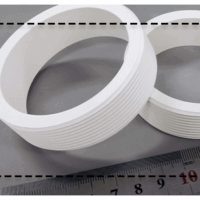
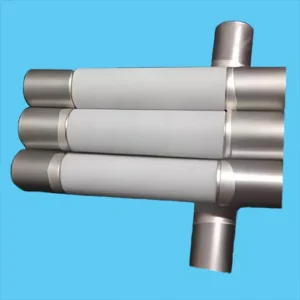
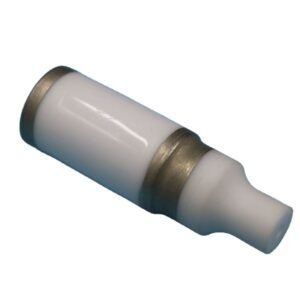
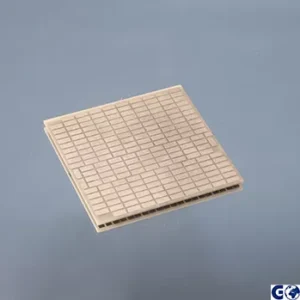
Representative Ceramic Components for Electrical Insulation Projects













Related Product Catalogue and Quotation





Key Requirements for Steatite Ceramic Component Selection
Evaluate electrical, thermal and sourcing considerations through clear requirements, project-specific confirmation and drawing-led quotation discussions.
Drawing-Led Requirements
A current drawing revision aligns dimensions, interfaces and application conditions, giving Porcecore a concrete basis for discussing steatite ceramics electrical and insulation performance.
Material Grade Selection
Grade selection should reflect dielectric requirements, thermal exposure and mechanical duty; material designation remains a project input to confirm rather than an automatic performance guarantee.
Geometry and Fit
Tube, rod, ring or insulator geometry affects fit, wall sections and heat paths, so dimensions and tolerances need review alongside the intended electrical insulation duty.
Process Route Alignment
Forming, machining and finishing choices can influence achievable geometry and surface condition; the quotation should connect the process route with quantity, tolerances and application conditions.
Functional Surface Definition
Mating surfaces, holes, threads and sealing areas deserve explicit definition because assembly interfaces can matter as much as the ceramic material when specifying an insulating component.
Inspection Evidence
Inspection evidence should match the agreed acceptance criteria, with relevant dimensional, visual or property checks documented for the individual project instead of presented as universal values.
Ceramic Components and Application Categories
Review manufacturing capabilities, material families, component forms and engineering resources before defining a drawing-led quotation inquiry.

Ceramic Manufacturing Capabilities
Review ceramic manufacturing capabilities relevant to tubes, rods, rings, substrates and other industrial components. Use the category to frame geometry, mating surfaces, tolerances, quantities and inspection expectations before discussing a project-specific quotation.
Discuss Your Ceramic Part
Ceramic Solutions by Industry
Compare advanced ceramics applications by industry and operating environment. Define the component’s electrical, thermal, mechanical, chemical or wear-related function, then identify the material, geometry and acceptance requirements that procurement and engineering teams need confirmed.
Discuss Your Ceramic Part
Advanced Ceramic Materials
Explore advanced ceramic materials including alumina, zirconia, silicon carbide, silicon nitride, aluminum nitride, boron nitride and steatite. Material selection should be evaluated against service conditions, grade-specific properties, geometry, interfaces and required documentation.
Discuss Your Ceramic Part
Technical Ceramic Products
Review technical ceramic products by familiar component form and material family, including tubes, rods, rings and substrates. Product examples support initial sourcing discussions; final dimensions, tolerances, grade, quantity and inspection criteria require project-specific confirmation.
Discuss Your Ceramic Part
Technical Ceramic Resources
Use technical ceramics resources to clarify terminology, material considerations and specification questions before contacting Porcecore. A useful inquiry can include the current drawing revision, material designation, service conditions, quantity, critical dimensions and acceptance criteria.
Discuss Your Ceramic PartSupported Materials for steatite ceramics electrical and insulation performance


Industrial Steatite
Industrial-grade steatite can support conventional insulator and electrical component requirements, subject to the selected formulation and drawing. Review dielectric needs, mechanical loading, temperature and inspection expectations together. Reference: https://www.ceramictek.com/news/steatite-ceramics-grades-properties-and-applications-339407.html

RF Steatite
Explore advanced ceramic materials including alumina ceramics, zirconia ceramics, silicon carbide ceramics, silicon nitride, aluminum nitride, boron nitride and steatite. Material selection should be evaluated against service conditions, grade-specific properties, geometry, interfaces and required documentation.
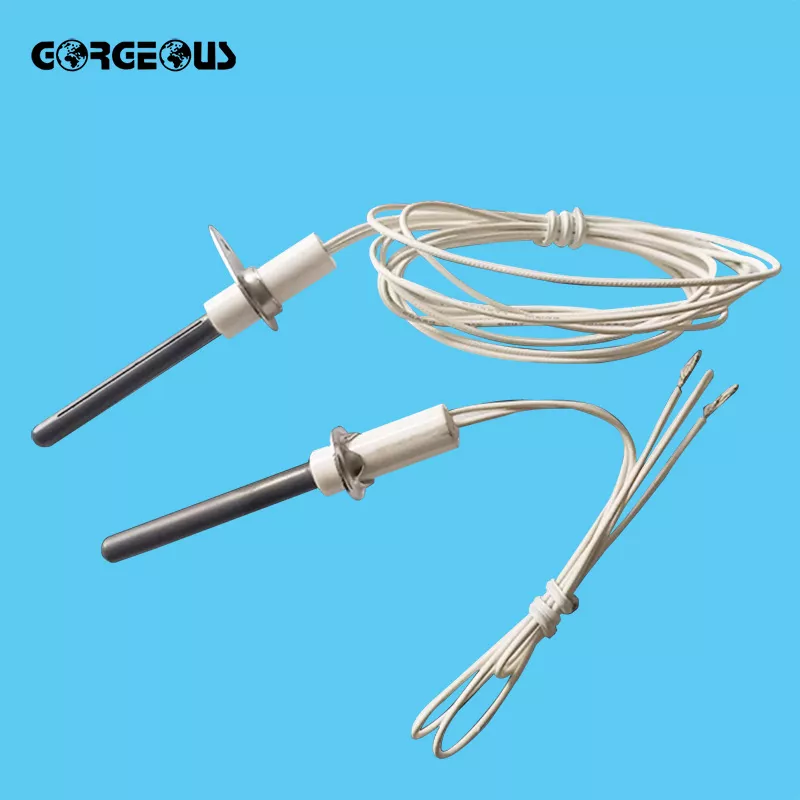
High-Strength Steatite
Review technical ceramic products and industrial ceramic parts by familiar component form and material family, including tubes, rods, rings and substrates. Custom ceramic components require project-specific confirmation of dimensions, tolerances, grade, quantity and inspection criteria.

Alumina Ceramic
Alumina offers an adjacent material comparison for components requiring electrical insulation and mechanical durability. Its suitability depends on grade, purity, dimensions, interfaces and operating conditions; use the drawing and acceptance criteria to determine whether it is appropriate.
Forming, Machining and Finishing Options for Ceramic Components
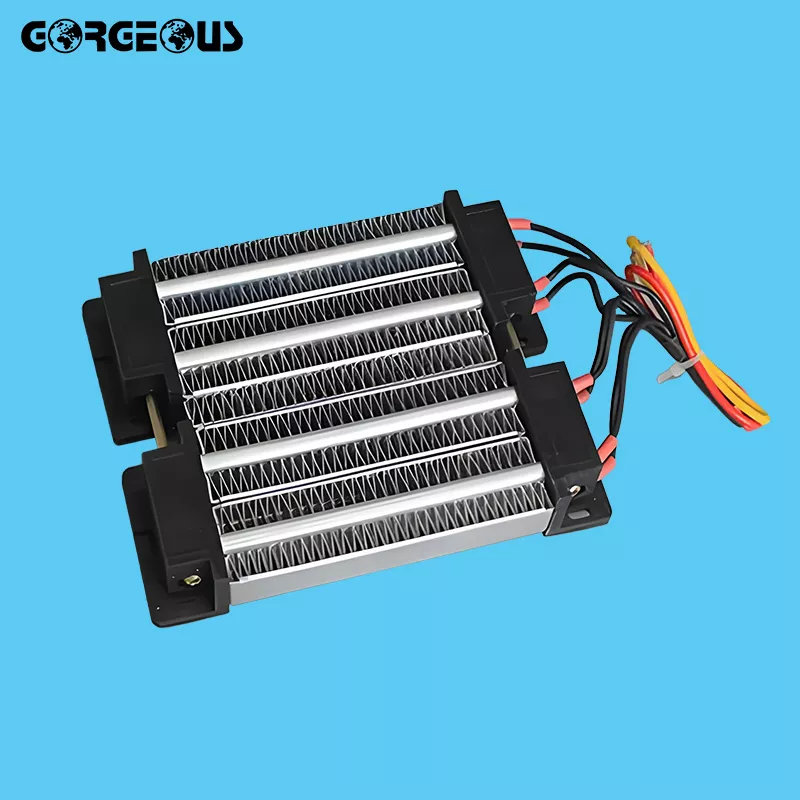
Forming and Sintering
Discuss forming and sintering routes for tubes, rods, rings, insulators and other technical ceramic geometries. Final process suitability depends on the specified grade, dimensions, geometry, quantity and required inspection criteria.

Precision Machining
Machining conversations address dimensions, mating surfaces, holes, slots and other features that influence assembly. Porcecore reviews the current drawing to clarify achievable requirements, process priorities and inspection expectations for each part.

Surface Grinding
Surface grinding may be considered where flatness, parallelism, surface condition or controlled mating interfaces affect installation. The appropriate approach remains project-specific and is confirmed against ceramic geometry, tolerances and functional requirements.
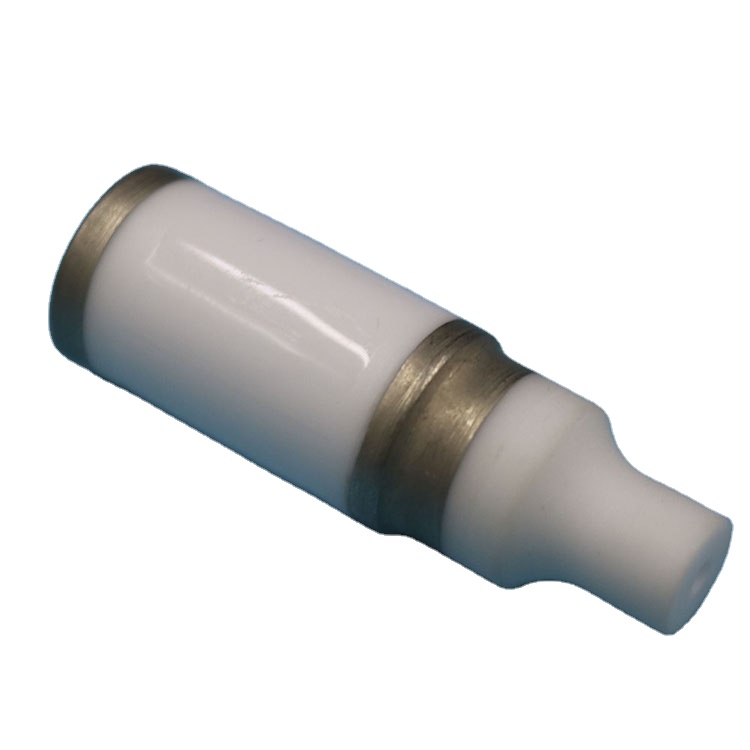
Glazing and Finishing
Glazing or other finishing considerations can support surface protection, insulation interfaces or appearance requirements in suitable applications. Porcecore treats the finish as part of the specification, subject to grade, geometry and service conditions.
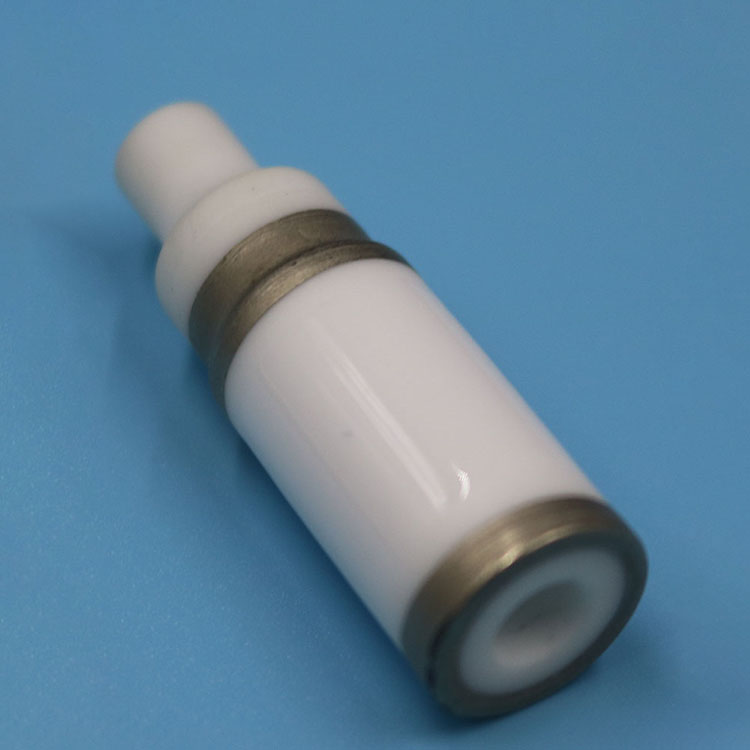
Inspection and Documentation
Inspection planning connects production with procurement approval, covering agreed dimensions, material designation, test expectations and documentation. Exact inspection scope and reporting requirements are defined during drawing-led quotation review for the individual project.
Component Features for steatite ceramics electrical and insulation performance
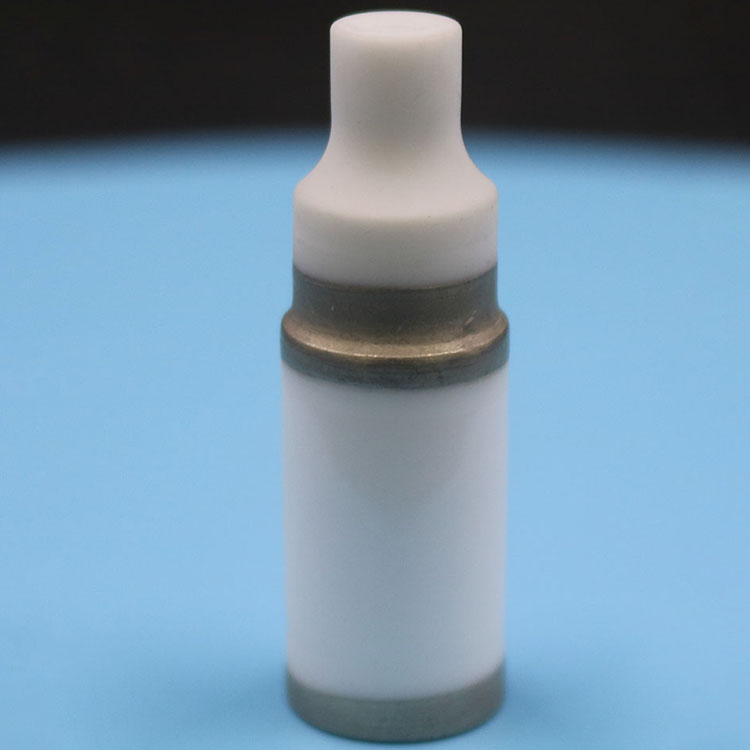
Mating Surfaces
Specify contact faces, shoulders, threads or locating features that connect the ceramic part to adjacent hardware. Share interface dimensions and tolerances so fit, assembly sequence and inspection expectations can be reviewed together.
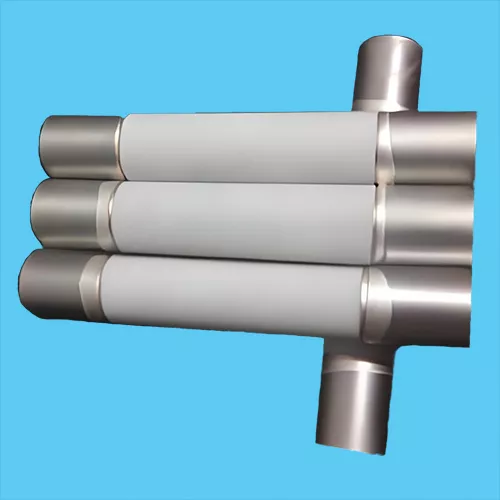
Precision Openings
Openings, bores and slots may determine clearance, alignment and electrical separation within an assembly. Provide critical dimensions, edge conditions and positional requirements so the component geometry supports its intended installation.
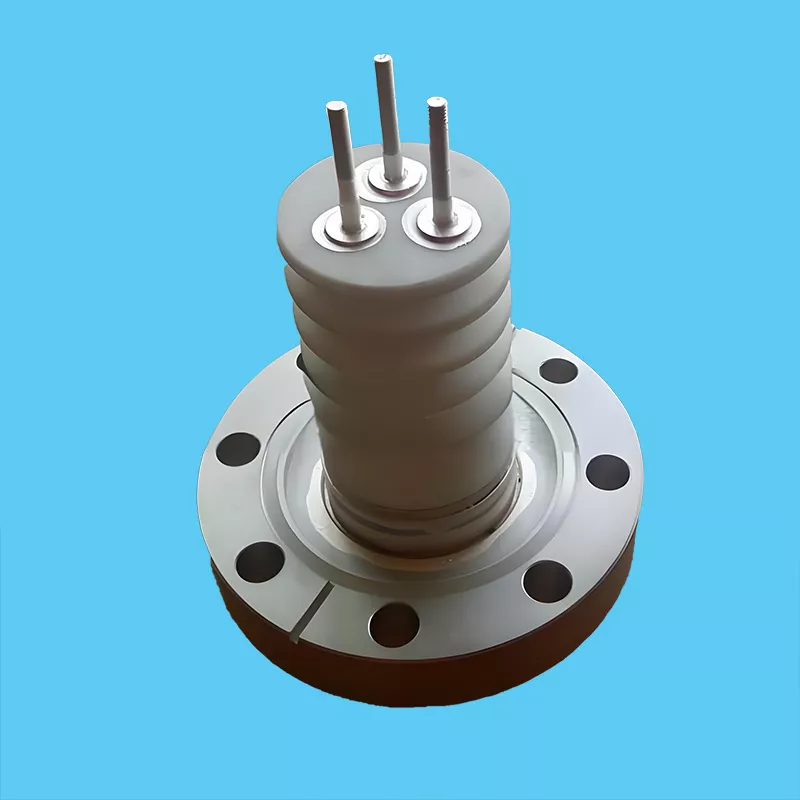
Surface Finishes
Glazed, ground or otherwise finished surfaces can influence insulation interfaces, sealing, handling and visual acceptance. Identify the surfaces that matter and describe finish expectations alongside the drawing and operating conditions.
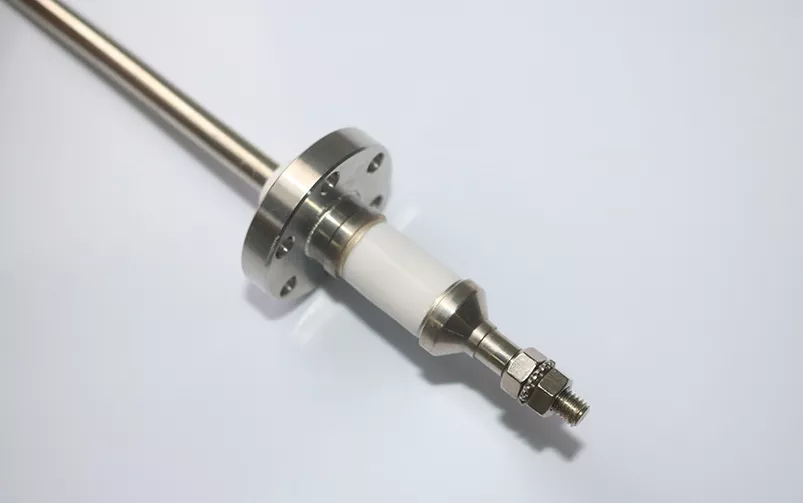
Part Identification
Add practical identification requirements such as marking location, label format, batch reference or packaging information. These details can support receiving inspection, traceability and correct orientation during equipment assembly and replacement.

Approval Documents
Clarify the records needed for project approval, including material designation, inspection results, dimensional reports or other agreed documentation. Porcecore can use these requirements to structure a more concrete quotation discussion.
How Porcecore Reviews Steatite Ceramic Component Requirements
Founded by Andy Yuan, Porcecore helps industrial procurement teams, engineers, equipment builders and distributors connect ceramic material choices with clearly defined component requirements. Our mission is to make technical ceramic sourcing easier to begin, easier to evaluate and more useful when geometry, service conditions and inspection expectations matter.
Porcecore covers technical ceramic materials and component forms across oxide, nitride, carbide and specialty families. For steatite projects, we treat electrical and insulation performance as part of a broader engineering discussion involving grade, geometry, mating surfaces, operating environment and acceptance criteria—not as a standalone material label.
What makes our approach different is drawing-led communication and clarity before commitment. Share the current drawing revision, quantity, service conditions and documentation needs, and Porcecore can help identify open questions for a more focused quotation conversation. The result is a practical starting point for defining the right ceramic part for the project.

How Porcecore Clarifies Steatite Ceramics Electrical and Insulation Performance
Start With the Part Requirement
Steatite ceramics electrical and insulation performance should be reviewed against the component’s actual job, not treated as a standalone material promise. Porcecore begins with geometry, mating surfaces, operating conditions and the evidence needed for a practical quotation discussion.
- Identify whether the part is a tube, rod, ring, insulator or another form
- Describe voltage, temperature, frequency, mechanical loading and surrounding media
- Separate essential performance requirements from preferred features
- Share the current drawing revision when available

Interpret Grade Data Carefully
Published steatite values can support early material screening, but grade, formulation, test method and geometry may influence the result. Porcecore uses available property information as design guidance while keeping project-specific confirmation at the center of sourcing decisions.
- Review dielectric, thermal and mechanical requirements together
- Treat general property ranges as reference information, not contractual guarantees
- Confirm the required grade or identify the open material question
- Use supplier documentation to support engineering approval

Connect Geometry With Performance
Insulation performance depends on more than the ceramic family selected. Dimensions, wall thickness, clearances, surface condition and interfaces can affect assembly and service behavior, so Porcecore’s quotation review connects the requested geometry with the component’s intended operating environment.
- Mark critical dimensions and tolerances on the drawing
- Identify surfaces that fit, seal, locate or contact another part
- Clarify holes, threads, steps, grooves and metallized or finished areas
- Note installation constraints that may affect inspection or handling

Define Acceptance Before Commitment
A useful quotation should make the next decision easier. Porcecore encourages buyers to define inspection expectations, documentation needs, quantity and delivery requirements before production commitment, helping distinguish an initial inquiry from an agreed project specification.
- State dimensional, visual and functional acceptance criteria
- Request material, inspection or test documentation when required
- Confirm quantity, packaging, delivery and commercial assumptions separately
- Email the drawing or application details for project review

Why Choose Porcecore for steatite ceramics electrical and insulation performance
Compare a drawing-led, requirement-focused sourcing conversation with a typical product-led inquiry path.
← Swipe left or right to view →
Steatite Ceramics Electrical and Insulation Performance: Production and Review Process
Porcecore connects material review, component production and project-specific acceptance checks before requirements become a confirmed quotation or order.
Define Part Requirements
Share the drawing revision, component geometry, mating surfaces, service conditions, quantity and acceptance criteria so the project begins with a clear requirement.
Review Material Options
Assess steatite and other technical ceramic families against insulation, thermal, mechanical and dimensional needs, confirming grade assumptions and unresolved application questions.
Plan Production Route
Align forming, machining, finishing and feature requirements with the proposed geometry, tolerances and inspection expectations before production details and commercial terms are confirmed.
Inspect Against Requirements
Review dimensions, surfaces and applicable test or inspection records against the agreed project criteria, distinguishing design guidance from confirmed acceptance requirements.
Document And Ship
Finalize approved documentation, packing expectations and delivery arrangements, then coordinate shipment details for the ceramic components and any required project records.
A Drawing-Led Workflow for Steatite Ceramic Components
Move from an initial requirement to a confirmed ceramic component through drawing-led communication and project-specific review.
Send Your Drawing
Share the current drawing revision or application brief, including geometry, mating surfaces, quantity, operating environment, and acceptance criteria for a useful starting point.
Clarify Material and Conditions
Discuss the steatite grade, electrical insulation priorities, temperature exposure, mechanical loads, tolerances, finish, documentation, and any unknowns affecting the component’s service.
Review the Quotation Route
Review the quotation against steatite ceramics electrical and insulation performance expectations, then align on sample needs, inspection points, lead time, and commercial details.
Confirm Production Requirements
Confirm the approved drawing, material designation, production quantity, inspection criteria, documentation, delivery terms, and final requirements before production proceeds.
Certifications, Test Reports and Compliance Documentation

Verified Evidence for Steatite Ceramics Electrical and Insulation Performance
Approved customer quote pending. Add a documented result describing the steatite component, operating conditions, inspection basis and measurable outcome, such as reduced qualification time, improved insulation stability or a confirmed replacement-part fit.
Approved project outcome pending. Replace this placeholder with a verified customer statement that identifies the drawing revision, material grade, component geometry and any documented electrical or thermal performance result.
Approved application evidence pending. Add a customer-approved quote or case metric only after Porcecore confirms the project scope, acceptance criteria and permission to publish the result with the named company.
Customer Evidence Pending Verification
Clear answers for grade selection, quotation inputs, inspection planning and project-specific commercial terms.
How should steatite ceramics electrical and insulation performance be evaluated for my application?
Which grade is appropriate when steatite ceramics electrical and insulation performance are critical?
What drawing details are needed to quote steatite ceramics electrical and insulation performance components?
Can Porcecore support low-volume samples or a production quantity inquiry?
How are lead time, payment terms and shipping arrangements confirmed?
What inspection evidence can be requested for steatite ceramics electrical and insulation performance parts?
How should parts be packaged for shipment, and can packaging requirements be specified?
How is drawing confidentiality and intellectual property handled during a quotation?
The Complete Buyer’s Guide to steatite ceramics electrical and insulation performance
Use this decision framework to compare grades, electrical and thermal requirements, customization options, supplier capabilities, quality controls, and total cost while avoiding specification, testing, and sourcing mistakes.
1. What Is steatite ceramics electrical and insulation performance?
MgO and SiO₂ form the magnesium-silicate base of steatite; steatite ceramics electrical and insulation performance describes how that material behaves as an insulating component, not a single guaranteed rating. Dielectric strength, dielectric constant, loss, and volume resistivity describe electrical behavior, while thermal stability and mechanical integrity determine whether insulation survives service. com/materials/steatite-magnesium-silicate
Five checks belong in a supplier request: material grade, dielectric strength, volume resistivity, operating-temperature limit, and flexural or compressive strength. Request the test method, frequency, temperature, humidity, specimen geometry, and lot basis because published values are design guidance and geometry can affect results. com/materials/steatite-magnesium-silicate
One drawing defines application fit: creepage distance, wall thickness, holes, mating surfaces, thermal cycling, voltage, and mechanical loads must suit the component.
2. Evolution and history of steatite ceramics
Talc-based formulations established steatite as a magnesium-silicate ceramic for electrical insulation, where stable dielectric behavior supported early insulators, coil supports, and lamp holders. Its adoption also extended to heating equipment and thermocouple assemblies as manufacturers needed electrically isolating parts with useful thermal stability. com/materials/steatite-magnesium-silicate
Modern steatite components reflect tighter control of raw-material grading, forming, firing, and dimensional finishing. Machining and inspection make tubes, rings, bushings, supports, and other industrial hardware easier to match to mating parts, while grade selection and electrical testing help separate general design guidance from project-specific acceptance criteria. com/steatite-ceramic-products
Today, steatite remains relevant because its established insulation role can be combined with repeatable component geometry and application-led qualification.
3. Types of steatite ceramics electrical and insulation performance
Three buyer-facing categories commonly organize steatite selection: general-purpose, high-frequency/RF-oriented, and higher-strength formulations.
| Category | Electrical Priority | Mechanical / Temperature Trade-Off | Typical Uses |
|---|---|---|---|
| General-purpose | Insulation, cost | Moderate strength; elevated-temperature rating varies | Coil forms, switch parts |
| High-frequency / RF | Low dielectric loss | Strength and cost may trade off | RF insulators, sensors |
| Higher-strength | Insulation under load | Higher strength may change dielectric behavior | Rings, robust insulators |
General-Purpose Industrial Grade
Dielectric insulation, cost, and adequate strength typically lead; common uses include coil forms, switch parts, lamp holders, and appliance bases. Trade-offs include lower mechanical margin than reinforced grades and moderate-temperature service; glazed or machined finishes may be available.
High-Frequency Or RF Grade
MHz-range dielectric loss and stable insulation usually take priority, supporting coil forms, sensor parts, and RF insulators. Formulation choices may limit strength or increase cost; specify surface finish, dimensional control, and temperature exposure alongside frequency requirements.
Higher-Strength Formulation
Flexural strength, hardness, wear resistance, and load-bearing geometry become primary, serving robust insulators, rings, and structural electrical parts. Reinforcement can alter dielectric behavior, machinability, thermal shock response, and price; glazing may improve surface protection.
4. Materials behind steatite ceramics electrical and insulation performance
Magnesium silicate, commonly introduced through talc, provides the ceramic body; clay, fluxes, and controlled additives adjust forming and firing behavior. Supplier formulations remain grade-specific, so ‘steatite’ alone is incomplete.
| Material factor | Performance effect | Buyer question | Verification document |
|---|---|---|---|
| Talc, clay, fluxes | Firing and insulation | Which grade and chemistry? | Material datasheet; https://www.du-co.com/materials/steatite-magnesium-silicate |
| Density and porosity | Leakage and strength | What limits apply? | Inspection report; test method |
| Glaze and machining | Surface insulation and fit | Which surfaces are controlled? | Drawing; dimensional report |
Composition And Additives
Talc-based raw materials supply magnesium silicate, while clay supports plasticity and fluxes promote vitrification. Additives may tune grain structure, color, strength, or dielectric behavior.
Processing And Geometry
Forming method, firing schedule, density, and open porosity influence insulation consistency. Glaze can seal surfaces, while machining may expose pores or alter creepage geometry.
Specify Beyond Steatite
State the required grade, geometry, density or porosity limit, finish, machining datum, dimensional tolerances, dielectric test method, and acceptance documents. Supplier data should be verified against the actual drawing and service conditions.
5. Customization for steatite ceramics electrical and insulation performance
A drawing turns steatite ceramics electrical and insulation performance into a reviewable part requirement.
Define Geometry And Interfaces
Dimensions, holes, threads, grooves, and terminals control mechanical fit, creepage, clearance, assembly access, and local stress. Identify every mating surface and datum on the current drawing revision.
Specify Finish And Protection
Glazing can change surface protection, creepage behavior, color, and thermal response; metallization may support terminals where the design requires it. Surface finish and color should be specified as functional or cosmetic requirements, not assumptions.
Tolerance bands affect yield and cost, especially on thin walls, threads, and fitted bores. State critical dimensions, inspection method, and acceptance limits.
- Surface finish and glazing
- Applicable metallization
- Color and appearance
- Critical tolerances
Plan Samples And Delivery
Packaging must protect edges, terminals, and glazed surfaces during handling and shipment. Drawing support is most useful when it records material designation, revision, quantity, service conditions, documentation, and approval stages.
| Choice | Primary consideration |
|---|---|
| Threads or grooves | Fit, stress, creepage |
| Glaze or metallization | Surface insulation, terminals |
| Packaging | Edge protection, delivery risk |
6. Construction quality elements that protect insulation performance
Every steatite ceramic lot should be controlled from powder consistency through packaging, because insulation failure can begin as a forming void, firing variation, crack, or handling chip.
Material And Firing Control
Raw-material consistency, forming pressure, density, and firing profile control porosity and electrical behavior. com/materials/steatite-magnesium-silicate). Record lot identity and furnace conditions, then investigate cracks, warpage, delamination, and density variation before release.
Inspection Beyond Appearance
Dimensional inspection must verify fits, clearances, flatness, and critical mating surfaces. Surface condition matters where contamination, glaze defects, chips, or roughness can concentrate stress or create leakage paths.
Qualification And Traceability
Thermal cycling should represent field temperature changes and mounting constraints, with acceptance limits defined before testing. Link results to material, forming, firing, inspection, and test records.
Package separators and moisture protection should prevent impact and contamination during shipment. Porcecore inquiries should identify drawings, service conditions, acceptance criteria, and required documentation.
7. How to choose a steatite ceramics manufacturer
One drawing revision, defined service conditions and agreed acceptance criteria should anchor supplier selection.
Verify Relevant Experience
Three references or representative application records can reveal whether a supplier understands insulators, bushings, tubes, rings or substrates. Ask for anonymized evidence of similar geometry, voltage, temperature and mating requirements.
Review Process Capability
Four checkpoints deserve review: grade selection, tooling, forming and machining. Confirm firing controls, dimensional capability, surface finishing, test equipment and lot traceability for the proposed route.
Validate Before Scaling
A first-article plan should define sample quantity, inspection reports, electrical tests, dimensional results and approval criteria before production. Capacity discussions should cover monthly output, lead-time assumptions, surge handling and backup plans.
Use A Focused RFQ
Eight RFQ inputs make comparison practical:
- Current drawing revision and quantities
- Material grade or required performance
- Voltage, temperature and environment
- Critical dimensions and mating surfaces
- Inspection, test and documentation requirements
- Sample, capacity and change-control expectations
8. Common mistakes in steatite ceramics electrical and insulation performance
Nine recurring errors can weaken an otherwise suitable steatite component.
Validate Data And Geometry
Price alone is a poor selection method; generic property values may not match the proposed grade, temperature, frequency, or geometry. Prevention: request grade-specific test conditions and confirm creepage, clearance, tolerances, and mating surfaces.
Design For Surface And Thermal Stress
Creepage and clearance must be checked on the assembled part, not inferred from nominal dimensions. Glaze is not a universal fix; skipping thermal cycling can expose cracking, adhesion, or insulation changes.
Prevention: define surface finish and voltage distances, then specify thermal-cycle conditions. Ask: How were glaze, interfaces, and cycling validated on comparable geometry?
Control Production And Delivery
Unqualified tooling can shift shrinkage, tolerances, and repeatability across production lots. Packaging failures can damage edges or mating surfaces before inspection.
Prevention: approve first articles, qualify tooling, and define protective packaging and incoming checks. Ask: What tooling records, sample report, and packaging method will accompany shipment?
9. Steps to launch a steatite ceramic component program
One approved requirement set should connect steatite ceramics electrical and insulation performance to the actual part, assembly, and service environment. A gated launch then turns design intent into repeatable production evidence.
Define Requirements And Material
1. Record voltage, frequency, temperature, contamination, mechanical loads, mating surfaces, geometry, quantity, and service life in a requirements document. Complete the electrical clearance, creepage, and insulation review. 2.
Request, Review, And Validate
3. Issue an RFQ with the drawing revision, material designation, annual volume, tolerances, inspection criteria, documentation needs, and delivery target. Compare technical responses before commercial terms.
4. Approve prototype samples against the drawing, then test electrical, dimensional, thermal, and mechanical requirements. Record deviations and release only a corrected design for pilot production.
Release And Monitor Production
5. Define the pilot inspection plan, sampling levels, traceability records, calibration requirements, and acceptance limits before approving repeat orders. Confirm every critical interface dimension.
6. Monitor lot results, nonconformances, change notices, delivery, and corrective actions through periodic supplier reviews. Porcecore can begin from the current drawing, conditions, quantity, and acceptance criteria.
10. Pricing and cost for steatite ceramic components
3 cost layers usually shape a steatite RFQ: material grade, forming method, and part geometry. Size, wall thickness, tolerances, machining, glazing or metallization, inspection, and electrical testing can shift the cost category substantially. 5 commercial inputs should be stated upfront: quantity, packaging, freight destination, required documentation, and lead time.
| Quantity Tier | Indicative Cost Category | Setup or Tooling Impact | Lead-Time Expectation | Quotation Assumptions |
|---|---|---|---|---|
| Prototype or low volume | Higher per-unit | New tooling or soft tooling may dominate | Typically longest | Complete drawing, grade, inspection, and test requirements supplied |
| Small production batch | Moderate to high | Tooling amortized across limited quantity | Moderate | Forming route, machining allowance, finish, and packaging defined |
| Repeat production volume | Lower per-unit potential | Dedicated tooling may be justified | Planned production schedule | Forecast, blanket quantity, freight terms, and documentation agreed |
Discuss Steatite Ceramics Electrical and Insulation Performance
Email your drawing or describe the component, operating environment, quantity and acceptance requirements for a focused quotation discussion.