
Toughened Ceramic Composites for Clearer Technical Sourcing
Connect toughened ceramic composites to defined geometry, service conditions, grades, and acceptance criteria for more useful ceramic part inquiries.
Featured Toughened Ceramic Composite Components
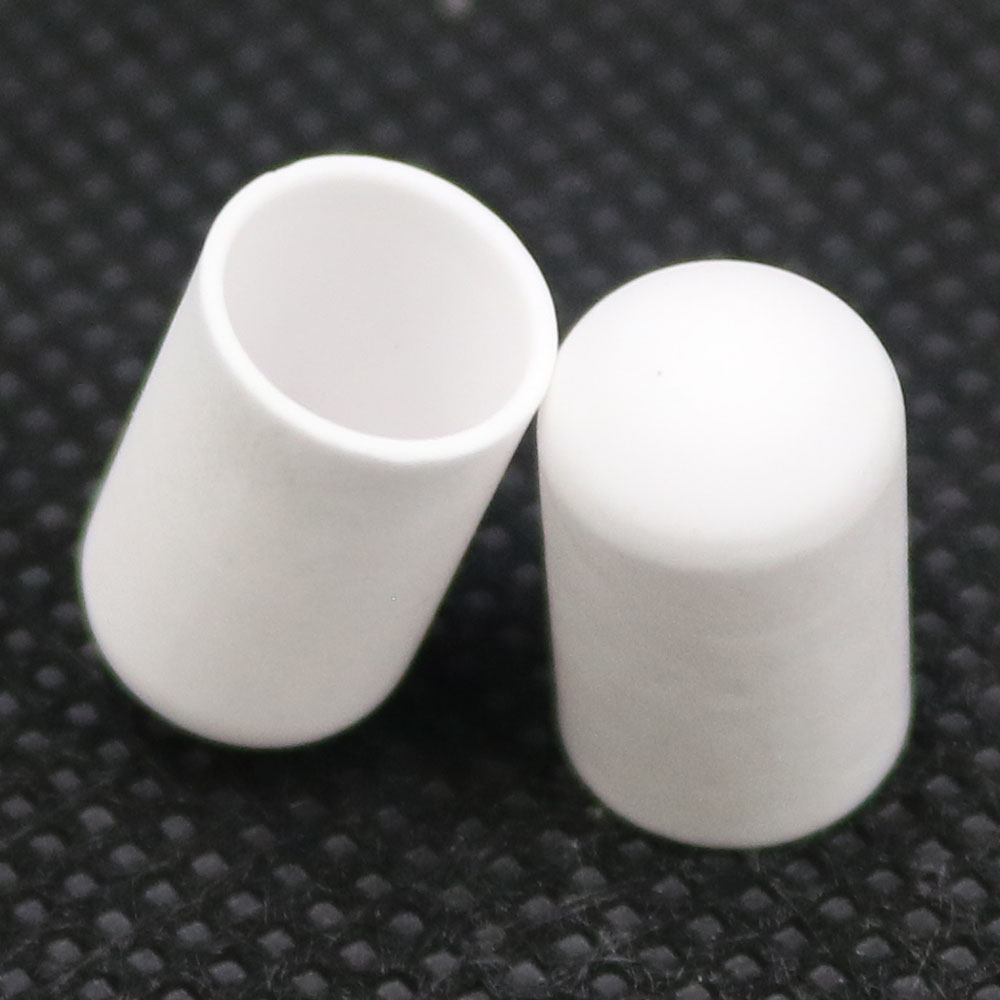

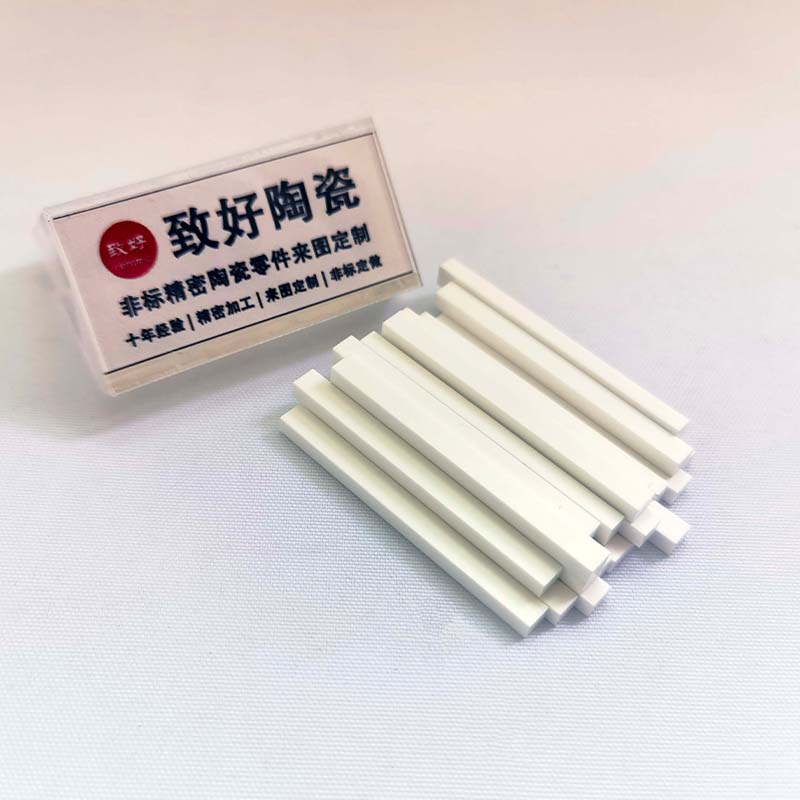

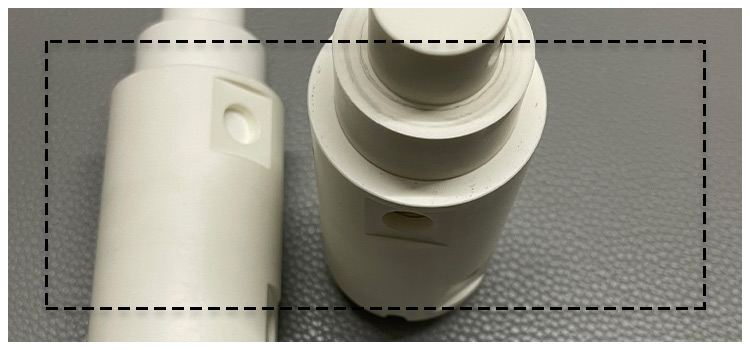

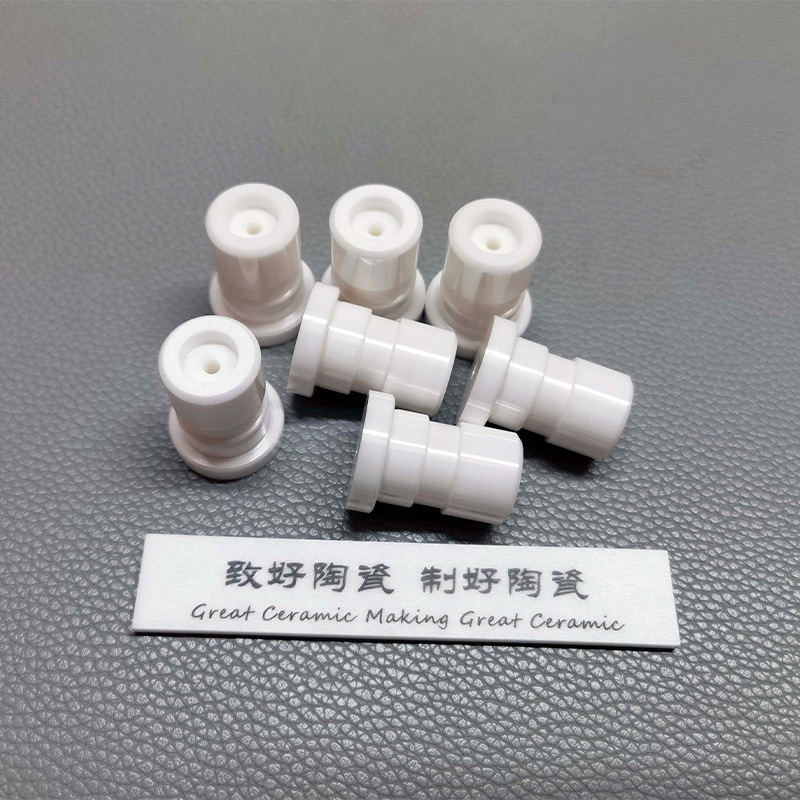
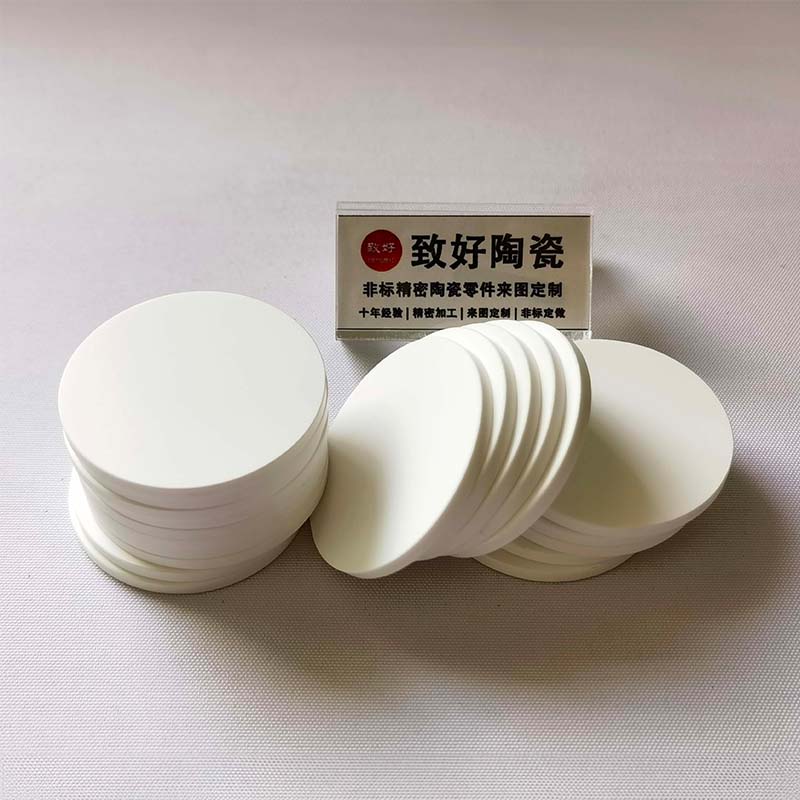
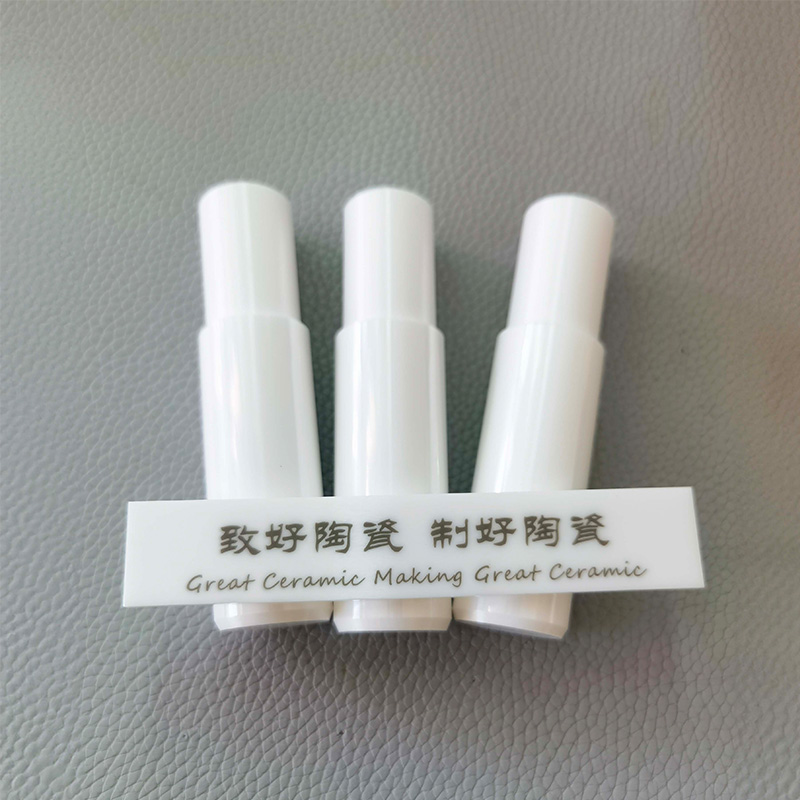
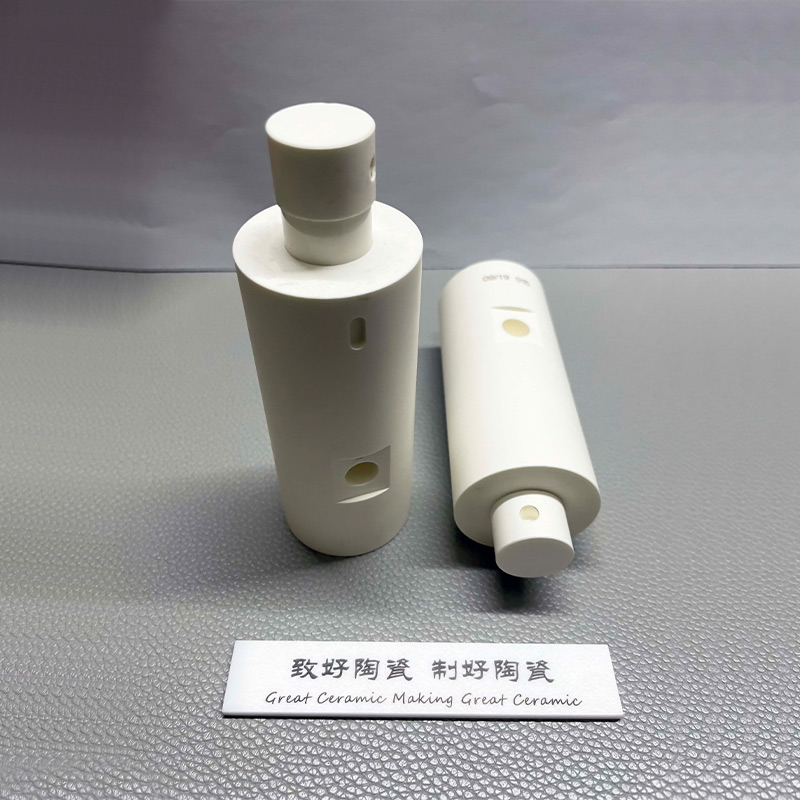

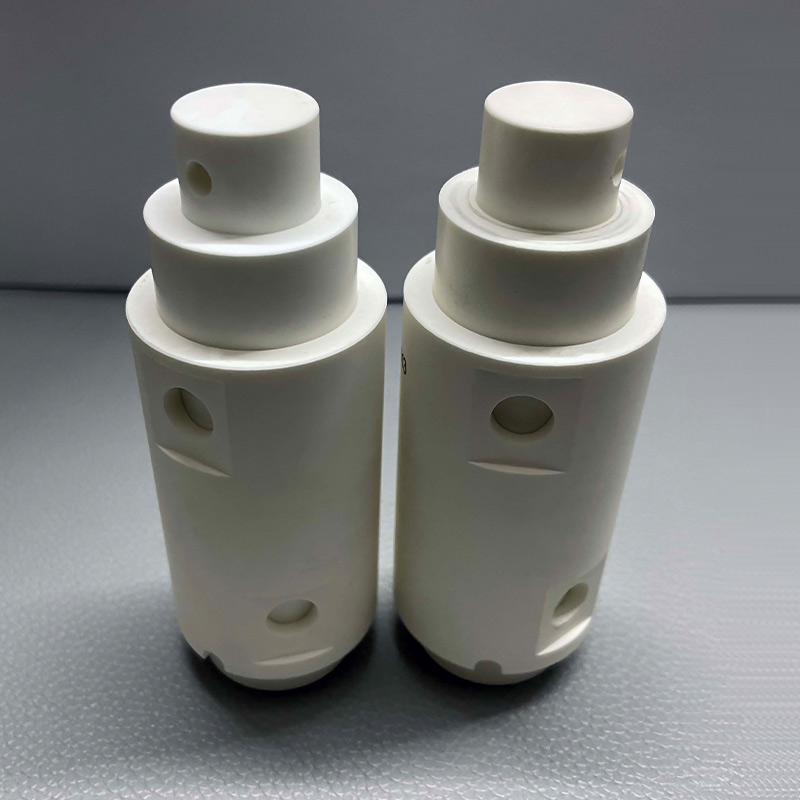
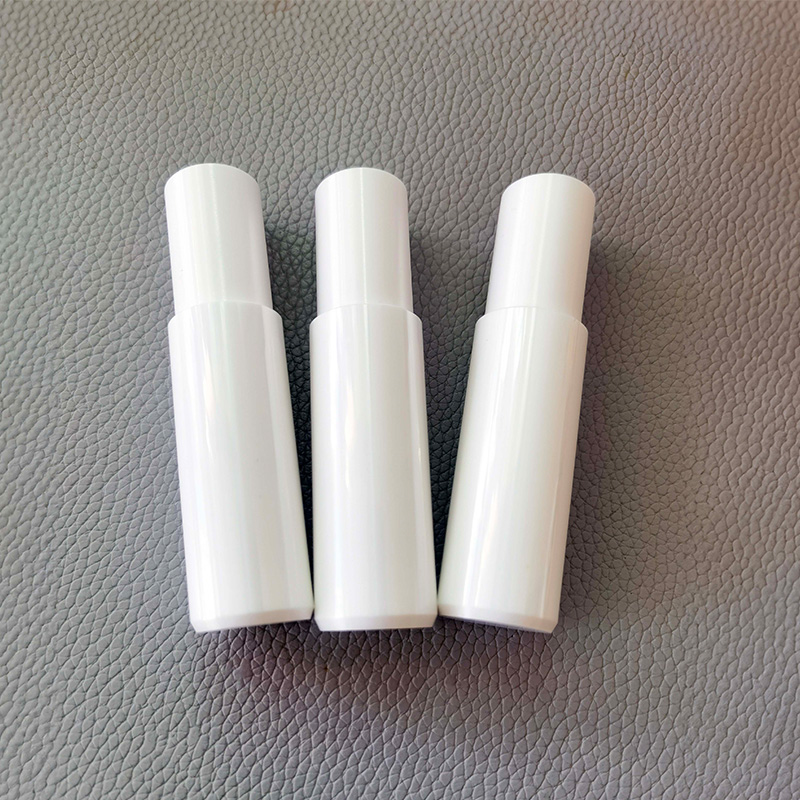
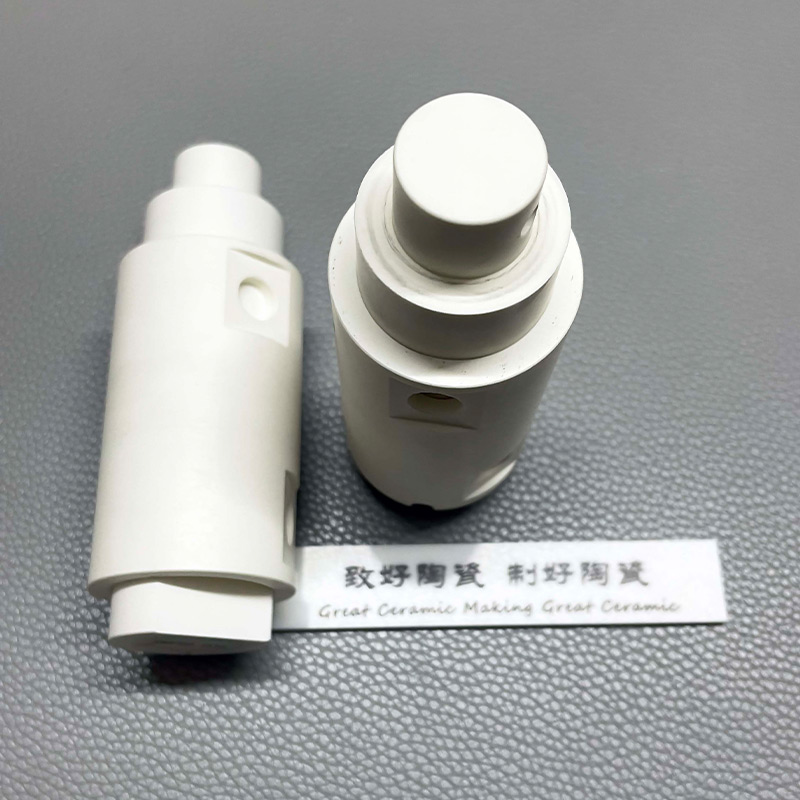

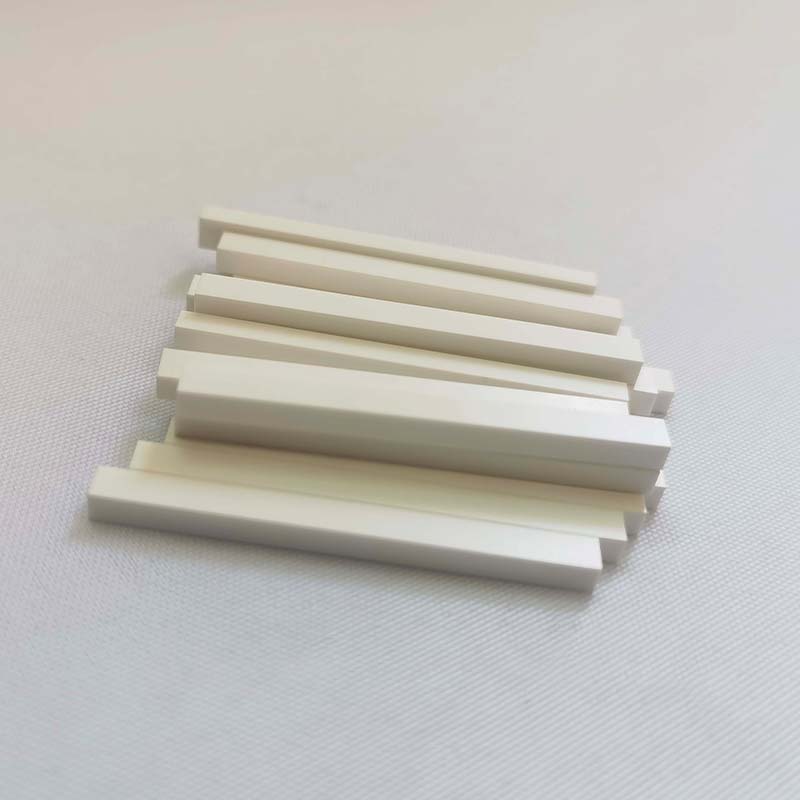
Toughened Ceramic Composite Components for Quotation


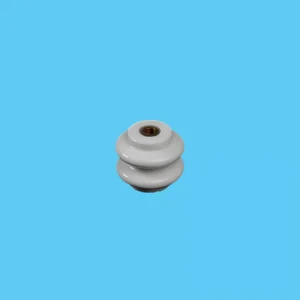


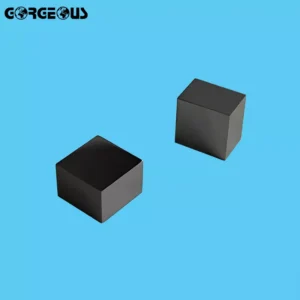

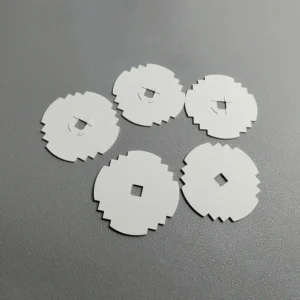
Requirement Criteria for Toughened Ceramic Composite Projects
Evaluate ceramic components through application requirements, drawing control and project-specific evidence before quotation or production decisions.
Drawing Revision Control
Start with the current drawing revision, dimensional tolerances and change notes so quotation discussions reference the same component definition from the outset.
Material Grade Requirements
Identify the ceramic family and grade designation when known, while separating general material guidance from values that require project-specific confirmation.
Geometry and Assembly Fit
Define tube, rod, ring, substrate or other geometry alongside mating surfaces, critical dimensions and assembly constraints that influence component suitability.
Process Route Alignment
Discuss the intended process route and finishing needs early, because forming, machining and surface treatment choices can affect the agreed component requirement.
Functional Surface Requirements
Call out sealing, sliding, electrical-contact or thermal-interface surfaces explicitly, so functional expectations remain visible alongside the broader toughened ceramic composites material discussion.
Inspection Evidence and Acceptance
Specify inspection points, acceptance criteria and required documentation before order confirmation, creating a clearer basis for evaluating whether delivered parts match the approved requirement.
Toughened Ceramic Composites for Industrial Applications
Explore technical ceramic components and industrial ceramic parts, including custom ceramic components, by comparing material options, operating requirements and component forms before requesting a project-specific quotation.

Toughened Ceramic Composites: Properties and Selection Guide
Use this selection guide to connect toughened ceramic composite properties with the part’s operating conditions, geometry and service priorities. Define the required balance of toughness, hardness, thermal stability and dimensional control before narrowing material options or starting a drawing-led quotation.
Discuss Your Ceramic Part
Toughened Ceramic Composites: Grades and Compositions
Review toughened ceramic composite grades and compositions with the application requirement in view. Composition affects mechanical behavior, thermal response, machinability and electrical performance; confirm the proposed grade, dimensions, tolerances and inspection criteria for the individual project rather than relying on a material family name alone.
Discuss Your Ceramic Part
Toughened Ceramic Composites: Thermal Performance
Evaluate toughened ceramic composites for thermal performance in relation to temperature range, thermal cycling, heat flow and mating materials. Clarify service conditions and thermal requirements early so the selected grade and component geometry can be reviewed against the intended equipment application.
Discuss Your Ceramic Part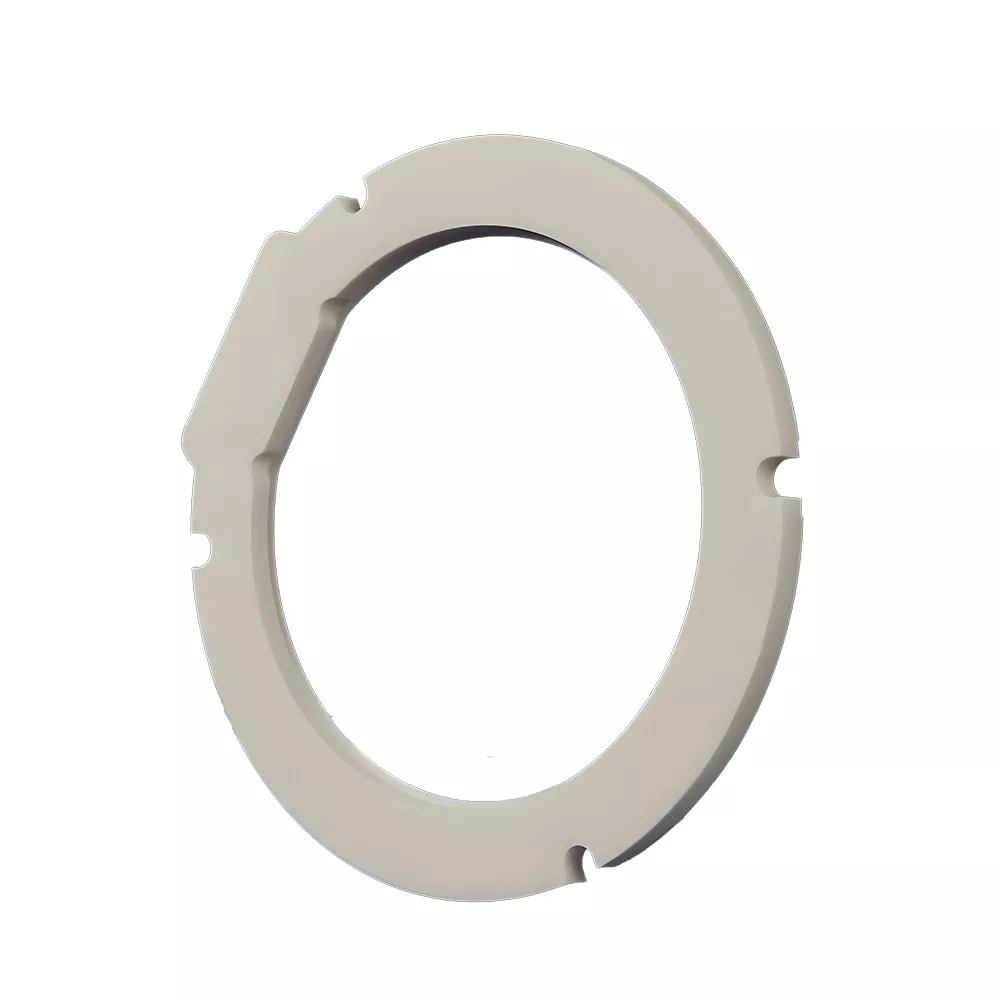
Toughened Ceramic Composites: Mechanical and Wear Performance
Compare mechanical and wear performance for toughened ceramic composites where contact, loading, impact or abrasive service may determine component life. Identify load conditions, mating surfaces, wear mechanisms and critical dimensions to support a more focused material recommendation and quotation discussion.
Discuss Your Ceramic Part
Toughened Ceramic Composites: Electrical and Insulation Performance
Assess electrical and insulation performance according to voltage, frequency, temperature, contamination and creepage requirements. Toughened ceramic composites may suit different electrical environments depending on grade and design; confirm the required insulation behavior, geometry and acceptance criteria for the finished component.
Discuss Your Ceramic Part
Toughened Ceramic Composites: Machining and Design Guide
Use this machining and design guide to identify feasible geometries, tolerances, surface finishes and mating features before production review. Send the current drawing revision and mark assembly-critical surfaces so manufacturing considerations can be addressed alongside material and performance requirements.
Discuss Your Ceramic Part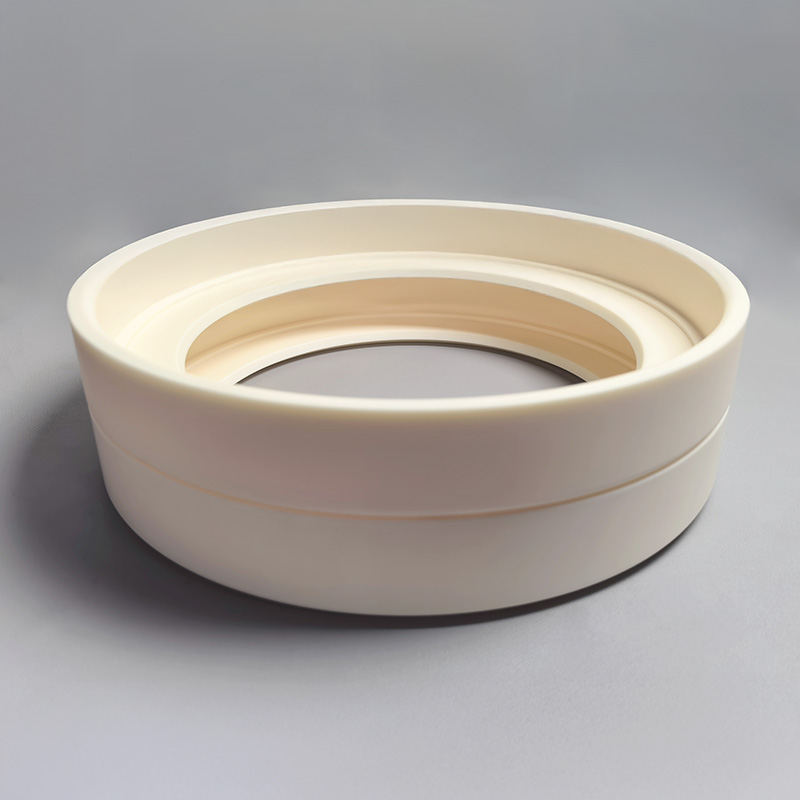
Toughened Ceramic Composites: Applications and Component Selection
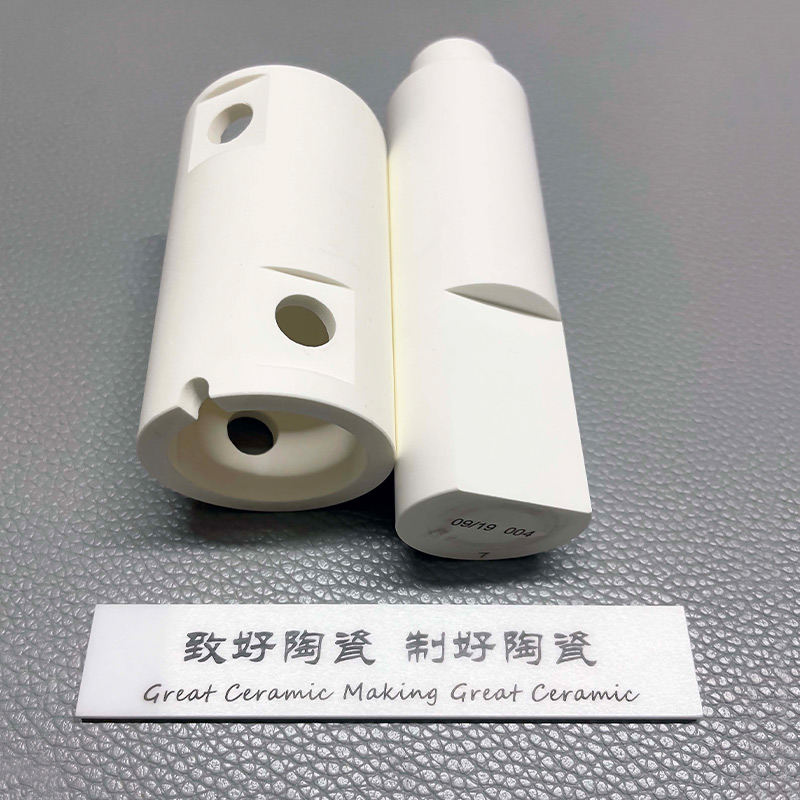
Match toughened ceramic composites to applications and component forms such as tubes, rods, rings and substrates. Describe the component’s function, operating environment, quantity and replacement or assembly constraints so Porcecore can help define a grade, geometry and project-specific quotation basis.
Discuss Your Ceramic PartToughened Ceramic Composites: Supported Ceramic Materials

Alumina Ceramics
A widely discussed oxide ceramic family for insulating parts, tubes, substrates and wear components. Grade selection, dimensions, surface requirements and inspection criteria should be confirmed against the application.
Zirconia Ceramics
A ceramic family considered for components requiring a different balance of toughness, strength and wear behavior. Porcecore reviews the grade, geometry, mating surfaces and service conditions per project.

Silicon Carbide
A ceramic family commonly evaluated for demanding thermal, chemical and wear environments. The appropriate grade, component geometry, surface finish and acceptance requirements depend on the intended operating conditions.

Silicon Nitride
A technical ceramic family considered for engineered components where thermal and mechanical requirements must be assessed together. Project discussions cover grade, tolerances, interfaces, quantity and required documentation.

Aluminum Nitride
A nitride ceramic family often discussed for electrically insulating components with thermal-management requirements. Porcecore helps align material designation, substrate or part geometry, finish and inspection expectations.

Boron Nitride
A specialty ceramic family considered for insulating, high-temperature and interface-related component requirements. Final suitability depends on grade, shape, dimensional tolerances, operating environment and project acceptance criteria.
Supported Manufacturing and Finishing Processes

Green Machining
Green machining shapes unfired ceramic blanks before densification, supporting efficient preparation of tubes, rods, rings and other geometries. Final dimensions, shrinkage allowance and critical interfaces require confirmation against the project drawing.

Precision Sintering
Controlled sintering develops the ceramic body and its finished material characteristics. The suitable cycle depends on the selected grade, geometry and production route, with dimensional expectations and allowable variation agreed for each part.

Silicon Carbide Ceramics
Diamond grinding refines sintered ceramic components where tighter dimensions, defined mating surfaces or improved geometric accuracy are required. Surface finish, edge treatment, datum references and inspection points should be identified in the drawing.

Lapping And Polishing
Lapping and polishing can prepare functional ceramic surfaces requiring controlled flatness, smoothness or optical contact. The required result depends on the application, mating component, measurement method and acceptance criteria specified for the project.

Metallization And Joining
Metallization and joining support ceramic interfaces that connect with electrical, mechanical or other assemblies. Compatibility, joint design, service environment, dimensional limits and required documentation should be reviewed before a production route is confirmed.
Toughened Ceramic Composites: Accessories and Interfaces

Mating Surface Notes
Identify surfaces that contact, seal against or locate another part. Include finish, flatness, fit and dimensional priorities so the quotation discussion reflects the actual assembly requirement.

Assembly Interface Review
Share interface details for ceramic tubes, rods, rings, substrates or custom geometries. Porcecore can organize open questions around mounting, clearance, joining and service conditions, subject to technical confirmation.

Part Identification
Add drawing numbers, revision levels, markings or labeling preferences where traceability matters. Identification details help distinguish a replacement component, prototype revision or production part during review and approval.

Protective Packaging
Describe packaging needs for fragile ceramic components, including separation, cushioning, cleanliness and shipment handling. Packaging expectations should be agreed with geometry, quantity and delivery requirements for each project.

Inspection Records
Define the dimensional reports, material information, inspection points or acceptance records needed for approval. Requirements should be tied to the drawing, agreed grade, quantity and project quality expectations.
About Porcecore’s Toughened Ceramic Composites Approach
Founded by Andy Yuan, Porcecore was created to make technical ceramic procurement more understandable for industrial buyers, engineers, equipment builders and distributors. Our mission is to connect material selection with the part’s actual job, so conversations about toughened ceramic composites begin with requirements rather than assumptions.
Porcecore focuses on ceramic components including tubes, rods, rings and substrates across oxide, nitride, carbide and specialty ceramic families. We take an application-first view of geometry, mating surfaces, operating conditions and inspection expectations, helping teams identify the right questions before requesting a quotation.
Our working style is drawing-led and clear. Share the current drawing revision, known material designation, quantity, service conditions and acceptance criteria, and we can frame a more useful project discussion. Grade, geometry, documentation, delivery and commercial terms remain subject to confirmation for each individual toughened ceramic composites requirement.

Core Capabilities for Toughened Ceramic Composites Projects
Clarify the Part Requirement
Toughened ceramic composites projects begin with the component and its job. Porcecore helps organize the drawing revision, service conditions, quantity and acceptance criteria so quotation discussions address the requirements that influence material and manufacturing decisions.
- Current drawing or component description
- Operating temperature, loads and environment
- Required quantity and delivery expectations
- Inspection, testing and documentation needs

Compare Material Families
Material selection depends on the balance of geometry, operating conditions and interface demands. Porcecore can help frame an inquiry around alumina, zirconia, silicon carbide, silicon nitride, aluminum nitride, boron nitride or another suitable ceramic family.
- Known material designation or preferred family
- Electrical, thermal or mechanical priorities
- Wear, corrosion or thermal-cycle considerations
- Grade-specific questions requiring confirmation

Review Geometry and Interfaces
A ceramic tube, rod, ring or substrate cannot be specified by material name alone. Porcecore keeps dimensions, tolerances, mating surfaces and assembly-critical features in the same conversation before a project requirement is treated as production-ready.
- Critical dimensions and tolerance zones
- Surfaces that fit or contact another part
- Chamfers, holes, threads or finishing details
- Assembly conditions and replacement-part references

Build a Clear Quotation Brief
A useful quotation brief separates essential requirements from preferences and identifies open questions early. Send the current drawing revision and project context to Porcecore so the next discussion can focus on confirmed scope, unknowns and appropriate follow-up.
- Email info@zlrsmaterials.com with the drawing
- Use WhatsApp at +86 130 6482 5920
- State quantity, grade and acceptance expectations
- Confirm commercial and delivery requirements project by project

Why Choose Porcecore for Toughened Ceramic Composites
Compare a requirement-led approach with a typical catalog-first supplier experience.
← Swipe left or right to view →
Toughened Ceramic Composites: From Drawing to Delivery
A drawing-led process helps industrial buyers align material, geometry, inspection expectations and commercial details before project-specific terms are confirmed.
Define the Requirement
Send a current drawing or application brief covering component function, dimensions, mating surfaces, service conditions, quantity and known acceptance requirements.
Review Material Geometry
Porcecore reviews the proposed ceramic family, grade needs, geometry, tolerances and interfaces, identifying open questions that require project-specific confirmation.
Discuss the Quotation
The quotation discussion connects the defined part requirement with feasible material and process considerations, while pricing, lead time and scope remain subject to confirmation.
Plan Samples or Production
Where appropriate, align sampling, drawing revision, production quantity, documentation and inspection expectations before authorizing the next project stage.
Inspect, Pack and Ship
Confirm inspection records, packaging, delivery details and commercial terms for the individual order, then coordinate shipment after final requirements are agreed.
Toughened Ceramic Composites Quality Documentation
A clear, drawing-led path from initial requirements to an agreed ceramic component specification and production discussion.
Share the Current Drawing
Send the current revision, component geometry, quantity, service conditions and interfaces that determine fit, function, inspection and quotation requirements.
Clarify Material Requirements
Discuss the ceramic family or grade, reinforcement approach, tolerances, surface requirements, documentation and acceptance criteria relevant to your project scope.
Review the Proposal
Review the quotation or sample discussion with Porcecore, including open questions, proposed specifications, lead-time expectations and items requiring confirmation before approval.
Confirm and Proceed
Confirm the agreed material, geometry, commercial terms, delivery details and documentation, then proceed toward production once the specification is approved.
Customer Evidence Status for Toughened Ceramic Composites
Customer Feedback on Toughened Ceramic Composites
Reserved for approved customer feedback with documented application context and measurable project outcome.
Reserved for a verified case example covering the drawing revision, material grade, geometry, acceptance criteria and confirmed result.
Reserved for approved feedback from an industrial buyer, equipment builder or distributor after project details and outcomes are confirmed.
Toughened Ceramic Composites FAQ
Practical guidance for defining requirements, reviewing feasibility and preparing a project-specific quotation.
What information should I provide when requesting toughened ceramic composites?
Is there a minimum order quantity for toughened ceramic composites?
How are lead time, sampling cost and payment terms confirmed?
How does Porcecore confirm the material grade for toughened ceramic composites?
Can drawing revisions be managed during a toughened ceramic composites project?
What inspection evidence can I request for toughened ceramic composites?
How are packaging and shipping handled for ceramic components?
How does Porcecore protect drawing information and project IP?
The Complete Buyer’s Guide to toughened ceramic composites
Use this practical framework to compare toughening mechanisms, materials, quality controls, customization requirements, supplier capabilities, pricing factors, and common sourcing mistakes before approving toughened ceramic composites for industrial applications.
1. What Are Toughened Ceramic Composites?
Three design routes define toughened ceramic composites: reinforcement, microstructural engineering, and stress-induced phase transformation. Their purpose is to raise fracture resistance by disrupting crack growth, using mechanisms such as crack deflection, bridging, debonding, and controlled pullout.
NIST research identifies fiber- and whisker-based toughening through crack deflection, reinforcement/matrix debonding, crack bridging, and frictional pullout (https://nvlpubs.nist.gov/nistpubs/Legacy/IR/nistir89-4111.pdf). Toughness is resistance to crack propagation; strength is load capacity, hardness is resistance to indentation or wear, and thermal-shock resistance concerns damage from rapid temperature change.
One engineering question should lead every inquiry: which performance limitation must the composite solve? A drawing, mating surface, service temperature, loading mode, failure history, and inspection requirement provide the basis for selecting a suitable ceramic architecture.
2. Evolution and History of Ceramic Toughening
1989 NIST research framed structural ceramics and ceramic matrix composites as candidates for high-temperature heat-engine and heat-recovery service, while emphasizing unresolved reliability under reactive environments, erosion, corrosion, thermal gradients, and cycling. The report documents the shift from monolithic brittle ceramics toward engineered composite architectures: https://nvlpubs.nist.gov/nistpubs/Legacy/IR/nistir89-4111.pdf
Four development paths became especially important: fiber and whisker reinforcement, particulate dispersion, and transformation toughening. Their value depends on mechanisms such as crack deflection, bridging, debonding, frictional pullout, or stress-induced phase change; none is universally suitable across temperatures, chemistries, loads, or geometries.
Three procurement criteria now follow directly from that history: controlled processing, verified interfaces, and damage-mechanism testing. Buyers should therefore request grade-specific data, relevant thermal or chemical exposure results, and acceptance criteria tied to the component’s drawing and service conditions—not rely on a material family name alone.
3. Types of Toughened Ceramic Composites
Five material families cover most toughened ceramic composites. Selection depends on crack-control mechanism, service temperature, environment, geometry, and verified grade data—not the family name alone.
| Family | Mechanism | Advantages; limitations | Typical uses; considerations |
|---|---|---|---|
| Fiber-reinforced CMC | Bridging, pullout | Damage tolerance; interface control | Hot sections, brakes; oxidation |
| Whisker/platelet | Deflection, pullout | Tougher, stiffer; dispersion flaws | Cutting and wear parts; heat |
| Particulate-toughened | Deflection, microcracks | Scalable; agglomeration risk | Seals, substrates, armor; grade-specific |
| Transformation-toughened zirconia | Stress-induced transformation | High toughness; moisture aging | Valves, bearings; heat limits |
| Interpenetrating/hybrid | Network bridging, deflection | Multifunctional; complex processing | Heat exchangers, filtration; compatibility |
Reinforced Matrix Families
Fiber, whisker, and platelet systems redirect cracks through bridging, pullout, or deflection.
NIST identifies these mechanisms as sensitive to reinforcement geometry and interfaces: https://nvlpubs.nist.gov/nistpubs/Legacy/IR/nistir89-4111.pdf
Zirconia And Particulate Systems
Zirconia uses stress-induced transformation; particulate systems use deflection or microcracking.
Moisture aging, heat, agglomeration, and processing flaws can change performance: https://pmc.ncbi.nlm.nih.gov/articles/PMC8940218
Hybrid Networks And Verification
Interpenetrating networks combine continuous phases for tailored toughness, thermal behavior, or permeability, but processing compatibility is demanding.
Confirm each grade’s datasheet, test method, environment, and acceptance criteria before specifying a component.
4. Materials Used in Toughened Ceramic Composites
Matrix chemistry sets the baseline for toughness, insulation, thermal expansion, and corrosion resistance. Procurement should specify reinforcement form, fraction, interfaces, porosity, grain size, processing temperature, and mating-part requirements together.
| Approach | Procurement advantage | Key question |
|---|---|---|
| Oxide-fiber | Insulation-oriented reinforcement | Will the matrix and fiber process together? |
| Non-oxide-fiber | High-temperature capability | Is oxidation protection adequate? |
| Whisker | Efficient crack deflection | Are handling and safety controls defined? |
| Particulate | Flexible composition and cost | Does dispersion preserve required density? |
Matrix And Reinforcement Choices
Alumina favors insulation and corrosion resistance; zirconia supports transformation toughening and lower thermal conductivity.
Silicon carbide and silicon nitride suit demanding thermal or wear environments, but electrical behavior and oxidation exposure require grade-specific confirmation.
Geometry And Microstructure
Fibers, whiskers, and particles change crack deflection, bridging, and pullout according to length, aspect ratio, orientation, and volume fraction.
Fine grains and low porosity can improve strength, while excessive reinforcement or poor dispersion creates defects and weak interfaces.
Interface And Application Fit
Oxide fibers generally support insulating systems; non-oxide fibers and whiskers may improve high-temperature performance but require chemistry and coating review.
Confirm dielectric behavior, corrosion media, thermal expansion, processing temperature, and compatibility with seals, fasteners, electrodes, or mating ceramics.
5. Customization Options for Toughened Ceramic Composites
A drawing-led customization brief connects the part geometry to its service conditions. For toughened ceramic composites, validated engineering changes matter more than cosmetic preferences because they affect tooling, yield, qualification, and lead time.
Geometry And Interfaces
Three-dimensional geometry may include tolerances, surface finish, holes, slots, metallization, joining features, and coatings. Identify mating surfaces, datum structure, loads, temperatures, atmosphere, and inspection criteria.
A tighter tolerance or complex feature can increase tooling and scrap risk; confirm which dimensions are functional before release.
Material And Property Targets
Fiber orientation, reinforcement content, and matrix selection should follow the dominant load path and failure mode. Set thermal conductivity, dielectric strength, expansion, or wear targets as grade-specific requirements.
NIST links composite reliability to microstructure, interfaces, damage modes, and service environments: https://nvlpubs.nist.gov/nistpubs/Legacy/IR/nistir89-4111.pdf
Qualification And Lead Time
Two evidence sets separate validated changes from cosmetic requests: the current drawing revision and representative test conditions. Supply quantity, acceptance criteria, thermal cycling, mechanical loads, chemicals, vacuum or humidity exposure, and documentation needs.
Each added feature may require process trials, inspection, and qualification testing, extending the quotation-to-production timeline.
6. Key Construction and Quality Elements
A released part requires evidence across material, microstructure, processing, and inspection. Porcecore recommends linking every acceptance criterion to the drawing revision and service requirement.
Material And Microstructure
Lot records should identify raw materials, reinforcement distribution and orientation, matrix density, porosity, and interfacial bonding.
Fracture toughness is meaningful only with the stated method and specimen geometry; NIST documents how interfaces and processing affect results: https://nvlpubs.nist.gov/nistpubs/Legacy/IR/nistir89-4111.pdf
Part And Process Inspection
Dimensional checks should cover stability, mating surfaces, and drawing tolerances; visual inspection should record surface defects and machining damage.
Batch consistency is best supported by retained inspection records, measured results, lot identification, and revision-controlled acceptance criteria.
Qualification And Records
Safety-critical and repeat-production parts need documented qualification before release, including agreed specimens, methods, and acceptance limits.
Nonconformances should be traceable to affected lots, disposition, corrective action, and customer approval where required; retain certificates and inspection data.
7. How to Choose a Toughened Ceramic Composites Manufacturer
Three evidence layers should guide supplier selection: technical fit, controlled production, and accountable communication. Require documented answers tied to your drawing, service conditions, inspection plan, and delivery needs.
| Evaluation Area | Demonstrated Evidence | Warning Sign |
|---|---|---|
| Technical | Comparable parts, data, tolerances | Generic material marketing |
| Production | Process records, traceability, scale plan | Unclear repeatability |
| Commercial | Defined MOQ, lead time, change control | Unqualified promises |
Verify Technical Fit
1) Ask for comparable applications, grade-specific property data, achievable tolerances, mating-surface limits, and proposed failure-analysis methods. Separate tested evidence from generic claims about toughened ceramic composites.
- Request sample inspection reports and test methods.
- Confirm machining capability for critical features.
- Define acceptance criteria before quotation.
Assess Process And Scale
2) Review powder control, forming, sintering, machining, inspection, and change-control practices. Confirm whether prototype quantities can transition to repeat production without changing material, tooling, or tolerances without approval.
- Ask about traceability by batch or lot.
- Check quality-system scope and document retention.
- Request realistic prototype and production lead times.
Test Commercial Discipline
3) Clarify testing access, minimum order quantities, communication ownership, and escalation procedures. A capable supplier should explain sampling, nonconformance handling, drawing revisions, and when a lead-time estimate becomes firm.
- Compare MOQ tiers and tooling charges.
- Require written revision and change control.
- Confirm documentation supplied with each lot.
8. Common Buyer Mistakes When Sourcing Ceramic Composites
Eight recurring errors can turn a technically suitable ceramic into an unreliable part or an unquotable requirement. Use each correction below as a procurement checkpoint before approval.
Define Performance Beyond Hardness
Hardness does not equal fracture resistance; request the relevant toughness method, specimen geometry, grade, and acceptance value. Compare only test data produced under equivalent standards and conditions.
NIST identifies thermal gradients, cycling, reactive environments, interfaces, and damage mechanisms as reliability factors: https://nvlpubs.nist.gov/nistpubs/Legacy/IR/nistir89-4111.pdf. Ask which cycles, chemicals, temperatures, and exposure duration the part must survive.
Control Manufacturing Interfaces
Machining can introduce subsurface damage, while tight tolerances without a process plan create avoidable risk. Ask which surfaces are functional, what inspection method verifies them, and whether the proposed process supports the tolerance.
Joining, seals, coatings, threads, and mating materials must be specified with the ceramic. Require interface drawings, joining temperatures, loads, and leak or bond acceptance criteria before quotation.
Validate Cost And Production
Unit price alone omits machining yield, inspection, joining, tooling, packaging, and failure cost. Compare total delivered cost against service life and require a documented basis for each allowance.
A prototype is not production validation. Approve only after representative parts confirm dimensions, material, interfaces, thermal and chemical exposure, inspection records, and repeatability at the intended volume.
9. Steps to Launch a Toughened Ceramic Composites Program
A seven-gate workflow links the service requirement to a controlled production decision. NIST emphasizes damage modes, failure mechanisms, processing factors, and test methods when qualifying ceramic composites: https://nvlpubs.nist.gov/nistpubs/Legacy/IR/nistir89-4111.pdf
Define The Application
Gate 1 records load, temperature, chemistry, interfaces, duty cycle, failure history, and required life. Attach the current drawing, failure-mode analysis, specification, acceptance limits, and inspection needs.
Gate 2 screens candidate material families against the service conditions, using documented grades and test methods rather than generic property values.
- Drawing revision and critical dimensions
- Operating conditions and failure evidence
- Material shortlist and test plan
Request And Prototype
Gate 3 sends suppliers the drawing, material designation, quantity tiers, sample quantities, documentation requirements, and RFQ response format. Porcecore can use these details to separate requirements from preferences.
Gate 4 freezes a prototype drawing, machining allowances, mating surfaces, test specimens, and measurement points before samples are produced.
- RFQ package and quantity tiers
- Prototype drawing and sample count
- Test method and acceptance limits
Test And Iterate
Gate 5 compares dimensional, mechanical, thermal, chemical, and functional results with approved limits. Record deviations, failures, fixtures, laboratory method, and specimen traceability.
Gate 6 updates the design, grade, process, or inspection plan through documented revisions; repeat testing when a changed characteristic could affect fit or performance.
- Signed test report
- Nonconformance disposition
- Revision and change-control log
Pilot And Sustain Supply
Gate 7 approves pilot production, the inspection plan, certificates, sampling frequency, packaging, and release criteria. Confirm production quantity, lot traceability, and authorized deviations before recurring orders.
Review supplier performance at defined intervals, including defects, delivery, documentation, and engineering changes. Require written approval before changes to material, process, tooling, dimensions, or subcontractors.
- Approved inspection plan
- Pilot lot records
- Change-notification procedure
10. Pricing and Cost Factors for Toughened Ceramic Composites
1 quote should separate nonrecurring tooling, qualification, and setup charges from recurring unit pricing. Compare the material system, reinforcement and interface processing, geometry, machining, surface finishing, inspection, testing, packaging, and lead time against the same drawing revision.
2 commercial variables often change the unit economics: quantity, expected yield, and delivery schedule. Porcecore quotations should define the material grade, tolerances, test scope, acceptance criteria, delivery terms, and any qualification or documentation requirements before prices are compared.
| Cost category | What to compare | Charge type |
|---|---|---|
| Material and reinforcement | Grade, reinforcement architecture, interface processing | Recurring |
| Geometry and production | Tooling, forming complexity, machining, finishing, yield | Mixed |
| Quality and qualification | Inspection, testing, traceability, approval scope | Mixed |
| Commercial execution | Quantity tier, packaging, lead time, delivery terms | Recurring or project-specific |
Discuss Your Toughened Ceramic Composites Requirement
Email a drawing or describe your component, operating environment, quantity, acceptance criteria, and documentation needs for a focused review.