
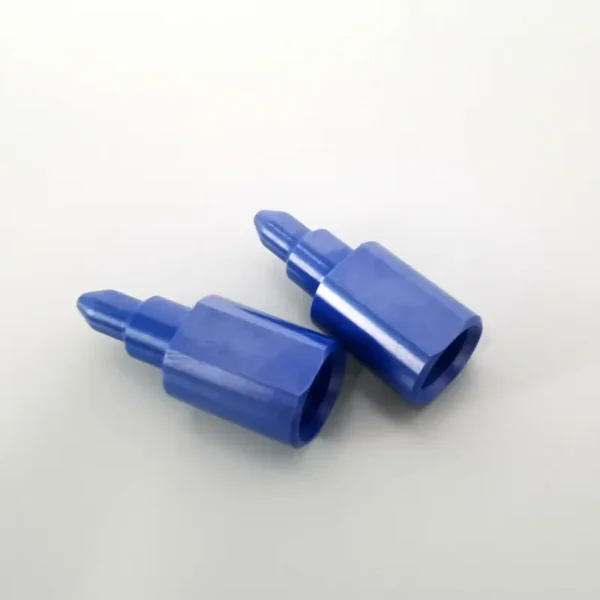
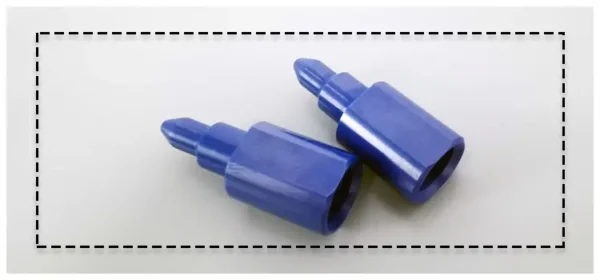
A useful RFQ distinguishes locating function from appearance. Define the datum strategy, engagement length, retention method and contact conditions, then compare material and finishing proposals against those requirements.
Key Inquiry Requirements
Locating function and datum strategy
A locating pin should be defined by the relationship it creates between components. Show the primary and secondary datums, insertion direction, locating diameter, shoulder or stop features and the degree of engagement required. If the pin is intended to remove play, state how alignment is established and where clearance is intentionally retained to avoid binding during assembly.
The blue appearance may matter for identification, but color alone should not define the component. State whether it is a visual code, a process marker or simply part of the requested finish. The drawing should control the functional geometry, while the assembly description explains whether the pin guides, registers, locates, supports or repeatedly enters and leaves a mating feature.
Material and contact conditions
Zirconia is often evaluated for ceramic locating applications where toughness, wear resistance, electrical insulation or chemical resistance may be relevant. These are selection considerations, not universal guarantees. The buyer should provide contact pressure, movement frequency, mating material, lubrication state and environmental exposure so the proposed ceramic grade can be reviewed in context.
Different interfaces create different risks. A pin entering a metal bore may need attention to galling, debris and differential expansion, while a ceramic-to-ceramic fit may raise different concerns about chipping or seizure. Include the full contact pair and operating sequence in the RFQ so suppliers can comment on the interface rather than only the nominal pin diameter.
Geometry, fit and retention
Define the functional diameter, cylindricity, straightness, taper and surface condition only where they affect locating performance. Specify chamfers, radii, lead-in geometry and shoulder transitions with enough detail to protect assembly. If a blind hole, adhesive, press fit, clamp or threaded retainer is used, show the retention method and its allowable installation forces.
Fit should be evaluated with the mating component, not in isolation. Provide bore dimensions, material, expected temperature range and any replaceable insert details. When the pin is used as a removable datum, include extraction access and damage limits. These details help prevent an apparently precise ceramic pin from becoming difficult to install or service.
Inspection and assembly verification
Inspection should confirm the features that establish repeatable location. Identify the reference surfaces, measured diameters, axes, runout-related controls and edge conditions that influence insertion. If color is part of identification, define the acceptable visual range separately from dimensional acceptance. Do not use a visual description as a substitute for a controlled material or geometry requirement.
Assembly trials can reveal issues that a dimensional report will not show. If possible, specify the mating gauge, insertion method, allowable force range or functional check used by the buyer. Include cleanliness and packaging requirements when particles could affect fit. A shared verification method makes supplier comparisons more meaningful and exposes ambiguous drawing language early.
Building a useful locating-pin RFQ
Send the latest drawing revision, assembly section view, mating-part information, quantity scenario and service conditions. Mark the locating features, non-functional surfaces and any cosmetic requirements. If the pin replaces an existing component, explain the observed failure or improvement target without implying that a particular material will automatically solve it.
Request a response covering material grade, proposed process, critical-feature inspection, assumptions and identified risks. Ask suppliers to separate any alternative geometry or finish from the drawing-compliant offer. This keeps purchasing comparisons clear while giving engineering a structured way to evaluate manufacturability, assembly behavior and long-term service considerations.
Questions Before You Inquire
Is the blue color a functional requirement?
It can be, but the buyer should state why it is needed. Color may support visual identification, while the locating function depends on geometry, fit and material selection. Define appearance separately from critical dimensions, and specify any acceptable variation or identification method in the controlled drawing.
What mating information is needed for a locating pin?
Provide the mating bore or feature dimensions, material, surface condition, clearance intent, insertion direction and retention method. Also describe movement, temperature changes, lubrication and cleaning. Without this information, a pin can meet its standalone dimensions yet still bind, loosen or damage the mating assembly.
Which pin dimensions usually deserve the closest review?
Review the locating diameter, axis relationship, straightness, lead-in, shoulder position and any retention features that control assembly. The exact controls depend on the datum scheme and mating part. Mark functional characteristics on the drawing so inspection effort follows the alignment requirement rather than treating every surface equally.
Can a sample define the required zirconia pin?
A sample helps communicate the existing interface, but it may not reveal hidden tolerances, surface condition, material grade or wear history. Use the sample with a drawing, mating component and application notes. If reverse engineering is required, agree which dimensions and functional characteristics must be verified before quotation.
Send a Clear Component Brief
Share your drawing, quantity and application with Porcecore. Mark the requirements that are fixed and the questions that remain open.


Reviews
There are no reviews yet.