
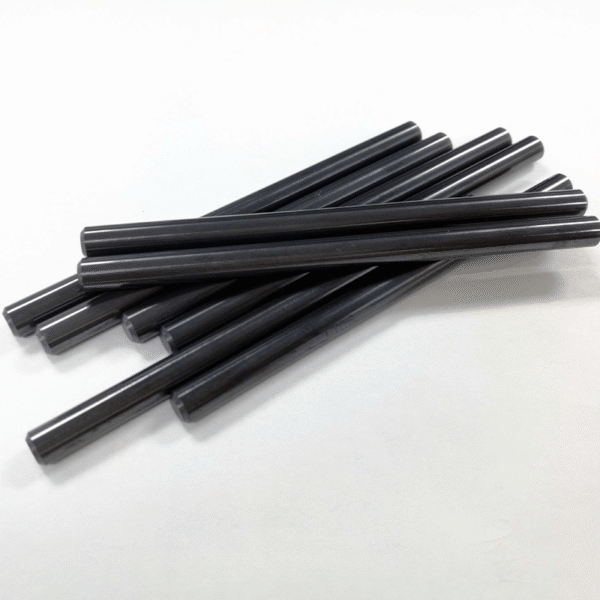


Treat rod selection as a relationship between material, slender geometry, support condition and operating cycle. A complete RFQ should let suppliers evaluate the rod’s fit, loading, thermal environment, finish, packaging and inspection requirements on the same technical basis.
Key Inquiry Requirements
Define the rod’s mechanical role
A ceramic rod may function as a pin, spacer, guide, shaft-like element, support or electrical standoff. These roles create different demands on straightness, end condition, contact pressure and resistance to handling damage. Identify how the rod is supported, loaded and retained, including whether forces are axial, transverse, intermittent or primarily positional.
Show all functional diameters, lengths, shoulders, grooves, holes and end features on a controlled drawing. If the rod engages a bore or bearing surface, provide the mating material and interface condition. A supplier can then review slenderness, datum strategy and edge treatment instead of interpreting the component only from its nominal overall dimensions.
Silicon nitride material review
Silicon nitride is a family of technical ceramics with grades and process routes that can differ in composition, microstructure and application suitability. Ask suppliers to identify the proposed grade and relevant material controls. Do not rely on a material label alone when thermal cycling, impact, wear, chemical exposure or electrical behaviour matters to the design.
Describe the actual operating environment, including atmosphere, fluid contact, cleaning practice, cycling pattern and nearby dissimilar materials. If the application involves rapid temperature changes, explain the heating and cooling sequence. This allows suppliers to discuss the proposed ceramic against the duty without inventing a universal temperature or performance guarantee.
Geometry and thermal movement
Rod geometry should be specified with attention to straightness, roundness, concentricity, end squareness and surface condition where those characteristics affect guidance or load transfer. Identify non-functional zones separately from working zones. Chamfers, radii and polished areas should be shown or referenced rather than left to informal interpretation.
If the rod passes through a metal, ceramic or polymer support, include the support dimensions and assembly temperature where relevant. Different materials may move differently during operation, so the fit should be reviewed as an interface. Ask suppliers to flag clearance, retention or machining concerns before the drawing is released for repeat production.
Inspection for rods and pins
The inspection plan should connect each critical characteristic to a datum and measurement method. Commonly relevant checks may include diameter, length, straightness, end condition, surface defects and profile features, but the buyer should select requirements based on function. State whether measurements are required per piece, by sample or through a defined process-control record.
Ceramic rods require practical visual criteria for chips, cracks, grinding marks and handling damage. Define the inspection lighting, magnification or reference standard when appearance is important. If the rod enters a precision assembly, request dimensional reports in the same coordinate convention as the drawing so incoming inspection can compare results efficiently.
Prepare a comparable quotation package
Include the drawing revision, quantity range, prototype or production intent, operating conditions, mating-part information, inspection plan and packaging requirements. State whether individual sleeves, separators or protective end caps are needed for transport. If the rods will be assembled by hand or automated equipment, describe the handling constraints that affect edge protection.
Request proposed material grade, manufacturing assumptions, inspection evidence, deviations and any recommended drawing clarifications. Compare offers on the same definition of geometry and documentation. The lowest nominal price may not represent the same technical scope if one proposal excludes special handling, inspection or engineering review.
Questions Before You Inquire
What applications can silicon nitride ceramic rods serve?
The form may be used as a rod, pin, guide, spacer, support or shaft-like element, but suitability depends on loading and interfaces. Define the actual role, support arrangement, environment and operating cycle. The component name alone is not enough to select geometry, grade or inspection requirements.
What should the drawing control for a ceramic rod?
Control the dimensions and features that determine fit and load transfer, such as diameter, length, straightness, roundness, end squareness, shoulders, grooves and edge treatment. Use datums and identify functional surfaces. Requirements should reflect the mating assembly rather than applying generic tolerances to every feature.
Should the RFQ include temperature cycling details?
Yes, when the rod sees heating, cooling or thermal gradients. Describe the sequence, atmosphere, nearby materials and operating transitions, while avoiding unsupported property assumptions. Suppliers can then review the proposed silicon nitride grade and interface clearances against the stated duty and identify information still needed.
How should ceramic rods be packaged?
Packaging should prevent rod-to-rod contact, impact and contamination during handling and transport. State whether separators, sleeves, end protection or individual wrapping are required, especially for slender or finely finished parts. Ask suppliers to describe their proposed packing method and to identify any handling limitations.
Send a Clear Component Brief
Share your drawing, quantity and application with Porcecore. Mark the requirements that are fixed and the questions that remain open.



Reviews
There are no reviews yet.