
Technical Ceramics for Analytical Instruments, Defined Around Your Part
Specify technical ceramics for analytical instruments with your drawing, operating conditions, mating surfaces, and acceptance requirements in view.
Featured Technical Ceramic Components for Analytical Instruments


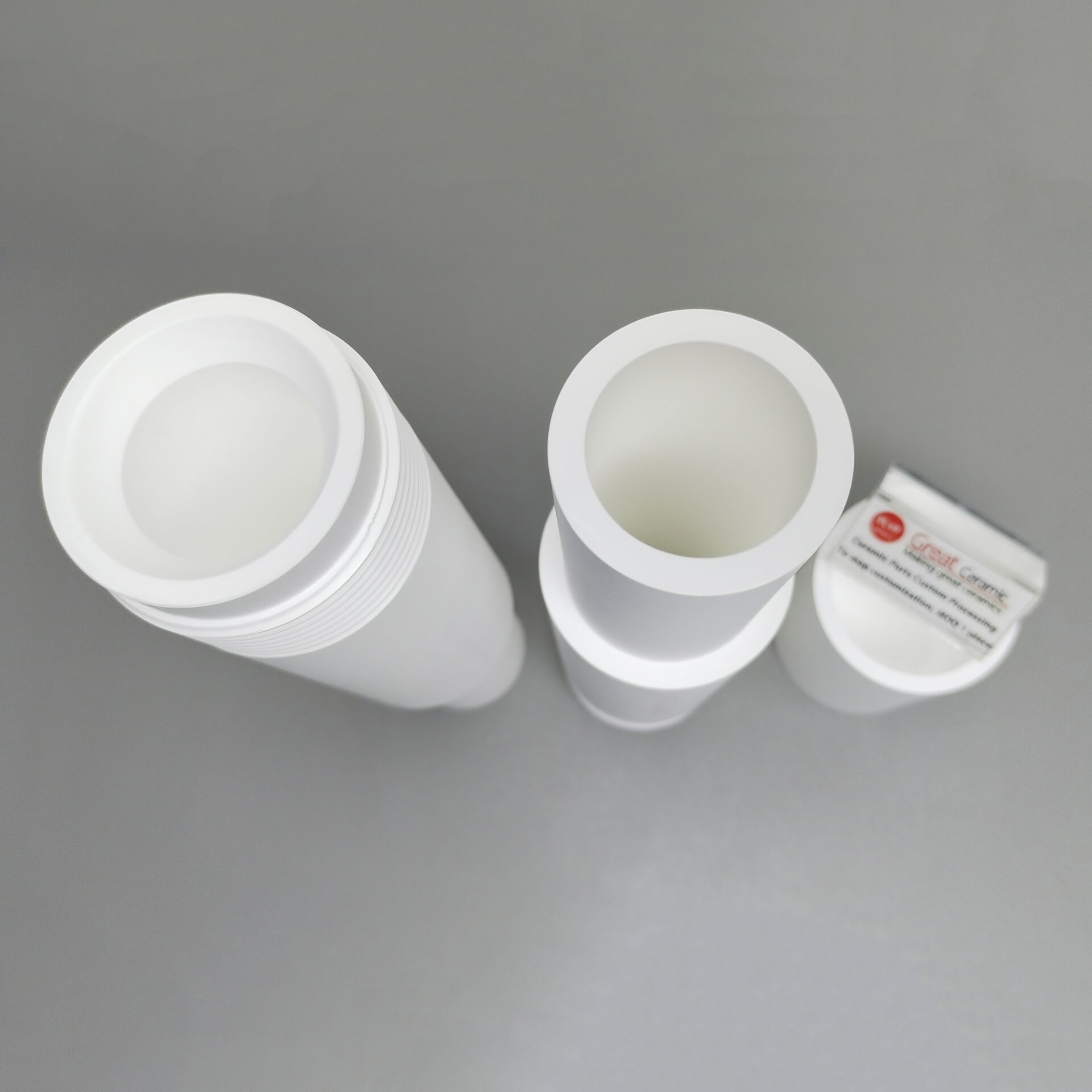
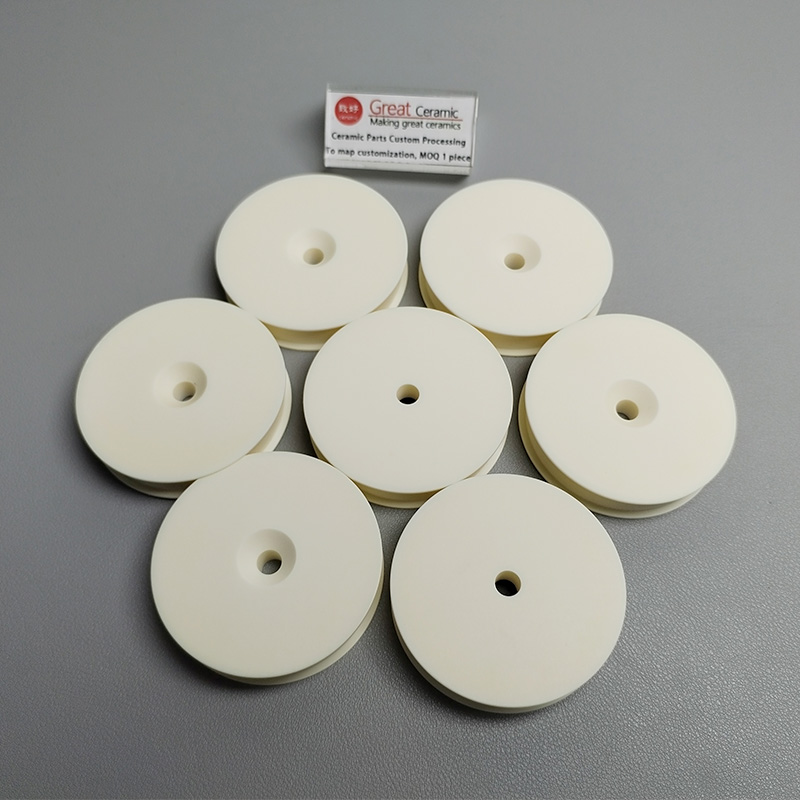

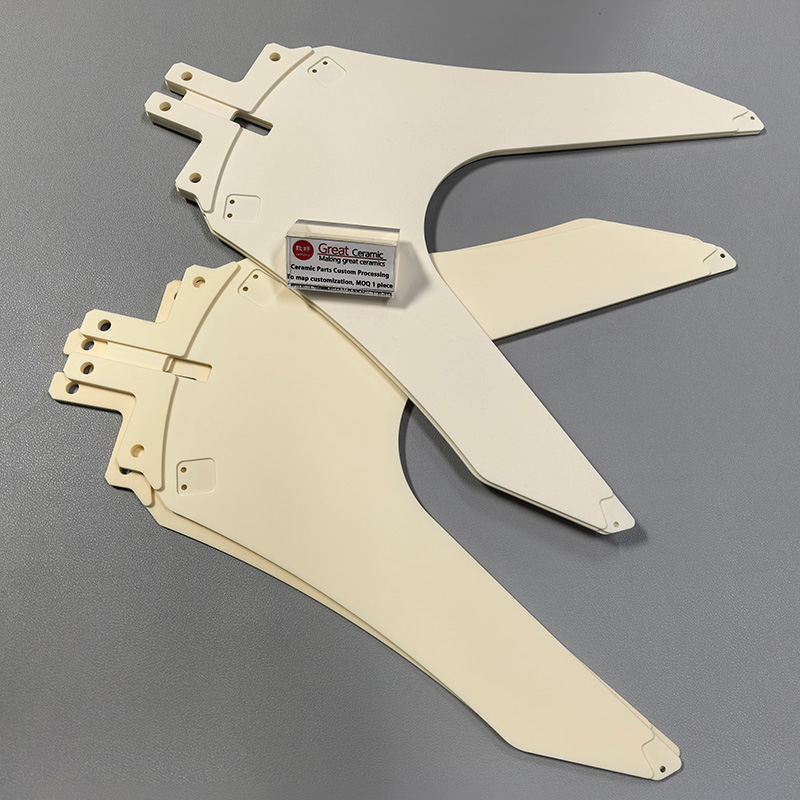

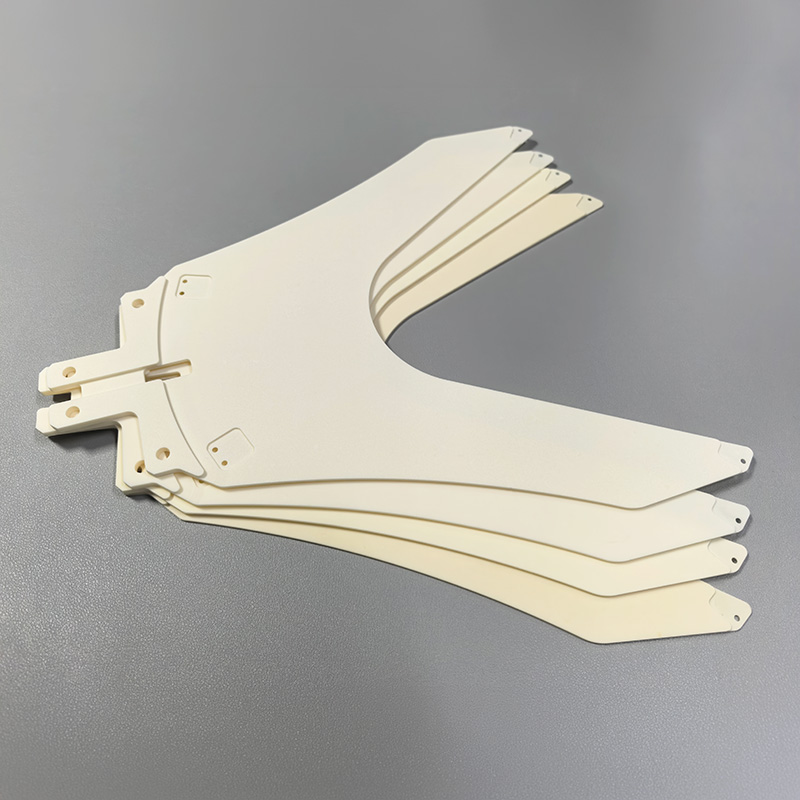




Related Product Catalogue and Quotation


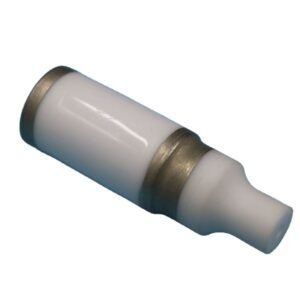

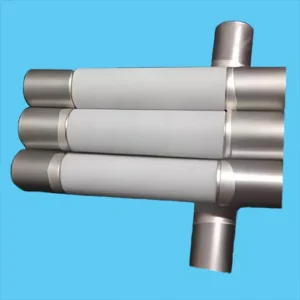


Technical Ceramics for Analytical Instruments, Defined by Requirements
Bring the drawing, operating context, and acceptance expectations into one focused quotation conversation.
Current Drawing Revision
Share the current drawing revision so dimensions, callouts, interfaces, and requested changes are discussed against the same part definition from the outset.
Grade Selection Context
Identify the material designation when known, then relate grade selection to electrical, thermal, chemical, mechanical, or vacuum-related application conditions before commitment.
Assembly-Critical Geometry
Flag dimensions that determine fit, alignment, clearance, sealing, or positioning. This helps focus the inquiry on geometry that affects the analytical instrument assembly.
Functional Surface Requirements
Specify the surfaces that mate, seal, slide, locate, or support another part. Surface expectations belong alongside the drawing, not as an afterthought.
Process Route Discussion
Consider the required geometry, material family, and functional features together when discussing a suitable process route for a project-specific ceramic component.
Inspection Evidence Expectations
State the acceptance criteria and documentation needed for approval. Clear inspection expectations help distinguish essential requirements from preferences before a quotation is developed.
Technical Ceramics for Analytical Instruments
Explore component paths that connect instrument conditions, material selection, drawings, and acceptance requirements to a focused sourcing discussion.

Ceramic Manufacturing Capabilities
Ceramic manufacturing capabilities for analytical equipment begin with the component requirement: geometry, critical interfaces, tolerances, surface condition, and inspection needs. Share the current drawing revision and operating context to define a quotation basis for tubes, rings, rods, substrates, or other specified parts.
Discuss Your Ceramic Part
Ceramic Solutions by Industry
Technical ceramic applications in analytical instruments may involve sample handling, electrical isolation, thermal management, abrasion exposure, or chemically demanding environments. Start with the instrument function and mating conditions so the component path can be assessed against the project’s actual service requirements.
Discuss Your Ceramic Part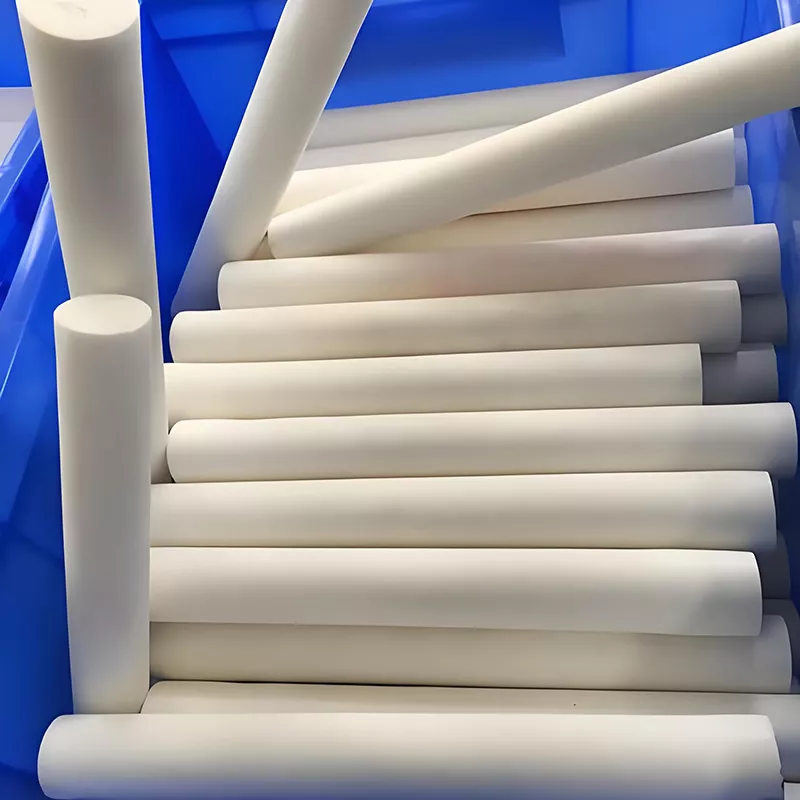
Advanced Ceramic Materials
Advanced ceramic materials include oxide, nitride, carbide, and specialty ceramic families such as alumina, zirconia, silicon carbide, silicon nitride, aluminum nitride, and boron nitride. Material-family information supports early evaluation; the grade and relevant properties require project-specific confirmation.
Discuss Your Ceramic Part
Technical Ceramic Products
Industrial ceramic parts are considered as defined components rather than material names alone. A ceramic tube, insulator, ring, wear part, or substrate should be reviewed with its assembly dimensions, mating surfaces, service conditions, quantity, and acceptance criteria before production terms are agreed.
Discuss Your Ceramic Part
Technical Ceramic Resources
Use this technical ceramics guide as a starting point for more complete inquiries. Identify the drawing, material designation if known, assembly-critical dimensions, operating environment, required documentation, and acceptance checks. Email details to info@zlrsmaterials.com or contact Porcecore on WhatsApp at +86 130 6482 5920.
Discuss Your Ceramic PartTechnical Ceramics for Analytical Instruments: Material Families

Alumina Ceramics
A widely considered oxide ceramic for insulating tubes, rings, substrates, and formed parts. Discuss the required grade, dimensions, surface condition, and inspection needs against the instrument assembly and operating environment.

Zirconia Ceramics
A ceramic family often evaluated where a robust, precisely defined component is needed. Share the drawing revision, mating interfaces, loading conditions, and acceptance criteria so the material and part requirement can be reviewed together.

Silicon Carbide Ceramics
A technical ceramic family to consider for components exposed to demanding thermal, wear, or chemical service conditions. Define the application environment, critical geometry, and documentation expectations before selecting a project-specific grade.

Silicon Nitride
A ceramic material family that may suit engineered parts requiring careful consideration of mechanical loading and assembly interfaces. Provide the component drawing, service conditions, quantity, and critical dimensions for a focused quotation discussion.

Aluminum Nitride
A ceramic family commonly explored for electrically insulated components where thermal considerations matter. Identify heat paths, interface surfaces, dimensional requirements, and the documentation needed to evaluate the right material and part approach.

Boron Nitride
A specialty ceramic family worth discussing when the operating environment and component function call for a tailored material review. Clarify the part form, exposure conditions, tolerances, and acceptance requirements before confirming a grade.
Manufacturing Processes for Analytical-Instrument Ceramic Components

Powder Forming
Pressing, casting, or other forming routes can be considered for ceramic blanks. The suitable approach depends on material family, part geometry, volume, dimensional priorities, and the information supplied for quotation.

Green Machining
Features may be discussed before final firing where the proposed material and geometry allow. Early-stage machining can help address holes, profiles, and noncritical forms, subject to project-specific process review.

Sintered Machining
Grinding, drilling, and precision machining discussions focus on dimensions that govern assembly, fit surfaces, and tolerances. Feasibility depends on the selected grade, part form, feature access, and agreed inspection expectations.

Surface Finishing
Surface condition requirements can be identified for sealing faces, contact areas, or other functional zones. Specify the relevant locations on the drawing and distinguish essential finish requirements from general appearance preferences.

Dimensional Inspection
Inspection planning starts with the dimensions, tolerances, and acceptance criteria that matter to the instrument assembly. Documentation needs and measurement expectations should be defined during the drawing-led quotation discussion.
Component Features for Analytical-Instrument Ceramic Parts
Threads and Inserts
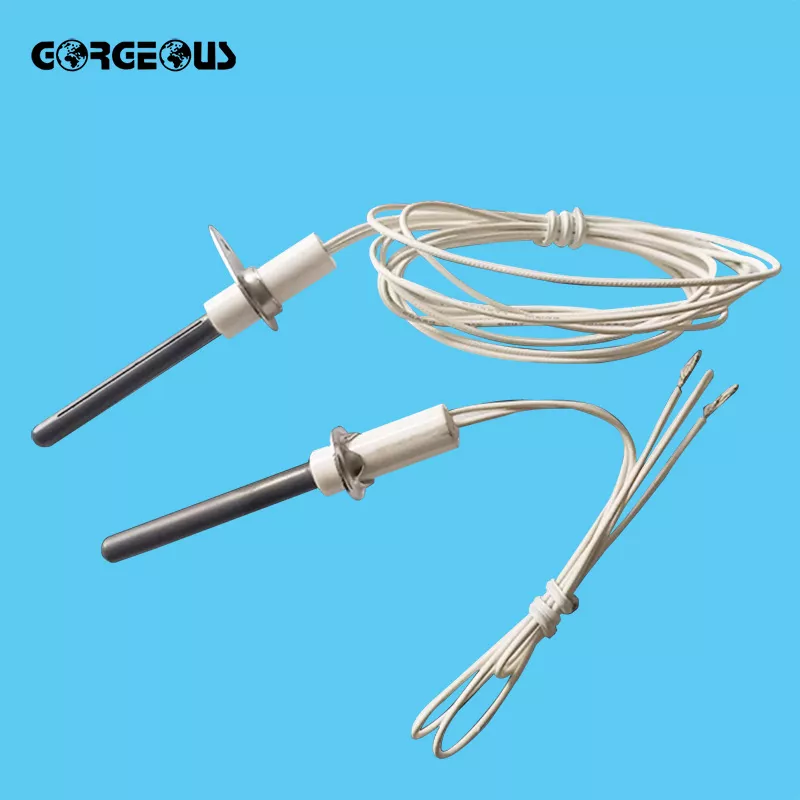
Specify thread form, location, engagement requirements, and any mating insert or assembly interface. Share the drawing detail so feasibility, tolerances, and the intended ceramic-to-metal connection can be reviewed for the individual part.

Precision Holes
Identify hole diameter, depth, pattern, datum relationship, and whether the feature supports alignment, flow, fastening, or an electrical interface. These details help define the dimensions and inspection points relevant to your assembly.
Functional Grooves
Document groove profile, edge condition, location, and mating purpose, such as sealing, retention, or routing. Porcecore can discuss these features in the context of the chosen material, component geometry, and current drawing revision.

Surface Finish
Call out the surfaces that mate, seal, slide, bond, or require a specified finish. Include the required finish value or reference standard when known, plus any visual acceptance criteria needed for project approval.

Part Markings
State whether identification marks, orientation references, batch information, or customer part numbers are needed. Confirm the marking location, content, legibility expectations, and whether it must remain visible after handling or assembly.
Protective Packaging
Describe packaging needs for fragile edges, finished surfaces, clean handling, lot separation, labeling, and transit protection. Packaging requirements should be confirmed with quantity, delivery terms, and any documentation required for receiving inspection.
About Porcecore: Technical Ceramics for Analytical Instruments
Porcecore is a B2B technical ceramics brand founded by Andy Yuan. We help industrial buyers, equipment builders, and engineering teams turn a material idea into a clearly defined component requirement for analytical instruments and other demanding applications.
For technical ceramics for analytical instruments, a material name alone is rarely enough. We begin with the part and its job: geometry, mating surfaces, operating environment, critical dimensions, and inspection expectations. This application-first approach gives quotation discussions a practical engineering basis.
Our collection covers familiar oxide, nitride, carbide, and specialty ceramic families in component forms such as tubes, rods, rings, and substrates. Porcecore makes sourcing clearer through drawing-led communication, helping teams identify the details that need project-specific confirmation before commitment.

Define Your Analytical-Instrument Ceramic Component
Review the Current Drawing
Start with the current drawing revision and the component’s intended role in the instrument. Porcecore helps organize the questions around material designation, geometry, quantity, and service conditions so a quotation discussion begins with a defined technical basis.
- Provide the latest drawing revision
- Note known material designations
- State expected quantity and application
- Identify open technical questions

Identify Critical Interfaces
A ceramic tube, ring, rod, or substrate must work with the parts around it. Identify mating surfaces, assembly-driving dimensions, and functional geometry early, helping technical ceramics for analytical instruments be considered as project-specific components rather than material names alone.
- Mark surfaces that mate with other parts
- Highlight dimensions that control assembly
- Describe relevant geometry and fit needs
- Distinguish essential requirements from preferences

Clarify Service Conditions
Operating conditions help frame the material and component conversation. Share the instrument environment, exposure concerns, thermal conditions, electrical role, and mechanical demands that matter to the part, while recognizing that suitability requires confirmation for the individual project.
- Describe the operating environment
- Note thermal and electrical considerations
- Identify chemical or mechanical exposure
- Flag conditions requiring review

Set Inspection Expectations
Acceptance criteria and documentation needs should be included before commitment. Define the dimensions, tolerances, inspection points, and records needed for approval, giving Porcecore a clearer basis to structure a project-specific inquiry and align the next sourcing decision.
- List critical dimensions and tolerances
- Specify required inspection points
- Identify documentation for approval
- Confirm requirements for the individual project

Why Choose Porcecore for Technical Ceramics for Analytical Instruments
Compare a drawing-led inquiry process with catalogue-first conversations when grade, geometry, interfaces, and acceptance requirements matter.
← Swipe left or right to view →
Analytical-Instrument Ceramic Component: Inquiry-to-Delivery Process
A structured path for aligning material, geometry, inspection, packing, and commercial details before an order is confirmed.
Review Part Requirements
Share the current drawing revision, component function, operating environment, quantity, mating surfaces, and dimensions that control assembly in your analytical instrument.
Discuss Material Options
Review suitable ceramic families against the stated requirements, while identifying grade-specific questions, geometry constraints, and open technical decisions for the proposed part.
Confirm Quotation Basis
Align the quotation discussion around material designation, tolerances, acceptance criteria, documentation needs, delivery expectations, and commercial terms before production commitment.
Coordinate Production Details
Confirm the agreed part definition and coordinate production details using the approved drawing, required features, inspection expectations, and project-specific communication points.
Align Packing And Shipping
Confirm packing approach, shipment terms, documentation, and delivery arrangements for the individual order so the receiving team has clear expectations before dispatch.
Work With Porcecore on Your Ceramic Component
Move from a defined component need to a project-specific quotation discussion with the details needed for informed sourcing decisions.
Send Your Current Drawing
Share the current drawing revision or replacement-part details, including critical dimensions, mating surfaces, quantities, and the dimensions that determine assembly.
Describe Service Conditions
Identify the material designation if known, operating environment, thermal, electrical, chemical, mechanical, or vacuum considerations, plus any functional concerns.
Define Acceptance Requirements
Clarify tolerances, inspection expectations, documentation needs, and approval criteria so the quotation discussion distinguishes essential requirements from project preferences.
Confirm Project Terms
Review the proposed basis for material grade, geometry, documentation, delivery, and commercial terms before moving from inquiry toward an agreed production order.
Documentation and Certification Requirements
Customer Feedback and Project Examples
Customer testimonials and project outcomes will be published only when approved and attributable.
Technical Ceramics for Analytical Instruments FAQ
Practical guidance for defining a ceramic component inquiry before quotation.
What should we include in an RFQ for technical ceramics for analytical instruments?
How do we select a material for technical ceramics for analytical instruments?
Can Porcecore quote technical ceramics for analytical instruments from an existing sample?
Which tolerances and surfaces should be called out on the drawing?
Can we request inspection records or material documentation?
How should quantity and future demand be communicated?
What application conditions affect ceramic component design?
How are packaging, delivery terms, and IP-sensitive drawings handled?
Complete Buyer’s Guide to Analytical-Instrument Ceramic Components
Use this decision framework to compare materials, configurations, quality controls, and supplier capabilities for analytical-instrument components while avoiding specification gaps, unsuitable material choices, and costly sourcing mistakes.
1. Technical Ceramics for Analytical Instruments Defined
Technical ceramics for analytical instruments support electrical insulation, vacuum-facing stability, chemical resistance, thermal control, precision location, and wear control. They are engineered parts—such as insulators, tubes, seals, rings, guides, or substrates—chosen alongside geometry, surface condition, and assembly interfaces.
A material family is not a complete specification. Vacuum service can make cleanliness, porosity, outgassing risk, and thermal cycling relevant, while fluid-contact or sample-path duties may prioritize compatibility with the actual chemicals and cleaning regime.
Buyers may compare ceramic with metal, polymer, or glass when electrical isolation, corrosion resistance, nonmagnetic behavior, heat, vacuum, stiffness, creep resistance, mechanical robustness, wear resistance, or dimensional control matter. The preferred material remains grade- and application-dependent.
2. Evolution of Analytical Ceramic Components
Alumina moved analytical hardware beyond conventional laboratory porcelain by offering a more controlled engineered composition for insulating supports, tubes, and wear-sensitive interfaces. Its relevance lies in repeatable powder preparation and firing, which made material and dimensional variation easier to manage across qualified designs.
Zirconia and glass-ceramics broadened the design options where toughness, machinability, thermal behavior, or electrical isolation changed the part requirement. Modern technical ceramics combine hardness, chemical stability, insulation, and tailored thermal conductivity where needed (https://ceramitec.com/en/munich/press/press-releases/detail/how-technical-ceramics-shape-world.html).
Metallization, precision grinding, and inspection transformed ceramic parts from generic labware into controlled interfaces for analytical instruments. Procurement teams should compare a legacy drawing, mating surfaces, prior qualification records, and acceptance criteria before treating a replacement as compatible; a material-family name alone does not establish equivalence.
3. Types of Technical Ceramics for Analytical Instruments
Six component groups help buyers turn an instrument function into a sourceable ceramic part. Each group faces a different mix of voltage, vacuum, chemistry, heat, abrasion, and dimensional-control demands.
Electrical Insulators
High-voltage insulators isolate electrodes, feedthroughs, and sensor assemblies. Specify voltage, leakage path, temperature, mating features, and critical tolerances.
Vacuum And Chamber Parts
Vacuum spacers, rings, and chamber fixtures must remain stable under pressure cycling and bakeout. Provide drawing revision, vacuum level, temperature profile, sealing surfaces, and cleanliness requirements.
Fluid-Path Components
Nozzles, valve seats, and pump elements contact solvents, reagents, or abrasive suspensions. Define wetted media, pressure, flow path, surface finish, dead-volume limits, and connection geometry.
Sample And Imaging Supports
Sample holders, X-ray supports, and wear guides position specimens or moving elements accurately. Identify load, motion cycles, alignment datums, exposure conditions, and allowable particle generation.
4. Materials for Technical Ceramics for Analytical Instruments
Material selection should begin with electrical duty, heat path, exposure chemistry, and geometry. Property values vary by grade, porosity, and finish; confirm them against the approved material specification.
| Material | Strength | Tradeoff | Instrument Condition |
|---|---|---|---|
| Alumina | Insulating; hard; moderate heat | Moderate shock | General fixtures and insulators |
| Zirconia | Tough; insulating | Lower conductivity | Impact-prone precision parts |
| Aluminum nitride | High conductivity; insulating | Moisture-sensitive handling | Heat-spreading electronics |
| Silicon nitride | Thermal shock; toughness | Higher cost | Thermally cycled parts |
| Silicon carbide | High conductivity; chemical wear | Electrically conductive grades | Hot abrasive environments |
| Machinable glass-ceramic | Easy machining; insulating | Lower strength | Prototype fixtures |
Decision Matrix
Alumina is the general insulating baseline; glass-ceramic is useful when post-fire machining dominates.
Grade Verification
Grade-specific conductivity, dielectric behavior, and chemical resistance require supplier confirmation before release.
Source Context
Technical ceramics combine hardness, chemical stability, and electrical or thermal functions in demanding equipment. https://ceramitec.com/en/munich/press/press-releases/detail/how-technical-ceramics-shape-world.html
5. Customization Options for Analytical Ceramic Parts
A current drawing revision turns customization into an engineering discussion. For technical ceramics for analytical instruments, define dimensions, datum surfaces, tolerances, media, temperature, and acceptance criteria before requesting a quotation.
Geometry And Internal Features
Holes, channels, thin walls, threads, and complex profiles must be tied to functional dimensions and inspection methods.
Green-state forming, sintering shrinkage, and post-fire machining can introduce tooling, yield, or lead-time risk; identify non-negotiable features early.
Functional Surface Treatments
Surface finish should specify the mating area, roughness target, and whether glazing serves sealing, cleanability, or electrical isolation.
Laser marking, metallization, and brazed interfaces require marking location, coating area, mating material, and service environment for qualification review.
Assembly Definition
Assembly drawings should identify ceramic-to-metal interfaces, retained parts, orientation, and test requirements.
Prototype quantities, documentation, and approval samples can add qualification work; confirm them with the requested delivery schedule.
6. Construction and Quality Control Essentials
For analytical components, quality begins with a controlled material grade and ends with evidence that the delivered part matches its drawing. Small defects can disturb sealing, alignment, cleanliness, or calibration.
Define Critical Features
A current drawing should identify datum surfaces, fit dimensions, flatness, roughness, edge breaks, and allowable chips. Specify which dimensions control assembly rather than applying unnecessary tight tolerances everywhere.
Control Material And Surfaces
Material purity, density, and open porosity should match the service environment and grade designation. Require clean handling and packaging where residues or particles could contaminate a sample path, optical area, or vacuum-facing assembly.
Plan Inspection Evidence
An inspection plan can define measurement methods, lot traceability, sampling criteria, and records required with shipment. For leak-sensitive parts, agree the test method, acceptance limit, test medium, and fixture before production.
Application-specific checks should reflect the failure risk: mating verification, visual crack inspection, dimensional reports, or functional leak testing. Confirm acceptance criteria before order release.
7. Choosing a Technical Ceramics Manufacturer
A qualified supplier evaluates the drawing, service environment, interfaces, and acceptance criteria before proposing a material. Prototype, production, and revision stages require more than the ability to make one conforming part.
Engineering And Material Review
One review should identify critical fits, datum surfaces, thermal exposure, electrical requirements, and chemical contact.
Two records matter: the requested grade designation and the documentation needed to verify it for the approved part.
- Drawing revision and critical dimensions
- Material designation and traceability
- Application-specific acceptance criteria
Process And Inspection Fit
One capable route connects forming, firing, machining, finishing, and inspection to the specified geometry.
Two questions expose risk: which tolerance is controlled after firing, and how are mating surfaces protected through handling and packaging?
- Forming method for part geometry
- Machining and surface-finish plan
- Inspection method for critical features
Program Control And Communication
One prototype plan should define quantity, review gates, records, and what production evidence will carry forward.
Three change controls deserve agreement: drawing revision, material substitution, and process change. A supplier supporting technical ceramics for analytical instruments communicates capacity, lead-time assumptions, and exceptions before release.
- Named revision-control process
- Prototype-to-production handoff
- Written deviation approval
8. Common Buyer Mistakes to Avoid
Recurring errors arise when ceramic parts are released without linking the drawing to assembly, service, and verification. Each can be prevented by asking an approval question before purchase.
Dimensions Without Function
A 20 mm diameter alone does not define a usable tube, ring, or substrate. Which mating surfaces, loads, media, and assembly dimensions control function?
Material Names Alone
Alumina or zirconia names do not establish grade-specific properties or process suitability. Which material designation and required service properties must the supplier confirm?
Interface And Surface Omissions
Two joined materials can expand differently, while finish and cleanliness affect sealing, wear, and contamination. What expansion match, surface finish, and cleanliness standard apply at each interface?
Unvalidated Release Criteria
One prototype can demonstrate fit without validating repeatability, tolerances, or incoming inspection. Which dimensions, sampling plan, documents, and acceptance method will approve every delivered lot?
9. Launching an Analytical Ceramic Component Program
A seven-stage launch converts an instrument need into a controlled ceramic part program. For technical ceramics for analytical instruments, freeze interfaces and acceptance criteria before requesting prototypes.
Define Requirements And Shortlist
Stage 1: engineering records media, temperature, voltage, loads, sealing interfaces, and critical dimensions. Procurement provides forecast quantities and required delivery windows.
Stage 2: shortlist materials against the service environment, then identify grade-specific questions. Assembly reviews handling, mating parts, and installation risks.
Review Drawings And Prototypes
Stage 3: review the current drawing revision, datums, tolerances, surface requirements, and inspection method with the supplier. Quality identifies documentation and measurement records needed.
Stage 4: build prototypes, test them in representative fixtures, and log every deviation. Engineering approves design refinements before tooling or volume release.
Approve And Manage Production
Stage 5: approve a first article against the agreed drawing and acceptance plan. Stage 6 releases production only after quality, engineering, procurement, and assembly sign off.
Stage 7: track delivery, nonconformances, revision changes, and incoming results in recurring supplier reviews. Porcecore can begin a quotation discussion from the drawing, conditions, quantity, and acceptance criteria.
10. Technical Ceramics for Analytical Instruments Pricing
A comparable quote begins with the same drawing revision, material grade, quantity, delivery term, and acceptance criteria. Grade selection, complex geometry, tight tolerances, long machining cycles, fine surface finish, tooling, inspection, and secondary operations can each change cost.
Consider freight, yield risk, and approval documentation alongside unit price, as the lowest unit price can raise total program cost. For technical ceramics for analytical instruments, request separate one-time tooling, recurring part price, inspection scope, packaging, and lead-time assumptions.
| Illustrative quantity tier | Primary cost driver | Lead-time direction |
|---|---|---|
| 1–10 pieces | Setup, tooling, programming | Usually longest per part |
| 11–100 pieces | Machining and inspection | Moderates with repeatability |
| 100+ pieces | Material yield and cycle time | Improves when processes stabilize |
Discuss Technical Ceramics for Analytical Instruments Requirements
Email your drawing, service conditions, quantities, and acceptance criteria to begin a focused quotation conversation with Porcecore.