
Technical Ceramics for Automotive Systems — Clarify the Part, Then Source with Confidence
Porcecore connects technical ceramics for automotive systems with drawings, project requirements and clearer quotation decisions.
Featured Automotive Ceramic Components


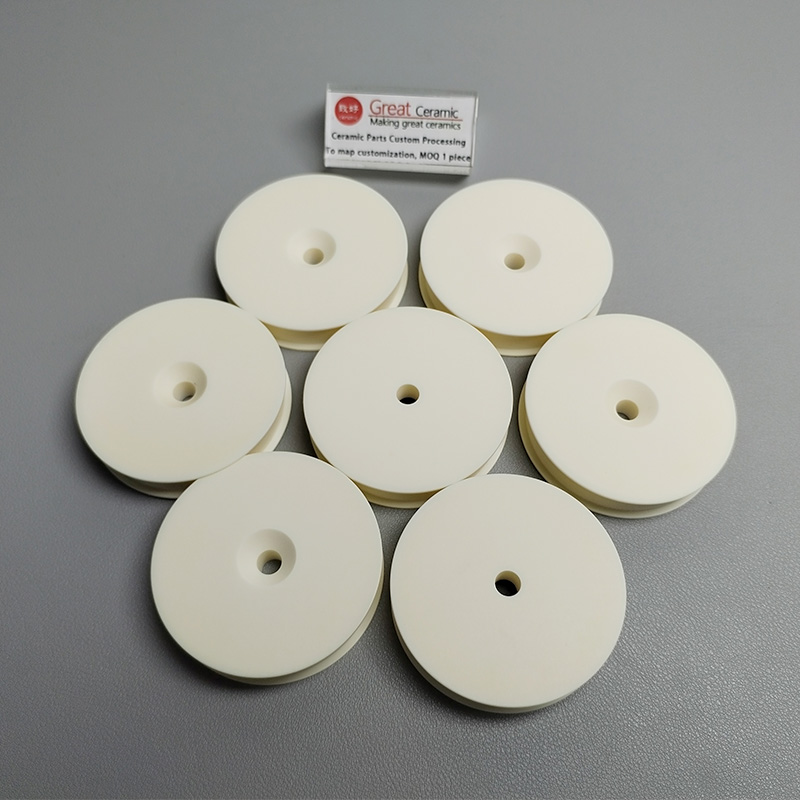


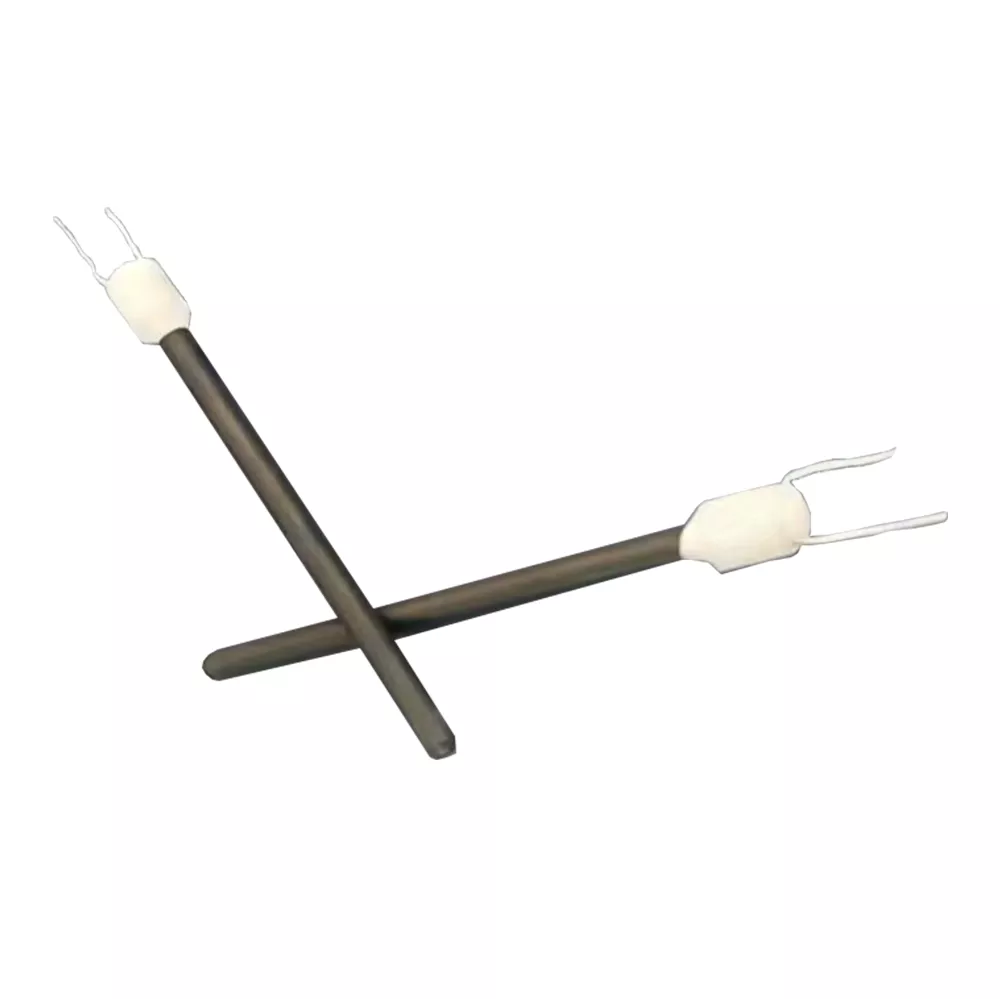
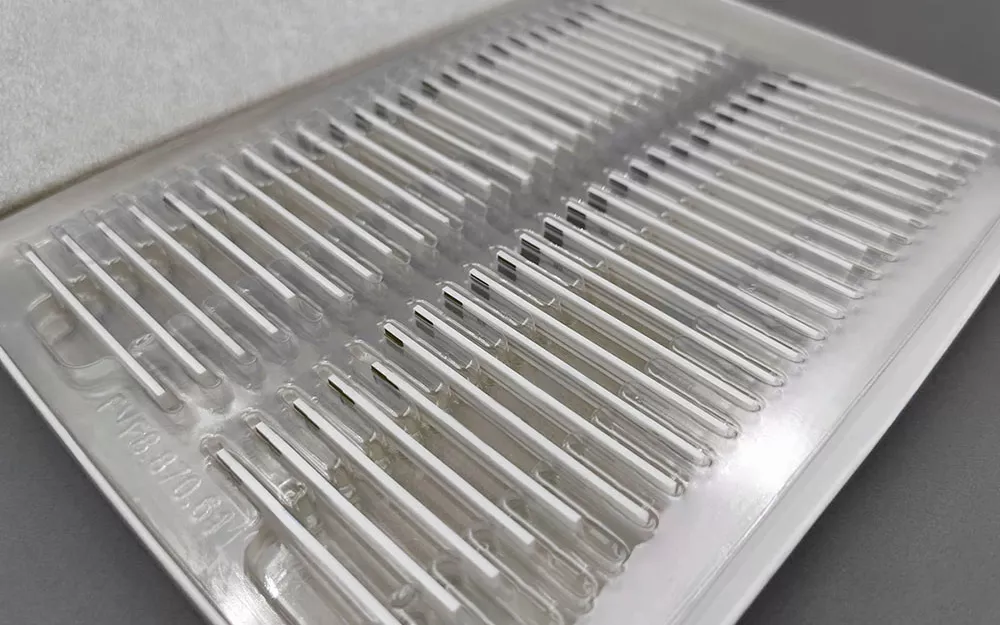
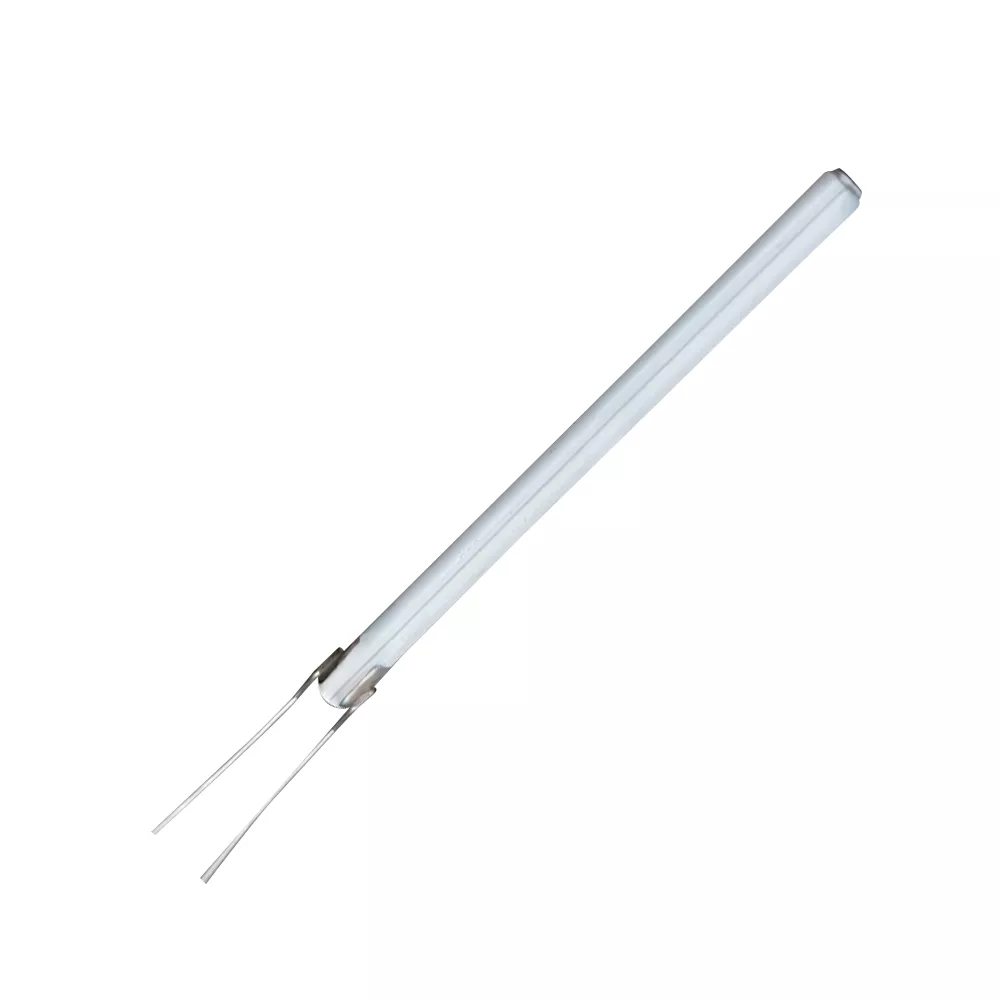

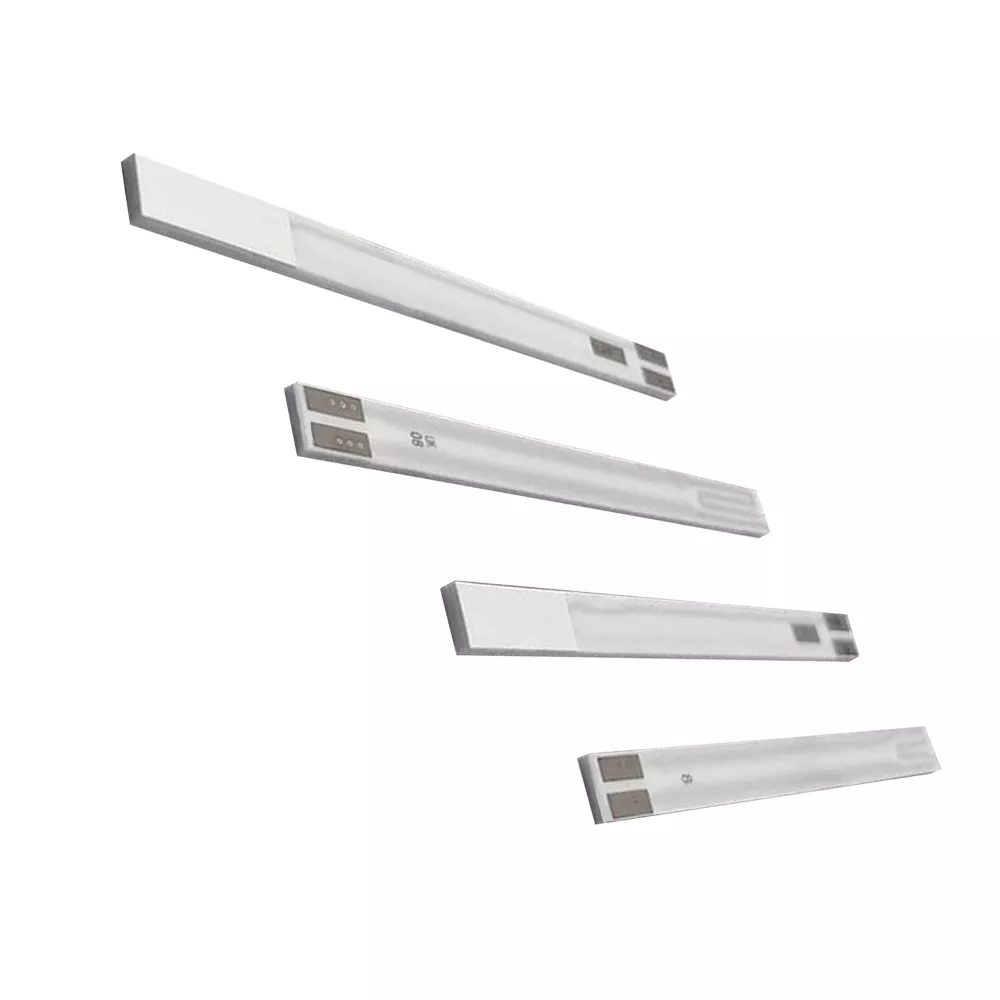

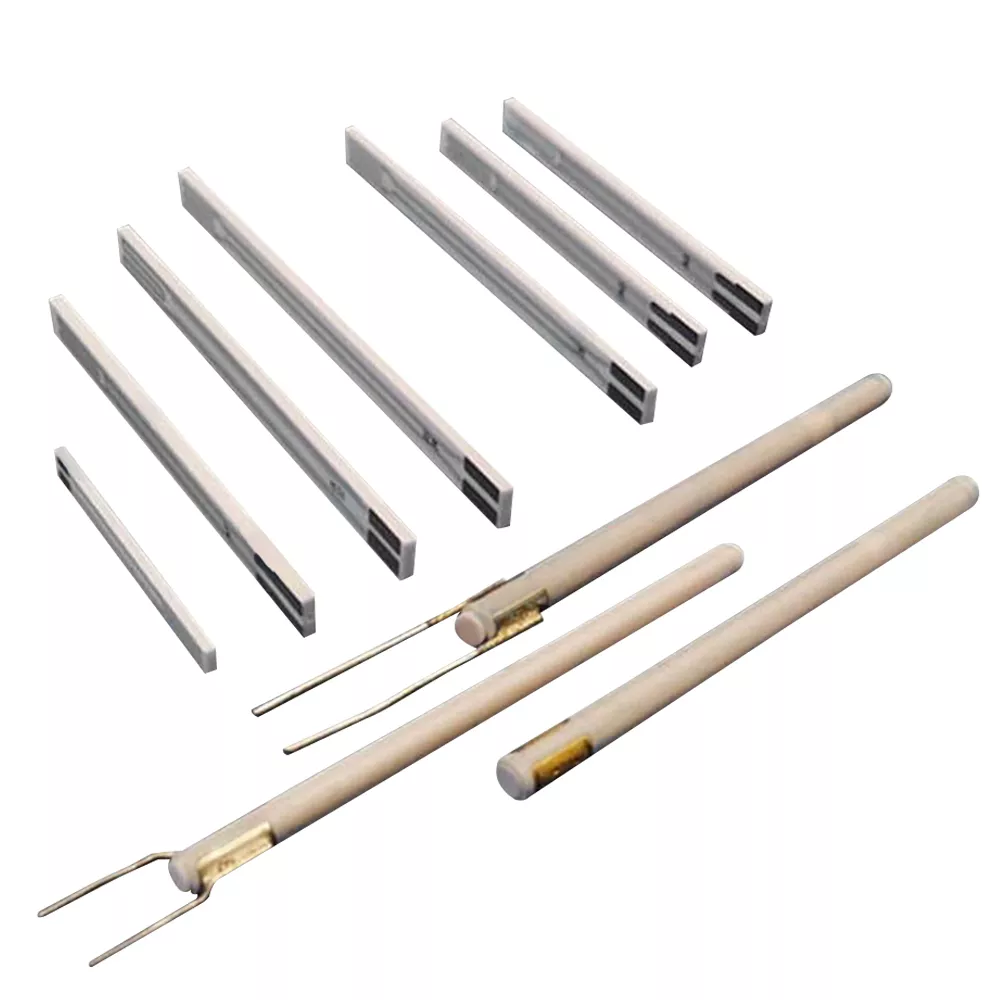
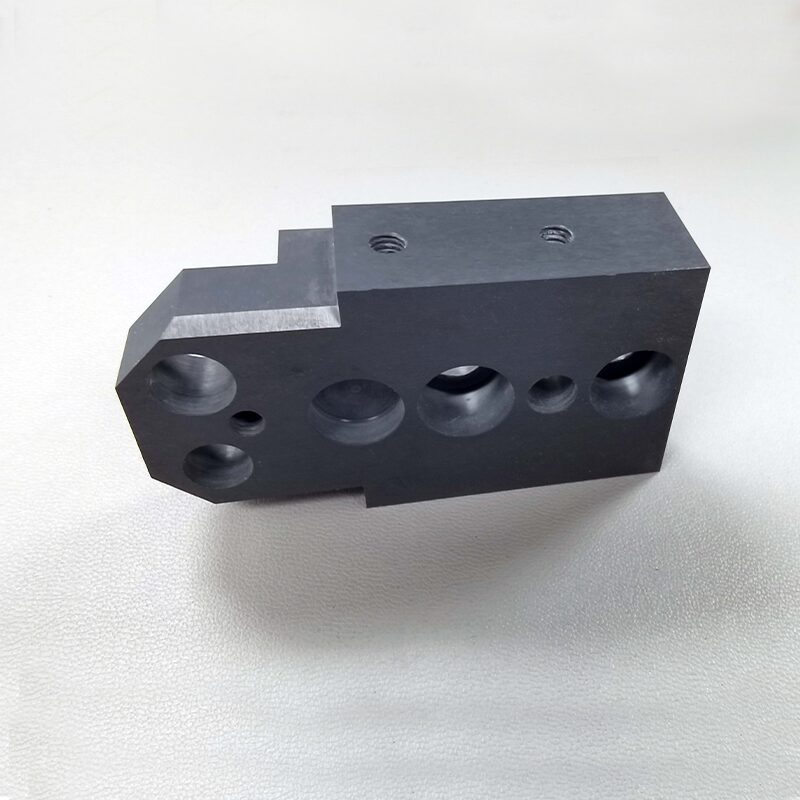
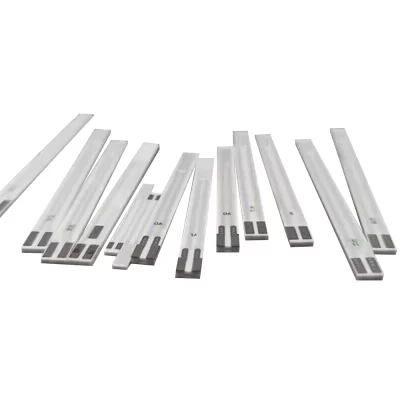
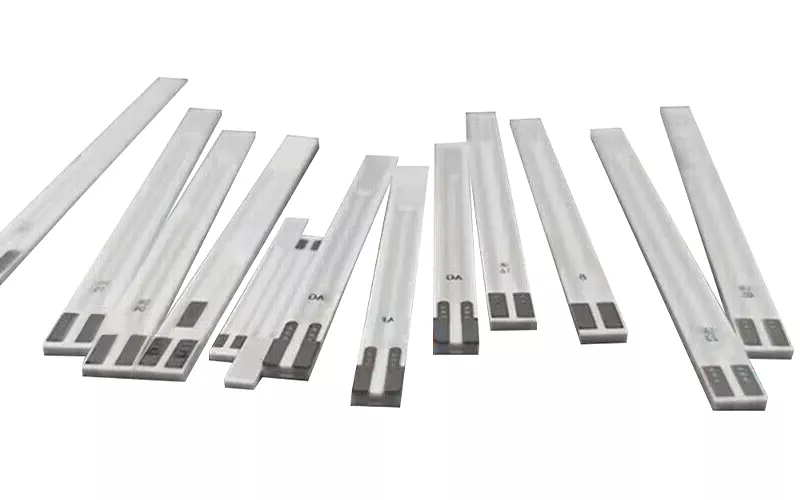
Related Automotive Ceramic Components for Quotation


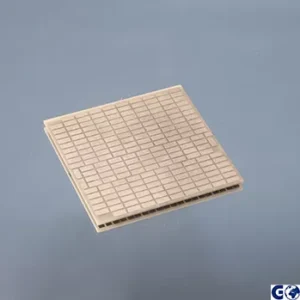

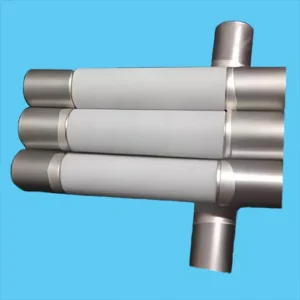
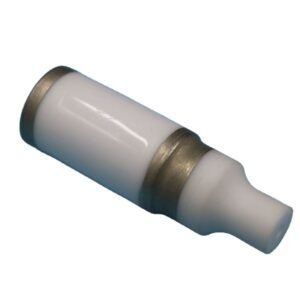


Why Buyers Specify Technical Ceramics for Automotive Systems
Evaluate the part requirement clearly—from material and geometry to process, mating surfaces and inspection evidence—before requesting a project-specific quotation.
Drawing and Revision Control
Share the current drawing revision so dimensions, notes, interfaces and open changes remain aligned throughout the quotation discussion.
Material Grade Fit
Identify the required ceramic family and grade when known, then review suitability against electrical, thermal, mechanical and chemical service conditions.
Geometry for Assembly
Define tubes, rods, rings, substrates or other forms with dimensions that determine fit, clearance, orientation and integration into the automotive system.
Process Route Alignment
Discuss the proposed forming, machining and finishing route alongside geometry, tolerances and quantity so manufacturability questions surface early.
Functional Mating Surfaces
Call out sealing, sliding, contacting, mounting or electrically active surfaces where finish, fit and interaction with neighboring parts affect the requirement.
Inspection Evidence Defined
Specify critical dimensions, acceptance criteria and required documentation in advance, creating a clearer basis for technical review and quotation approval.
Automotive Ceramic Components and Applications
Explore materials, component forms, manufacturing considerations and technical resources for automotive projects defined by drawing, service conditions and acceptance criteria.

Ceramic Manufacturing Capabilities
Review ceramic manufacturing capabilities in relation to automotive component geometry, tolerances, mating surfaces and inspection needs. Use a current drawing and project quantity to frame a quotation discussion, while confirming process scope, material grade, documentation and delivery requirements for each individual part.
Discuss Your Ceramic Part
Ceramic Solutions by Industry
Evaluate advanced ceramics applications across automotive systems by starting with the component’s function, operating environment and assembly requirements. Porcecore can help organize an inquiry around heat, wear, electrical or chemical considerations without assuming a standard solution or undocumented performance guarantee.
Discuss Your Ceramic Part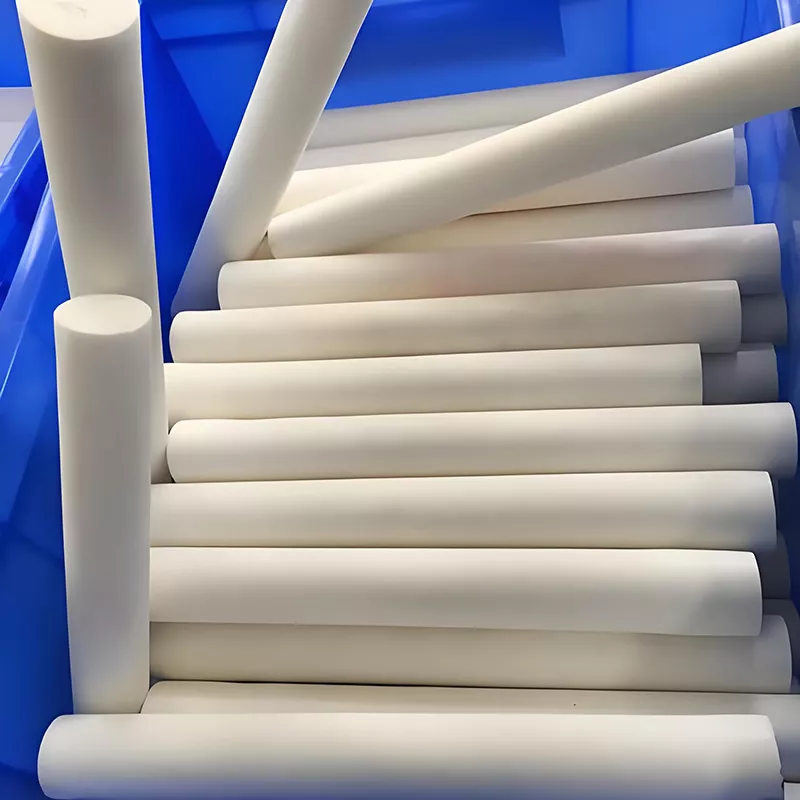
Advanced Ceramic Materials
Compare advanced ceramic materials including oxide, nitride, carbide and specialty families according to the project requirement. Material selection should be connected to geometry, service conditions, grade designation and acceptance criteria, since general material properties do not establish a contractual specification.
Discuss Your Ceramic Part
Technical Ceramic Products
Explore technical ceramic products by familiar component forms such as tubes, rods, rings and substrates. Product illustrations provide a starting point for discussion; final dimensions, tolerances, surfaces, material grade, quantity and inspection documentation require confirmation against the automotive application.
Discuss Your Ceramic Part
Technical Ceramic Resources
Use a technical ceramics guide to clarify material terminology, component requirements and quotation inputs before contacting a supplier. A drawing revision, known material designation, quantity, operating conditions and acceptance criteria give engineering and procurement teams a more concrete basis for review.
Discuss Your Ceramic PartAutomotive Technical Ceramic Processes

Alumina Ceramics
Alumina is a widely specified oxide ceramic for electrical insulation, sensor parts, substrates and protective components. Its hardness, thermal stability and established availability make it a practical starting point for drawing-led automotive inquiries.

Zirconia Ceramics
Zirconia suits automotive components requiring high strength, toughness or wear resistance, including selected seals, plungers and precision mechanical parts. The appropriate stabilized grade, geometry and surface requirements depend on the operating environment and assembly.

Silicon Nitride
Silicon nitride is considered for high-speed, high-wear or thermally demanding components such as bearing elements and selected mechanical parts. Material grade, dimensional control, mating surfaces and inspection expectations should be confirmed against the application.

Silicon Carbide
Silicon carbide offers a route for components exposed to high temperature, wear or corrosive conditions, including selected fixtures and mechanical elements. Porcecore evaluates the required grade, shape, finish and service conditions before quotation.

Specialty Ceramics
Specialty ceramic families may support substrates, insulation parts, thermal-management elements and other automotive requirements where standard material choices are insufficient. Availability depends on the specified composition, manufacturing process, dimensions, documentation and acceptance criteria.
Automotive Ceramic Component Integration

Ceramic Forming
Forming establishes the initial geometry for tubes, rods, rings, substrates and other ceramic parts. The suitable route depends on material family, dimensions, wall thickness, feature complexity, quantity and required dimensional control.

Precision Machining
Machining refines critical dimensions, bores, faces and mating surfaces after ceramic processing. Porcecore can review the drawing revision, tolerances and assembly interfaces to determine which finishing requirements belong in the quotation.

Surface Finishing
Surface finishing addresses specified roughness, edge conditions and functional contact areas. Requirements are assessed alongside sealing, sliding, insulation or positioning needs so preferences remain distinct from confirmed acceptance criteria.

Metallization Options
Metallization may support electrical connection, brazing or integration with another assembly when the application requires it. The proposed finish, coverage, interface and inspection expectations must be confirmed for the individual design.

Inspection Documentation
Inspection planning connects measurable features with the buyer’s acceptance requirements. Drawing dimensions, tolerances, material designation, test expectations and documentation needs are reviewed before quotation so the deliverable is clearly defined.
About Porcecore: Application-First Ceramic Sourcing

Metallized Interfaces
Where a ceramic part must connect electrically or thermally with another assembly, metallization or a specified conductive interface may be considered. Confirm pattern, thickness, bonding method, operating environment and acceptance criteria on the drawing.

Mounting Features
Mounting holes, slots, shoulders, grooves or locating features can be incorporated when assembly depends on controlled positioning. Define mating parts, datum references, tolerances, edge conditions and installation loads before quotation.

Sealing Interfaces
For seals, insulators and barrier components, the interface geometry matters as much as the ceramic material. Share contact surfaces, compression expectations, temperature, pressure, media exposure and leakage requirements for project-specific review.

Electrical Connections
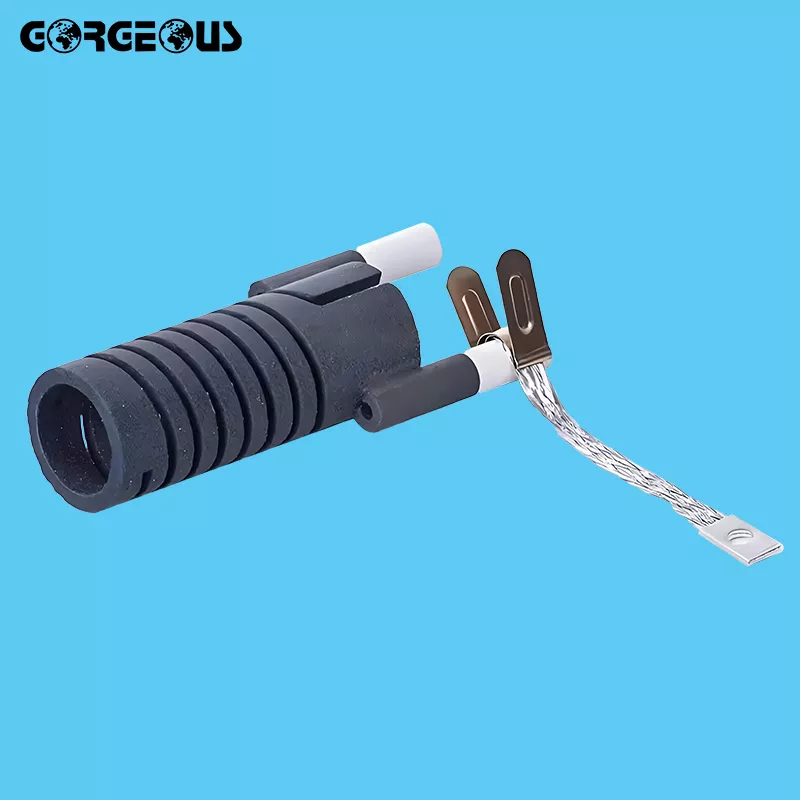
Terminals, leads, electrodes or connector interfaces may support ceramic substrates, insulators and sensor-related parts. Identify voltage, current, clearance, creepage, attachment method and verification documentation instead of assuming a standard configuration.
Inspection Documentation
Automotive sourcing may require dimensional reports, material information, inspection records or traceability documents. State the approval package, critical characteristics, sampling expectations and current drawing revision so documentation can be discussed with the part.
About Porcecore: Technical Ceramics for Automotive Systems
Founded by Andy Yuan, Porcecore helps industrial buyers, equipment builders and project teams connect ceramic material choices with the part requirements behind them. Our scope spans oxide, nitride, carbide and specialty ceramics for automotive-related applications, where geometry, mating surfaces, operating conditions and inspection expectations all belong in the same conversation.
Our application-first approach keeps sourcing practical and drawing-led. Share the current drawing revision, known material designation, quantity, service conditions and acceptance criteria, and we can identify the open questions that shape a meaningful quotation discussion. For technical ceramics for automotive systems, Porcecore brings the focus back to the component, its job and the next decision.

Core Capabilities for Automotive Ceramic Sourcing
Define the Part Requirement
Porcecore starts with the component’s job, not a material label alone. Share the current drawing revision, service conditions, quantity and intended use so the quotation discussion can distinguish essential performance needs from preferences and open technical questions.
- Drawing-led quotation discussions
- Operating temperature, load and environment review
- Quantity and project-stage context
- Clear separation of requirements and preferences

Select the Material Family
Oxide, nitride, carbide and specialty ceramics may suit different automotive requirements. Porcecore helps buyers organize the conversation around relevant material families while keeping grade, size, processing route and availability subject to confirmation for the individual project.
- Alumina and zirconia considerations
- Silicon carbide and silicon nitride options
- Aluminum nitride and boron nitride context
- Project-specific grade confirmation

Review Geometry and Interfaces
A ceramic tube, rod, ring or substrate must work with the parts around it. Review mating surfaces, critical dimensions, assembly features and geometry constraints together to identify what affects manufacturability, fit and reliable integration into the intended automotive system.
- Mating-surface identification
- Critical dimensions and tolerances
- Assembly and interface review
- Replacement-part comparison when applicable
Align Acceptance Criteria
A useful sourcing decision includes more than material and price. Confirm inspection expectations, documentation needs, delivery requirements and commercial terms alongside the technical specification, so both sides understand what must be verified before production approval.
- Grade-specific requirements
- Inspection and acceptance criteria
- Required documentation for approval
- Delivery and commercial-term confirmation

Porcecore’s Drawing-Led Sourcing Approach
Compare a drawing-led, requirement-focused approach with catalogue-led sourcing for project-specific automotive ceramic components.
← Swipe left or right to view →
Our Workflow for Technical Ceramics for Automotive Systems
Move from a defined requirement to a confirmed quotation and shipment with clear technical, quality and commercial decisions at each stage.
Define the Requirement
Share the current drawing revision, component form, quantity, service conditions, mating surfaces and acceptance criteria so the inquiry starts with a defined requirement.
Review Material Options
Review alumina, zirconia, silicon carbide, silicon nitride, aluminum nitride, boron nitride and specialty options against temperature, wear, insulation and geometry needs.
Build the Quotation
Porcecore prepares a drawing-led quotation with project-specific grade, geometry, quantity, tolerances, documentation expectations and open questions clearly identified for review.
Confirm Technical Details
Confirm the selected material, critical dimensions, mating surfaces, inspection approach, acceptance requirements, delivery assumptions and commercial details before production commitment.
Prepare and Ship
Finalize quality records, packing instructions and shipping terms, then coordinate dispatch details so the approved automotive ceramic component arrives aligned with the project plan.
Project-Specific Quality Documentation
Move from a component need to a clearer quotation discussion through drawing-led requirements and project-specific decisions.
Share the Part Requirement
Send a current drawing or application brief with geometry, mating surfaces, service conditions, quantity, and any known material or documentation requirements.
Confirm Project Requirements
Review the candidate grade, geometry, tolerances, inspection expectations, acceptance criteria, and open questions so the quotation reflects the part’s intended automotive system role.
Evaluate the Quotation
Assess scope, assumptions, commercial terms, delivery expectations, and documentation against your internal approval process before selecting the next project decision.
Define the Next Decision
Confirm whether to proceed, revise the requirement, request clarification, or pause the project, keeping the agreed drawing revision and acceptance basis visible.
Customer Evidence and Project Examples
Technical Ceramics for Automotive Systems: Verified Customer Feedback
No approved customer quote or project outcome is available for publication yet. Porcecore can review a drawing, material designation, quantity, service conditions and acceptance criteria before discussing a suitable automotive ceramic component.
Customer feedback and supporting project numbers are being gathered. Buyers can begin with the current part drawing, mating-surface details, operating environment and documentation requirements to create a clear basis for quotation.
No verified automotive case study has been approved for release. For a project-specific assessment, email the drawing or component details to Porcecore and include the grade, geometry, quantity and inspection expectations.
FAQ for Technical Ceramics for Automotive Systems
Practical answers for selecting materials, defining requirements and preparing a project-ready ceramic component inquiry.
How do I select technical ceramics for automotive systems?
What should I include in a drawing-led quotation request?
Can Porcecore recommend technical ceramics for automotive systems when the grade is undecided?
How are tolerances and functional surfaces handled for automotive ceramic parts?
What quantity information is needed for a ceramic component quotation?
What inspection evidence can I request for technical ceramics for automotive systems?
How should ceramic parts be packaged and shipped for an automotive project?
How can I discuss sampling, lead time, commercial terms and IP protection?
The Complete Buyer’s Guide to technical ceramics for automotive systems
Email a drawing or describe the component, operating environment, quantity and acceptance criteria. You can also message WhatsApp at +86 130 6482 5920 to begin a focused sourcing discussion.
1. What Are technical ceramics for automotive systems?
6 application areas—thermal management, electrical insulation, sensing, sealing, wear control, and high-temperature service—define technical ceramics for automotive systems as engineered parts, not commodity ceramic products. Substrates, membranes, bearings, seals, and sensor elements are specified around geometry, interfaces, loads, temperature, chemistry, and inspection requirements. com/en/markets/automotive)
4 common material families—alumina, zirconia, silicon carbide, and silicon nitride—are considered when metal, polymer, or glass cannot provide the required combination of heat resistance, insulation, dimensional stability, chemical resistance, or wear life. The justification is application-specific: a ceramic solution must improve the part’s duty performance, not merely substitute materials. com/en-gb/markets/automotive)
1 trade-off governs the first review: ceramics are hard and stable but comparatively brittle, so buyers must assess impact, tensile loading, thermal shock, mating surfaces, tolerances, finishing, manufacturability, and documentation before committing.
2. Evolution of Automotive Technical Ceramics
600–1000°C exhaust and engine environments established the first procurement case for technical ceramics: wear-resistant plungers, bushings, seals, flaps, feedthroughs, and other components exposed to heat, pressure, friction, or corrosive gases. com/en-gb/markets/automotive). Two pressures broadened adoption: tighter emissions targets increased demand for durable exhaust-system and catalyst-manufacturing components, while higher vehicle complexity expanded ceramic use into pressure sensors, oxygen sensors, and piezoelectric parking systems. com/ceramics/industries/ceramic-materials-automotive). Four newer priorities now shape sourcing: sensor reliability, inverter insulation, heat removal, and electrified drivetrain durability. com/en/markets/automotive).
3. Types of technical ceramics for automotive systems
Six application groups cover the main automotive use cases: sensing, electrical isolation, heat removal, friction control, and high-temperature service.
Sensor And Piezoceramic Parts
Piezoceramic discs and membranes support parking, pressure, flow, and level sensing. Their limitation is application-specific sensitivity; specify frequency, geometry, electrodes, and signal requirements.
Electrical Substrates And Insulators
Alumina or aluminum-nitride substrates serve inverter and high-voltage assemblies, combining insulation with heat transfer. Specify dielectric strength, thermal conductivity, metallization, flatness, and creepage distance.
Thermal-Management Components
Heat sinks, pump parts, and sealing discs face coolant, temperature cycling, and corrosion. Ceramics resist wear and chemicals, but brittle edges require controlled mounting; specify coolant, load, interfaces, and leakage criteria.
Seals And Wear Parts
Pistons, bushings, valves, and mechanical seals operate under pressure, friction, and contaminated fluids. Specify counterface material, running speed, pressure, temperature, surface finish, and allowable leakage.
Bearings And High-Temperature Parts
Silicon-nitride bearings and exhaust components target high speed, heat, vibration, or aggressive gases. Their limitation is sensitivity to impact and poor design transitions; specify rpm, thermal range, gas chemistry, balance, and tolerances.
4. Materials for technical ceramics for automotive systems
Material choice for technical ceramics for automotive systems follows the duty cycle, not the material name alone.
| Material | Primary advantages | Main constraints / fit |
|---|---|---|
| Alumina | Insulation; wear; corrosion; moderate temperature | Brittle; moderate thermal conductivity; sensor/substrate parts |
| Zirconia | High strength; toughness; wear | Dense; lower thermal conductivity; seals, plungers |
| Silicon nitride | Toughness; low density; wear; thermal shock | Grade-dependent machining; bearings, rotating parts |
| Silicon carbide | High thermal conductivity; extreme temperature; corrosion | Brittle; difficult finishing; harsh thermal/mechanical duty |
| Aluminum nitride | High thermal conductivity; electrical insulation | Moisture/process sensitivity; power substrates |
| Glass-ceramic / composite | Tailored thermal shock, stiffness, or expansion | Application-specific validation; less universal data |
Core Material Tradeoffs
Alumina insulates well and machines predictably after firing; zirconia offers higher toughness and strength but greater density. Silicon nitride combines toughness, low density, and wear resistance for rotating or sliding parts. Silicon carbide suits extreme temperature, corrosion, and wear; aluminum nitride prioritizes thermal conductivity with electrical insulation.
Selection Matrix
Typical tendencies guide screening; grade-specific data and geometry remain decisive.
Validate The Part
Final performance depends on grade, porosity, geometry, joining, surface finish, and processing route. Machinability is usually best before final firing or through diamond finishing, while thermal shock and stress concentration require application testing.
5. Customization and finishing options
A ceramic component is customized around its mating geometry, service conditions, and inspection plan—not a material name alone.
Geometry And Tolerances
A tube, ring, rod, or substrate should show datums, critical dimensions, flatness, concentricity, holes, grooves, and mating surfaces. Tolerances belong only where assembly or function requires them; tighter tolerances generally increase machining, inspection, and scrap cost. A groove may retain a seal, while a polished bore can reduce wear or contamination.
Finishes And Joining
Metallization enables electrical connection or brazing, while coatings, glazing, and lapping can modify insulation, sealing, wear, corrosion resistance, or thermal transfer. Each finish needs a defined area, thickness or roughness target, compatibility requirement, and acceptance method. Joining may use brazing, adhesive bonding, mechanical retention, or an approved assembly method.
From Requirement To Drawing
A functional requirement such as ‘insulate a high-voltage conductor’ should become a drawing with voltage, temperature, creepage, clearance, geometry, material designation, metallized zones, and test criteria. A sealing requirement should identify compression, media, pressure, leakage limit, and surface finish. Include quantity, revision, service conditions, inspection points, packaging cleanliness, and documentation needs.
6. Key construction and quality elements
A field-reliable ceramic part depends on grade, geometry, surfaces, and service conditions.
Material And Design Fit
Alumina, zirconia, silicon nitride, and other families differ in strength, thermal-shock behavior, porosity, and dielectric performance; confirm grade-specific values and limits. Before production, review wall thickness, radii, mating surfaces, tolerances, shrinkage, and manufacturability.
Production Quality Controls
Each lot should be checked for dimensions, surface condition, strength criteria, contamination, and visual defects against an approved control plan. Porosity and finish matter for sealing or insulation.
Traceability And Release
Lot traceability should connect raw material, processing route, inspection results, and revision-controlled drawings. Request a certificate of conformity, dimensional report, test data, and change-notification terms.
7. How to choose a technical ceramics manufacturer
Three supplier checks matter first: can the manufacturer translate the drawing into a controlled process, support the required ceramic family and geometry, and sustain repeatable production?
Engineering And Process Fit
1 RFQ should state the drawing revision, material or grade, quantity, service conditions, mating surfaces, tolerances and acceptance criteria.
- What process limits affect geometry or shrinkage?
- Which dimensions receive inspection and capability review?
- Can prototype data transfer into serial production?
Quality, Capacity, And Logistics
ISO 9001 certification, inspection records, change-control procedures and material traceability should be verified for the individual program, not assumed from a website claim.
Compare The Full Quote
Three technically equivalent quotes may differ in tooling ownership, inspection scope, documentation, freight, payment terms and approved-change controls. Normalize these elements before comparing unit price.
| Compare | Verify | Why It Matters |
|---|---|---|
| Engineering | Grade, tolerances, process route | Confirms functional equivalence |
| Quality | Inspection, traceability, change control | Controls approval risk |
| Commercial | Tooling, logistics, lead time | Reveals total landed cost |
8. Common mistakes buyers make
Eight recurring sourcing mistakes can turn a suitable ceramic concept into an unreliable production part.
Specify The Complete Duty Cycle
1. Material names alone do not define performance; state temperature range, ramp rates, dwell time, pressure, vibration and load cycles. Include thermal expansion limits and identify dissimilar materials. 2. Define the joining method early.
- State peak, minimum and cycling conditions.
- Identify mating materials and joining constraints.
- Separate grade requirements from preferences.
Control Geometry And Validation
3. Ceramic shrinkage and machining variation can affect assembly. Put critical dimensions, tolerances, datums, surface finish and inspection methods on the drawing, then confirm the sintered-state basis. 4. Do not skip prototype validation or judge function by appearance.
- Mark fit-critical surfaces and dimensions.
- Validate prototypes in representative conditions.
- Define cosmetic versus functional defects.
Compare Supply Risk, Not Price
5. Incomplete quotes hide cost and risk. Compare material grade, process route, tooling, inspection, documentation, packaging, lead time, minimum quantity and commercial terms on one matrix. 6. Plan continuity before approval.
- Normalize every quote to the same requirements.
- Require revision-controlled documentation.
- Agree change-control and continuity rules.
9. Steps to launch an automotive ceramic component program
Eight checkpoints keep an automotive ceramic program evidence-led, from the application boundary to serial monitoring.
Define The Requirement
1. The application owner records loads, temperature, media, duty cycle, mating surfaces, failure history, quantity, and acceptance criteria. Engineering leads an FMEA before choosing a ceramic family. 2.
Release And Source
3. Materials engineering makes a preliminary selection; design engineering releases tolerances, surface finishes, interfaces, and revision control. The decision gate is a drawing that distinguishes critical from preferred features. 4. Procurement shortlists suppliers against process fit, documentation, capacity, and communication.
Validate And Monitor
5. Quality approves the inspection plan, gauges, sampling, and traceability before functional testing against agreed loads and environments. Results must link to serial numbers and drawing revision. 6.
10. Pricing and cost of technical ceramics for automotive systems
12 cost elements should be separated before comparing quotations: material grade, part volume, geometry, tooling, forming route, machining, metallization, inspection, testing, packaging, qualification, and logistics. A low unit price can conceal higher nonrecurring tooling, finishing, validation, or freight costs. 2 inputs establish a usable quote: the current project drawing and defined requirements.
| Quantity Tier | Indicative Cost Structure | Lead-Time Category |
|---|---|---|
| Prototype or low volume | Higher tooling and setup allocation; machining, inspection, and qualification may dominate | Engineering and qualification lead time |
| Small series | Tooling amortized across parts; forming, finishing, testing, and packaging remain significant | Production planning lead time |
| Medium series | Lower unit conversion cost; grade, geometry, metallization, and inspection still govern | Scheduled production lead time |
| High volume | Lowest potential unit cost after process approval; logistics, traceability, and quality controls remain | Capacity and replenishment lead time |
Discuss Your Technical Ceramics for Automotive Systems Requirement
Email a drawing or describe the component, operating environment, quantity and acceptance criteria to begin a focused sourcing discussion.