
Technical Ceramic Components for Nuclear-Energy Projects, Specified Around Your Part
Send your drawing, material designation, geometry and acceptance requirements for a project-specific quotation discussion.
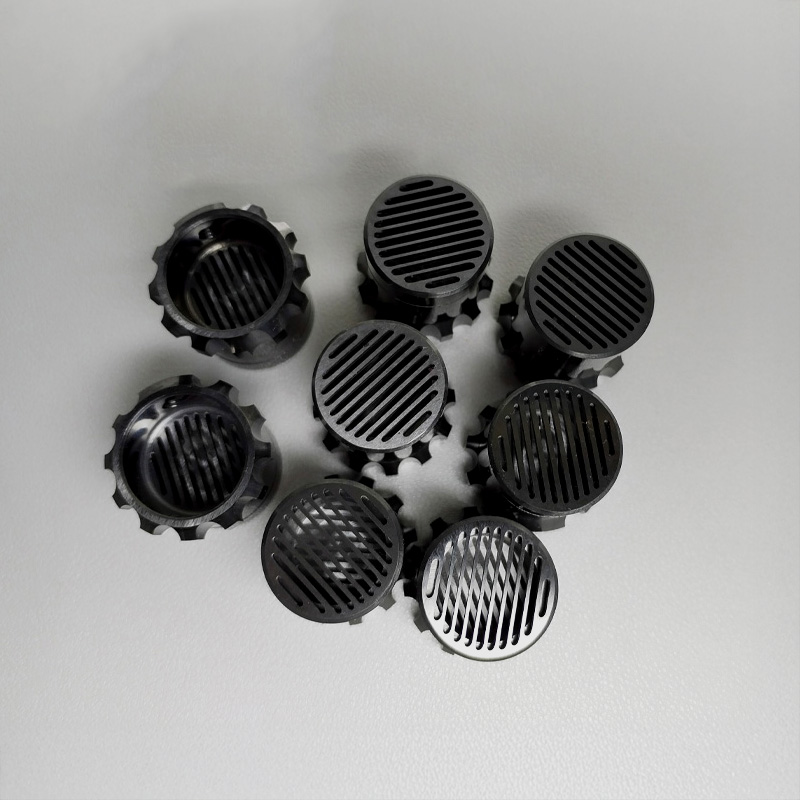
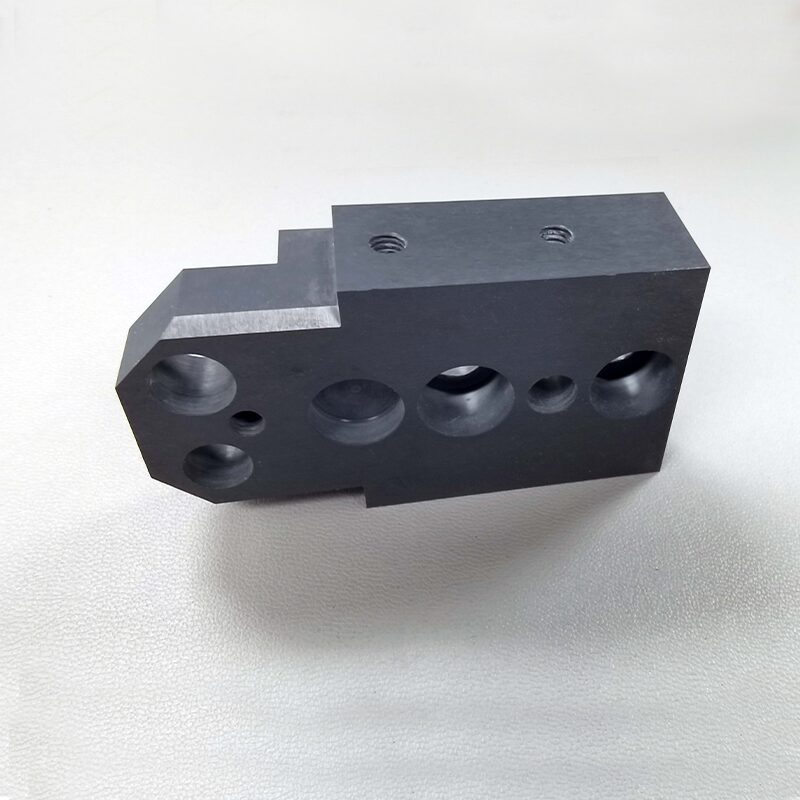
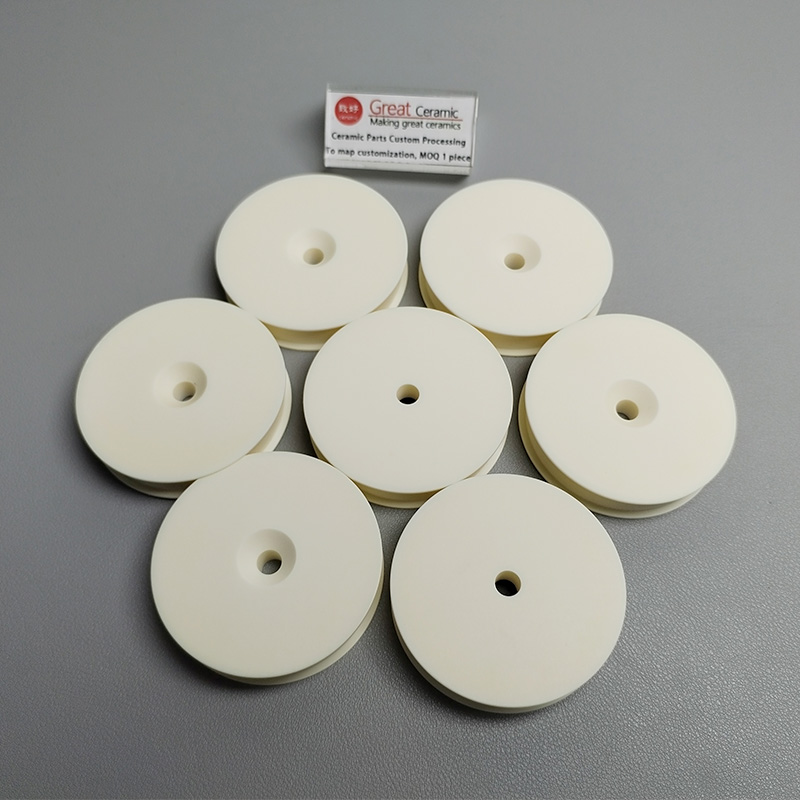
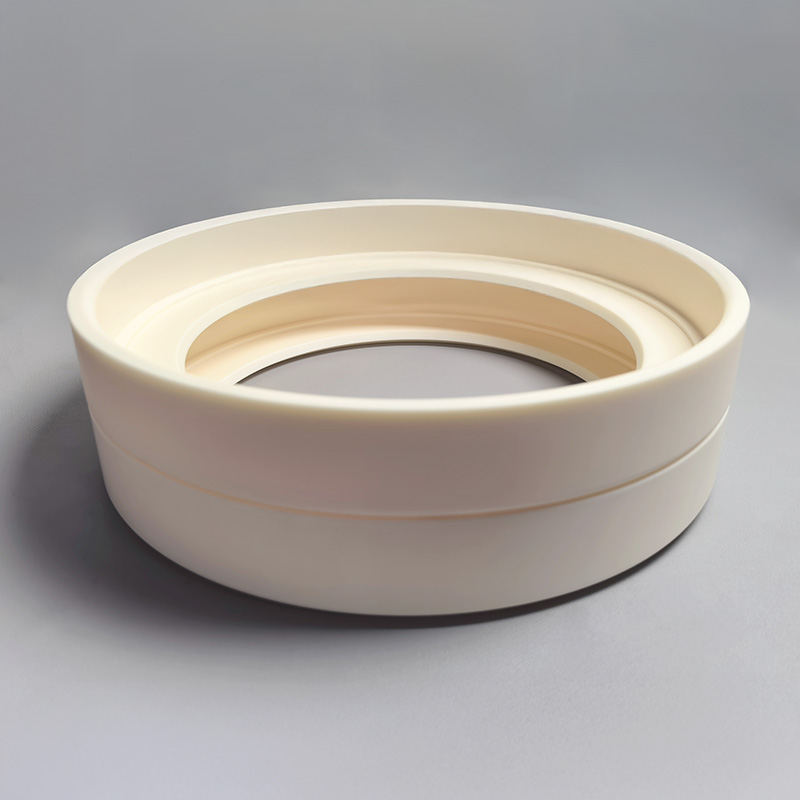
Featured Ceramic Components and Materials for Nuclear-Energy Projects

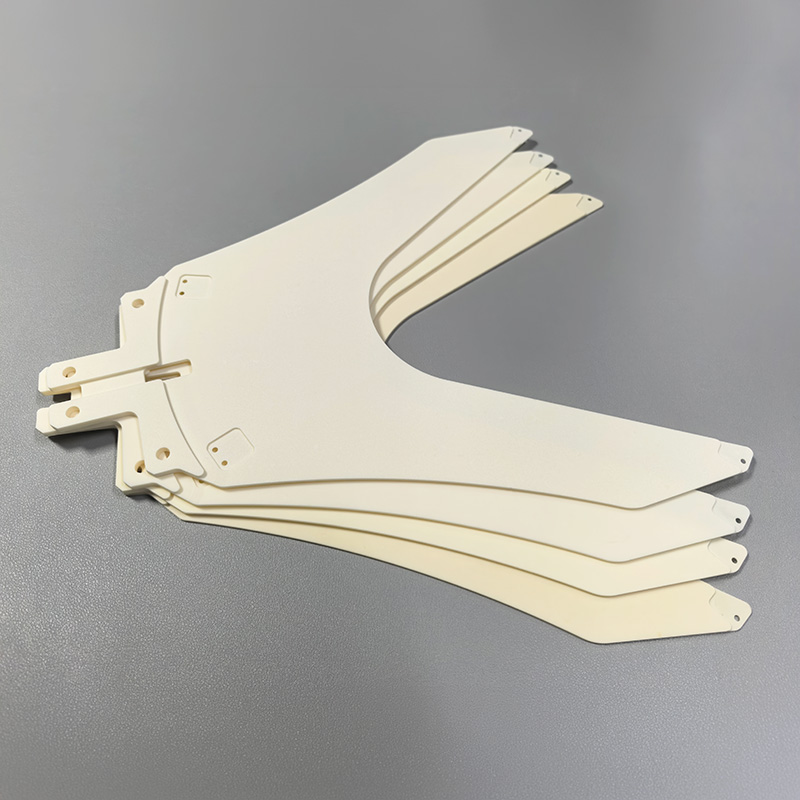
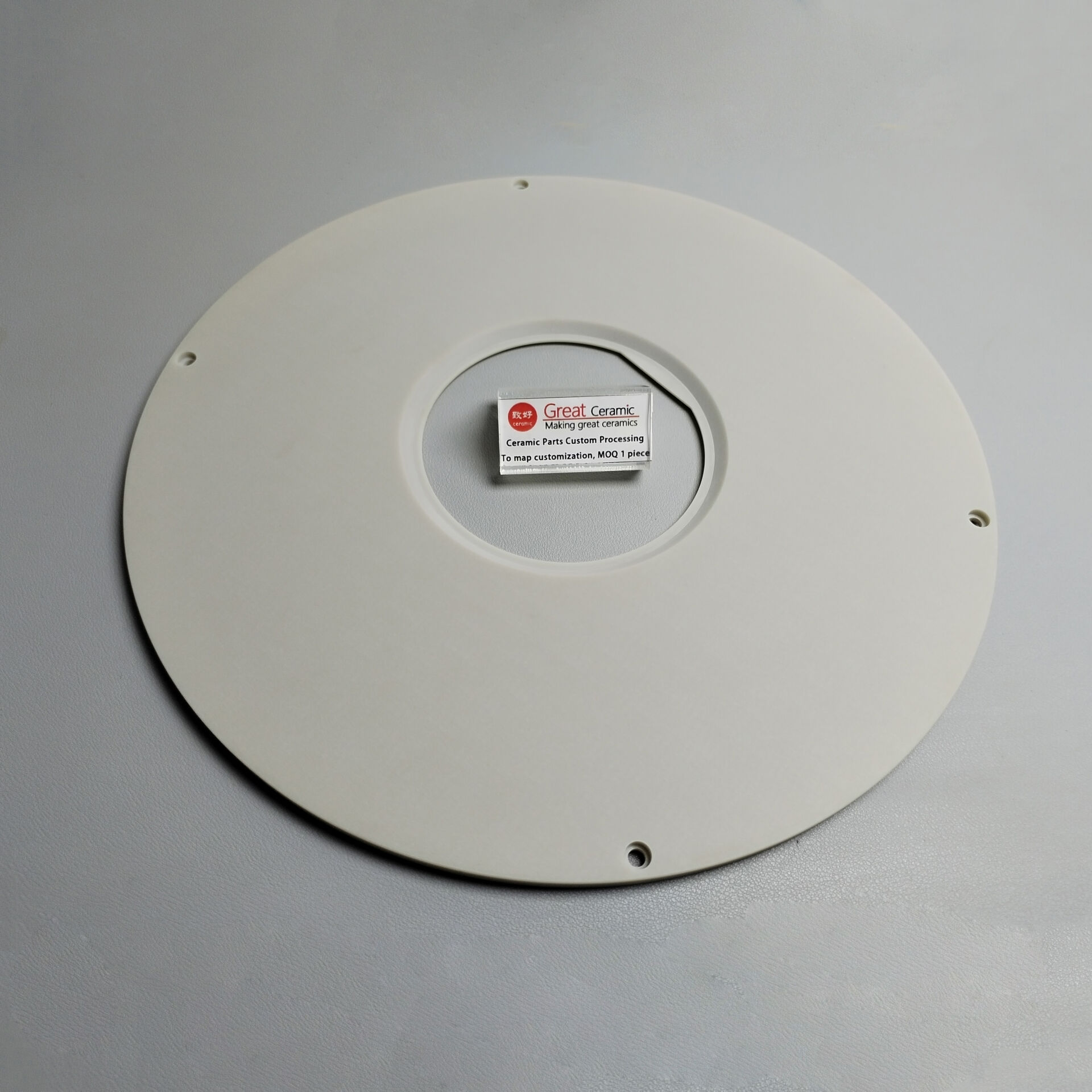
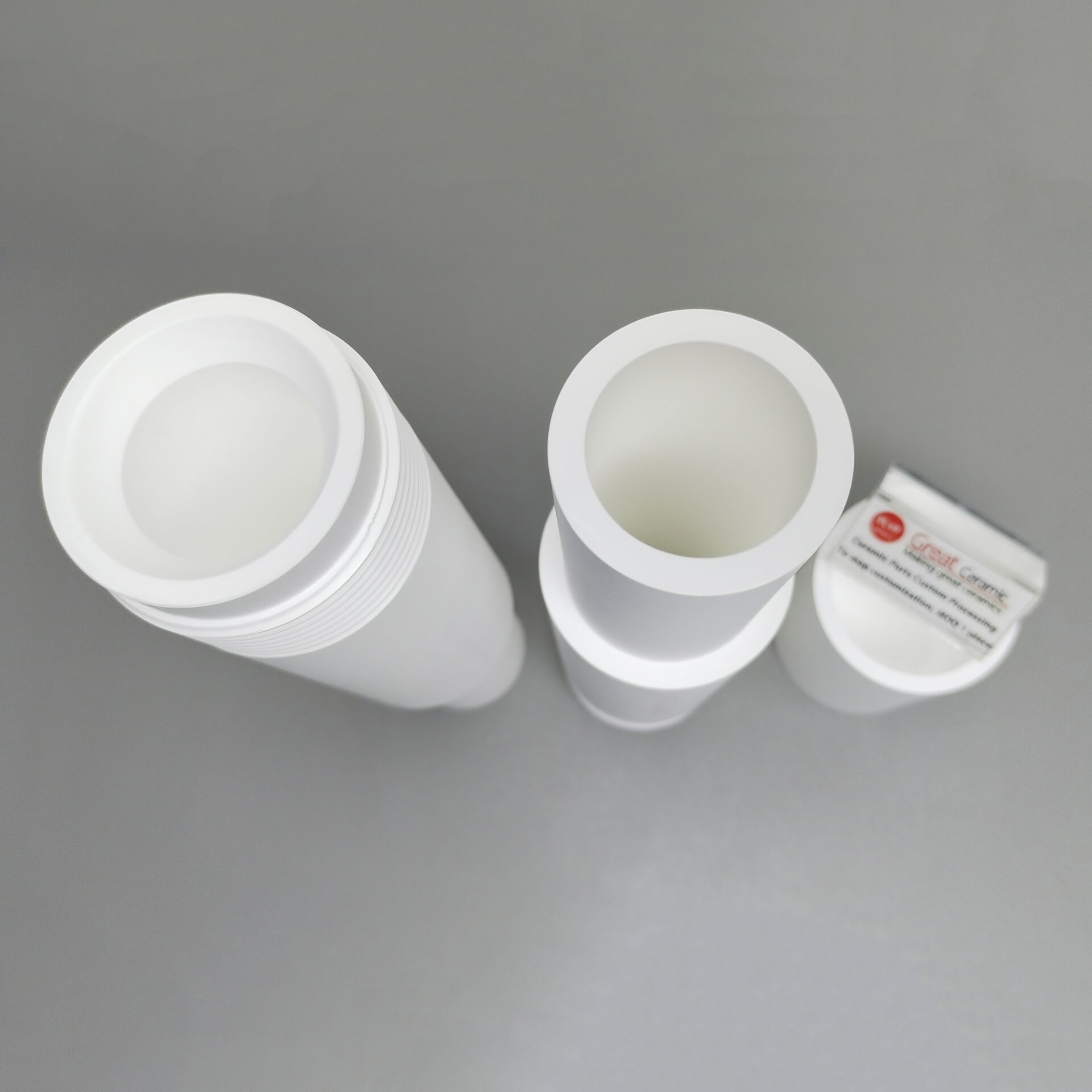
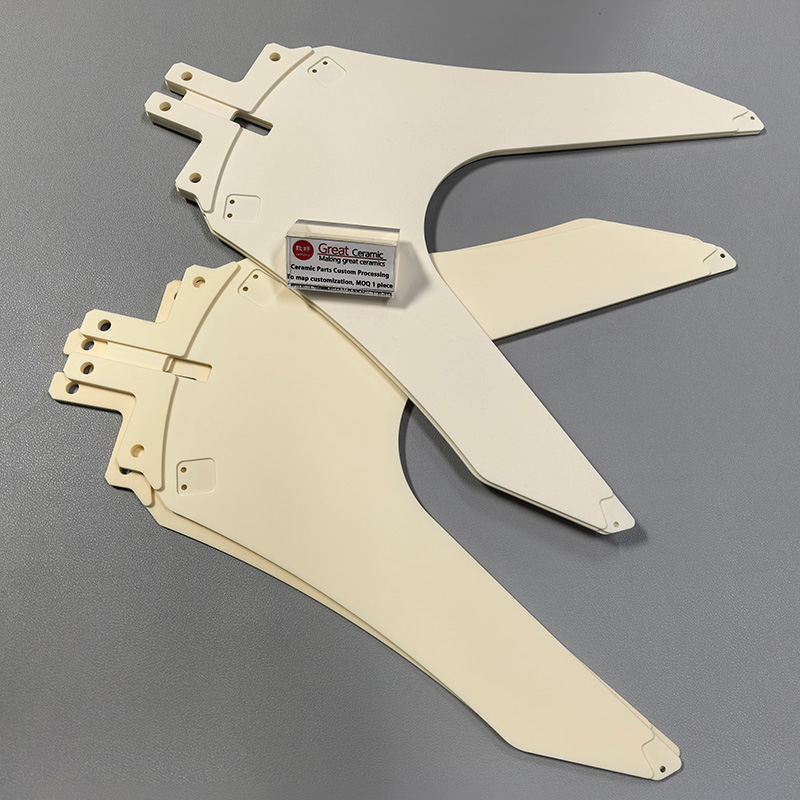







Related Technical Ceramic Catalogue and Quotation


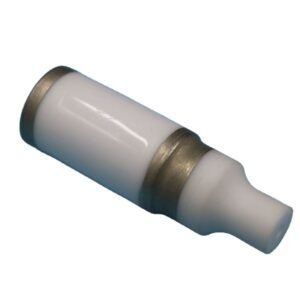


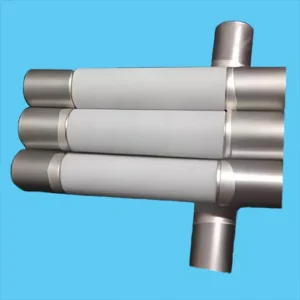


Why Buyers Specify Technical Ceramics for Nuclear Energy with Porcecore
Evaluate material families, component geometry and project requirements together before requesting a drawing-led quotation for technical ceramic parts.
Start with the Current Drawing
Share the current drawing revision, quantity, service conditions and acceptance criteria so quotation discussions begin with the part your project actually needs.
Confirm the Material Grade
Identify the preferred ceramic family or known grade, then discuss whether its properties align with the component’s operating environment and functional requirements.
Define Geometry and Fit
Clarify dimensions, tolerances, mating features and assembly interfaces so the proposed component supports the equipment design rather than relying on material selection alone.
Clarify the Process Route
Discuss the required forming, machining or finishing route when it affects geometry, surface condition, material behavior or the practical interpretation of the drawing.
Identify Functional Surfaces
Mark sealing, sliding, insulating, mounting and other critical surfaces directly on the drawing to distinguish essential interfaces from secondary preferences.
Set Inspection Evidence
Specify the measurements, records, material information and acceptance checks needed for review, approval and project documentation before quotation terms are finalized.
Ceramic Components and Materials for Nuclear Projects
Explore ceramic families, component forms and project requirements before requesting a drawing-led quotation for nuclear energy applications.

Ceramic Manufacturing Capabilities
Ceramic manufacturing capabilities are best evaluated against the part drawing, geometry, mating surfaces, tolerances and inspection expectations. Porcecore can discuss requirements for components such as tubes, rods, rings and substrates, with grade, quantity, service conditions and acceptance criteria defined for each inquiry.
Discuss Your Ceramic Part
Ceramic Solutions by Industry
Ceramic solutions by industry connect advanced ceramics applications with the operating environment and assembly requirements of each project. For nuclear energy inquiries, specify component function, temperature, chemical exposure, interfaces, documentation needs and acceptance criteria so the quotation discussion has a concrete technical basis.
Discuss Your Ceramic Part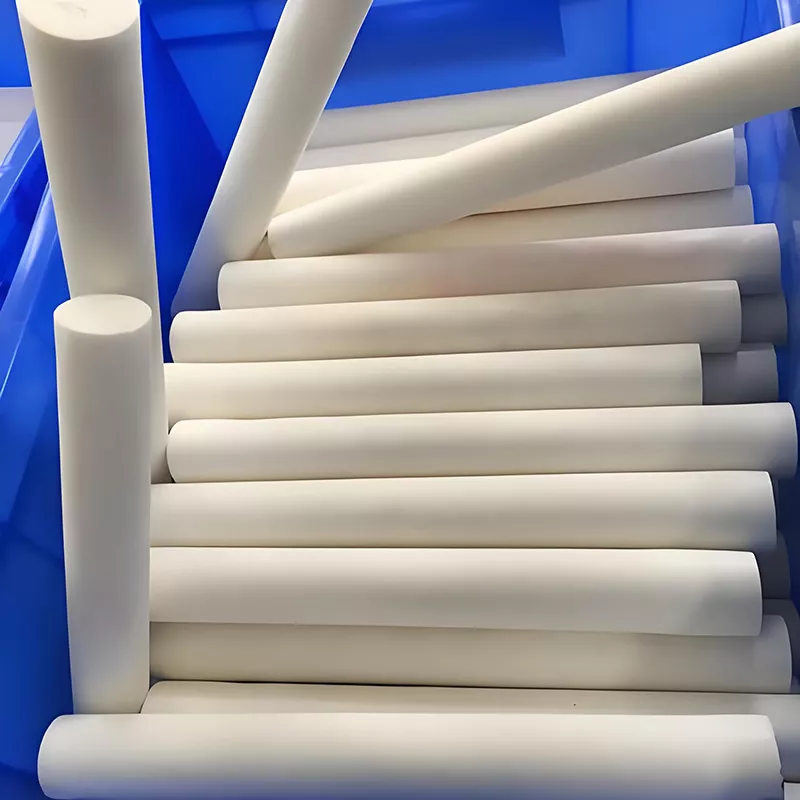
Advanced Ceramic Materials
Advanced ceramic materials include alumina, zirconia, silicon carbide, silicon nitride, aluminum nitride, boron nitride and other oxide, nitride, carbide and specialty families. Material selection should be confirmed by grade-specific properties, geometry, operating conditions and the requirements of the individual nuclear energy project.
Discuss Your Ceramic Part
Technical Ceramic Products
Technical ceramic products include industrial ceramic parts in familiar forms such as tubes, rods, rings, plates and substrates, along with custom ceramic components defined by a current drawing. Dimensions, tolerances, mating surfaces, material designation, quantity and required documentation should be confirmed before production or approval decisions.
Discuss Your Ceramic Part
Technical Ceramic Resources
Technical ceramic resources help procurement teams and engineers distinguish general material guidance from grade-specific values and a product illustration from a contractual specification. Use a technical ceramics guide to frame open questions, then email the drawing, service conditions and acceptance criteria for direct review.
Discuss Your Ceramic PartTechnical Ceramics for Nuclear Energy: Supported Materials

Alumina Ceramics
Often considered for electrical insulation, wear-resistant fixtures and stable component geometries. Available grades, density, finish and tolerance depend on the part; confirm operating temperature, mating surfaces and inspection criteria before quotation.

Zirconia Ceramics
Often evaluated where fracture resistance, wear performance or dimensional reliability are important. Porcecore can review the required grade, geometry, surface finish and service conditions before confirming suitability for a specific nuclear energy component.

Silicon Carbide Ceramics
Often considered for high-temperature, wear-sensitive or chemically demanding component requirements. The final choice depends on geometry, joining or mating details, operating environment, finish and project-specific acceptance criteria.

Silicon Nitride
Often evaluated for mechanically demanding ceramic components requiring a balance of strength, thermal stability and wear resistance. Grade selection, dimensional tolerances and inspection documentation remain subject to project confirmation.

Aluminum Nitride
Often considered where electrical insulation and thermal management must be addressed together. Confirm the required grade, thermal conditions, dimensions, metallization or mating surfaces and documentation needs before requesting a quotation.

Boron Nitride
Often evaluated for electrically insulating, thermally demanding or non-wetting component requirements. Suitability depends on grade, density, geometry, surface condition, operating atmosphere and the acceptance requirements defined for the project.
Technical Ceramics for Nuclear Energy: Supported Manufacturing Processes

Powder Pressing
Powder pressing forms ceramic material into a controlled green shape before firing. Porcecore can review whether this route suits the component geometry, required density, dimensional targets and project-specific inspection expectations.

Isostatic Pressing
Isostatic pressing applies pressure more uniformly around ceramic powder to support consistent forming of suitable geometries. Route suitability, achievable dimensions and post-firing requirements remain subject to drawing and material review.

Sintering Control
Sintering develops the ceramic body through a controlled thermal cycle, influencing density, shrinkage and final properties. Porcecore can discuss process considerations against the specified grade, geometry, tolerances and service environment.

Precision Machining
Diamond-based machining and finishing can refine fired ceramic components, mating surfaces and critical dimensions. Porcecore confirms whether machining is appropriate after reviewing the drawing, tolerance scheme, surface requirements and inspection criteria.

Ceramic Coating
Ceramic coating routes may support selected component or surface requirements where a deposited layer is appropriate. Porcecore reviews the application, substrate, operating conditions, thickness expectations and documentation needed before confirming feasibility.
Technical Ceramics for Nuclear Energy: Accessories and Finishing Requirements
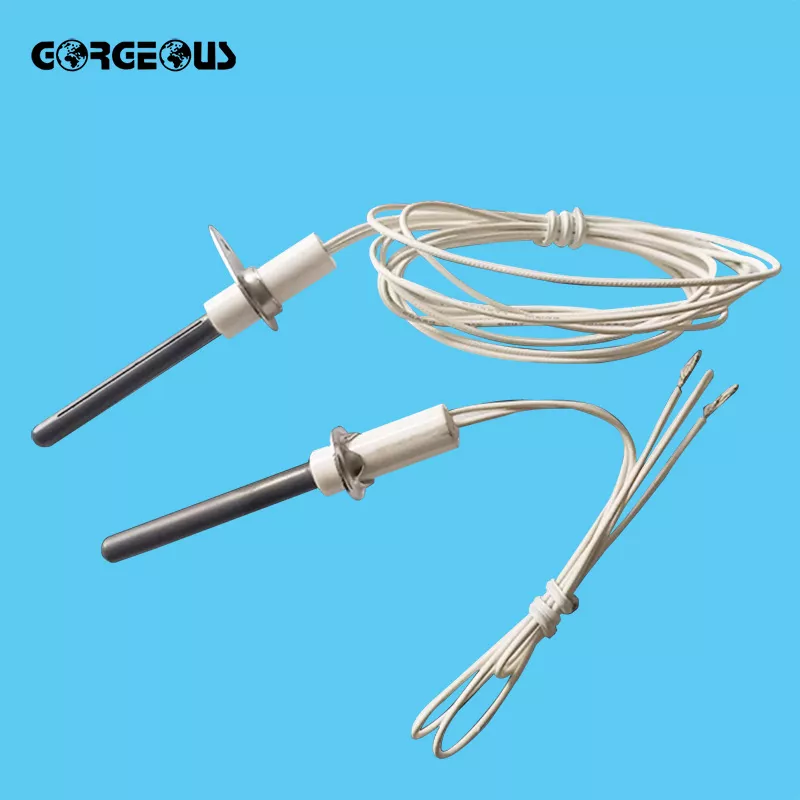
Precision Finishing
Specify grinding, lapping, polishing, or edge treatment where mating surfaces, sealing interfaces, dimensional control, or surface condition affect assembly and inspection requirements.

Mating Interfaces
Define shoulders, grooves, holes, threads, steps, and contact surfaces that connect the ceramic part with metal, insulation, seals, fixtures, or adjacent components.

Protective Coatings
Discuss coating or surface-treatment requirements when the component design calls for an additional interface layer, environmental barrier, or functional finish beyond the base ceramic material.

Assembly Hardware
Identify compatible fasteners, retainers, spacers, seals, or carrier parts needed to install the ceramic component while preserving alignment, clearances, and project-specific acceptance criteria.

Inspection Documents
Clarify dimensional reports, material documentation, traceability records, inspection methods, and other approval materials required for procurement, qualification, or controlled equipment integration.
About Porcecore: Technical Ceramics for Nuclear Energy
Founded by Andy Yuan, Porcecore helps industrial buyers connect technical ceramic materials with clearly defined component requirements. Our direction is application-first: understand the part, its operating environment and its role in the equipment before discussing a suitable material family, geometry or quotation path.
The collection spans oxide, nitride, carbide and specialty ceramics, including familiar families such as alumina, zirconia, silicon carbide, silicon nitride, aluminum nitride and boron nitride. For technical ceramics for nuclear energy, material selection remains project-specific and should be confirmed against grade, dimensions, mating surfaces, service conditions and acceptance criteria.
Porcecore makes technical communication easier to begin through drawing-led inquiries. Send the current drawing revision, quantity, operating conditions and documentation expectations, or describe the component and its application. This gives procurement and engineering teams a clearer basis for discussing requirements, open questions and the next sourcing decision.

Core Capabilities for Technical Ceramics for Nuclear Energy
Review the Part Requirement
Technical ceramics for nuclear energy begin with the component and its job. Porcecore helps organize the information needed for a useful quotation discussion, connecting the drawing, service environment and acceptance expectations before material or process options are narrowed.
- Current drawing revision and component name
- Quantity, replacement status or project stage
- Operating temperature, media and exposure conditions
- Critical dimensions, tolerances and inspection expectations

Compare Material Families
Material selection should follow the requirement rather than a generic performance claim. Porcecore can discuss relevant oxide, nitride, carbide and specialty ceramic families as starting points, with grade suitability, availability and processing details confirmed for the individual project.
- Known material designation or preferred ceramic family
- Reasons for considering alumina, zirconia, silicon carbide or another option
- Thermal, electrical, chemical or mechanical priorities
- Open questions requiring engineering or supplier review

Clarify Geometry and Interfaces
A ceramic tube, rod, ring or substrate must work within an assembled system. Porcecore focuses attention on mating surfaces, dimensional relationships and geometry-specific risks so the inquiry reflects how the component fits, functions and is inspected.
- Surfaces that mate with metal, ceramic or other parts
- Dimensions that determine assembly or alignment
- Hole, groove, radius, finish and edge requirements
- Reference parts, sketches or marked-up drawings

Align Documentation and Acceptance
Clear documentation helps separate a product illustration from a project specification. Porcecore encourages buyers to define the records, inspection evidence and acceptance criteria needed for approval, while grade, tolerances, delivery and commercial terms remain subject to confirmation.
- Material certificate or grade documentation needs
- Inspection reports, dimensional records or test requirements
- Packaging, labeling and traceability expectations
- Required delivery timing and approval milestones

Porcecore Compared with a Typical Ceramic Supplier
For technical ceramics for nuclear energy, compare the conversations that shape a better-defined part requirement.
← Swipe left or right to view →
Our Technical Ceramics for Nuclear Energy Sourcing Process
A drawing-led workflow connecting material discussion, quotation, production coordination and delivery, with project-specific confirmation at every decision point.
Define Part Requirements
Share the drawing revision, component form, quantity, service conditions, mating surfaces, material designation if known and acceptance criteria for review.
Discuss Materials And Geometry
Porcecore reviews suitable oxide, nitride, carbide or specialty ceramic options alongside geometry, tolerances, operating conditions and documentation expectations.
Confirm The Quotation
Project-specific grade, dimensions, tolerances, quantity, inspection requirements, delivery conditions and commercial terms are clarified before quotation details are finalized.
Coordinate Production
Once requirements are agreed, production planning aligns the confirmed specification with manufacturing, finishing, inspection and any approved documentation needs.
Inspect Pack And Ship
Completed components are reviewed against the agreed acceptance criteria, then packing and shipping arrangements are confirmed for the individual project.
How to Work with Porcecore on Technical Ceramics for Nuclear Energy
A drawing-led process helps industrial teams clarify the component, material, operating conditions and acceptance requirements before production decisions are made.
Send Your Requirements
Send the current drawing revision, material designation if known, quantity, service conditions, mating surfaces and documentation needs for technical ceramics for nuclear energy.
Review Open Requirements
Review open requirements with Porcecore, separating essential geometry, grade, tolerance and operating conditions from preferences before discussing a project-specific quotation.
Discuss Quotation or Sampling
Discuss quotation or sampling options based on the defined component, expected quantity, material route and inspection needs, with questions recorded for alignment.
Confirm Acceptance Criteria
Confirm acceptance criteria, documentation, delivery expectations and commercial terms before approving the production path for your nuclear energy ceramic component.
Certifications and Supporting Documentation for Technical Ceramics for Nuclear Energy
Technical Ceramics for Nuclear Energy: Customer Feedback and Project Examples
No approved customer testimonial or source record has been supplied for publication. Add a verified statement only after confirming the component requirement, project outcome, customer permission and supporting documentation.
This project example is reserved for documented results, such as a confirmed geometry, material grade or inspection outcome. Porcecore does not present unverified performance claims as customer feedback.
For a technical ceramics for nuclear energy inquiry, send the drawing revision, quantity, service conditions and acceptance criteria. A project example can be added when the customer has approved the wording and evidence.
FAQ: Technical Ceramics for Nuclear Energy Requirements, Quotes and Delivery
Clear answers for procurement teams evaluating ceramic materials, component drawings and project-specific commercial terms.
What information should I provide when sourcing technical ceramics for nuclear energy?
Can Porcecore help select a grade for technical ceramics for nuclear energy applications?
How are tolerances and functional surfaces handled for technical ceramics for nuclear energy?
Is there a minimum quantity for a technical ceramic component order?
What are the typical lead time, sampling cost and payment terms?
Can Porcecore support documentation, inspection evidence and packaging requirements?
How should I manage drawing revisions and intellectual property during a quotation?
Does Porcecore arrange shipping for technical ceramics for nuclear energy components?
The Complete Buyer’s Guide to technical ceramics for nuclear energy
Use this decision framework to match ceramic materials and manufacturing routes to nuclear-energy requirements, evaluate supplier qualification evidence, compare cost drivers, and avoid specification, validation, and sourcing mistakes that create project risk.
1. What are technical ceramics for nuclear energy?
Six categories define technical ceramics for nuclear energy: fuel ceramics, functional ceramics, structural ceramics, protective coatings, shielding or moderation materials, and waste-form ceramics. OpenDocument=&ParentUNID=D787C9800CF4CEDD8525896D00543C16
Seven requirements commonly control selection: radiation tolerance, temperature capability, chemical compatibility, permeability or leach resistance, electrical insulation, dimensional stability, and mechanical integrity. The relevant limit is application-specific: a fuel form, seal, insulator, support, coating, or waste form may require a different balance of properties. One supplier inquiry should state the component function, radiation exposure, temperature range, contacting chemicals, pressure or load, electrical duty, permissible dimensional change, porosity or permeability limit, geometry, tolerances, and inspection evidence required. Translate each into an acceptance criterion before requesting a grade or quotation from Porcecore.
2. Evolution and history of nuclear ceramics
1950s-era reactor practice established oxide fuel ceramics such as uranium dioxide, while concrete, glass, and other ceramics supported shielding and waste-form functions. com/technology/nuclear-ceramics. 2000s research expanded toward silicon-carbide cladding systems, ceramic coatings, advanced composites, high-entropy ceramics, and additive manufacturing for next-generation reactors. OpenDocument=&ParentUNID=D787C9800CF4CEDD8525896D00543C16. Today, waste immobilization in glass, ceramic, cement, and geopolymer forms is established in principle, while many advanced systems remain research-stage or application-specific. For technical ceramics for nuclear energy, maturity cannot be assigned to a material name alone: qualification evidence must match the exact grade, geometry, joining surfaces, radiation and thermal environment, operating duty, inspection method, and regulatory application.
3. Types of technical ceramics for nuclear energy
Six application categories help buyers connect a ceramic family to its nuclear duty, qualification stage, geometry, and evidence package.
Fuel And Inert-Matrix Ceramics
UO₂ and inert-matrix concepts prioritize fission-product retention, thermal behavior, and radiation tolerance.
Cladding And Protective Coatings
SiC-based cladding and ceramic coatings target containment, corrosion resistance, and accident-tolerance goals.
Insulators And Feedthroughs
Electrical feedthroughs need dielectric stability, hermetic interfaces, and controlled geometry.
Structural And Wear Parts
Alumina, silicon carbide, and silicon nitride may serve supports, spacers, seals, or wear surfaces.
Moderation And Shielding Materials
Boron-containing ceramics and engineered shielding systems are selected for neutron interaction, stability, and geometry.
Waste-Form Ceramic Systems
Glass-ceramic, ceramic, and cementitious forms immobilize radioactive constituents for long-term management.
4. Materials and forms for nuclear ceramic components
Four material families cover most component discussions, but no family is universally suitable.
| Family | Key variables | Typical forms |
|---|---|---|
| Alumina / zirconia / beryllia | Purity, additives, expansion, insulation | Tubes, rings, substrates |
| SiC / Si3N4 | Grain structure, density, conductivity | Tubes, plates, wear parts |
| Boron carbide / oxide systems | Neutron function, porosity, chemistry | Control parts, pellets |
| Ceramic-matrix composites | Fiber architecture, interfaces, qualification | Panels, sleeves, complex blanks |
Oxide Ceramics
Alumina, zirconia and applicable beryllia differ in toughness, expansion and electrical behavior; powder purity, additives, grain size, porosity and density require grade-level confirmation. Pressed, extruded or machined blanks can become tubes, rods, rings, insulators and substrates.
Nonoxide Ceramics
Silicon carbide and silicon nitride favor demanding thermal or mechanical envelopes, while boron carbide may serve neutron-control functions; additives and grain structure materially change performance. Machining usually follows sintering or requires specialized green machining.
Composites And Selection
Ceramic-matrix composites combine ceramic phases or fibers for tailored damage tolerance, but qualification depends on architecture, interfaces and processing history. Choose the family that satisfies the operating envelope and available shape route—not the highest headline property.
5. Customization and surface engineering options
A drawing-led route can combine material formulation, forming, densification and finishing around the part’s actual service conditions.
Forming And Densification Routes
Four route families cover most component geometries: pressing, injection molding, extrusion and slip casting. Hot pressing, HIP and controlled sintering can be considered when density, grain structure or anisotropy matters.
- Specify material grade, powder lot and forming direction.
- Machine datum surfaces, holes and sealing interfaces from an approved drawing.
Functional Surface Engineering
A 10-micrometer coating, metallization layer or joined interface can change electrical, chemical and sealing behavior. Treat these as functional engineering, not decoration, and define adhesion, thickness, roughness and compatibility requirements.
- Define metallization, brazing or joining method.
- Record finish, flatness, hole geometry and sealing requirements.
Traceability And Requalification
One changed powder supplier, sintering cycle, machining allowance, coating or joining process can alter qualification evidence. Require revision-controlled drawings, batch traceability, inspection records and agreed acceptance criteria.
- Separate illustration values from contractual specifications.
- Confirm every process change before production release.
6. Key construction and quality elements
Approval should follow the part drawing, service conditions and acceptance criteria—not a material name alone. OpenDocument=&ParentUNID=D787C9800CF4CEDD8525896D00543C16).
Material And Microstructure Evidence
Density, open porosity, grain size, secondary phases and defect populations should be reported against the specified grade. These characteristics influence strength, fracture toughness, permeability and radiation-environment stability. Request the material certificate, lot traceability, process route, representative micrographs and test methods.
- Density and porosity results
- Microstructure and phase analysis
- Strength and fracture-toughness data
Fit And Functional Performance
The inspection plan should verify critical dimensions, tolerances, flatness, concentricity, surface finish and mating surfaces at defined temperature conditions. Record thermal-shock resistance, dielectric strength or insulation resistance where electrical duty applies. com/technology/nuclear-ceramics).
- Dimensional inspection report
- Thermal and dielectric test results
- Chemical compatibility assessment
Release, Consistency And Packaging
Each batch should have inspection records, nonconformance disposition, cleanliness controls and retained traceability to raw materials and processing. Compare results across lots before approving production quantities.
- Batch consistency records
- Cleanliness and release documentation
- Protective packaging specification
7. How to choose a technical ceramics manufacturer
Three gates—technical fit, controlled production, and documented accountability—should structure a technical ceramics for nuclear energy supplier review.
| Review Area | Supplier Evidence | Buyer Verification |
|---|---|---|
| Capability | Drawings, samples, test plan | Application fit |
| Quality | Traceability, NCR, change records | Audit and approvals |
| Delivery | Capacity and staged lead time | Forecast and risk |
Application And Material Capability
One supplier should explain relevant component experience, material grades, geometry limits, mating surfaces, and design-for-manufacture risks. Ask which requirements are confirmed and which need testing. A useful review covers drawings, samples, qualification plans, inspection methods, and proposed subcontractors.
Process And Quality Evidence
Lot-level traceability should connect powder, processing route, inspection results, nonconformance records, and shipment documentation. Ask how process changes are approved, communicated, and validated before affecting production.
- Request dimensional, material, and test records.
- Define acceptance criteria before sampling.
- Ask how deviations are contained and resolved.
Capacity And Communication
Lead-time estimates should identify tooling, qualification, production, inspection, and release stages rather than one unexplained date. Compare planned capacity with forecast volume, backup resources, and critical subcontractor dependencies. During quotation, require a named technical contact, revision-controlled drawing review, sample feedback, and escalation path.
8. Common mistakes buyers make
Nine recurring errors turn a workable ceramic requirement into schedule or reliability risk.
Define The Complete Part Requirement
One material name cannot define a nuclear component: specify geometry, mating surfaces, thermal expansion, joining method, service conditions, porosity limits, and acceptance criteria. Corrective action: issue the drawing, environment, and inspection plan together. Late geometry changes commonly force tooling, shrinkage, and machining review.
Separate Prototype From Production
A successful prototype does not qualify production. Corrective action: define the production route, representative batch evidence, critical dimensions, surface finish, nondestructive checks, and deviation rules before approval. Machining yield can materially affect cost and timing, especially for brittle, tight-tolerance forms.
Control Records And Traceability
com/technology/nuclear-ceramics). Require density or pore criteria, lot traceability, inspection results, and document-retention duration. At quotation, identify which records support release and future replacement. Porcecore recommends confirming grade-specific values, inspection methods, retention periods, and revision control in writing.
9. Steps to launch your nuclear ceramics program
A nuclear ceramics program starts with a controlled requirement, not a material shortlist.
Capture Requirements And Constraints
1. Begin with the drawing revision, quantity, mating surfaces, service temperature, radiation and chemistry exposure, failure consequences, inspection needs, and required records. Procurement, engineering, quality, safety, and the end user should confirm the baseline. 2. Complete the hazard, regulatory, and codes review before material selection.
Select, Design, And Test
3. Compare candidate grades against thermal, electrical, mechanical, chemical, radiation, geometry, and manufacturability requirements. The design authority and supplier should review tolerances, joining, inspection access, and prototype risks before releasing drawings. 4. Manufacture representative prototypes, then test the defined acceptance criteria under relevant conditions.
Qualify Production And Control Change
5. Qualify the supplier through process review, sample inspection, capability evidence, and documentation review. Pilot production should confirm repeatability, packaging, records, and delivery controls before procurement approval. 6. Approve the quality dossier, then establish lifecycle change control covering materials, tooling, process, subcontractors, drawings, and inspection methods.
10. Pricing and cost of technical ceramics for nuclear energy
Quotation should separate recurring unit cost from nonrecurring engineering. For technical ceramics for nuclear energy, purity, formulation, tooling, forming route, sintering cycle, machining, coating or joining, inspection, qualification testing, documentation, yield, packaging, quantity and lead time can each change the commercial basis. Provide the current drawing revision, material designation or formulation target, service conditions, acceptance criteria and required delivery timing for a project-specific quotation.
| Quantity or Complexity Tier | Indicative Cost-Driver Categories | Expected Lead-Time Range | Quotation Inputs |
|---|---|---|---|
| Prototype or low quantity | Tooling, setup, machining, inspection, packaging | Confirmed after drawing and project review | Drawing, material, quantity, tolerances |
| Repeat small batch | Yield, sintering, machining, inspection, documentation | Confirmed after quantity, process and inspection review | Revision, annual demand, acceptance criteria |
| Complex or qualification-sensitive | Formulation, tooling, testing, coating or joining, traceability | Confirmed after qualification scope and delivery review | Service conditions, qualification plan, records, delivery date |
Discuss Your Technical Ceramics for Nuclear Energy Requirement
Email a drawing or describe the component, quantity, operating environment and acceptance criteria. Contact info@zlrsmaterials.com or WhatsApp +86 130 6482 5920 to begin a clearer quotation discussion with Porcecore.