
Clearer Sourcing for Textile Machinery Ceramic Components
Technical ceramics for textile machinery, matched to drawing, geometry, grade, and acceptance requirements for better-informed industrial sourcing decisions.
Ceramic Components for Textile Machinery Projects





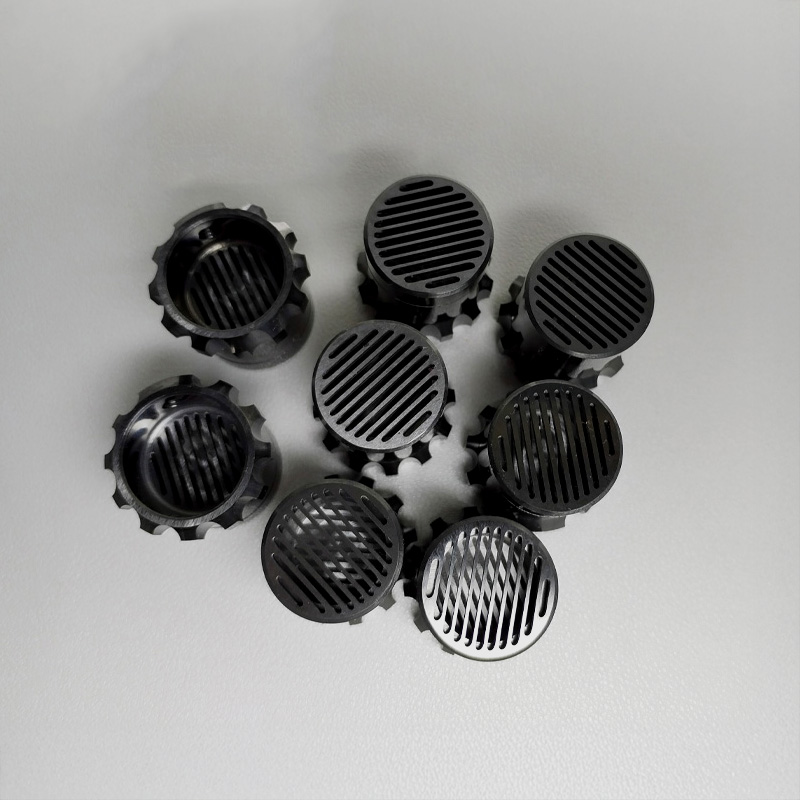


Related Ceramic Components and Quotation





Why Technical Ceramics for Textile Machinery?
Evaluate technical ceramics for textile machinery through drawing-led communication, project-specific material review, and clearly defined component requirements.
Start with the Current Drawing Revision
Share the latest drawing revision so dimensions, notes, interfaces, and open changes provide a reliable basis for quotation and technical discussion.
Confirm the Material Grade
Identify the required ceramic family or grade when known, then review material suitability against operating conditions, component function, and project-specific acceptance requirements.
Match Geometry to Assembly
Define the tube, rod, ring, guide, nozzle, or other form alongside mating dimensions, tolerances, and features that determine installation and replacement fit.
Review the Process Route
Discuss the manufacturing and finishing route needed for the geometry, material, quantity, and surface requirements instead of treating a material name as a complete specification.
Define Functional Contact Surfaces
Highlight yarn-contact, mating, sealing, guiding, or wear surfaces so the quotation conversation addresses the areas most directly connected to component performance.
Align Inspection and Evidence
Specify critical dimensions, inspection expectations, documentation, and acceptance criteria early, helping procurement and engineering teams distinguish preferences from confirmed requirements.
Ceramic Components for Textile Machinery Applications
Explore material, component and sourcing pathways that connect textile machinery requirements with clearer engineering and quotation decisions.

Ceramic Manufacturing Capabilities
Review ceramic manufacturing capabilities through the requirements that affect textile machinery components, including geometry, mating surfaces, dimensional control and inspection expectations. Use a current drawing and operating conditions to clarify whether a standard form or project-specific component is the right starting point.
Discuss Your Ceramic Part
Ceramic Solutions by Industry
Advanced ceramics applications can be considered around textile machinery challenges such as wear, friction, electrical insulation, thermal exposure or dimensional stability. Define the machine location, contact conditions and service environment so the proposed ceramic solution supports a clear engineering outcome.
Discuss Your Ceramic Part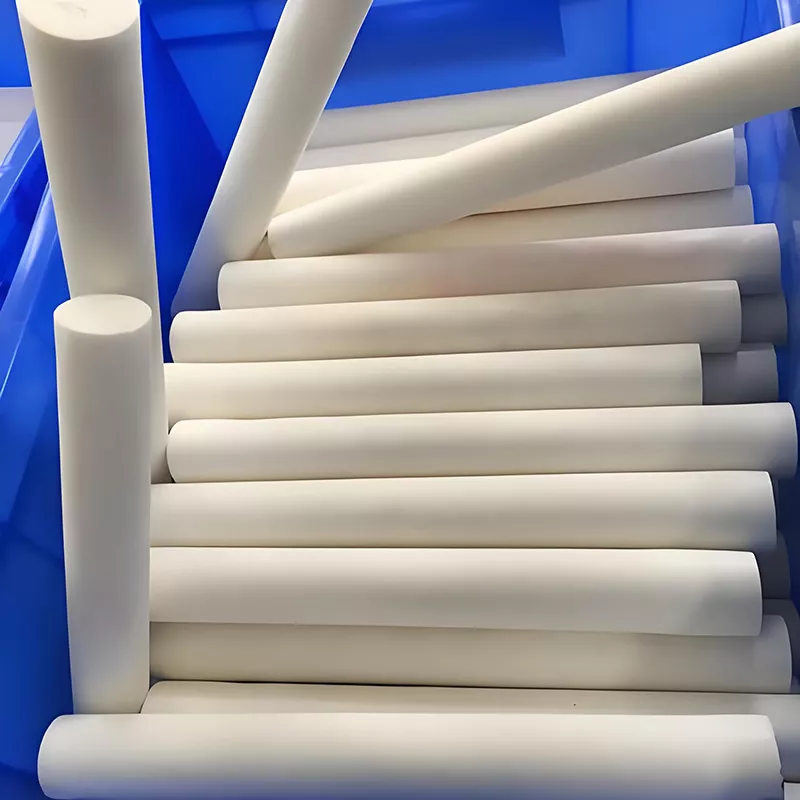
Advanced Ceramic Materials
Advanced ceramic materials include oxide, nitride, carbide and specialty ceramic families. Alumina ceramics, zirconia ceramics, silicon carbide ceramics, silicon nitride, aluminum nitride and boron nitride may suit different requirements, but grade, geometry and operating conditions must be confirmed for the individual textile machinery application.
Discuss Your Ceramic Part
Technical Ceramic Products
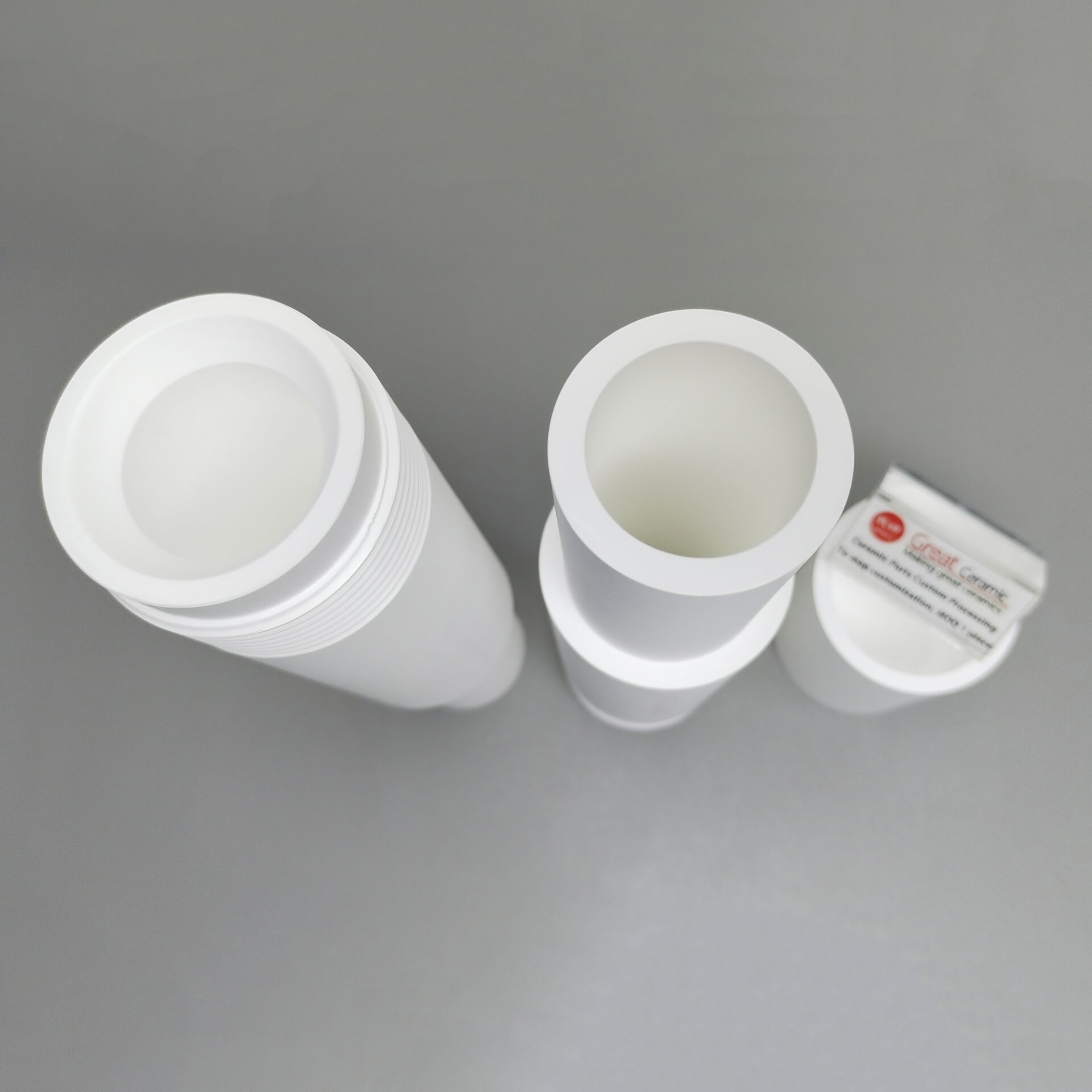
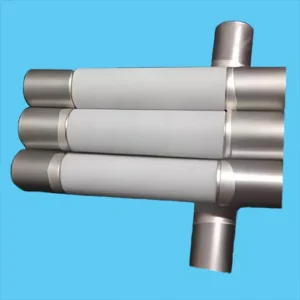
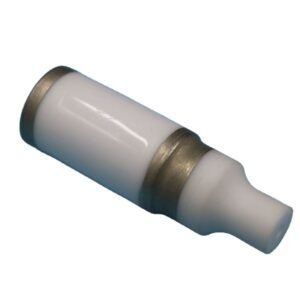
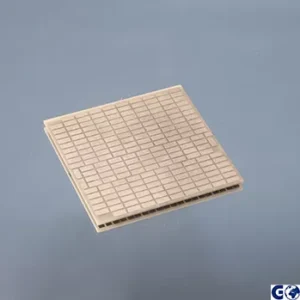
Technical ceramic products may include familiar component forms such as tubes, rods, rings and substrates, subject to project-specific availability and specification. Identify the dimensions that determine assembly, the surfaces that mate with other parts and the acceptance criteria required for quotation review.
Discuss Your Ceramic Part
Technical Ceramic Resources
Use this technical ceramics guide to organize a drawing-led inquiry: material designation if known, quantity, service conditions, critical dimensions, tolerances and documentation needs. Direct questions to info@zlrsmaterials.com or WhatsApp +86 130 6482 5920 for a clearer project discussion.
Discuss Your Ceramic PartCeramic Materials for Textile Machinery Components

Oxide Ceramics
Alumina and zirconia may suit guide parts, wear surfaces, or precision components where geometry, mating surfaces, and operating conditions must be reviewed before confirming the appropriate grade and finish.

Nitride Ceramics
Silicon nitride and aluminum nitride can be considered for demanding textile machinery components requiring a defined balance of thermal, mechanical, electrical, or wear-related properties. Final selection remains project-specific.

Carbide Ceramics
Silicon carbide offers an inquiry starting point for components exposed to wear, heat, or aggressive environments. Confirm the required geometry, surface condition, tolerances, and service conditions against the intended textile process.

Specialty Ceramics
Specialty ceramic families may support unusual electrical, thermal, friction, or chemical requirements in textile machinery. Share the drawing, quantity, operating environment, and acceptance criteria so the material choice can be assessed clearly.
Manufacturing and Finishing for Technical Ceramics for Textile Machinery
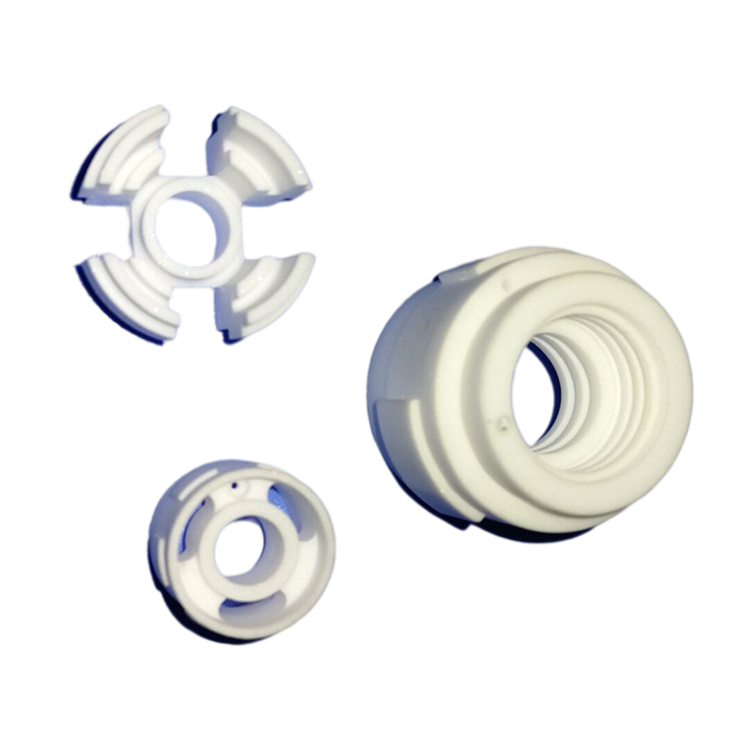
Powder Processing
Ceramic powders are prepared and conditioned for the selected material family and component requirements. The appropriate formulation and process route depend on the drawing, geometry, production quantity and project-specific technical expectations.
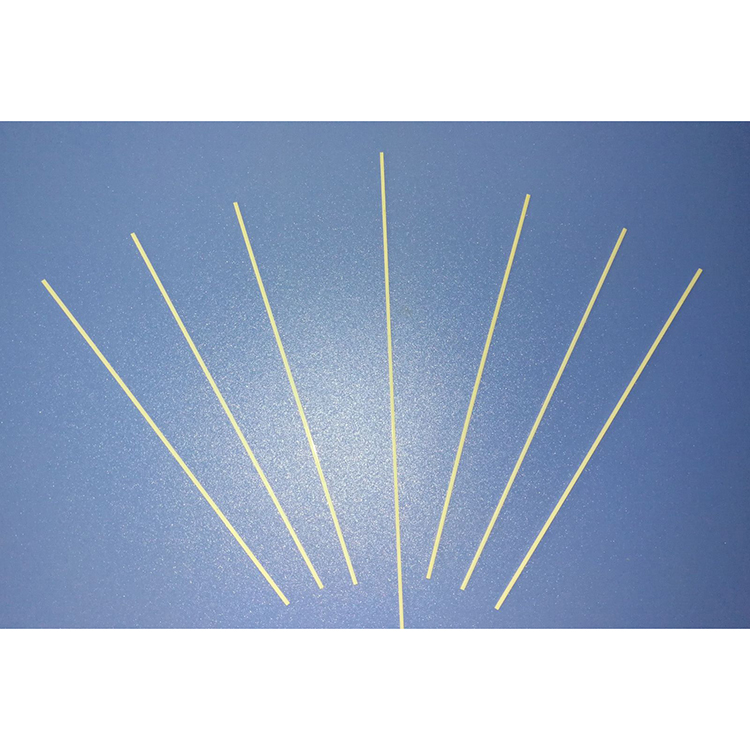
Precision Forming
Forming creates the basic geometry of tubes, rods, rings, guides, nozzles and other ceramic parts. Feasibility is reviewed against section thickness, dimensional requirements, shrinkage considerations and the intended machining allowance.

Diamond Machining
Diamond-based machining can refine ceramic components after firing, including critical dimensions, holes, edges and mating surfaces. The practical route is determined by geometry, tolerance requirements, surface condition and the approved drawing revision.

Surface Finishing
Surface finishing supports controlled contact with yarn, tooling or adjacent components. Finish requirements should identify the functional surfaces, edge conditions and inspection expectations rather than rely on a general material description alone.
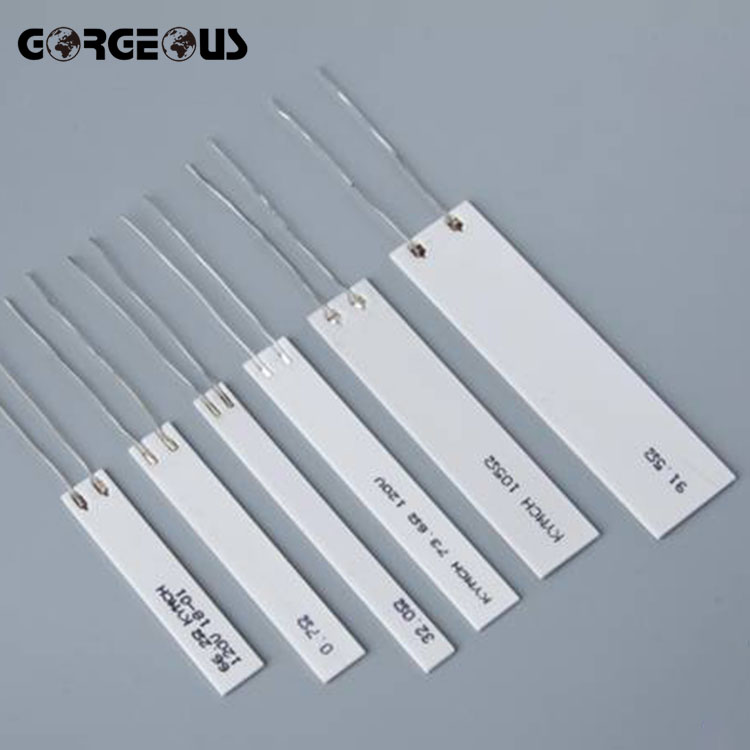
Dimensional Inspection
Inspection planning connects the finished part to the quotation and approval requirements. Key dimensions, tolerances, surface criteria, material designation, documentation and acceptance methods should be agreed for the individual textile machinery project.
Technical Ceramics for Textile Machinery: Supporting Features
Thread Guide Geometry
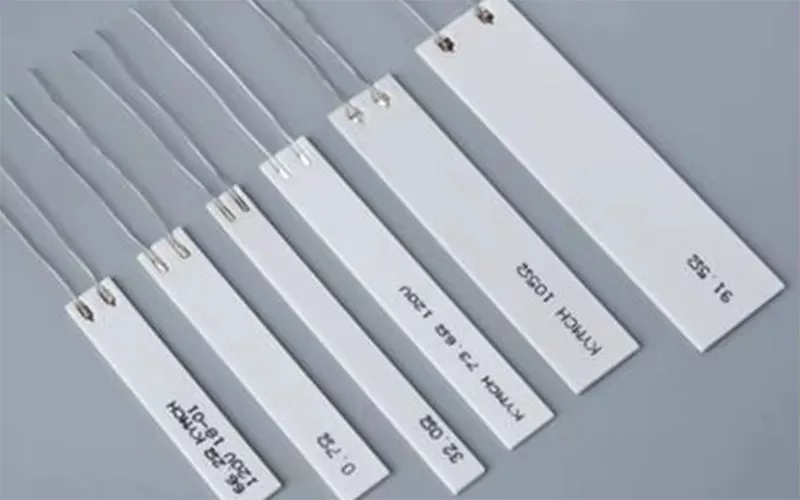
Specify guide profiles, entry and exit radii, bore geometry and yarn-contact surfaces for components used to control direction, tension or movement through textile machinery.
Mating Surfaces
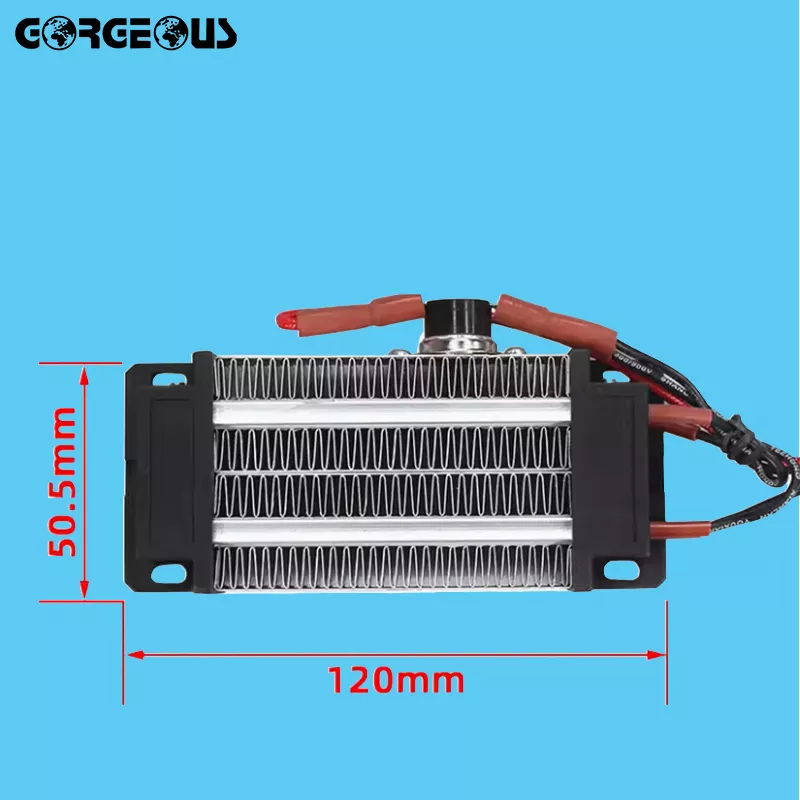
Identify the surfaces that fit shafts, holders, rollers or adjacent parts. Clear interface details help confirm assembly, alignment and the finish required for reliable operation.
Mounting Features
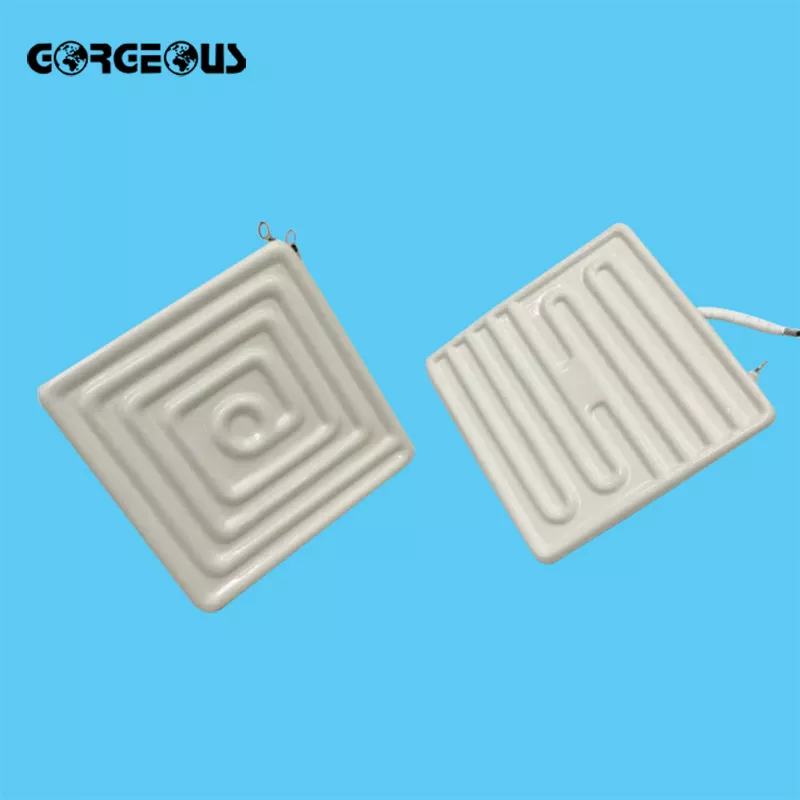
Add bores, slots, shoulders, steps or other assembly features to the drawing where they affect installation. These details help separate the functional ceramic form from its mounting requirements.
Surface Requirements
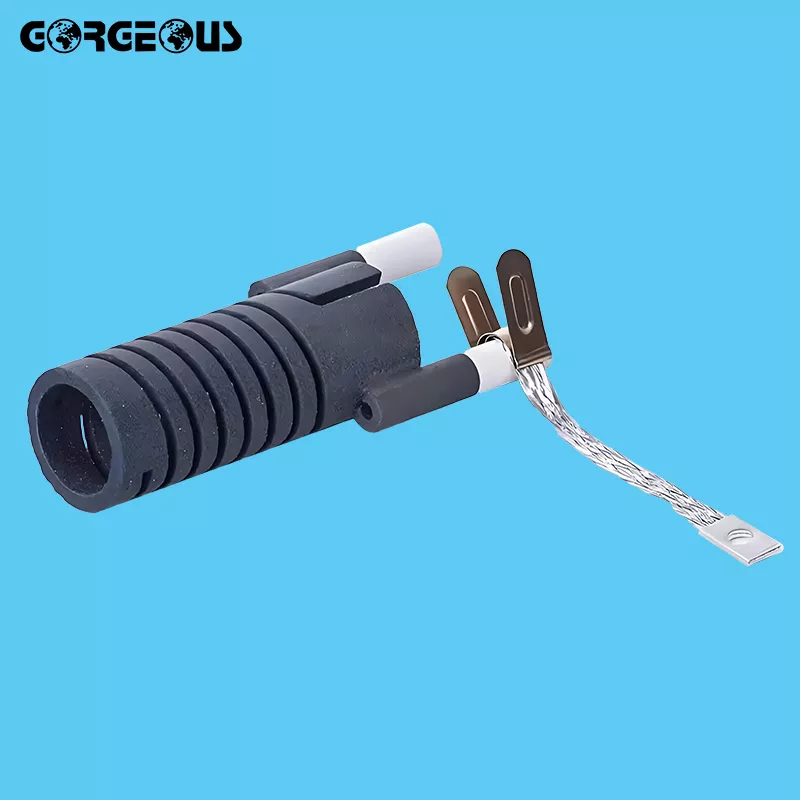
Describe yarn-contact areas, edge conditions, surface finish and any zones requiring special attention. Project-specific requirements help align material, finishing and inspection discussions with the application.

Inspection Documentation
Include critical dimensions, tolerances, material designation, quantity and acceptance criteria. Sharing the current drawing revision and documentation expectations gives procurement and engineering teams a concrete basis for quotation.
About Porcecore: A Drawing-Led Ceramic Sourcing Approach
Founded by Andy Yuan, Porcecore is built around a practical goal: make ceramic procurement more understandable. For textile machinery teams, that means connecting material choice with the part’s geometry, mating surfaces, operating conditions and inspection expectations before a quotation becomes a commitment.
Our scope covers technical ceramic materials and component forms for industrial projects, with each inquiry shaped by its specific requirements. Porcecore welcomes drawing-led discussions for replacement parts, custom components and equipment applications, helping buyers identify open questions, confirm grade and geometry needs, and define the next decision with greater clarity.

Porcecore’s Approach to Technical Ceramic Sourcing
Start With the Drawing
Porcecore uses the current drawing, revision and application context as the basis for a useful quotation discussion. This helps industrial buyers and equipment builders separate confirmed dimensions from open questions before material, geometry and commercial details are reviewed.
- Review the current drawing revision
- Clarify quantity and intended application
- Identify known material designations
- Separate essential requirements from preferences

Navigate Material Families
Explore oxide, nitride, carbide and specialty ceramics according to the part’s working requirements. Alumina, zirconia, silicon carbide, silicon nitride, aluminum nitride and boron nitride can provide a starting point for discussing the appropriate grade and component concept.
- Connect material families to the application
- Discuss grade availability project by project
- Consider wear, electrical and thermal requirements
- Treat material listings as starting points
Review Geometry and Interfaces
A textile machinery component must fit the surrounding assembly, not just match a material label. Porcecore’s inquiry process focuses on dimensions, tolerances, holes, edges, mating surfaces and other geometry that can affect installation, alignment and part replacement.
- Identify surfaces that fit another part
- Confirm dimensions governing assembly
- Review tolerances and critical features
- Discuss replacement-part requirements

Align Acceptance Requirements
A clear inquiry should define how the finished ceramic part will be evaluated. Share inspection expectations, documentation needs, service conditions and acceptance criteria early so the quotation conversation reflects the project requirements rather than assumptions about a standard component.
- Define inspection and acceptance criteria
- Note required technical documentation
- Describe operating and service conditions
- Confirm delivery and commercial expectations

Technical Ceramics for Textile Machinery: Porcecore Compared
See how Porcecore’s application-first approach clarifies ceramic requirements, quotation inputs and project decisions.
← Swipe left or right to view →
Our Process for Technical Ceramics for Textile Machinery
From the first drawing or application brief to shipment, each ceramic component requirement is reviewed, quoted, manufactured, inspected and confirmed for the individual project.
Define the Requirement
Share the drawing revision, component form, quantity, service conditions, mating surfaces and acceptance criteria so the sourcing discussion starts with the part.
Review Materials and Geometry
Porcecore reviews suitable ceramic families, grade considerations, dimensions, tolerances, surface requirements and operating conditions against the intended textile machinery application.
Confirm the Quotation
We clarify open technical questions, documentation needs, delivery expectations and commercial details before preparing a quotation for the specified project.
Coordinate Production
After project confirmation, manufacturing coordination follows the agreed material, geometry, revision, quantities, finishing requirements and other approved production details.
Inspect, Pack and Ship
Inspection expectations, records, packing method and shipping arrangements are confirmed for the order, with final details subject to individual project approval.
How to Work with Technical Ceramics for Textile Machinery
Move from an initial component requirement to a confirmed production order through clear, drawing-led communication and project-specific review.
Send Your Part Details
Share the current drawing revision or describe the component, including geometry, mating surfaces, material designation if known, and intended textile machinery application.
Define Service Requirements
Provide quantity, operating conditions, yarn or process contact, critical dimensions, tolerances, and any material, surface, or documentation requirements affecting component performance.
Clarify Acceptance Criteria
Identify inspection expectations, fit-critical surfaces, testing needs, packaging preferences, and approval documents so essential requirements remain distinct from optional preferences.
Review the Quotation
Porcecore reviews the requirement and outlines a project-specific quotation covering proposed material, geometry, quantities, lead time, documentation, and open technical questions.
Confirm Production Details
Resolve outstanding questions, approve the agreed specification and commercial terms, then confirm the production order for the defined ceramic component.
Certifications and Technical Documentation for Technical Ceramics for Textile Machinery
Customer Feedback on Technical Ceramics for Textile Machinery
No verified customer testimonial or quantified textile-machinery outcome has been supplied for publication. Porcecore welcomes drawing-led inquiries so project requirements, material grade, geometry and acceptance criteria can be reviewed before any performance claim is made.
No verified case example is currently available with an attributable customer, confirmed component specification and measurable result. Share the current drawing, service conditions and inspection requirements to establish a project record suitable for review.
Porcecore does not publish invented endorsements or unsupported performance figures. For technical ceramics for textile machinery, buyers can email a drawing or describe the component and operating environment to begin a requirements-based quotation discussion.
FAQ for Technical Ceramics for Textile Machinery Sourcing
Clear answers for drawing-led quotations, project requirements and next-step confirmation.
What information should we provide when sourcing technical ceramics for textile machinery?
Can Porcecore recommend a ceramic grade for technical ceramics for textile machinery?
What tolerances and functional surfaces should be identified for technical ceramics for textile machinery?
What quantity, MOQ and lead time should we expect?
Can Porcecore support samples before a production order?
What inspection and documentation can accompany a ceramic component quotation?
How are packaging and shipping arranged for textile machinery ceramic components?
How are drawing revisions, payment terms and intellectual property handled?
The Complete Buyer’s Guide to technical ceramics for textile machinery
Use this decision framework to match ceramic materials and components to textile applications, evaluate drawing-led suppliers, compare quality and lifecycle costs, and avoid specification, sourcing, and validation mistakes that create downtime.
1. What Are Technical Ceramics for Textile Machinery?
Five process areas—yarn production, spinning, texturing, guiding, and cutting—use technical ceramics for textile machinery as engineered contact, guide, nozzle, roller, friction, or edge components. Four properties usually drive the specification: low friction limits yarn damage and heat; wear resistance preserves geometry; chemical stability tolerates finishes and process media; and dimensional precision protects alignment, tension, and repeatability. Electrical insulation can also prevent conductive paths where ceramic parts interface with sensors, energized assemblies, or contamination-sensitive equipment. Porcecore treats ceramic as the better choice when the defined duty combines abrasive contact, high speed, chemical exposure, tight geometry, or insulation requirements that make metal, polymer, or untreated surfaces wear, deform, react, or conduct.
2. Evolution of Technical Ceramics for Textile Machinery
One early role for ceramics in textile machinery was guiding yarn, where low friction and wear resistance helped protect moving filaments. Two manufacturing advances changed the engineering baseline: improved oxide, nitride, carbide, and specialty formulations, plus more capable forming methods for complex shapes. Three sourcing expectations follow from that progression: suppliers should discuss grade-specific properties, drawing tolerances, mating surfaces, inspection methods, and chemical exposure together.
3. Types of Technical Ceramics for Textile Machinery
Five component families map to distinct yarn-contact, motion, cutting, and twist-control duties.
Guides, Formers, And Nozzles
Thread guides and formers control yarn path and direction; nozzles and applicators meter preparation or air. Bore profile, entry radius, concentricity, and polish limit snagging and uneven wetting.
Ask: what yarn, speed, tension, fluid, bore size, and mating geometry must the component accommodate? See https://global.kyocera.com/prdct/fc/industries/products/015.html
Rollers, Discs, And Twisters
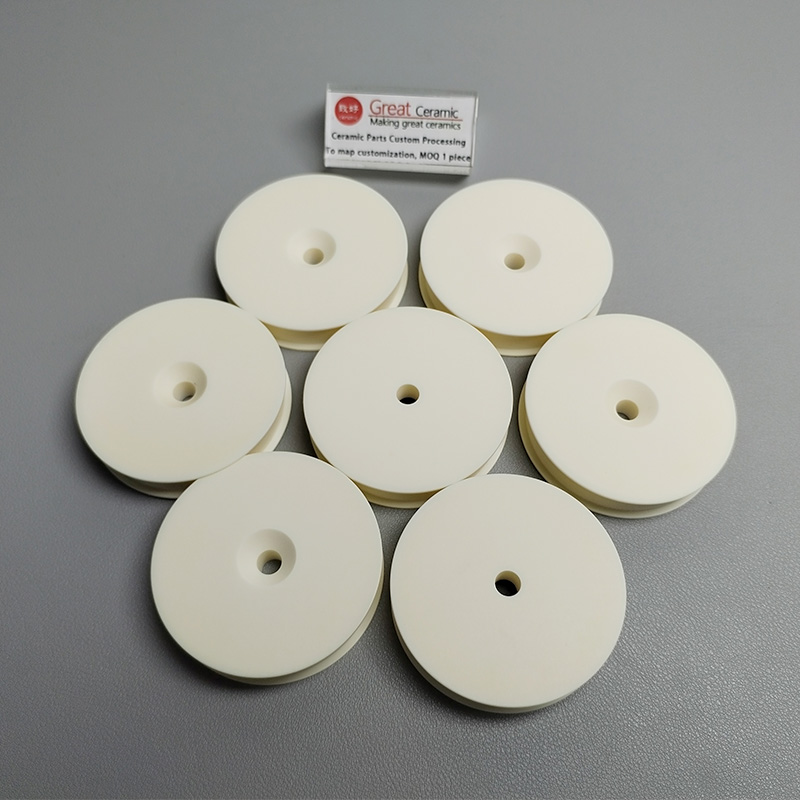
Rollers and friction discs manage contact, traction, and texturing; twister parts stabilize twist and bearing. Ask for running speed, contact width, balance, friction interface, shaft fit, and permissible runout.
Ask: which surface controls yarn behavior, and how will wear or replacement be judged? See https://www.ceramtec-industrial.com/en/products-applications/textile-machinery
Cutters And Wear Parts
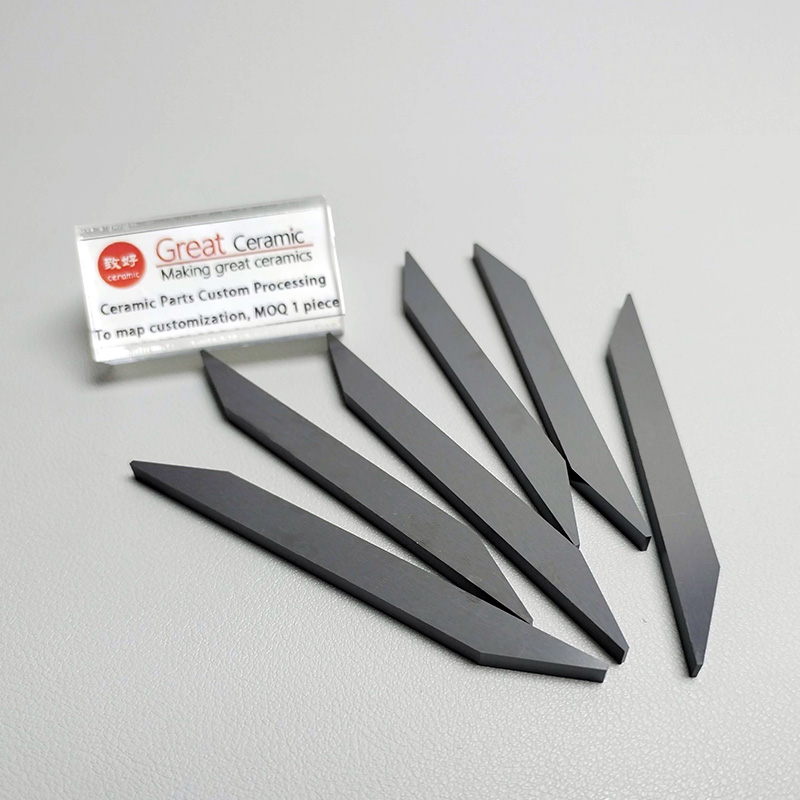
Cutters address clean separation; wear parts protect machine interfaces from abrasive yarn or sliding contact. Edge angle, radius, flatness, mounting datum, and finish are functional requirements.
Ask: what failure is unacceptable—fraying, chipping, scoring, or dimensional drift—and what inspection evidence is required? See https://www.ceramtec-industrial.com/en/products-applications/textile-machinery
4. Materials for Technical Ceramics for Textile Machinery
Material selection follows the contact, yarn speed, chemistry, temperature, and electrical requirement—not the material name alone.
| Material choice | Textile application | Priority property | Qualification consideration |
|---|---|---|---|
| Alumina | Guides, nozzles | Hardness, insulation | Grade, glaze, finish |
| Zirconia | Cutters, wear contacts | Toughness, friction | Transformation grade, edge |
| ATZ/ZTA | Demanding guides | Hardness-toughness balance | Formulation, thermal expansion |
| Other ceramics | Only evidence-backed cases | Thermal or chemical fit | Application test, cost |
Compare Candidate Families
Alumina prioritizes hardness, insulation, chemical stability, finishability, and cost. Zirconia improves toughness and low-friction contact behavior, but usually costs more and requires tighter grade control. ATZ and ZTA balance hardness and toughness differently; specify the actual formulation.
Qualification By Application
Qualification should connect the selected material family to yarn contact, speed, chemistry, temperature, electrical requirements, geometry, and inspection criteria. Review grade-specific evidence and confirm the proposed material against the actual textile machinery duty before approval.
Cost And Finish Tradeoffs
Ceramic finishability, friction, and cost depend on grade, geometry, surface condition, and inspection requirements. Compare the required performance and approval evidence with the recurring piece cost rather than treating a material family as a complete specification.
5. Customization and Surface-Finish Options
A drawing-led customization request starts with the part’s working interfaces, not a material label.
Define Geometry From The Drawing
1:1 drawing details should identify dimensions, tolerances, radii, holes, grooves, mounting features, and edge geometry. Mark mating and yarn-contact surfaces explicitly; these often determine assembly fit, yarn damage, friction, and lead time.
- Identify datum structure and critical dimensions.
- Specify edge breaks, radii, and contact transitions.
- Separate essential tolerances from preferred tolerances.
Specify Surface Performance
Ra values, polish requirements, and edge smoothness belong beside the yarn path on the drawing. Surface condition directly influences abrasion, friction, contamination risk, and wear, so use measurable acceptance criteria rather than ‘smooth’ alone. Coatings require substrate, thickness, adhesion, and service-condition review.
- State roughness by surface and measurement method.
- Identify coating purpose, not only coating name.
- Treat color, logos, and markings as secondary requirements.
Plan Sampling And Packaging
First-article samples should confirm geometry, surface finish, fit, and yarn-contact behavior before volume release. Record revision control, inspection reports, quantity tiers, and any required packaging or individual protection.
- Define prototype, pilot, and production quantities.
- Protect polished or fragile edges during packing.
- Confirm labels, traceability, and shipment units.
6. Key Construction and Quality Elements
A drawing-led review starts with the surfaces, dimensions, and service conditions that govern machine performance.
Geometry And Surface Control
Critical dimensions, concentricity, and controlled mating surfaces support replacement fit and stable yarn tension. Edge integrity prevents chips from becoming snag points that increase yarn breakage. Surface-finish limits and verified porosity control friction, contamination retention, and wear.
Mechanical And Cleanliness Checks
3-point or specified strength testing, when relevant to the design, helps manage fracture risk under contact, vibration, and handling loads. Cleanliness inspection removes abrasive particles that can damage yarn or adjacent parts.
- Dimensional report
- Concentricity results
- Surface-finish reading
- Cleanliness confirmation
Traceability And Protection
Lot numbers, drawing revision, material designation, and inspection records connect each component to its approved requirement. That traceability shortens replacement decisions and exposes recurring defects before they affect availability. Packaging must isolate finished surfaces from impact, moisture, and contamination.
7. How to Choose a Technical Ceramics Manufacturer
1 drawing should connect the textile-machine duty, component geometry, mating surfaces, and acceptance criteria.
Review Engineering Before Quoting
Three items belong in the first review: current drawing revision, service conditions, and critical-to-function dimensions. Ask how the supplier selects grades, flags manufacturability risks, and confirms tolerances.
Verify Process And Inspection
2 evidence groups matter: process capability and inspection records. Request forming and finishing methods, material data by grade, dimensional reports, surface-finish results, and test evidence tied to the requirement.
Confirm Delivery And Control
4 dates should appear in the plan: drawing review, prototype, approval, and production shipment. Require realistic lead times, sample quantities, packaging details, and logistics responsibilities rather than an unsupported promise.
8. Common Buyer Mistakes in Technical Ceramics Sourcing
Seven recurring sourcing errors can turn a seemingly simple ceramic order into downtime, scrap, or repeat tooling.
Specify The Working Conditions
A 1-line material request such as alumina or zirconia omits speed, load, temperature, chemicals, and yarn contact conditions; the result may be premature wear, cracking, or unstable production.
Control Geometry And Finish
A copied dimension can miss fits, clearances, orientation, or mating-part changes, causing assembly delays, vibration, or line stoppage. Surface finish and edge quality must be stated where they affect yarn damage, friction, sealing, or cleaning.
Validate And Plan Replacements
One untested sample is not production evidence: validate representative parts under actual speed, contact, thermal, and chemical conditions before release. Skipping this step can transfer defects directly into serial production.
9. Steps to Launch a Drawing-Led Ceramic Component Program
Step 1 begins with the component’s job, interfaces, service conditions, and current drawing revision.
Define Application And Drawing
Step 1 records yarn contact, speed, temperature, chemistry, loads, mating surfaces, critical dimensions, quantity, and inspection documents.
Select Material And Quote
Step 2 compares candidate grades against wear, friction, electrical, thermal, and chemical demands without treating a family name as a specification.
Approve Prototype And Validate
Step 3 defines prototype acceptance using dimensional reports, surface criteria, fit checks, and any textile-process performance limits before manufacture.
Release Production And Replenish
Step 4 converts the approved prototype into a controlled production package covering drawing revision, material grade, inspection plan, packaging, and change control.
10. Pricing and Total Cost of Technical Ceramics
1 drawing revision, material grade, geometry, tolerance, surface finish, inspection, and packaging requirements establish the quotation basis. Development work and delivery terms should be priced separately from recurring piece cost. 2 commercial comparisons should evaluate total cost, including tooling amortization, inspection effort, packaging protection, freight, and approval work.
| Quantity Tier | Indicative Pricing Basis | Setup or Tooling Treatment | Lead-Time Range | Total-Cost Considerations |
|---|---|---|---|---|
| Prototype / 1–10 | Drawing, material, complex geometry, tight tolerances | Development and tooling quoted separately | Quotation-dependent | Highest engineering and inspection cost per part |
| Low volume / 11–100 | Part complexity, surface finish, inspection level | Tooling may be amortized across order | Quotation-dependent | Include packaging, documentation, and freight |
| Repeat batch / 101–1,000 | Established process and confirmed grade | Existing tooling; setup spread across quantity | Quotation-dependent | Compare unit price with inventory and delivery terms |
| Volume / 1,001+ | Stable geometry, process yield, and annual demand | Dedicated tooling or process investment evaluated | Quotation-dependent | Assess quality costs, storage, logistics, and supply continuity |
Discuss Technical Ceramics for Textile Machinery
Send your drawing or describe the component, operating environment, quantity, and acceptance requirements for a focused quotation discussion.