
Beryllium Oxide Ceramics for Industrial Ceramic Parts
Connect beryllium oxide ceramics to the geometry, service conditions and acceptance criteria your technical ceramic component requires.
Featured Products for beryllium oxide ceramics Development
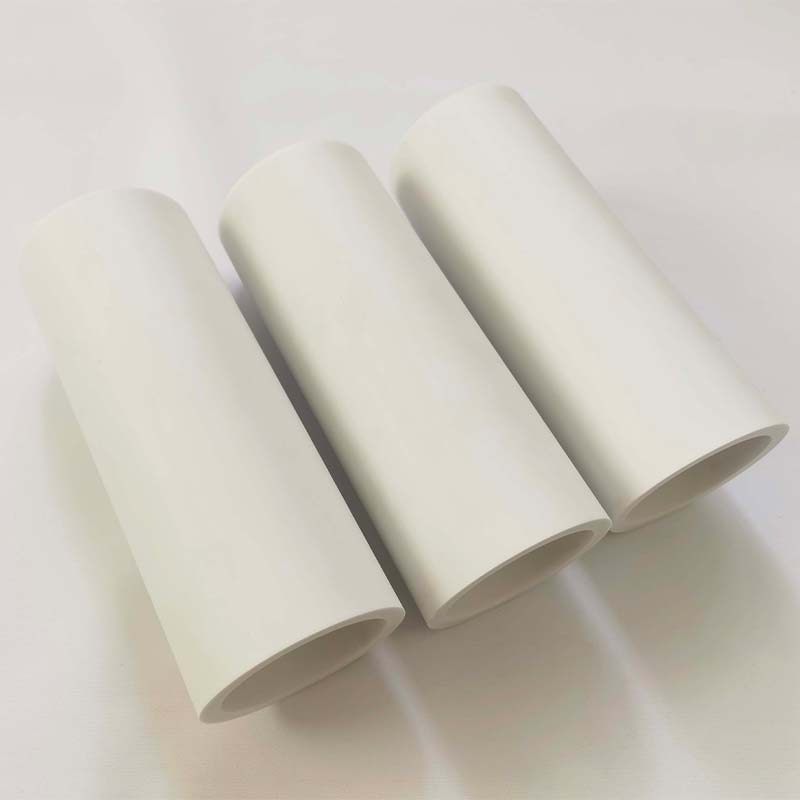

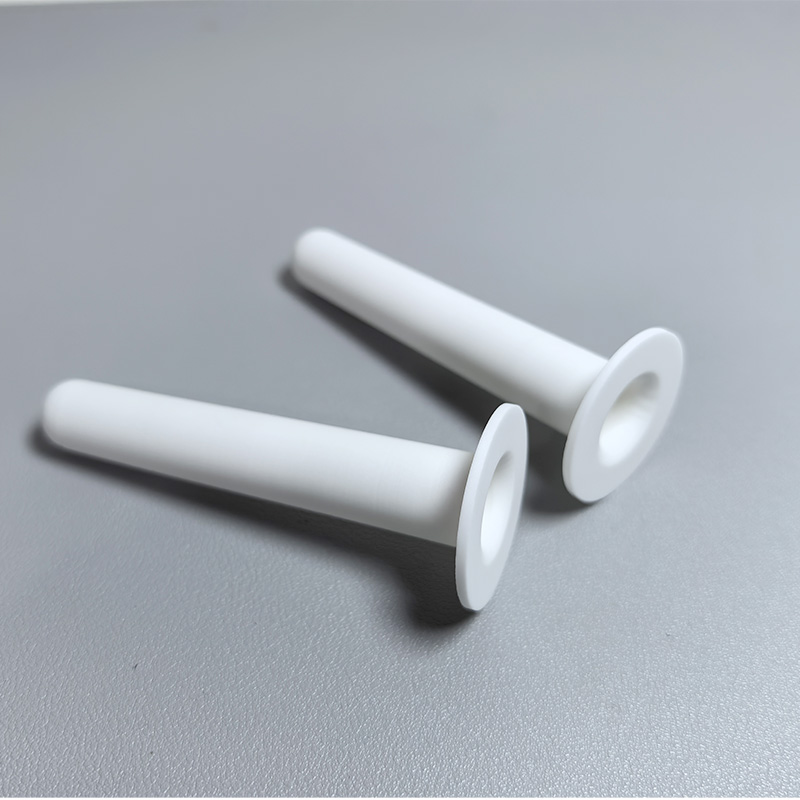
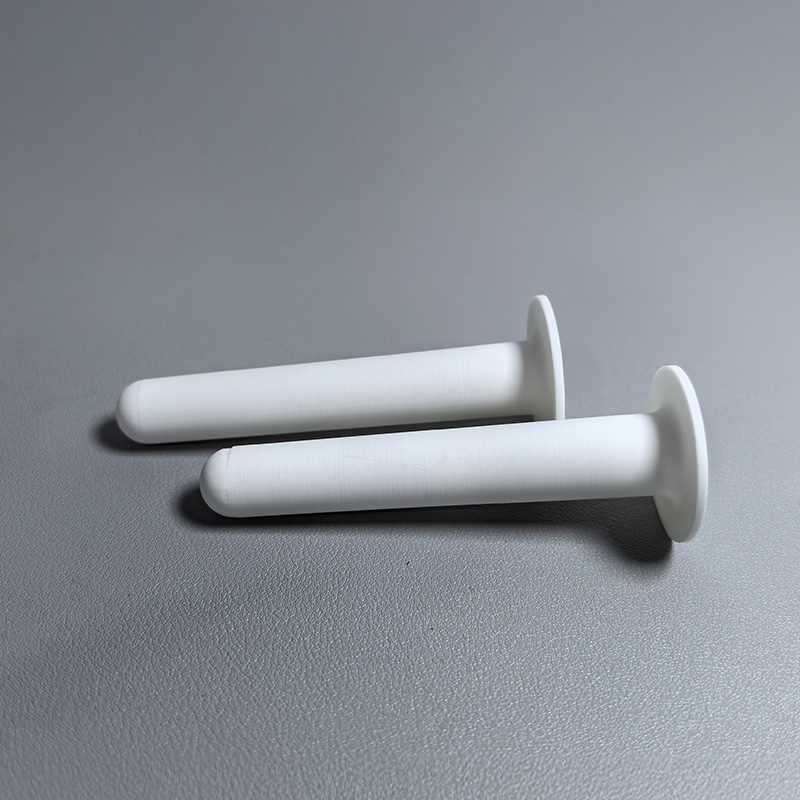


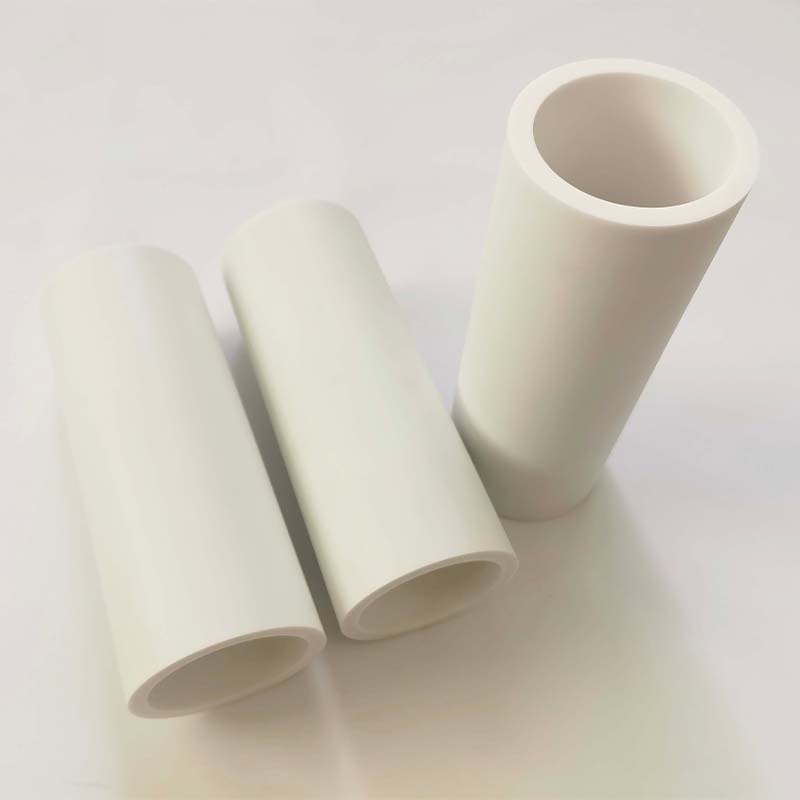

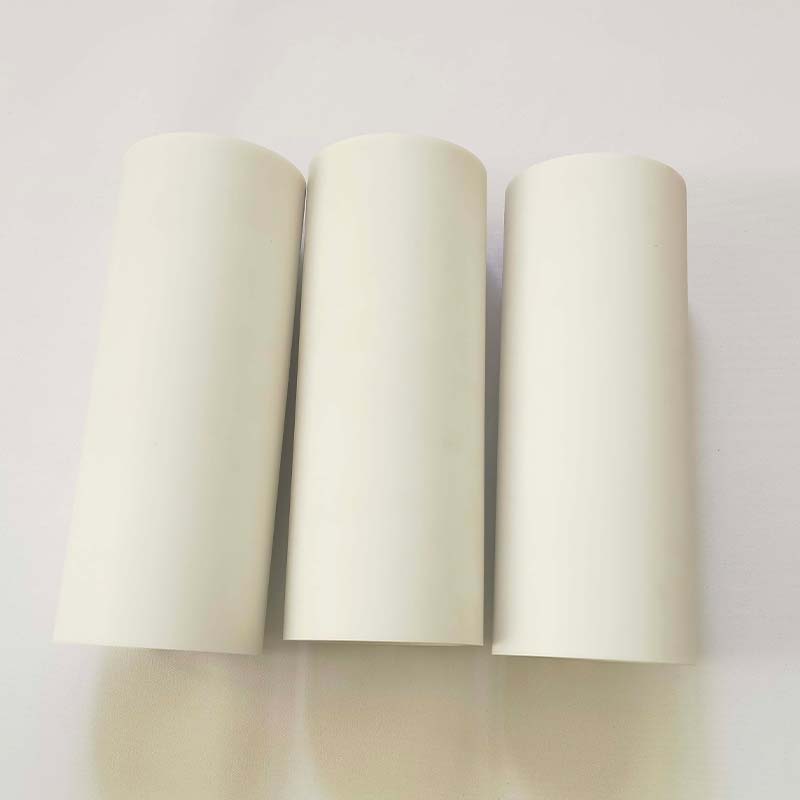



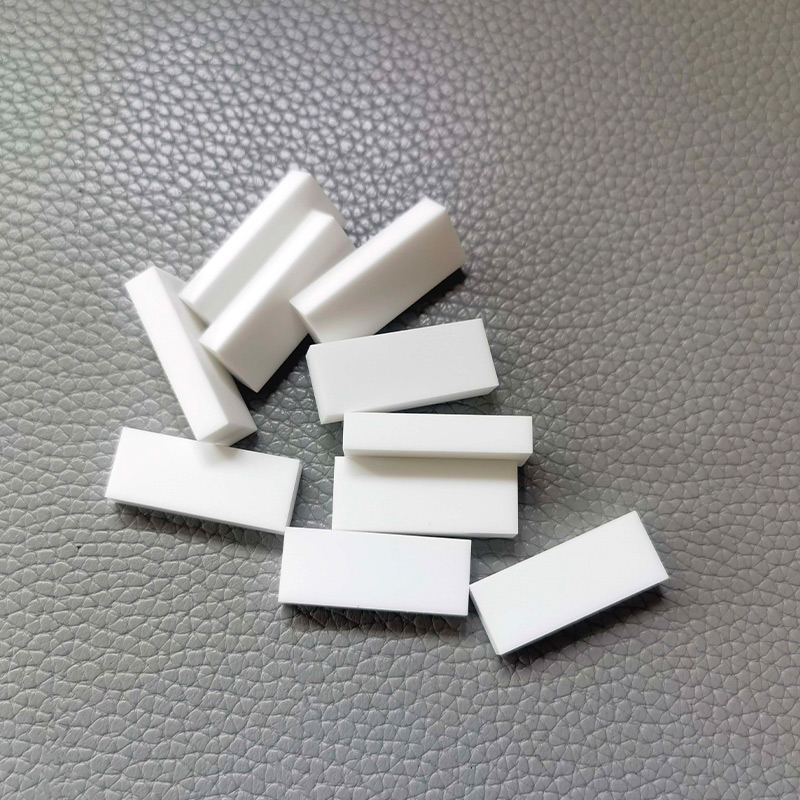


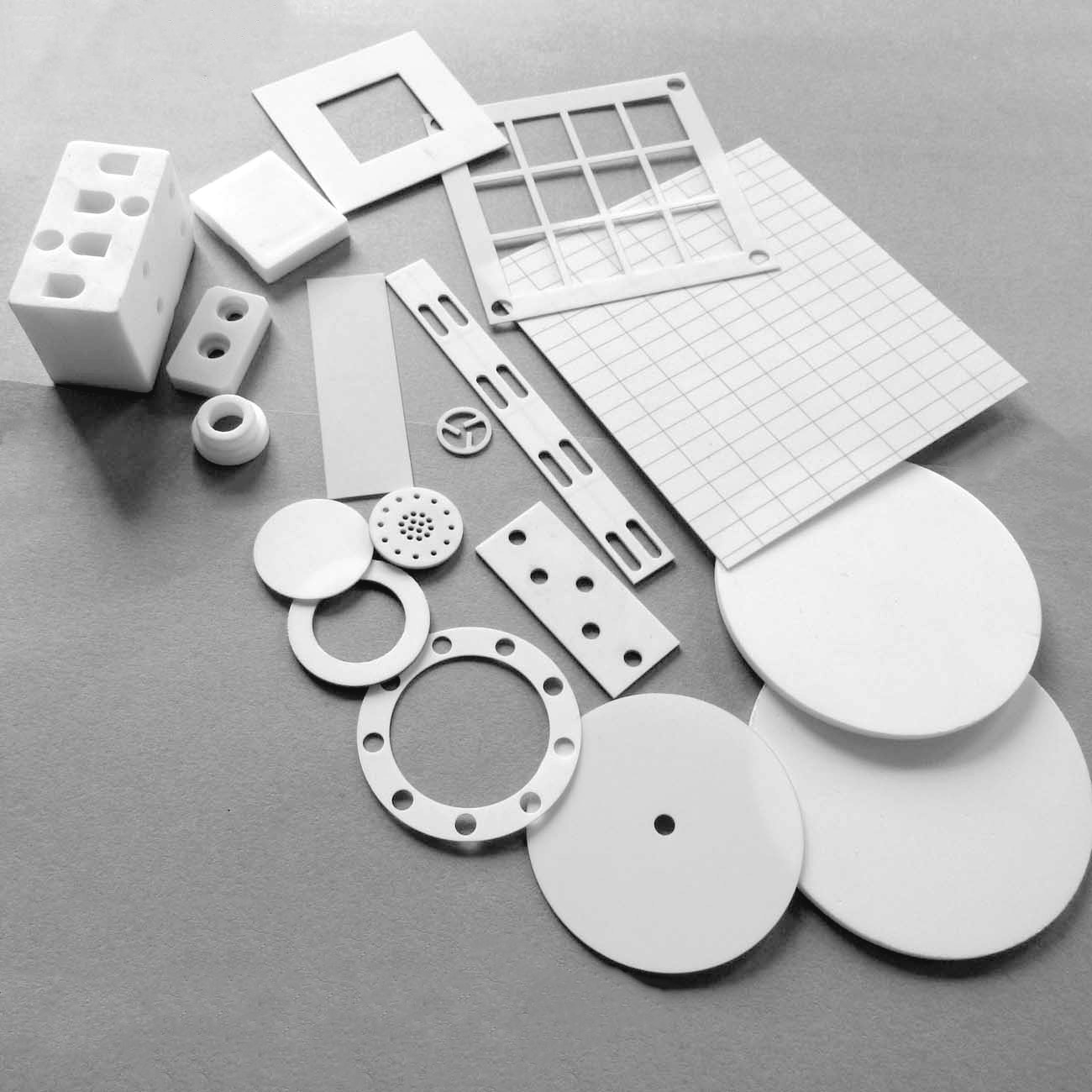
Beryllium Oxide Ceramics Catalogue and Quotation




Why Source Beryllium Oxide Ceramics Through Porcecore
Review the part requirements that shape a clearer quotation discussion, from drawing control and material grade to functional surfaces, inspection evidence, and service conditions.
Drawing and Revision Control
Start with the current drawing revision, identified critical dimensions, and open questions so quotation discussions stay aligned with the part your team intends to approve.
Grade Requirements Made Explicit
State the known beryllium oxide grade, purity or property requirements, while separating confirmed specifications from assumptions that require project-specific technical review.
Geometry Built Around Assembly
Describe component form, dimensions, tolerances, and mating features together, helping Porcecore understand how the ceramic part must fit the surrounding assembly.
Functional Surfaces Identified Early
Mark sealing, contacting, mounting, or other functional surfaces on the drawing so finish, fit, and acceptance priorities can be discussed before quotation.
Inspection Evidence Agreed Upfront
Define inspection points, dimensional records, material documentation, and acceptance criteria required for approval, based on the needs of your individual project.
Conditions Guide Component Review
Share operating temperature, electrical environment, loads, media exposure, quantity, and service context so the proposed component can be reviewed against its actual job.
Beryllium Oxide Components by Requirement
Review grade options and design considerations for beryllium oxide ceramics before defining a drawing-led inquiry for your custom ceramic component.
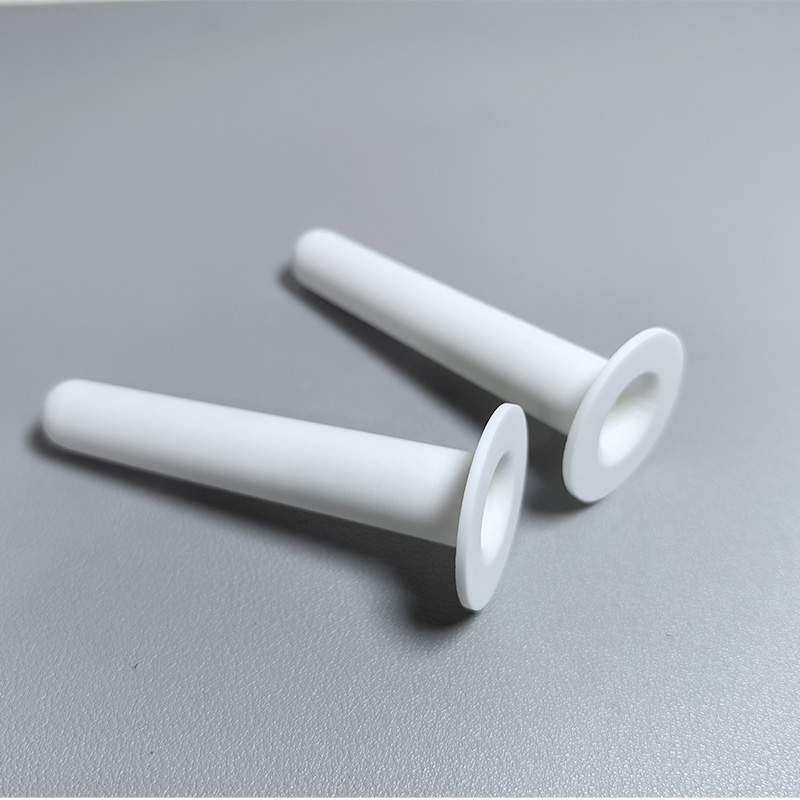
Beryllium Oxide Ceramics: Properties and Selection Guide
Beryllium oxide ceramics combine high thermal conductivity with electrical insulation and dimensional stability. Selection should consider geometry, operating temperature, thermal cycling, dielectric requirements, mating surfaces and inspection criteria. Use the guide to frame a project-specific requirement rather than treating general material data as a contractual specification.
Discuss Your Ceramic Part
Beryllium Oxide Ceramics: Grades and Compositions
Beryllium oxide ceramic grades and compositions can vary by purity, additives, density, microstructure and manufacturing route. These differences affect thermal, electrical, mechanical and machining behavior. Confirm the required grade designation, applicable tolerances, documentation and acceptance criteria for each drawing or replacement-part inquiry.
Discuss Your Ceramic Part
Beryllium Oxide Ceramics: Thermal Performance
Beryllium oxide ceramics are considered where heat must be transferred while maintaining electrical insulation. Thermal performance depends on grade, density, geometry, interfaces, surface condition, temperature and assembly design. Define heat-flow requirements, contact surfaces, operating conditions and test expectations before requesting a project-specific quotation.
Discuss Your Ceramic Part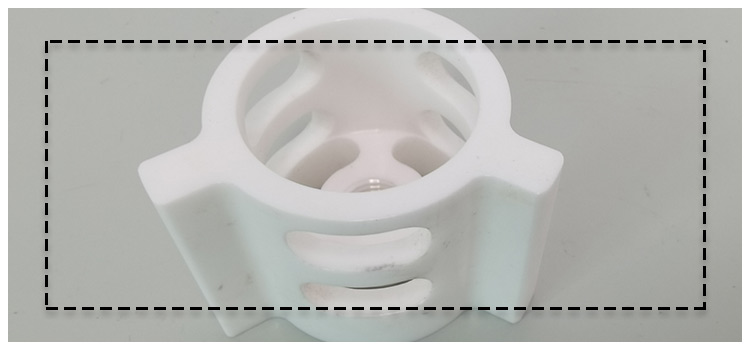
Beryllium Oxide Ceramics: Mechanical and Wear Performance
Mechanical and wear performance for beryllium oxide components depends on grade, porosity, surface finish, geometry, loading, contact conditions and temperature. Discuss strength, fracture risk, hardness, wear mechanisms and mating materials with the supplier. Component design and acceptance requirements should be confirmed against the intended service environment.
Discuss Your Ceramic Part
Beryllium Oxide Ceramics: Electrical and Insulation Performance
Beryllium oxide ceramics provide electrical insulation alongside thermal management, making dielectric behavior relevant to substrates, insulators and other engineered components. Specify voltage, frequency, temperature, environment, creepage or clearance requirements, geometry and surface condition. Grade-specific electrical values and documentation require project confirmation.
Discuss Your Ceramic Part
Beryllium Oxide Ceramics: Machining and Design Guide
Machining and design of beryllium oxide ceramics require attention to brittle-fracture risk, feature geometry, edge conditions, surface finish, tolerances and inspection access. Provide the current drawing revision, critical dimensions, mating surfaces and manufacturing constraints. Processing and handling requirements should be agreed before production commitment.
Discuss Your Ceramic Part
Beryllium Oxide Ceramics: Applications and Component Selection
Beryllium oxide ceramic applications may include thermal-management parts, electrical insulators, substrates and custom components where heat transfer and isolation must be balanced. Selection depends on the application, operating environment, geometry and acceptance criteria. Send a drawing, quantity and service conditions to define the appropriate sourcing discussion.
Discuss Your Ceramic PartMaterials and Grades for Beryllium Oxide Ceramic Parts

99.5% BeO Grade
A high-purity beryllium oxide ceramic option with a hard, smooth fired surface, often considered for thermally conductive electrical components and substrates. Confirm purity, conductivity, dimensions and inspection requirements for the individual inquiry.

99.7% BeO Grade
A higher-purity BeO option for applications where material consistency and thermal-electrical behavior require closer definition. Its finished ceramic feel, usable geometry and end use depend on forming, sintering, machining and the approved specification.

Thermal BeO Grade
Selected when heat transfer and electrical isolation must be considered together in a compact component. Typical uses may include substrates, heat-management parts or insulating supports, with thermal conductivity and dielectric values confirmed by grade and test method.

Metallized BeO
A BeO ceramic surface prepared for integration with metal or electrical assemblies, offering a finished interface rather than an uncoated ceramic surface. Evaluate metallization system, adhesion, mating geometry, thermal cycling and inspection criteria for the application.

Custom BeO Grade
A project-defined option for buyers whose component requires a particular purity, density, surface finish, dimensional tolerance or documentation package. The final material choice should follow the drawing, operating environment, quantity and agreed acceptance requirements.
Manufacturing Processes for Beryllium Oxide Ceramics

Controlled Sintering
Controlled sintering develops the ceramic body after forming. The quotation should connect the proposed firing route with expected shrinkage, density, grade, geometry and critical dimensions, so the final acceptance basis is defined before production.

Diamond Machining
Diamond grinding or other approved hard-material machining can refine mating surfaces, holes, edges and critical dimensions after firing. Porcecore can review the drawing to identify where tighter tolerances justify additional finishing and inspection.

Surface Finishing
Lapping and polishing can improve surface condition on specified faces where sealing, electrical contact, optical interface or assembly performance requires it. Surface roughness, flatness and measurement method should be stated in the inquiry.

Inspection Review
Final inspection should verify the dimensions, tolerances, surface condition and material documentation defined for the project. Porcecore can help organize these acceptance requirements around the drawing, application conditions and required approval records.
Auxiliary Materials and Hardware for Beryllium Oxide Ceramics
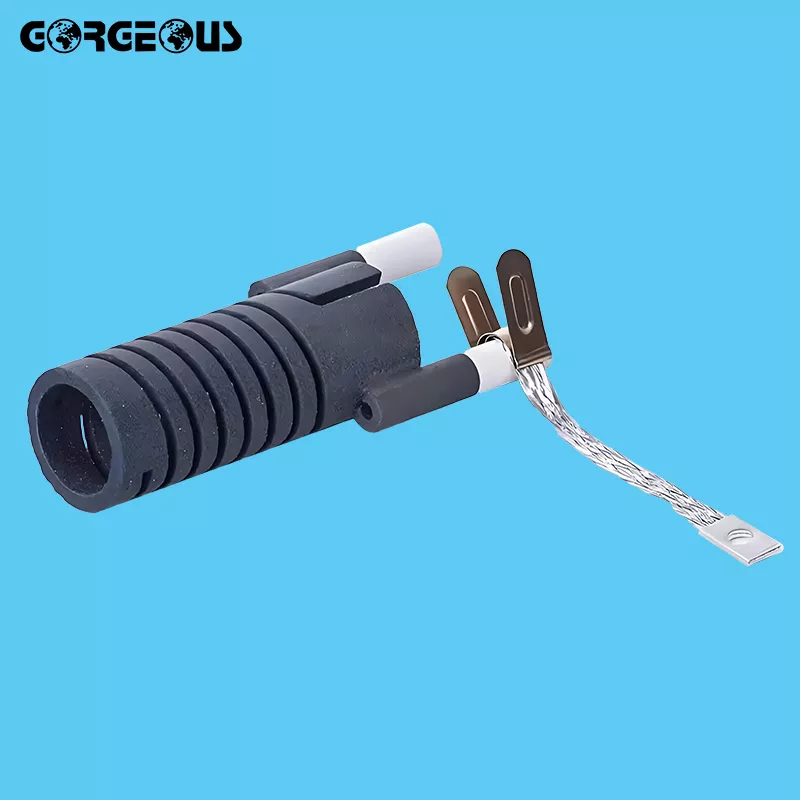
Metalized Interfaces
Metalized surfaces may support brazing, soldering or electrical connection where a ceramic part joins metal hardware. Specify the mating material, joint area, finish expectations and inspection criteria for project review.

Mounting Hardware
Rings, clamps, plates or fasteners can influence alignment, preload and service access around a ceramic component. Share mounting geometry, contact surfaces, load conditions and available assembly clearances with the drawing.
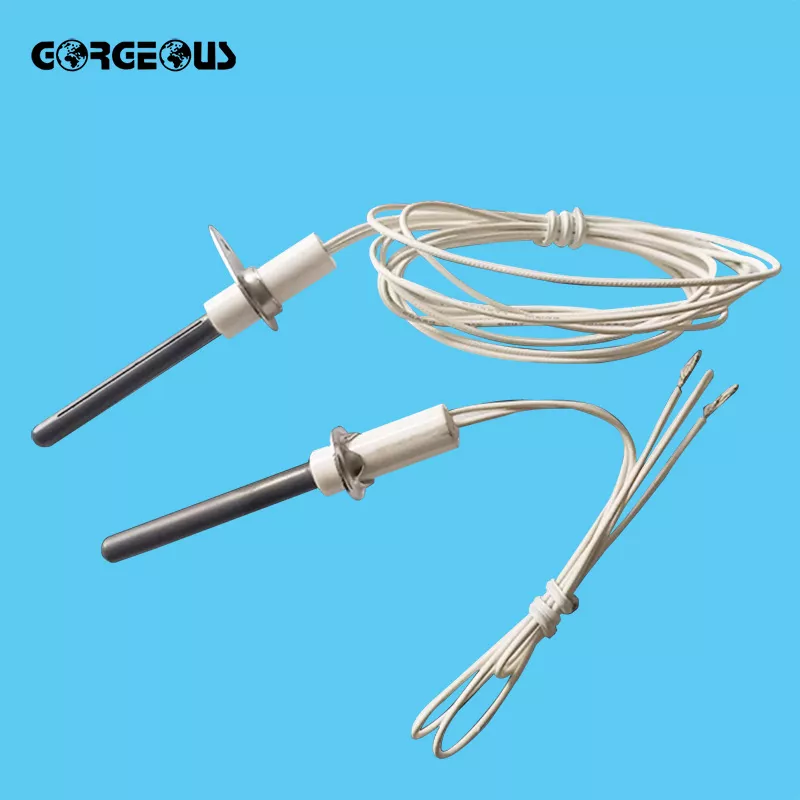
Insulating Spacers
Ceramic spacers and standoffs can maintain electrical separation, positioning or controlled gaps within equipment. Identify hole patterns, compression concerns, neighboring materials and the documentation required for approval.

Sealing Components
Gaskets, sleeves or interface seals may be needed where a ceramic part meets a housing, tube or process boundary. Confirm the sealing method, contact dimensions, operating environment and acceptance requirements.

Custom Substrates
Supporting substrates can provide a defined base for electronic, thermal or mechanical assemblies. Send the current drawing revision, surface requirements, material designation if known and any coating or inspection expectations.
About Porcecore and Beryllium Oxide Ceramics
Founded by Andy Yuan, Porcecore helps industrial buyers connect a ceramic material choice with the part requirement behind it. Our work with beryllium oxide ceramics begins with the component’s geometry, mating surfaces, operating conditions and inspection expectations—not with a material name treated as a complete specification.
Porcecore supports procurement teams, engineers, equipment builders and distributors across oxide, nitride, carbide and specialty ceramics. We organize materials and component forms around familiar engineering needs, then invite a drawing-led discussion covering grade, dimensions, tolerances, quantity, service conditions, documentation and acceptance criteria.
What makes our approach different is the emphasis on clarity before commitment. Product illustrations, general material information and preliminary inquiries are kept distinct from confirmed specifications and production terms. Send a current drawing or describe the required component and environment so we can identify open questions and define the next sourcing decision together.

Core Capabilities for Beryllium Oxide Ceramic Sourcing
Review the Part Requirement
Porcecore starts with the component’s job, not a material label alone. We review service conditions, mating surfaces, critical dimensions and quantity so the inquiry reflects the requirements that influence beryllium oxide ceramics selection and production planning.
- Operating temperature and thermal conditions
- Electrical, mechanical and environmental demands
- Mating surfaces and assembly interfaces
- Quantity, timing and documentation needs
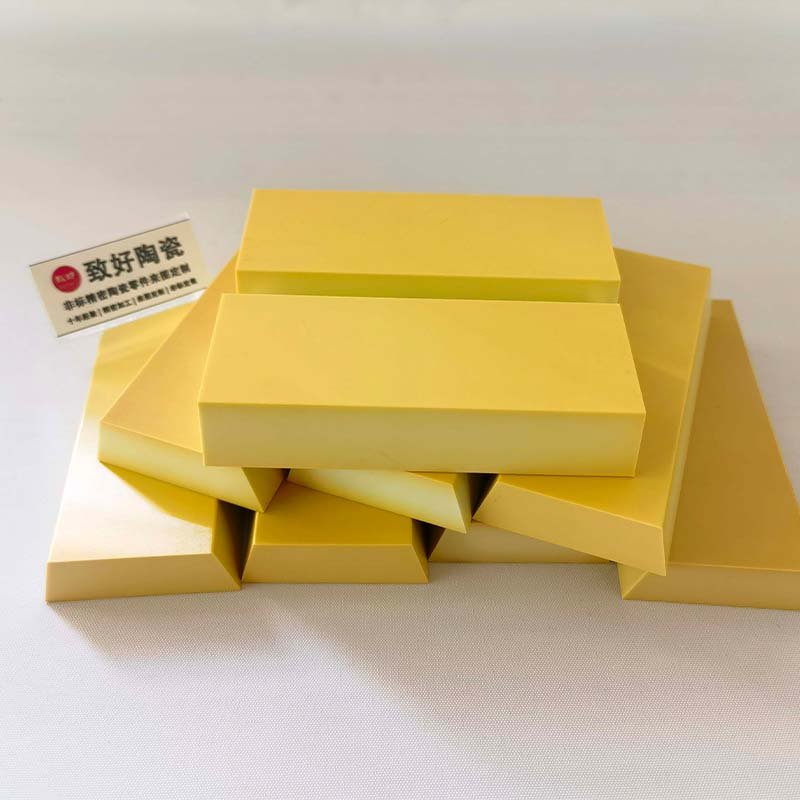
Interpret Drawings Precisely
A current drawing gives the quotation conversation a practical foundation. Porcecore helps identify the dimensions, tolerances, finishes and features that affect manufacturability, inspection and fit, while separating confirmed requirements from details that still need clarification.
- Drawing revision and revision-controlled references
- Critical dimensions and allowable tolerances
- Surface finish, flatness and edge details
- Open questions affecting quotation scope

Clarify Grade and Geometry
Beryllium oxide ceramics must be considered alongside their final form and operating environment. Porcecore organizes the discussion around the proposed grade, component geometry, fabrication route and applicable acceptance expectations before commercial terms are confirmed.
- Material designation or grade information
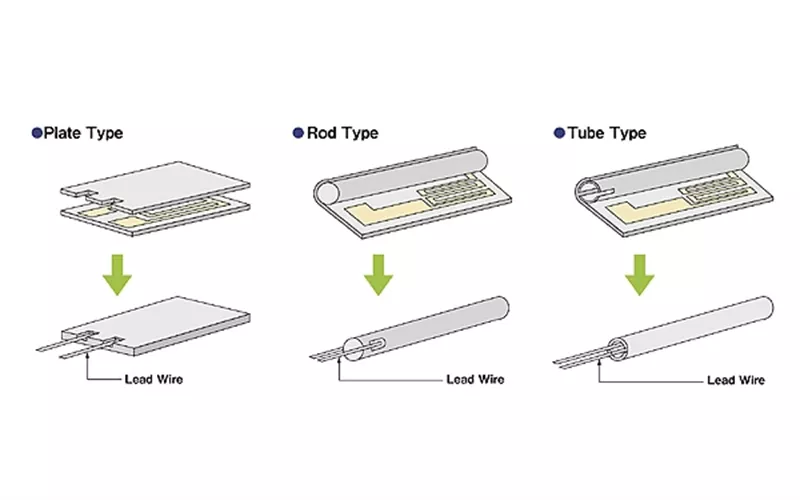
- Tube, rod, ring, plate or custom geometry
- Fabrication and finishing considerations
- Project-specific acceptance criteria

Porcecore vs. the Typical Ceramic Supplier
Compare a drawing-led approach for beryllium oxide ceramics with common sourcing gaps around requirements, confirmation and project fit.
← Swipe left or right to view →
Beryllium Oxide Ceramics: From Requirement to Shipment
A project-confirmed workflow connecting material review, component requirements, production, inspection and delivery.
Define the Requirement
Share the current drawing, target geometry, material designation, mating surfaces, service conditions, quantity and acceptance criteria so the quotation starts with a usable requirement.
Review Material and Quote
Porcecore reviews beryllium oxide ceramics against the part’s thermal, electrical, mechanical and dimensional needs, then clarifies grade, tolerance, documentation and commercial assumptions before quotation.
Confirm Production Route
After approval, the project confirms geometry, material grade, forming route, machining or finishing details, inspection points, packaging expectations and delivery terms for production.
Inspect and Document
Finished components are checked against the agreed drawing and acceptance requirements, with project-specific inspection records or supporting documentation prepared when included in the order.
Pack and Ship
Approved parts are packed for the confirmed component form and handling needs, then shipment details are coordinated with the buyer for a clear handoff.
How to Work With Porcecore on a Beryllium Oxide Ceramic Part
Move from an initial requirement to a confirmed production order through clear, drawing-led decisions at each stage.
Send Your Drawing or Brief
Send the current drawing revision or application brief with component form, quantity, service conditions and intended use so Porcecore can frame the quotation discussion.
Define Grade and Acceptance Criteria
Clarify the beryllium oxide grade, critical dimensions, mating surfaces, inspection expectations, documentation needs and acceptance requirements that determine acceptable component performance.
Review Quotation and Samples
Review the project quotation, open technical questions and any agreed sample plan before evaluating geometry, finish, fit and acceptance against the defined requirement.
Confirm Production Terms
Confirm the approved drawing, material designation, quantity, tolerances, documentation, delivery schedule and commercial terms before authorizing bulk production for your ceramic component.
Verified Certifications for beryllium oxide ceramics
Verified beryllium oxide ceramics project feedback
Verified customer feedback will be published after written approval and supporting project evidence are available. Until then, buyers can begin with a drawing, service conditions, quantity and documentation requirements.
Project example pending customer permission, including the confirmed component requirement, acceptance criteria and measurable outcome. No performance figure is published without evidence.
Verified customer feedback will be added when an approved beryllium oxide ceramics case study is available. Buyers can begin with a drawing, service conditions, quantity and documentation requirements.
Beryllium Oxide Ceramics FAQ for OEM Buyers
Clear answers for drawing-led sourcing, project requirements and quotation decisions.
Can Porcecore quote beryllium oxide ceramics from our existing drawing?
How are material grades selected for beryllium oxide ceramics?
What tolerances and functional surfaces should we specify for beryllium oxide ceramic components?
Is there a minimum order quantity for custom beryllium oxide ceramic parts?
Can Porcecore support samples before a production order?
What inspection evidence and documentation can accompany beryllium oxide ceramics?
How are packaging and shipping requirements handled for beryllium oxide ceramic components?
How can we protect our drawing, IP and commercial information during quotation?
The Complete Buyer’s Guide to beryllium oxide ceramics
Use this decision framework to match beryllium oxide ceramics with thermal, electrical, mechanical, and regulatory requirements, evaluate OEM suppliers, compare customization paths, control total cost, and avoid specification, handling, and qualification mistakes.
1. What Are Beryllium Oxide Ceramics?
BeO is the chemical formula for beryllium oxide, also called beryllia. Its material behavior is grade- and process-dependent, so thermal performance, density and weight should be confirmed from applicable technical data rather than assumed from a general material description. Powder and dust require separate hazard controls; do not treat them as equivalent to a finished, intact sintered part. Before inquiry, collect the drawing revision, heat load, operating temperature and cycling, electrical limits, mating surfaces, quantity, tolerances, inspection criteria and required safety or compliance documentation.
2. Evolution and History of Beryllium Oxide Ceramics
Beryllia (BeO) has been used in demanding refractory and high-temperature roles, where thermal behavior and chemical stability matter. Modern sourcing combines materials expertise with disciplined handling controls, precision fabrication, surface-quality review and documented inspection. Historical claims should not be treated as evidence of Porcecore’s own facilities or credentials.
3. Types of Beryllium Oxide Ceramics
Eight common forms place different demands on geometry, heat flow, insulation, and inspection.
| Form group | Geometry and thermal path | Typical use |
|---|---|---|
| Flat forms | Broad faces; short through-thickness path | Substrates, plates, spreaders, heatsinks |
| Tubular forms | Walls, bores, seals, axial path | Tubes, feedthroughs, crucibles, insulators |
| Specialized parts | Defined interfaces and machined datums | Microwave and custom equipment components |
Standard Forms
Substrates, plates, heat spreaders, and heatsinks use broad flat faces to transfer heat into a mounted structure. Dimensional flatness, thickness, surface finish, and metallization compatibility often control fit.
Feedthroughs, tubes, crucibles, and electrical insulators add bores, walls, seals, or containment surfaces. Their critical dimensions depend on mating hardware and thermal gradients.
Application-Specific Parts
Microwave components may require controlled dielectric geometry, while feedthroughs and insulators require reliable electrical separation through an assembly. Thermal path length and contact area should be defined on the drawing.
Custom machined parts can combine rings, slots, holes, or stepped profiles for equipment builders. Confirm achievable tolerances and inspection datums with the supplier before release.
Powder And Preform Considerations
Powder is a forming input, not a finished component; it may be pressed or isostatically formed before sintering and finishing. com/beryllium-oxide). A preform is an intermediate geometry whose final density, shrinkage, machining allowance, and acceptance criteria still require agreement.
4. Materials and Properties of Beryllium Oxide Ceramics
25°C thermal conductivity, dielectric frequency, and density are grade- and process-dependent—not universal BeO values.
Variables That Move Performance
Thermal conductivity, dielectric behavior and density are grade- and process-dependent, not universal BeO values. Purity, density, grain size and porosity influence thermal conductivity, flexural strength, dielectric loss and reliability. Surface finish, coefficient of thermal expansion and dimensional tolerance must match the mating hardware.
Application Fit Versus Alternatives
BeO suits electrically insulating heat spreaders and high-frequency packages where thermal transfer, low dielectric response, and weight matter. Alumina fits cost-sensitive insulation and structural parts; aluminum nitride fits thermally conductive electrical substrates without BeO handling requirements.
These are application matches, not universal rankings. Compare grade-specific data at the actual temperature and frequency.
| Material | Best-fit emphasis | RFQ comparison |
|---|---|---|
| BeO | Heat dissipation plus insulation | Conductivity, dielectric loss, CTE |
| Alumina | General insulation and structure | Strength, finish, tolerance |
| Aluminum nitride | Thermal substrates | Conductivity, CTE, dielectric data |
Define Tests Before Quotation
25°C and operating-temperature thermal conductivity, dielectric constant at stated frequency and temperature, flexural-strength method, CTE range, Ra surface roughness, and dimensional datums belong in the RFQ.
Cite the drawing revision, acceptance limits, inspection report format, and required material certificate. Porcecore can then separate essential requirements from preferences before confirming feasibility.
5. Customization Options for Beryllium Oxide Ceramics
A BeO component is customized through forming, fired-state finishing, and joining choices.
Forming And Firing
Dry pressing suits repeatable simpler profiles; isostatic pressing supports more uniform density in larger or complex blanks. Sintering fixes the ceramic body, so shrinkage allowances must be built into the drawing.
Machining And Surface Control
Grinding, lapping, and drilling establish final dimensions after firing. Flatness, roughness, edge treatment, hole position, and tight tolerances should be specified only where assembly or electrical performance requires them.
Metallization And Assembly
Metallization, plating, brazing, or assembly with metal components should identify coating areas, thickness, bond system, mating materials, and service temperature. These requirements influence process sequence, fixturing, inspection, and lead time.
Option-purpose guide:
| Option | Purpose |
|---|---|
| Grinding | Dimensions and flatness |
| Lapping | Lower roughness |
| Metallization | Brazed or plated interfaces |
| Brazing | Ceramic-to-metal joining |
6. Key Construction and Quality Elements
Three checkpoints define finished-part quality: traceable material, verified geometry, and controlled surfaces.
Traceability And Dimensional Control
Revision-controlled drawings should identify BeO grade, lot, density or purity requirements, critical dimensions, datums, tolerances, and mating surfaces. Require material certificates and lot identification linking powder, firing, machining, and inspection records. First-article and sampling plans should define gauges, measurement methods, calibration status, and allowable variation.
Surface And Internal Condition
Surface acceptance should state roughness, chips, cracks, stains, edge-break limits, and visual lighting conditions. Specify whether metallization, brazing, adhesive, or plated interfaces require separate qualification. Non-destructive or destructive checks may be needed for internal cracks, voids, delamination, or density variation.
Testing, Cleanliness, And Packing
Thermal conductivity, insulation resistance, dielectric strength, and dimensional stability should be tested to agreed methods and temperatures when they affect function. Joining materials must be compatible with BeO, the service atmosphere, and the thermal cycle. Cleanliness limits should cover particles, residues, and handling; packaging should prevent impact, moisture, and contamination.
7. How to Choose a Beryllium Oxide Ceramics Manufacturer
Three checks matter first: process evidence, component-level inspection, and safe BeO handling.
Screen Process Capability
Ask whether forming, sintering, diamond grinding, lapping, metallization, and inspection match the part geometry.
- What tolerances and surface finishes are routine?
- Which operations are subcontracted?
- What is the realistic monthly capacity?
- How is BeO dust controlled?
Control Approval And Change
Use first articles to verify dimensions, mating surfaces, material designation, density, and required thermal or electrical tests.
- Approve against the current drawing revision.
- Require traceable test results.
- Define requalification triggers.
- Confirm protective packaging and SDS access.
Compare Evidence, Not Claims
Score Porcecore and alternatives on response quality, open technical questions, evidence supplied, lead-time assumptions, and quotation clarity—not unverified certifications or guarantees.
- Separate typical values from guaranteed values.
- Check prototype-to-production checkpoints.
- Confirm responsible BeO handling.
- Record exclusions and commercial assumptions.
8. Common Beryllium Oxide Ceramics Buying Mistakes
Eight recurring errors turn a sound material choice into redesign, compliance, or delivery risk.
Verify Material And Thermal Data
html). 7%. 5 × 10⁻⁶/°C expansion still affects joints; calculate the stack-up, and do not transfer alumina geometry rules without review.
- Record grade, test temperature, and acceptance value.
- Check expansion against mating metals and ceramics.
Design For Yield And Cost
Green-to-fired shrinkage and machining yield can change dimensions and scrap exposure; review manufacturability before freezing the drawing.
Tolerance width drives process effort, so requesting price before defining fits, flatness, or surface finish produces weak comparisons and later changes. Issue the current revision with critical characteristics.
- Mark datum, mating, and inspection-critical dimensions.
- Ask for process capability and expected yield assumptions.
Control Handling And Fit
com/beryllium-oxide). One approved sample is insufficient without assembly, thermal-cycle, and interface testing. Use a validation checklist to reduce compliance surprises, redesign, and delivery holds.
- Define handling ownership and required documentation.
- Test the part in its real mating assembly.
9. Steps to Launch an OEM BeO Component Program
Provide the current drawing revision, BeO grade, dimensions, tolerances, service conditions and acceptance criteria before Porcecore prices a component responsibly. Size, geometry, forming method, machining, metallization or joining, inspection and tooling can outweigh the material name itself. Separate prototype qualification costs from repeat-production economics, including engineering, tooling, testing, packaging and handling requirements.
Define The Requirement
Step 1: provide the current drawing revision, quantity, service conditions, thermal model inputs, mating surfaces, tolerances, acceptance criteria, and required documentation.
Prototype And Qualify
Step 3: request a prototype quotation tied to geometry, process assumptions, inspection points, packaging, and sample quantities; confirm open questions in writing.
Control Ongoing Supply
Step 5: approve the supplier only against documented drawings, material records, inspection results, packaging controls, and signed commercial terms.
10. Beryllium Oxide Ceramics Pricing and Total Cost
1 drawing revision, BeO grade, dimensions, tolerances, service conditions and acceptance criteria are needed before Porcecore can price a component responsibly. Size, geometry, forming method, machining, metallization or joining, inspection and tooling can outweigh the material name itself. 2 commercial stages should be separated: prototype qualification may carry engineering, tooling, testing, packaging and hazardous-material handling costs, while repeat production benefits from quantity planning.
| Quantity or Production Stage | Cost-Driver Category | Likely Commercial Effect | Lead-Time Implication |
|---|---|---|---|
| Prototype or low quantity | Tooling, setup, machining, inspection, qualification | Highest cost per part; engineering effort is concentrated | Longest; first-article review and testing may apply |
| Small production batch | Raw-material grade, size, complexity, forming, packaging | Moderate-to-high cost; setup amortization remains limited | Moderate; material and process scheduling required |
| Repeat production | Quantity, machining cycle, inspection plan | Lower unit cost potential; agreed criteria improve predictability | Shorter once process capability is established |
| Metalized or joined assembly | Metallization, joining, inspection, special packaging, handling | Added process and compliance cost beyond the ceramic body | Additional processing and approval time |
Discuss Your Beryllium Oxide Ceramic Part With Porcecore
Email a drawing or describe the geometry, operating environment and acceptance criteria for a clearer project-specific quotation discussion.