
Beryllium Oxide Ceramics Thermal Performance, Made Quotable
Connect thermal requirements to a drawing-led inquiry for custom ceramic components, including grade, geometry, service conditions and acceptance criteria.
Featured Products for beryllium oxide ceramics thermal performance Development
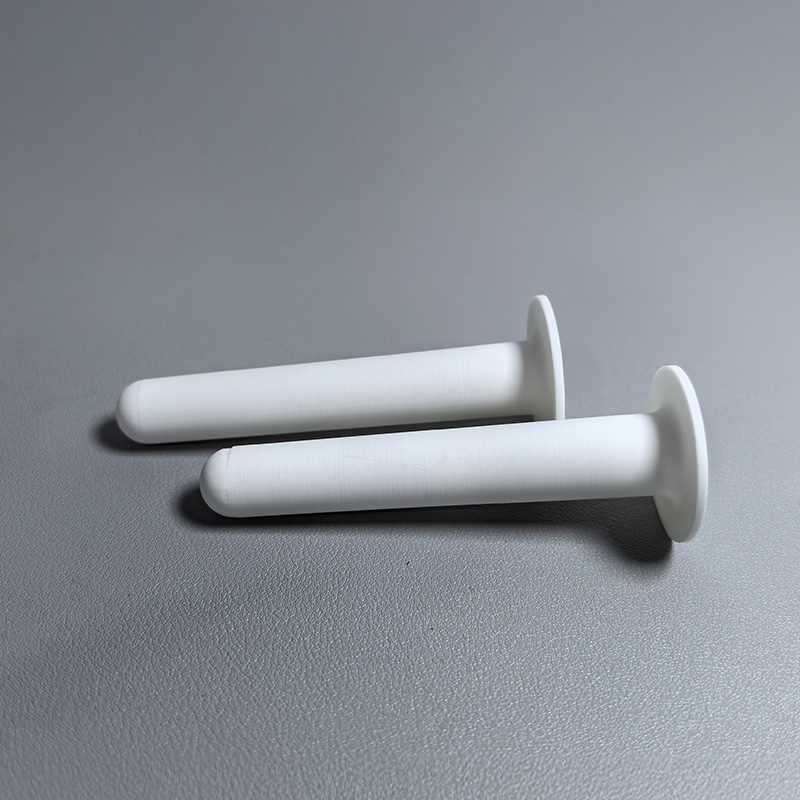


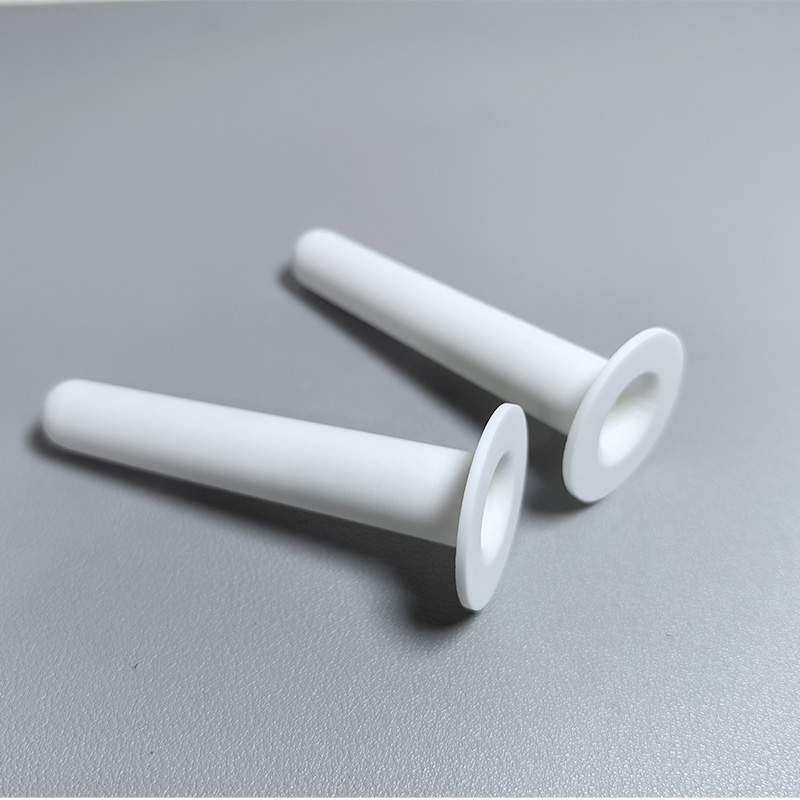


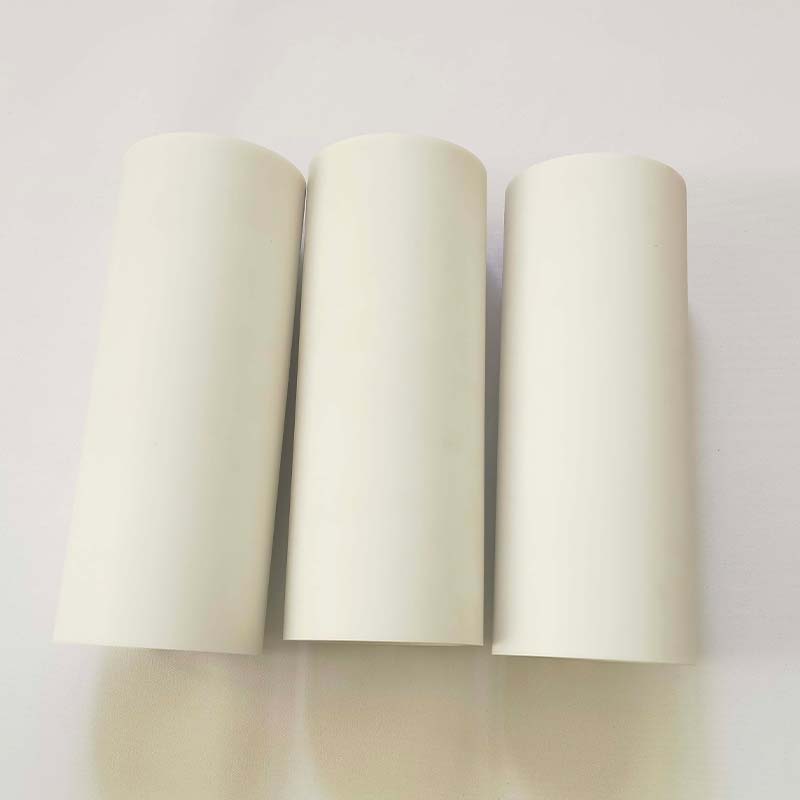
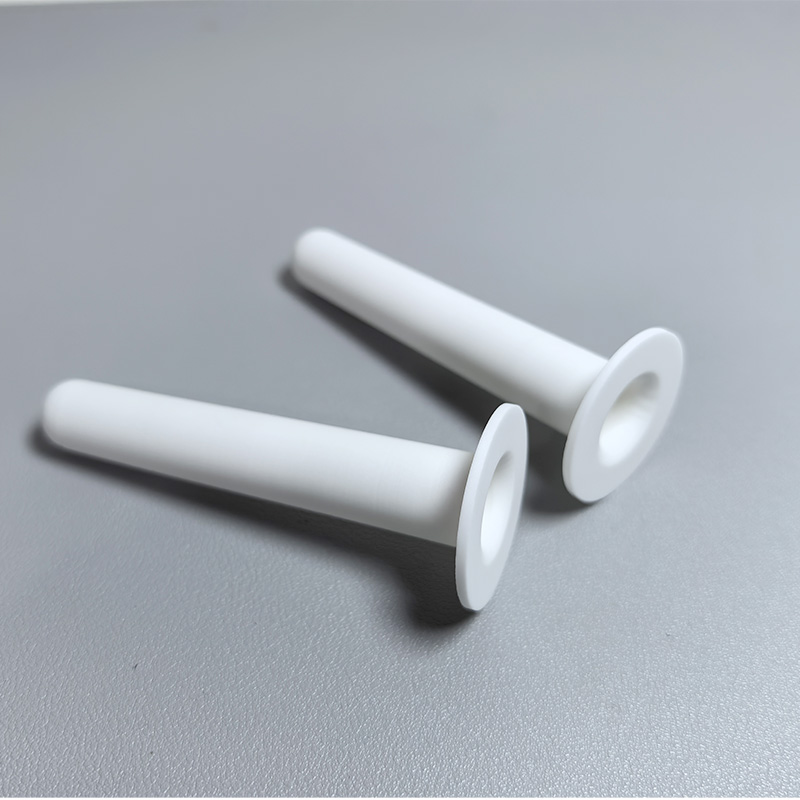


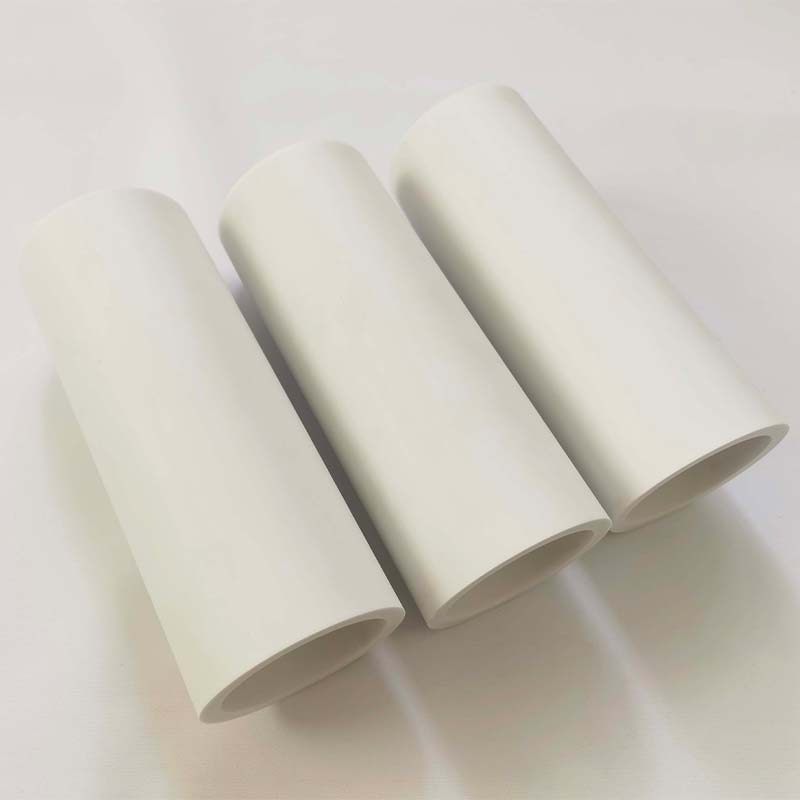
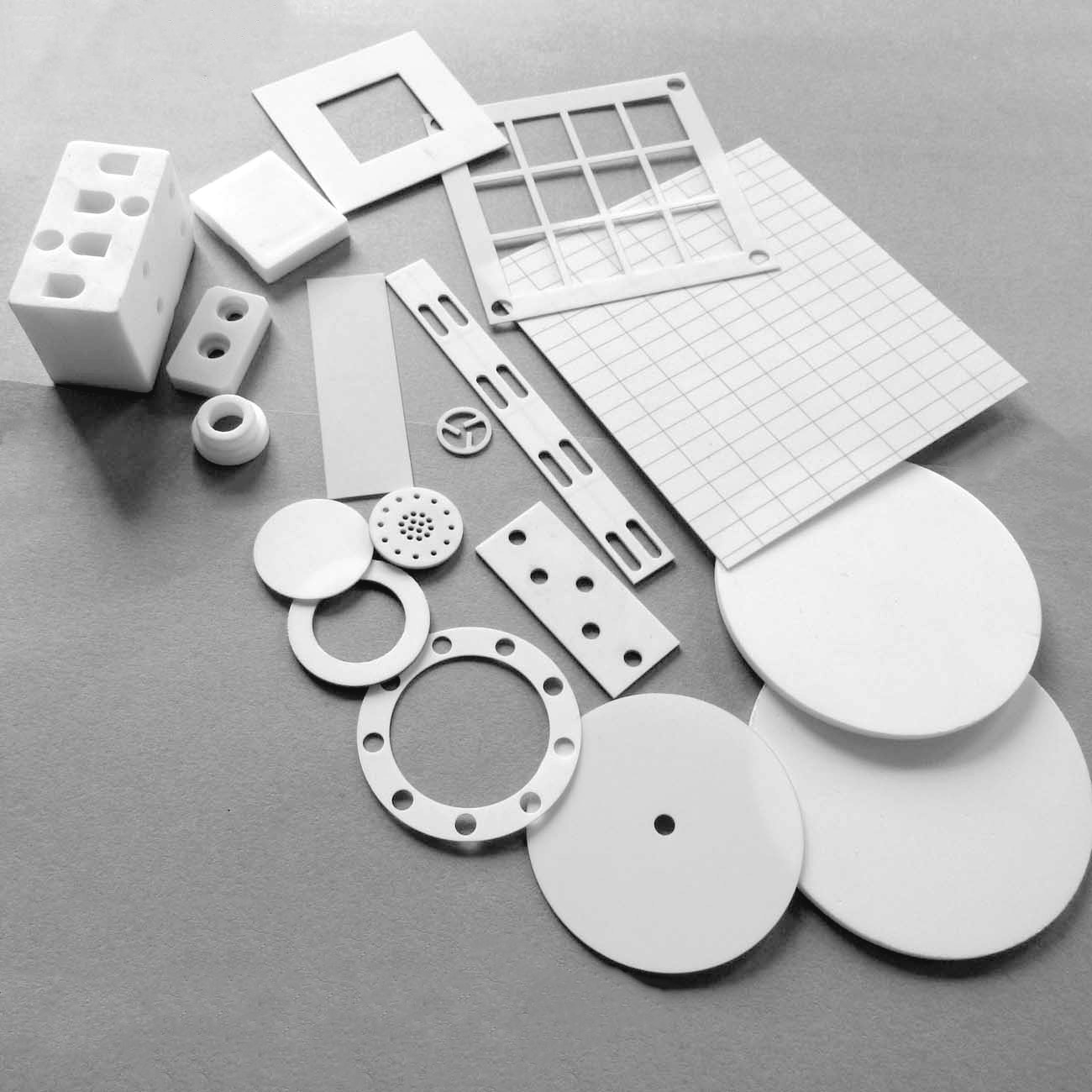



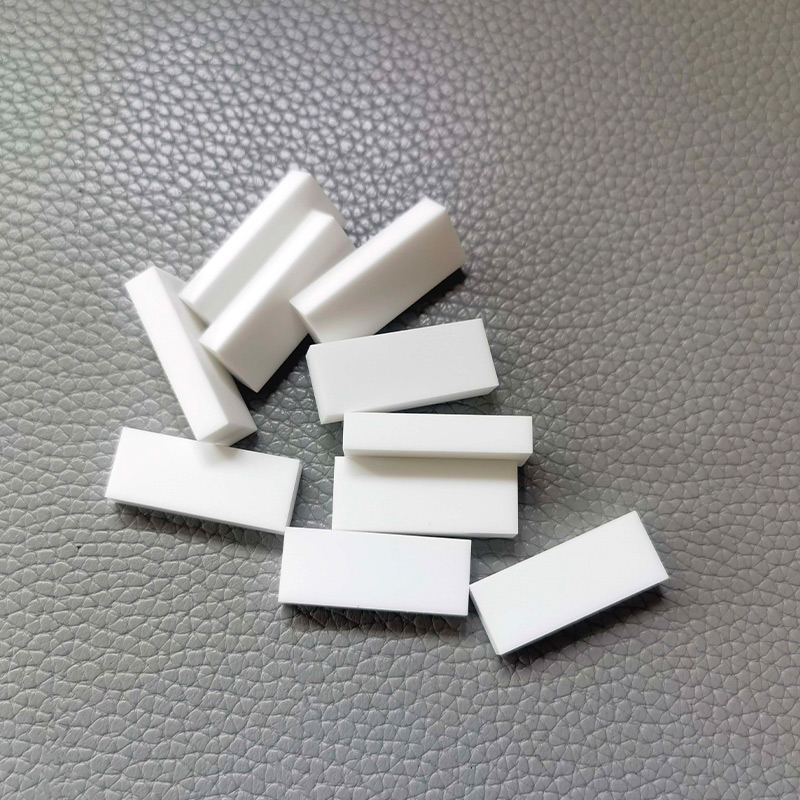
Related Product Catalogue and Quotation




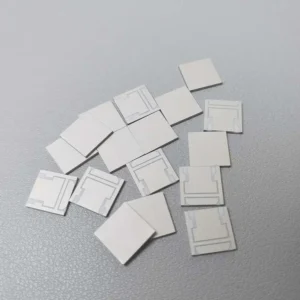


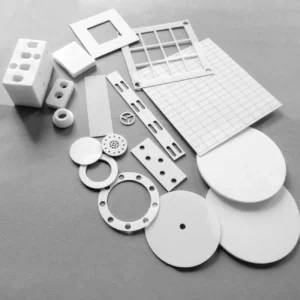


Why Project-Specific Ceramic Requirements Matter
Evaluate thermal ceramic requirements through drawings, material grades, component geometry and acceptance expectations before requesting a project-specific quotation from Porcecore.
Drawing Revision Control
A current drawing revision gives Porcecore a defined reference for dimensions, interfaces and service assumptions, reducing ambiguity before a project-specific quotation is prepared.
Grade Selection for Service
Material grade should be reviewed against operating temperature, electrical requirements, geometry and acceptance criteria, because general beryllium oxide properties do not replace project-specific confirmation.
Geometry and Fit
Tube, rod, ring or substrate geometry affects assembly, heat paths and handling; specify critical dimensions, tolerances and mating features alongside the intended thermal application.
Functional Surface Requirements
Identify surfaces that contact, seal, mount or transfer heat, so finishing expectations and interface risks can be discussed before component selection and quotation.
Inspection Evidence Required
Define dimensional checks, material verification and documentation needs early, helping engineering and procurement teams align acceptance evidence with the actual beryllium oxide ceramic part.
Quantity and Service Conditions
Share quantity, service environment, thermal cycling, electrical context and packaging expectations to support a clearer review of production planning and application-specific risk.
Technical Ceramic Components for Thermal Applications
Review material families, component forms, application requirements and technical resources before requesting a drawing-led quotation for your project.

Ceramic Manufacturing Capabilities
Review ceramic manufacturing capabilities relevant to tubes, rods, rings, substrates and other engineered forms. Quotation discussions can address geometry, mating surfaces, thermal conditions, tolerances, inspection expectations and project-specific acceptance requirements.
Discuss Your Ceramic Part
Ceramic Solutions by Industry
Explore advanced ceramics applications across thermal processing, electrical insulation, semiconductor equipment, sensors and industrial assemblies. Each application should be evaluated against operating temperature, thermal cycling, mechanical loads, mating interfaces and documentation requirements.
Discuss Your Ceramic Part
Advanced Ceramic Materials
Compare advanced ceramic materials including alumina, zirconia, silicon carbide, silicon nitride, aluminum nitride and boron nitride. Material selection depends on the required combination of thermal conductivity, insulation, temperature resistance, wear performance, geometry and grade-specific data.
Discuss Your Ceramic Part
Technical Ceramic Products
Browse technical ceramic products by familiar component form and material family, including tubes, rods, rings, plates and substrates. Product illustrations support initial evaluation; dimensions, tolerances, material grade, availability and acceptance criteria require project-specific confirmation.
Discuss Your Ceramic Part
Technical Ceramic Resources
Use this technical ceramics guide to organize a clearer inquiry. Share the current drawing revision, known material designation, quantity, service conditions and acceptance criteria so Porcecore can identify open questions before quotation.
Discuss Your Ceramic PartMaterials Supporting Beryllium Oxide Ceramics Thermal Performance


Nitride Ceramics
Nitride ceramics are considered for demanding thermal, electrical and mechanical environments where low density, strength or thermal shock resistance matters. Confirm the intended grade, mating surfaces, dimensions and inspection requirements for each project.

Carbide Ceramics
Compare advanced ceramic materials including alumina ceramics, zirconia ceramics, silicon carbide ceramics, silicon nitride, aluminum nitride and boron nitride. Selection depends on thermal, electrical, wear, geometry and grade-specific requirements.

Specialty Ceramics
Specialty ceramic families can address targeted electrical, thermal, chemical or structural requirements beyond common material groups. Share the application, known designation, quantity and service environment so Porcecore can confirm practical options and availability.
Supported Manufacturing Processes

Ceramic Forming
Forming methods establish the initial geometry for tubes, rods, rings, substrates and other components. The practical process route depends on part dimensions, material grade, production quantity and the tolerances required for assembly.
Controlled Sintering
Sintering develops the ceramic body through a controlled thermal cycle. Cycle design and material grade influence dimensional stability, density and the resulting performance, with final requirements confirmed for the individual component specification.

Precision Grinding
Diamond grinding refines critical dimensions, mating surfaces and flatness after firing. It supports tighter component interfaces and controlled geometry, subject to the drawing, surface requirements, inspection method and achievable production tolerance.
Metallization Finishing
Metallization can prepare selected ceramic surfaces for brazing, electrical connection or assembly interfaces. The suitable coating system and finish depend on the application, joining method, operating environment and project acceptance requirements.

Inspection And Documentation
Inspection verifies dimensions, tolerances, surface condition and other agreed criteria before quotation or production approval. Required records, test details and documentation are defined with the drawing revision and project quality requirements.
Beryllium Oxide Ceramics Thermal Performance: Interfaces and Accessories
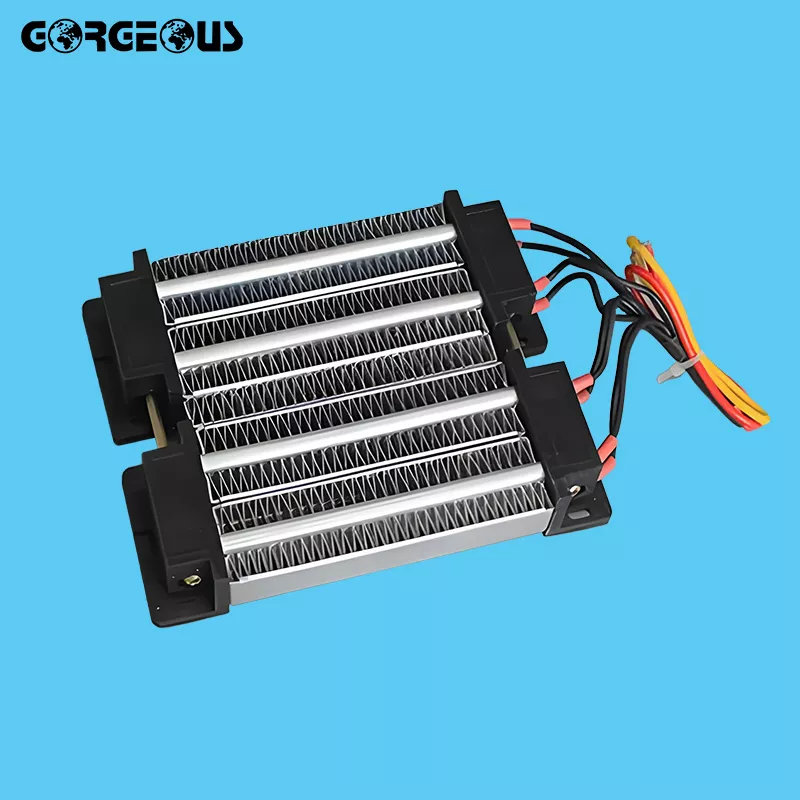
Part Identification
Add durable part numbers, material designations or revision marks where traceability matters. Identification requirements should align with the drawing, inspection plan and the surfaces or dimensions critical to assembly.

Protective Packaging
Specify packaging that protects ceramic tubes, rings, substrates and other components from impact, contamination or moisture during handling and shipment. Packaging expectations can be included with quantity and delivery requirements.

Mating Features
Define holes, slots, grooves, shoulders, threads or other mating features that connect the ceramic component to surrounding hardware. Geometry, tolerances and contact surfaces should follow the current assembly drawing.
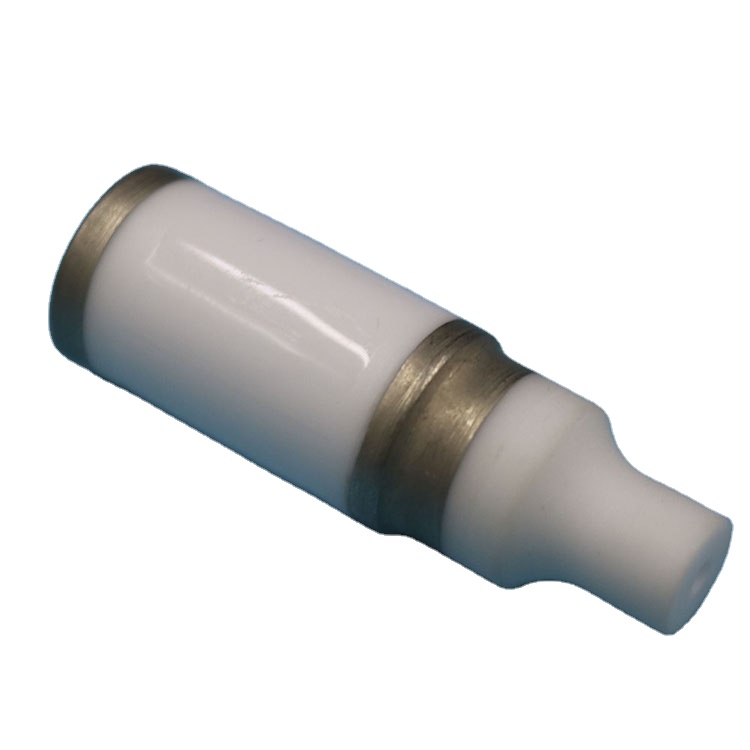
Surface Requirements
Identify polished, ground, lapped, metallized or otherwise finished surfaces where fit, electrical contact or thermal transfer depends on the interface. Grade-specific capability and acceptance criteria require project confirmation.
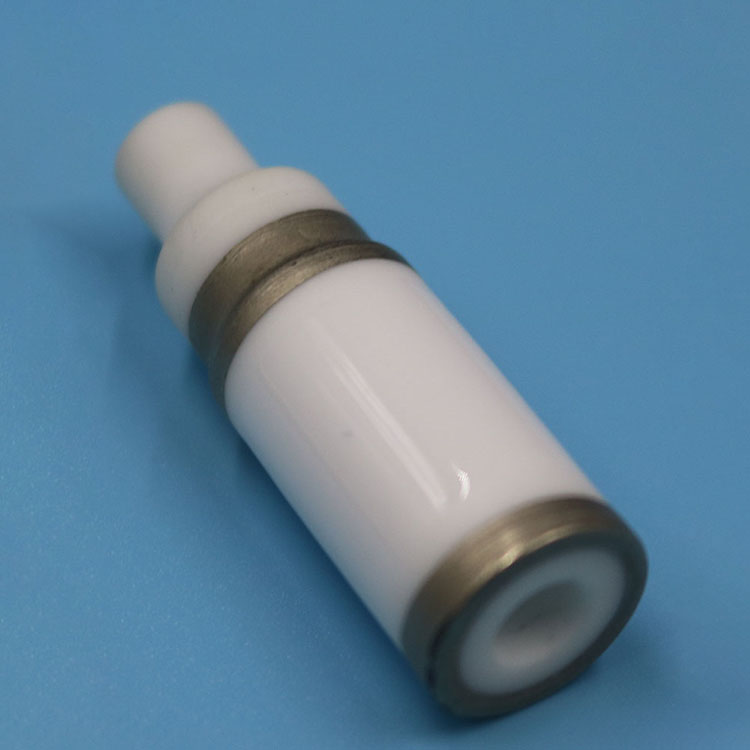
Inspection Documents
Request dimensional reports, material documentation, inspection records or packaging evidence when approval depends on defined acceptance criteria. These requirements help distinguish a product illustration from a confirmed supply specification.
About Porcecore: Beryllium Oxide Ceramics Thermal Performance
Founded by Andy Yuan, Porcecore helps industrial procurement teams, engineers and equipment builders approach technical ceramics through the application first. Our mission is to connect the job a component must perform with the geometry, operating conditions, interfaces and acceptance criteria needed to source it responsibly.
Porcecore covers oxide, nitride, carbide and specialty ceramics across familiar component forms such as tubes, rods, rings and substrates. The beryllium oxide ceramics thermal performance discussion is therefore part of a broader engineering conversation, where grade, dimensions and service conditions must be considered together.
What makes Porcecore different is the emphasis on technical clarity. Drawing-led inquiries create a concrete basis for quotation, while general material information remains distinct from grade-specific values and confirmed production specifications. Send a drawing revision, quantity, service conditions and documentation needs so the next sourcing decision is better informed.

Beryllium Oxide Ceramics Thermal Performance: Capability in Detail
Start With the Operating Requirement
Beryllium oxide ceramics thermal performance should be discussed alongside the component’s service conditions. Porcecore helps procurement and engineering teams frame the requirement before comparing material options, keeping heat exposure, electrical conditions, assembly interfaces and acceptance needs in one review.
- Review operating temperature and thermal environment
- Clarify electrical, mechanical and chemical conditions
- Identify critical performance priorities for the part
- Separate essential requirements from preferences

Connect Material to Application
A material designation is only one part of a useful sourcing discussion. Porcecore can review the intended application, known grade information and project constraints so buyers can distinguish general material properties from values that require grade-specific confirmation.
- Discuss known material designations or alternatives
- Consider thermal, electrical and mechanical priorities
- Flag open questions before quotation
- Confirm which values require technical validation

Define Geometry and Interfaces
Thermal performance depends on how a ceramic component works within an assembly. Share the current drawing revision, dimensions, tolerances and mating surfaces so Porcecore can assess the tube, rod, ring, substrate or other form against the actual part requirement.
- Submit the current drawing revision
- Identify dimensions that determine assembly
- Mark mating and functional surfaces
- Review geometry and tolerance priorities

Make Inspection Expectations Clear
Quotation clarity improves when inspection and documentation needs are stated early. Porcecore encourages buyers to identify acceptance criteria, required records and delivery expectations, creating a more concrete basis for discussing beryllium oxide ceramics thermal performance and project fit.
- Define acceptance criteria and inspection scope
- Specify documentation needed for approval
- Confirm delivery and commercial requirements
- Request a project-specific quotation discussion

Why Choose Porcecore for beryllium oxide ceramics thermal performance
Compare the practical sourcing details that help engineering and procurement teams define the right ceramic component, grade and acceptance basis.
← Swipe left or right to view →
Beryllium Oxide Ceramics Thermal Performance: Production Process
A drawing-led workflow connects beryllium oxide ceramics thermal performance requirements with grade, geometry, inspection and delivery decisions.
Review Requirements
We review the drawing, component function, operating environment, material designation and acceptance criteria to identify essential requirements and open questions before quotation.
Confirm Quotation Basis
Porcecore aligns grade, geometry, quantity, tolerances, mating surfaces, documentation and delivery expectations so the quotation reflects the project-specific basis discussed with your team.
Form or Machine
After requirements are confirmed, the selected ceramic component is formed or machined according to the agreed geometry, process route and dimensional priorities.
Inspect Against Criteria
Inspection compares finished parts with the approved drawing and acceptance criteria, including critical dimensions, fit-related surfaces and documentation requested for project approval.
Pack and Ship
Once release requirements are met, components are protected for transit, packed to the agreed standard and shipped with delivery details confirmed for the receiving team.
How to Work with Porcecore on Beryllium Oxide Ceramics Thermal Performance
Move from a defined ceramic component requirement to quotation, evaluation, approval and a clear bulk production discussion.
Submit Your Part Requirements
Share the current drawing revision, known material designation, quantity, operating conditions, mating surfaces and acceptance criteria so Porcecore can frame the inquiry.
Review Grade and Geometry
We review geometry, interfaces, thermal demands and documentation expectations, separating essential requirements from preferences and identifying questions that affect grade or manufacturability.
Confirm Samples and Acceptance
Agree the proposed material, dimensions, tolerances, inspection basis and sample route before quotation details are finalized for your project-specific evaluation.
Approve Production Scope
Use sample results and commercial review to confirm production quantities, delivery expectations, documentation and terms before discussing a repeatable bulk supply arrangement.
Certifications and Exhibits for Beryllium Oxide Ceramics Thermal Performance
Customer Feedback on Beryllium Oxide Ceramics Thermal Performance
Approved customer feedback on beryllium oxide ceramics thermal performance will be published here after the application, drawing revision, material grade, acceptance criteria and sourcing outcome have been verified for release.
This project example is reserved for a verified account of component geometry, operating conditions and thermal requirements. Porcecore will publish the customer’s confirmed results only after written approval and documentation review.
A documented testimonial will be added when a distributor or project team approves publication of its application, quotation scope and delivery outcome. Until then, product claims remain subject to grade, geometry and project-specific confirmation.
Discuss Your Ceramic Part With Porcecore
Clear answers for procurement teams and engineers evaluating drawings, project conditions, commercial terms and specification confirmation.
How should beryllium oxide ceramics thermal performance be specified for quotation?
What affects MOQ and lead time for beryllium oxide ceramic components?
Can samples be requested before approving beryllium oxide ceramics thermal performance?
How are tolerances and functional surfaces confirmed?
What payment and shipping information is available before an order?
What application conditions are needed to evaluate beryllium oxide ceramics thermal performance?
How does Porcecore handle specification confirmation and inspection evidence?
How is intellectual property protected when sharing a ceramic component drawing?
The Complete Guide to beryllium oxide ceramics thermal performance
Build a reliable sourcing decision with thermal benchmarks, material and design criteria, supplier qualification questions, cost considerations, and practical safeguards against common procurement and engineering mistakes.
1. What Is beryllium oxide ceramics thermal performance?
Five metrics define beryllium oxide ceramics thermal performance: thermal conductivity, coefficient of thermal expansion, dielectric loss and permittivity, temperature capability, and strength retention. Together, they show whether a component can remove heat, match adjoining materials, insulate electrically, and remain mechanically reliable during cycling.
Four application groups—high-power electronics, microwave hardware, lasers, and industrial systems—select BeO when heat spreading and electrical insulation must coexist in a compact ceramic. Its value is therefore a system-level balance, not conductivity alone; interfaces, atmosphere, frequency, and loading determine usable performance.
Three comparison controls matter when evaluating BeO against alumina, aluminum nitride, or other technical ceramics: grade-specific conductivity, CTE over the operating range, and dielectric behavior at the working frequency. Buyers should also compare maximum service temperature, flexural strength after aging, geometry, tolerances, and required inspection data.
2. Evolution and history of beryllium oxide ceramics
1940s research established beryllium oxide ceramics in high-temperature and nuclear environments, where their thermal conductivity and electrical insulation were valuable. Later development extended BeO into RF systems, semiconductor packages, power electronics, and thermal management components as device heat flux increased.
1970s–1990s process advances improved powder purity, particle control, forming, pressureless sintering, and dimensional consistency. Metallization systems enabled reliable attachment and electrical interconnection, while tighter inspection of density, porosity, flatness, strength, and thermal properties made component qualification more repeatable.
Today, historical health concerns surrounding beryllium-containing dust shape supplier selection and factory practice. Buyers should confirm controlled powder handling, enclosed processing, occupational safeguards, regulatory compliance, traceability, and documented quality controls alongside the drawing and grade; beryllium oxide ceramics thermal performance is meaningful only when the specific material and process are verified.
3. Types of beryllium oxide ceramics thermal performance
Grade, geometry, and finish determine how closely a BeO component delivers expected thermal performance. Buyers should match the form to heat-flow paths, electrical isolation, frequency, vacuum, and service temperature.
| Form | Best fit | Key thermal consideration |
|---|---|---|
| Metallized substrate | Power modules, RF assemblies | Thin path, adhesion, expansion match |
| Heat spreader | High localized heat flux | Density, thickness, flatness |
| Tube or window | Vacuum equipment | Dense body, seals, surface finish |
| Insulator | High-temperature isolation | Purity, gradient, service temperature |
Sintered Grades And Microstructure
95% to 99.5% purity grades commonly differ in density, grain size, and porosity. Higher density and controlled fine grains generally improve heat conduction consistency, but grade-specific values require confirmation.
10 mm thickness, surface flatness, and machined interfaces can matter as much as nominal conductivity in an assembled part.
Substrate And Heat-Spreader Forms
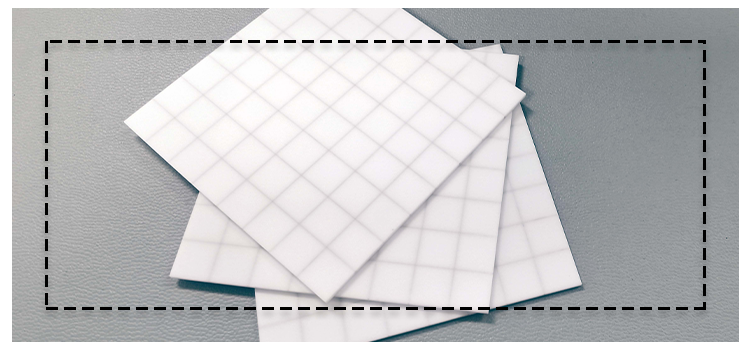
Metallized substrates and heat spreaders suit power modules and RF assemblies where thermal transfer, dielectric isolation, metallization adhesion, and coefficient-of-expansion matching must be reviewed together.
Thin plates favor short thermal paths; thicker spreaders provide stiffness and heat capacity but increase mass and machining demands.
Insulators, Windows, And Tubes

Windows and tubes fit vacuum equipment when geometry, sealing surfaces, dielectric behavior, and contamination controls are defined. Dense, carefully finished parts are preferred over generic stock.
High-temperature insulation usually favors electrically insulating BeO forms selected for service temperature and thermal gradient, while custom machined parts address unusual mounting or flow paths.
4. Materials, purity, and manufacturing variables
Powder chemistry and microstructure set the baseline for beryllium oxide ceramics thermal performance. Buyers should connect grade data with processing records, dimensional requirements, joining method, and acceptance criteria.
| Variable | Performance effect | Buyer check |
|---|---|---|
| Purity and additives | Affect conductivity and expansion | Grade certificate and test method |
| Density and porosity | Control heat flow and strength | Measured values and sampling plan |
| Process and finish | Drive shrinkage, tolerances, contact resistance | Route, inspection, traceability |
Powder And Microstructure
High purity, controlled additives, high density, low porosity, and suitable grain size generally support heat conduction; impurities and oversized grains can reduce consistency.
Confirm grade-specific purity, density, porosity, thermal expansion, and test method rather than relying on generic BeO values.
Forming And Sintering
Pressing, isostatic pressing, extrusion, and injection forming create different shrinkage and geometry risks. Sintering schedule and atmosphere influence density, grain growth, and warpage.
Request route, shrinkage allowances, furnace controls, and lot traceability against the drawing revision.
Finish And Assembly
Tolerances, flatness, surface finish, and metallization compatibility affect mating, thermal contact, and downstream assembly. Specify functional surfaces separately from noncritical surfaces.
Check finish measurement, metallization system, adhesion requirements, and thermal-expansion matching with adjoining materials.
5. Customization and design options for BeO components
A BeO component drawing should translate beryllium oxide ceramics thermal performance into defined heat-flow, fit, insulation, and inspection requirements. Geometry choices affect strength, manufacturability, and total cost.
Define Geometry And Thermal Path
2D dimensions, wall thickness, holes, slots, and grooves should identify heat-spreading areas, load-bearing sections, and minimum insulation distances.
A shorter thermal path can reduce temperature rise, but thinner walls or dense features may weaken the part and increase machining or yield risk.
Specify Interfaces And Finish
Metallized surfaces, plated interfaces, mounting holes, and contact pads should be located from the assembly datum and tied to electrical isolation requirements.
Surface finish and flatness belong on mating faces; unnecessary tight tolerances add cost without improving the thermal interface.
Convert Requirements Into A Drawing
Use the heat load, allowable temperature, contact area, cooling method, voltage, frequency, quantity, and operating environment to define the component requirement.
State material grade, dimensions, tolerances, metallization or plating, inspection points, and acceptance criteria. Request confirmation for every grade-specific value and integration assumption.
6. Key construction and quality elements
BeO density uniformity and controlled geometry are baseline quality factors for dependable components. Inspection must connect thermal, electrical, dimensional, and handling results to the drawing revision.
Density And Defect Control
100% visual inspection should be paired with density records and crack or void criteria; internal discontinuities can raise thermal resistance and initiate fracture.
Request lot identification, material certificate, and inspection report stating sample size and acceptance limits.
Dimensional And Electrical Verification
Flatness, dimensions, and dimensional stability require drawing-based inspection at defined temperatures; compare CMM or gauge records with mating-surface tolerances.
Thermal conductivity and dielectric strength results are comparable only when specimen geometry, conditioning, method, and temperature are stated.
Metallization, Cleanliness, And Packing
Metallization adhesion, cleanliness, and packaging protect assembly yield; ask for adhesion test results, cleanliness controls, certificate of conformance, and packaging specification.
Chips, warped faces, contamination, weak metallization, and moisture exposure are field-failure risks.
7. How to choose a beryllium oxide ceramics manufacturer
Two gates matter first: can the supplier control BeO safely, and can it link material data to your part requirements? Evaluate evidence, not catalog language, against the drawing, service conditions and acceptance criteria.
Technical And Process Capability
One qualification call should cover powder traceability, forming, sintering, machining, metallization and thermal testing, including grade-specific data and measurement methods.
Ask for equipment scope, worker-safety controls, regulatory compliance records, inspection reports, documentation examples and engineering support for drawing changes or failure analysis.
Samples, Capacity, And Delivery
A representative sample should prove geometry, mating surfaces, metallization and test reporting before approval; a pilot order should confirm repeatability and packaging.
Two useful comparisons are stated capacity and realistic lead time, including tooling, inspection and export steps. Domestic and international suppliers should be judged on evidence, communication and total risk.
Partner Or Trading Intermediary
Three questions expose depth: who controls the powder and process, where is machining performed, and who signs the inspection report? Vague answers suggest an intermediary.
A capable partner identifies open technical questions, provides traceable records and owns engineering communication. Porcecore treats a drawing-led inquiry as the basis for confirming grade, scope and commercial terms.
8. Common mistakes buyers make with BeO thermal performance
Thermal conductivity values are meaningful only when test method, temperature, grade, density, and direction are comparable. Procurement should convert each BeO quotation into a traceable, application-specific acceptance checklist.
Compare Conditions, Not Numbers
A conductivity value without test conditions can mislead; ask which method, temperature, density, grade, and direction apply. Require values tied to the proposed material certificate.
Geometry and interfaces can dominate assembly heat flow. Confirm contact resistance, flatness, mounting pressure, and thermal expansion compatibility through drawing review.
- Ask: what test conditions support the quoted conductivity?
- Accept only interface and expansion assumptions documented on the drawing.
Specify Material And Records
Purity and density affect thermal behavior, but nominal BeO grade alone is insufficient. State minimum purity, density range, dimensions, tolerances, and test evidence.
Traceability should connect each lot to raw material, processing records, inspection results, and certificate revision.
- Require lot-level certificates and retained inspection records.
- Reject undocumented substitutions or incomplete material history.
Validate Safely Before Release
A pilot run should verify thermal performance, fit, warpage, and handling before production approval. Define sample quantity, test fixtures, failure limits, and sign-off authority.
BeO requires controlled handling because dust exposure is hazardous. Confirm supplier safety documentation, packaging, labeling, and workplace procedures before shipment.
- Ask: what pilot result authorizes production release?
- Accept safety data and handling instructions with every shipment.
9. Steps to qualify and launch a BeO component program
Six controlled gates move a BeO component from concept to repeatable production. Each gate should link the application requirement, evidence package, acceptance criteria, and accountable approval.
Define Requirements And Simulate
Start with the load case, temperature limits, insulation requirements, interfaces, safety constraints, and expected service life. Record these in an application requirements document.
Use thermal and electrical simulation to test geometry and interfaces, then approve a design basis before releasing drawings.
Release, Source, And Sample
Release a controlled drawing with material designation, tolerances, surface requirements, inspection points, and revision status. Issue the RFQ with quantities, documentation needs, packaging, and acceptance criteria.
Review supplier material data and process capability before approving prototype samples. Gate approval requires dimensional, visual, and material inspection records.
Validate And Control Production
Validate prototypes under defined thermal and electrical test methods, recording results against the design requirements. Resolve deviations through documented engineering approval before pilot production.
Pilot lots should confirm process repeatability, traceability, and final inspection. Ongoing quality monitoring should review certificates, nonconformances, test trends, and change notifications at agreed intervals.
10. Pricing, cost drivers, and lead times
10 factors shape BeO pricing: purity, part size, geometry, tolerances, machining, metallization, testing, packaging, tooling, quantity, and regulatory controls affect total cost. Send the current drawing revision, grade or purity target, lot quantity, service conditions, inspection criteria, and delivery requirement for a comparable quote.
3 quote tiers help separate repeat parts from new development. Request tooling, setup, unit, inspection, packaging, and compliance charges separately so a low unit price does not conceal nonrecurring costs.
| Quantity Tier | Customization Level | Indicative Cost Factors | Typical Lead-Time Implications |
|---|---|---|---|
| Prototype: 1–10 | New geometry | Tooling, setup, machining, testing, regulatory review | Longest; validation required |
| Pilot: 11–100 | Drawing-based custom | Purity, tolerances, metallization, inspection, packaging | Moderate; tooling completed |
| Production: 100+ | Repeat released part | Lower setup per unit; grade, finish, QA, compliance remain | Shorter after forecast and release |
Discuss Your Beryllium Oxide Ceramics Thermal Performance Part
Email a drawing or describe your component and service environment to start a focused, project-specific quotation conversation with Porcecore.