
Boron Carbide Ceramics Applications and Component Selection
Define geometry, service conditions, mating surfaces, and acceptance criteria before selecting a boron carbide ceramic component.
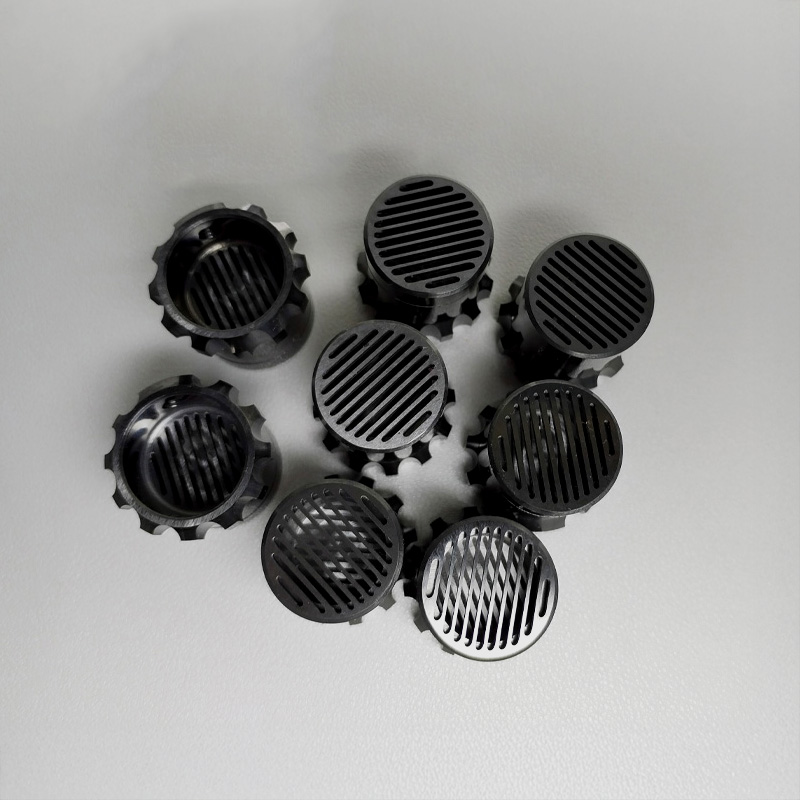
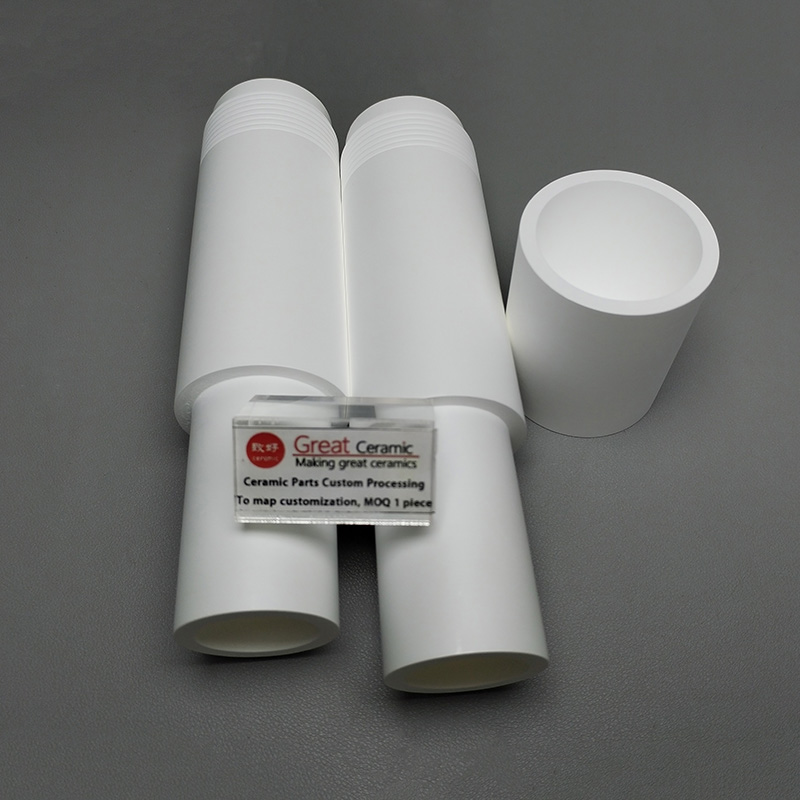
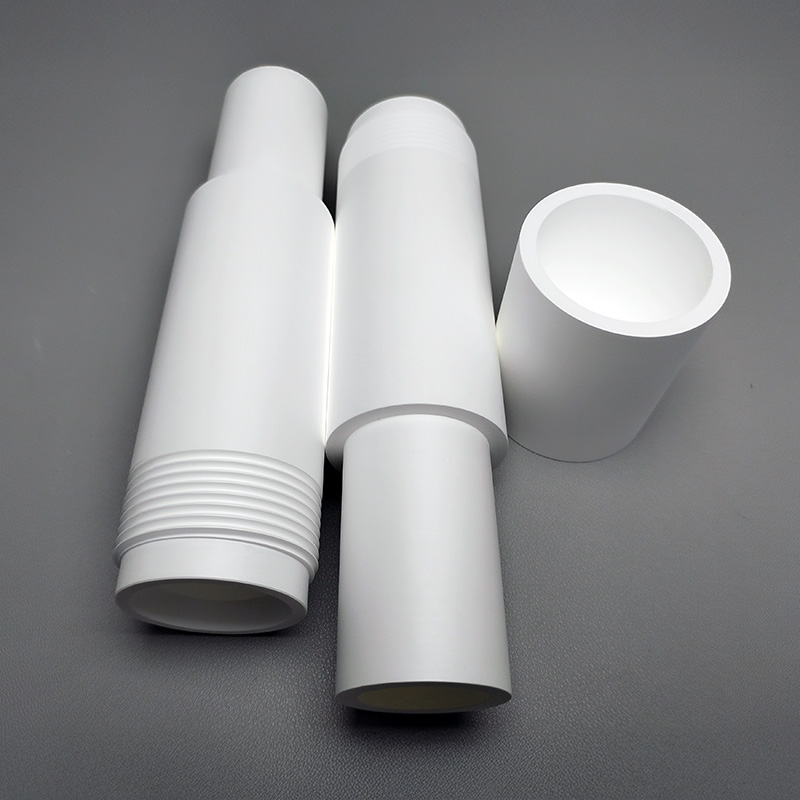
Featured Ceramic Components for Boron Carbide Applications

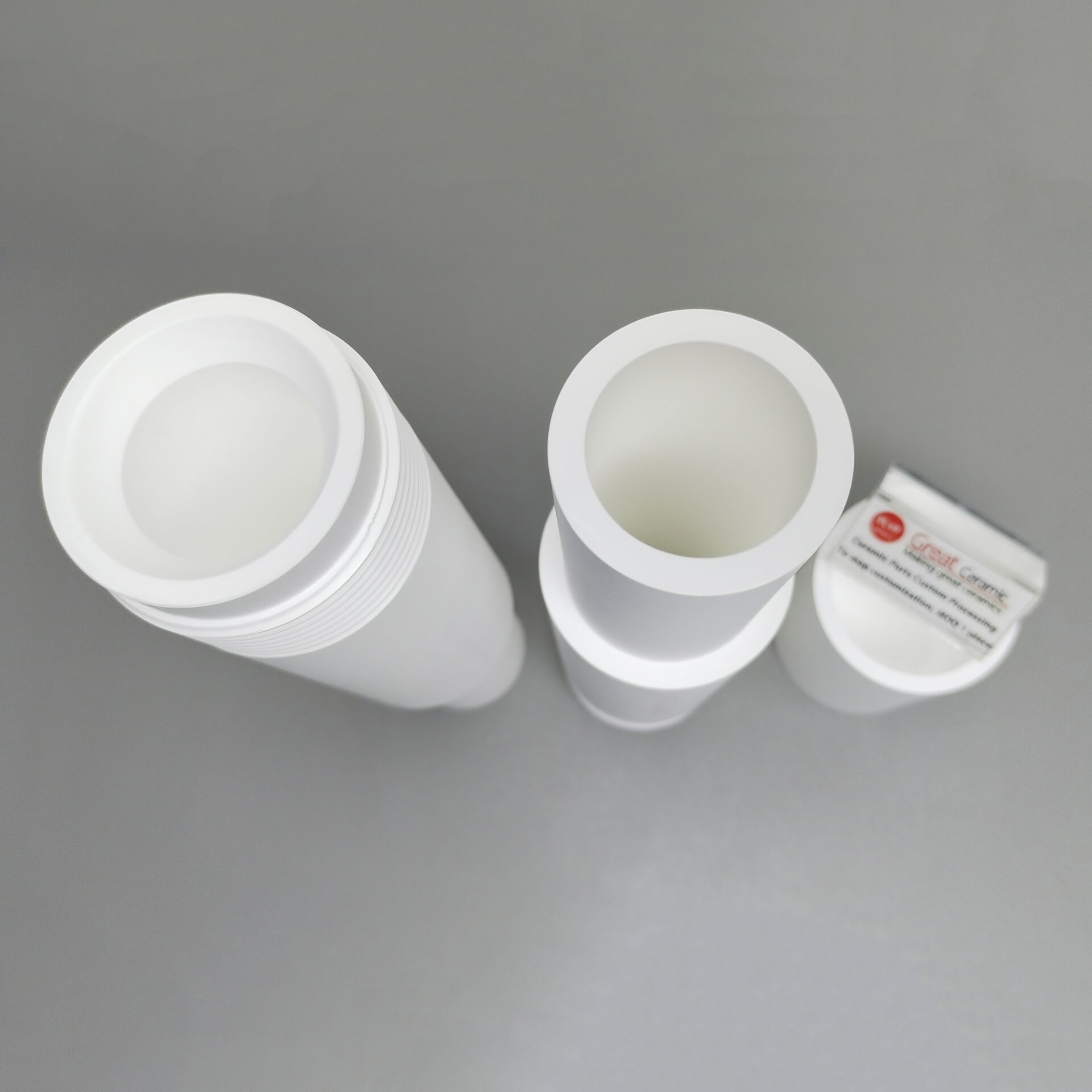


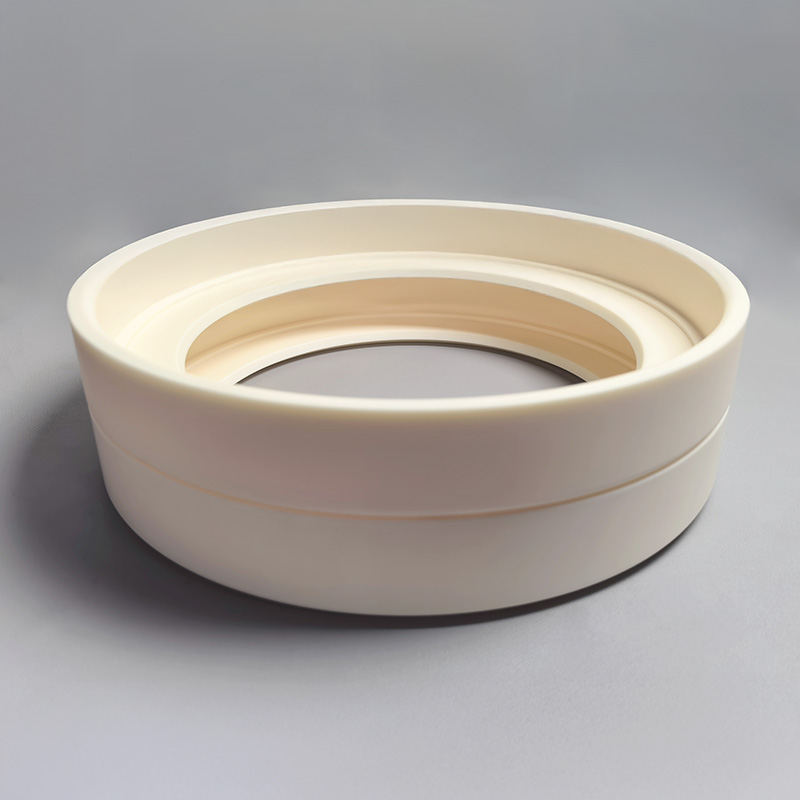
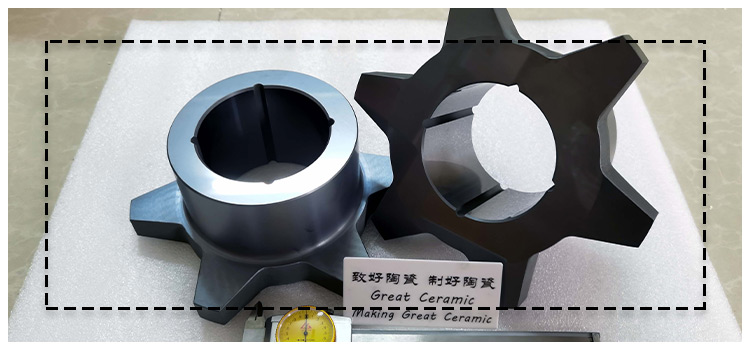


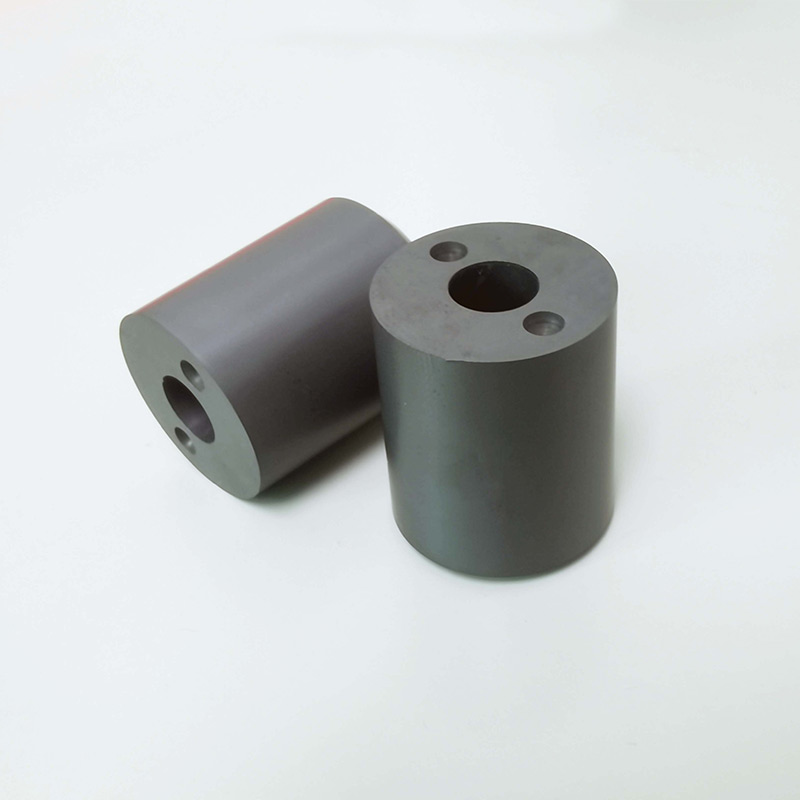

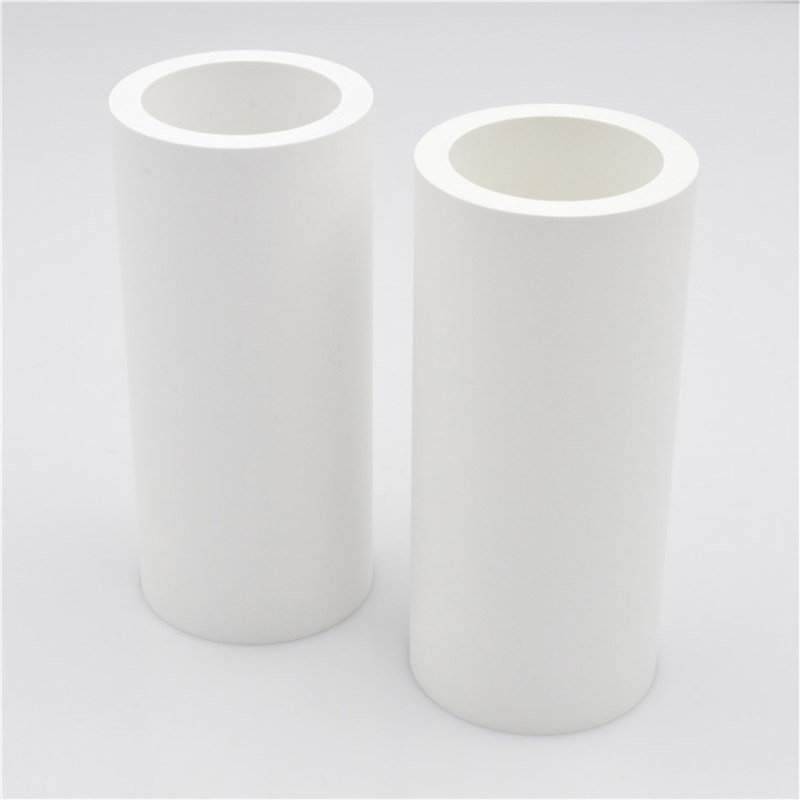
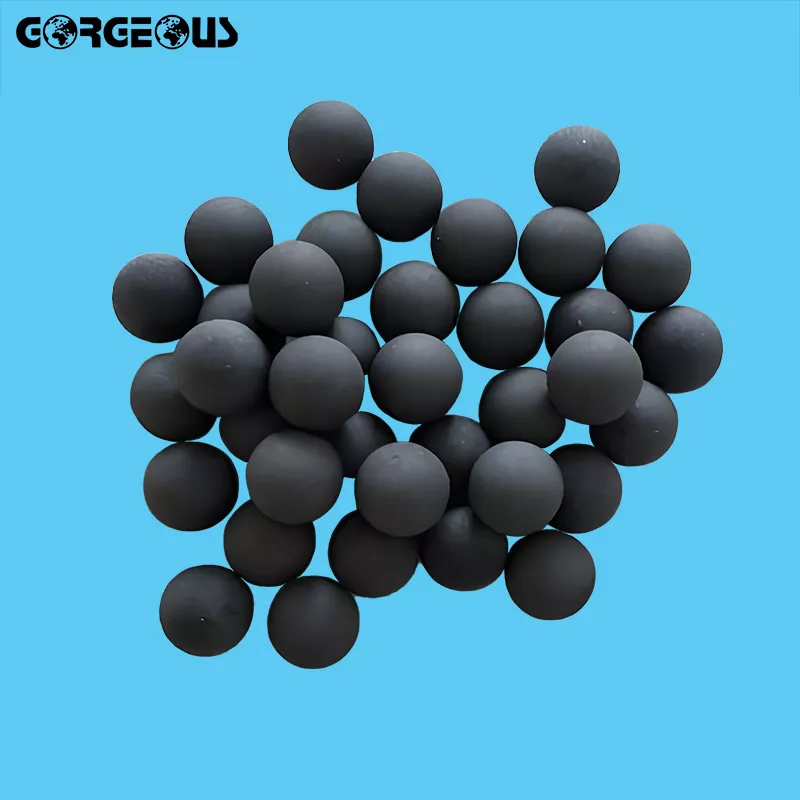
Related Product Catalogue and Quotation



Boron Carbide Component Selection Starts with the Part
A clear component requirement helps procurement and engineering teams align material discussions with assembly, service, and acceptance needs.
Current Drawing Revision
Share the current drawing revision so dimensions, callouts, and requested changes can be reviewed against the same component definition before a quotation conversation begins.
Material Grade Context
Identify the boron carbide grade if known, while keeping the application requirement visible; general material information should not replace project-specific grade confirmation.
Assembly-Critical Geometry
Define the dimensions that control fit, alignment, wall thickness, and interfaces, especially where the ceramic component must work with adjacent metal, polymer, or ceramic parts.
Functional Surface Requirements
Mark mating, sealing, sliding, or wear-exposed surfaces on the drawing to focus discussion on the features that influence assembly and intended component function.
Operating Conditions First
Describe temperature, media, loads, motion, electrical conditions, and exposure environment so boron carbide ceramic suitability can be considered in the context of the actual job.
Inspection Evidence Needed
State the acceptance criteria and any required dimensional, material, or documentation evidence early, giving the quotation discussion a clearer basis for the individual project.
Boron Carbide Components, Applications and Part Selection
Explore technical ceramic components and industrial ceramic parts by material family, component form, drawing, operating conditions, and acceptance needs.

Ceramic Manufacturing Capabilities
Review ceramic manufacturing capabilities in relation to the part: geometry, critical surfaces, tolerance needs, material designation, quantity and inspection expectations. A current drawing gives the quotation discussion a practical basis and identifies questions that require project-specific confirmation.
Discuss Your Ceramic Part
Ceramic Solutions by Industry
Explore advanced ceramics applications by industry through the service conditions that shape component selection, including wear, temperature, electrical performance, chemical exposure and assembly interfaces. Share the operating environment and mating-part details so the proposed ceramic approach can be evaluated against the actual duty.
Discuss Your Ceramic Part
Advanced Ceramic Materials
Compare advanced ceramic materials across oxide, nitride, carbide and specialty families, including boron carbide where applicable. General material information supports early evaluation, but the selected grade, dimensions, processing route and property values must be confirmed for the individual requirement.
Discuss Your Ceramic Part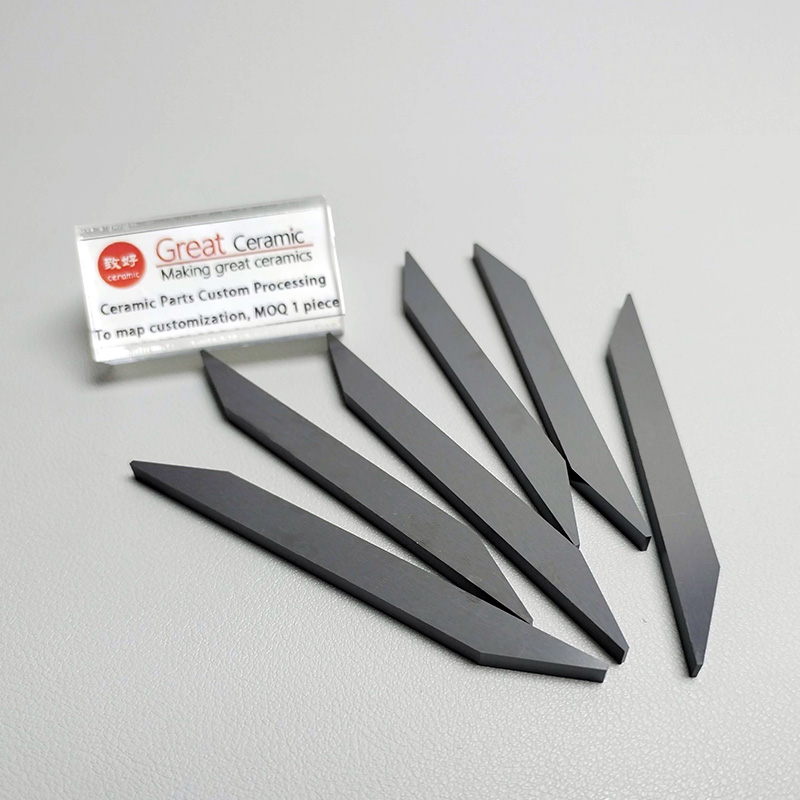
Technical Ceramic Products
Browse technical ceramic products by familiar forms such as tubes, rods, rings, plates, substrates and custom drawing-based parts. Use each product view to define the dimensions that control assembly, the surfaces that mate with other parts and the documentation needed for approval.
Discuss Your Ceramic Part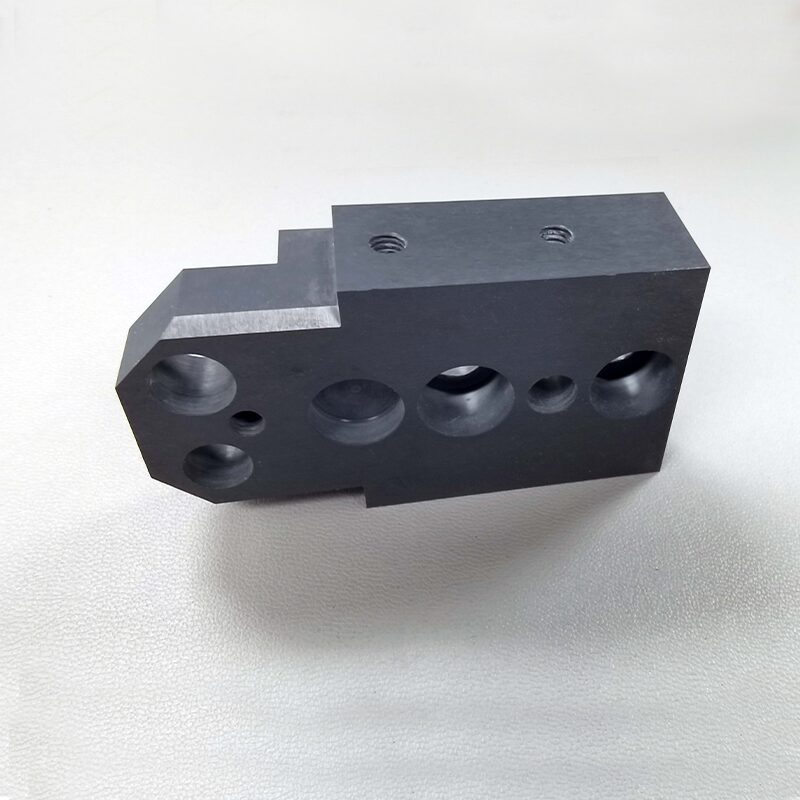
Technical Ceramic Resources
Use this technical ceramics guide to prepare a more complete inquiry: include the drawing revision, known material, quantity, service conditions and acceptance criteria. For direct discussion, email info@zlrsmaterials.com or contact Porcecore by WhatsApp at +86 130 6482 5920.
Discuss Your Ceramic PartBoron Carbide Ceramics Applications and Component Selection: Material Families


Alumina Ceramics
A familiar technical ceramic family for insulating, wear, and structural component discussions. Specify the required grade, dimensions, tolerance-critical features, operating conditions, and inspection needs before treating a catalogue material as a project-ready choice.

Zirconia Ceramics
Often reviewed when a component calls for a different balance of mechanical behavior and geometry considerations. Provide the assembly interfaces, loading context, surface requirements, and documentation expectations to guide a project-specific material conversation.

Silicon Carbide Ceramics
Relevant to technical ceramic part reviews involving demanding wear, thermal, or chemical service conditions. A drawing-led inquiry should identify the component form, critical dimensions, mating parts, environment, and acceptance requirements for confirmation.

Silicon Nitride
A material family to assess for engineered components where service conditions and mechanical requirements need careful alignment. Send the current drawing, quantity, operating environment, tolerance priorities, and requested documentation for a focused quotation discussion.

Boron Nitride
Useful to include when the project calls for a specialty ceramic material review rather than a material-name-only selection. Clarify the component geometry, process environment, contact surfaces, and performance priorities before grade or availability is confirmed.
Production Routes for Boron Carbide Ceramics Applications and Component Selection

Powder Preparation
Powder characteristics, additives, and target particle distribution can influence densification and final properties. Define the intended grade, application environment, and any material restrictions so the project discussion starts with usable requirements.

Shape Forming
Pressing or near-net-shape forming options should be considered against part size, wall thickness, holes, and geometric complexity. A current drawing helps identify where forming allowances or an alternate component design may be appropriate.

Sintering Route
Sintering conditions affect density, dimensional change, and the balance of properties in a finished ceramic. Discuss the operating environment and acceptance priorities rather than treating a general material description as a grade-specific specification.

Precision Machining
Grinding and machining may be relevant for assembly-critical diameters, flatness, holes, and mating surfaces after forming. Mark datum features, tolerances, and functional surfaces on the drawing to focus the quotation review.

Surface Finishing
Surface condition can affect fit, wear behavior, sealing, and handling in the completed assembly. Specify roughness expectations, edge treatment, and inspection methods where they matter, distinguishing essential requirements from preferred appearance.
About Porcecore

Mating Surfaces
Identify faces that seal, locate, slide, or contact another component. Include surface finish expectations, flatness, critical dimensions, and datum references so assembly-related requirements can be reviewed with the ceramic part geometry.

Threaded Features
State whether threads are required in the ceramic component or supplied through an insert or mating metal part. Provide thread standard, engagement length, orientation, and loading conditions to clarify the intended assembly approach.

Locating Grooves
Define grooves, shoulders, slots, and retaining features that control position within an assembly. A current drawing should show dimensions, tolerances, edge conditions, and the mating part relationship for a more focused quotation discussion.

Metal Interfaces
Describe contact with shafts, housings, fasteners, or other metal components. Note fit type, temperature exposure, vibration, and installation method so the interface can be considered with the selected ceramic grade and geometry.

Identification Packaging
Specify part marking, lot identification, protective packaging, inspection records, and any receiving requirements needed for approval. These details help align the inquiry with handling expectations and documentation required by your procurement process.
Boron Carbide Ceramics Applications and Component Selection
Founded by Andy Yuan, Porcecore helps industrial buyers and engineering teams connect technical ceramic material choices with clearly defined component requirements. Our mission is practical: make boron carbide ceramics applications and component selection easier to discuss before a sourcing decision is made.
Our scope covers oxide, nitride, carbide, and specialty ceramic component families for equipment builders, procurement teams, and distributors. Rather than treating a material name as a complete specification, we consider the component form, geometry, mating surfaces, operating environment, and inspection expectations together.
Porcecore works application-first and drawing-led. Send a current drawing revision, known material designation, quantity, service conditions, and acceptance criteria so the quotation conversation can identify essential requirements, open questions, and project-specific confirmations before commitment.

Boron Carbide Ceramics Applications and Component Selection, Made Quotable
Review the Drawing First
Start with the current drawing revision and identify the dimensions, profiles, holes, and interfaces that govern function. This keeps boron carbide ceramics applications and component selection tied to an actual part requirement rather than a material name alone.
- Provide the current drawing revision and quantity range
- Mark critical dimensions and assembly-determining features
- Identify mating surfaces, threads, holes, and edge conditions
- Note whether the part is new, a replacement, or a design update

Define Service Conditions
Describe what the component will encounter in service: contact, abrasion, load direction, temperature, media, and operating cycle. These details help frame a more useful discussion of geometry, grade options, and practical manufacturing considerations for the proposed ceramic part.
- State the wear mechanism and contacting counterpart material
- Describe operating temperature, atmosphere, and chemical exposure
- Clarify loads, pressure, impact risk, and duty cycle
- Share installation constraints and available assembly clearances

Clarify the Specification
Separate essential requirements from preferences before requesting a quotation. Material designation, tolerances, surface condition, and inspection needs should be considered together, because each can affect how a boron carbide ceramic component is evaluated for the project.
- List the material designation if it is already known
- Specify tolerances for functional dimensions
- Identify surfaces needing finish or inspection attention
- Distinguish mandatory requirements from preferred options

Plan Acceptance Early
Set acceptance expectations before commercial commitments are discussed. A clear inquiry records the drawing, agreed inspection basis, required documentation, delivery expectations, and any approval steps, giving procurement and engineering teams a shared basis for a project-specific quotation conversation.
- Define the inspection or measurement requirements
- Request documentation needed for internal approval
- Confirm the drawing revision that will govern the inquiry
- Include delivery timing and commercial questions for review

Boron Carbide Ceramics Applications and Component Selection: A Drawing-Led Comparison
Compare project-specific inquiry details with material-name-only sourcing conversations.
← Swipe left or right to view →
Boron Carbide Ceramics Applications and Component Selection: From Review to Delivery
A drawing-led path for turning operating needs, part geometry, and acceptance criteria into a clearer sourcing discussion.
Share Part Requirements
Send the current drawing revision, intended application, quantity, material designation if known, and operating conditions that shape the component requirement.
Clarify Critical Interfaces
Identify mating surfaces, assembly-driving dimensions, tolerances, finishes, and any features that require focused review before a quotation discussion begins.
Review Material and Geometry
Discuss whether boron carbide suits the service environment, then align the proposed grade, component form, geometry, and project-specific technical priorities.
Define Quotation Basis
Confirm the information needed to discuss pricing, including quantity, documentation needs, inspection expectations, delivery considerations, and open technical questions.
Agree Production Requirements
Before production commitment, confirm the individual project requirements for dimensions, tolerances, material grade, acceptance criteria, documentation, and commercial terms.
Confirm Packing and Delivery
Review packing, shipment, delivery timing, and required documents against the agreed order details so the receiving team has clear expectations.
How to Work with Porcecore
Move from a current part requirement to a clear, drawing-led quotation discussion.
Send the Current Drawing
Share the latest drawing revision or replacement-part details, including critical dimensions, mating surfaces, and assembly interfaces that define the component’s functional geometry.
Describe Service Conditions
Identify the material designation if known and explain temperature, wear, chemical exposure, electrical conditions, loads, and other operating factors relevant to boron carbide ceramics applications and component selection.
Clarify Quantity and Acceptance
State expected quantity, required tolerances, inspection needs, documentation, and acceptance criteria so essential project requirements can be distinguished from noncritical preferences.
Review the Quotation Basis
Discuss open questions around grade, geometry, processing, delivery, and commercial terms before treating a quotation as the basis for a production decision.
Confirm the Production Order
Confirm the agreed drawing, material grade, dimensions, documentation, delivery expectations, and commercial terms for the individual project before order release.
Customer Evidence in Development

Boron Carbide Ceramics Applications and Component Selection: Customer Feedback
Approved customer testimonial pending. This position is reserved for an attributable project example that confirms the component requirement, application context, and verified sourcing outcome before publication.
Approved customer testimonial pending. This position will document a verified drawing-led inquiry, including the relevant geometry, acceptance criteria, and outcome once customer approval is received.
Approved customer testimonial pending. This position is reserved for a confirmed component-selection example showing how project-specific material, assembly details, and inspection expectations informed the sourcing discussion.
Boron Carbide Ceramics Applications and Component Selection FAQ
Clarify the part, service conditions, and acceptance requirements before requesting a quotation.
What should we provide for boron carbide ceramics applications and component selection?
Can a material name alone determine boron carbide ceramics applications and component selection?
Which drawing details matter most for a boron carbide ceramic component?
How do you evaluate boron carbide ceramics applications and component selection for wear service?
Can we request prototypes, samples, or a small initial quantity?
What inspection evidence should be included in the inquiry?
How should functional surfaces and tolerances be specified?
What should we confirm for packaging, shipping, and order release?
Buyer’s Guide: boron carbide ceramics applications and component selection
Use a practical decision framework to match boron carbide components to operating demands, evaluate supplier capability and documentation, compare cost drivers, and avoid specification, design, and sourcing mistakes that increase risk.
1. Boron carbide ceramics applications and component selection overview
B4C identifies boron carbide, a covalently bonded non-oxide engineering ceramic valued for extreme hardness and low density; published references commonly report density near 2.52 g/cm³. These traits support high-wear and weight-sensitive components, but property values must be confirmed for the proposed grade and process. https://ggsceramic.com/vi/tin-tuc/a-comprehensive-guide-to-boron-carbide-ceramics
9.5 on the Mohs scale is a commonly cited hardness, yet hardness alone does not qualify a part. Match the tube, nozzle, plate, seal, or wear insert geometry to contact stress, impact risk, mating surfaces, temperature, chemical exposure, and allowable deflection. https://www.atcera.com/boron-carbide-ceramic_c118
10B-rich boron carbide also absorbs neutrons, making it relevant to shielding and control-related duties. For boron carbide ceramics applications and component selection, define drawing revision, critical tolerances, inspection method, material designation, service environment, and acceptance criteria before requesting a quotation.
2. Evolution of boron carbide engineering components
19th-century experiments first identified boron carbide as a by-product of metal-boride reactions; its approximate B4C composition was established in the 1930s. Early industrial use therefore centered on loose abrasive and lapping powders, where particle size and cutting action mattered more than finished-part geometry. Source: https://www.preciseceramic.com/blog/an-overview-of-boron-carbide-ceramics.html
20th-century powder purification, particle-size control, pressure-assisted sintering, and improved forming routes made dense bodies practical for wear parts, nozzles, and protective shapes. Hot pressing is commonly used to obtain dense boron-carbide structures; modern routes may also use near-net shaping before final diamond grinding. Source: https://www.atcera.com/boron-carbide-ceramic_c118
2026 procurement should treat legacy material callouts as starting points, not complete requirements. For boron carbide ceramics applications and component selection, confirm the densification route, drawing tolerances, critical surfaces, inspection method, and any composite-interface requirements before comparing quotations.
3. Boron carbide ceramics applications and component selection types
Five common boron carbide categories begin with the duty: cut, resist wear, defeat impact, absorb neutrons, or protect specialized hardware. Select the form and acceptance criteria before treating B4C as interchangeable.
Abrasive And Lapping Media
B4C powder and paste lap hard carbides, ceramics, and titanium. Select grit distribution, carrier, and contamination limits.
Wear Nozzles Seals And Guides
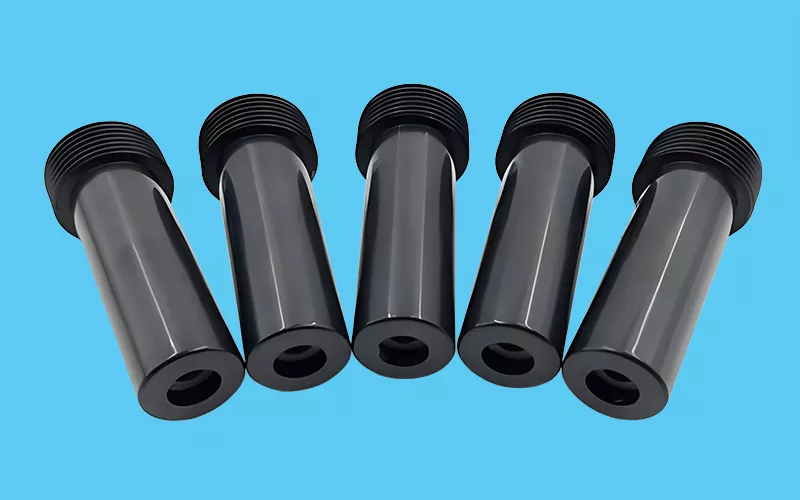
Nozzles, seal faces, and wire guides require abrasion resistance. Confirm slurry chemistry, pressure, mating surface, and edge geometry.
Ballistic Tiles And Armor
Flat, curved, hexagonal, or cylindrical tiles spread impact loads in composite armor. Select threat standard, backing interface, coverage, and allowable mass.
Neutron Absorbing Components
B4C control elements, shielding parts, and absorber plates use neutron-capture behavior. Specify enrichment, density, irradiation conditions, encapsulation, and applicable nuclear qualification.
Specialized Industrial And Electronic Uses
Wear-resistant fixtures, protective coatings, and selected electronic ceramic formulations demand stability. Verify electrical behavior, thermal path, atmosphere, and manufacturable tolerances for the actual grade.
4. Boron carbide ceramics applications and component selection materials
At roughly 2.5 g/cm³, monolithic boron carbide prioritizes low mass and extreme abrasion resistance. For boron carbide ceramics applications and component selection, compare the finished body and duty cycle—not a generic datasheet.
| Material | Relative Density | Primary Advantage | Key Limitation |
|---|---|---|---|
| Monolithic boron carbide | Very low | Extreme hardness and wear resistance | Brittle; difficult machining |
| Siliconized/composite B4C | Grade-dependent | Near-net-shape processing potential | Phase-dependent behavior |
| Silicon carbide | Low | Heat and wear capability | Brittle; grade-sensitive conductivity |
| Alumina or zirconia | Higher | Established processing options | Less favorable hardness-to-weight |
Selection By Failure Mode
For sliding wear, boron carbide can outperform many ceramics, but its fracture sensitivity demands controlled contact stress and edge design.
For hot, oxidizing, electrically insulating, or complex-machined duties, silicon carbide, alumina, or zirconia may provide a more practical balance.
Validate The Actual Grade
One drawing should state grade, density target, critical surfaces, inspection method, and service media. Siliconized and composite systems can contain multiple phases, changing conductivity, corrosion response, and machining behavior.
One supplier test report is not a lifetime prediction. Confirm property data for the proposed lot and validate representative parts under actual load, temperature, and chemical exposure.
5. Custom component geometry and finishing options
Component geometry controls manufacturability as much as material choice. For boron carbide ceramics applications and component selection, define the working faces, assembly interfaces, and inspection method before requesting a quotation.
| Feature | Request Detail | Typical Decision |
|---|---|---|
| Mating interface | Datums and fit tolerance | Grind critical surfaces |
| Edges | Radius or chamfer | Reduce handling damage |
| Holes | Location and finish | Machine before sintering when feasible |
Specify Functional Geometry
Plates, tiles, tubes, nozzles, rings, and liners require thickness, curvature, hole locations, and datum references. Complex shapes should identify load paths and any unsupported thin sections.
- Mark mating diameters and sealing faces.
- State hole type, depth, and edge condition.
- Provide the current drawing revision.
Choose The Machining Route
Green machining can form holes and contours before sintering, reducing later grinding. Post-sinter grinding can refine critical fits, but adds cost, lead time, and chip-risk exposure at sharp edges.
Define Acceptance Requirements
RFQs should state dimensional tolerances, surface finish, edge breaks, allowable defects, inspection points, quantity, and documentation. Identify which dimensions are functional rather than merely nominal.
6. Key construction quality elements
Component quality is set before final machining: powder chemistry, densification route, phase balance, and finishing interact. For boron carbide ceramics applications and component selection, the drawing must identify functional surfaces and measurable acceptance limits.
Powder And Dense Structure
Each lot should use controlled powder identity and documented processing conditions.
Density verification and porosity limits should be agreed for the selected grade, because voids can affect wear behavior and strength.
Geometry And Surface Integrity
Every critical dimension needs a defined datum, tolerance, gauge method, and sampling plan.
Visual inspection should address chips, edge damage, machining marks, and suspected microcracks; residual-stress concerns require an agreed evaluation method.
Certificates And Acceptance
A material certificate should identify the lot, grade, reported density, and any agreed composition or phase evidence.
Before production, buyer and supplier should align test methods, specimen basis, inspection frequency, and disposition limits for nonconforming parts.
7. How to choose a boron carbide manufacturer
Three evidence trails matter: process records, inspection data, and a drawing-specific review. For boron carbide ceramics applications and component selection, compare the supplier’s proposed route with the required geometry, finish, quantity, and acceptance criteria.
Verify Forming And Sintering
Two route questions are essential: which forming method suits the part, and which sintering route produces the quoted grade? Request representative process-flow documentation and grade-specific characterization, rather than relying on generic property charts.
Test Geometry And Machining
One current drawing revision should anchor the capability review. Ask which dimensions are formed versus diamond-machined, how mating surfaces are inspected, and whether a prototype can establish feasible tolerances before production.
Confirm Controls And Handoff
Four controls deserve written confirmation: lot traceability, inspection sampling, protective packaging, and required certificates. Ask for anonymized comparable-application evidence—service environment, part class, and inspection method—without requesting customer names, drawings, or proprietary dimensions.
- Prototype quantity and review gate
- Production capacity and lead-time basis
- Packing method for chip prevention
- Material and dimensional documentation
8. Common boron carbide component selection mistakes
Selection errors usually begin before quotation: a hardness value is treated as a complete requirement. For boron carbide ceramics applications and component selection, document the load path, impact exposure, interfaces, and acceptance checks together.
Hardness Without Load Definition
First, hardness does not define allowable contact stress or support conditions. Corrective action: provide force, contact area, cycle count, and backing details. Buyer question: What loads, directions, and peak events will the part experience?
Brittleness And Mounting Neglected
Second, sharp edges, point clamps, and misalignment can concentrate stress in a brittle ceramic. Corrective action: specify edge treatment, seating surfaces, preload limits, and impact conditions. Buyer question: How is the component located, retained, and protected from shock?
Generic Data And Lowest Price
Third, generic properties, impossible tolerances, undefined inspection, and unit-price comparisons conceal risk. Corrective action: confirm grade-specific values, measurable tolerances, inspection method, sample quantity, and total replacement cost. Buyer question: Which requirements must be verified before approval?
9. Steps to launch a qualified component program
A qualified program turns a material discussion into controlled decisions. For boron carbide ceramics applications and component selection, keep end-user duty data, engineering limits, and supplier questions in one revision-controlled record.
Define The Duty
Step 1 records media, load, temperature, cycle rate, mating material, and the observed failure mode.
Step 2 separates mandatory life, fit, and documentation requirements from preferred features before material selection.
Build And Validate
Step 3 selects a candidate grade and geometry, then identifies critical-to-quality dimensions, datum surfaces, and inspection methods on the drawing.
Step 4 uses prototypes or samples to verify assembly fit and service performance under representative conditions; record results against agreed acceptance criteria.
Control The Release
Step 5 approves a controlled specification covering drawing revision, material designation, tolerances, finish, quantity, and required records.
Step 6 sets lot inspection, nonconformance handling, and written change-control expectations. Distributors should align end-user approval, equipment-builder interfaces, and supplier feedback before releasing production.
10. Boron carbide component pricing and cost drivers
Three quantity tiers change the cost structure: prototypes absorb setup and individual inspection, while repeat production can distribute those costs across more parts. Unit-price direction is therefore indicative, not a commercial offer.
One current drawing revision is required for a reliable quote. State grade, size, density target, geometry, machined surfaces, tolerances, inspection, qualification requirements, quantity, and delivery expectation.
| Quantity tier | Unit-price direction | Lead-time direction | Primary cost drivers |
|---|---|---|---|
| Prototype: 1–10 | Highest | Longest | Setup, material selection, complex machining, first-article inspection |
| Low volume: 11–100 | Declining | Moderate | Part size, density target, tolerances, and inspection scope |
| Repeat production: 100+ | Lowest relative | Shorter after qualification | Yield, fixture reuse, batch processing, and approved qualification |
Discuss Boron Carbide Ceramics Applications and Component Selection
Email your drawing, service environment, quantity, mating surfaces, and acceptance requirements to begin a focused component sourcing conversation.