
Boron Carbide Ceramics for Clearer OEM Sourcing
Define your boron carbide ceramics part by drawing, grade, geometry, service conditions, and acceptance requirements.
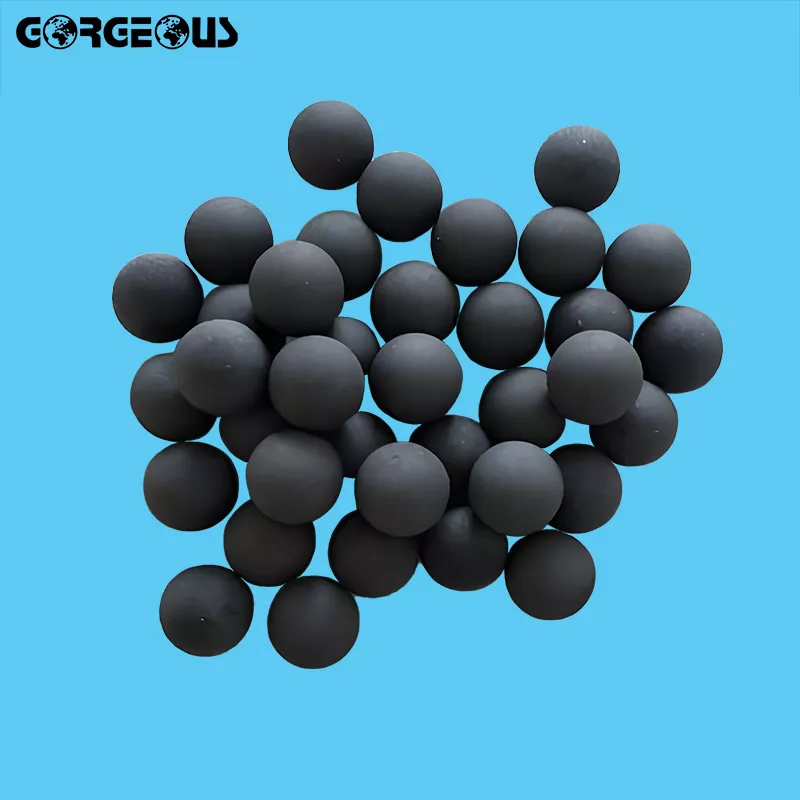
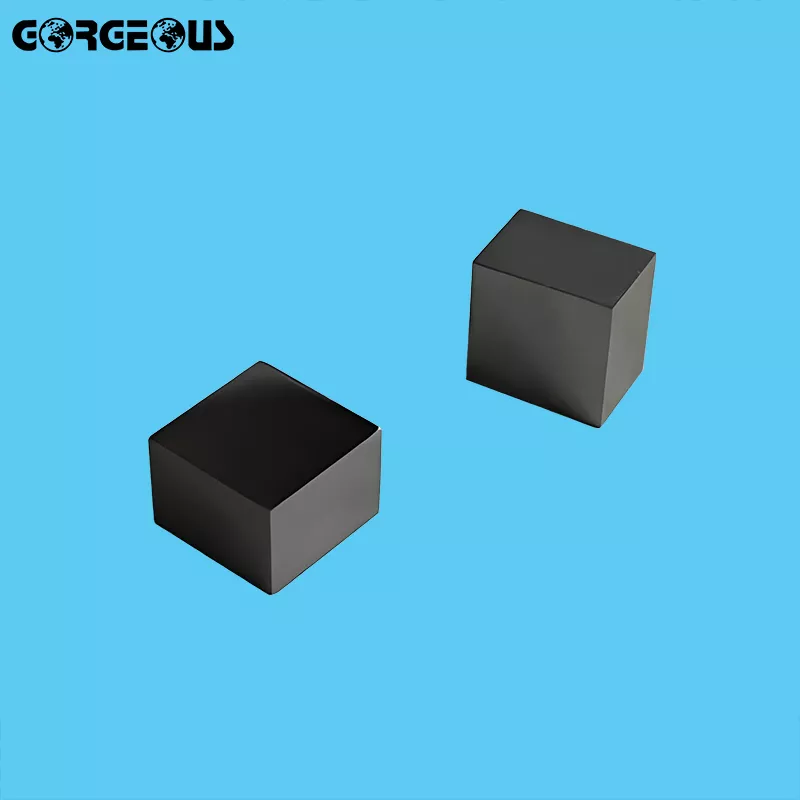
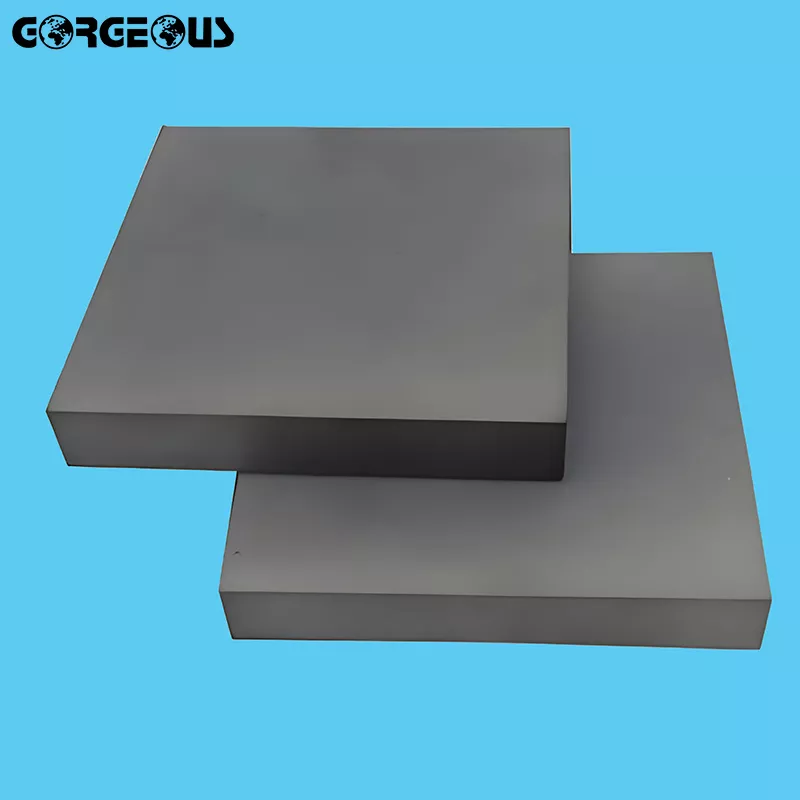
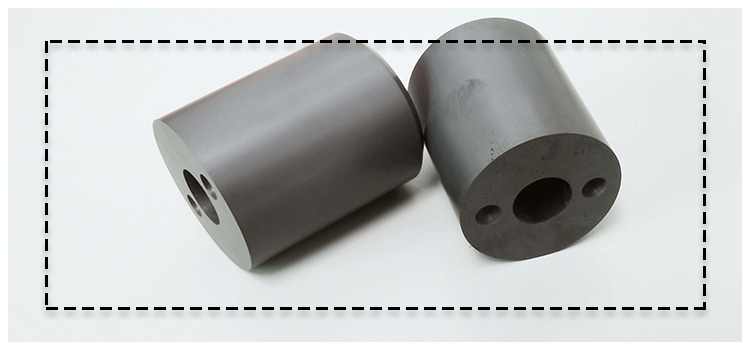
Selected Ceramic Components for Engineering Review





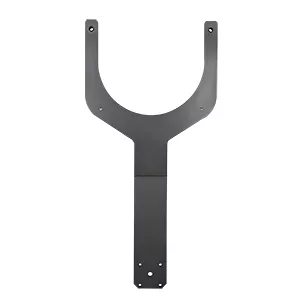

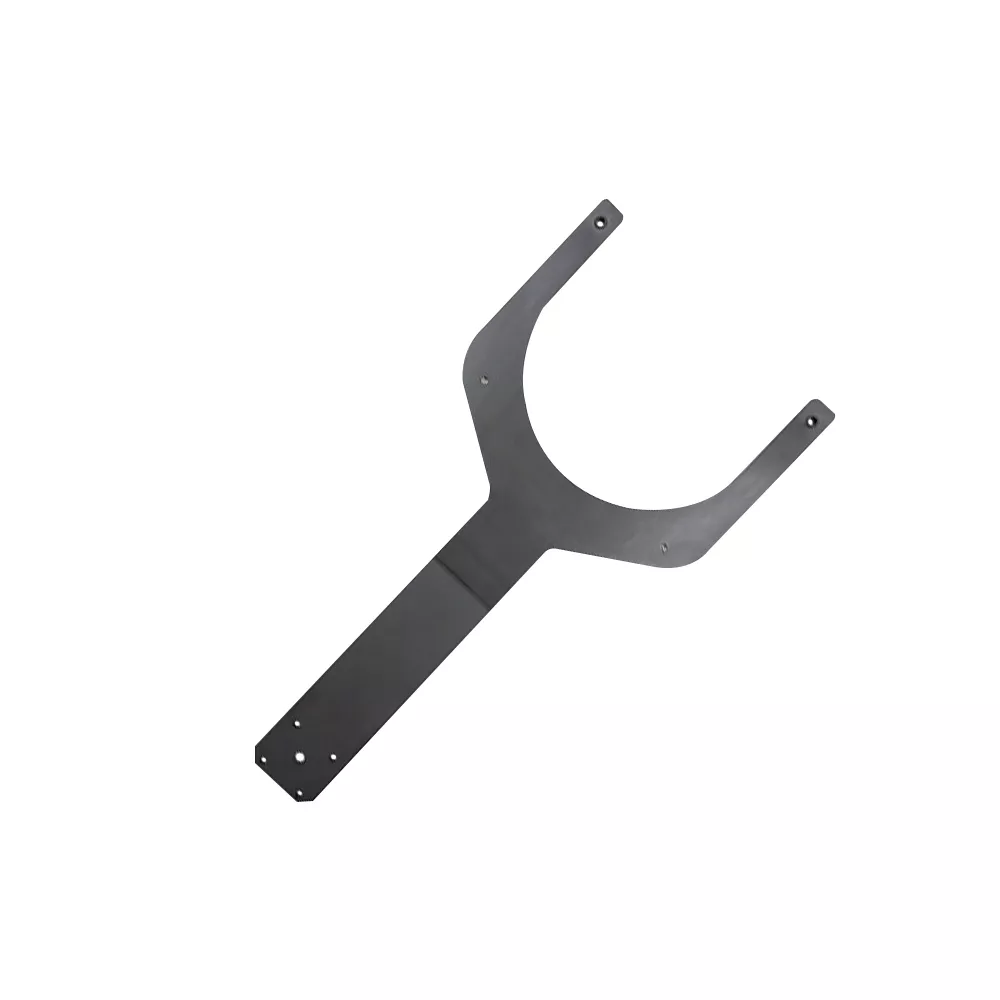
Related Product Catalogue and Quotation



Boron Carbide Ceramics Advantages
Evaluate material and component requirements together for clearer quotations, more useful technical discussions, and better-informed sourcing decisions.
Drawing And Revision Control
Quote against the current drawing revision, marked interfaces and critical dimensions so the proposed boron carbide ceramics component can be reviewed against one shared reference.
Material Grade Selection
Confirm the intended material designation, composition range and grade-specific requirements early; general boron carbide ceramics properties should not substitute for project-approved material criteria.
Geometry And Fit Requirements
Define tube, rod, ring, plate or custom geometry alongside tolerances, mating surfaces and assembly dimensions, because fit and function depend on more than material selection.
Process Route And Finishing
Discuss forming, densification, machining and finishing routes in relation to the part design, surface condition and required delivery state; the suitable route remains project-specific.
Functional Surface Requirements
Identify wear-facing, sealing, sliding, electrical or thermal interfaces, then connect each functional surface to its operating environment, mating component and acceptance requirement.
Inspection And Evidence Package
Set inspection points, dimensional records, material evidence and packaging expectations before quotation, so procurement and engineering teams can evaluate the same acceptance basis.
Technical Ceramic Components and Material Families
Explore technical ceramic components and industrial ceramic parts across boron carbide, alumina ceramics, zirconia ceramics, silicon carbide ceramics and other material families, then move from a defined requirement to a drawing-led quotation discussion.

Boron Carbide Ceramics: Properties and Selection Guide
Use this overview to compare boron carbide’s low density, high hardness, chemical resistance and thermal characteristics with the requirements of a specific component. Confirm grade, geometry, operating environment, mating surfaces and inspection criteria before requesting a quotation.
Discuss Your Ceramic Part
Boron Carbide Ceramics: Grades and Compositions
Boron carbide grades differ by composition, purity, sintering route and available forms. Review how these variables can influence density, hardness, strength, thermal behavior and manufacturability, then provide the required material designation or application context for project-specific confirmation.
Discuss Your Ceramic Part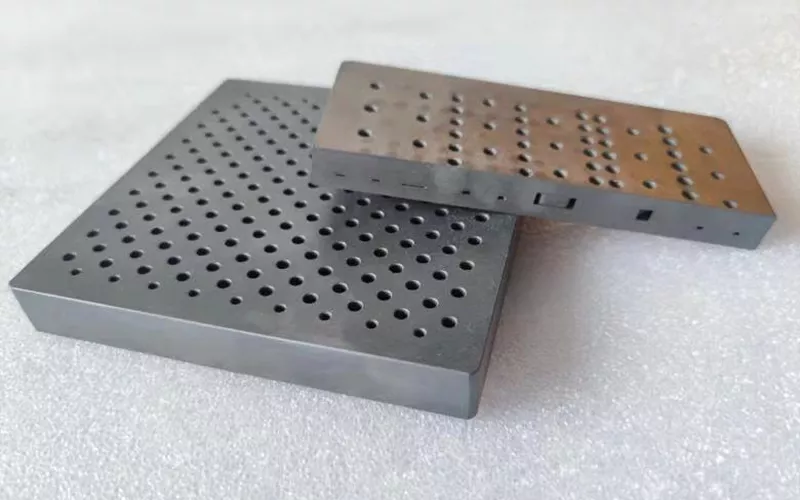
Boron Carbide Ceramics: Thermal Performance
Evaluate boron carbide for high-temperature or thermally demanding service by considering thermal conductivity, expansion, shock conditions and surrounding materials. Actual performance depends on grade, porosity, geometry, temperature profile and mounting details, which should be defined in the drawing inquiry.
Discuss Your Ceramic Part
Boron Carbide Ceramics: Mechanical and Wear Performance
Boron carbide is selected where hardness, abrasion resistance and low density are important. Mechanical and wear behavior varies with grade, microstructure, loading, contact conditions and surface finish. Share the wear mechanism, loads, dimensions and acceptance criteria for a relevant component assessment.
Discuss Your Ceramic Part
Boron Carbide Ceramics: Electrical and Insulation Performance
Boron carbide’s electrical behavior depends on composition, temperature, density, geometry and contact conditions; it is not a universal electrical insulator. Define voltage, frequency, insulation path, temperature and required test method so the proposed grade and component design can be reviewed appropriately.
Discuss Your Ceramic Part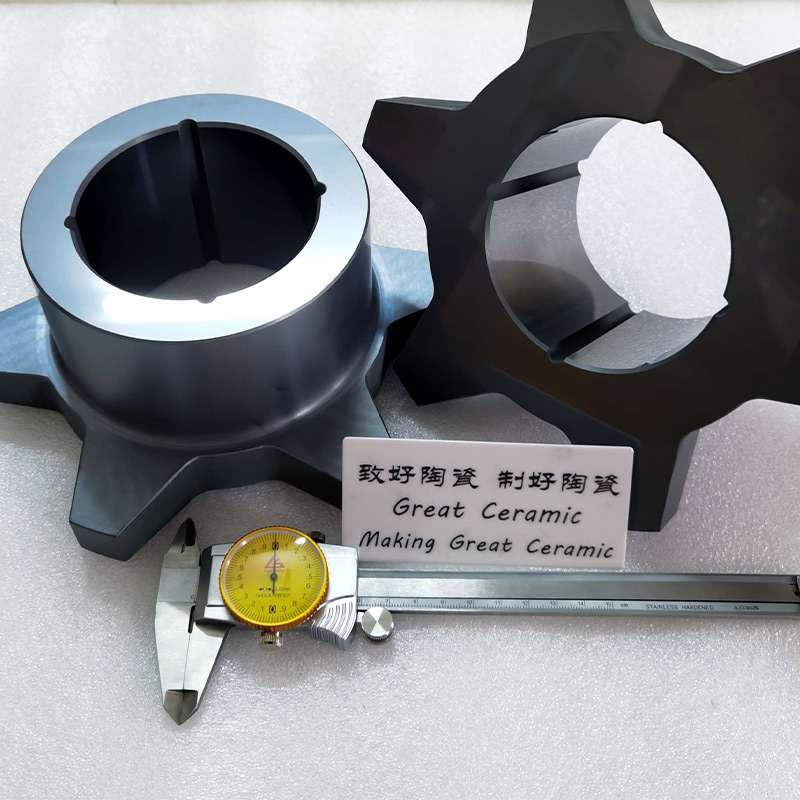
Boron Carbide Ceramics: Machining and Design Guide
Machining and finishing requirements should be considered alongside boron carbide’s hardness and brittle ceramic behavior. Identify tolerances, surface finishes, holes, edges, mating surfaces and inspection points on the current drawing so feasible processing and acceptance requirements can be discussed.
Discuss Your Ceramic Part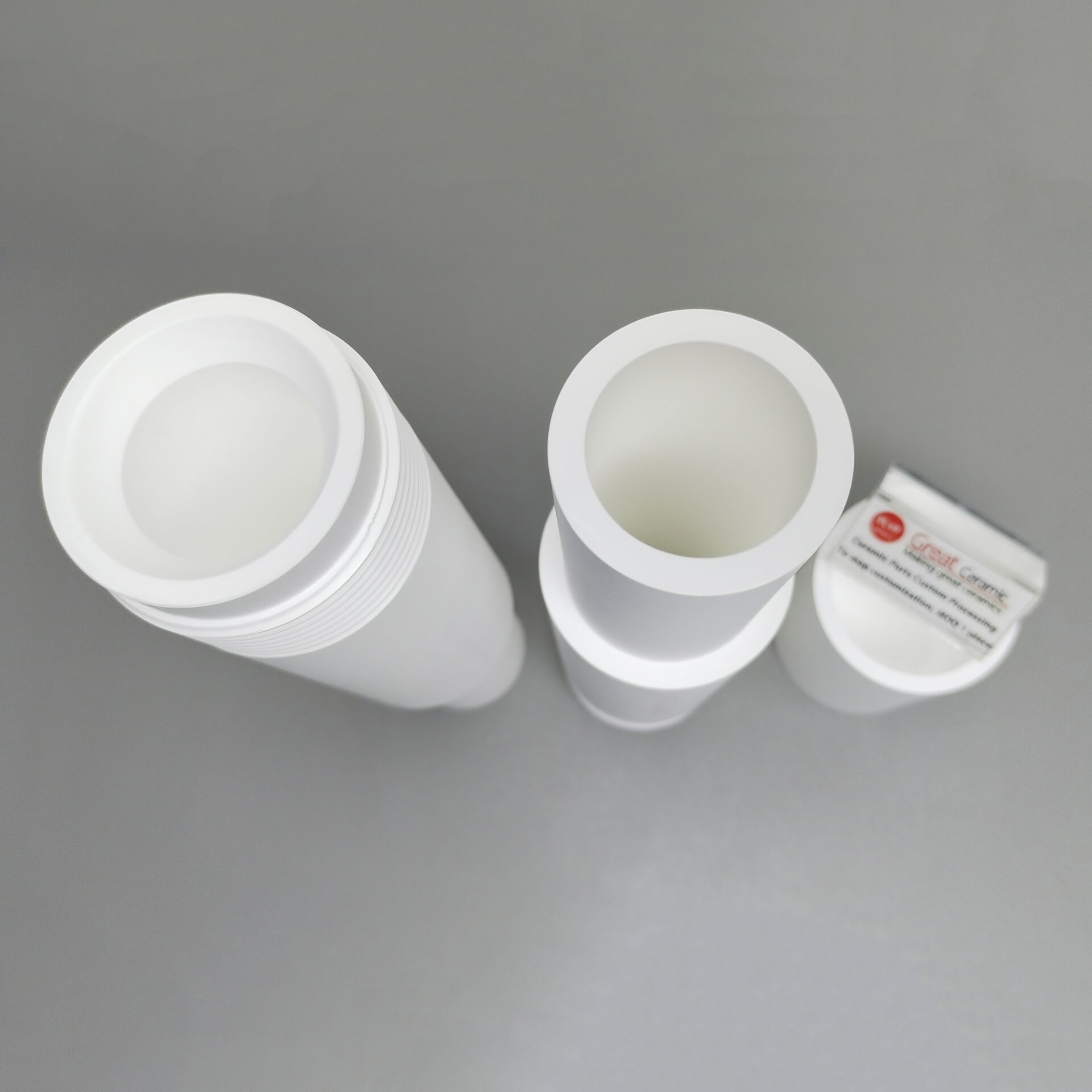
Boron Carbide Ceramics: Applications and Component Selection
Match boron carbide to applications such as abrasive handling, wear protection, high-temperature fixtures or lightweight armor-related components only after reviewing the service conditions. Describe the component’s function, dimensions, quantity and replacement context to begin a drawing-led selection and quotation inquiry.
Discuss Your Ceramic PartSupported Materials for Boron Carbide Ceramics Projects

Boron Carbide
A hard, lightweight ceramic with a fine, dense feel, boron carbide is considered for abrasive wear parts, protective components and neutron-related applications where hardness, density and service conditions must be reviewed together.
Silicon Carbide
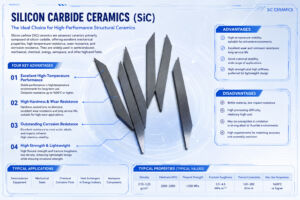
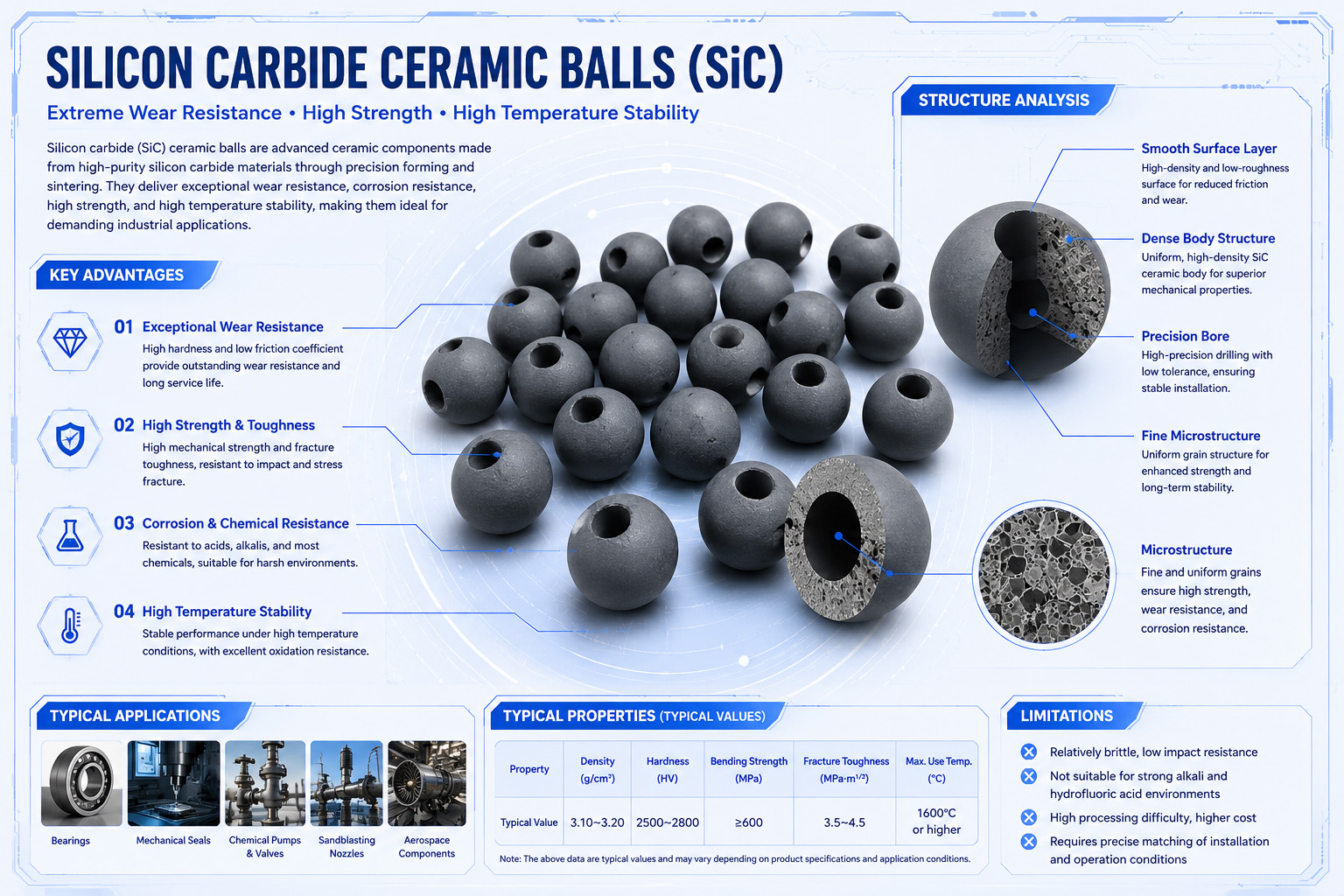
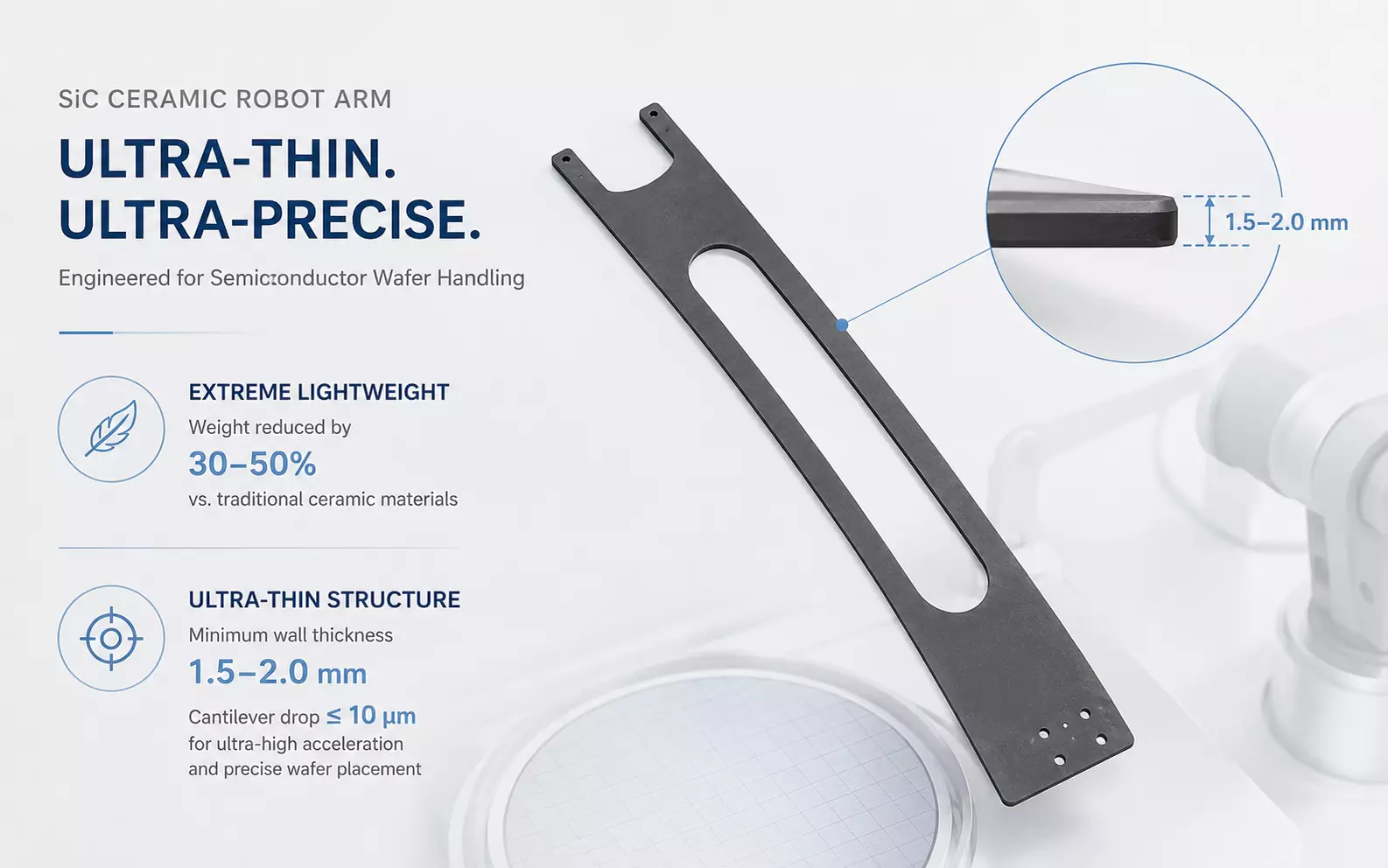
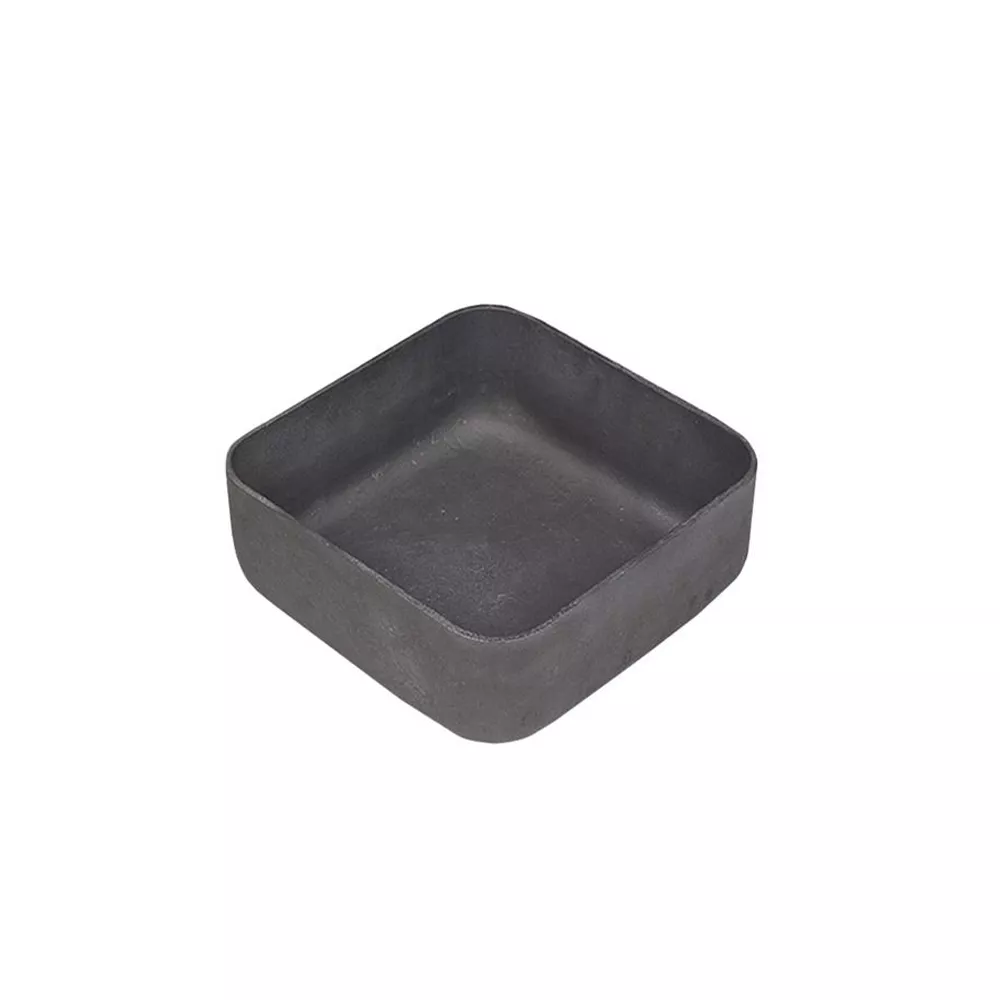
Silicon carbide offers a rigid, wear-focused feel and is commonly evaluated for seals, tubes, nozzles and high-temperature fixtures. Its thermal behavior, chemical environment, geometry and surface requirements influence the suitable grade.

Silicon Nitride
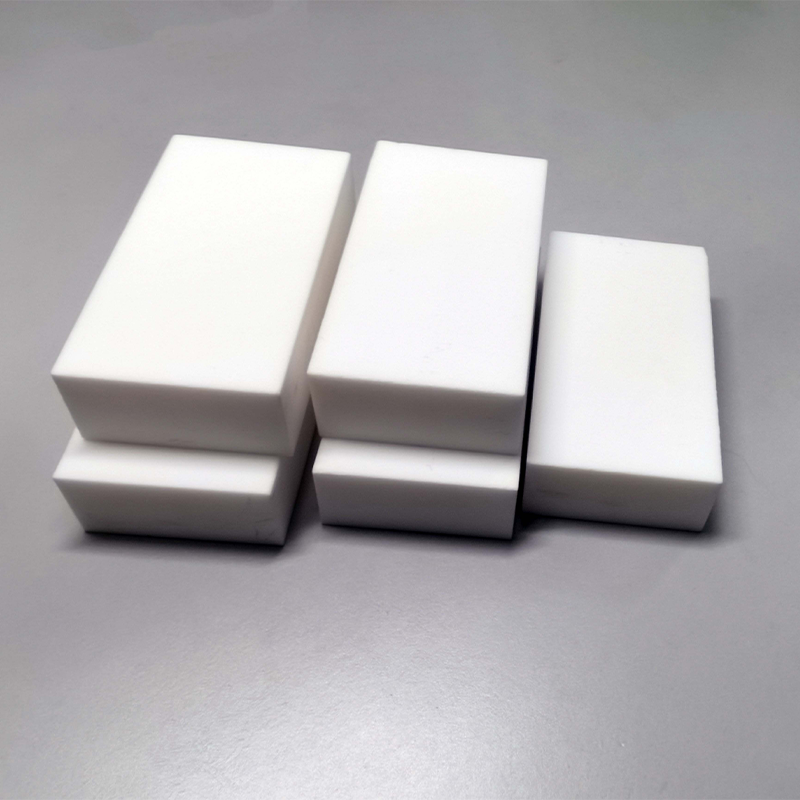
Silicon nitride has a dense, engineered feel and is often considered for bearings, rollers, seals and high-temperature components. Fracture behavior, thermal shock exposure, mating surfaces and precision tolerances require project-specific review.

Aluminum Nitride
Aluminum nitride is a rigid, thermally conductive ceramic used in electronic substrates, heat-spreading parts and insulated assemblies. Thermal conductivity, dielectric performance, flatness and metallization or mating requirements should be confirmed for each design.
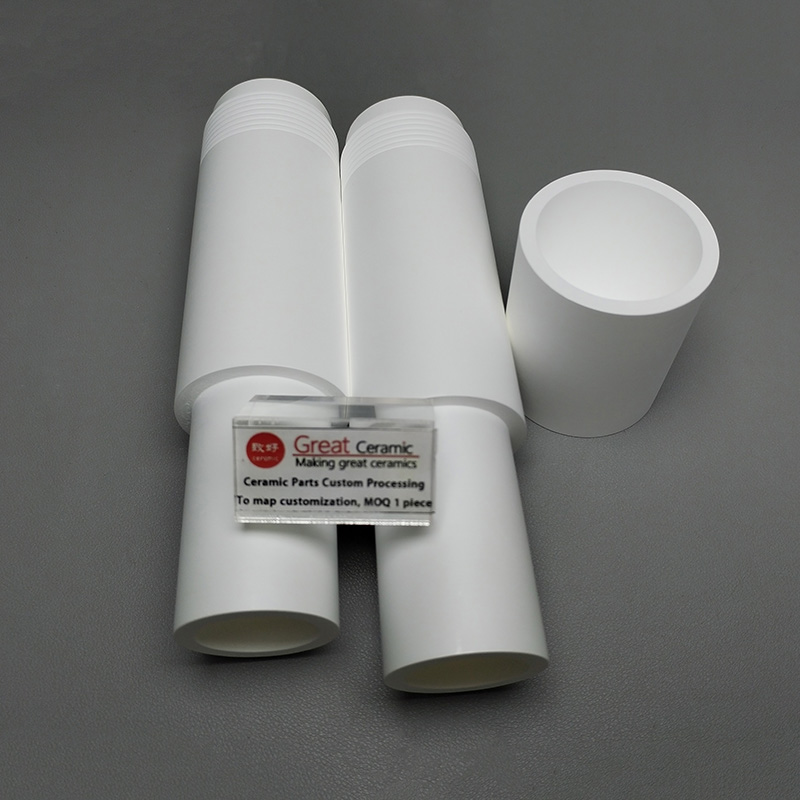
Boron Nitride
Boron nitride can provide a smooth, low-friction feel and is evaluated for release parts, electrical insulation and high-temperature fixtures. Grade, machinability, thermal performance and contact conditions determine whether it fits the application.
Supported Routes for Boron Carbide Ceramic Components

Powder Preparation
Boron carbide powder preparation establishes the starting material condition for forming and densification. Grade, composition and processing requirements should be confirmed against the intended geometry, application conditions and project acceptance criteria.

Press Forming
Press forming shapes prepared material into a controlled preform before densification. The method can support repeatable component geometry, while dimensions, tooling considerations, shrinkage allowances and critical surfaces require review from the approved drawing.

Pressureless Sintering
Pressureless sintering densifies formed boron carbide through a controlled thermal cycle. It can suit selected component geometries and production needs, with final density, dimensional change, grade and tolerance requirements confirmed for each project.

Hot Pressing
Hot pressing combines heat and applied pressure during densification to produce a dense ceramic body. It may be considered for demanding parts, subject to geometry, size, material specification, tooling and inspection requirements.

Precision Machining
Diamond-based grinding and finishing can refine sintered ceramic components to meet defined dimensions, mating surfaces and edge conditions. Machining scope is governed by the drawing, tolerance strategy, surface requirements and approved inspection criteria.
Boron Carbide Ceramics Component Accessories

Mating Surfaces
Define the surfaces that fit, seal or align with another part. Share interface dimensions, contact areas and assembly context so the quotation reflects the component’s actual installation requirements.

Edge Finishing
Specify chamfers, radii, edge breaks or other finishing expectations where they affect handling, assembly or performance. Drawing notes help separate essential geometry from preferred cosmetic details.

Part Identification
Add marking, labeling or identification requirements when components must be matched to drawings, batches or assemblies. Confirm the required location, method and legibility expectations during inquiry review.

Surface Finishing
Describe surface finish requirements for functional or mating areas, including any critical regions shown on the drawing. Project-specific expectations should be reviewed alongside grade, geometry and tolerances.

Protective Packaging
Identify packaging needs for fragile ceramic components, including separation, protection and labeling requirements. Packaging details can be reviewed with quantity, delivery conditions and acceptance criteria before production confirmation.
Our Boron Carbide Ceramics Focus
Founded by Andy Yuan, Porcecore helps industrial buyers connect technical ceramic materials with the part requirements behind each project. Our focus on boron carbide ceramics begins with the application: geometry, mating surfaces, operating conditions, quantity and inspection expectations all belong in the same sourcing conversation.
Porcecore brings together technical ceramic material and component coverage across oxide, nitride, carbide and specialty families. For boron carbide ceramics projects, we encourage drawing-led quotation inquiries and project-specific discussions about grade, geometry, tolerances, documentation and acceptance criteria. A material listing is a starting point for review, not a promise that every combination is available.
What makes our approach different is clarity before commitment. We help procurement teams, engineers, equipment builders and distributors identify open questions, separate essential requirements from preferences, and define the next decision. Email a drawing or describe your component and service environment to begin a focused project conversation.

Core Capabilities for Boron Carbide Ceramics Projects
Clarify the Part Requirement
Start with the component and its working role. Porcecore helps procurement and engineering teams connect boron carbide ceramics with the dimensions, interfaces, operating conditions and acceptance criteria that define a usable part.
- Component type, application and replacement context
- Mating surfaces and assembly-defining dimensions
- Temperature, wear, chemical and load conditions
- Essential requirements separated from preferences

Review Drawings Before Quotation
A drawing-led inquiry gives the quotation discussion a concrete basis. Share the current revision so open questions around geometry, tolerances, surfaces and documentation can be identified before material and process decisions are confirmed.
- Current drawing revision and relevant specifications
- Critical dimensions, tolerances and surface details
- Open questions affecting manufacturability or fit
- Quantity, delivery expectations and approval documents

Discuss Material and Grade
Boron carbide ceramics should be discussed as a project-specific material choice, not a standalone label. Porcecore can review the known designation, required performance context and application priorities while distinguishing general properties from grade-specific values.
- Known material designation or preferred grade
- Hardness, density and thermal priorities
- Chemical exposure and service-environment considerations
- Clarification of confirmed versus still-open specifications

Define Inspection and Documentation
Clear acceptance expectations help align the finished component with the buyer’s approval process. Confirm inspection points, dimensional records, material documentation and other required evidence so the project can move from inquiry toward an agreed production order.
- Inspection criteria for critical features
- Dimensional reports and material records
- Traceability or documentation requirements
- Approval workflow and final acceptance basis

Why Choose Porcecore for Boron Carbide Ceramics?
A clearer path from ceramic material selection to an OEM-ready component quotation.
← Swipe left or right to view →
Our Boron Carbide Ceramics Project Process
Move from a defined component requirement to a confirmed quotation, inspection basis, packing plan and shipping discussion with each decision tied to your project.
Define the Requirement
Share the drawing revision, quantity, material designation if known, service conditions, mating surfaces, critical dimensions and acceptance criteria for initial review.
Align Material and Geometry
Porcecore reviews the component form, project-specific grade questions, operating environment and documentation needs to clarify essential requirements before quotation.
Confirm the Quote
Receive a drawing-led quotation discussion covering geometry, tolerances, material basis, inspection expectations, documentation, delivery considerations and commercial terms for confirmation.
Form and Inspect
After project requirements are agreed, the component moves through the confirmed forming or finishing route, followed by inspection against the approved acceptance basis.
Pack and Ship
Packing and shipping arrangements are coordinated around the confirmed order, with project documentation and delivery details aligned before the component leaves the agreed supply process.
How to Source Boron Carbide Ceramics
A drawing-led path from initial requirements to confirmed production and delivery planning.
Submit Requirements
Send the current drawing revision, quantity, service conditions, material designation if known, mating surfaces, and acceptance criteria for boron carbide ceramics.
Clarify the Part
Review geometry, tolerances, grade, documentation, and open technical questions with Porcecore so the quotation reflects project-specific requirements rather than assumptions.
Evaluate Samples
Assess a sample or drawing-based proposal when applicable, checking fit, material expectations, inspection needs, and performance priorities before production confirmation.
Confirm Production Details
Approve the confirmed geometry, grade, tolerances, quantity, acceptance criteria, documentation, and commercial terms before Porcecore schedules production and delivery planning.
Plan Delivery
Coordinate packaging, documentation, delivery timing, and communication points around the approved order, keeping procurement and engineering teams aligned through completion.
Boron Carbide Ceramics Certificates and Technical Documentation
Boron Carbide Ceramics: Customer Feedback and Project Examples
No verified customer quote or documented project outcome was supplied for publication. Porcecore evaluates boron carbide ceramics against the drawing, operating conditions and acceptance criteria for each inquiry.
Published technical references describe boron carbide ceramics for demanding wear, abrasive and lightweight protection applications, but do not verify a Porcecore project, customer result or agreed performance figure.
For a project-specific assessment, send the current drawing revision, known material grade, quantity, service conditions and inspection requirements so the quotation discussion can be based on defined requirements.
Boron Carbide Ceramics FAQ
Practical answers for defining parts, preparing RFQs and confirming project-specific sourcing requirements.
What information should I provide when requesting boron carbide ceramics?
How is the right boron carbide ceramics grade selected?
Can Porcecore manufacture boron carbide ceramics to drawing tolerances?
Is there a minimum order quantity or fixed lead time?
How are samples, sampling costs and payment terms handled?
How will my drawings and technical information be protected?
What inspection evidence can accompany technical ceramic components?
What application conditions affect a boron carbide ceramics quotation?
The Complete Buyer’s Guide to boron carbide ceramics
Use a practical decision framework to compare boron carbide ceramic types, specifications, manufacturing quality, supplier capabilities, quoting factors, and common procurement mistakes before approving OEM parts or production orders.
1. What Are Boron Carbide Ceramics?
52 g/cm³. That combination explains its high abrasion resistance, thermal stability, and useful chemical resistance, while composition, porosity, grain structure, and processing determine the actual grade performance. html
Three procurement paths follow directly: low density supports lightweight armor, extreme hardness supports abrasives and engineered wear parts, and abrasion resistance supports blasting nozzles exposed to aggressive media. These are material capabilities, not guaranteed service results; geometry, impact conditions, mating surfaces, temperature, and inspection criteria must be specified. Nuclear applications add a distinct function: boron carbide’s boron content provides neutron absorption, supporting shielding or control components where the design permits it. Confirm isotope, grade, density, dimensions, tolerances, chemical environment, and documentation for each project rather than treating B4C as a complete specification.
2. Boron Carbide Ceramics: Evolution and History
1894 marks the first recorded observation of boron carbide, attributed to Henri Moissan as a by-product of metal-boride reactions. By the 1930s, researchers had estimated its composition near B4C, although boron carbide is better understood as a compositionally variable family rather than a perfectly fixed 4:1 compound. 2100–2200°C hot pressing and 2300–2400°C pressureless sintering later made dense boron carbide ceramics more practical, while spark plasma sintering introduced rapid pulsed-current heating with limited grain growth. These routes improved control over density, microstructure and usable shapes. The result was an application base extending beyond abrasives and lapping media into lightweight protective systems, neutron-absorbing nuclear components and wear-resistant industrial parts.
3. Types of Boron Carbide Ceramics
Four purchasing categories cover most boron carbide ceramics: feedstock, dense sintered bodies, bonded composites, and machined finished parts.
| Category | Typical strengths | Dimensional and density considerations | Best-fit applications |
|---|---|---|---|
| Powder / abrasive | Flexible particle sizing | No finished geometry; bulk density varies | Lapping, blasting, feedstock |
| Hot-pressed | High density, wear resistance | Smaller or simpler shapes; near-theoretical density | Nozzles, inserts, wear parts |
| Pressureless-sintered | Larger or complex geometries | Shrinkage and density depend on route | Plates, tubes, custom components |
| Bonded / composite | Route-specific manufacturability | Lower or variable density; verify phases | Cost-sensitive wear or shielding parts |
Powder And Abrasive Media
Powder and abrasive grains suit lapping, blasting, and downstream pressing.
Dense Sintered Parts
Hot-pressed parts generally deliver high density and consistent wear performance, but size and shape are constrained by tooling and machining economics.
Bonded And Finished Forms
Reaction-bonded or composite forms can improve manufacturability or cost for selected shapes, though density, phase content, and wear behavior differ from monolithic material.
4. Boron Carbide Ceramics Materials and Specifications
B4C specifications should connect material chemistry, processing, geometry, and verification.
| Specification choice | Application risk | Inspection requirement |
|---|---|---|
| Density / porosity | Leakage or impact failure | Archimedes; microscopy |
| Grain size / additives | Wear or strength variation | Microscopy; chemistry |
| Finish / tolerances | Poor fit or sealing | Profilometer; CMM |
Specification Inputs
Powder purity, carbon-to-boron ratio, additives, grain size, density, open porosity, hardness, fracture toughness, flexural strength, thermal properties, surface finish, tolerances, and test methods should appear on the inquiry.
Processing Route Tradeoffs
Hot pressing usually supports dense, strong parts; pressureless sintering enables complex shapes but may require additives and tighter shrinkage control. SPS offers rapid densification and limited grain growth, typically with higher equipment cost. html.
Risk And Inspection Matrix
Tie each acceptance value to a failure mode and inspection method before quotation.
5. Customization Options for Boron Carbide Ceramics
A current CAD model and drawing revision establish the starting point for boron carbide ceramics customization.
Geometry And Armor Segmentation
CAD-defined holes, slots, radii, thin walls, and mating surfaces determine forming and grinding difficulty. Segmented armor tiles can improve fit and handling, but introduce more edges, interfaces, inspection points, and potential breakage locations. Provide finished dimensions, tolerances, datum references, corner radii, tile layout, and quantity by part number.
- State critical dimensions and noncritical preferences.
- Flag minimum wall thicknesses and edge conditions.
- Confirm whether one-piece or segmented construction is required.
Backing And Joining Integration
Backing integration requires interface definition before quotation. Specify adhesive, brazed, bolted, or metallized joining expectations, bond-line limits, load direction, thermal cycling, and any electrical-contact requirement. Joining features may add processing steps and qualification work.
- Name the backing material and attachment method.
- Define thermal, mechanical, and electrical interfaces.
- Separate required qualifications from preferred options.
Finishing, Coating, And Packaging
Surface grinding and lapping control fit and flatness; coatings can change dimensions, friction, wear, or chemical response. These operations may reduce yield and extend lead time, especially on thin or sharp-edged parts. Packaging should protect finished surfaces and edges during transport.
- Specify grinding, lapping, coating, and cleanliness requirements.
- Define inspection instruments, sampling, and rejection criteria.
- State packaging, identification, and shipment constraints.
6. Key Construction and Quality Elements
Production-ready boron carbide ceramics depend on process control from powder blending through final packing.
Powder And Densification Control
Fine, uniform powder preparation supports consistent forming and densification; hot pressing commonly uses controlled heat, pressure, and atmosphere. Ask for a certificate of analysis covering composition, impurities, and lot number. Grain structure, porosity, and inclusions affect wear and fracture behavior.
Forming, Machining, And Inspection
Controlled forming preserves geometry before sintering, while disciplined diamond machining protects mating surfaces and critical edges. Inspection reports should identify dimensions, tolerances, surface condition, and measurement method. Request sample testing that matches service demands, such as wear, thermal cycling, leak, or fit validation.
Traceability And Packaging Evidence
Each production lot should remain identifiable from raw material through final inspection, with records linked to the drawing revision and quantity. Confirm how nonconformities and rework are documented. Protective packaging should prevent chipping, abrasion, moisture exposure, and mix-ups during transport.
7. How to Choose a Boron Carbide Ceramics Manufacturer
1. A supplier review should connect boron carbide ceramics to the part drawing, service conditions, inspection plan, and commercial risk.
| Evaluation Area | Evidence To Request | Buyer Question |
|---|---|---|
| Capability | Sample report or drawing review | Which tolerances are routine? |
| Quality | Inspection and NCR procedure | Who approves deviations? |
| Capacity | Schedule with assumptions | What lead time applies at MOQ? |
Confirm Technical Fit
A current drawing should define critical dimensions, mating surfaces, tolerances, grade, finish, and test requirements. Ask which features are routinely held and which require secondary machining.
Audit Quality And Continuity
Three documents clarify control: inspection records, a nonconformance procedure, and sample test data linked to the order. Ask how deviations are reported, contained, dispositioned, and communicated.
Check Commercial Readiness
A comparable quote separates material, tooling, machining, testing, packaging, freight, and payment terms. Confirm export documents, protective packaging, Incoterms, revision control, and the communication contact.
8. Common Buyer Mistakes with Boron Carbide Ceramics
Three purchasing errors account for many avoidable surprises with boron carbide ceramics: incomplete requirements, mismatched test evidence, and price comparisons that exclude real production costs.
Specify More Than Hardness
A hardness value does not define density, porosity, toughness, or service life. Require grade, density or porosity targets, and test method; compare only data produced under equivalent conditions. A material label alone also hides composition and process variation.
Define Interfaces And Impact Conditions
Edge radius, chamfers, impact direction, and repeated loading can govern failure even when the ceramic is very hard. Purchasing action: provide edge geometry, impact conditions, mounting loads, and handling requirements. Mating metals, polymers, seals, and fasteners affect fit and stress concentration. Machining damage may remain unseen.
Make Acceptance And Cost Comparable
A tight tolerance may be unrealistic after ceramic shrinkage or grinding. Purchasing action: mark critical dimensions, approve practical tolerances, and define sample inspection criteria before release. Two prices are incomparable when tooling, yield, freight, packaging, or inspection are omitted.
9. Steps to Launch Your Boron Carbide Ceramics Program
Step 1 converts the operating environment into a part requirement for boron carbide ceramics.
Define The Application
Step 1: engineering records loads, temperature, media, wear mechanism, mating surfaces, geometry, quantity, and failure consequences. Quality adds inspection and traceability needs; operations confirms assembly and handling constraints.
Freeze The RFQ Basis
Before quotation, engineering should freeze the drawing revision, critical dimensions, tolerances, material designation if known, service conditions, quantity, acceptance criteria, and required documentation. Procurement can then shortlist suppliers against relevant capability and communication requirements.
Prototype And Validate
Step 3: procurement issues the RFQ, engineering answers technical questions, and quality defines prototype inspection. The approved sample must be checked against drawing, material evidence, fit, and application-specific performance tests.
Release And Review
Step 4: quality establishes incoming inspection for identity, dimensions, critical surfaces, defects, and documentation; operations controls storage, handling, and lot status. Procurement monitors delivery and commercial performance.
10. Boron Carbide Ceramics Pricing and Cost Factors
1 quote should tie boron carbide ceramics to a defined grade, purity, geometry, forming route, and acceptance criteria. Size, wall thickness, tolerances, machining allowance, tooling, expected yield, inspection, packaging, shipping, and required testing can materially change the estimate. 3 inputs make a quotation defensible: the current drawing revision, forecast quantity, and service conditions.
| Quantity Tier | Representative Cost Drivers | Expected Lead-Time Effect | Quote Questions |
|---|---|---|---|
| Prototype or 1–5 parts | Tooling, setup, machining, inspection, low yield | Often longest per part | Is existing tooling usable? What inspection report is required? |
| 6–50 parts | Setup spread across units; geometry and machining remain significant | Moderate | Which dimensions are assembly-critical? What tests are mandatory? |
| 51–500 parts | Material batch, forming efficiency, yield, packaging, testing | Usually more predictable | Can quantity be released in lots? What packaging prevents damage? |
| 500+ parts | Raw-material commitment, process capability, shipping, documentation | May require capacity planning | What annual forecast and delivery schedule should be quoted? |
Discuss Your Boron Carbide Ceramics Part
Send a drawing or describe your component, quantity, service environment and acceptance criteria. Email info@zlrsmaterials.com or contact WhatsApp at +86 130 6482 5920 to begin a clearer sourcing conversation.