
Boron Carbide Components for Demanding Wear Applications
Connect boron carbide selection with geometry, grade, operating conditions and acceptance criteria through a drawing-led inquiry for custom ceramic components.
Featured Ceramic Components for Wear Applications

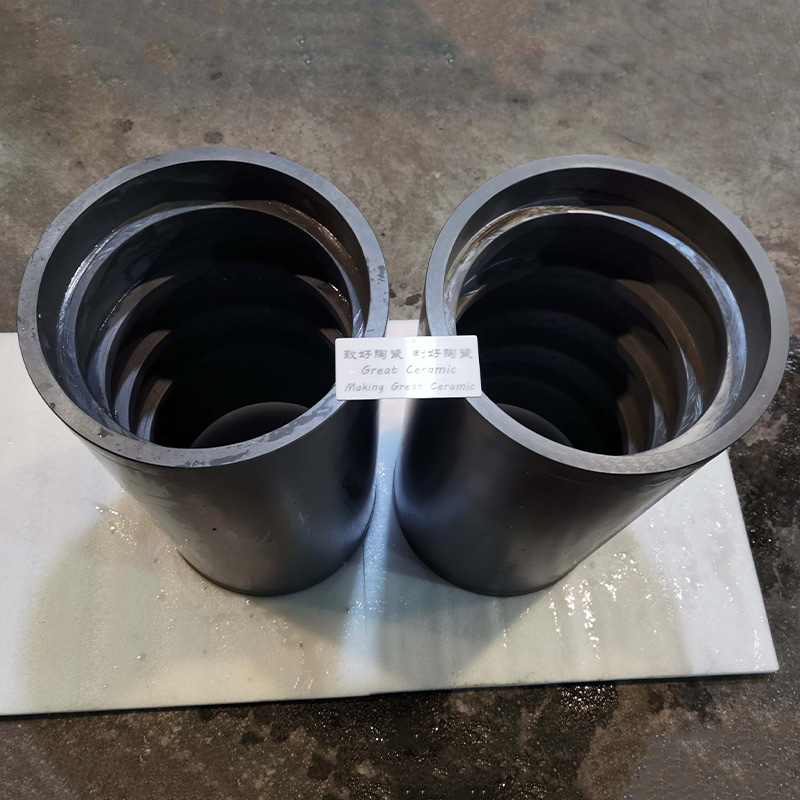
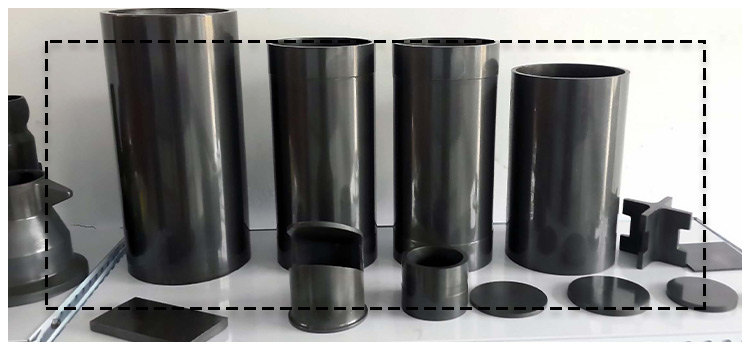


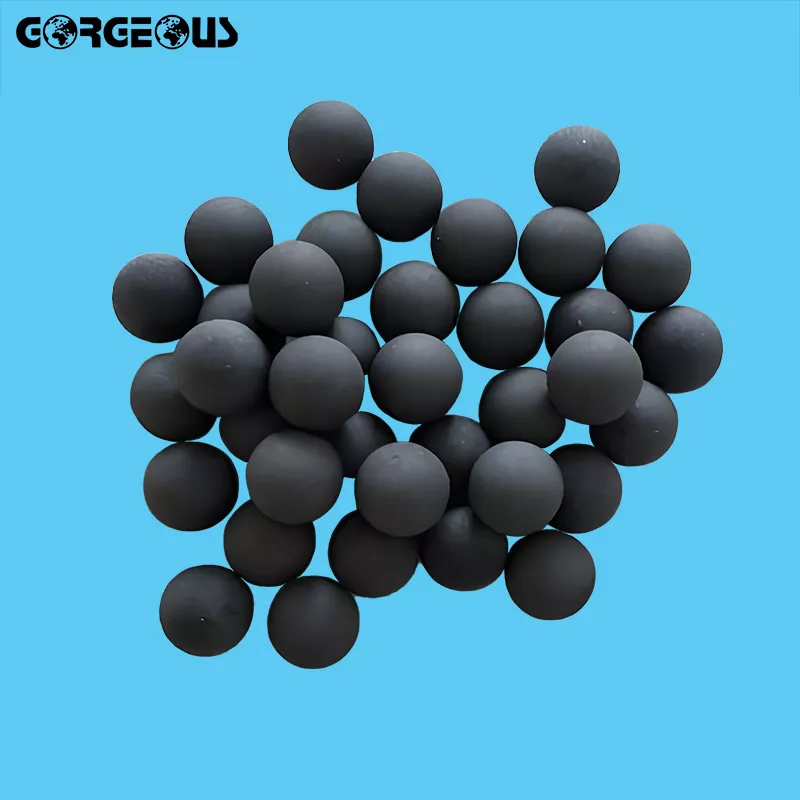

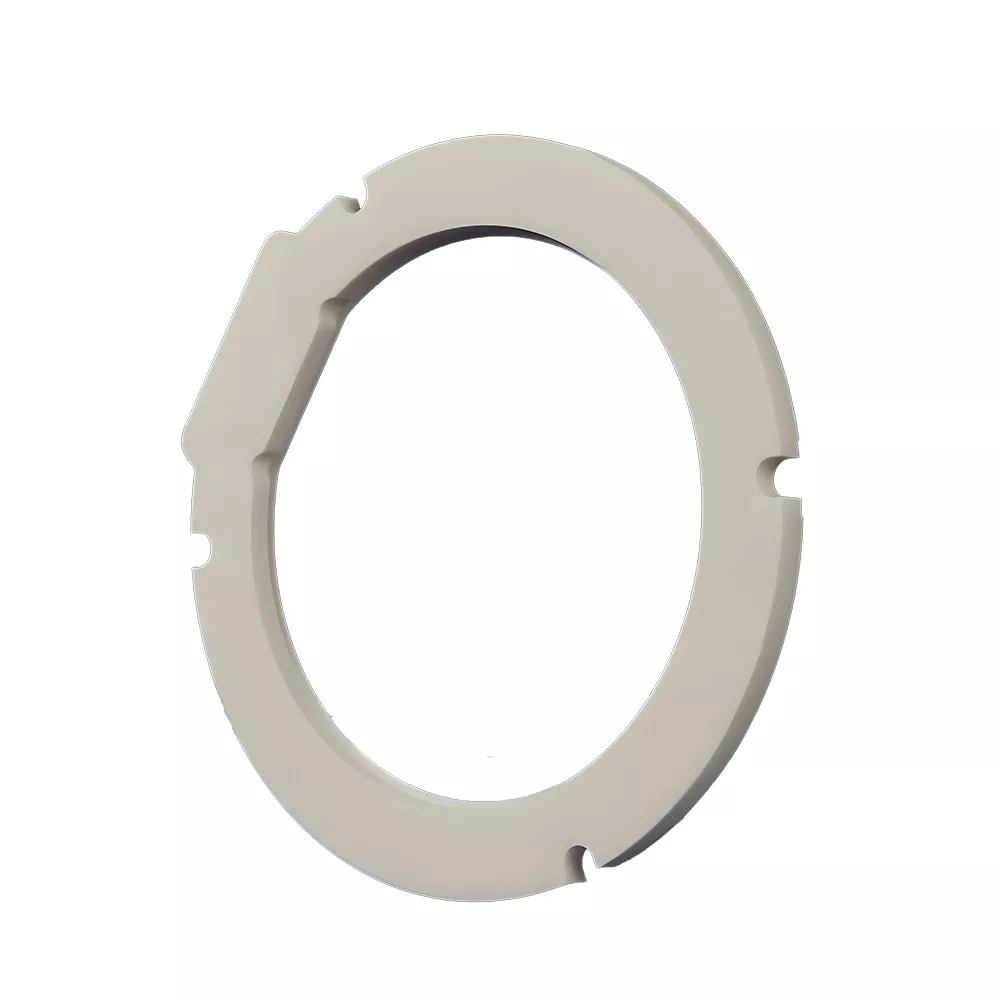
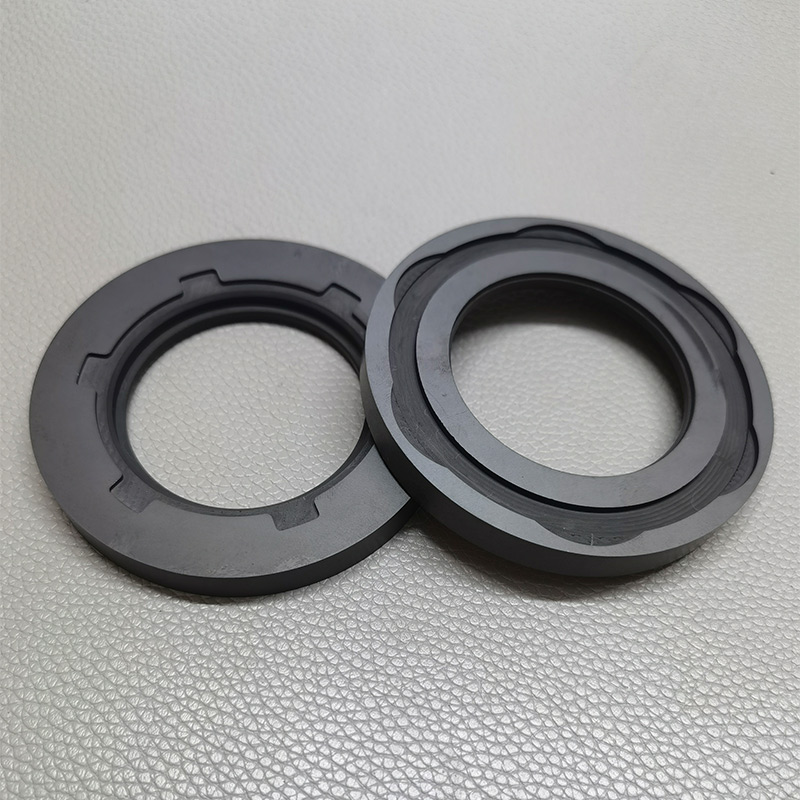


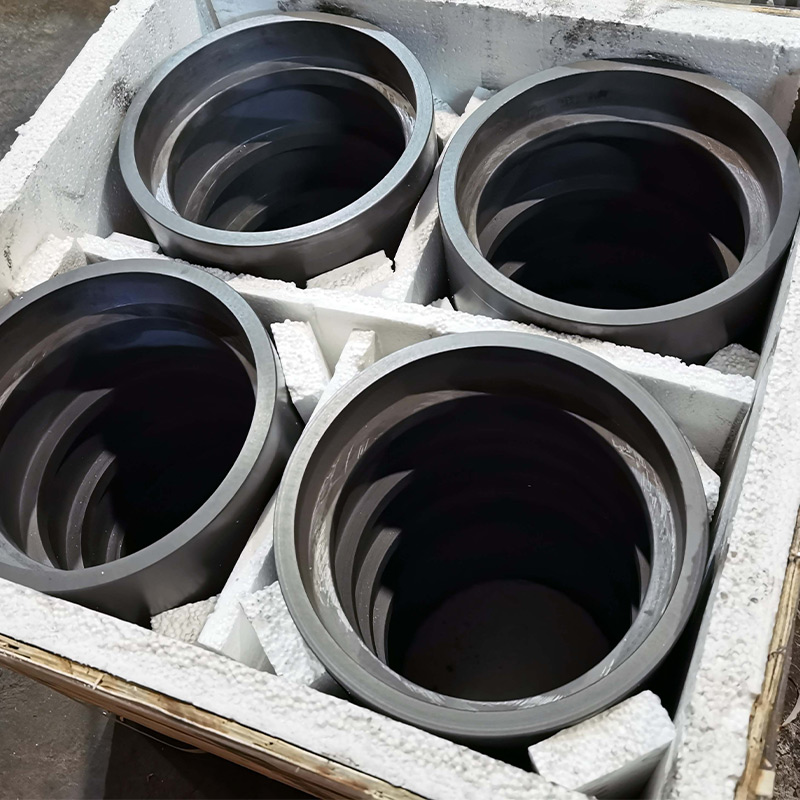

Related Product Catalogue and Quotation


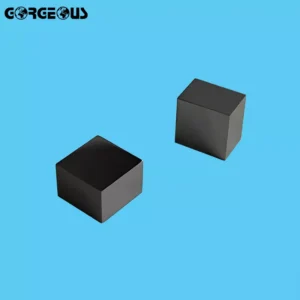

What to Specify for a Boron Carbide Component
Evaluate the material, part definition and evidence needed to connect boron carbide selection with a project-ready ceramic component requirement.
Control Drawing Revision
Start with the current drawing revision, critical dimensions, tolerances and mating references so the quotation reflects the part your team actually needs.
Confirm Material Grade
For boron carbide ceramics mechanical and wear performance, confirm the grade, density expectations and relevant composition details before comparing options; values remain project-specific until the grade is agreed.
Define Component Geometry
Define overall dimensions, wall sections, radii, holes and assembly clearances early; geometry can influence manufacturability, finishing choices and how the component fits surrounding hardware.
Review Process Route
Discuss forming, sintering, machining and finishing routes against the required geometry and surfaces, then separate preferred process choices from requirements that must be contractually controlled.
Specify Functional Surfaces
Identify wear faces, contact areas, edges and mating surfaces, including roughness or flatness needs, so functional interfaces receive focused attention during quotation and review.
Align Inspection Evidence
Request inspection evidence aligned with acceptance criteria, including dimensional records or other agreed documentation, so engineering approval is based on defined project requirements rather than assumptions.
Technical Ceramic Categories for Defined Requirements
Review materials, component forms, applications and resources before narrowing a drawing-led inquiry to project-specific requirements.
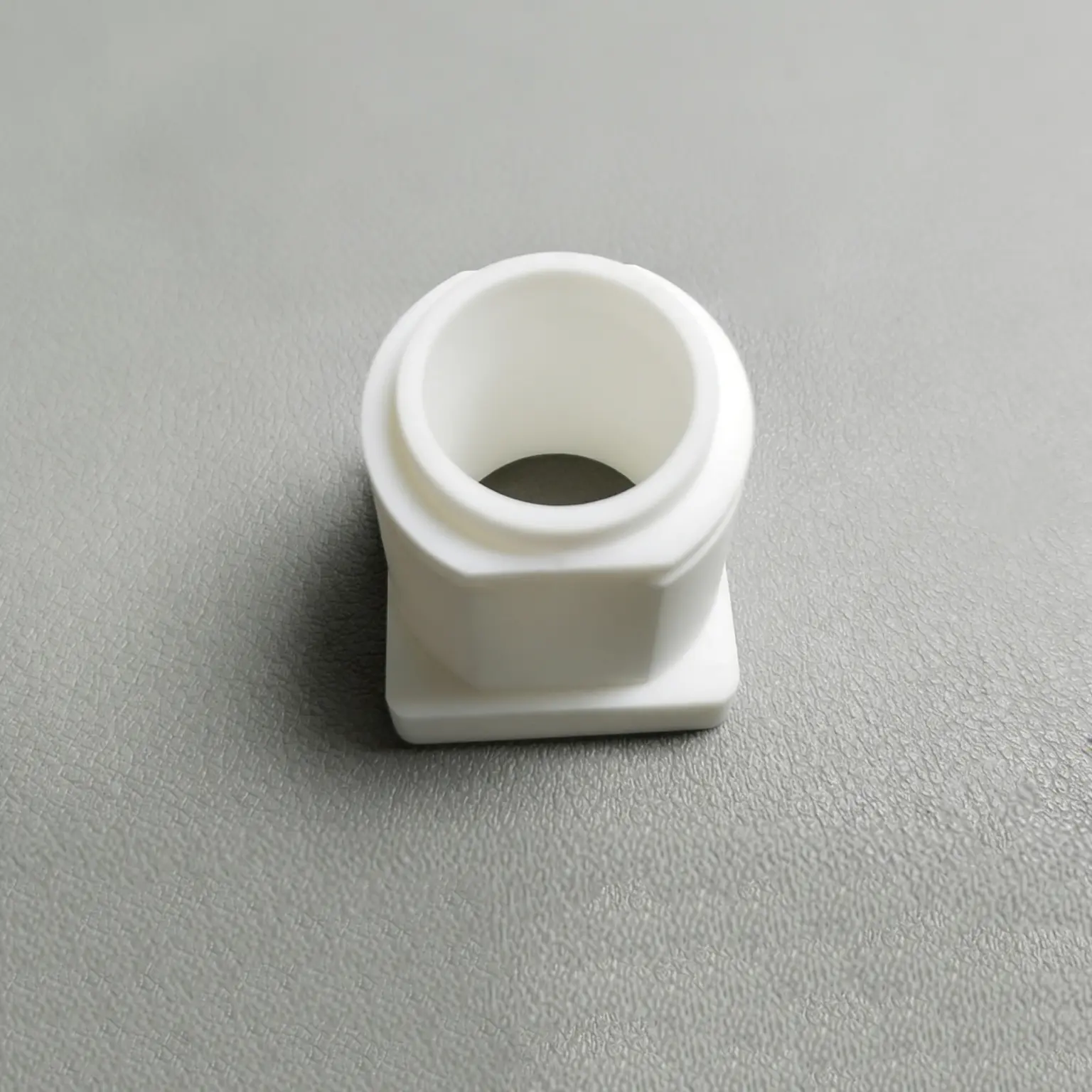
Ceramic Manufacturing Capabilities
Ceramic manufacturing capabilities connect material selection with the component geometry, tolerances and inspection expectations your project requires. Use this category to frame discussions around machining, forming, finishing and documentation without assuming every process combination is available.
Discuss Your Ceramic Part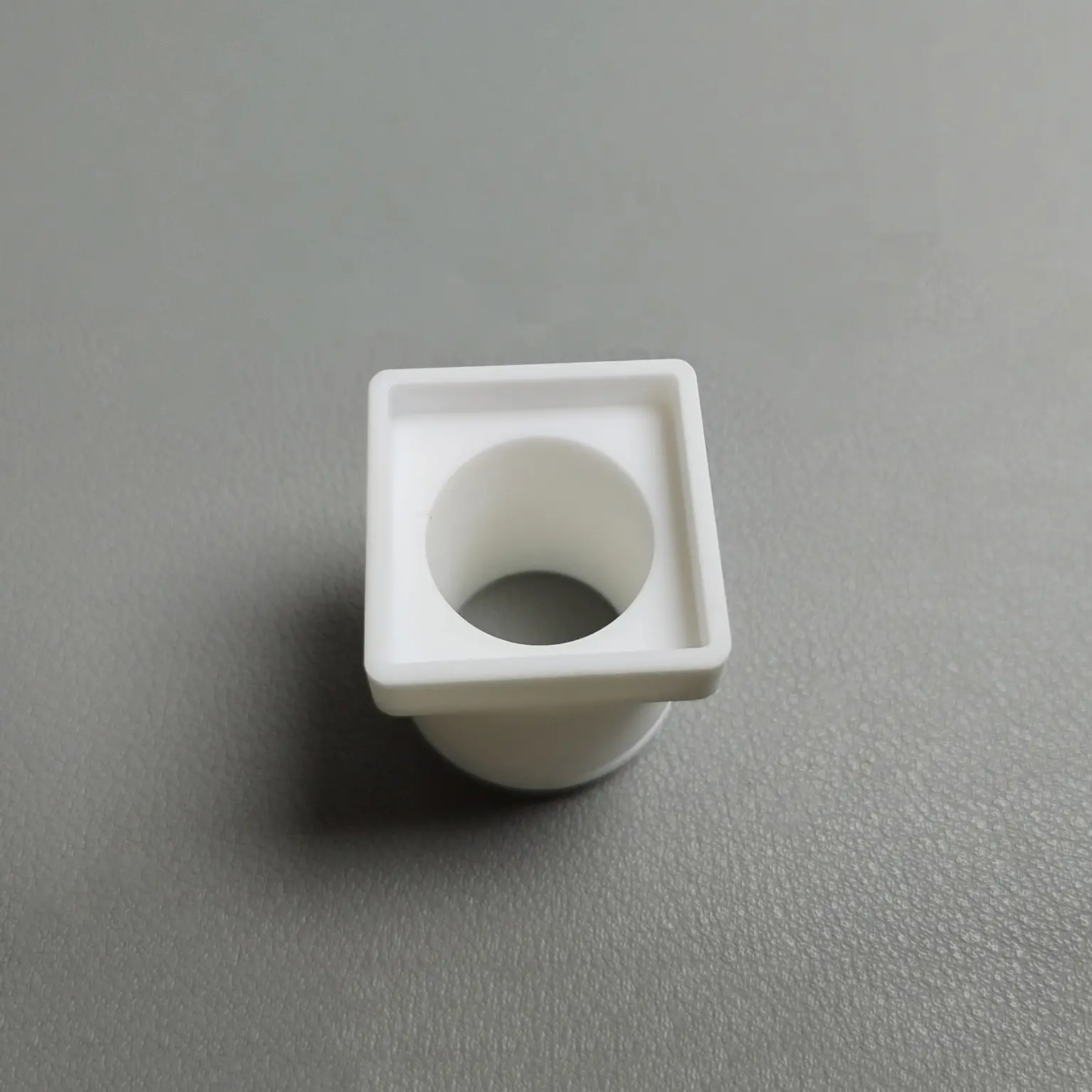
Ceramic Solutions by Industry
Ceramic solutions by industry help equipment builders, engineers and procurement teams relate industrial ceramic parts to operating conditions, wear exposure, thermal loads or electrical insulation needs. Start with the application challenge, then confirm the required material, geometry and acceptance criteria.
Discuss Your Ceramic Part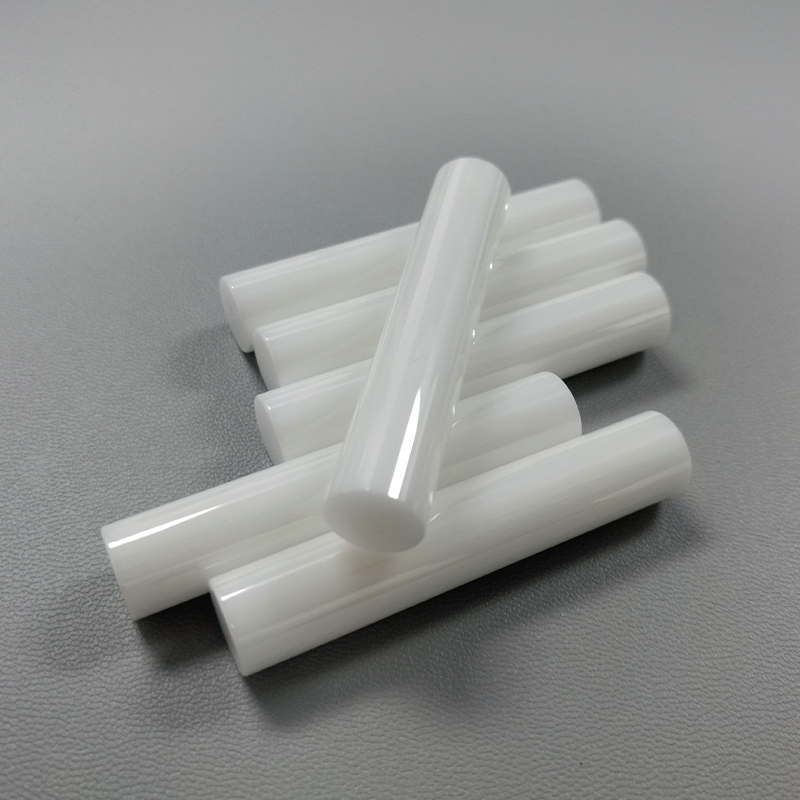
Advanced Ceramic Materials
Advanced ceramic materials include oxide, nitride, carbide and specialty families such as alumina ceramics, zirconia ceramics, silicon carbide ceramics, silicon nitride, aluminum nitride and boron carbide. Compare material directionally, then verify grade-specific properties against the actual service environment and design requirements.
Discuss Your Ceramic Part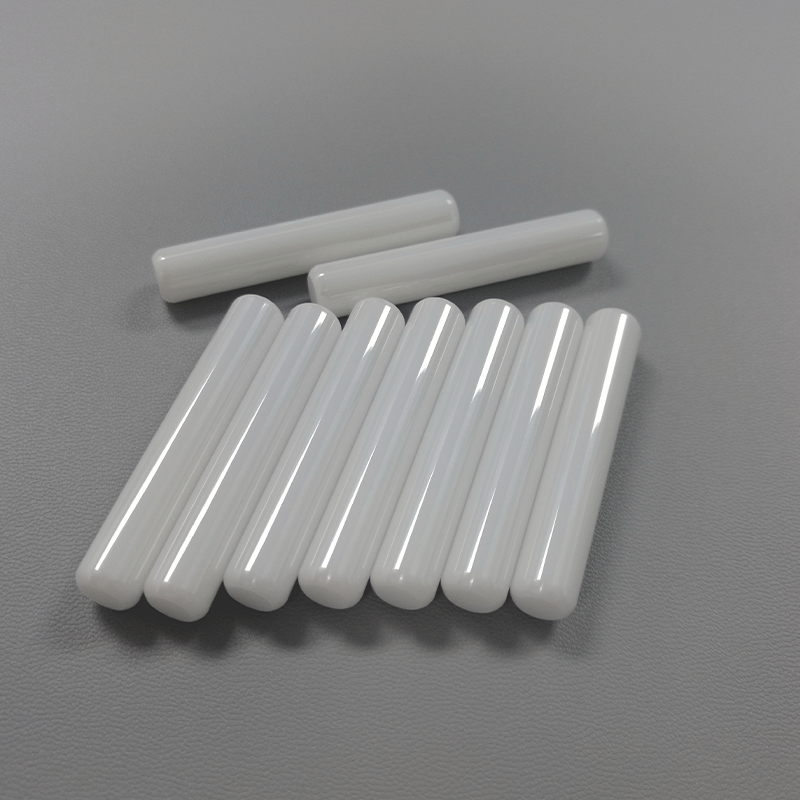
Technical Ceramic Products
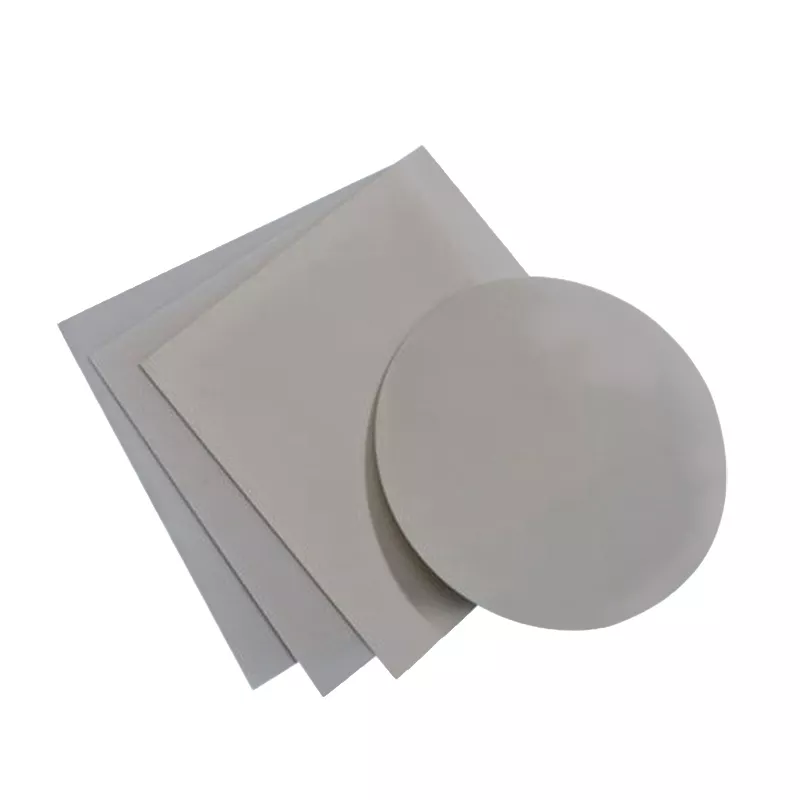
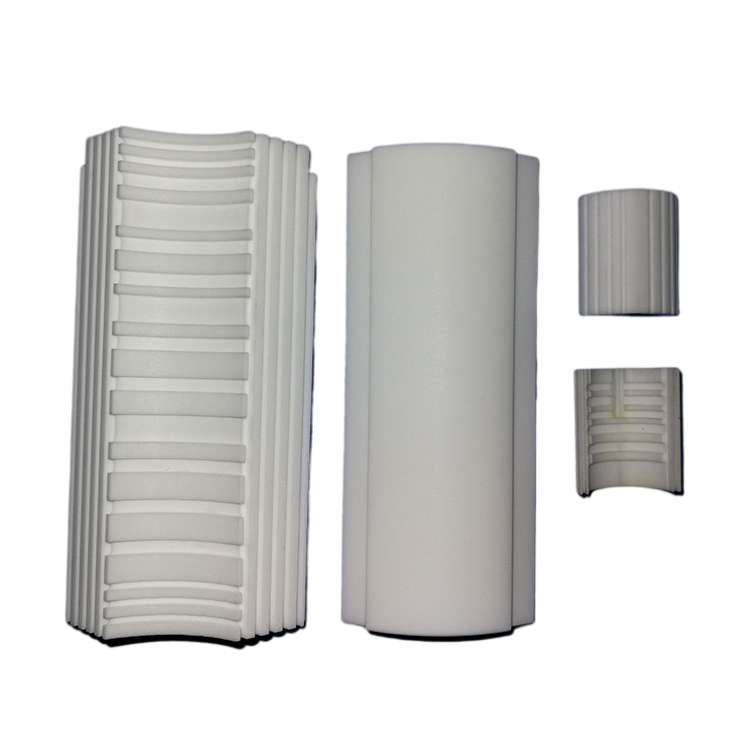
Technical ceramic products cover familiar component forms including tubes, rods, rings, substrates and other engineered parts. Product illustrations establish a starting point for discussion; dimensions, mating surfaces, tolerances, material grade and documentation require confirmation for each quotation.
Discuss Your Ceramic Part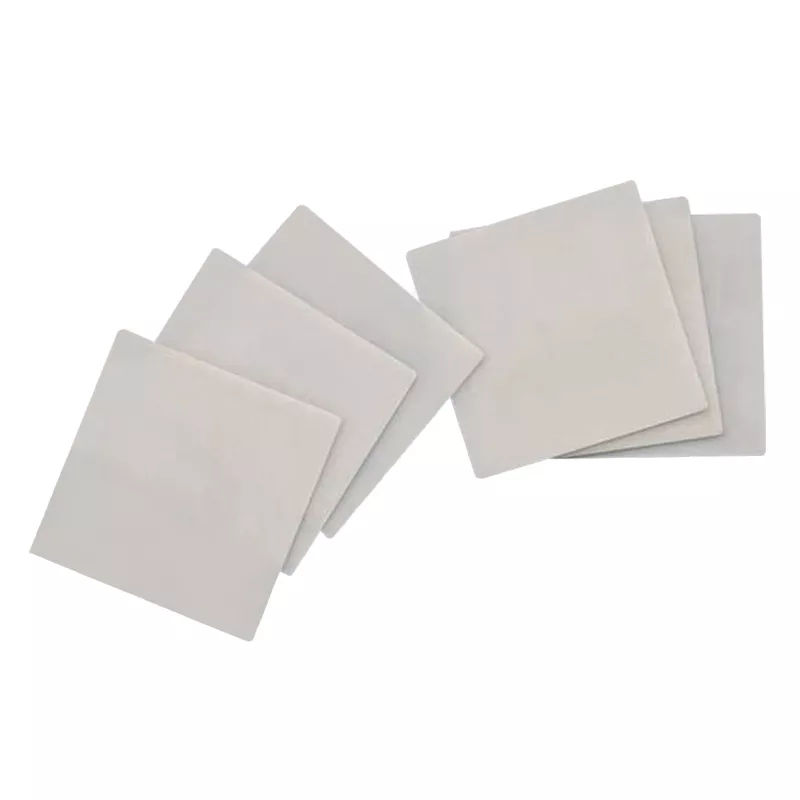
Technical Ceramic Resources
Technical ceramic resources provide a practical guide to beginning a project conversation. Prepare the current drawing revision, material designation if known, quantity, service conditions and acceptance criteria, then contact Porcecore by email or WhatsApp to clarify open requirements.
Discuss Your Ceramic PartTechnical Ceramic Materials for Wear-Critical Components
Silicon Carbide
A hard, thermally stable ceramic suited to wear components, seals, fixtures and high-temperature equipment parts. Its strong wear and corrosion resistance can complement boron carbide where heat exposure or chemical service shapes the specification.
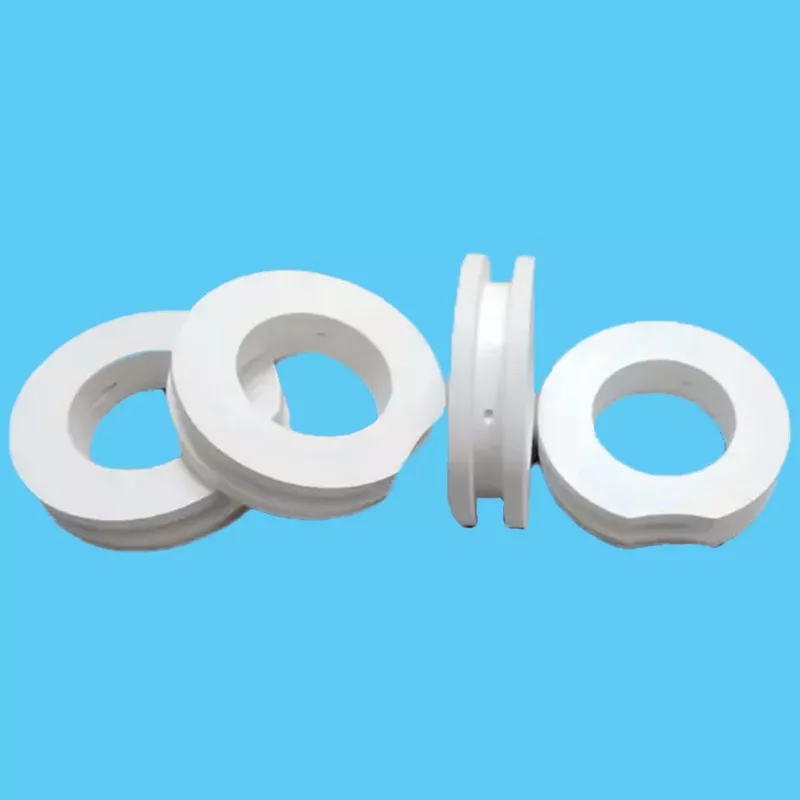
Alumina Ceramic
A widely specified, electrically insulating ceramic with a smooth, rigid character and broad industrial availability. Common applications include wear guides, tubes, bushings and insulating parts when dimensional control, cost and general durability matter.
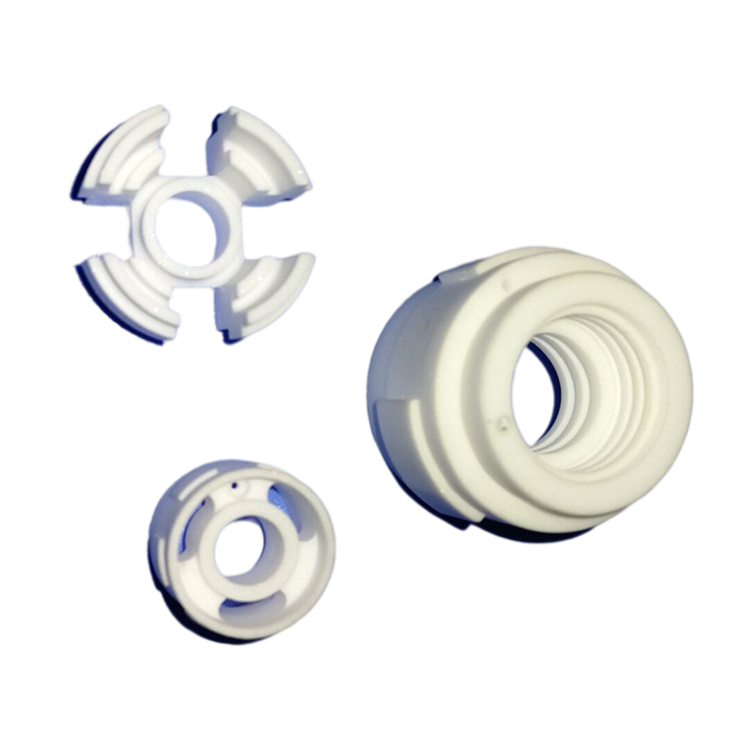
Silicon Nitride
A tough, lightweight engineering ceramic considered for bearings, rollers, seals and mechanically loaded components. Its combination of low density, thermal-shock resistance and mechanical strength may suit moving interfaces or rotating assemblies with defined service conditions.
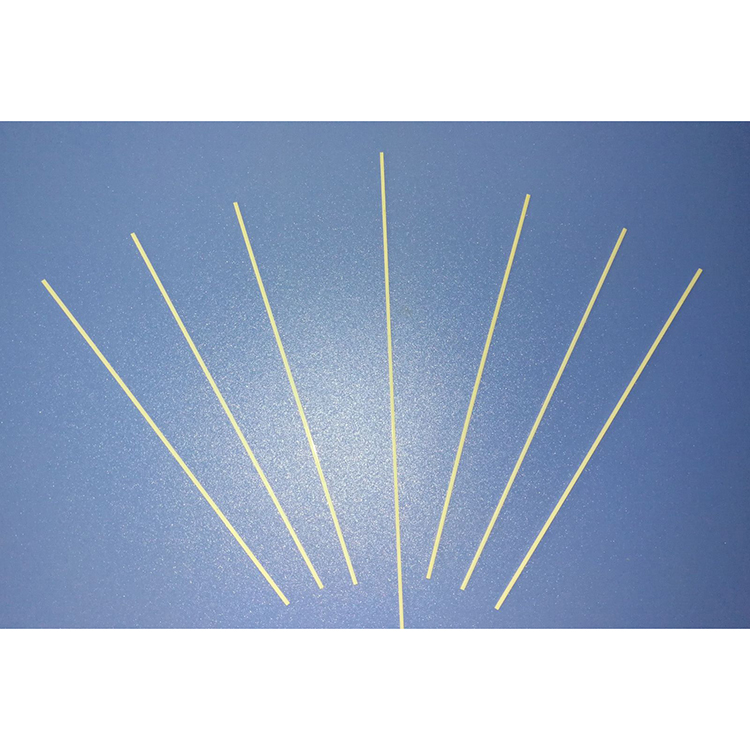
Zirconia Ceramic
A dense, refined ceramic valued for strength, surface finish and fracture-toughness potential. It is often reviewed for wear parts, precision guides, tooling and components where geometry, mating surfaces and resistance to repeated contact are important.
Process Routes for Technical Ceramic Components
Powder Preparation
Powder preparation aligns particle size, purity and any planned additives with the target ceramic grade. The result is a more deliberate starting point for discussing density, mechanical behavior and wear requirements against the drawing.

Press Forming
Press forming shapes prepared powder into a near-net component or blank. The selected route depends on geometry, dimensions and production volume, with final suitability confirmed through project-specific quotation and inspection requirements.
Sintering Routes
Sintering and densification develop the ceramic’s final structure through a controlled thermal cycle. Grade, atmosphere, additives and geometry influence the outcome, so Porcecore treats density and performance as drawing-led, specification-dependent topics.
Green Machining
Green machining can refine certain shapes before final densification, helping address features that become harder to cut after firing. Whether it suits a component depends on material system, geometry, tolerances and process sequence.
Diamond Finishing
Diamond machining and finishing refine fired ceramic surfaces, holes and mating features where required. Surface finish, dimensional tolerances, edge conditions and inspection criteria should be agreed for the individual part.
Supported Interfaces for Boron Carbide Ceramics Mechanical and Wear Performance
Mating Features
Specify shoulders, grooves, holes, threads or other interface details that determine assembly with adjoining parts. Final geometry, tolerances and surface expectations should follow the current project drawing.
Sealing Interfaces
Add seal lands, clearance features or controlled contact surfaces where the ceramic component works with a gasket, O-ring or fluid boundary. Confirm media, temperature and compression requirements per application.

Mounting Fixtures
Define holders, clamps, carriers or installation fixtures when the part must be positioned, supported or replaced within equipment. Interface loads, alignment needs and service access should be reviewed together.
Wear Inserts
Consider replaceable ceramic inserts, liners or contact elements for localized abrasion and sliding wear zones. The drawing should identify fit, retention method, mating material and inspection criteria.

Identification Marking
Include part numbers, orientation marks or batch identification when traceability supports assembly and inspection. Marking method, location, legibility and permanence require confirmation for the selected grade and geometry.
Application-First Ceramic Sourcing for Industrial Teams
Founded by Andy Yuan, Porcecore helps industrial procurement teams, engineers, equipment builders and distributors connect technical ceramic materials with the part requirements behind each project. Our mission is to make ceramic sourcing more understandable, from an initial application question to a confirmed drawing, grade, geometry and acceptance criteria.
Porcecore covers oxide, nitride, carbide and specialty ceramics across practical component forms such as tubes, rods, rings and substrates. For boron carbide ceramics mechanical and wear performance inquiries, we encourage drawing-led communication that identifies mating surfaces, operating conditions, quantities and documentation needs. This application-first approach helps separate essential requirements from preferences before commitment.

Porcecore’s Drawing-Led Sourcing Approach
Start With the Part Requirement
Boron carbide ceramics mechanical and wear performance depends on how the component works in its assembly. Porcecore begins with the part, operating conditions and interfaces, then turns the requirement into a clearer quotation discussion for procurement and engineering teams.
- Share the current drawing revision or component description
- Identify load, motion, temperature and media conditions
- Clarify mating surfaces and assembly-critical dimensions
- Separate essential requirements from preferences

Guide the Material Conversation
Boron carbide is one option within a broader technical ceramic portfolio. Porcecore helps buyers compare relevant material families according to the job, geometry and documentation needs, while keeping grade, size and process availability subject to project-specific confirmation.
- Review carbide, nitride, oxide and specialty ceramic options
- Connect material selection to the intended application
- Discuss known grade designations and open questions
- Avoid treating general property data as a contractual specification

Define Geometry and Interfaces
A wear-critical ceramic part must fit the equipment around it. Tubes, rods, rings, substrates and custom forms require attention to dimensions, tolerances, mating surfaces and assembly conditions before manufacturing details can be meaningfully discussed.
- Mark critical dimensions and tolerance requirements
- Describe surfaces that contact or locate another part
- Include quantity, geometry and current revision status
- Identify replacement-part constraints when applicable

Align Inspection Expectations
Clear acceptance criteria help turn a technical inquiry into a workable sourcing decision. Porcecore encourages buyers to identify inspection points, documentation needs and approval requirements early, so quotation discussions distinguish confirmed specifications from items still requiring technical review.
- State dimensional and surface inspection expectations
- Identify required material or process documentation
- Define approval samples or testing needs if applicable
- Confirm delivery and commercial requirements for the project

Why Choose Porcecore for Boron Carbide Ceramics Mechanical and Wear Performance
Compare the sourcing decisions that connect boron carbide ceramics mechanical and wear performance with a defined component requirement.
← Swipe left or right to view →
From Ceramic Requirement to Confirmed Delivery
A drawing-led path from material discussion and quotation through production coordination, inspection, packing and shipping.
Clarify the Requirement
Review the drawing revision, component geometry, mating surfaces, service conditions, quantity and acceptance criteria to separate essential requirements from preferences.
Select a Suitable Material
Compare boron carbide with related ceramic families against the application’s mechanical, wear, thermal, chemical and interface requirements, with grade availability confirmed project by project.
Coordinate Production Details
Align geometry, tolerances, finishing expectations, quantity and documentation needs before quotation, keeping material grade and acceptance requirements visible throughout project discussions.
Inspect Against Requirements
Review available inspection results against agreed dimensions, tolerances, surfaces and acceptance criteria, distinguishing general reference values from project-specific confirmation for each part.
Pack and Ship Clearly
Confirm packing, labeling, delivery details and required documentation before dispatch, then keep commercial and project records aligned with the agreed quotation and order.
How to Start a Custom Ceramic Components Inquiry
Use a drawing-led process to define requirements, review open questions, and make better-informed sourcing decisions for your ceramic component project.
Send Your Drawing
Send the current drawing revision or application brief, including component geometry, mating surfaces, service conditions, quantity, and any replacement-part context.
Clarify Requirements
Clarify the material family, project-specific grade, critical dimensions, tolerances, inspection documentation, and acceptance criteria needed for review of the ceramic component.
Review the Quotation
Review the quotation, open technical questions, sample or prototype path, and proposed verification points before deciding whether the specification is ready.
Confirm Production Terms
Confirm production quantities, approved requirements, delivery expectations, and commercial terms so Porcecore can align the ceramic component order with your project.
Technical Documentation for Boron Carbide Components
Customer Feedback and Project Cases for boron carbide ceramics mechanical and wear performance
Approved customer feedback is not yet published. Porcecore will add a verified project outcome, including the relevant component, operating conditions and measured wear result, after customer permission and documentation are confirmed.
Project case data is being collected against drawing revision, material grade, geometry and acceptance criteria. No cycle-life, dimensional, strength or wear improvement is presented here until the result is verified for the specific part.
For boron carbide ceramics mechanical and wear performance requirements, Porcecore begins with the part and its service conditions. Send the drawing, quantity and inspection expectations to establish a documented quotation basis before any outcome is stated.
FAQ: Boron Carbide Components for Wear Applications
Clarify material fit, drawing requirements, inspection evidence and commercial details before requesting a project-specific quotation.
What should buyers assess when comparing boron carbide ceramics mechanical and wear performance?
How do boron carbide ceramics mechanical and wear performance requirements affect tolerances and functional surfaces?
Can boron carbide ceramics mechanical and wear performance be evaluated through samples?
How should we select a boron carbide grade for a custom component?
What quantity, lead-time and quotation information should we provide?
What inspection evidence and documentation can accompany a boron carbide ceramic order?
How are boron carbide components packaged, shipped and paid for?
How can we protect our drawing and intellectual property during quotation?
Buyer’s Guide to Boron Carbide Ceramic Components
Use this decision framework to compare grades, processing routes, quality controls, supplier capabilities, and total cost while avoiding specification gaps, unrealistic performance assumptions, and preventable sourcing mistakes.
1. What boron carbide ceramics mechanical and wear performance means
2.5 g/cm³ is a commonly reported boron carbide density, supporting lightweight designs, while hardness near 29 GPa explains its strong abrasion resistance. Procurement must still distinguish grade-specific hardness, porosity, elastic response, flexural strength, and fracture toughness; extreme hardness does not eliminate brittle fracture risk. Source: https://www.atcera.com/boron-carbide-ceramic_c118
1400°C-plus service capability is reported for boron carbide, alongside chemical stability against many corrosive media, but thermal gradients, oxidation conditions, impact loading, and mating-surface stress can change real performance. A dense, well-finished part may outlast a weaker design, yet geometry and crack sensitivity remain decisive. Source: https://www.atcera.com/boron-carbide-ceramic_c118
One quotation should therefore convert boron carbide ceramics mechanical and wear performance into measurable requirements: allowable wear rate, contact load, temperature range, chemical exposure, density limit, strength, fracture-toughness expectation, surface finish, dimensional tolerances, inspection method, and target service life. The buyer question is which of these are mandatory acceptance criteria rather than general material preferences.
2. Evolution and history of boron carbide ceramics
B4C’s early development established a ceramic combining very high hardness, low density and neutron-shielding potential; commercial powder production later used fusion or magnesiothermic routes. Those foundations supported abrasive, lapping and wear-component applications as processing knowledge matured (https://www.preciseceramic.com/blog/an-overview-of-boron-carbide-ceramics.html).
Hot pressing and related densification methods then made denser, stronger bodies practical, while pressureless sintering, spark-plasma sintering and reaction sintering broadened shape and cost options. B4C–SiC composite research further expanded the design space by targeting improved toughness and manufacturability (https://www.sciopen.com/article/10.14062/j.issn.0454-5648.20240430).
Modern sourcing therefore depends on the specified powder chemistry, additive system, density, microstructure, machining route and inspection plan—not the B4C label alone. Legacy data may not predict current-grade boron carbide ceramics mechanical and wear performance because grade composition, processing history, residual phases and test methods can differ materially.
3. Types of boron carbide ceramics mechanical and wear performance
Four manufacturing routes create distinct trade-offs in density, toughness, dimensional freedom, cost, and volume economics. Select by wear mode, applied load, geometry, and inspection needs—not material name alone.
| Type | Density / Toughness | Dimensional Capability | Cost / Use |
|---|---|---|---|
| Pressureless sintered | Medium-high / balanced | Complex; shrinkage managed | Lower; abrasive liners, nozzles |
| Hot-pressed | Highest / high hardness | Smaller, precise parts | Higher; severe wear, high load |
| Reaction-bonded composite | Lower-medium / improved toughness | Complex shapes | Moderate; lightweight tribo-parts |
| Machined component | Route-dependent | Best finished precision | Highest per part; prototypes, fits |
Pressureless Sintered
2.5 g/cm³-class pressureless-sintered grades suit repeated abrasive wear and moderate-complexity shapes. They generally offer balanced cost and scalability, with properties varying by grade and additives.
Hot-Pressed
95–99.5% relative density is reported for commercial hot-pressed material, supporting high hardness and load-bearing wear service. Use for demanding, smaller geometries where premium processing cost is justified: https://eureka.patsnap.com/materials/boron-carbide-hot-pressed
Reaction-Bonded Composites
B4C–SiC reaction-bonded composites can improve fracture toughness and reduce cost versus monolithic B4C, while residual silicon or carbon requires specification review. They suit lightweight structural and tribological parts: https://www.sciopen.com/article/10.14062/j.issn.0454-5648.20240430
Machined Components
Green machining enables complex features before sintering; diamond machining supports finished holes, slots, fits, and surfaces but adds cost. Confirm shrinkage, datum strategy, tolerances, and production volume from the drawing.
4. Materials behind boron carbide ceramics mechanical and wear performance
Powder chemistry and consolidation route establish the baseline for boron carbide ceramics mechanical and wear performance. Buyers should connect each requested property to measurable composition, microstructure, and batch evidence.
| Variable | Trade-off | Evidence to Request |
|---|---|---|
| Purity / carbon | Property consistency versus cost | COA and chemistry |
| Particle size / additives | Densification versus residual phases | PSD and micrograph |
| B4C-SiC ratio | Toughness versus hardness | Phase analysis and test data |
Powder And Carbon Control
High powder purity reduces contaminant-driven variability; carbon content shifts stoichiometry, hardness, toughness, and densification. Particle-size distribution affects packing and grain growth.
Request chemical analysis, particle-size data, and lot traceability—not a generic B4C label.
Aids And Secondary Phases
Alumina, metals, carbon, or other sintering aids can improve densification but may leave secondary phases, alter strength, or reduce oxidation resistance. Porosity remains a critical wear and fracture variable.
Ask which additives remain after firing and how they are verified.
B4C-SiC Formulations
B4C-SiC compositions can improve toughness and retain low density, but residual carbon or silicon may weaken consistency. The B4C-SiC literature links performance to phase ratio, grain size, boundaries, and sintering temperature: https://www.sciopen.com/article/10.14062/j.issn.0454-5648.20240430
5. Customization options for boron carbide ceramic components
Customization starts with the part’s job: geometry, mating surfaces, operating loads, and inspection criteria must align with boron carbide ceramics mechanical and wear performance.
A drawing-led review separates feasible features from those likely to increase tooling, machining time, scrap risk, or delivery time.
Geometry And Wall Thickness
A 2D drawing or 3D CAD model should define profiles, wall thickness, radii, datum structure, and sintering shrinkage allowances.
Deep cavities, thin walls, sharp internal corners, and abrupt thickness changes can complicate forming and raise crack or distortion risk.
Features And Surface Control
Holes, slots, edge treatments, flatness, roughness, and dimensional tolerances should be identified by function, not applied uniformly.
Tight fits, micro-features, or post-sinter machining may add inspection steps, specialized tooling, lead time, and cost.
- Specify mating surfaces and critical datums
- Define coating or joining interfaces
- State edge-break requirements
Joining And Production Scaling
Prototype quantities can validate geometry, joining, coatings, and machining strategy before volume release; the approved revision should control later batches.
Include quantity, service conditions, acceptance criteria, and documentation needs so Porcecore can review design-for-manufacturing constraints before quotation.
6. Construction quality elements that determine service life
95–99.5% relative density is reported for commercial hot-pressed B4C, but grade and process change the value. Procurement should convert each quality control into measurable acceptance evidence before release.
Density And Microstructure
95–99.5% relative density is reported for commercial hot-pressed B4C, but grade and process change the value. Request density, open porosity, phase, grain-size, and lot data.
ASTM or ISO test methods should accompany certificates, with specimen condition and calibration identified.
Dimensions And Surface Integrity
A drawing revision should define datums, mating surfaces, tolerances, flatness, and edge conditions. Verify critical features by CMM or calibrated gauges.
Ra values, chipping limits, cracks, and grinding damage require documented inspection criteria and representative sample approval.
Traceability And Wear Testing
Three records should remain linked: raw-material lot, processing batch, and final inspection report. Request defect-screening results, nonconformance handling, and retained samples.
Application-specific abrasion or erosion testing should reproduce load, counterface, speed, media, and exposure time, with pass/fail limits agreed before production.
7. How to choose a boron carbide ceramics manufacturer
Three checks should anchor supplier selection: technical fit, controllable production, and verifiable acceptance evidence. Compare drawing responses, process records, inspection data, and sample results—not broad claims about hardness, wear resistance, or capacity.
Technical Fit And Engineering
1. Review grade, geometry, mating surfaces, loads, temperature, media, and target life together. Request DFM comments, sintering route, machining plan, and limits for critical features.
2. Confirm named engineering ownership, revision handling, and practical answers to open questions.
Process And Inspection Evidence
3. Compare green or sintered machining capability, calibrated CMM or optical inspection, process capacity, and lead-time assumptions. Ask for representative dimensional and material inspection records.
4. Treat unverifiable tolerances, equipment photographs, and generic certificates as incomplete evidence.
Approval And Change Control
5. Require a first-article sample, agreed test method, drawing revision, traceability, defect disposition, and acceptance criteria before approval.
6. Before production release, define documentation, packaging, deviation approval, and which process or material changes require requalification.
8. Common mistakes buyers make when specifying boron carbide
Eight recurring specification errors can distort boron carbide ceramics mechanical and wear performance decisions before production starts. The remedy is to connect material data with the actual geometry, loading, interfaces, and acceptance plan.
Look Beyond Hardness
Hardness alone does not predict survival under impact, edge loading, or cyclic stress. Specify fracture toughness and impact conditions alongside hardness to reduce chipping and premature fracture.
Define the damaging load case, not just the material grade.
Use Relevant Wear Data
Wear data from a different counterface, abrasive, pressure, speed, or test method may mislead. Request test conditions and compare results only when the duty cycle is materially similar.
Include mating materials and contamination in the inquiry.
Control Tolerances And Damage
Under-specified tolerances can make a hard part impossible to assemble, while aggressive finishing can leave machining damage. Mark functional surfaces, fits, edge conditions, surface finish, and inspection points on the drawing.
This prevents assembly failure and hidden crack initiation.
Validate Production Consistency
Skipping a pilot hides geometry, wear, and handling problems until volume production. Approve representative samples under service conditions, then require batch identification, agreed tests, and documented consistency criteria.
This reduces scale-up surprises and untraceable variation.
9. Steps to launch a boron carbide component program
A launch sequence for boron carbide ceramics mechanical and wear performance should connect the service problem to measurable part requirements. Use documented gates so a promising sample becomes a controlled, repeatable component program.
Define The Application
Step 1 records load, temperature, media, mating surfaces, duty cycle, failure history, and acceptance criteria. Engineering and operations should identify whether wear, fracture, contamination, or assembly causes the current loss.
Step 2 converts findings into a controlled drawing, material-screening plan, and risk register.
Screen And Qualify Suppliers
Step 3 compares candidate grades and processes against the drawing, inspection method, and service risks. Procurement issues an RFQ with revision-controlled CAD, quantity, packaging, documentation, and delivery assumptions.
Quality defines sampling, dimensional reports, material certificates, and nonconformance handling before any prototype order.
Test, Pilot, And Release
Step 4 inspects prototypes for dimensions, surface condition, density or grade evidence, and critical interfaces, then engineering runs functional testing against baseline parts. Quality records results; operations confirms fit, handling, and process controls.
Step 5 approves pilot production only after design, test, and supplier gates pass. Release the final drawing, control plan, inspection record, and reorder specification.
10. Pricing and total cost of boron carbide ceramics
2.5 g/cm³ is a commonly reported boron carbide density, but powder purity, grade, additives and forming route materially affect cost. Quote the specified grade rather than assuming a generic material price.
3 cost bands usually arise from part size, geometry, machining allowance, tolerance, tooling, inspection, testing, yield, packaging and shipping. Volume can reduce setup and tooling cost per part, while tight tolerances or complex surfaces increase post-sinter machining.
1 drawing revision, annual quantity, service conditions, mating surfaces, acceptance criteria and documentation needs are required for a valid quote. Porcecore treats material listings as inquiry starting points; grade, dimensions, delivery and commercial terms require project confirmation.
| Quantity tier | Indicative cost components | Lead-time expectation | Quote information needed |
|---|---|---|---|
| Prototype / low volume | Tooling, setup, yield, machining, inspection, packaging | Confirm after drawing review | Drawing, grade, quantity, tolerances, tests |
| Small batch | Powder, forming, sintering, machining, inspection | Confirm by route and capacity | Annual demand, revision, acceptance criteria |
| Production volume | Material, cycle time, yield, tooling amortization, freight | Schedule against forecast | Forecast, release pattern, Incoterms, documents |
| All tiers | Shipping and special testing vary by destination and requirement | Project-specific | Operating environment and delivery location |
Discuss Your Boron Carbide Ceramics Mechanical and Wear Performance Part
Email a drawing or describe the component, operating environment, geometry and acceptance criteria for a focused quotation discussion.