
Boron Carbide Ceramics Thermal Performance, Defined by Your Drawing
Discuss boron carbide ceramics thermal performance alongside heat exposure, geometry, mating surfaces, and acceptance criteria before requesting a project-specific quote.
Featured Components for Heat-Exposed Service
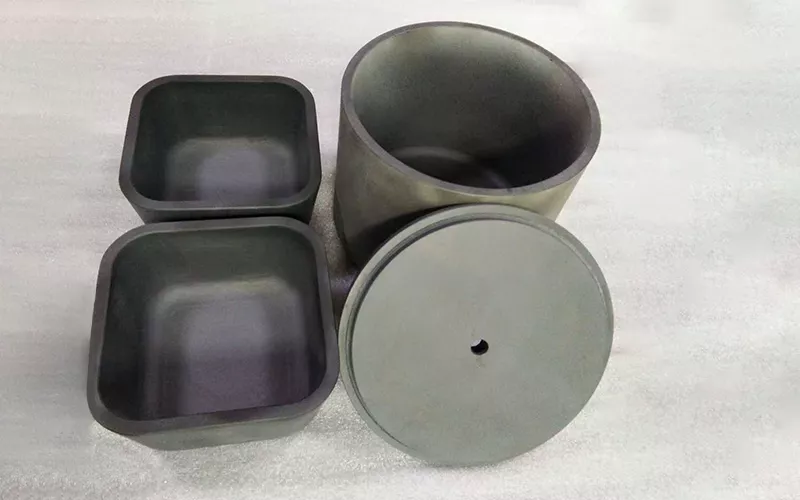


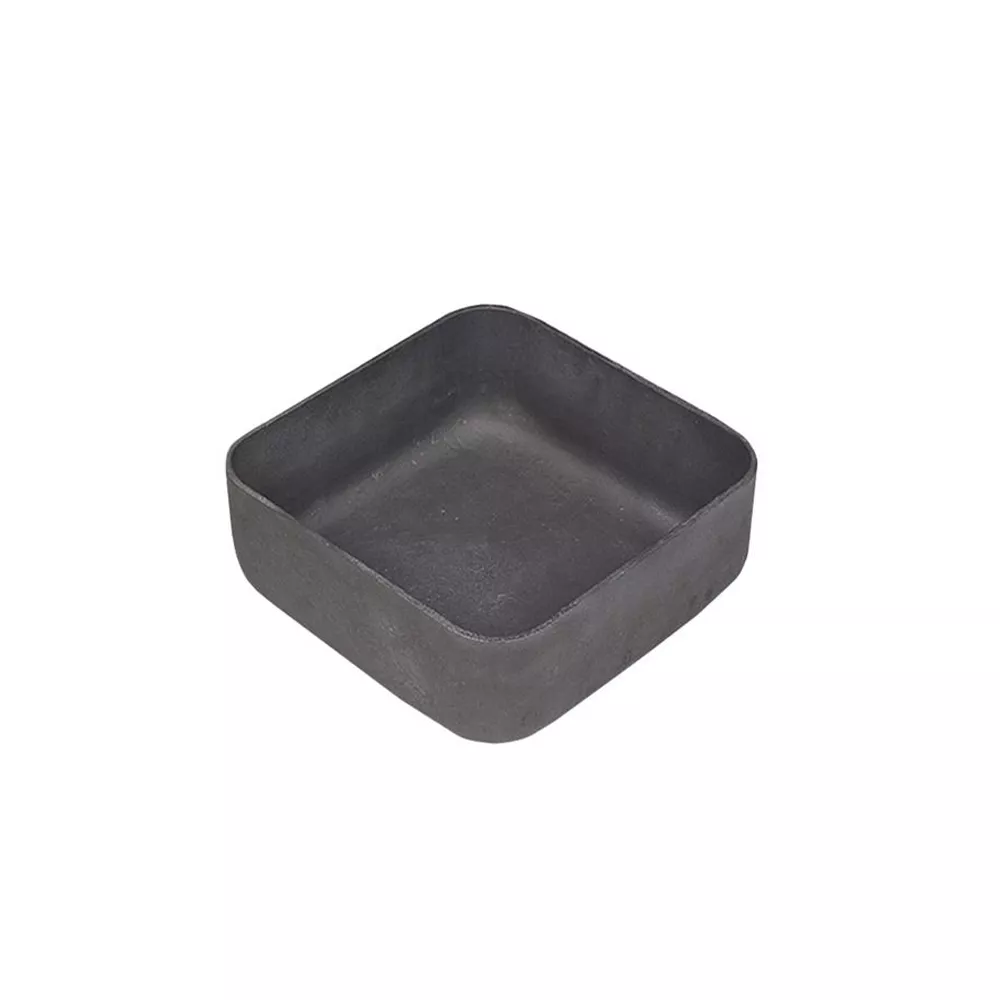
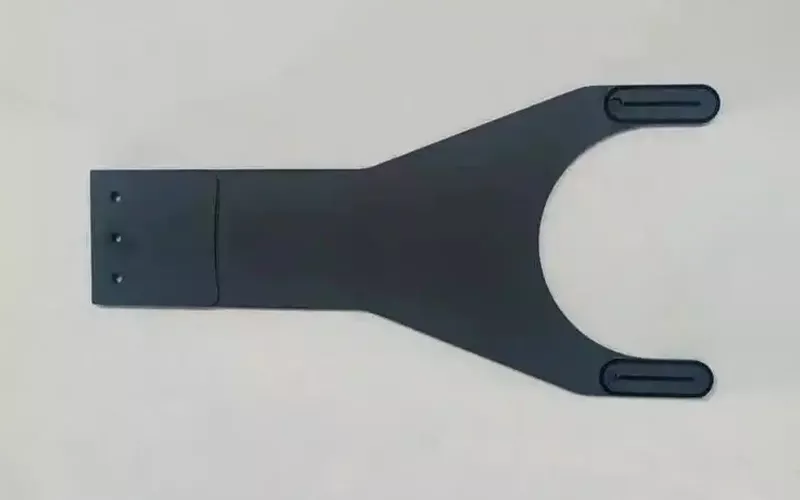
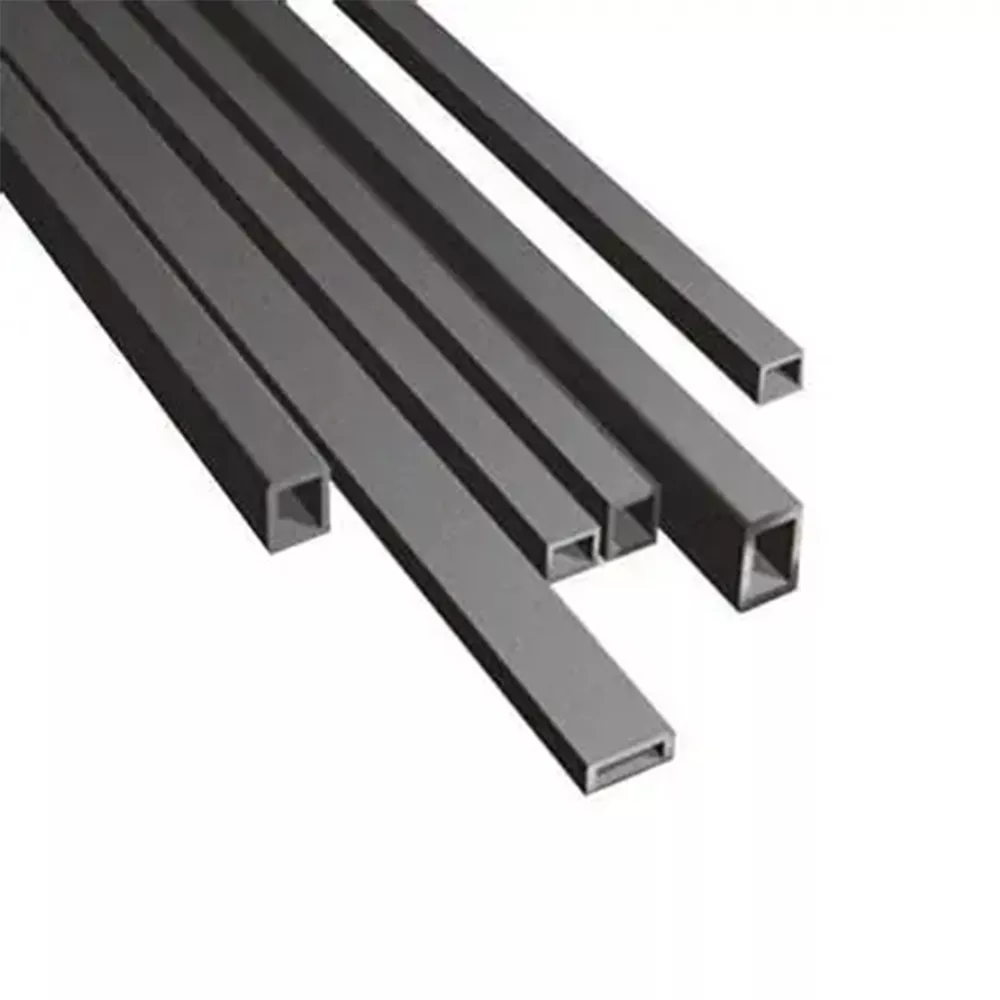
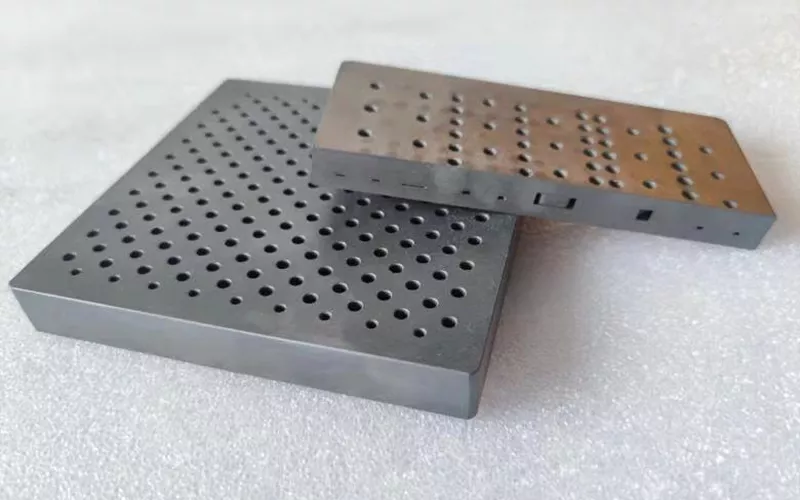


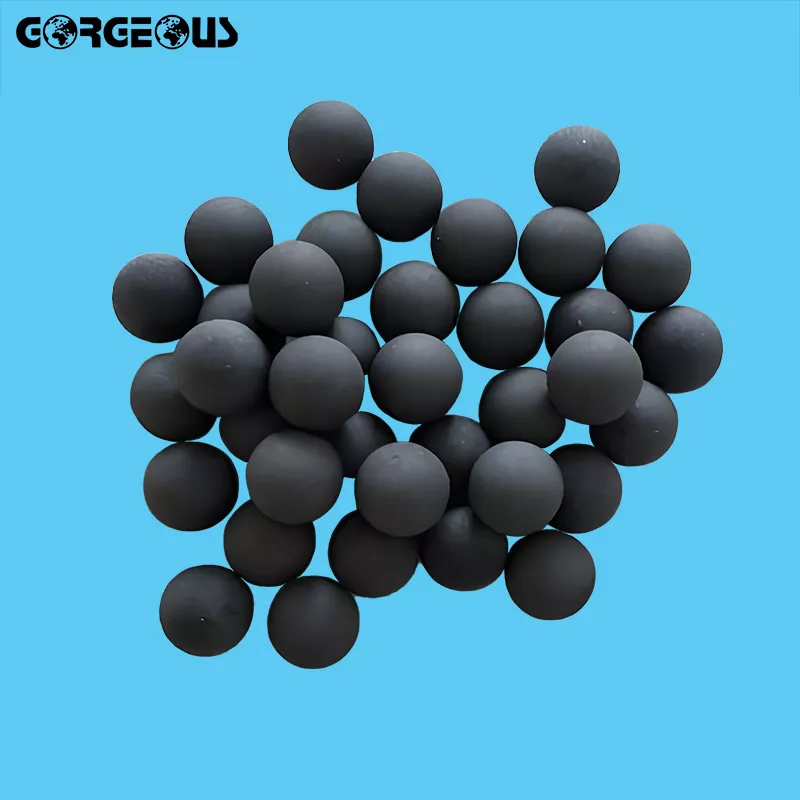





Related Boron Carbide Components and Quotation Support



Boron Carbide Ceramics Thermal Performance Advantages
Evaluate thermal-service ceramic components through clear drawings, application conditions, and project-specific confirmation before quotation.
Current Drawing Revision
Share the current drawing revision so dimensions, tolerances, interfaces, and change status can guide a quotation discussion from the correct technical baseline.
Application-Led Grade Discussion
Discuss boron carbide ceramics thermal performance alongside temperature exposure, thermal cycling, surrounding media, and mechanical demands rather than relying on a general material label.
Geometry Before Material Assumptions
Component form, wall sections, holes, edges, and assembly constraints help identify which geometry details require review before a material and process route are considered.
Functional Surface Definition
Identify mating, sealing, sliding, or locating surfaces early to clarify the dimensions and finish expectations that influence fit, function, and inspection planning.
Project-Specific Process Review
Review the proposed manufacturing route against the part geometry, required features, quantity, and acceptance needs, recognizing that suitability depends on the individual project.
Inspection Evidence Alignment
State the measurements, documentation, and acceptance criteria needed for approval so inspection expectations can be discussed clearly before production terms are confirmed.
Components for Heat-Exposed Service
Explore component forms, material options and reference points that help translate service conditions, drawings and acceptance needs into a defined ceramic inquiry.

Ceramic Manufacturing Capabilities
Ceramic manufacturing capabilities begin with the required form: tubes, rods, rings, plates, substrates or drawing-specific parts. Define critical dimensions, mating surfaces, tolerances, finish and inspection expectations so the proposed process can be evaluated against the application.
Discuss Your Ceramic Part
Ceramic Solutions by Industry
Advanced ceramics applications vary by industry, but the requirement should remain specific. Share the thermal environment, mechanical loads, media exposure, electrical role and assembly constraints to frame a component discussion for furnaces, equipment, process systems or replacement parts.
Discuss Your Ceramic Part
Advanced Ceramic Materials
Advanced ceramic materials include alumina ceramics, zirconia ceramics, silicon carbide ceramics, nitride, carbide, and specialty ceramic families. Material selection should consider the project’s temperature range, thermal cycling, wear, corrosion, electrical requirements, and component geometry rather than relying on a material name alone.
Discuss Your Ceramic Part
Technical Ceramic Products
Technical ceramic products cover familiar industrial ceramic parts and custom ceramic components for heat-exposed assemblies and equipment. Use product examples as a starting point, then provide the current drawing revision, quantity, operating conditions, and grade preference, if known, for a project-specific review.
Discuss Your Ceramic Part
Technical Ceramic Resources
This technical ceramics guide supports clearer early-stage discussions about materials, component forms and inquiry details. Distinguish general material information from grade-specific values, and confirm dimensions, tolerances, documentation and acceptance criteria for the individual part.
Discuss Your Ceramic PartMaterials for Boron Carbide Ceramics Thermal Performance Projects


Silicon Carbide
A high-temperature carbide often considered for furnace hardware, seals, heat-transfer parts, and abrasive environments. Strong thermal conductivity and thermal-shock behavior must be reviewed against the component shape and service cycle.

Alumina Ceramics
A widely used oxide ceramic for electrical insulation, wear parts, and general industrial components. Grade selection can affect dielectric behavior, strength, and thermal performance, so drawings and acceptance criteria should guide the inquiry.

Silicon Nitride
A tough engineering nitride considered for bearings, rollers, valves, and mechanically loaded thermal-service parts. Its fracture resistance and thermal-shock capability should be evaluated with loading direction, tolerances, and surface requirements.

Aluminum Nitride
A thermally conductive nitride often discussed for electronic substrates, heat spreaders, and insulated thermal-management components. Electrical isolation, conductivity expectations, flatness, and metallization needs should be defined for the individual part.

Boron Nitride
A specialty ceramic family considered for electrically insulating, heat-resistant fixtures, crucibles, and release-sensitive applications. Thermal environment, atmosphere, grade, and contact surfaces help determine whether it suits the specified component.
Boron Carbide Ceramics Thermal Performance: Manufacturing Processes

Powder Preparation
Selected ceramic powders may be blended and conditioned to support the proposed forming route. Particle characteristics, additives, and grade selection require project review because they influence densification, final properties, and component consistency.

Press Forming
Uniaxial or isostatic pressing may be considered for shapes suited to compacted powder processing. This route can support repeatable basic forms, while size, wall thickness, density targets, and subsequent machining remain requirement-dependent.
Green Machining
Features may be cut or shaped before firing when the selected material and geometry allow it. Green machining can help establish complex profiles, holes, or interfaces, subject to handling strength and dimensional planning.

Controlled Sintering
Firing conditions are considered to consolidate the ceramic body and develop the intended material structure. The suitable cycle depends on the specified grade, component mass, geometry, thermal-service expectations, and acceptance criteria.
Precision Finishing
Grinding, lapping, or other finishing operations may be evaluated for mating surfaces and critical dimensions. Drawing-defined tolerances, surface expectations, inspection methods, and the material’s machinability determine whether and how finishing is applied.
Boron Carbide Ceramics Thermal Performance: Component Accessories

Precision Surface Finishing
Define ground, lapped, polished, or as-fired surfaces where mating fit, sealing behavior, friction, or handling matters. Identify critical faces and applicable roughness or flatness requirements on the current drawing.

Assembly Interface Features
Specify holes, slots, chamfers, counterbores, threads, or bonded assembly interfaces when the ceramic part connects to adjacent hardware. Include mating-material details and dimensions that determine installation or alignment.

Edge Breaks and Chamfers
Request edge breaks, radii, or chamfers where sharp edges could affect handling, assembly clearance, or localized stress. Mark protected edges and define any geometry that must remain functionally sharp.

Part Marking Options
Add part numbers, revision identifiers, orientation marks, or batch references when visual identification supports installation, inspection, or traceability. Specify marking location, method preference, legibility needs, and any surface restrictions.
Packaging Identification Labels
Define package labels, quantity breakdowns, drawing references, and handling instructions for receiving and warehouse control. Include any segregation, cushioning, or labeling expectations needed to protect ceramic components before assembly.
Boron Carbide Ceramics Thermal Performance, Clearly Sourced
Founded by Andy Yuan, Porcecore helps industrial buyers and engineering teams turn material questions into clearer ceramic component requirements. Our mission is straightforward: make technical ceramic sourcing easier to begin, more specific in discussion, and better aligned with the part’s intended job.
Our scope includes oxide, nitride, carbide, and specialty ceramic families in familiar component forms such as tubes, rods, rings, and substrates. For boron carbide ceramics thermal performance discussions, we consider service conditions alongside geometry, mating surfaces, inspection expectations, and the application context.
Porcecore works application-first and drawing-led. Send the current drawing revision, known material designation, quantity, operating conditions, and acceptance criteria to give a quotation conversation a practical basis. Grade, dimensions, tolerances, documentation, delivery, and commercial terms remain subject to confirmation for the individual project.

Boron Carbide Ceramics Thermal Performance, Defined by the Part
Drawing-Led Requirement Review
Porcecore starts with the current drawing revision and the component’s functional role. This helps align material discussion with shape, interfaces, quantity, and inspection expectations before a quotation is framed around assumptions.
- Share the current drawing revision
- Identify material designation if known
- Note quantity and required documentation
- Clarify revision-controlled requirements

Thermal Service Context
Boron carbide ceramics thermal performance should be considered alongside the actual service environment, not as a standalone property. Operating temperature, thermal cycling, contact conditions, and nearby materials can all influence the questions that need resolution.
- Describe operating temperature range
- Flag thermal cycling conditions
- Identify contact and mating materials
- State the application environment

Critical Dimensions First
A ceramic component is defined by more than its overall size. Porcecore helps focus the inquiry on assembly-driving dimensions, mating surfaces, tolerances, and acceptance criteria so the quotation conversation centers on the features that matter most.
- Mark assembly-critical dimensions
- Identify fitting and mating surfaces
- Specify tolerance expectations
- Define acceptance criteria clearly

Project-Specific Clarification
Material grade, geometry, process route, delivery, and commercial terms require confirmation for each project. Porcecore uses the inquiry stage to identify open questions and give procurement teams a clearer basis for the next sourcing decision.
- Confirm grade and geometry together
- Separate essentials from preferences
- Review documentation needs early
- Discuss delivery requirements directly

Boron Carbide Ceramics Thermal Performance, Defined by the Drawing
Compare a part-and-application discussion with a material-name-only supplier conversation before requesting a quotation.
← Swipe left or right to view →
Boron Carbide Ceramics Thermal Performance: Project-to-Delivery Workflow
A practical sequence for turning a thermal-service ceramic requirement into a clearer quotation and delivery discussion.
Share Part Requirements
Send the current drawing, material designation if known, quantity, operating environment, mating surfaces, critical dimensions, and any required acceptance or documentation criteria.
Review Thermal-Service Needs
Discuss how boron carbide ceramics thermal performance relates to the component geometry, heat exposure, assembly conditions, and project-specific material considerations.
Clarify Quotation Basis
Confirm open technical questions, requested grade, tolerances, inspection expectations, commercial assumptions, and delivery requirements before the quotation discussion proceeds.
Confirm Production Details
After requirements are aligned, confirm the agreed part definition, quantity, documentation, delivery terms, and other order-specific details for production planning.
Align Inspection Expectations
Review the dimensions, surfaces, acceptance criteria, and requested records that should be considered during project-specific inspection and approval preparation.
Confirm Packing And Delivery
Finalize packing preferences, shipment documentation, delivery terms, and destination details so the completed ceramic components can move according to the agreed arrangement.
How to Work with Porcecore
Move from a defined boron carbide ceramic requirement to a clearer quotation and order discussion.
Send the Current Drawing
Share the latest drawing revision, component form, key assembly dimensions, and mating surfaces so the quotation discussion begins with the actual part requirement.
Define Material and Service
Describe the intended boron carbide grade if known, thermal environment, mechanical loads, media exposure, and operating conditions relevant to the component’s application.
Clarify Acceptance Requirements
Identify tolerances, critical surfaces, inspection expectations, documentation needs, quantity, and any replacement-part references that affect project evaluation and approval.
Review Quote Details
Discuss open technical questions, proposed scope, delivery considerations, and commercial terms before treating any material, geometry, or performance detail as confirmed.
Confirm the Production Order
Confirm the agreed drawing, material grade, acceptance criteria, documentation, quantity, delivery, and commercial terms to establish a project-specific production order.
Customer Feedback Is Published Only with Approval

Boron Carbide Ceramics Thermal Performance: Buyer Project Feedback
Verified customer testimonial pending. Publish only after the buyer confirms the component requirement, sourcing outcome, and any reported thermal-service result for the specific project.
Verified project case pending. Document the drawing revision, required geometry, acceptance criteria, and confirmed procurement outcome before presenting this experience as customer feedback.
Verified customer testimonial pending. Any lead-time, quantity, inspection, or replacement-part outcome should be reviewed and approved by the customer before publication.
Boron Carbide Ceramics Thermal Performance FAQ
Clarify material, drawing, inspection, and quotation inputs before committing a ceramic component project.
How should we evaluate boron carbide ceramics thermal performance for our application?
What drawing information is needed for a boron carbide ceramic quotation?
Can Porcecore confirm boron carbide ceramics thermal performance for a replacement part?
How are boron carbide grades selected for heat-exposed components?
Which tolerances and functional surfaces should be identified?
Can we request samples or a small initial quantity?
What inspection evidence and packaging details can be discussed?
How do lead time, shipping, payment terms, and IP protection get confirmed?
Boron Carbide Ceramics Thermal Performance: Complete Buyer’s Guide
Use a practical decision framework to evaluate thermal behavior, grades, processing routes, supplier capabilities, and total cost while avoiding specification, testing, and sourcing mistakes that can compromise component reliability.
1. Boron Carbide Ceramics Thermal Performance Explained
30–60 W/m·K is a commonly reported room-temperature thermal-conductivity range for dense boron carbide, but grade and test direction matter. Thermal performance also includes coefficient of thermal expansion, specific heat, emissivity, thermal-shock behavior, and the temperature range validated for the actual atmosphere.
4–6 × 10⁻⁶/K is a useful order-of-magnitude range for thermal expansion, while heat capacity rises with temperature and emissivity depends strongly on surface finish and measurement method. Density, purity, residual porosity, grain structure, specimen geometry, heating rate, and test environment can all shift reported values.
1 drawing should identify which property drives failure: conductivity for heat flow, expansion for joint fit, thermal shock for rapid cycling, or emissivity for radiative heat exchange. For service above 1,000 °C, specify atmosphere, dwell time, thermal gradient, mounting, and acceptance limits rather than relying on a catalog value.
2. Evolution of Boron Carbide Thermal Applications
1929 commercial boron carbide production established the material first in abrasive service, where extreme hardness mattered more than controlled heat flow. Armor development later accelerated work on dense, fine-grained bodies able to retain useful integrity under severe loading and temperature exposure.
1950s nuclear applications made boron content, density, and porosity procurement variables because neutron-absorbing parts also faced thermal gradients and irradiation environments. Powder refinement and hot pressing improved densification, making more repeatable shapes practical for reactor-related, vacuum, and high-temperature equipment.
1980s pressureless sintering and composite approaches broadened the design options beyond hot-pressed monoliths, though each route changes pore structure, joining limits, and grade-specific behavior. For current sourcing, specify the operating atmosphere, temperature cycle, drawing-critical surfaces, and requested evidence rather than treating boron carbide ceramics thermal performance as a single catalog value.
3. Boron Carbide Ceramics Thermal Performance Types
Six commercial forms create different boron carbide ceramics thermal performance profiles. Selection starts with heat exposure, shape complexity, and the allowable density-cost tradeoff.
| Form | Thermal-Use Strength | Key Tradeoff |
|---|---|---|
| Dense monolithic | Low porosity | Machining cost |
| Hot-pressed | High density | Limited geometry |
| Pressureless-sintered | Scalable shapes | Grade variability |
| Reaction-bonded | Lower forming cost | Secondary phases |
| Porous | Lightweight flow paths | Lower strength |
| Composite | Tailored properties | Specification complexity |
Dense And Hot-Pressed Parts
Dense monolithic parts suit wear-and-heat fixtures where low porosity matters. Hot-pressed grades usually maximize density and consistency, but limit shape freedom and raise cost.
Sintered And Reaction-Bonded Grades
Pressureless-sintered grades support scalable near-net shapes, with grade-dependent residual porosity. Reaction-bonded parts can reduce forming cost, but secondary phases may constrain high-temperature service.
Porous And Composite Structures
Porous structures favor filtration or lightweight thermal duties, sacrificing strength and heat-flow uniformity. Boron-carbide composites can tune toughness or conductivity, but require clear constituent and interface specifications.
4. Materials Affecting Thermal Performance
Boron carbide ceramics thermal performance varies by formulation, not material name. Verify powder chemistry, additive package, and densification route against the component’s thermal duty.
| Material Route | Thermal Benefit | Buyer Check |
|---|---|---|
| Fine-powder monolith | More uniform density | Purity and PSD |
| Aided-sintered grade | Lower firing demand | Additive and phases |
| Fiber composite | Higher shock tolerance | Orientation and cycling |
Powder And Carbon Balance
Submicron powder can densify more uniformly. Coarse agglomerates can create local property variation.
Near-stoichiometric carbon balance limits free-carbon networks. Excess carbon may change conductivity and oxidation response.
Secondary Phases And Reinforcement
Silicon-containing aids can form secondary phases. Those phases may shift conductivity and thermal expansion.
Carbon-fiber reinforcement can improve thermal-shock tolerance. It also introduces directional properties and interface risks.
Approval Disclosures
Each grade approval should identify powder purity and particle-size distribution. Request carbon analysis, sintering aids, density, and phase identification.
Each certificate should match the quoted grade and lot. Request thermal-expansion, conductivity, thermal-cycling, and inspection records where relevant.
5. Thermal Design and Customization Options
Three design variables—geometry, wall thickness, and assembly contact—can shift local thermal gradients. Boron carbide ceramics thermal performance must be evaluated at the finished-part level, not from a material label alone.
Geometry And Heat Paths
Two wall sections can heat and cool at different rates when their thicknesses diverge. Hole patterns, sharp transitions, and closed ends should be reviewed for stress concentrations.
One mating joint can introduce restraint even when the ceramic body is uniform. Define clearance, support locations, and differential expansion of adjoining materials.
Machining And Surface Requirements
Post-sinter machining can establish fit surfaces, bores, and tolerances, but it has practical geometry and cost limits. Specify critical dimensions separately from nonfunctional surfaces.
Ra requirements can affect contact behavior and finishing effort. Coatings, edge breaks, and joint-face condition require drawing notes and agreed acceptance criteria.
Qualification Before Production
One prototype sample is appropriate when fit, handling, or assembly behavior remains uncertain. Thermal simulation is useful when temperature gradients, constraints, or complex interfaces drive the design.
Application-specific testing is necessary when the duty cycle or failure mode cannot be represented by general properties. Submit the current drawing revision, service conditions, inspection method, and acceptance limits with the inquiry.
6. Boron Carbide Ceramics Thermal Performance Quality Controls
Lot acceptance should connect boron carbide ceramics thermal performance to the actual component, not a catalogue value. Confirm the inspection plan before production and retain results by lot.
Density And Microstructure
Each production lot should include bulk-density and apparent-porosity results, with the test method and specimen condition identified. Review polished microsections for abnormal pores, agglomerates, and inconsistent grain distribution.
Dimensions And Surface Integrity
Critical drawing dimensions require calibrated dimensional inspection against the approved revision. Check edges, holes, and mating faces for chips, grinding cracks, and surface damage; define allowable defects and sampling rules in advance.
Thermal Cycling And Records
Thermal-property reports should state temperature range, atmosphere, specimen orientation, and test method. Request material certificates, lot identification, inspection records, and thermal-cycling conditions so replacement parts remain traceable.
7. How to Choose a Boron Carbide Manufacturer
Three evidence sets should precede a production order: process records, dimensional inspection, and shipment controls. For boron carbide ceramics thermal performance, assess the supplier against the actual drawing and service conditions.
| Evidence | Manufacturer Signal | Intermediary Signal |
|---|---|---|
| Process | Lot and sintering records | Generic datasheet |
| Quality | Inspection equipment and reports | Unverified certificates |
| Delivery | Sample plan and packaging | Forwarded promises |
Verify Process Control
Lot records should identify powder source, particle control, additives, sintering route, and density results. Request grade-specific property reports rather than catalog values.
Two sample lots can reveal consistency before qualification. Ask for traceability from incoming powder through firing.
Confirm Manufacturing Depth
A capable manufacturer can explain green machining, sintering limits, finish machining, and critical-surface inspection. A trading intermediary often forwards generic data without process ownership.
One engineering review should identify tolerance risks, mating surfaces, and feasible test methods before quotation.
Audit Delivery Readiness
100% visual checks do not replace dimensional or material verification. Require sample approval, inspection format, capacity commitment, lead-time milestones, and export packaging details.
Two packed samples can validate foam protection, labeling, moisture barriers, and handling instructions for fragile parts.
8. Common Thermal Sourcing Mistakes
A thermal quotation can fail before production when its technical basis is incomplete. RFQ review should tie boron carbide ceramics thermal performance to grade, test condition, geometry, and acceptance scope.
Define Test Conditions
Each property request should state temperature, atmosphere, test method, and direction. Room-temperature conductivity or expansion data cannot qualify high-temperature service.
- List operating temperature range
- Name atmosphere and thermal cycle
- Request grade-specific test basis
Review Part Geometry
Every thin wall, sharp transition, and constrained joint changes thermal stress. Specify porosity limits, critical dimensions, mating surfaces, and measurable tolerances on the drawing.
- Flag stress-concentrating features
- Identify assembly-critical surfaces
- Set inspection method and limits
Align Quote Scope
Each supplier quote should be compared against one revision-controlled requirement set. Confirm material designation, quantity, documentation, inspection, delivery, and commercial terms before selecting a price.
- Match drawing revision
- Compare included documentation
- Resolve unstated assumptions
9. Steps to Launch a Qualified Component
A qualified launch uses defined decision gates, not a material-name request. For boron carbide ceramics thermal performance, engineering and purchasing should release each gate together before capacity commitments.
Define The Duty
Gate 1 starts with the drawing revision, assembly interfaces, heat source, temperature range, atmosphere, load cycle, quantity, and acceptance criteria. The buyer owns duty data; the supplier identifies missing tolerances, surface requirements, and inspection methods.
Select And Quote
Gate 2 compares the proposed grade and manufacturable geometry against thermal and mechanical requirements. The RFQ should state annual volume, prototype quantity, required documents, delivery target, and any approved test method.
Validate Before Scale-Up
Gate 3 requires prototype approval after dimensional checks and relevant thermal validation under representative conditions. First-article records then support a pilot lot; controlled scale-up follows only when both parties confirm results, change control, packaging, and release criteria.
10. Boron Carbide Thermal Performance Pricing
1-piece and 10-piece requests usually carry the highest unit cost because setup, inspection planning, and packaging are spread across few parts. Porcecore should quote boron carbide ceramics thermal performance parts against the drawing revision, service conditions, acceptance criteria, and required documents.
2-week to 10-week indicative lead-time planning varies with stock-form availability, size, grade, density target, machining difficulty, testing, tooling, and protective packaging. Higher volume can reduce unit cost when the geometry, inspection plan, and release schedule are stable; it does not establish a fixed price.
| Component route | Indicative quantity tier | Typical planning lead time | Primary cost drivers |
|---|---|---|---|
| Simple blank or basic cut | 1–10 pieces | 2–5 weeks | Size, material availability, density target, packaging |
| Machined ring, tube, or plate | 10–100 pieces | 4–8 weeks | Tolerances, surfaces, machining time, inspection |
| Custom geometry or new tooling | 100+ pieces | 6–10 weeks | Tooling, process development, testing, volume |
Discuss Boron Carbide Ceramics Thermal Performance Requirements
Email your drawing, service conditions, quantity, and acceptance criteria to begin a clear, requirement-based quotation discussion with Porcecore.