
Cordierite Ceramics Applications and Component Selection, Made Clear
Cordierite ceramics applications and component selection begin with your drawing, operating conditions, geometry, and acceptance requirements.
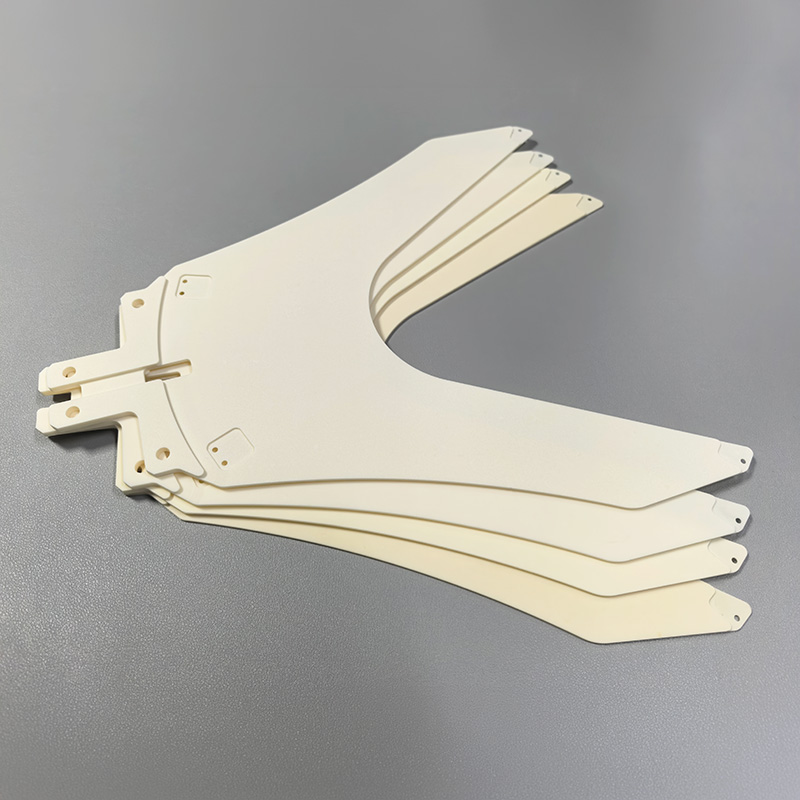
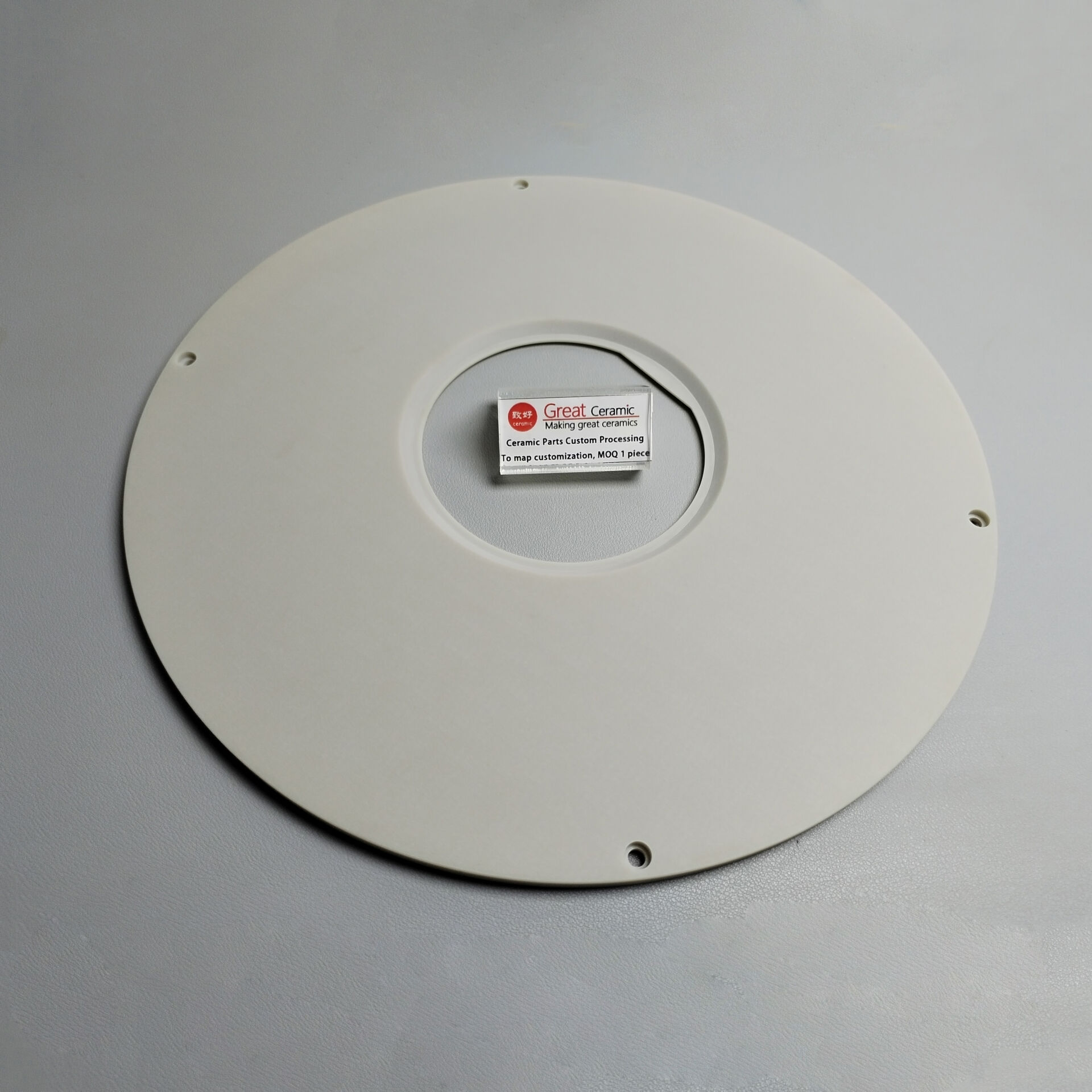
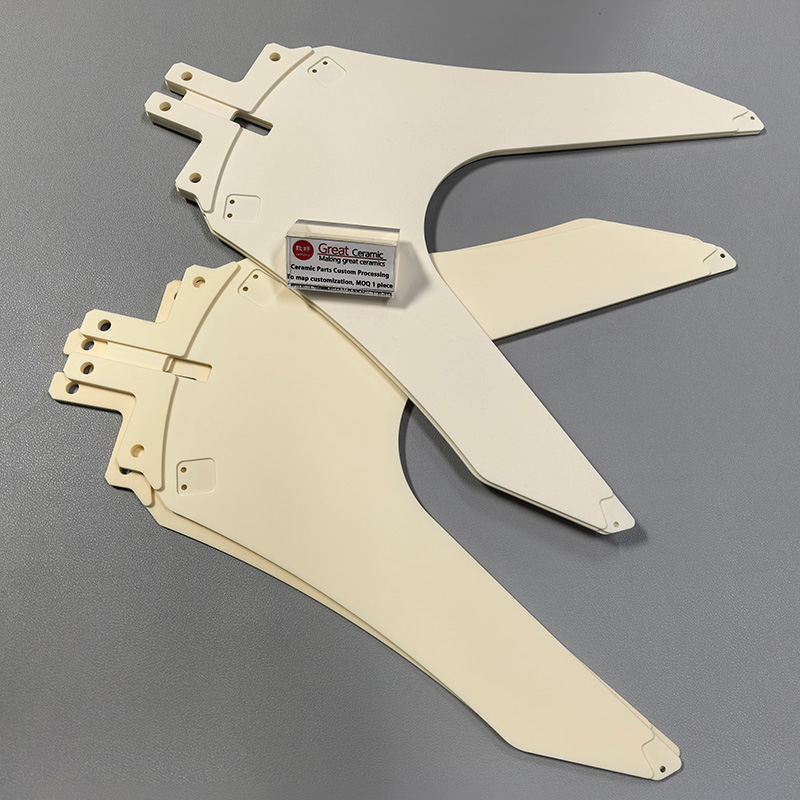
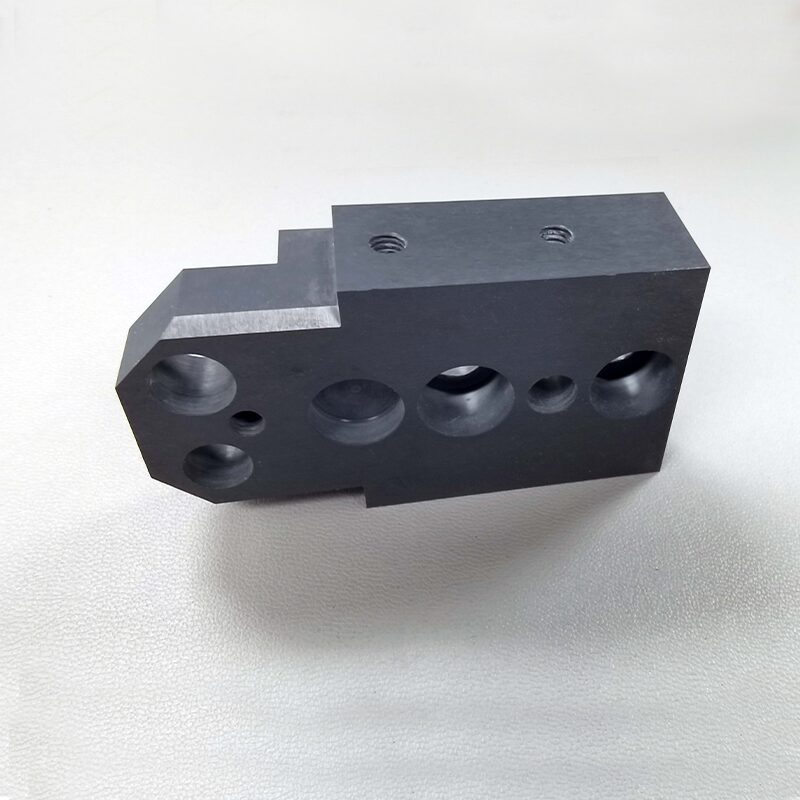
Ceramic Component Forms for Cordierite Project Review



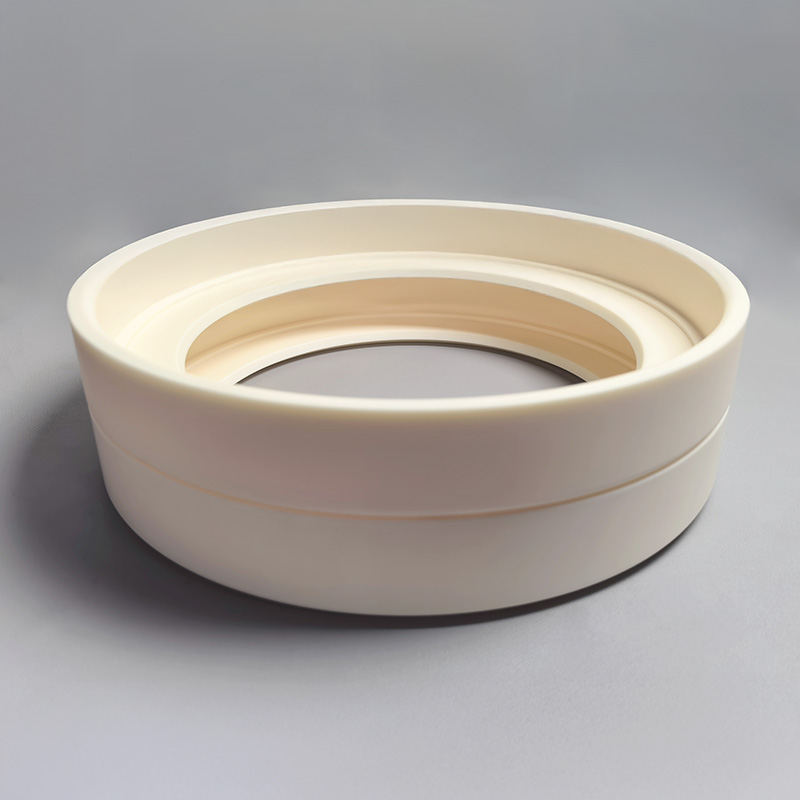
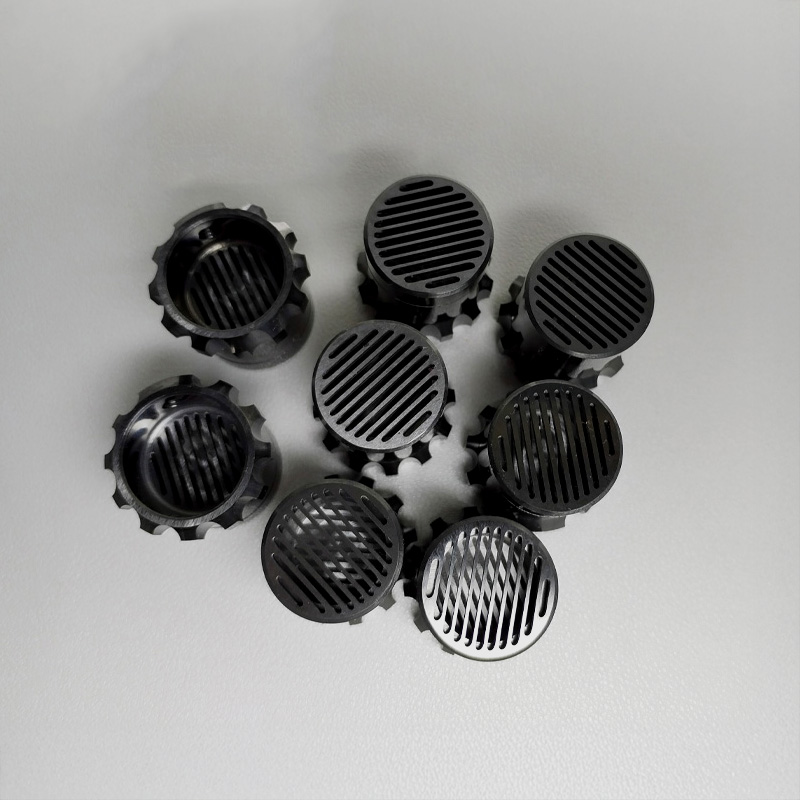







Related Cordierite Components and Quotation


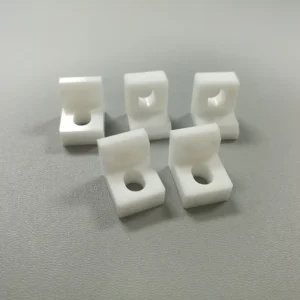


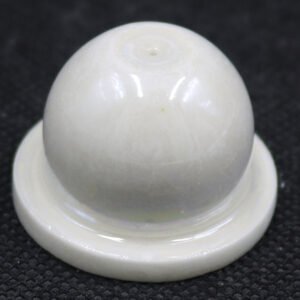
Cordierite Ceramics Applications and Component Selection
Review the practical details that connect cordierite material choices with thermal cycling, insulation, geometry, inspection, and project-specific procurement requirements.
Control Drawing Revisions
Share the current drawing revision, referenced dimensions, and open changes so quotation discussions stay aligned with the component intended for production.
Confirm Material Grade
Identify the cordierite designation if known, then confirm project-specific properties, formulation expectations, and any material documentation required for approval.
Match Geometry to Assembly
Define tubes, rods, rings, substrates, or other forms by dimensions, tolerances, wall sections, and features that determine fit within the equipment.
Clarify Process Route
Discuss forming, firing, machining, and finishing considerations early, especially where geometry, surface condition, or dimensional stability affects the selected manufacturing route.
Specify Functional Surfaces
Identify mating surfaces, sealing areas, electrical contact zones, and exposed regions so the component design reflects thermal cycling and integration requirements.
Define Inspection Evidence
Set acceptance criteria for dimensions, appearance, testing, records, and packaging before ordering, creating a clearer basis for technical review and quotation.
What Buyers Should Confirm Before a Cordierite Inquiry
Connect cordierite components and ceramic material choices with geometry, service conditions, mating surfaces, and project-specific acceptance requirements.

Ceramic Manufacturing Capabilities
Review ceramic manufacturing capabilities in relation to cordierite tubes, rods, rings, substrates, and custom forms. Share the drawing revision, quantity, dimensions, tolerances, service conditions, and inspection expectations needed to assess a quotation basis.
Discuss Your Ceramic Part
Ceramic Solutions by Industry
Explore advanced ceramics applications by industry, focusing on the operating requirements that shape component selection. Compare where cordierite and other technical ceramics may fit equipment, thermal, electrical, or process environments before defining a project-specific inquiry.
Discuss Your Ceramic Part
Advanced Ceramic Materials
Use this advanced ceramic materials overview to compare cordierite with alumina, zirconia, silicon carbide, silicon nitride, aluminum nitride, boron nitride, and other ceramic families. Material selection should follow grade, geometry, temperature, electrical, mechanical, and chemical requirements.
Discuss Your Ceramic Part
Technical Ceramic Products
Review technical ceramic products by familiar component form, including tubes, rods, rings, substrates, and custom machined parts. Product illustrations indicate possible forms; final dimensions, tolerances, grade, mating surfaces, documentation, delivery, and commercial terms require project confirmation.
Discuss Your Ceramic Part
Technical Ceramic Resources
Consult this technical ceramics guide when preparing a drawing-led inquiry or replacement-part discussion. Identify the component function, operating environment, critical dimensions, material designation if known, quantity, acceptance criteria, and documentation required for approval, then contact Porcecore by email or WhatsApp.
Discuss Your Ceramic PartEngineering Paths for Cordierite Component Selection

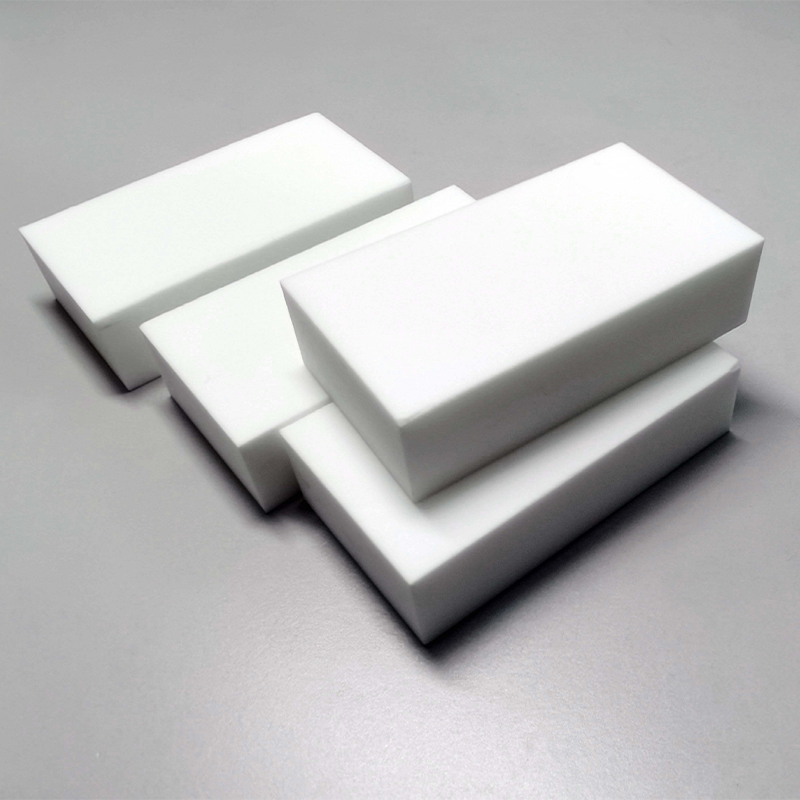
Alumina Ceramic
A widely specified oxide ceramic for electrically insulating, wear-exposed or temperature-resistant parts. Its established material family suits tubes, rods, rings and substrates, but grade, density, dimensions and mating surfaces should be confirmed.

Zirconia Ceramic
A technically distinct option when toughness, strength and wear considerations influence component selection. Zirconia may suit demanding interfaces and precision parts, with final suitability depending on geometry, stabilizer grade, loads and inspection requirements.

Silicon Carbide
A hard, thermally capable ceramic family for abrasive, high-temperature or chemically demanding environments. Selection should account for component geometry, surface finish, thermal loading and whether the required grade supports the intended service conditions.

Silicon Nitride
A high-performance ceramic option for applications balancing mechanical demands, thermal cycling and dimensional stability. Engineers should define loading, temperature, interfaces, tolerances and documentation needs before comparing silicon nitride with cordierite or oxide ceramics.

Aluminum Nitride
A specialty ceramic considered when electrical insulation and heat-management requirements intersect. Its suitability depends on the thermal path, mounting surfaces, dimensions, grade and acceptance criteria, so project-specific confirmation is essential before quotation.
Processes Supporting Cordierite Ceramics Applications and Component Selection

Powder Preparation
Material batching and powder conditioning establish the basis for consistent forming and firing. The selected formulation and preparation route should be reviewed against the required grade, geometry, operating conditions and project documentation.
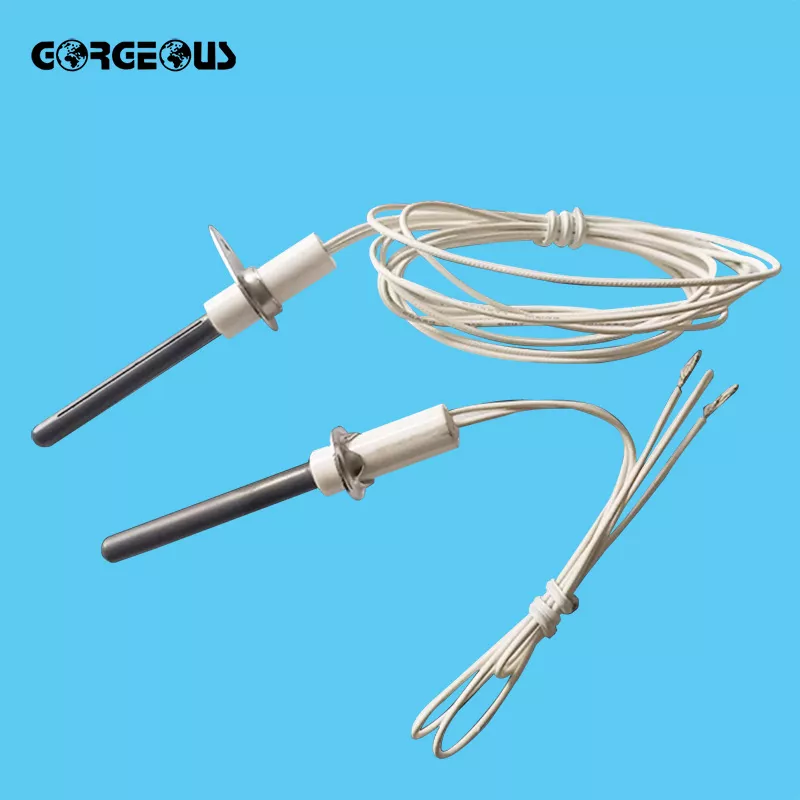
Press Forming
Press forming can suit repeatable component geometries such as plates, rings and other compact shapes. Tooling, shrinkage allowances and dimensional expectations need confirmation before quotation, especially where mating surfaces or tight tolerances matter.

Extrusion Forming
Extrusion may support continuous or channelled profiles, including tubes and cellular geometries. Die design, wall thickness, drying behavior and fired dimensions affect the final component, so the current drawing should guide feasibility review.

Controlled Sintering
Sintering develops the ceramic body and can influence shrinkage, warpage and dimensional stability. Firing conditions are considered with the material grade and section geometry, while final acceptance remains tied to the agreed project requirements.

Precision Grinding
Grinding can refine selected dimensions, faces or mating surfaces after firing. It may be relevant where assembly interfaces require closer control, but achievable tolerances, edge conditions, surface expectations and inspection methods must be confirmed from the drawing.
Component Accessories for Cordierite Ceramics Applications and Component Selection

Mating Surface Details
Identify interfaces that contact another part, including fits, flatness, surface finish and sealing areas. These details help Porcecore review assembly requirements and distinguish critical dimensions from non-functional preferences.
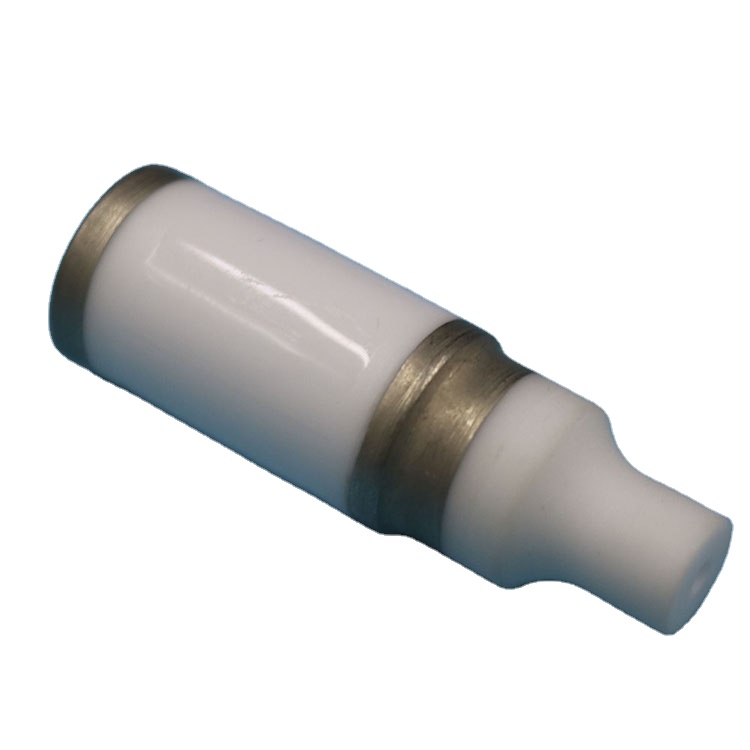
Mounting Features
Specify holes, slots, shoulders, grooves, clips or other mounting features required for installation. Include datum references and assembly orientation so the ceramic component can be evaluated within the complete equipment design.
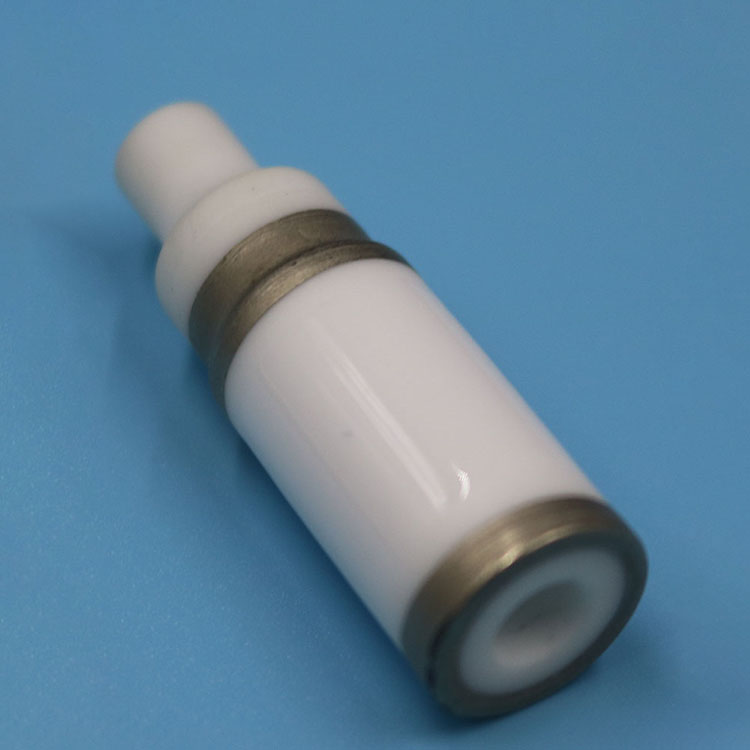
Part Identification
Add part numbers, revision marks, labels or traceability requirements when components must remain identifiable during assembly, maintenance or replacement. Confirm the preferred marking location and any restrictions on functional surfaces.
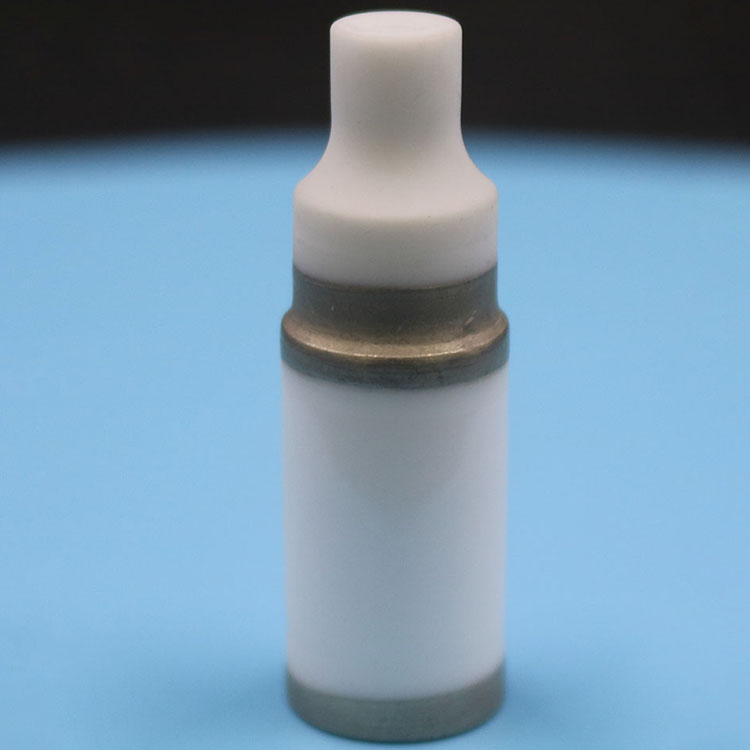
Protective Packaging
Describe packaging needs for fragile shapes, finished surfaces, clean handling or grouped shipment. Packaging requirements can be reviewed alongside geometry and quantity to support safer receipt, storage and installation.
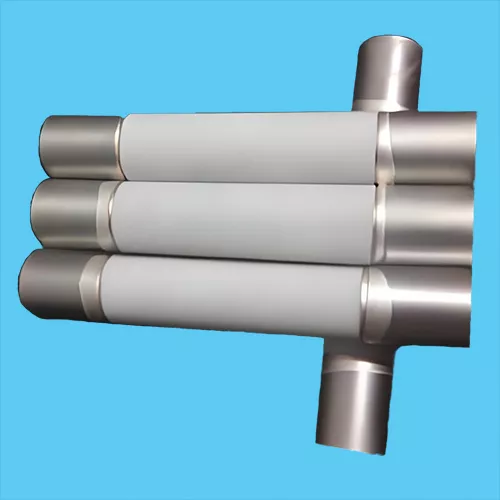
Inspection Documents
List dimensional reports, material records, certificates or other acceptance documents needed for project approval. Clear documentation expectations help align the quotation with procurement procedures and the component’s intended use.
Porcecore’s Application-First Sourcing Approach
Founded by Andy Yuan, Porcecore helps industrial buyers, engineers, equipment builders and ceramic distributors make technical ceramic sourcing easier to begin. Our approach to cordierite ceramics applications and component selection starts with the part and the job it must perform, then connects material family, geometry, operating conditions and acceptance expectations.
Porcecore brings together coverage across oxide, nitride, carbide and specialty ceramics, with component forms such as tubes, rods, rings and substrates considered against each project’s requirements. We focus on drawing-led communication and transparent discussions, helping buyers distinguish general material guidance from confirmed grade, dimensions, tolerances, documentation, delivery and commercial terms.
For a practical quotation discussion, share the current drawing revision, known material designation, quantity, service conditions and acceptance criteria. Email info@zlrsmaterials.com or contact Porcecore on WhatsApp at +86 130 6482 5920 to describe your component and operating environment.

Core Capability: Cordierite Ceramics Applications and Component Selection
Review the Operating Requirement
Cordierite ceramics applications and component selection begin with the service conditions, not a material label alone. Porcecore helps organize thermal cycling, electrical insulation, mechanical loading, mating surfaces and documentation needs before a quotation is developed.
- Define temperature range and thermal cycling exposure
- Identify loads, contact surfaces and assembly constraints
- Separate essential requirements from preferred features
- Record quantity, service life and inspection expectations

Compare Suitable Ceramic Families
Cordierite may suit a project where low thermal expansion and thermal-shock tolerance matter, but the right choice depends on the complete requirement. Porcecore can help compare cordierite with other technical ceramic families when geometry, environment or performance priorities change.
- Review oxide, nitride, carbide and specialty options
- Relate material choice to the component’s actual job
- Distinguish general properties from grade-specific values
- Keep application fit ahead of unsupported assumptions

Interpret the Current Drawing
A useful drawing-led inquiry identifies the dimensions that determine assembly and the surfaces that fit another part. Porcecore uses the current revision to clarify geometry, tolerances, finishes and open questions before discussing feasible ceramic component routes.
- Confirm revision status and critical dimensions
- Mark mating surfaces and functional datums
- Review tolerances, holes, edges and finishing needs
- Flag unclear details before quotation review

Align Acceptance Criteria
A component is not fully specified until its acceptance basis is understood. Porcecore connects the proposed cordierite component with project-specific inspection, documentation, delivery and commercial requirements, helping procurement and engineering teams define what must be confirmed.
- List dimensional and visual inspection requirements
- Confirm material designation or grade expectations
- Identify certificates, reports or records needed for approval
- Align delivery and commercial terms with the project

From Ceramic Requirement to Shipment
For cordierite ceramics applications and component selection, the useful comparison is how clearly requirements, risks and next decisions are defined.
← Swipe left or right to view →
Our Ceramic Component Production Process
A drawing-led workflow connects cordierite ceramics applications and component selection with project-specific materials, geometry, inspection criteria, packaging, and delivery expectations.
Define The Requirement
Share the component function, operating environment, quantity, current drawing revision, known material designation, mating surfaces, and acceptance criteria for initial review.
Review Material Fit
Porcecore reviews cordierite ceramics applications and component selection against thermal cycling, electrical insulation, geometry, dimensional stability, and other project-specific requirements.
Confirm The Drawing
Quotation details are clarified through drawing review, including grade, dimensions, tolerances, surface requirements, inspection documentation, and any essential assembly interfaces.
Coordinate Production
After requirements and commercial terms are confirmed, production coordination follows the approved specification, with open questions resolved before component manufacturing begins.
Inspect, Pack, Ship
Completed components are checked against agreed requirements, then packed for shipment with applicable documentation and delivery details confirmed for the project.
How to Work With Porcecore
Move from an initial component requirement to confirmed production terms through a drawing-led, application-focused quotation process.
Send Your Requirements
Share the current drawing or application brief, including component geometry, quantity, intended use, and any known material or acceptance requirements.
Clarify Service Conditions
Review grade options, mating surfaces, dimensions, operating temperatures, electrical conditions, chemical exposure, tolerances, and documentation expectations for the project.
Review Quotation Requirements
Evaluate the quotation scope, open technical questions, sampling needs, inspection criteria, and project details that must be confirmed before approval.
Confirm Production Terms
Agree the approved specification, production quantity, delivery schedule, commercial terms, and required documentation before Porcecore proceeds with the order.
Certifications and Technical Documentation for Cordierite Ceramics Applications and Component Selection
Cordierite Ceramic Sourcing FAQ
“Porcecore helped us align the cordierite grade, mounting geometry and inspection requirements before quotation. The revised specification reduced open questions by [X] and shortened our sourcing review by [X] days.”
“Starting with our drawing and thermal-cycle requirements made the replacement-part discussion much clearer. We identified [X] critical dimensions, confirmed the acceptance criteria and avoided [X] rounds of unnecessary quotation revisions.”
“The application-first review helped us compare cordierite with alternative ceramic options for our assembly. We documented [X] operating requirements and moved from initial inquiry to an approved component shortlist in [X] weeks.”
FAQ: Cordierite Ceramics Applications and Component Selection
Practical answers for evaluating material fit, defining component requirements and preparing a project-specific quotation.
How does Porcecore evaluate cordierite ceramics applications and component selection?
What drawing information is needed for a cordierite ceramic quotation?
Why are drawings important when reviewing cordierite ceramics applications and component selection?
Can Porcecore help select a cordierite grade for my application?
How should tolerances, functional surfaces and inspection evidence be specified?
What should I know about cordierite ceramics applications and component selection for samples and quantities?
Can Porcecore confirm payment, packaging, shipping and IP arrangements in advance?
What is the best next step if my cordierite requirement is not fully defined?
Customer Feedback — Pending Written Approval
Use a practical decision framework to match cordierite grades, geometries, thermal and electrical requirements, supplier capabilities, and quality controls while avoiding costly specification, design, sourcing, and validation mistakes.
1. What Is Cordierite Ceramics Applications and Component Selection?
2MgO·2Al₂O₃·5SiO₂ identifies cordierite as a magnesium aluminosilicate technical ceramic. com/materials/cordierite-magnesium-aluminosilicate). 5 factors shape cordierite ceramics applications and component selection: expansion, thermal cycling, insulation, porosity, and service temperature. Porosity can aid filtration or gas flow, but denser bodies are generally more appropriate where electrical isolation, dimensional control, or reduced fluid penetration matters; values remain grade- and geometry-dependent. Porcecore frames selection around the part and its job for procurement teams, engineers, equipment builders, and distributors. Choose cordierite when thermal cycling and insulation dominate; consider alumina, silicon carbide, silicon nitride, or zirconia when higher strength, wear resistance, thermal conductivity, or toughness is the controlling requirement.
2. Evolution and History of Cordierite Ceramics
1813 — French geologist Louis Cordier identified the naturally occurring magnesium aluminosilicate mineral later named cordierite. Because natural deposits are limited and chemically variable, technical ceramics moved toward synthesized batches based on talc, kaolin, alumina and silica, making composition repeatability a procurement requirement. html
Early technical use centered on low-expansion kiln furniture and electrical insulation, where thermal cycling and dimensional stability mattered more than decorative finish. Later development expanded cordierite into catalyst substrates, honeycomb filters and thermal-processing components; engineered porosity and density now need to match airflow, filtration, dielectric and handling requirements. Today, cordierite ceramics applications and component selection should connect historical material development to validation evidence.
3. Types of Cordierite Ceramics Applications and Component Selection
Cordierite component selection starts with the service environment, not the material name alone.
Kiln Furniture And Setter Parts
Kiln setters, plates, saggers, and tubes face repeated firing cycles.
Supports And Insulators
Heater supports, thermocouple beads, spacers, bushings, and electrical standoffs operate near heat and voltage. Ask which clearances, dielectric duty, lead routing, and mounting tolerances control assembly.
Honeycombs And Filters
Catalyst carriers and honeycombs use cellular channels for exhaust or process flow; foundry filters use porous pathways for molten metal. Ask about flow rate, cell structure, melt alloy, and filtration geometry.
Burner And Custom Parts
Burner tiles face direct flame and rapid heating, while custom machined or formed rings, rods, and blocks follow a drawing. Ask about flame exposure, mating surfaces, tolerances, quantity, and acceptance criteria.
4. Materials and Grades for Cordierite Component Selection
Cordierite formulation links directly to part performance.
Formulation And Microstructure
2MgO·2Al₂O₃·5SiO₂ chemistry is adjusted through talc, kaolin, alumina, silica, purity, and additives.
Dense Versus Porous Bodies
Density and open porosity govern permeability, insulation, strength, and thermal response.
| Body | Priority | Trade-off |
|---|---|---|
| Dense | Strength, insulation | Lower permeability |
| Porous | Flow, filtration | Lower strength |
| Tuned | Balanced properties | Grade-specific validation |
Data To Request
Request grade chemistry, density, open porosity, grain structure, CTE, strength, dielectric data, permeability, shrinkage, and firing range. com/materials/cordierite-magnesium-aluminosilicate.
5. Customization and Decoration Options for Cordierite Components
Dimensions, wall thickness, holes, slots, channels, mounting features, tolerances, and porosity targets define whether a cordierite part will assemble and perform.
Geometry And Forming
Extrusion suits channels and honeycomb sections; pressing or casting may suit plates, rings, and complex profiles. Draft, uniform walls, and radiused transitions reduce cracking risk.
Firing shrinkage and distortion must be included in the drawing. Confirm machining allowance, datum surfaces, and inspection points before committing tooling.
Precision And Surface Requirements
Tolerance bands, hole position, surface finish, and mating dimensions should be specified by function, not defaulted uniformly. Post-fire machining can improve critical fits but adds cost and lead time.
Porosity is also functional: filtration may require an open structure, while electrical insulation may favor lower porosity. Define the target and test method.
Marks, Coatings, And Glazes
Identification marks can be molded, engraved, or applied after firing; place them away from sealing and locating surfaces. Coatings or glazes require compatibility checks for temperature, chemistry, adhesion, and thermal cycling.
6. Key Construction and Quality Elements
Reliable cordierite ceramics applications and component selection starts with a controlled drawing, defined acceptance criteria, and evidence matched to service conditions. Quality records should separate general material guidance from grade- and geometry-specific results.
Drawing And Dimensional Control
Revision A or the current approved revision should define datums, tolerances, mating surfaces, critical dimensions, and inspection methods. Dimensional inspection must report actual results against those requirements, not only a pass statement.
Material And Performance Verification
Three checks—density, porosity, and visual limits—should reflect the component’s function, while thermal-expansion data must identify the test method and temperature range. Strength and dielectric testing apply when mechanical loading or electrical insulation is part of service.
Traceability And Lot Consistency
Each lot should link raw material, processing records, test results, inspection status, and packaging identification to the shipment. Buyers should define allowable lot-to-lot variation and require notification before changes to material, process, or subcontracted inspection.
7. How to Choose a Cordierite Ceramic Manufacturer
A qualified supplier should connect cordierite ceramics applications and component selection to the actual drawing, grade, quantity, and service conditions.
Verify Technical Fit
Four checks matter first: ask for comparable tubes, rings, substrates, or custom forms; applicable grade data; forming and firing limits; and operating-temperature experience.
Confirm whether claimed capability covers your dimensions, tolerances, porosity, thermal cycles, and annual quantity. Request representative inspection results, not generic catalog values.
- Which geometry and grade has this process produced?
- What changes with size, wall thickness, or firing schedule?
- Which properties are measured on production parts?
Audit Production Controls
Tooling ownership, sample approval, and scalability should be explicit. Ask who stores and maintains dies, how first articles are approved, and what capacity remains at forecast volume.
Require drawings, material certificates, inspection plans, packaging details, revision control, and written change notification. Verify that packaging protects fragile edges during shipment.
- Can you provide a first-article report?
- What triggers customer approval before a process change?
- How are lots identified and traceable?
Compare Supplier Evidence
Use the same question set with every manufacturer: relevant application examples, inspection resources, lead-time assumptions, minimum economic quantity, and escalation contacts. Separate demonstrated capability from planned investment.
- Request sample-to-production continuity evidence.
- Check communication ownership and response timing.
- Record exclusions, assumptions, and approved deviations.
8. Common Mistakes in Cordierite Component Selection
Temperature ratings alone do not define a reliable cordierite component.
Thermal And Mechanical Loading
A 1,100–1,300°C rating is only design guidance; ask for gradient, ramp rate, dwell time, cooling method, and cycle count. See Du-Co’s caution that geometry affects properties: https://www.du-co.com/materials/cordierite-magnesium-aluminosilicate
Brittle ceramic parts require controlled support and handling. Confirm compressive, bending, fastening, and impact loads rather than assuming a temperature-capable part can carry the assembly load.
- What is the worst thermal gradient?
- Where are stresses concentrated?
- Is the part supported during cycling?
Porosity, Data, And Tolerances
A generic datasheet can conceal grade-specific density, absorption, permeability, and strength. Ask whether porosity is functional, such as filtration, or must be minimized for insulation and sealing. Nominal dimensions are insufficient where parts mate.
- Request grade-specific values.
- Define permeability or absorption limits.
- Identify every mating surface.
Process, Prototypes, And Quotations
Extrusion, pressing, casting, and machining suit different geometries and volumes; ask which forming route preserves channels, thin walls, and dimensional control. Prototype thermal-cycle testing should precede release.
Three quotations are comparable only when material grade, tooling, machining, inspection, documentation, packaging, quantity, and delivery scope match. Separate confirmed requirements from supplier assumptions.
- Test the proposed production route.
- Compare like-for-like scope.
- Record open technical questions.
9. Steps to Launch a Cordierite Component Program
Nine control points turn a cordierite component inquiry into a controlled program.
Define The Requirement
Step 1 starts with an application brief: part function, mating surfaces, dimensions, temperature range, thermal cycling, atmosphere, load, quantity, and service life. Record the duty cycle and acceptance criteria.
Release And Validate
Steps 3–5 produce a controlled drawing revision, supplier shortlist, and comparable quotation request. Include tolerances, finish, test methods, packaging, documentation, quantity breaks, and delivery assumptions. Steps 6–7 test prototypes or samples under representative thermal, mechanical, electrical, and fit conditions.
Approve Production Control
Steps 8–10 define the pilot lot, first-article evidence, incoming inspection plan, sampling level, traceability, nonconformance handling, and production-release authority. Procurement should not release repeat orders until quality signs off the approved revision.
10. Pricing and Cost of Cordierite Components
10 cost variables typically shape a cordierite component quote: formulation, volume, geometry, tooling, forming, firing profile, machining, inspection, testing, packaging, logistics, and development effort. Material designation alone cannot establish a price because mating surfaces, tolerances, acceptance criteria, and documentation can change the process route. 3 commercial factors deserve early confirmation: minimum order quantity, validation scope, and delivery schedule.
| Quantity Tier | Tooling or Setup Cost | Estimated Unit-Cost Basis | Lead-Time Considerations | Validation Scope |
|---|---|---|---|---|
| Prototype / 1–10 | Quote-dependent; development and setup may dominate | Complexity, raw-material batch, forming, machining, inspection | Engineering review and trial firing required | Dimensional checks, material review, application tests as needed |
| Small batch / 11–100 | Amortized setup; tooling may be shared or dedicated | Part volume, firing load, machining, packaging, logistics | Scheduling depends on tooling and kiln availability | First-article inspection and agreed acceptance criteria |
| Production / 101–1,000 | Lower setup share; dedicated tooling may be justified | Repeatable process, yield, inspection frequency, MOQ | Forecasting can improve production planning | Sampling plan, documentation, and validation testing per order |
| High volume / 1,001+ | Quote-dependent tooling amortization | Material utilization, cycle efficiency, freight, sustained quality control | Release schedule and blanket-order terms affect timing | Production approval, periodic testing, and traceability as specified |
Discuss Cordierite Ceramics Applications and Component Selection
Email your drawing or describe the component, operating environment, quantity, and acceptance criteria for a clearer quotation discussion.