
Cordierite Ceramics for Electrical Insulation: Application-First Sourcing
Evaluate cordierite against geometry, thermal cycling, service conditions and project acceptance requirements before selecting a ceramic component.
Ceramic Component References for Electrical Insulation Applications













Related Ceramic Components for Electrical Insulation Applications
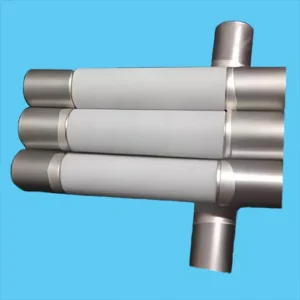
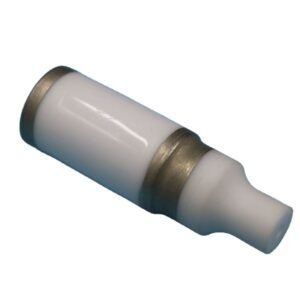


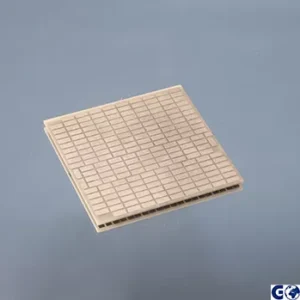


Application Requirements for Cordierite Ceramic Components
Evaluate material behavior alongside grade, geometry, thermal cycling, interfaces and acceptance requirements before requesting a quotation.
Confirm Material Grade Requirements
Treat electrical insulation as a grade-specific question: confirm the cordierite formulation, dielectric requirements, temperature range and design margins before using general reference values for procurement.
Review Geometry and Section Details
Electrical and insulation behavior can depend on section thickness, porosity, holes and edge details, so review the drawing geometry alongside the intended operating conditions.
Check Thermal Expansion Interfaces
Low thermal expansion may support dimensional stability during temperature changes, but mating clearances, supports and neighboring materials still require review for the complete assembly.
Define Thermal Shock Conditions
Thermal-shock suitability depends on heating rate, cooling rate, temperature gradient and part geometry; define the cycle rather than relying on a material label alone.
Identify Functional Mating Surfaces
Identify sealing faces, contact areas, mounting features and surfaces joining other parts so quotation discussions address the interfaces that determine assembly fit and service behavior.
Control Drawings and Acceptance Evidence
Send the current drawing revision, quantity, service conditions and acceptance criteria to create a clearer quotation basis and distinguish required evidence from preferences.
Ceramic Components for Defined Industrial Requirements
Explore materials, component forms, applications and sourcing resources to connect operating conditions with clearer drawings, quotations and acceptance requirements.

Technical Ceramic Components and Manufacturing
Ceramic manufacturing capabilities cover forming, machining and finishing routes used to produce tubes, rods, rings, substrates and other custom components. Share the current drawing, material designation, quantity, critical dimensions and inspection criteria so the quotation can reflect the actual part requirement.
Discuss Your Ceramic Part
Ceramic Solutions by Industry
Advanced ceramics applications vary across electrical insulation, thermal management, wear exposure, high-temperature service and chemically demanding equipment. Identify the industry, operating environment, mating surfaces and replacement-part context to evaluate whether a ceramic component suits the equipment and its acceptance requirements.
Discuss Your Ceramic Part
Alumina, Zirconia and Silicon Carbide Ceramics
Advanced ceramic materials include alumina, zirconia, silicon carbide, silicon nitride, aluminum nitride, boron nitride, cordierite and other specialty families. Material selection should consider grade-specific properties, geometry, service conditions, processing limits and documentation needs rather than relying on a material name alone.
Discuss Your Ceramic Part
Industrial Ceramic Parts and Custom Ceramic Components
Technical ceramic products include standard and custom tubes, rods, rings, plates, substrates, insulators and shaped parts for industrial assemblies. Product illustrations indicate possible forms; final dimensions, tolerances, surfaces, material grade, quantity and inspection expectations require project-specific confirmation.
Discuss Your Ceramic Part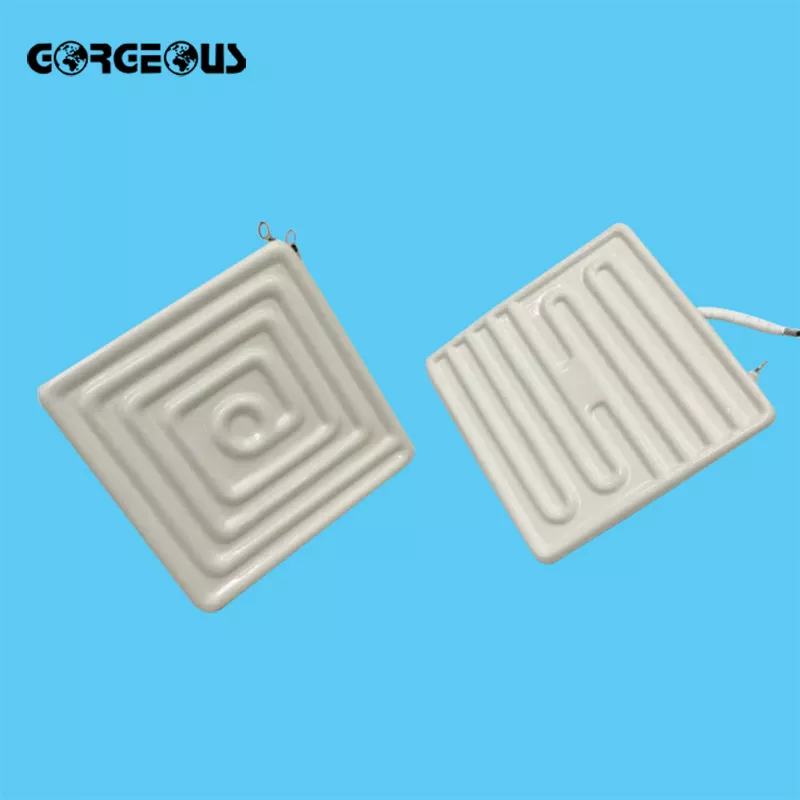
Technical Ceramic Resources
Technical ceramic resources help buyers compare material families, component forms, application considerations and quotation inputs. Use a technical ceramics guide to frame the requirement, then email a drawing or operating details to info@zlrsmaterials.com or contact Porcecore by WhatsApp at +86 130 6482 5920.
Discuss Your Ceramic PartMaterials for Cordierite Ceramics Electrical and Insulation Performance
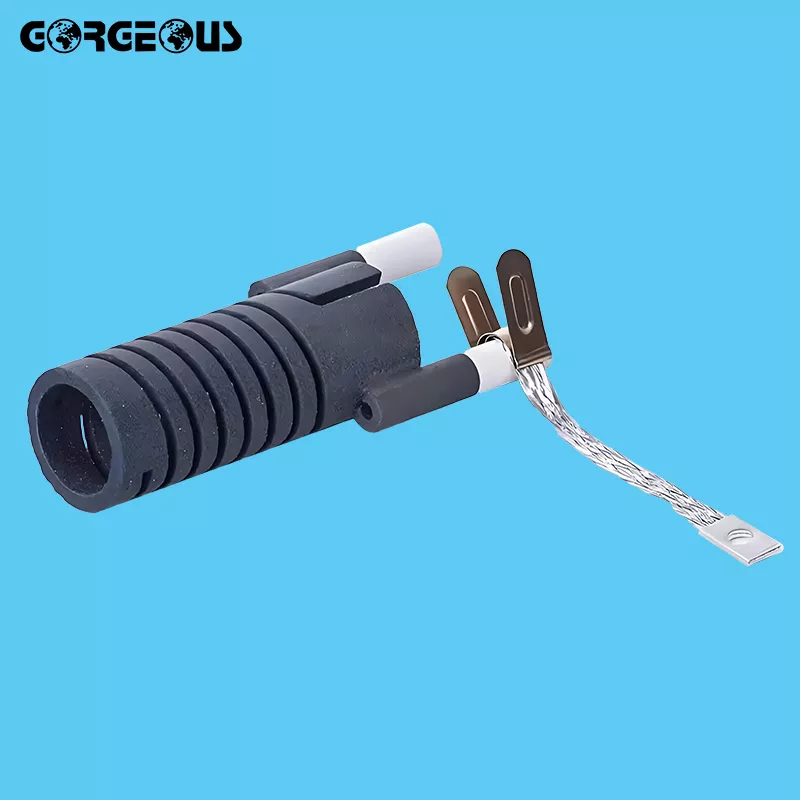

Alumina Ceramic
Hard, smooth ceramic with strong wear resistance for insulators, tubes, substrates and precision supports. High dielectric strength and temperature capability are useful in demanding assemblies, subject to grade selection and dimensional requirements.
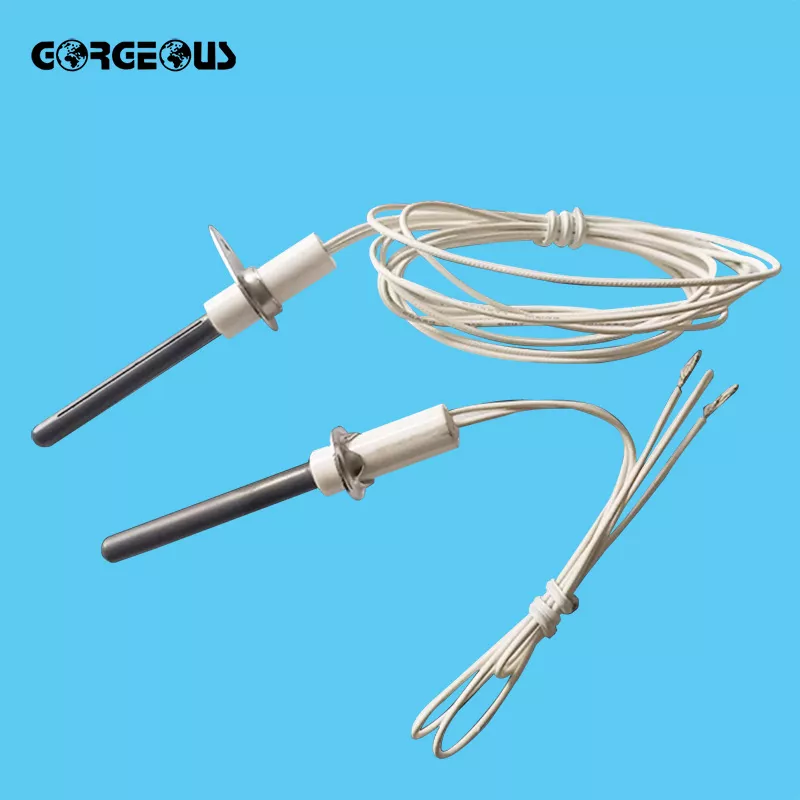
Steatite Ceramic
Smooth, economical electrical ceramic commonly considered for terminals, spacers and low-frequency insulation components. Its rigid feel, low loss behavior and machinable forms can suit defined applications, with performance confirmed by grade and design.

Mullite Ceramic
Rigid, heat-resistant ceramic for kiln furniture, insulating supports and high-temperature fixtures. Its low thermal expansion and stable surface help manage temperature exposure, while electrical and mechanical values vary with formulation, density and processing.
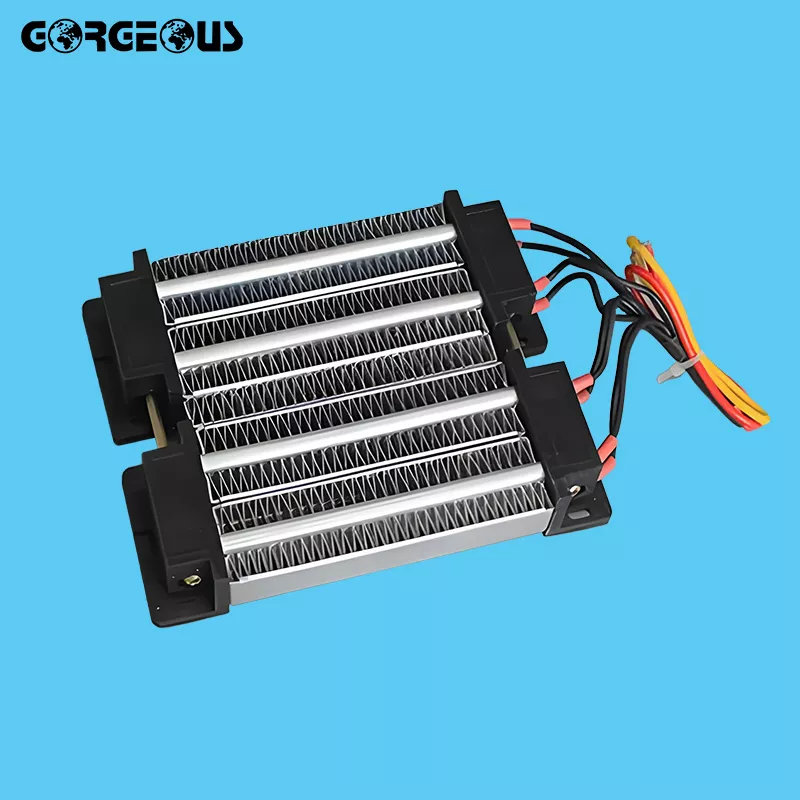
Aluminum Nitride
Dense, smooth technical ceramic for electrically insulating components where heat dissipation is also important. Its high thermal conductivity can support thermal-management designs, but compatibility, geometry, finish and acceptance criteria require project-specific review.
Cordierite Ceramic Processing and Inspection

Powder Preparation
Raw material selection, batching and powder conditioning establish a practical starting point for cordierite parts. The suitable formulation and preparation route depend on the requested grade, geometry, density and application requirements.

Forming Methods
Cordierite components may require a forming approach suited to tubes, rods, rings, plates, substrates or other geometries. Process selection should be discussed against dimensions, wall sections, production quantity and surface requirements.
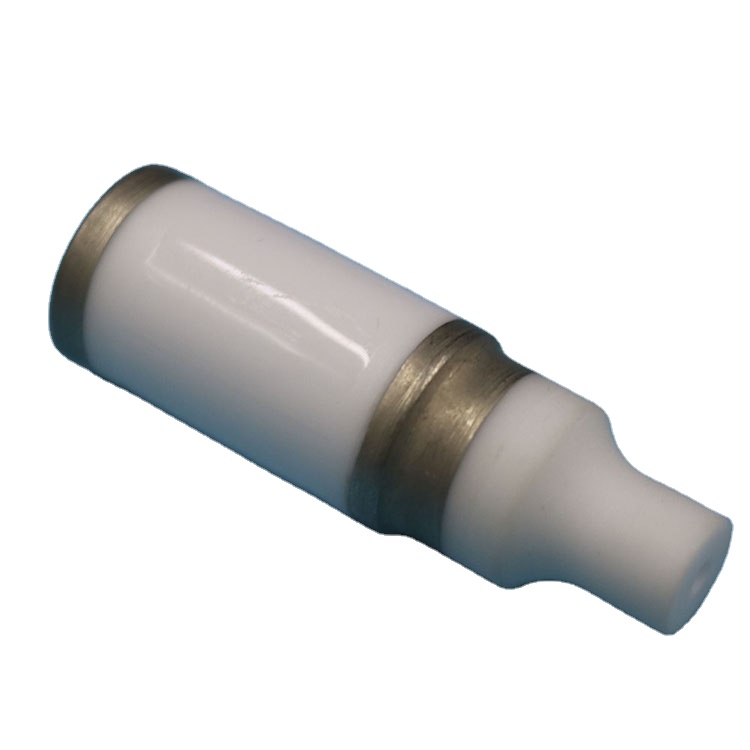
Controlled Sintering
Firing develops the ceramic body and influences dimensional stability, porosity and performance. The appropriate thermal profile remains project-specific, with confirmation required for material formulation, component geometry and expected operating conditions.
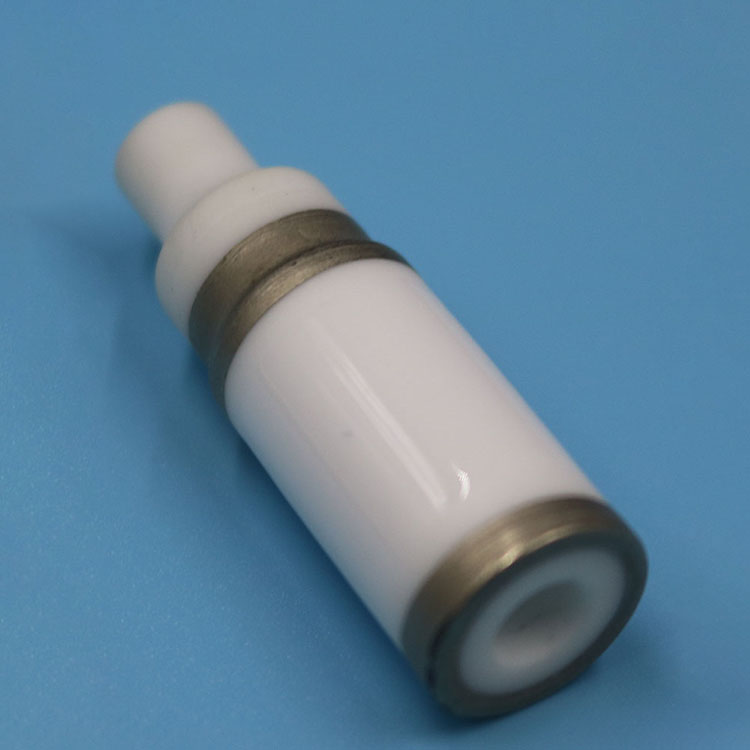
Precision Finishing
Grinding, cutting, lapping or other secondary operations can support mating surfaces, critical dimensions and assembly fit. The required finishing sequence, achievable tolerances and inspection method should be confirmed from the current drawing.
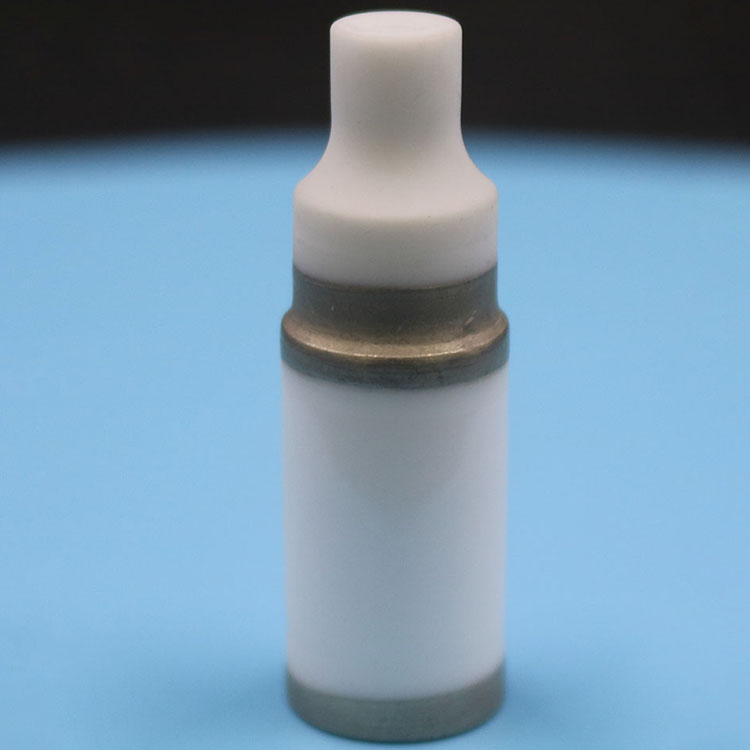
Inspection Review
Inspection planning connects cordierite ceramics electrical and insulation performance with measurable project requirements. Buyers can identify critical dimensions, material expectations, visual criteria, test needs and documentation before quotation or production commitment.
Accessories Supporting cordierite ceramics electrical and insulation performance
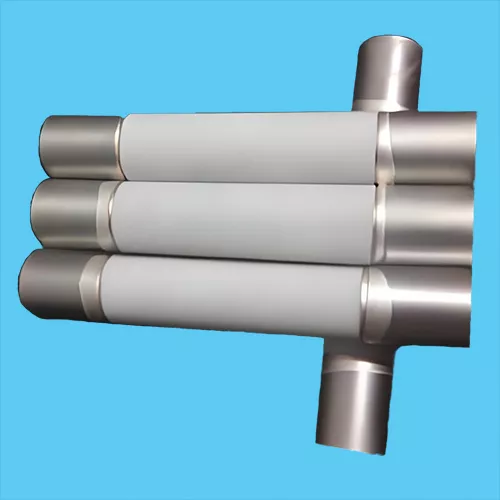
Mounting Hardware
Specified clips, brackets or fasteners can support ceramic parts within heating, sensing or insulating assemblies. Material compatibility, clearance, preload and temperature exposure should be reviewed against the approved drawing.
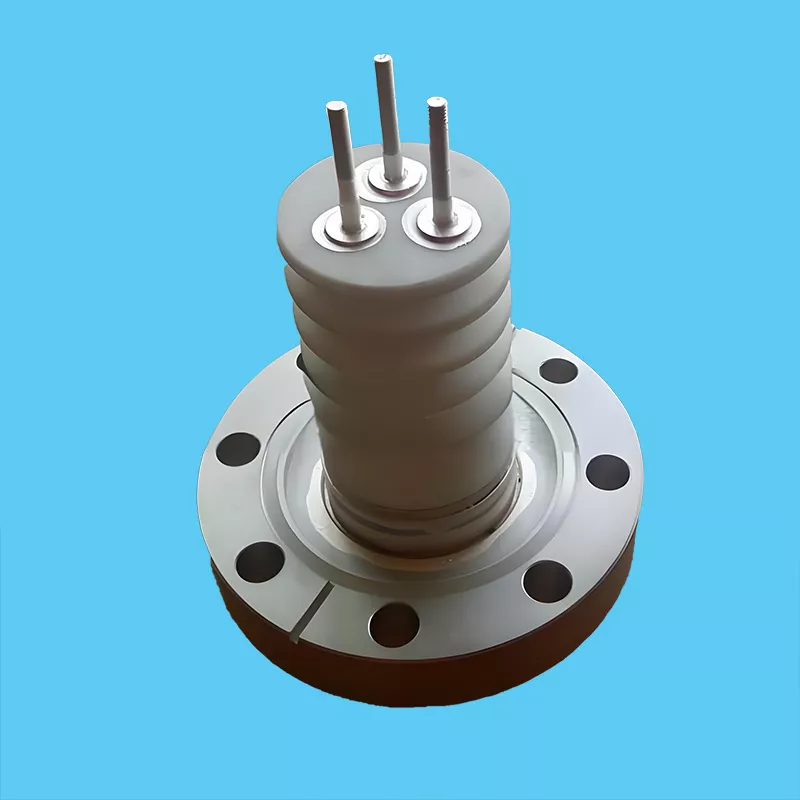
Protective Sleeves
Sleeves or guards may protect ceramic tubes, rods and terminals during assembly, transport or service. Confirm internal diameter, wall clearance, insulation needs and operating temperature before selecting an integrated solution.
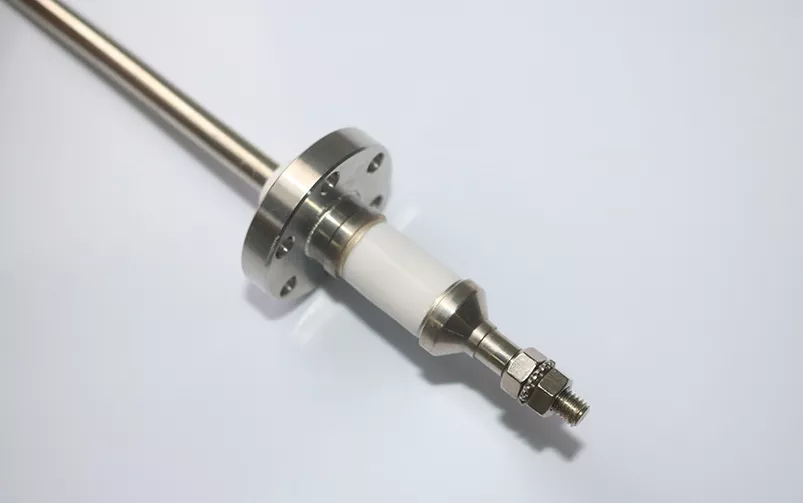
Part Markings
Laser marking, ink identification or packaging labels can help connect each ceramic component to a drawing revision, lot reference or inspection record. Marking method and placement should be defined before manufacture.

Custom Packaging
Protective packaging helps reduce chipping, contamination and movement during shipment of fragile ceramic components. Packaging requirements should reflect geometry, quantity, surface sensitivity, labeling needs and the receiving team’s inspection process.
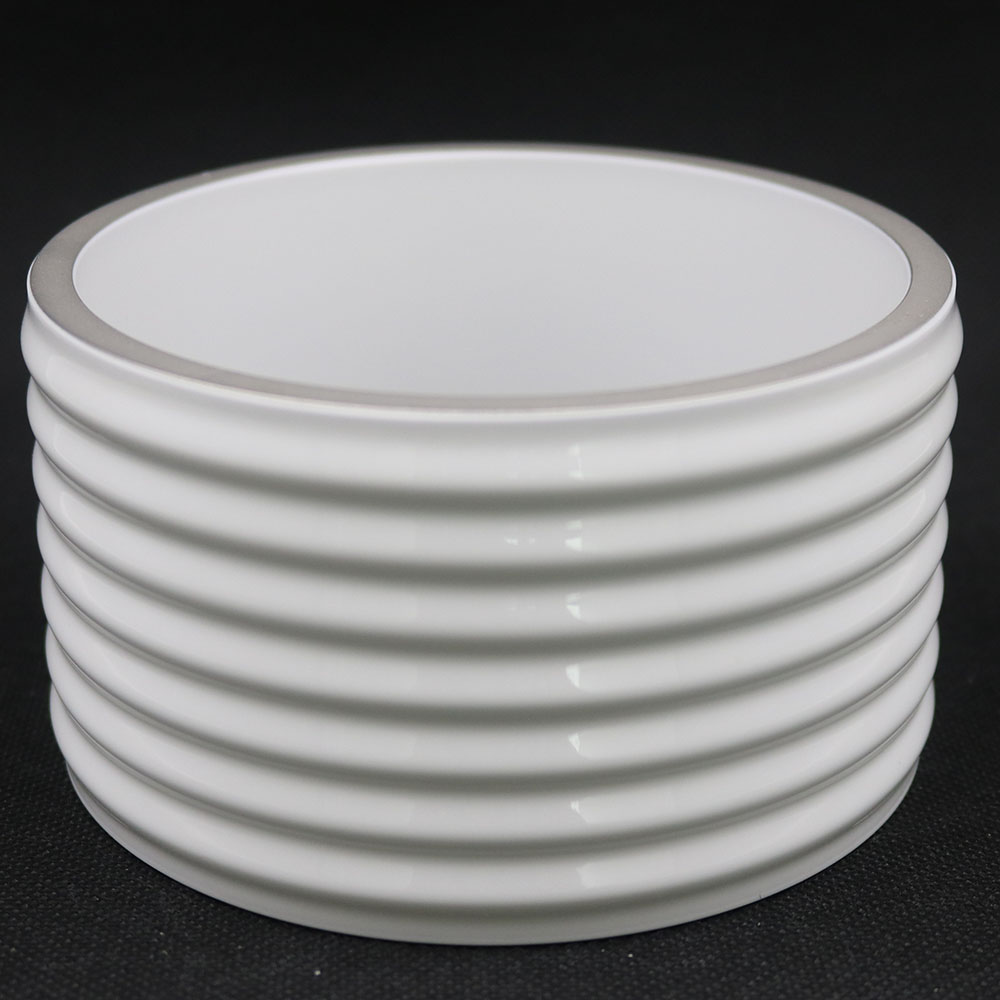
Assembly Interfaces
Spacers, terminal interfaces or mating features may influence fit, electrical isolation and installation sequence. Share the surrounding assembly dimensions, contact surfaces and service conditions so accessory details remain tied to the part requirement.
About Porcecore: Application-First Ceramic Sourcing
Founded by Andy Yuan, Porcecore helps industrial procurement teams, engineers, equipment builders and ceramic distributors connect material choices with defined component requirements. Our mission is to make technical ceramic sourcing easier to begin, with application-first thinking, drawing-led communication and clear distinctions between general material guidance and project-specific specifications.
Our coverage spans oxide, nitride, carbide and specialty ceramics in familiar forms such as tubes, rods, rings and substrates. For cordierite ceramics electrical and insulation performance, we consider the complete requirement: grade, geometry, mating surfaces, operating conditions, quantity, documentation and acceptance criteria. Availability and suitability remain subject to individual project review.
What makes Porcecore different is the way we structure the conversation. Send a current drawing revision, known material designation, service conditions and inspection expectations, and we can help identify the open questions for quotation. Email info@zlrsmaterials.com or contact us on WhatsApp at +86 130 6482 5920 to discuss your ceramic part.

Cordierite Ceramics Electrical and Insulation Performance: Core Capabilities
Review the Operating Requirement
Cordierite ceramics electrical and insulation performance depends on how the component will operate. Porcecore begins with voltage, temperature, cycling, environment and assembly context so the material discussion stays connected to the part’s actual job.
- Define electrical and thermal service conditions
- Identify cycling, atmosphere and exposure concerns
- Separate essential requirements from preferences
- Flag open questions before quotation

Match Material to Application
A cordierite designation alone does not define a finished component. The relevant grade, porosity, geometry and process route should be considered together, with general property guidance treated as a starting point for project-specific confirmation.
- Review the requested material designation
- Consider grade and process dependencies
- Compare cordierite with other ceramic families when appropriate
- Confirm values required for engineering approval

Control Geometry and Interfaces
Tubes, rods, rings and substrates perform within an assembly, not in isolation. Drawing details such as dimensions, tolerances, holes, edge conditions and mating surfaces help clarify what must be produced and what determines reliable installation.
- Identify assembly-critical dimensions
- Mark surfaces that fit another part
- Define tolerances and inspection datums
- Include drawings or replacement-part references

Prepare a Clear Quotation
A useful quotation begins with a usable requirement package. Send the current drawing revision, quantity, service conditions, acceptance criteria and documentation needs so Porcecore can distinguish an inquiry from an agreed production specification.
- Provide the current drawing revision
- State quantity and expected delivery context
- List inspection and documentation requirements
- Email details to start a focused review

Why Choose Porcecore for Drawing-Led Ceramic Sourcing
Compare a drawing-led sourcing conversation with typical material-only supplier interactions before confirming your ceramic component requirements.
← Swipe left or right to view →
Our Cordierite Ceramics Electrical and Insulation Performance Process
A drawing-led path from requirement review to inspected shipment, keeping cordierite ceramics electrical and insulation performance tied to the individual part.
Define Part Requirements
Start with the current drawing, component geometry, operating conditions, quantity, material designation, mating surfaces, and acceptance criteria before discussing a quotation.
Review Material Options
Review cordierite grade options against electrical insulation, thermal cycling, dimensional stability, and assembly needs; treat published properties as design guidance until project-specific values are confirmed.
Confirm Production Route
Confirm the forming or machining route, critical dimensions, tolerances, surface requirements, inspection method, and documentation needed for approval before production planning begins.
Inspect Against Approval
Inspect the finished component against the approved drawing and agreed acceptance criteria, recording relevant dimensions, appearance, material identification, and project documentation for review.
Pack And Ship
Pack approved parts for their geometry and handling needs, then coordinate shipping details, quantities, documents, and delivery expectations with the designated project contact.
How to Work With Porcecore: Cordierite Ceramics Electrical and Insulation Performance
Move from a defined component requirement to confirmed production terms through a practical, project-specific quotation process.
Submit Your Requirements
Send the current drawing revision, quantity, service conditions, material designation if known, and acceptance criteria so Porcecore can frame the component requirement.
Clarify Open Requirements
Relate cordierite ceramics electrical and insulation performance to mating surfaces, critical dimensions, operating temperatures, documentation needs, and project-specific acceptance expectations.
Review Quotation And Samples
Review the quotation, proposed specifications, and samples where appropriate, distinguishing design guidance from confirmed values and checking fit, finish, inspection, and approval requirements.
Confirm Production Terms
Confirm the approved drawing, grade, tolerances, documentation, delivery schedule, and commercial terms before production begins and the ceramic component moves toward shipment.
Certificates and Documentation for cordierite ceramics electrical and insulation performance

Customer Feedback on Cordierite Ceramics Electrical and Insulation Performance
Verified customer feedback is not yet published. Porcecore will add this sourcing example after customer permission, a confirmed drawing revision, and a measurable electrical or insulation outcome are available.
No customer-endorsed performance figure has been supplied for publication. Project-specific cordierite grade, geometry, operating conditions, inspection criteria, and acceptance results must be confirmed before a case example is shared.
Porcecore does not present material-property guidance as a customer testimonial. Send your component drawing and requirements to document the relevant cordierite ceramics electrical and insulation performance for your project.
FAQ: Cordierite Ceramics Electrical and Insulation Performance
Clarify grade selection, part requirements and quotation inputs before moving a cordierite ceramic component project forward.
How do cordierite ceramics electrical and insulation performance requirements affect grade selection?
What information is needed to quote cordierite ceramics electrical and insulation performance parts?
Can you confirm cordierite ceramics electrical and insulation performance for my application?
Do you have a minimum order quantity or standard lead time for cordierite components?
What should I expect for samples and sampling cost?
How are payment, shipping and packaging terms confirmed?
Can Porcecore protect our drawing and application information?
What inspection evidence can accompany a cordierite ceramic quotation?
The Complete Buyer’s Guide to cordierite ceramics electrical and insulation performance
Use this decision framework to compare cordierite grades, electrical insulation requirements, manufacturing controls, supplier capabilities, total cost, and common sourcing mistakes before approving a component or production program.
1. What Is cordierite ceramics electrical and insulation performance?
Du-Co reports cordierite at 180 V/mil dielectric strength, volume resistivity above 1E14 ohm-cm at 25°C, and dielectric constant 6 at 1 MHz—useful reference points, not guaranteed values. com/materials/cordierite-magnesium-aluminosilicate). Kyocera emphasizes cordierite’s extremely low thermal expansion and warns that typical properties vary with configuration and manufacturing process. html). 25°C data cannot by itself predict leakage or dimensional reliability at operating temperature: porosity, moisture, frequency, wall thickness, electrode arrangement, and measurement method can shift results. Request a material datasheet plus part-level verification plan, distinguishing general guidance from agreed project requirements.
2. Evolution and history of cordierite ceramics
1813 marks the reported identification of cordierite as a naturally occurring magnesium aluminosilicate, later associated with the formula 2MgO·2Al2O3·5SiO2. html). 1275–1335°C is a representative synthesis range cited for forming cordierite phases, with controlled heating needed to manage competing phases and melting risk. html). 2MgO·2Al2O3·5SiO2 now appears in high-temperature equipment, thermocouple assemblies, electric heating components and semiconductor-processing structures. html).
3. Types of cordierite ceramics electrical and insulation performance
Density, purity, and forming route determine how cordierite behaves as an insulator and structural part. Specify the body type alongside geometry, thermal cycling, strength, and dimensional-control requirements.
| Type | Best fit | Main trade-off |
|---|---|---|
| Dense | Electrical fixtures | Lower permeability |
| Porous | Filters, honeycombs | Lower strength |
| Machined | Critical mating fits | Higher cost |
Dense Bodies For Electrical Parts
Dense cordierite generally offers more consistent insulation and higher strength than porous bodies. It suits heater supports, thermocouple parts, and electrical fixtures exposed to cycling. Reduced porosity improves dimensional stability, but may reduce permeability and complicate rapid heat exchange.
Porous Bodies For Thermal Flow
Porous cordierite lowers density and can improve filtration or gas-flow performance, but open porosity usually reduces strength and complicates moisture-sensitive insulation.
Standard And High-Purity Grades
Standard formulations fit general industrial insulation where cost and thermal-shock resistance lead. High-purity formulations are more appropriate for semiconductor or contamination-sensitive equipment, subject to verified chemistry and documentation.
Pressed, Extruded, Cast, Or Machined
Pressed parts suit repeatable simple shapes; extrusion suits tubes and long profiles; casting supports larger or complex forms. Machining improves dimensional control after firing but adds cost and breakage risk.
4. Materials and formulation variables
Talc, kaolin, alumina, and silica-bearing constituents establish the oxide balance needed for cordierite phase development.
Raw Materials And Phase Development
Talc supplies magnesium-bearing content; kaolin contributes alumina-silica phases; alumina adjusts the aluminum balance. Silica-bearing constituents may alter reaction and shrinkage behavior. Particle-size distribution and firing profile influence phase development, residual phases, and dimensional stability.
Density, Porosity, And Moisture
Higher density generally supports stronger insulation consistency and mechanical stability, while open porosity can increase moisture sensitivity and reduce reproducibility. Lower-density bodies may improve thermal response but require tighter control. Binders enable green strength; pore formers deliberately create voids.
| Choice | Insulation | Thermal | Manufacturing |
|---|---|---|---|
| Higher density | More consistent | Slower response | Higher shrinkage risk |
| Open porosity | Moisture-sensitive | Lower conductivity | Burnout control needed |
| Finer particles | Potentially uniform | More reactive | Higher processing demand |
Additives And Contamination Control
Additives can improve dispersion, forming, or burnout, but each introduces a chemistry and residue question. Control incoming powders, mixing equipment, water, and handling surfaces to limit metallic or alkali contamination.
5. Customization for cordierite ceramics electrical and insulation performance
Customization starts with the part drawing, because cordierite ceramics electrical and insulation performance depends on geometry, interfaces, and service conditions—not material name alone.
Each option should be separated into validated capability and application-dependent design review.
Dimensions And Wall Thickness
1 drawing revision should define length, diameter, wall thickness, holes, slots, mating surfaces, and critical creepage paths. Thin walls and sharp openings can reduce yield and thermal-cycling margin.
Surface And Electrical Interfaces
2 interface categories should be specified: bare ceramic and metallized or conductive contact areas. Surface finish, glazing, and coatings may change leakage paths, adhesion, creepage distance, and thermal expansion compatibility.
Tolerances And Inspection
3 inspection groups should cover dimensions, surface defects, holes, flatness, and electrical criteria. com/materials/cordierite-magnesium-aluminosilicate
Confirm sampling, test methods, certificates, and drawing revision before quotation; acceptance criteria must be project-specific.
Packaging And Handling
4 packaging controls should protect edges, slots, and finished surfaces from impact, contamination, and moisture during shipment. Cordierite remains machinable, but handling damage can erase the intended insulation margin.
6. Key construction quality elements
Three controls usually decide whether cordierite ceramics electrical and insulation performance remains predictable: microstructure, geometry, and process discipline.
Microstructure And Firing
Uniform density, controlled porosity, phase composition, and consistent firing govern insulation stability. Request the material designation, apparent-density and water-absorption results, phase report, and furnace-lot traceability.
- Density and porosity by lot
- XRD phase identification when critical
- Firing chart or batch record
- Lot-to-part traceability
Geometry And Surface Acceptance
1 mm of warpage or a small chip can change assembly fit, creepage, stress concentration, or local electric-field behavior. Drawings should define datums, dimensional tolerances, flatness, warpage, edge-break limits, crack limits, surface roughness, cleanliness, and inspection zones.
- Approved drawing revision
- Critical mating surfaces
- Visual crack and chip criteria
- Surface-finish requirement
Verification And Sampling
A first-article plan should connect each critical characteristic to a method, sample size, and acceptance limit. Request dimensional inspection, dielectric or insulation testing where applicable, cleanliness results, and a certificate of conformance tied to the shipment lot.
- First-article inspection report
- Lot-based sampling plan
- Certificate of conformance
- Test conditions and laboratory method
7. How to choose a cordierite ceramics manufacturer
A supplier should connect cordierite ceramics electrical and insulation performance to the complete production route, not a catalog label. Request evidence for the exact geometry, grade, tolerances, testing and service conditions.
Audit The Technical Route
1 drawing revision should trigger review of formulation, tooling, forming, firing and machining assumptions.
Separate Samples From Production
2 evidence sets should be compared: development samples and routine production from equivalent tooling and process controls.
| Evidence | Risk Question |
|---|---|
| Sample report | Was it made with production tooling? |
| Production record | Are firing and electrical tests lot-controlled? |
| Change notice | Who approves formulation or process changes? |
Check Control At Handover
3 change points deserve written agreement: material formulation, tooling, firing schedule, machining, inspection and packaging.
8. Common mistakes buyers make
Eight recurring errors can undermine cordierite ceramics electrical and insulation performance before production begins.
Validate Service Conditions
Room-temperature data may not represent hot service. Ask: which electrical values are required at operating temperature, after dwell time and across the proposed grade? Humidity and frequency alter insulation behavior.
Separate Electrical Measures
Two electrical tests answer different questions: dielectric strength concerns breakdown voltage, while insulation resistance concerns leakage. Confirm which acceptance limit applies to the part and circuit.
Creepage and clearance depend on geometry and environment. Review the drawing under the applicable voltage, pollution and spacing requirements.
Match Porosity To Duty
Porosity affects absorption, strength and insulation stability. Ask for measured open porosity and validate performance after humidity exposure, cleaning and thermal conditioning. Thin sections and sharp transitions increase brittleness risk.
Prove Cycling And Tolerances
Thermal cycling can reveal cracks that a single heat test misses. Define cycle count, ramp rate, dwell temperatures and post-test inspection criteria. Drawing tolerances must match the forming, firing and finishing route.
9. Steps to launch a cordierite component program
1. Start with the application envelope, failure modes, electrical duty, thermal cycling, interfaces, quantity, and acceptance evidence. html
2. Engineering, procurement, quality, and operations should share one controlled launch record, with decision gates before samples, pilot production, and volume release.
Define Requirements And Select Material
3. Engineering documents voltage, frequency, temperature range, ramp rate, loads, contamination, fit surfaces, and likely failures; procurement confirms quantity, timing, and documentation needs. 4. Select a preliminary cordierite grade only after comparing insulation, thermal shock, expansion, porosity, and strength requirements.
Control Prototypes And Qualification
5. Freeze the drawing revision, tolerances, datums, mating surfaces, prototype tooling, and inspection method before fabrication. Quality approves first samples against dimensional and visual criteria. 6.
Release And Review Production
7. Operations validates pilot handling, packaging, labeling, and transit protection; quality confirms sampling plans, traceability, test records, and nonconformance handling. 8. Procurement releases volume only after cross-functional approval.
10. Pricing and cost of cordierite ceramics electrical and insulation performance
1 quotation should separate material formulation, density, geometry, forming route, tooling, firing yield, machining, electrical testing, inspection, packaging, and quantity effects; every figure is supplier-quote dependent. Cordierite’s electrical and insulation performance is grade- and process-sensitive, so a general property value should not be treated as a contracted specification. 2 inputs—drawing revision and service conditions—help suppliers distinguish recurring production cost from one-time validation.
| Cost Element | Supplier-Quote-Dependent Effect | Buyer Planning Note |
|---|---|---|
| Quantity tier | Unit cost may change by batch size | State forecast and initial order |
| Tooling or setup | Forming route and tooling charges vary | Separate one-time and recurring costs |
| Unit-cost drivers | Density, geometry, yield, machining | Identify critical dimensions |
| Lead-time implications | Tooling, firing, and inspection add time | Request a schedule by milestone |
| Validation costs | Electrical tests, inspection, packaging | Define reports and sample quantity |
Discuss Cordierite Ceramics Electrical and Insulation Performance
Email your drawing or describe the component, quantity and operating environment for an application-specific quotation discussion with Porcecore.