
Cordierite Ceramics Thermal Performance for OEM Sourcing
Connect cordierite ceramics thermal performance requirements to a drawing-led component inquiry with project-specific geometry, grades, service conditions, and acceptance criteria.
Technical Ceramic Components for Project Review
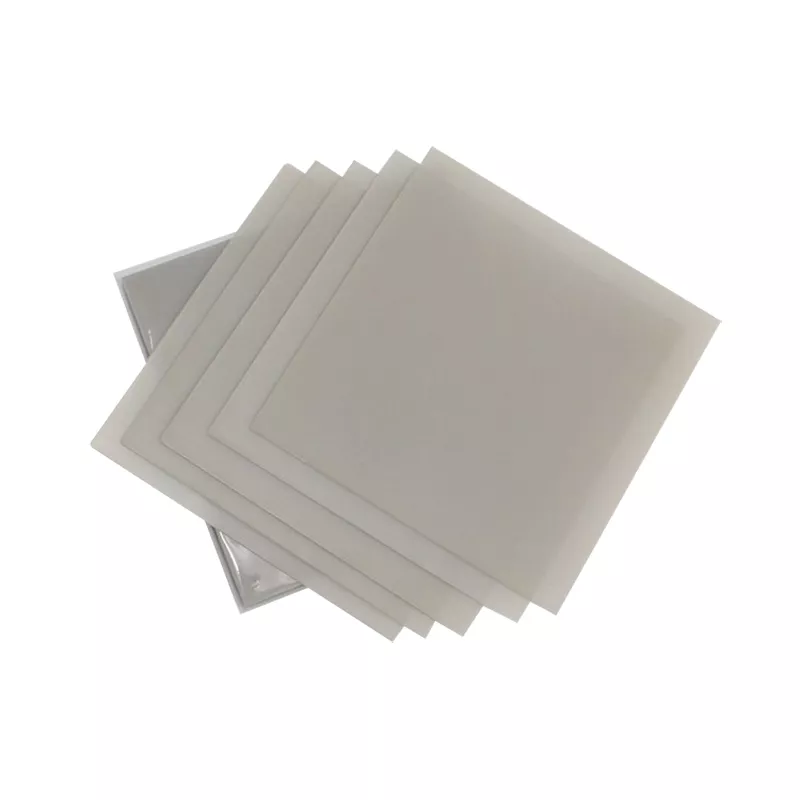
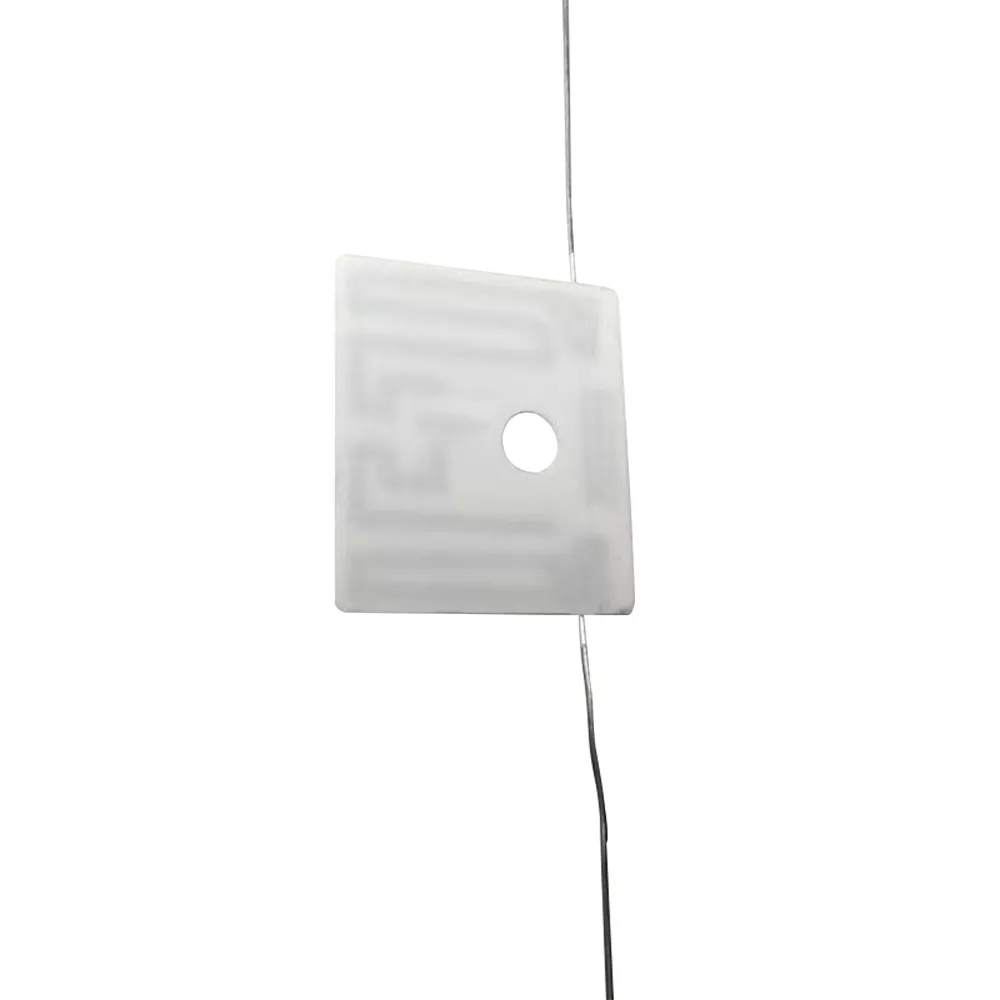


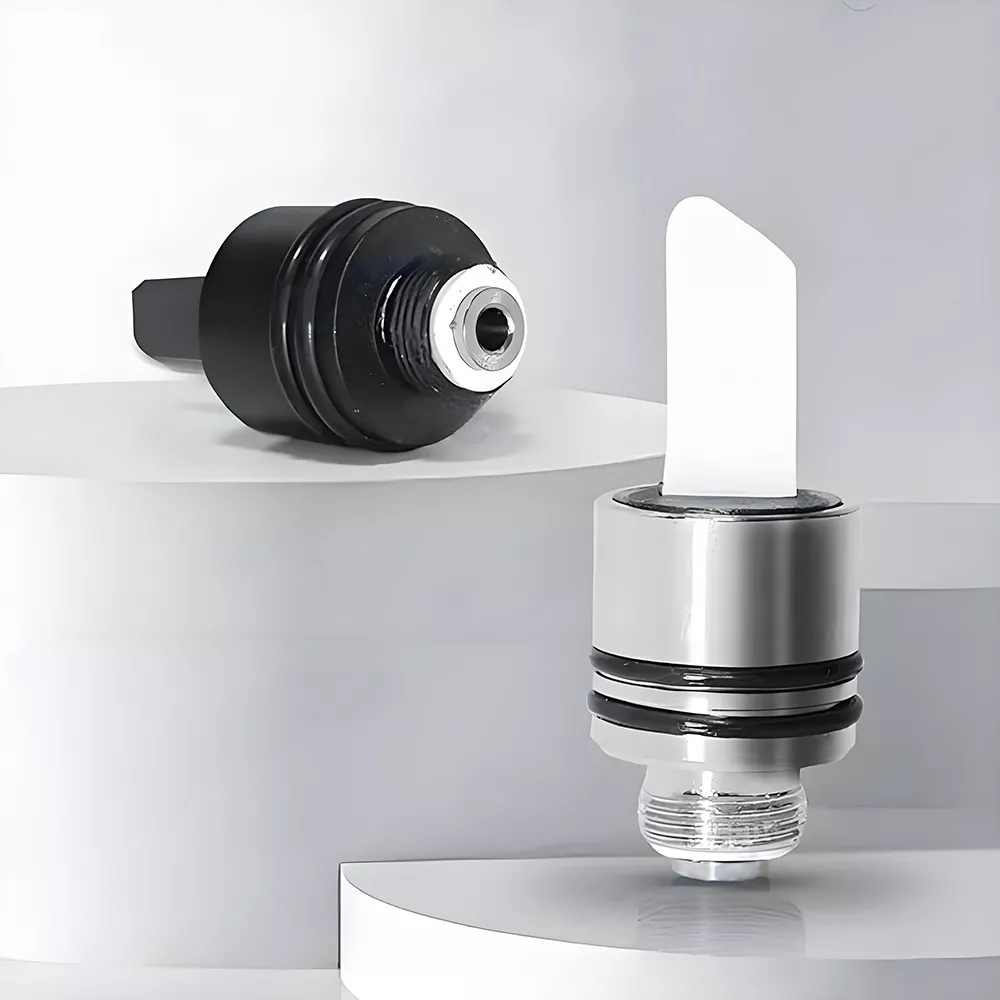


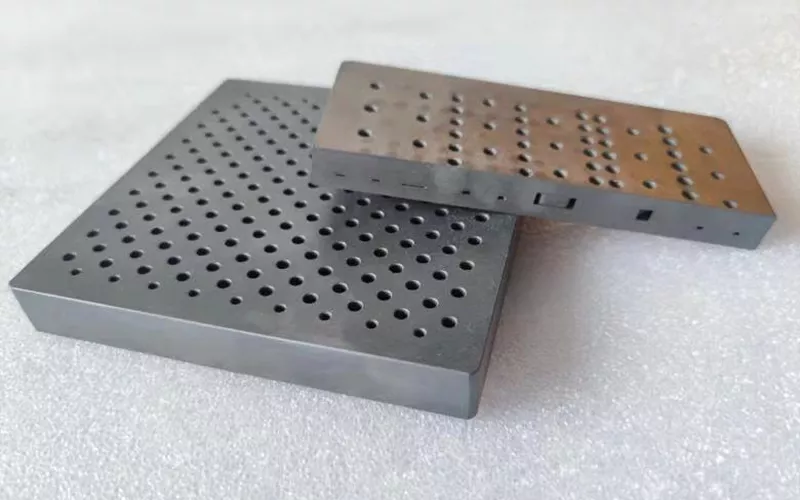

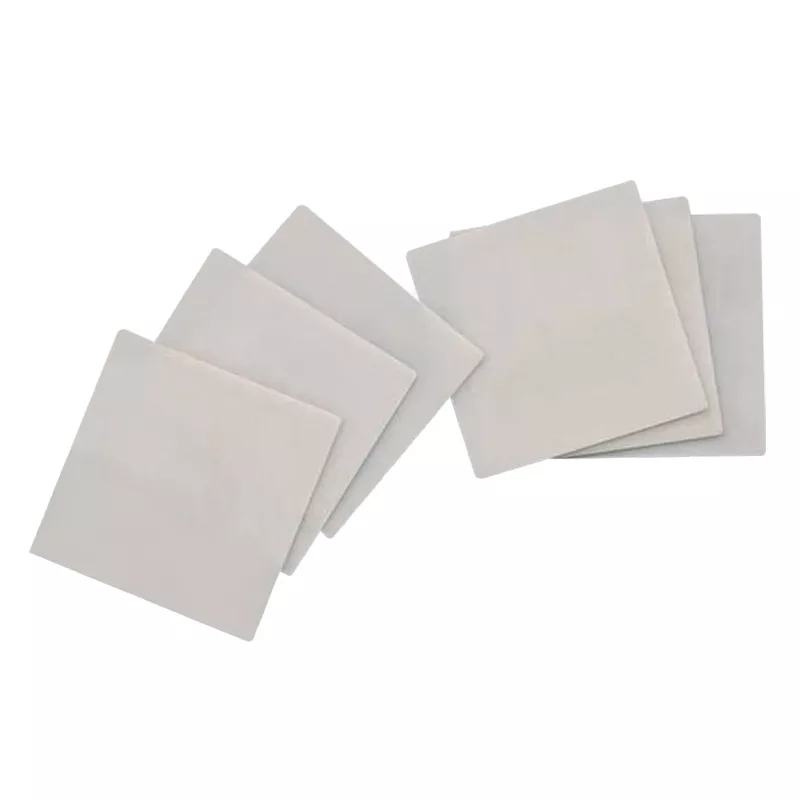
Related Cordierite Ceramic Products and Quotation


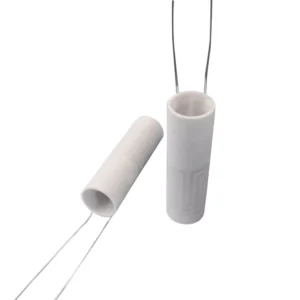
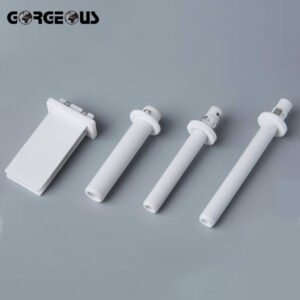
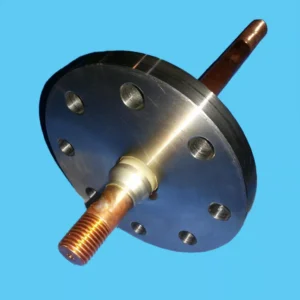
Cordierite Ceramics Thermal Performance: Key Advantages
Evaluate cordierite ceramics thermal performance through clear drawings, material evidence, component geometry, and project-specific sourcing requirements.
Drawing Revision Control
Quote against the current drawing revision, identifying changes that affect interfaces, thermal paths, tolerances, documentation, or acceptance decisions before production discussion begins.
Grade and Property Basis
Separate general cordierite property data from grade-specific values, then confirm the material designation and thermal requirements that apply to the proposed component.
Geometry for Thermal Service
Review wall thickness, openings, length, and mating features together, because geometry influences heat flow, fit, handling, and suitability for the intended equipment.
Functional Surfaces and Interfaces
Identify sealing, mating, mounting, and contact surfaces that determine assembly behavior, thermal transfer, and replacement-part compatibility within the operating system.
Inspection Evidence for Approval
Define dimensional checks, surface requirements, material confirmation, and requested records so inspection evidence supports engineering review and project-specific acceptance criteria.
Application Conditions and Quantity
Share operating temperature, cycling, atmosphere, load, quantity, and delivery context so Porcecore can frame a relevant sourcing discussion without overstating catalogue suitability.
Technical Ceramic Components and Application Categories
Explore materials, component forms, applications and sourcing resources for equipment projects requiring clear requirements and project-specific technical confirmation.
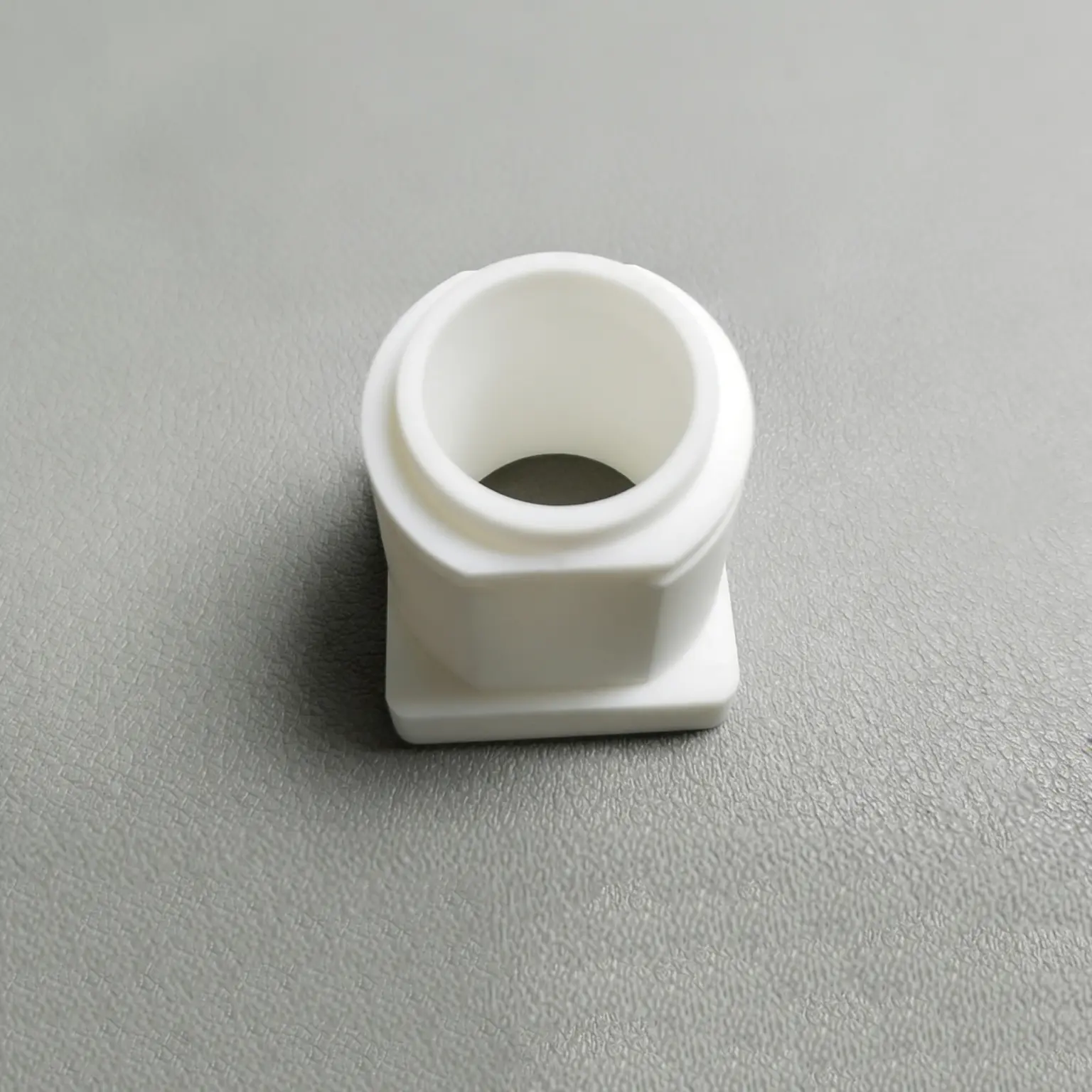
Ceramic Manufacturing Capabilities
Review ceramic manufacturing capabilities by component geometry, material family and process requirement. Use a drawing, target quantity and service conditions to clarify feasible tolerances, finishing, inspection and documentation for tubes, rods, rings, substrates and other industrial parts.
Discuss Your Ceramic Part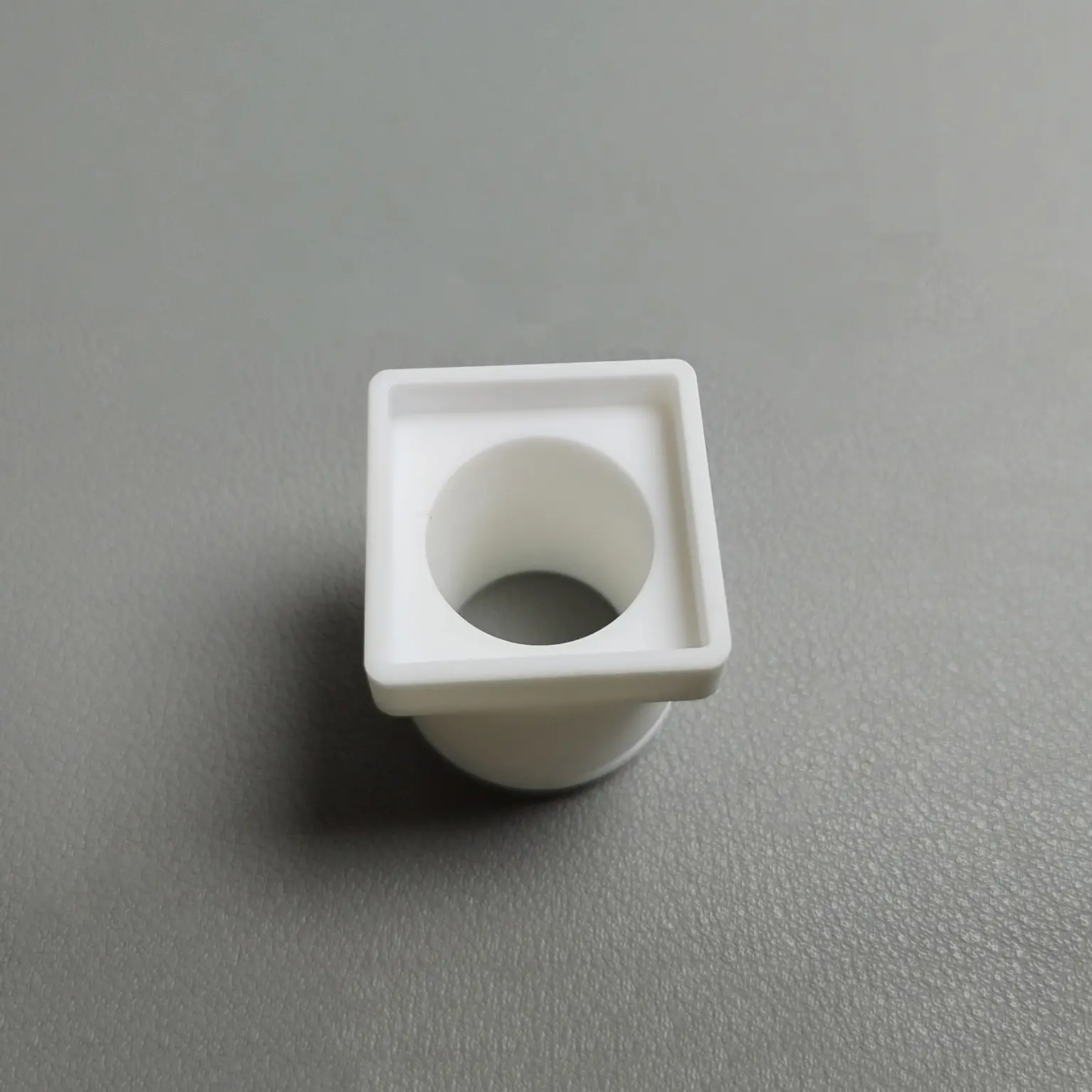
Ceramic Solutions by Industry
Connect advanced ceramics applications with the demands of specific industries, including thermal exposure, electrical insulation, wear, corrosion and dimensional stability. Define the operating environment and assembly interfaces before narrowing material and component options for sourcing.
Discuss Your Ceramic Part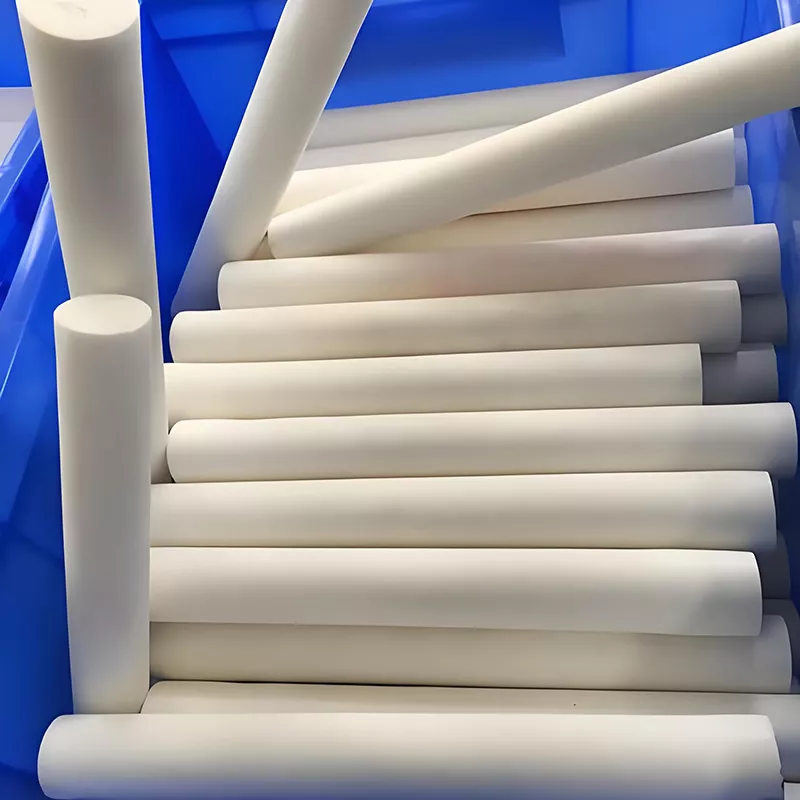
Advanced Ceramic Materials
Explore technical ceramic components and industrial ceramic parts, including custom ceramic components made from alumina ceramics, zirconia ceramics, silicon carbide ceramics, silicon nitride, aluminum nitride, boron nitride and cordierite. Material selection should follow the required thermal, electrical, mechanical, chemical and dimensional performance of the individual application.
Discuss Your Ceramic Part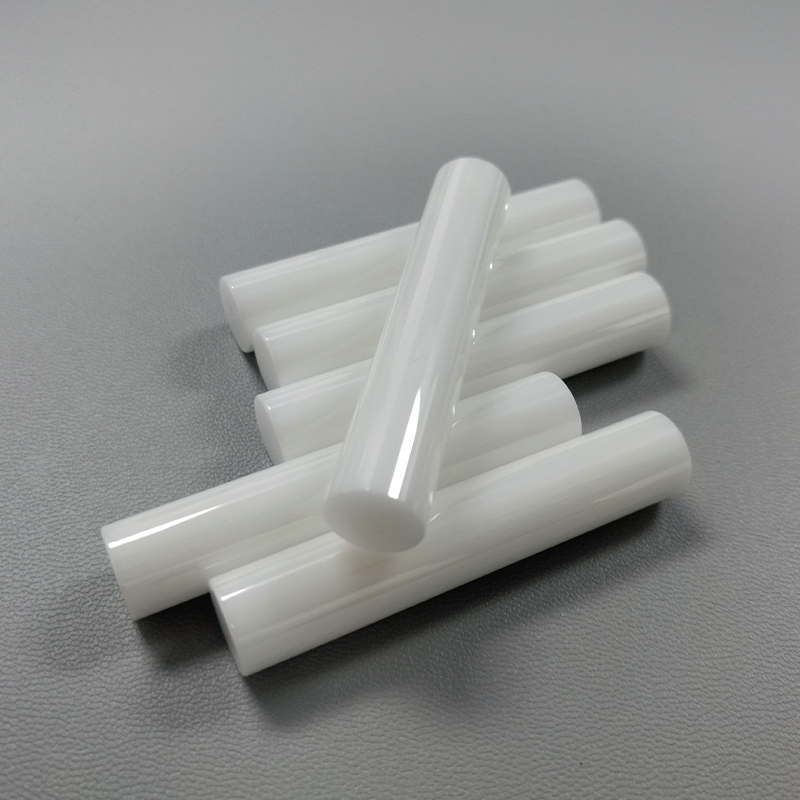
Technical Ceramic Products
Browse technical ceramic products by familiar component forms such as tubes, rods, rings, plates, substrates and custom ceramic components. Product illustrations support initial orientation; grade, geometry, tolerances, mating surfaces and acceptance criteria require confirmation for each project.
Discuss Your Ceramic Part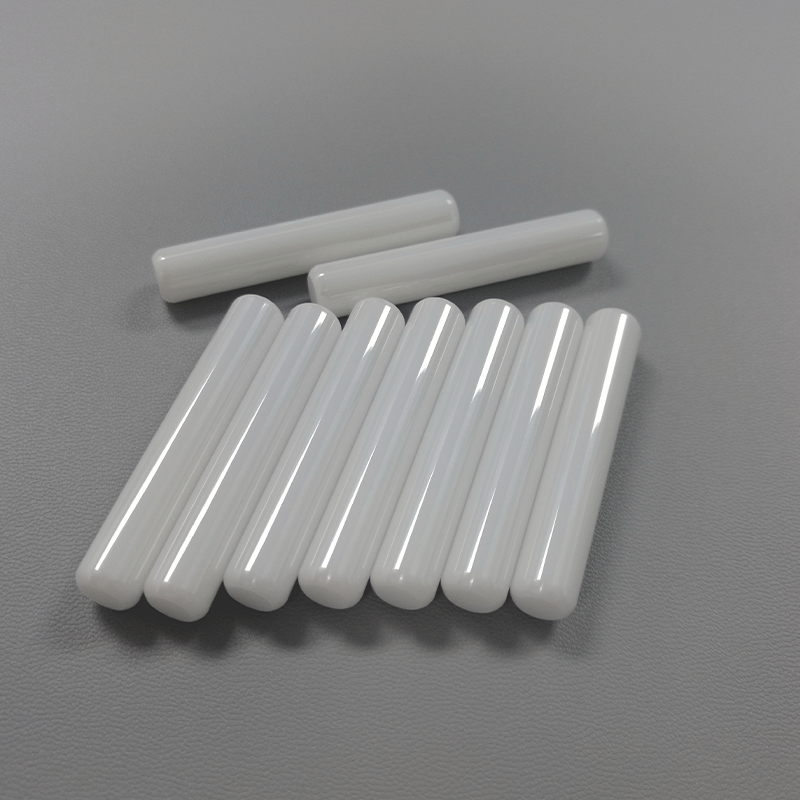
Technical Ceramic Resources
Use technical ceramics guides to clarify material terminology, component requirements and inquiry preparation. A useful request identifies the drawing revision, material designation if known, quantity, service conditions, critical dimensions, inspection expectations and required approval documentation.
Discuss Your Ceramic PartSupported Cordierite Ceramic Materials and Grades
Porous Cordierite Ceramic
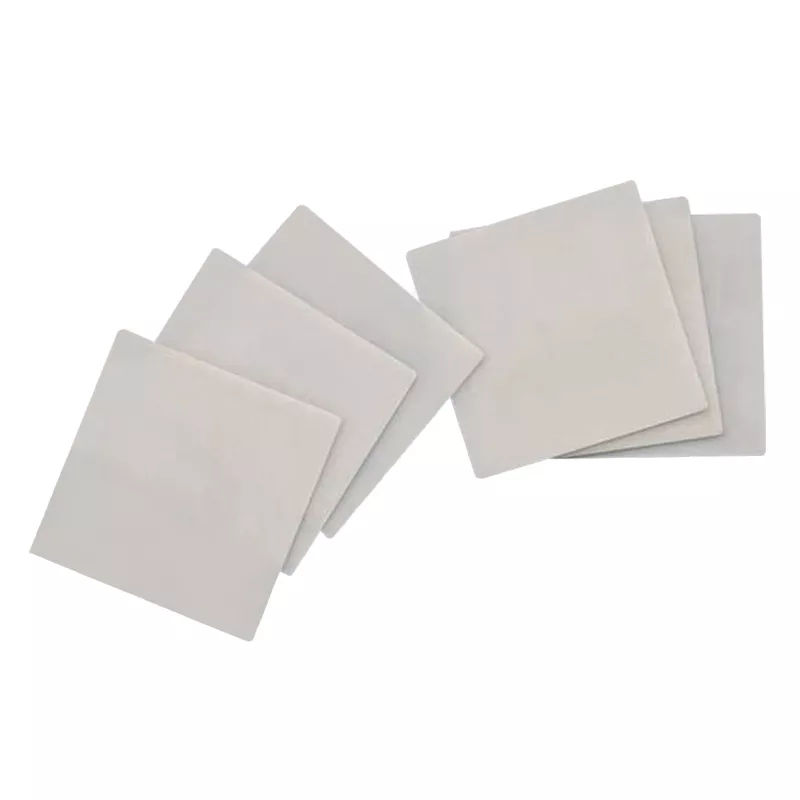
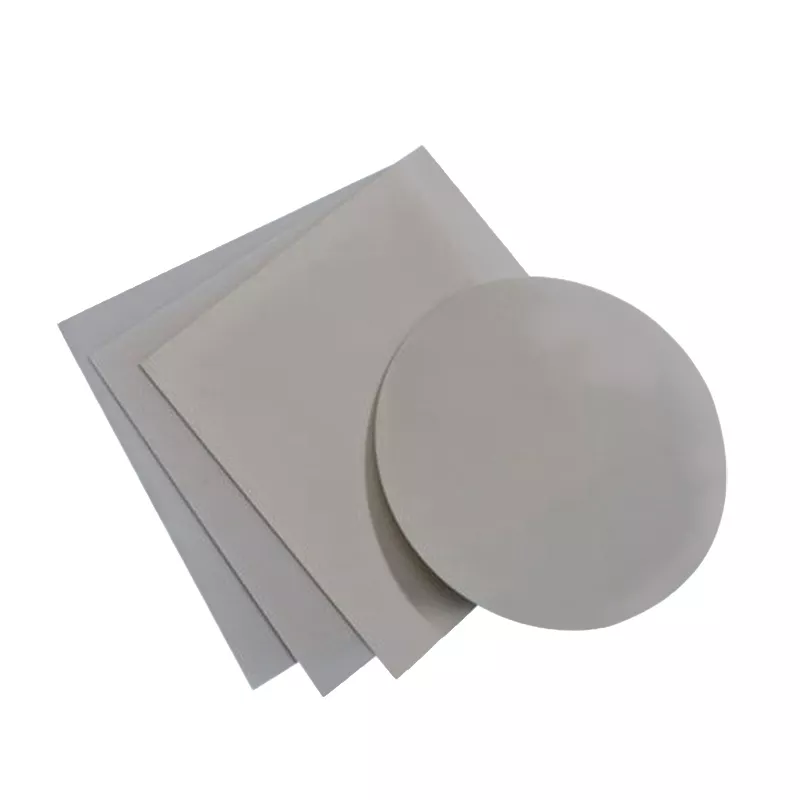
Porous cordierite ceramic combines low thermal conductivity with a lightweight, matte structure for kiln furniture, insulation supports and thermal barriers. Open porosity, strength, permeability and maximum service temperature depend on the selected grade.
Cordierite Mullite Ceramic
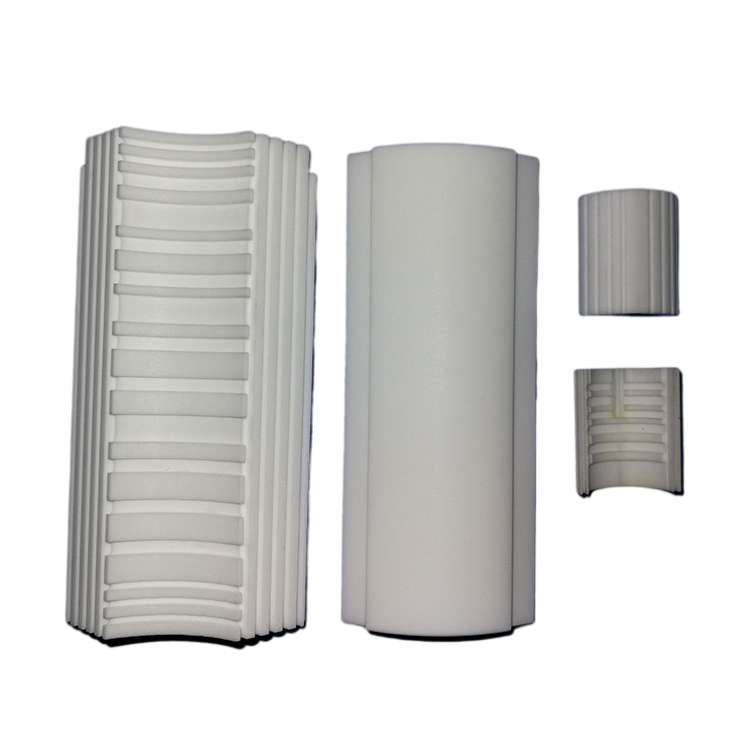
Cordierite mullite ceramic balances cordierite’s thermal-shock behavior with mullite-based stiffness for demanding kiln, furnace and heat-treatment components. The material’s phase balance, density, finish and dimensional tolerances should be specified project by project.

Machined Cordierite Grades
Machined cordierite grades support tubes, plates, rings and custom fixtures requiring controlled dimensions and mating surfaces. Thermal expansion, edge condition, surface finish and inspection criteria must be aligned with the approved drawing and application.
Cordierite Ceramic Manufacturing and Project Workflow
Extrusion Forming
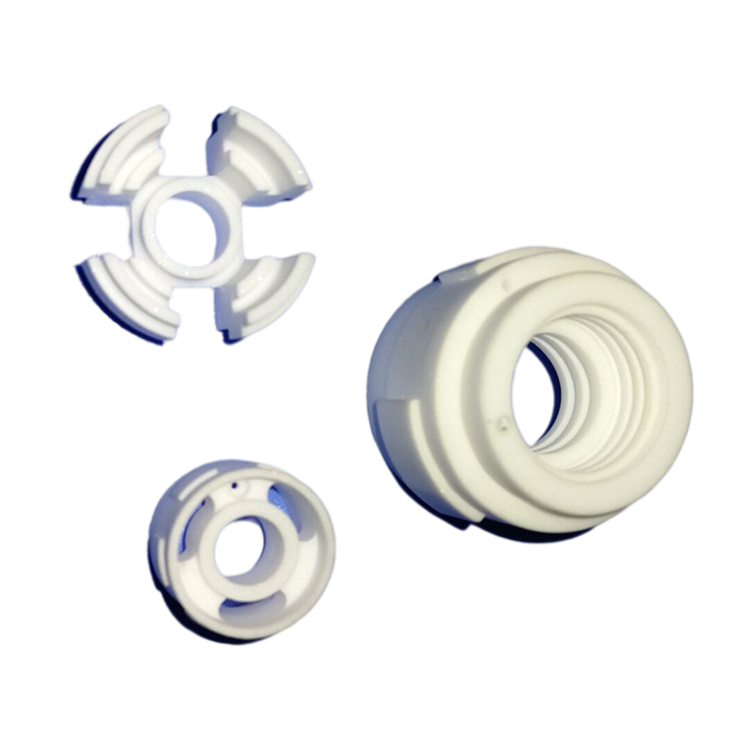
Ceramic material is pushed through a shaped die to produce repeatable tubes, rods and profiles. Cordierite extrusion suitability depends on cross-section, length, tolerances, firing behavior and the surfaces that must mate with other parts.
Press Forming
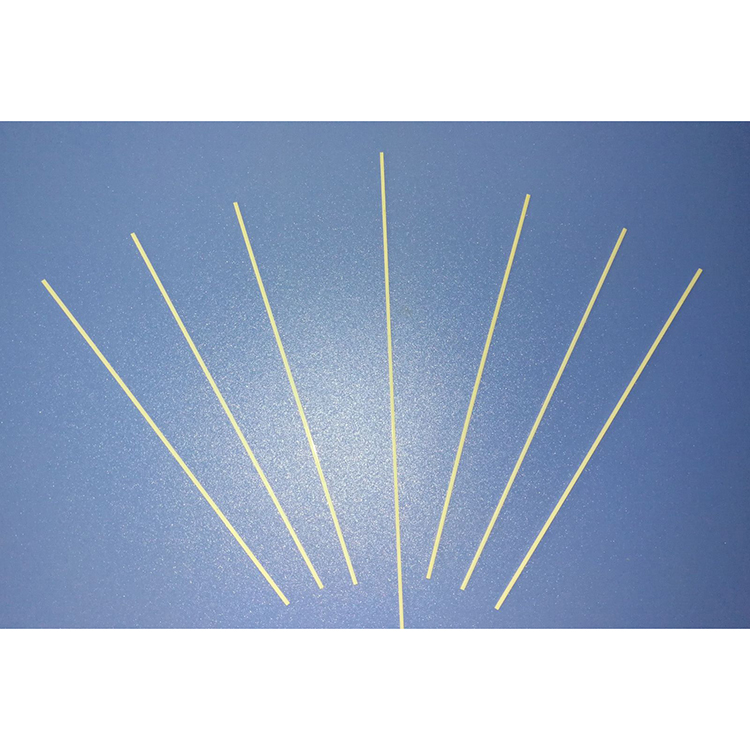
Ceramic powder is compacted in a die for repeatable shapes and controlled production volumes. Cordierite suitability depends on geometry, wall thickness, tooling, tolerances, firing behavior and the acceptance criteria defined for the individual part.

Slip Casting
A ceramic slurry is introduced into a porous mold to form shapes that may be difficult to press. Route selection depends on geometry, section variation, drying behavior, quantity, dimensional control and required documentation.

Green Machining
Unfired cordierite blanks can be shaped or detailed while comparatively machinable, subject to material condition and geometry. Drawing review should define critical features, allowance strategy, firing changes and acceptance requirements before production planning.
Fired Finishing
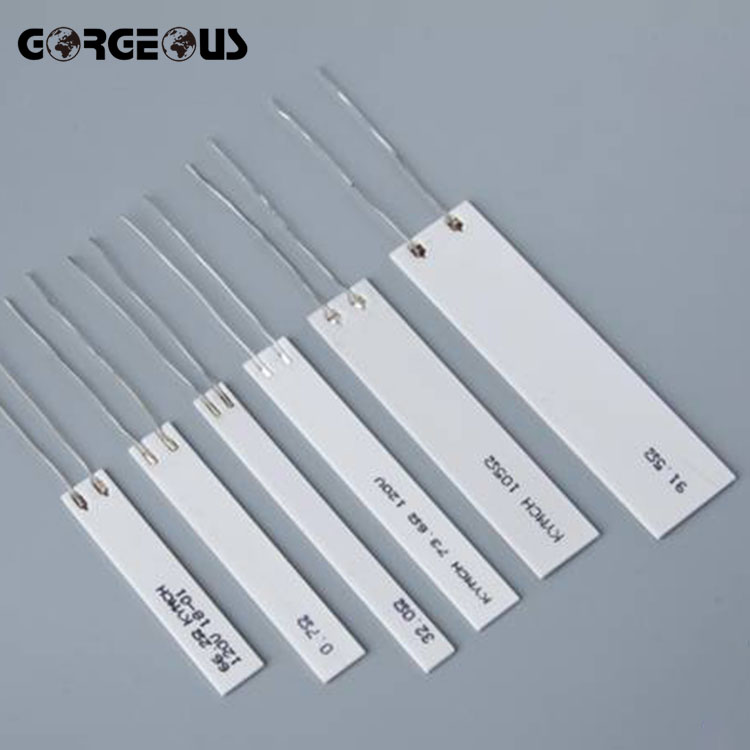
After firing, selected surfaces or features may receive controlled finishing when the drawing requires closer fit or defined surface condition. Feasibility depends on geometry, material grade, tolerance, finish specification and inspection method.
Cordierite Ceramic Components: Interfaces and Finishing
Fitted Interfaces
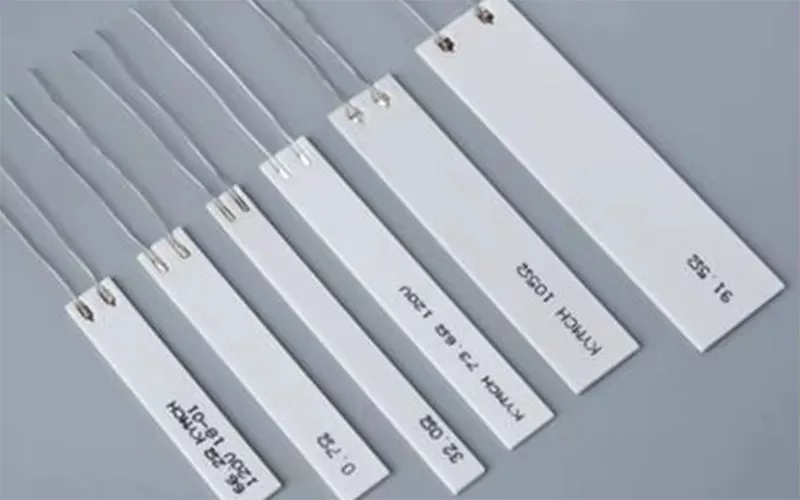
Specify mating surfaces, seats, holes or mounting features that connect the ceramic component to adjacent hardware. These details help align geometry, assembly needs and cordierite ceramics thermal performance requirements.
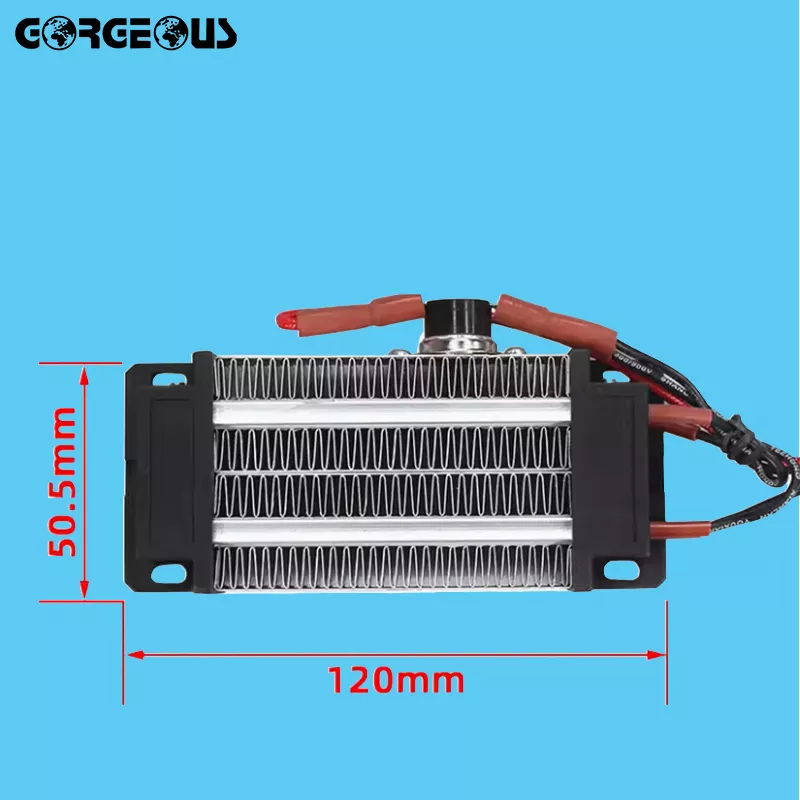
Protective Packaging
Add packaging requirements for fragile tubes, rings, substrates or custom shapes during storage and transport. Cushioning, separation and moisture control can support safe handling before inspection and assembly.
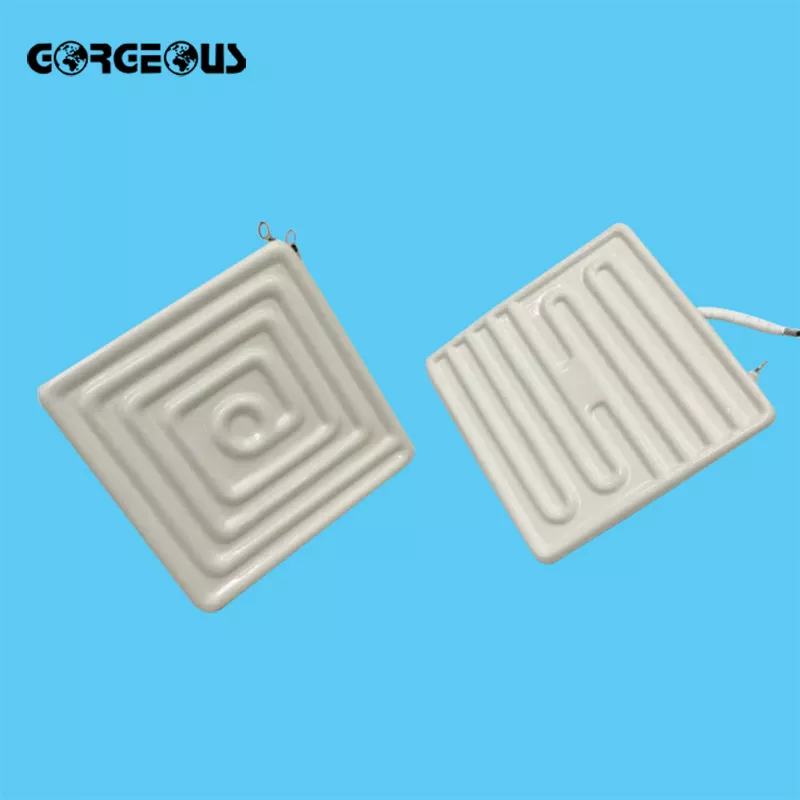
Part Marking
Identify optional marking needs such as batch references, drawing numbers or orientation indicators. Clear identification supports incoming inspection, traceability and correct installation without treating general markings as a contractual specification.
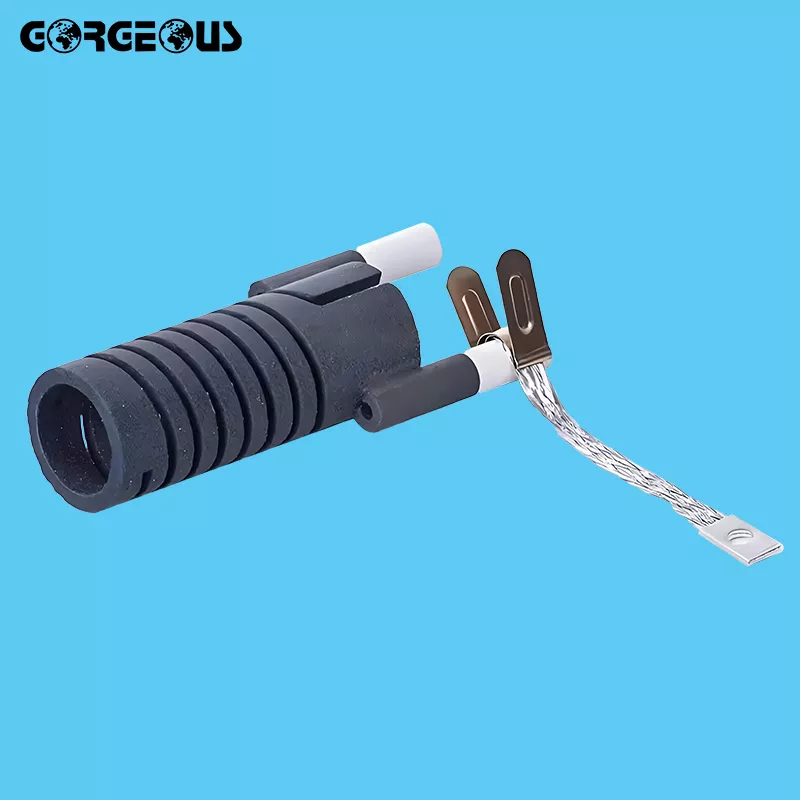
Edge Finishing
Clarify chamfers, radii, polished edges or surface finishing where they affect handling, sealing or fit. Finish expectations should be linked to the drawing, application conditions and acceptance criteria.

Inspection Documents
Request dimensional reports, material documentation or agreed inspection records when approval procedures require them. Documentation scope should be confirmed with the project quotation alongside grade, geometry, tolerances and delivery terms.
Application-First Sourcing for Cordierite Ceramic Components
Founded by Andy Yuan, Porcecore helps industrial procurement teams, engineers and equipment builders connect technical ceramic materials with clearly defined part requirements. Our approach to cordierite ceramics thermal performance begins with the component’s geometry, mating surfaces, operating conditions and inspection expectations—not with a material name alone.
Porcecore’s scope spans oxide, nitride, carbide and specialty ceramics in forms such as tubes, rods, rings and substrates. Product listings and general properties provide a starting point; grade, geometry, tolerances, documentation, delivery and acceptance criteria require project-specific confirmation. Send a drawing, service conditions and quantity to begin a clearer quotation discussion.

Cordierite Ceramics Thermal Performance in Component Design
Geometry Defines Thermal Function
Cordierite ceramics thermal performance depends on how the component is shaped and integrated. Tubes, rings, rods and custom forms should be reviewed with dimensions, wall sections, openings and critical tolerances so the quotation reflects the part’s actual thermal and mechanical role.
- Review overall geometry and critical dimensions
- Identify thin sections, openings and stress-sensitive areas
- Separate functional dimensions from non-critical preferences
- Provide the current drawing revision for quotation

Mating Surfaces Shape Fit
A ceramic component must work with the parts around it. Mating surfaces, interfaces, clearances and assembly direction influence fit, heat transfer and service reliability. Defining these relationships early helps Porcecore distinguish a general material request from a component requirement ready for technical review.
- Mark surfaces that contact or locate other parts
- Define assembly clearances and interface requirements
- Identify sealing, support or alignment functions
- Note surface finish or flatness expectations where relevant

Grade and Service Conditions
Material selection should follow the operating environment rather than a catalogue label alone. Temperature range, thermal cycling, atmosphere, load, exposure and expected service life help determine which cordierite grade and process route should be considered for the project.
- State normal and peak operating temperatures
- Describe thermal cycling, atmosphere and exposure conditions
- Identify mechanical loads or handling stresses
- Confirm the material designation if already specified

Inspection Makes Acceptance Concrete
A useful quotation includes the evidence needed for approval. Dimensions, tolerances, material grade, inspection methods, documentation and acceptance criteria should be discussed together, giving procurement and engineering teams a clear basis for comparing offers and confirming project-specific cordierite requirements.
- List critical dimensions and allowable tolerances
- Define material, visual and dimensional inspection needs
- Specify certificates, reports or traceability documents
- Send acceptance criteria with quantity and delivery expectations

Cordierite Ceramic Components in Design and Quotation
Compare a clearer, drawing-led approach for cordierite ceramic components, project requirements and OEM sourcing decisions.
← Swipe left or right to view →
Cordierite Ceramics Thermal Performance: Our Production Process
Porcecore connects your operating requirements to material selection, component production and documented release decisions through a clear, project-specific workflow.
Review Requirements
Share the drawing revision, quantity, service conditions, mating surfaces, material designation and acceptance criteria so Porcecore can identify essential requirements.
Confirm Materials
We review suitable cordierite grades and component coverage against thermal conditions, geometry and application priorities, distinguishing general properties from grade-specific values.
Form or Machine
After requirements are confirmed, the selected production route supports the component geometry, dimensional needs, surface interfaces and agreed project specifications.
Inspect and Document
Inspection focuses on confirmed dimensions, tolerances, material requirements and agreed acceptance criteria, with documentation prepared according to the project approval expectations.
Pack and Ship
Approved ceramic components are packed for their geometry and handling needs, then shipping details and commercial terms are confirmed for delivery.
Cordierite Ceramic Project Workflow
Move from defined service requirements to a project-specific quotation, sample plan and confirmed production order.
Share Your Drawing
Send the current drawing, material designation if known, quantity, service conditions, mating surfaces and acceptance criteria so Porcecore can frame the requirement.
Review the Quotation
Review the quotation against grade, geometry, tolerances, documentation, delivery expectations and commercial terms, then identify open questions before requesting samples or approval.
Confirm the Sample Plan
Confirm the sample plan, inspection expectations and fit requirements, keeping product illustrations separate from the project specification agreed for your component.
Approve the Production Details
Release production after the final grade, dimensions, tolerances, acceptance criteria, documentation and delivery details are confirmed for the individual order.
How to Work With Porcecore on a Cordierite Ceramic Part

Project Documentation and Compliance Verification
No approved customer testimonial or documented cordierite ceramic case outcome is currently available for publication. Porcecore recommends confirming the component geometry, operating conditions, quantity and acceptance criteria before presenting project-specific performance evidence.
Cordierite ceramics thermal performance should be evaluated against the selected grade, geometry and service conditions. No substantiated numerical result, production quantity or customer outcome has been supplied for this page section.
For a substantiated case review, send the current drawing revision, material designation, operating environment and inspection requirements. Porcecore can then frame the quotation discussion around the requirements that determine thermal and dimensional performance.
Cordierite Ceramics Thermal Performance FAQ
Practical answers for procurement teams evaluating cordierite ceramic parts, thermal requirements and project-specific quotations.
How should we define cordierite ceramics thermal performance for a quotation?
Can Porcecore recommend a grade for our cordierite ceramics thermal performance requirements?
What drawing details affect cordierite ceramics thermal performance and fit?
What quantity, MOQ and lead time should we expect for cordierite ceramic parts?
How are sampling costs and inspection evidence handled?
Can you explain payment and shipping arrangements before we place an order?
How is our drawing and intellectual property treated during a cordierite ceramics thermal performance inquiry?
What information should we send to receive a reliable cordierite ceramics thermal performance quote?
The Complete Guide to cordierite ceramics thermal performance
Use this decision framework to evaluate thermal behavior, material quality, customization, supplier capability, pricing, and launch risks while avoiding common mistakes that compromise reliability, lead times, and total cost.
1. What Is cordierite ceramics thermal performance?
Low thermal expansion is the starting point: cordierite ceramics limit dimensional change as temperature rises, while thermal shock resistance helps parts survive rapid heating and cooling. Temperature stability, controlled heat transfer, and dimensional reliability matter when kiln furniture supports loads, furnace components face cycling, electrical insulation must preserve clearances, or assemblies depend on repeatable fits.
A 20–800 °C service window, heating and cooling rate in °C/min, allowable distortion, and thermal-expansion coefficient are more useful than a generic ‘high-temperature’ label. Buyers should also define thermal conductivity, dielectric requirements where relevant, load, atmosphere, cycle count, and the mating dimensions that cannot drift.
One drawing revision should connect these requirements to measurable acceptance criteria: grade, test method, tolerances, inspection points, and documentation. Porcecore recommends sending the component geometry, operating profile, quantity, and acceptance criteria so a quotation distinguishes general material properties from project-specific values.
2. Evolution of cordierite ceramics thermal performance
Ancient cordierite occurs as a magnesium-aluminosilicate mineral, but early ceramic use depended on variable natural composition and inconsistent impurities. Industrial development shifted toward synthesized cordierite powders, enabling tighter control of phase formation, particle size, and batch chemistry.
20th-century advances in milling, spray drying, extrusion, pressing, and controlled firing converted cordierite into repeatable tubes, kiln furniture, substrates, and insulating parts. Managed peak temperature, soak time, atmosphere, and cooling rate reduced warpage, unwanted phases, and thermal-expansion variation.
Modern porosity control balances low thermal mass with sufficient mechanical integrity and gas-flow behavior. Today’s procurement expectations therefore extend beyond a material name to include density or open-porosity limits, dimensional inspection, thermal-shock evaluation, phase verification, and lot-level documentation tied to the approved drawing.
3. Types of cordierite ceramics thermal performance
Cordierite ceramics thermal performance differs by density, reinforcement, geometry, and duty cycle. The comparison below links common product forms to practical specification priorities.
| Type | Temperature | Shock | Strength; Porosity | Best-fit uses |
|---|---|---|---|---|
| Dense cordierite | 1200–1300°C | Good | High; low | Liners, insulators |
| Porous cordierite | 1000–1200°C | Excellent | Low; high | Kiln insulation |
| Cordierite-mullite | 1300–1400°C | Good | Higher; low | Setter plates |
| Kiln furniture | 1200–1400°C | Good | Medium; low | Racks, trays |
| Heater supports | 1000–1300°C | Excellent | Medium; low | Heating elements |
| Electrical parts | 800–1200°C | Good | Medium; low | Spacers, terminals |
Dense And Porous Grades
Dense cordierite favors rigidity and low permeability.
Porous cordierite favors insulation and rapid thermal response.
Composite And Kiln Furniture
Cordierite-mullite adds load capacity at elevated temperature.
Kiln furniture prioritizes repeatable support and low mass.
Heater And Electrical Parts
Heater supports need clearance, strength, and thermal cycling.
Electrical parts add dielectric isolation and dimensional control.
4. Materials behind cordierite ceramics thermal performance
Talc and kaolin establish the cordierite-forming base, while alumina, silica, additives, and firing conditions tune the final balance. Grain structure and porosity then determine how that formulation behaves in service.
| Choice | Trade-off | Manufacturing implication | Suitable applications |
|---|---|---|---|
| Talc-rich base | Low expansion; process sensitivity | Tight firing control | Kiln furniture, insulators |
| Alumina or silica adjustment | Strength or phase-balance changes | Validate shrinkage | Substrates, supports |
| Controlled porosity | Lower mass; reduced strength | Specify density limits | Thermal shields, fixtures |
Formulation Chemistry
Talc promotes cordierite formation; kaolin supplies aluminosilicate structure, while alumina and silica adjust phase balance. Additives can refine sintering, dielectric behavior, strength, or process stability, but require grade-specific validation.
Microstructure And Firing
Porosity lowers strength and dielectric consistency but can reduce thermal mass. Grain size, connectivity, and the firing profile—peak temperature, dwell, and cooling rate—control phase development, dimensional stability, and shock resistance.
Engineering Trade-Offs
Lower thermal expansion generally improves shock resistance, while denser microstructures support strength and dielectric reliability. The suitable formulation depends on geometry, mating surfaces, operating cycle, and inspection criteria.
5. Customization options for cordierite ceramic components
A current drawing should define dimensions, wall thickness, openings, grooves, mating surfaces, tolerances, and service conditions together. For cordierite ceramics thermal performance, geometry changes usually matter more than appearance.
Geometry And Thermal Function
1–3 mm wall changes can affect heat flow, thermal mass, strength, and distortion risk; holes and slots may improve airflow or reduce weight.
Assembly features such as shoulders, locating steps, and clearance zones should be tied to mating parts rather than added decoratively.
Finish, Color, And Glazing
Ra requirements, edge condition, and dimensional tolerance should reflect sealing, sliding, or electrical-contact needs. Color is normally identification, not a thermal-performance control.
Glazing is appropriate only where sealing, contamination resistance, or surface protection justifies its effect on fit and thermal cycling.
Drawings, Tooling, And Samples
A released drawing revision, quantity, and acceptance criteria let Porcecore separate machining, tooling, and inspection requirements. Complex profiles may require dedicated tooling, increasing upfront cost and lead time.
Prototype and validation samples confirm fit, thermal behavior, and assembly before production commitment; sample approval should precede final batch release.
6. Construction quality and thermal performance controls
A dependable cordierite ceramic part reflects control across materials, processing and inspection, not a material name alone. Procurement approval should connect each critical requirement to objective records and production traceability.
Material And Process Control
Raw-material lot consistency and homogeneous mixing establish repeatable cordierite composition, shrinkage and pore structure. Request the material designation, supplier certificate, lot identification, batch records and mixing controls.
Forming accuracy and controlled drying reduce warpage, cracking and density variation before firing. Review forming-process records, drying conditions and documented kiln uniformity, including firing-cycle data for the production lot.
Porosity And Dimensional Inspection
Porosity directly affects strength, thermal behavior and gas or liquid penetration. Request grade-specific density or apparent-porosity results, test methods and acceptance limits rather than relying on generic datasheet values.
Dimensional inspection should cover overall size, flatness, roundness, wall thickness and mating surfaces. Require an inspection report tied to the drawing revision, sampling plan and calibrated equipment.
Thermal Testing And Traceability
Thermal-shock testing should reflect the intended temperature range, cycle count, heating and cooling conditions, and failure criteria. Ask for representative test data, not only a pass statement, plus any relevant thermal-expansion results.
Before approval, request a certificate of conformity, raw-material and process traceability, final inspection records and retained-sample policy. Porcecore can review these requirements against the drawing, service conditions and acceptance criteria.
7. How to choose a cordierite ceramics manufacturer
Three checks—technical fit, approval discipline, and delivery control—separate a suitable manufacturer from a low-price source. Compare evidence against the component requirement, not catalog language alone.
Verify Technical Capability
Formulation expertise, kiln control, machining equipment, and tooling determine whether a supplier can repeat the required geometry and thermal behavior.
Ask which grades, forming methods, tolerances, test methods, and engineering reviews apply to your drawing.
| Area | Evidence to Request |
|---|---|
| Formulation | Grade range and property data |
| Tooling | Tool ownership and revision control |
| Testing | Dimensional and thermal reports |
| Export | Packaging and shipping experience |
Control Approval And Quality
A first article should confirm fit, surfaces, dimensions, and acceptance criteria before volume release. Clarify sample charges, MOQ tiers, inspection plans, traceability, and nonconformance handling.
Require quality-system evidence and testing capacity appropriate to the component risk, rather than accepting generic certificates.
Assess Porcecore By Requirement
Porcecore should be assessed through the drawing, service conditions, quantity, documentation, and delivery requirement supplied for each inquiry.
Compare technical responses, sample approval discipline, packaging, and communication clarity alongside price; confirm material grade, tolerances, testing, and commercial terms before ordering.
8. Common mistakes when buying cordierite ceramics
Seven buying errors repeatedly turn acceptable cordierite parts into unstable assemblies. The corrective check is to connect thermal, dimensional, material, data, tooling, and quotation requirements before comparing suppliers.
Define The Thermal Duty
Maximum temperature alone misses dwell time, gradients, atmosphere, and thermal cycling; cracking or distortion can follow even below the stated limit. Purchasing check: specify ramp rates, cycle count, dwell periods, heat flux, atmosphere, and allowable change after testing.
Control Geometry And Porosity
Tolerances, flatness, surface finish, and mating features determine assembly fit; overlooking them can cause leakage, misalignment, or premature breakage. Density without porosity context can mislead strength and permeability decisions. Purchasing check: identify critical dimensions, inspection methods, grade, open porosity, and density basis.
Verify Scope And Evidence
Unverified test data may represent another grade, specimen geometry, or laboratory method, while underestimated tooling creates late charges and schedule delays. Quotes with different machining, inspection, packaging, or tooling scopes are not comparable. Purchasing check: request traceable reports and an itemized commercial scope.
9. Steps to launch a cordierite ceramic component program
The first 8 decisions should connect the component’s duty to measurable thermal loads, interfaces, and approval evidence. A drawing-led sequence keeps equipment builders, distributors, and OEM teams aligned before repeat supply begins.
Define The Requirement
1. Record temperature range, ramp rate, thermal gradients, atmosphere, cycle count, mounting loads, mating surfaces, and inspection criteria.
2. Review the current drawing revision, then select a cordierite grade against the duty rather than a generic material label.
Sample And Approve
3. Order prototype samples with critical dimensions identified, then test thermal cycling, fit, leakage, strength, and relevant electrical behavior.
4. Approve the design using recorded results, drawing tolerances, material designation, documentation, and a defined change-control route.
Pilot And Repeat
5. Run a pilot lot before private-label launch; validate machining consistency, protective packaging, labeling, and distributor handling.
6. Lock repeat-order controls: revision, quantity, acceptance criteria, packing method, delivery terms, and inspection records.
10. Cordierite ceramics pricing and total cost
8 cost drivers shape cordierite component cost: material grade, geometry, tooling, machining, firing yield, tolerances, testing, packaging, quantity, and shipping. A unit-price comparison is incomplete unless scrap, inspection, protective packing, freight, and qualification work are included.
±0.1 mm tolerances, complex holes, tight mating surfaces, and post-fire machining can raise cost materially. Testing requirements and packaging for fragile tubes, rings, or substrates should be specified before quotation; indicative bands below are planning ranges, not contractual offers.
1,000 pieces usually reduce setup allocation, but total cost still depends on yield and logistics. Provide the drawing revision, grade, quantity, service conditions, acceptance criteria, and destination to establish a comparable landed-cost basis.
| Quantity Tier | Indicative Unit-Price Band | Tooling Status | Lead-Time Range | Key Assumptions |
|---|---|---|---|---|
| 1–10 | $25–$150+ | New or adaptable | 4–8 weeks | Prototype geometry; basic inspection; freight excluded |
| 11–100 | $10–$75 | Setup allocated | 6–10 weeks | Standard grade; moderate tolerances; normal yield |
| 101–1,000 | $3–$35 | Existing or shared | 8–14 weeks | Repeatable geometry; batch firing; standard packaging |
| 1,001+ | $1.50–$20 | Dedicated tooling may pay back | 10–18 weeks | Forecast quantity; agreed tolerances; consolidated shipping |
Discuss Cordierite Ceramics Thermal Performance for Your Part
Send a drawing or describe the component, operating environment and acceptance criteria so Porcecore can frame a clear quotation discussion.