
Silicon Carbide Ceramic Components for Defined Part Requirements
Connect your silicon carbide ceramic component to its drawing, service conditions, mating surfaces, and acceptance requirements.
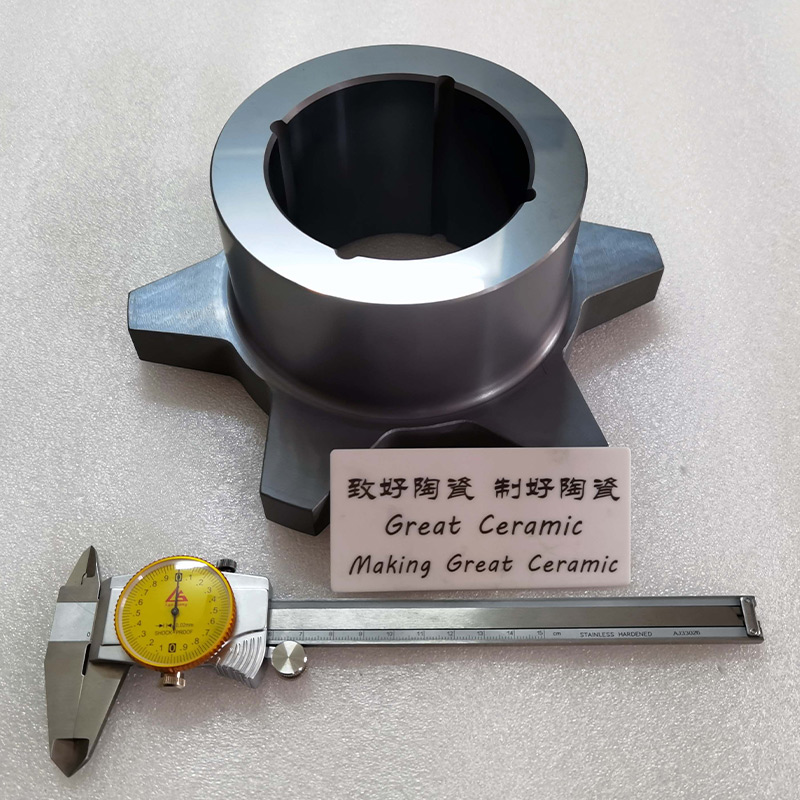
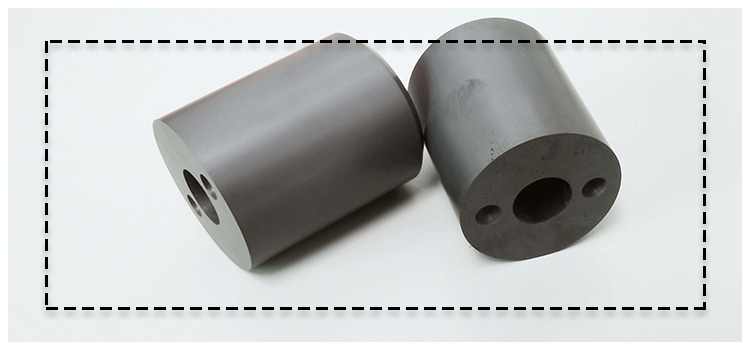
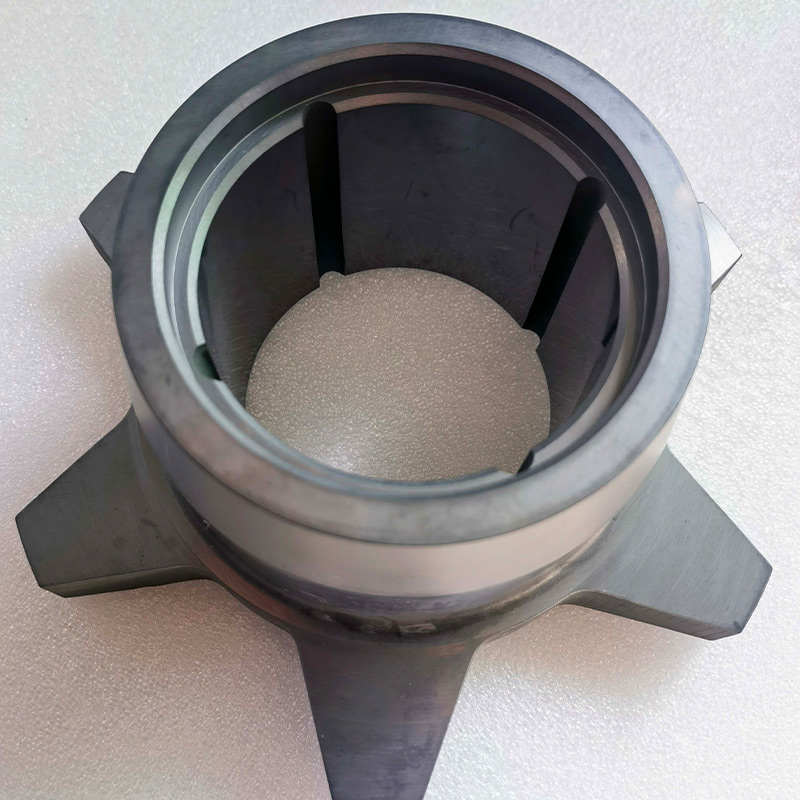
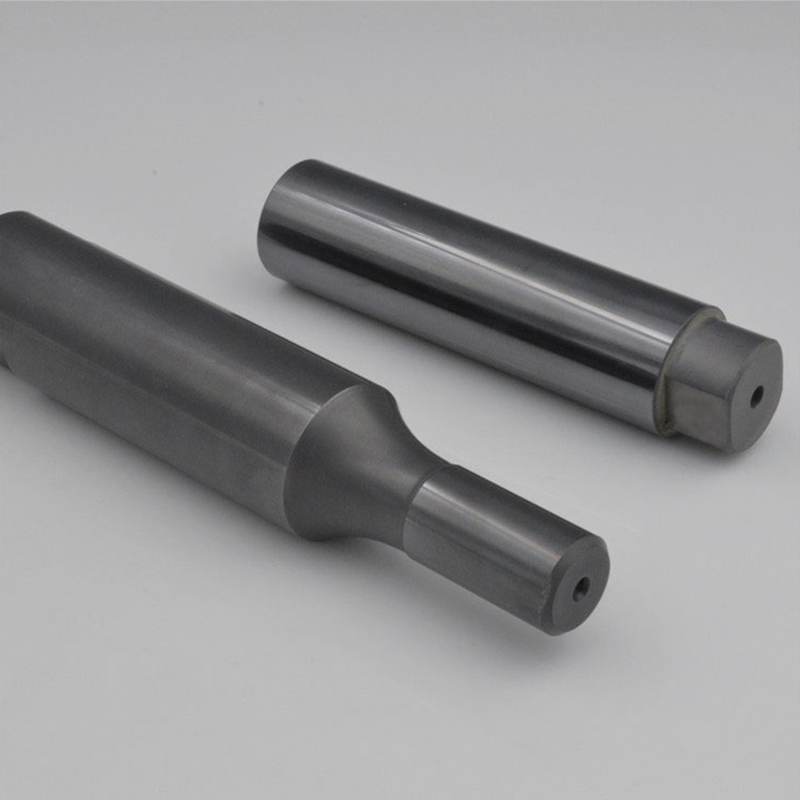
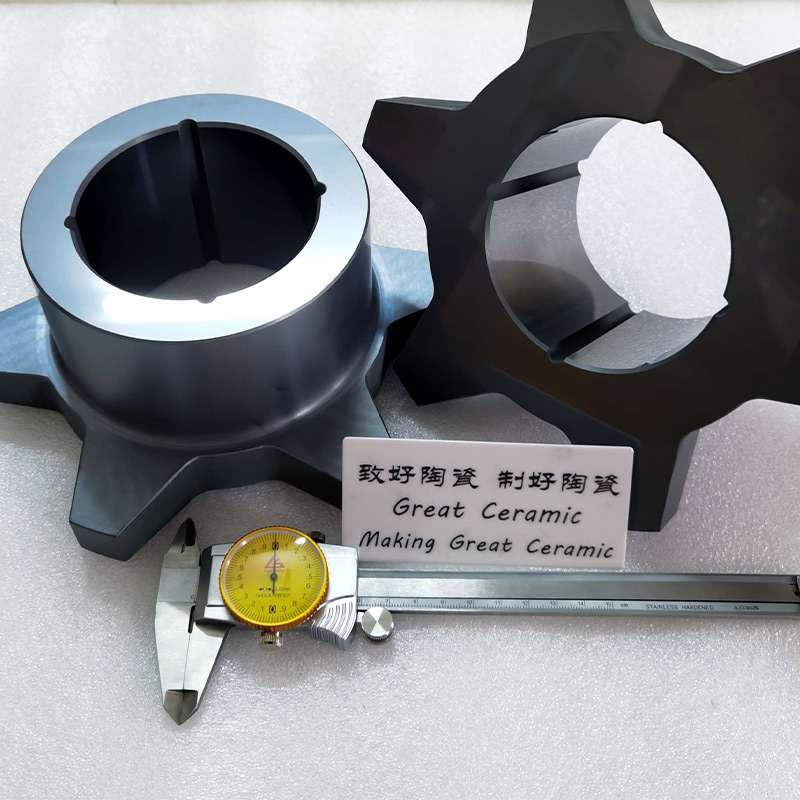
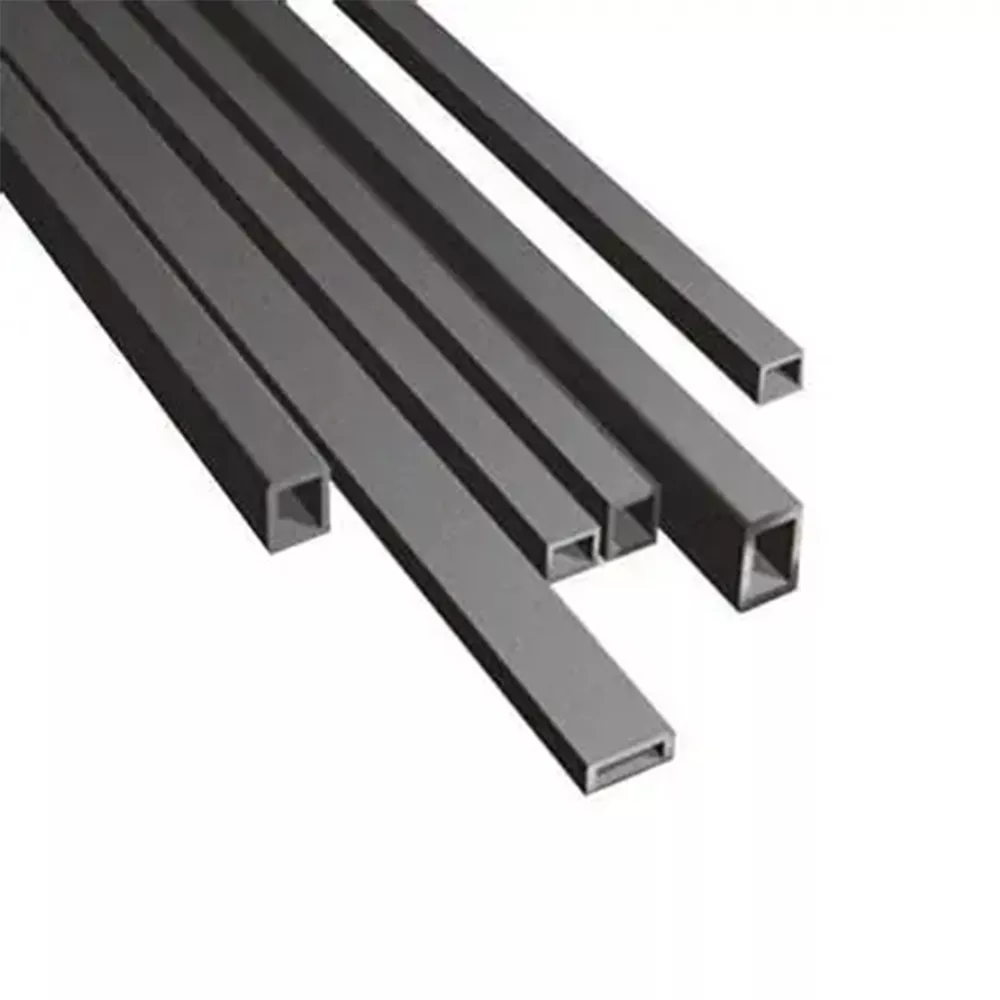
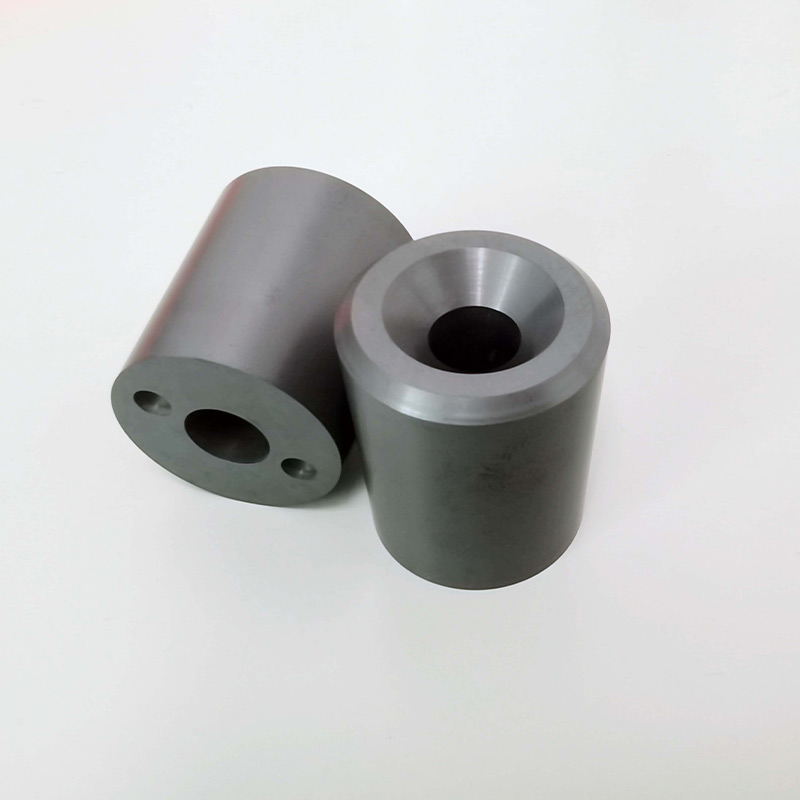
Featured Silicon Carbide Ceramic Components

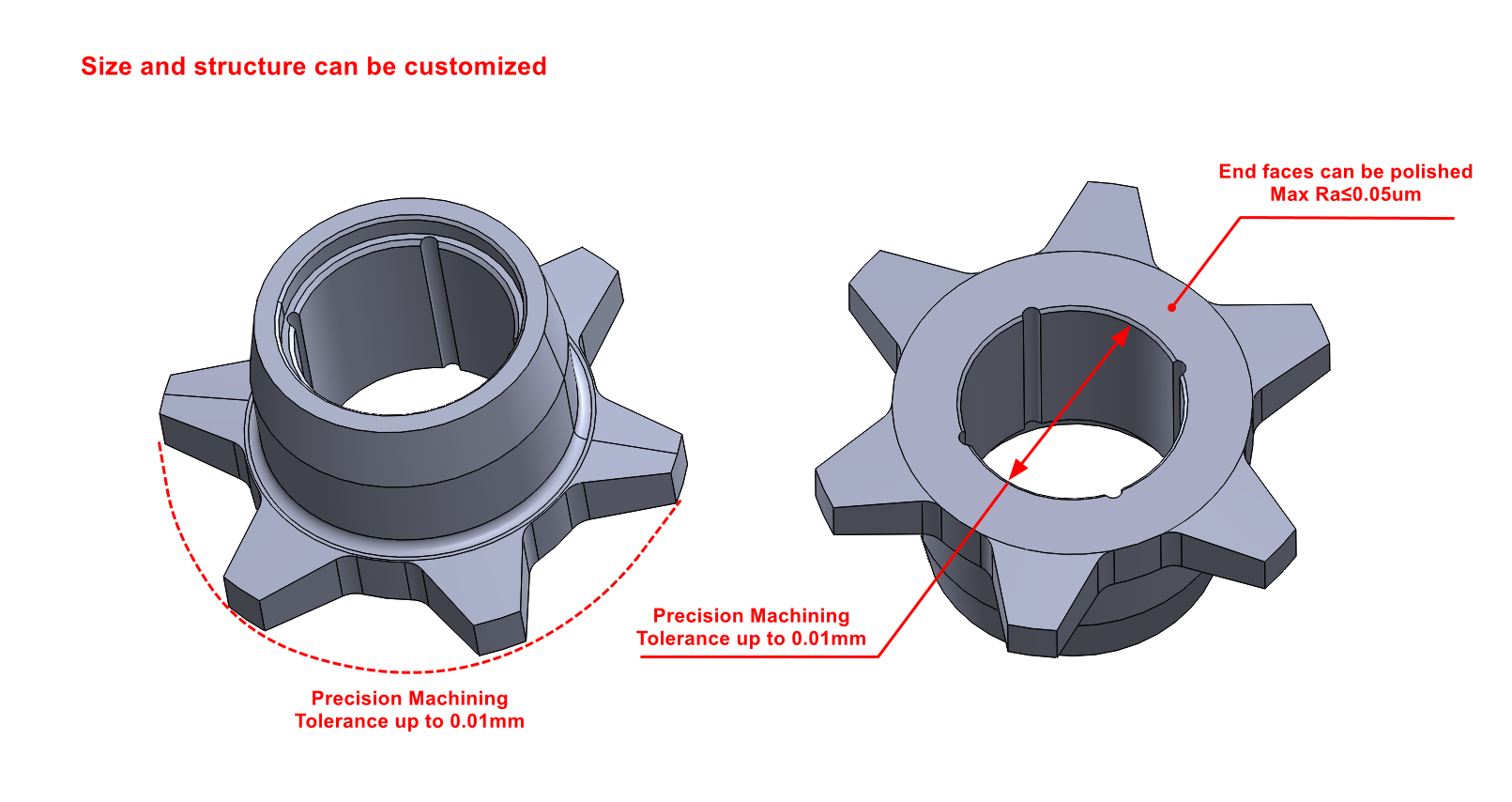

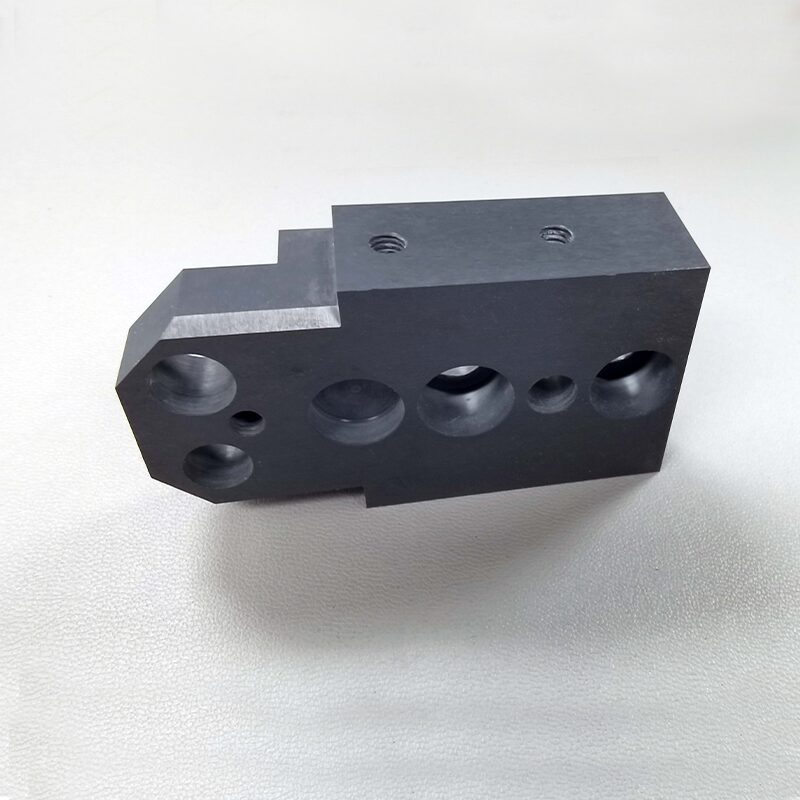
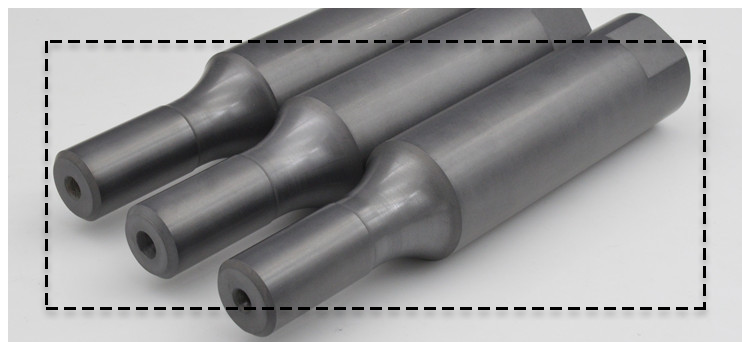
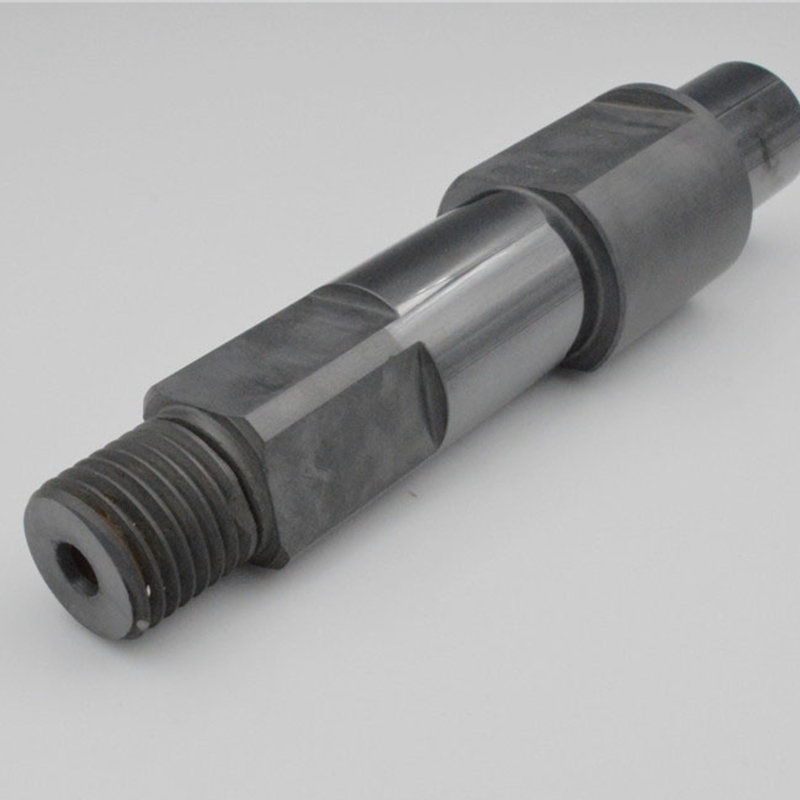


Related Silicon Carbide Components and Quotation




Six Checks Before Specifying a Silicon Carbide Component
Connect service conditions, part geometry, functional surfaces, and acceptance expectations before narrowing a silicon carbide component inquiry.
Drawing Revision and Control
Start with the current drawing revision so dimensions, tolerances, material callouts, and open questions are tied to the part your team intends to source.
Grade Linked to Service
Describe temperature, media, wear, electrical, and thermal conditions so the proposed material grade can be discussed against the actual operating environment.
Geometry Shapes Function
Identify the dimensions that govern assembly, flow, loading, or thermal contact. A tube, ring, plate, or custom form needs more than a material name.
Mating Surface Requirements
Mark surfaces that seal, locate, slide, clamp, or interface with another part. These functional areas help focus the quotation discussion on what matters.
Process Route Considerations
Discuss forming, machining, finishing, and feature complexity in relation to the drawing. Process choices should support the required geometry and intended use.
Inspection Evidence and Packaging
State the acceptance criteria, requested records, identification needs, and packaging expectations early, so the inquiry reflects how the component will be received and approved.
Silicon Carbide Components by Form and Application
Explore material, component and application pathways, then frame an inquiry around the geometry, operating conditions and acceptance requirements that matter to your project.

Ceramic Manufacturing Capabilities
Review ceramic manufacturing capabilities in relation to the part requirement: forming route, geometry, machining features, mating surfaces and inspection needs. Share the current drawing revision, quantity and critical dimensions so feasibility and quotation discussions can be based on defined requirements.
Discuss Your Ceramic Part
Ceramic Solutions by Industry
Explore advanced ceramics applications across industrial equipment, thermal processes, wear environments, electrical systems and chemical service. Application context helps identify the relevant loading, temperature, media, insulation or wear considerations before a material and component form are discussed.
Discuss Your Ceramic Part
Advanced Ceramic Materials
Compare advanced ceramic materials including alumina, zirconia, silicon carbide, silicon nitride, aluminum nitride and boron nitride. Material family names provide a starting point; grade-specific properties, geometry, service conditions and acceptance criteria require project-level confirmation.
Discuss Your Ceramic Part
Technical Ceramic Products
Browse technical ceramic products by familiar forms such as tubes, rods, rings, plates, substrates and drawing-based components. Use each product view to identify the intended function, then provide dimensions, tolerances, mating features and required documentation for a clearer inquiry.
Discuss Your Ceramic Part
Technical Ceramic Resources
Use this technical ceramics guide to prepare a drawing-led inquiry. Identify the component function, operating environment, critical surfaces, material designation if known, quantity and inspection expectations. Send the details to info@zlrsmaterials.com or WhatsApp +86 130 6482 5920 to begin a project discussion.
Discuss Your Ceramic PartSilicon Carbide Material Considerations


Reaction-Bonded Silicon Carbide
Consider reaction-bonded SiC for components whose geometry, operating temperature, and process environment need review together. Material composition, dimensional requirements, mating interfaces, and acceptance criteria should be defined before quotation.

Nitride-Bonded Silicon Carbide
Use the application discussion to assess whether nitride-bonded SiC suits the intended thermal duty and mechanical environment. Identify the component form, temperature cycling, load conditions, and any surfaces that control assembly.

Recrystallized Silicon Carbide
For high-temperature component concepts, review recrystallized SiC alongside the required geometry and service environment. Provide the drawing revision, operating conditions, quantity, and documentation needs so suitability can be evaluated project by project.

Application-Specific SiC Grade
A silicon carbide material name alone does not define a quotable part. Clarify density expectations, thermal behavior, wear exposure, chemical environment, tolerances, and the grade designation if it is already known.
Processing Options for Silicon Carbide Components

Powder Preparation
Powder selection and preparation establish the starting material discussion for a SiC part. Grade, additives, particle characteristics, and contamination sensitivity should be reviewed against the application and required component performance.

Part Forming
Forming defines how the initial shape may be made before densification. Simple tubes, plates, rings, or more complex geometries require a drawing-led review of wall sections, features, quantity, and practical manufacturing constraints.

Controlled Sintering
Sintering consolidates the formed ceramic body and influences final dimensions and material behavior. The appropriate route must be discussed with the specified grade, operating environment, geometry, and inspection expectations for the individual project.

Diamond Grinding
Diamond grinding may establish critical outside diameters, bores, faces, and mating surfaces after sintering. Identify assembly-driving dimensions, tolerances, runout needs, and edge conditions so the quotation conversation addresses the right features.

Surface Finishing
Lapping, polishing, or other finishing discussions focus on surfaces that seal, slide, align, or contact another component. Define the relevant finish requirement, flatness, parallelism, edge condition, and acceptance method on the current drawing.
Assembly Details for Silicon Carbide Components

Fit Surfaces
Mark every surface that mates with a shaft, housing, seal, or adjoining component. Include critical diameters, flatness expectations, contact areas, and any dimensions that directly determine assembly fit.

Mounting Holes
Specify hole locations, diameters, depths, and whether holes are through, blind, counterbored, or countersunk. Note datum references and any hardware or alignment function the holes must support.

Sealing Grooves
Define groove profile, location, depth, width, and the sealing element involved. Sharing the mating condition and service environment helps focus the quotation discussion on the features that matter.

Threaded Interfaces
Identify thread size, pitch, engagement length, and the component that will mate with the feature. For ceramic parts, clarify whether an insert, bonded assembly, or alternative connection is being considered.

Edge Conditions
Call out chamfers, radii, deburring needs, and edges exposed during handling or assembly. These details can affect part handling, mating behavior, inspection, and the interpretation of drawing requirements.

Surface Finish
State the surfaces requiring grinding, lapping, polishing, or a defined roughness target. Distinguish functional contact surfaces from noncritical areas so the project team can review priorities clearly.
Silicon Carbide Ceramics Applications and Component Selection
Porcecore was founded by Andy Yuan to make technical ceramic sourcing easier to begin and more useful for industrial buyers. Our mission is application-first: connect the part’s job, operating environment, geometry, and mating surfaces before treating a material name as a complete specification.
We support technical ceramic components and industrial ceramic parts across oxide, nitride, carbide, and specialty ceramic families, including alumina ceramics, zirconia ceramics, silicon carbide ceramics, silicon nitride, aluminum nitride, and boron nitride. Custom ceramic components such as tubes, rods, rings, and substrates are reviewed against the individual project’s material designation, dimensions, service conditions, quantity, and acceptance criteria.
Our difference is drawing-led communication and clarity before commitment. Send the current drawing revision, identify assembly-critical surfaces and documentation needs, and we can help frame a more concrete quotation discussion. Contact info@zlrsmaterials.com or WhatsApp +86 130 6482 5920 to start.

Silicon Carbide Ceramics Applications and Component Selection, Made Quotable
Start With the Operating Job
Define the medium, temperature range, wear mechanism, pressure exposure, electrical role, and duty cycle before selecting a silicon carbide component. This gives the material discussion practical context and helps identify which performance questions need project-specific confirmation.
- Describe the process medium and contaminants
- State continuous and peak operating conditions
- Identify wear, corrosion, or thermal concerns
- Clarify the component's functional role

Make Critical Geometry Visible
A drawing turns a general component idea into a reviewable part requirement. Mark the dimensions that control assembly, include the current revision, and distinguish nominal features from surfaces where tolerance, flatness, or finish may affect fit and function.
- Provide the latest drawing revision
- Flag assembly-defining dimensions
- Identify bores, faces, and sealing areas
- Note required tolerances and surface finish

Define Mating Surface Expectations
For rings, tubes, bushings, plates, and custom shapes, the interface matters as much as the material family. Explain what the SiC part contacts, how it is retained, and whether alignment, sealing, sliding, or thermal transfer governs the design.
- Name the mating material or component
- Describe the fit and retention method
- Identify sliding or sealing interfaces
- Note thermal expansion considerations

Set Inspection Before Quotation
Silicon carbide ceramics applications and component selection become more actionable when acceptance expectations are shared early. Specify the checks, records, visual criteria, and documentation needed for approval so the quotation discussion can separate essential requirements from preferences.
- List required dimensional inspections
- Define visual or edge-condition criteria
- Request needed material or inspection records
- State quantity and delivery requirements

Clear Requirements vs. Material-Only Inquiries
Compare a drawing-led project conversation with a material-only request before asking for a project-specific quotation.
← Swipe left or right to view →
A Practical Path from Requirement to Shipment Discussion
Silicon carbide ceramics applications and component selection progress more clearly when material, geometry, service conditions, and acceptance expectations are reviewed together.
Define the Part Function
Describe the application, operating environment, mating components, and the function the silicon carbide part must perform within the equipment or assembly.
Share Current Drawing Details
Send the current drawing revision, material designation if known, key dimensions, fit-critical surfaces, quantity, and any available reference part information.
Clarify Material and Geometry
Review proposed grade considerations, component form, geometry, service conditions, and open technical questions before treating a material name as a complete specification.
Discuss Quotation Basis
Align the quotation discussion around the defined requirement, requested quantity, machining needs, documentation, delivery considerations, and commercial details requiring project-specific confirmation.
Confirm Inspection Expectations
Identify acceptance criteria, inspection points, dimensional tolerances, surface requirements, and documentation needed for approval so the agreed part requirement is clearly understood.
Confirm Packing and Delivery
Review packing preferences, delivery requirements, final documentation, and shipment details after the component requirement and commercial terms have been confirmed for the project.
Silicon Carbide Ceramics Applications and Component Selection: Work with Porcecore
Move from an operating requirement to a clearly defined quotation basis before confirming project terms.
Send Your Current Drawing
Share the current drawing revision, component form, quantity, known material designation, service conditions, and acceptance criteria for your silicon carbide ceramic part.
Clarify Critical Requirements
Identify assembly-driving dimensions, mating surfaces, tolerances, operating environment, documentation needs, and open questions so the application and component selection discussion has practical direction.
Review the Quotation Basis
Review the proposed basis for grade, geometry, inspection expectations, quantity, delivery discussion, and commercial terms before treating any quotation as a project commitment.
Confirm Agreed Project Terms
Confirm the individual project requirements, including drawing details, material grade, documentation, delivery, and commercial terms, before proceeding toward an agreed production order.
Documentation Requirements for Silicon Carbide Components
Silicon Carbide Ceramics Applications and Component Selection: Approved Project Evidence
Approved customer evidence will be published after the customer, application context, attributable outcome, and any stated metrics have been reviewed and authorized for publication.
This position is reserved for a verified project account describing how drawing details, service conditions, and acceptance requirements supported a more informed silicon carbide component discussion.
A future approved testimonial may document a specific sourcing outcome, with the component form, requirement scope, and customer attribution confirmed before any performance or delivery claim is published.
Silicon Carbide Ceramics Applications and Component Selection FAQ
Clarify the technical and commercial inputs before requesting a project-specific quotation.
What should we send for silicon carbide ceramics applications and component selection?
How do silicon carbide ceramics applications and component selection affect grade selection?
Why do drawings matter in silicon carbide ceramics applications and component selection?
Can Porcecore quote a replacement part without a full specification?
Is there a minimum order quantity for custom SiC components?
Can we request samples before placing a production order?
How are lead time, payment, and shipping handled?
How can we protect drawings and request inspection documentation?
Silicon Carbide Ceramic Components: Buyer’s Guide
Use a practical decision framework to match SiC grades, geometry, operating conditions, and finishing requirements, assess supplier technical capability, compare cost drivers, and avoid specification mistakes that create premature failures or sourcing delays.
1. silicon carbide ceramics applications and component selection Defined
1 component decision begins with its duty cycle: temperature and gradients, abrasive or sliding contact, fluid chemistry, mechanical load, electrical role, and expected shutdowns. Silicon carbide is a candidate when this combination demands high hardness, heat transfer, chemical resistance, or dimensional stability beyond the practical range of the current material.
2 selection stages must remain separate. A material family choice does not establish the grade, wall thickness, stress concentration control, mating-surface finish, tolerance scheme, or allowance for thermal expansion within the assembly.
3 lifecycle risk should guide the specification. Define the failure mode to prevent, cycling frequency, media contaminants, electrical insulation or conductivity requirement, critical dimensions, inspection method, and required records; then qualify the proposed component and supplier against the approved drawing and acceptance criteria.
2. Evolution of Silicon Carbide Engineering
1891 marked Edward G. Acheson’s accidental discovery of synthetic silicon carbide; by 1893, the Acheson furnace enabled industrial abrasive production. That origin still explains a common procurement error: treating every SiC item as an interchangeable abrasive-derived product. https://www.preciseceramic.com/blog/overview-of-silicon-carbide-ceramic.html
20th-century forming, densification, and diamond-finishing methods turned SiC powders into engineered rings, tubes, nozzles, plates, and furnace parts. Modern route choices—such as reaction-bonded versus pressureless-sintered SiC—affect residual phases, achievable geometry, machining allowance, and service fit.
5 application environments now drive the conversation: abrasive wear, high-temperature heat transfer, corrosive process fluids, energy equipment, and electronic thermal management. For silicon carbide ceramics applications and component selection, buyers should request the manufacturing route with the drawing, because a legacy material name alone does not define the finished component.
3. silicon carbide ceramics applications and component selection Types
Four commercial SiC families differ chiefly by bonding route and residual phases. Select a candidate from service medium, thermal cycling, geometry, and cleanliness requirements before comparing prices.
| Family | Key Phase | Typical Review Target |
|---|---|---|
| Reaction-bonded | Residual silicon | Complex wear components |
| Pressureless-sintered | Dense SiC | Seals and precision parts |
| Recrystallized | Porous SiC | Furnace furniture |
| Nitride-bonded | Silicon nitride bond | Refractory components |
Reaction-Bonded SiC
Reaction-bonded SiC is infiltrated with silicon, leaving residual silicon. It suits complex pump, nozzle, and wear shapes; review free-silicon compatibility in hot or chemically demanding duty.
Pressureless-Sintered SiC
Pressureless-sintered SiC is densified without a silicon infiltration phase. It merits review for seals, bearings, and semiconductor hardware where corrosion resistance, purity, and precision finishing dominate.
Recrystallized SiC
Recrystallized SiC has bonded SiC grains and an intentionally porous structure. It suits kiln furniture, radiant tubes, and thermal-shock service, but porosity can limit fluid-tight or contamination-sensitive parts.
Nitride-Bonded SiC
Nitride-bonded SiC uses a silicon-nitride bonding phase. It is practical for refractory kiln components; assess oxidation, thermal cycling, and chemical exposure before specifying wet-process hardware.
4. Materials, Grades, and Property Tradeoffs
SiC performance starts with powder chemistry and processing route, not its material name. Purity, particle-size distribution, residual porosity, binders, additives, and bonding route change the usable property balance.
| Material | Prioritize When | Verify First |
|---|---|---|
| SiC | Wear and heat transfer | Grade, porosity, atmosphere |
| Alumina | Electrical insulation | Thermal gradient tolerance |
| Silicon nitride | Thermal-shock toughness | Corrosion medium |
| Metals | Ductility or joining | Wear and temperature |
| Polymers | Low-load chemical service | Creep and heat limit |
Microstructure Effects
Lower porosity generally raises density, hardness, and heat flow, while pores can reduce strength and alter thermal-shock behavior. Grain size and grain-boundary chemistry also affect crack paths and electrical leakage.
Bonding Route Matters
Reaction-bonded SiC can retain free silicon; pressureless-sintered grades use different additives and densification paths. Those differences can change chemical compatibility, conductivity, machining response, and temperature limits.
Match Duty Conditions
Match every data-sheet value to the actual grade, atmosphere, temperature, load, and cycle count. A room-temperature result or single thermal cycle does not establish duty-cycle performance.
5. silicon carbide ceramics applications and component selection by Industry
Application selection starts with the failure mode, then checks geometry, mating materials, fluid or atmosphere, temperature cycle, and inspection need. Silicon carbide ceramics applications and component selection should stay grade-specific.
| Industry | Typical Components | Dominant Failure | Selection Driver |
|---|---|---|---|
| Pumps and seals | Faces, sleeves | Wear, dry running | Hardness, finish |
| Slurry handling | Liners, elbows | Erosion | Wear resistance |
| Nozzles | Spray tips | Abrasive flow | Hardness |
| Furnace hardware | Beams, rollers | Thermal cycling | Thermal shock resistance |
| Heat transfer | Tubes, blocks | Corrosion, gradients | Conductivity |
| Semiconductor | Carriers, fixtures | Contamination | Purity, stability |
| Power systems | Substrates, spreaders | Heat, electrical demand | Grade-specific electrical properties |
| Chemical processing | Valve seats, liners | Chemical attack | Media compatibility |
Fluid And Slurry Service

Pumps and seals commonly use faces, seats, sleeves, and bearings where dry running, abrasion, or corrosion dominate.
Slurry lines use liners, elbows, hydrocyclone parts, and wear rings; hardness and erosion resistance drive review.
Thermal Process Equipment
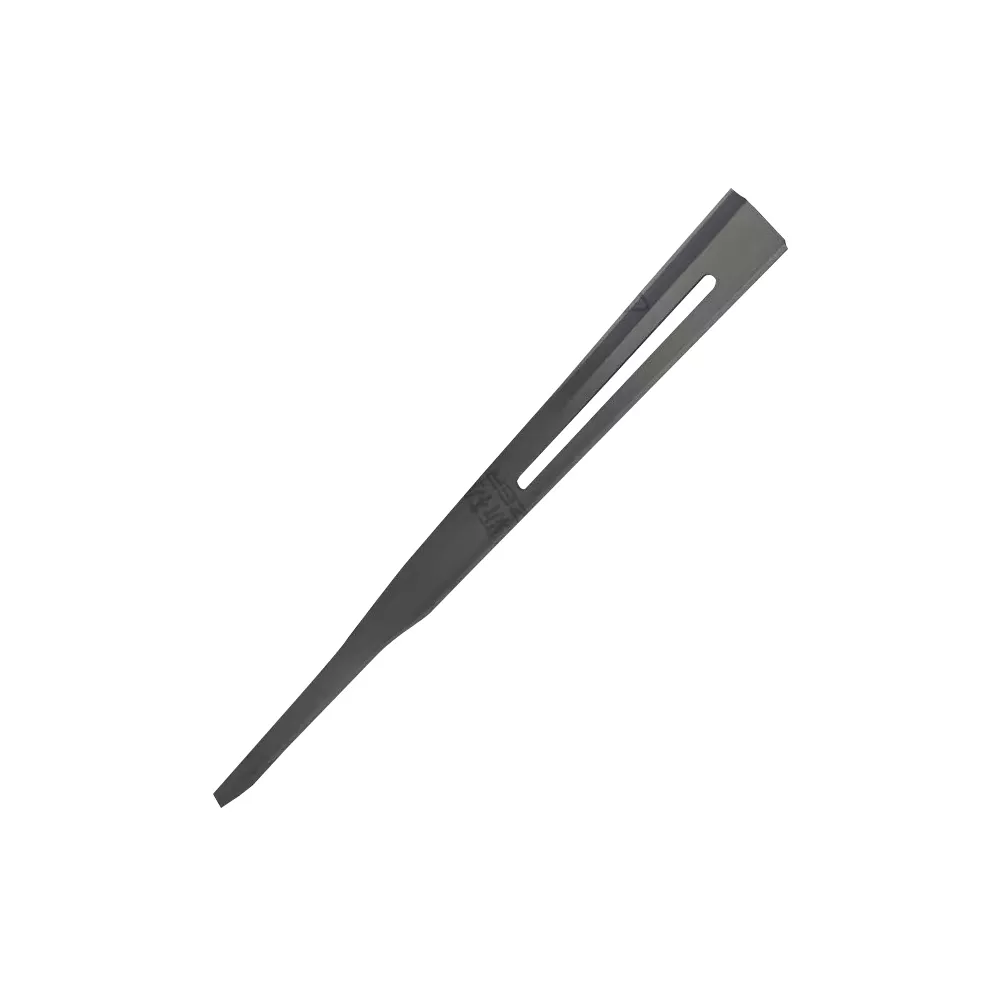
Furnaces use beams, rollers, setters, crucibles, and radiant tubes under thermal cycling and oxidation exposure.
Heat-transfer equipment uses tubes, plates, and exchanger blocks where thermal conductivity, corrosion resistance, and joint design matter.
Clean And Electrical Systems

Semiconductor handling uses wafer carriers, process fixtures, and susceptors where particle control, purity, and thermal stability require validation.
Power systems use substrates, heat spreaders, and insulating fixtures; electrical behavior must be confirmed for the selected grade.
6. Custom Geometry, Finishes, and Assemblies
One current drawing revision should define the ceramic blank, finished geometry, datums, and functional interfaces. In silicon carbide ceramics applications and component selection, custom features must be reviewed together because hard, brittle parts tolerate little late rework.
Geometry Before Forming
Two wall-thickness transitions, internal radii, holes, and thread requirements should be identified before near-net forming is considered. Sharp corners, thin ligaments, and unsupported features can raise chipping risk during sintering or grinding.
- Finished and datum dimensions
- Minimum radii and wall sections
- Hole location and blind-depth limits
Finish And Fit Requirements
Three finish categories require separate callouts: diamond-ground dimensions, lapped flatness, and polished sealing surfaces. State roughness target, flatness, parallelism, edge-break requirement, and every surface that mates with a seal, shaft, housing, or substrate.
- Surface-specific finish target
- Mating material and fit type
- Inspection method and acceptance limit
Metallized Assembly Interfaces
Four assembly details are essential when metallization or ceramic-to-metal joining is requested: metal alloy, joint geometry, braze or attachment method, and operating temperature. Define thermal cycling, load direction, electrical role, leak-test needs, and inspection access early.
- Metal grade and coating area
- Joint clearance and datum scheme
- Required documentation and tests
7. Construction Quality and Verification
Component reliability is verified at the finished-part level, not from a generic material datasheet. Acceptance criteria should connect the drawing, service environment, inspection method, sampling plan, and lot records.
Body And Microstructure
100% of critical lots should have an agreed density, porosity, and microstructure verification route.
2 features require review: pores near sealing faces and abnormal grain or free-silicon regions near stressed edges.
- Name the material designation and forming route.
- Define the approved test coupon or witness sample.
- Require lot identification on records and packaging.
Dimensions And Surfaces
100% inspection is often appropriate for assembly-critical diameters, flatness, parallelism, and surface roughness.
2 checks deserve separate callouts: edge condition after grinding and cleanliness before assembly.
- Identify datum surfaces and functional dimensions.
- State measurement equipment and uncertainty.
- Set chip limits by location, not appearance alone.
Service-Based Acceptance
3 service factors change inspection priorities: thermal cycling, corrosive media, and abrasive particles.
2 additional loads—pressure and mounting stress—can make small geometry deviations consequential; align incoming inspection with the approved test plan.
- Thermal cycling: review cracks and fit-up.
- Corrosion: verify grade and exposed surfaces.
- Abrasion: inspect wear-facing finish and edges.
8. How to Choose a SiC Manufacturer
Three evidence sets matter: a drawing review, route-specific process evidence, and inspection records. For silicon carbide ceramics applications and component selection, evaluate the proposed part—not a catalog photograph.
| Evaluation Area | Ask For | Useful Evidence |
|---|---|---|
| Engineering | Drawing review | Questions and assumptions |
| Process | Route fit | Comparable geometry |
| Quality | Inspection plan | Sample report |
| Delivery | Capacity and timing | Milestone schedule |
Start With Engineering Review
Before quotation, send the revision-controlled drawing, medium, temperature range, pressure, cycle count, mating material, critical surfaces, and acceptance criteria. Ask which dimensions drive forming risk, machining datum strategy, and inspection method.
Verify Route And Measurement
Ask whether the proposed SiC route fits size, wall thickness, porosity, corrosion exposure, and electrical requirements. Request a sample plan, material identification, dimensional report, surface-finish method, and nonconformance response path.
Compare Demonstrated Evidence
Two similar catalog listings do not demonstrate equivalent capability. Require project-specific answers on machineable geometry, metrology range, batch traceability, capacity assumptions, and lead-time milestones.
9. Common Component Selection Mistakes
Seven recurring errors turn a suitable SiC material into a poor component decision. In silicon carbide ceramics applications and component selection, correct the missing requirement before release.
Hardness Is Not Enough
One hardness value does not define corrosion, thermal-shock, electrical, or strength performance. State the grade, medium, concentration, temperature, pressure, and duty cycle; otherwise premature attack or cracking may result.
Geometry And Interfaces Matter
Two sharp internal corners can concentrate stress, while unnecessarily tight tolerances increase grinding cost and rejection risk. Provide radii, datum scheme, surface finish, mating material, fit, preload, and allowable assembly variation.
Samples And Quotes Need Scope
One sample can confirm dimensions but does not qualify production consistency or service life. Define inspection methods, lot acceptance, documentation, quantity, packaging, delivery terms, and revision control before comparing quotations.
10. Pricing and Drawing-Led Quote Factors
1 reviewed drawing and defined service conditions are the basis for a comparable SiC quotation; published unit prices are not reliable across grades and geometries. Silicon carbide ceramics applications and component selection must tie the part to its operating job.
4 request inputs—current drawing revision, material route if known, quantity, and acceptance criteria—allow costs and lead time to be assessed consistently. Add mating surfaces, medium, temperature, finish, documentation, and qualification needs.
| Quote factor | Indicative cost effect | Indicative lead-time effect |
|---|---|---|
| Quantity tier | Setup and tooling distribute across more parts | Higher quantities may require capacity scheduling |
| Material route and blank size | Grade, forming route, and larger blanks change material yield | Nonstandard blanks can extend sourcing |
| Geometry and machining | Thin walls, holes, threads, tight tolerances, and diamond grinding increase processing | Complex features add machining and inspection time |
| Finish and inspection | Lapping, polishing, dimensional reports, and traceability add cost | Additional verification adds release time |
| Tooling and qualification | New fixtures, prototypes, and approval samples create one-time effort | Qualification requires agreed review gates |
Discuss Silicon Carbide Ceramics Applications and Component Selection
Email your drawing, service conditions, and acceptance requirements to begin a focused quotation discussion for the part you need.