
Silicon Carbide Ceramics Machining and Design Guide for Defined Parts
Use this silicon carbide ceramics machining and design guide to align material, geometry, mating surfaces, service conditions, and acceptance criteria before requesting a quotation.
Silicon Carbide Ceramic Component Examples
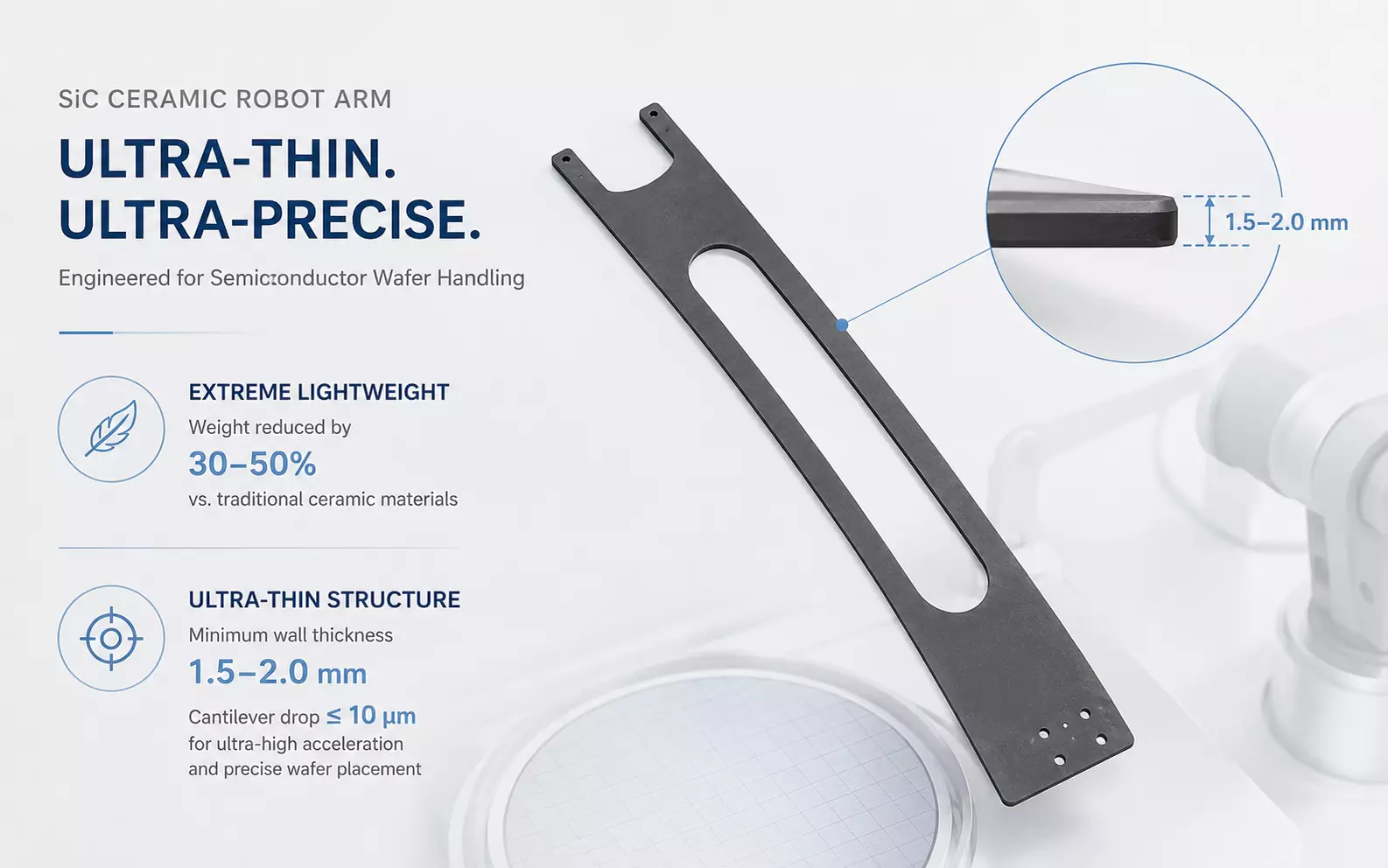
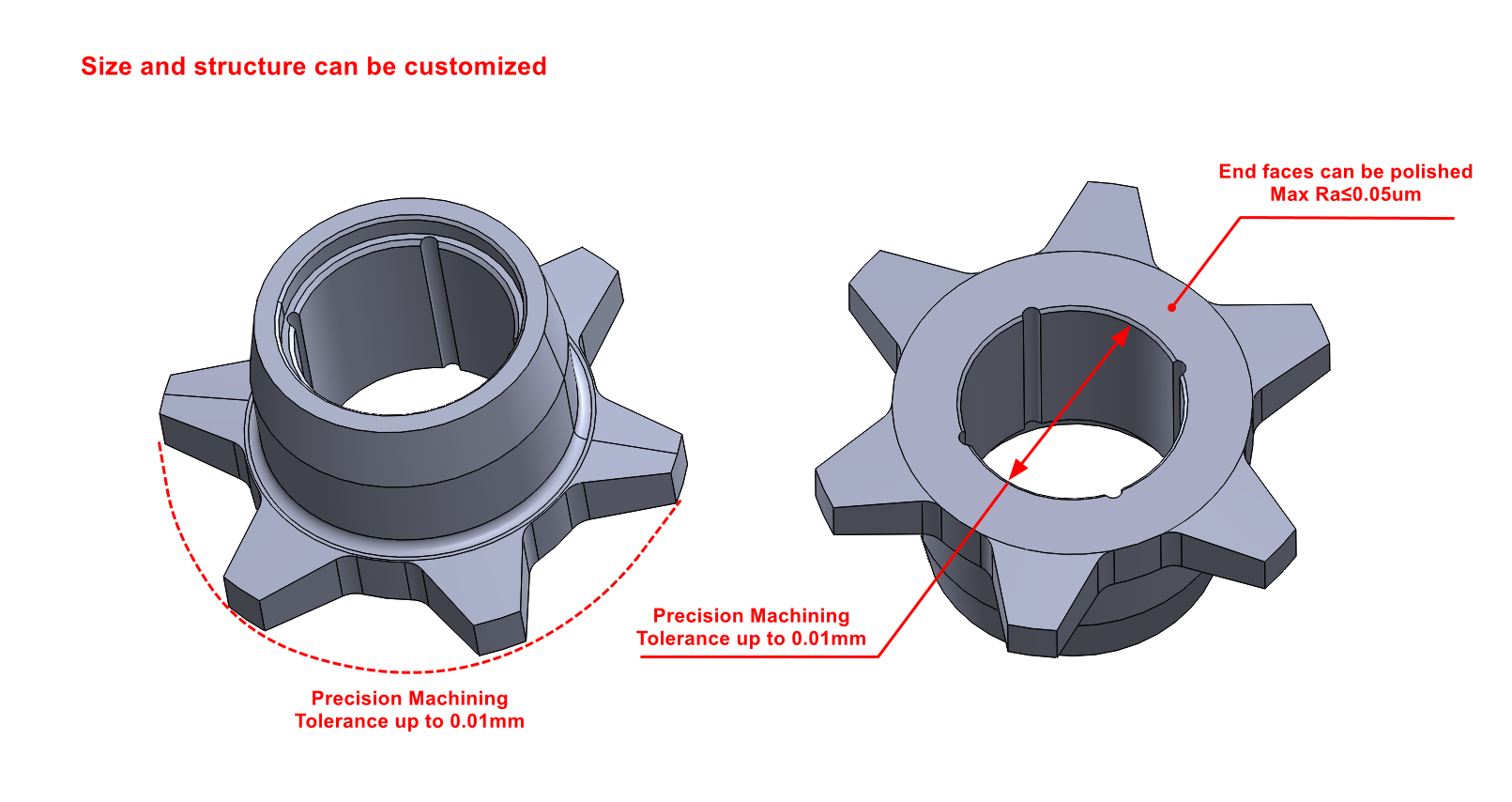
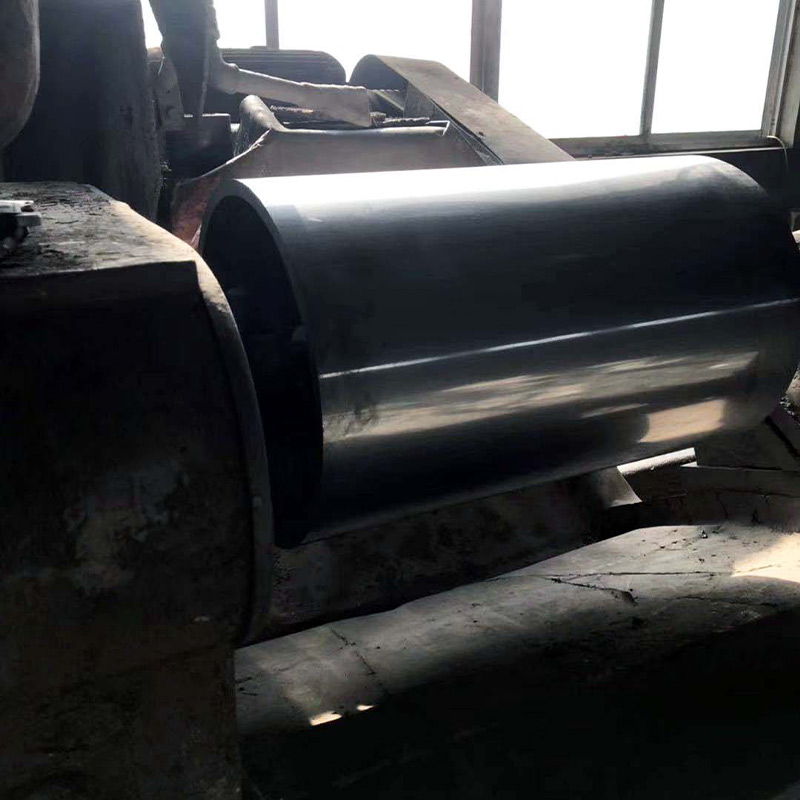
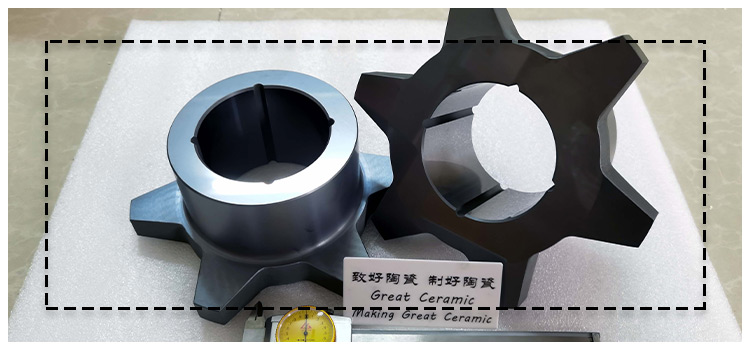
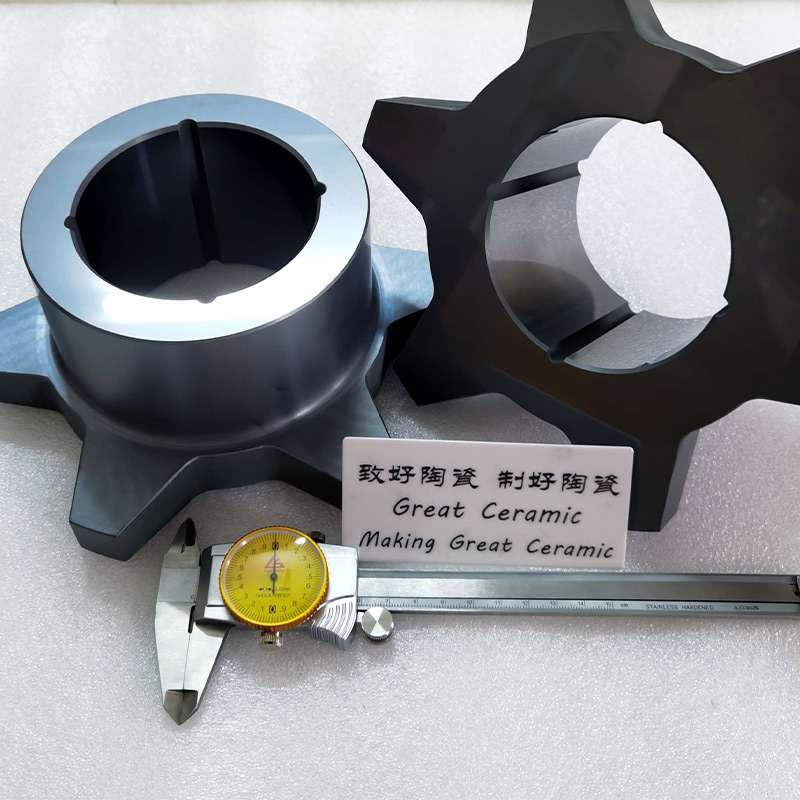
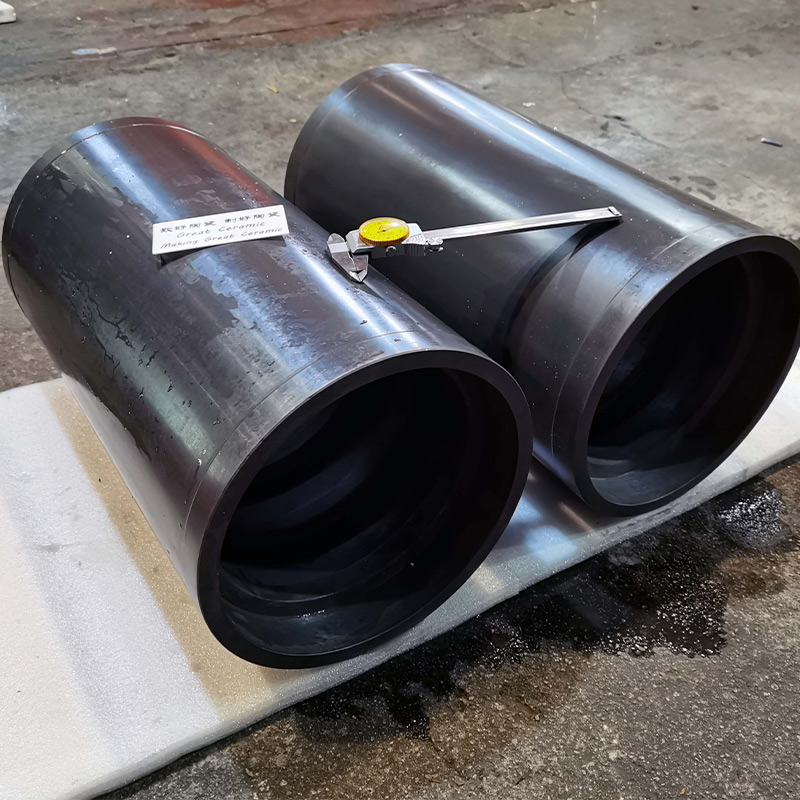
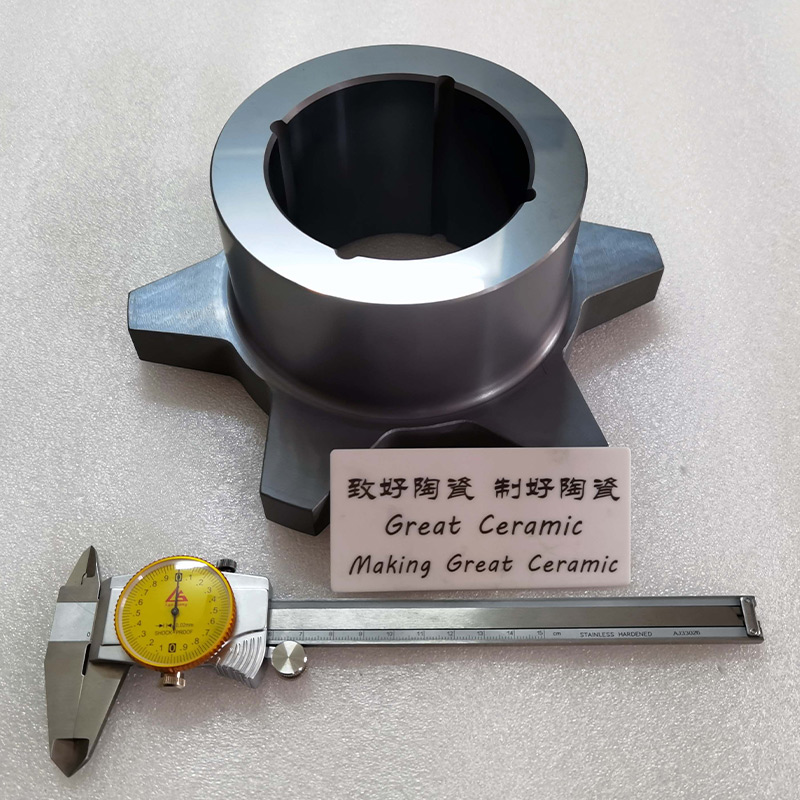

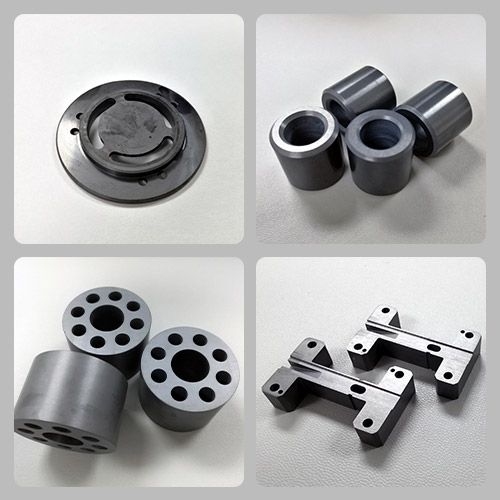

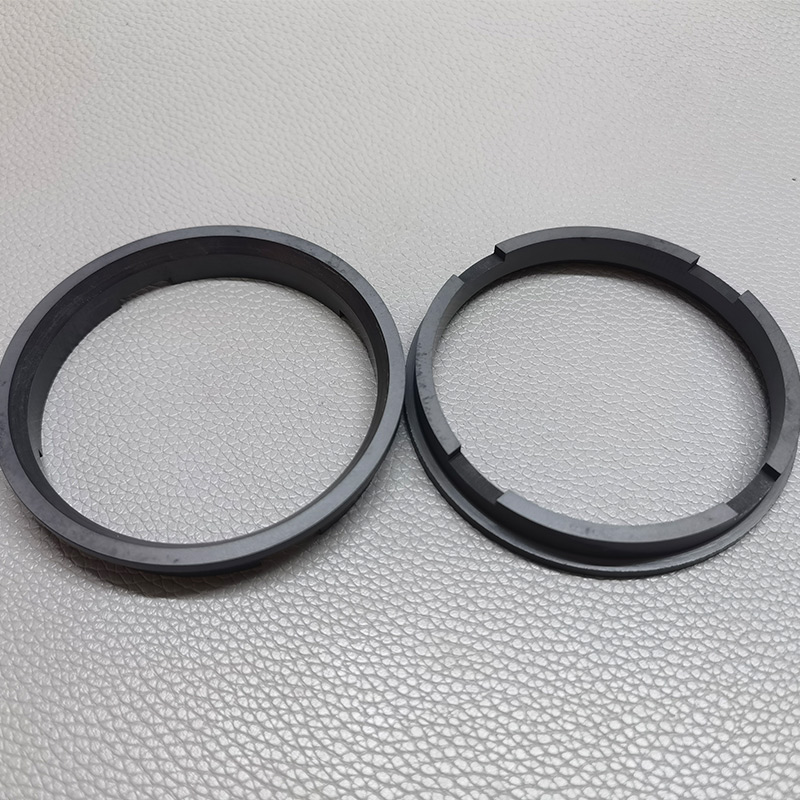

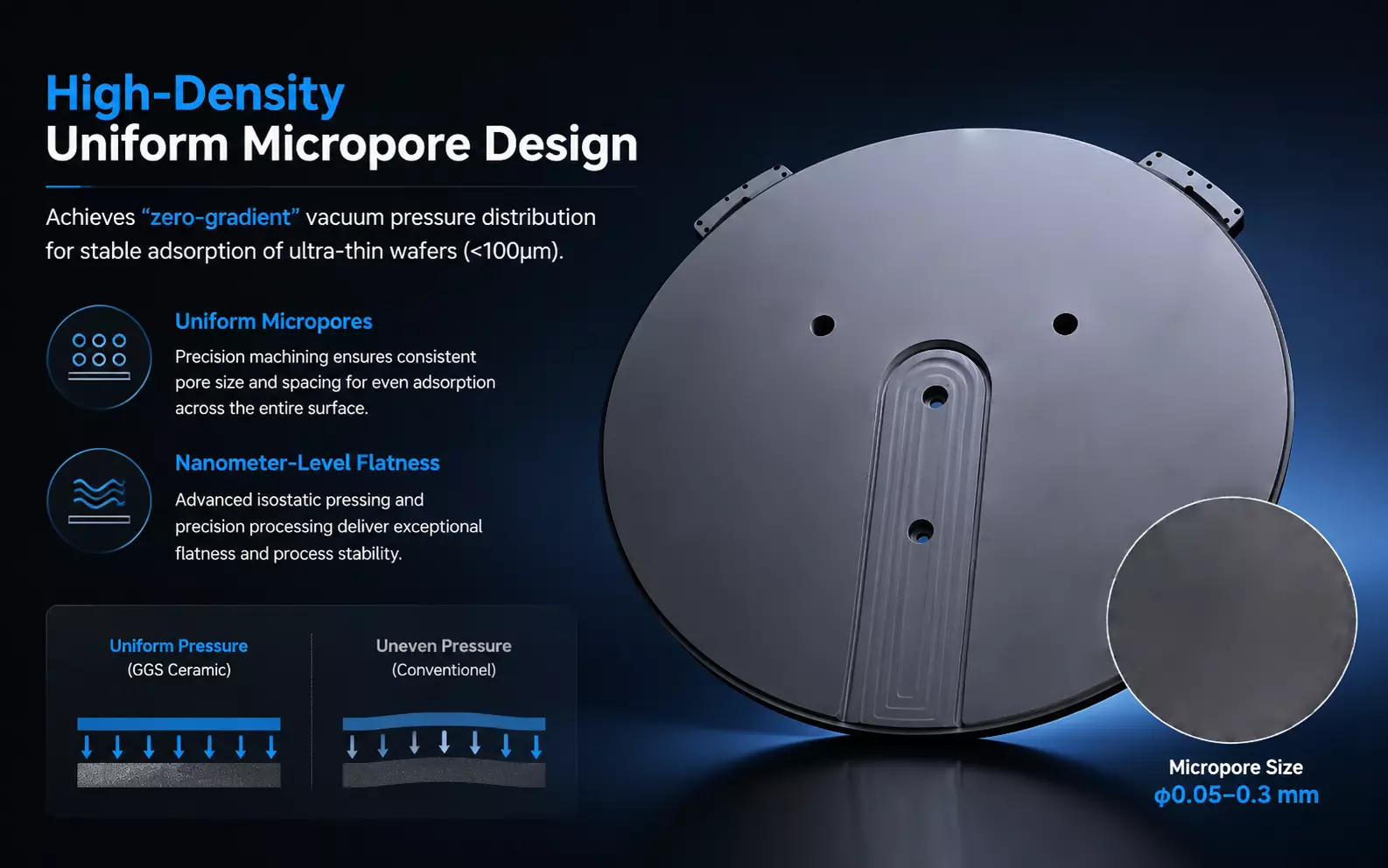

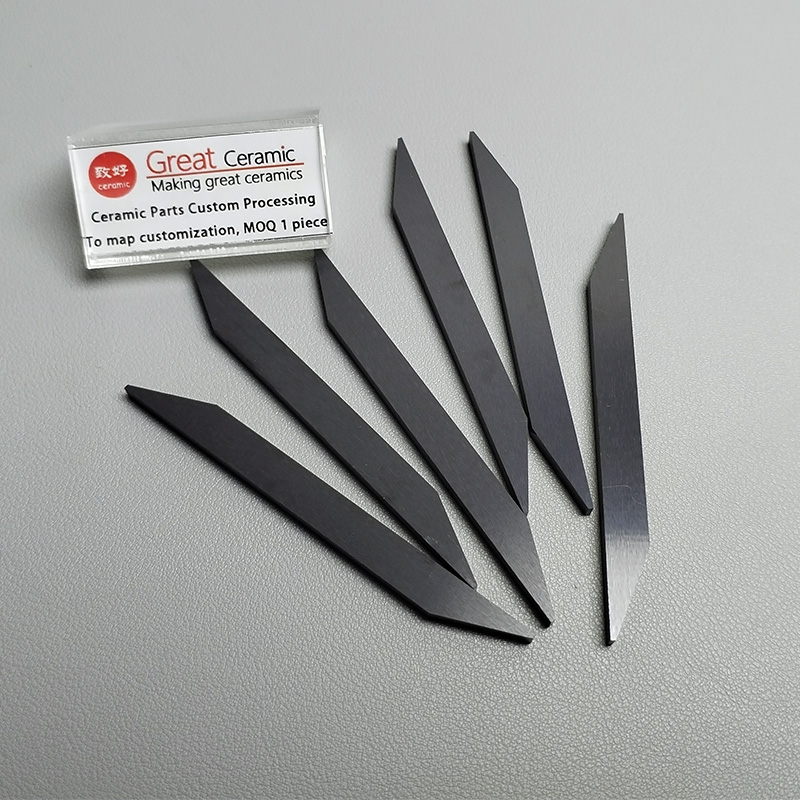
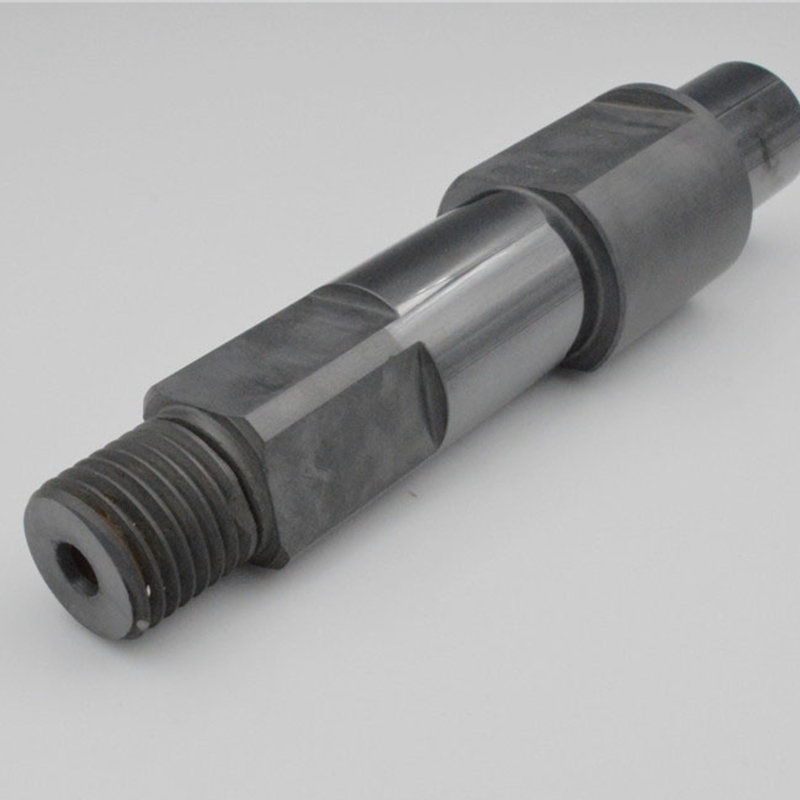
Related Product Catalogue and Quotation

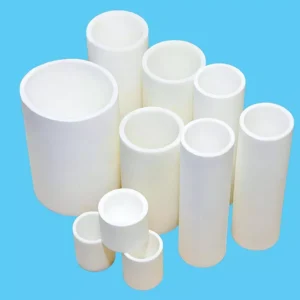

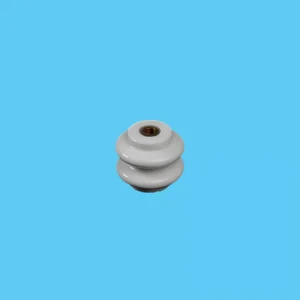


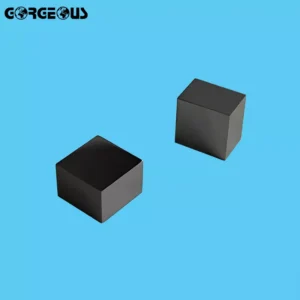

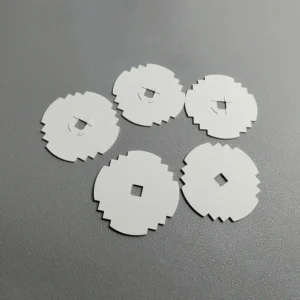
Silicon Carbide Ceramics Machining and Design Guide: Evaluation Priorities
Review material behavior, geometry, surfaces, and evidence together before defining a silicon carbide component requirement.
Drawing Revision Control
Provide the current drawing revision, critical dimensions, notes, and referenced standards so the quotation discussion begins from the same defined component requirement.
Grade Selection Context
Identify the intended silicon carbide grade where known, then relate material selection to service conditions, mating parts, and the function the component must perform.
Geometry and Wall Design
Discuss bores, radii, transitions, wall sections, and complex features early. Geometry affects manufacturability and should be reviewed alongside the required part function.
Machining Route Considerations
Clarify whether key features require shaping before firing, post-fired grinding, or another project-specific route. The appropriate approach depends on grade, geometry, and acceptance needs.
Functional Surface Definition
Mark sealing faces, bearing surfaces, alignment features, and other interfaces on the drawing. Specify which surfaces control assembly, finish expectations, or contact behavior.
Inspection Evidence Requirements
State the dimensions, material documentation, visual criteria, and records needed for approval. Clear acceptance requirements help separate essential checks from preferences before commitment.
Silicon Carbide Components by Functional Requirement
Explore ceramic capabilities, applications, materials, component forms, and technical guidance to frame drawing-led inquiries around fit, wear, sealing, and thermal demands.
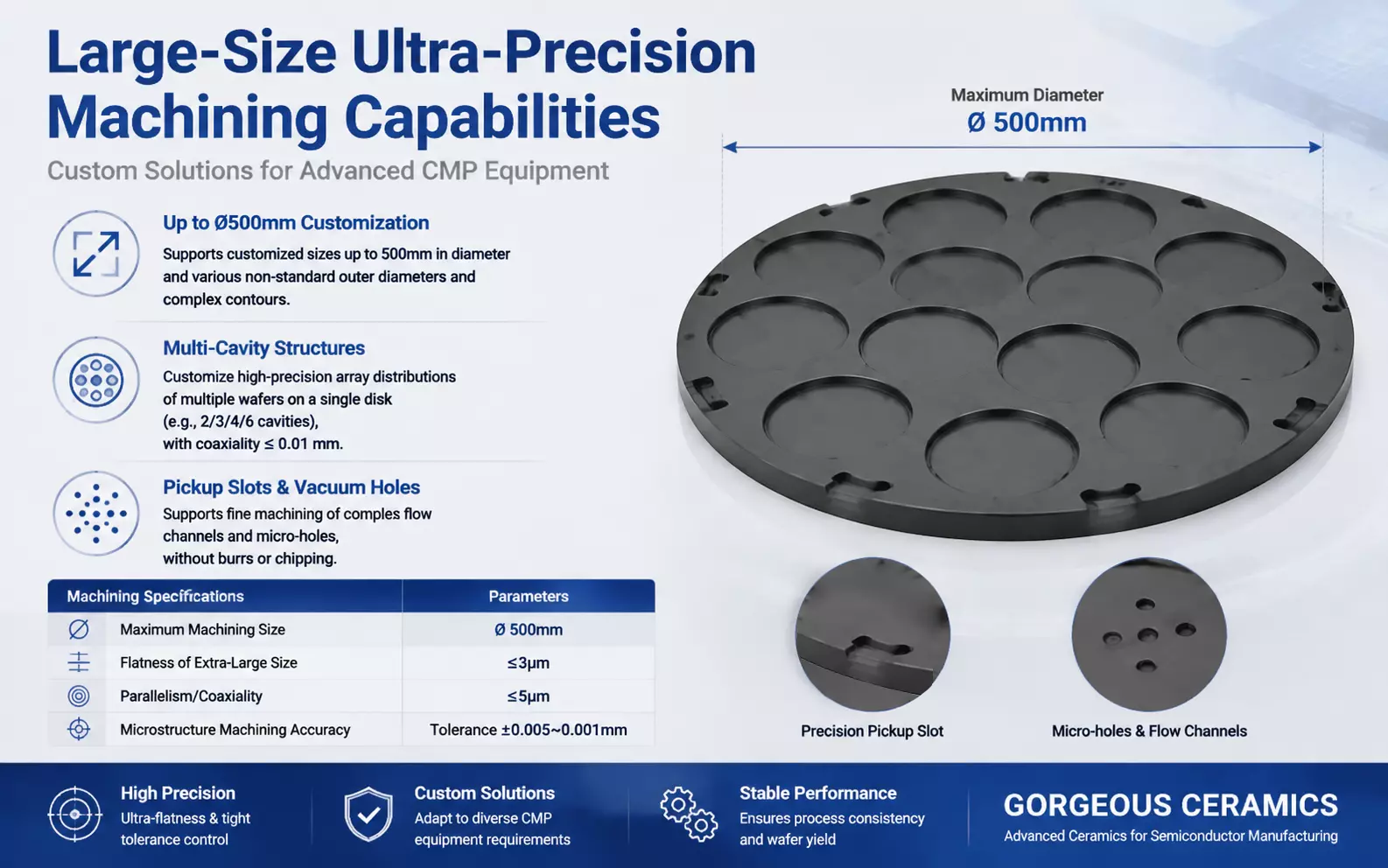
Ceramic Manufacturing Capabilities
Review ceramic manufacturing capabilities in the context of the required part: geometry, feature complexity, mating surfaces, tolerances, finishing needs, inspection expectations, and quantity. Share the current drawing revision so process options and quotation assumptions can be discussed against the actual requirement.
Discuss Your Ceramic Part
Ceramic Solutions by Industry
Explore advanced ceramics applications by operating challenge and industry context, including abrasive wear, high temperature, electrical insulation, thermal transfer, chemical exposure, and sealing. Application details help identify which service conditions, interfaces, and acceptance criteria require confirmation before selecting a component approach.
Discuss Your Ceramic Part
Advanced Ceramic Materials
Compare advanced ceramic materials and technical ceramic components, including alumina ceramics, zirconia ceramics, silicon carbide ceramics, silicon nitride, aluminum nitride, boron nitride, and specialty families. Material-family information supports an initial discussion; the specific grade, properties, and suitability must be confirmed for the project.
Discuss Your Ceramic Part
Technical Ceramic Products
Browse technical ceramic components and industrial ceramic parts such as tubes, rods, rings, plates, substrates, wear parts, and custom ceramic components. Product illustrations indicate familiar forms, while final dimensions, material grade, tolerances, mating features, and documentation requirements should follow the project drawing and inquiry.
Discuss Your Ceramic Part
Technical Ceramic Resources
Use this technical ceramics guide to prepare a clearer sourcing inquiry. Include the component drawing, known material designation, quantity, operating environment, critical assembly dimensions, surfaces that mate with other parts, inspection needs, and required approval documentation.
Discuss Your Ceramic PartSilicon Carbide Material Options to Discuss


Reaction-Bonded Silicon Carbide
A practical option for larger or more complex component concepts, including kiln furniture, mechanical parts, and corrosion-service shapes. Its manufacturing route and residual silicon content should be reviewed against operating temperature, media, and acceptance needs.

Recrystallized Silicon Carbide
A porous, high-temperature material often considered for kiln components, radiant tubes, and thermal-processing fixtures. Its open microstructure supports heat-service applications, but sealing, strength, and surface requirements need application-specific review.

Siliconized Silicon Carbide
A wear-focused ceramic condition considered for pump, seal, and fluid-handling components. It combines a hard SiC structure with silicon from processing, so chemical exposure, electrical needs, mating surfaces, and inspection criteria should guide discussion.

Green Machining Condition
An earlier, softer forming condition useful when a design calls for more economical shaping before firing. It can support holes, channels, and basic profiles, but shrinkage, final tolerance, and post-sinter finishing must be defined on the drawing.
Machining and Finishing Considerations

Green-State Shaping
Discuss whether preliminary forming, holes, channels, or profiles can be addressed before densification. Provide the drawing revision, critical geometry, and expected shrinkage considerations so the proposed route can be reviewed against the part requirement.

Diamond Grinding
Identify fit surfaces, datum features, flatness needs, and finish expectations that may require diamond grinding after firing. Mark only the dimensions essential to assembly, helping separate functional precision from noncritical geometry during quotation review.

EDM Feature Machining
For applicable electrically conductive silicon carbide grades, discuss whether EDM may suit intricate features or difficult access areas. State the grade designation, feature geometry, mating function, and acceptance criteria rather than assuming a process applies.

Edge Conditioning
Call out edge breaks, radii, chamfers, and areas sensitive to handling or assembly. Clear edge requirements help align the component drawing with the intended interface and avoid treating a product image as a final manufacturing specification.

Inspection Planning
Define the dimensions, surfaces, documentation, and inspection evidence needed for approval. Include measurement references, tolerance priorities, quantity, and service conditions so project-specific acceptance expectations can be discussed before commercial terms are confirmed.
Silicon Carbide Ceramics Machining and Design Guide: Interfaces and Assembly Details

Threaded Features
Identify internal or external threads, thread size, engagement length, mating hardware, and load direction. These details help determine whether a threaded ceramic feature, an alternative interface, or an insert discussion is appropriate.

Metal Inserts
Specify insert material, location, retention approach, installation sequence, and the loads transferred through the joint. Include the mating component and any service-temperature or corrosion considerations for a project-specific interface review.

Mating Surfaces
Mark every surface that locates, seals, slides, or contacts another part. Provide critical dimensions, tolerance expectations, surface-finish needs, alignment references, and the mating material to support a clearer quotation conversation.

Seal Interfaces
Describe seal type, groove geometry, fluid or gas exposure, pressure, temperature, and leakage acceptance criteria. Sharing the mating arrangement helps distinguish a general silicon carbide component concept from a defined sealing requirement.

Protective Packaging
State handling risks, orientation needs, quantity per pack, cleanliness expectations, labeling, and any inspection records required with shipment. Packaging requirements should protect sensitive edges and critical surfaces through delivery and receiving.
Porcecore’s Silicon Carbide Ceramics Machining and Design Guide
Porcecore was founded by Andy Yuan to make technical ceramic procurement more understandable. We help industrial buyers, equipment builders, and engineering teams move from a material question to a defined component requirement, grounding each discussion in the part’s actual job.
Our coverage spans oxide, nitride, carbide, and specialty ceramic families, along with familiar component forms such as tubes, rods, rings, and substrates. Each inquiry is considered against the proposed grade, geometry, mating surfaces, operating environment, and inspection expectations rather than a material name alone.
What distinguishes Porcecore is drawing-led communication before commitment. Share the current drawing revision, quantity, service conditions, critical assembly dimensions, and acceptance criteria; we will help identify the open questions that give a quotation discussion a clearer basis. Reach us by email or WhatsApp to begin the conversation.

Silicon Carbide Ceramics Machining and Design Guide: From Drawing Review to Defined Parts
Review the Current Drawing
Start with the current drawing revision and the component’s intended job. Porcecore helps organize dimensions, interfaces, operating conditions, quantity, and open questions so a silicon carbide ceramics machining and design guide discussion begins with a usable project definition.
- Share the current drawing revision
- Identify the component’s operating environment
- Note expected quantity and project stage
- Flag dimensions still under review

Discuss Material and Geometry Together
A silicon carbide material name alone does not define a finished part. Geometry, wall sections, holes, corners, mating features, and service conditions should be reviewed together to clarify the grade and process questions that matter for the individual component.
- Describe the required ceramic material if known
- Identify thin sections and detailed features
- Review holes, grooves, and internal geometry
- Connect geometry to service conditions

Define Critical Surfaces
Assembly-facing surfaces deserve explicit attention. Identify diameters, flatness, sealing faces, holes, and reference features that control fit with neighboring parts. Separating critical requirements from general dimensions gives the quotation conversation a clearer technical basis.
- Mark surfaces that mate with other parts
- Identify assembly-controlling dimensions
- Call out sealing or wear interfaces
- Clarify tolerance priorities

Align Acceptance Requirements
Before a production commitment, align the part’s grade, dimensions, tolerances, inspection expectations, documentation, delivery needs, and commercial terms. Porcecore treats these as project-specific points for confirmation, helping procurement and engineering teams distinguish an inquiry from an agreed order.
- State required inspection criteria
- Specify needed documentation
- Confirm grade and tolerance expectations
- Discuss delivery and commercial requirements

Silicon Carbide Ceramics Machining and Design Guide: Why Drawing-Led Sourcing Matters
Compare a part-defined inquiry with a material-only sourcing conversation before committing specifications, documentation, or commercial terms.
← Swipe left or right to view →
Silicon Carbide Ceramics Machining and Design Guide: Production Planning Path
Move from a defined part requirement to delivery confirmation with project-specific decisions documented at each stage.
Review Part Requirements
Share the current drawing revision, intended application, quantity, service conditions, mating surfaces, and dimensions that determine assembly performance.
Discuss Material Direction
Review the silicon carbide material designation if known, then identify open questions around grade, geometry, operating environment, and acceptance needs.
Plan Manufacturing Approach
Align the proposed production route with the part geometry, critical surfaces, tolerance expectations, finishing needs, and any practical machining considerations.
Confirm Inspection Expectations
Define the dimensions, visual criteria, documentation, and other acceptance requirements that need confirmation before an order is agreed for production.
Prepare Packing And Delivery
Confirm packaging considerations, delivery requirements, and commercial details for the individual project before final shipment arrangements are made.
Start Your Silicon Carbide Ceramics Machining and Design Guide Inquiry
Provide the details that turn an initial request into a focused quotation discussion.
Send the Current Drawing
Share the latest drawing revision, including critical dimensions, tolerances, datums, and mating surfaces that determine fit, assembly, or functional performance.
Identify the Material
State the silicon carbide designation if known, or describe the operating environment so the material discussion can begin with the application.
Define Service Conditions
Explain temperature, media exposure, loading, wear, electrical needs, and other conditions that may influence grade, geometry, and finishing considerations.
Specify Quantity and Acceptance
Include expected quantity, inspection needs, documentation requests, and acceptance criteria so priorities can be separated from preferences before quotation.
Discuss Open Questions
Email your drawing or project summary to Porcecore to clarify unresolved requirements, interfaces, delivery expectations, and the next decision for your ceramic component.
Silicon Carbide Ceramics Machining and Design Guide: Documentation Requirements
Silicon Carbide Ceramics Machining and Design Guide: Project Discussion Examples
Illustrative inquiry scenario, not a customer testimonial: A pump equipment team supplied a revised seal-ring drawing with three critical mating dimensions, operating media, and inspection requirements, giving the quotation discussion a clearer technical basis.
Illustrative inquiry scenario, not a customer testimonial: An electrical equipment builder identified a substrate outline, two mounting interfaces, quantity of 120, and required documentation, helping separate essential acceptance criteria from preferences before sourcing review.
Illustrative inquiry scenario, not a customer testimonial: A ceramic component distributor shared a replacement-part sample reference, current drawing revision, and four assembly-critical dimensions, creating a focused conversation about material designation, geometry, and inspection expectations.
Silicon Carbide Ceramics Machining and Design Guide FAQ
Practical quotation inputs for defining silicon carbide ceramic components with greater clarity.
What should we include in a silicon carbide component RFQ?
How do we select a silicon carbide grade?
Which tolerances and functional surfaces need special attention?
Can you quote small quantities or samples?
What inspection evidence can be requested with ceramic components?
How should operating conditions be described in an inquiry?
How are packaging, shipping, payment, and lead-time questions handled?
How should we handle drawings and confidential project information?
Silicon Carbide Ceramics Machining and Design Guide
A practical framework for specifying silicon carbide components, comparing material routes and machining methods, qualifying suppliers, and avoiding costly tolerance, geometry, inspection, and sourcing mistakes.
1. What Is a Silicon Carbide Machining and Design Guide?
A silicon carbide machining and design guide aligns the material, drawing, production route, and acceptance plan for a silicon carbide part; it is not a catalog of generic properties. It helps procurement and engineering teams define the grade, geometry, mating interfaces, and service conditions before requesting quotations.
Material state matters because shaping before firing and finishing after densification impose different constraints. SiC’s high hardness, wear resistance, thermal conductivity, and brittle failure behavior call for load-conscious geometry, controlled edge details, and specialized diamond-based finishing; ceramics can fail suddenly when tensile stress concentrates at sharp features (https://www.syalons.com/resources/articles-and-guides/designing).
Commercial decisions connect directly to technical choices: tolerance and surface requirements, machining stage, inspection method, supplier capability, documentation, quantity, and total landed cost. A usable inquiry identifies drawing revision, critical dimensions, inspection criteria, and which requirements are mandatory versus preferred.
2. Evolution of Silicon Carbide Component Manufacturing
1891 marked the Acheson process, which made silicon carbide an industrial abrasive and refractory material. That origin still matters: early high-temperature, wear-focused uses established the value of SiC where conventional metals erode, oxidize, or deform. https://www.britannica.com/science/silicon-carbide
20th-century advances in powder classification, forming, and pressureless sintering expanded SiC from grains and linings into engineered shapes. Reaction-bonded SiC added a route for larger or more complex near-net-shape parts, while residual silicon and grade-specific microstructure became design considerations. https://apps.dtic.mil/sti/tr/pdf/ADA536434.pdf
Diamond grinding remains central after densification because fired SiC is exceptionally hard; EDM and other nontraditional processes can address selected conductive grades or intricate features. Those process routes now support seal faces, semiconductor-equipment hardware, thermal components, and corrosive-process parts, but they also determine feasible geometry, finish, tolerance, and inspection requirements in a silicon carbide ceramics machining and design guide. https://www.partmfg.com/ceramic-machining
3. Types in Silicon Carbide Ceramics Machining and Design Guide
Five SiC families differ by bonding phase, density, and near-net-shape options. In a silicon carbide ceramics machining and design guide, material names require grade-specific confirmation before substitution.
| Family | Typical Tradeoff | Common Use |
|---|---|---|
| Sintered SiC | Dense; harder finishing | Seals and wear parts |
| Reaction-Bonded SiC | Free silicon possible | Large complex parts |
| Nitride-Bonded SiC | Porous refractory body | Kiln furniture |
| Recrystallized SiC | High open porosity | Thermal-process fixtures |
| CVD SiC | Deposition limits geometry | Semiconductor components |
Dense And Bonded Grades
Sintered SiC is typically dense and selected for seals, bearings, and corrosion-duty parts; diamond finishing may be required. Reaction-bonded SiC can support larger or more complex shapes, but residual free silicon can affect chemical compatibility.
Porous And Vapor Deposited Grades
Nitride-bonded and recrystallized SiC retain connected porosity, making them common in high-temperature refractory service rather than liquid-tight seal faces. CVD SiC provides high-purity deposited material for demanding semiconductor or optical uses, subject to thickness and substrate constraints.
Request Grade Confirmation
A 2010 design guide identifies reaction bonding for large assemblies and complex structures: https://apps.dtic.mil/sti/tr/pdf/ADA536434.pdf. Request density, free-silicon content, open porosity, grain structure, geometry limits, and service-medium compatibility for the quoted grade.
4. Materials for Silicon Carbide Ceramics Machining and Design Guide
Four material routes deserve early comparison: sintered SiC, reaction-bonded SiC, silicon nitride, and alumina. The silicon carbide ceramics machining and design guide should treat published properties as grade- and process-specific, then request supplier data for the quoted part.
| Material Route | Best Investigation Trigger | Electrical Behavior | Relative Cost |
|---|---|---|---|
| Sintered SiC | Wear, corrosion, high heat | Semiconductive | High |
| Reaction-Bonded SiC | Complex shapes, wear | Semiconductive | Medium |
| Silicon Nitride | Strength, thermal shock | Insulating | High |
| Alumina | Electrical insulation, general wear | Insulating | Low to medium |
| Aluminum Nitride | Heat transfer with insulation | Insulating | High |
Match The Service Environment
High-temperature, chemically aggressive, and abrasive duties commonly point toward SiC investigation.
Electrical insulation or heat-spreading requirements can instead elevate alumina, silicon nitride, or aluminum nitride.
Specify Verified Properties
Supplier-specific certificates should identify density, flexural strength, thermal conductivity, electrical behavior, and chemical compatibility.
Drawing requirements should state the operating temperature, media, load, and acceptance method; general catalog values are not contractual.
Screen Cost With Function
Near-net processing can reduce finishing exposure, while tight tolerances and complex features add machining risk.
Total cost should include part failure consequences, inspection needs, and the feasible production route.
5. Design Features and Surface-Finish Options
Near-net shaping should carry broad geometry before firing; reserve post-fire work for functional surfaces. In a silicon carbide ceramics machining and design guide, finish requirements belong on the drawing, not in a general note.
Machine At The Right Stage
Green-state machining can form holes, slots, and noncritical profiles before sintering; allow for process shrinkage and confirm it by grade.
Fired SiC commonly needs diamond grinding; lapping or polishing should be limited to sealing, bearing, optical, or mating faces. Source: https://toolind.net/machining-0f-silicon-carbide-ceramics-en
Reduce Fragile Features
Two design priorities are generous radii and uniform wall transitions, which reduce stress concentration around thin walls, sharp corners, and holes.
Threads, deep narrow slots, and closely spaced holes add breakage and grinding risk. Simplify them, use a through-feature where possible, or move the function into a metal assembly.
Specify Interfaces Precisely
Three interface choices are direct ceramic threads, metal inserts, and bonded or clamped joints; selection depends on load, removal needs, and environment.
One drawing should identify datum surfaces, Ra target, flatness, edge condition, coating area, and inspection method. Do not request polishing where a ground finish meets the functional requirement.
6. Critical Construction and Quality Elements
Three drawing elements—functional datums, measurable tolerances, and acceptance criteria—should be agreed before release. The silicon carbide ceramics machining and design guide should convert assembly intent into inspectable requirements.
Datums And Geometric Controls
Three datum references should locate every fit-critical feature. Specify size tolerances, flatness, concentricity, runout, and the mating surface or axis each control references.
- Identify primary, secondary, and tertiary datums.
- Mark dimensions critical to assembly.
- State the inspection method when necessary.
Edges And Interfaces
0.5 mm is only an example, not a universal edge radius. Define radii, chamfers, contact widths, and interface clearance; sharp corners and poorly supported contacts can concentrate stress in brittle ceramics.
- Favor compression over tensile loading where feasible.
- Avoid point loading and abrupt section changes.
- Confirm assembly loads with the manufacturer.
Acceptance And Verification
Three acceptance layers should be stated: dimensional inspection, visual criteria, and material documentation. Request traceability, density or porosity checks when relevant, and functional tests tied to the actual duty cycle.
- Define permitted chips, cracks, and surface marks.
- Name required records and sampling plans.
- Validate test assumptions before quotation.
7. How to Choose a Silicon Carbide Manufacturer
Three checks separate a credible SiC supplier from a catalog listing: route fit, demonstrated machining control, and documented release criteria. Ask each candidate to qualify the current drawing revision, service environment, annual volume, and required records.
Match The Material Route
First, ask which route—reaction-bonded, sintered, recrystallized, or CVD SiC—fits the duty cycle and geometry. Request grade-specific property data, dimensional limits after firing, and stated exclusions.
Second, ask whether design-for-manufacture review identifies thin sections, internal features, stress risers, and datum strategy before quotation.
Verify Precision And Yield
Third, request evidence that similar tolerances were measured, not merely quoted. Ask for the measurement method, datum setup, sampling plan, gauge capability, and inspection report format.
Fourth, ask how complex-part yield is planned: near-net shaping, machining allowance, in-process checks, crack screening, rework limits, and scrap disposition.
Confirm Delivery Controls
Fifth, review prototype quantity, production capacity, lot traceability, change control, packaging protection, and lead-time assumptions. Require the supplier to distinguish target dates from confirmed material and machining availability.
Sixth, define one technical contact and one commercial contact, with drawing questions and deviations recorded in writing before release.
8. Common Silicon Carbide Buying and Design Mistakes
Three recurring errors create avoidable rework before a SiC purchase order: metal-derived geometry, incomplete service data, and unmatched quotation scopes. Address them on the drawing revision before suppliers commit tooling, machining, or inspection plans.
Design for Ceramic Behavior
One copied metal design can concentrate stress at sharp internal corners or thin transitions, increasing crack risk. Add radii, simplify features, and identify compression-loaded interfaces.
One unnecessary tight tolerance or polished surface can add diamond-grinding time without improving function. Specify only assembly-critical dimensions and functional finish limits.
Define Process and Grade
One assumed shrinkage value can misplace holes and mating dimensions after firing. Confirm the manufacturing stage, allowance strategy, and final-machined surfaces with the selected grade.
One SiC grade name is not a complete material requirement. State density, porosity, electrical needs, and the process route where those properties affect service.
Align Acceptance and Scope
Three missing inputs—operating medium, temperature range, and thermal cycling—can lead to an unsuitable recommendation or delayed clarification. Include loads, exposure, and failure history in the inquiry.
One quotation comparison is invalid when drawings, inspection, documentation, packaging, and delivery terms differ. Request a line-by-line scope confirmation and define measurement methods for critical features.
9. Steps to Launch a SiC Component Program
A controlled launch turns a SiC inquiry into an auditable program. Use the silicon carbide ceramics machining and design guide to align engineering, quality, and purchasing before a production commitment.
Define The Duty Cycle
Step 1: State temperature range, thermal-cycle rate, loads, media, exposure duration, and failure history.
Step 2: Identify critical dimensions, mating surfaces, annual volume, and required delivery cadence.
Review Design And Process
Step 3: Submit the current drawing revision, material preference, tolerances, finish callouts, and acceptance criteria.
Step 4: Review manufacturability feedback before tooling; record agreed geometry changes and open risks.
Qualify Before Release
Step 5: Approve a prototype or first article against the inspection plan and functional test method.
Step 6: Run a pilot order, release production only after results are accepted, and control changes through documented revision approval.
10. Silicon Carbide Component Pricing and Cost Drivers
Two cost patterns shape a silicon carbide ceramics machining and design guide quotation: material route, geometry, yield, and post-sintering operations can outweigh raw material input. Confirm the required grade and process route before comparing quotes.
Three drawing controls—functional tolerances, finish callouts, and inspection evidence—should match assembly risk. Porcecore should confirm project-specific scope, documentation, delivery, and terms before commitment.
| Order stage | Setup or tooling | Machining, tolerance, and finish | Inspection | Lead-time influence | Unit-cost direction |
|---|---|---|---|---|---|
| Prototype | Highest per part; programming fixtures | Complex features and fine finishes dominate | First-article dimensional review | Setup and iteration can extend schedule | Highest |
| Pilot quantity | Setup spread across parts | Diamond grinding and tight tolerances remain material | Sampling plus critical-feature checks | Capacity and rework risk matter | Declining |
| Repeat production | Dedicated tooling may be justified | Stable geometry improves yield; secondary operations remain drivers | Agreed sampling or full inspection | Scheduling improves after process approval | Lowest relative |
Discuss Your Silicon Carbide Component Requirements
Email your current drawing, service conditions, and acceptance criteria to info@zlrsmaterials.com, or WhatsApp +86 130 6482 5920 to begin a project-specific quotation discussion.