
Silicon Carbide Ceramics Properties and Selection Guide for Confident Part Sourcing
Use this silicon carbide ceramics properties and selection guide to connect grade, geometry, service conditions, and acceptance requirements before requesting a quotation.
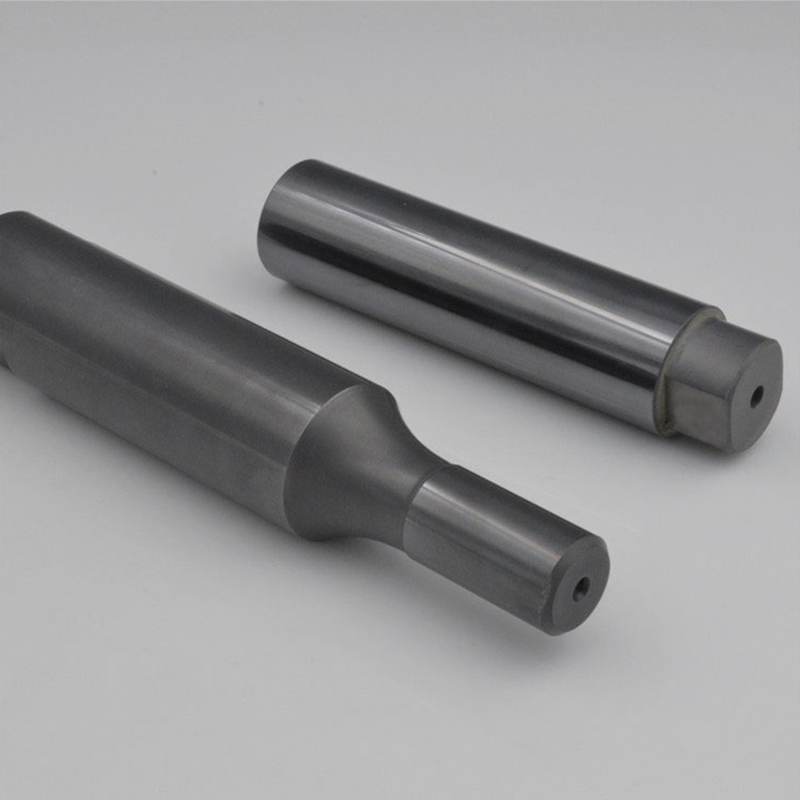
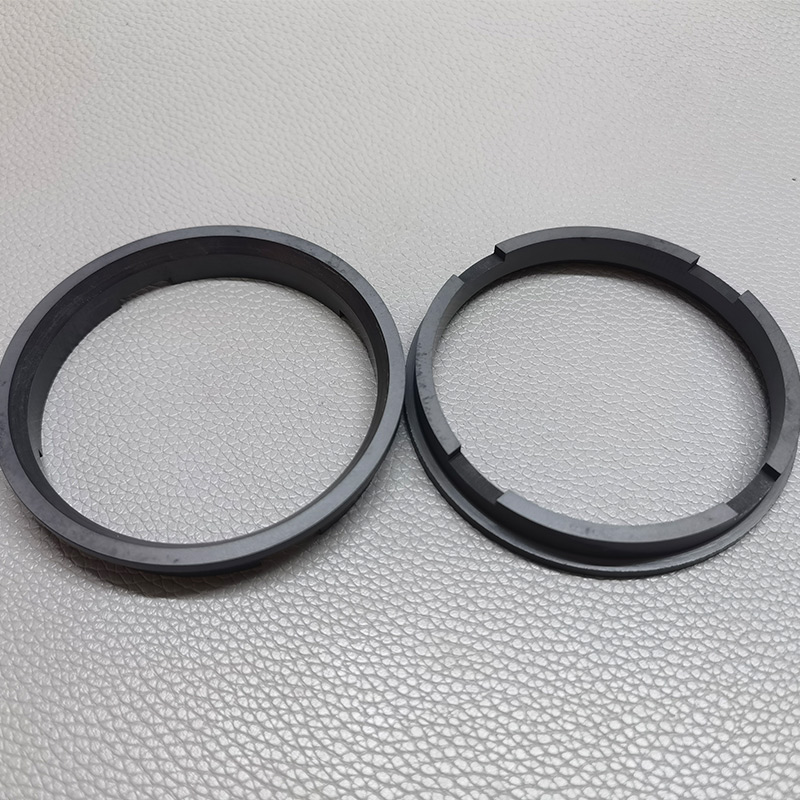
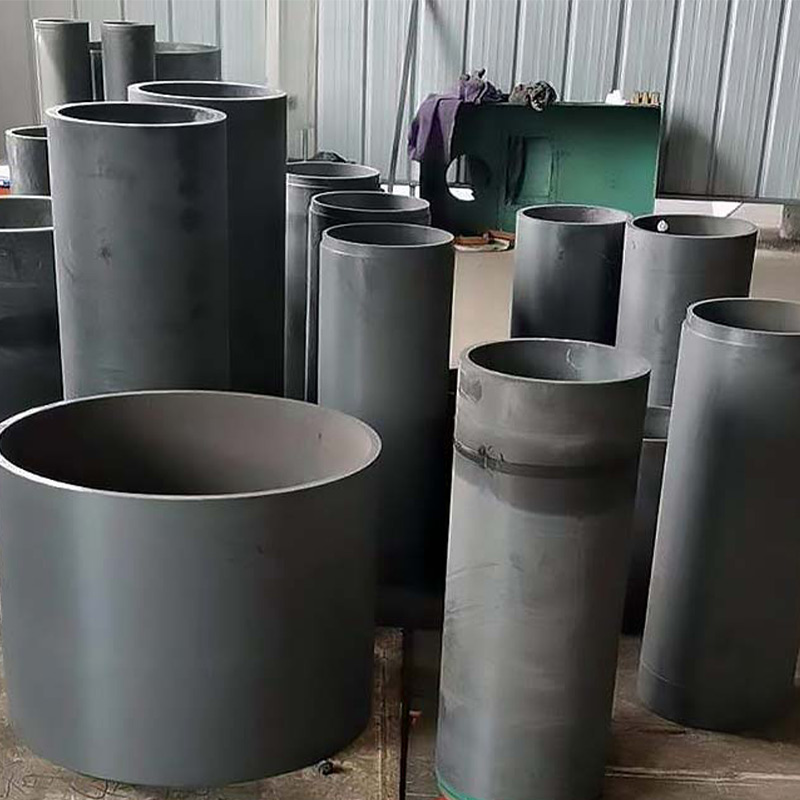
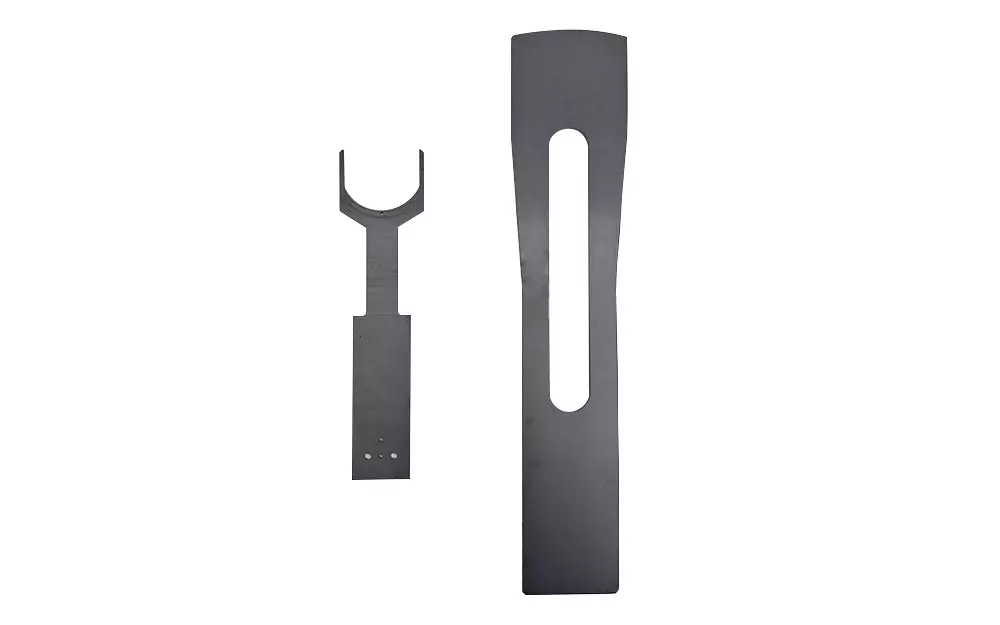
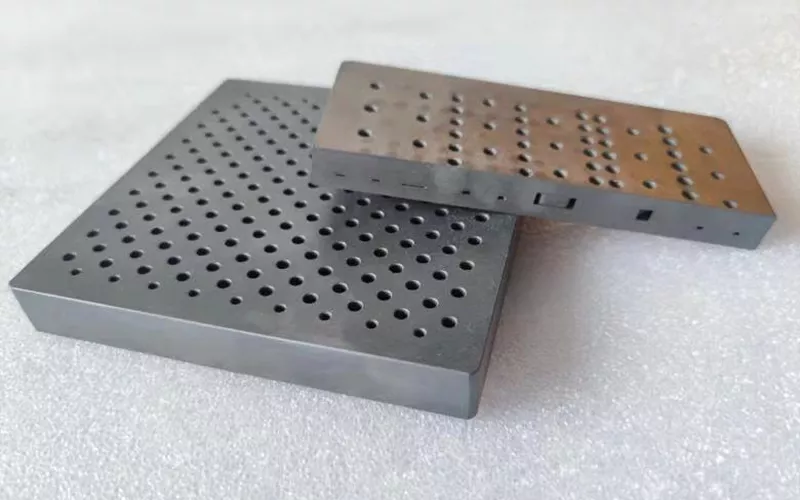
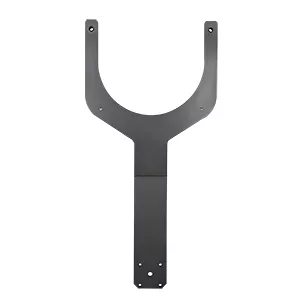
Featured Silicon Carbide Ceramic Components







Related Product Catalogue and Quotation




Silicon Carbide Ceramics Properties and Selection Guide for Demanding Parts
Evaluate wear, heat, corrosion, stability, and the part-specific details that turn a general material choice into a clear sourcing discussion.
Wear Exposure Assessment
Review abrasive media, sliding contact, pressure, and duty cycle to determine whether silicon carbide’s wear resistance aligns with the component’s actual service environment.
Thermal Service Conditions
Define operating temperature, thermal gradients, cycling, and heat-transfer needs before comparing grades, since thermal behavior depends on material route and component design.
Corrosion Environment Review
Identify process chemicals, concentrations, temperatures, and exposure duration so chemical resistance can be evaluated against the specific fluid, vapor, or contaminant involved.
Dimensional Interface Control
Provide assembly-critical dimensions, mating features, and tolerance expectations. Geometry and functional interfaces help establish whether the proposed ceramic part supports its intended fit.
Grade and Process Choice
Use the silicon carbide ceramics properties and selection guide alongside grade designation, density expectations, and process-route considerations rather than selecting by material name alone.
Drawing and Inspection Evidence
Send the current drawing revision, acceptance criteria, and required records. Clear inspection expectations help focus quotation discussions on the features that matter most.
Silicon Carbide Components for Industrial Requirements
Discuss component forms, material options, operating conditions, and documentation needs before defining a project-specific quotation.

Ceramic Manufacturing Capabilities
Discuss custom ceramic components in relation to the required part: forming route, machining needs, critical dimensions, mating surfaces, tolerances, inspection points, and quantity. Share the current drawing revision so manufacturing questions can be identified before quotation.
Discuss Your Ceramic Part
Ceramic Solutions by Industry
Explore advanced ceramics applications by industry through the actual operating requirement. Temperature, wear, corrosion, electrical behavior, thermal cycling, media exposure, and assembly interfaces help determine which component details require attention in a project discussion.
Discuss Your Ceramic Part
Advanced Ceramic Materials
Compare advanced ceramic materials including alumina, zirconia, silicon carbide, silicon nitride, aluminum nitride, boron nitride, and specialty families. Material selection should be reviewed alongside grade, geometry, service environment, and acceptance criteria for the specific component.
Discuss Your Ceramic Part
Technical Ceramic Products
Review technical ceramic components and industrial ceramic parts such as tubes, rods, rings, plates, substrates, nozzles, and replacement parts. Product illustrations indicate common forms; final dimensions, grade, machining, tolerances, documentation, delivery, and commercial terms require project-specific confirmation.
Discuss Your Ceramic Part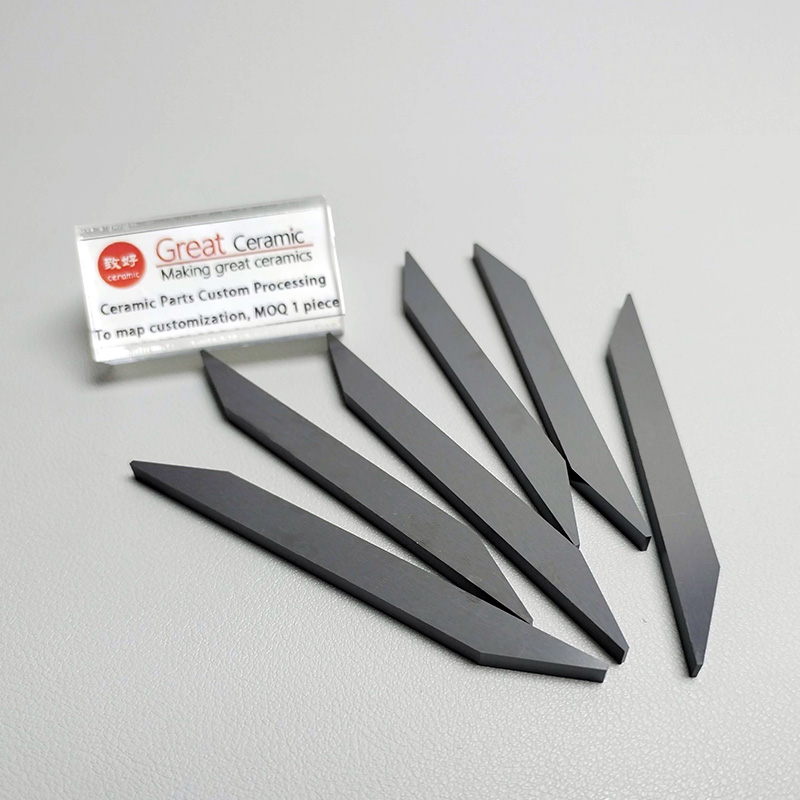
Technical Ceramic Resources
Use this technical ceramics guide category to prepare a clearer inquiry. Identify the drawing, material designation if known, quantity, operating conditions, critical fit surfaces, inspection requirements, and required documentation before contacting Porcecore by email or WhatsApp.
Discuss Your Ceramic PartSilicon Carbide Ceramics Properties and Selection Guide: Supported Materials


Alumina Ceramics
A widely specified oxide ceramic family for electrically insulating, wear-resistant, and general industrial components. Purity, density, tolerances, surface finish, and the electrical or mechanical duty of the finished part require project review.

Zirconia Ceramics
A tough oxide ceramic option considered for precision components, wear interfaces, and applications where resistance to mechanical loading matters. Grade, stabilization system, dimensional requirements, mating conditions, and quantity shape the selection discussion.

Silicon Nitride
A nitride ceramic family often evaluated for mechanically loaded parts and changing thermal conditions. Final suitability depends on the specified grade, component form, stress pattern, temperature cycle, fit-critical dimensions, and acceptance documentation.

Aluminum Nitride
A technical ceramic family considered where thermal management and electrical insulation must be assessed together. Substrate or component selection should account for heat path, mounting interfaces, geometry, finish, and any project-specific documentation needs.

Boron Nitride
A specialty ceramic family for applications requiring a distinct combination of thermal, electrical, and processing considerations. Discuss the operating atmosphere, contact materials, part form, dimensional limits, and required grade before requesting a quotation.
Silicon Carbide Ceramics Properties and Selection Guide: Process Discussions
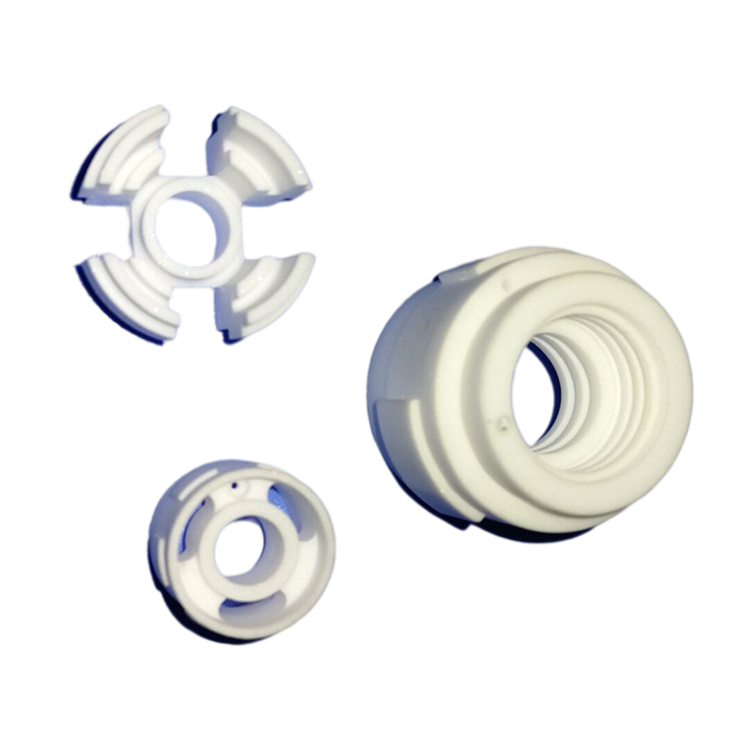
Powder Preparation
Material grade, powder condition, and target component requirements are reviewed early to frame a practical forming discussion. Final material selection and process suitability remain subject to the specific project details.
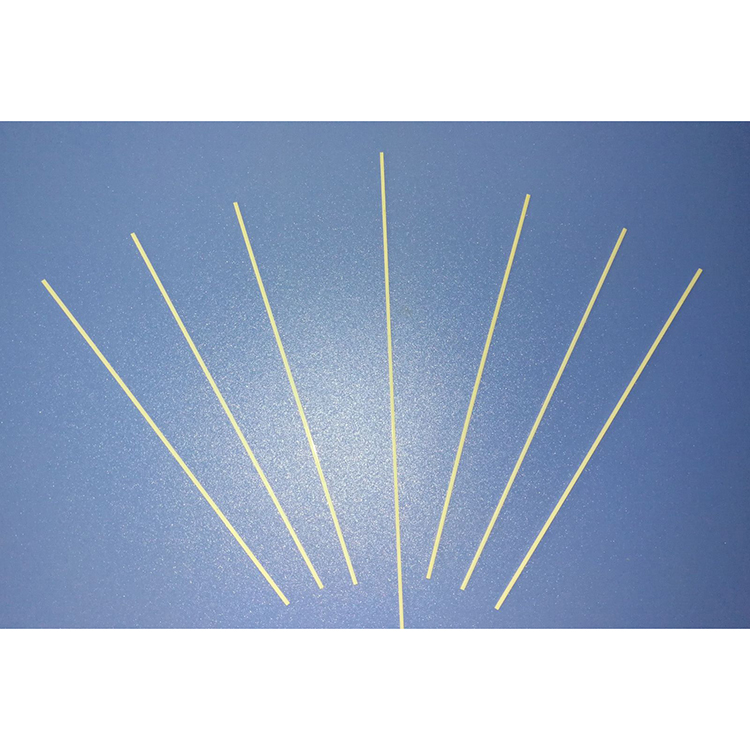
Component Forming
Forming discussions connect the required tube, ring, plate, rod, or custom geometry to its intended shape and critical features. Share the current drawing revision and identify dimensions that control assembly.

Controlled Sintering
The firing route is considered alongside material designation, geometry, and service conditions because these factors can affect the finished ceramic body. Grade and production details require confirmation for each quotation inquiry.

Precision Machining
Grinding and finishing discussions focus on mating surfaces, critical dimensions, and the surfaces that influence fit or function. Indicate tolerance, surface expectations, and any feature that needs project-specific review.
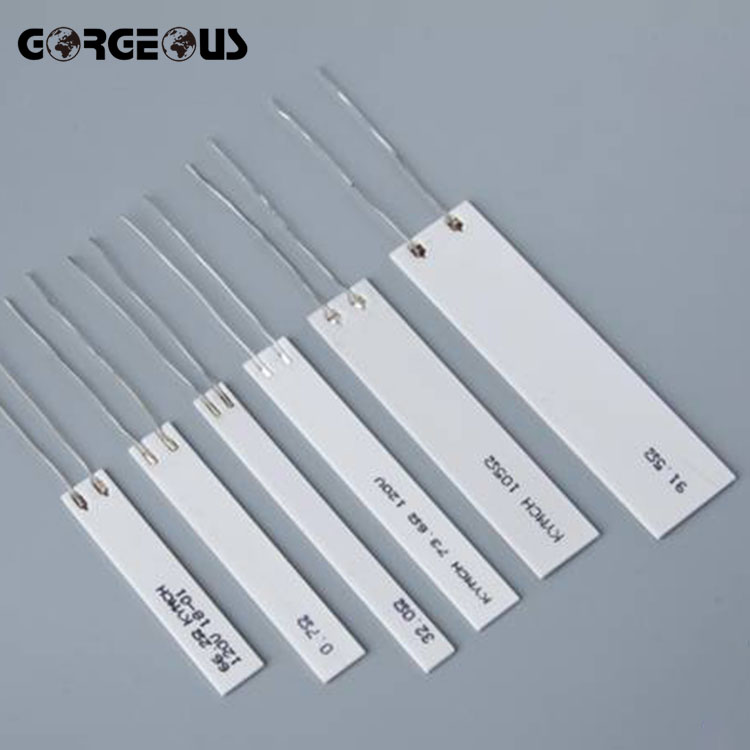
Inspection Planning
Acceptance criteria, measurement expectations, and requested documentation should be defined before commitment. A clear inspection discussion helps align the drawing, critical characteristics, quantity, and approval needs for the intended ceramic part.
Silicon Carbide Ceramics Properties and Selection Guide: Supported Part Features
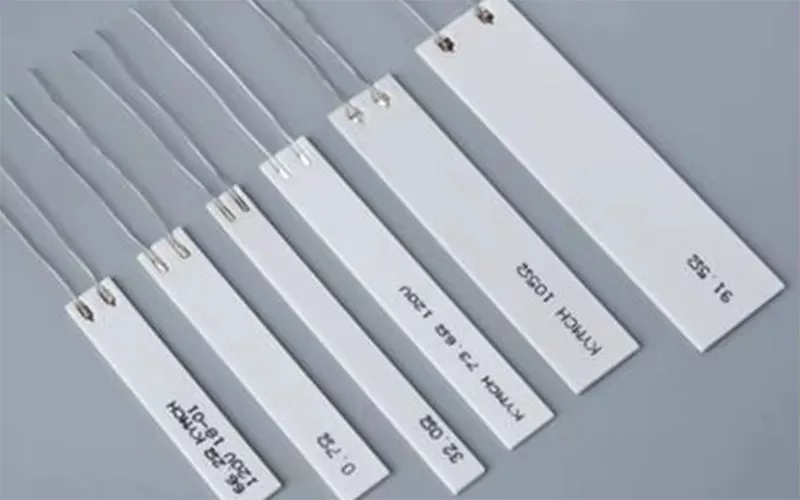
Mating Surface Details
Identify surfaces that seal, slide, locate, or connect with another part. Include flatness, parallelism, surface finish, and contact-area expectations so the component can be reviewed in its assembly context.

Critical Dimension Tolerances
Mark dimensions that govern fit, alignment, clearance, or performance. A current drawing revision helps distinguish essential tolerances from reference dimensions and gives the quotation discussion a practical technical basis.
Edge And Feature Geometry
Specify holes, grooves, radii, chamfers, threads, slots, and other functional features. Their location, geometry, and relationship to datum surfaces should be considered alongside the selected silicon carbide ceramic grade.

Inspection Requirements
State the measurements, visual criteria, surface checks, and documentation needed for approval. Clear acceptance criteria help align the requested component with the inspection expectations of procurement and engineering teams.

Service Condition Notes
Share operating temperature, media exposure, loading, electrical needs, and expected duty cycle where known. These inputs support a more relevant conversation about silicon carbide ceramics properties and selection guide considerations.
Technical Ceramic Components, Defined by the Part
Founded by Andy Yuan, Porcecore helps industrial buyers, equipment builders, and distributors make technical ceramic sourcing more understandable. Our mission is to connect a material choice with the part requirement, so the discussion starts with the job a component must perform rather than a material name alone.
Across oxide, nitride, carbide, and specialty ceramic families, Porcecore supports conversations around familiar forms such as tubes, rods, rings, and substrates. Silicon carbide ceramics properties and selection guide decisions become more useful when service conditions, geometry, mating surfaces, and inspection expectations are considered together.
Our application-first, drawing-led approach brings open questions into view before commitment. Send the current drawing revision, known material designation, quantity, operating environment, critical assembly dimensions, and acceptance needs. This gives a quotation discussion a clearer basis for confirming project-specific grade, tolerances, documentation, delivery, and commercial terms.

Silicon Carbide Ceramics Properties and Selection Guide for Clearer Sourcing
Read the Part Requirement
Porcecore starts with the component rather than a material label alone. A current drawing, assembly-critical dimensions, mating surfaces, and service environment help frame the silicon carbide ceramics properties and selection guide around the actual sourcing decision.
- Review the current drawing revision
- Identify assembly-critical dimensions and surfaces
- Capture temperature, media, load, and wear conditions
- Separate required details from preferences

Clarify Grade Questions
Silicon carbide is a material family, not a complete part specification. Grade designation, forming route, geometry, and finishing needs should be discussed together so buyers can evaluate whether the proposed material direction suits the intended component and operating conditions.
- Confirm the material designation if known
- Discuss grade-specific questions before commitment
- Relate geometry to feasible processing needs
- Flag open technical decisions early

Define Acceptance Expectations
Inspection expectations belong in the inquiry from the beginning. Porcecore helps structure the details that affect quotation discussions, including tolerances, critical surfaces, requested documentation, and the criteria used to assess the finished ceramic component.
- Mark tolerances that affect assembly
- Identify surfaces requiring special attention
- State requested inspection or documentation
- Align acceptance criteria with the drawing

Structure the Next Decision
A well-prepared inquiry gives procurement and engineering teams a practical next step. Send the drawing, quantity, service conditions, and acceptance requirements to create a concrete basis for discussing material, manufacturing, documentation, delivery, and commercial terms.
- Provide the expected quantity
- Describe the operating environment
- Include documentation needs for approval
- Email info@zlrsmaterials.com or WhatsApp +86 130 6482 5920

Silicon Carbide Ceramics Properties and Selection Guide: Drawing-Led Sourcing
Compare a requirement-led discussion with material-only sourcing before committing to a ceramic part.
← Swipe left or right to view →
Silicon Carbide Ceramics Properties and Selection Guide: From Inquiry to Shipment
A practical workflow that connects your component requirement, material discussion, inspection expectations, and delivery planning before production commitments are confirmed.
Review Part Requirements
Share the current drawing revision, component form, quantity, operating environment, mating surfaces, critical dimensions, and any known silicon carbide material designation.
Clarify Material And Process
Review silicon carbide ceramics properties and selection guide considerations alongside geometry, service conditions, feasible forming or finishing routes, and project-specific grade requirements.
Confirm Specification Details
Define tolerances, surface conditions, inspection points, documentation needs, acceptance criteria, and any open questions that affect quotation or production planning.
Align Production Expectations
Confirm the agreed part scope, commercial terms, material grade, geometry, quality requirements, and delivery considerations before an individual production order proceeds.
Plan Packing And Shipment
Coordinate suitable packing, handling considerations, documentation, destination details, and shipment planning for the confirmed ceramic component order without assuming fixed lead times.
How to Work With Porcecore on a Ceramic Part
Turn silicon carbide ceramics properties and selection guide research into a drawing-led inquiry with defined technical and commercial questions.
Send Your Current Drawing
Share the current revision, part form, target quantity, and any replacement-part context so the discussion begins with the component, not a material name alone.
Define Service Conditions
Identify the material designation if known, operating temperature, media, loads, mating surfaces, electrical needs, and dimensions that determine assembly performance.
Clarify Acceptance Requirements
Specify critical tolerances, inspection expectations, documentation needs, and approval criteria. Porcecore helps distinguish essential requirements from preferences before quotation discussions progress.
Review Open Questions
Review grade, geometry, finishing, delivery, and commercial questions together. Project-specific details require confirmation before an inquiry becomes an agreed production order.
Silicon Carbide Ceramics Properties and Selection Guide: Documentation Requirements

Silicon Carbide Ceramics Properties and Selection Guide: Project Discussion Examples
Illustrative sourcing scenario, not a published customer testimonial: supplying the drawing revision, three critical dimensions, and acceptance criteria gave the quotation discussion a clearer basis and reduced follow-up questions before material selection.
Illustrative sourcing scenario, not a published customer testimonial: documenting the service temperature, mating surfaces, and required quantity helped the engineering review focus on the component requirement rather than a material name alone.
Illustrative sourcing scenario, not a published customer testimonial: identifying two assembly-critical interfaces and the inspection expectation early made it easier to separate essential tolerances from preferences for a replacement ceramic part inquiry.
Silicon Carbide Ceramics Properties and Selection Guide FAQ
Practical answers for defining a silicon carbide component requirement before requesting a project-specific quotation.
How does this silicon carbide ceramics properties and selection guide help us choose a grade?
What should we send with a silicon carbide ceramics properties and selection guide inquiry?
Can silicon carbide ceramics properties and selection guide information replace a part drawing?
Which tolerances and surfaces should be identified for a silicon carbide part?
Can Porcecore support prototype, sample, and production quantity discussions?
What inspection evidence should we request for a ceramic component?
How should packaging and shipping requirements be communicated?
How can we protect drawings and clarify payment or quotation inputs?
Silicon Carbide Ceramics Properties and Selection Guide for Buyers
A practical decision framework for matching SiC grades to operating conditions, evaluating supplier capability and documentation, comparing total-cost drivers, and avoiding specification mistakes that cause premature component failure.
1. Silicon Carbide Ceramics Properties and Selection Guide Overview
1. This silicon carbide ceramics properties and selection guide starts with the component’s duty, not a material label. Selection should link continuous and peak service temperature, process media, mechanical load, abrasive wear, and thermal-cycling exposure to the actual failure risk.
2. Geometry is a material requirement as well as a drawing requirement. Wall thickness, section transitions, mating surfaces, allowable tolerances, and finish can affect manufacturability, stress concentration, sealing, and inspection planning.
3. Electrical requirements must be stated early, including whether insulation, controlled conductivity, or heat dissipation is needed. Published property values are screening data: grade, forming and sintering route, density, microstructure, specimen orientation, and test method can change the result, so project acceptance criteria require confirmation for the specified part.
2. Evolution of Silicon Carbide Engineering Ceramics
1891 marks Edward G. Acheson’s commercial synthesis of silicon carbide, after which abrasive grains and refractory furnace products established its industrial role. For buyers, that legacy explains why early specifications often focused on grit, kiln service, and heat resistance rather than finished-part tolerances.
1970s onward, finer and cleaner powders, controlled sintering, and reaction bonding made denser or more deliberately porous bodies practical. These routes expanded procurement from simple refractory shapes to seals, nozzles, wear parts, heat-transfer components, and chemical-process hardware; route and residual phases must therefore be requested, not assumed.
Today, precision diamond grinding and inspection enable tubes, rings, plates, substrates, and mating surfaces for thermal management, semiconductor equipment, and energy systems. The silicon carbide ceramics properties and selection guide should begin with the operating job, then confirm powder grade, forming route, machining datum surfaces, and acceptance criteria against the current drawing. Source: https://www.preciseceramic.com/blog/choosing-between-silicon-carbide-and-silicon-nitride.html
3. Silicon Carbide Ceramics Properties and Selection Guide Types
Four commercial routes create different phases, pore structures, and service limits. In a silicon carbide ceramics properties and selection guide, treat the route as a drawing and operating-condition decision, not a generic material label. Source: https://www.preciseceramic.com/blog/pressureless-sintered-silicon-carbide-properties.html
| Family | Structure Tendency | Representative Use | Key Limitation |
|---|---|---|---|
| Reaction-bonded | SiC plus free silicon | Complex wear parts | Free-silicon sensitivity |
| Pressureless sintered | Dense SiC | Seals and pumps | Machining cost |
| Recrystallized | Open porous SiC | Kiln furniture | Lower ambient strength |
| Nitride-bonded | SiC with nitride bond | Kiln furniture | Porosity and oxidation |
Reaction-Bonded SiC
Reaction-bonded SiC infiltrates a porous preform with silicon, producing near-net complex parts.
Residual free silicon can limit corrosive or very-high-temperature duty; verify phase requirements.
Pressureless Sintered SiC
Pressureless sintered SiC uses fine powder and sintering additives to form a dense body.
Dense microstructures suit seals and chemical-process wear parts, but precision grinding adds cost.
Recrystallized SiC
Recrystallized SiC forms SiC grain bridges and commonly retains open porosity.
High purity favors furnace furniture; porosity and lower room-temperature strength require service review.
Nitride-Bonded SiC
Nitride-bonded SiC joins SiC grains through a silicon-nitride bond phase.
Kiln furniture is representative; assess porosity, oxidation exposure, and thermal cycling before approval.
4. Silicon Carbide Ceramics Properties and Selection Guide Criteria
Silicon carbide ceramics properties and selection guide decisions should start with the expected failure mode, not a generic data sheet. Grade, microstructure, porosity, and test conditions can change the relevant value.
| Failure Mode | Priority Properties | Required Evidence |
|---|---|---|
| Abrasion | Hardness; wear resistance | Test method; counterface; load |
| Mechanical loading | Flexural strength; toughness | Standard; specimen geometry |
| Thermal cycling | Conductivity; expansion; shock | Temperature range; cycle profile |
| Contamination or current | Purity; resistivity; stability | Measurement method; conditions |
Match Properties To Failure
Wear-driven parts prioritize hardness and abrasion data; loaded parts require flexural strength and fracture toughness. Rapid cycling elevates thermal conductivity, thermal expansion, and thermal-shock behavior.
Define The Service Medium
Chemical service requires corrosion results for the actual fluid, concentration, temperature, pressure, and exposure duration. Electrical designs must state resistivity range, test direction, voltage, and temperature.
Request Comparable Evidence
Purchase requirements should name the grade, purity basis, density, dimensional stability limits, and applicable test standard. Ask suppliers to report specimen orientation, conditioning, sample count, and acceptance criteria with each value.
5. Material Selection by Application Environment
Silicon carbide ceramics properties and selection guide decisions begin with the service medium, temperature change, heat path, and failure consequence. Confirm the grade and component geometry against the actual duty cycle.
| Environment | SiC Consideration | Relevant Tradeoff |
|---|---|---|
| Slurry seals and nozzles | Wear and corrosion resistance | Brittle under impact |
| Kilns and furnaces | Thermal shock and temperature service | Grade and atmosphere matter |
| Heat exchangers | Conductive heat path | Joint compatibility required |
| Semiconductor equipment | Purity and electrical behavior | Process-specific qualification |
| Power thermal parts | Heat dissipation | Alumina insulates better |
Fluid And Abrasive Service
Mechanical seals, pump and valve parts, and nozzles favor dense SiC when abrasive slurry, corrosive media, or rubbing wear govern. Specify mating material, pressure, thermal cycling, and edge condition; ceramic brittleness makes impact loading a separate design check.
High Temperature Assemblies
Kiln furniture, furnace components, and heat exchangers require a grade review for atmosphere, porosity, joint design, and thermal gradients. SiC conducts heat well, whereas graphite may oxidize and metals can lose temperature margin; verify the complete assembly.
Electronic Process Hardware
Semiconductor equipment and power-electronics thermal parts need electrical behavior, contamination limits, flatness, and heat-transfer interfaces defined together. Alumina is often selected for electrical insulation; silicon nitride can better tolerate mechanical shock, while SiC emphasizes conductivity and wear resistance.
6. Geometry, Finishing, and Customization Requirements
A 3D shape can determine feasibility as much as the selected SiC grade. Define the function of each surface before requesting tolerances, finishes, coatings, or an assembled part.
Geometry And Wall Sections
Thin walls, deep blind holes, sharp internal corners, and abrupt section changes raise forming and sintering risk. Specify minimum wall sections, hole diameters, joints, and unsupported spans on the drawing.
Machined Features And Finishes
Diamond grinding after sintering is commonly needed for precision bores, faces, flatness, parallelism, threads, and sealing surfaces. Each setup, datum change, tight tolerance, and edge-break requirement can add cost and lead time.
Submission And Acceptance Package
One current drawing revision should identify critical-to-quality dimensions, datums, material designation, quantity, and inspection method. Provide mating-part details, approved samples where available, surface-finish targets, coating requirements, and acceptance criteria before quotation.
- Identify fit and seal surfaces.
- State allowable chips and edge treatment.
- Request required inspection records.
7. Construction Quality and Verification Controls
A dependable SiC component is controlled from powder receipt through final release, not inferred from a catalog property. The inspection plan should follow the part’s actual failure consequences and acceptance criteria.
Powder And Process Control
Incoming powder lots require identity, particle-size, purity, and additive checks against the approved material designation. Forming records and sintering profiles should be retained because variation can alter shrinkage, density, and phase balance.
Structure And Density Checks
Density and porosity verification should match the specified grade and service risk. Microstructure review can identify abnormal grain growth, residual silicon or other incompatible phases, and pores that may create leakage paths.
Part Release And Traceability
Final inspection should target drawing-critical dimensions, mating surfaces, warpage, chips, and cracks. Where internal defects or leak-tightness matter, use appropriate non-destructive or pressure testing and link results to the lot, drawing revision, and shipment.
8. How to Choose a Silicon Carbide Manufacturer
Two suppliers can quote the same drawing yet use different grades, forming routes, and inspection controls. For the silicon carbide ceramics properties and selection guide, evaluate the production system behind the stated material name.
Match Grade To Service
First, request examples of comparable grade, geometry, temperature, media, and load cases. Confirm whether the supplier understands reaction-bonded, pressureless-sintered, or recrystallized SiC limits before design release.
Audit Manufacturing Controls
Three linked capabilities matter: forming and sintering capacity, diamond machining of critical surfaces, and calibrated metrology. Ask for material data, current drawing revision, dimensional inspection report, lot identification, and certificates when contractually required.
Validate Before Production
One representative sample or first-article lot should verify fit, surface condition, and agreed acceptance criteria. Require written change control for powder, grade, process, drawing, or inspection changes; lead time should include tooling, firing, machining, inspection, and shipment planning.
9. Common Silicon Carbide Buying Mistakes
Two release checks prevent expensive mismatches: match the material to the duty cycle, then match supplier scope to the drawing. This silicon carbide ceramics properties and selection guide treats grade-specific evidence as a purchase requirement.
Properties And Chemistry
One hardness value does not predict seal, wear, or thermal performance. Correct it by naming the grade and load; ask: Which grade property is relevant to this failure mode?
Generic datasheets are reference data, not guarantees. Confirm the actual chemical medium, concentration, temperature, and exposure time; ask: What compatibility evidence applies to our service?
Heat And Tolerances
One thermal-gradient omission can invalidate an otherwise suitable material choice. Define ramp rate, hot and cold zones, and restraint; ask: What gradient will this part experience in service?
Micron-level tolerances can be impractical on large or fragile geometry. Identify assembly-critical surfaces and accept functional alternatives; ask: Which dimensions truly control fit?
Verification And Scope
One undefined test condition makes a reported result difficult to compare. State method, sample orientation, temperature, and acceptance limit; ask: How will conformance be tested?
Two quotations are not comparable without matched grade, machining, inspection, documentation, and quantity scope. Validate a prototype before release; ask: What must the first article prove?
10. Silicon Carbide Ceramic Pricing and Cost Drivers
3 order bands clarify the main cost pattern: unit cost falls as setup, programming, and qualification work are spread across more acceptable parts. Grade, blank size, geometry, diamond machining, tolerance limits, surface finish, and required test records can each change the total quoted cost.
1 current drawing revision should accompany every quotation request, together with quantity, service conditions, mating surfaces, and acceptance criteria. For the silicon carbide ceramics properties and selection guide, treat the table as a planning framework; confirm grade-specific capability, documentation, delivery, and commercial terms for the individual project.
| Order stage | Unit-cost pattern | Setup or tooling allocation | Inspection scope | Typical lead-time drivers |
|---|---|---|---|---|
| Prototype | Highest | Allocated to few parts | First-article dimensions; agreed critical checks | Material availability, programming, fixture design, machining queue |
| Low volume | Moderate | Spread across small batch | Sampling plus critical dimensions | Blank production, grinding time, report requirements |
| Production volume | Lowest potential | Spread across larger release | Defined sampling plan; traceability as agreed | Capacity reservation, repeat fixtures, batch scheduling |
Discuss Your Silicon Carbide Ceramic Part
Email your drawing, operating environment, and acceptance requirements to begin a focused discussion on grade, geometry, and quotation details.